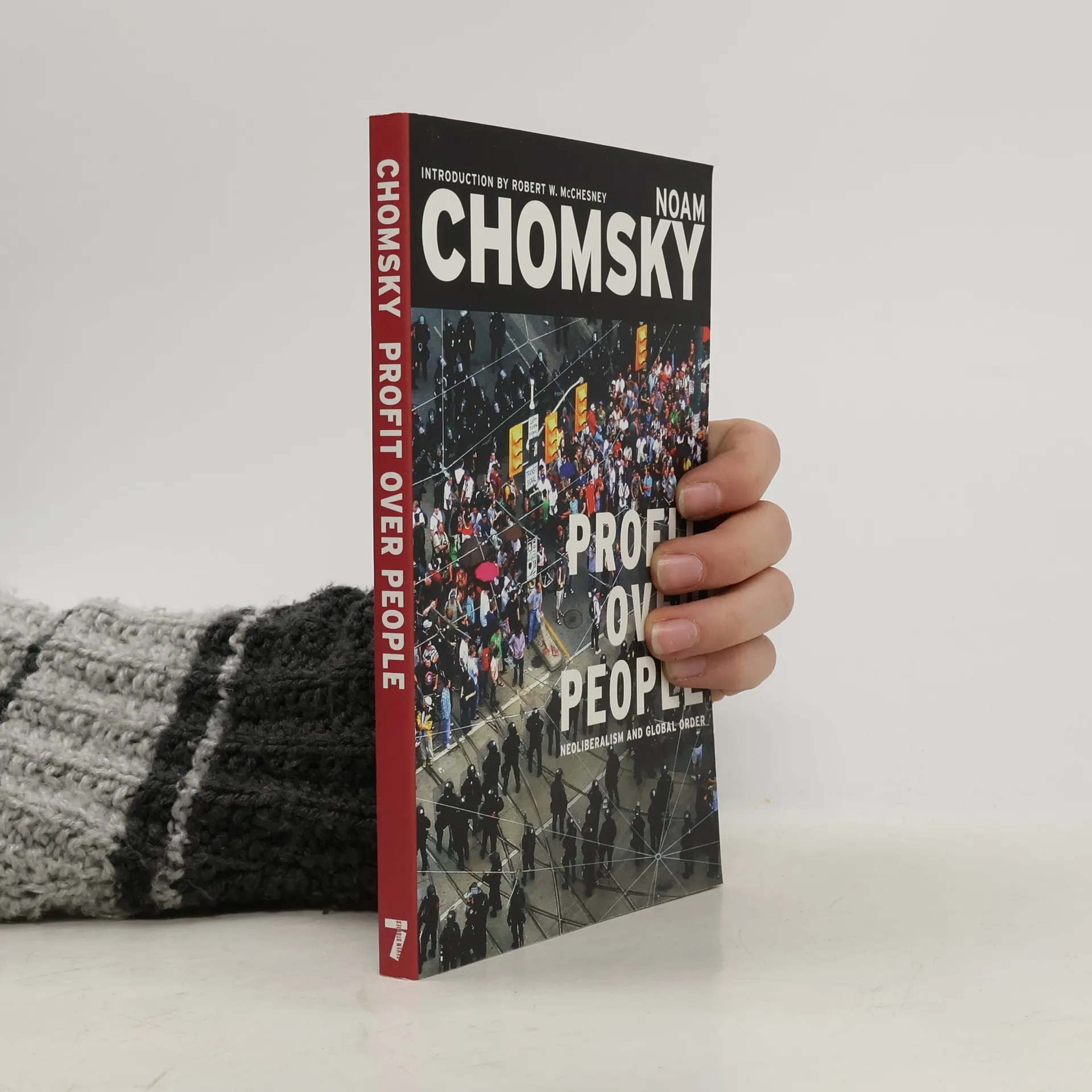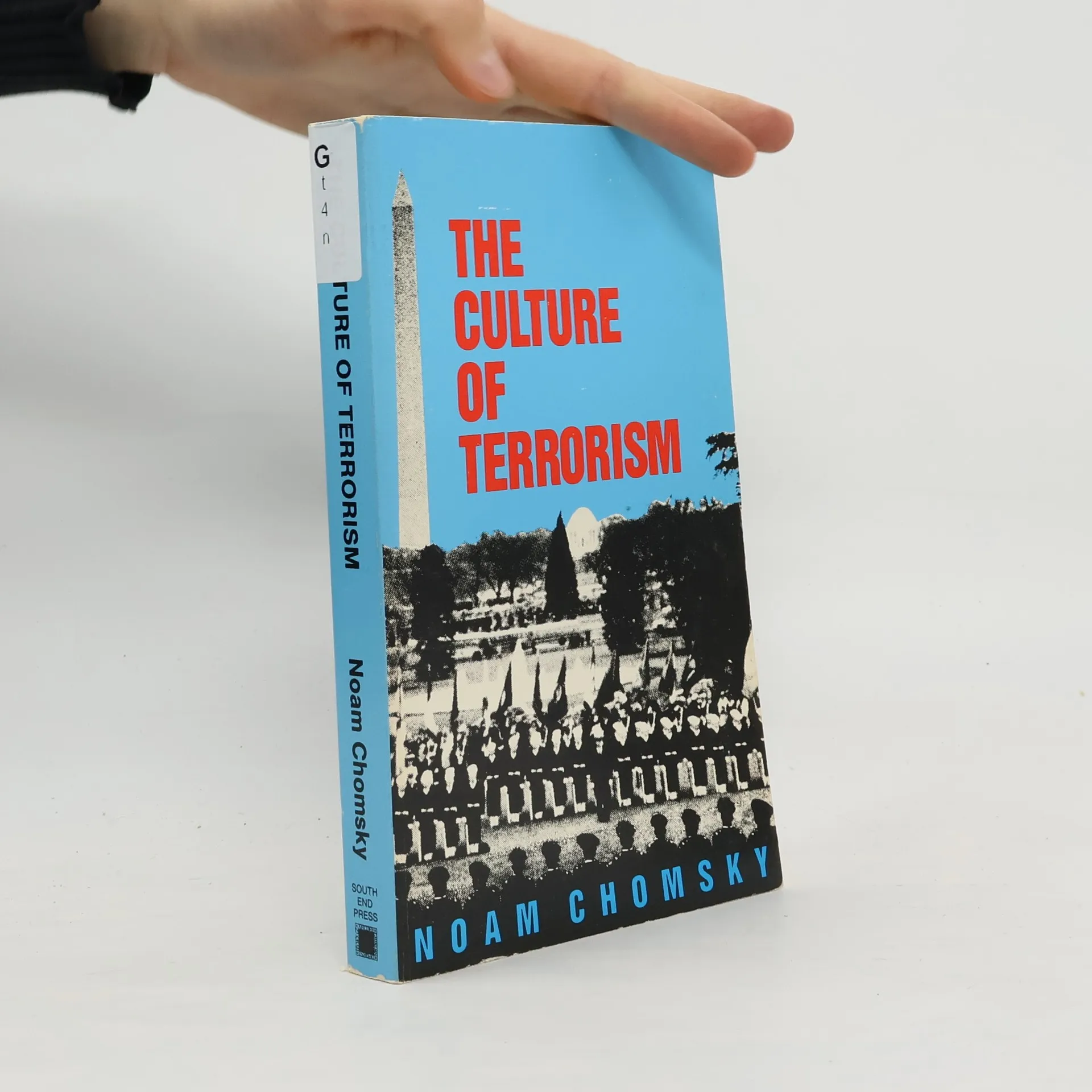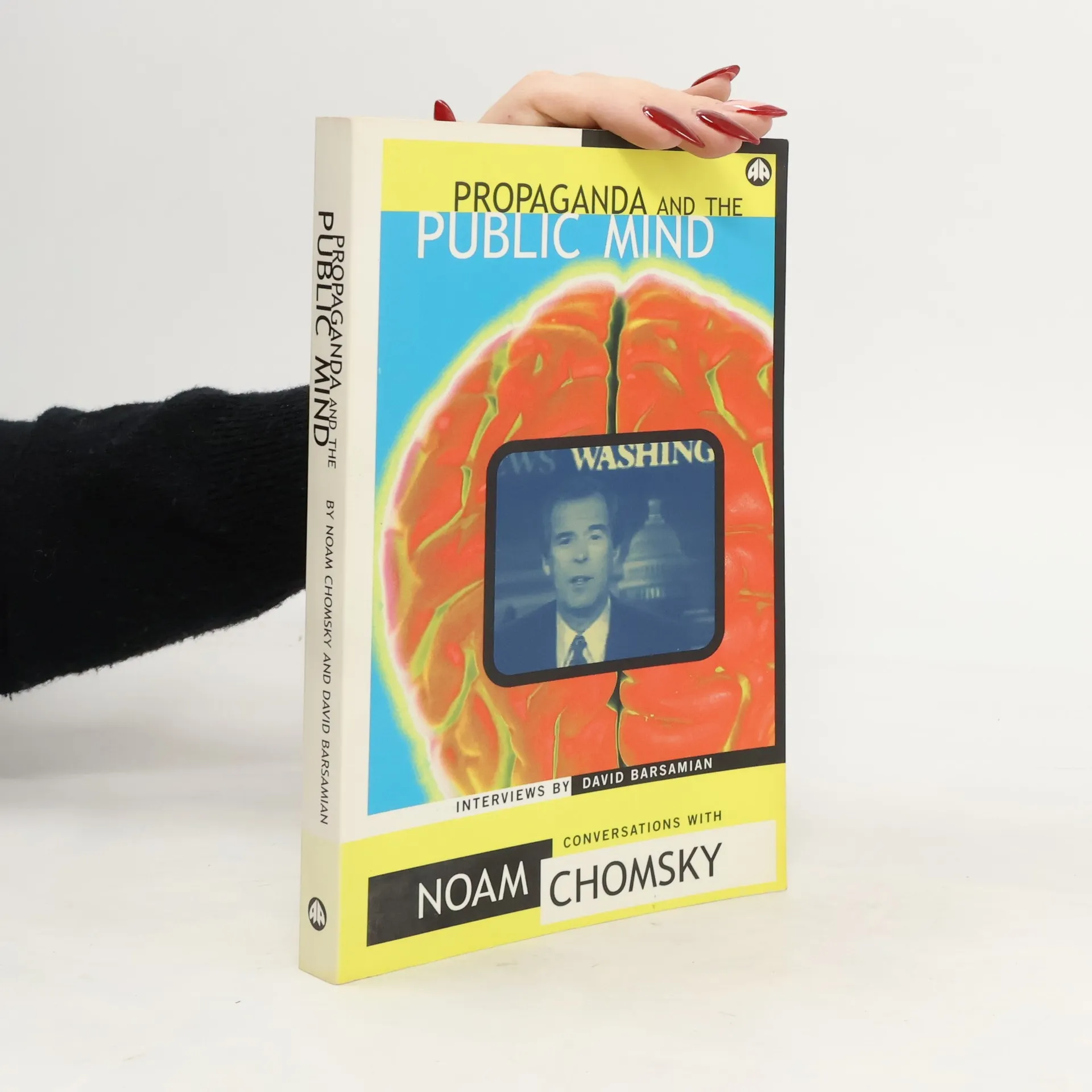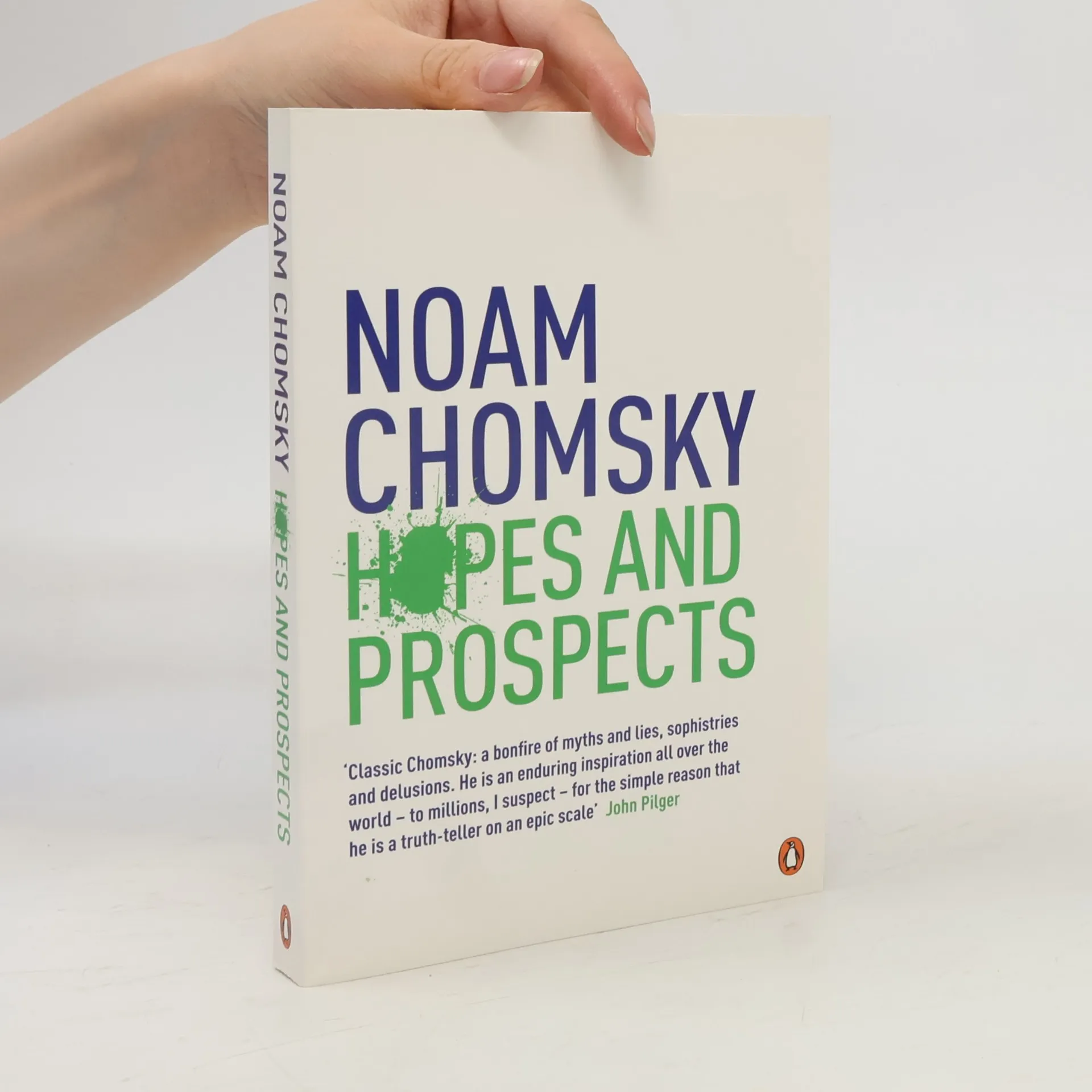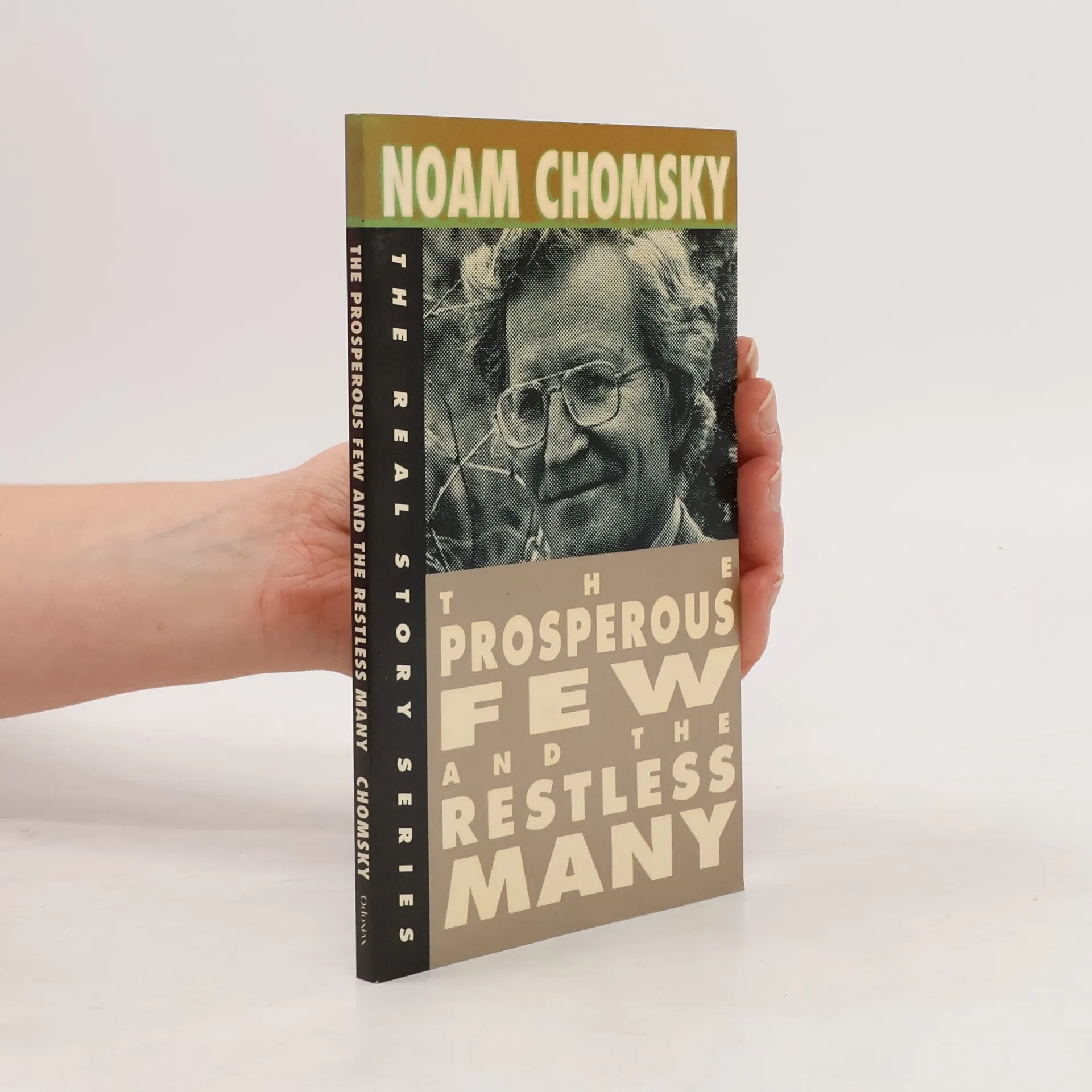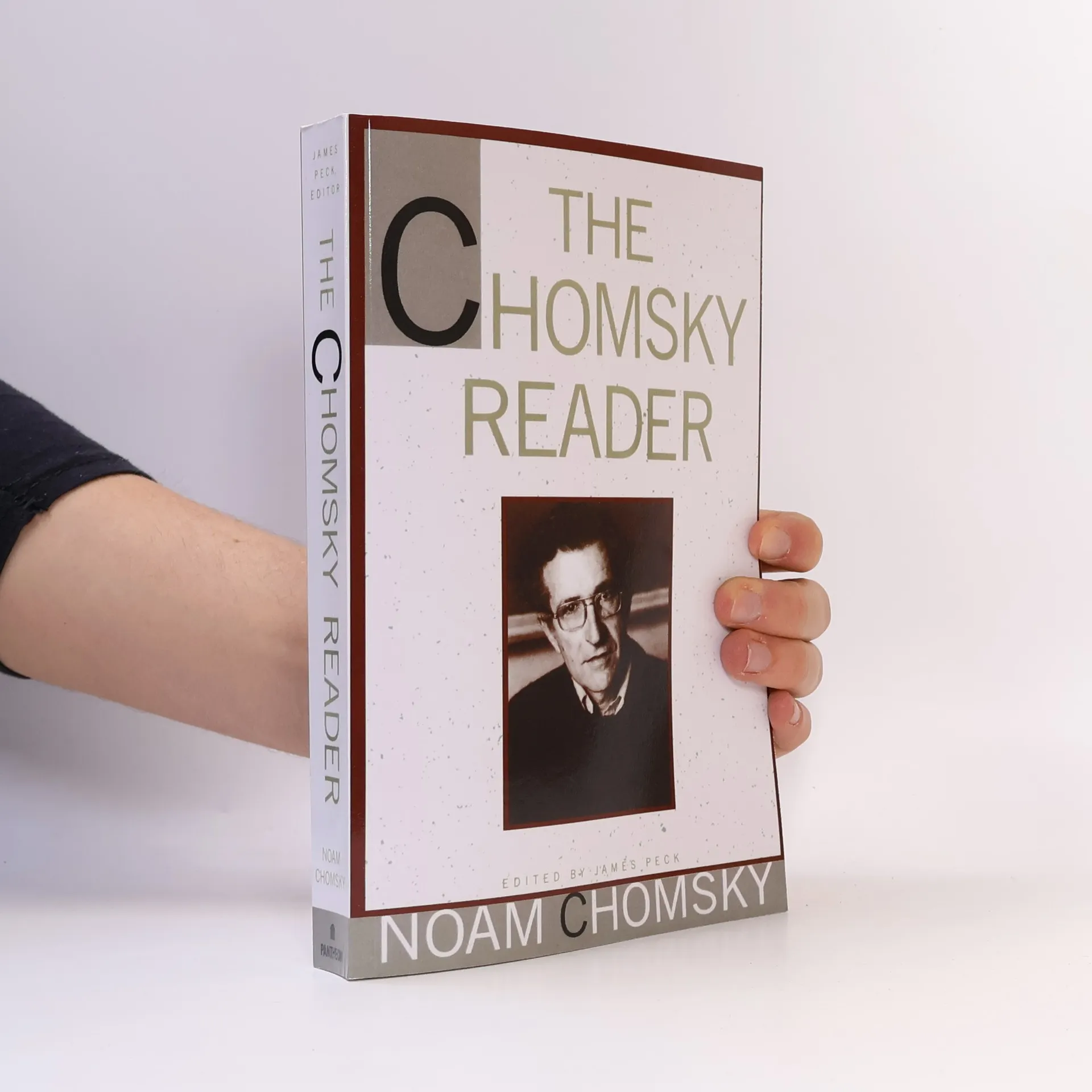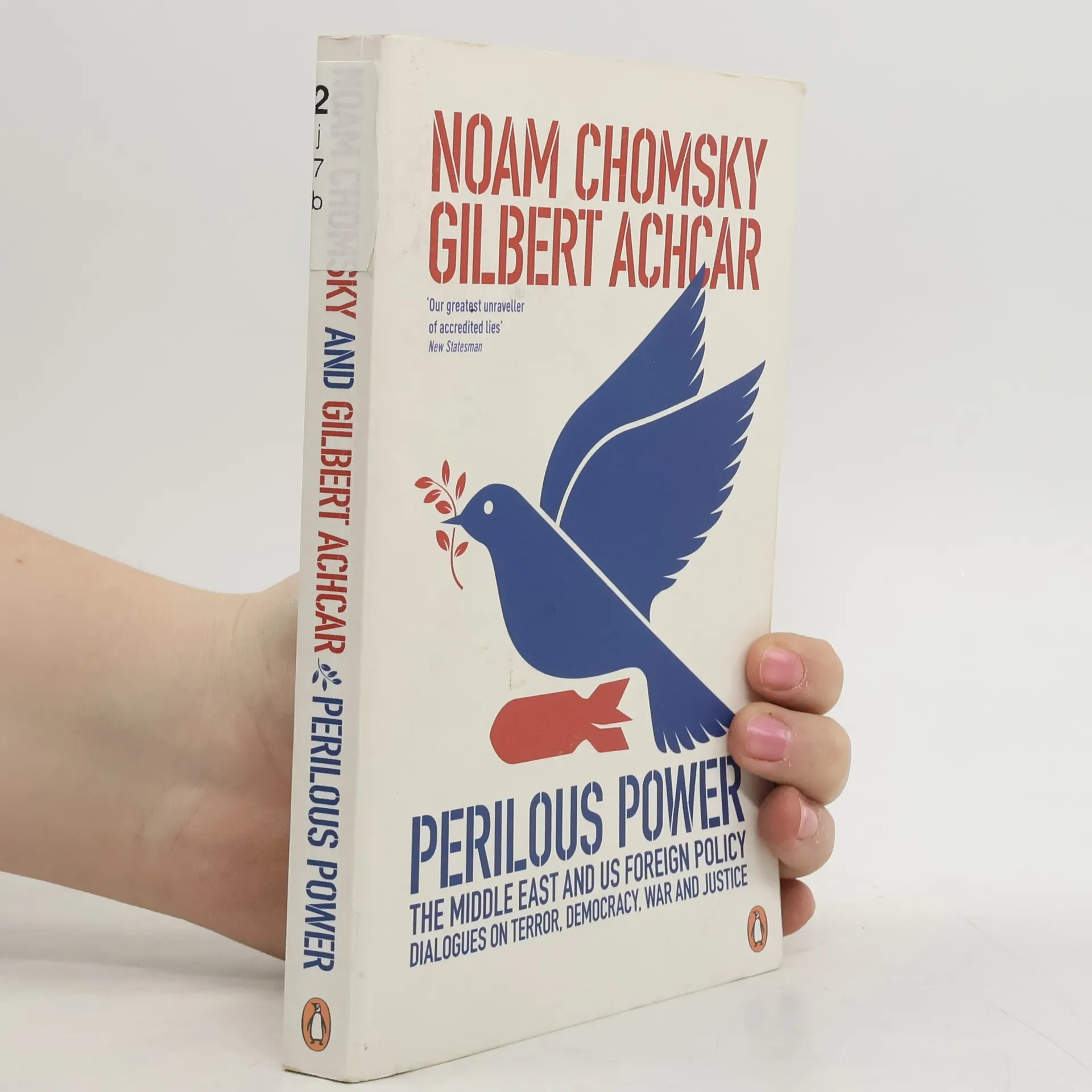
Explore the latest books of this year!
Bookbot

Noam Chomsky

    December 7, 1928

    Avram Noam Chomsky is a seminal figure in linguistics and philosophy, credited with revolutionizing the field through his theory of generative grammar. His work also spurred the cognitive revolution in psychology and profoundly influenced the philosophy of language and mind with his naturalistic approach. Beyond his academic contributions, Chomsky has become widely recognized for his political activism and incisive critiques of governmental foreign policies, establishing him as one of the most cited scholars.

    Noam Chomsky
    The Minimalist Program
    Notes on Resistance
    Taming The Rascal Multitude
    Chomsky for Activists
    Consequences of Capitalism : manufacturing discontent and resistance
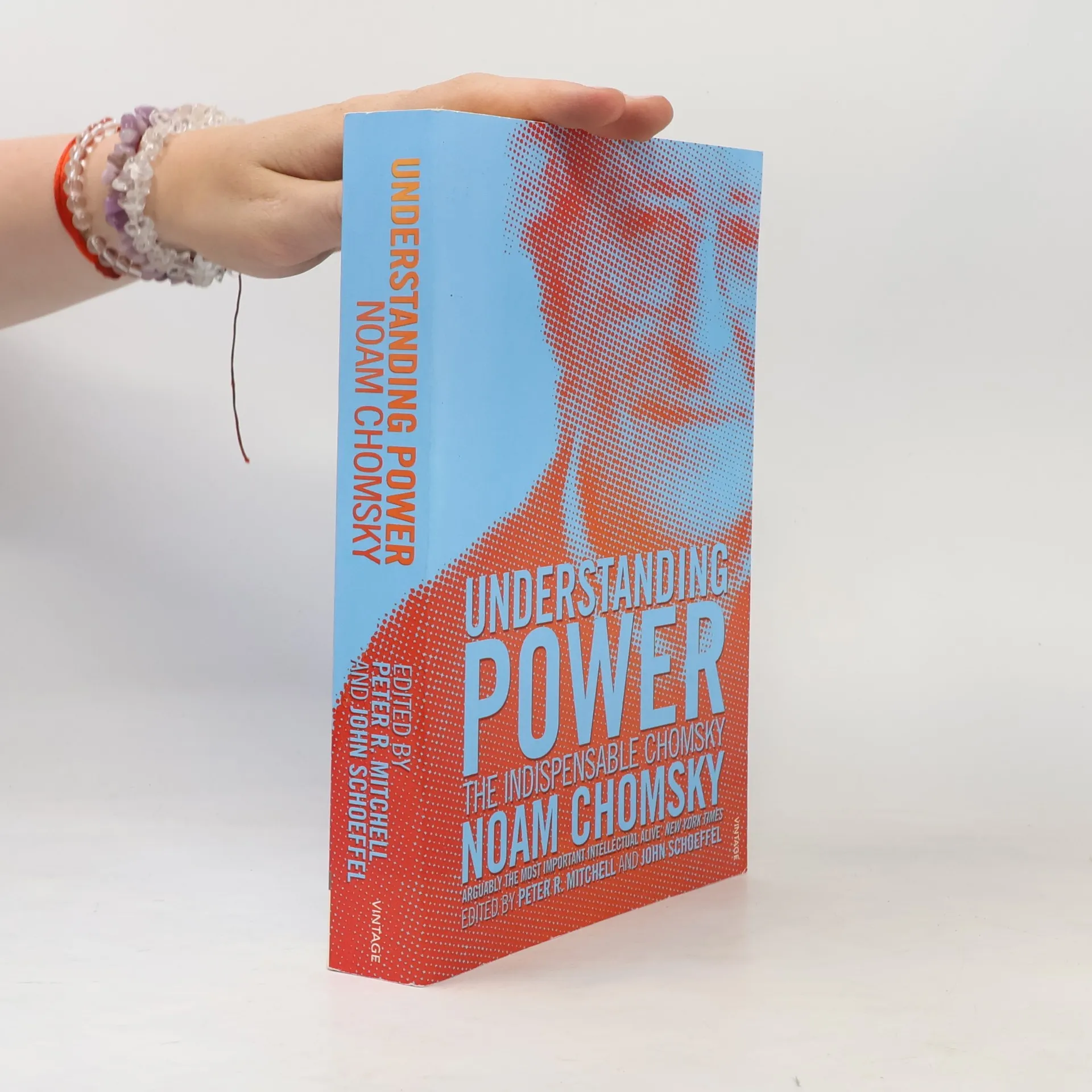
    Understanding Power
    • Understanding Power

      • 432 pages
      • 16 hours of reading
      4.4(8228)Add rating

      An indispensable collection of lectures on the politic of power from the world's leading philosopher, linguist and critic, and author of the bestselling Who Rules the WorldNoam Chomsky is universally accepted as one of the pre-eminent public intellectuals of the modern era. schovat popis

      Understanding Power
    • An essential primer on capitalism, politics and how the world works, based on the hugely popular undergraduate lecture series 'What is Politics?' Is there an alternative to capitalism? In this landmark text Chomsky and Waterstone chart a critical map for a more just and sustainable society. 'Covid-19 has revealed glaring failures and monstrous brutalities in the current capitalist system. It represents both a crisis and an opportunity. Everything depends on the actions that people take into their own hands.' How does politics shape our world, our lives and our perceptions? How much of 'common sense' is actually driven by the ruling classes' needs and interests? And how are we to challenge the capitalist structures that now threaten all life on the planet? Consequences of Capitalism exposes the deep, often unseen connections between neoliberal 'common sense' and structural power. In making these linkages, we see how the current hegemony keeps social justice movements divided and marginalized. And, most importantly, we see how we can fight to overcome these divisions.

      Consequences of Capitalism : manufacturing discontent and resistance
    • Those who regard him as a "doom and gloom" critic will find an unexpected Chomsky in these pages. Here the world-renowned author speaks for the first time in depth about his career in activism, and his views and tactics. Chomsky offers new and intimate details about his life-long experience as an activist, revealing him as a critic with deep convictions and many surprising insights about movement strategies. The book points to new directions for activists today, including how the crises of the Coronavirus and the economic meltdown are exploding in the critical 2020 US presidential election year. Readers will find hope and new pathways toward a sustainable, democratic world.

      Chomsky for Activists
    • Taming The Rascal Multitude

      • 448 pages
      • 16 hours of reading
      4.3(21)Add rating

      Taming the Rascal Multitude is a judicious selection of essays and interviews from Z Magazine from 1997 to 2014. In each, Chomsky takes up some question of the moment. The essays provide an historical overview of the history that preceded Trump and the reaction to Trump. The essays situate what followed even without having known what would follow. They explicate what preceded the current era and provide a step-by-step revelation or how-to for successfully comprehending social events and relations. They are a pleasure to read and they educate.

      Taming The Rascal Multitude
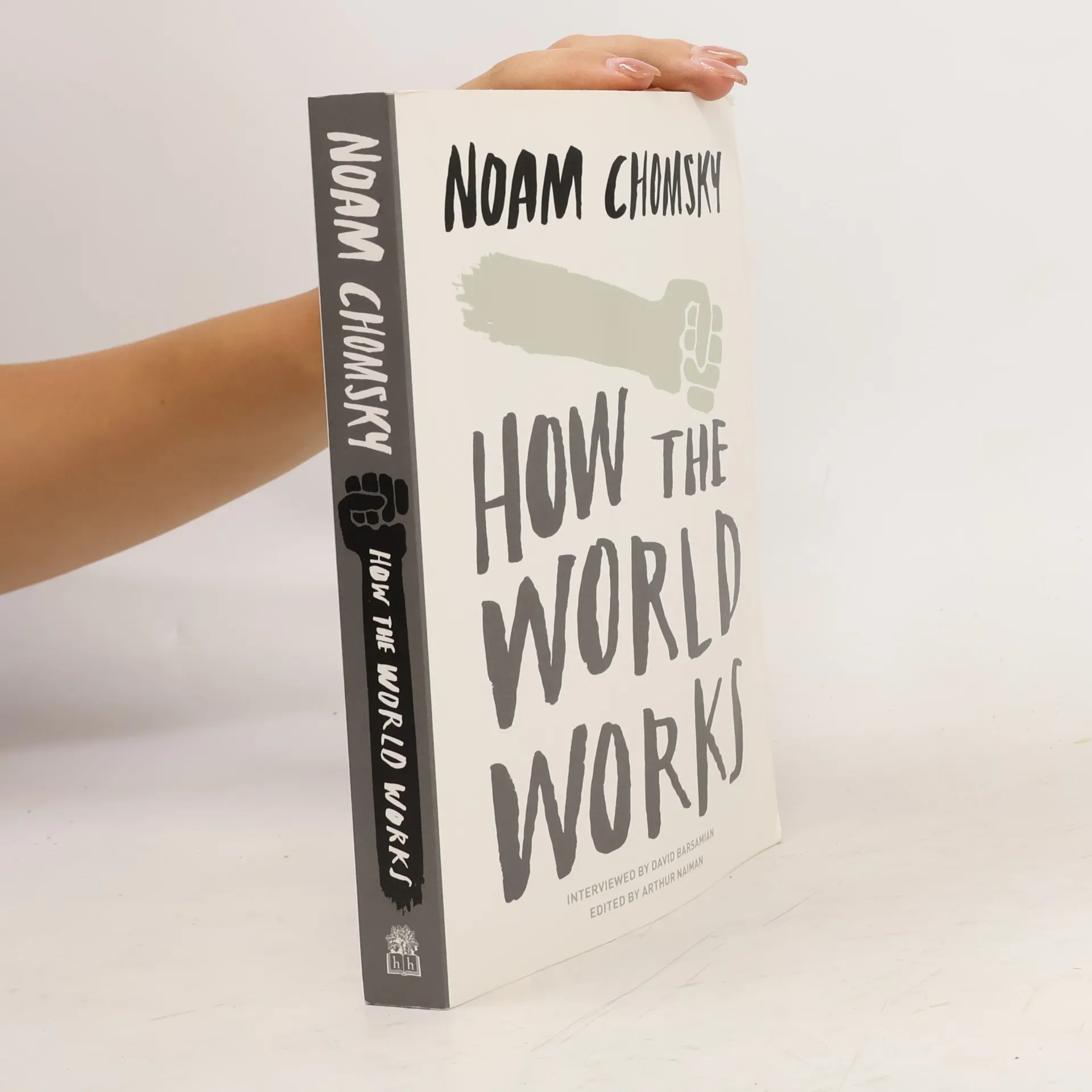
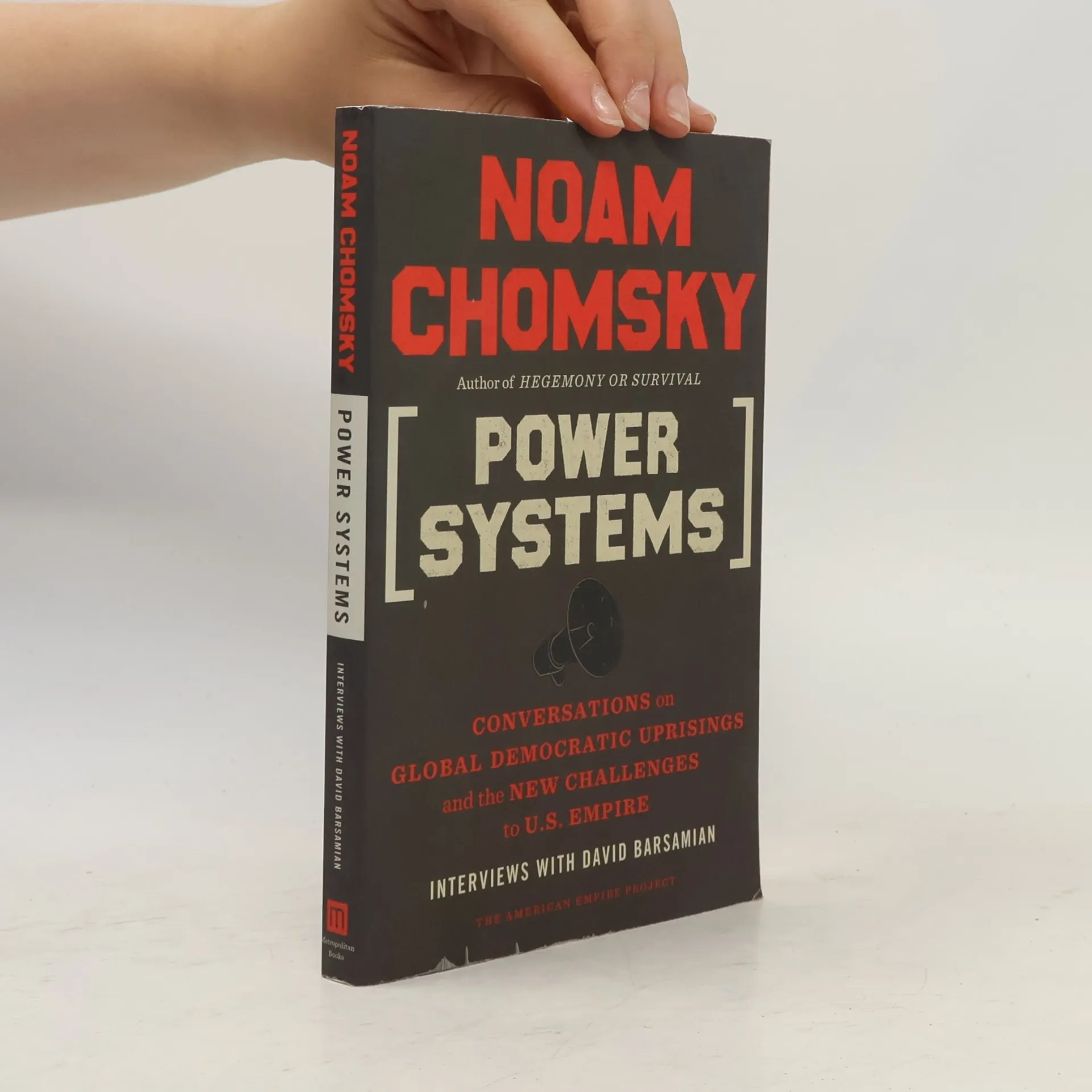
    • The broad range and brilliance of Chomsky's thought and analysis is on full display in this collection of interviews with his long-time collaborator/interlocuter David Barsamian.

      Notes on Resistance
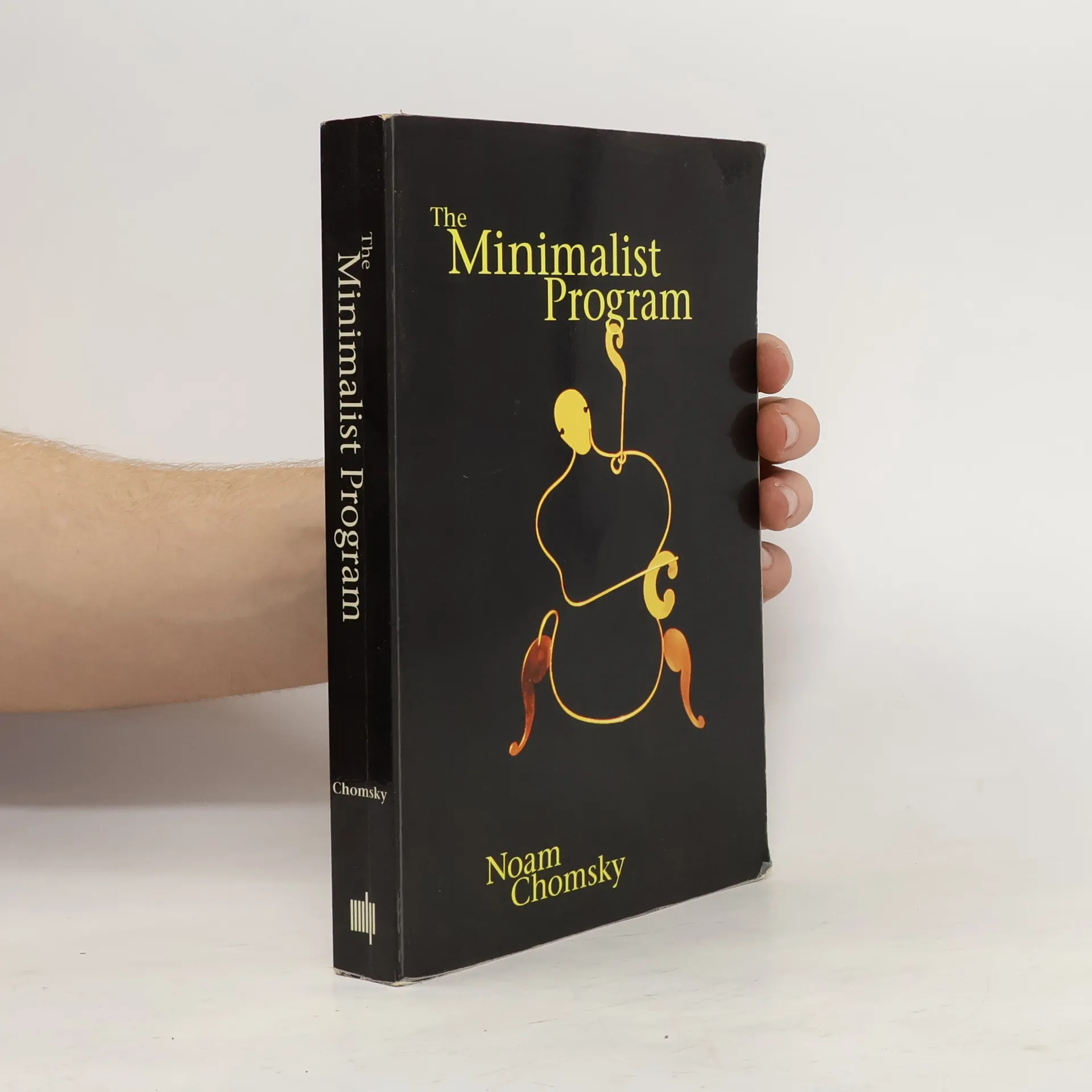
    • Attempts to situate linguistic theory in the broader cognitive sciences. In the essays, the minimalist approach to linguistic theory is formulated and progressively developed.
      The Minimalist Program
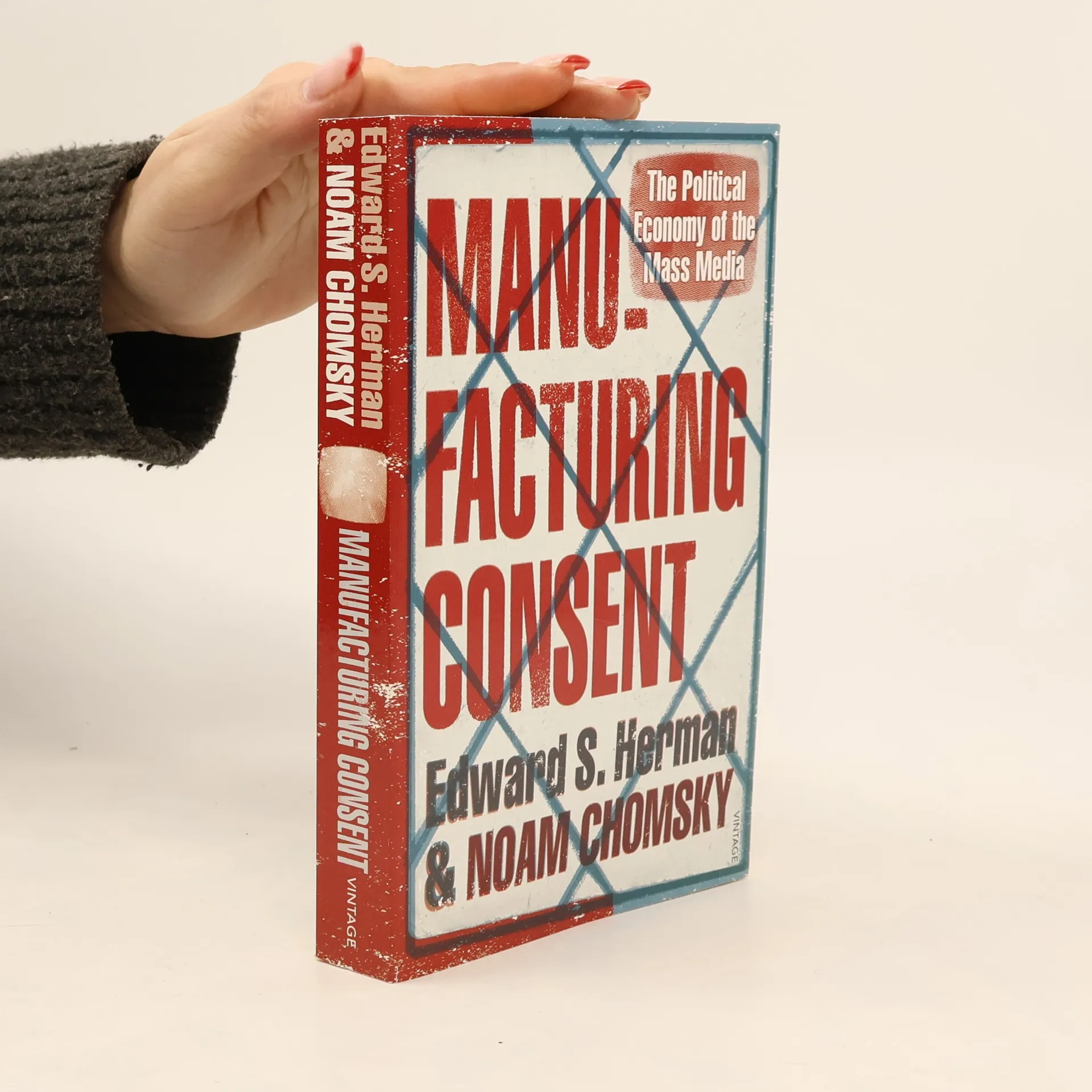
    • This work presents a compelling critique of the news media's role in obscuring errors and deceptions, rooted in the economics of publishing, by renowned scholars Edward S. Herman and Noam Chomsky. They argue that, contrary to the perception of the media as diligent seekers of truth, the actual practice often serves the interests of privileged groups that dominate society and the global order. Through various case studies, including the media's biased treatment of “worthy” versus “unworthy” victims and the portrayal of Third World elections, Herman and Chomsky develop a Propaganda Model to explain media behavior. Their updated introduction revisits the Propaganda Model and earlier case studies, examining the media's coverage of the North American Free Trade Agreement and the 1994-1995 Mexican financial crisis, as well as protests against the World Trade Organization and the regulation of the chemical industry. The analysis reveals a stark portrayal of U.S. mass media as propagandistic, highlighting their failure to fulfill their self-proclaimed role as essential information providers. This work invites readers to understand the media's function in a fundamentally new light.

      Manufacturing consent : the political economy of the mass media
    • What we say goes

      • 242 pages
      • 9 hours of reading

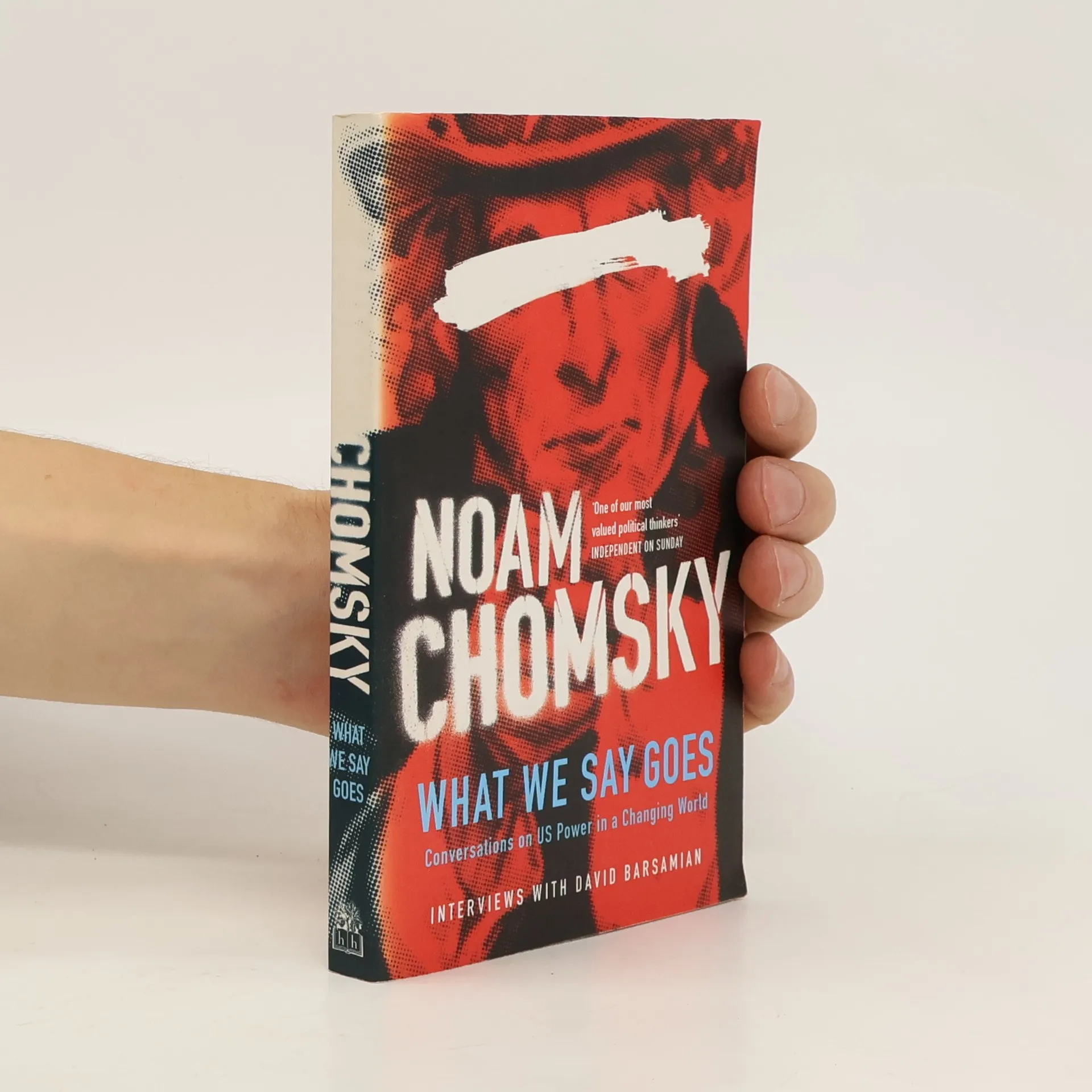
      s/t: Conversations on US Power in a changing world An indispensable set of interviews on foreign and domestic issues with the bestselling author of Hegemony or Survival, “America’s most useful citizen.” (The Boston Globe) In this new collection of conversations, conducted in 2006 and 2007, Noam Chomsky explores the most immediate and urgent concerns: Iran’s challenge to the United States, the deterioration of the Israel-Palestine conflict, the ongoing occupations of Iraq and Afghanistan, the rise of China, and the growing power of the left in Latin America, as well as the Democratic victory in the 2006 U.S. midterm elections and the upcoming presidential race. As always, Chomsky presents his ideas vividly and accessibly, with uncompromising principle and clarifying insight. The latest volume from a long-established, trusted partnership, What We Say Goes shows once again that no interlocutor engages with Chomsky more effectively than David Barsamian. These interviews will inspire a new generation of readers, as well as longtime Chomsky fans eager for his latest thinking on the many crises we now confront, both at home and abroad. They confirm that Chomsky is an unparalleled resource for anyone seeking to understand our world today.

      What we say goes
    • On Palestine

      • 224 pages
      • 8 hours of reading
      4.3(7763)Add rating

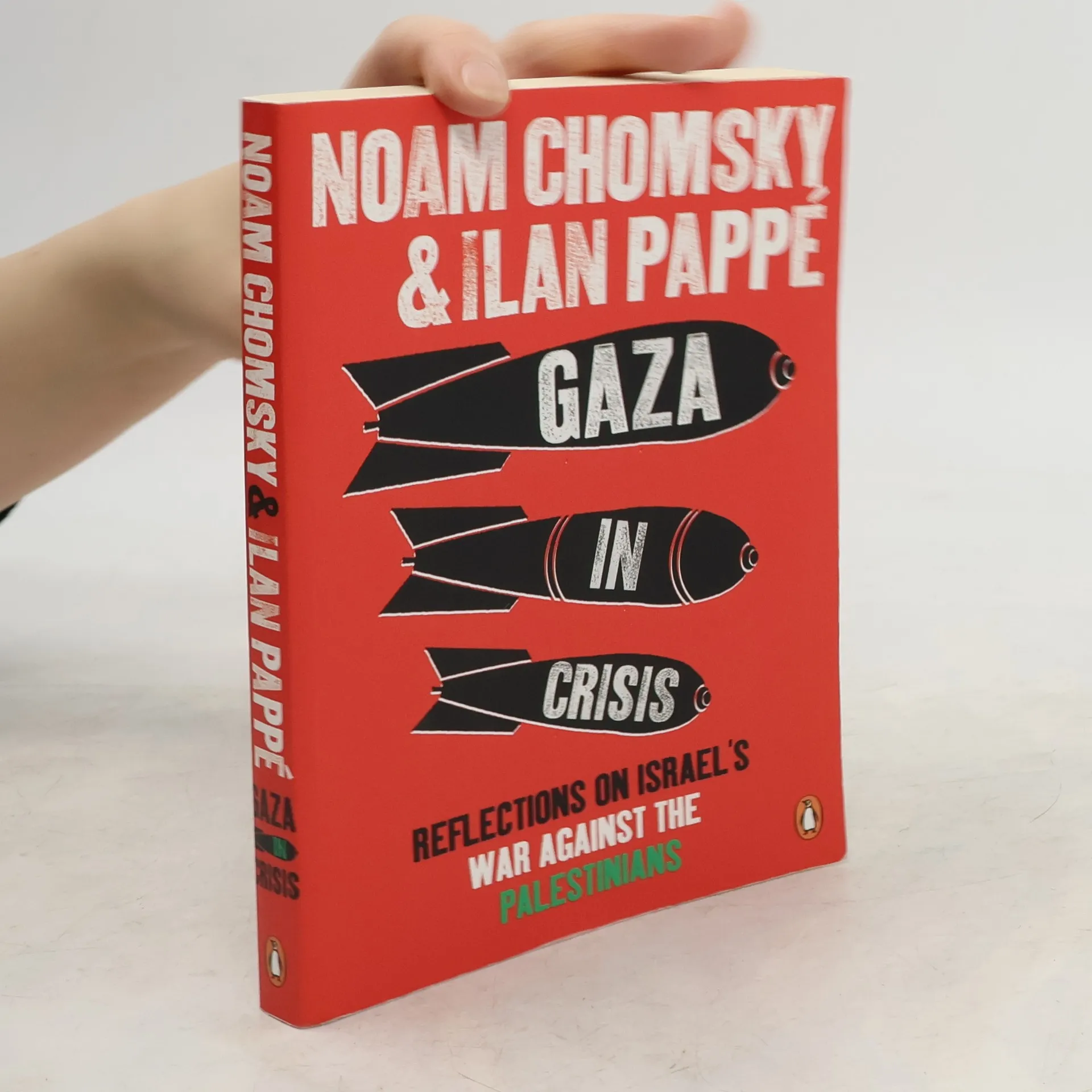
      On Palestineis Noam Chomsky and Ilan Pappé's indispensable update on a suffering region. Operation Protective Edge, Israel's most recent assault on Gaza, left thousands of Palestinians dead and cleared the way for another Israeli land grab. The need to stand in solidarity with Palestinians has never been greater. Noam Chomsky and Ilan Pappé, two leading voices in the struggle to liberate Palestine, discuss the road ahead for Palestinians and how the international community can pressure Israel to end its human rights abuses against the people of Palestine. This urgent and timely book offers hope and a way forward for all those committed to the struggle to liberate Palestine. On Palestineis the sequel to Chomsky and Pappé's acclaimed book Gaza in Crisis. 'Noam Chomsky is a global phenomenom.' The New York Times Book Review 'Ilan Pappé is Israel's bravest, most principled, most incisive historian.' John Pilger

      On Palestine
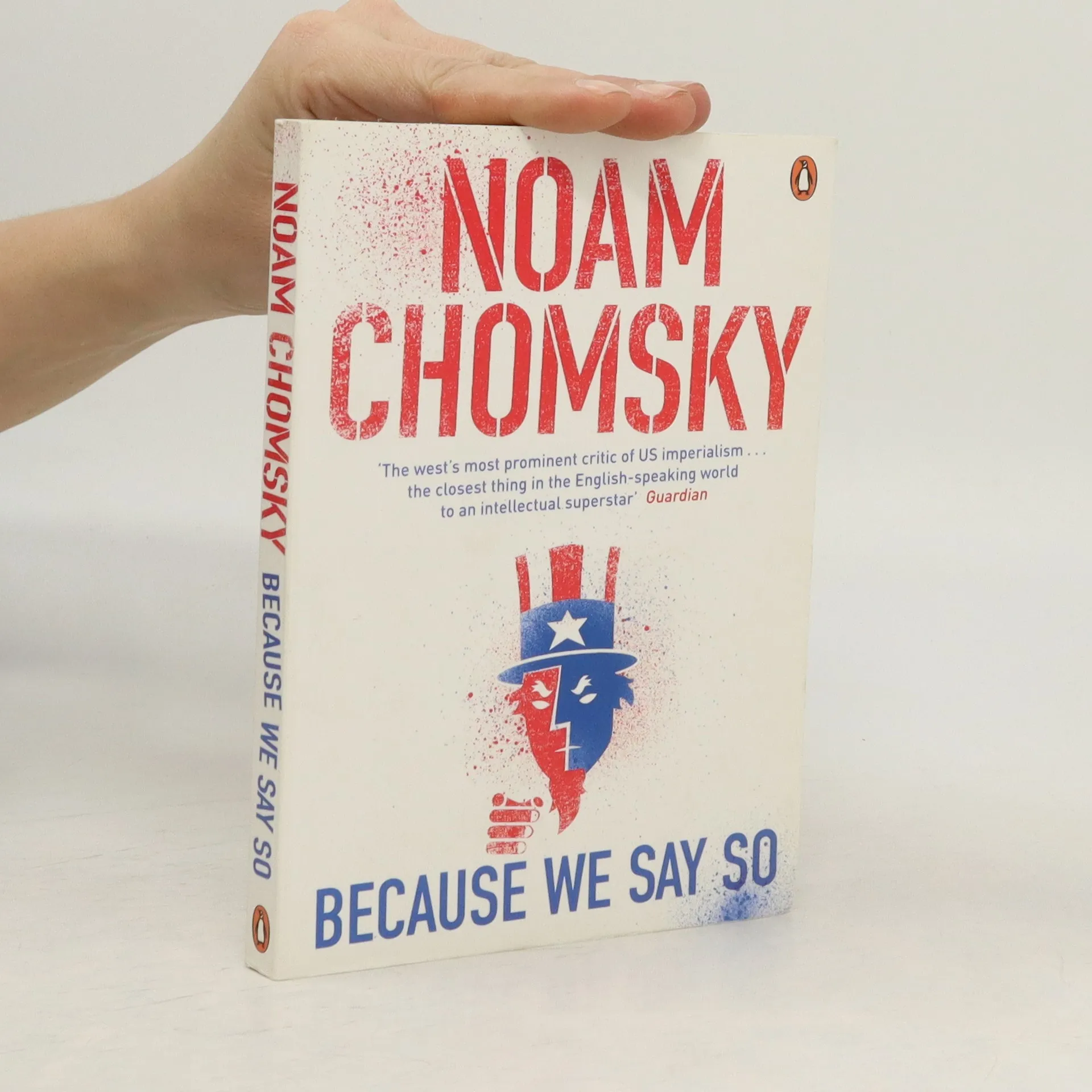
    • Because We Say So

      • 208 pages
      • 8 hours of reading
      4.2(101)Add rating

      For over fifty years, one fact has dominated global politics- the United States can respond to any challenge to its power however it sees fit. Whatever the world may think, US actions are legitimate simply because they say so. With charateristic clarity and authority, Chomsky takes American imperialism head-on. From Edward Snowden and Palestinian-Israeli relations to political philosophy and how we structure democracy, Because We Say So offers a cross-section of perspectives on the question of America's ongoing hegemony.

      Because We Say So