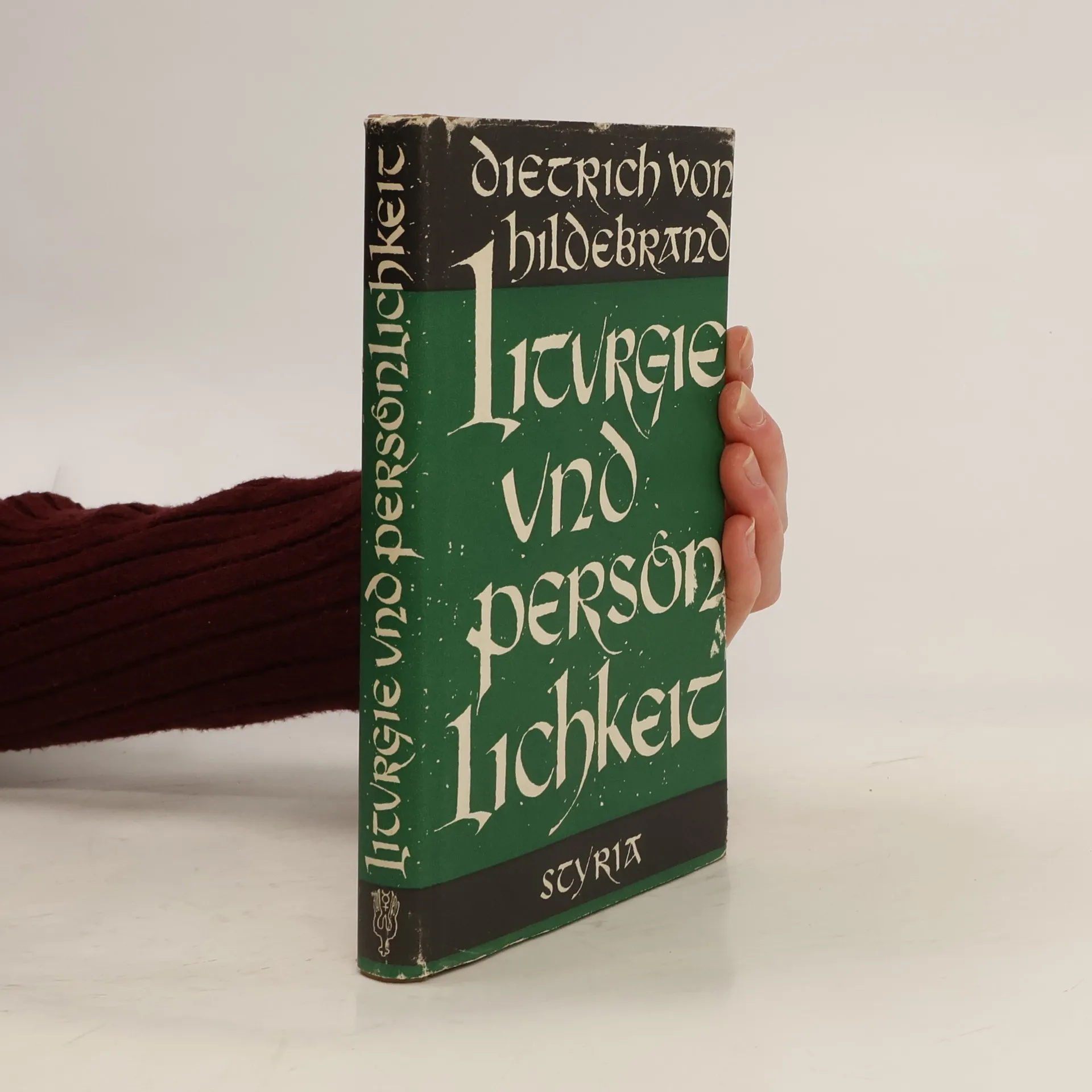
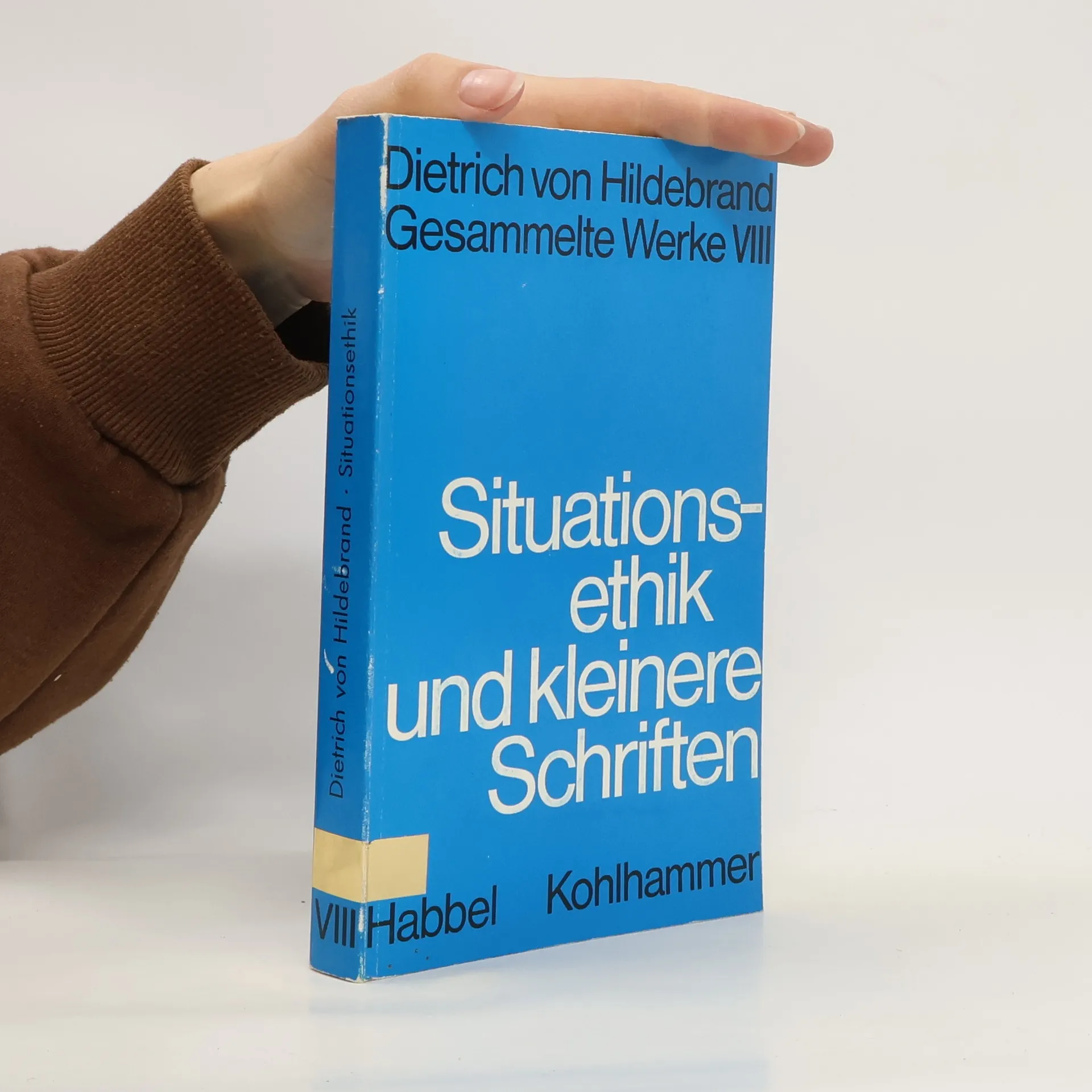
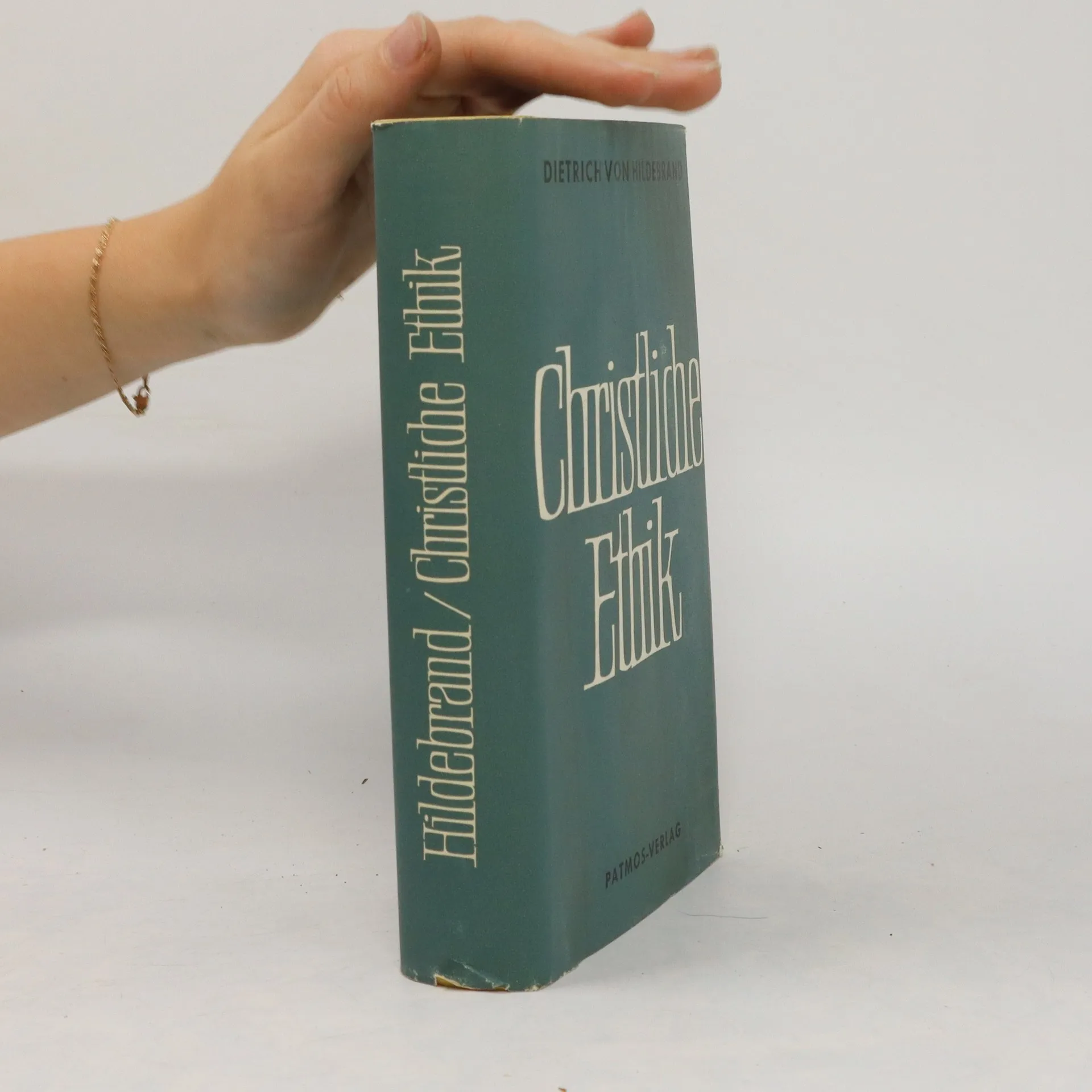
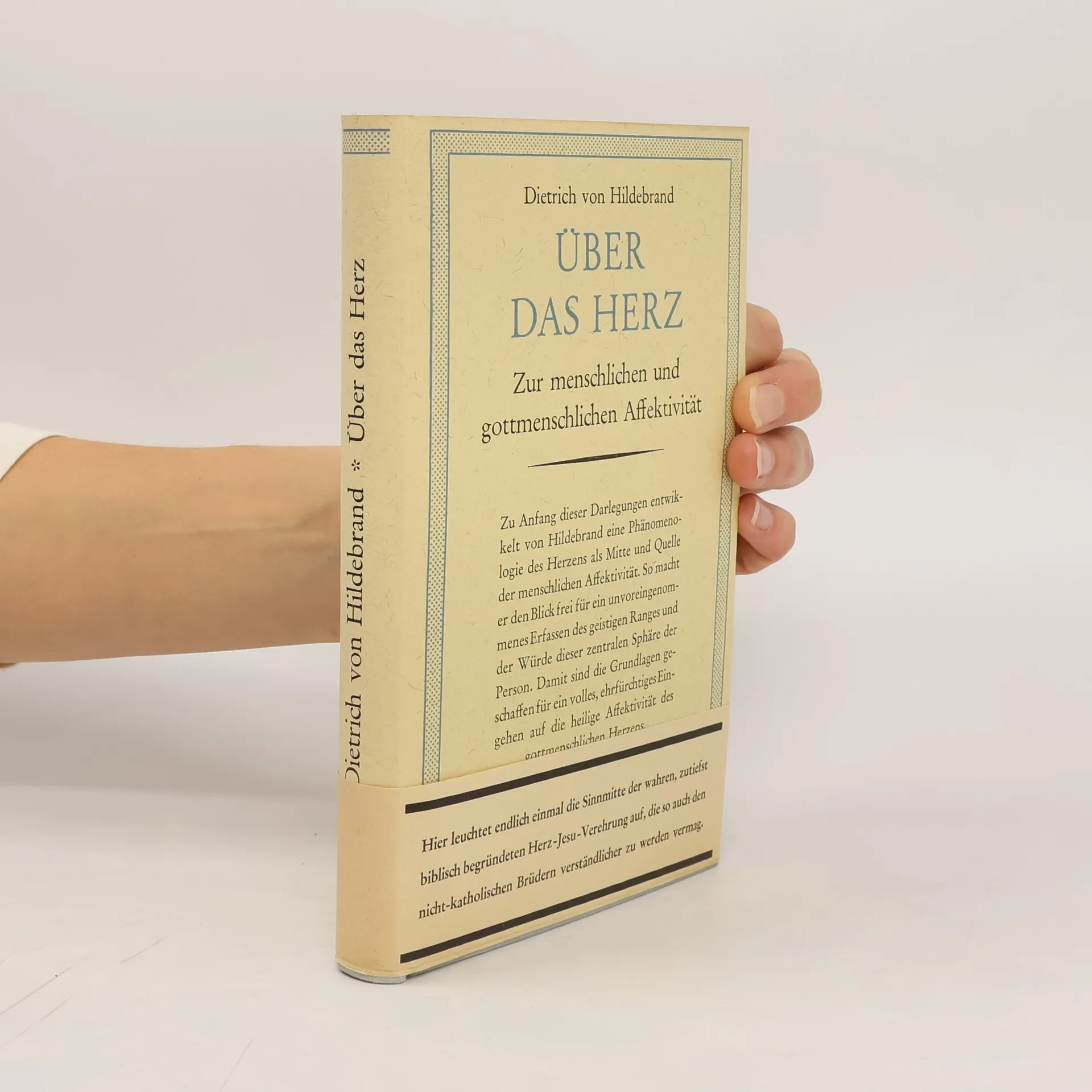
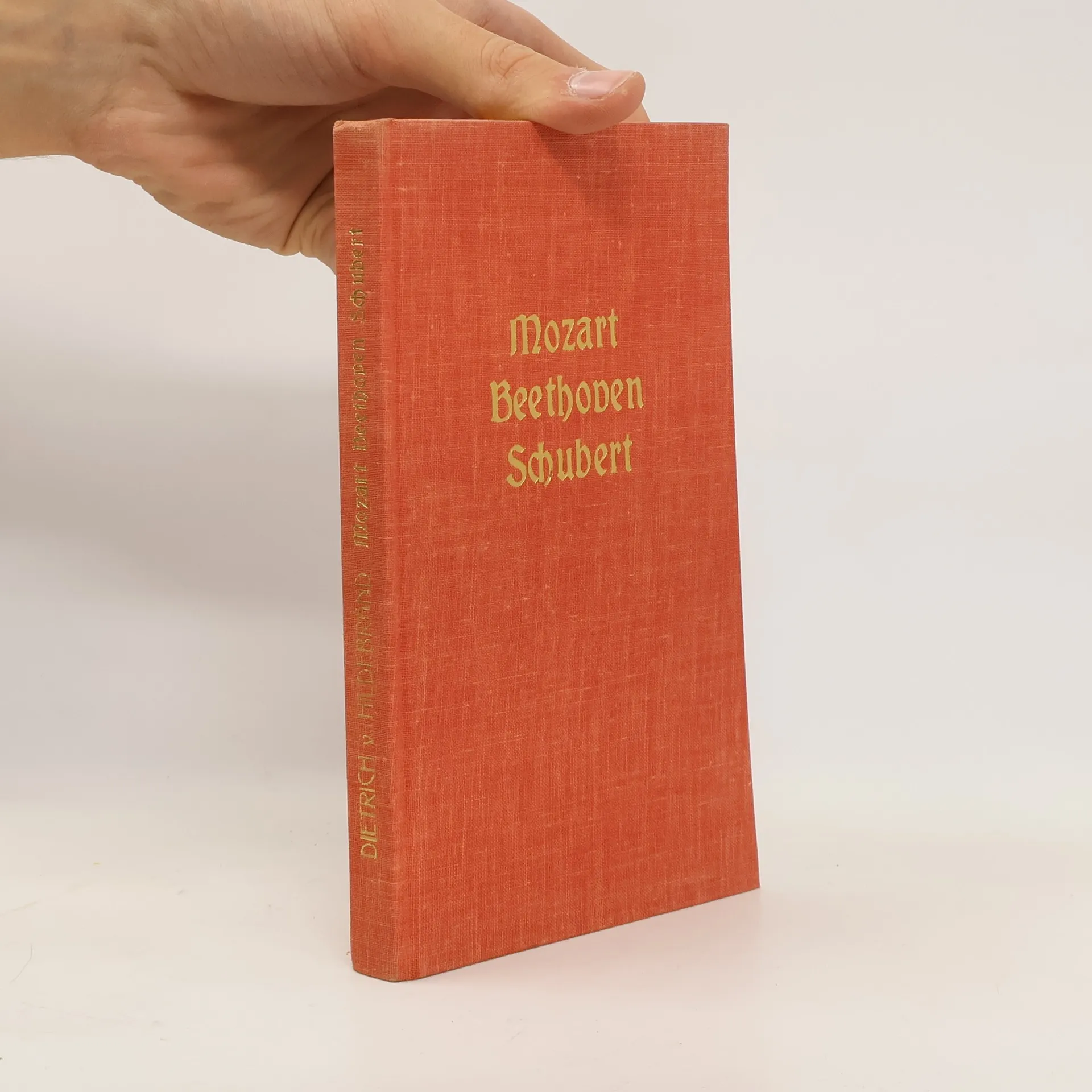
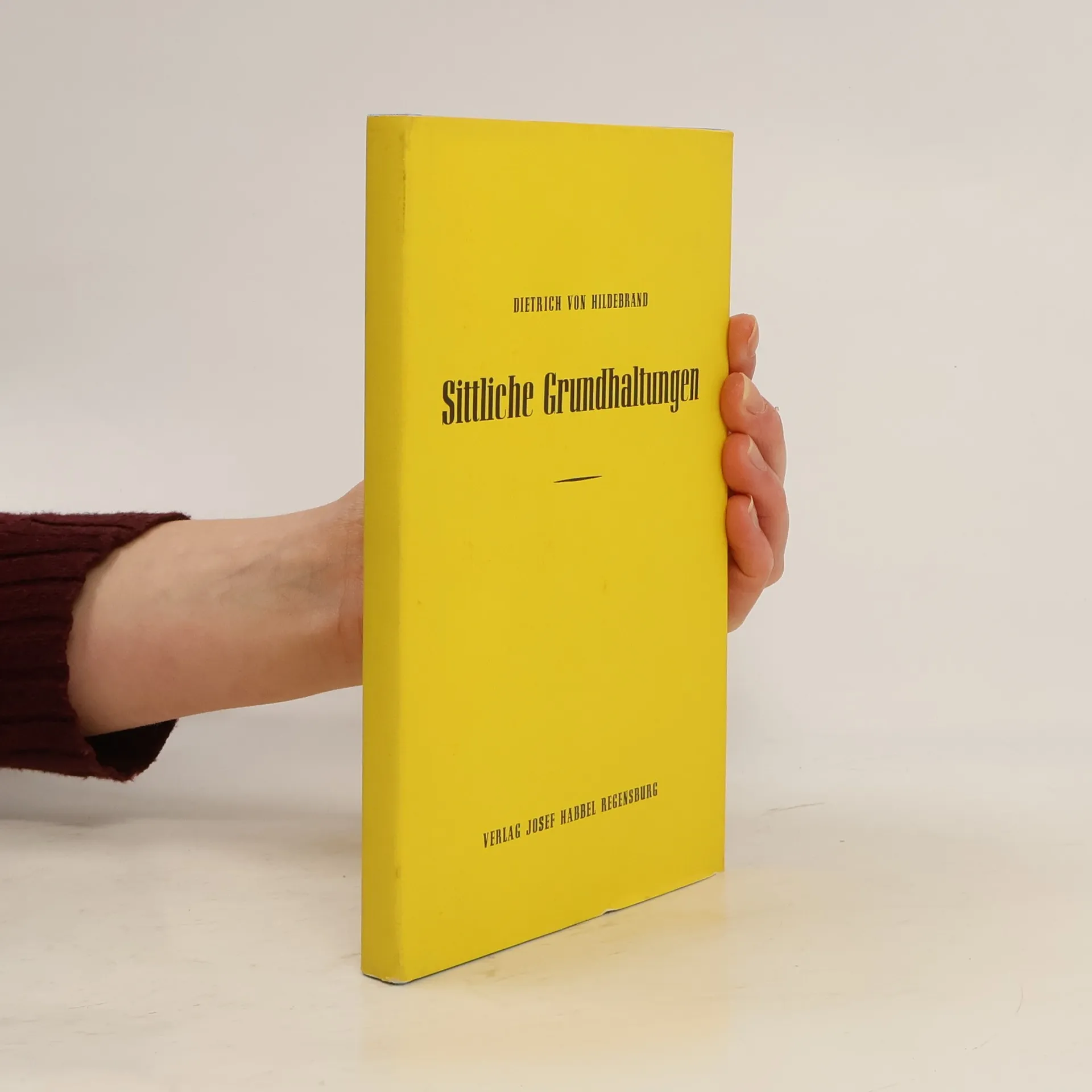
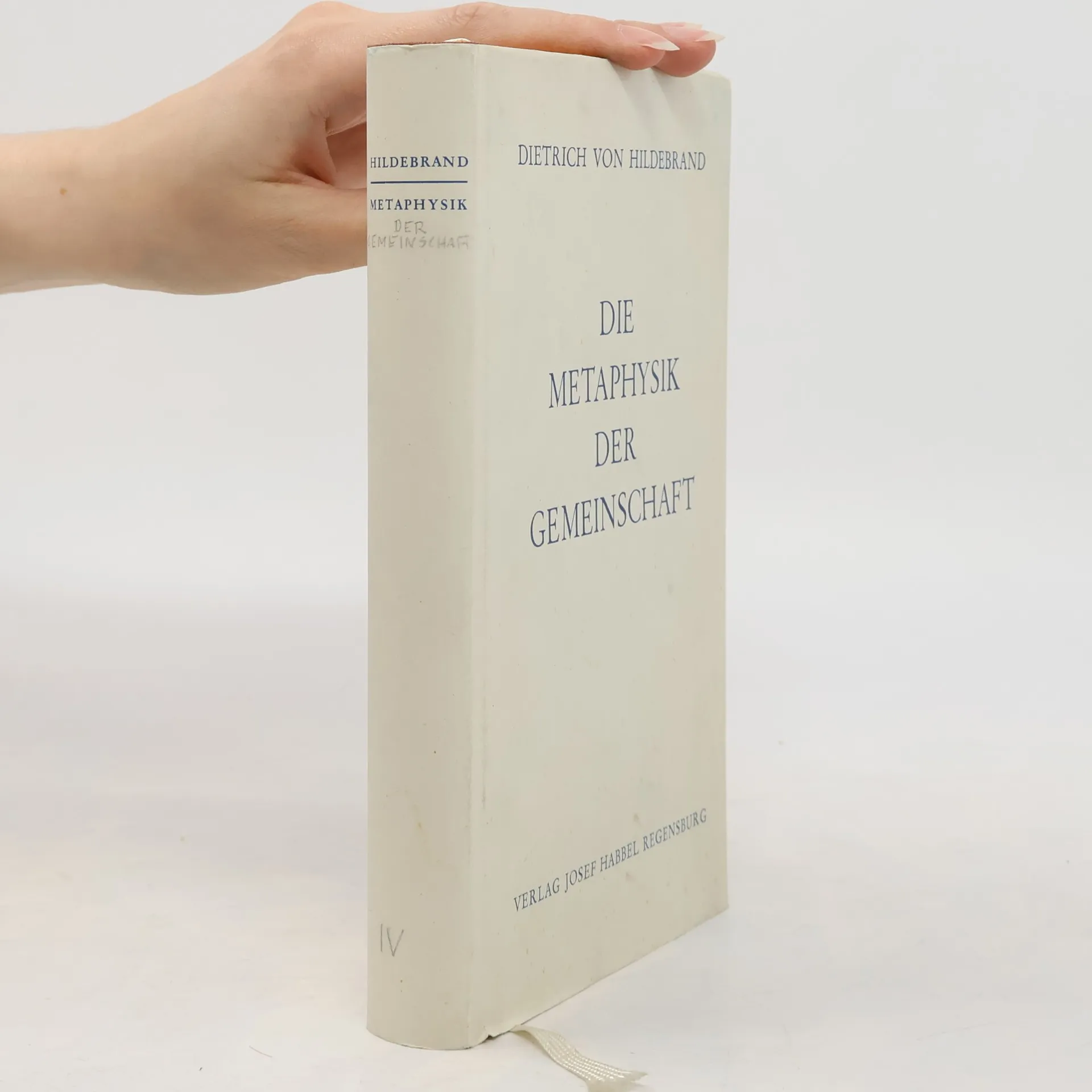
Dietrich von Hildebrand was a German Catholic philosopher and theologian whose work was highly regarded by Popes Pius XII, John Paul II, and Benedict XVI. He was known as a vocal critic of the changes in the Catholic Church following the Second Vatican Council, particularly the new liturgy, which he sharply condemned. His writings delve into ethics and philosophical reflection, establishing him as a significant figure in 20th-century Catholic thought. Pope Benedict XVI even proclaimed that his name would be most prominent among the figures of the 20th century when the intellectual history of the Catholic Church is written.
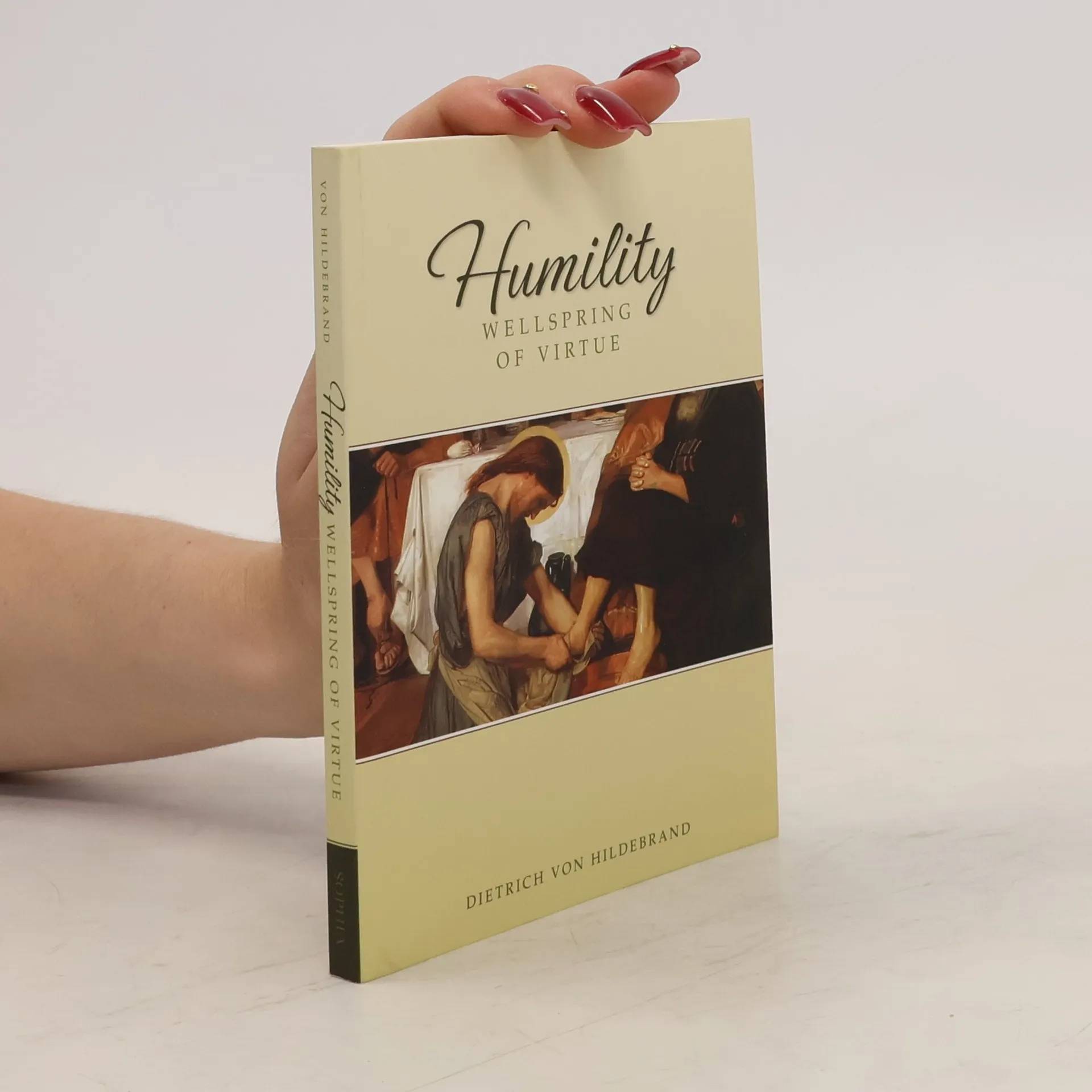
Of all sins, pride is the most dangerous . . . and the most sorrowful: it cuts the Christian off from God, estranges him from others, and leaves him lost and unhappy. This book shows readers how to drive pride from the soul and discover the incredible strength and joys of humility today.
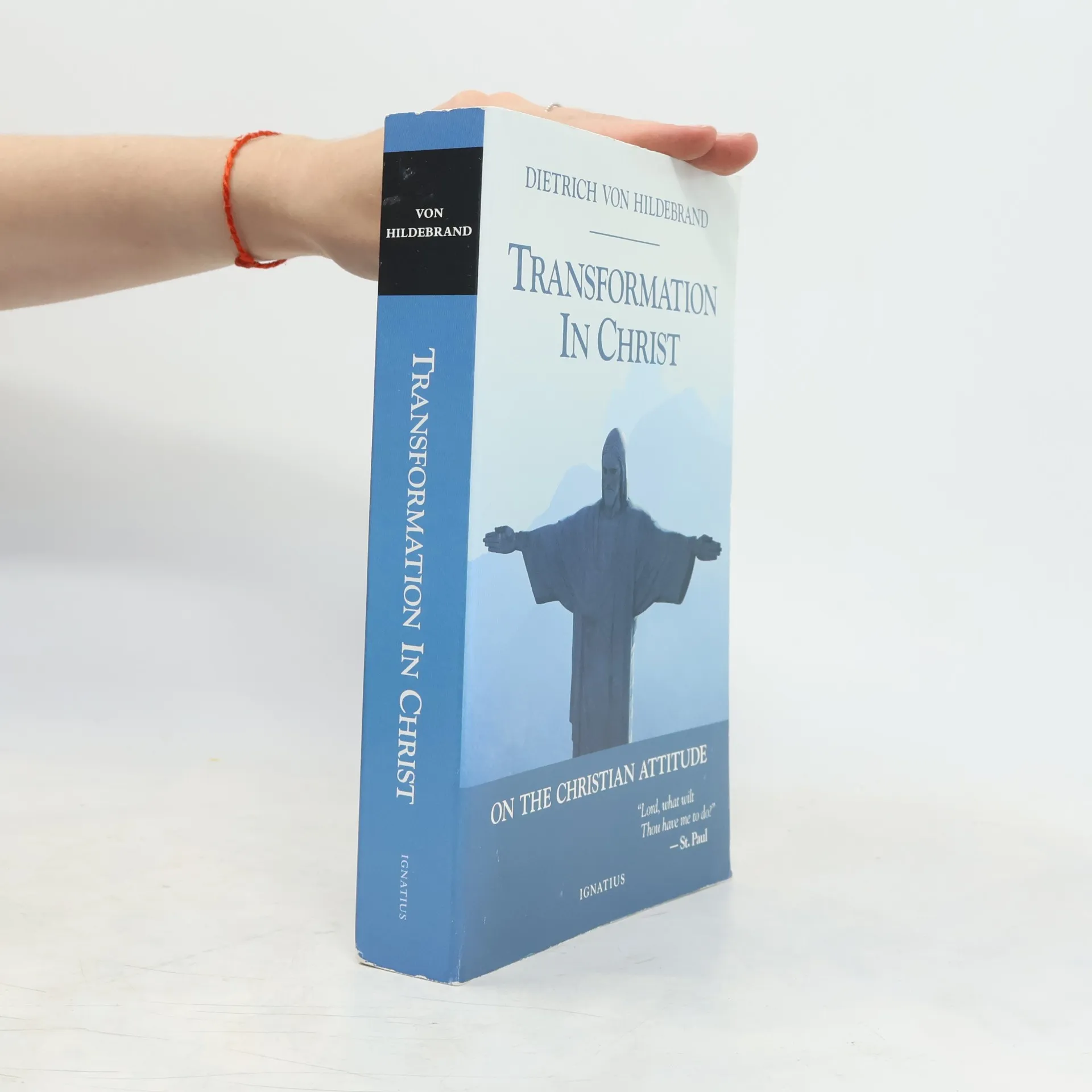
Recognized as a modern spiritual classic and perhaps Dietrich von Hildebrand's greatest work, this sublime and practical study gives a penetrating analysis of the true path to holiness for those who love Christ. The first requisite is the person's desire for change, and with that fundamental attitude in mind, von Hildebrand devotes a chapter to each of the successive spiritual attitudes necessary for those who strive for Christian perfection. The Beatitudes are treated with beauty and depth in an uncompromising challenge to every serious Christian to put into practice these teachings of Christ. "A magnificent treatise by a distinguished philosopher on the pursuit of spiritual perfection."ùPublishers Weekly "A major contribution to the only important the transformation of our soul in Christ."ùArchbishop Fulton Sheen "A masterpiece of modern eminently practical and highly recommended."ùFr. John Hardon, S.J. "A solid and penetrating analysis of the Christian virtues, and their application in the struggle toward Christian perfection."ùLibrary Journal
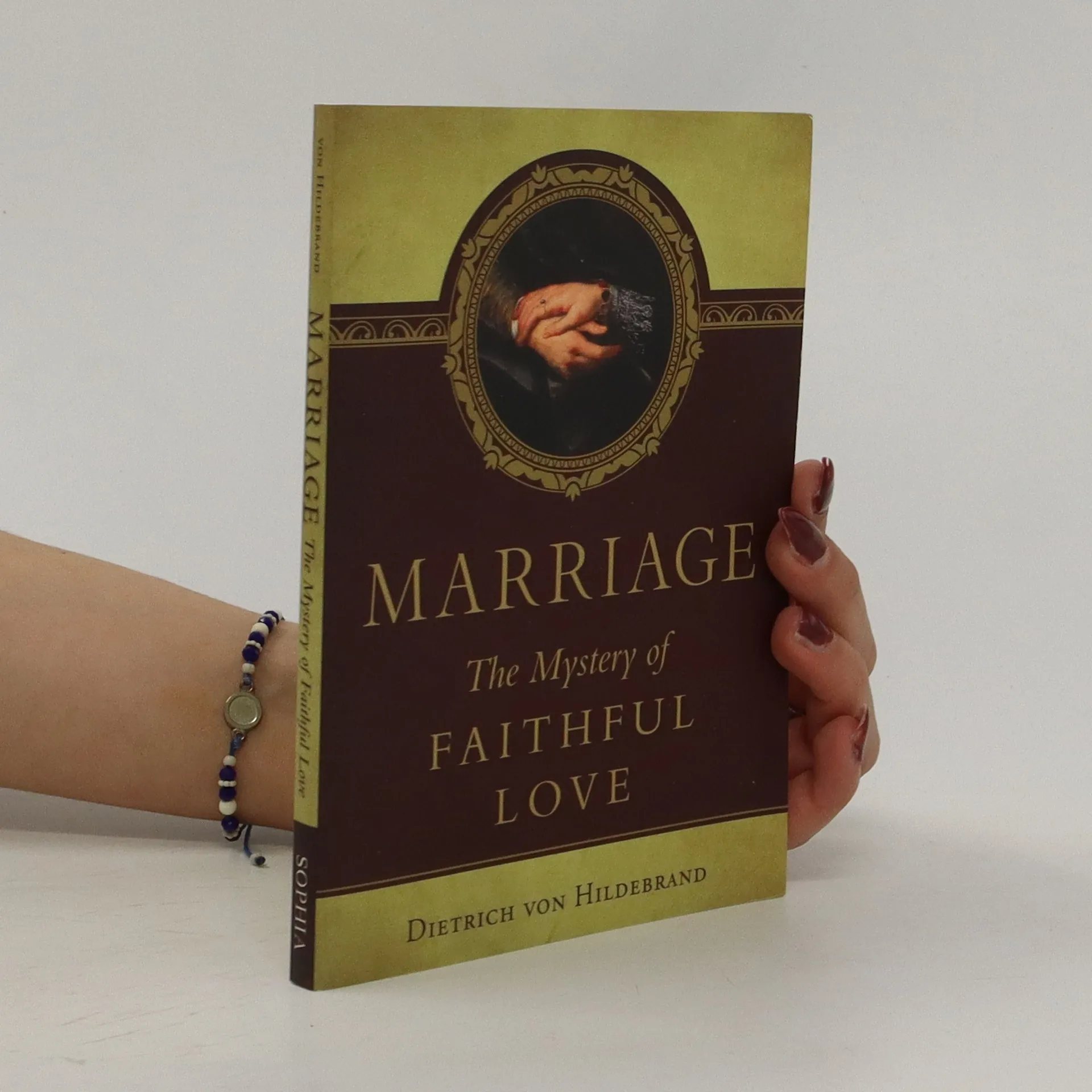
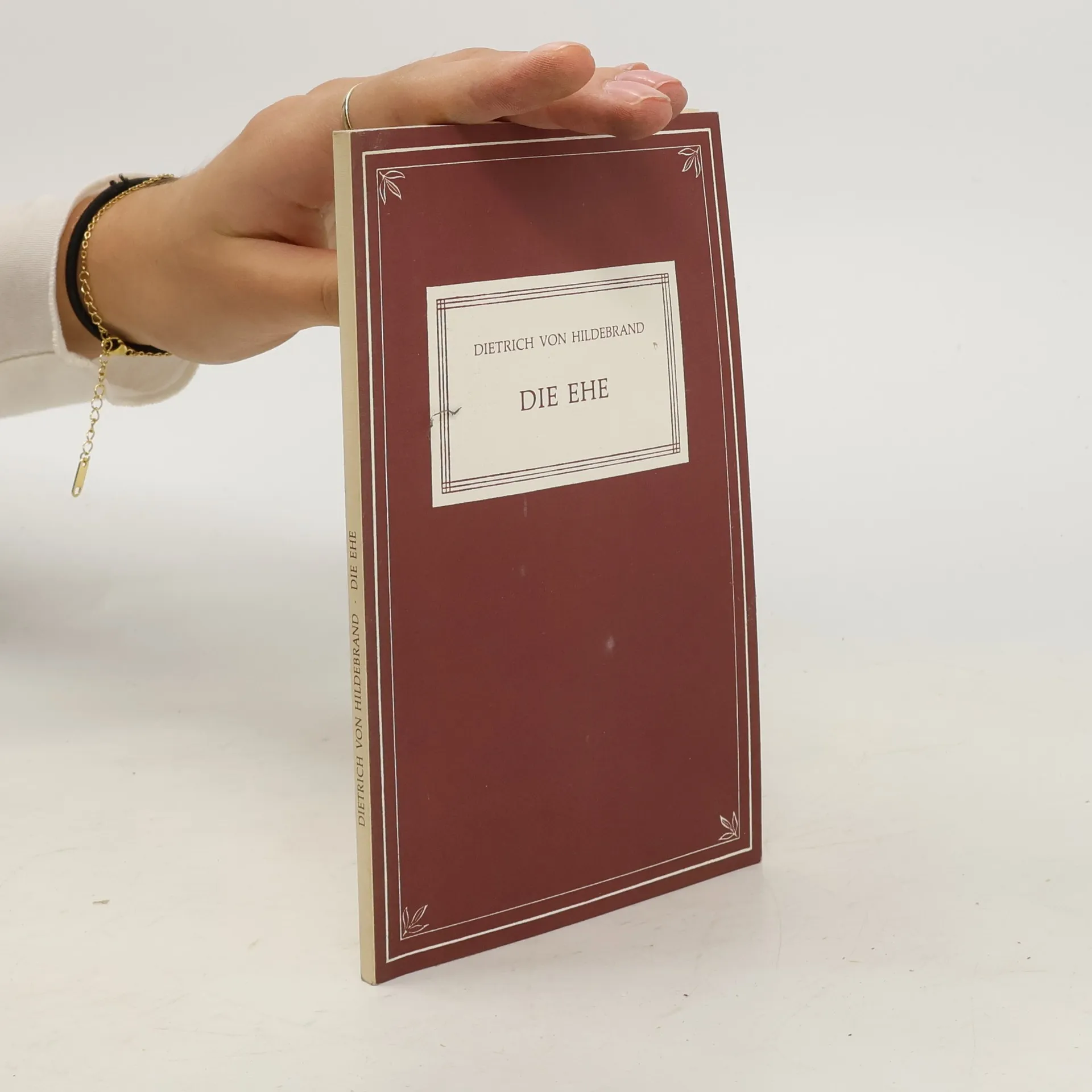
Before we examine the nature, the meaning, and the beauty of Christian marriage (which St. Paul calls "a great mystery in Christ and the Holy Church"), we shall examine the essence and meaning of marriage in the realm of nature, and its specific character in reference to all other fellowships and communities. Only in this way can we understand what was so gloriously exalted by Jesus Christ and thus dispel the misinterpretations of the nature of marriage so frequently encountered. Why does Holy Scripture choose this particular relationship as an image? It is chosen because marriage is the closest and most intimate of all earthly unions in which, more than in any other, one person gives himself to another without reserve, where the other in his complete personality is the object of love, and where mutual love is in a specific way the theme (that is to say, the core) of the relationship.
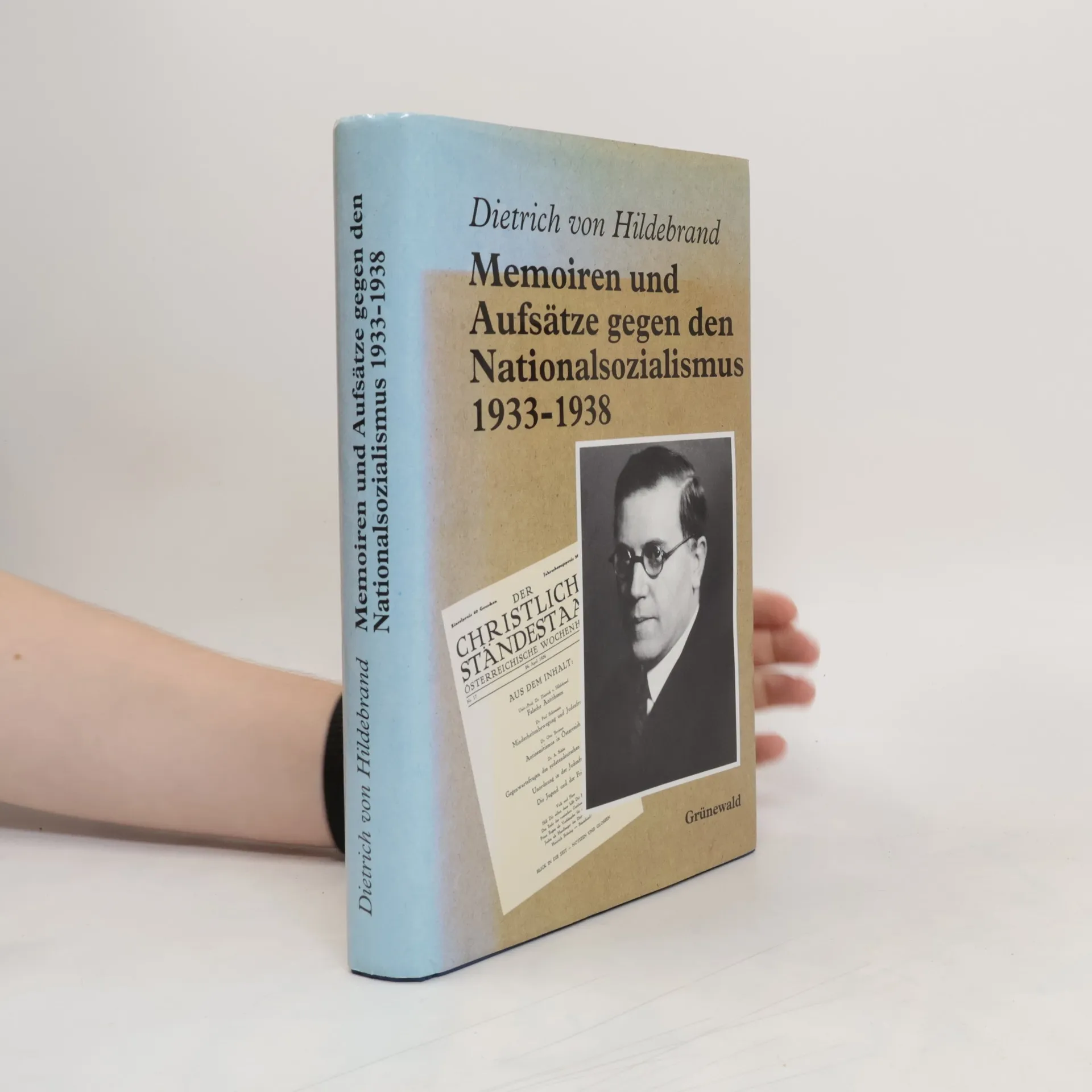
Das letzte Werk Dietrichs von Hildebrand ist sein intellektuelles Testament. Das Buch, geschrieben mit prophetischem Zorn, Leidenschaft und Schmerz, ist ein heftiger Protest gegen das Verhalten einiger Theologen und Hierarchen, die – nach Ansicht des Autors – den übernatürlichen Charakter der katholischen Lehre untergraben. Die Arbeit ist eine Warnung vor dem Abweichen vom Weg der Wahrheit, das zu Säkularisierung und leeren Tempeln führen kann. Der Autor, Experte des Vaticanum II, von Pius XII. als Doktor der Kirche des 20. Jahrhunderts angesehen, spricht sogar von einer „fünften Kolonne“, die die Kirche zerstört.
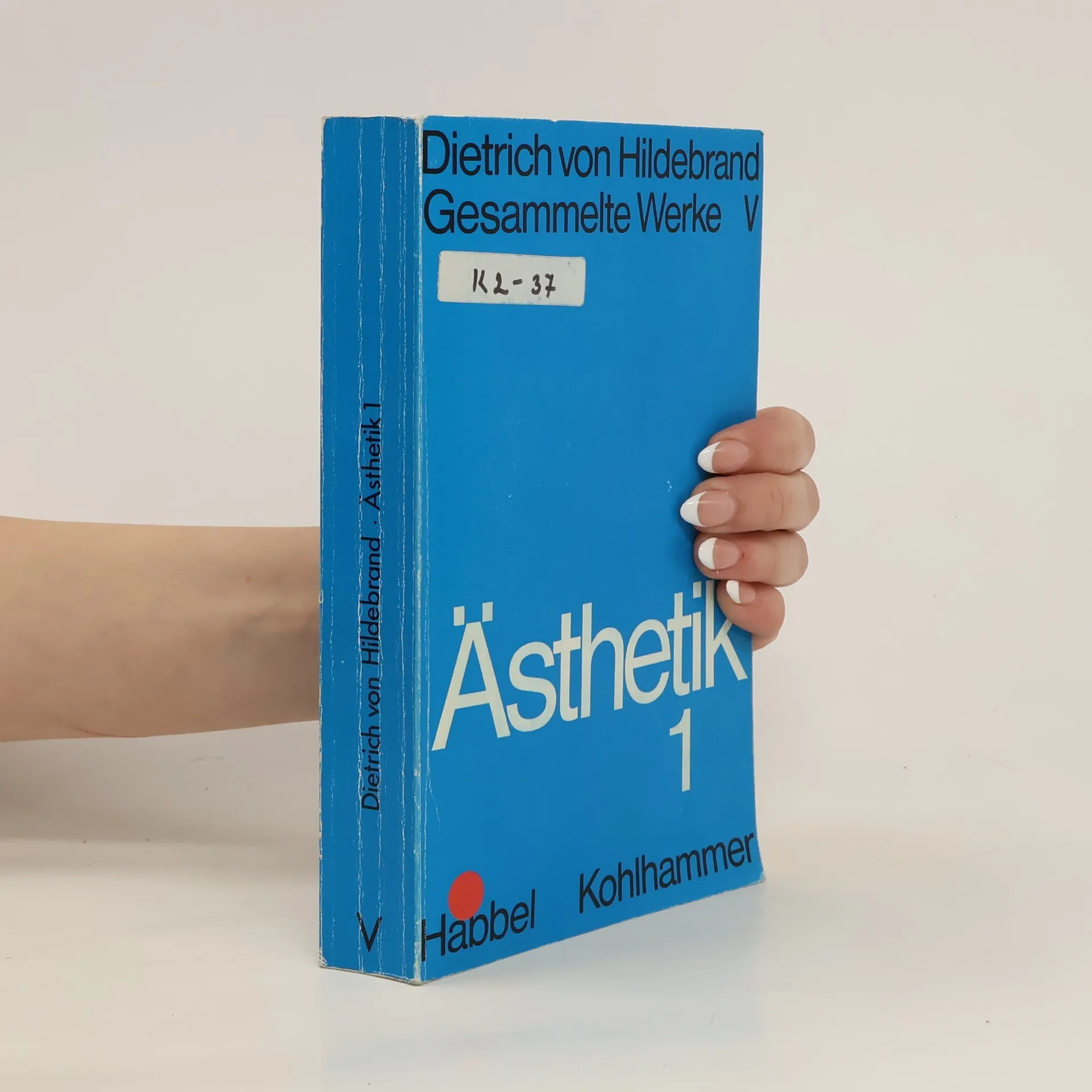
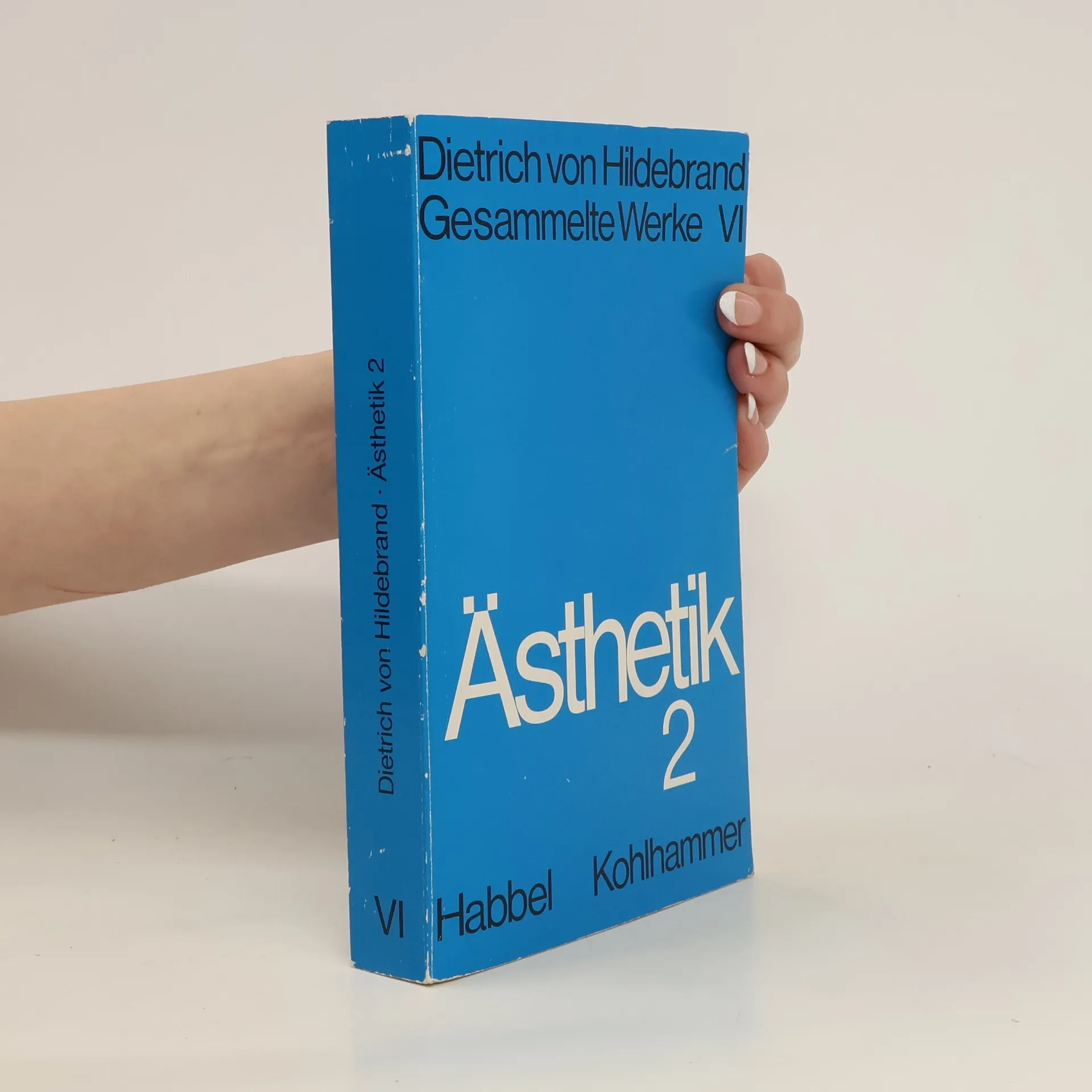
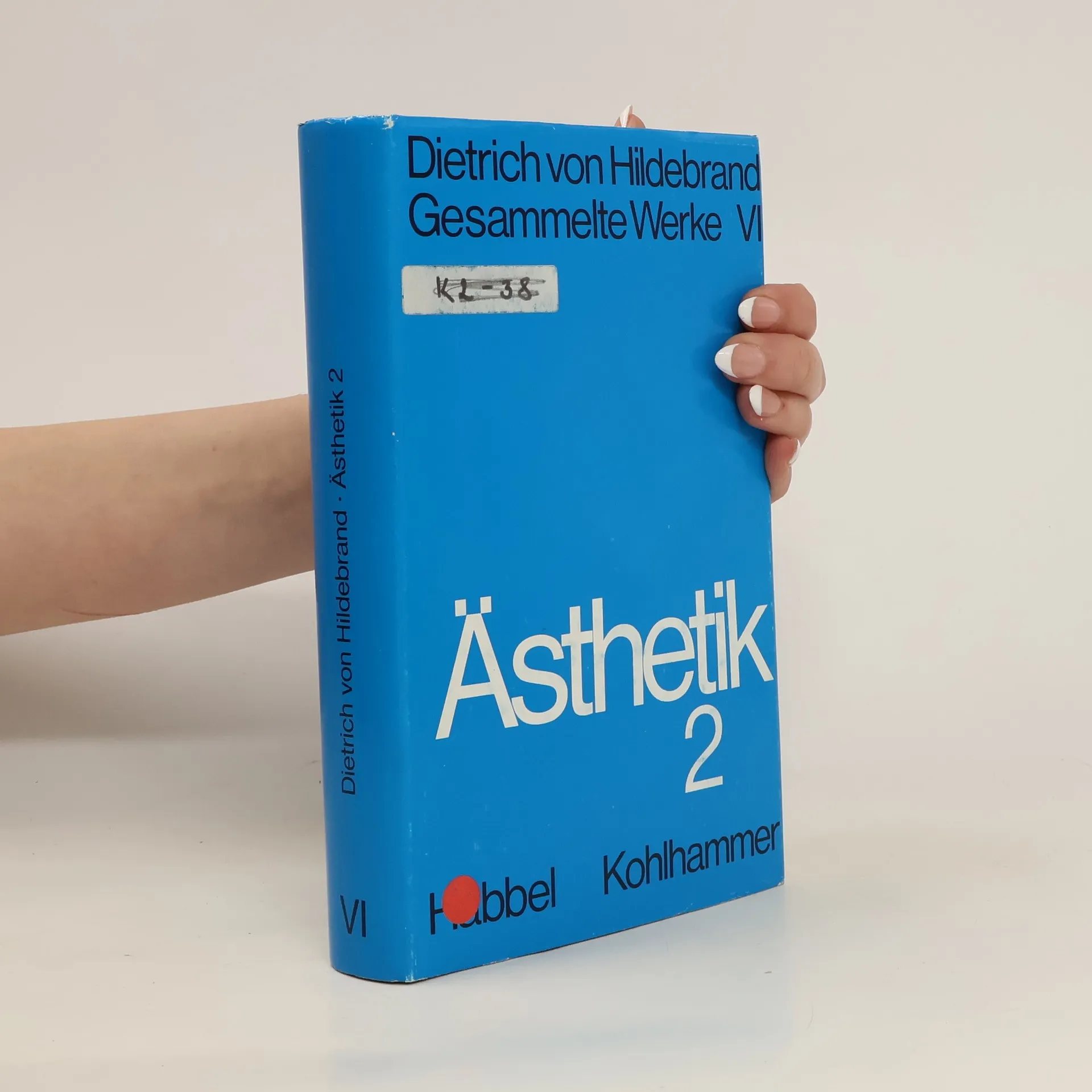
Ursprünglich in zwei Bänden veröffentlicht, ist die Ästhetik eines der bedeutendsten Werke von von Hildebrand. In diesem Werk wendet der Philosoph die Prinzipien der realistischen Phänomenologie auf die Probleme der Schönheit und der Künste an. In Übereinstimmung mit der ursprünglichen Ausrichtung des husserlianischen Denkens ist es von Hildebrands Ziel, die ästhetische Reflexion als rigoroses, sicheres, kritisches und systematisches Wissen in Bezug auf das gesamte Reich des Schönen zu entwickeln.
Ist Moral relativ? Hängt sie von der Perspektive oder von äußeren Umständen ab? Es ist populär geworden, zu behaupten, dass das Moralische von der jeweiligen Situation abhängt. Dietrich von Hildebrand sah diesen Trend voraus und verfasste dieses Buch als Widerlegung der „Situationsethik“ und als Bekräftigung des unveränderlichen und universellen Aufrufs zur wahren Moral. Das Buch nimmt die zentrale Herausforderung der Situationsethik auf und argumentiert eindeutig, dass einige Handlungen immer und in jeder Situation falsch sind. Hildebrand ist jedoch sensibel für die besonderen Umstände des Lebens einzelner Menschen und bietet weit mehr als nur ein Urteil. Er führt uns zunächst dazu, den Reiz der „Selbstgerechtigkeit“, des „tragischen Sünders“ und der „Sündenmystik“ zu verstehen und wie diese die wahre Moral verschleiern können.
Dietrich von Hildebrand (1889-1977) ist einer der größten Vertreter der phänomenologischen Ethik der Werte. Gebildet bei Husserl und Scheler, entwickelte er sein eigenes moralisches Denken aus der Idee des Wertes und der Antwort der Person darauf, im Horizont der christlichen Ethik und Offenbarung. In diesem Band moralischer Schriften (Moralia) führt Hildebrand, am Ende seines Lebens, seine Ideen detailliert und klar weiter und ergänzt sie, wie das durch sein ausführliches Inhaltsverzeichnis gut zu erkennen ist, mit seinem gewohnten, zugleich tiefgründigen und einfachen Stil. So präsentiert dieser Text zugänglich die umfassendste Darstellung der Ethik dieses Bekannten, ein moralisches Angebot, das sowohl Güter und Werte als auch Tugenden und Pflichten behandelt, bereichert und gestützt durch zahlreiche Beschreibungen der alltäglichen Erfahrung, zu der auch die Erfahrungen des christlichen Lebens gehören.
Známý katolický spisovatel nejen odhaluje kořeny krize katolicismu, ale také ukazuje, jak správné pochopení ducha II. vatikánského koncilu může obnovit církev v její svatosti, ke které je povolána. Toto dílo je napsáno s hlubokou poctivostí a jasnozřivostí a vede k velmi varovným závěrům.
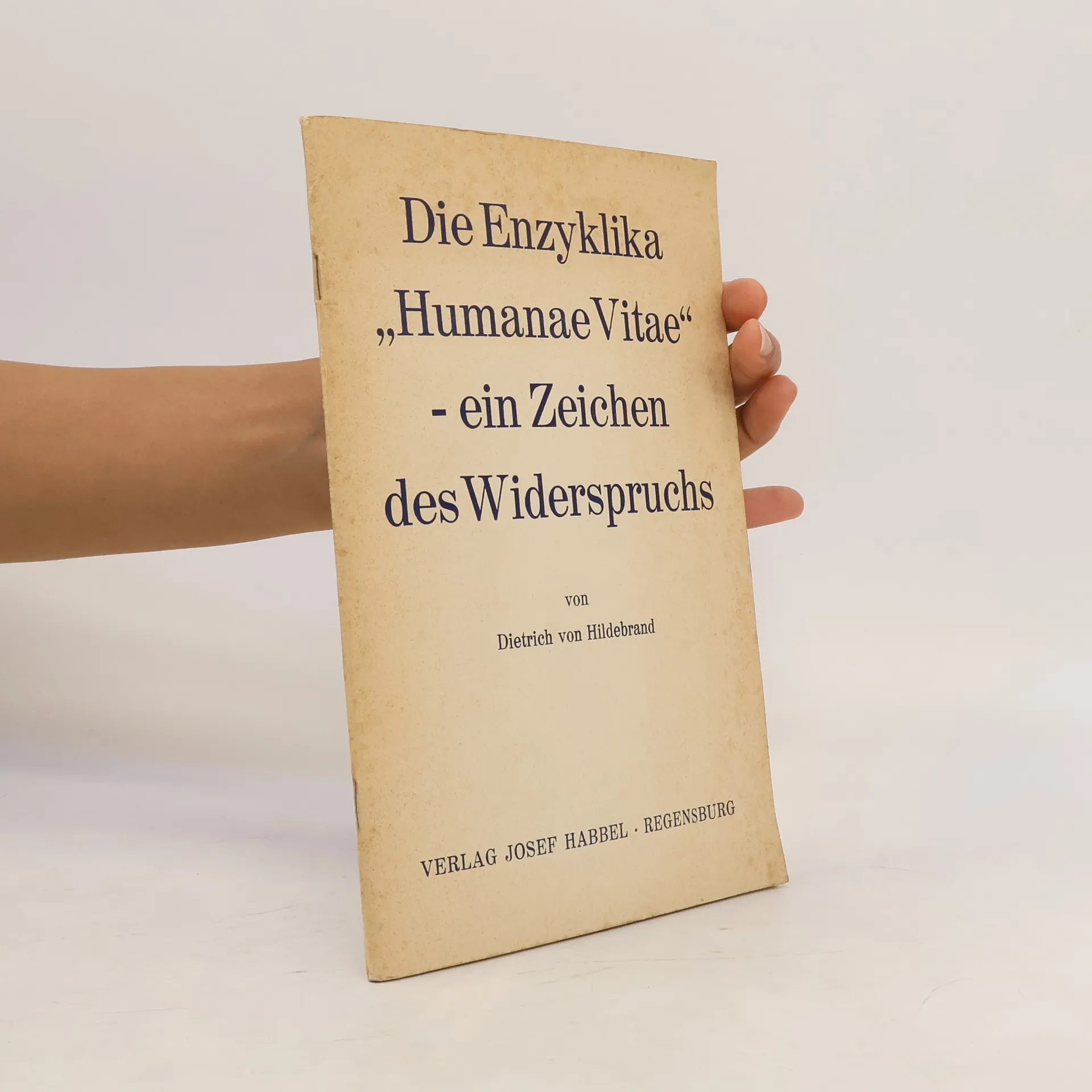
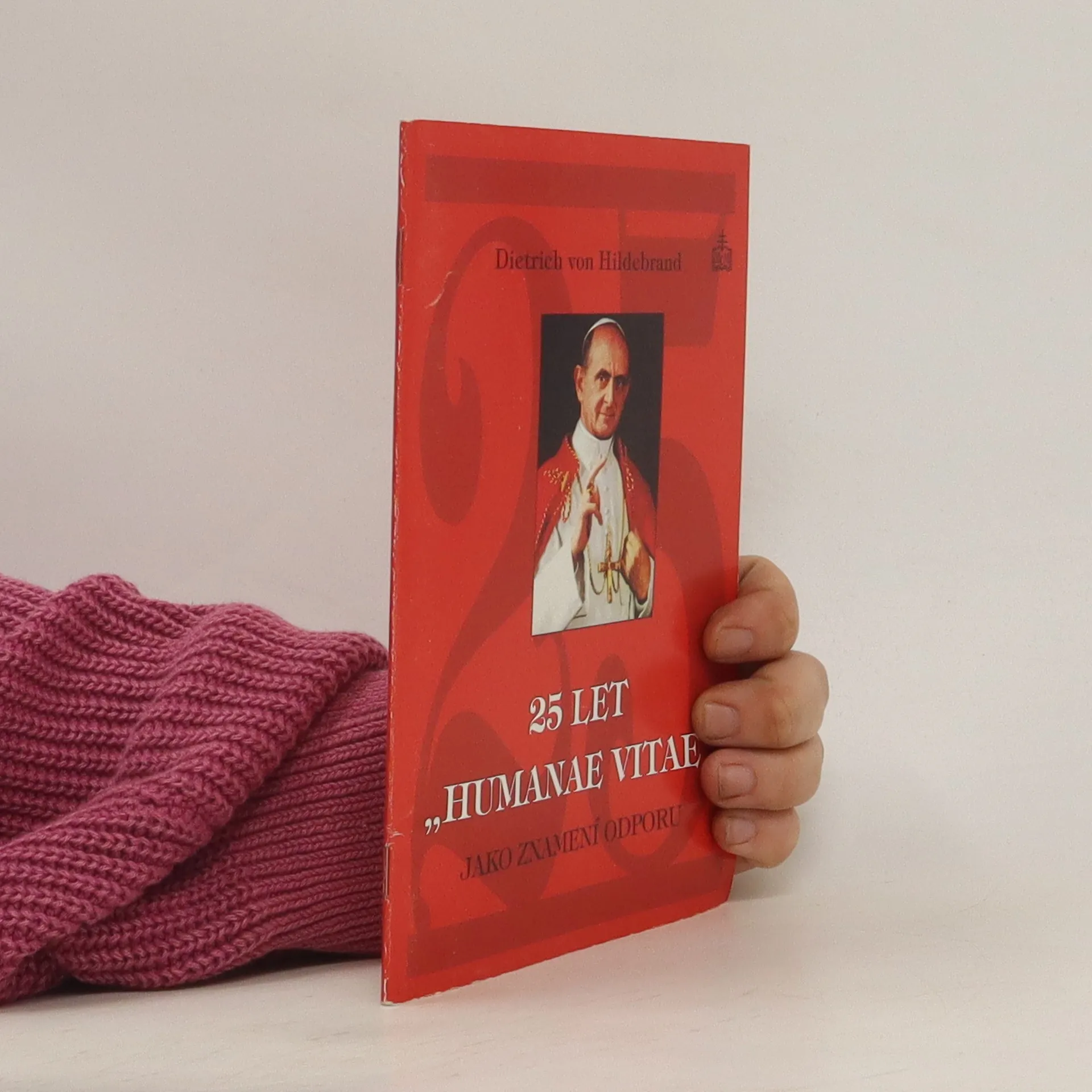
Esej katolického filosofa D. von Hildebranda o encyklice papeže Pavla VI., která se zabývá manželskou láskou a odpovědným rodičovstvím a která potvrzuje a dále rozvíjí tradiční postoj římskokatolické církve k sexualitě a plánovanému rodičovství a odmítá způsoby kontroly početí, při nichž je záměrně způsobena neplodnost pohlavního styku i umělý potrat (interrupci).