
Explore the latest books of this year!
Bookbot

Jeffrey D. McCausland

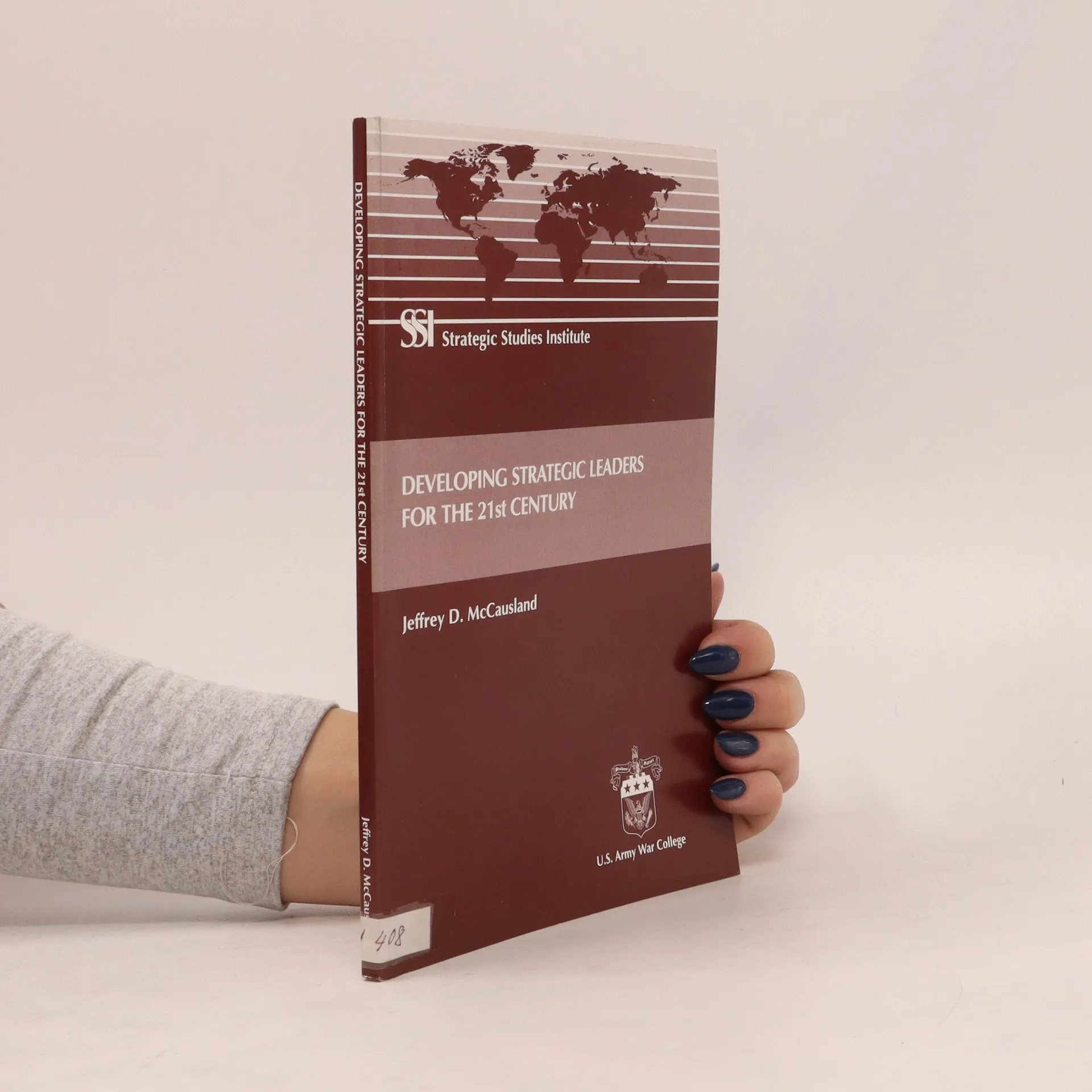
    Developing Strategic Leaders for the 21st Century
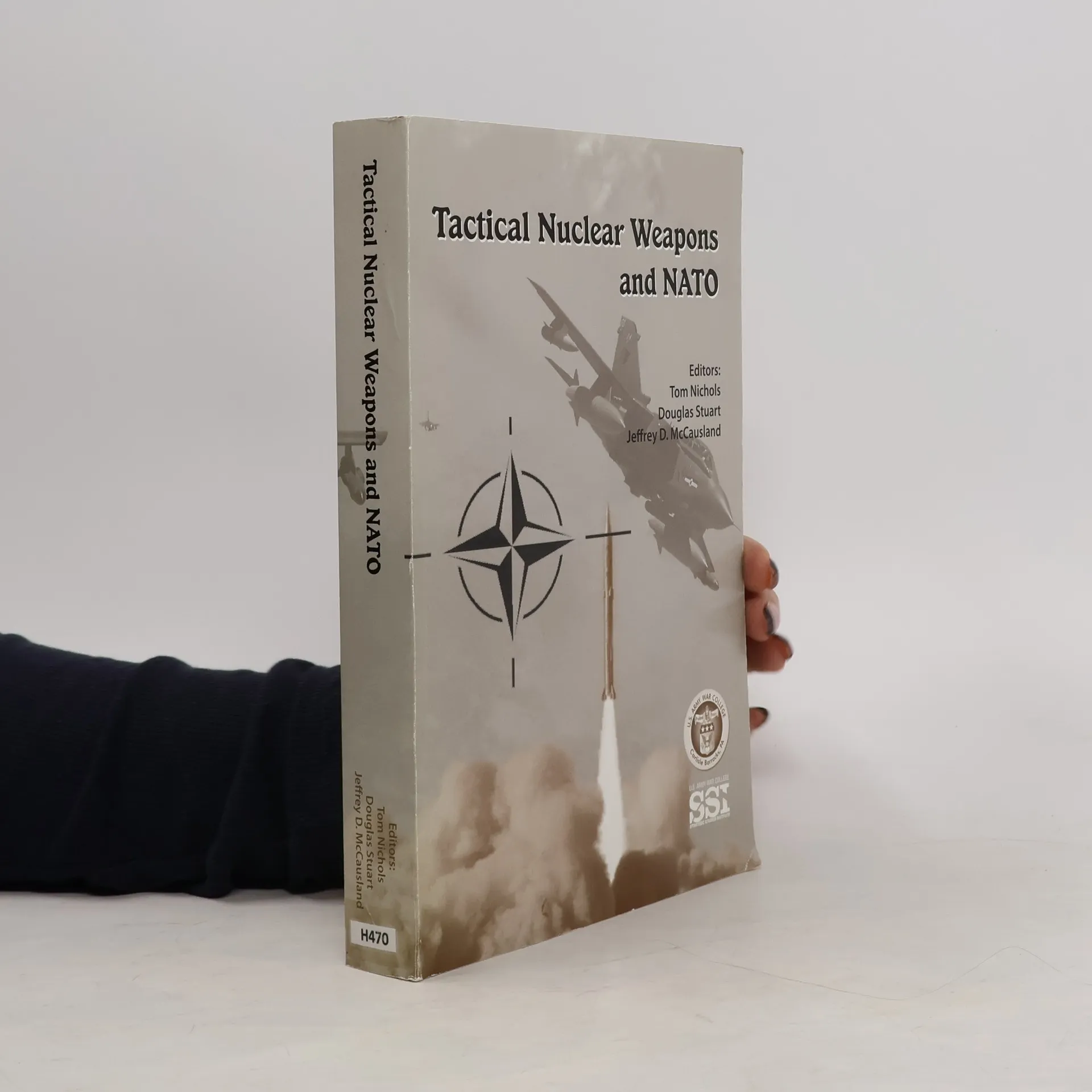
    Tactical Nuclear Weapons and NATO
    • Tactical Nuclear Weapons and NATO

      • 517 pages
      • 19 hours of reading

      "NATO has been a "nuclear" alliance since its inception. Nuclear weapons have served the dual purpose of being part of NATO military planning as well as being central to the Alliance's deterrence strategy. For over 4 decades, NATO allies sought to find conventional and nuclear forces, doctrines, and agreed strategies that linked the defense of Europe to that of the United States. Still, in light of the evolving security situation, the Alliance must now consider the role and future of tactical or non-strategic nuclear weapons (NSNWs). Two clear conclusions emerge from this analysis. First, in the more than 2 decades since the end of the Cold War, the problem itself -- that is, the question of what to do with weapons designed in a previous century for the possibility of a World War III against a military alliance that no longer exists -- is understudied, both inside and outside of government. Tactical weapons, although less awesome than their strategic siblings, carry significant security and political risks, and they have not received the attention that is commensurate to their importance. Second, it is clear that whatever the future of these arms, the status quo is unacceptable. It is past the time for NATO to make more resolute decisions, find a coherent strategy, and formulate more definite plans about its nuclear status. Consequently, decisions about the role of nuclear weapons within the Alliance and the associated supporting analysis are fundamental to the future identity of NATO. At the Lisbon Summit in Portugal in November 2010, the Alliance agreed to conduct the Deterrence and Defense Posture Review (DDPR). This effort is designed to answer these difficult questions prior to the upcoming NATO Summit in May 2012. The United States and its closest allies must define future threats and, in doing so, clarify NATO's identity, purpose, and corresponding force requirements. So far, NATO remain

      Tactical Nuclear Weapons and NATO
    • Emerging analysis of the American interagency and intergovernmental processes has underscored the nation's inability to respond effectively and coherently to contemporary national security demands. Modifications to various organizations and the overall interagency process have been recommended. These are clearly required, but there has not been sufficient attention focused on the nonmilitary human capital required to meet the challenges of the 21st century. Specifically, the Federal Government lacks a comprehensive process to ensure the recruitment, development, and retention of leaders capable of effectively integrating the contributions of specialized government agencies on behalf of larger national security interests. This new security environment requires people who are not only substantively qualified and knowledgeable of policy issues, but also possess the leadership abilities to direct large complex organizations.

      Developing Strategic Leaders for the 21st Century