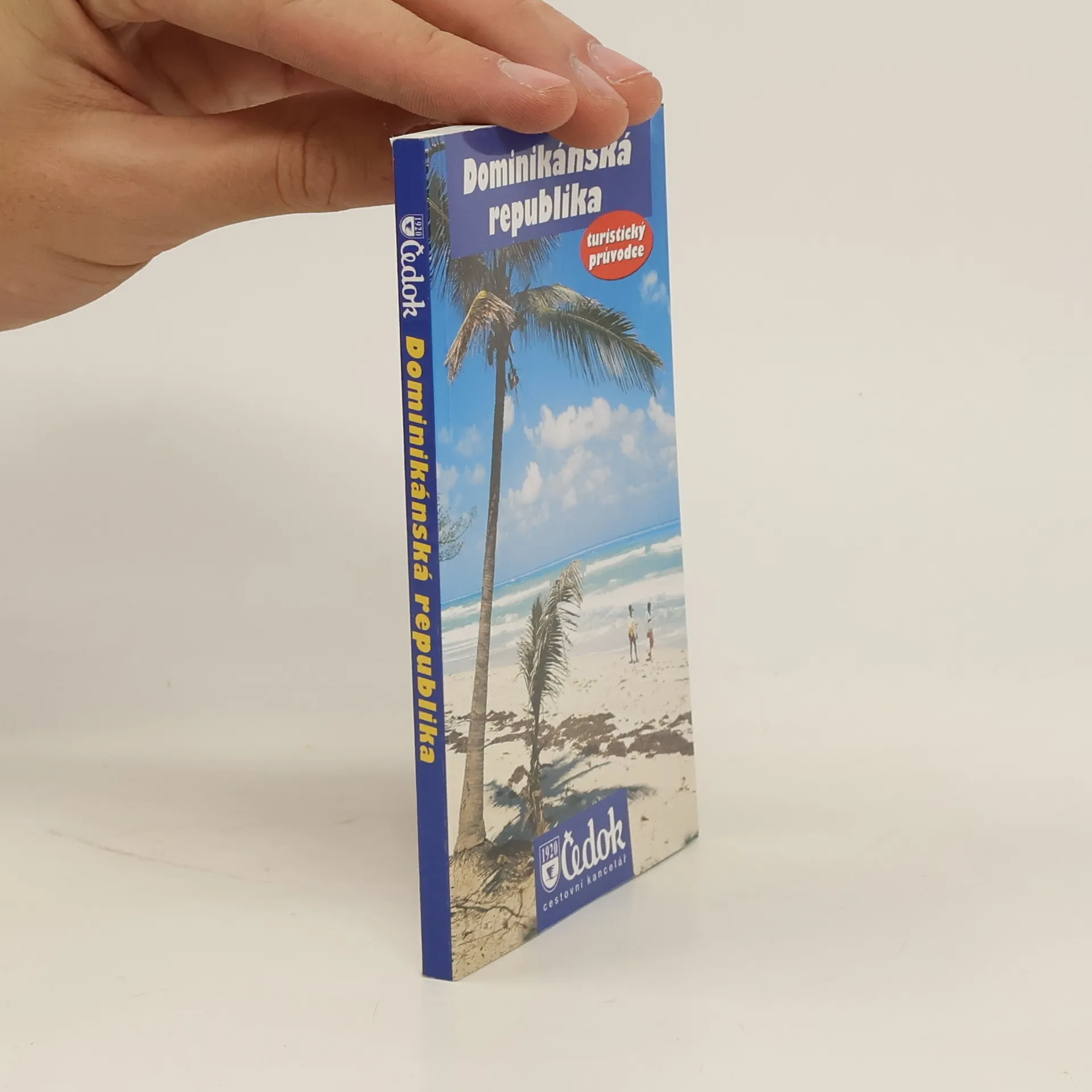
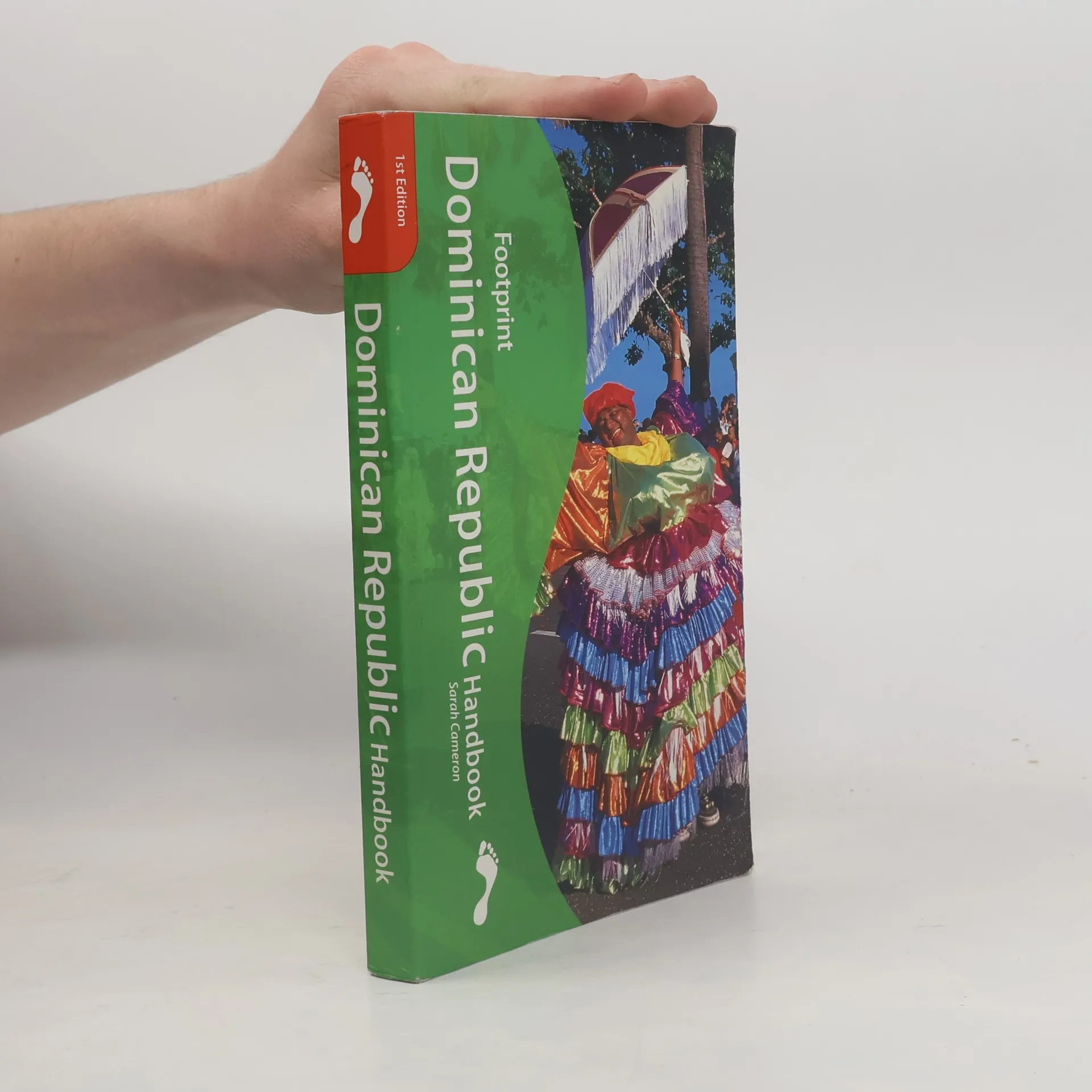
Written by an expert, this travel guide to the Dominican Republic features all aspects of holidaying in this destination. It contains information on exploring the coast, as well as exploring inland, with full coverage of the best beaches and associated watersports, and "adventure" tourism - river rafting, climbing Pico Duarte, horse riding, and walking. Extensive listings of hotels, restaurants and car hire are included, as well as comprehensive coverage of national parks. There is a special feature on the history and culture of the Republic.
Sarah Cameron Books


Caribbean Cruises
- 400 pages
- 14 hours of reading
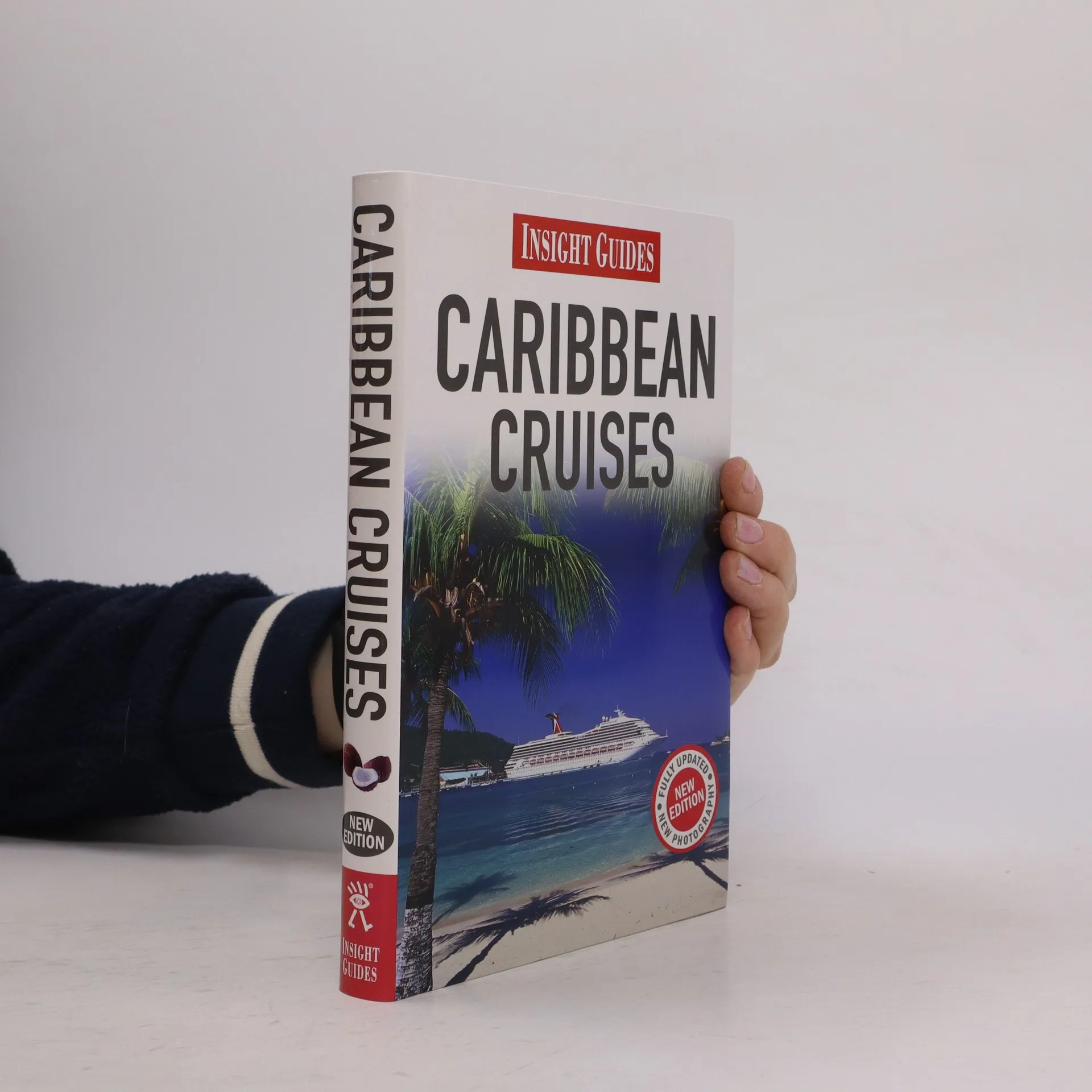
A guide to Caribbean cruises that provides photographs, detailed maps, history, travel tips, and more.
Mexico & Central America Handbook
- 1344 pages
- 48 hours of reading
Book by Cameron, Sarah, Box, Ben
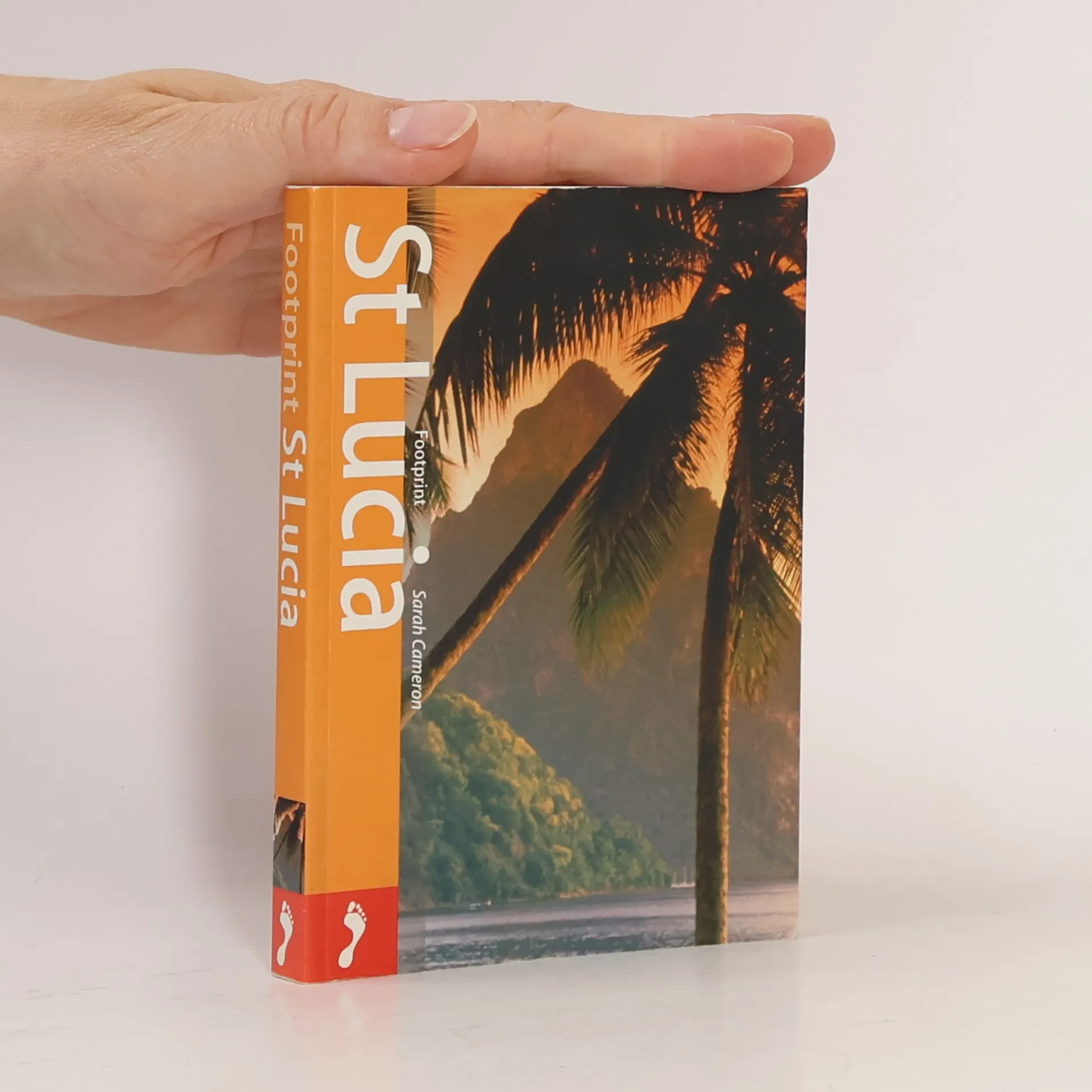
Footprint St. Lucia
- 208 pages
- 8 hours of reading
English island with French names. Anse Chastanet, Castries, Gros Islet, Soufriere, Vieux Fort. St Lucia parot. Leatherback turtles. Day sails to the most photogenic spot in the Caribbean. The Pitons, Soaring heights and crystal clear depths. The only drive-in volcano in the world. Botanic gardens and walks in the rain forest. Jazz festivals and jump ups. Gingerbread houses with red iron roofs. Forts of a long forgotten war. Pirates and revolutions. Family holidays in the sun or a romantic honeymoon... For over 80 years, Footprint has been at the forefront of travel publishing; it has unrivalled experience in producing up-to-date, relevant travel guides that inspire, inform and entertain. Written for intelligent, free-thinking and free-spirited individuals, who are always looking for an opportunity to escape the hordes, a Footprint guide strives to encourage a spirit of adventure in its readers, as well as a deep sense of respect for a country and its people and a responsible attitude towards the environment.
African rhythms, Spanish lingo, Carnivals, salsa - the one and only in-depth pocket-sized guide. Pcked with ideas for making the most of the time available. Lively and informative listings covering where to stay in all price ranges.
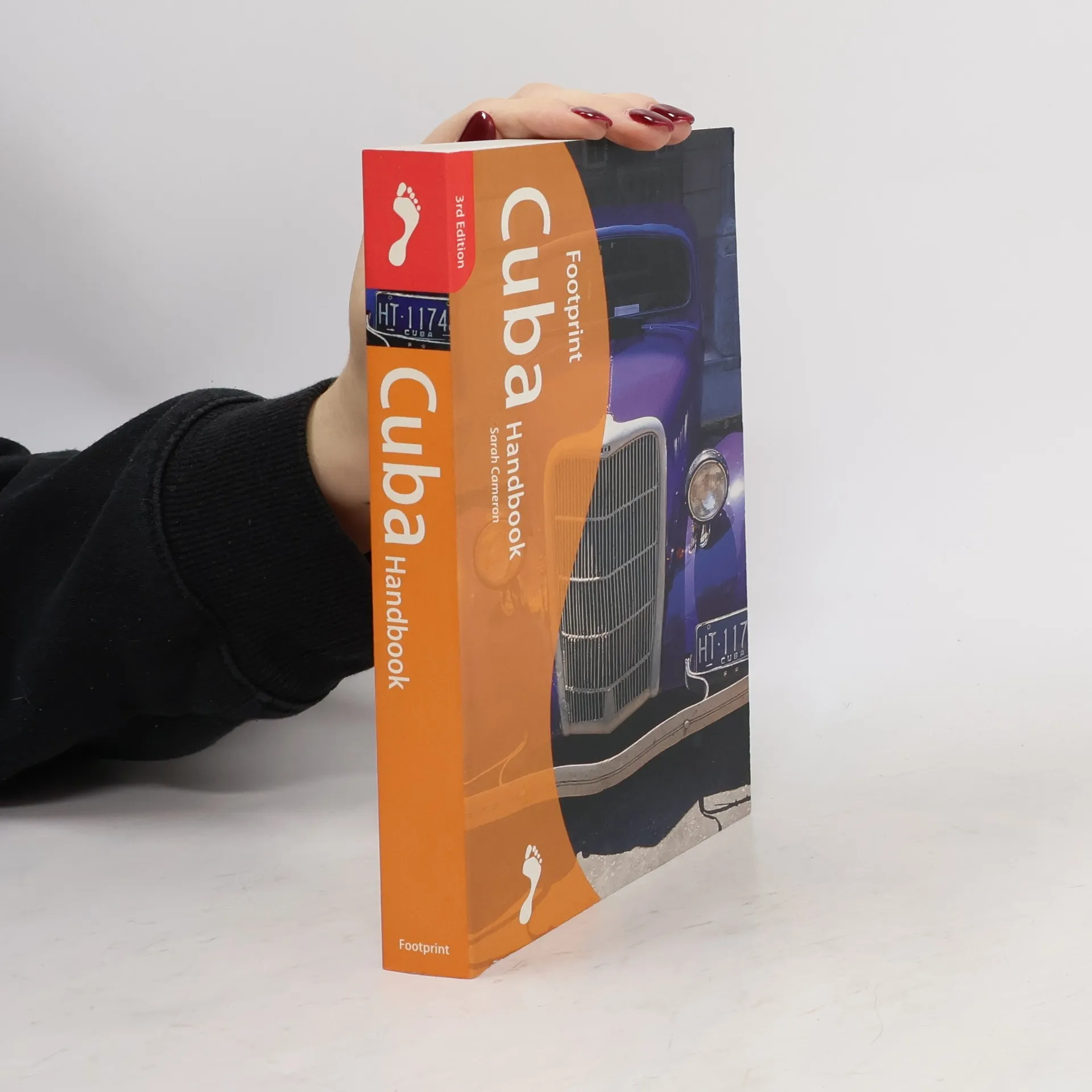
Footprint Cuba Handbook - 3rd Edition
- 464 pages
- 17 hours of reading
Footprint's Cuba Handbook is the ideal guide to take to this ever more popular Caribbean paradise. Fully revised and loaded, this third edition contains ideas on how to soak up the island ambience, from the romanticism of decadent Havana to the relaxing beaches up the north coast. This guide will appeal to any type of traveler with sections ranging from cultural background information detailing Cuba's social history and profiles of natural wonders not to miss, including tropical rainforests, biosphere reserves, and national parks, to up-to-date details on living with the locals (how to stay in private homes) and knowing your conga from your rumba -- the essential low-down on dancing and nightlife. A special section on cycling covers the hottest form of transportation on the island. Footprint travel guides are synonymous with discovery and adventure -- their purpose is to convey the very essence of a destination and to feel its pulse. Eye-opening, accurate, and reliable information is given in each guide, ensuring that every trip is memorable, enlightening, and informing. Footprint's guidebooks are the future of travel, stressing a sensitivity to local issues.
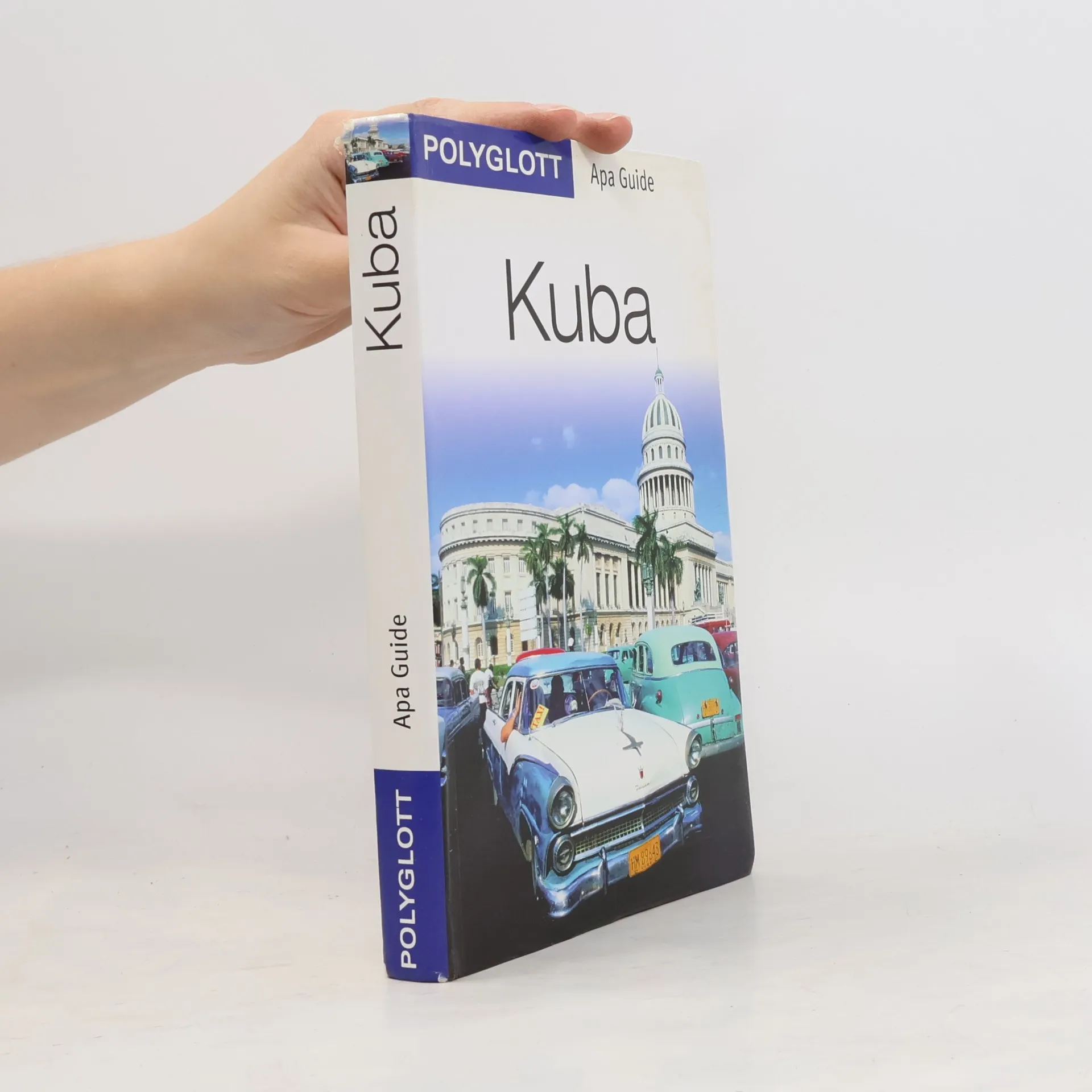
Kuba
- 368 pages
- 13 hours of reading
Der POLYGLOTT Apa Guide Kuba ist der ideale Begleiter für Ihre Reisevorbereitung. Er präsentiert die schönsten Orte Kubas und inspiriert dazu, die vielfältige Kultur, das Land und die Menschen kennenzulernen. Im „Reisemagazin“ werden die Highlights in Kurzform vorgestellt, während der Abschnitt „Hintergrund“ die faszinierenden Menschen und ihre Geschichte beleuchtet. Der umfangreichste Teil, „Unterwegs“, empfiehlt sorgfältig ausgewählte Reiseregionen, von beeindruckender Natur bis hin zu lebhaften Städten, unterstützt durch übersichtliche Landkarten. Havanna, die Hauptstadt mit über zwei Millionen Einwohnern, bietet weit mehr als ihr koloniales Zentrum. Der Westen Kubas ist bekannt für seine üppig grüne Landschaft, in der Tabak, Bananen und Ananas gedeihen, und die weißen Sandstrände sind nie weit entfernt. Varadero mit seinem 20 km langen Sandstrand ist ein beliebtes Ferienziel, während das echte Kuba in den ruhigen Städten Matanzas und Cárdenas zu finden ist. Die Halbinsel Zapata ist ein bedeutendes Naturschutzgebiet, und im ländlichen Zentralkuba erstrecken sich Zuckerrohrfelder bis zum Horizont. Santiago de Cuba, die zweitgrößte Stadt, beeindruckt mit ihrer heroischen Vergangenheit und einer lebendigen Musiktradition. Im Teil „Reiseservice“ finden Sie Informationen zu Unterkünften, Aktivitäten und Festen. Mit diesem Guide wird Ihre Reise unvergesslich!
Malý kapesní průvodce. V tomto průvodci naleznete obrovské množství praktických informací o místech, která si nesmíte nechat ujít. Dále pak jedinečné tipy z oblasti kutury, sportu a nočního života. Nechybí podrobné mapy, pěkné fotografie a jedinečný výběr doporučených hotelů a restaurací.