

At the beginning of the 20th century, soccer was widely accepted as the most popular sport in the western world. Starting in Britain in the 19th century but with roots going back to the late Middle Ages, it quickly spread from there to the rest of the world. Yet here was a game with strong traditional folk-roots; a game originally intended for urban working men. This text tells the story of the remarkable rise of a remarkable game—and the way it became the game of the masses across the globe.
James Walvin Books
January 1, 1942
James Walvin's scholarship delves deeply into the extensive histories of slavery and the slave trade, offering profound insights into their impact on humanity. His work is recognized for its rigorous historical analysis and its empathetic portrayal of the human experience within these systems. Beyond these foundational studies, he has also pioneered the examination of football's history, with his influential works remaining relevant decades after their initial publication. Walvin's distinctive approach lies in his ability to blend meticulous research with a compelling narrative style.

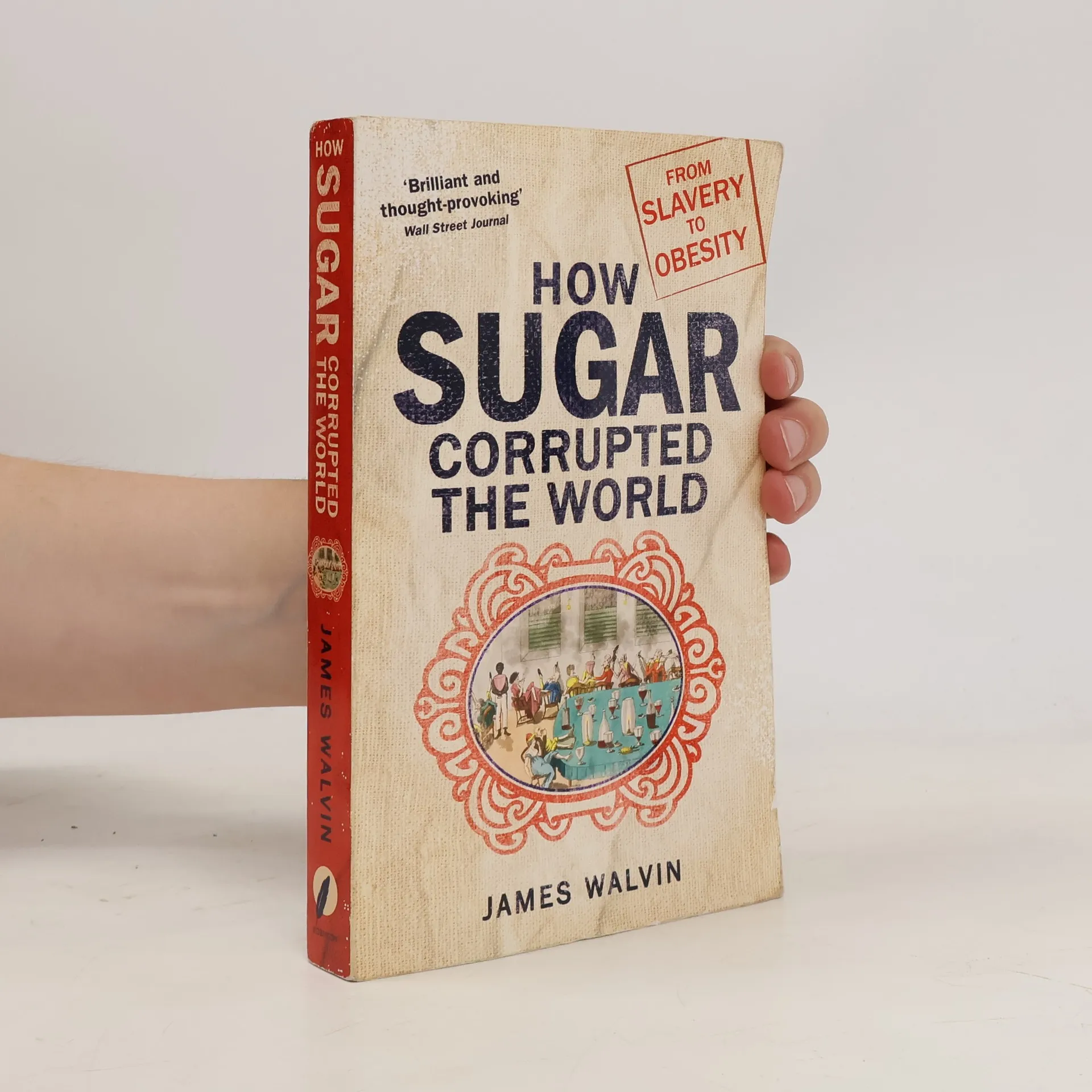
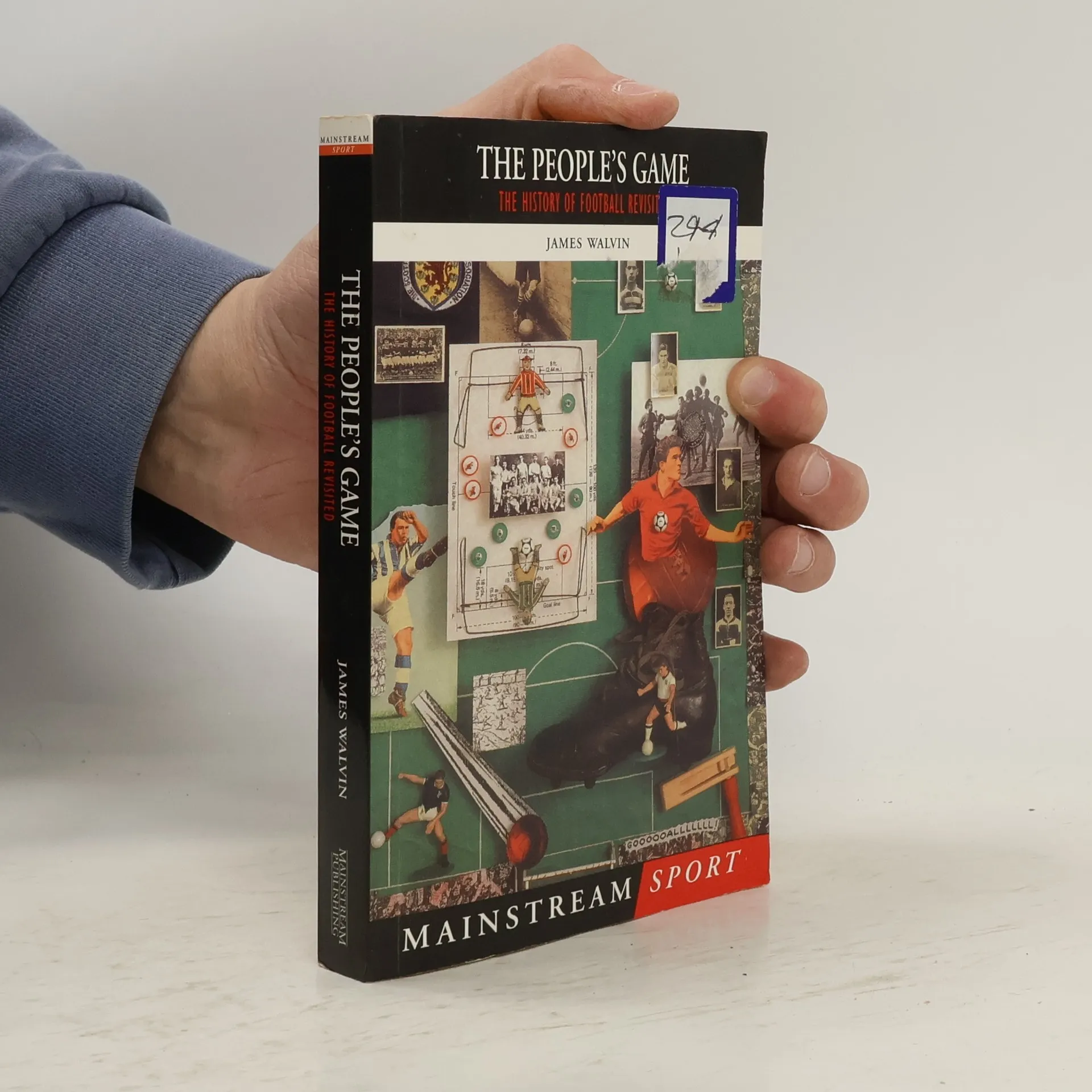
BRAND NEW, Exactly same ISBN as listed, Please double check ISBN carefully before ordering.
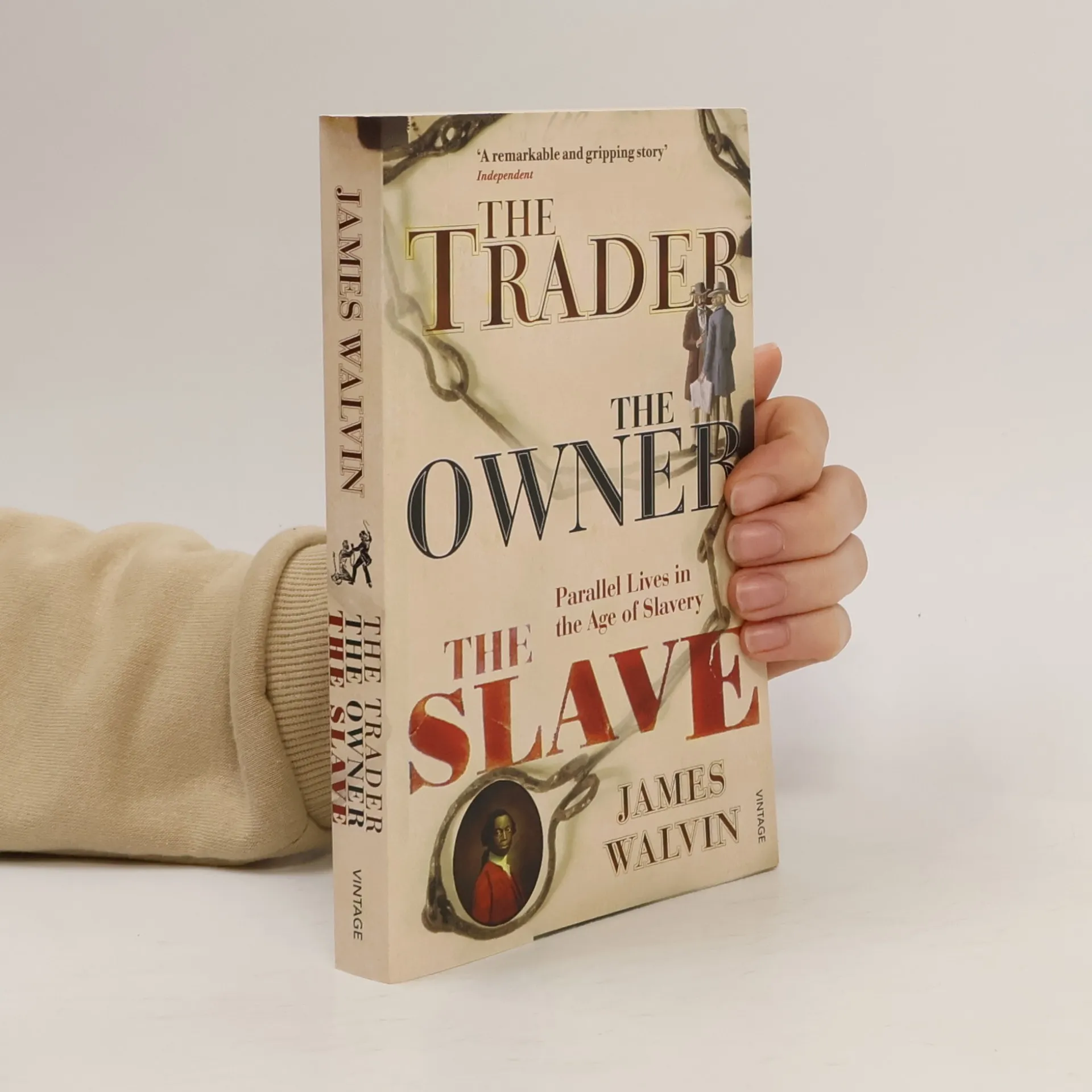
James Walvin offers a new and an original interpretation of the barbaric world of slavery and of the historic end to the slave trade in April 1807. Thomas Thistlewood's (1721-86) unique diary provides some of the most revealing images of a slave owner's life in the most valuable of all British slave colonies.
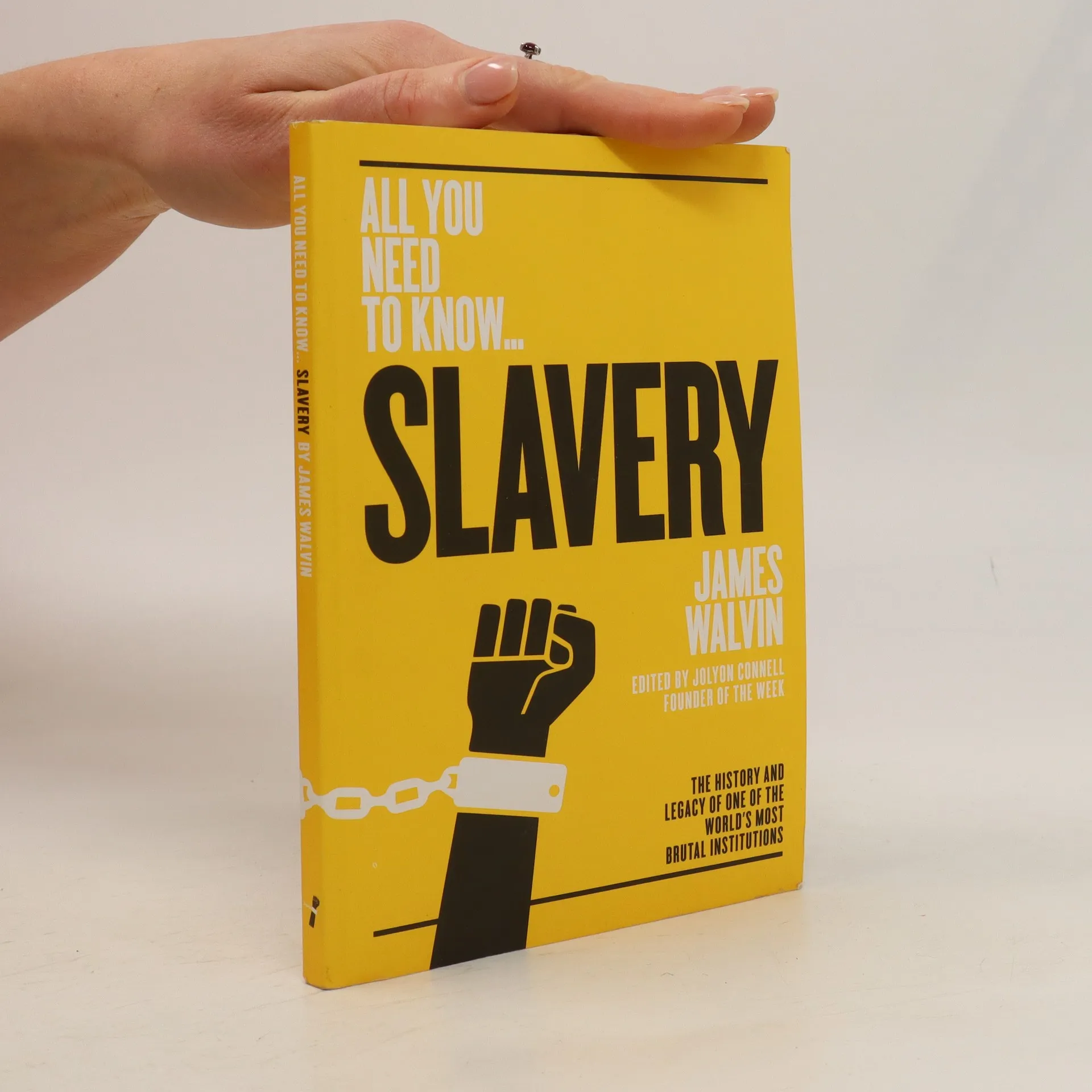
Slavery
- 128 pages
- 5 hours of reading
Western slavery goes back 10,000 years to Mesopotamia, today’s Iraq, where a male slave was worth an orchard of date palms. Female slaves were called on for sexual services, gaining freedom only when their masters died. This book traces slavery from classical times to the present. It shows how the enforced movement of more than 12 million Africans on to the Atlantic slave ships, and the scattering of more 11 million survivors across the colonies of the Americas between the late 16th and early 19th centuries, transformed the face of the Americas. Though they were not its pioneers, it was the British who came to dominate Atlantic slavery, helping to consolidate the country’s status as a world power before it became the first major country to abolish slavery. James Walvin explores the moral and economic issues slavery raises, examines how it worked and describes the lives of individual slaves, their resilience in the face of a brutal institution, and the depths to which white owners and their overseers could on occasion sink in their treatment of them.
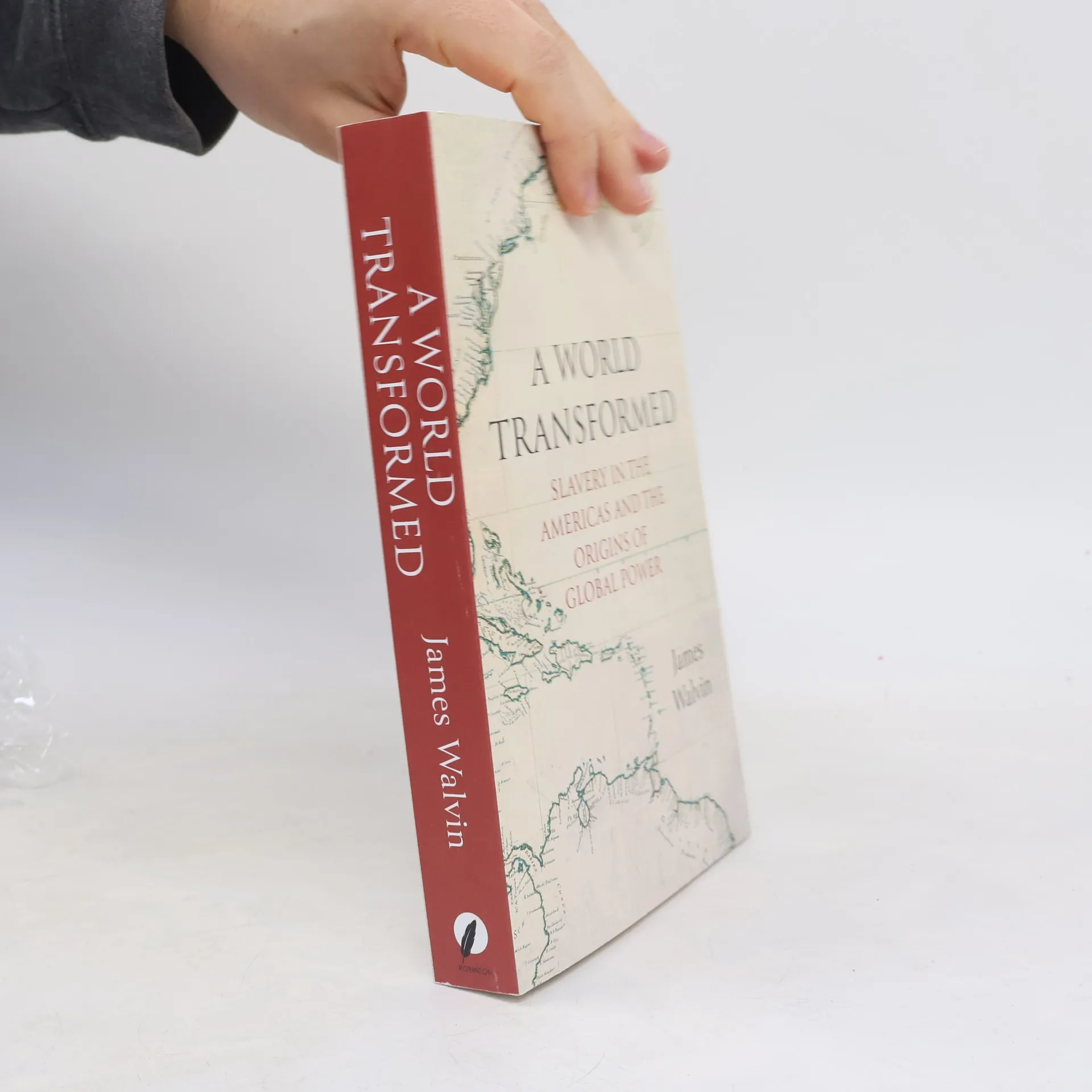
A World Transformed
- 400 pages
- 14 hours of reading
This comprehensive study examines how slavery and enslaved people have shaped the modern world. It argues that a full understanding of slavery requires moving beyond traditional national histories, collecting recent scholarship into a cohesive narrative. The author presents a global story that encompasses the capitalist economy, labor, environment, and social culture, including ideas of family, beauty, and taste. The book emphasizes the profound role of slavery in the formation of the modern world, highlighting the enforced transportation and labor of millions of Africans as a significant social and economic force. This catalyzed the rapid development of extensive trading systems with far-reaching global consequences. The labor and products of enslaved individuals transformed consumption patterns across continents, influencing societies in India, Asia, Europe, Africa, and the Americas. Slavery's impact shaped many dominant features of Western culture, including luxury items that may seem disconnected from its brutal reality. The narrative traces the enduring global effects of slavery over centuries, extending beyond legal or historical milestones, and asserts that the world created by slave labor continues to resonate today.
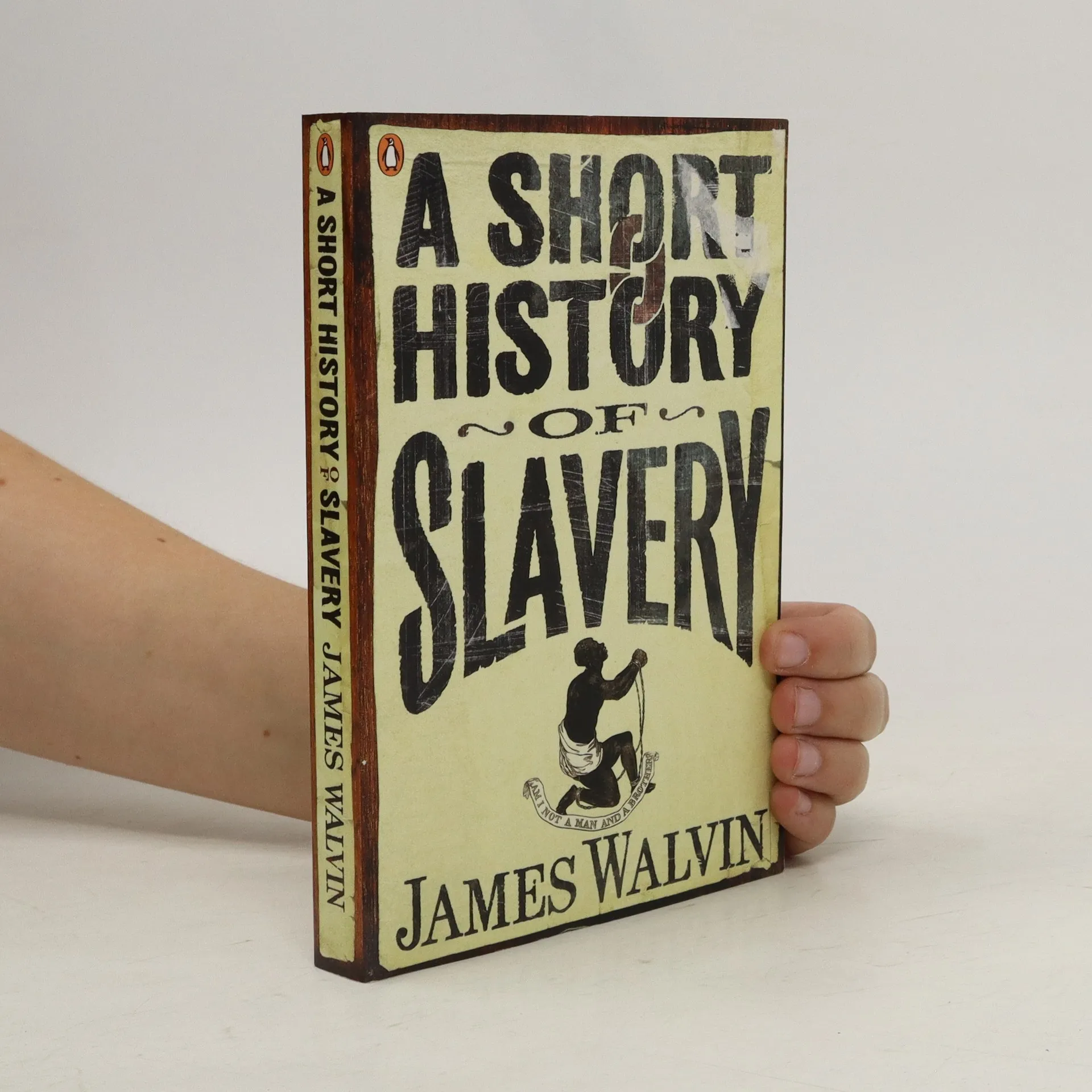
A Short History of Slavery
- 272 pages
- 10 hours of reading
Presents an account of the Atlantic slave trade which helps us to understand the rise and fall of one of the most shameful chapters in British history.