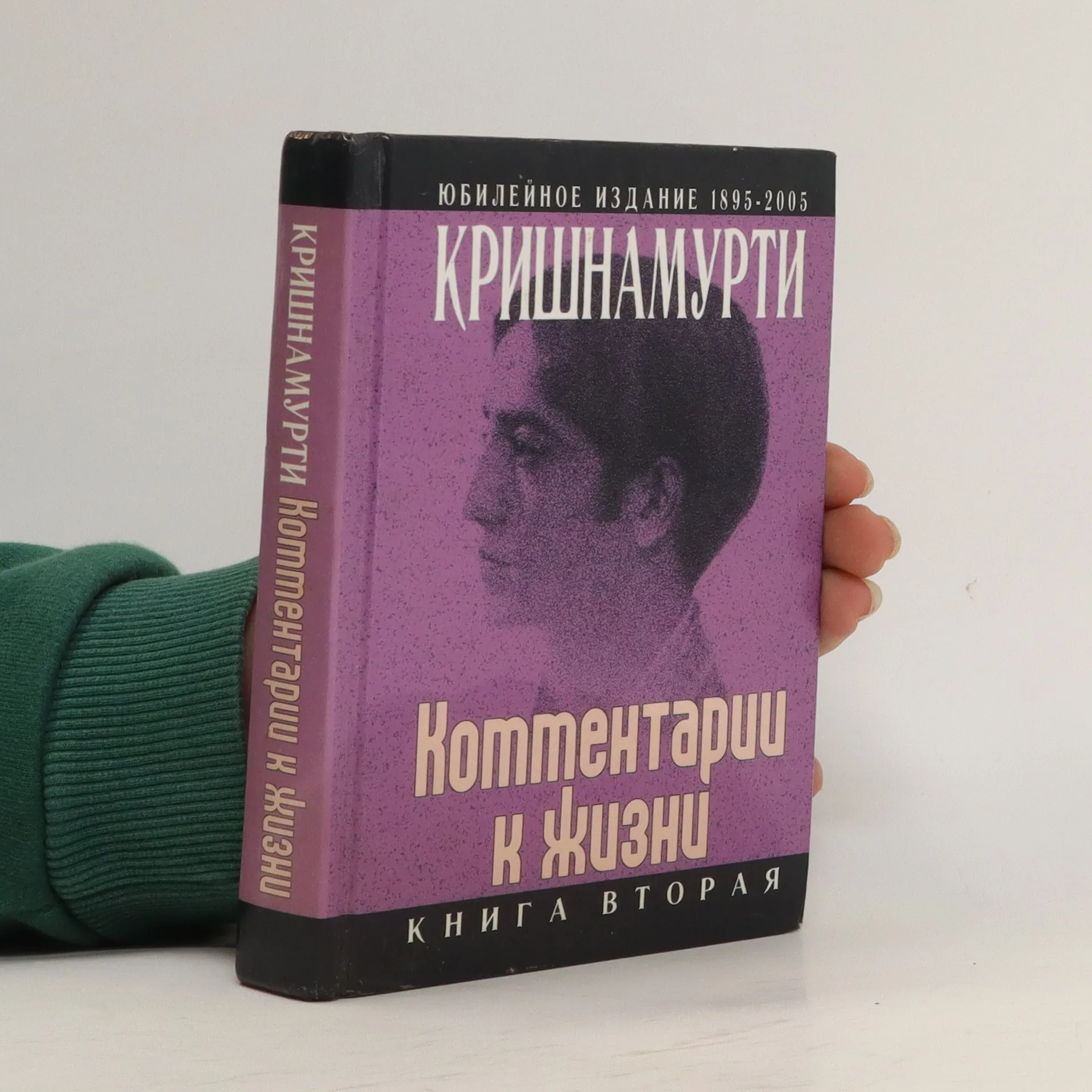
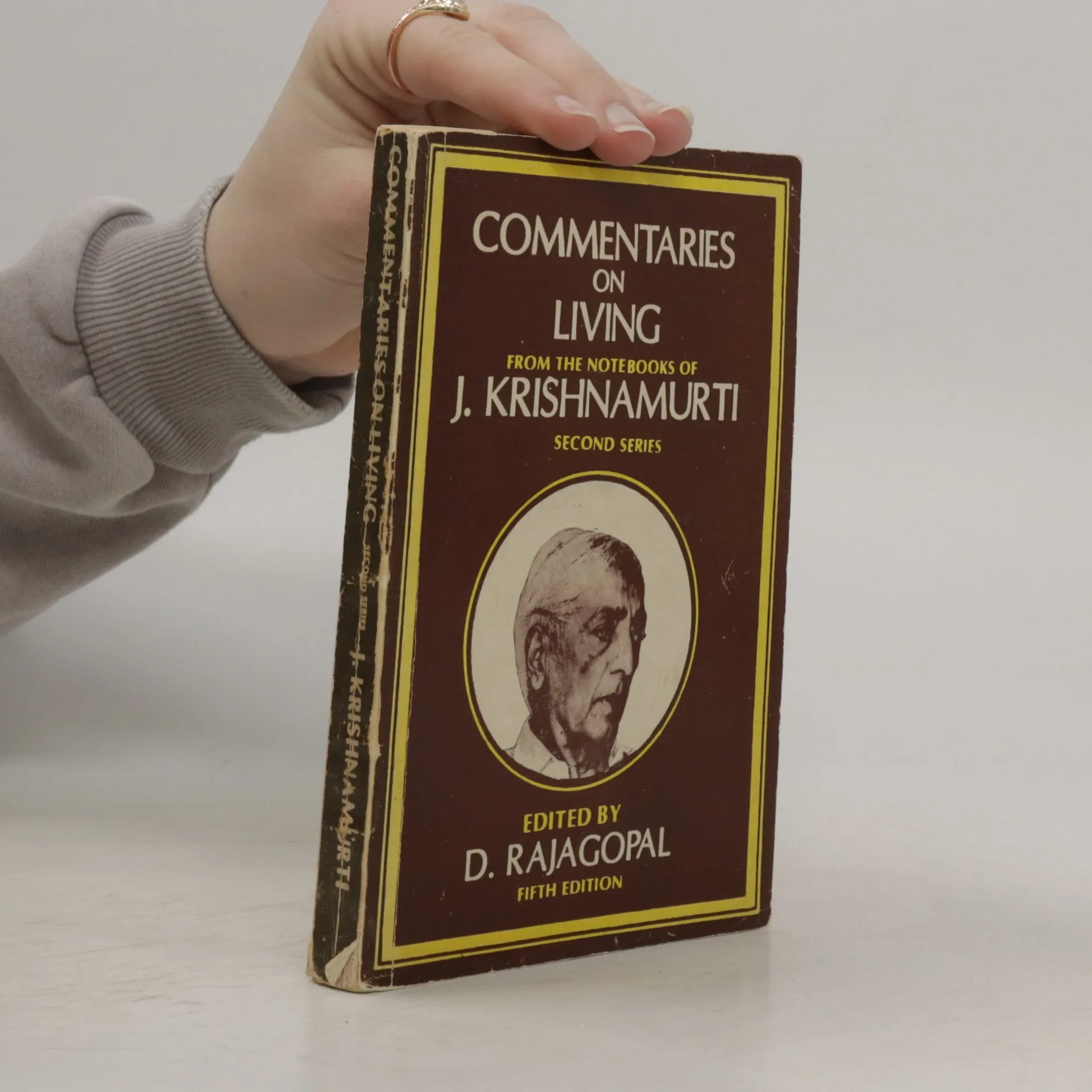
Krishnamurti's essential message is that to find truth, we must go beyond the limits of ordinary thought. In public talks worldwide, he strove to free listeners from conventional beliefs and psychological mind-sets in order to understand what is. This 3-volume series records his meetings with individual seekers from all walks of life, during which he comments on the struggles common to those who work to break the boundaries of personality and self-limitation. This second volume of the 3-part series includes discussions of creative happiness, devotion, worship, the fear of death, karma and an experience of bliss.
Jiddu Krishnamurti Books
May 12, 1895 – February 17, 1986
Jiddu Krishnamurti was globally regarded as one of the greatest thinkers and religious teachers of all time. He did not expound any philosophy or religion, but rather spoke of the concerns of our everyday lives, the challenges of modern society with its violence and corruption, the individual's search for security and happiness, and humanity's need to shed inner burdens of fear, anger, hurt, and sorrow. He precisely explained the subtle workings of the human mind, emphasizing the necessity of bringing a deeply meditative and spiritual quality to daily life. His teachings, relevant to the modern age, are both timeless and universal.


Krishnamurti's essential message is that to find truth, we must go beyond the limits of ordinary thought. In public talks worldwide, he strove to free listeners from conventional beliefs and psychological mind-sets in order to understand what is. The essential message of J. Krishnamurti, revered philosopher and spiritual teacher to millions, challenges the limits of ordinary thought. In talks and teachings to audiences worldwide, he extricated his listeners from the tangled net of ideas, organizational beliefs and psychological mind-sets and pointed them to the bliss of truth. In the final volume of this series, conversations with individual seekers explore many topics, including the cultivation of sensitivity, the problem of search, the importance of change, and "What is life all about?"
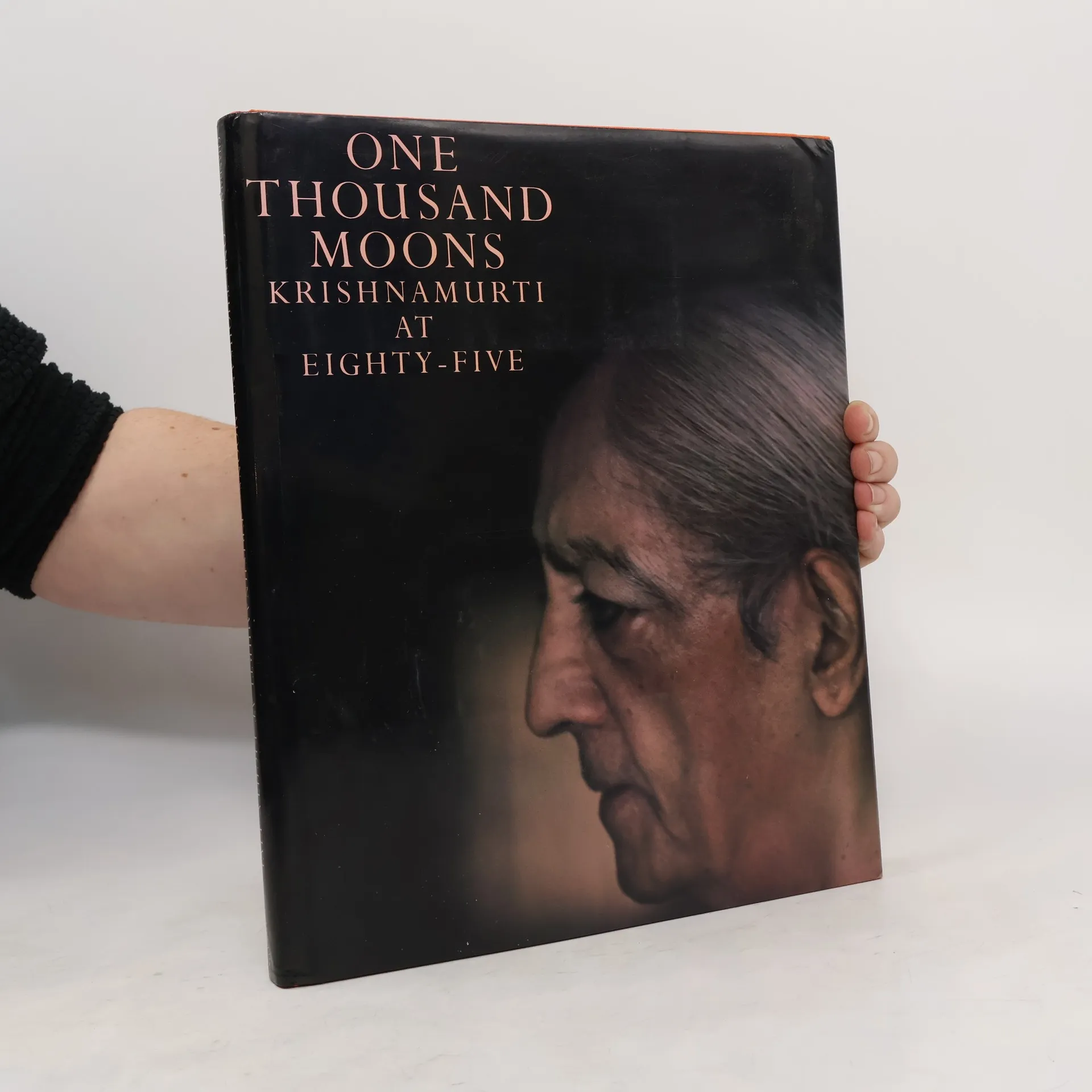
Photographs portraying the daily activities of the spiritual teacher, Jiddu Krishnamurti, are accompanied by a description of his life
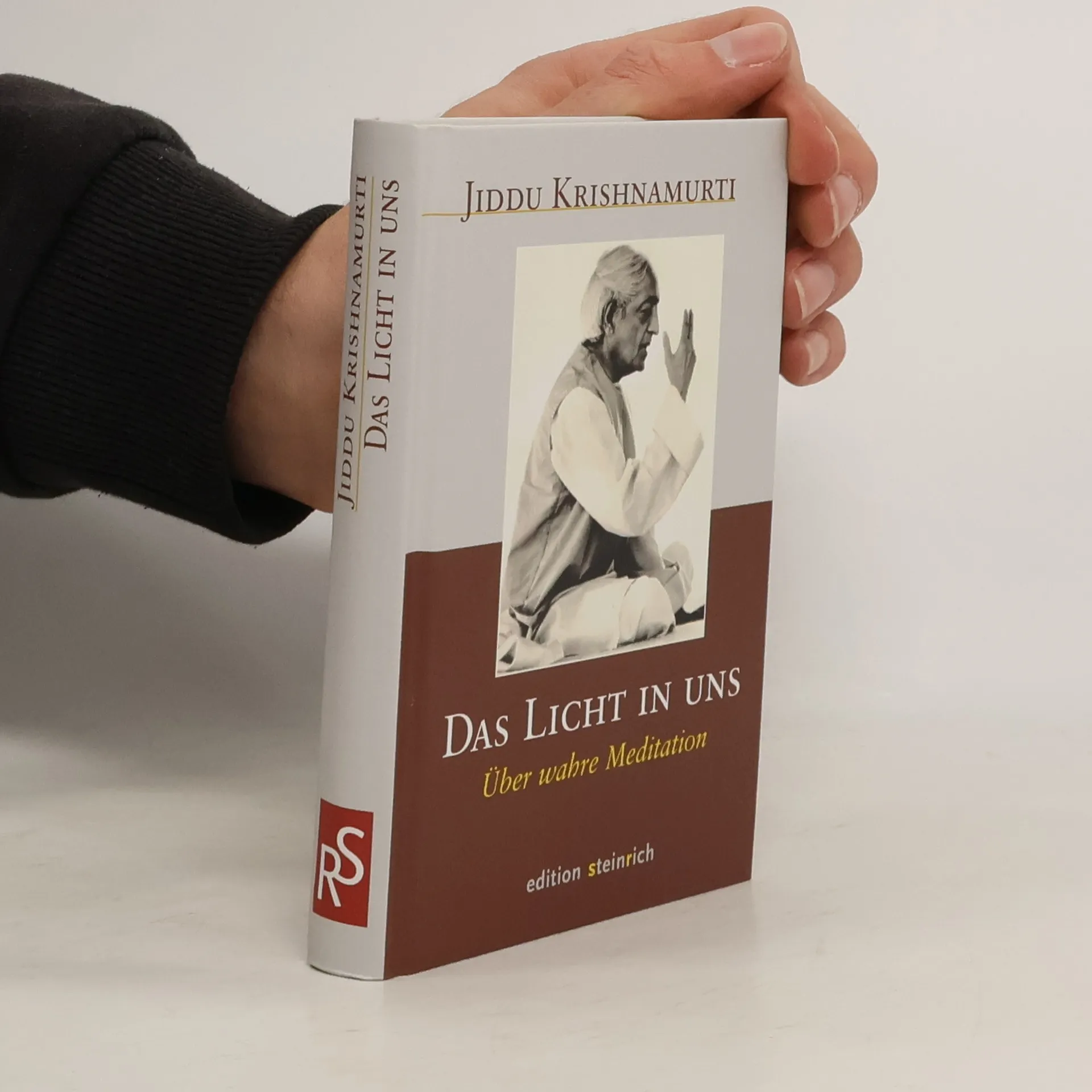
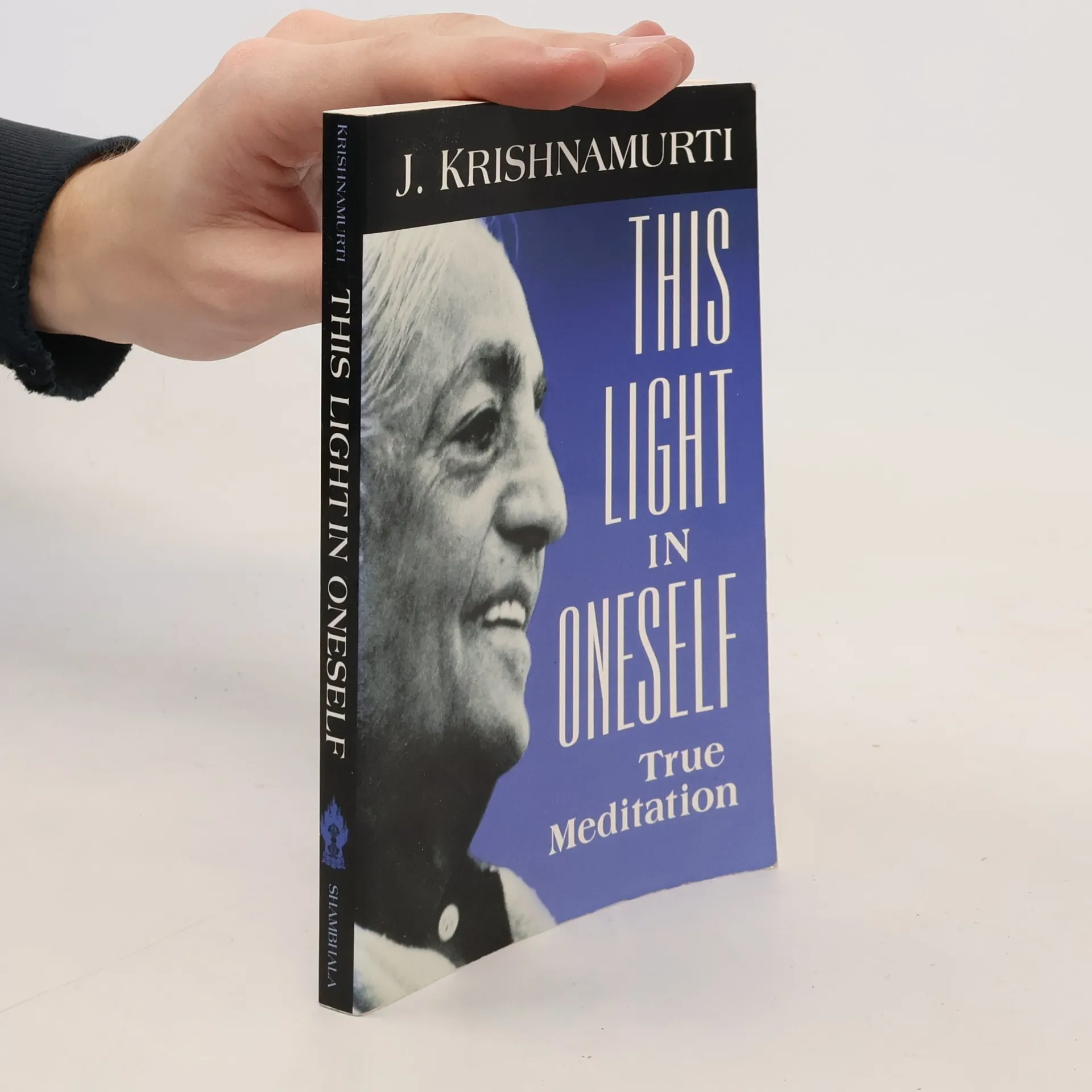
A leading spiritual teacher of the twentieth century presents meditation as a tool for better understanding not just ourselves but the world around us These selections present the core of Krishnamurti's teaching on meditation, taken from discussions with small groups, as well as from public talks to large audiences. His main theme is the essential need to look inward, to know ourselves, in order really to understand our own—and the world's—conflicts. We are the world, says Krishnamurti, and it is our individual chaos that creates social disorder. He offers timeless insights into the source of true freedom and wisdom.
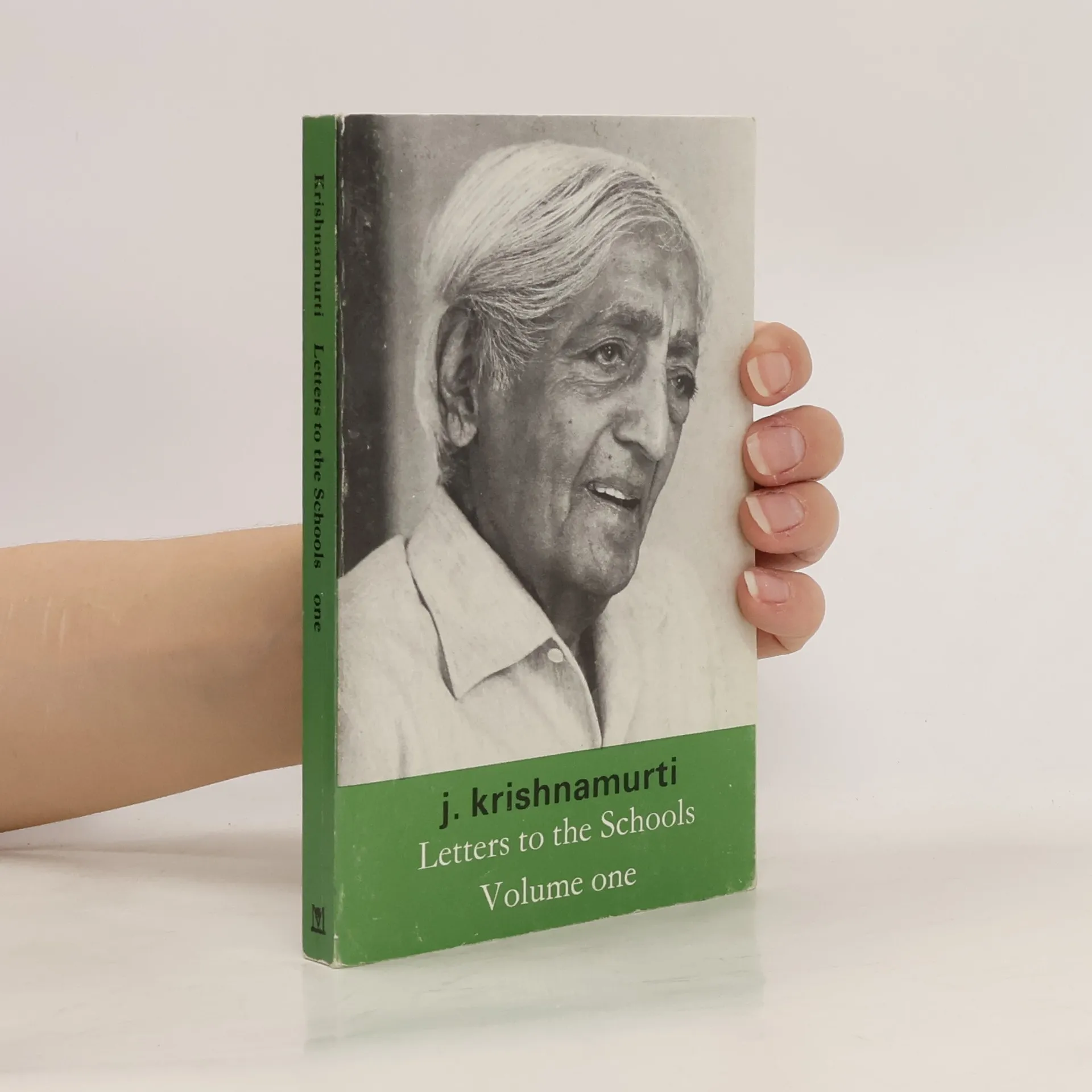
Letters to the Schools
- 132 pages
- 5 hours of reading
Most on the responsibilities of schools in the development of human personality and society.
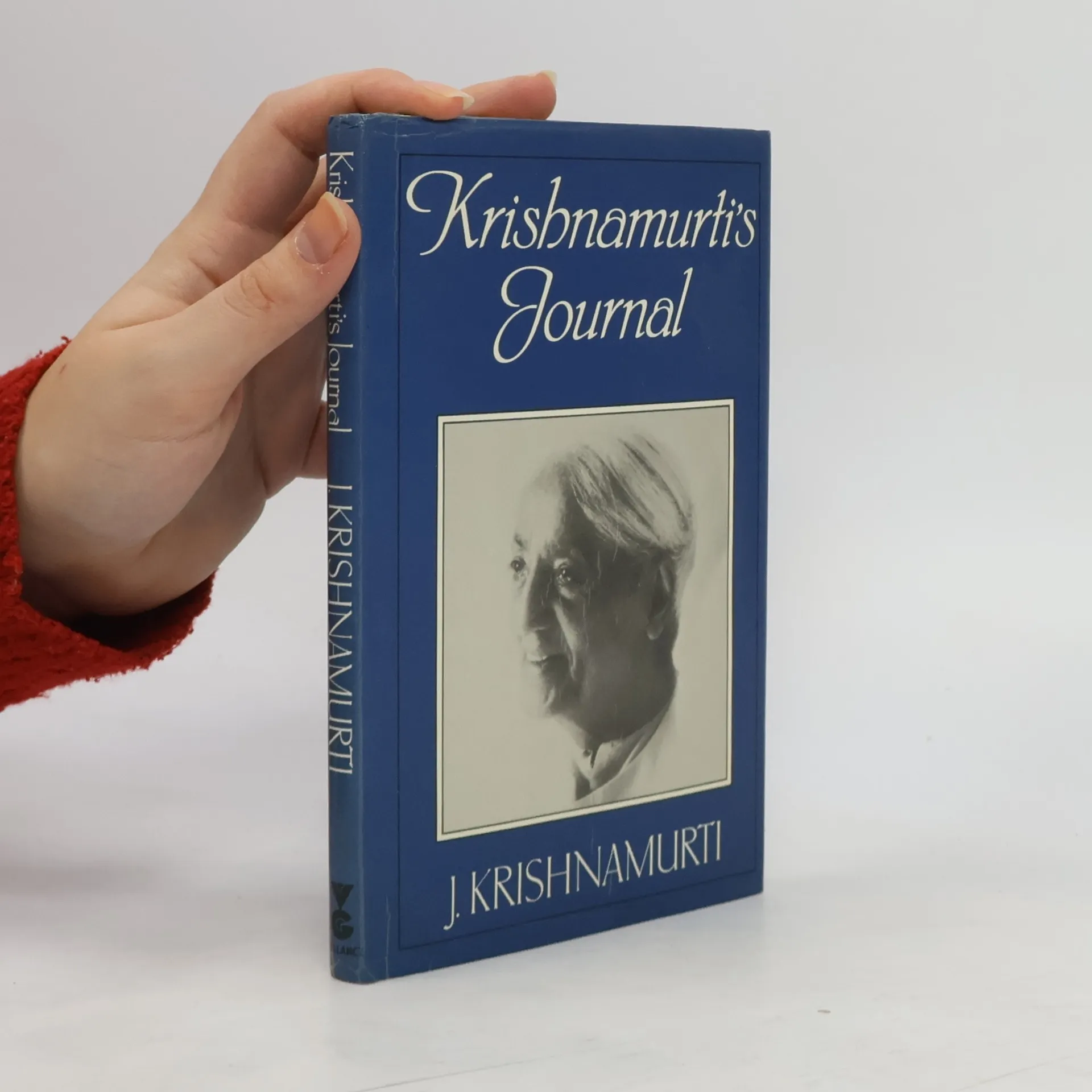
Krishnamurti's Journal
- 100 pages
- 4 hours of reading
In his diary, the distinguished philosopher contemplates his life and discusses subjects, including consciousness, meditation, communication, and nature
Jiddu Krishnamurti, once heralded as a World Leader by the Theosophical Society, shares profound insights in this collection of 88 essays. He explores universal themes such as gossip, wealth disparity, virtue, love, belief, and fear, offering reflections that resonate with the human experience. Through his thought-provoking commentary, he encourages readers to confront and understand the complexities of life, making this work a relevant guide for personal growth and self-awareness.
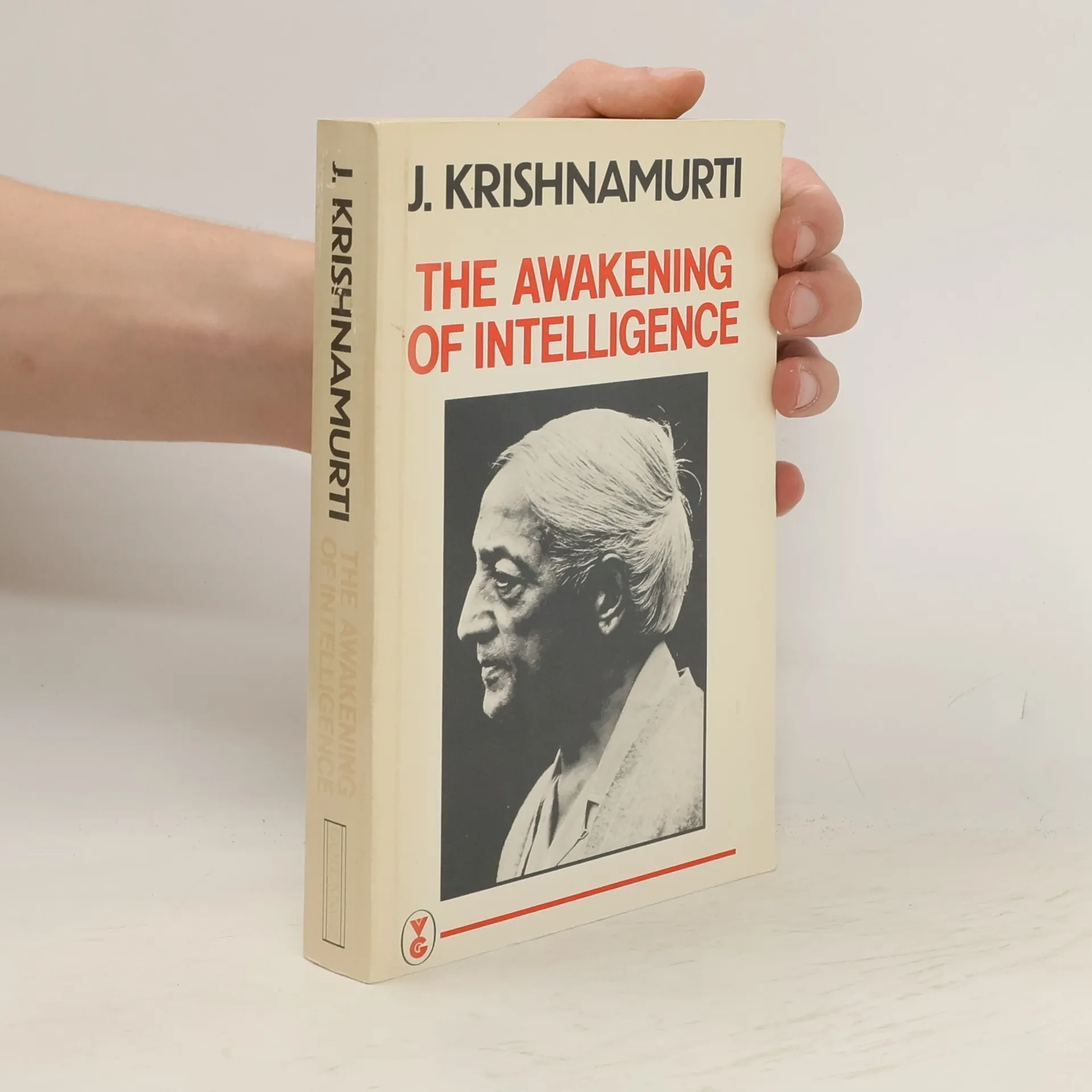
The Awakening of Intelligence
- 538 pages
- 19 hours of reading
This comprehensive record of Krishnamurti's teachings is an excellent, wide-ranging introduction to the great philosopher's thought. With among others, Jacob Needleman, Alain Naude, and Swami Venkatasananda, Krishnamurti examines such issues as the role of the teacher and tradition; the need for awareness of 'cosmic consciousness; the problem of good and evil; and traditional Vedanta methods of help for different levels of seekers.
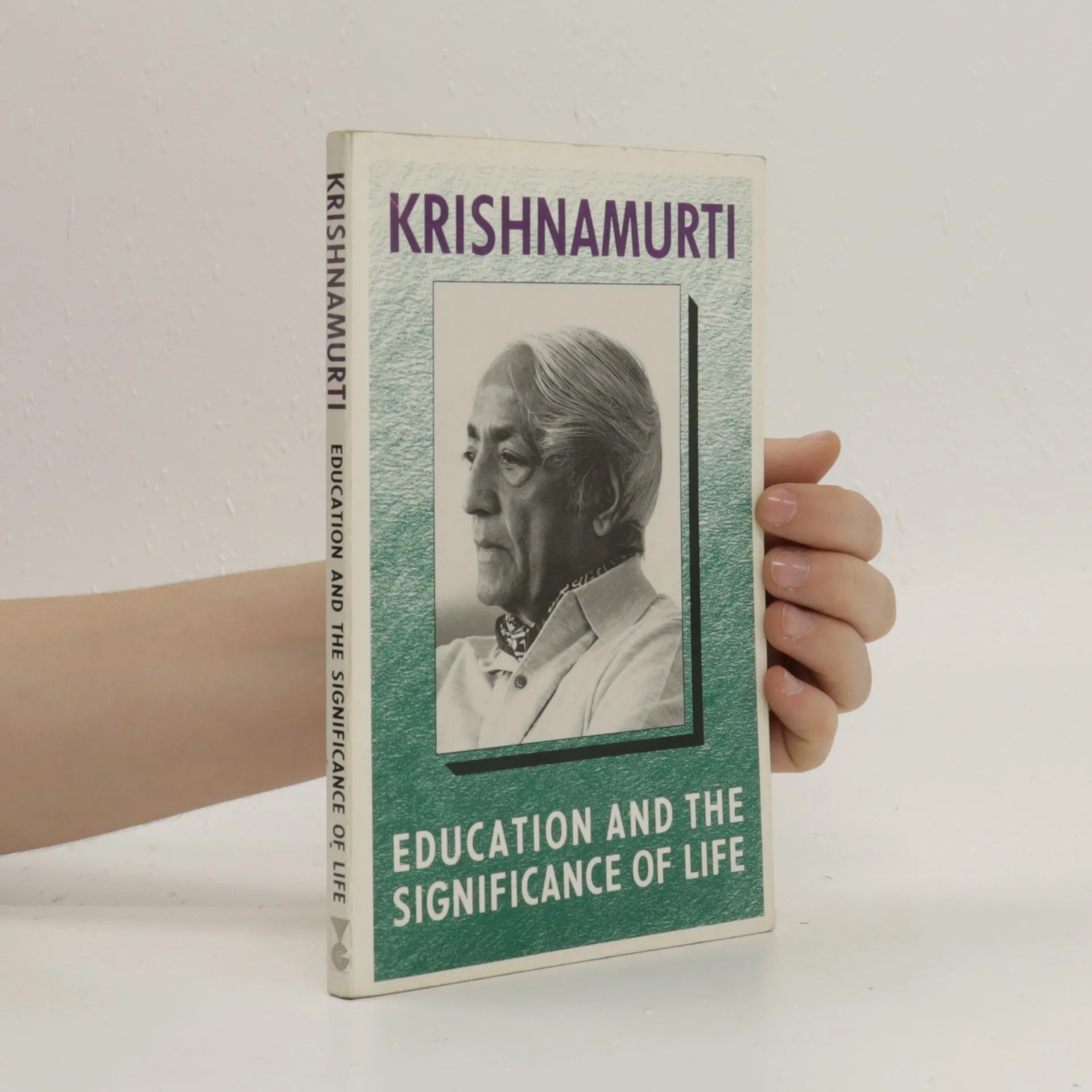
Education and the Significance of Life
- 128 pages
- 5 hours of reading
Part of a series of books by Krishnamurti, this book looks at education. He maintains that if the individual could learn to see his conditioniong of race, nationality, religion, dogma, tradition, etc., as inevitably leading to conflict, then he could begin to undo their damaging influence.
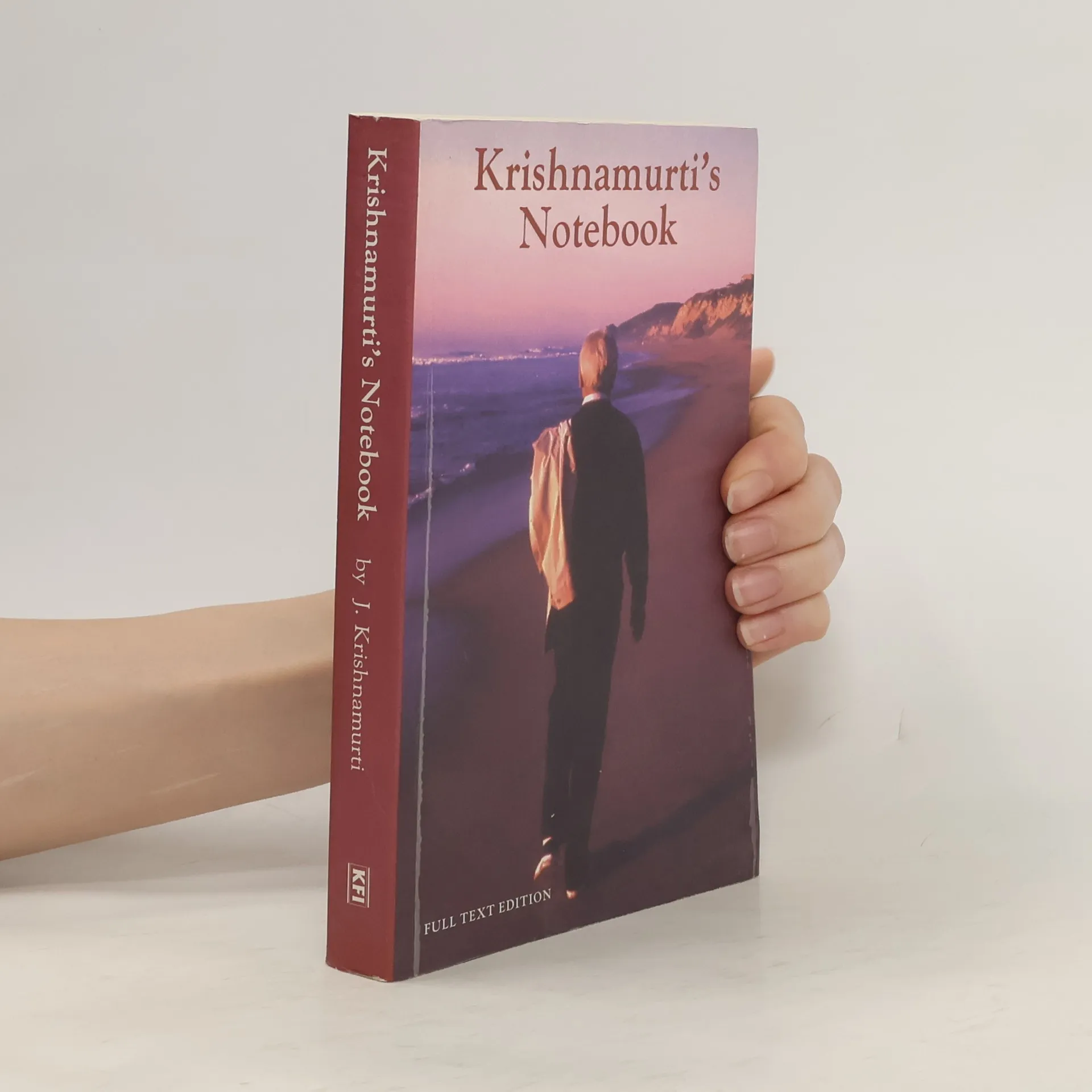
Krishnamurti's Notebook
- 400 pages
- 14 hours of reading
When KrishnamurtiOs Notebook first became available in 1976, it was soon realized that it was a spiritually unique document giving his perceptions and experiences and describing his states of consciousness. It is a kind of diary but one that is little concerned with the day to day process of living, though very much aware of the natural world.
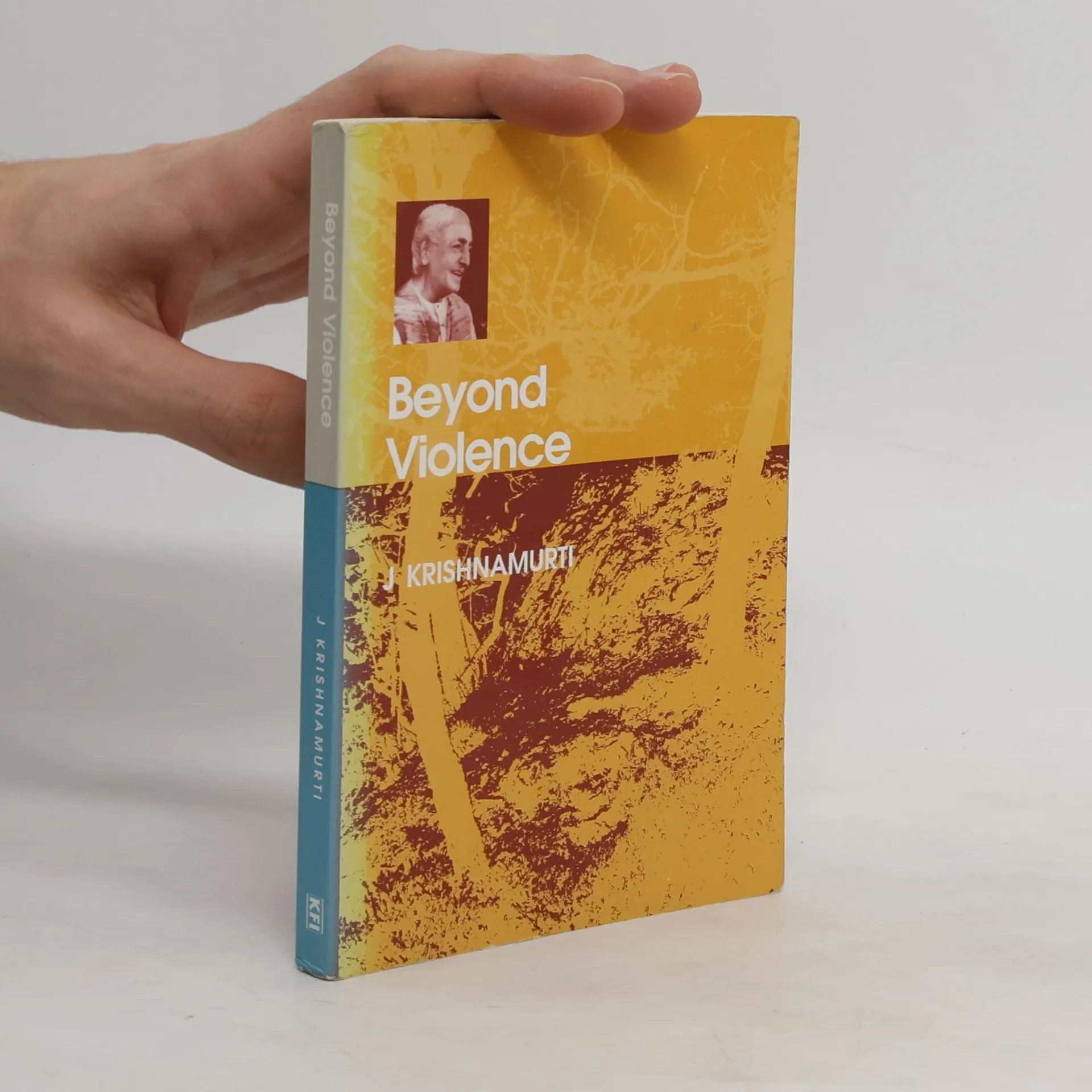
Beyond Violence
- 186 pages
- 7 hours of reading
Talks and discussions done by the author in 1970 at different places.
Key themes in this collection revolve around personal freedom, the quest for truth, and the nature of existence. The volume features selected writings and talks from Krishnamurti, including insights from his early works and 'Commentaries on Living.' His teachings emphasize the importance of individual exploration over adherence to established beliefs or figures, advocating for a personal journey toward understanding life, death, and inner peace. This compilation showcases the profound influence Krishnamurti has had on seekers of spiritual wisdom throughout the twentieth century and beyond.
365 daily meditations on freedom, personal transformation, living fully, and much more, from the man the Dalai Lama described as "one of the greatest thinkers of the age."
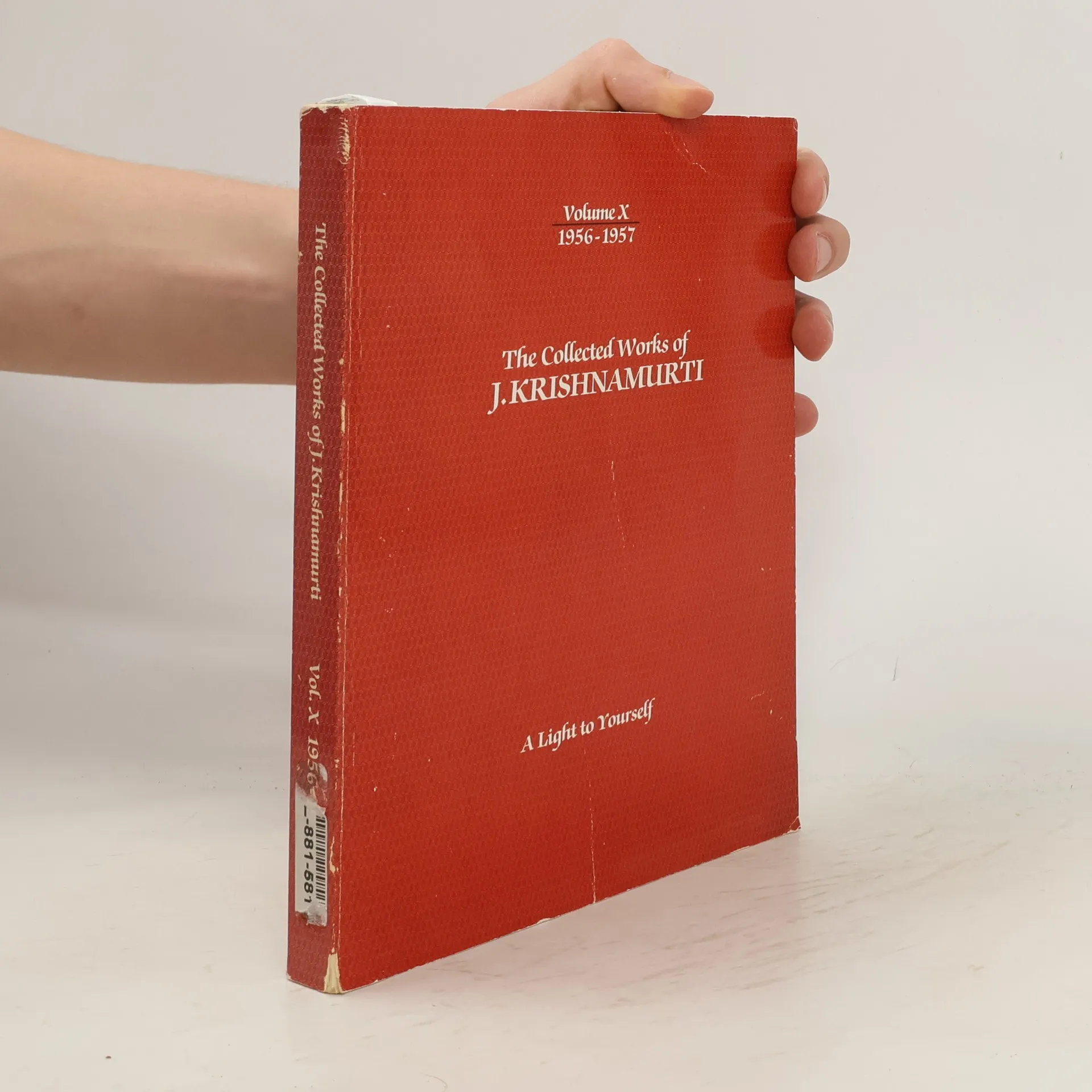
The Collected Works of J. Krishnamurti
- 293 pages
- 11 hours of reading
"In these talks, given in Europe and India, Krishnamurti goes into the importance of going into problems openly, without conclusions. ""..because we approach our problems partially, through all these various forms of conditioning, it seems to me that we are thereby not understanding them. I feel that the approach to any problem is of much more significance than the problem itself, and that if we could approach our many difficulties without any particular form of conditioning or prejudice, then perhaps we would come to a fundamental understanding of them."
The Impossible Question
- 201 pages
- 8 hours of reading
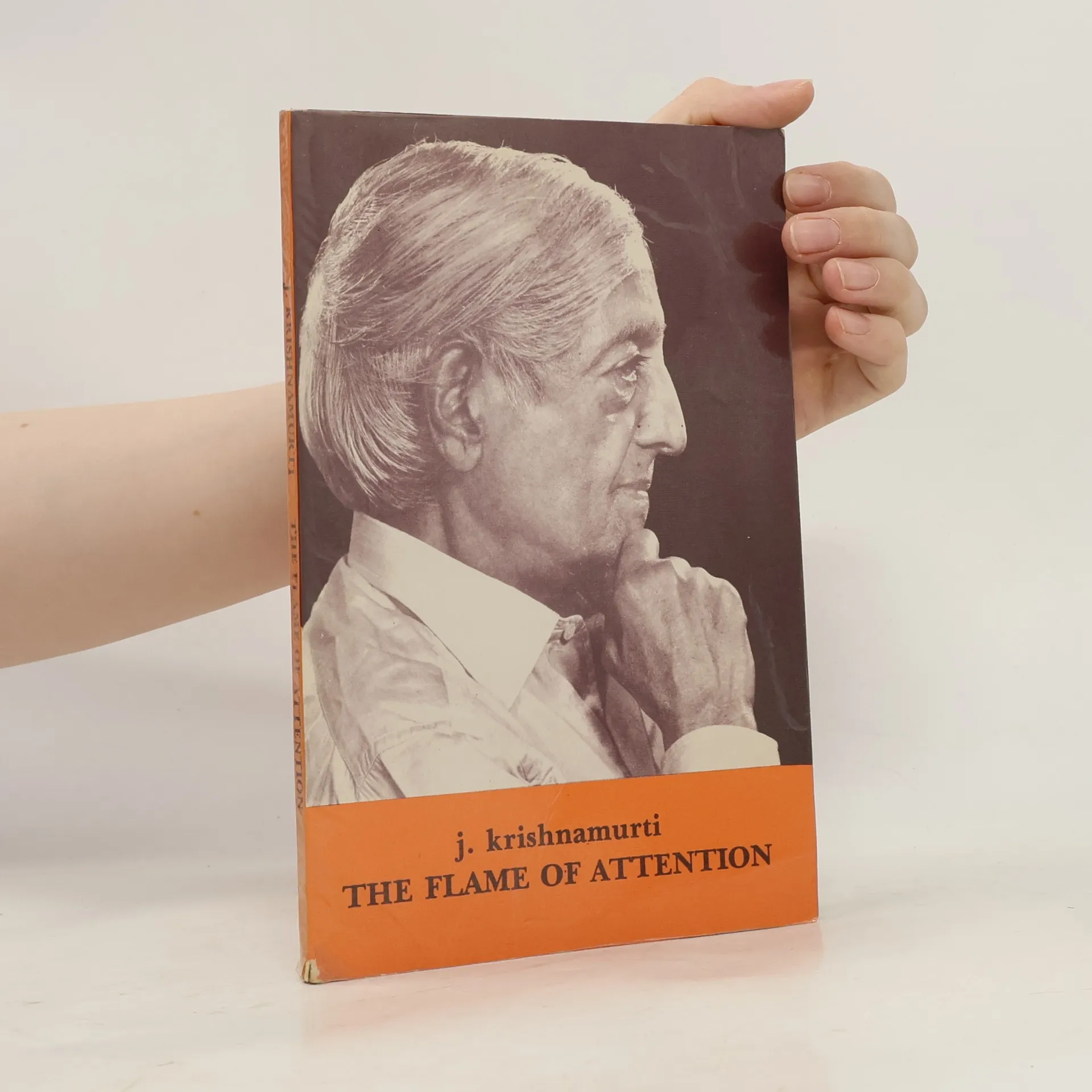
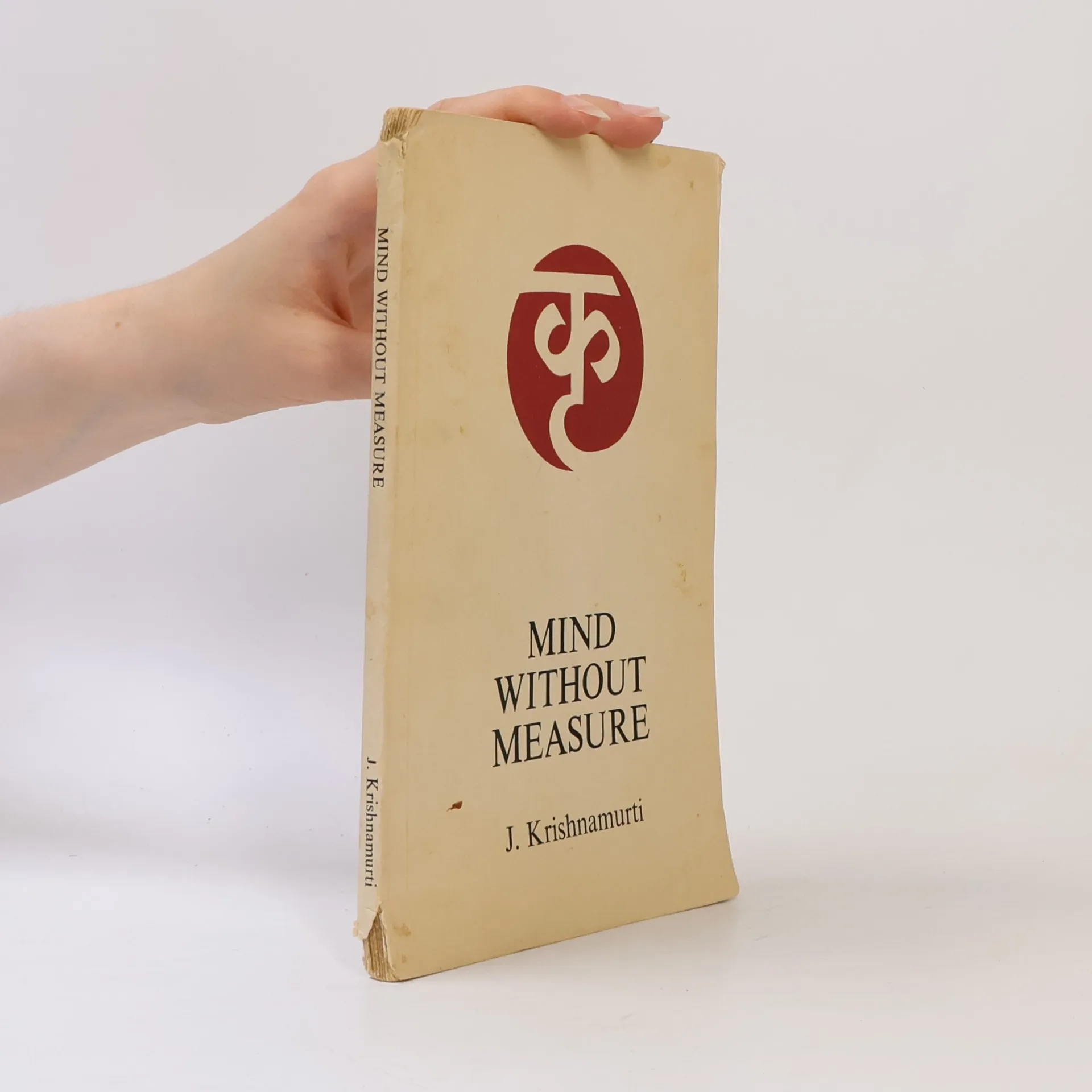
“... There are various powers... You call them siddhis, don’t you? Do you know that all these things are like candles in the sun? When there is no sun there is darkness, and then the candle and the light of the candle become very important. But when there is the sun, the light, the beauty, the clarity, then all these powers, these siddhis–developing various centres, chakras, kundalini, you know all that business–are like candlelight; they have no value at all. And when you have that light, you don’t want anything else.” -- J. Krishnamurti -------------- Krishnamurti Classics Series -------------- - Freedom From The Known - A Wholly Different Way Of Living - The Flight Of The Eagle - Life Ahead - Meditations - Tradition And Revolution - Exploration Into Insight - The Way Of Intelligence - Education And The Significance Of Life - The Impossible Question - Think On These Things - Beyond Voilence - Truth And Actuality - The Flame Of Attention - The End Of Time - Mind Without Measure
Speeches discuss freedom, rebellion, and the artificial boundary between self and the world
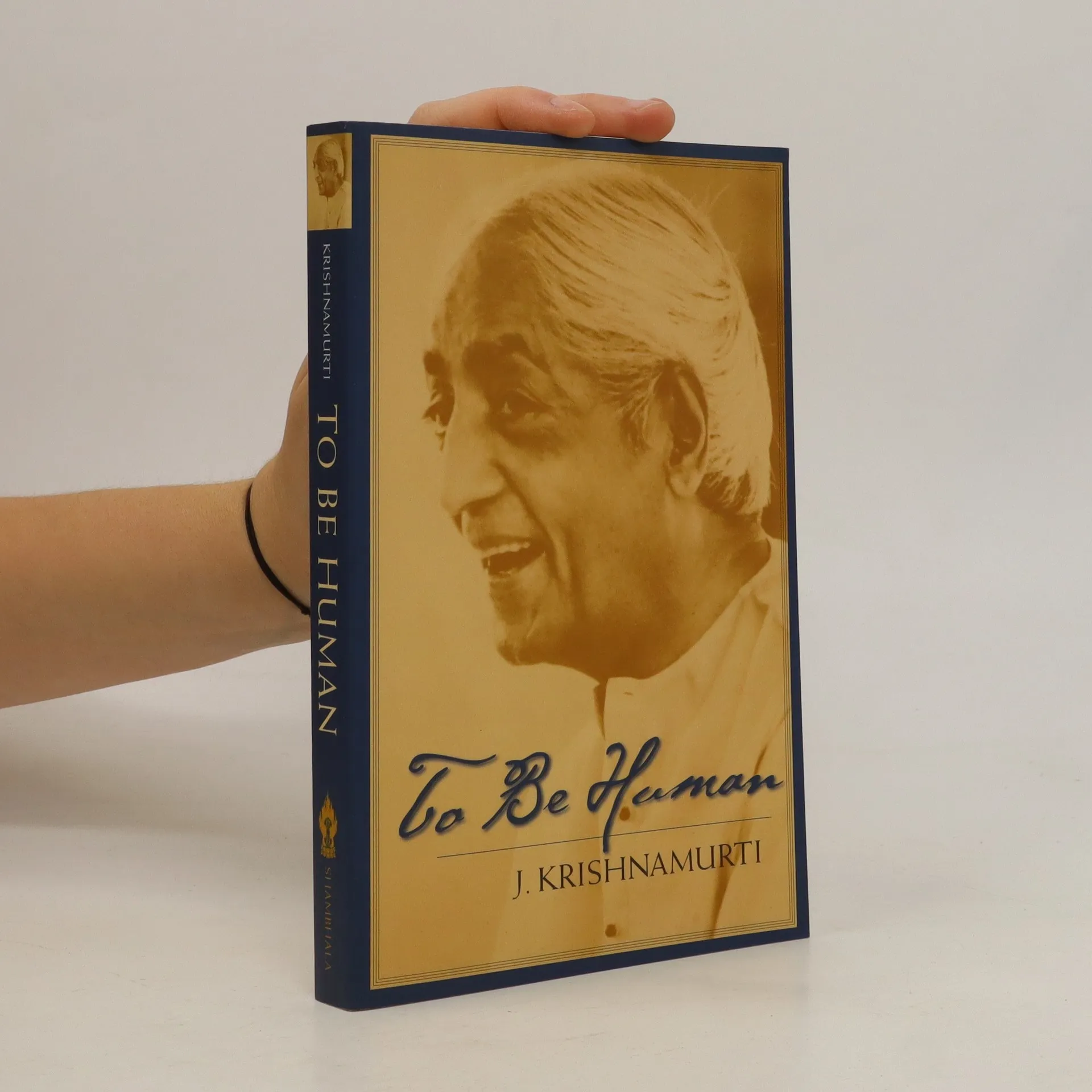
To Be Human
- 192 pages
- 7 hours of reading
To Be Human presents Krishnamurti's radical vision of life in a new way. At the heart of this extraordinary collection are passages from the great teacher's talks that amplify and clarify the nature of truth and those obstacles that often prevent us from seeing it. Most of these core teachings have not been available in print until now. Besides presenting the core of Krishnamurti's message, the book alerts the reader to his innovative use of language, the ways in which he would use "old words with new interpretations," then gives practical examples, showing that we can clarify our understanding of life itself—and act on this new understanding. The splendid introduction by David Skitt discusses Krishnamurti's philosophy as a guide to knowledge and experience, the roles knowledge and experience should play in our lives, and the times when it is best to cast them aside and "look and act anew." The book's source notes will aid the inquisitive reader who wishes a deeper understanding of this great teacher's message.
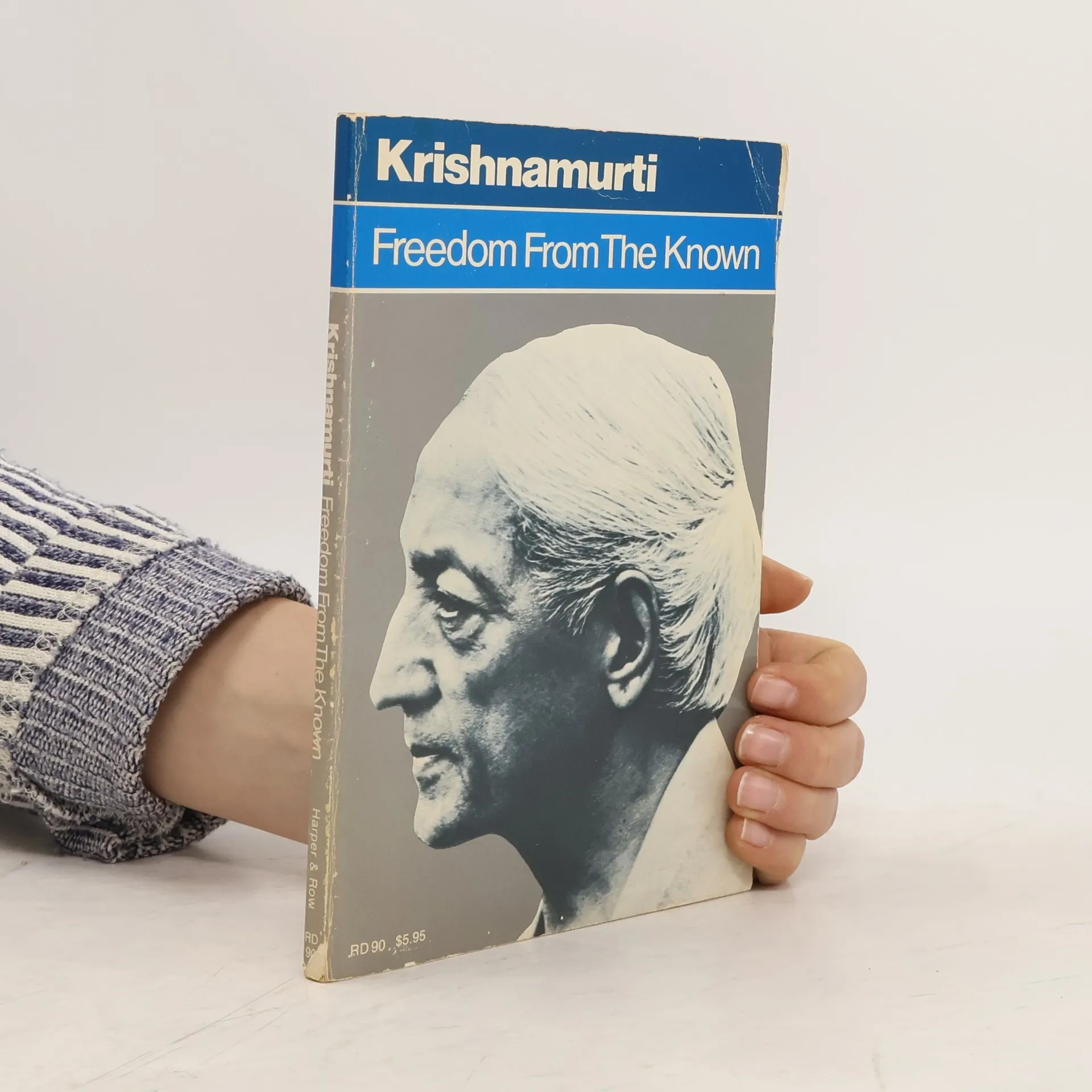
Freedom from the Known
- 128 pages
- 5 hours of reading
Krishnamurti shows how people can free themselves radically and immediately from the tyranny of the expected, no matter what their age--opening the door to transforming society and their relationships.
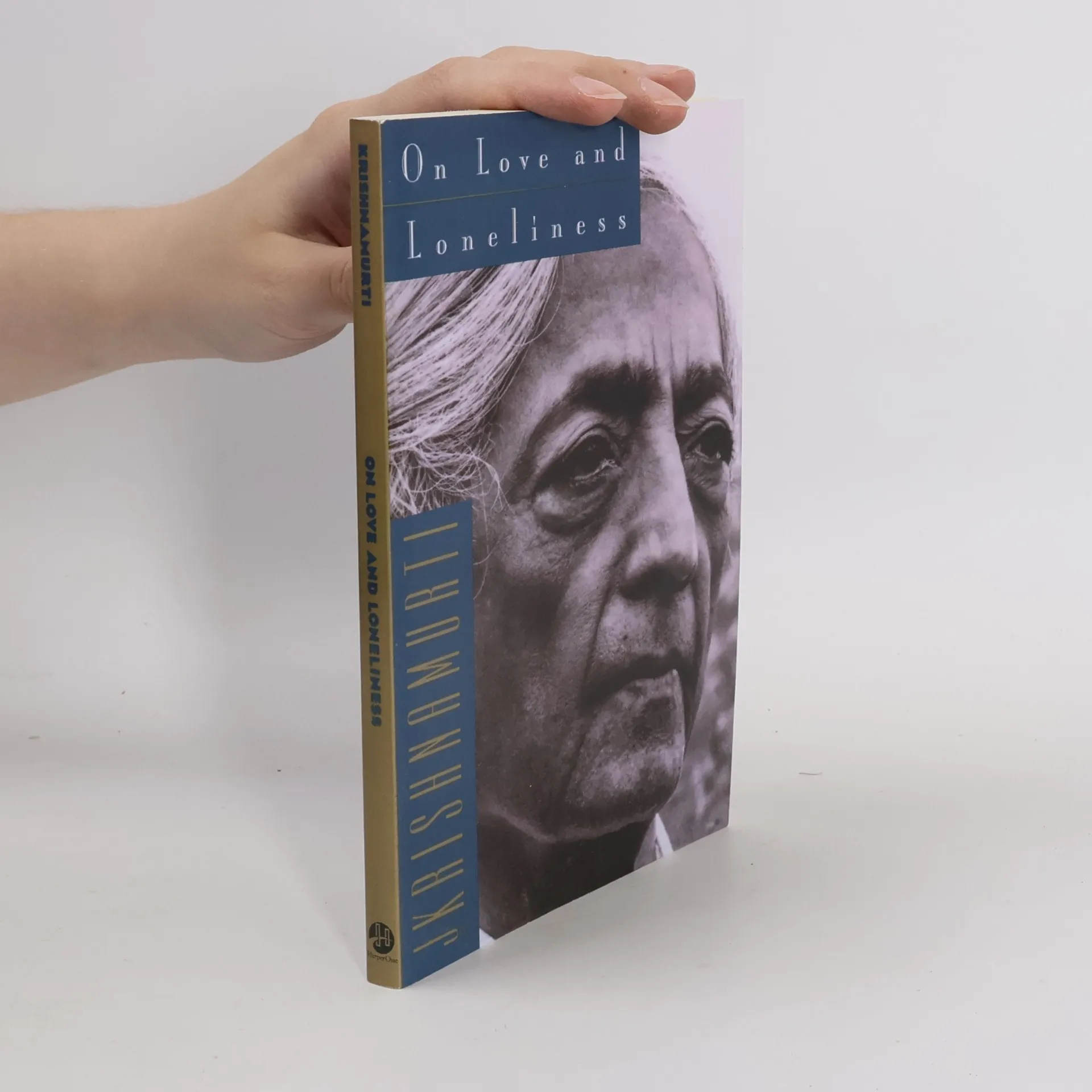
On Love and Loneliness
- 180 pages
- 7 hours of reading
In 1950 Krishnamurti said: "It is only when the mind is not escaping in any form that it is possible to be in direct communion with that thing we call lonliness, the alone, and to have communion with that thing, there must be affection, there must be love." On Love and Lonliness is a compelling investigation of our intimate relationships with ourselves, others, and society. Krishnamurti suggests that "true relationship" can come into being only when there is self-knowledge of the conditions which divide and islolate individuals and groups. Only by renouncing the self can we understand the problem of lonliness, and truly love.
Meeting Life
- 228 pages
- 8 hours of reading
The contents of Meetings Life have been taken from the Krishnamurti Foundation Bulletins. They consist of three parts. The first section contains sixteen short pieces dictated by Krishnamurti; each piece starts with a graphic description of nature and goes into a profound examination of life. Part II contains Krishnamurti s answers to questions put to him at the end of his talks or at small discussions. Part III consists of talks by Krishnamurti in Switzerland, India, England, and California. The variety of materials makes this an eminently readable book.
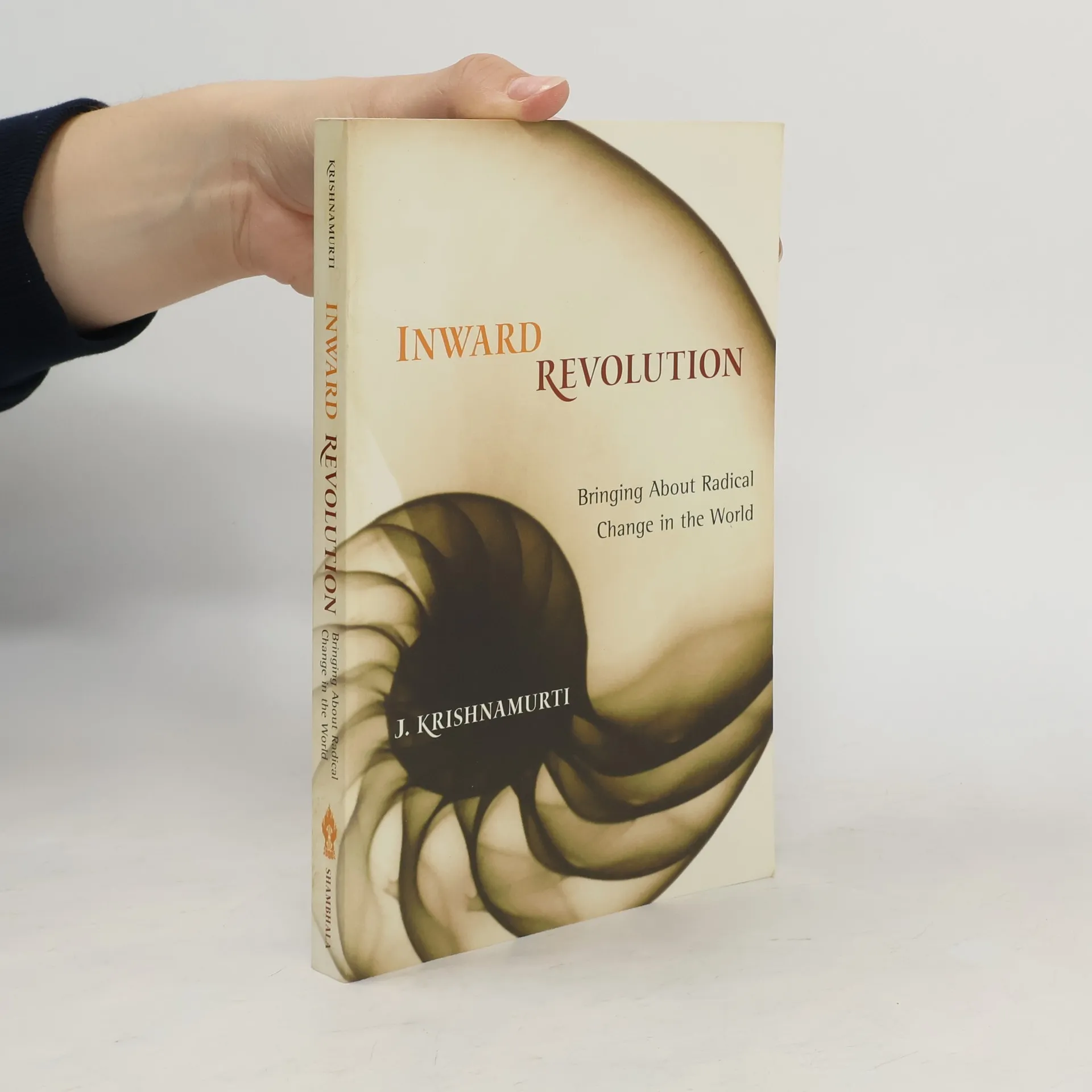
Inward Revolution
- 224 pages
- 8 hours of reading
J. Krishnamurti was one of the most influential and widely known spiritual teachers of the twentieth century. Here, he inquires with the reader into how remembering and dwelling on past events, both pleasurable and painful, give us a false sense of continuity, causing us to suffer. His instruction is to be attentive and clear in our perceptions and to meet the challenges of life directly in each new moment.
J. Krishnamurti was renowned for the penetrating insight and immediacy of his spiritual teachings. Radical in his day for seeking truth beyond the boundaries of religion, ideology, or tradition, he declared that "Truth is a pathless land, and you cannot approach it by any path whatsoever." He traveled and lectured throughout the world, calling for a new approach to life and spirituality.In this compilation of Krishnamurti's most essential teachings, he explores what he calls "the art of living." The topics addressed include such perennial human concerns living life without conflict and confusion, how to act with skill and clarity, the significance of meditation, death and dying, true freedom, and bringing the sacred into everyday life. These timeless teachings guide us to live our lives simply, intelligently, and with great love—free from the bonds of sorrow and fear.
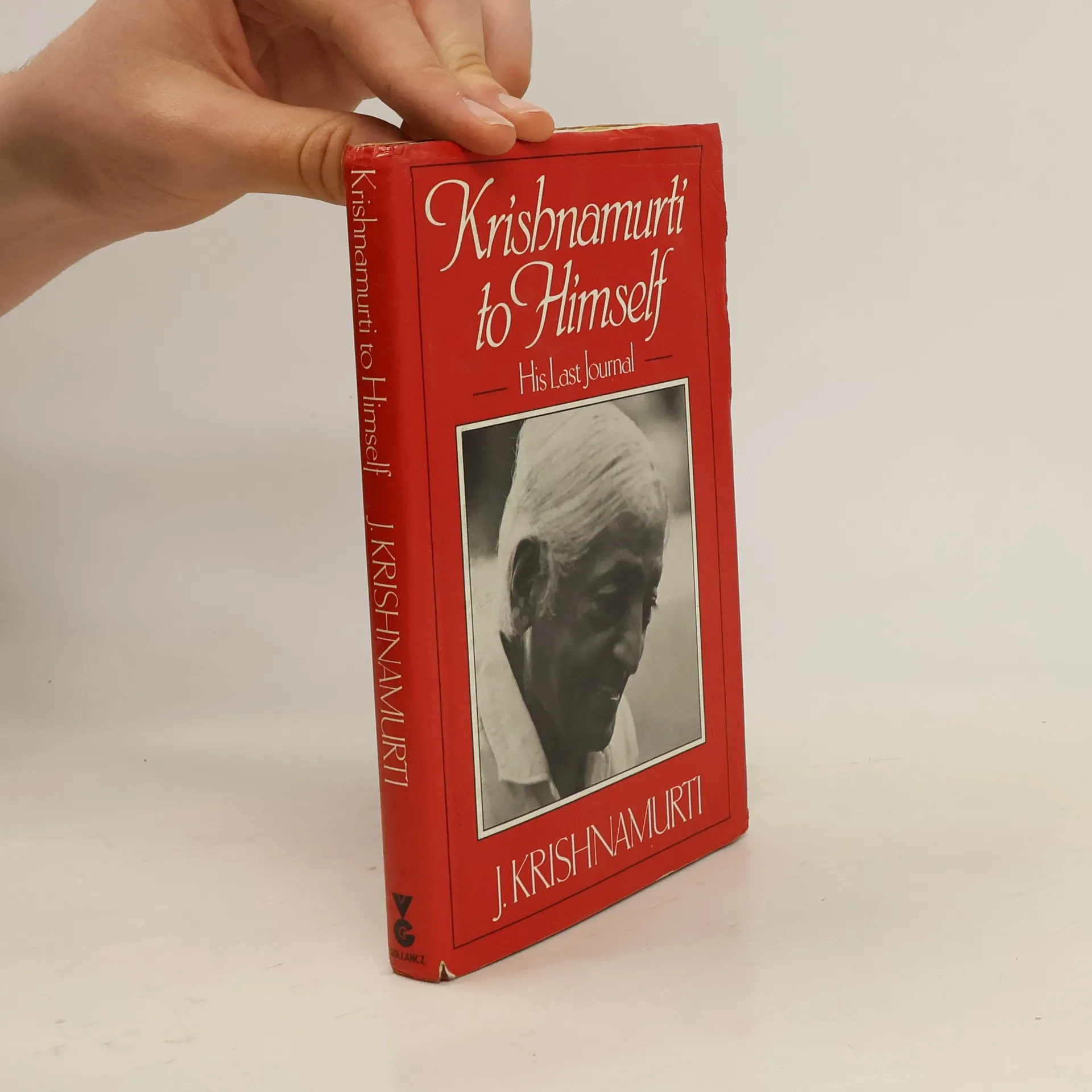
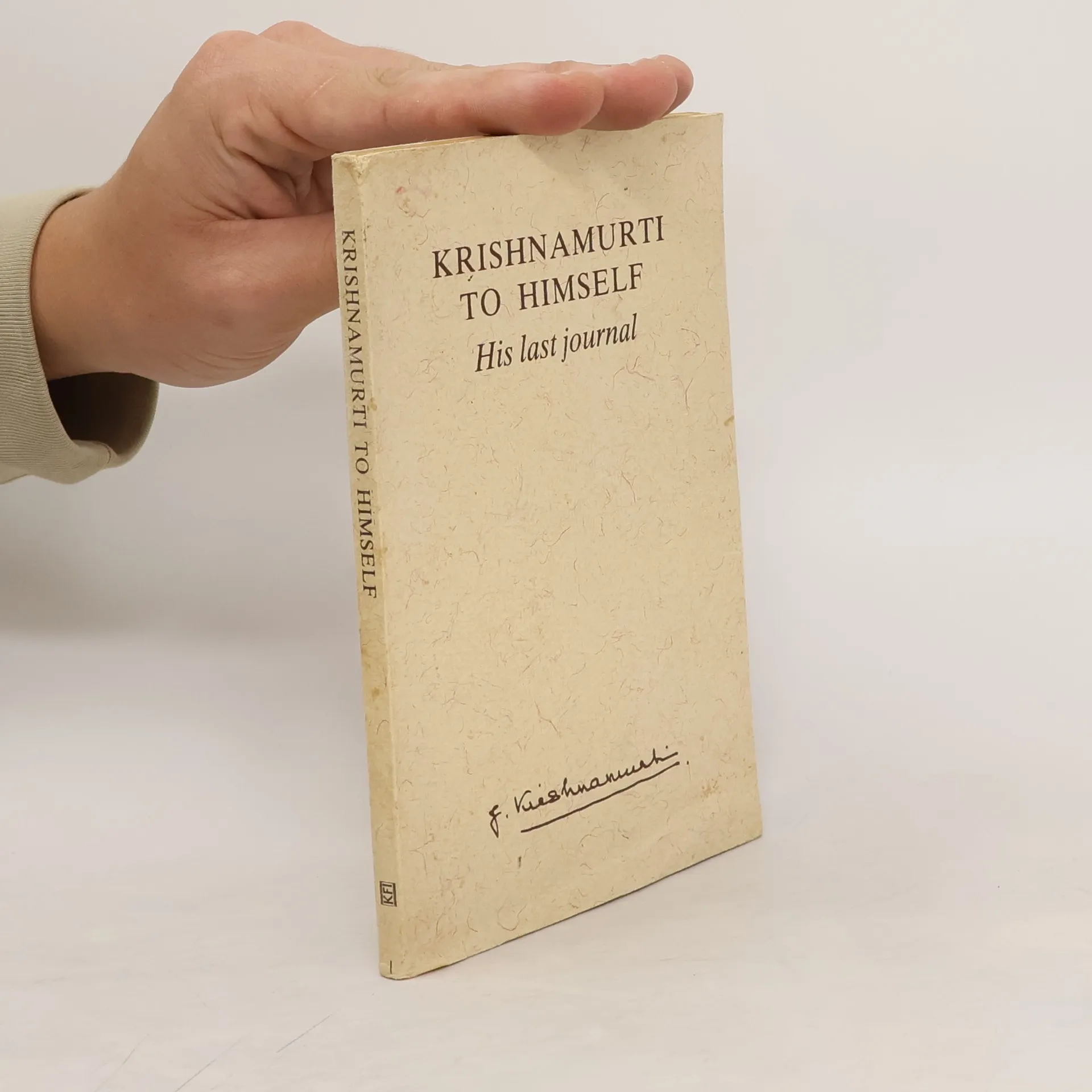
Krishnamurti's last journal, spoken into a tape recorder at his home, Pine Cottage, in the Ojai Valley, brings the reader close to this renowned spiritual teacher. Dictated in the mornings, from his bed, undisturbed, Krishnamurti's observations are captured here in all their immediacy and candor, from personal reflections to poetic musings on nature and a serene meditation on death. Reflecting the culmination of a life of spiritual exploration, these remarkable final teachings engage and enlighten.
Can the Mind Be Quiet? Living, Learning & Meditation
- 266 pages
- 10 hours of reading
Exploring profound spiritual encounters, this collection features dialogues between Jiddu Krishnamurti and seekers from various backgrounds. Each of the sixty chapters tackles pressing questions about parenting, the nature of virtue, and the quest for inner peace. Through these conversations, Krishnamurti offers transformative insights into self-awareness, societal dynamics, education, and spirituality, guiding readers toward a more peaceful and fulfilling existence.
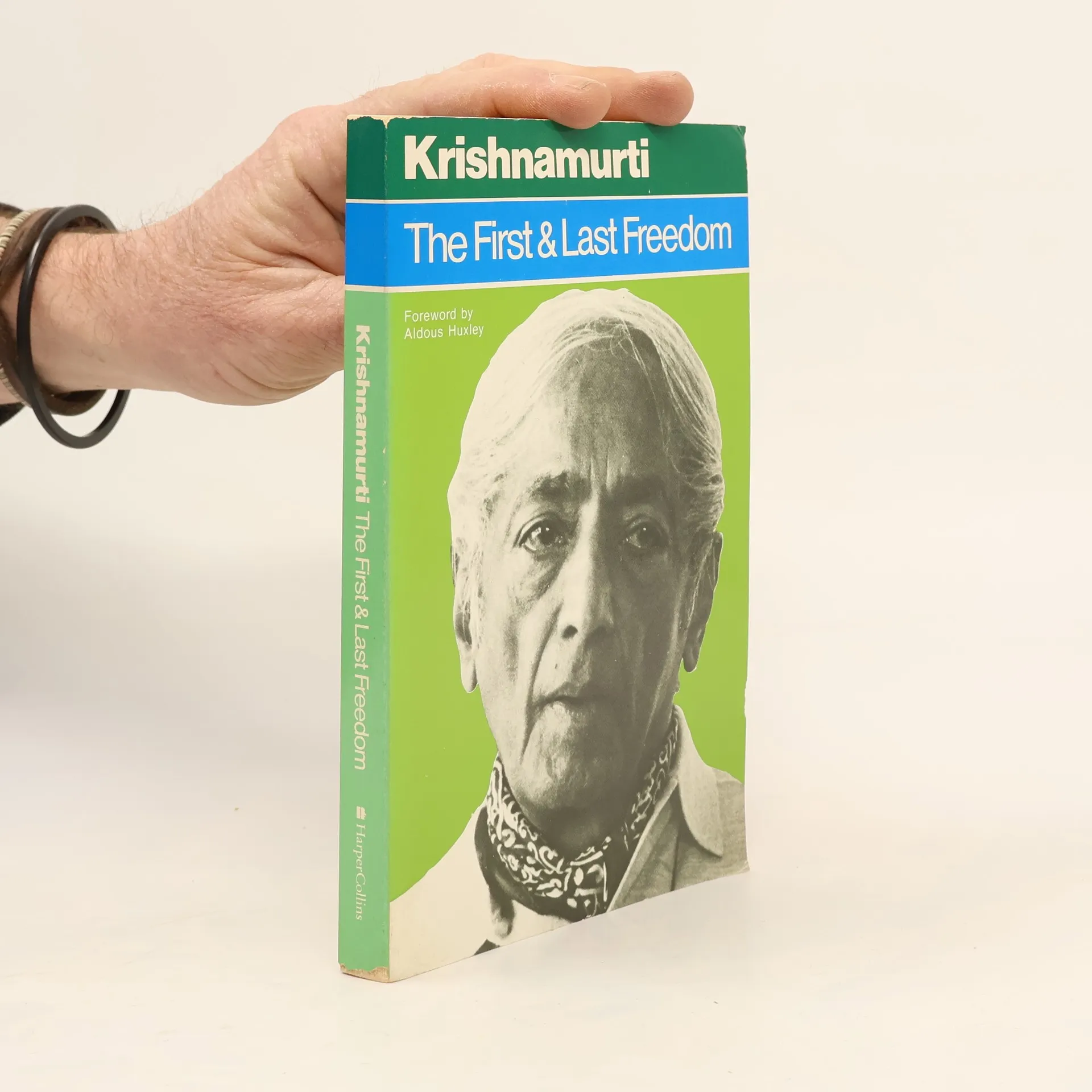
The First and Last Freedom
- 288 pages
- 11 hours of reading
Krishnamurti is a leading spiritual teacher of our century. In The First and Last Freedom he cuts away symbols and false associations in the search for pure truth and perfect freedom. Through discussions on suffering, fear, gossip, sex and other topics, Krishnamurti’s quest becomes the readers, an undertaking of tremendous significance.
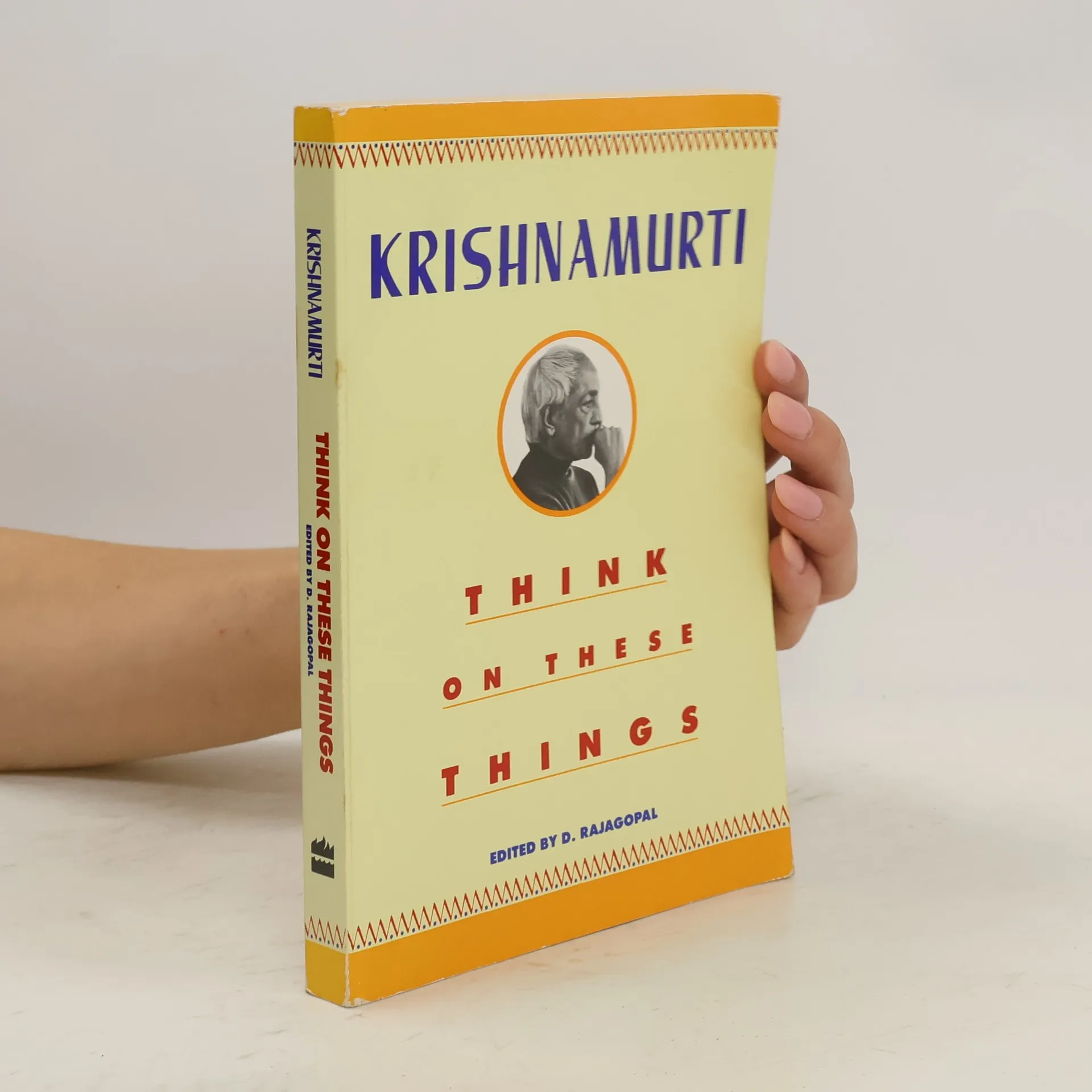
Think on These Things
- 272 pages
- 10 hours of reading
‘The material contained in this volume was originally presented in the form of talks to students, teachers and parents in India, but its keen penetration and lucid simplicity will be deeply meaningful to thoughtful people everywhere, of all ages, and in every walk of life. Krishnamurti examines with characteristic objectivity and insight the expressions of what we are pleased to call our culture, our education, religion, politics and tradition; and he throws much light on such basic emotions as ambition, greed and envy, the desire for security and the lust for power – all of which he shows to be deteriorating factors in human society.’ From the Editor’s Note ‘Krishnamurti’s observations and explorations of modern man’s estate are penetrating and profound, yet given with a disarming simplicity and directness. To listen to him or to read his thoughts is to face oneself and the world with an astonishing morning freshness.’ Anne Marrow Lindbergh
The Flight of the Eagle
- 180 pages
- 7 hours of reading
Free Delivery if order value from the seller is greater than 399. Used Book in good condition. No missing/ torn pages. No stains. Note: The above used product classification has been solely undertaken by the seller. Amazon shall neither be liable nor responsible for any used product classification undertaken by the seller. A-to-Z Guarantee not applicable on used products.
Ending of Time, The
- 496 pages
- 18 hours of reading
The book explores the intersection of spirituality and science through a dialogue between two prominent thinkers. They delve into profound topics such as the concepts of good and evil, the intricacies of thought and consciousness, and the fundamental nature of existence. This engaging discussion offers insights that challenge conventional perspectives and encourages readers to reflect on deep philosophical questions.
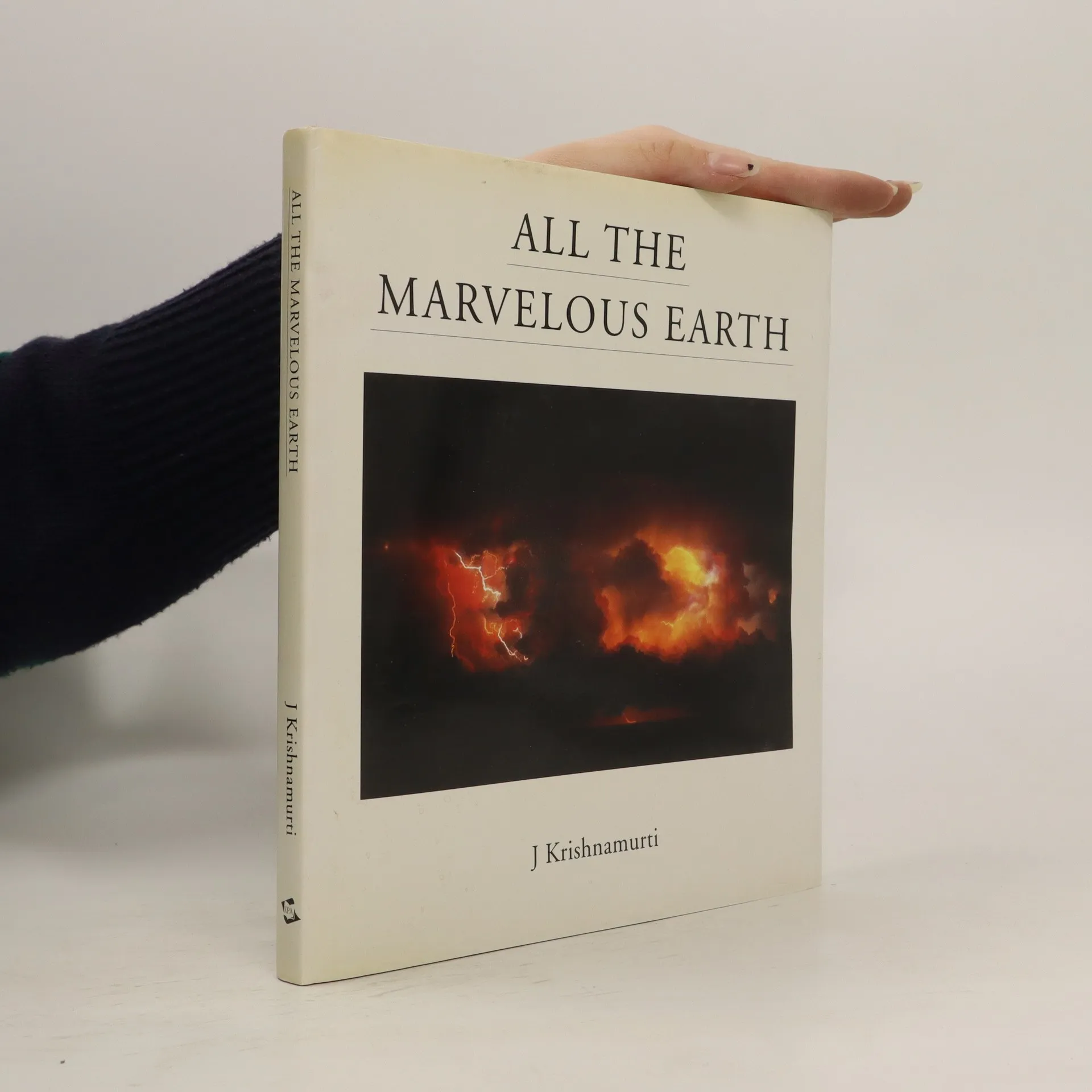
All the Marvelous Earth
- 108 pages
- 4 hours of reading
All the Marvelous Earth looks wonderingly at the Earth in all its beauty and grandeur and our connection with other creatures. Through his deep appreciation of beauty and questioning of our relationship with nature, Krishnamurti goes beyond the environmentalists' external appeal for sustainable development to argue that the interaction between humankind and nature has a deeper, inward, and life-enhancing dimension.
Meditations
- 140 pages
- 5 hours of reading
A classic collection of excerpts from one of the great spiritual leaders of the twentieth century--now in the newly designed Shambhala Pocket Library series. Jiddu Krishnamurti (1895–1986) went from his origins in a small south Indian village to become one of the great spiritual teachers of the twentieth century. He taught that the only way to create peace on earth is to transform the human psyche—but that there is no path to this transformation, no method for achieving it, and no gurus nor spiritual authorities who can help. Rather, the transformation is a truth that each of us must discover within ourselves. This classic collection of brief excerpts from Krishnamurti’s books and talks presents the essence of his teaching on meditation—a state of attention, beyond thought, which brings total freedom from authority and ambition, fears and separateness.
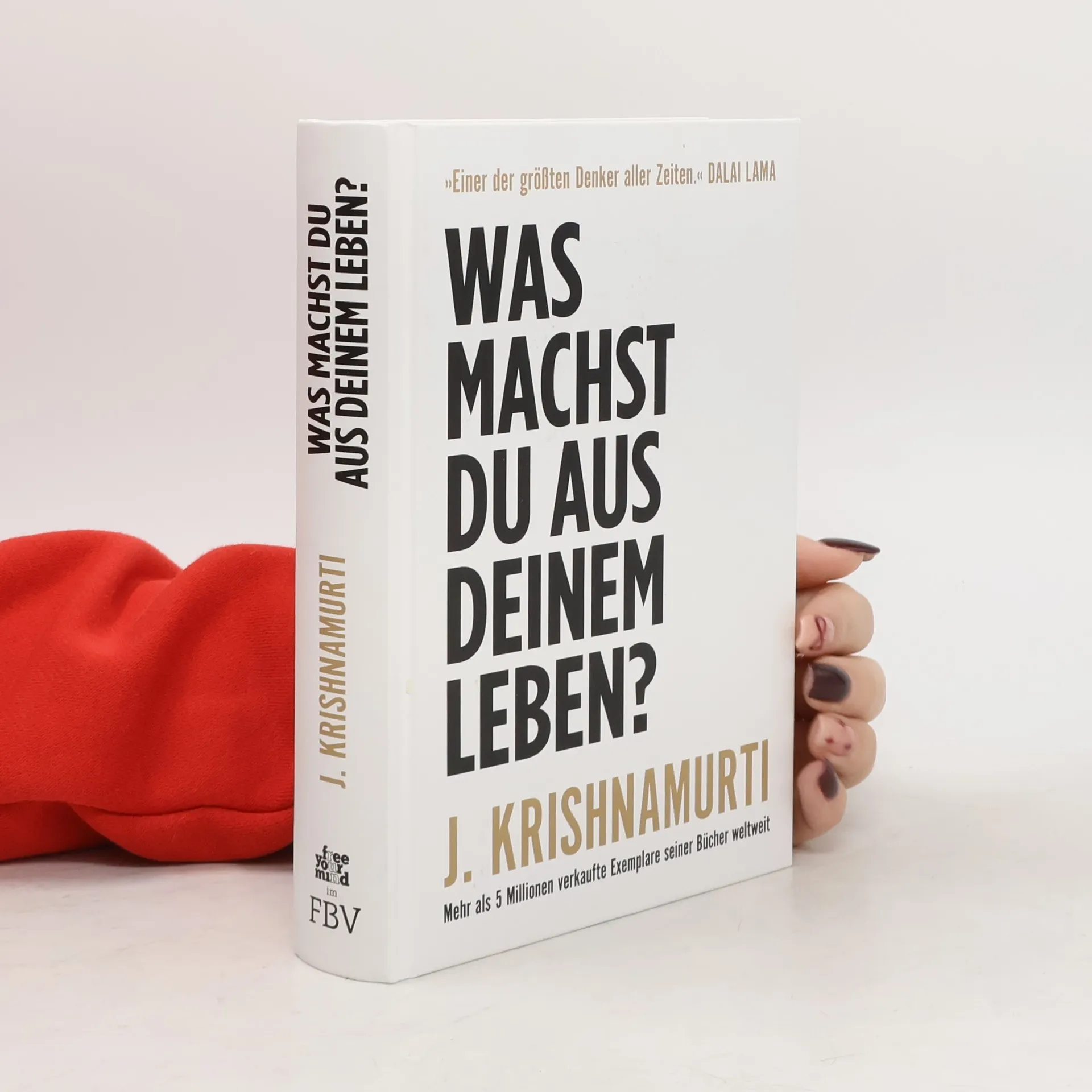
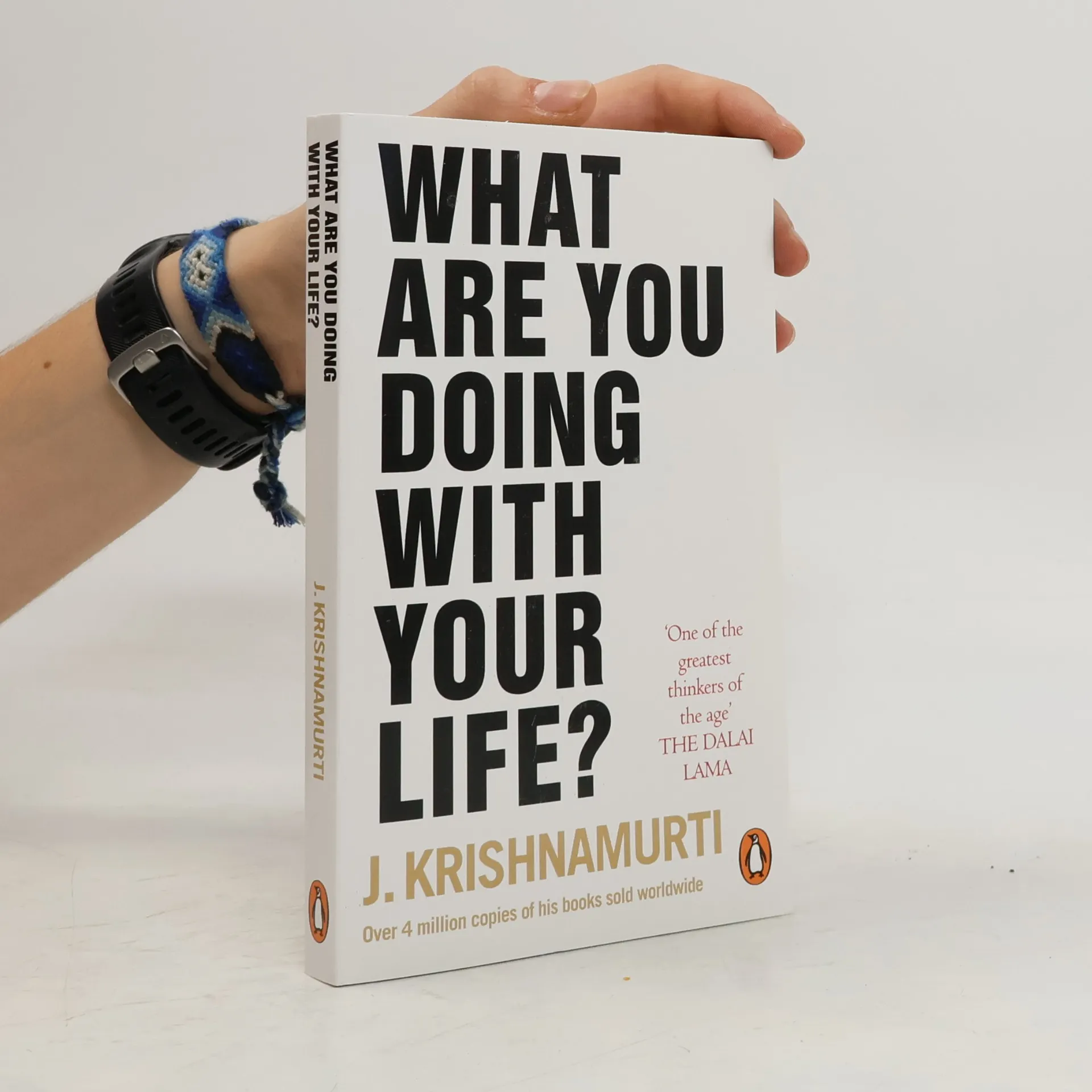
What Are You Doing With Your Life?
- 272 pages
- 10 hours of reading
‘One of the greatest thinkers of the age’ The Dalai Lama 'One of the five saints of the 20th century' - TIME magazine 'Krishnamurti influenced me profoundly' - Deepak Chopra Who are you? What are you? What do you want from life? One of the world’s great philosophical teachers, Krishnamurti, offers his inspiring wisdom on many of life’s hurdles from relationships and love, to anxiety and loneliness. He answers such questions as ‘What is the significance of life?’ and 'How do I live life to the full?' to reveal the best way of being true to yourself. Read by millions from all walks of life, Krishnamurti shows us there is no path, no higher authority, no guru to follow, and that ultimately it is our own responsibility as to how we live our lives.
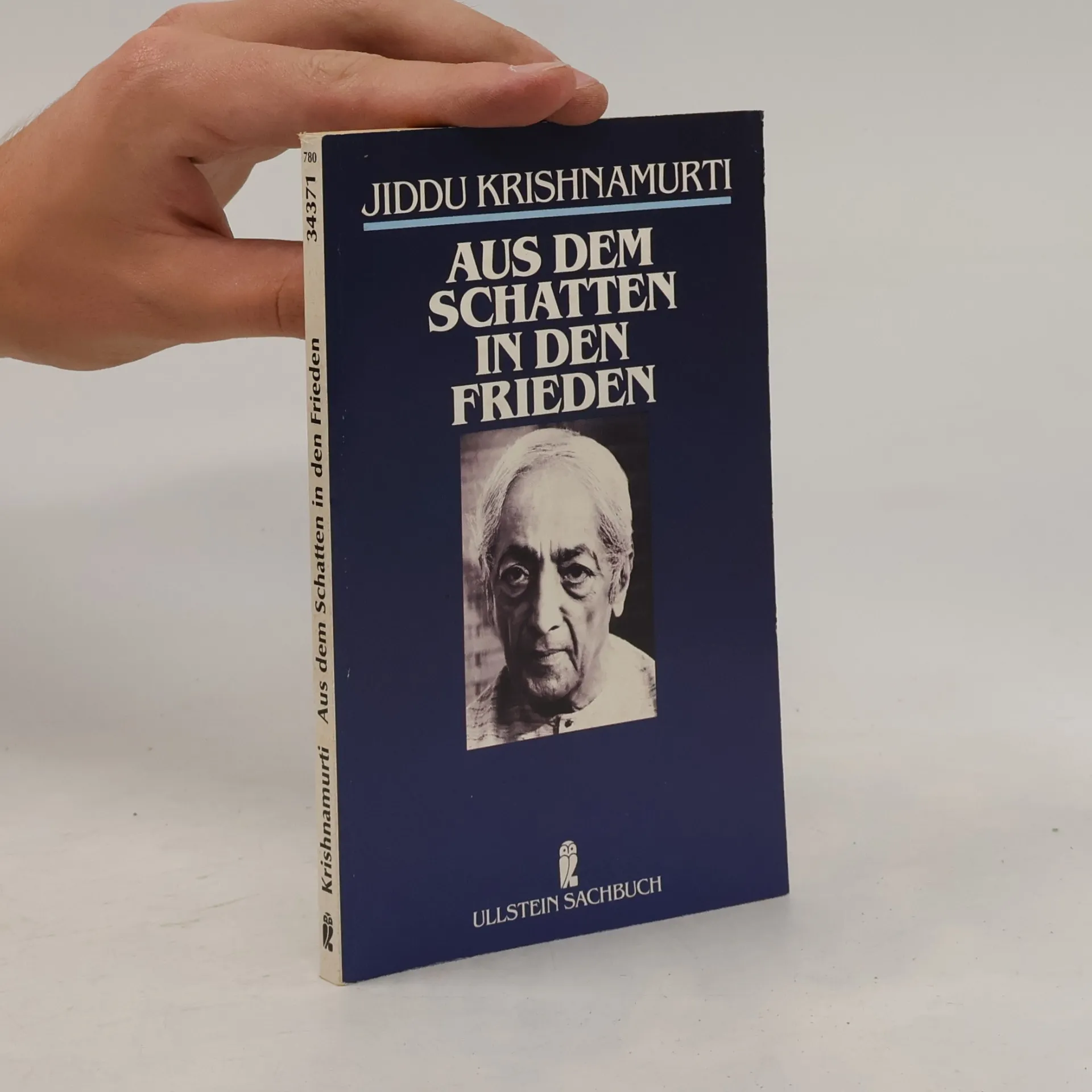
Aus dem Schatten in den Frieden
- 120 pages
- 5 hours of reading
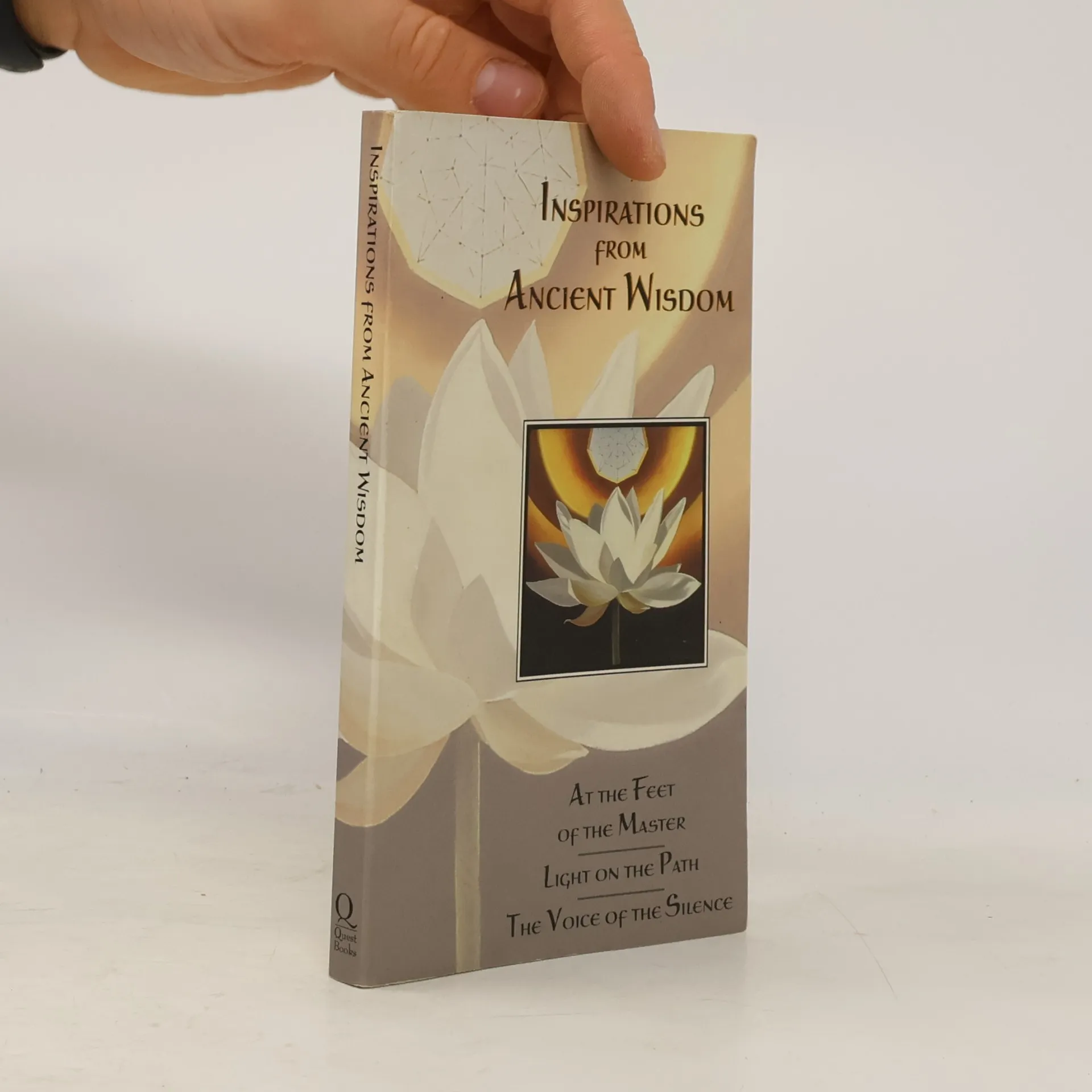
Inspirations from Ancient Wisdom
At the Feet of the Master, Light on the Path, the Voice of the Silence
- 140 pages
- 5 hours of reading
When he was a boy, Krishnamurti, writing as Alcyone, set down the simple precepts for right living published as At the Feet of the Master . This lucid guide to the spiritual life has inspired millions around the world. Mabel Collins, a nineteenth-century British writer, collected forty-two aphorisms for right living which are as current for today's seekers as they were when they were first published as Light on the Path. H. P. Blavatsky, founder of the Theosophical Society, set down her own guide to the spiritual life in the mystic and poetic masterpiece The Voice of the Silence . Collected for the first time in a single volume, these three contemporary spiritual classics can set anyone on the path to spiritual wisdom.
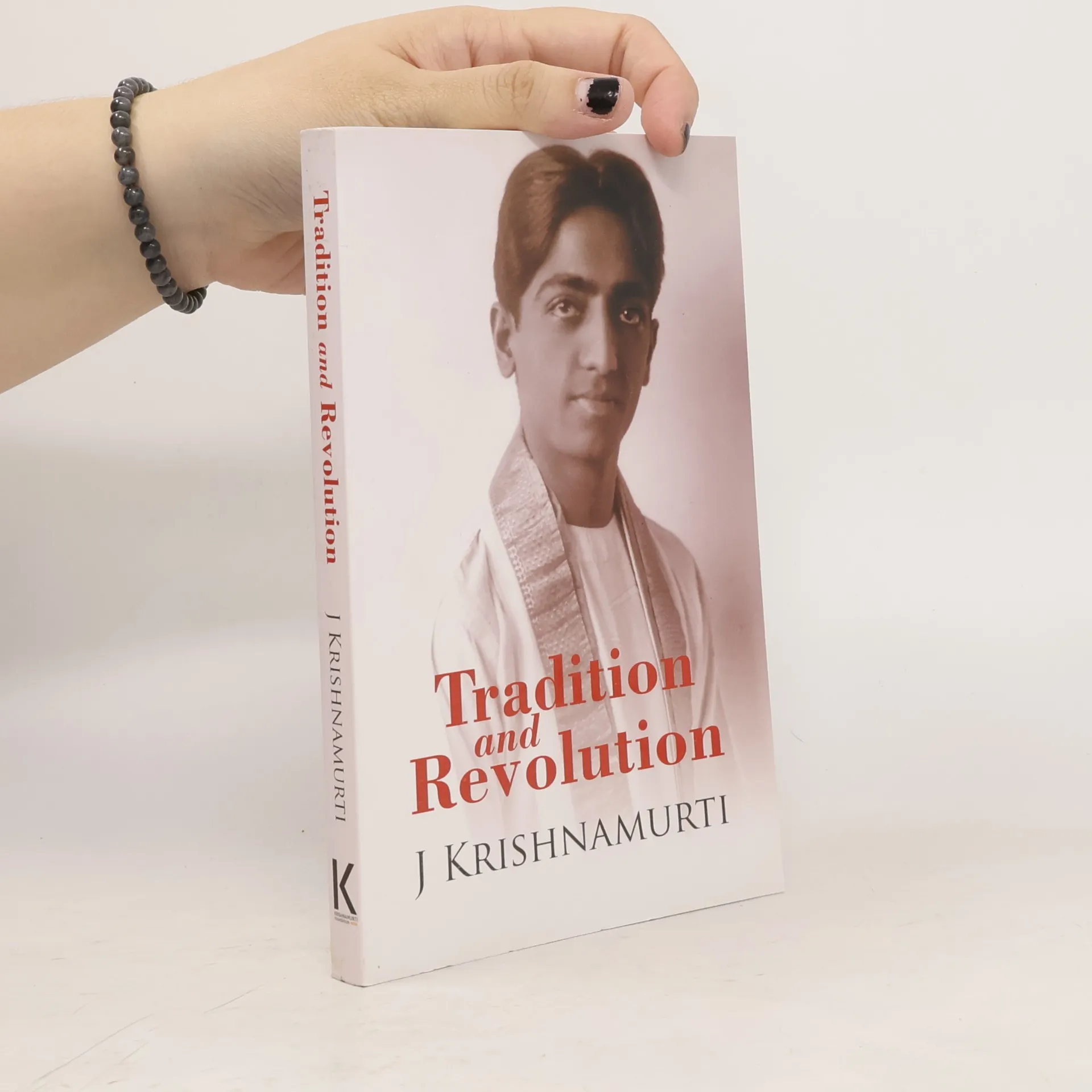
Tradition and revolution consists of a series of dialogues on ancient indian religious and philosophical themes mans search for liberation, his ideas about the spiritual path and the goal, and various traditional concepts are dealt with in contemporary idiom krishnamurtis concern is to bring out the experiential component behind these terms and to lead his listeners to heart of the human predicament these dialogues are a profound investigation into the nature of consciousness, an exploration of the mind, itsmovement and its frontiers, and of that which lies beyond
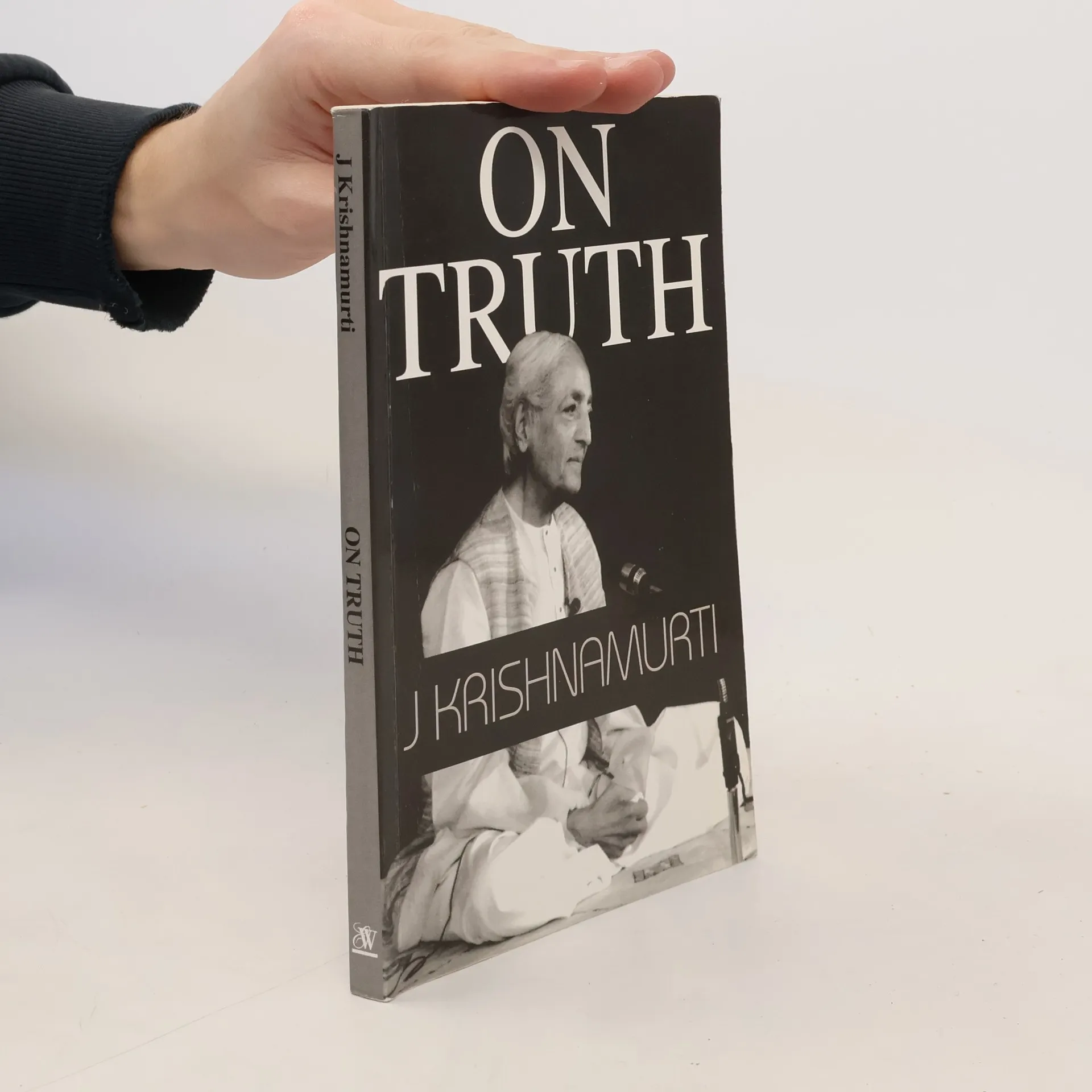
On Truth questions the very nature of reality and asks whether truth can be found by following any belief or teacher. Krishnamurti taught that truth comes uninvited, with glory, when one puts all in order, and in that there is great sacredness.
Description currently unavailable
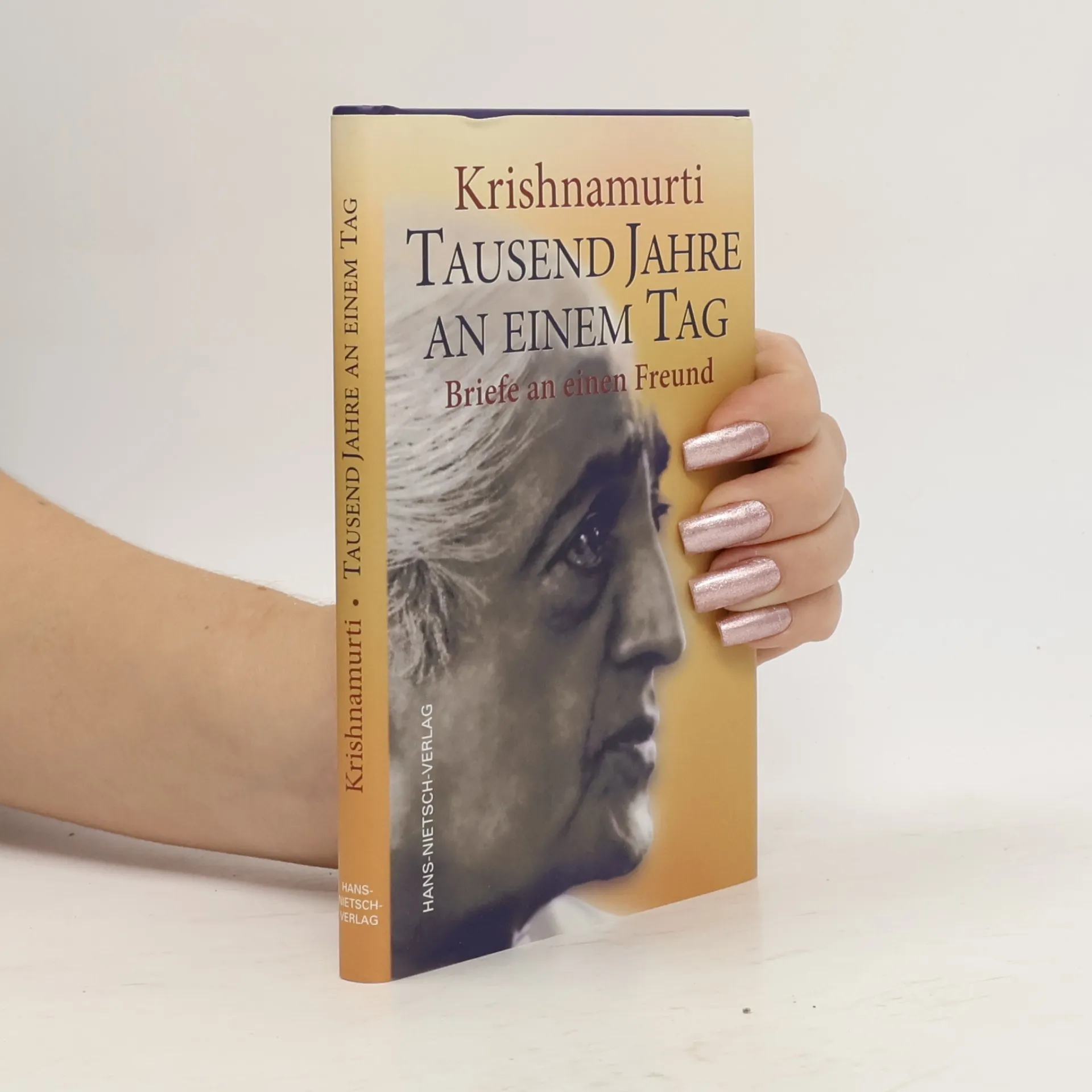
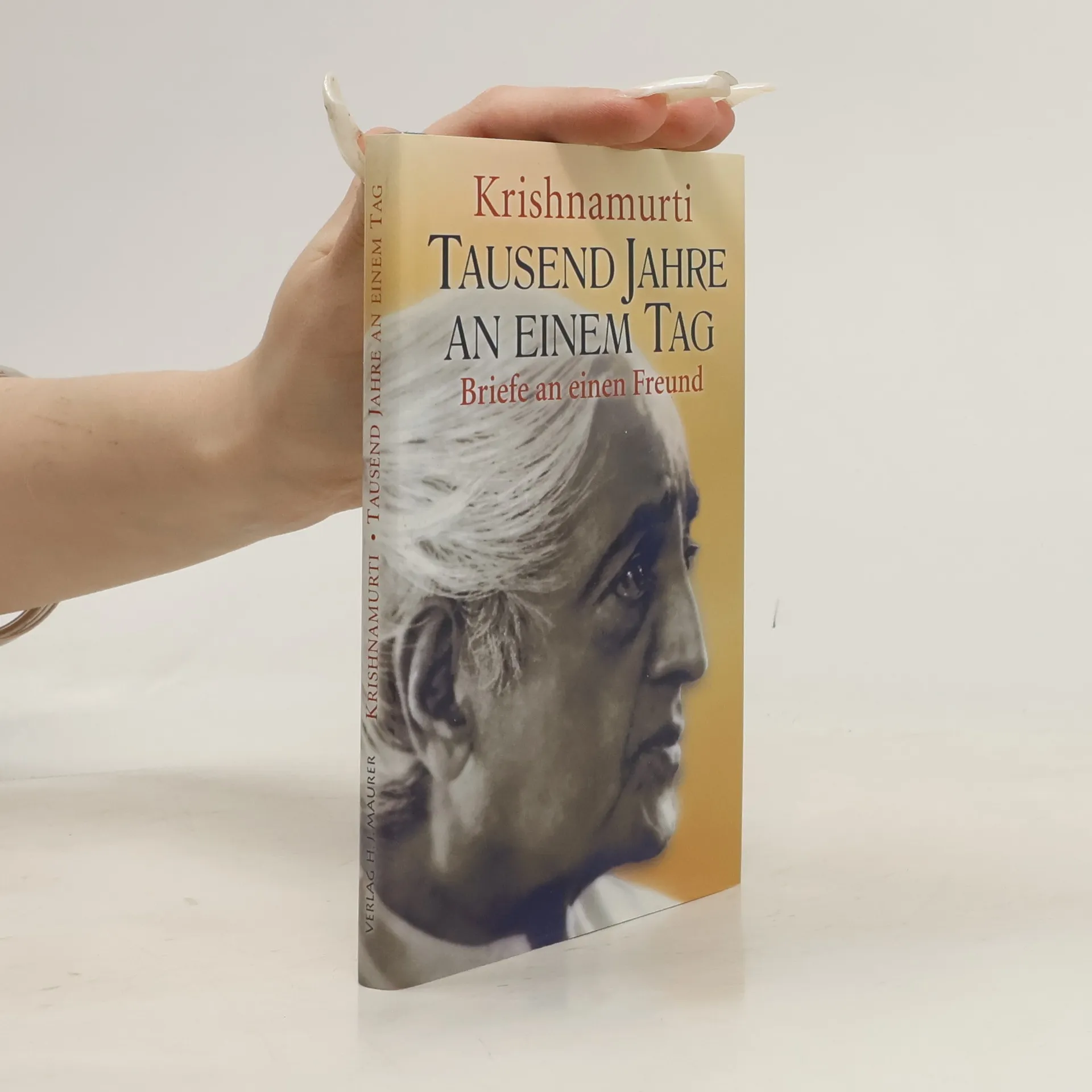
Die Briefe von Krishnamurti, verfasst zwischen 1948 und 1960, bieten eine intime und tiefgreifende Unterweisung an einen verletzten jungen Freund. Sie spiegeln sein Mitgefühl und seine klare Denkweise wider, während er komplexe Themen mit einfacher, präziser Sprache behandelt. Diese Sammlung ermöglicht es den Lesern, sich in die Rolle des Empfängers zu versetzen und an einer persönlichen Lehrsituation teilzuhaben, in der Trennung und Distanz überwunden werden. Ein einzigartiges Dokument, das sowohl emotional als auch philosophisch berührt.
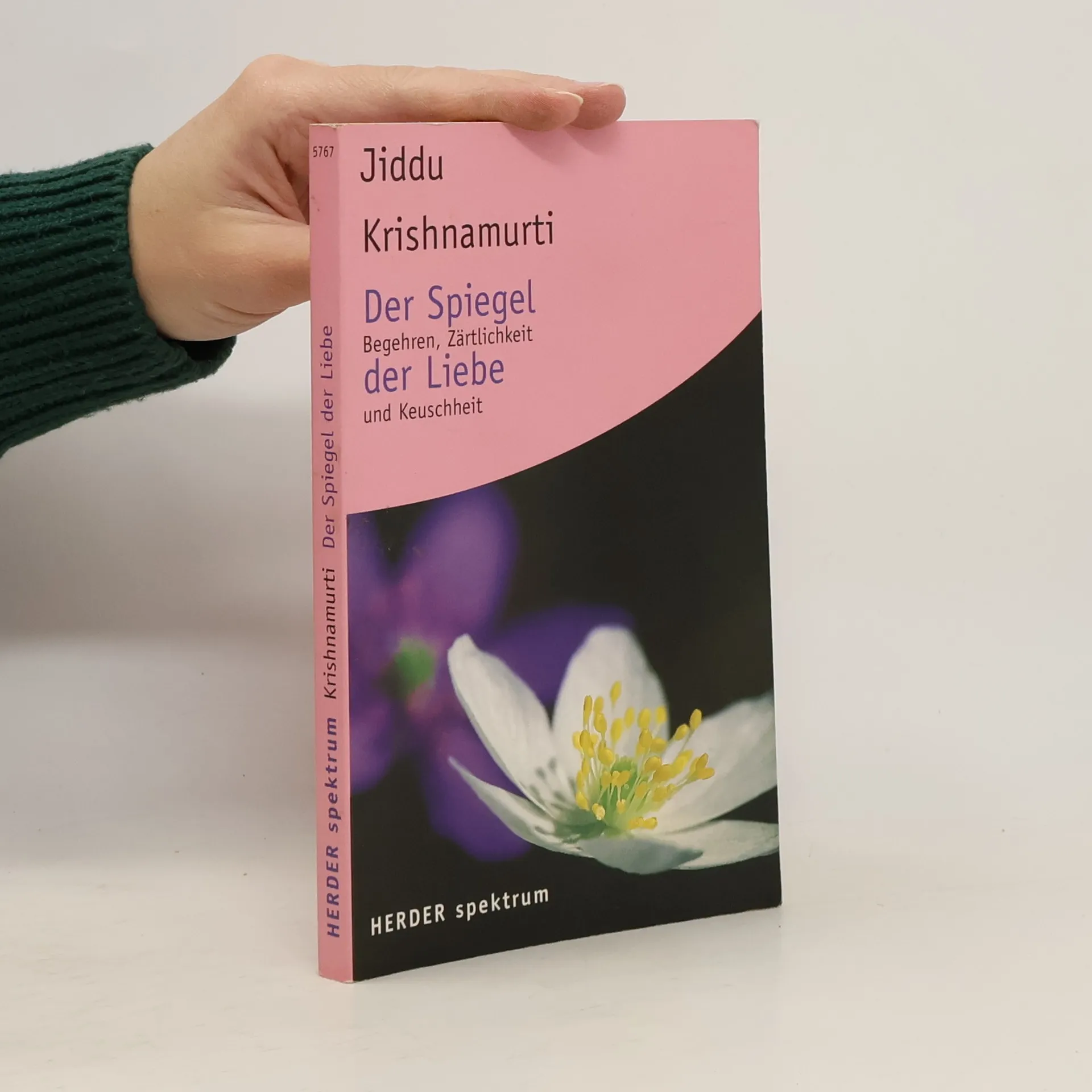
Der Spiegel der Liebe
- 160 pages
- 6 hours of reading
Niemand ist eine Insel - vor Beziehungen können wir nicht flüchten. Und sie sind der Spiegel für uns selbst: am schönsten, und am schwierigsten, in der Liebe. Jiddu Krishnamurti gibt erstaunliche, provozierende, treffende, verständnisvolle Antworten auf Fragen, die wir alle haben: Warum sind Beziehungen kompliziert? - Was ist der Unterschied zwischen Vergnügen und Begehren? - Keuschheit - was ist das? Eine Auswahl aus dem Werk des international bekannten Weisheitslehrers.
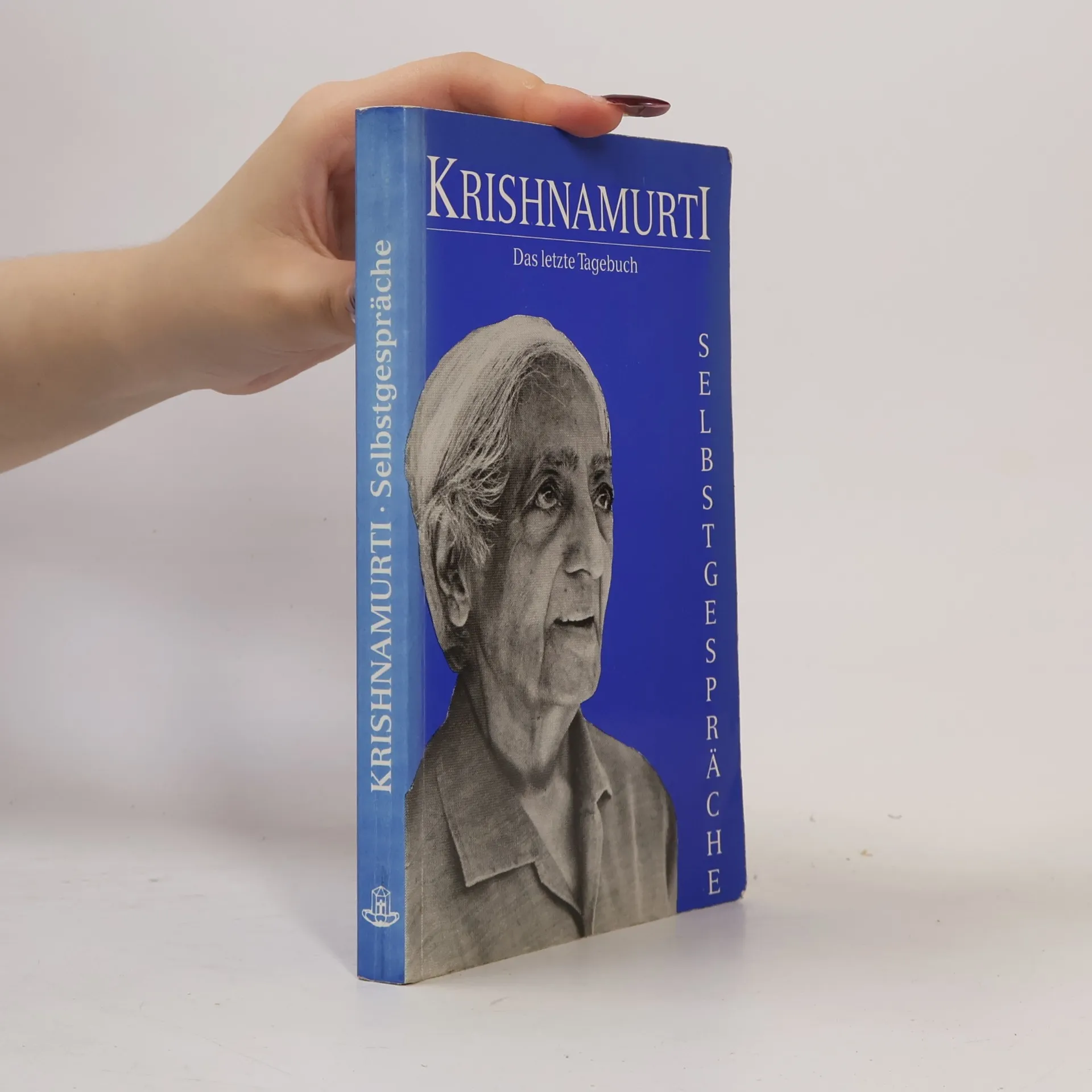
Selbstgespräche
- 184 pages
- 7 hours of reading
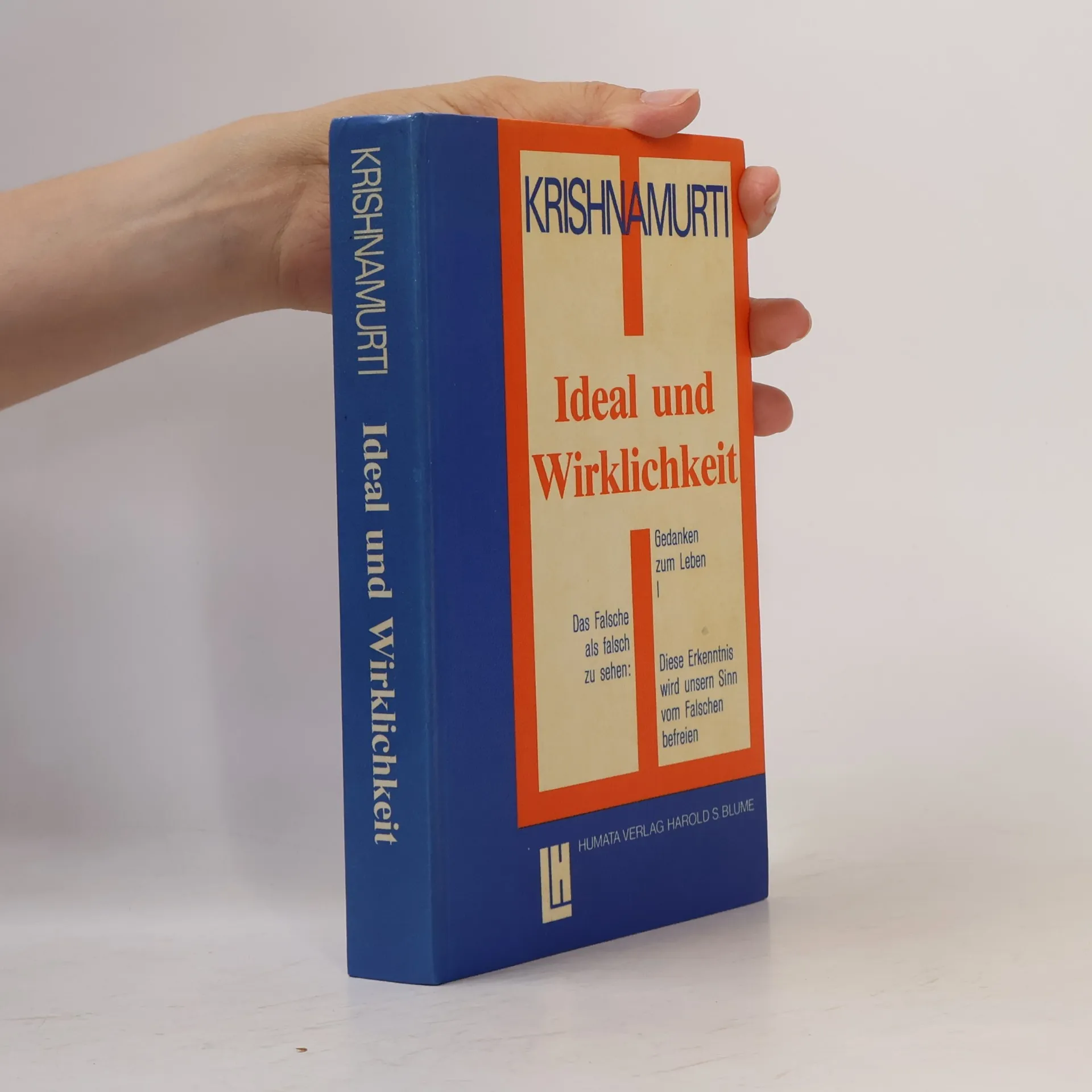
Ideal und Wirklichkeit
- 302 pages
- 11 hours of reading
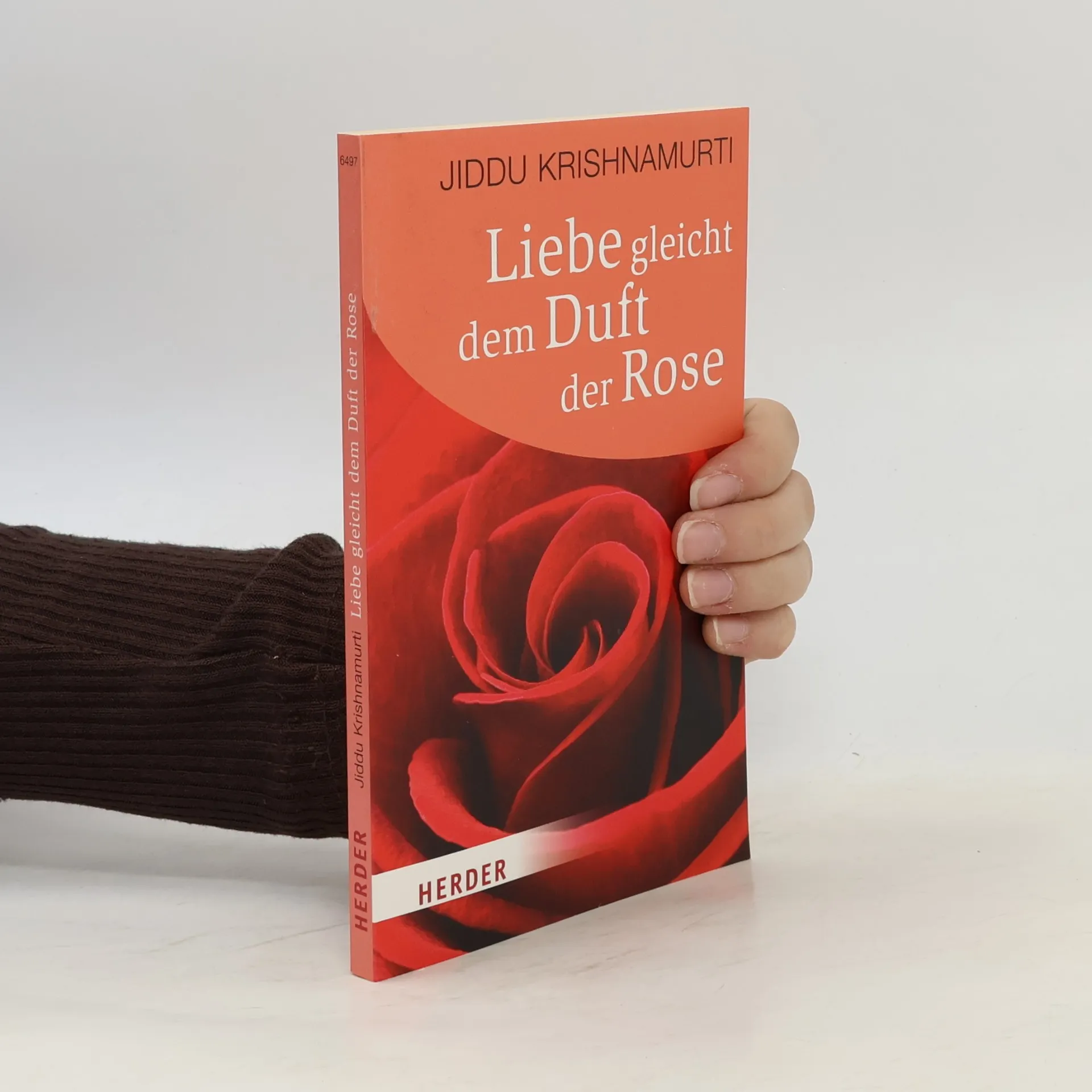
Liebe gleicht dem Duft der Rose
- 130 pages
- 5 hours of reading
Liebe und Freiheit, Selbsterkenntnis und Mitgefühl - das sind die existenziellen Themen des Menschseins, über die Krishnamurti spricht. Seine Vision einer bedingungslosen Liebe kann nur verwirklicht werden, wenn der einzelne Mensch sich von seinen Abhängigkeiten und Ängsten, seinem Schmerz und seiner Einsamkeit befreit. Eine solche Liebe hat die Kraft, uns und unsere Welt zu verwandeln.
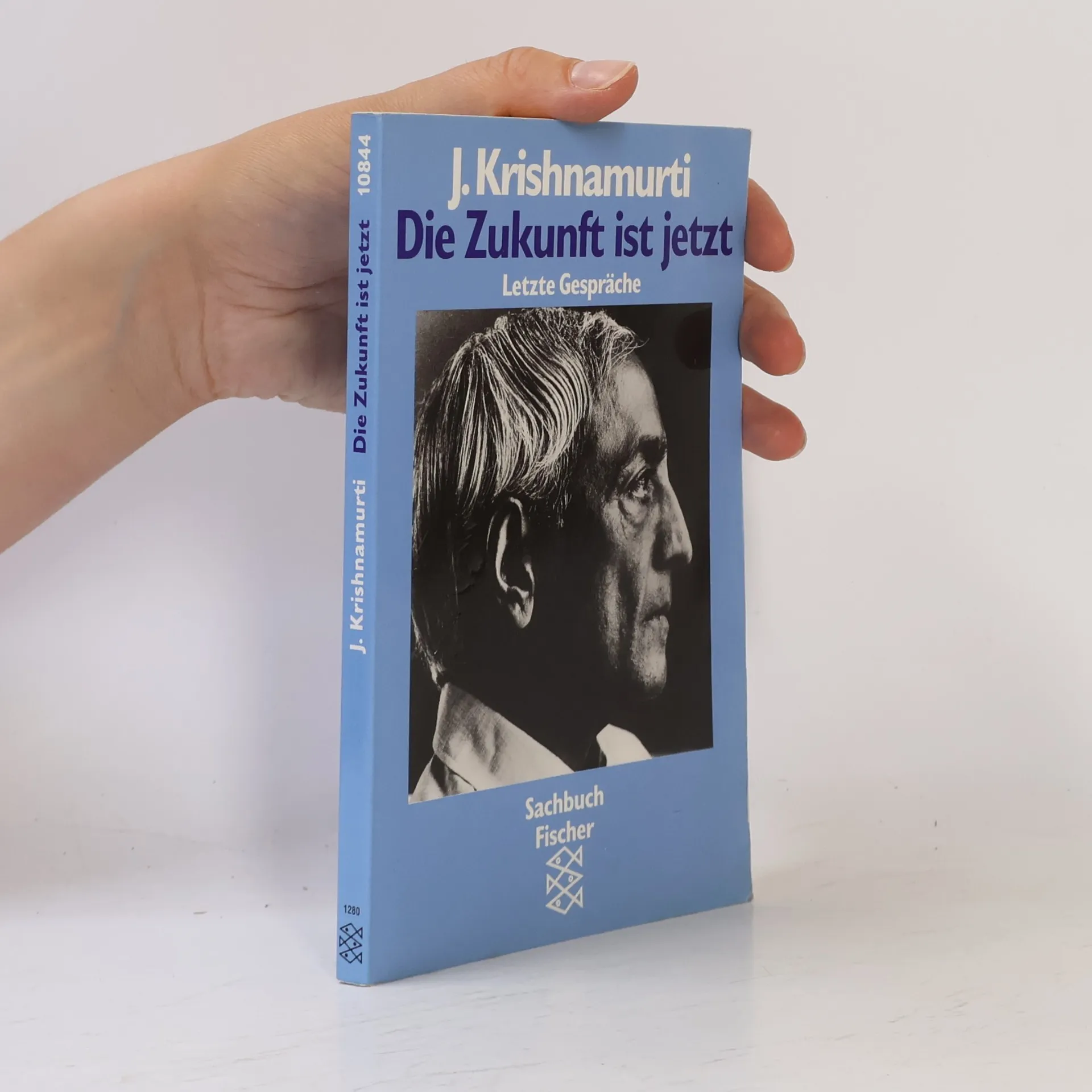
Die Zukunft ist jetzt
- 134 pages
- 5 hours of reading
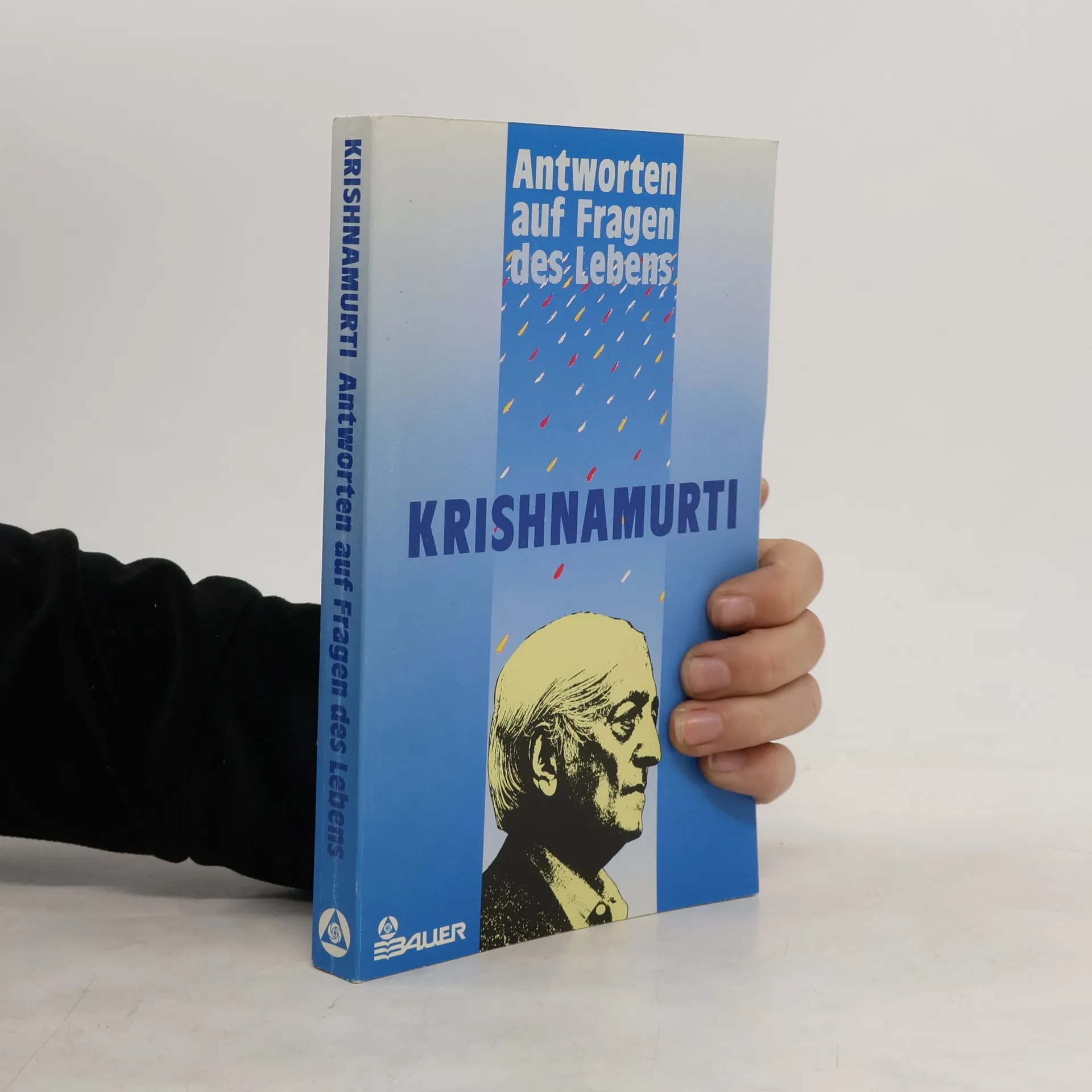
Antworten auf Fragen des Lebens
- 250 pages
- 9 hours of reading
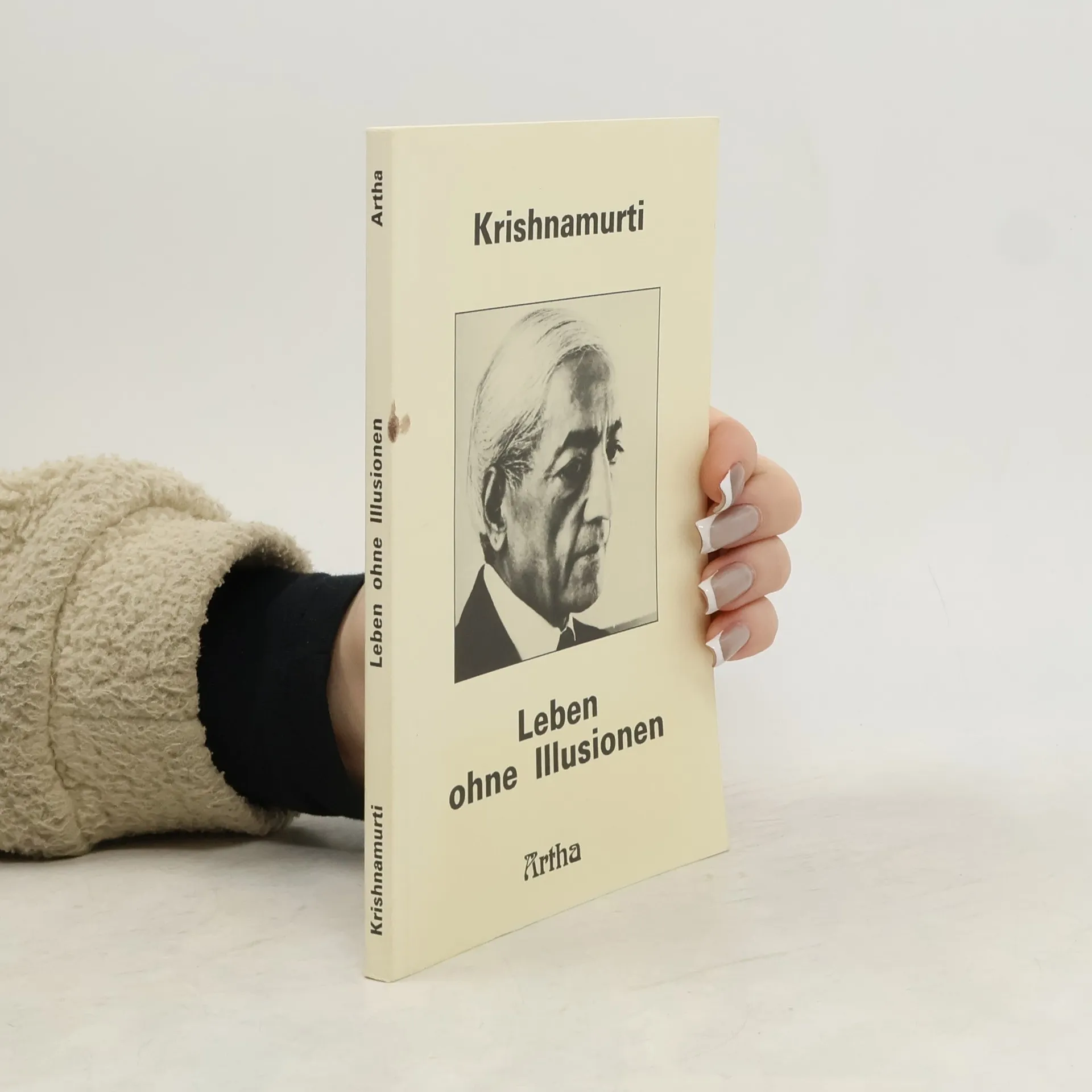
Leben ohne Illusionen
- 109 pages
- 4 hours of reading
Krishnamurti befaßt sich in diesem Buch mit dem Gesamtproblem des menschlichen Daseins. Er lenkt die Aufmerksamkeit auf Fragen der Liebe, des Mitleids, der Angst und auf die Schmerzen des Menschenlebens. Wo steckt der Sinn hinter all dem Terror, Leid und Gewalt?
Die Flamme des Lernens
- 220 pages
- 8 hours of reading
Indem wir uns selbst und die Glaubenssätze unserer Gesellschaft hinterfragen und unsere Kinder oder Schüler ermutigen, dies ebenfalls zu tun, entzünden wir Die Flamme des Lernens, die unsere wahre Intelligenz zutage fördert und es uns ermöglicht, ein Leben in Liebe und Klarheit zu führen. Krishnamurti zeigt uns Wege, wie wir diese Intelligenz in uns wecken und somit unsere Voreingenommenheiten und Konditionierungen durchschauen und aus unserer alltäglichen Trance zu einem leidenschaftlichen und authentischen Leben erwachen können. Pädagogische Fragen sind in Krishnamurtis Vision von zentraler Bedeutung. Die Flamme des Lernens ist die erste Auswahl von Gesprächen mit Schülern, Lehrern und Studenten zu zentralen Fragen des Lernens und Lehrens, u. a.: Was ist Sinn und Zweck von Erziehung und Bildung? Die Gefahren von Ehrgeiz, Wettbewerb und Angst Denken lernen Was ist Liebe? Wie man zuhört Die Qualität echter Zuneigung Worum geht es im Leben überhaupt? Was ist gute schulische Erziehung? Zahlreiche Pädagogen und Eltern haben den Wert der Lehre von J. Krishnamurti für sich und das Leben mit Kindern entdeckt. Für sie und für alle, die einen Weg zu mehr Weisheit, wahrer Intelligenz und Menschlichkeit suchen, kann dieses Buch von unschätzbarem Wert sein.
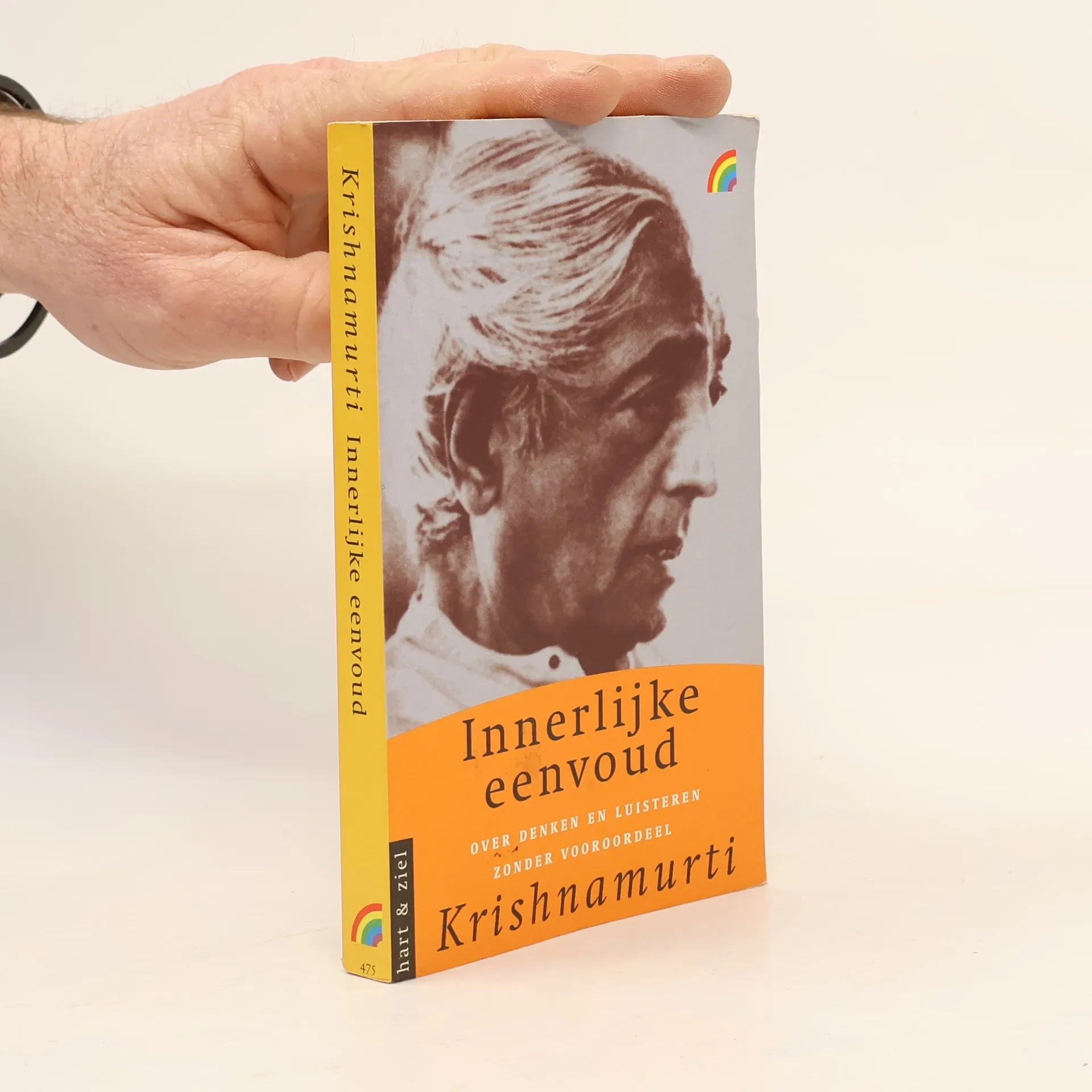
Bundel commentaren en persoonlijke aantekeningen over zeer uiteenlopende onderwerpen van de Indiase wijsgeer.
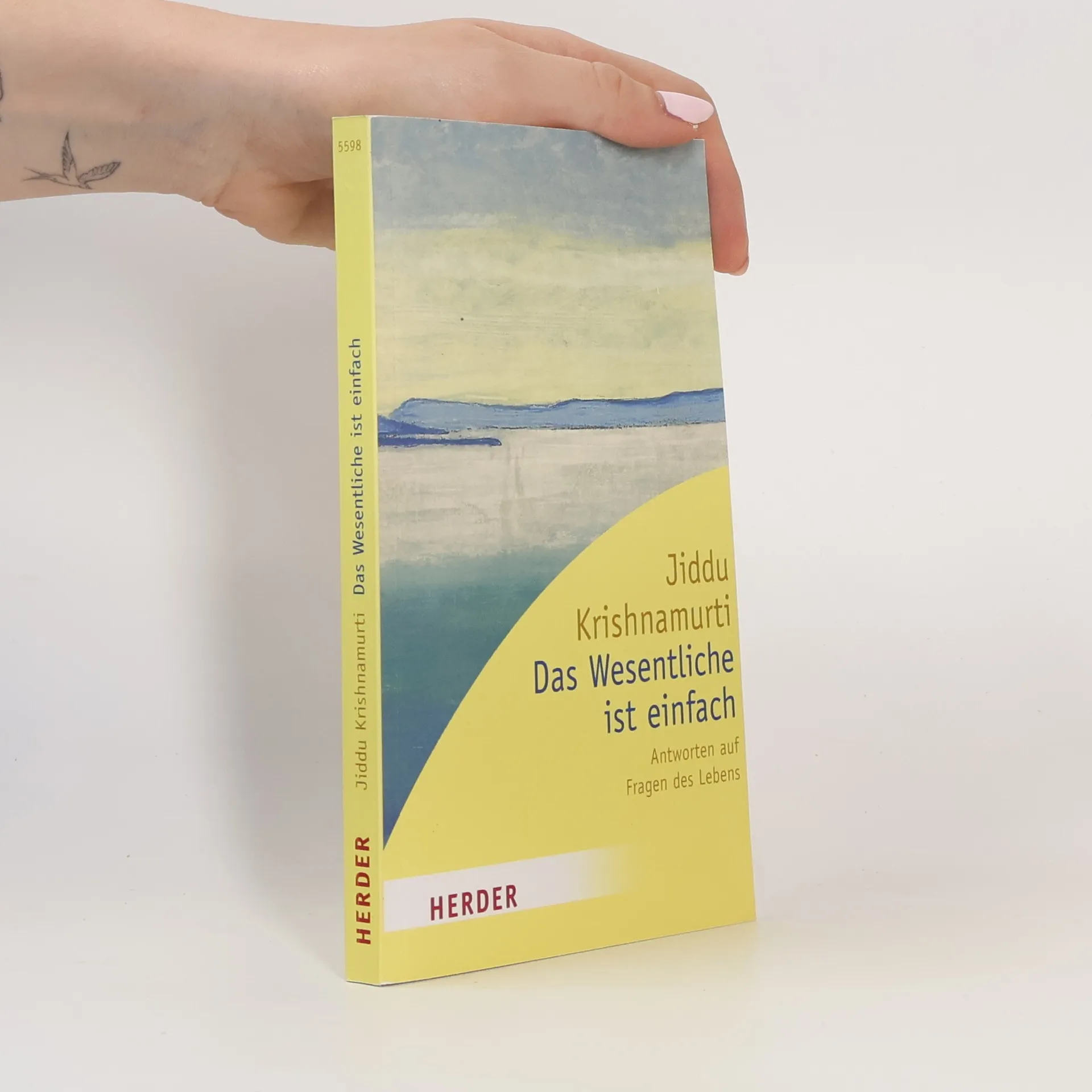
Das Wesentliche ist einfach
- 192 pages
- 7 hours of reading
Wie finde ich das Glück? - Warum wollen wir immer mehr? Was ist Eifersucht? - Wache Tiefgründigkeit und leuchtende Klarheit im Blick auf das Leben: Der indische Weisheitslehrer schenkt überraschende Einsichten und überzeugende Orientierung. (amazon.de)
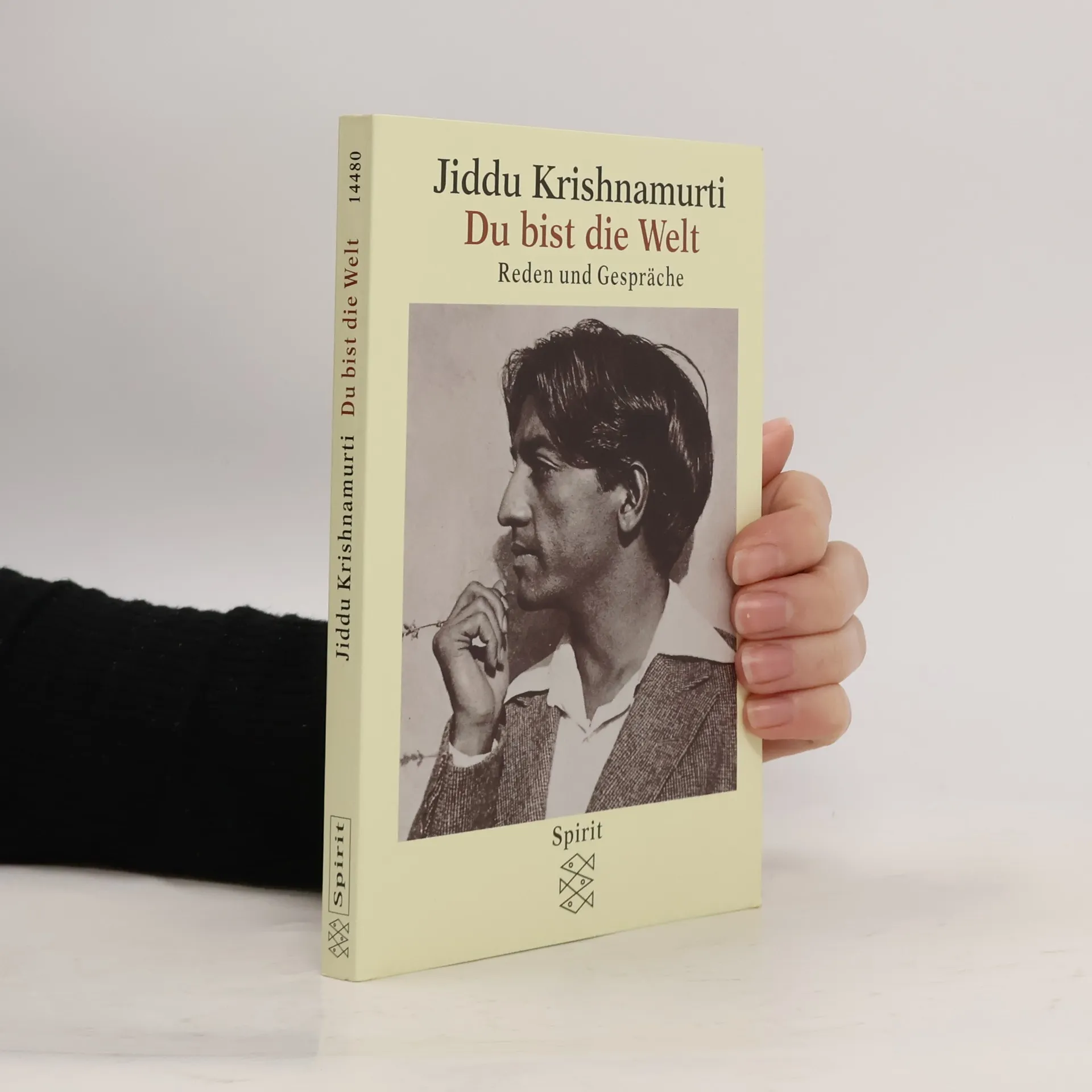
Du bist die Welt
- 155 pages
- 6 hours of reading
Jiddu Krishnamurti war ein Redner, der sich auf unvergleichliche Weise auf die Kunst des Vortrags und des Dialogs verstand. Inhalt seiner Vorträge und Diskussionen waren nicht philosophische Theorien, sondern aktuelle Menschheitsfragen, Fragen von Krieg und Frieden, von Natur und Kultur, von Gegenwart und Zukunft. Krishnamurti war ein zutiefst skeptischer Denker. Sein Vertrauen in den Menschen als Gattung war nicht sonderlich groß. Zumal in seinen letzten Jahren warnte er, angesichts von Natur- und Menschenvernichtung, von Übertechnisierung und Massenkonsum und der ungerechten Verteilung von Reichtümern auf der Welt, vor der drohenden Menschheitskatastrophe. Er wurde nicht müde, zur Besinnung und zur Änderung unserer oberflächlichen Auffassung vom Menschen aufzurufen. Krishnamurti vermittelt uns eine an keinem Ideal und an keiner Tradition orientierte, lebensnahe 'Kunst des Lernens', die zur Weltoffenheit führt und dem Menschen ein Zusammenleben in Freiheit möglich macht.
Vom Werden zum Sein
- 288 pages
- 11 hours of reading
Diese zutiefst poetischen und kraftvollen Briefe schrieb Krishnamurti zwischen 1948 und 1960 an einen jungen Freund, der an Körper und Seele verwundet zu ihm gekommen war. In ihnen offenbart Krishnamurti sein Mitgefühl und seine außergewöhnliche Klarheit. Trennung und Distanz zum Leser scheinen zu verschwinden; die Worte fließen aus seiner Feder, und doch ist nicht ein einziges Wort überflüssig. Ein einzigartiges Dokument, durch das jeder Leser in eine persönliche Lehrsituation mit Krishnamurti eintritt, denn der Empfänger dieser Briefe steht stellvertretend für jeden Suchenden.
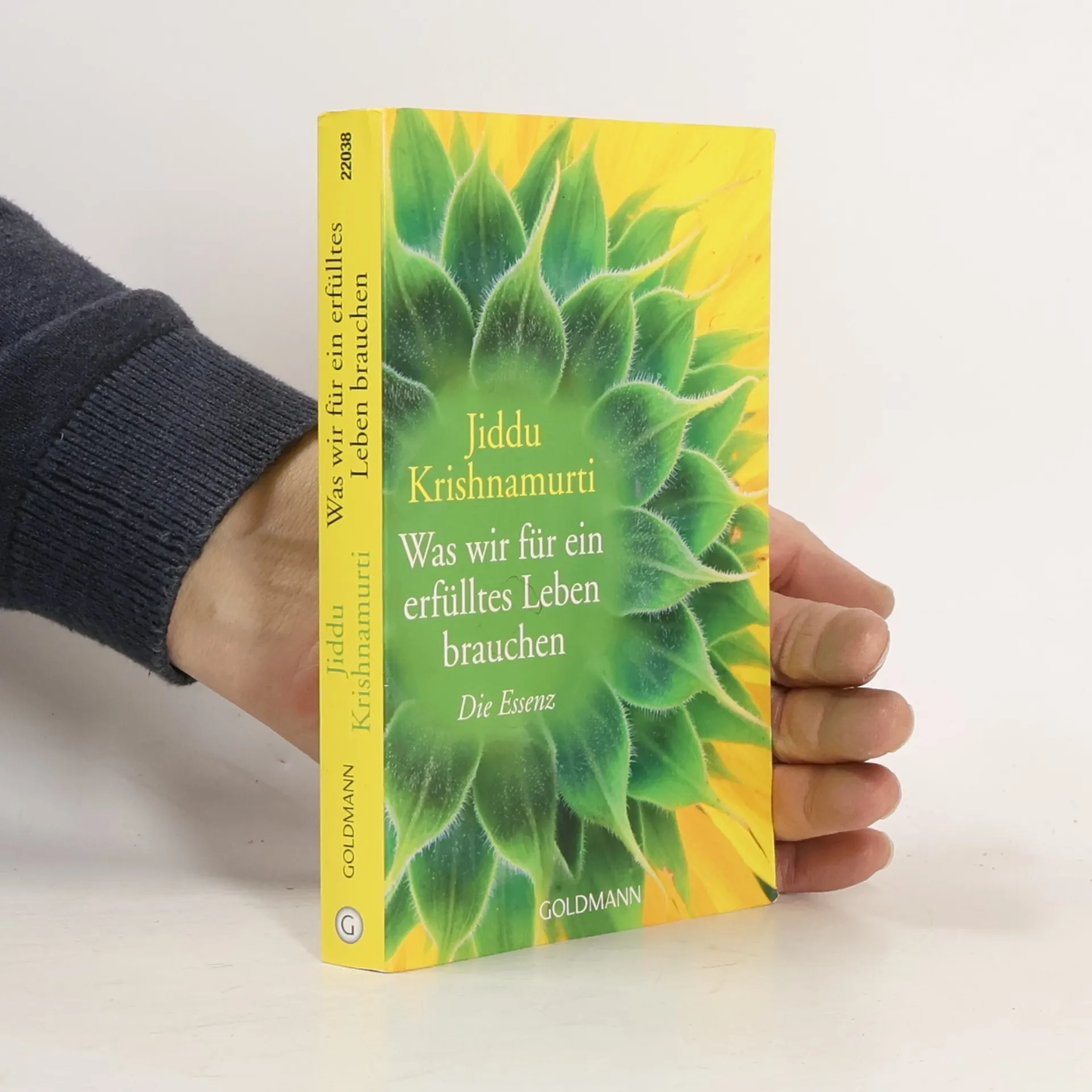
Die Essenz des großen spirituellen Meisters in kompakter Form. Noch nie standen uns so viele Möglichkeiten offen, unser Leben auszurichten, wie heute – und nie haben sich so viele Menschen so orientierungslos gefühlt. Der große Weisheitslehrer Jiddu Krishnamurti gibt zeitlos gültige Antworten auf Fragen wie: Was wollen wir wirklich von Herzen tun? Wie gehen wir mit Problemen wie Angst, Eifersucht oder Trauer um? Was bedeuten uns Religion, Tod, Meditation oder Gott? Seine Vision eines erfüllenden Lebens wird hier in inspirierender und äußerst kompakter Form lebendig.
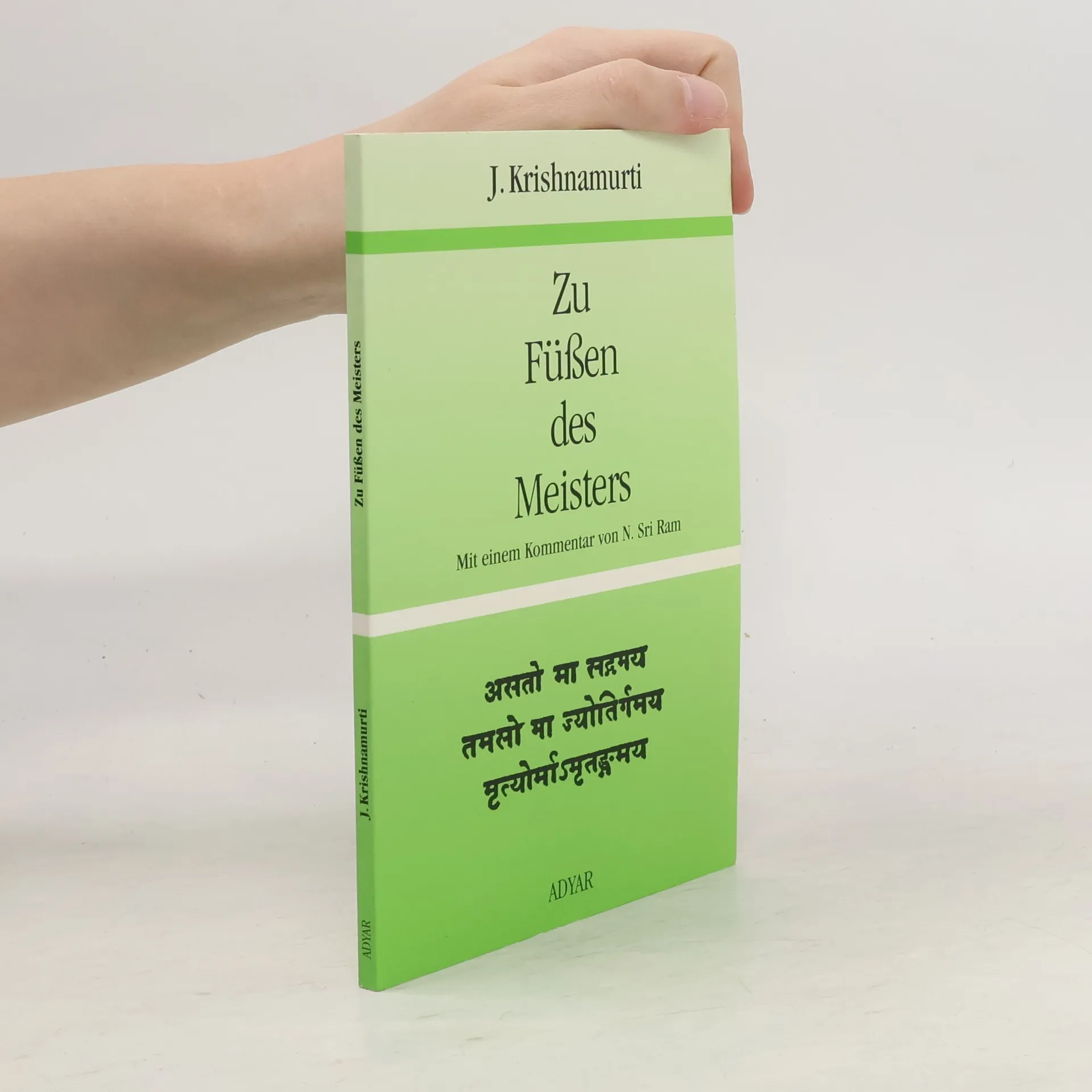
Dieses Buch entstammt der ersten Begegnung des jungen Krishnamurti mit den 'Meistern der Weisheit'. In einfachen Worten erklären ihm diese großen Menschheitslehrer die geistigen Gesetzmäßigkeiten. Lehren, die in ihrer schlichten Schönheit und tiefen Wahrheit Millionen von Menschen berühren sollten.§Der größte Klassiker des modernen spirituellen Schrifttums, der in seiner zeitlosen Weisheit immer wieder Inspiration und Ermutigung schenkt.§Ein einzigartiges geistiges Juwel!§
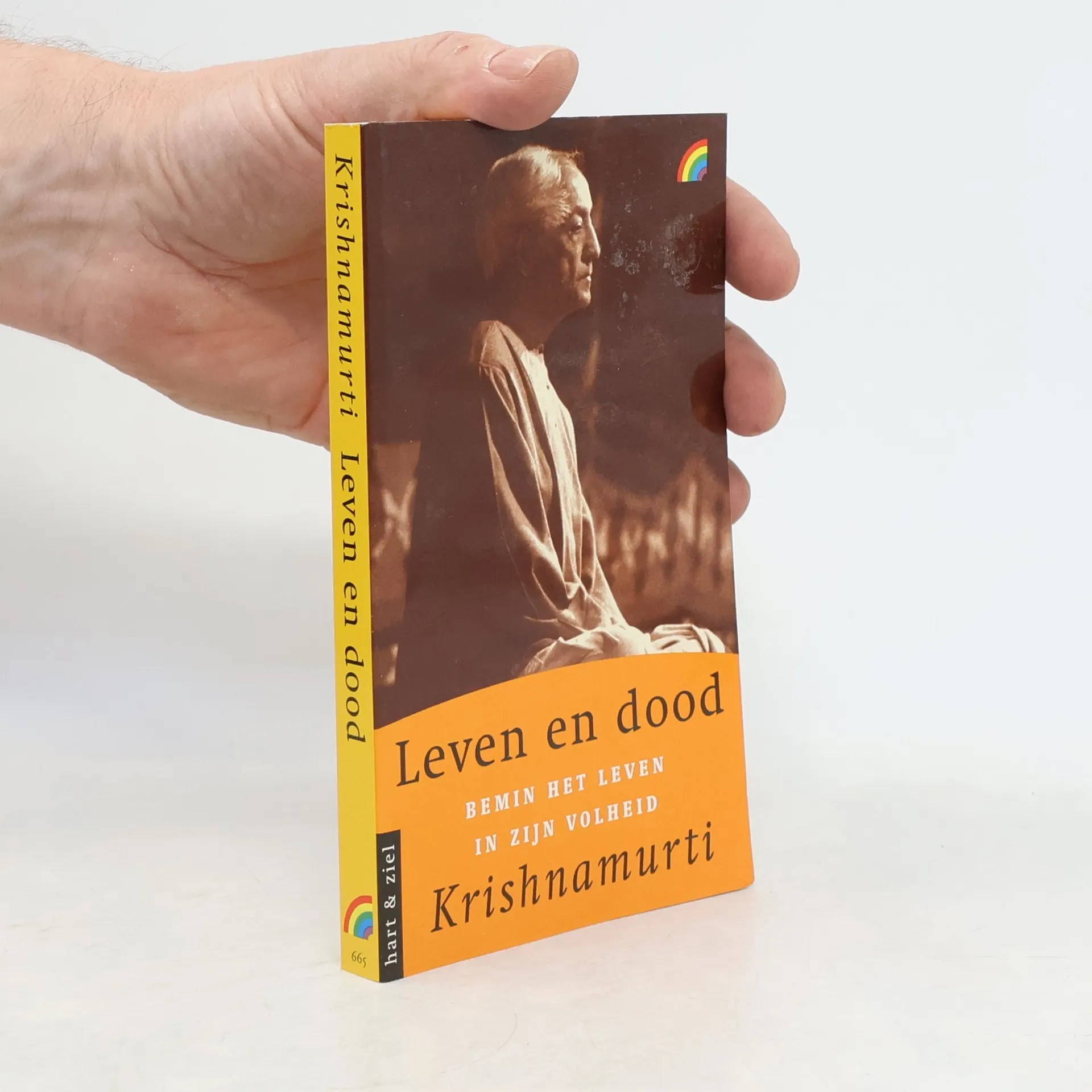
Leven en dood
- 212 pages
- 8 hours of reading
Gedachten van de Indiase filosoof (1895-1986).
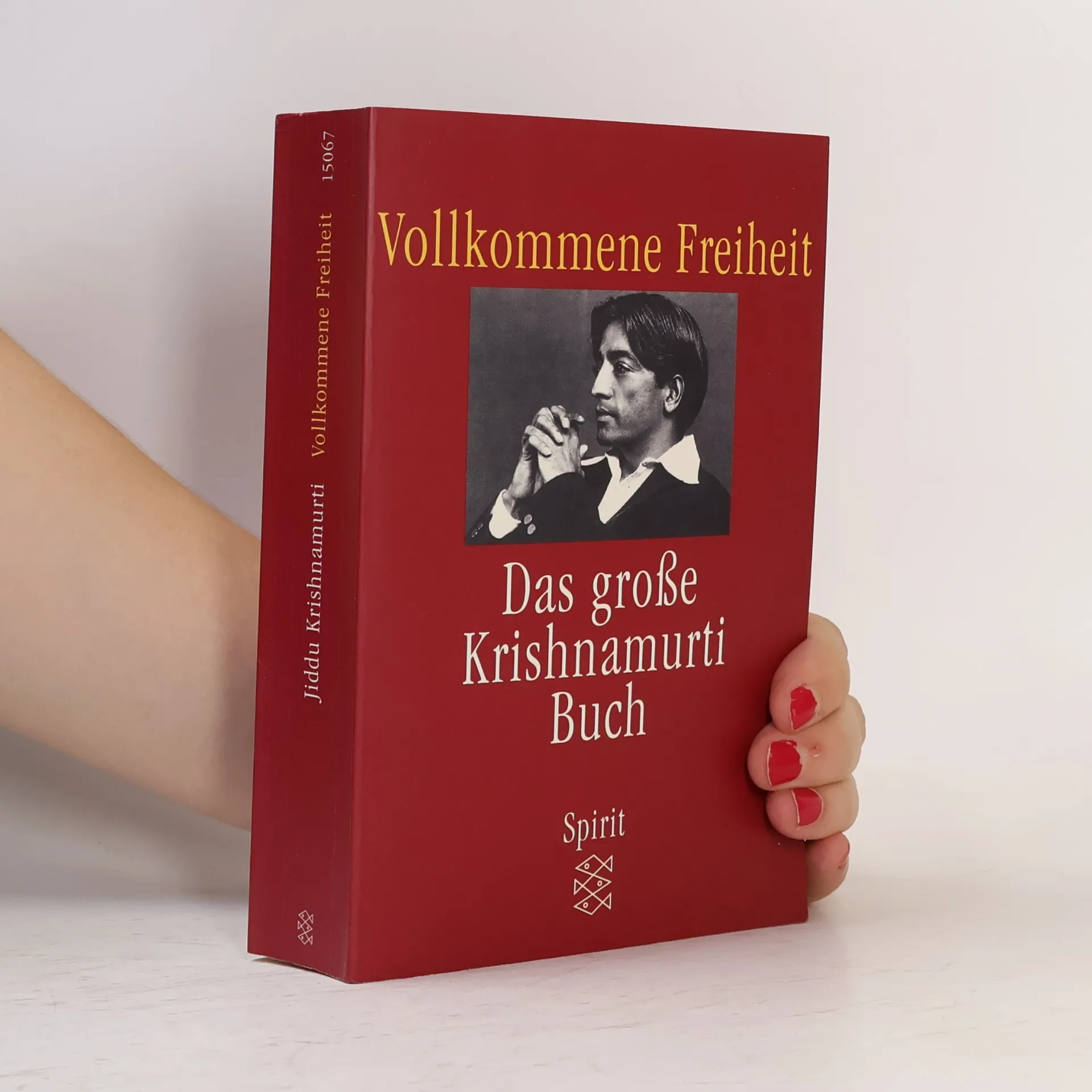
Vollkommene Freiheit
Das große Krishnamurti-Buch
Vollkommene Freiheit - das war Jiddu Krishnamurtis Leitmotiv. Dieser Band versammelt seine wichtigsten Aufsätze, Reden und Gespräche aus fünfzig Jahren weltweiter Lehrtätigkeit - viele davon hier zum ersten Mal in deutscher Übersetzung.
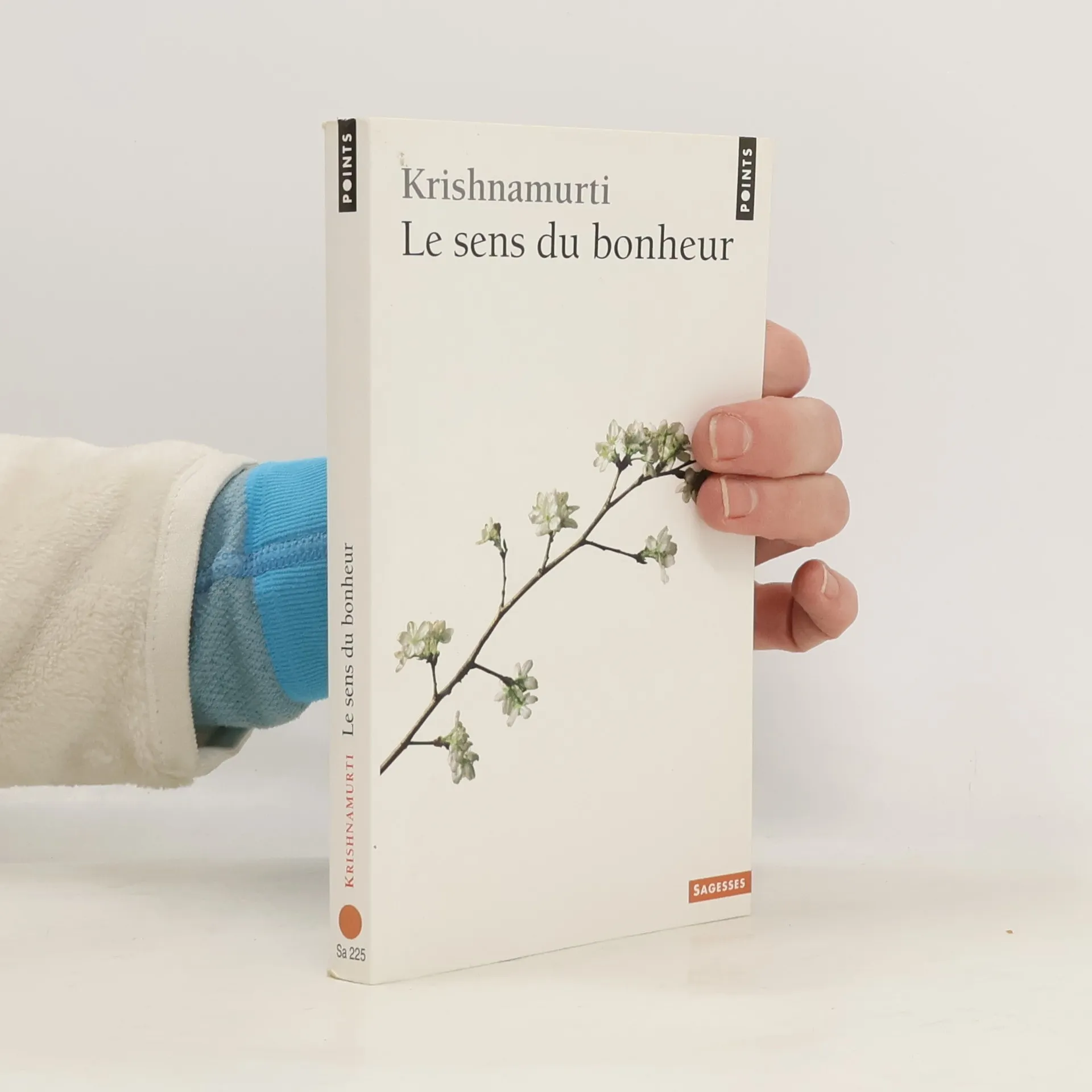
Le sens du bonheur
- 298 pages
- 11 hours of reading
Le sens du bonheur ? L’art de chercher la vérité et la liberté intérieure, loin de tout maître. L’enseignement de Krishnamurti repose sur la conviction que les transformations de la société ne peuvent se faire qu’au terme d’une transformation des individus. Critique vis-à-vis des religions et des sectes, Krishnamurti n’a eu de cesse de répéter que le bonheur ne peut passer que par le refus de tout type d’autorité. « Dès l’instant où vous suivez quelqu’un, vous cessez de suivre la vérité. » C’est le sens des multiples conférences et causeries qu’il a données pendant des dizaines d’années, partout dans le monde et dont certaines sont réunies ici. Le Sens du bonheur nous permet de voir le monde autrement. Sans parti pris, universelle, la parole de Krishnamurti nous fait découvrir les racines mêmes de nos problèmes personnels et ceux de la société qui nous entoure. Elle nous apprend l’art de voir et d’écouter avec notre cœur. Et à découvrir la vérité qui est en nous.
Enlightening and inspiring, this analysis highlights the importance of meditation—the act of ridding the mind of all falsehood—as a path that leads to a more authentic and freer relationship with one’s inner self and, as a result, with the surrounding people and environment. This examination also provides an astute reflection of daily life, in all its simplicity and complexity, by dissecting various scenarios and situations, always placing them within the framework of an exterior beauty that is often difficult to perceive. A DVD of lectures given by the author is additionally included. Iluminador e inspirante, este análisis destaca la importancia de la meditación—el acto de liberar a la mente de toda falsedad—como una vía que conduce a una relación más auténtica y libre con el ser interior y, por tanto, con los demás y con la naturaleza. Esta investigación también provee una reflexión astuta de la vida cotidiana, con toda su sencillez y complejidad, disecando diversas situaciones, enmarcadas siempre con descripciones de la belleza exterior que puede ser difícil de percibir. Se incluye adicionalmente un DVD de conferencias dadas por el autor.
« Se mettre en quête de quelque chose, c'est faire une recherche. Ensemble, nous allons chercher, trouver, découvrir la réponse juste », disait Krishnamurti à ses élèves.En dialoguant avec eux, en répondant aux questions qui prenaient leur source dans les complexités de la vie et les difficultés quotidiennes, il explique ici divers aspects de son enseignement, en apportant une compréhension profonde sur ce que sont les émotions, la vérité, l'espoir, le moi et son dépassement, le sens de l'action ou encore de la liberté.Jiddu Krishnamurti , né à Madanapalle le 12 mai 1895 et décédé à Ojai le 17 février 1986, est un philosophe d'origine indienne.
Der Trend zur Spiritualität bleibt stark. Menschen, unabhängig von ihrer Religiosität, suchen nach Lebensweisheit aus spirituellen Traditionen, die ihnen Orientierung in einer komplexen Welt bieten.
Was ist Meditation?
- 112 pages
- 4 hours of reading
Jiddu Krishnamurti, ein bedeutender Philosoph, diskutierte mit Wissenschaftlern und Intellektuellen und brachte fernöstliche Philosophie in den Westen. Seine Lehren inspirieren Millionen, indem sie Fragen zu Beziehungen, Konflikten und innerer Harmonie behandeln. In ›Was ist Meditation?‹ werden zentrale Zitate zu Meditation und ihrer Alltagsbedeutung versammelt.
Fragen und Antworten und sein Gespräch mit Prof[essor] David Bohm
- 186 pages
- 7 hours of reading
Krishnamurti
- 185 pages
- 7 hours of reading
Was machst du aus deinem Leben?
- 304 pages
- 11 hours of reading
Wer bin ich? Was erwarte ich vom Leben? Und was macht mich eigentlich aus? Einer der größten philosophischen Lehrer der Welt zeigt uns seine inspirierende Weisheit zur Bewältigung der vielen Hürden des Lebens. Er widmet sich Themenfeldern wie Beziehungen und Liebe, aber auch den Schattenseiten des Lebens wie Angst und Einsamkeit. Er behandelt bedeutende Fragen, die uns Menschen beschäftigen, und offenbart den besten Weg, sich selbst treu zu bleiben. Jiddu Krishnamurtis Lehren wurden von Millionen Menschen aus allen Gesellschaftsschichten geschätzt und zeigen uns, dass es nicht den einen Weg gibt, keine höhere Autorität, keinen Guru, dem wir folgen können, sondern dass es letztlich unsere eigene Verantwortung ist, wie wir unser Leben gestalten.
Eine kaum zu überschauende Anzahl von Büchern über Meditation vermittelt, es gehe darum, anhand von Methoden einen stillen Geist oder andere Bewusstseinszustände zu erlangen. Der große indische Weisheitslehrer J. Krishnamurti zeigt die Mängel und Fallstricke einer solchen Vorgehensweise auf. Meditation ist für ihn das Spüren und völlige Erfassen der Gesamtheit des Lebens, ohne auszuwählen. Nur das führt ohne Bemühen und innere Konflikte zu Freiheit und einer Stille des Geistes, in der sich das zeigt, was wahr ist.
Krishnamurti hat nur wenige der zahlreichen Bücher, die unter seinem Namen veröffentlicht wurden, selbst geschrieben. Die bekanntesten sind „Das Notizbuch“, „Selbstgespräche“ und „Das Journal“. Nun erscheint, viele Jahre nach seinem Weggang in eine höhere Dimension, ein weiteres Werk, das seine persönlichen Erinnerungen an die Begegnungen mit Menschen enthält, die, manchmal auf sehr einschneidende Weise, seinen Lebensweg kreuzten. Obwohl er diese Treffen in der „dritten Person“ schildert, sind die teilweise prominenten Persönlichkeiten häufig gut zu erkennen. Umrahmt werden diese „Begegnungen“ wieder durch die für Krishnamurti typischen, oft von einem mystischen Grundtenor erfüllten Naturbeschreibungen. Ein wichtiges Buch im Rahmen von Krishnamurtis Gesamtwerk, das ihn von seiner ganz privaten Seite zeigt und Facetten enthüllt, die in seinen öffentlichen Auftritten nur zu erahnen sind.
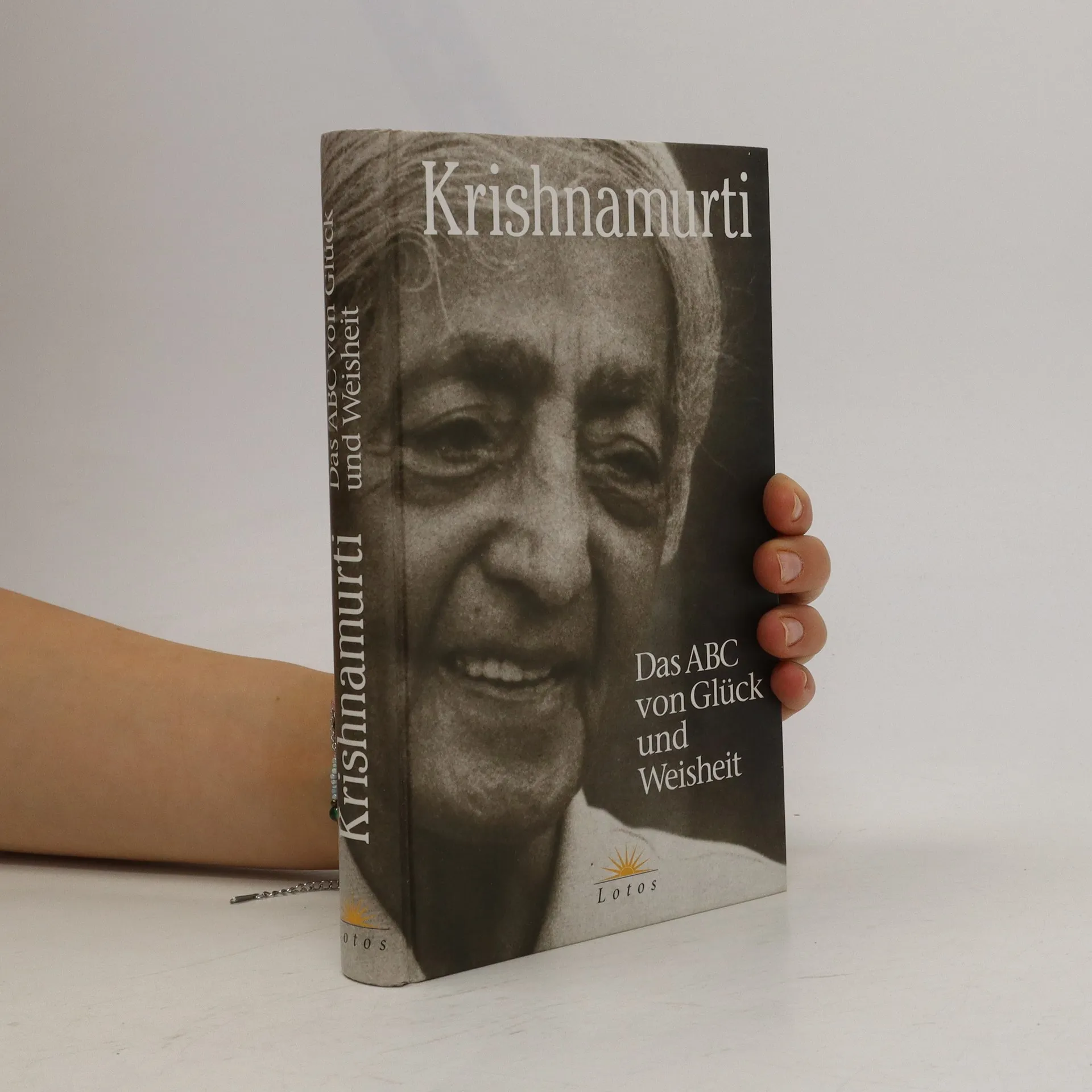
Das ABC von Glück und Weisheit
- 253 pages
- 9 hours of reading
Unter den zahlreichen Themen, die Jiddu Krishnamurti im Lauf seines langen Wirkens in Wort und Schrift behandelte, leuchten zwei auch aus allen anderen immer wieder hervor: das Glück - und zwar in seinem umfassendsten Sinn, nämlich als vollkommene Selbstverwirklichung des Menschen - und die Weisheit, welche die Grundlage für unser Wohlergehen ist. In diesem Buch sind 514 Zitate aus dem unermeßlichen Schrifttum des großen Weisen unter seiner Anleitung von einem seiner engsten Schüler versammelt worden. Unter 118 Themen gegliedert, alphabetisch angeordnet, bieten sie allen Lesern ein ebenso unerschöpfliches wie übersichtliches Reservoir der Einsicht und Inspiration. „Wahres Glück gründet in Weisheit.“ Jiddu Krishnamurti „Unter Krishnamurtis Anleitung von einem seiner engsten Schüler zusammengestellt, bietet dieses ABC einen unerschöpflichen und übersichtlichen Schatz an Einsicht und Inspiration. Auch wenn der Meister selbst empfiehlt: “Warum willst du die Bücher anderer lesen, wenn es dein eigenes Buch gibt?„, sollte dieses Buch immer griffbereit liegen.“












![Fragen und Antworten und sein Gespräch mit Prof[essor] David Bohm](https://rezised-images.knhbt.cz/1920x1920/89650733.webp)