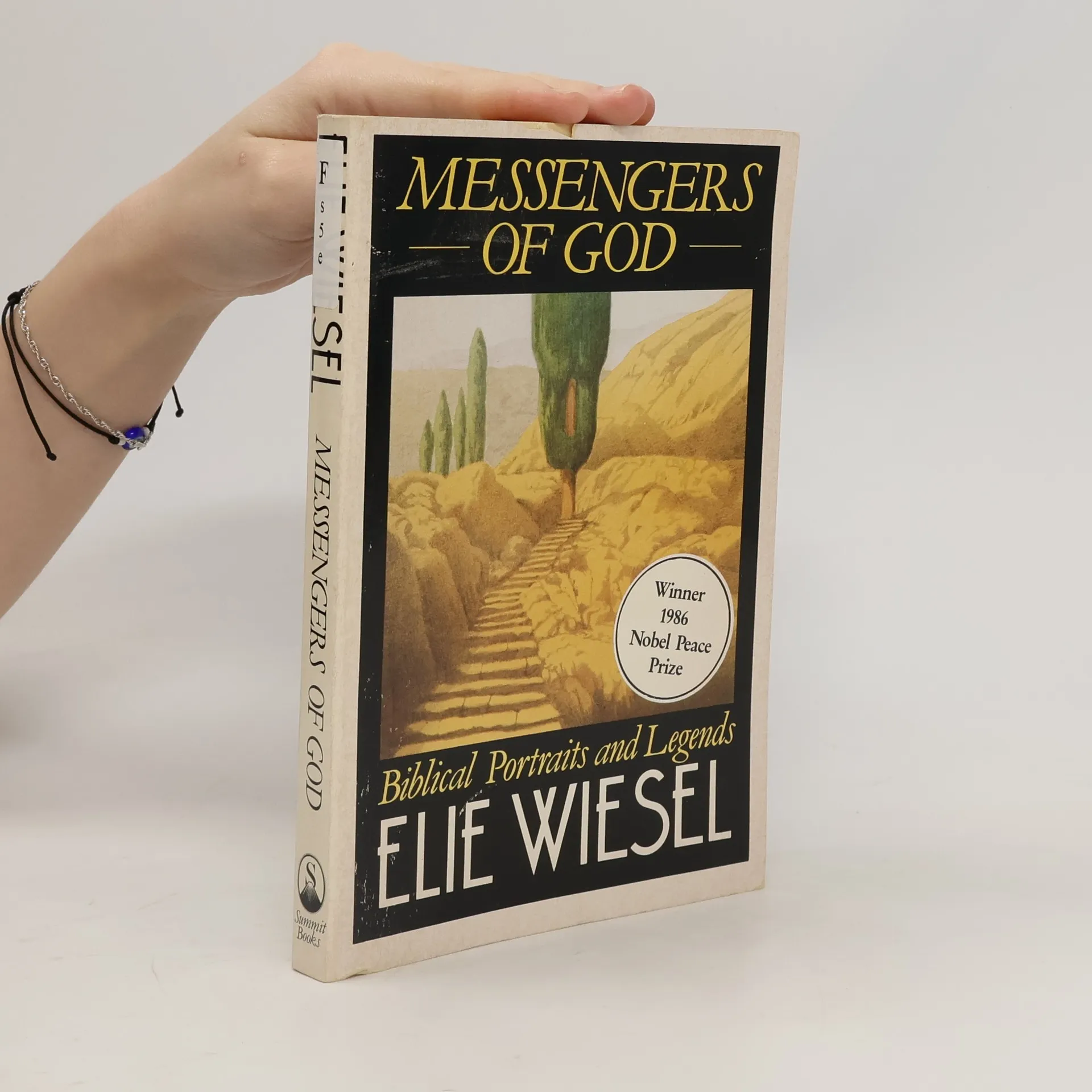
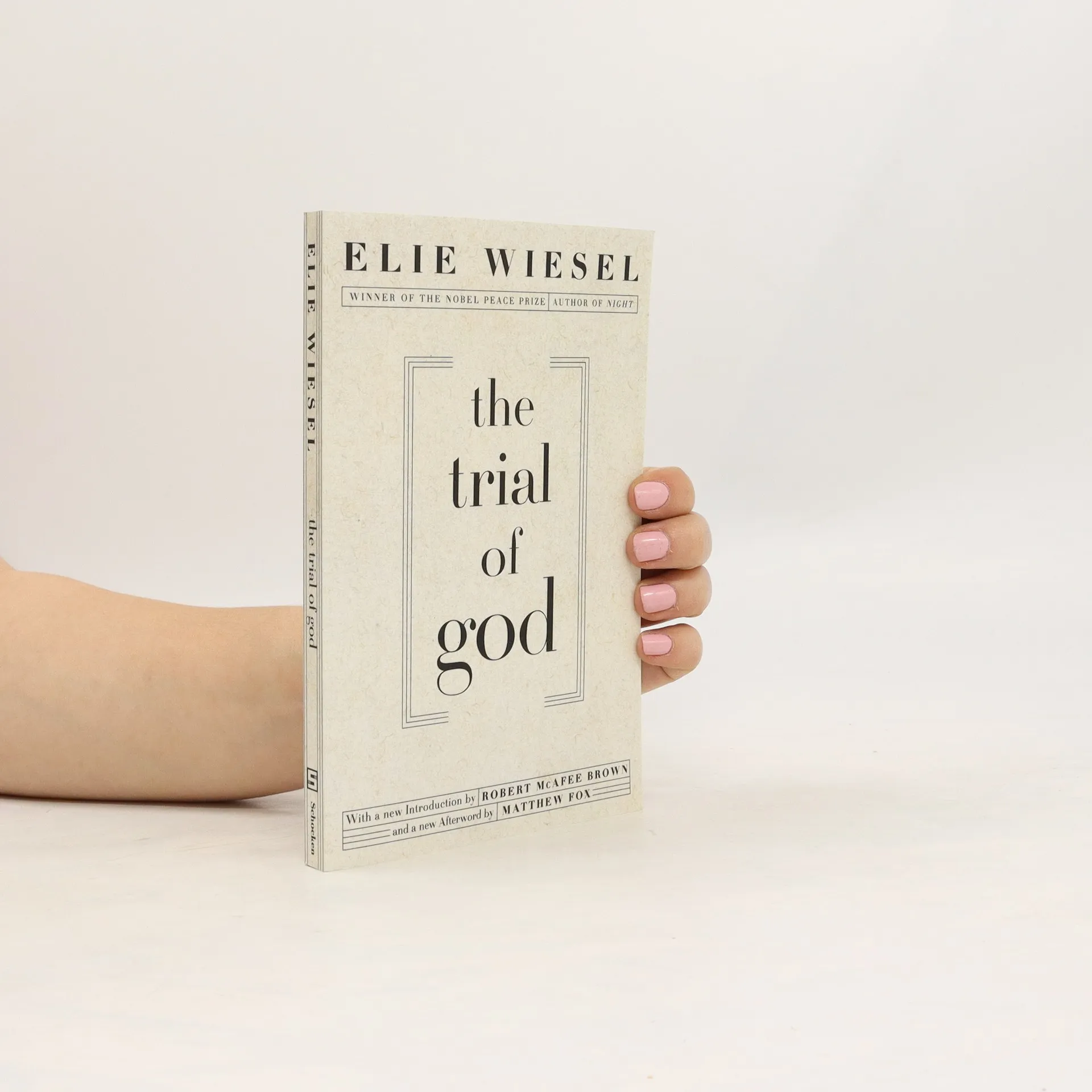
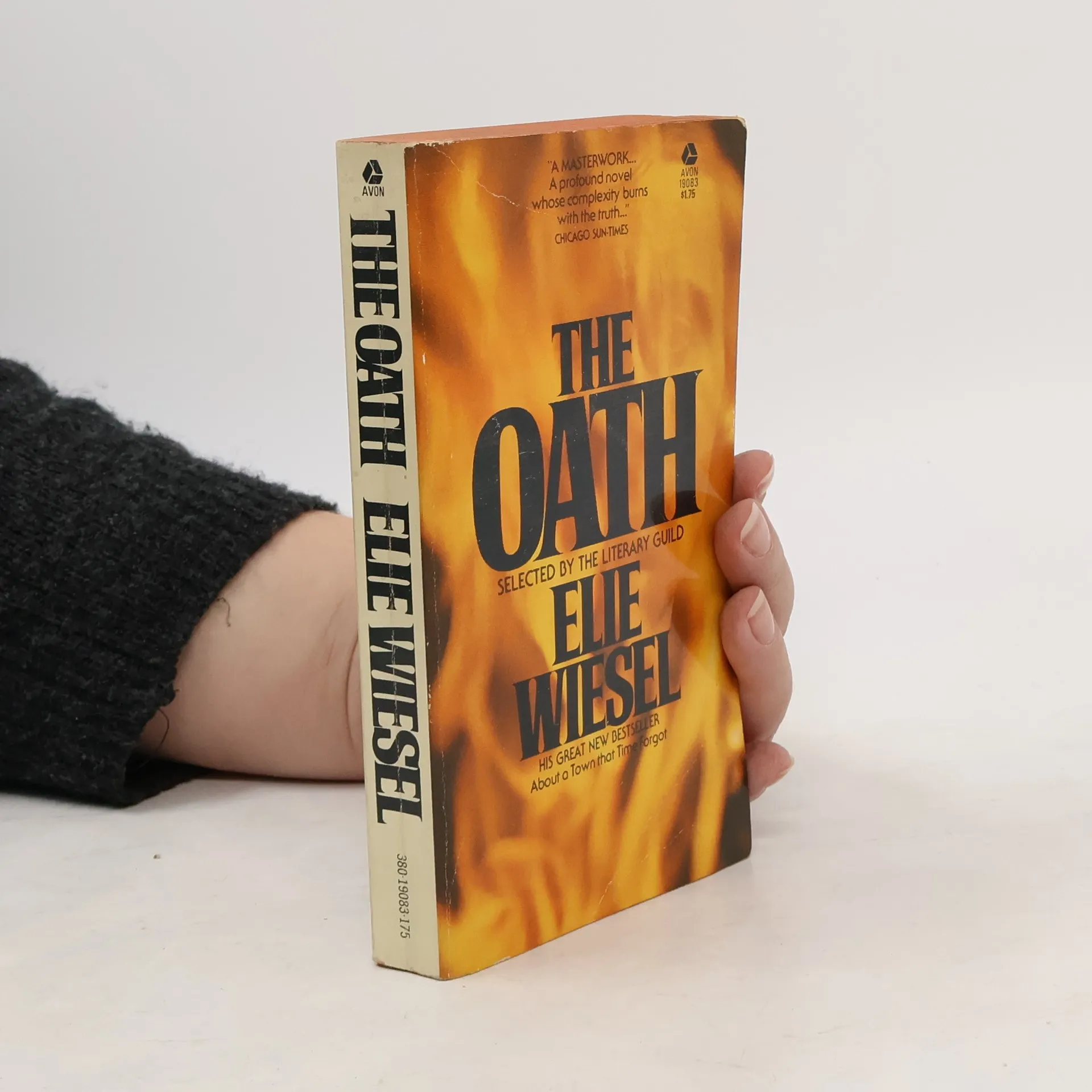
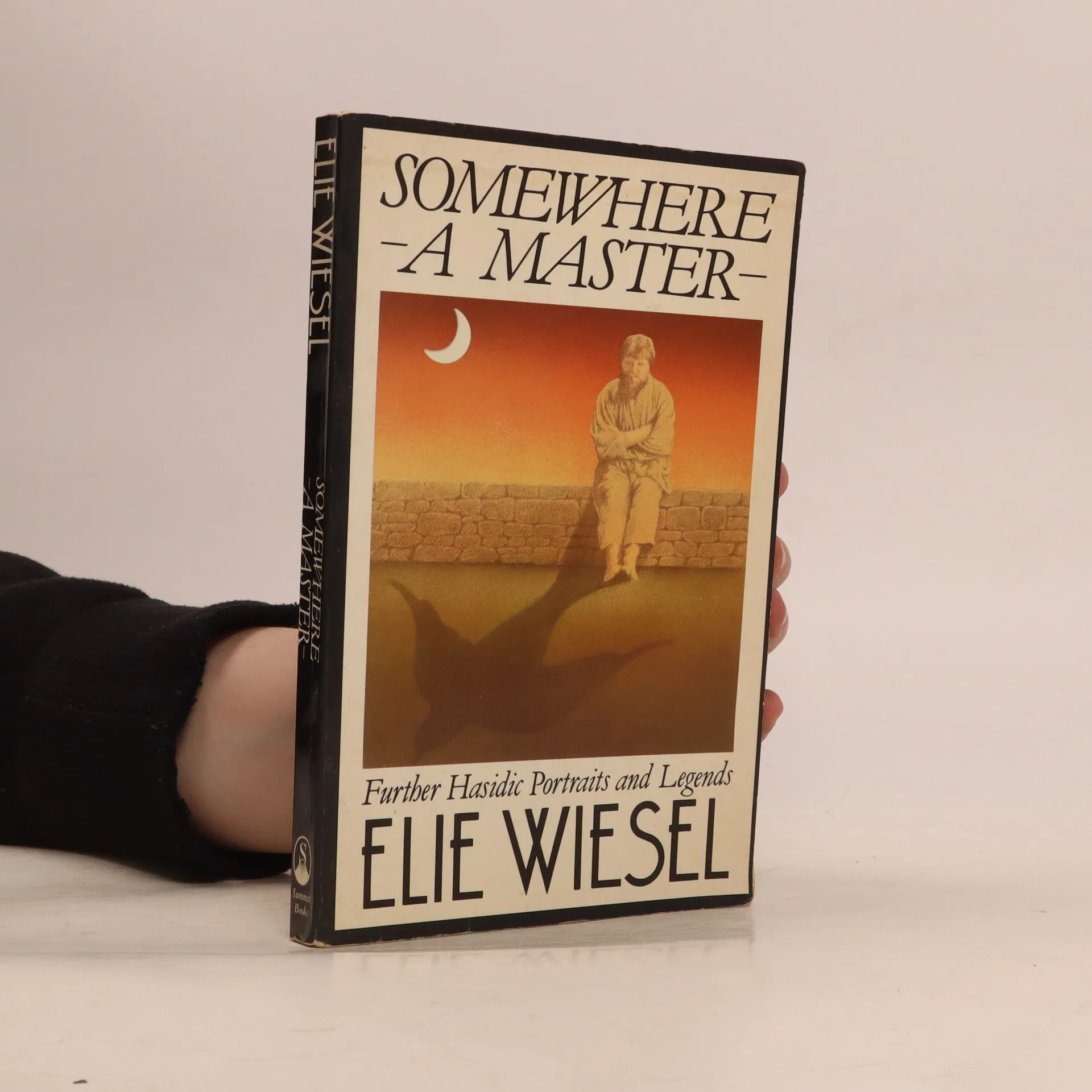
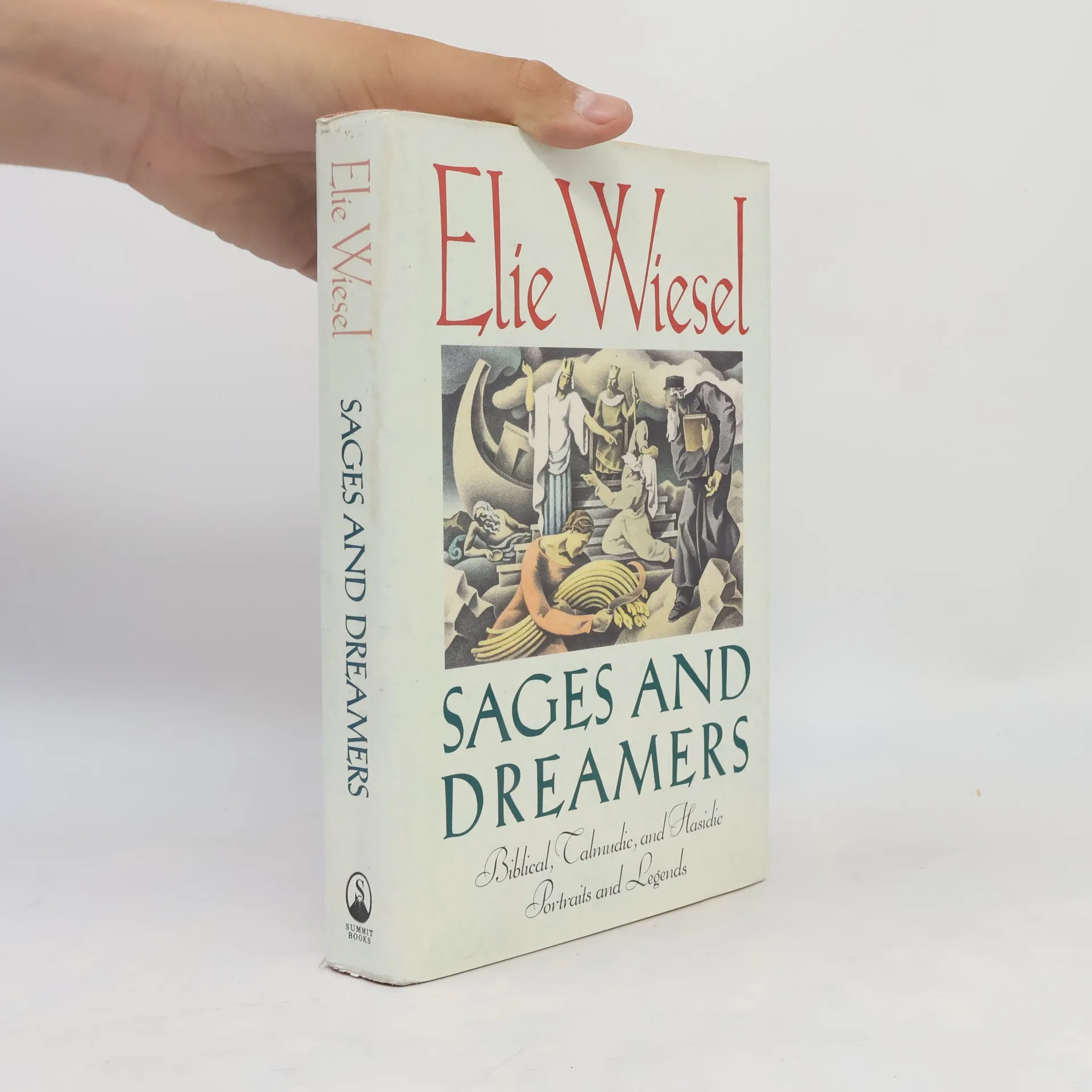
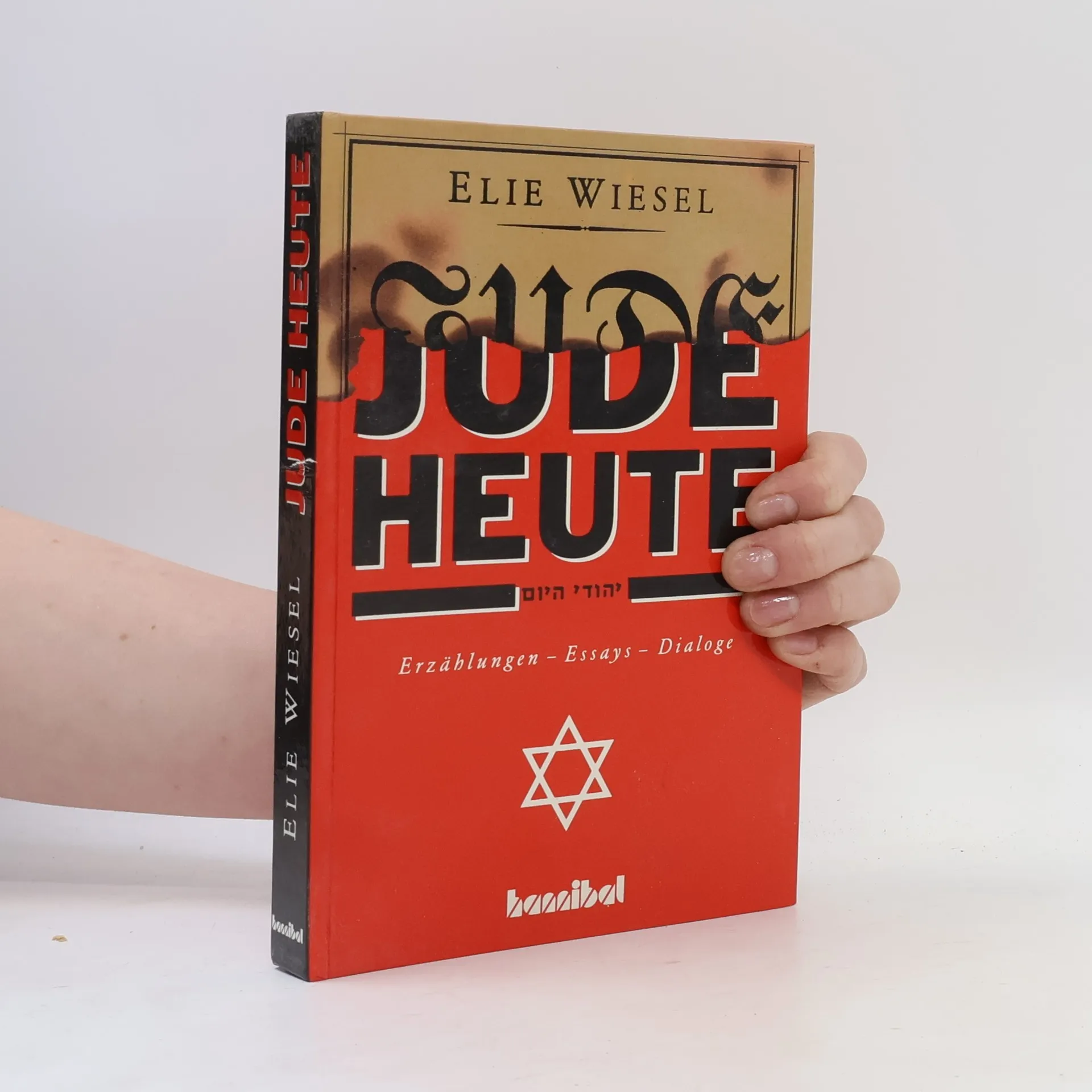
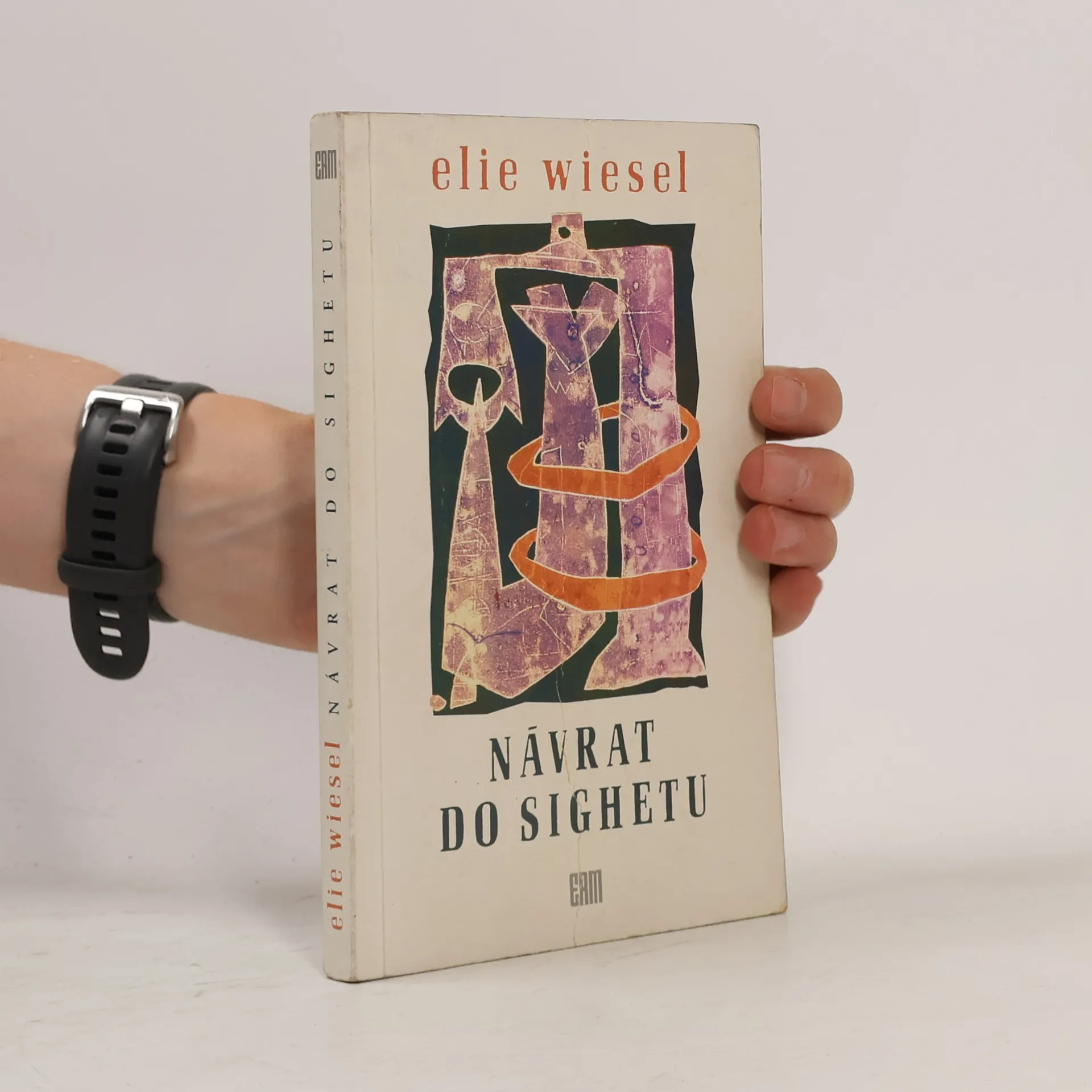
Three works deal with a concentration camp survivor, a hostage holder in Palestine, and a recovering accident victim.
Elie Wiesel Books
September 30, 1928 – July 2, 2016
Elie Wiesel, a Nobel Peace Prize laureate, is primarily known as a narrator of the horrors of the Holocaust. His works delve deeply into themes of memory, loss, and the search for humanity in the face of unimaginable suffering. Wiesel's prose, often drawn from his own harrowing experiences, serves as a powerful testimony and a call for peace and human dignity. His message resonates across generations, urging readers toward reflection and compassion.

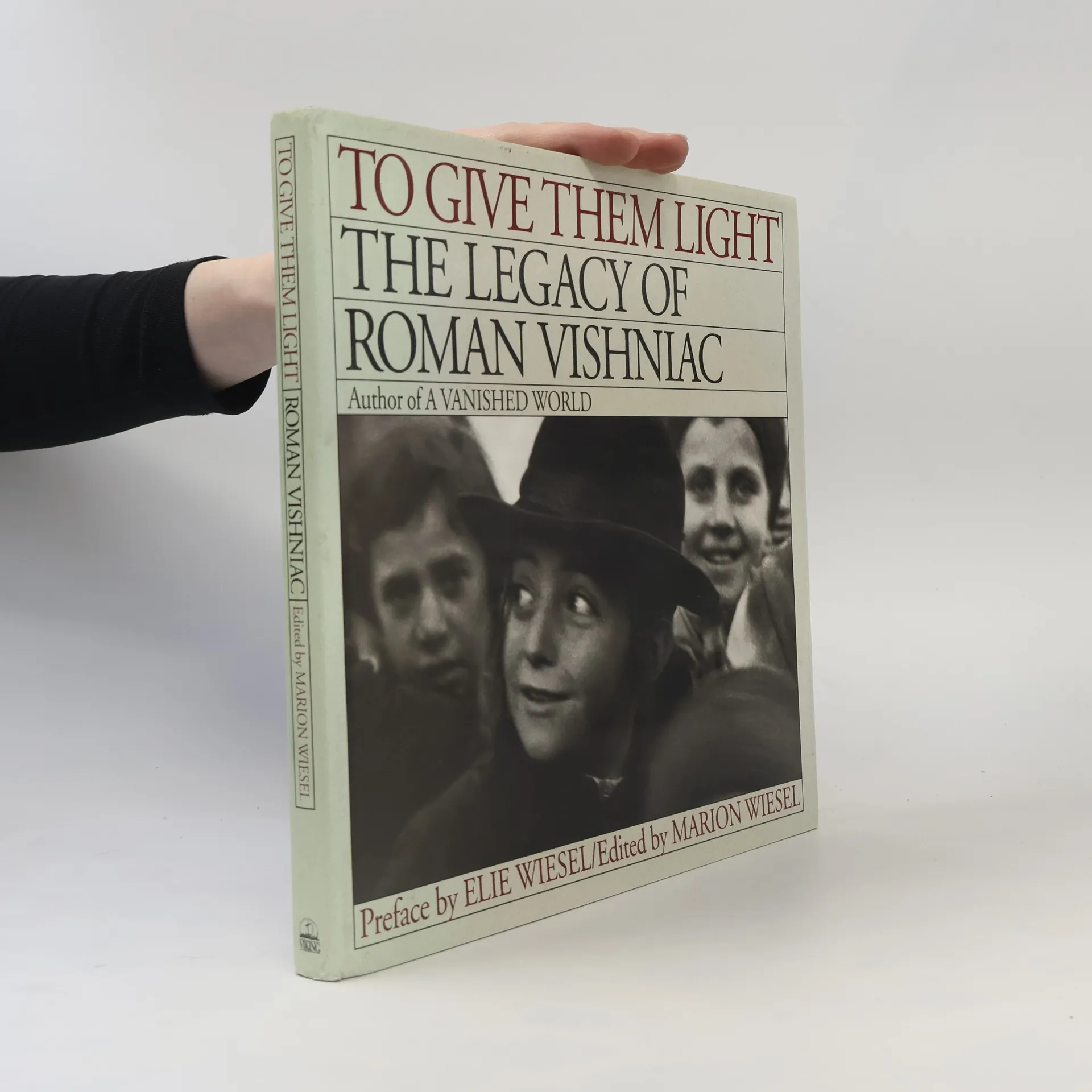
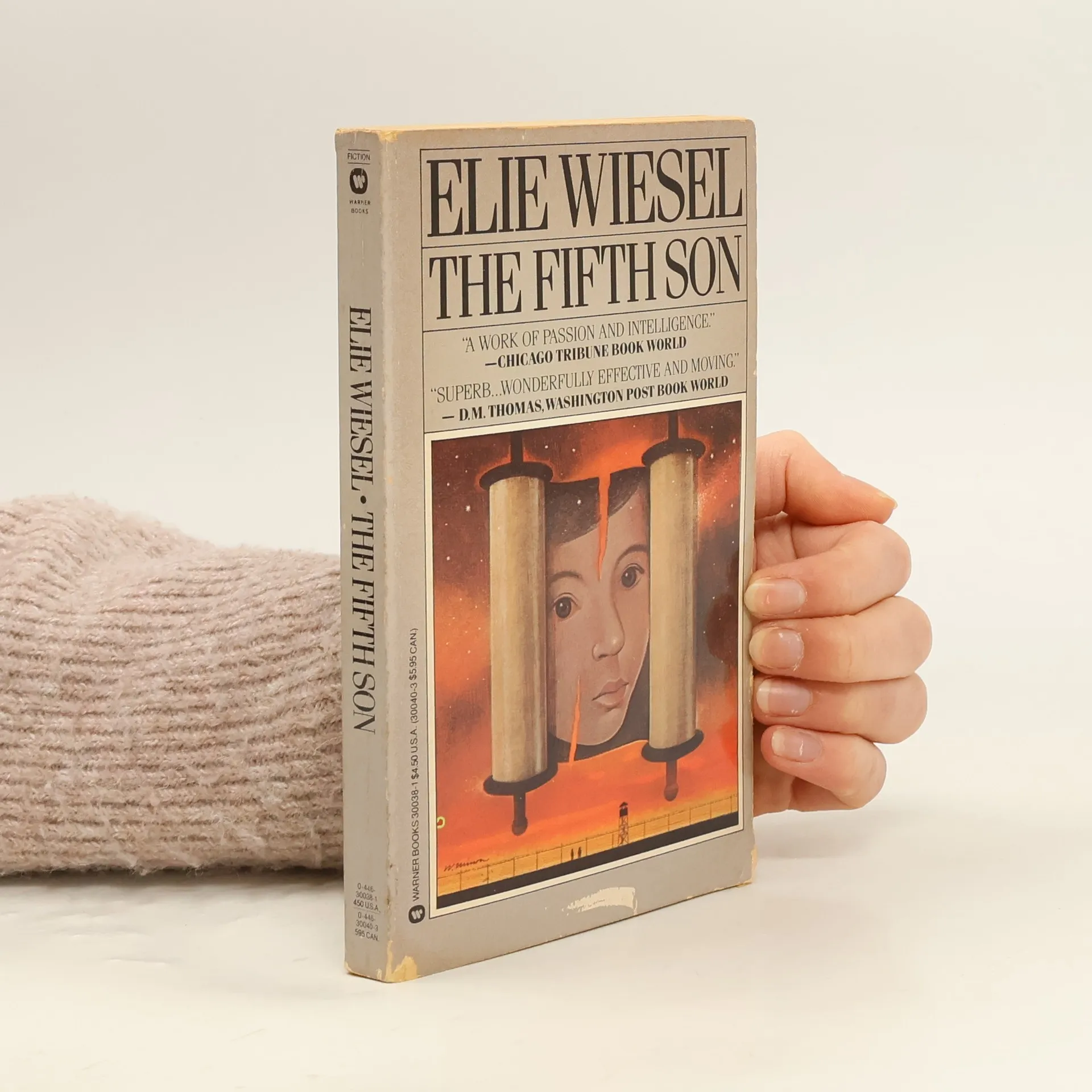

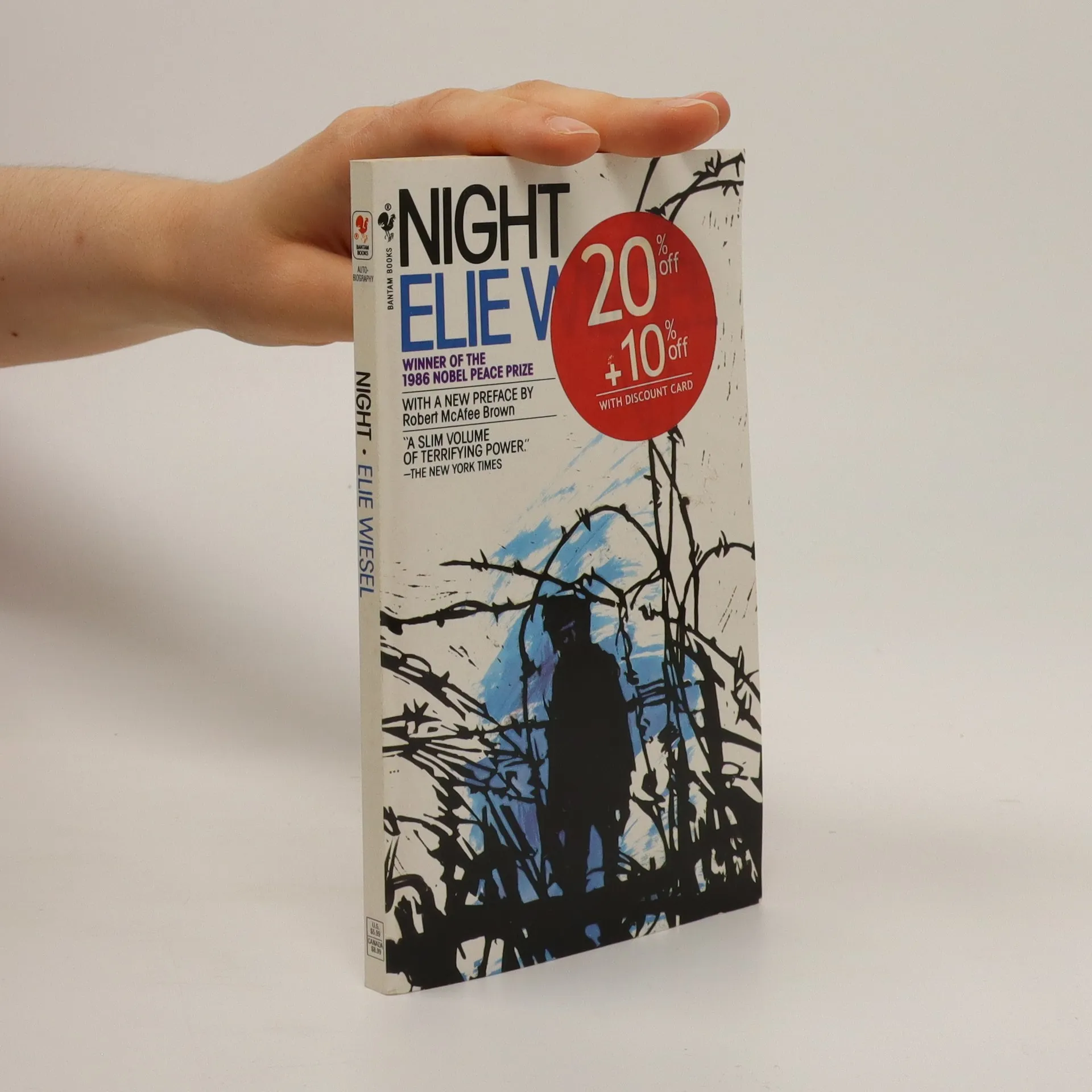
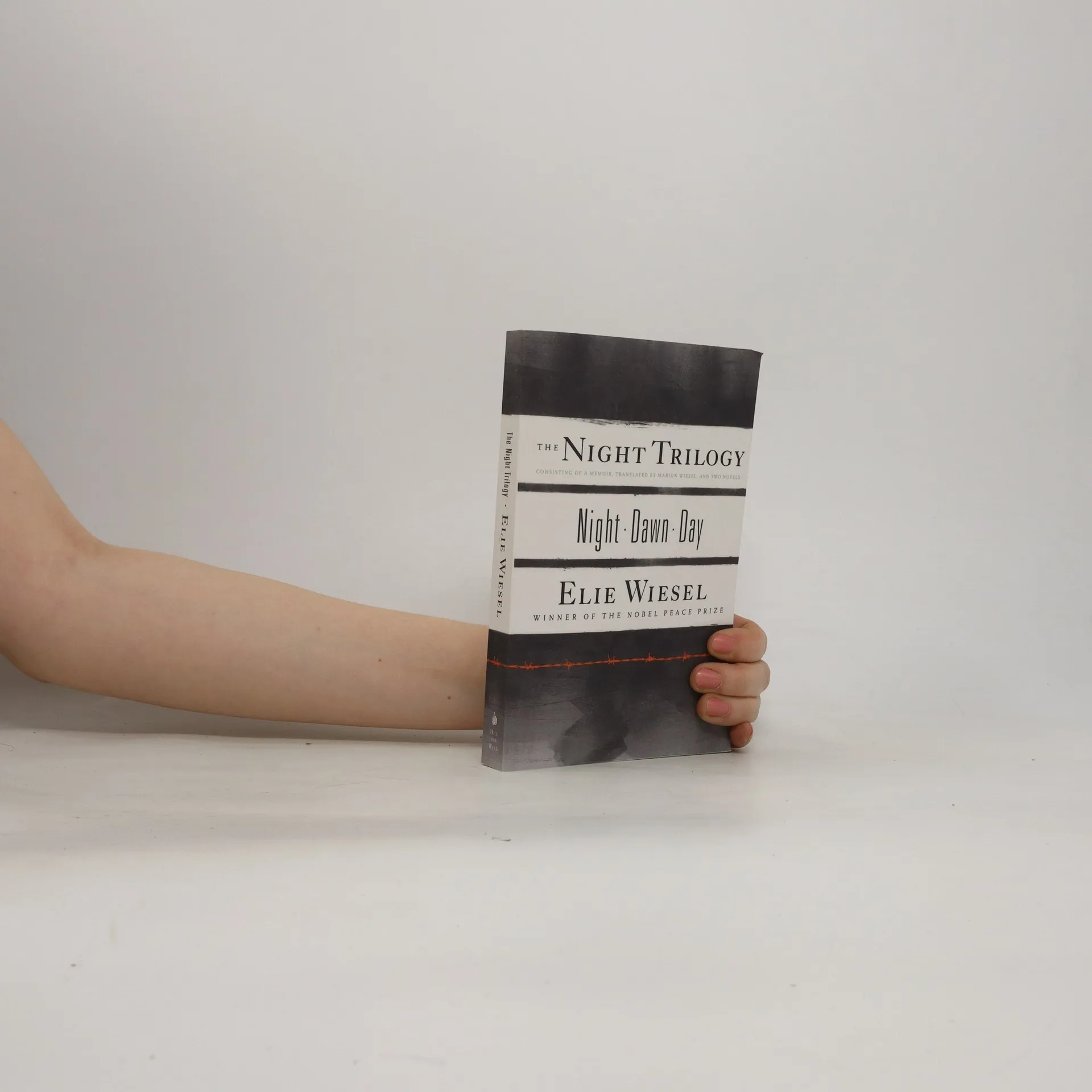
Night-- A terrifying account of the Nazi death camp horror that turns a young Jewish boy into an agonized witness to the death of his family...the death of his innocence...and the death of his God. Penetrating and powerful, as personal asThe Diary Of Anne Frank,Nightawakens the shocking memory of evil at its absolute and carries with it the unforgettable message that this horror must never be allowed to happen again.
In this concluding volume of his poignant memoirs, Elie Wiesel, now a renowned writer at forty, resolves to advocate more vigorously for Holocaust survivors and the marginalized. He declares, "I will become militant. I will teach, share, bear witness." His words become his weapon as he embarks on a journey filled with unwavering battles. Wiesel engages with world leaders and travels to conflict-ridden regions to address pressing global issues. He defends persecuted Jews and dissidents in the Soviet Union, fights against apartheid in South Africa while supporting Mandela, and calls attention to atrocities in Cambodia and Bosnia. As an emissary for President Clinton, he visits refugee camps in Albania and Macedonia. He criticizes Ronald Reagan for his visit to Bitburg and supports Lech Walesa while challenging some of his views. Wiesel confronts Francois Mitterrand over misrepresentations of his past and battles Holocaust deniers. He joins young Austrians protesting against rising fascism and is awarded the Nobel Peace Prize. Throughout his journey, Wiesel remains deeply connected to Israel, reflecting on its leaders and internal conflicts. He recounts the establishment of the Holocaust Museum in Washington, D.C., shares his emotional return to Auschwitz, and remembers his lost family and Yitzhak Rabin.
The Fifth Son
- 208 pages
- 8 hours of reading
Reuven Tamiroff, a Holocaust survivor, has never been able to speak about his past to his son, a young man who yearns to understand his father's silence. As campuses burn amidst the unrest of the Sixties and his own generation rebels, the son is drawn to his father's circle of wartime friends in search of clues to the past. Finally discovering that his brooding father has been haunted for years by his role in the murder of a brutal SS officer just after the war, young Tamiroff learns that the Nazi is still alive. Haunting, poetic, and very contemporary, "The Fifth Son "builds to an unforgettable climax as the son sets out to complete his father's act of revenge.
For serious language learners, students, businesspeople. Uses up to date conversations and vocabulary in each lesson and teaches grammar, reading, writing and culture along with conversational skills. Our most comprehensive programme - equivalent to two years of college level study.
Souls on Fire
- 288 pages
- 11 hours of reading
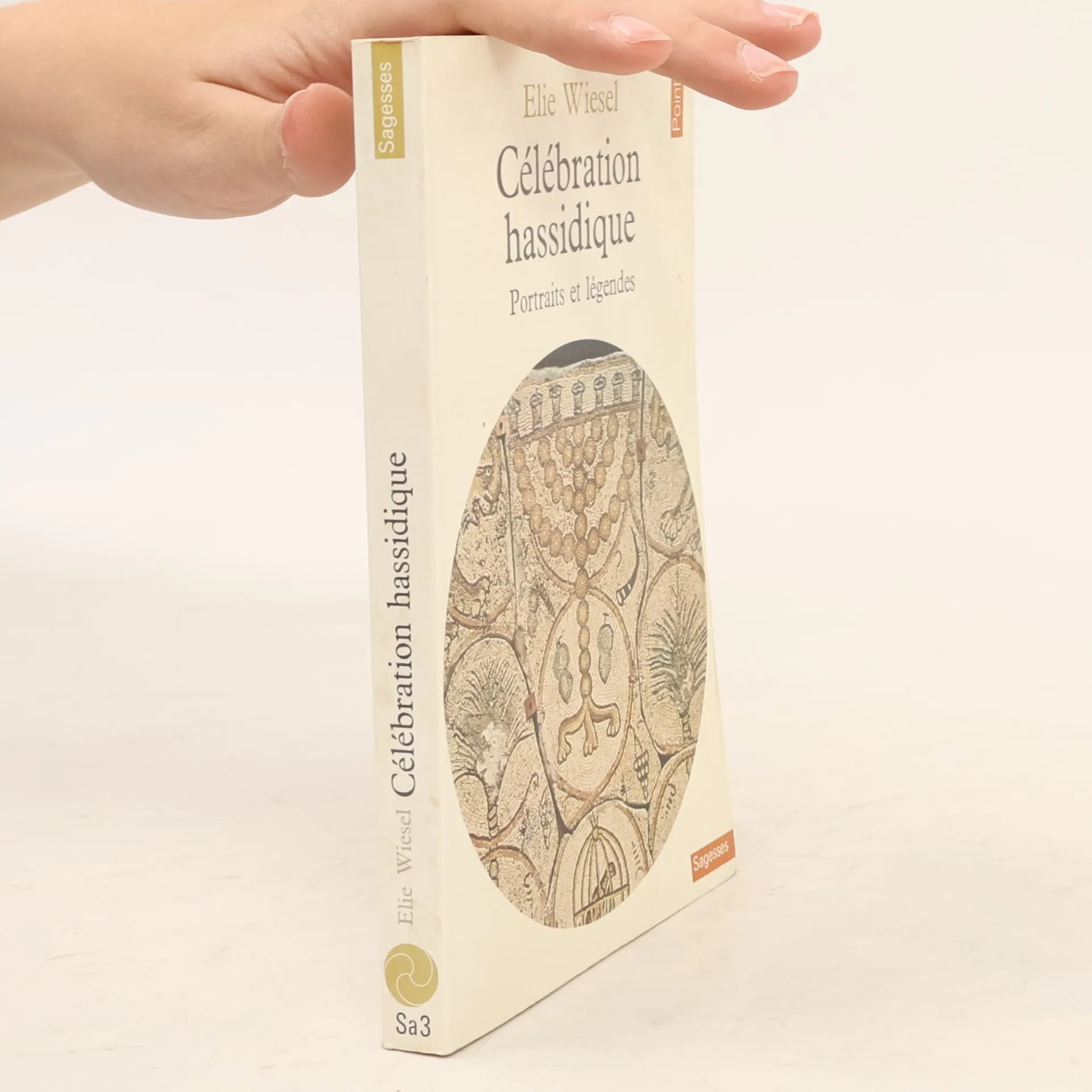
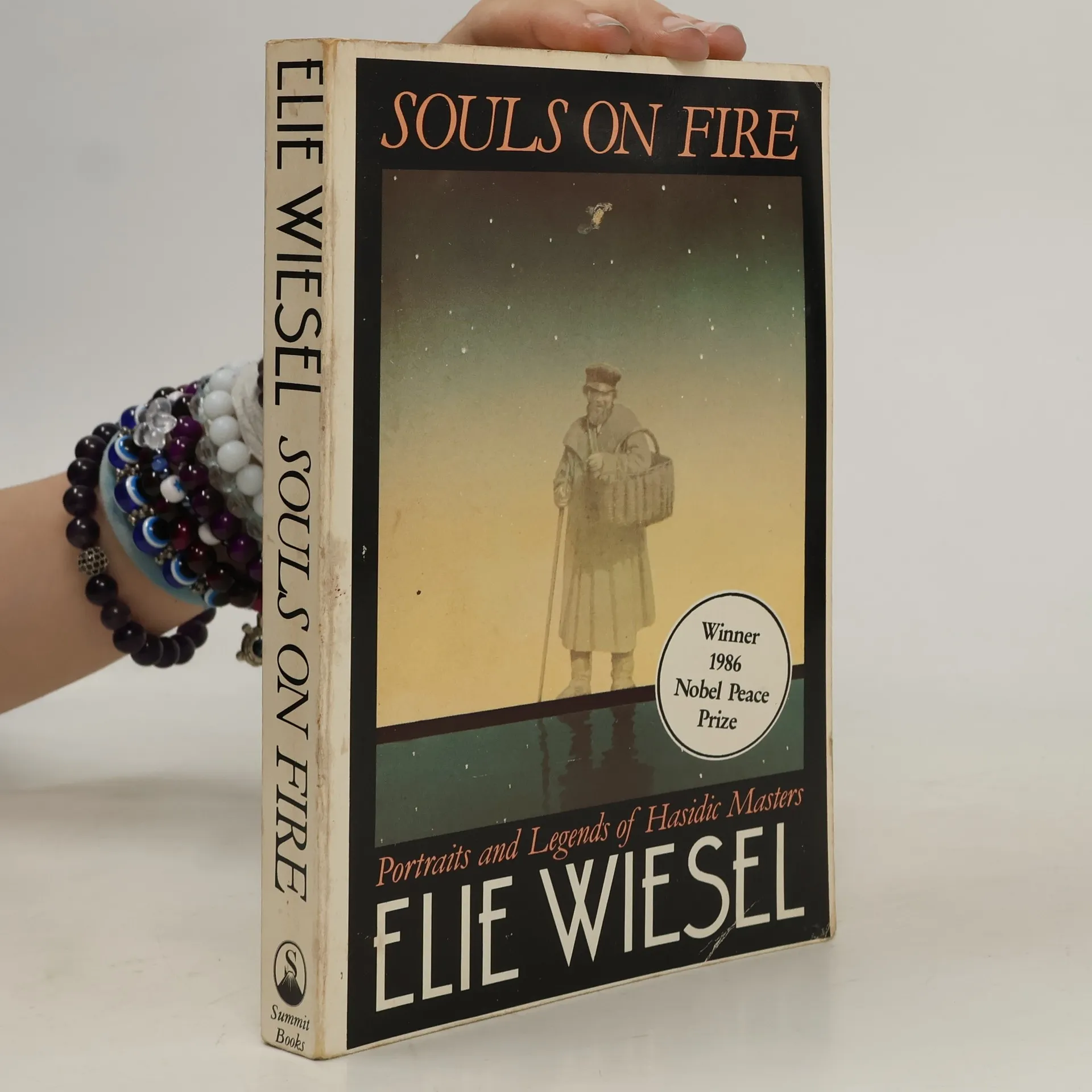
In Souls on Fire: Portraits and Legends of Hasidic Masters , Elie Wiesel re-enters, like an impassioned pilgrim, the universe of Hasidism.Souls on Fire is not a simple chronological history of Hasidism, nor is it a comprehensive book on its subject. Rather, Elie Wiesel has captured the essence of Hasidism through tales, legends, parables, sayings, and deeply personal reflections. His book is a testimony, not a study. Hasidism is revealed from within and not analyzed from the outside. "Listen attentively," Elie Wiesel's grandfather told him, "and above all, remember that true tales are meant to be transmitted—to keep them to oneself is to betray them." Wiesel does not merely tell us, but draws, with the hand of a master, the portraits of the leaders of the movement that created a revolution in the Jewish world. Souls on Fire is a loving, personal affirmation of Judaism, written with words and with silence. The author brings his profound knowledge of the Bible, the Talmud, Kabbala, and the Hasidic tale and song to this masterpiece, showing us that Elie Wiesel is perhaps our generation's most fervid "soul on fire."
Originally published: New York: Random House, Ã1976.
The Trial of God
- 177 pages
- 7 hours of reading
Where is God when innocent human beings suffer? This drama lays bare the most vexing questions confronting the moral imagination.Set in a Ukranian village in the year 1649, this haunting play takes place in the aftermath of a pogrom. Only two Jews, Berish the innkeeper and his daughter Hannah, have survived the brutal Cossack raids. When three itinerant actors arrive in town to perform a Purim play, Berish demands that they stage a mock trial of God instead, indicting Him for His silence in the face of evil. Berish, a latter-day Job, is ready to take on the role of prosecutor. But who will defend God? A mysterious stranger named Sam, who seems oddly familiar to everyone present, shows up just in time to volunteer. The idea for this play came from an event that Elie Wiesel witnessed as a boy in Auschwitz: "Three rabbis--all erudite and pious men--decided one evening to indict God for allowing His children to be massacred. I remember: I was there, and I felt like crying. But there nobody cried."Inspired and challenged by this play, Christian theologians Robert McAfee Brown and Matthew Fox, in a new Introduction and Afterword, join Elie Wiesel in the search for faith in a world where God is silent.
The autobiography begins with Elie Wiesel's poignant childhood in a loving Jewish family in Sighet, Romania, before transitioning to the harrowing experiences of Auschwitz and Buchenwald. It captures his spiritual struggles and eventual role as a voice for Holocaust victims and survivors, as well as his advocacy for the State of Israel and broader humanitarian issues. The volume is enriched with 16 pages of black-and-white photographs, providing a visual context to his powerful narrative.
The Oath
- 286 pages
- 11 hours of reading
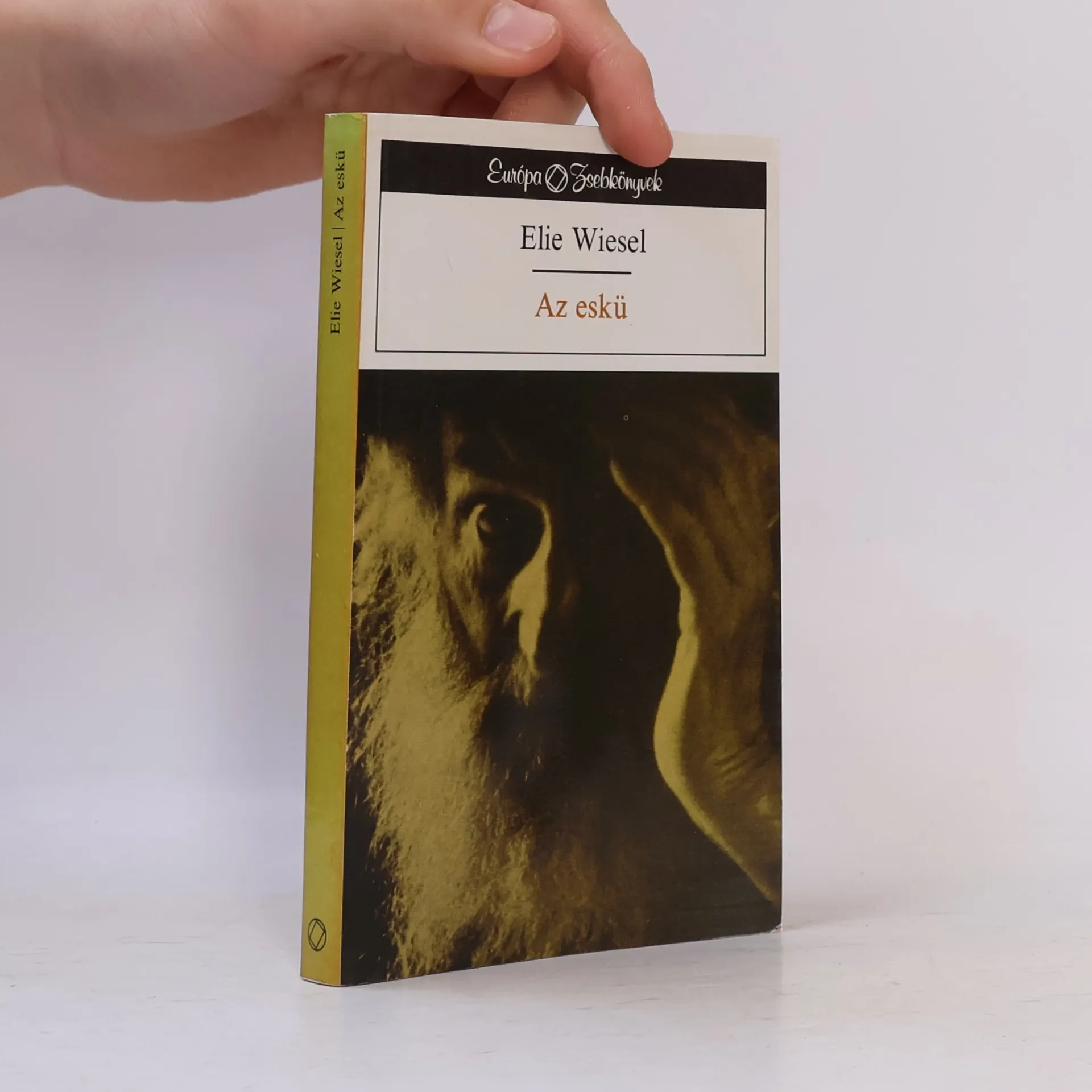
When a Christian boy disappears in a fictional Eastern European town in the 1920s, the local Jews are quickly accused of ritual murder. There is tension in the air. A pogrom threatens to erupt. Suddenly, an extraordinary man—Moshe the dreamer, a madman and mystic—steps forward & confesses to a crime he didn't commit, in a vain attempt to save his people from certain death. The community gathers to hear his last words—a plea for silence—& everyone present takes an oath: whoever survives the impending tragedy must never speak of the town’s last days & nights of terror. For fifty years the sole survivor keeps his oath—until he meets a man whose life depends on hearing the story, & one man’s loyalty to the dead confronts head-on another’s reason to go on living. One of Wiesel’s strongest early novels, this timeless parable about the Jews & their enemies, about hate, family, friendship & silence, is as powerful, haunting & significant as it was when first published.
The Gates of the Forest
- 240 pages
- 9 hours of reading
Gregor—a teenaged boy, the lone survivor of his family—is hiding from the Germans in the forest. He hides in a cave, where he meets a mysterious stranger who saves his life. He hides in the village, posing as a deaf-mute peasant boy. He hides among the partisans of the Jewish resistance. But where, he asks, is God hiding? And where can one find redemption in a world that God has abandoned? In a story punctuated by friendship and fear, sacrifice and betrayal, Gregor's wartime wanderings take us deep into the ghost-filled inner world of the survivor.
Somewhere a Master
- 221 pages
- 8 hours of reading
The compassion of Reb Moshe-Leib, the vision of the Seer of Lublin, the wisdom of Reb Pinhas, the warmth of the Ba’al Shem Tov, the humor of Reb Naphtali–to their followers these sages appeared as kings, judges, and prophets. They communicated joy and wonder and fervor to the men and women who came to them in the depths of despair. They brought love and compassion to the persecuted Jews of Russia, Ukraine, Poland, and Lithuania. For Jews who felt abandoned and forsaken by God, these Hasidic masters incarnated an irresistible call to help and salvation. The Rebbe combats sorrow with exuberance. He defeats resignation by exalting belief. He creates happiness so as not to yield to the sadness around him. He tells stories to escape the temptations of irreducible silence. It is Elie Wiesel’s unique gift to make the lives and tales of these great teachers as compelling now as they were in a different time and place. In the tradition of Hasidism itself, he leaves others to struggle with questions of justice, mercy, and vengeance, providing us instead with eternal truths and unshakable faith. From the Trade Paperback edition.
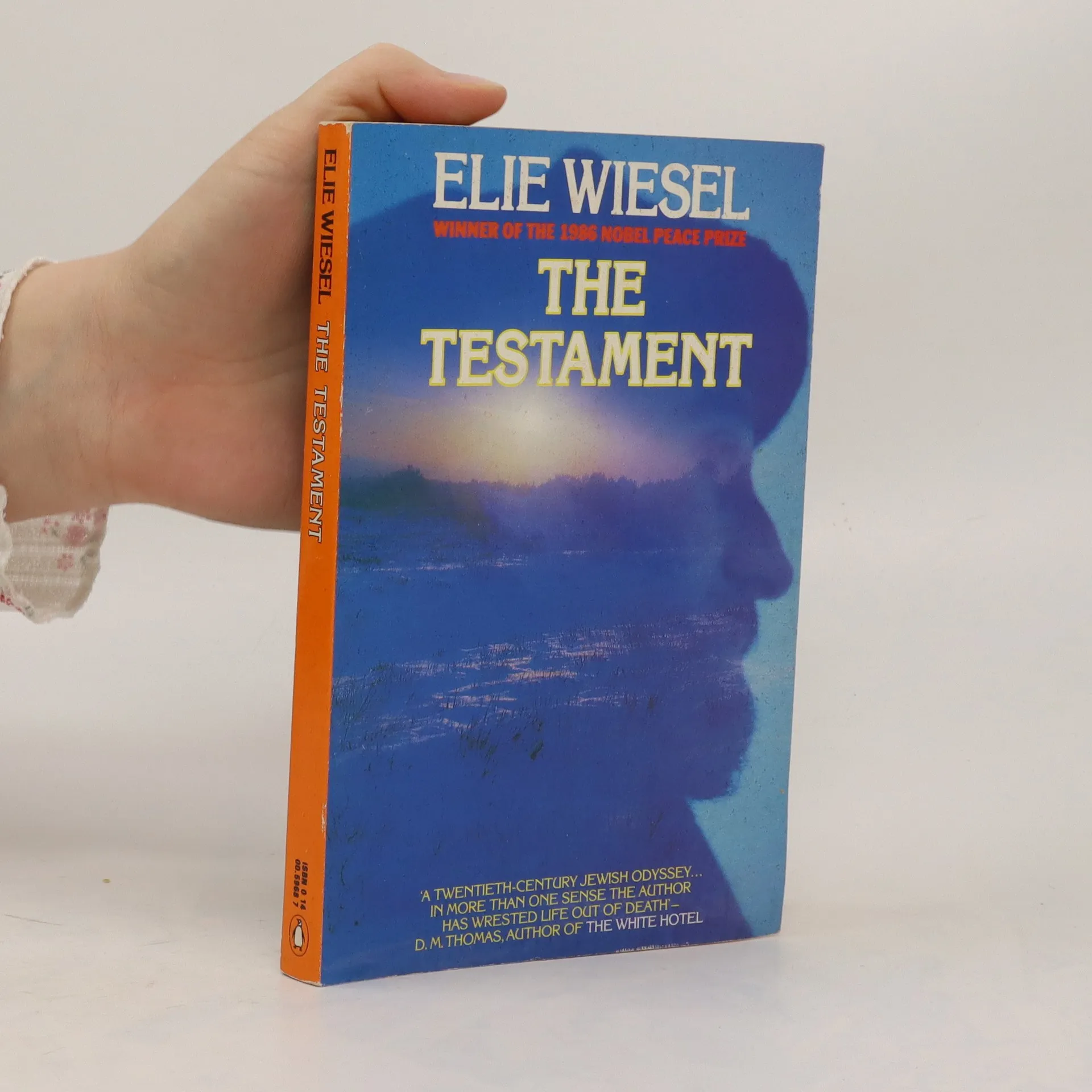
The Testament
- 304 pages
- 11 hours of reading
On August 12, 1952, Russia's greatest Jewish writers were secretly executed by Stalin. In this remarkable blend of history and imagination, Paltiel Kossover meets the same fate but, unlike his real-life counterparts, he is permitted to leave a written testament. From a Jewish boyhood in pre-revolutionary Russia, Paltiel traveled down a road that embraced Communism, only to return to Russia and discover a Communist Party that had become his mortal enemy. Two decades later, Paltiel's son, Grisha, reads this precious record of his father's life and finds that it illuminates the shadowed planes of his own. Passionate and fierce, this story of a father's legacy to his son revisits some of the most dramatic events of our century, and confirms yet again Elie Wiesel's stature as "a writer of the highest moral imagination" ("San Francisco Chronicle").
Five Biblical Portraits
- 200 pages
- 7 hours of reading
Nobel Peace Prize-winner Elie Wiesel brings ancient religious prophets to literary life, framing his commentary with pressing and enduring questions as a survivor and witness. Five Biblical Portraits represents an old-new approach to Jewish textual commentary. This sequel to Elie Wiesel's Messengers of God continues the work done in that volume of bringing religious figures to life and studying their place both in the text and in our lives. Wiesel reflects on his own life as well as the tragedy of the Holocaust as he discusses each figure and adds personal framing and insight into the religious study. Through sensitive readings of the scriptures as well as the Talmudic and Hasidic sources, Wiesel illuminates Joshua, Elijah, Saul, Jeremiah, and Jonah. He seeks not simple answers but fully complex responses to the crucial questions of human suffering as he examines each religious figure in turn. Originally published in 1981, this new edition of Five Biblical Portraits includes a new text design, cover, and an introduction by Ariel Burger, which examines how Wiesel's post-Holocaust Midrash teaches us not only how to read the Bible but also how to read the world.
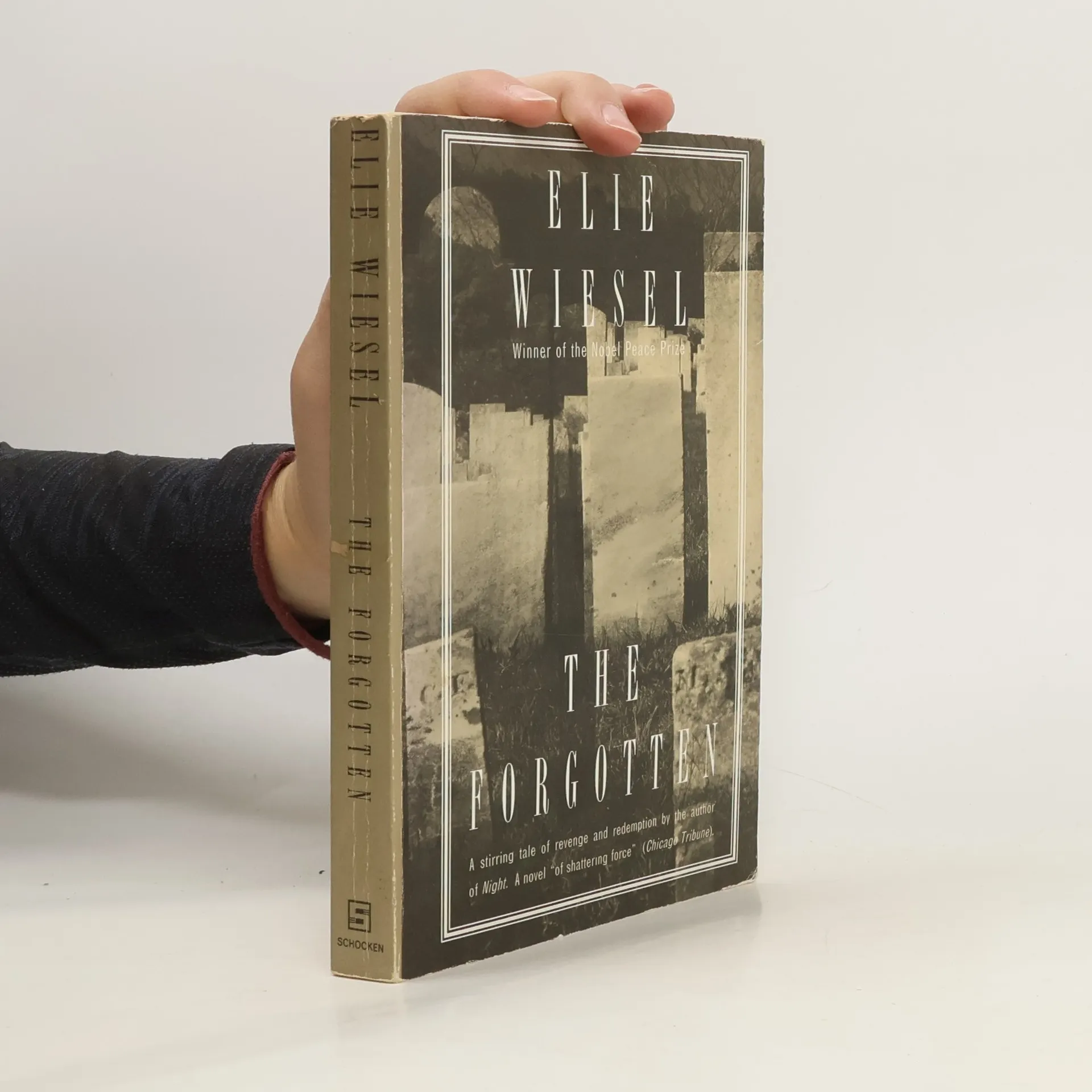
The Forgotten
- 320 pages
- 12 hours of reading
A profoundly moving novel about a Holocaust survivor's struggle to remember both the heroic and the shameful events of his past, and about his American-born son's need to assimilate his father's life into his own. "A book of shattering force that offers a message of urgency to a world under the spell of trivia and the tyranny of amnesia."--Chicago Tribune Book World.
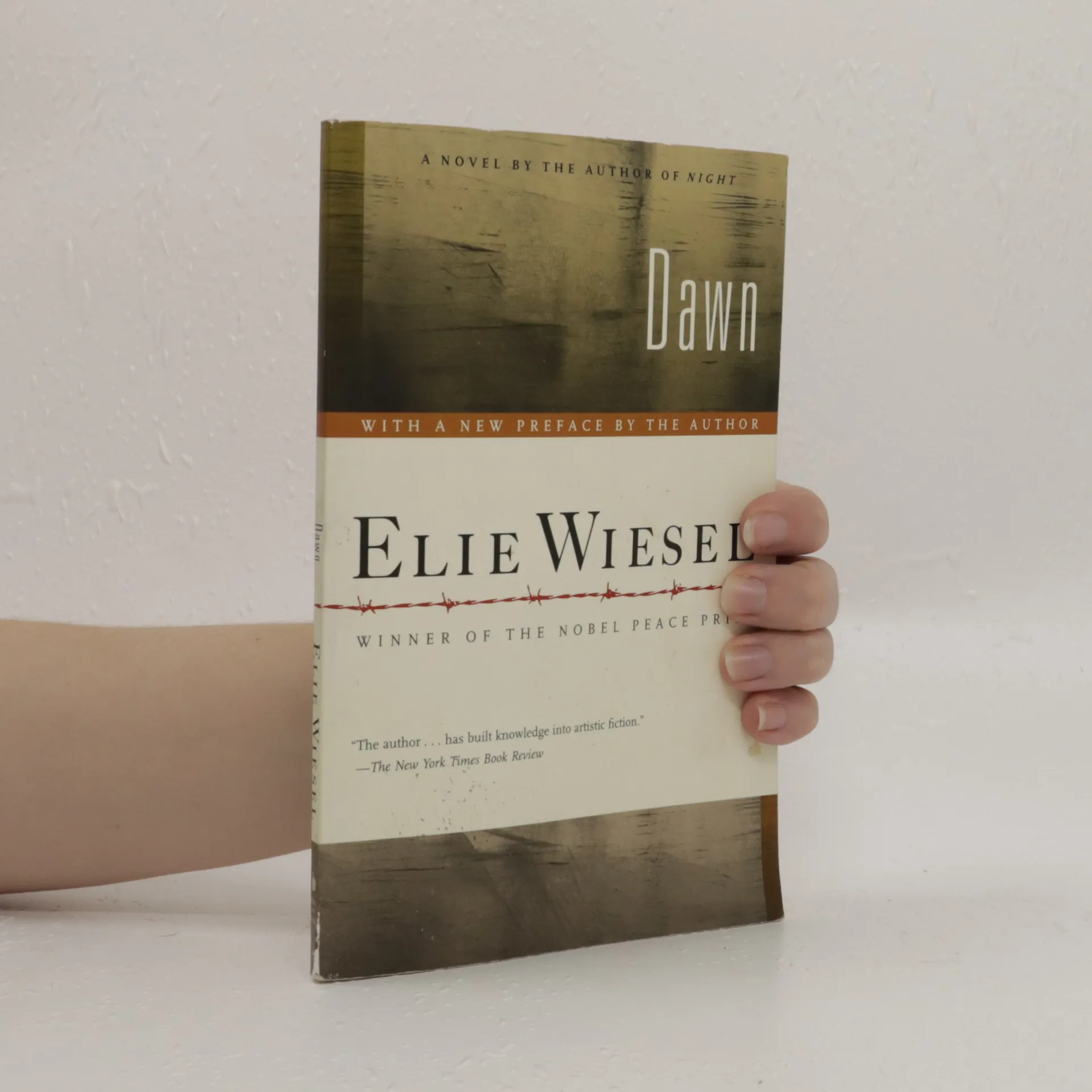
Dawn
- 96 pages
- 4 hours of reading
Deals with the conflicts and thoughts of a young Jewish concentration-camp veteran as he prepares to assassinate a British hostage in occupied Palestine.
Day
- 128 pages
- 5 hours of reading
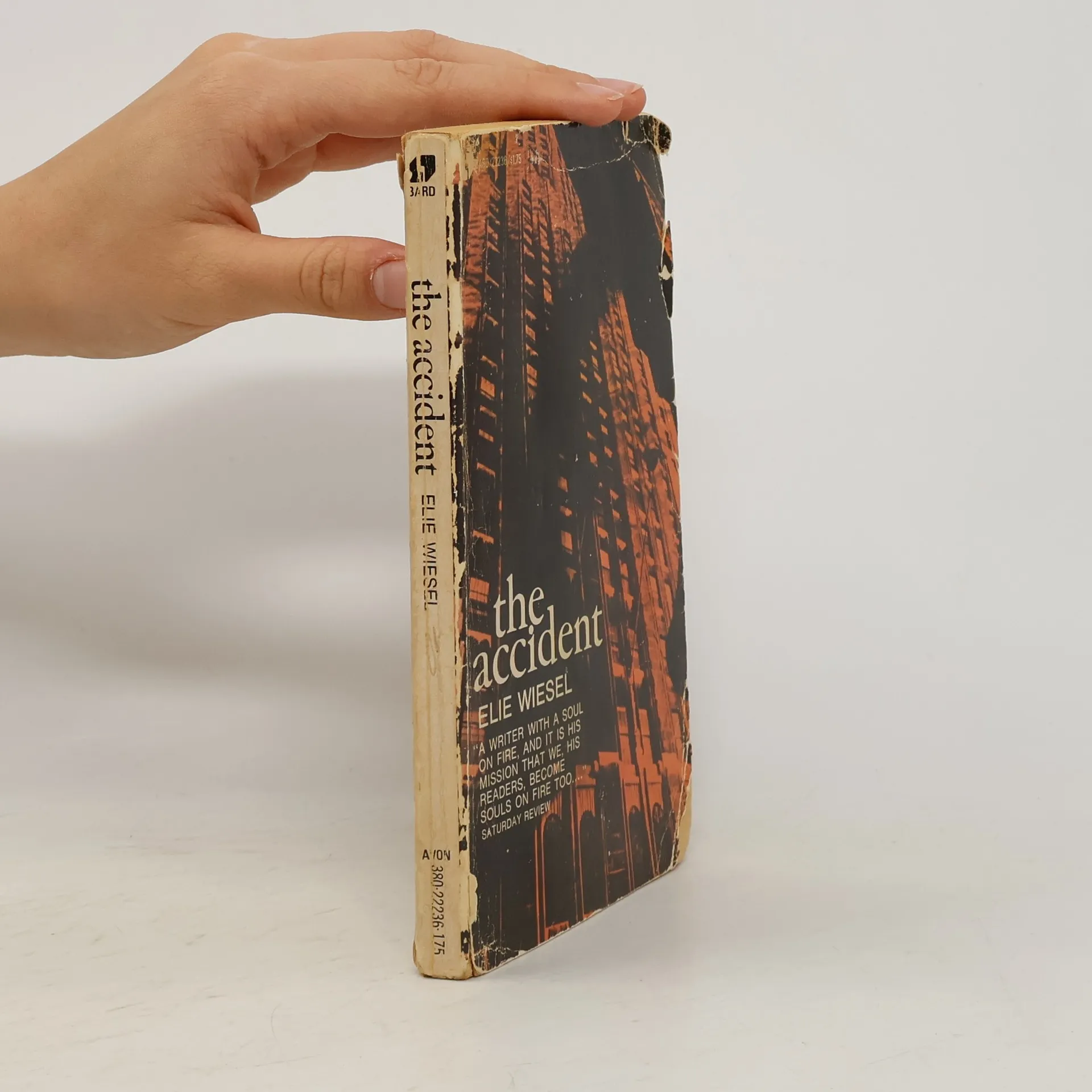
"Not since Albert Camus has there been such an eloquent spokesman for man." --The New York Times Book ReviewThe publication of Day restores Elie Wiesel's original title to the novel initially published in English as The Accident and clearly establishes it as the powerful conclusion to the author's classic trilogy of Holocaust literature, which includes his memoir Night and novel Dawn. "In Night it is the ‘I' who speaks," writes Wiesel. "In the other two, it is the ‘I' who listens and questions."In its opening paragraphs, a successful journalist and Holocaust survivor steps off a New York City curb and into the path of an oncoming taxi. Consequently, most of Wiesel's masterful portrayal of one man's exploration of the historical tragedy that befell him, his family, and his people transpires in the thoughts, daydreams, and memories of the novel's narrator. Torn between choosing life or death, Day again and again returns to the guiding questions that inform Wiesel's trilogy: the meaning and worth of surviving the annihilation of a race, the effects of the Holocaust upon the modern character of the Jewish people, and the loss of one's religious faith in the face of mass murder and human extermination.
Twilight
- 217 pages
- 8 hours of reading
Bringing together many of the strands woven through his previous works, Wiesel takes readers into the life of Raphael Lipkin, a professor of mystical traditions who finds himself at a clinic for patients who believe themselves to be characters from the Bible and ancient history."
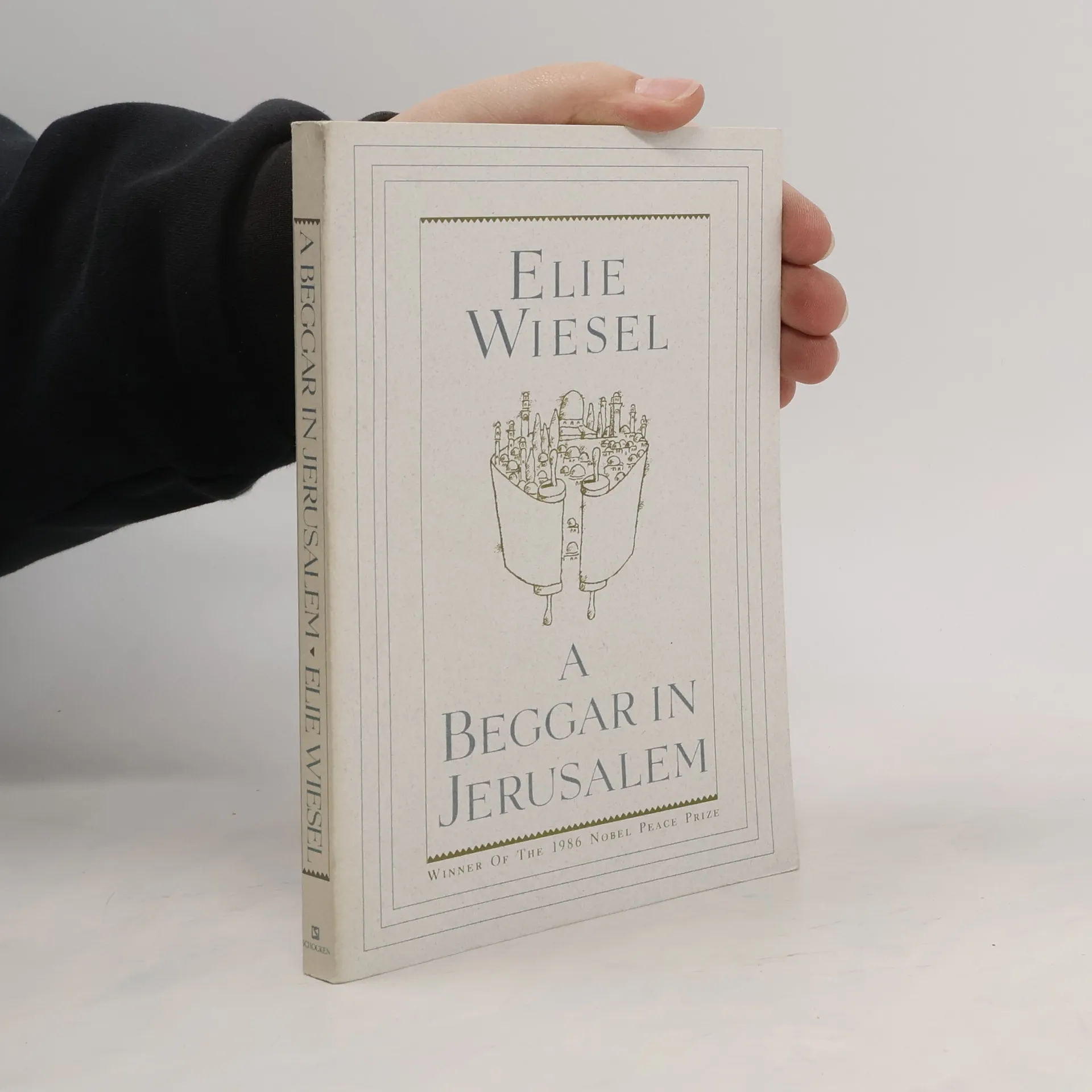
A Beggar in Jerusalem
- 211 pages
- 8 hours of reading
When the Six-Day War began, Elie Wiesel rushed to Israel. "I went to Jerusalem because I had to go somewhere, I had to leave the present and bring it back to the past. You see, the man who came to Jerusalem then came as a beggar, a madman, not believing his eyes and ears, and above all, his memory." This haunting novel takes place in the days following the Six-Day War. A Holocaust survivor visits the newly reunited city of Jerusalem. At the Western Wall he encounters the beggars and madmen who congregate there every evening, and who force him to confront the ghosts of his past and his ties to the present. Weaving together myth and mystery, parable and paradox, Wiesel bids the reader to join him on a spiritual journey back and forth in time, always returning to Jerusalem.
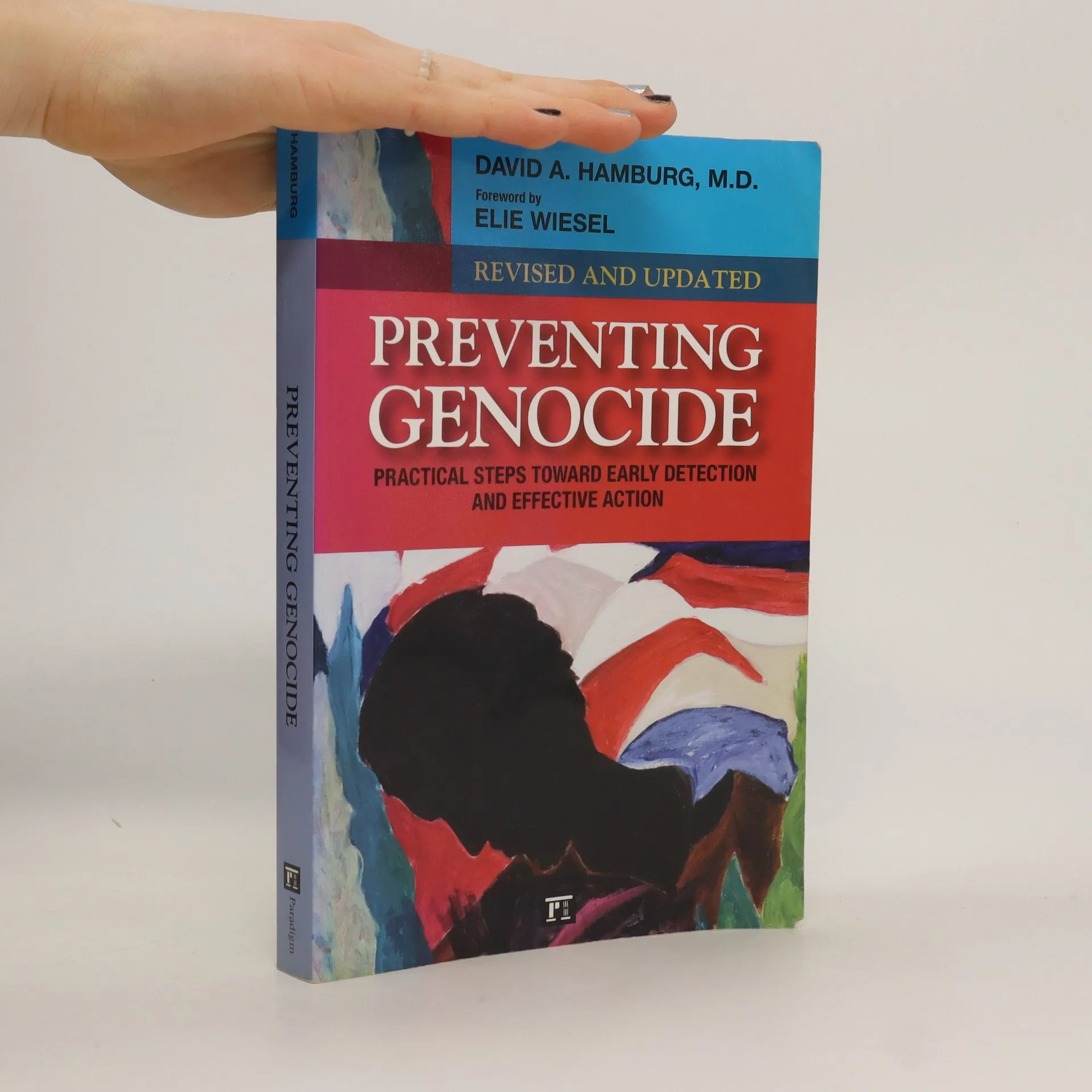
Preventing Genocide
- 334 pages
- 12 hours of reading
Maps out numerous practical steps to recognise genocidal conflicts early and stem their tides of violence before they become large scale tragedies.
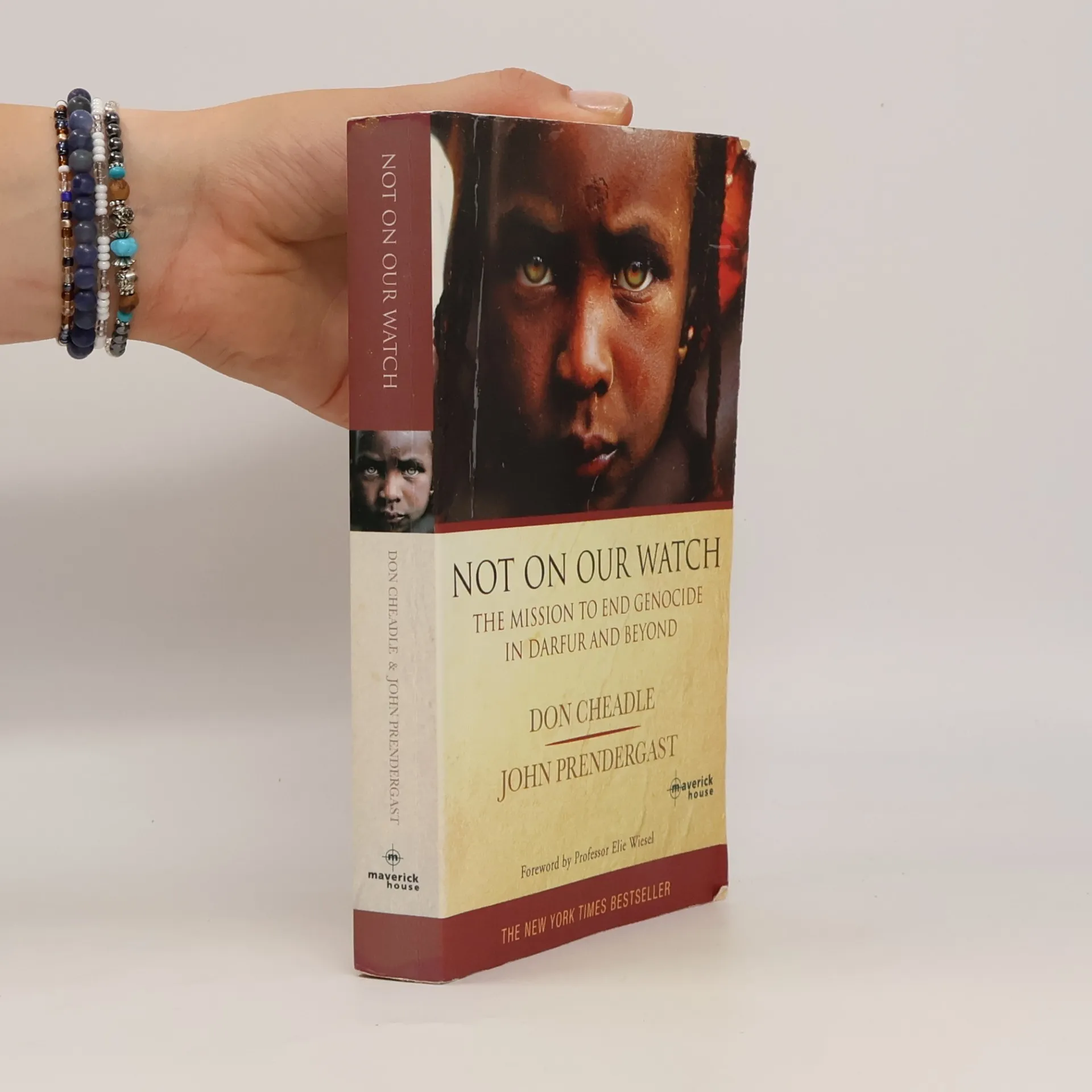
Not On Our Watch. The Mission To End Genocide In Darfur And Beyond
- 252 pages
- 9 hours of reading
Exploring the tragedy of the Darfur conflict, which resulted in 250,000 deaths and 2 million displacements, this book urges readers to engage politically to halt atrocities and prevent future genocides.
Souls on Fire and Somewhere a master
Portraits and Legends of Hasidic Masters
- 384 pages
- 14 hours of reading
In this volume, Nobel Prize-winning author Elie Wiesel retells stories from the hasidic masters.
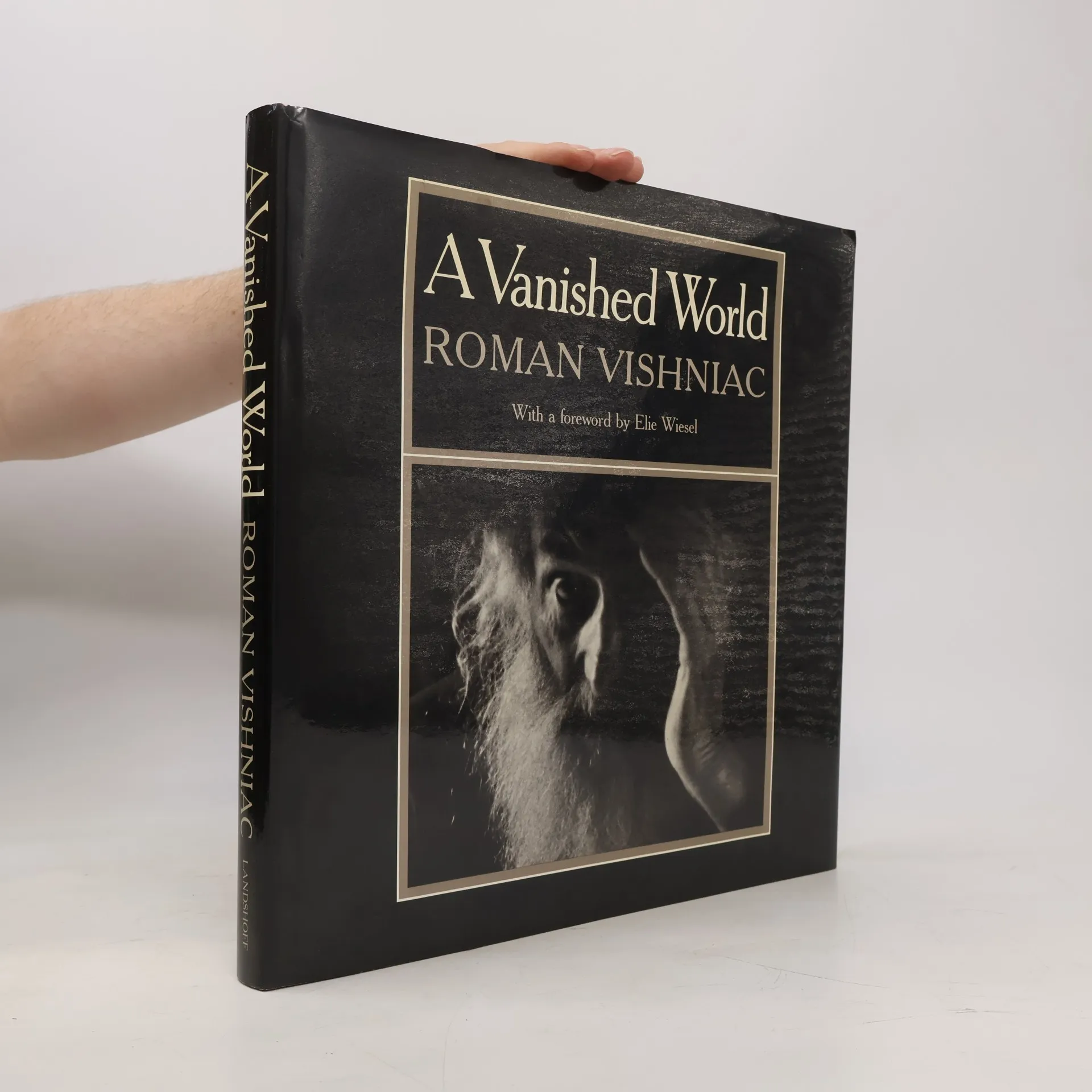
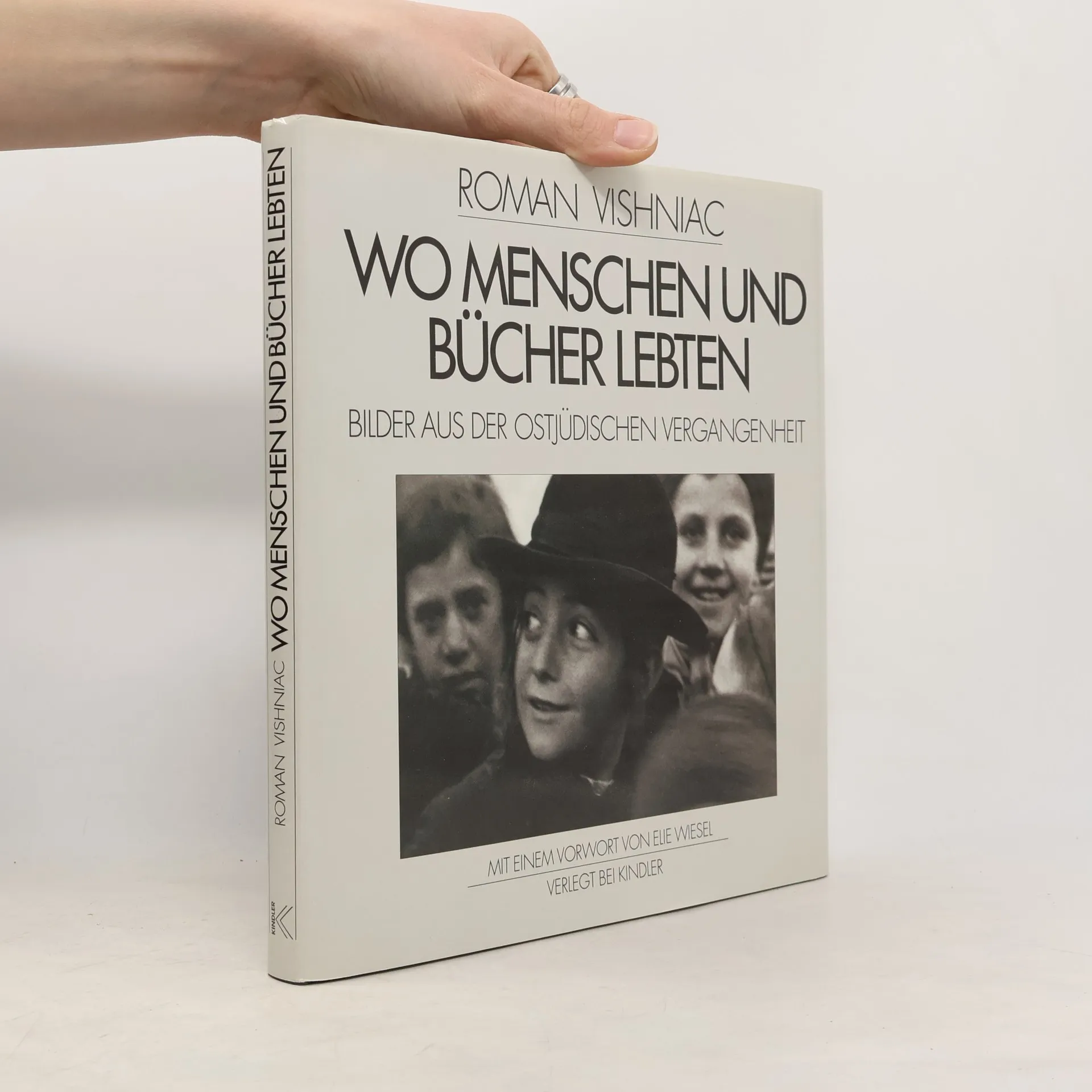
A Vanished World
- 179 pages
- 7 hours of reading
Jewish Heritage Travel
A Guide to East-Central Europe - Completely Updated & Revised
- 299 pages
- 11 hours of reading
This critically acclaimed guide has been updated and revamped to reflect changes in the region, especially the division of Czechoslovakia and Yugoslavia's breakup. Written in a lively style, it's a combination travel guide and history book to Jewish culture, providing invaluable tips on what to bring and wear, getting around, locating historical sites, etc. Includes completely new maps, numerous photographs and references that will further aid readers in preparing for their trip.
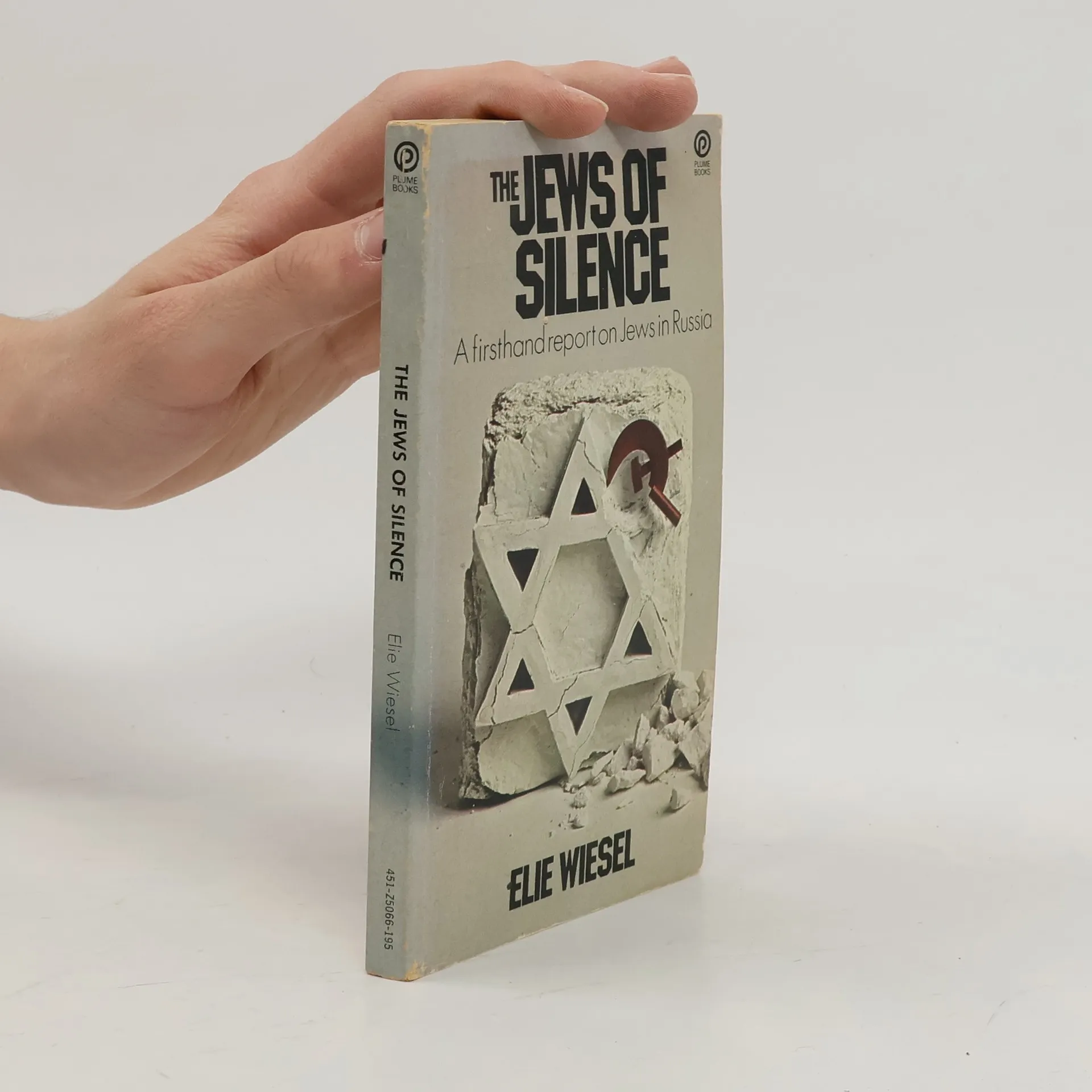
The Jews of Silence
A Firsthand Report on Jews in Russia
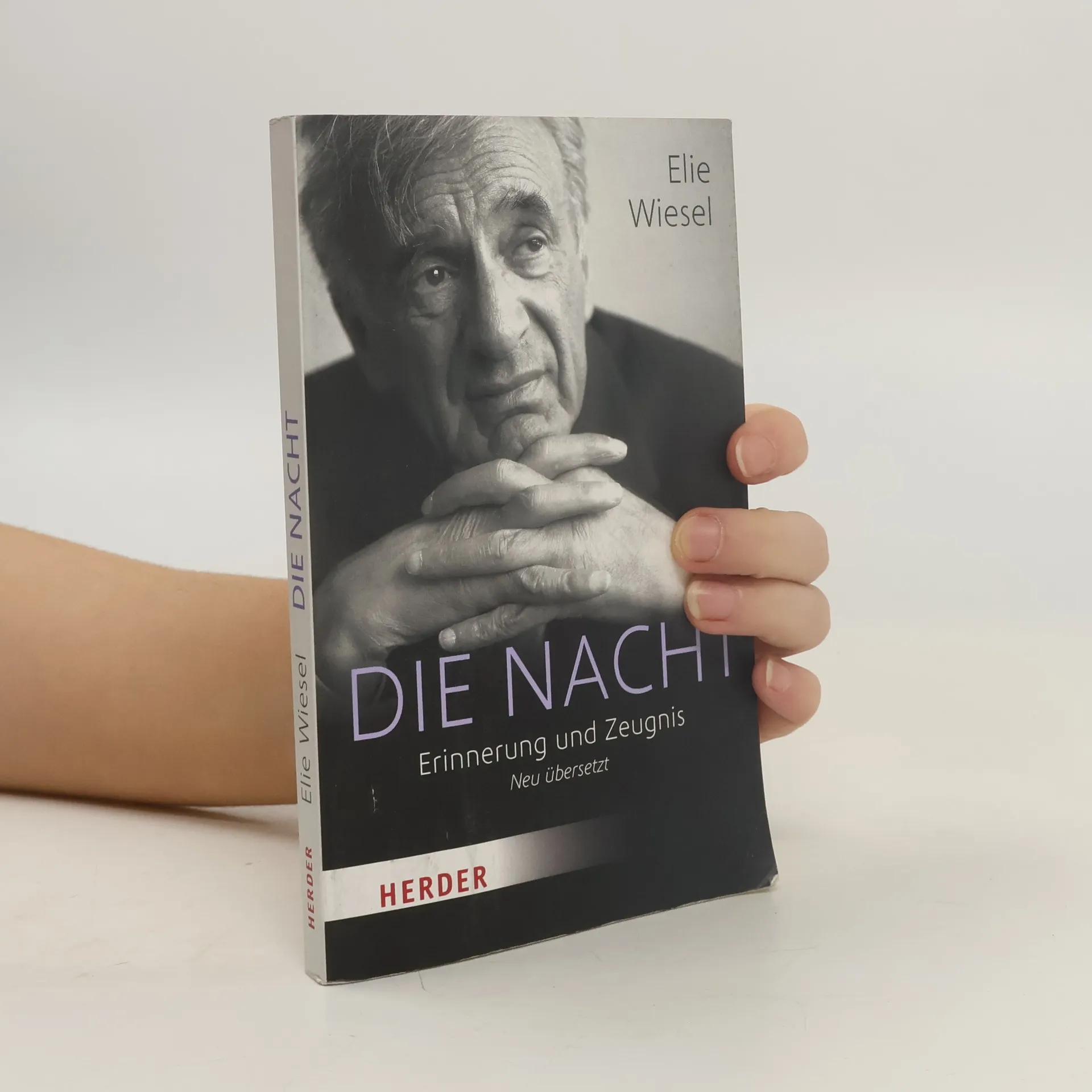
»Die Nacht« machte Elie Wiesel weltberühmt und sie ist heute ein Standardwerk deutscher Geschichte. Ein Zeugnis himmelschreiender Unmenschlichkeit und überwältigender Menschlichkeit, erschütternd und berührend zugleich. Jetzt, nach langen Jahren, liegt endlich die neue Übersetzung bereit, autorisiert von Elisha Wiesel, dem Sohn Wiesels. Die neue Übersetzung drückt noch stärker, noch beeindruckender und berührender aus, was der Friedensnobelpreisträger in Auschwitz erfahren musste. Jeder Satz ist ein Testament und das Werk ein zeitloses menschliches Dokument. »Ein Buch, das wir – nicht nur einmal, sondern immer wieder – lesen müssen, wenn wir die Verantwortung für unsere Vergangenheit akzeptieren wollen« (Robert McAfee Brown).
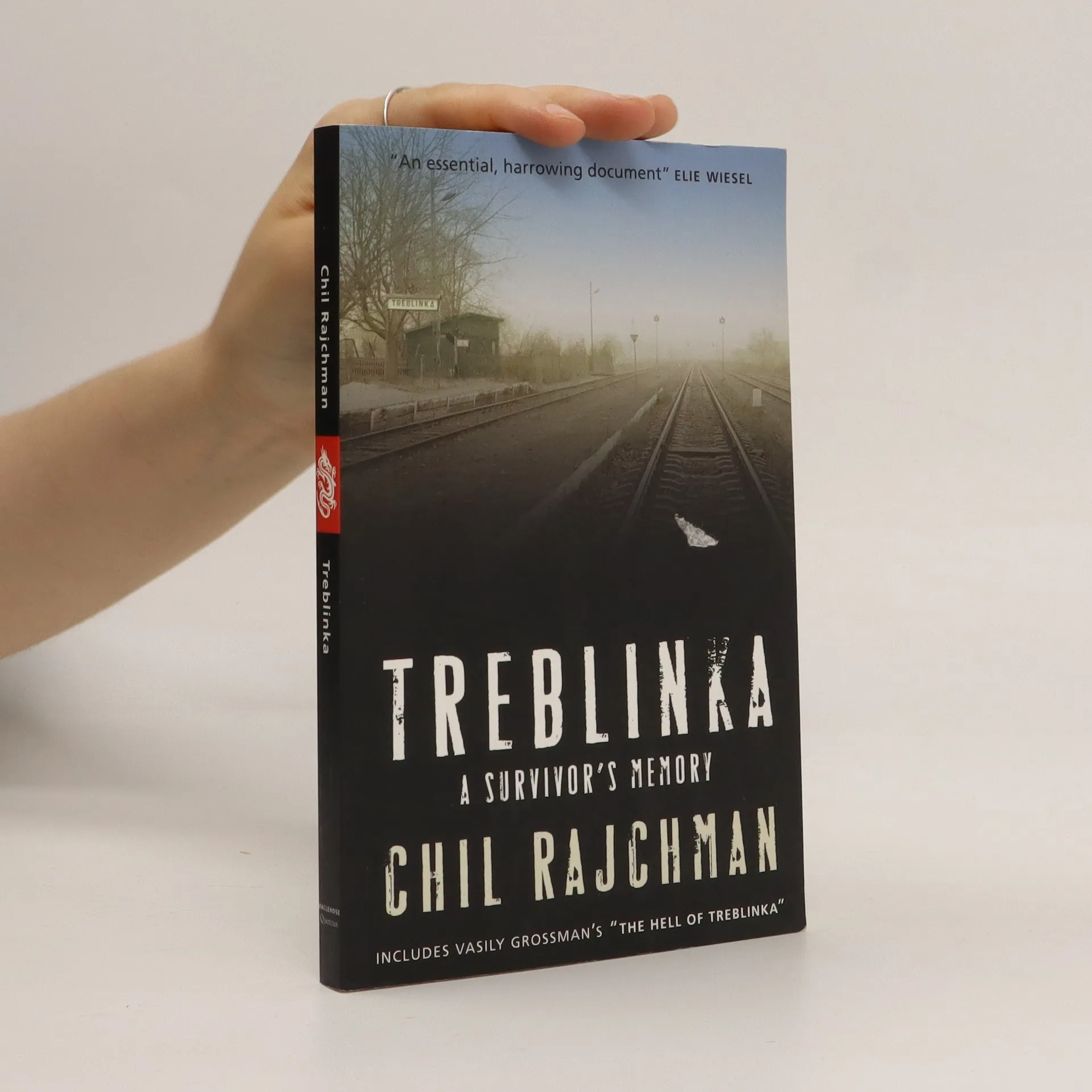
Treblinka. A Survivor's Memory
- 224 pages
- 8 hours of reading
A devastating account of Treblinka by one of the camp's few survivors.
Gezeiten des Schweigens
- 176 pages
- 7 hours of reading
Der Zuschauer sieht, ohne gesehen zu werden. Er ist da, ohne sich bemerkbar zu machen. Das Rampenlicht schützt ihn. Er klatscht nicht Beifall, er erhebt keinen Einspruch: seine Gegenwart weicht aus und verpflichtet ihn weniger als seine Abwesenheit. Er sagt weder ja noch nein, auch nicht vielleicht. Er sagt nichts. Er ist da, handelt aber so, als sei er nicht da. Noch schlimmer: er handelt, als seien wir nicht da.Das ist er.
Gesang der Toten
- 191 pages
- 7 hours of reading
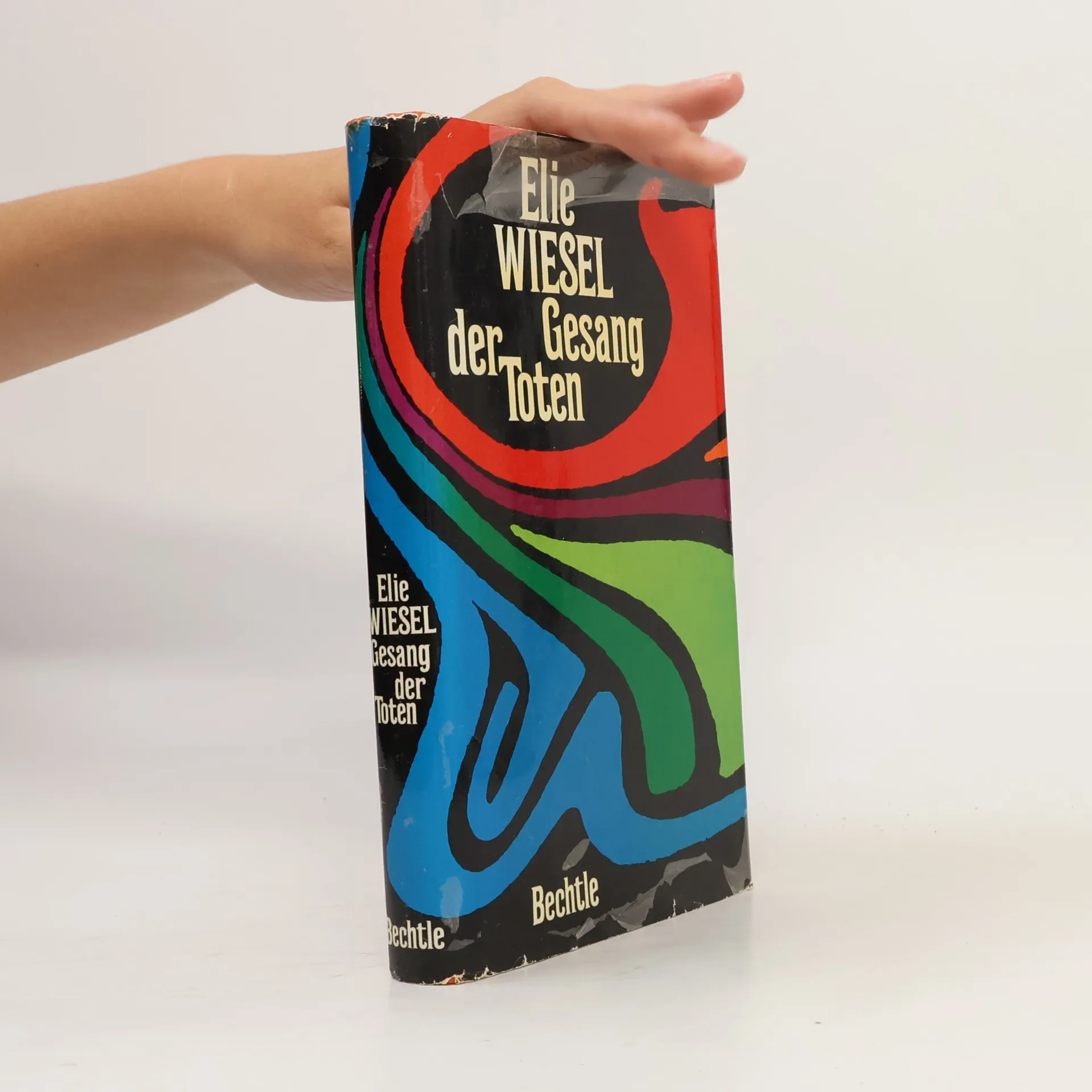
"Im Moment des cheshbon hanefesh, wenn ich Bilanz über mein Leben ziehe, muss ich anerkennen, dass meine wahren Lehrer, die mich leiten und voranbringen, nicht an prestigeträchtigen und fernen Orten auf mich warten, sondern in kleinen, schattigen und gesangvollen Räumen, wo ein Junge, dem ich ähnlich war, noch heute die erste Seite des ersten Traktats des Talmud studiert, überzeugt, dort alle Antworten auf alle Fragen zu finden. Besser gesagt: alle Antworten und alle Fragen. Daher ist der Akt des Schreibens für mich oft nichts anderes als der inoffizielle oder bewusste Wunsch, einige Worte auf einen Grabstein zu meißeln: zum Gedenken an eine verschwundene Stadt, an eine verbannten Kindheit und an all jene, die ich geliebt habe und die gegangen sind, bevor ich es ihnen sagen konnte."
La veille de Yom Kippour en 1965, Elie Wiesel se trouve en Russie, "dans une synagogue bondée de gens. L'air était étouffant. Le chantre chantait... Soudain, une pensée folle m'a traversé l'esprit : quelque chose est sur le point d'arriver ; à tout moment, le Rabbi va se réveiller, se secouer, frapper le pupitre et crier, exprimer sa douleur, sa colère, sa vérité. Je sentais la tension monter en moi ; l'attente devenait insupportable. Mais rien ne se passa... Il était trop tard. Le Rabbi n'avait plus la force de s'imaginer libre." Dans Zalmen, ou la folie de Dieu, Wiesel donne à son Rabbi cette force, le courage d'exprimer son oppression et son isolement, et le résultat est un cri passionné. Cette pièce éclaire non seulement le sort du Juif soviétique, mais aussi l'angoisse des individus partout qui doivent survivre—et pourtant aspirent à quelque chose de plus que la simple survie.
Als Kurier der polnischen Untergrundbewegung brachte Jan Karski 1942 den Alliierten als einer der ersten handfeste Beweise für die Verbrechen an den Juden. Um an Informationen zu gelangen, ließ er sich ins Warschauer Ghetto einschleusen, als Wachmann getarnt, verschaffte er sich Zugang zu einem der Todeslager. Was er an Schrecklichem zu berichten wußte, stieß weltweit auf Unglaube. Der vorliegende Bericht ist ein wichtiges Zeitdokument und gleichzeitig ein Zeugnis persönlichen Heldentums.
La noche. El alba, El día
- 252 pages
- 9 hours of reading
Un adolescente en los campos de extermino nazis (La noche), el posterior periodo de reflexión en Palestina (El alba) y la historia de amor en Nueva York, consciente que la herida no se cerrará (El día) Trilogía esencial dentro de la literatura del holocausto, publicada por primera vez en castellano en 1975. Esta obra, junto con la Trilogía de Auschwitz y El diario de Anna Frank, son los títulos universales y esenciales para entender ese momento histórico. Sin duda, obra clave dentro de la trayectoria del autor. Escalofriante novela autobiográfica de un autor consagrado, premio Nobel de la Paz 1986.
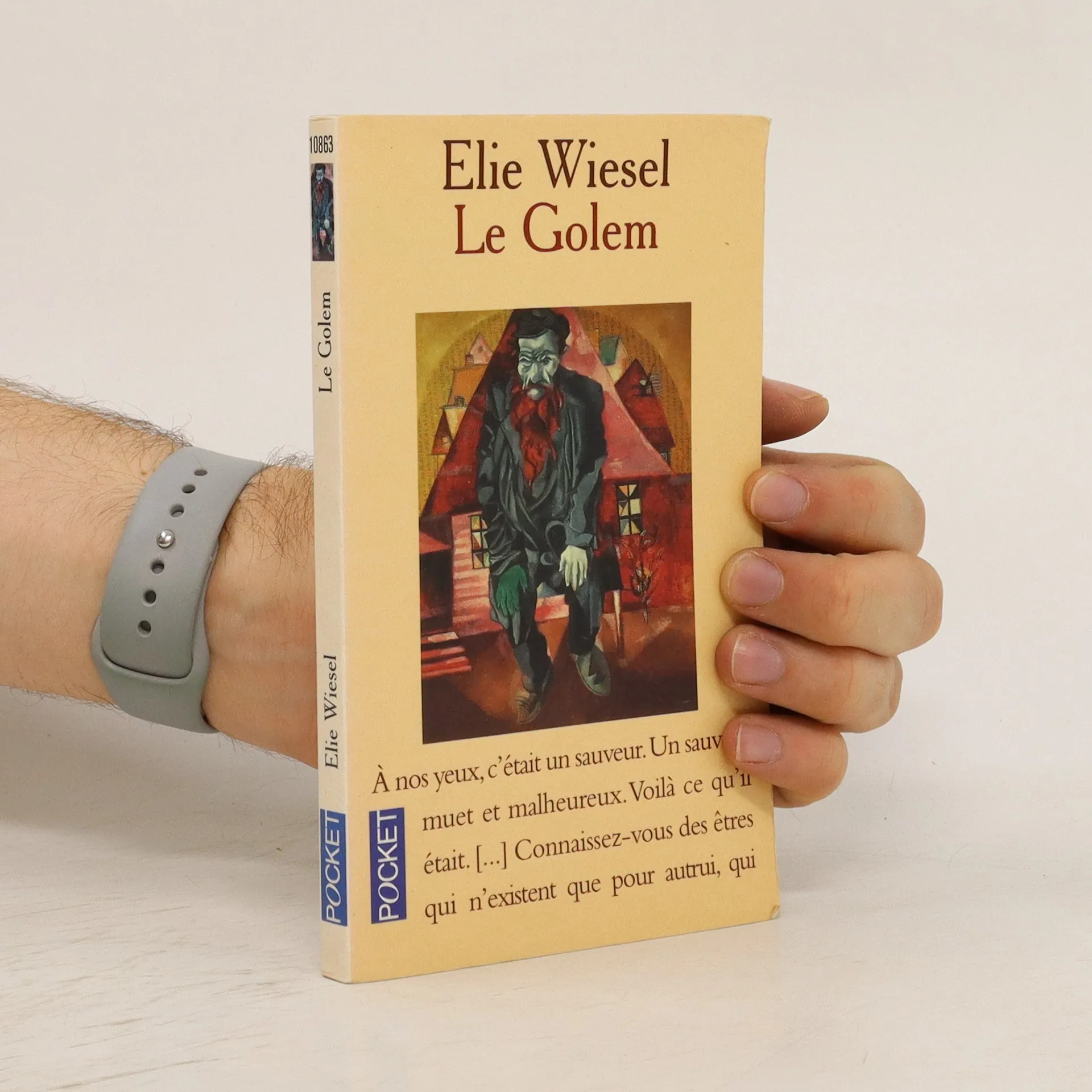
Le Golem
- 90 pages
- 4 hours of reading
Quand les temps sont trop durs, quand les souffrances sont trop grandes, les injustices trop flagrantes, il prend parfois l'envie aux hommes d'inventer un personnage, un héros qui les aide à vivre. C'est sûrement ainsi qu'est née, au sein de la communauté juive de Prague, alors en proie à de cruelles persécutions, la légende du Golem. Une créature artificielle à forme humaine, créée en 1580 à partir d'une masse d'argile par le célèbre rabbin Yehoudah Levaï de Prague, plus connu sous le nom de Maharal. Le Golem dont la mission sur terre était de protéger les enfants d'Israël de ses ennemis... Une légende magnifique qui, depuis des siècles, fascine poètes, romanciers, historiens, érudits, narrée avec force et sobriété par Elie Wiesel, prix Nobel de la paix.
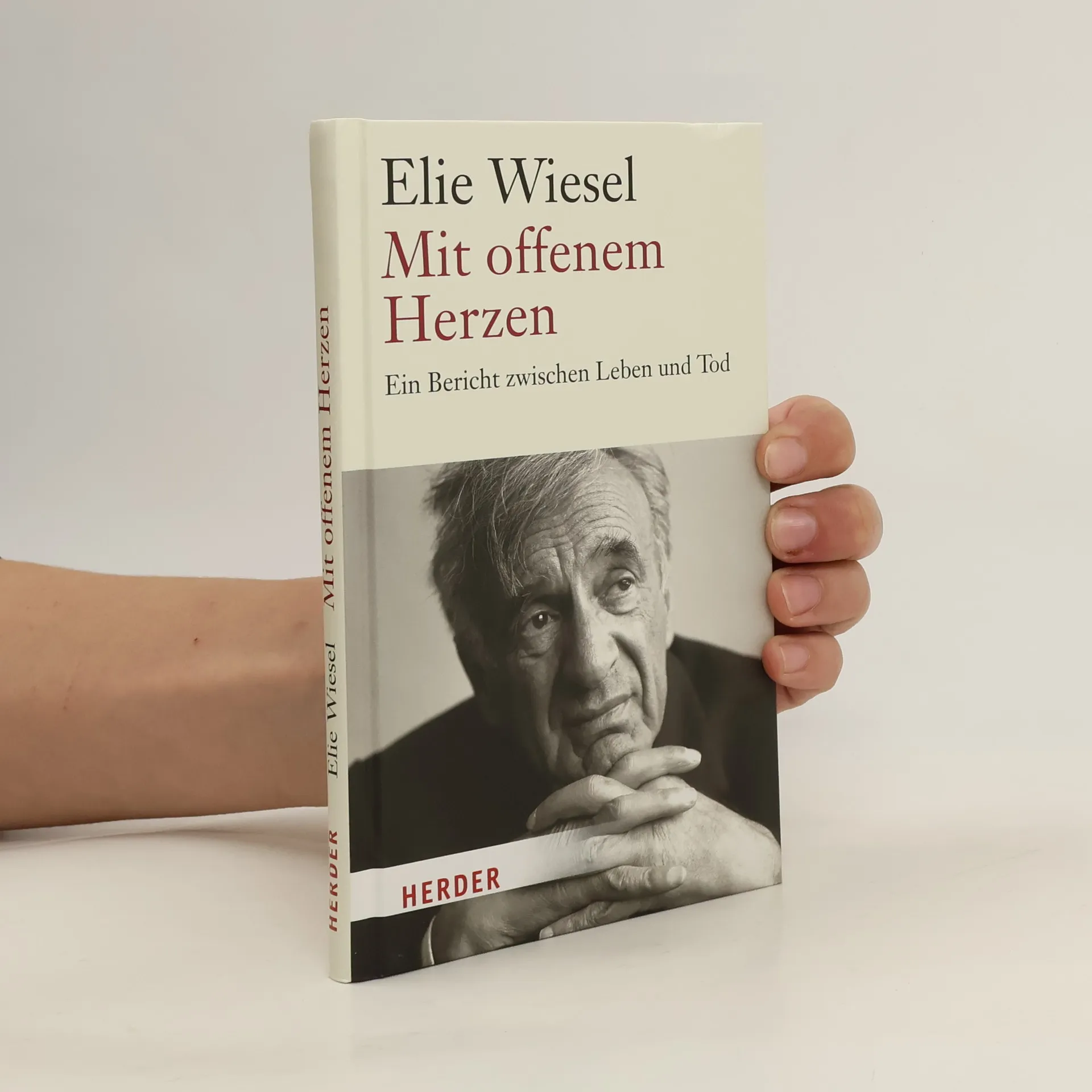
»Ich weiß – und ich spreche aus Erfahrung –, dass wir selbst in der Finsternis Licht schaffen und Träume des Mitfühlens nähren können.« Diese Zeilen schreibt der jüdische Friedensnobelpreisträger und Holocaust-Überlebende Elie Wiesel, als er im Alter von 82 Jahren von der Nachricht eines akuten Herzleidens überrascht wird. Der lebensbedrohliche Eingriff am offenen Herzen, der Wiesel zur Erkundung seiner tiefsten Beziehungen und Überzeugungen bewegt, wird zu einer Metapher für sein Credo als Mensch und Glaubender. Eine positive Bilanz Wiesels – mit sich selbst und seinem Jahrhundert. Die Summe seines großen Schaffens.
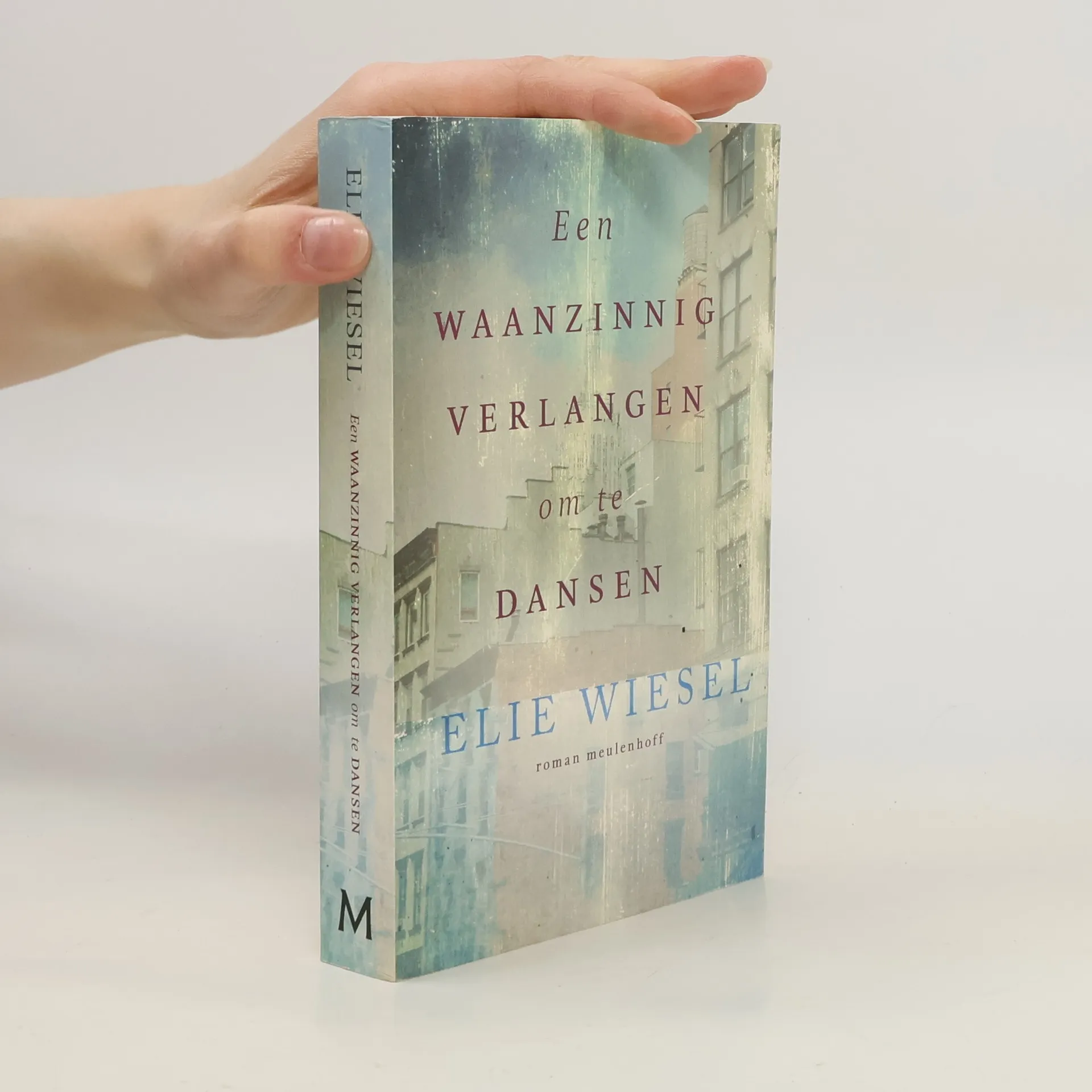
Wie, tussen ons gezegd en gezwegen, heeft nooit de indruk gehad dat hij gek werd? En is iedereen niet op zijn manier waanzinnig? De New Yorkse hoofdpersoon van deze roman denkt dat hij waanzinnig wordt door een teveel aan herinneringen. Hij besluit zich van zijn fantomen te ontdoen en zoekt derhalve een psychoanalyticus op. Tijdens lange sessies in haar praktijk vertelt de hoofdpersoon haar zijn levensverhaal. In Een waanzinnig verlangen om te dansen ontvouwt Elie Wiesel zijn herinneringen aan de twintigste eeuw en de rampen die plaatsvonden. Het is een roman over het leerproces van jezelf ontdekken tot in de duisterste spelonken, maar ook een boek over een innerlijk avontuur dat wordt voortgestuwd door de wil om te weten en de zekerheid dat alleen liefde de diepste wonden kan genezen.
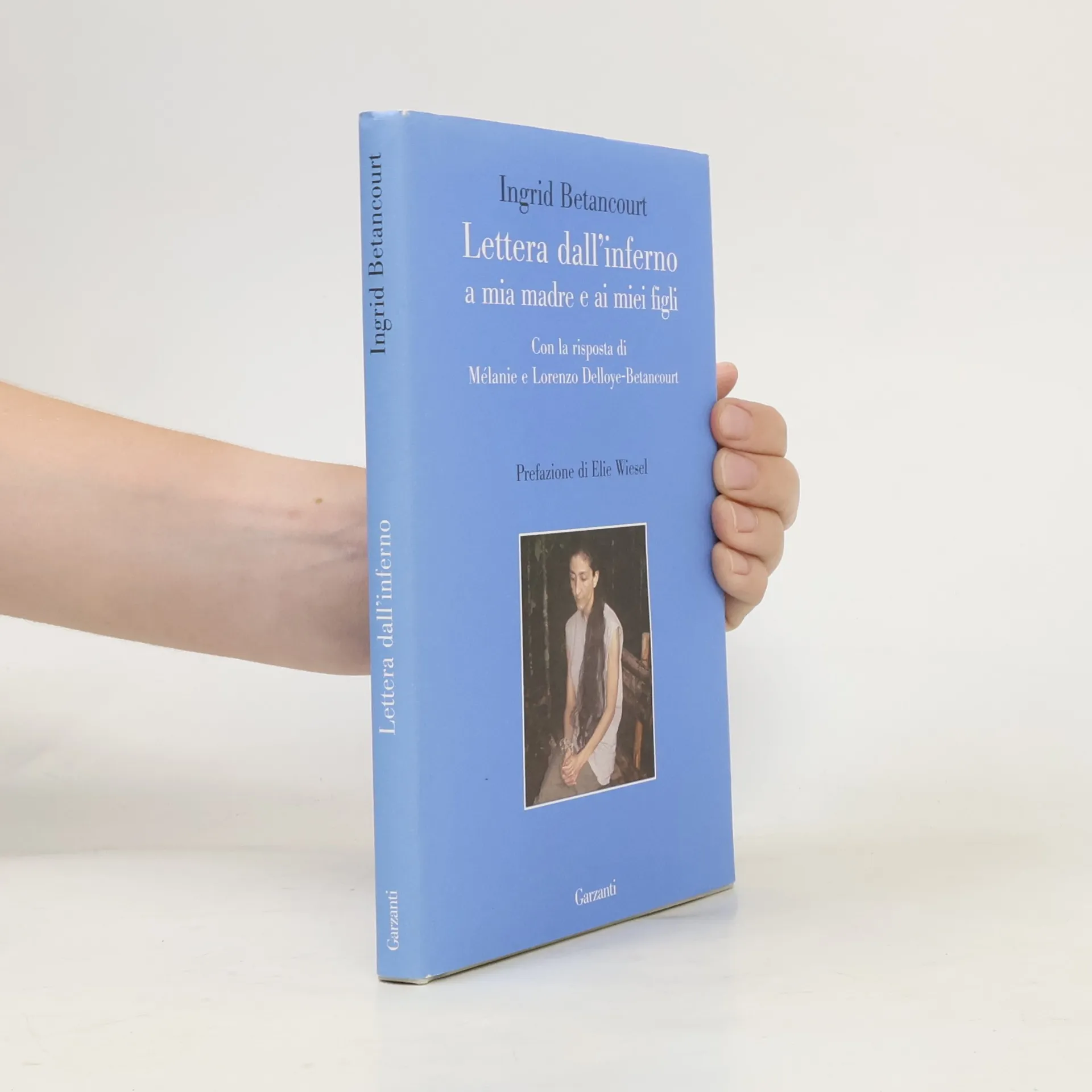
Lettera dall'inferno a mia madre e ai miei figli
- 72 pages
- 3 hours of reading
Questo testo è stato scritto il 24 ottobre 2007 da Ingrid Betancourt, che il 22 febbraio 2002 è stata sequestrata dalle FARC, le Forze armate rivoluzionarie della Colombia che tengono in ostaggio da anni diverse altre centinaia di persone. È indirizzato alla madre, Yolanda Pulecio, ai suoi ligli Mélanie e Lorenzo, e alla sua famiglia. Il manoscritto, dodici pagine vergate con una calligrafia regolare e densa, accompagnato da un video e da alcune foto, è stato sequestrato in occasione dell'arresto di alcuni guerriglieri a Bogotà. Una copia è stata trasmessa dal governo colombiano alla famiglia di Ingrid nel dicembre 2007. Questa è la prima traduzione integrale e autorizzata del documento. La lettera di Ingrid Betancourt è accompagnata dalla risposta dei suoi figli, Mélanie e Lorenzo, che si stanno battendo per la liberazione della madre.
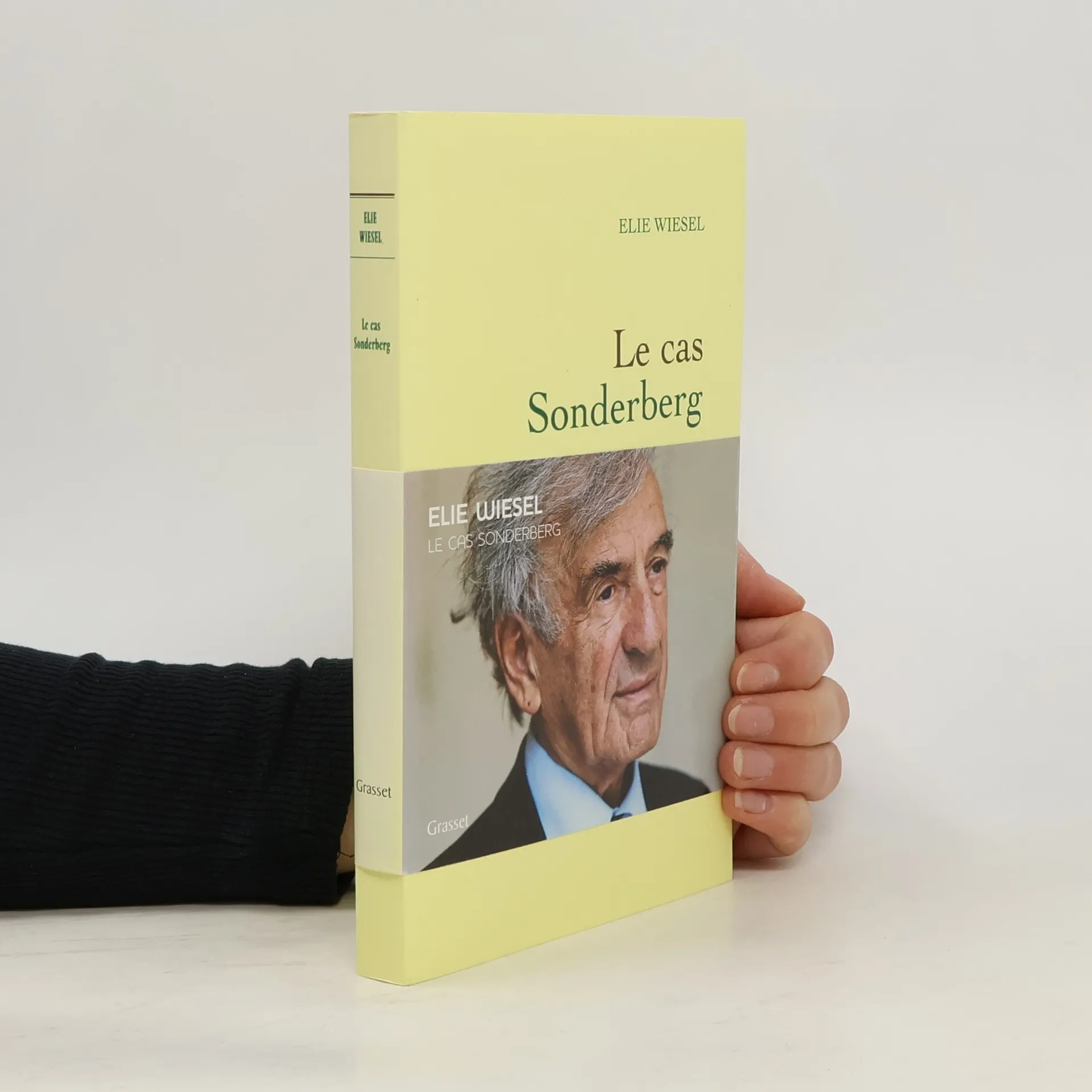
Werner Sonderberg, jeune Allemand résidant aux Etats-Unis, part se promener avec son vieil oncle, visiteur de passage, dans les montagnes des Adirondacks. Le premier revient seul. On retrouve plus tard le cadavre du second. Inculpé, Werner plaide " coupable... et non coupable ". Cette étrange affaire suscite chez Yedidyah, critique théâtral que son rédacteur en chef a chargé à titre exceptionnel de " couvrir " le procès, une fascination trouble qu'il peine à s'expliquer : comme si se jouait là son propre destin. Sentant qu'il se heurte à un secret de famille, il enquête sur son passé. La légèreté de la comédie new-yorkaise le cède à la mélancolie de la tragédie européenne. Guetté par la folie, il aura recours à l'hypnose pour retrouver les images de sa petite enfance et tenter de se réconcilier avec " une histoire qui, jusqu'à la fin des temps, fera honte à l'humanité ".
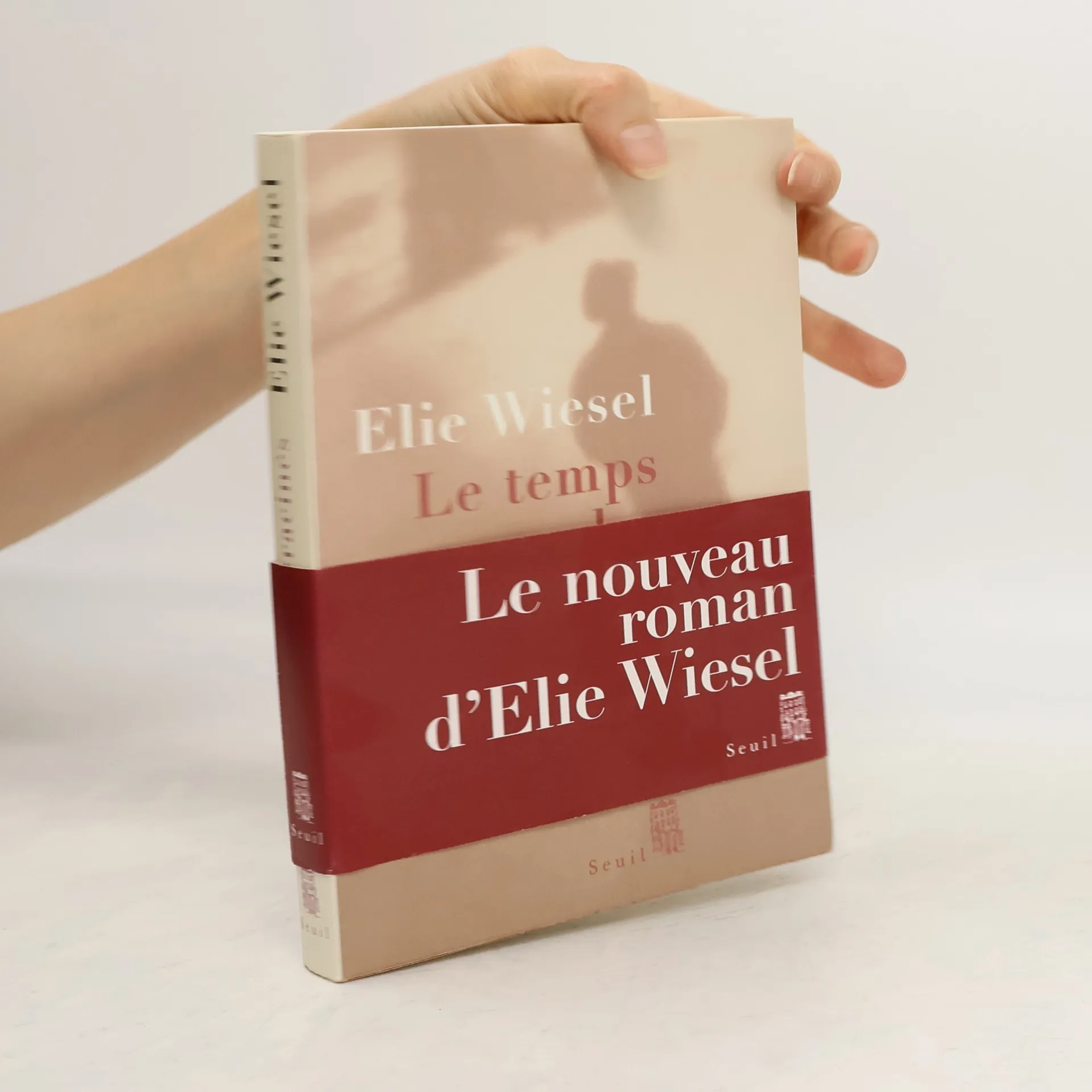
Le Temps des déracinés
- 295 pages
- 11 hours of reading
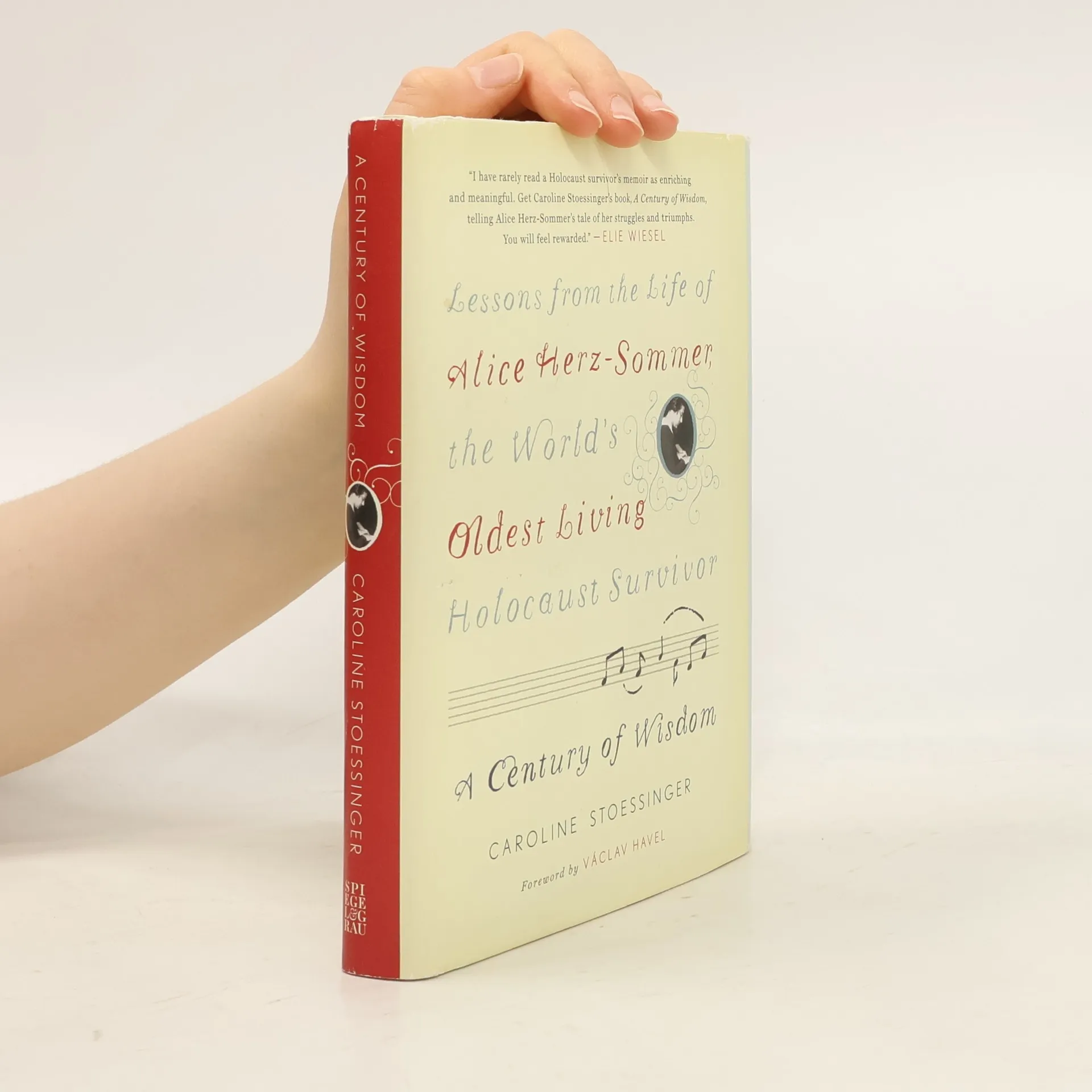
Collects life lessons by a Holocaust survivor and concert pianist, sharing the wisdom she has gleaned and insights into her resolve to thrive in spite of loss and her choice to harbor no bitterness toward her oppressors.
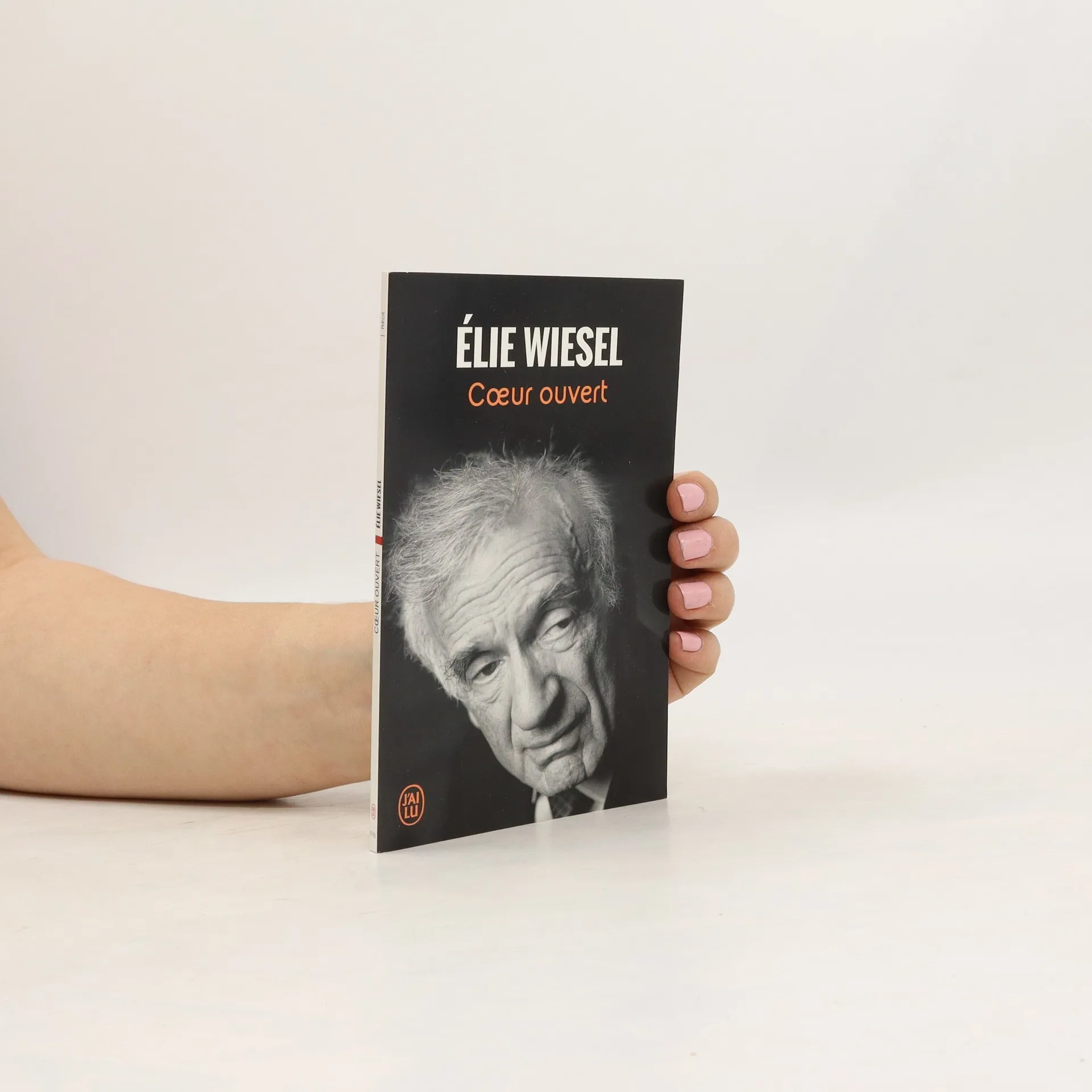
De violentes douleurs à la poitrine, un médecin rassurant : « Rien au coeur ». Quelques jours après, pourtant, ce dernier flanche. Incrédule, récalcitrant, Elie Wiesel est opéré à New York, in extremis. Au bloc, il voit venir le silence définitif. Ce passage de la vie à la mort – tout sauf un vide, découvre- t-il – se peuple d’émotions, de visages, de mémoires, d'interrogations sur lui- même et sur Dieu. Bilan d’une existence et d’une mission. Revenu à la vie, le prix Nobel de la paix, auteur immortel de La Nuit, inlassable ambassadeur de la tolérance, Juif universel qui n'a, au moment de partir, que la certitude de sa foi, livre le récit si rare de cette traversée du mur invisible.
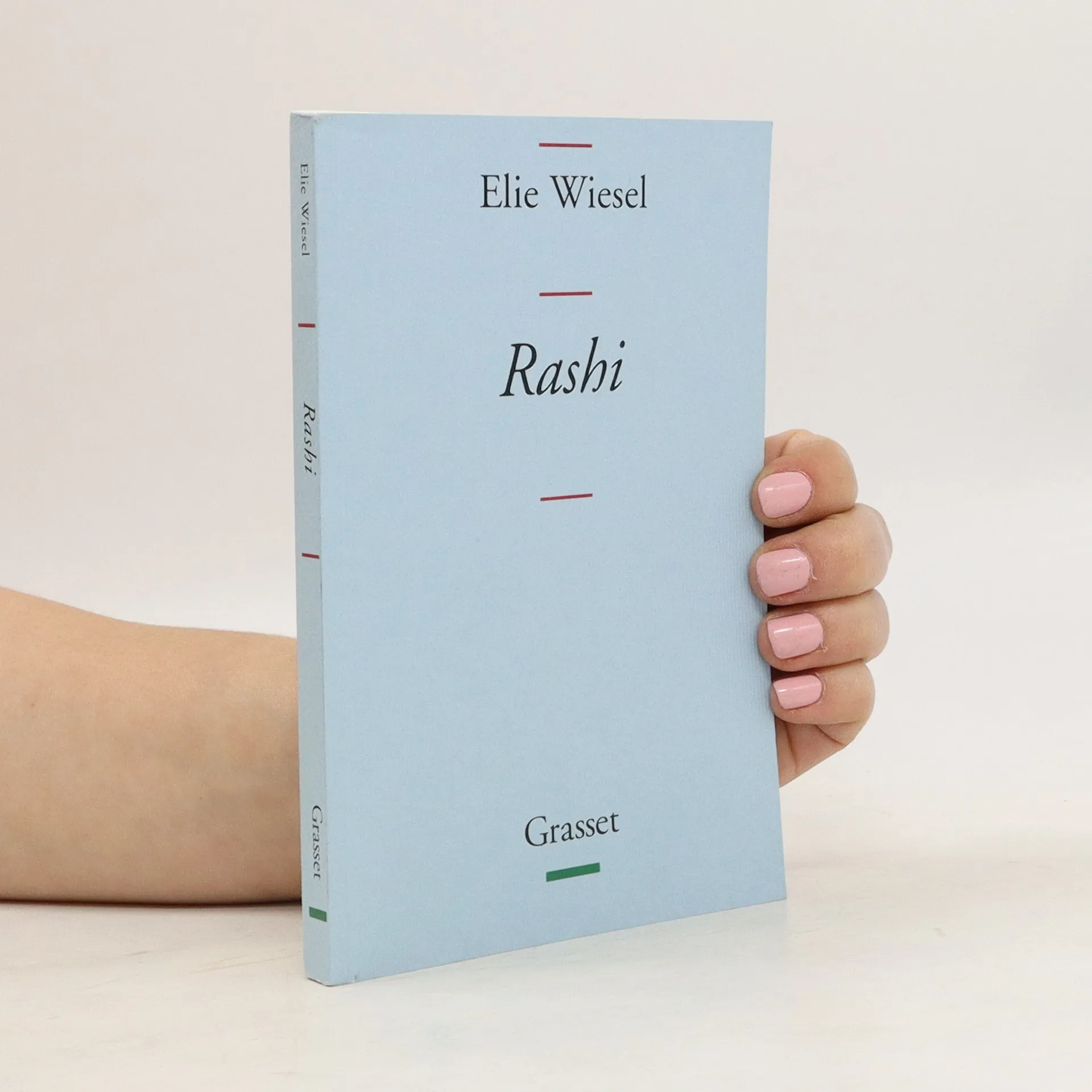
Rashi
- 131 pages
- 5 hours of reading
" Il est la première référence. Le premier secours. Grâce à lui, tout s'éclaire. " Ainsi parle Elie Wiesel, qui rend ici un hommage poignant à l'une des figures majeures de la pensée juive : Salomon, fils d'Isaac, rabbin de la ville de Troyes au XIe siècle, plus connu sous le nom de Rashi. De son oeuvre est parvenu jusqu'à nous l'un des plus lumineux commentaires du Talmud, ainsi que quelques légendes savoureuses. Mais Rashi fut aussi le témoin d'une époque charnière et méconnue pour la communauté juive en France, marquée par un rayonnement intellectuel sans précédent. C'est ce personnage que nous invite à découvrir le grand " passeur " de la tradition juive qu'est Elie Wiesel. Cheminant dans les méandres des vieilles rues de Troyes comme dans le labyrinthe des textes bibliques, il nous convie, à travers ce portrait intime, à une promenade placée sous le signe du gai savoir.
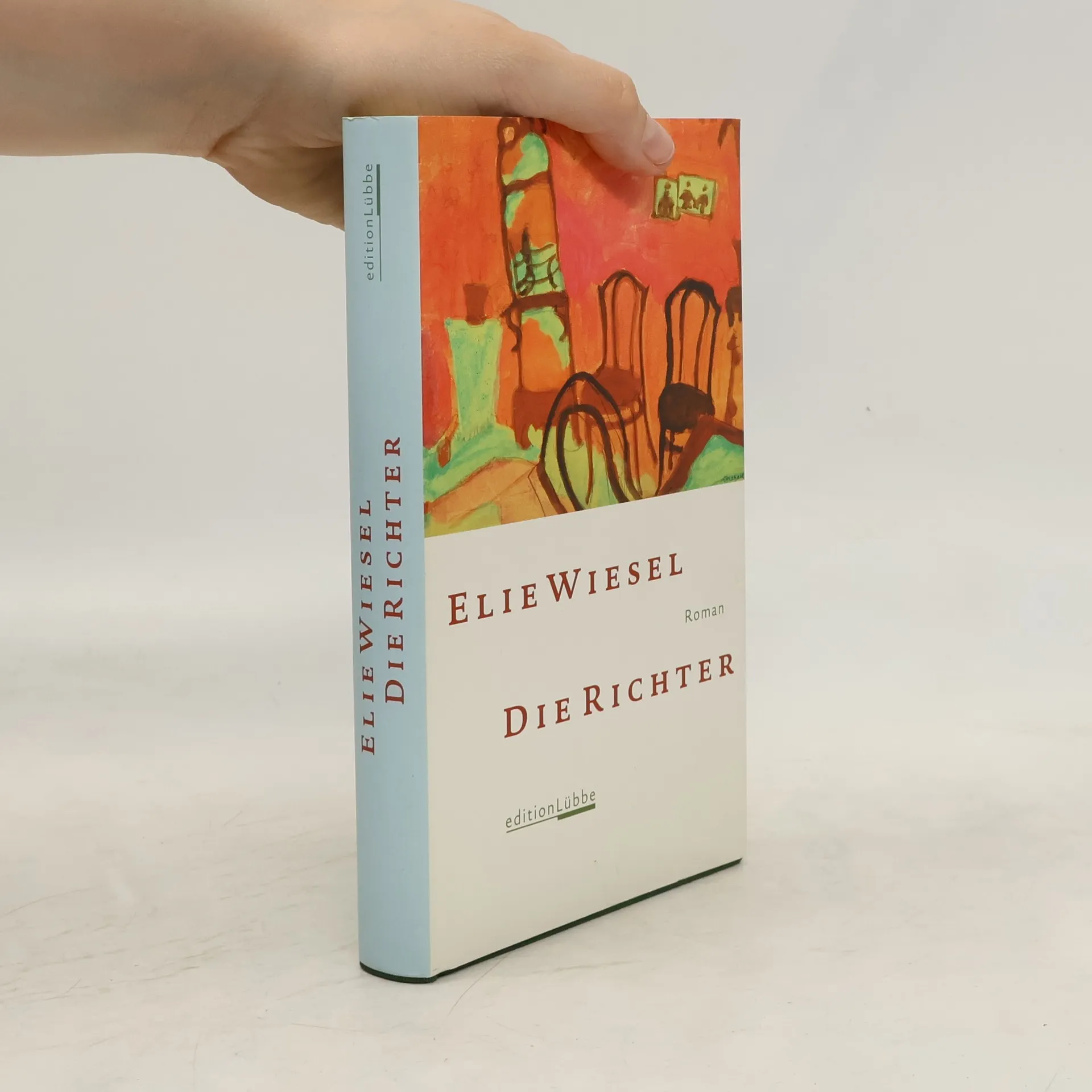
Die Richter
- 251 pages
- 9 hours of reading
Eine Ankündigung, die zunächst wie ein Spiel klingt, wird für fünf Passagiere eines Fluges von New York nach Tel Aviv zur bitteren Realität, als sie wegen eines Unwetters in Connecticut notlanden müssen. In einem geheimnisvollen Haus finden sie Schutz, nur um sich bald einem gnadenlosen Verhör ihres höflichen, aber bedrohlichen Gastgebers zu stellen. Die Situation eskaliert, als klar wird, dass einer von ihnen am nächsten Morgen nicht mehr leben wird. Unter dem Druck der drohenden Todesstrafe müssen sie sich der Wahrheit über ihre vergangenen Beziehungen, Hoffnungen und Träume stellen. Jeder wird zum eigenen Richter, während sie nach Schuld, Unschuld und Verantwortung suchen, um die entscheidende Frage zu beantworten: „Warum hängen Sie am Leben?“ Was als harmloses Spiel beginnt, entwickelt sich zu einem nervenaufreibenden Wettlauf gegen die Zeit. Die Konfrontation mit dem Bösen und die Angst vor dem Tod zwingen die fünf Menschen, ihre Grenzen zu überschreiten. Wer wird am Ende Opfer, wer Richter und wer Henker sein? In diesem Spiel der Extreme wird die Suche nach Erlösung und Identität zur zentralen Herausforderung.
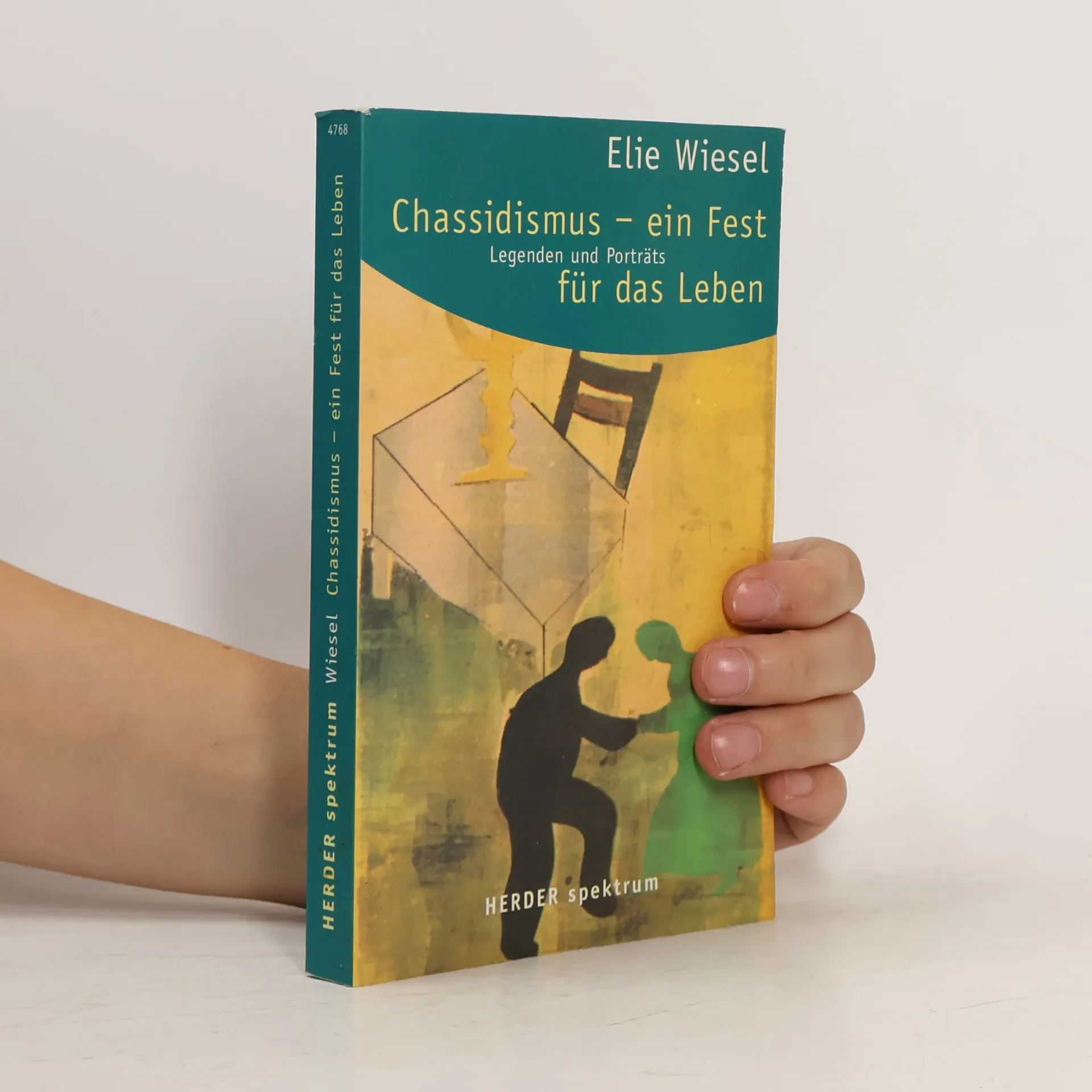
Der Chassidismus - ein Fest für das Leben: Legenden und Portraits
- 263 pages
- 10 hours of reading
Diese Geschichten, obwohl sie den Kern einer hochentwickelten Form jüdischer Mystik bilden, haben ein grundlegendes menschliches Interesse, das die Trennlinien der Religion überschreitet.
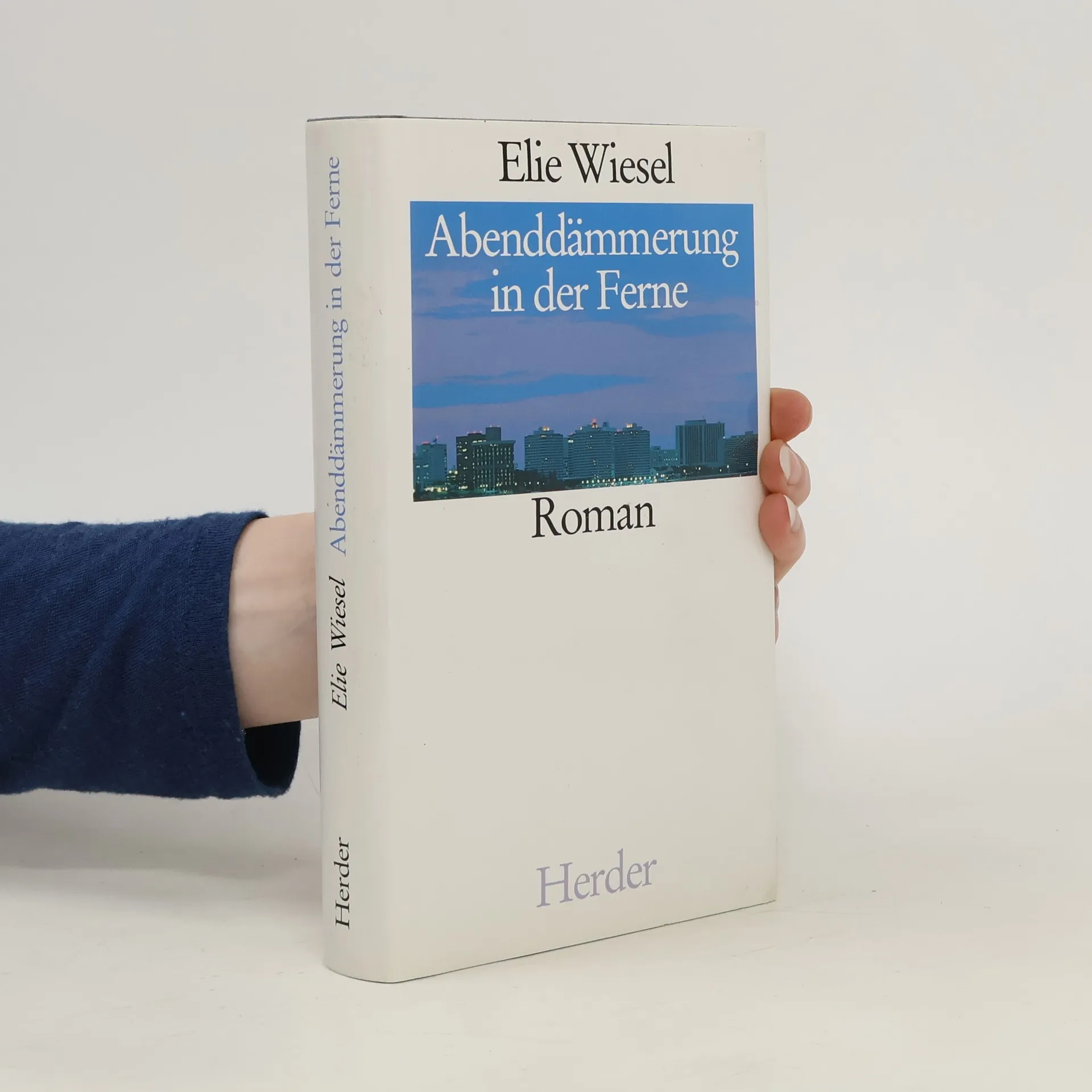
Abenddämmerung in der Ferne. Roman
- 260 pages
- 10 hours of reading
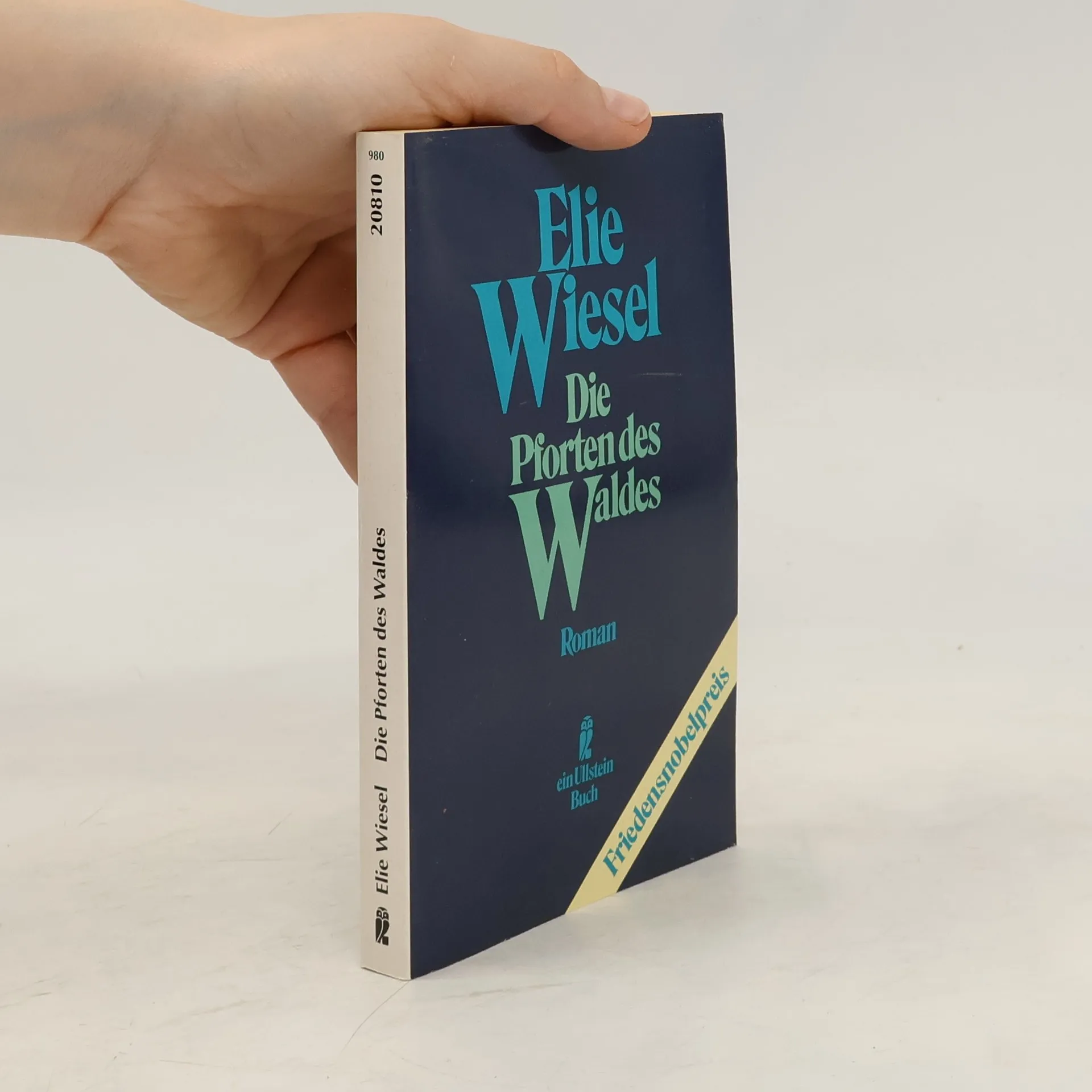
Die Pforten des Waldes
- 292 pages
- 11 hours of reading
Flucht und Überleben eines jungen Juden aus Siebenbürgen, der im 2. Weltkrieg der Deportation entkommen kann und inmitten allen Unheils um seinen Glauben ringt.
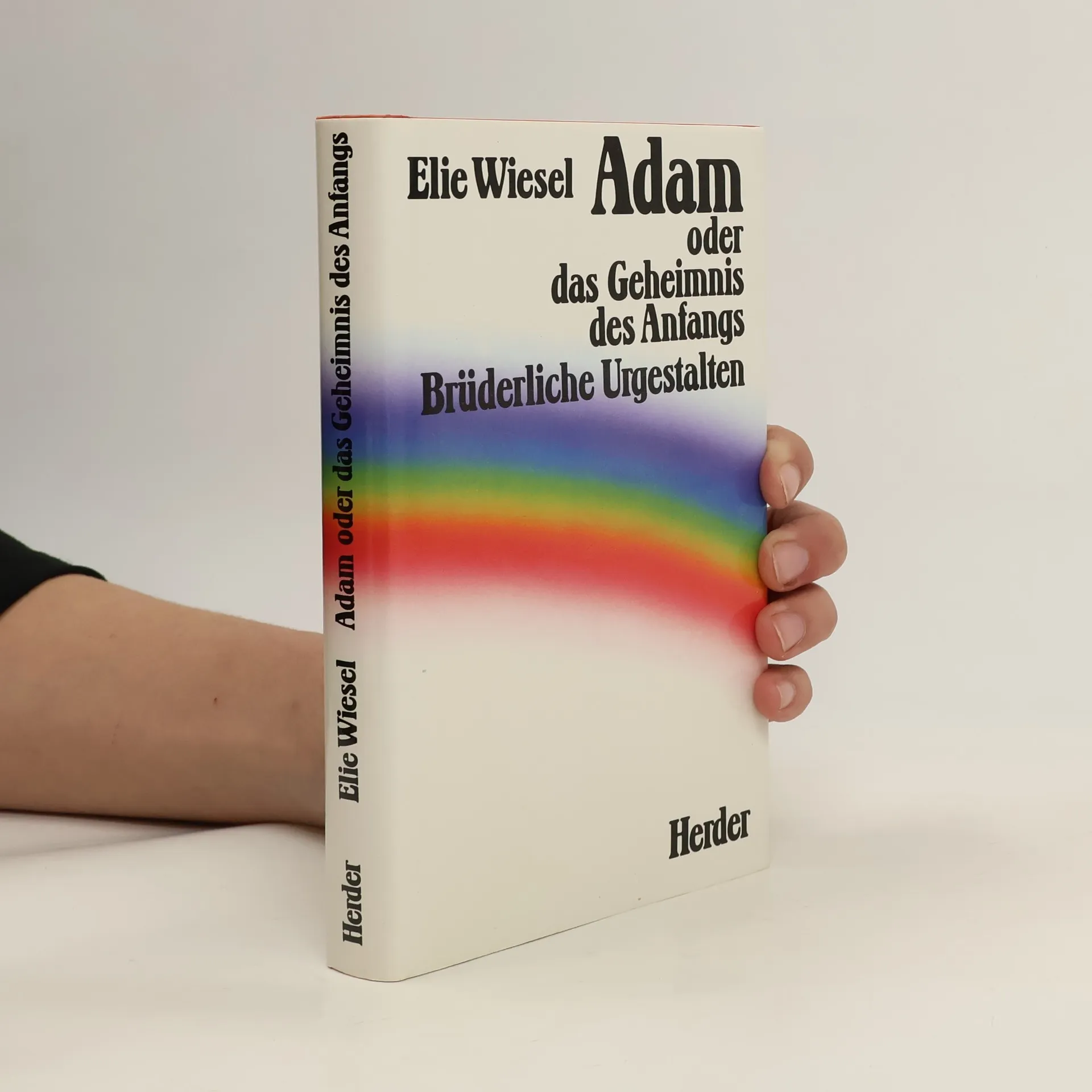
Adam oder das Geheimnis des Anfangs
- 232 pages
- 9 hours of reading
Chassidische Feier
- 251 pages
- 9 hours of reading
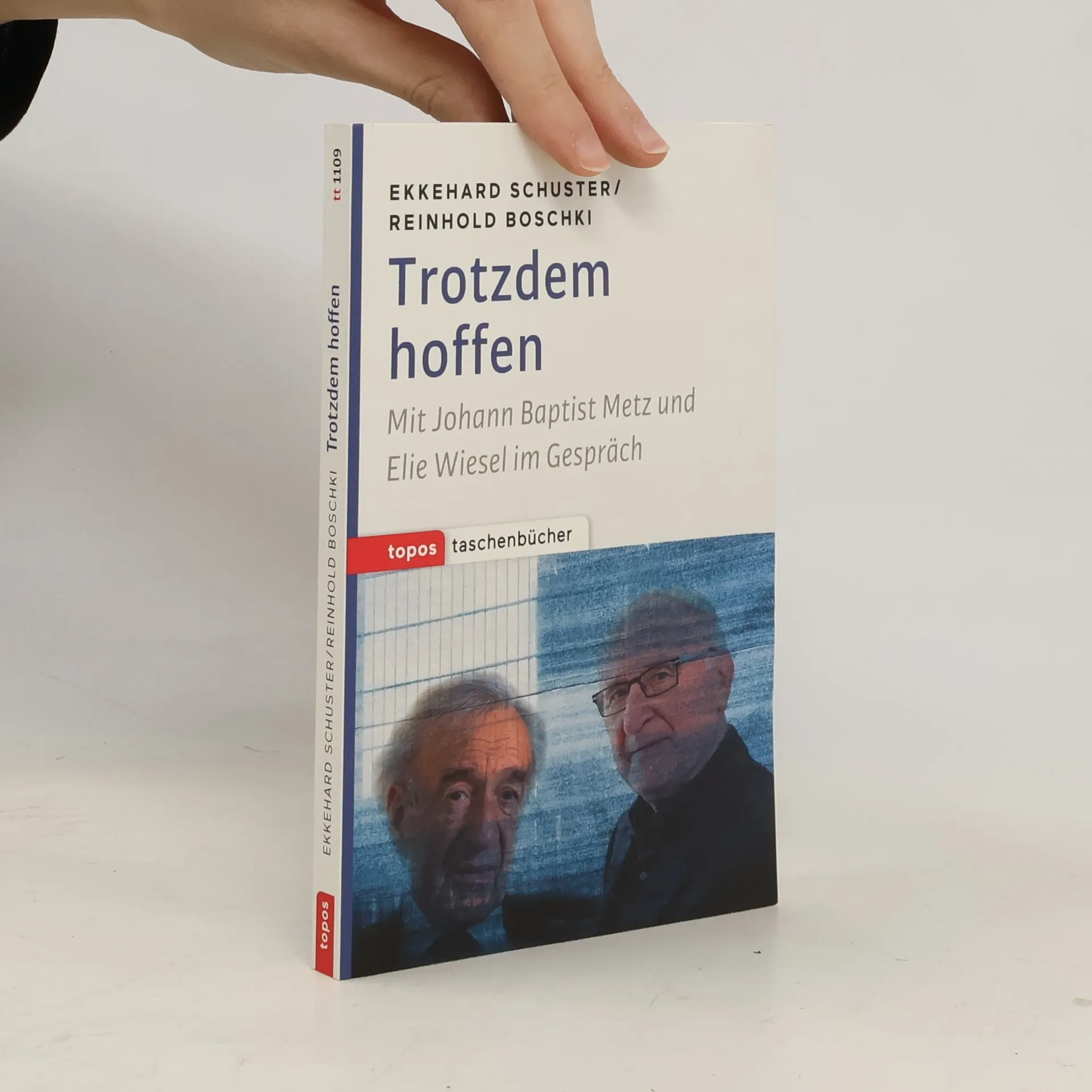
Als 16-Jähriger hat Elie Wiesel (1928-2016) das Konzentrationslager Auschwitz überlebt. Sein gesamtes literarisches Werk ist ein einziger Appell gegen das Vergessen. Und Johann Baptist Metz plädiert mit Nachdruck dafür, dass es keine Theologie geben kann, die mit dem Rücken zu Auschwitz steht. Im Gespräch mit den Autoren geben beide ehrlich und ungeschminkt Rechenschaft von ihrer Hoffnung und von den prägenden Begegnungen ihres Lebens. Persölichkeiten wie Karl Rahner, Emmanuel Levinas, Ernst Bloch, Franz Kafka und Albert Camus gehören ebenso dazu wie die jüdische Mystik, das Erzählen und die Musik.
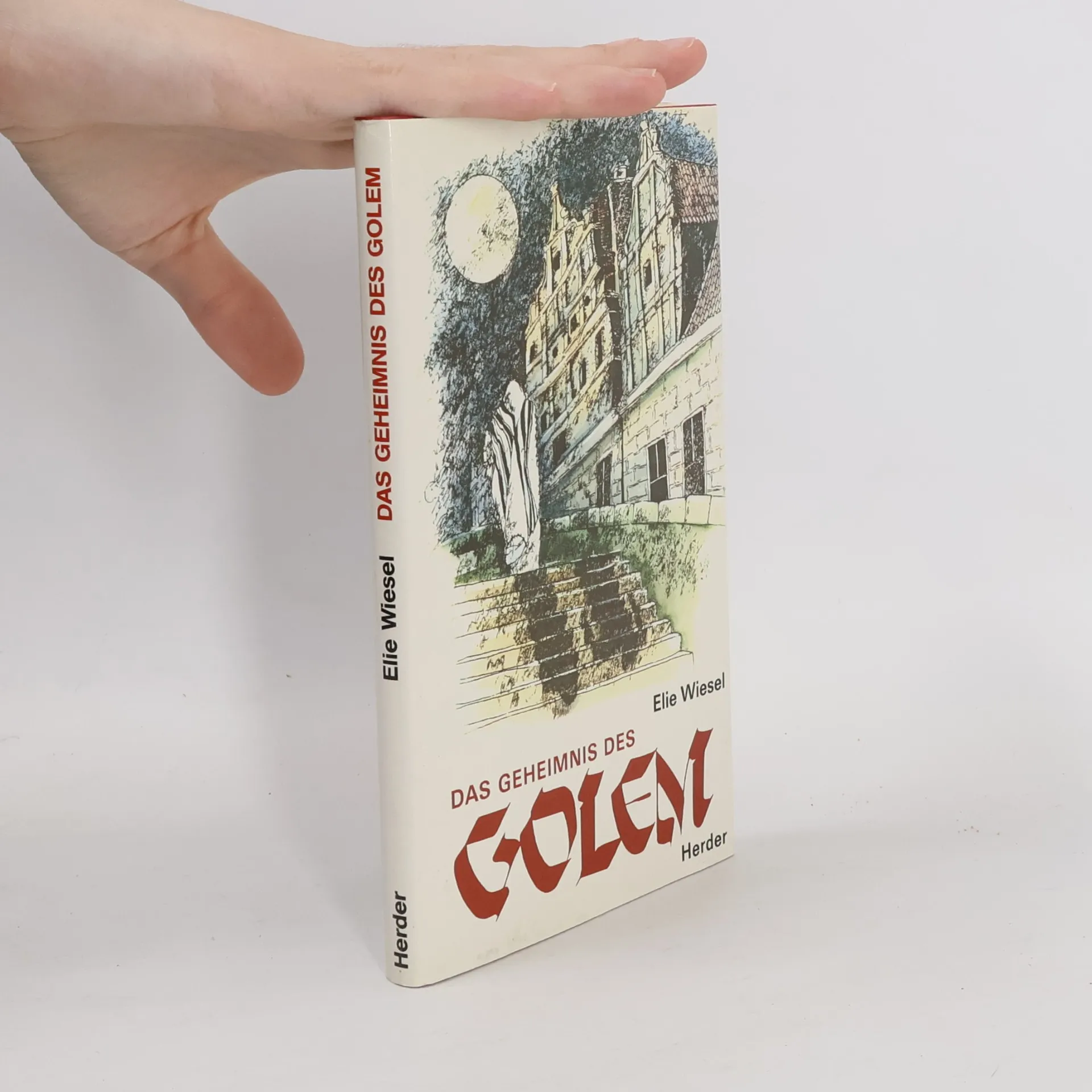
Das Geheimnis des Golem
- 96 pages
- 4 hours of reading
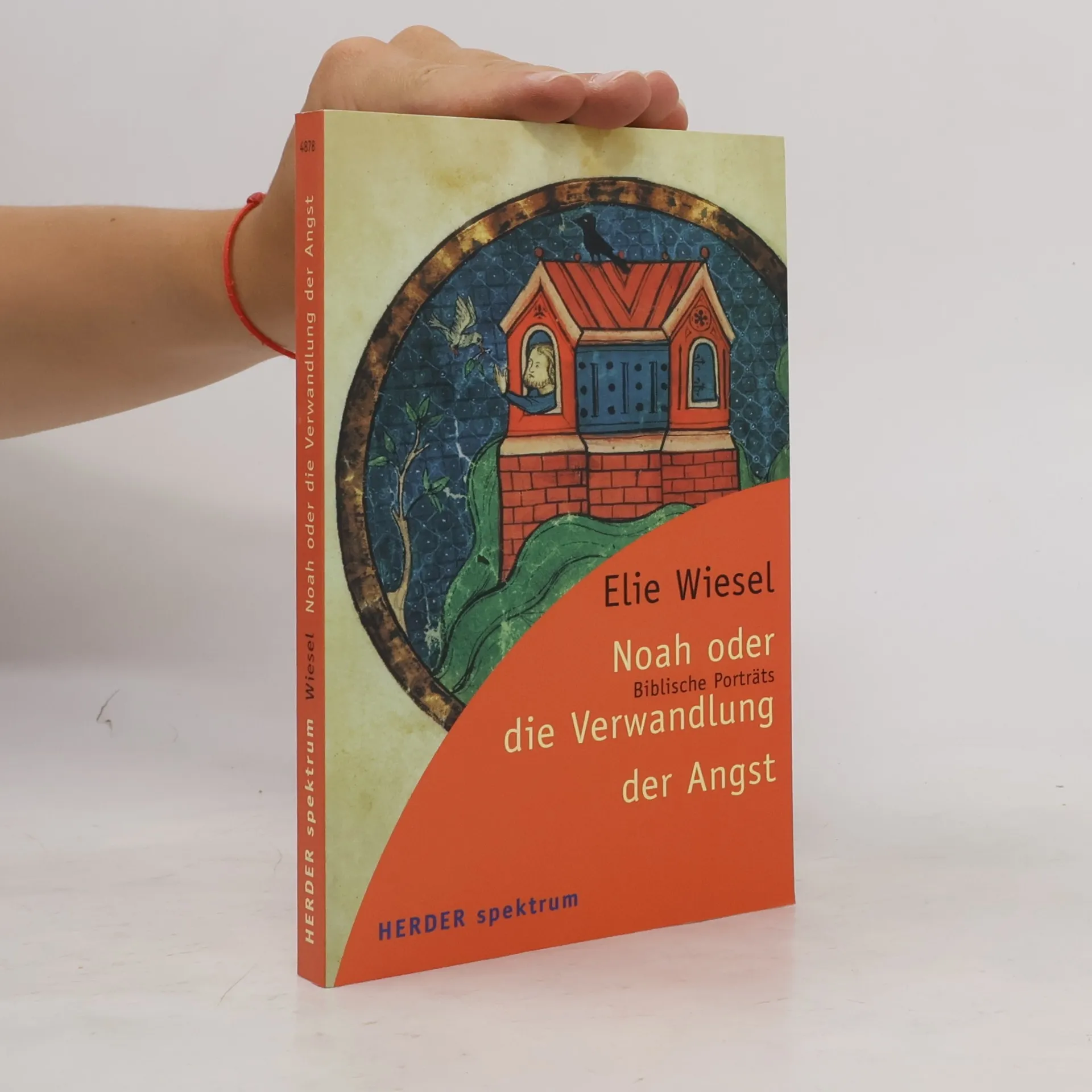
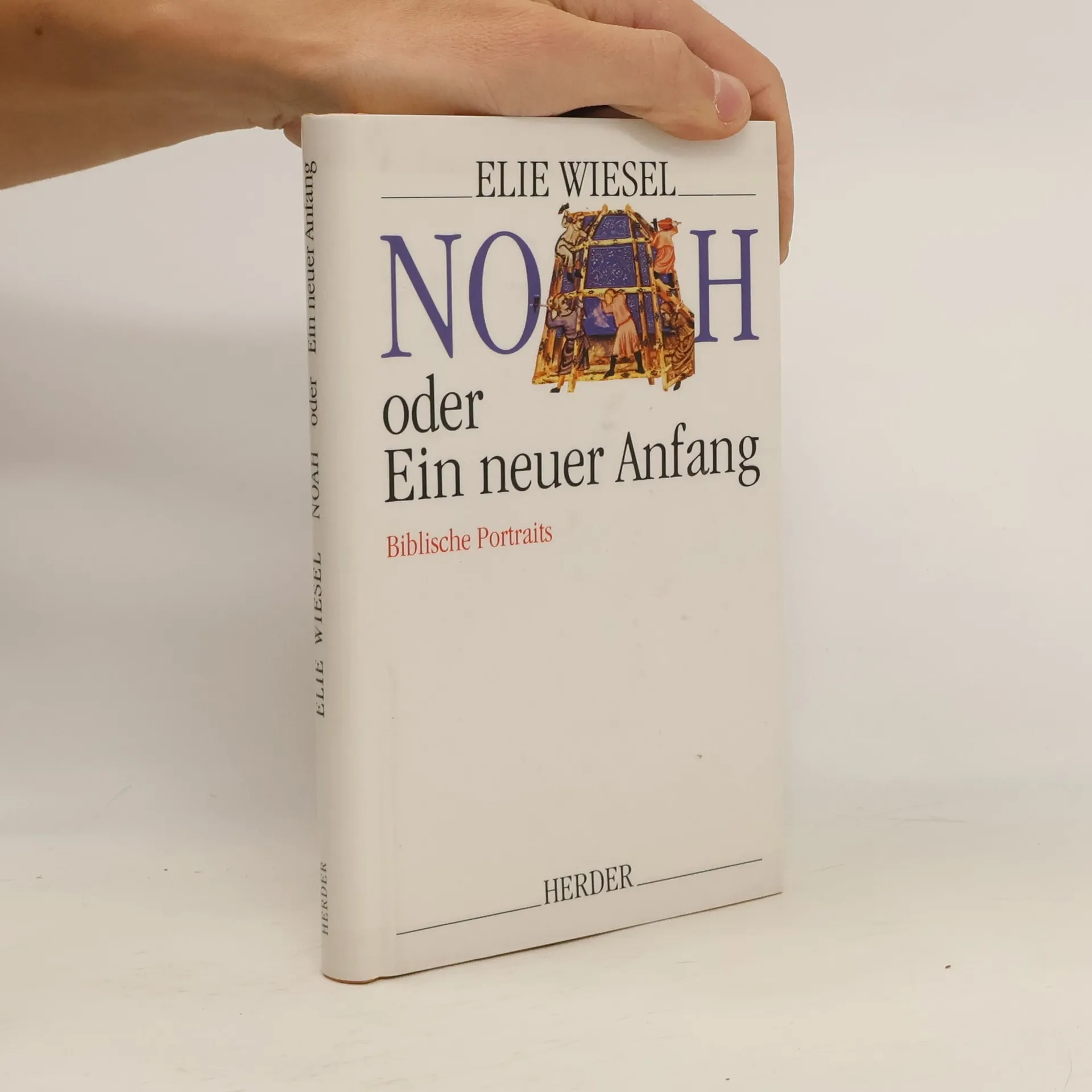
Noah oder die Verwandlung der Angst
- 196 pages
- 7 hours of reading
Tiefgründige und aktuelle Deutungen eines großen Gelehrten - spannende Geschichten über unser eigenes Leben.
Der Schwur von Kolvillág
- 282 pages
- 10 hours of reading
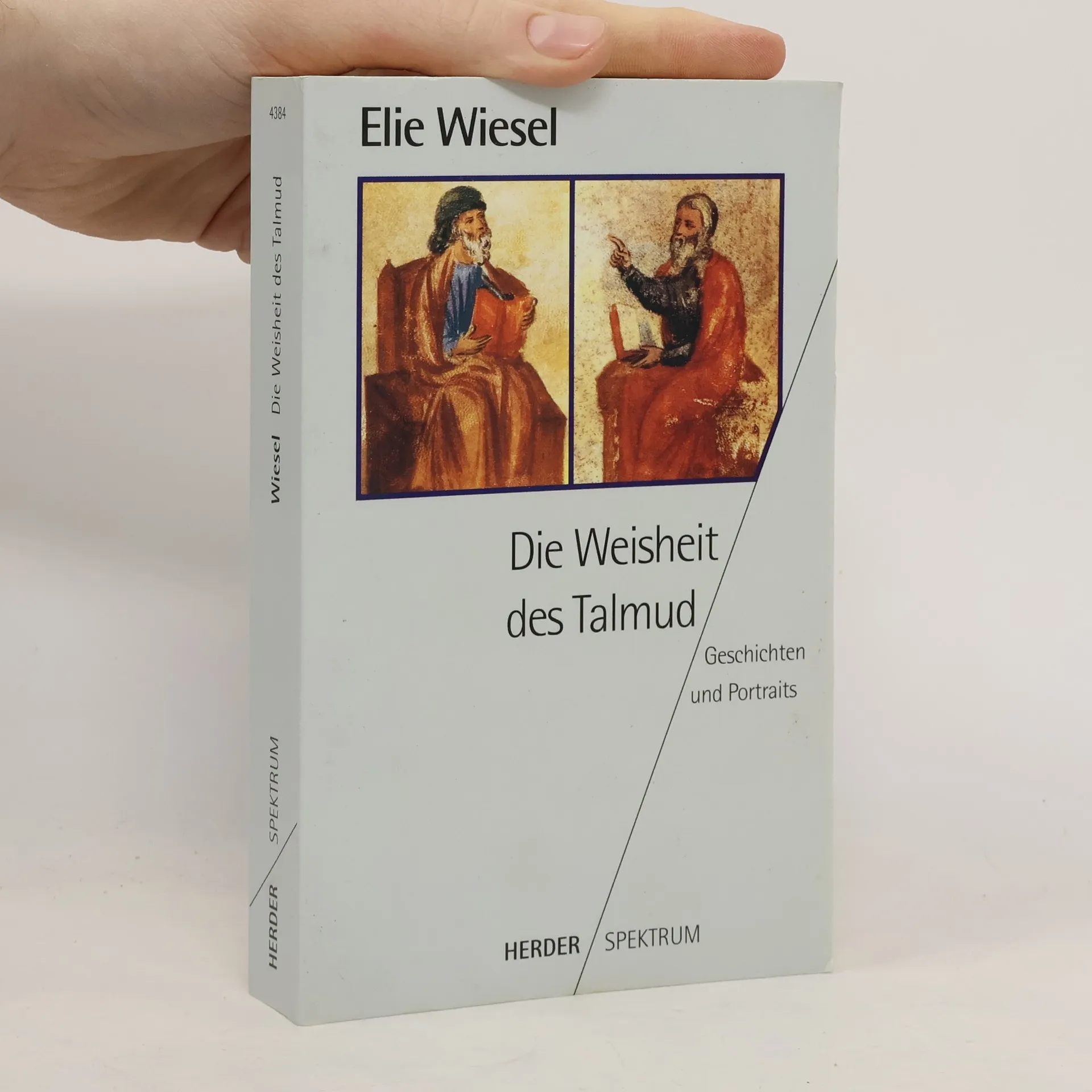
Die Weisheit des Talmud
- 360 pages
- 13 hours of reading
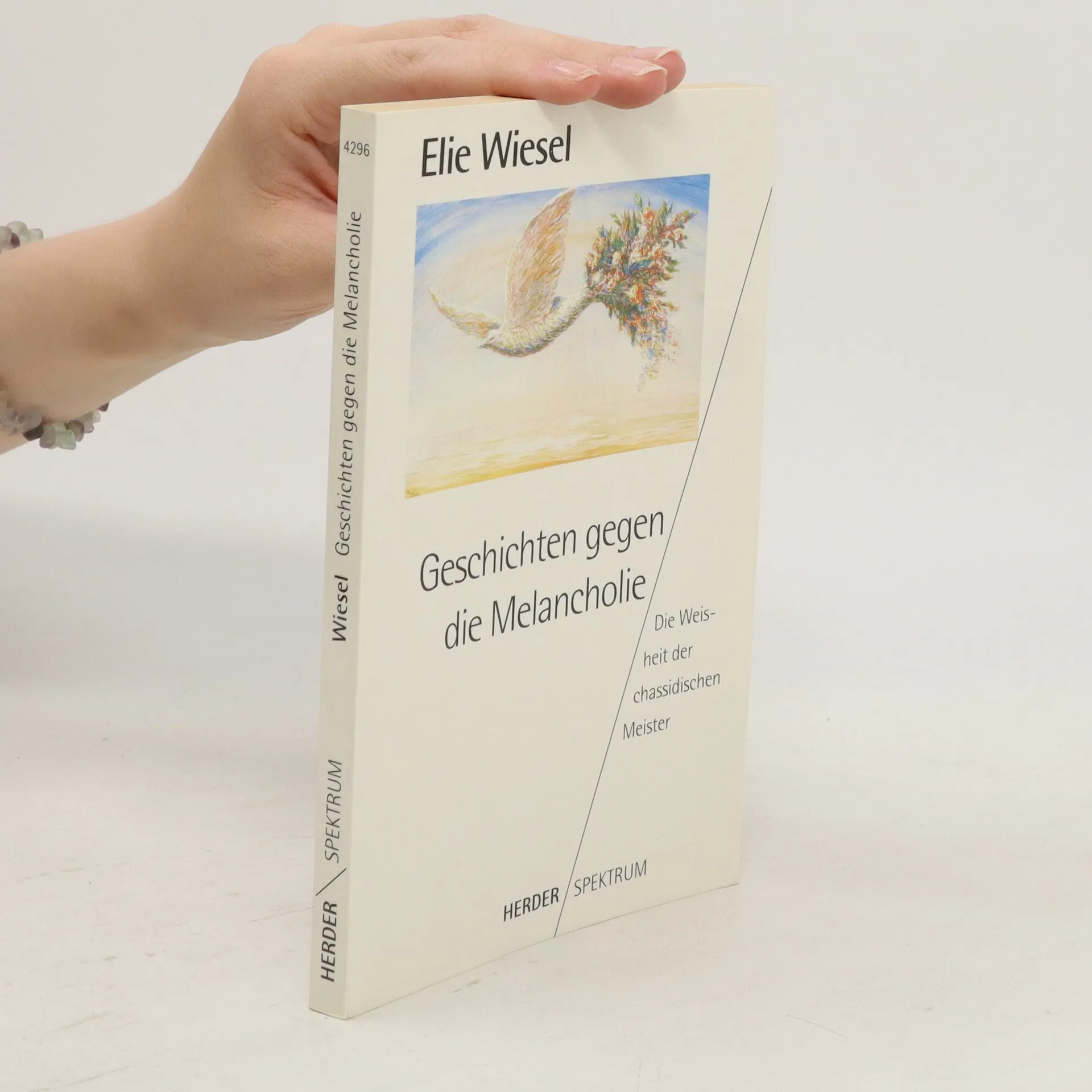
Geschichten gegen die Melancholie
- 143 pages
- 6 hours of reading
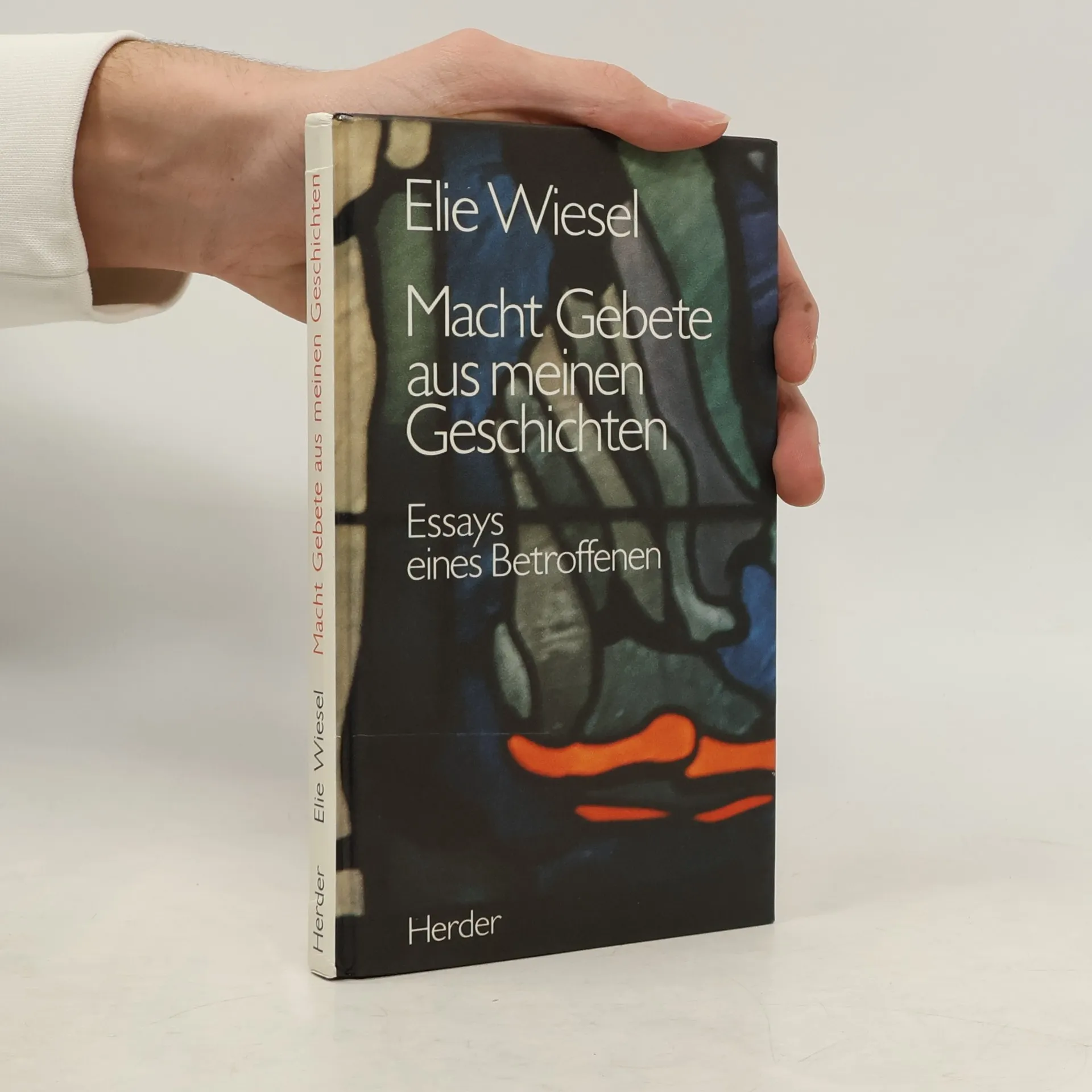
Macht Gebete aus meinen Geschichten
- 117 pages
- 5 hours of reading
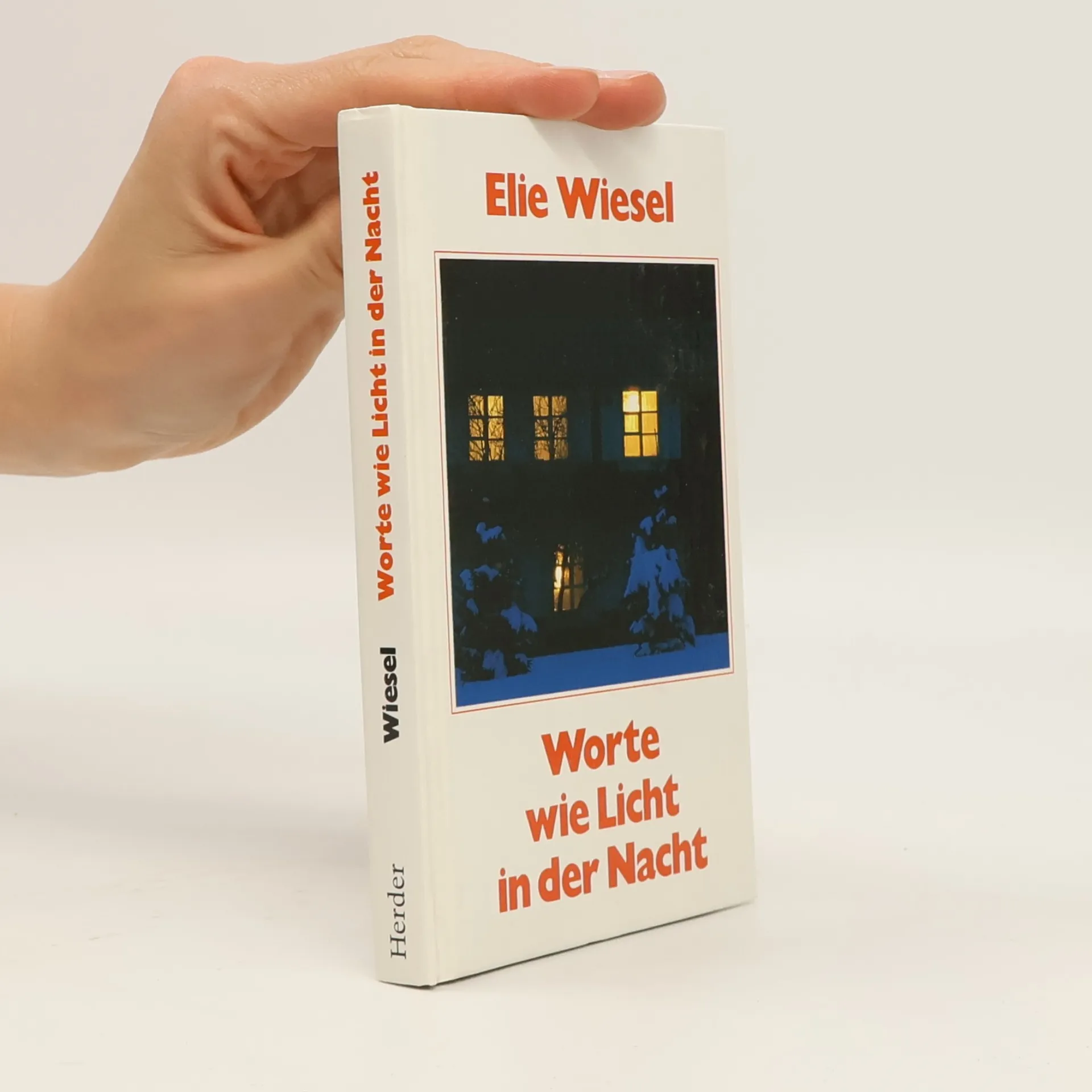
Worte wie Licht in der Nacht
- 127 pages
- 5 hours of reading
Worte können beängstigend sein – wie die Nacht. Und sie können Befreiung bringen, Klarheit schaffen, Wärme spenden – wie Licht. Verzweifelte Finsternis und Lichtblicke der Hoffnung, den Sog des Dunklen und das strahlende Licht menschlicher Güte, beides hat der Friedensnobelpreisträger Elie Wiesel erlebt. Seine Biografie hat ihn zum Experten schrecklicher Ängste gemacht, aber auch zu einem großen Zeugen der Hoffnung. Worte sind nie folgenlos, sagt Elie Wiesel. Angst oder Hoffnung sind an sie gebunden. Tod und Leben können von ihnen abhängen. Wiesel hat das im eigenen Leben erfahren und die Konsequenzen daraus gezogen. Er war dem Tod geweiht. Und wurde zum Gewissen der Welt. In diesem Buch sind viele Texte aus seinem Gesamtwerk zusammengestellt. „Seine Worte verkünden die Botschaft des Friedens, der Versöhnung und der Menschenwürde“ - so die Begründung zur Verleihung des Friedensnobelpreises an „einen der wichtigsten geistigen Führer und Wegweiser unserer Zeit“.
Im Juni 2011 wird Elie Wiesel von der Nachricht eines akuten lebensbedrohlichen Herzleidens überrascht. In dem kurzen Text, der eine Art inneres Tagebuch darstellt, wird der chirurgische Eingriff am offenen Herzen, der ihn zur Erkundung seiner tiefsten Beziehungen und Überzeugungen bewegt, zu einer Metapher für sein Credo als Mensch und Gläubiger. Eine positive Abrechnung Wiesels - mit sich selbst und seinem Jahrhundert, die Abrundung seines großen Schaffens.
In dieser kraftvollen und umfassenden Sammlung von Essays, Briefen und Tagebuchaufzeichnungen, die alle Lebensphasen des Autors miteinander verwebt – von seiner Kindheit in Transsilvanien über Auschwitz und Buchenwald bis hin zu Paris und New York – untersucht Elie Wiesel, anerkannt als einer der begabtesten und sensibelsten Schriftsteller unserer Zeit, aus der besonderen Perspektive seiner Jüdischkeit zentrale moralische und politische Themen wie Zionismus und den Konflikt im Nahen Osten, Solschenizyn und den sowjetischen Antisemitismus, die Verpflichtungen amerikanischer Juden gegenüber Israel sowie den Holocaust und dessen Abwertung in den Medien.
Il giorno
- 110 pages
- 4 hours of reading
La nuit
- 177 pages
- 7 hours of reading
Né en 1928 à Sighet en Transylvanie, Elie Wiesel était adolescent lorsqu'en 1944 il fut déporté avec sa famille à Auschwitz puis à Birkenau. La Nuit est le récit de ses souvenirs : la séparation d'avec sa mère et sa petite soeur qu'il ne reverra plus jamais, le camp où avec son père il partage la faim, le froid, les coups, les tortures... et la honte de perdre sa dignité d'homme quand il ne répondra pas à son père mourant. «La Nuit, écrivait Elie Wiesel en 1983 est un récit, un écrit à part, mais il est la source de tout ce que j'ai écrit par la suite. Le véritable thème de La Nuit est celui du sacrifice d'Isaac, le thème fondateur de l'histoire juive. Abraham veut tuer Isaac, le père veut tuer son fils, et selon une tradition légendaire le père tue en effet son fils. L'expérience de notre génération est, à l'inverse, celle du fils qui tue le père, ou plutôt qui survit au père. La Nuit est l'histoire de cette expérience.»
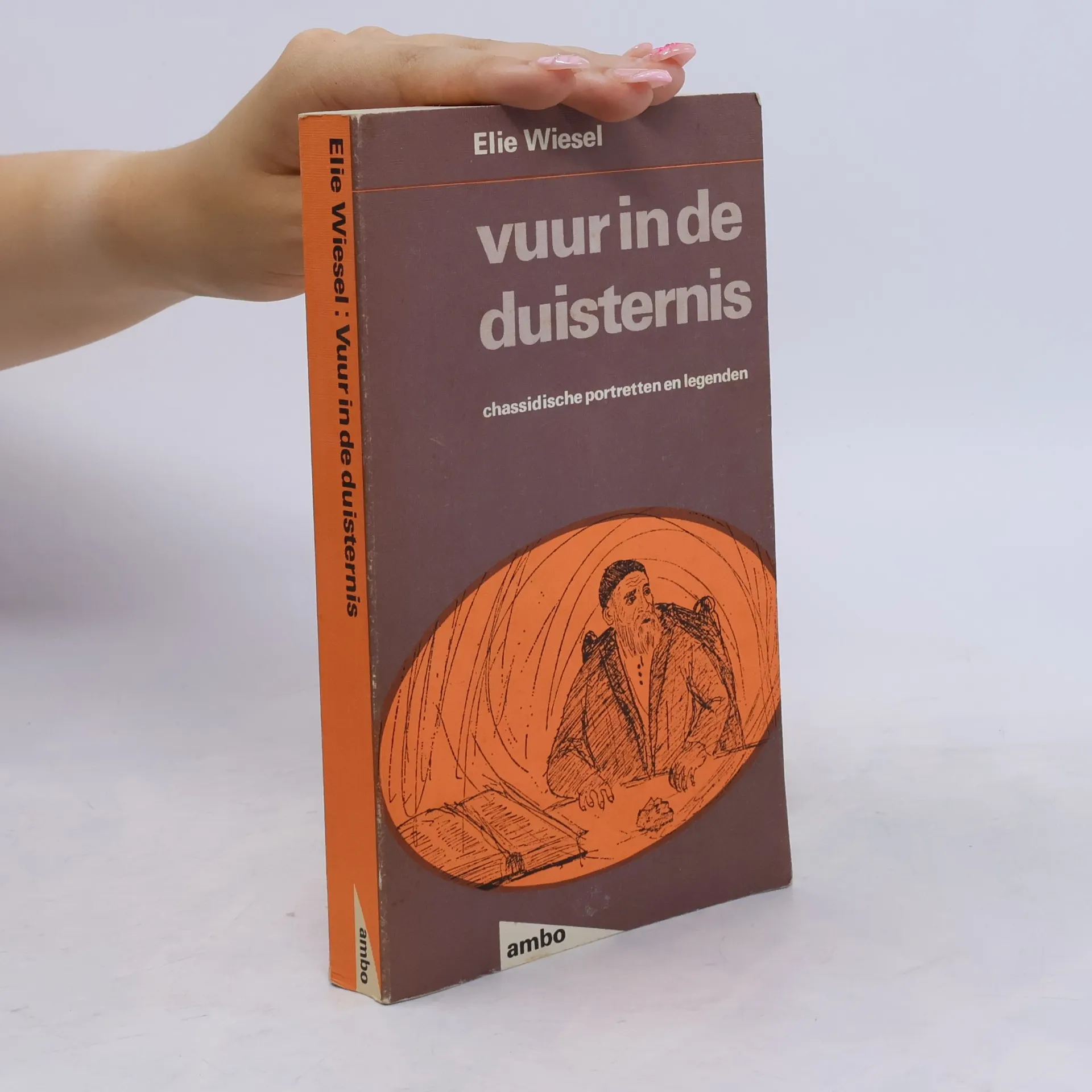
Vuur in de duisternis
Chassidische portretten en legenden
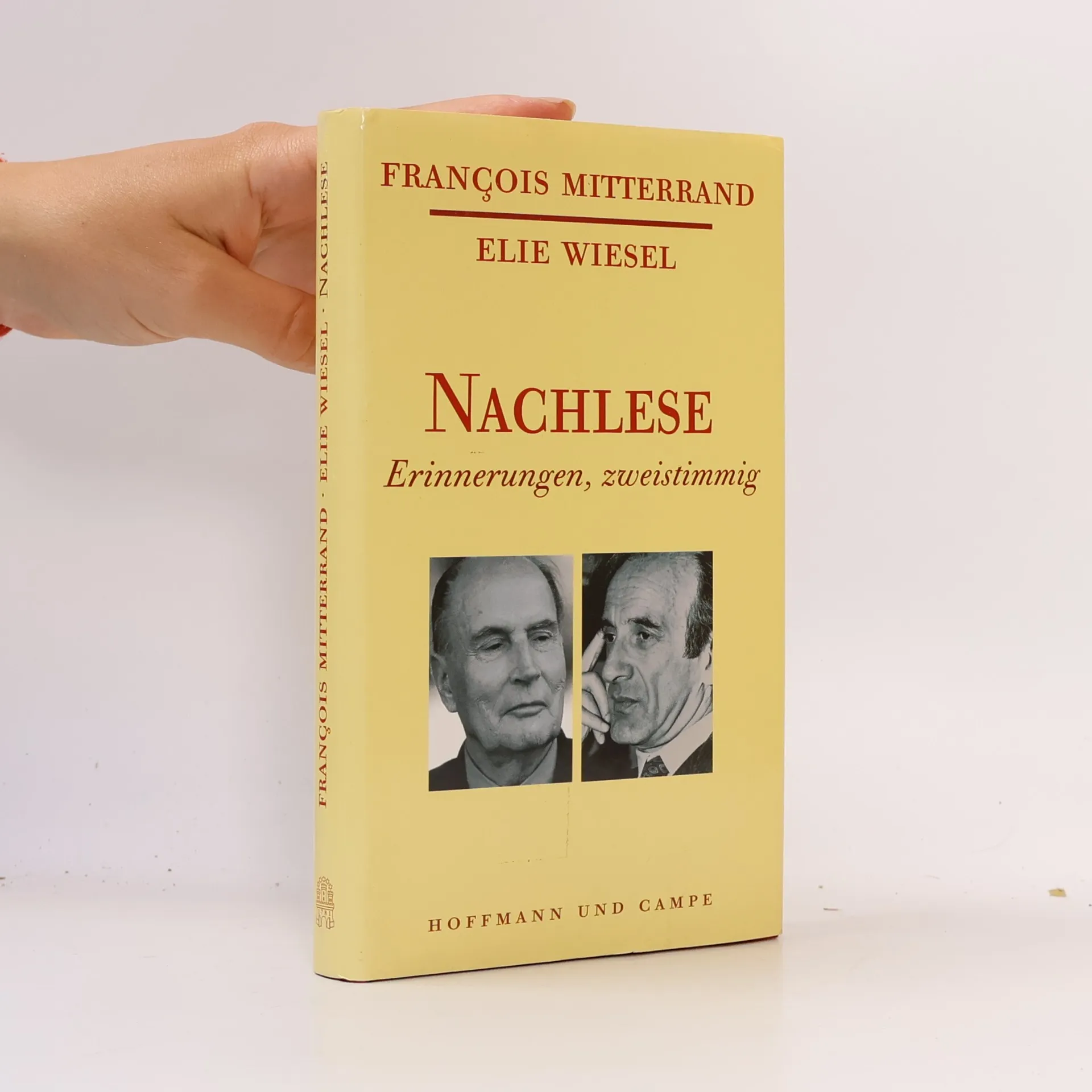
Nachlese
- 188 pages
- 7 hours of reading
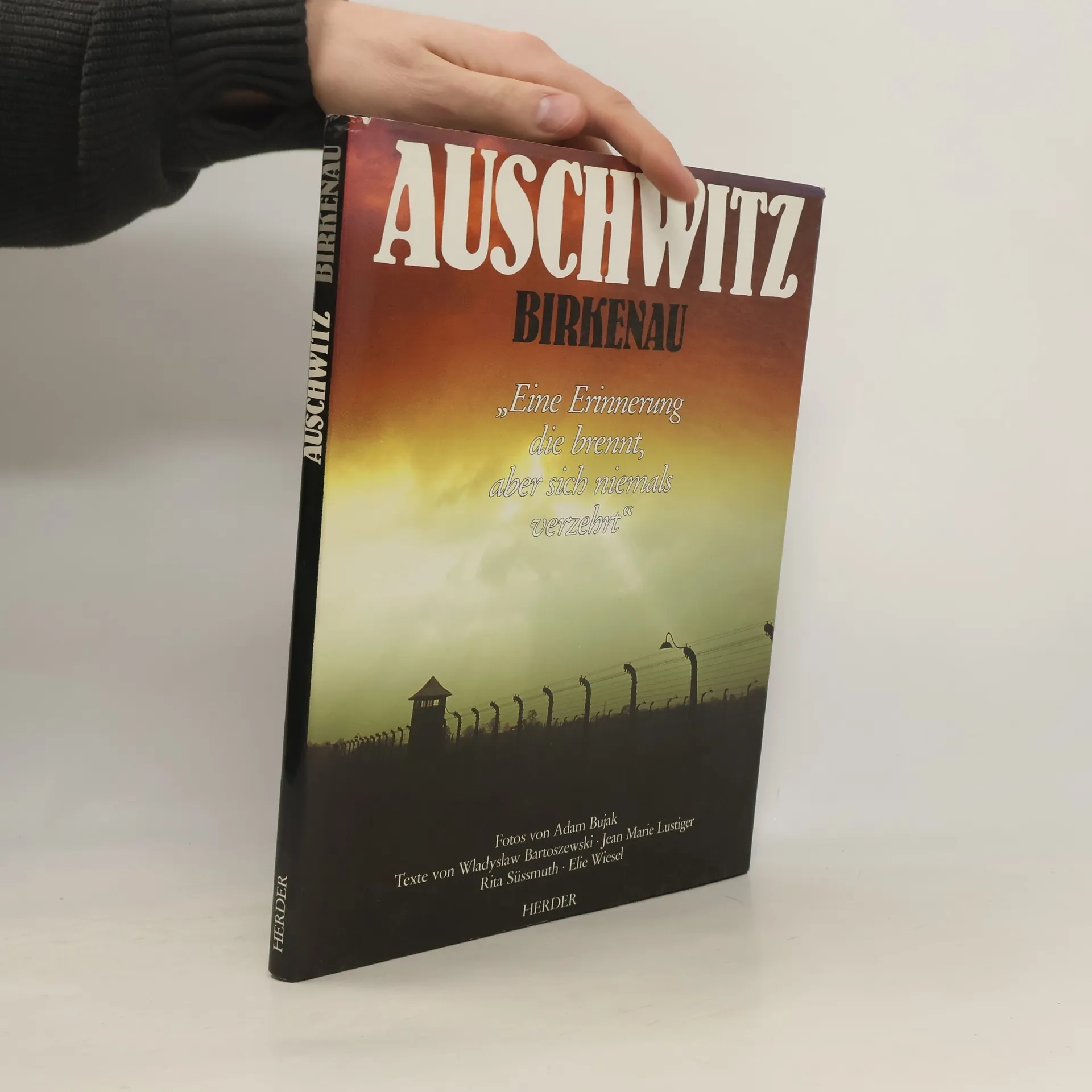
Auschwitz, Birkenau
Eine Erinnerung, die brennt, aber sich niemals verzehrt
- 118 pages
- 5 hours of reading
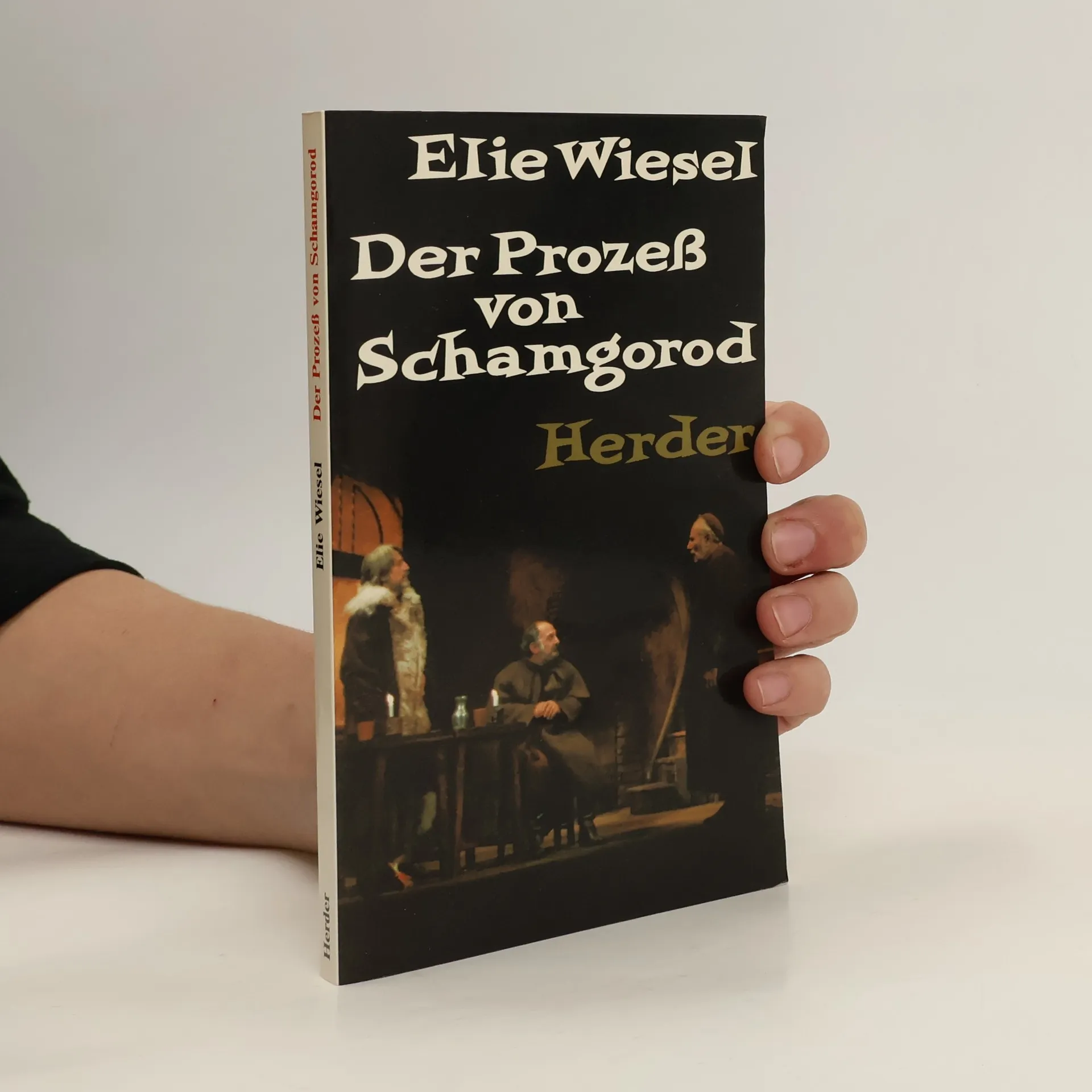
Der Prozess von Schamgorod
(so wie er sich am 25. Februar 1649 abgespielt hat); eine tragische Farce in drei Akten
- 118 pages
- 5 hours of reading
Mémoire à deux voix
- 216 pages
- 8 hours of reading
Židovský spisovatel zachycuje prostřednictvím krátkých, mistrovsky psaných a hluboce lidských povídek vlastní tragický osud neoddělitelně spjatý s údělem židovského národa.
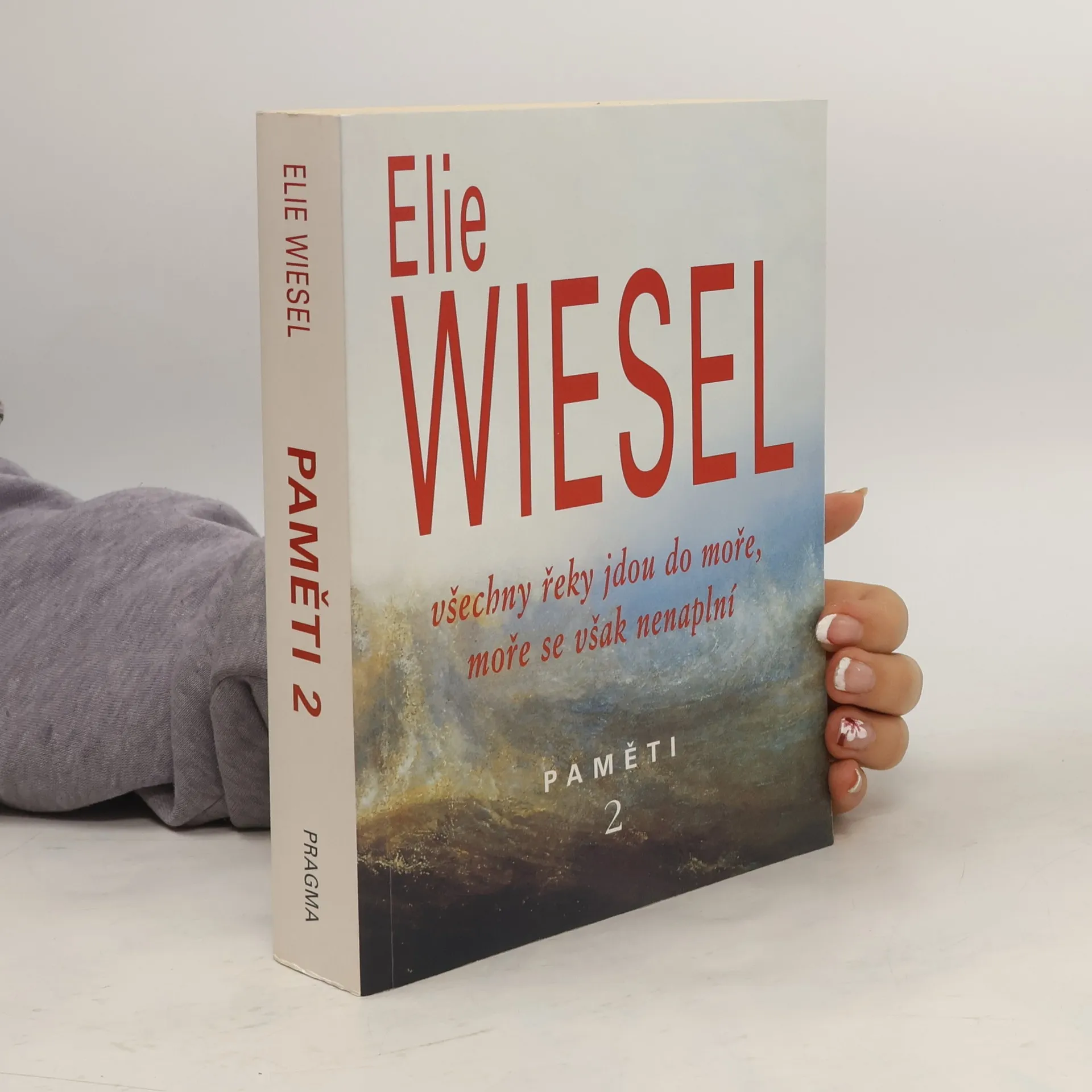
Všechny řeky jdou do moře, moře se však nenaplní. Paměti (2. díl)
- 519 pages
- 19 hours of reading
Wieselovy memoáry mají několik vyprávěcích pásem, střídajících se s velkou pestrostí. Hlavní těžiště leží ve zprávách o stavu světa, tak jak jej autor zažíval na četných cestách do zahraničí a jak k němu doléhaly ohlasy světových událostí. Druhý proud tvoří reflexe vlastních osudů a literární činnosti, prokládané talmudickými úvahami o všech podstatných věcech člověka i lidstva. Wieselovy Paměti nám poskytují možnost nahlédnout do soukromí i do veřejného působení vzácné osobnosti, angažovaného účastníka a svědka nejdůležitějších událostí dvacátého století.