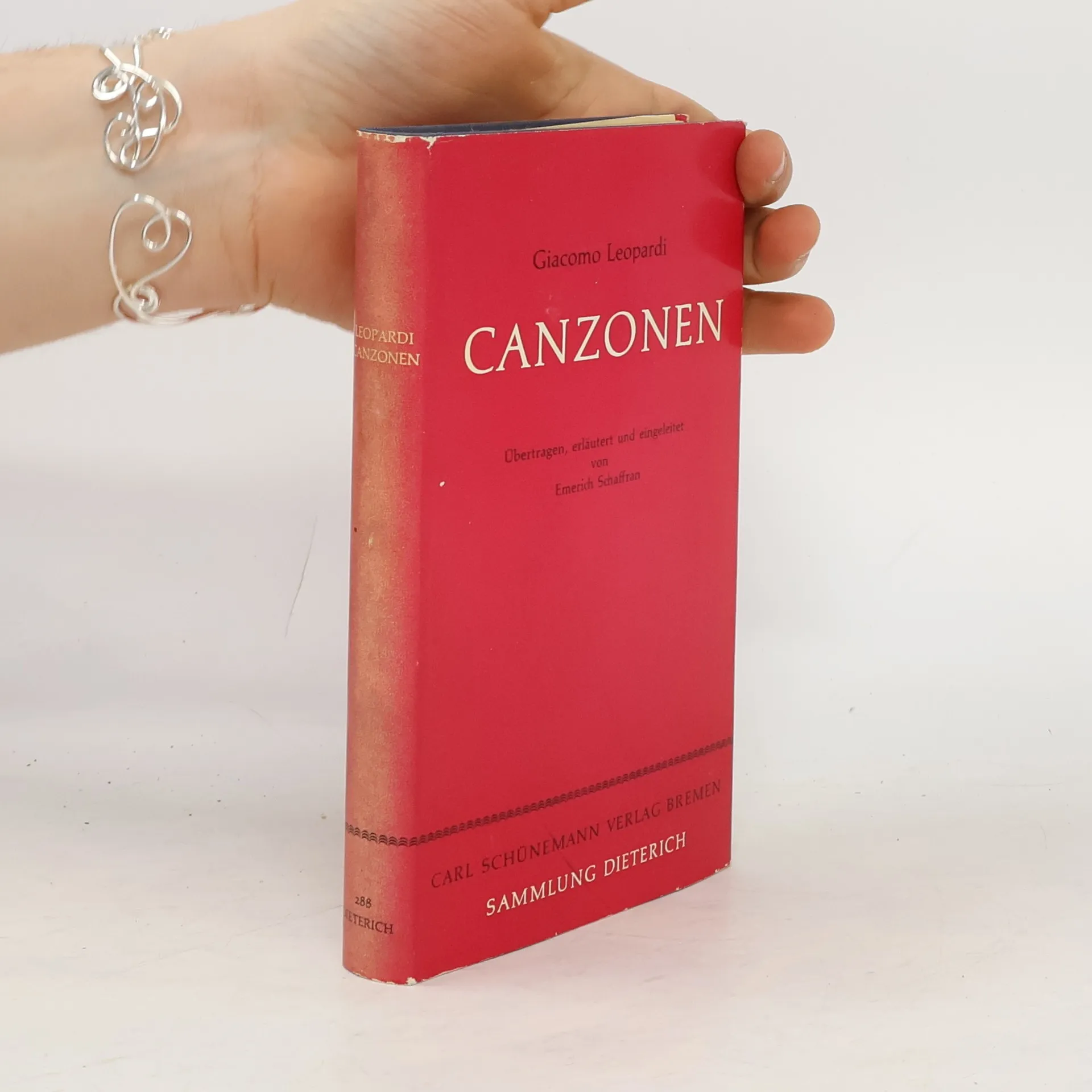
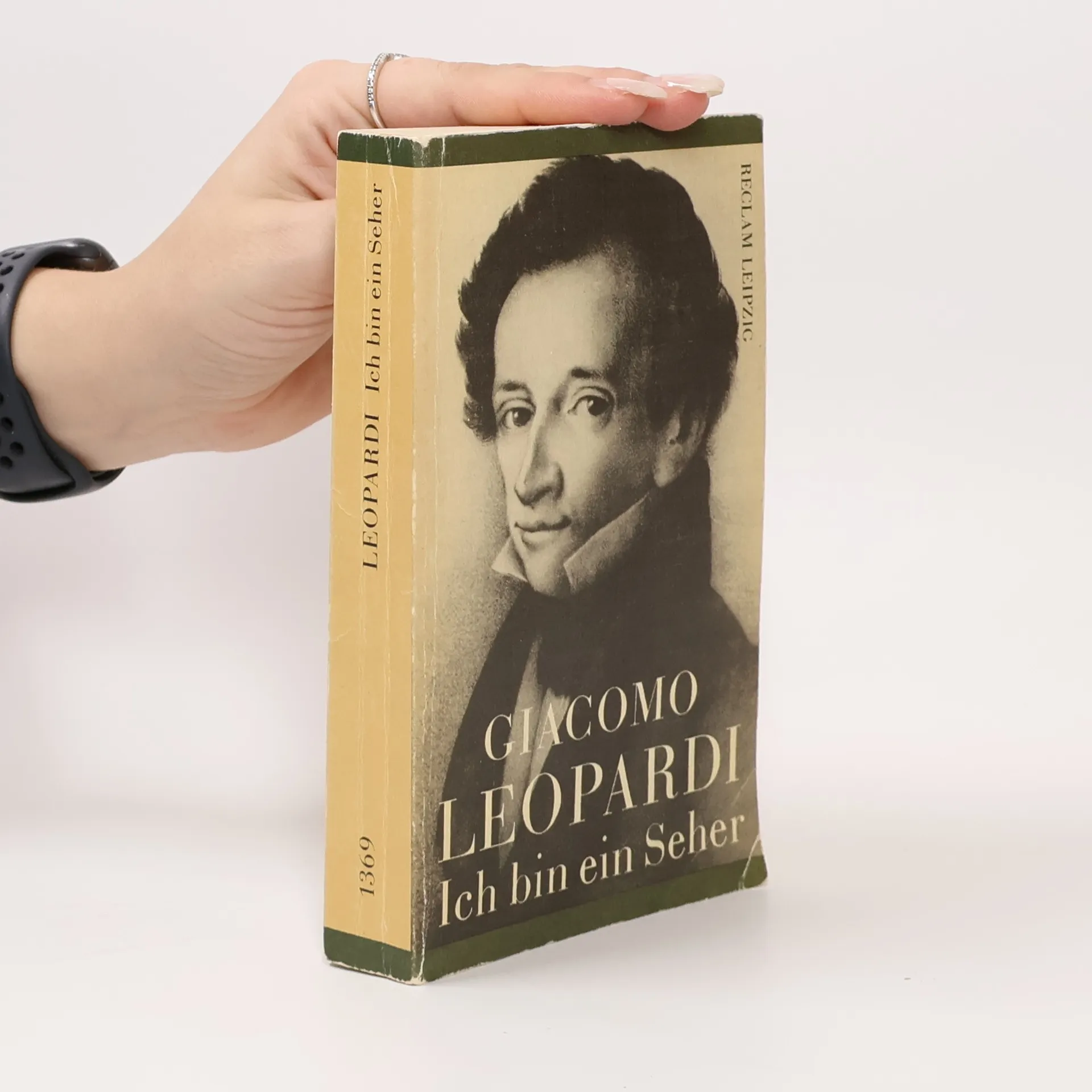
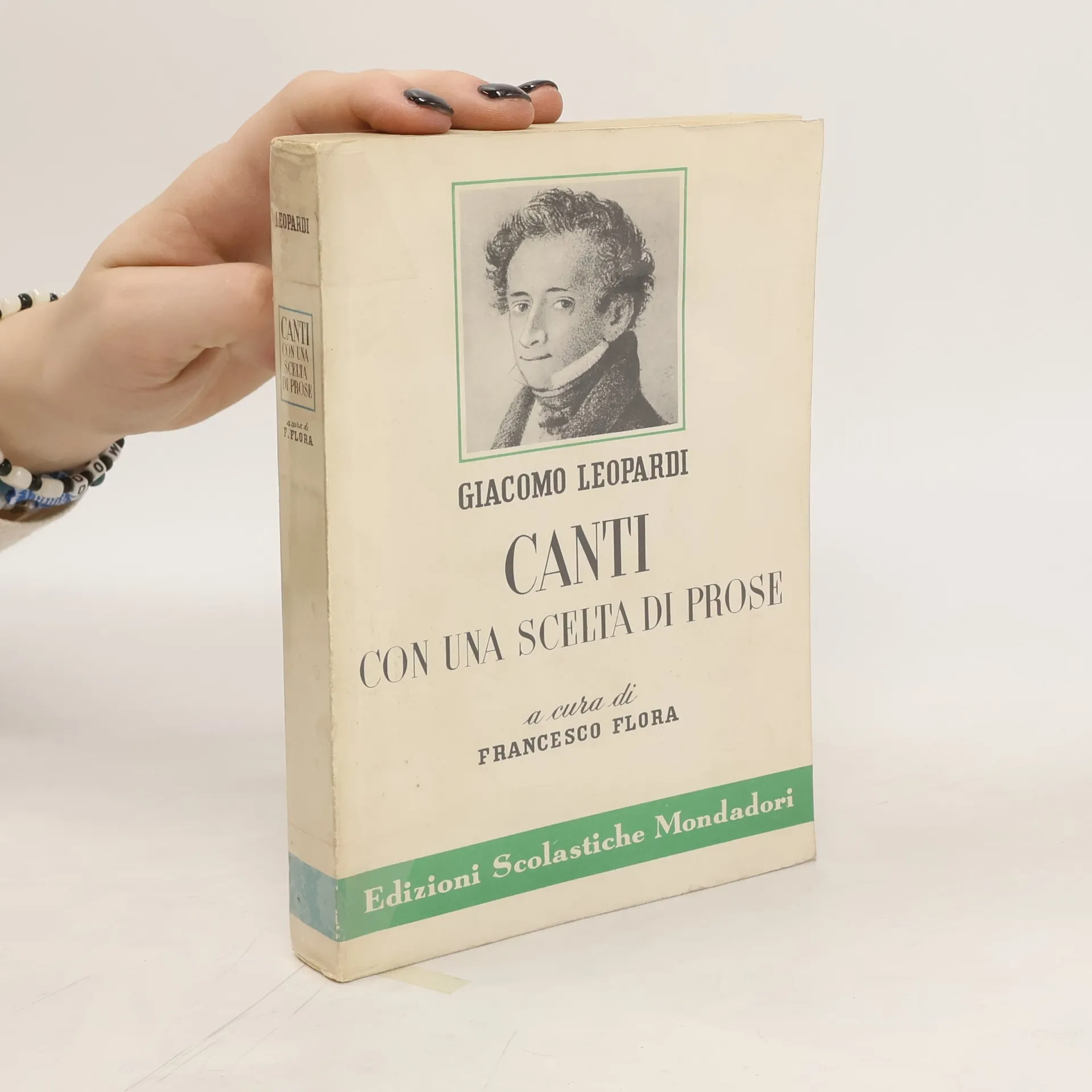
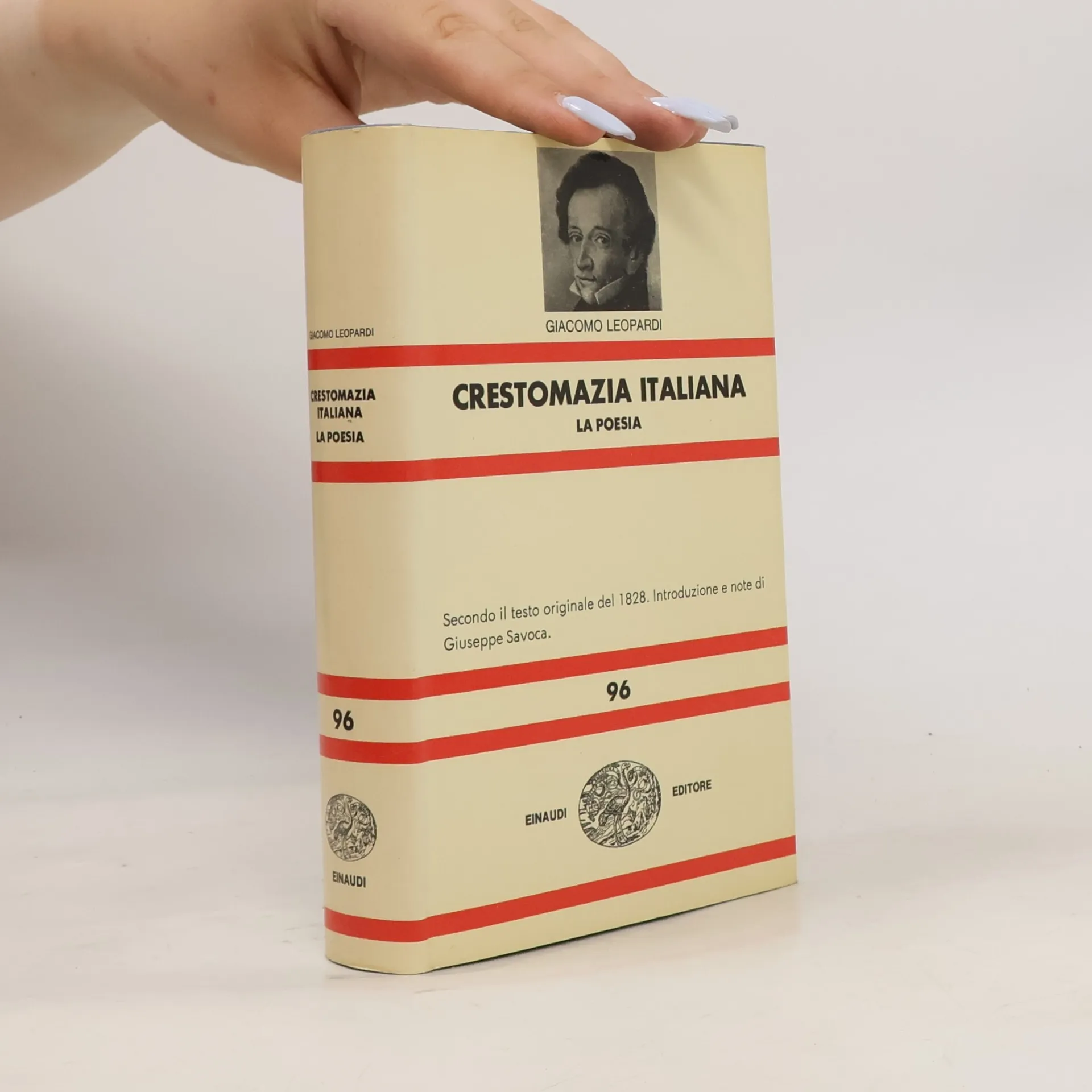
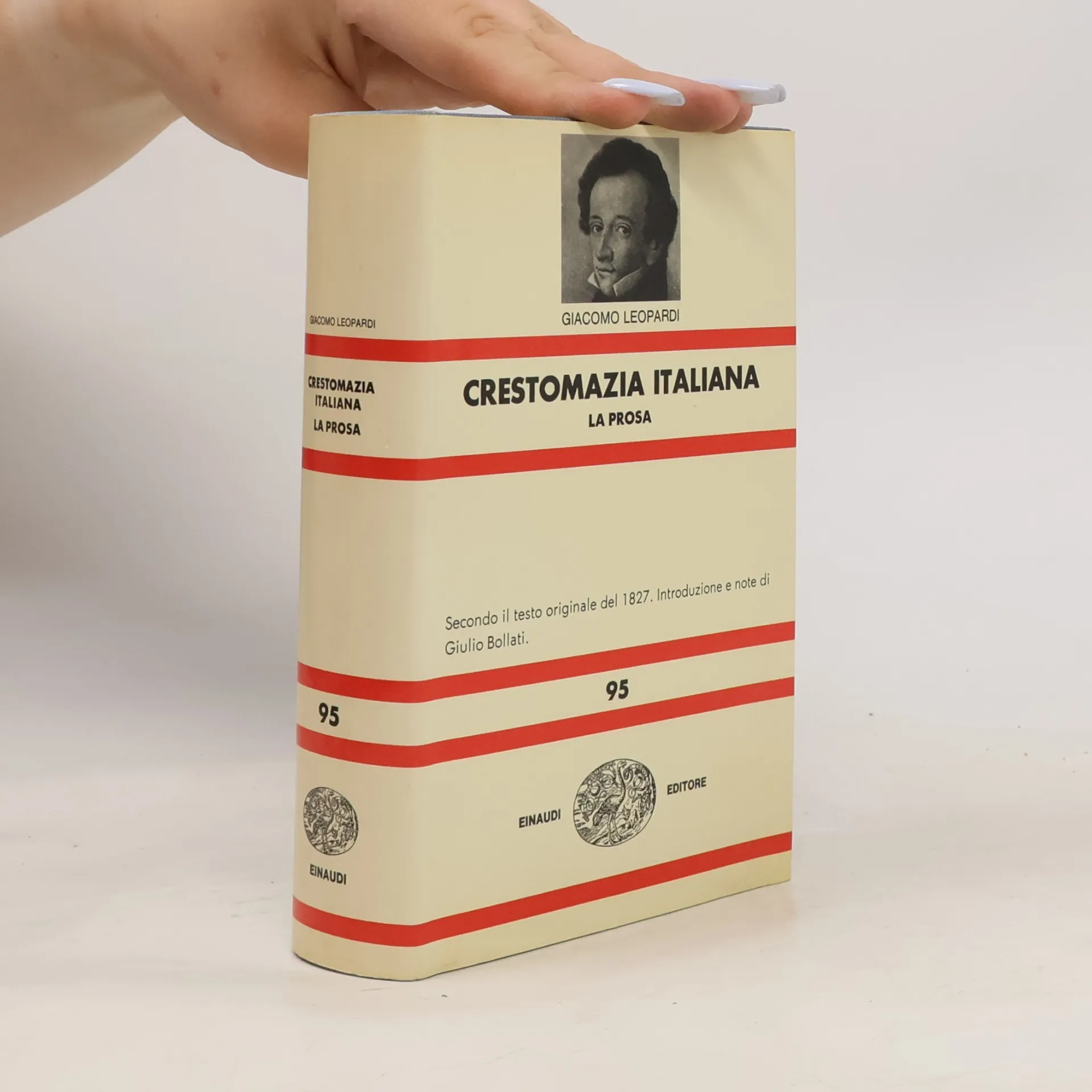
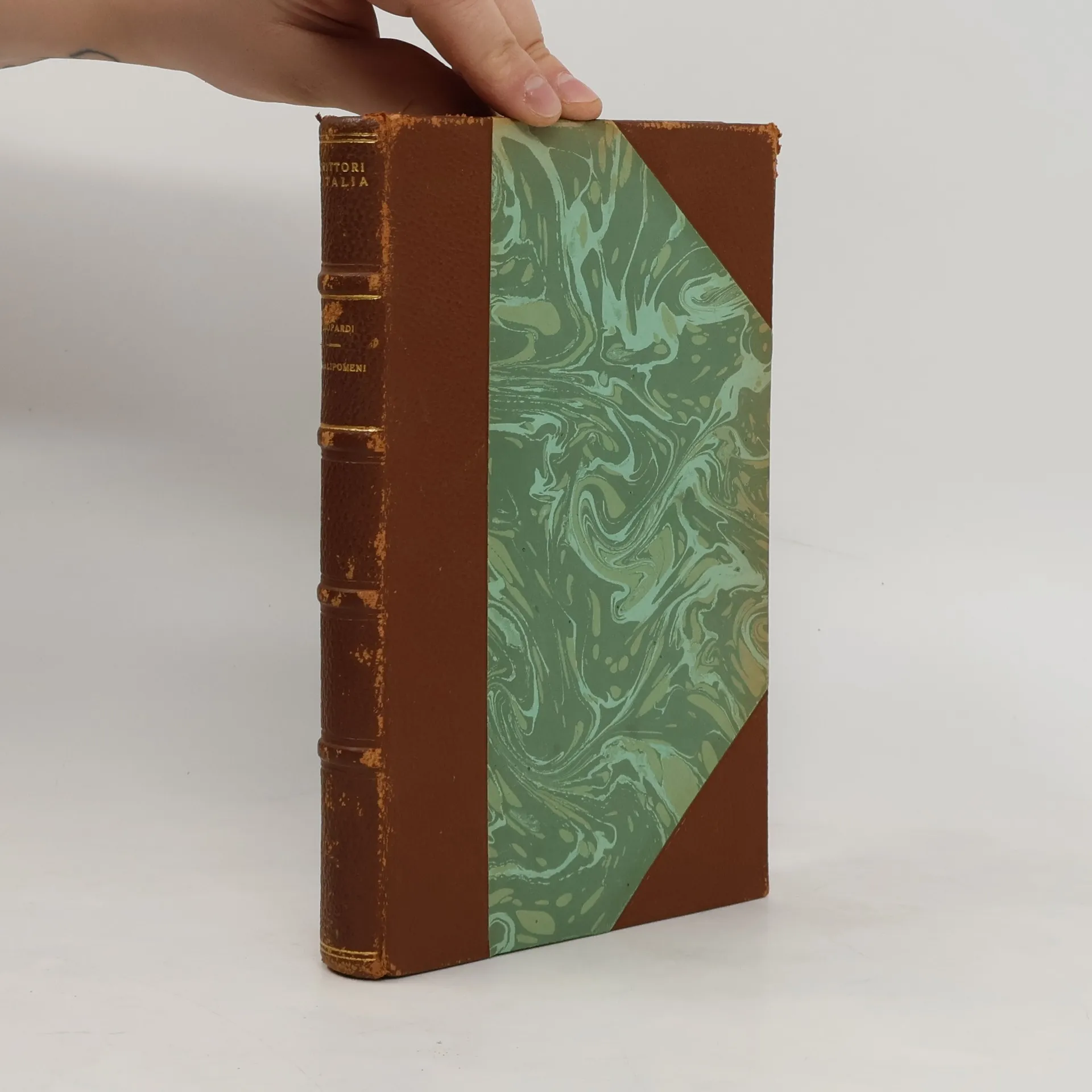
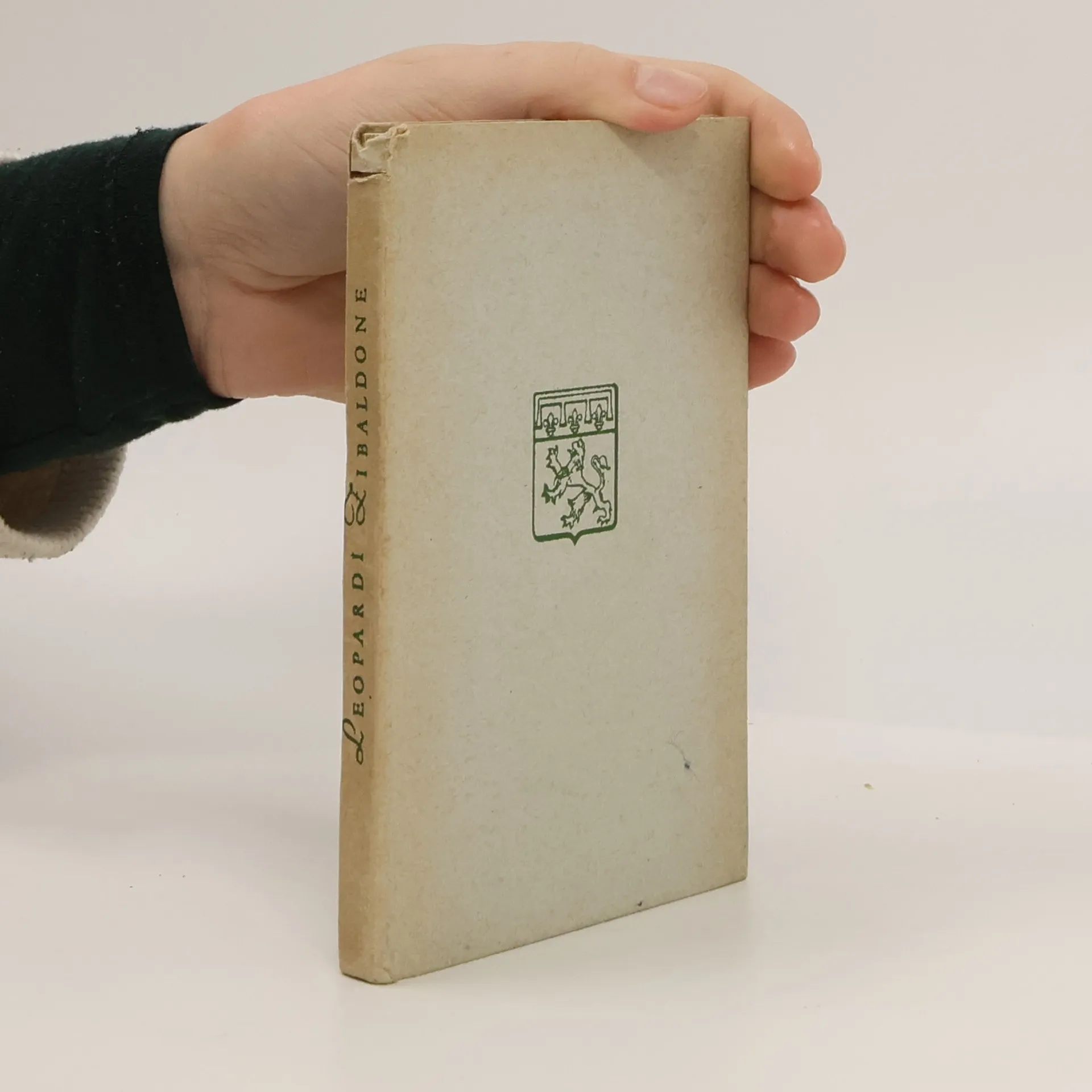
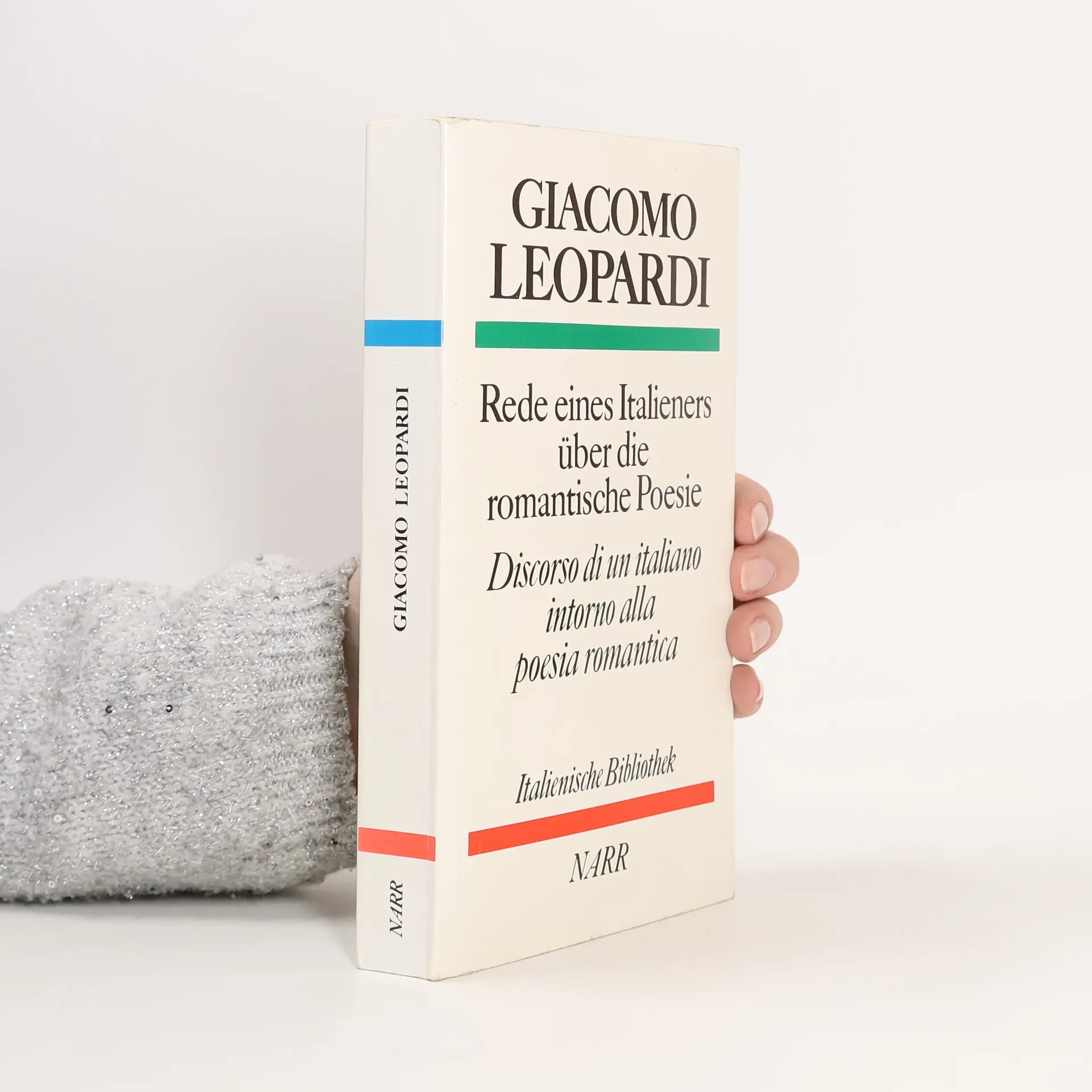
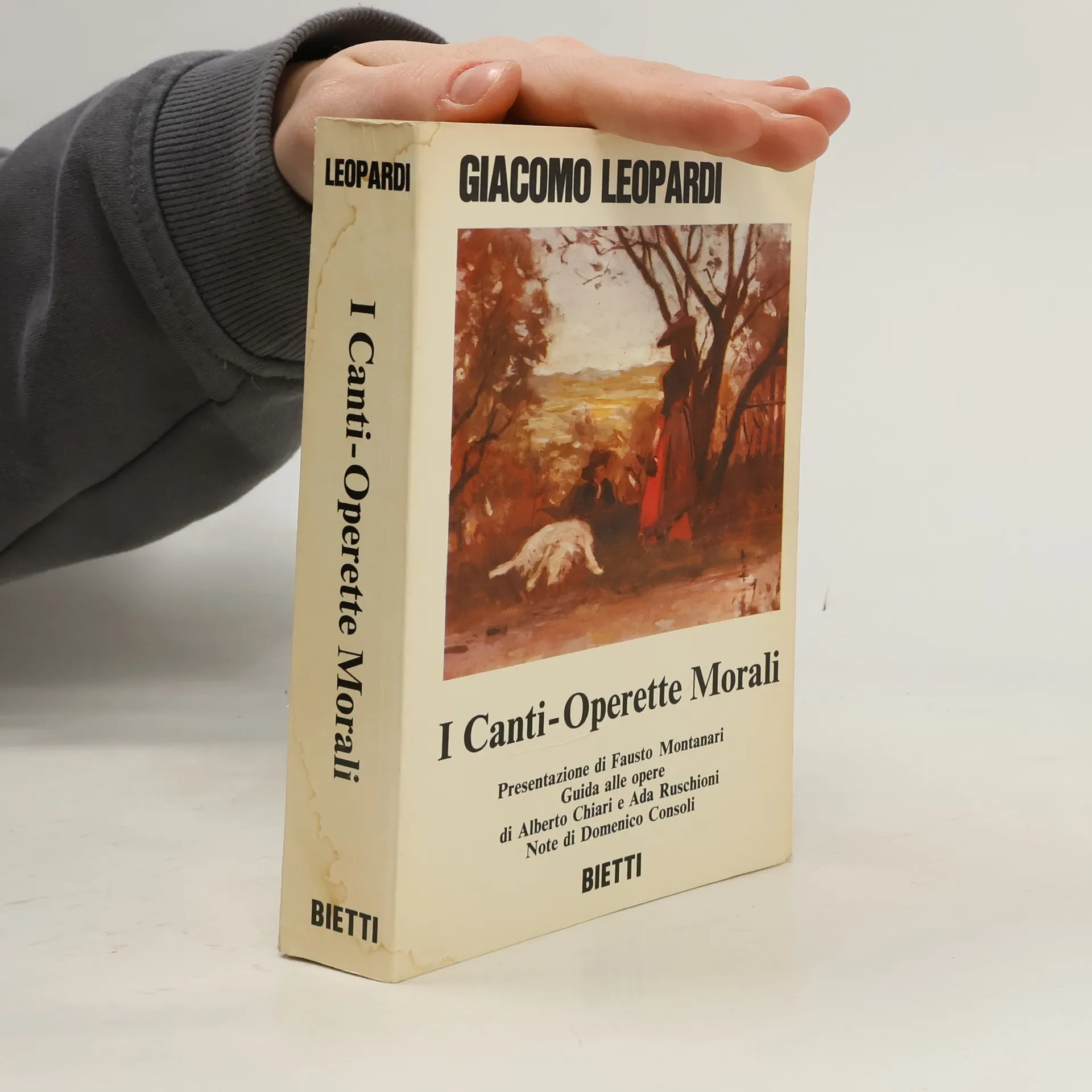
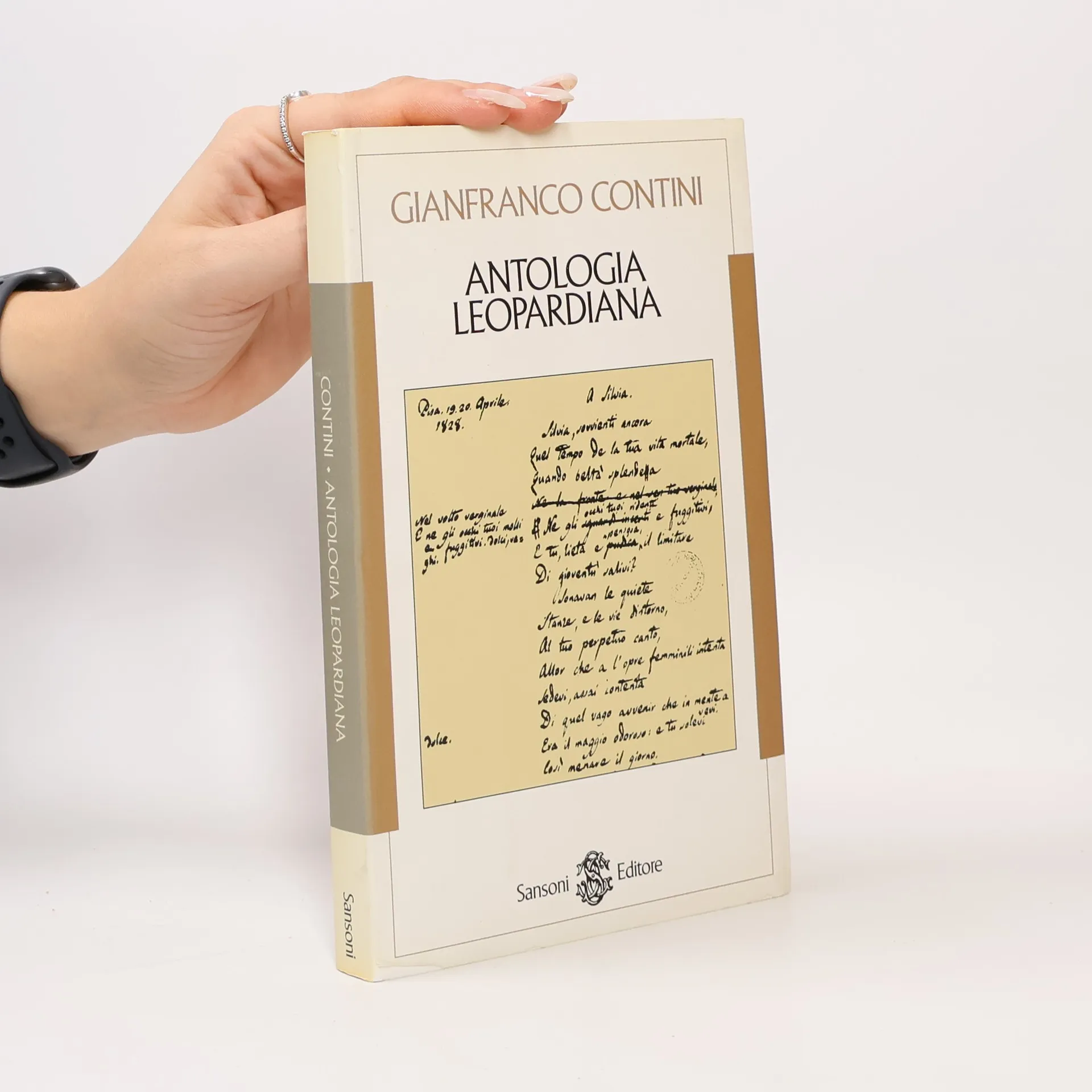
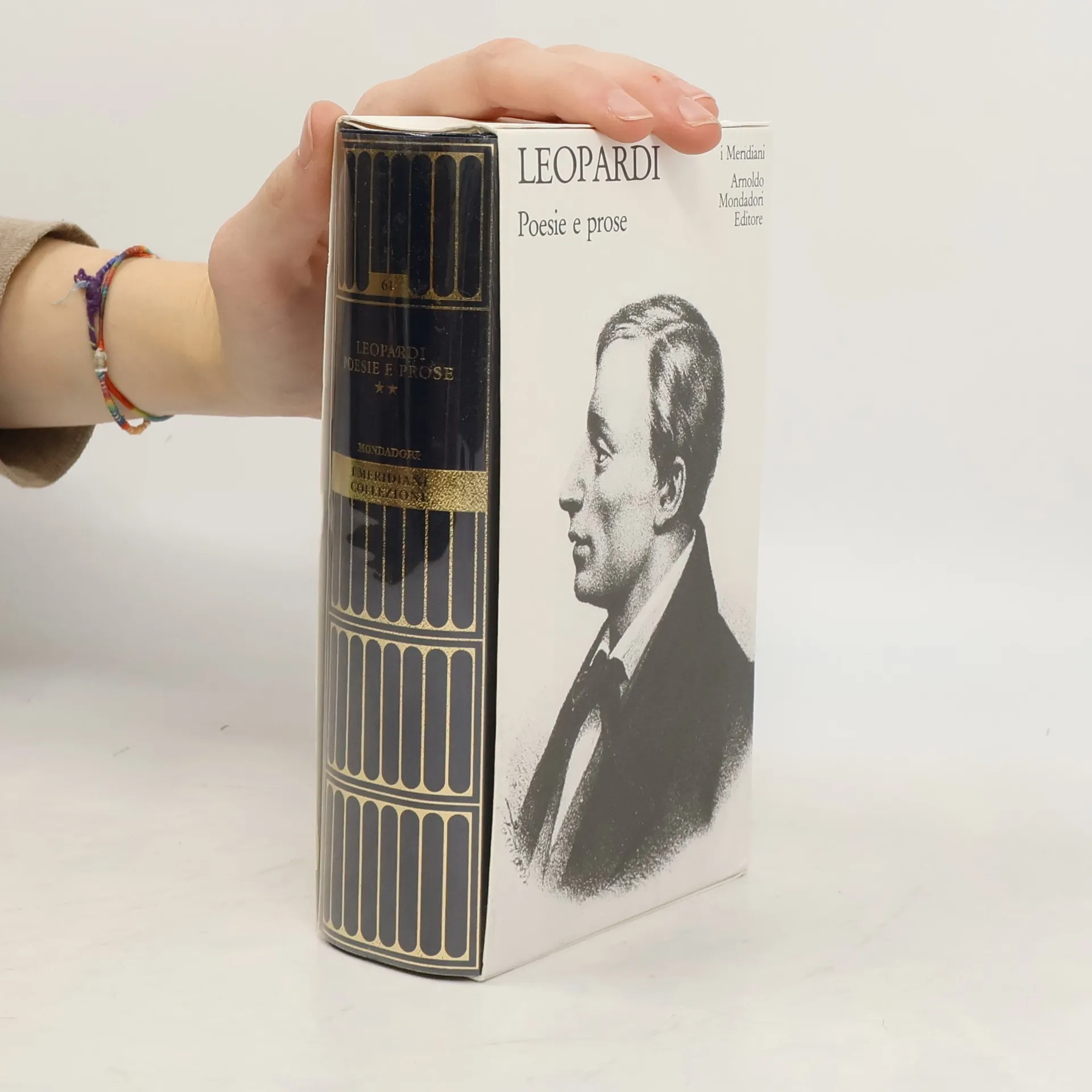
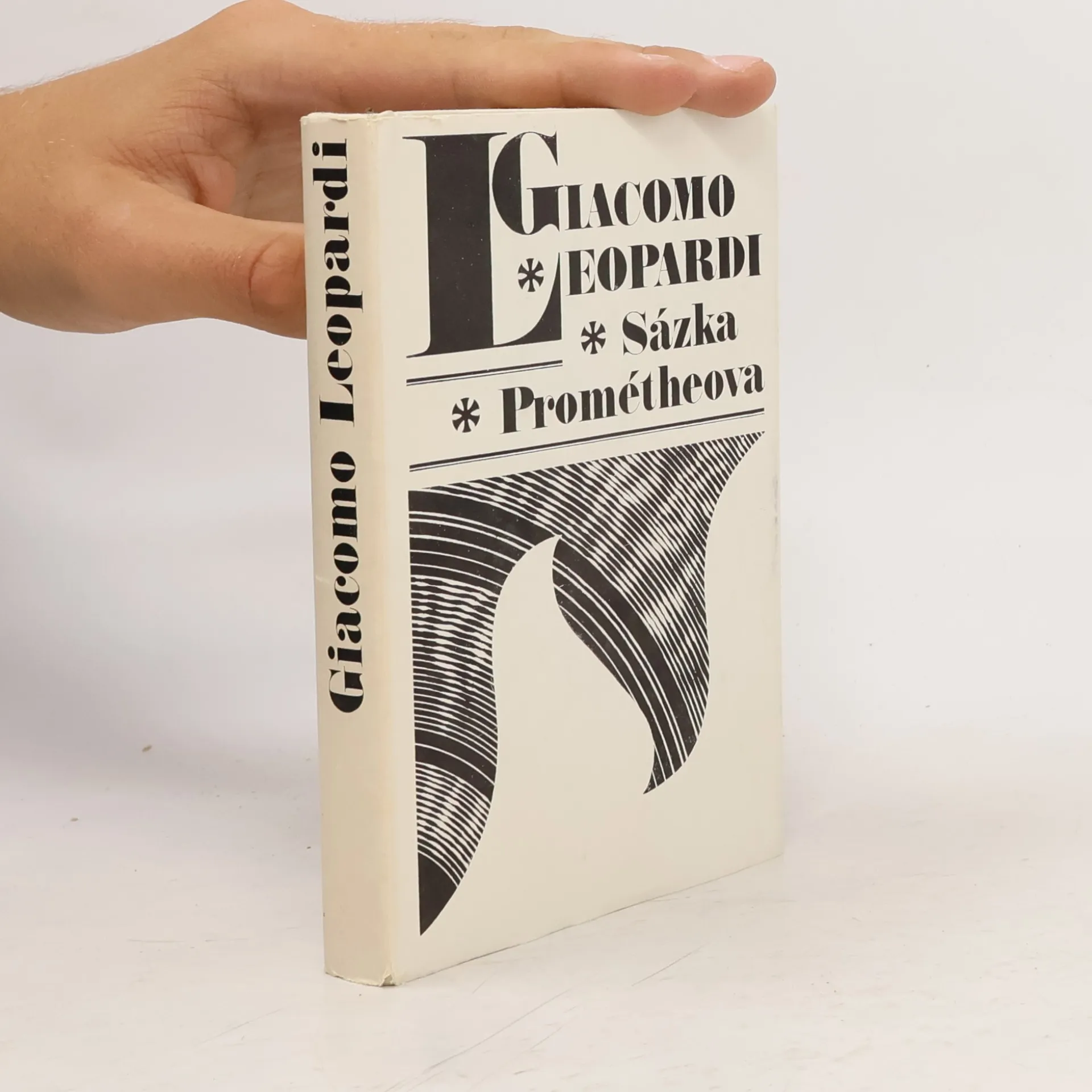
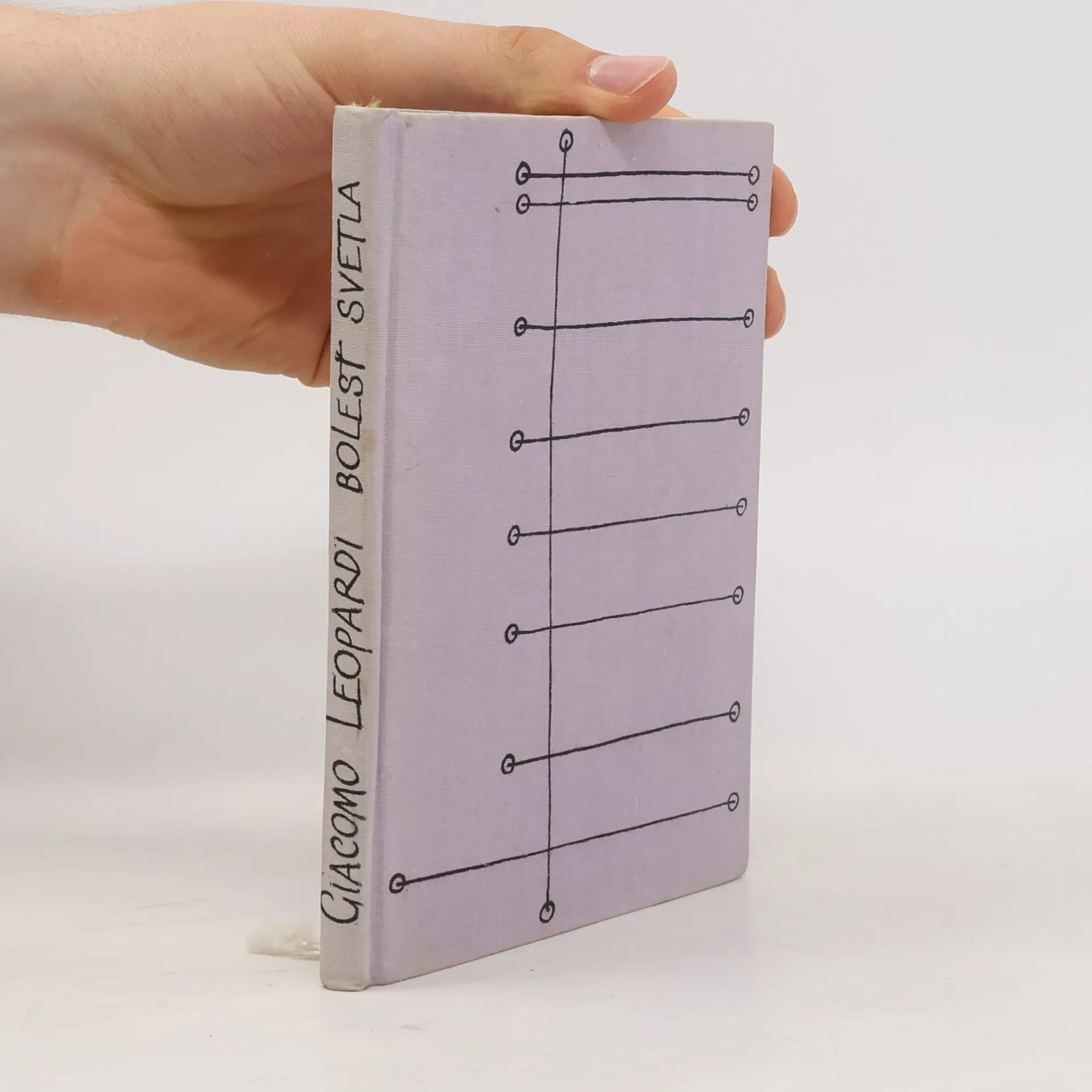
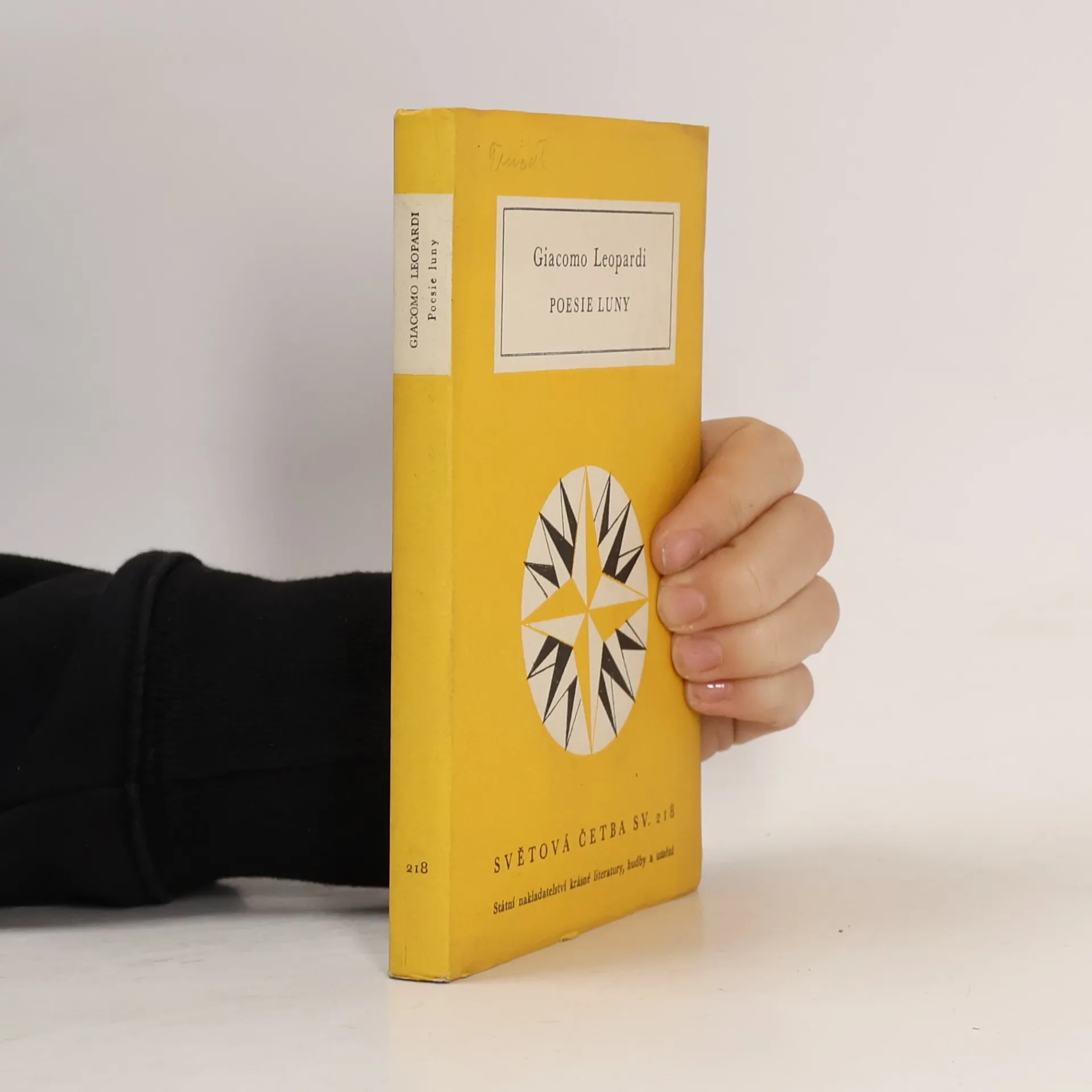
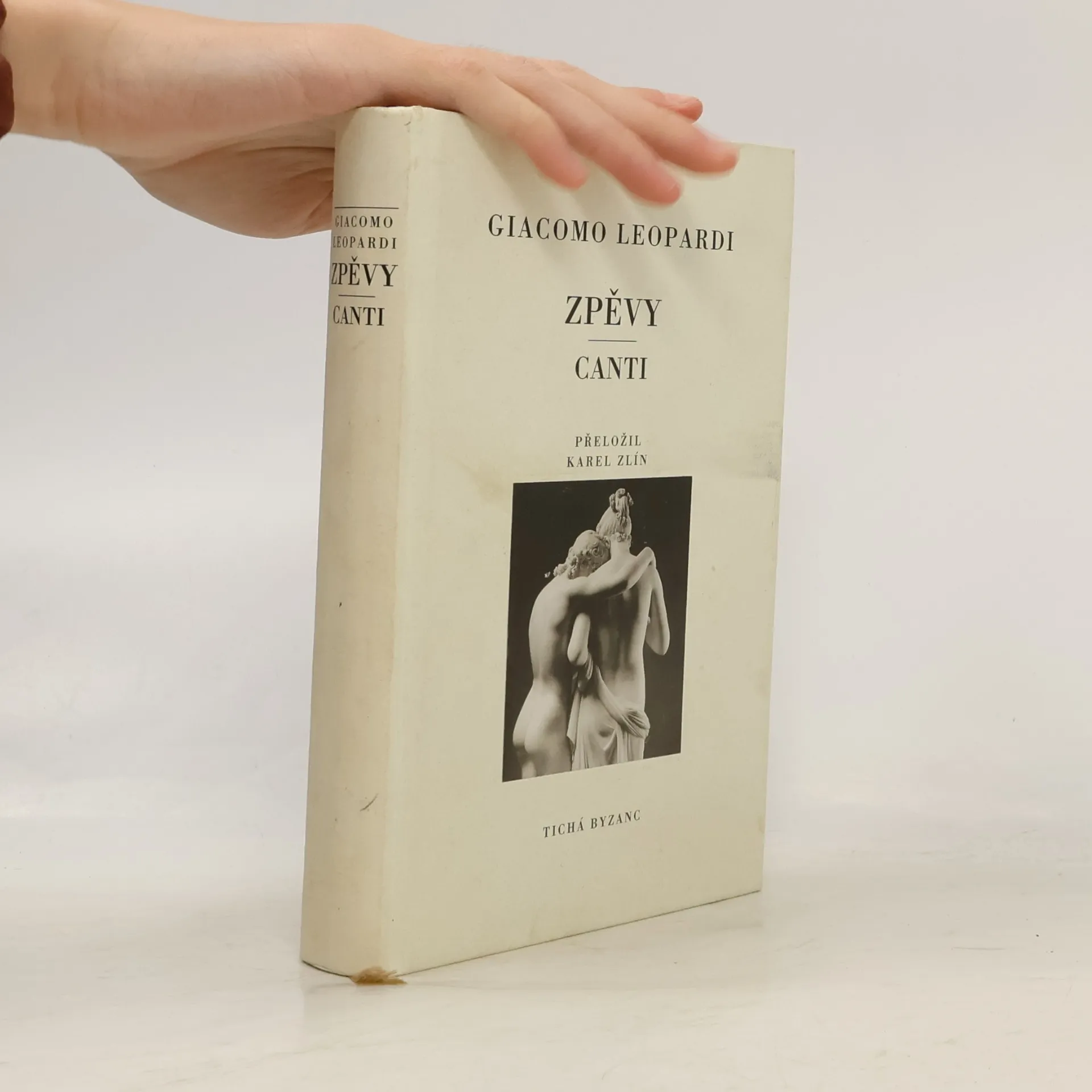
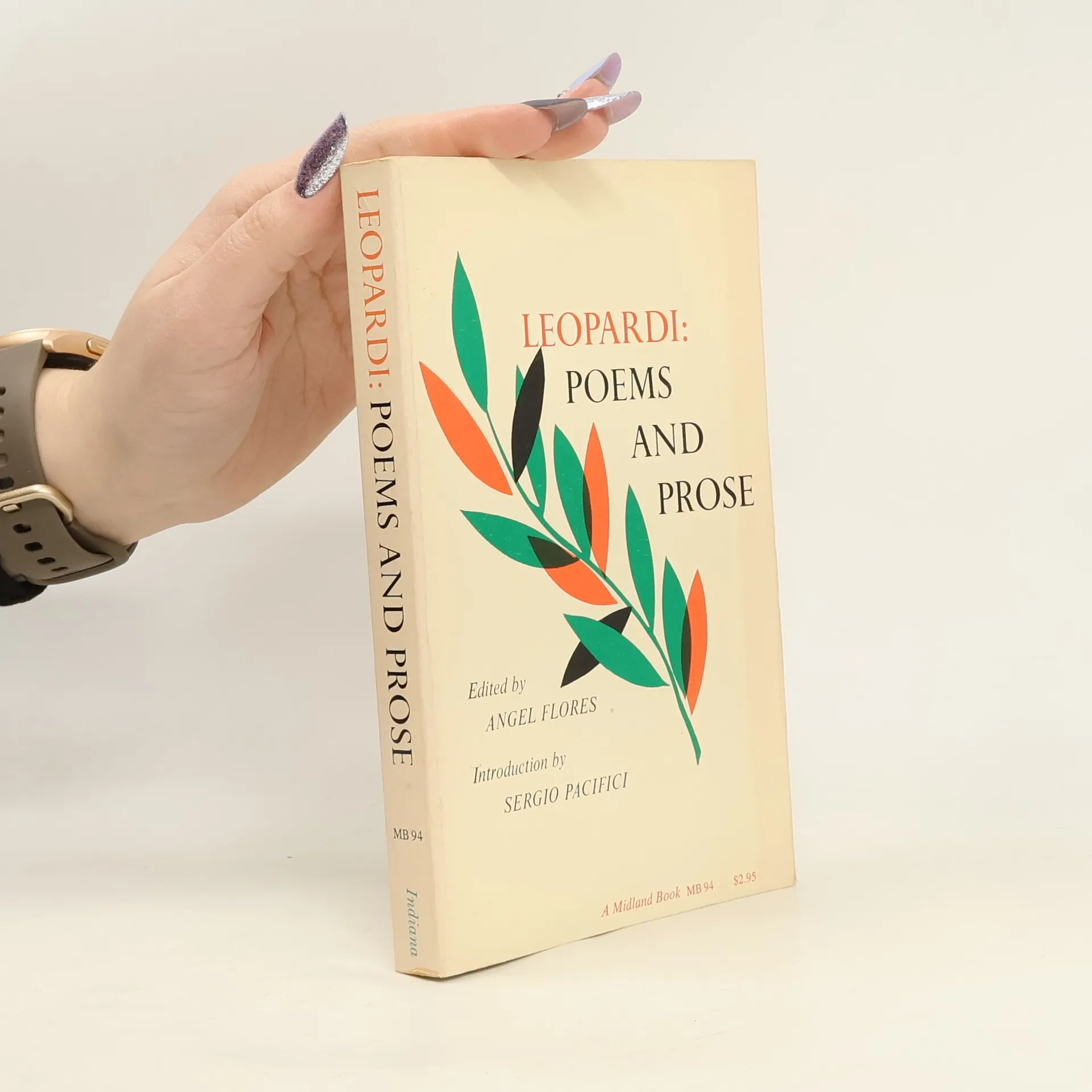
An anthology of the work of one of Italy's finest lyric poets.
Giacomo Leopardi Books
June 29, 1798 – June 14, 1837
Giacomo Leopardi was an Italian scholar, poet, essayist, and philosopher, recognized as one of the great writers of the 19th century. His personal experiences with love deeply influenced some of his most melancholic lyrics, showcasing a profound emotional depth. Despite residing in a small town, Leopardi remained attuned to the core ideas of the Enlightenment, integrating them into his evolving worldview. His literary trajectory positioned him as a prominent figure among Romantic poets, exploring themes of human existence and its inherent sorrows, a perspective mirrored in the philosophy of his contemporary Arthur Schopenhauer.


Moral Fables
- 288 pages
- 11 hours of reading
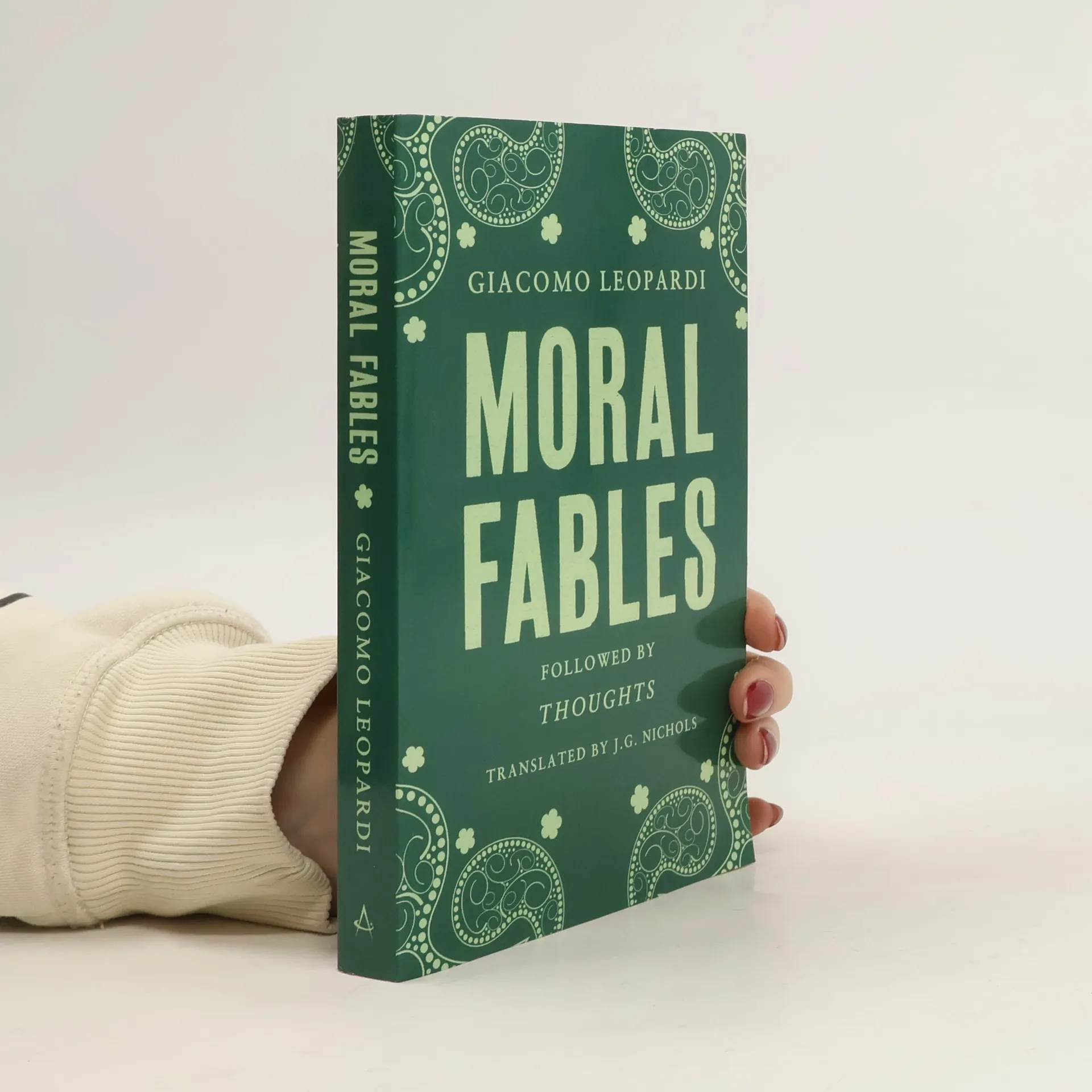
First published in 1827 and here presented in a new translation by J.G. Nichols along with Thoughts, Leopardis own selected pearls of wisdom and gems of social observation, this volume will enchant both those who are familiar with and those who are new to the works of Italys last great polymath.
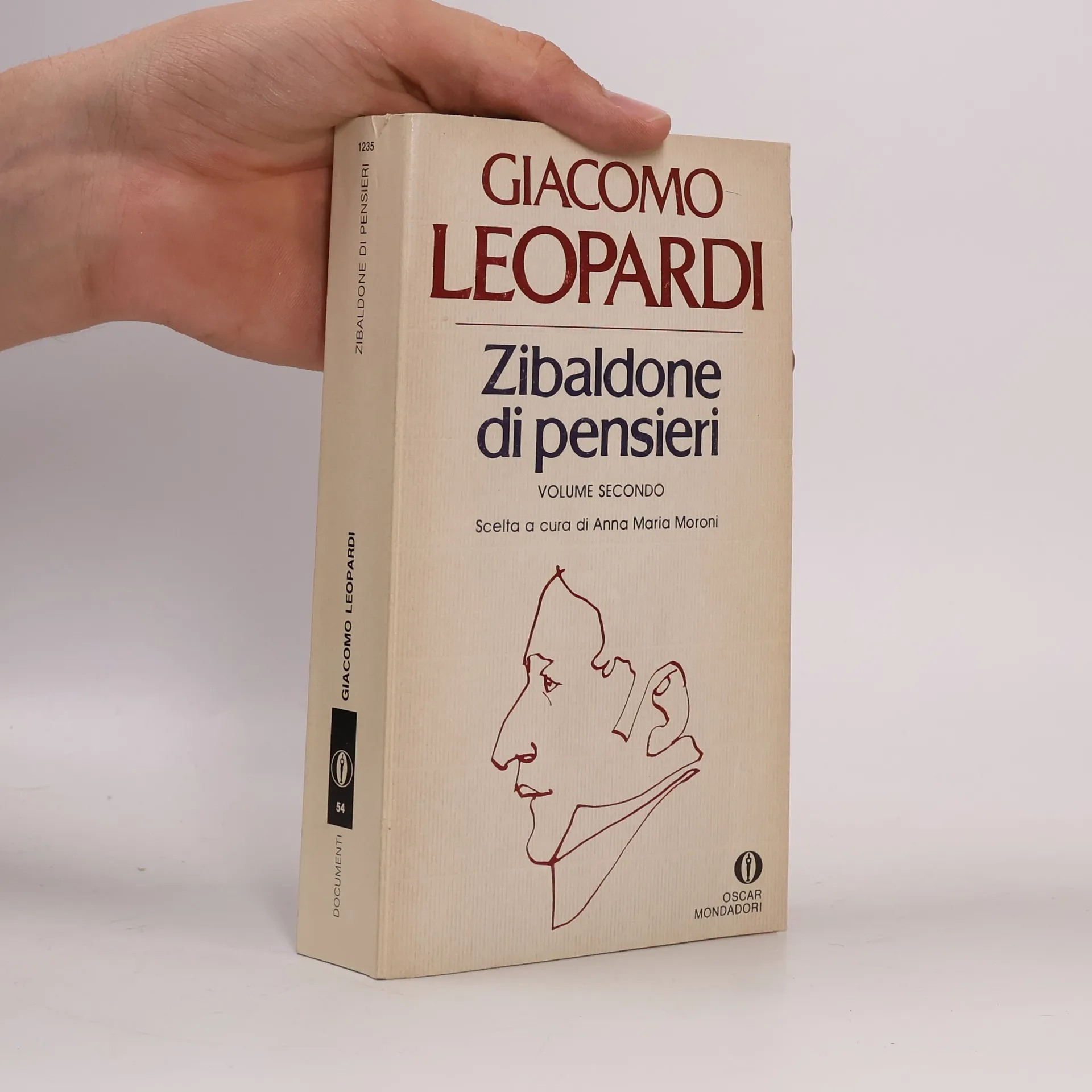
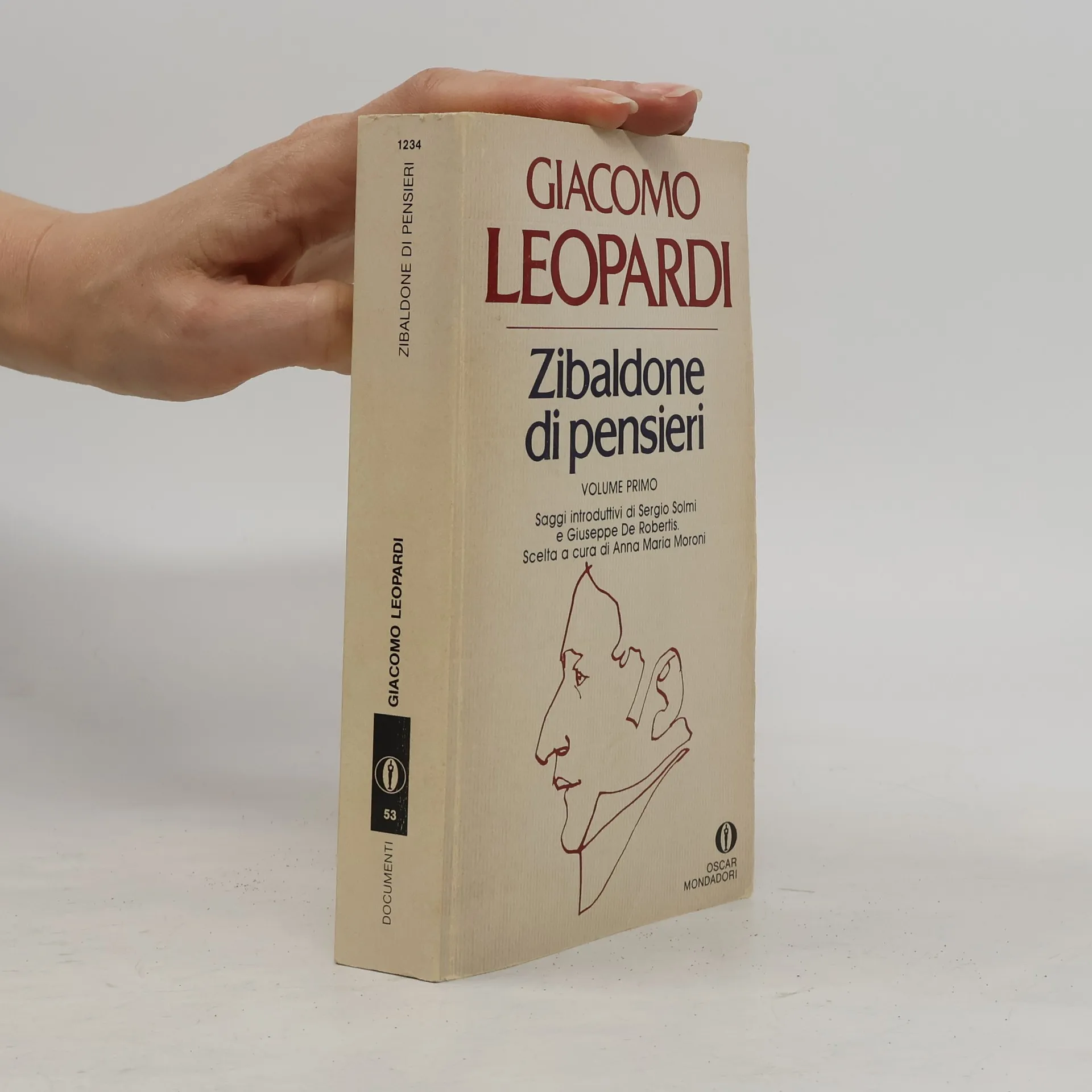
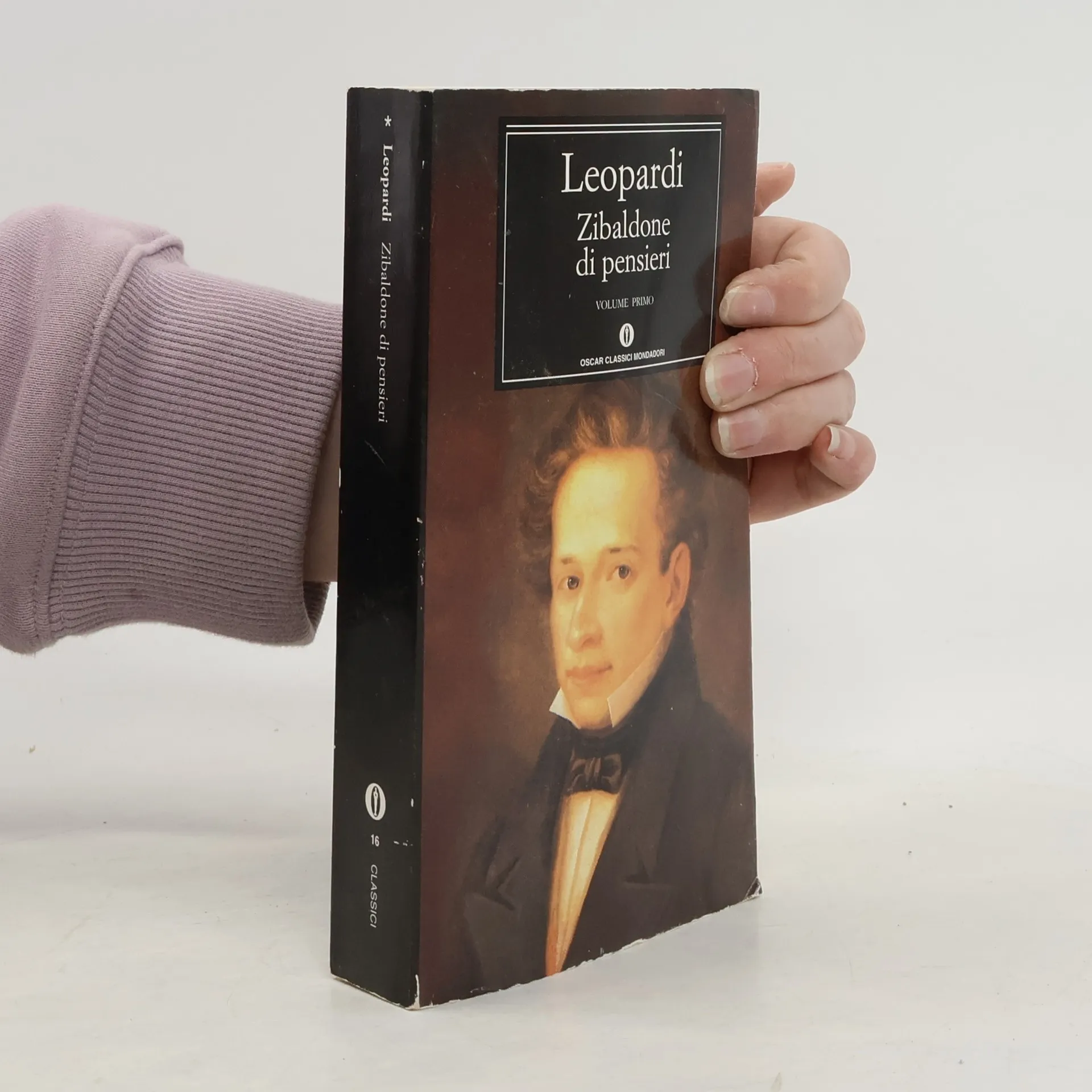
Lo &"Zibaldone di pensieri&" è una sorta di diario, un&'amplissima raccolta di ragionamenti e note filosofiche, psicologiche, letterarie, che Leopardi annotò durante il corso della vita e soprattutto negli anni 1820-26.
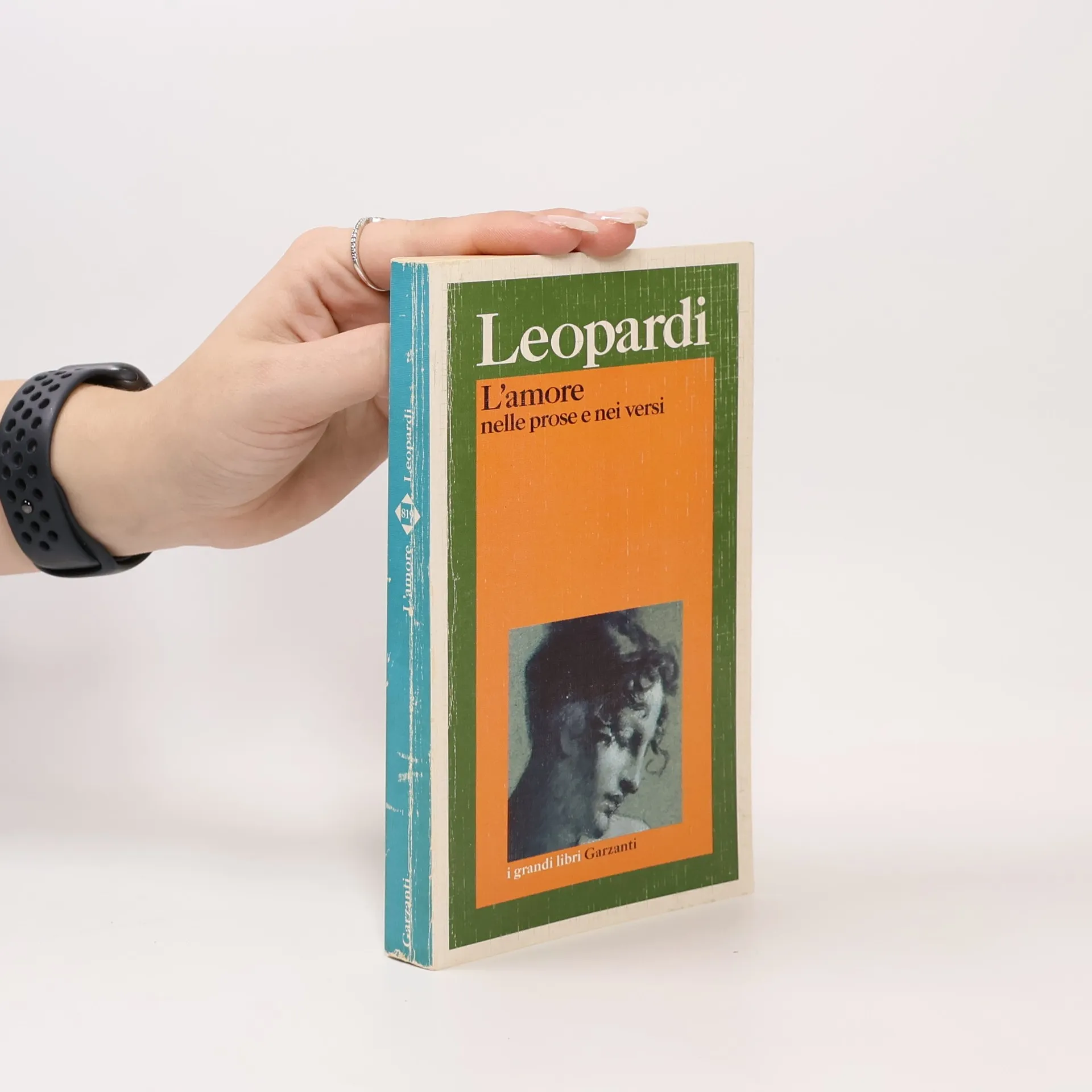
I grandi libri - 819: L'amore nelle prose e nei versi
- 202 pages
- 8 hours of reading
Anthology of texts by Leopardi on the theme of love.
PARA el estudio del alma leopardiana tienen especial importancia sus Pensamientos, una verdadera enciclopedia de meditaciones más o menos filosóficas y literarias, de anotaciones filológicas, de historia, etc., que el poeta escribió para sí. En ella está el fruto de sus soliloquios, desde las observaciones íntimas y poéticas hasta los razonamientos puros y fríos del hombre objetivo. De sus páginas hemos extraído estas otras que publicamos bajo el título de Mi vida sin esperanza, y a las que hemos agregado la «Carta dedicatoria a los amigos de Toscana», que figura en la edición florentina de los Cantos, y la «Despedida de Tristán al amigo», extraída de las Pequeñas obras morales. A través de este volumen, seguimos la metamorfosis del poeta que desde las dulces y serenas ilusiones del primer amor cae en el terrible anonadamiento de su melancolía. Y seguimos también la evolución de su estilo y de su agudo espíritu analítico que será, sin duda, la cruz de su vida. No ya como literato puro, sino como hombre, adherido a la vida y a la naturaleza, como filósofo, crítico y político, Leopardi es siempre poeta, imprime sentido y expresión poética a todo lo que escribe. Aun lo que nos repugna y entristece, como la muerte, el dolor y la desesperanza, se filtra suavemente en nosotros con la serena y delicada fruición de su arte.
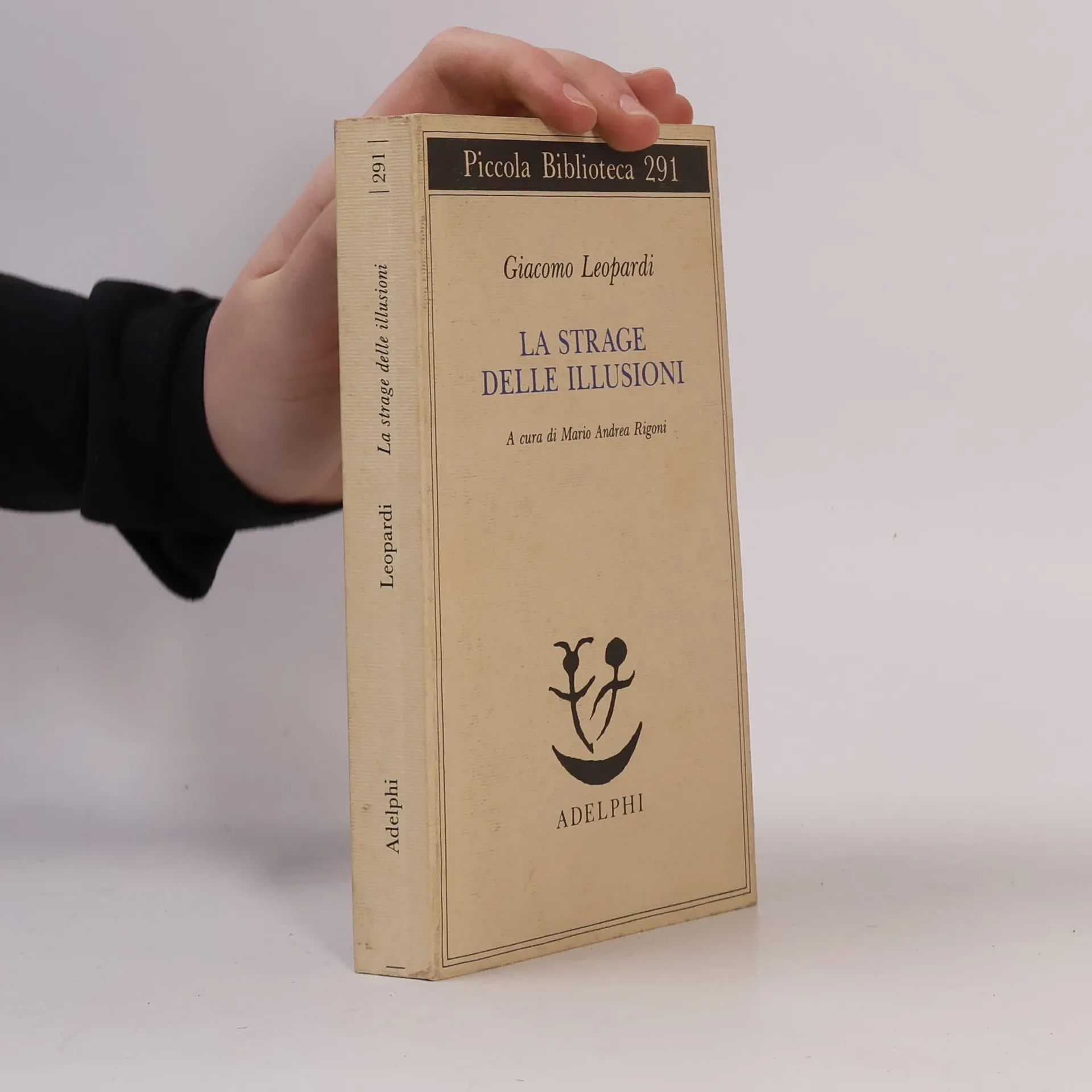
La strage delle illusioni
- 314 pages
- 11 hours of reading
Nelle opere leopardiane si cela una riflessione storico-politica profonda e poco esplorata, meritevole di essere considerata tra i classici del genere, da Machiavelli a Tocqueville. Leopardi, con una concezione negativa della storia, critica aspramente la civiltà e il progresso, mantenendo una lucidità priva di superstizioni razionalistiche e tentazioni teologiche. Egli analizza con acume il "corpo mostruoso della società e della storia", presentando una visione estrema e irrisolta, ma non arbitraria, poiché contrappone all'utopia politica un'osservazione "fisiologica" dell'uomo e delle cose. Questa antologia offre una selezione rappresentativa dei pensieri leopardiani sulla politica e sulla civiltà, principalmente dallo Zibaldone e dall’epistolario. Il lettore troverà riflessioni attuali sul dissolversi delle nazioni nei governi, sulla polarità "amico-nemico", e sulla natura occulta della politica, dove gli eventi si manifestano senza rivelarne i motivi. Inoltre, emerge la visione di un'Italia perduta, inabissata nel cinismo e incapace di sopravvivere alla "strage delle illusioni". Leopardi avverte che senza il ritorno dell'immaginazione e delle illusioni, il mondo rischia di diventare un "serraglio di disperati" o un deserto.
"Libro dei sogni poetici, d'invenzione e di capricci malinconici" le aveva definite scherzosamente il Leopardi, consegnando invece a queste pagine la dialettica drammatica del suo pensiero e della sua stessa vita. Opera filosofica, libro di poetica, sincera passione laica, le Operette morali rappresentano - scrive Paolo Ruffilli nell'introduzione - il testo limite della nostra letteratura non soltanto ottocentesca: luogo di coincidenza di poesia e di prosa, di fantasia e di ragionamento, di invenzione e di lucida analisi del reale.
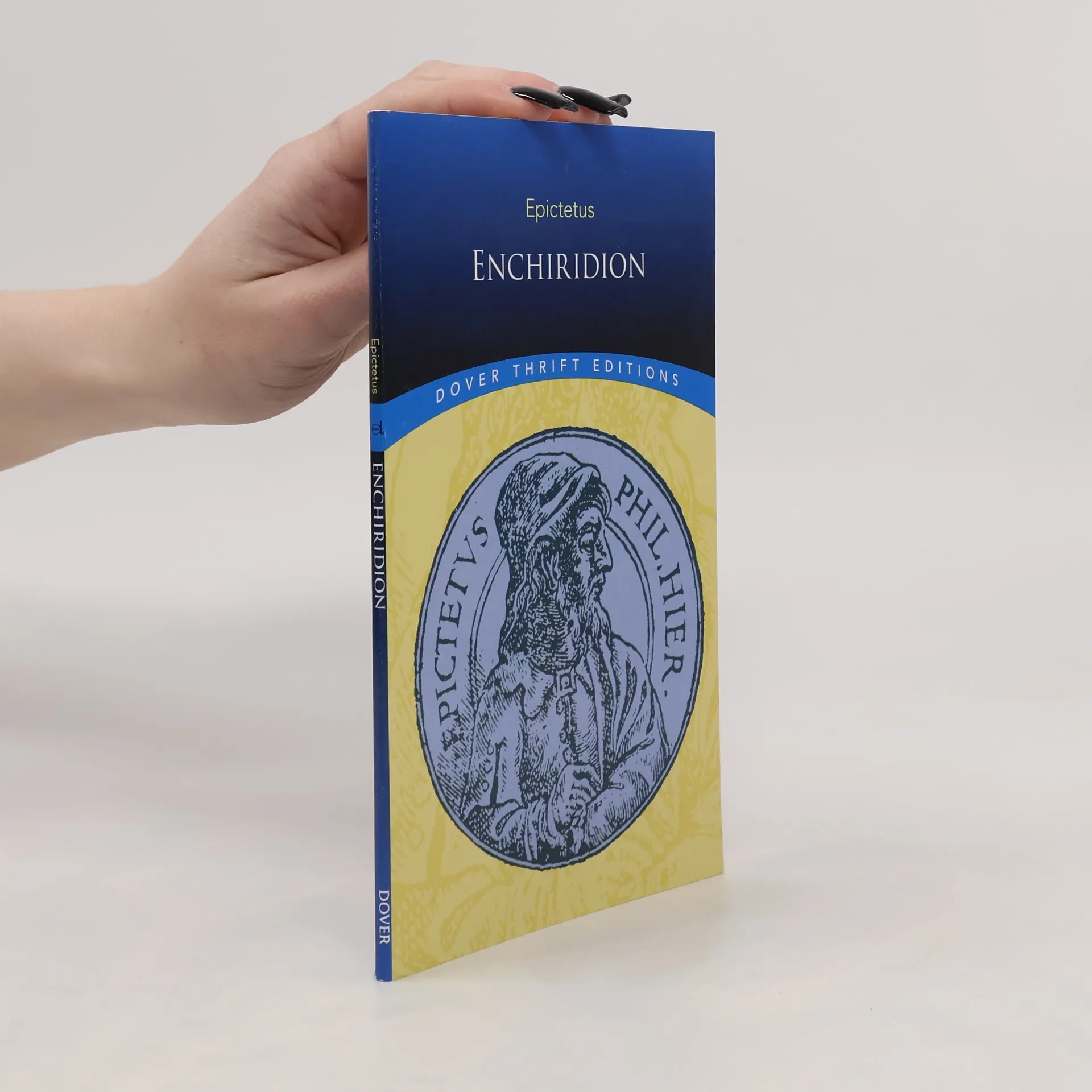
Handbook of Epictetus also known as Enchiridion written by legendary Greek Stoic philosopher Epictetus is a manual of Stoic ethical advice. Compiled by Arrian, who was a student of Epictetus, this great classic will surely attract a whole new generation of readers. For many, the Handbook of Epictetus is required reading for various courses and curriculums. And for others who simply enjoy reading timeless pieces of classic literature, this gem by Epictetus is highly recommended. Published by Classic Books America and beautifully produced, the Handbook of Epictetus would make an ideal gift and it should be a part of everyone's personal library.
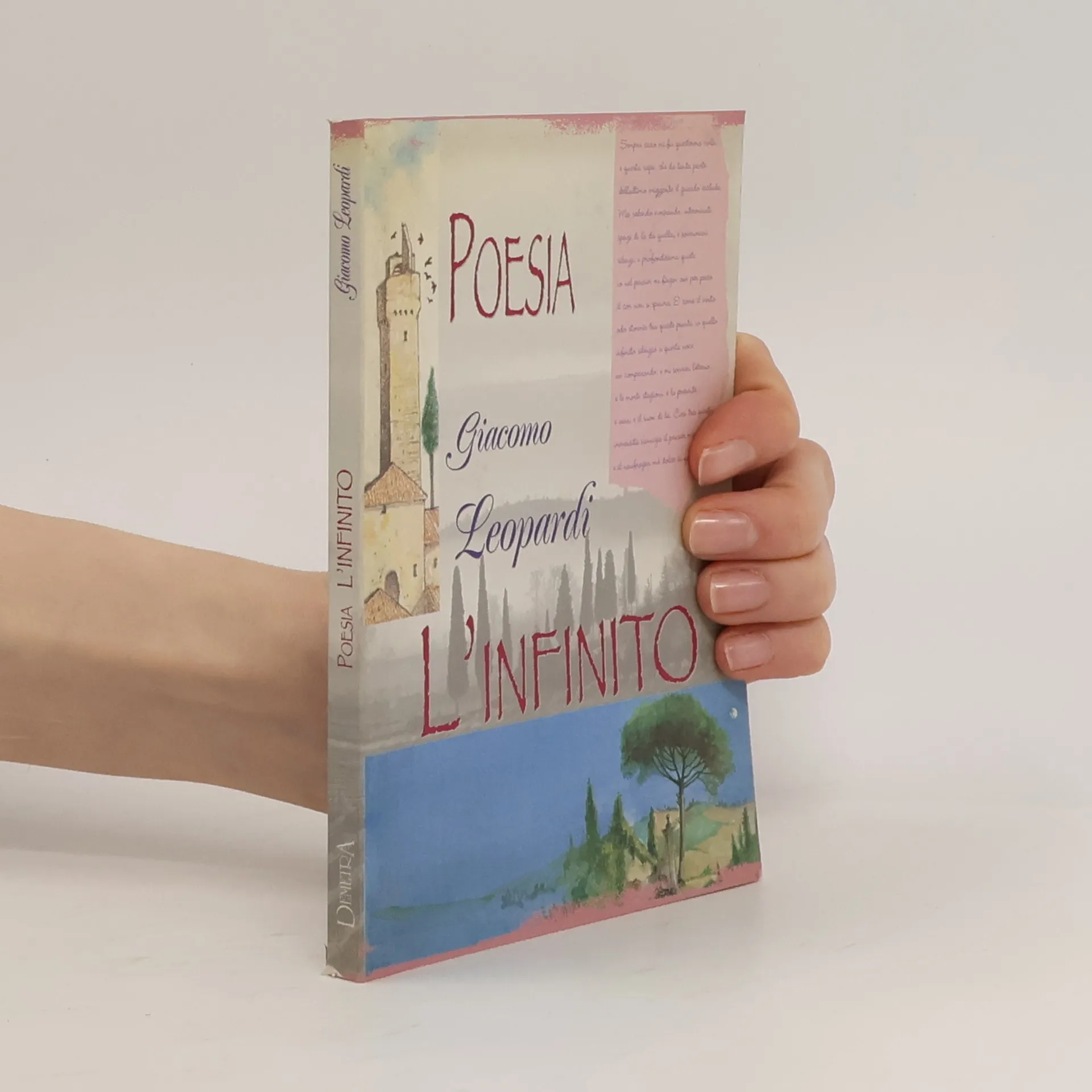
L'infinito
- 134 pages
- 5 hours of reading
Si può chiudere l’infinito in una bottiglia, in una scatola, in un recinto? No, ma lo si può sciogliere, celebrare, cantare, intrappolare e consegnare al futuro in 15 endecasillabi. Immortali. Per celebrare i 200 anni dalla composizione, in una preziosa edizione di “L’infinito”, la più celebre lirica di Giacomo Leopardi, con le illustrazioni di Marco Somà e un testo inedito di Daniele Aristarco, un commento per accompagnare i giovani lettori lungo i versi di questo capolavoro della poesia.
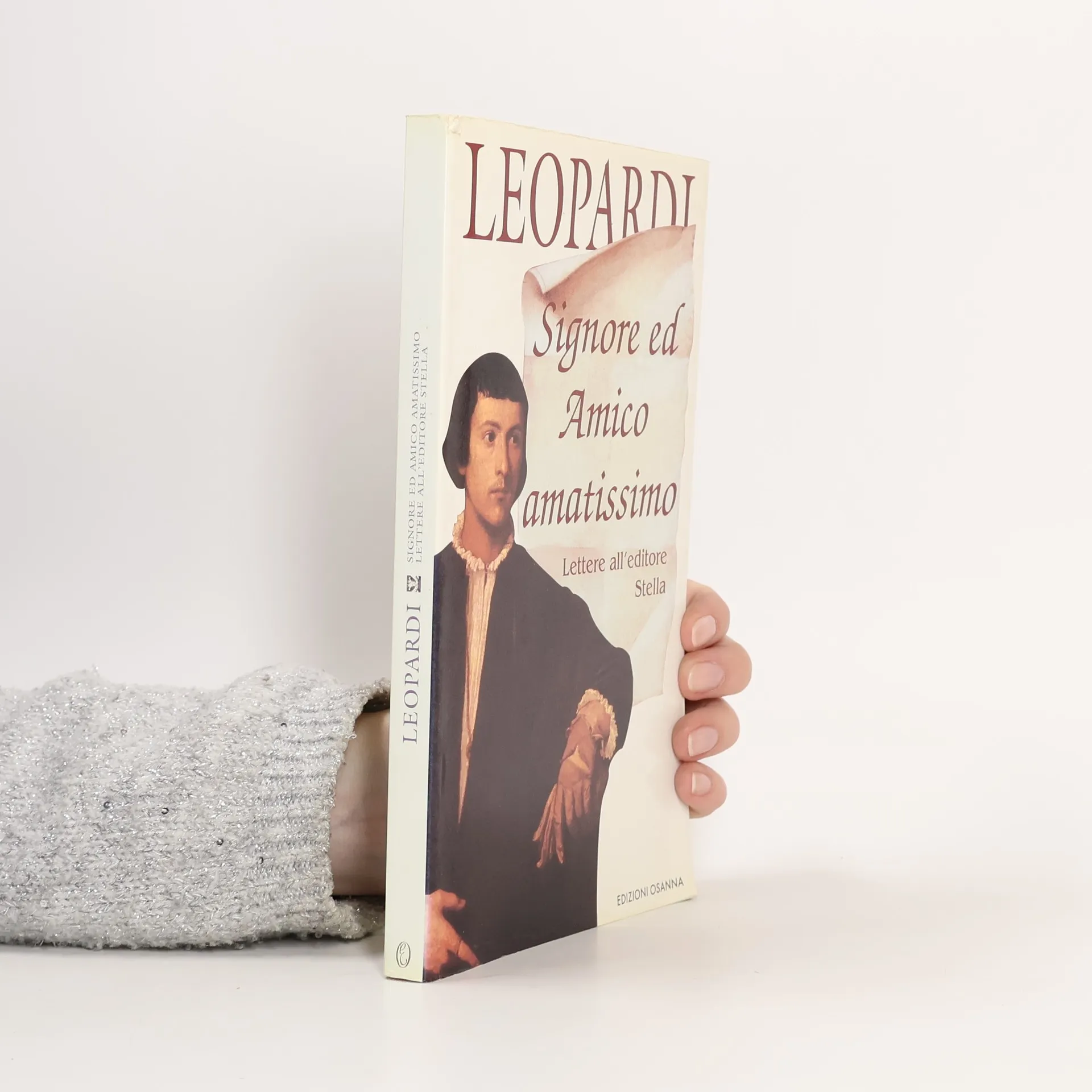
Signore ed amico amatissimo. Lettere all'editore Stella
- 176 pages
- 7 hours of reading
La realtà culturale contemporanea e il mondo dei libri; le cure e le apprensioni con cui l’autore vive ogni volta l’avventura della stampa nella corrispondenza tra Leopardi e Stella, editore fra i più intraprendenti nella vivace Milano della Restaurazione.
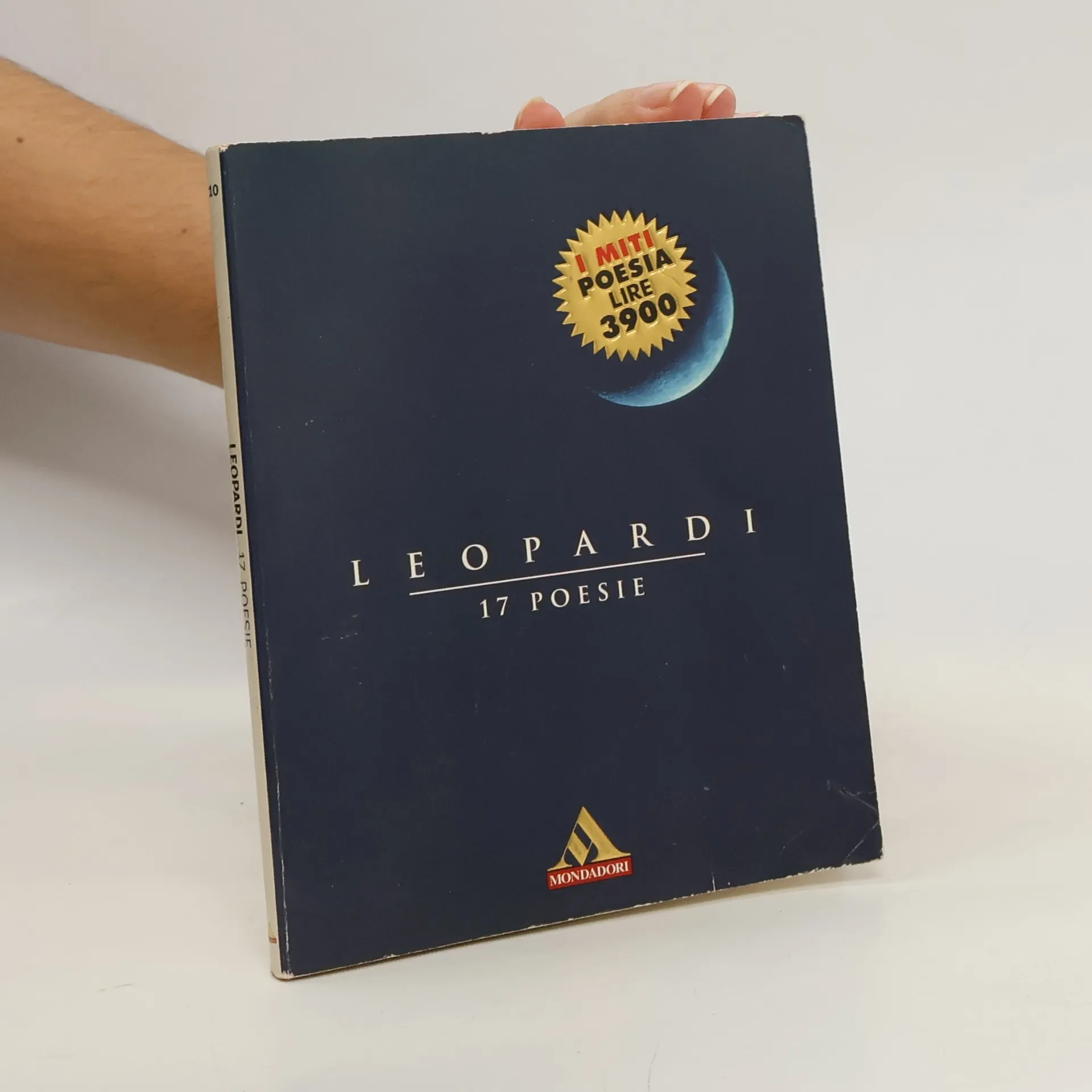
I Miti: 17 poesie
- 67 pages
- 3 hours of reading
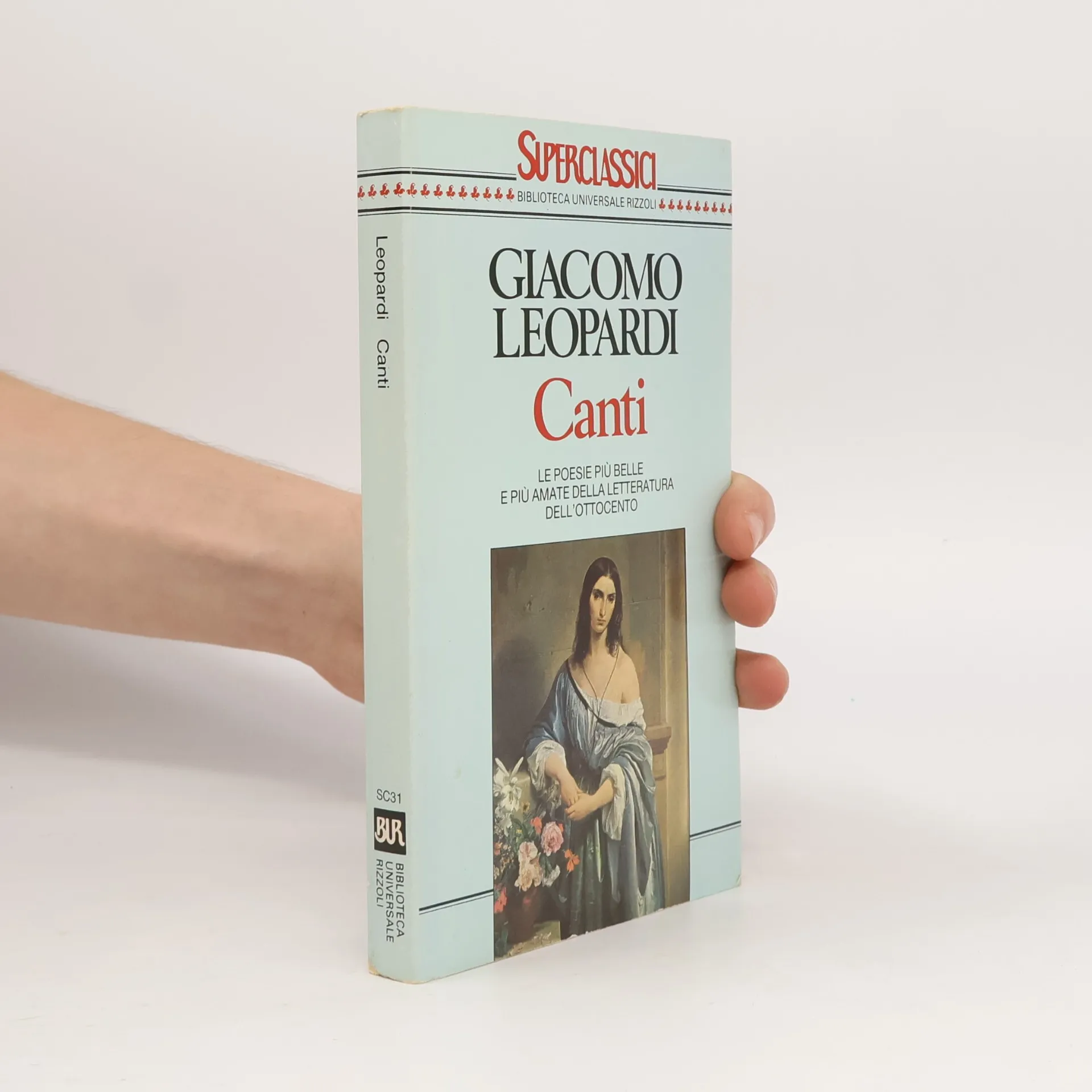
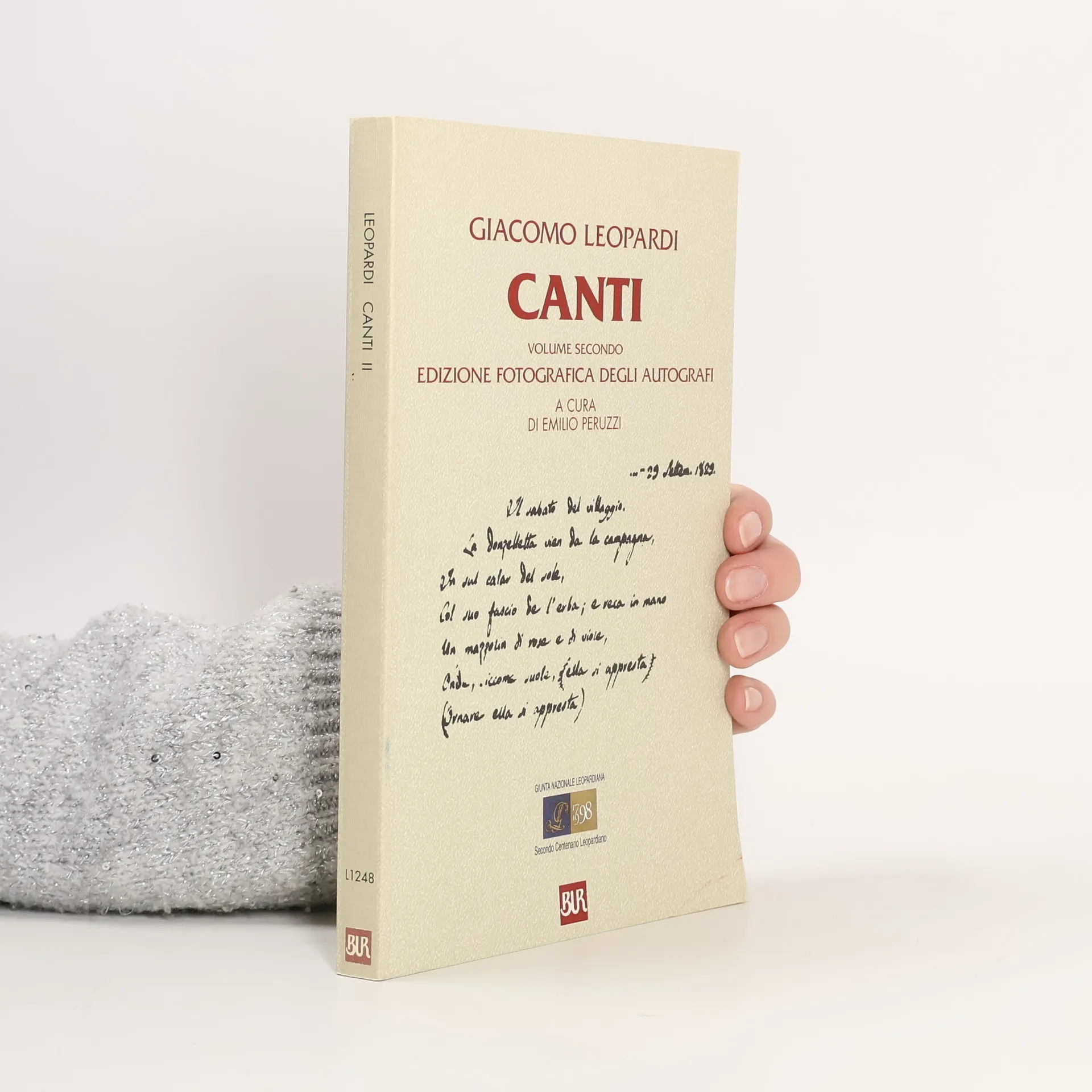
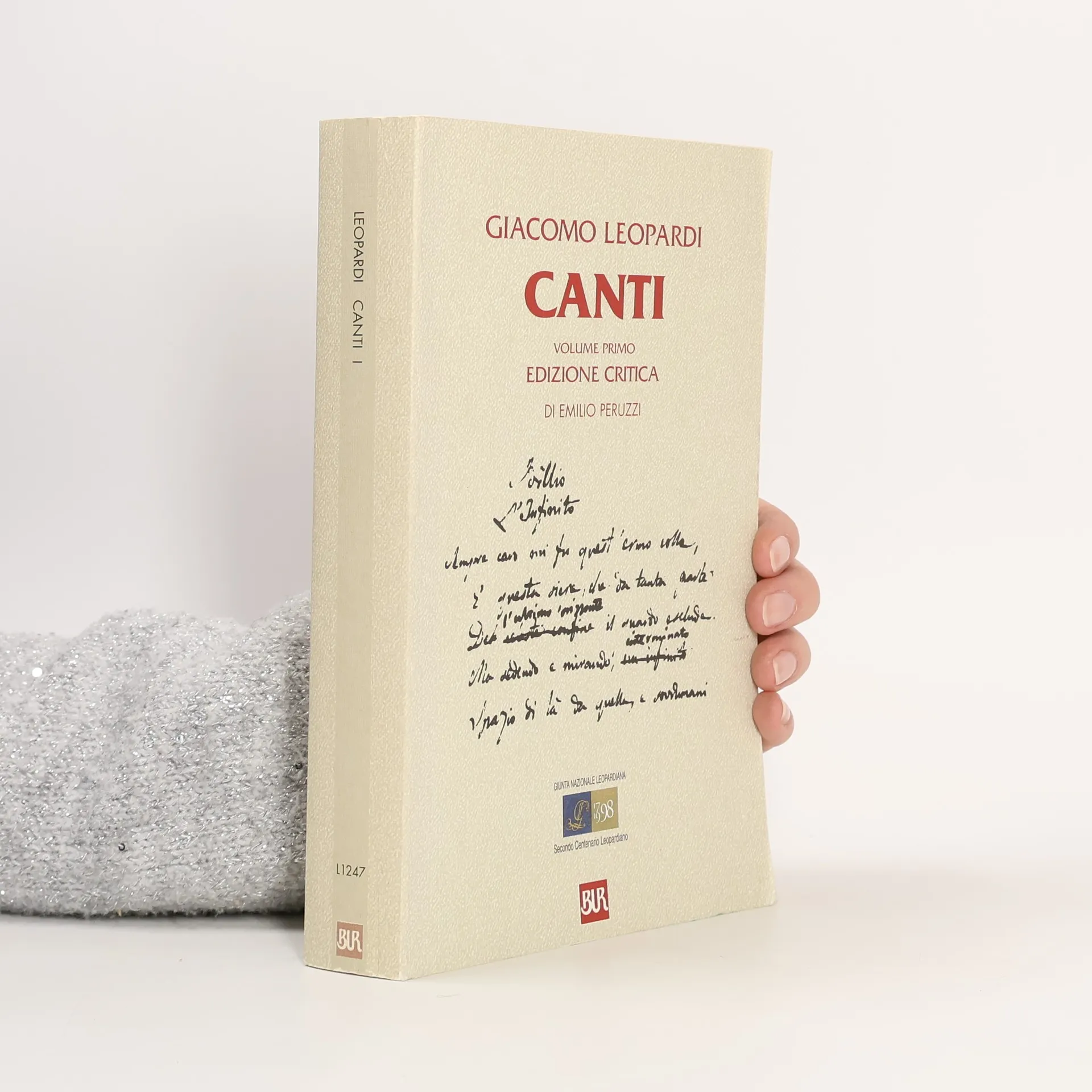
Canti
- 205 pages
- 8 hours of reading
Giacomo Leopardi è ritenuto il maggior poeta dell'Ottocento italiano e una delle più importanti figure della letteratura mondiale, e la profondità della sua riflessione sull'esistenza e sulla condizione umana ne fa anche un filosofo di notevole spessore. La straordinaria qualità lirica della sua poesia lo ha reso un protagonista centrale nel panorama letterario e culturale europeo e internazionale, con ricadute che vanno molto oltre la sua epoca. Troviamo qui alcune delle poesie più belle, più conosciute ed amate della letteratura italiana, come L'infinito, Il passero solitario, Il sabato del villaggio, La sera del dì di festa, Canto notturno di un pastore errante dell'Asia...
Italian
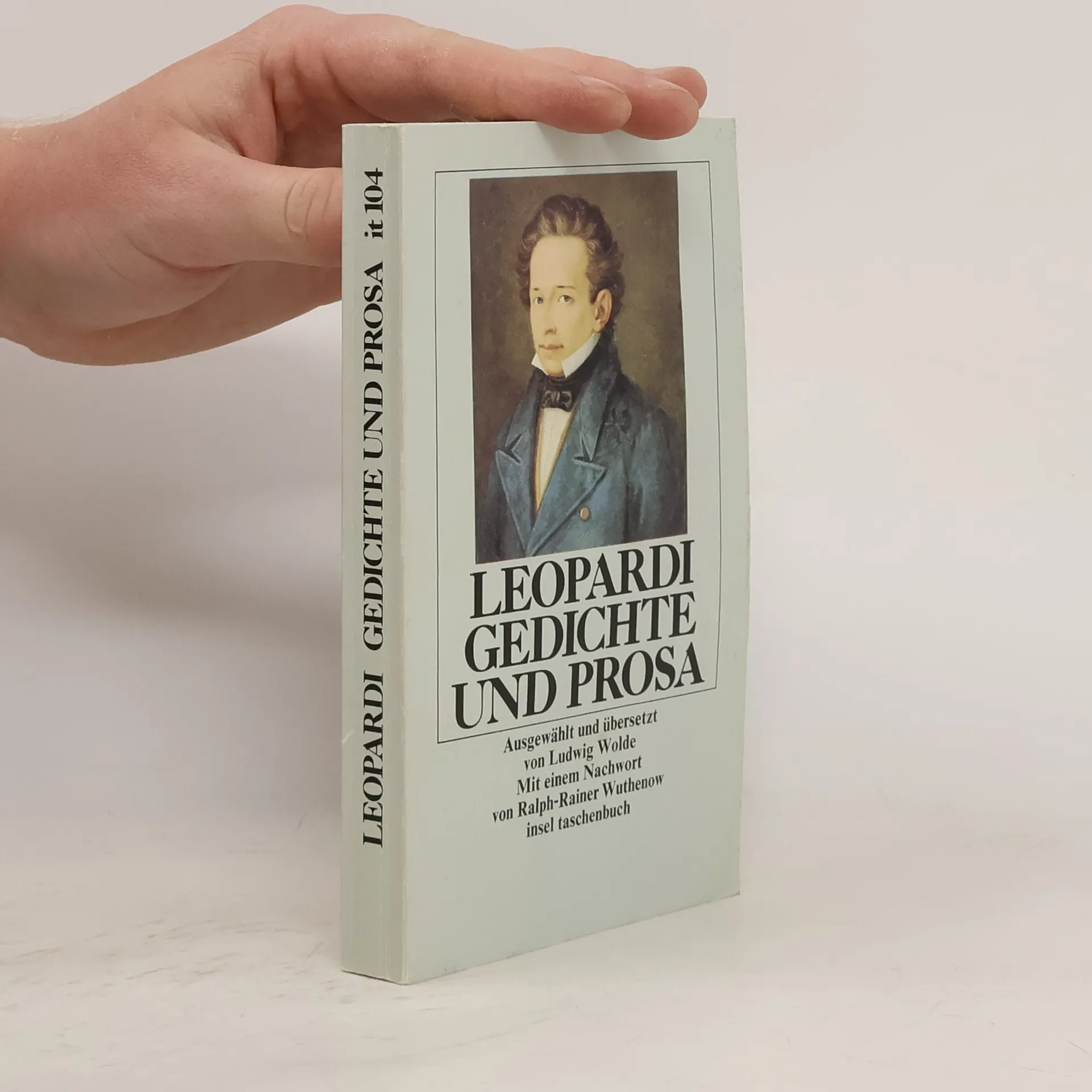
Gedichte und Prosa
- 313 pages
- 11 hours of reading
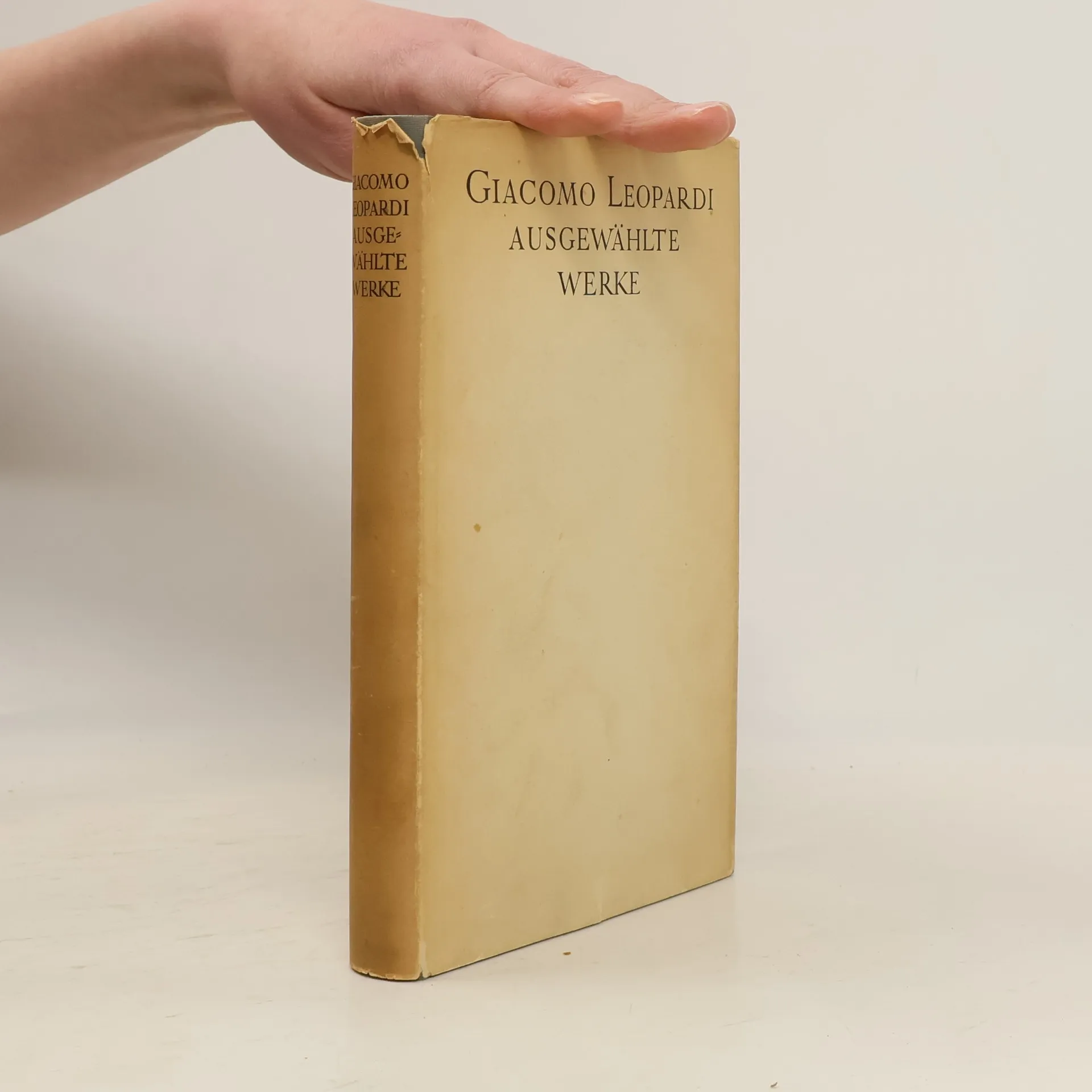
Ausgewählte WerkeAusgewählt und übersetzt von Ludwig WoldeMit einem Nachwort von Ralph-Rainer Wuthenow
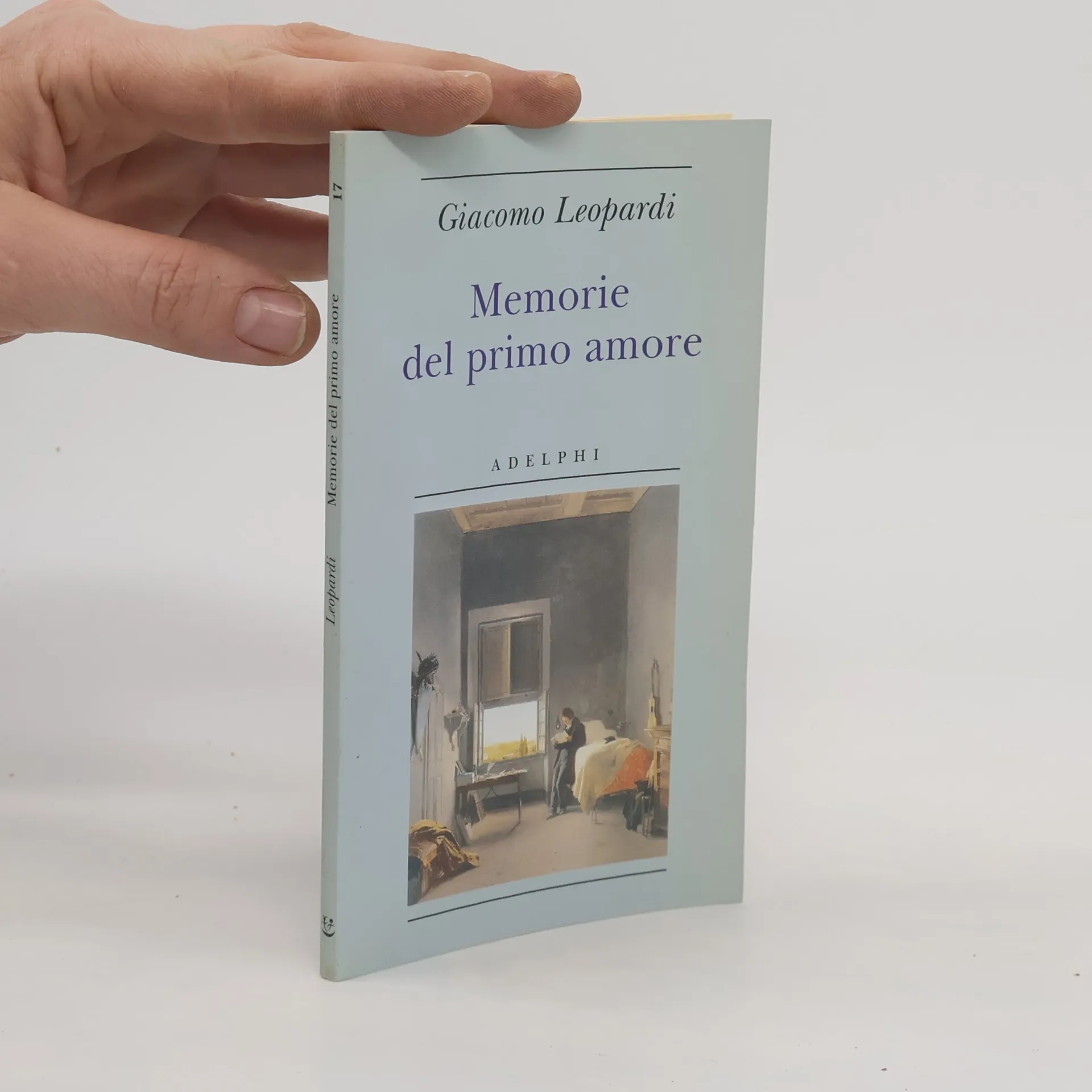
Memorie del primo amore
- 62 pages
- 3 hours of reading
Un breve incontro, una passione che è memoria e immagine, e il lungo solco che lascia dietro di sé nell'inesorabile autoanalisi di un ventenne che sarebbe diventato uno dei più grandi poeti italiani.
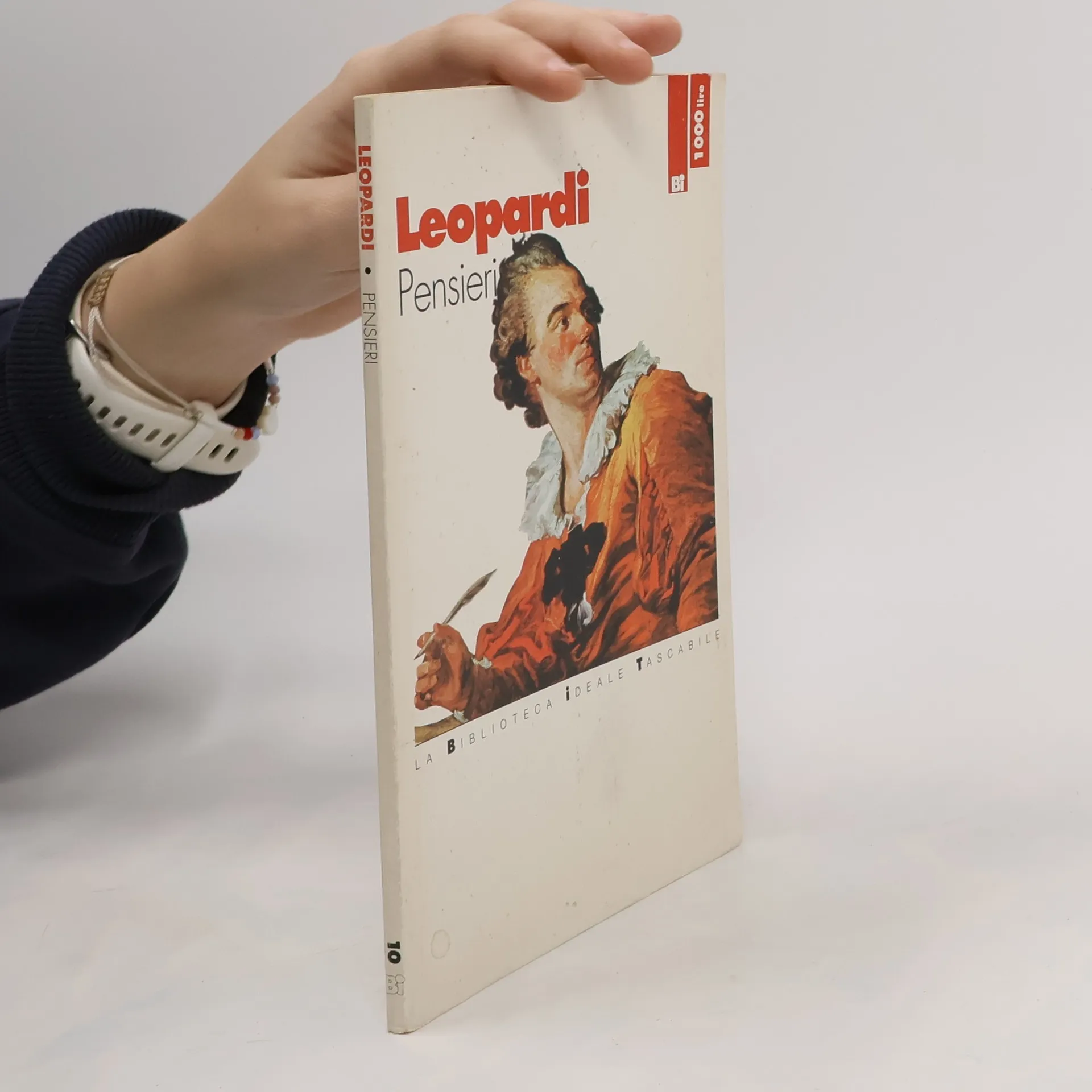
La Biblioteca Ideale Tascabile - 10: Pensieri
- 63 pages
- 3 hours of reading
Romanzi
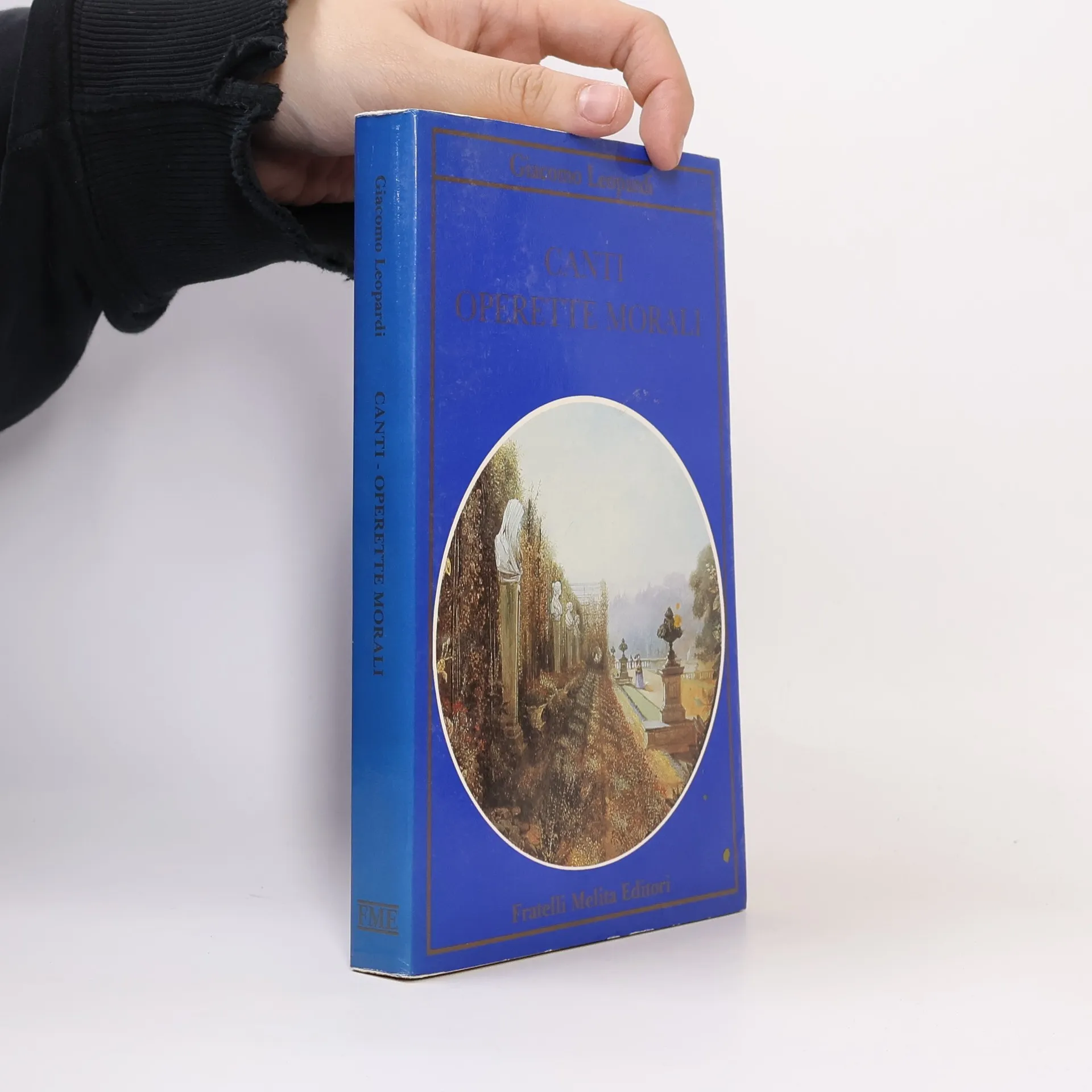
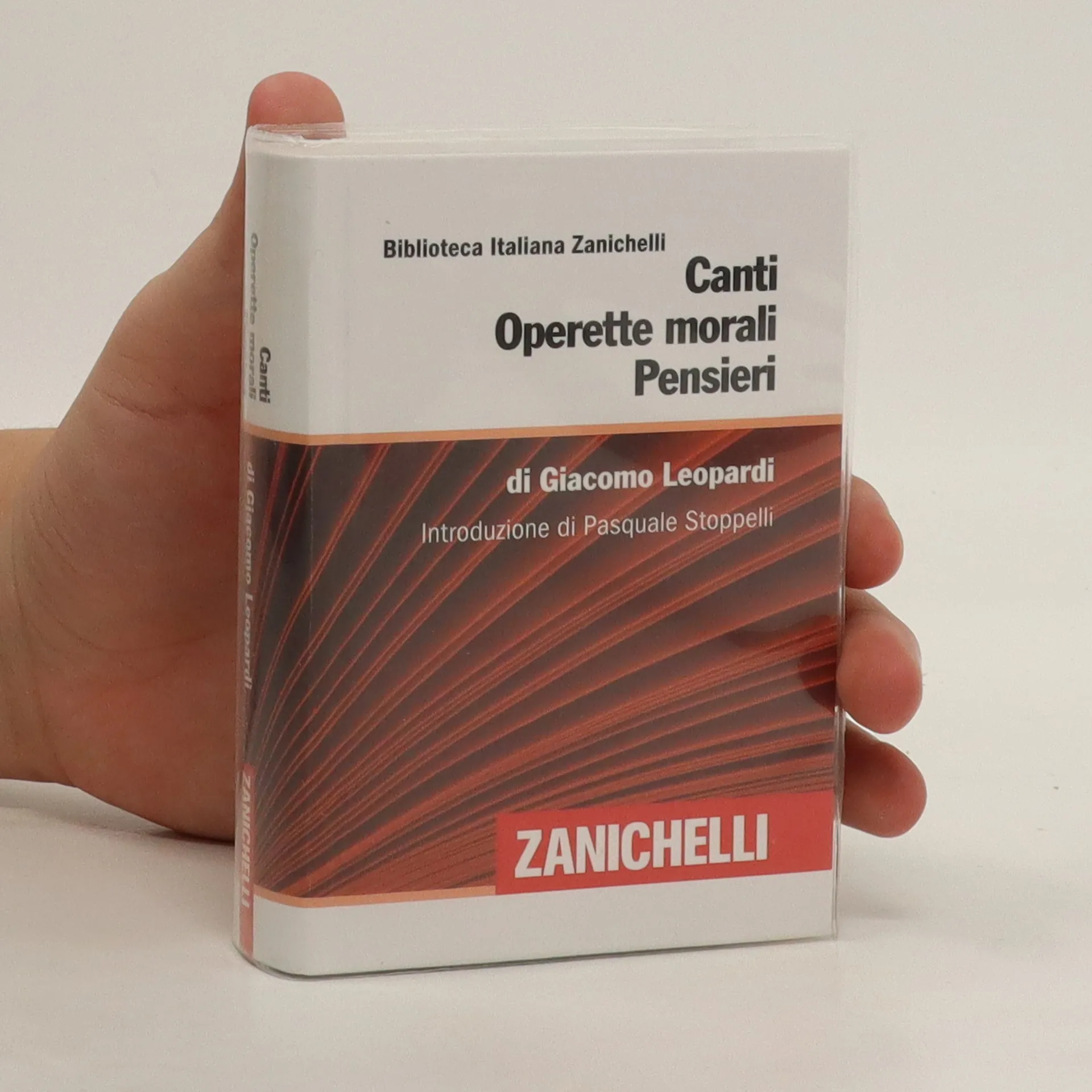
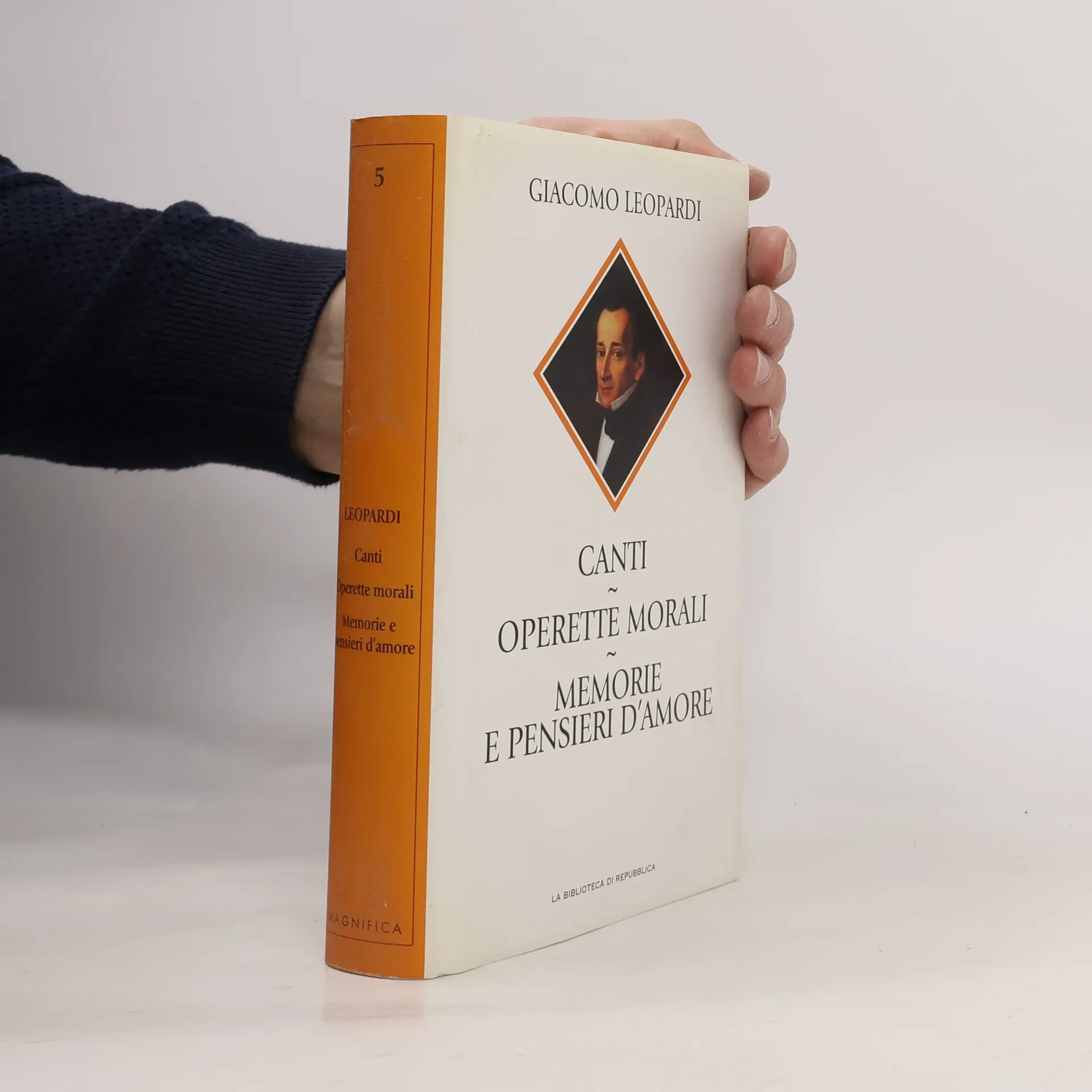
Canti Operette Morali
- 351 pages
- 13 hours of reading
Ich bin ein Seher
- 533 pages
- 19 hours of reading
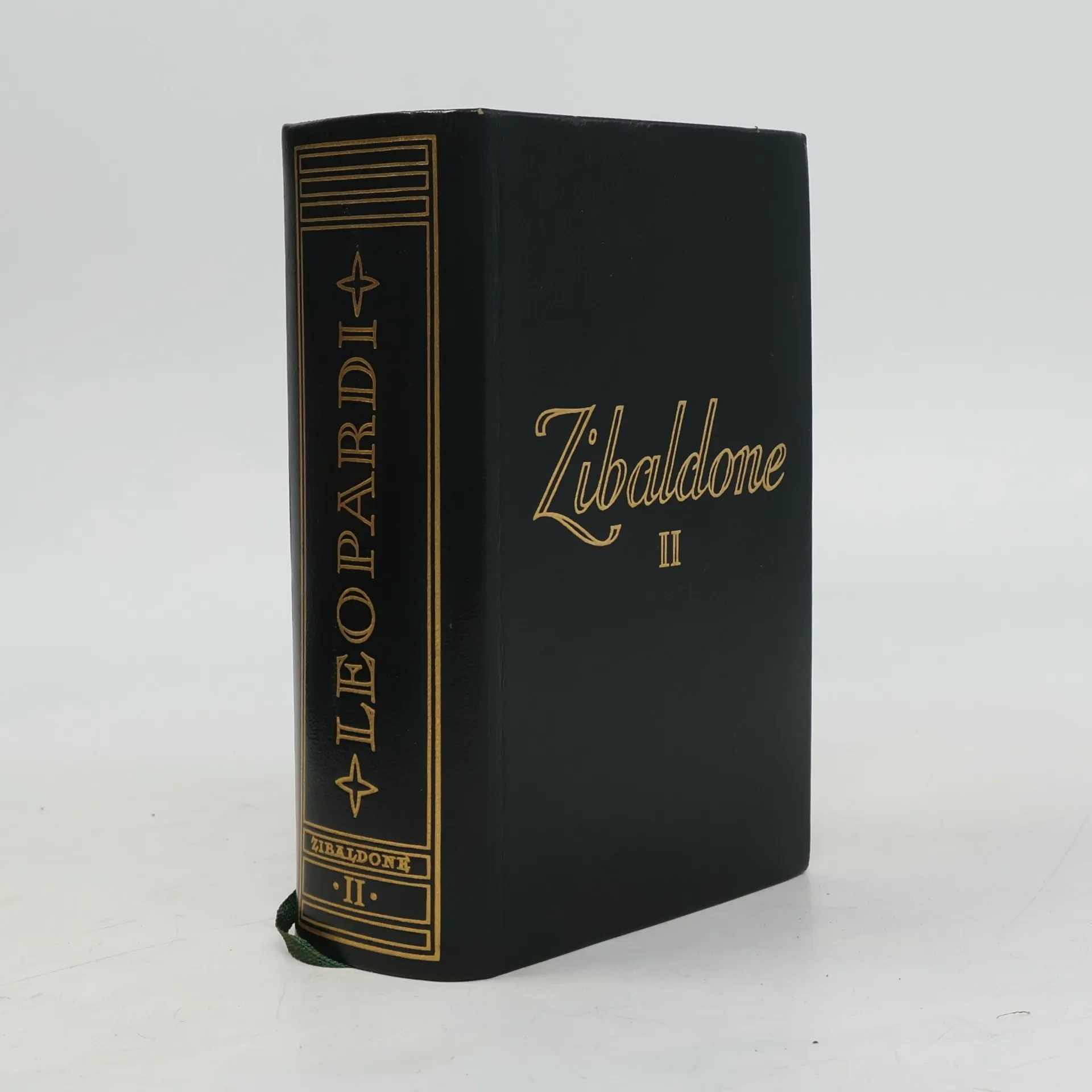
Zibaldone. Die Gesamtausgabe I
- 790 pages
- 28 hours of reading
Giacomo Leopardi beendet 1817 sein Notizbuch „Zibaldone di pensieri“ mit der Überlegung, dass die Literatur vom Nichts zum Wahren und weiter zur Verfeinerung führt. Das Werk, das sich jeder Gattung entzieht und über 4500 Seiten umfasst, vereint Leopardi's „dichtendes Denken“ und reflektiert den Kosmos des 19. Jahrhunderts. Es wurde erstmals vollständig ins Deutsche übersetzt.
Gesänge / Canti
- 304 pages
- 11 hours of reading
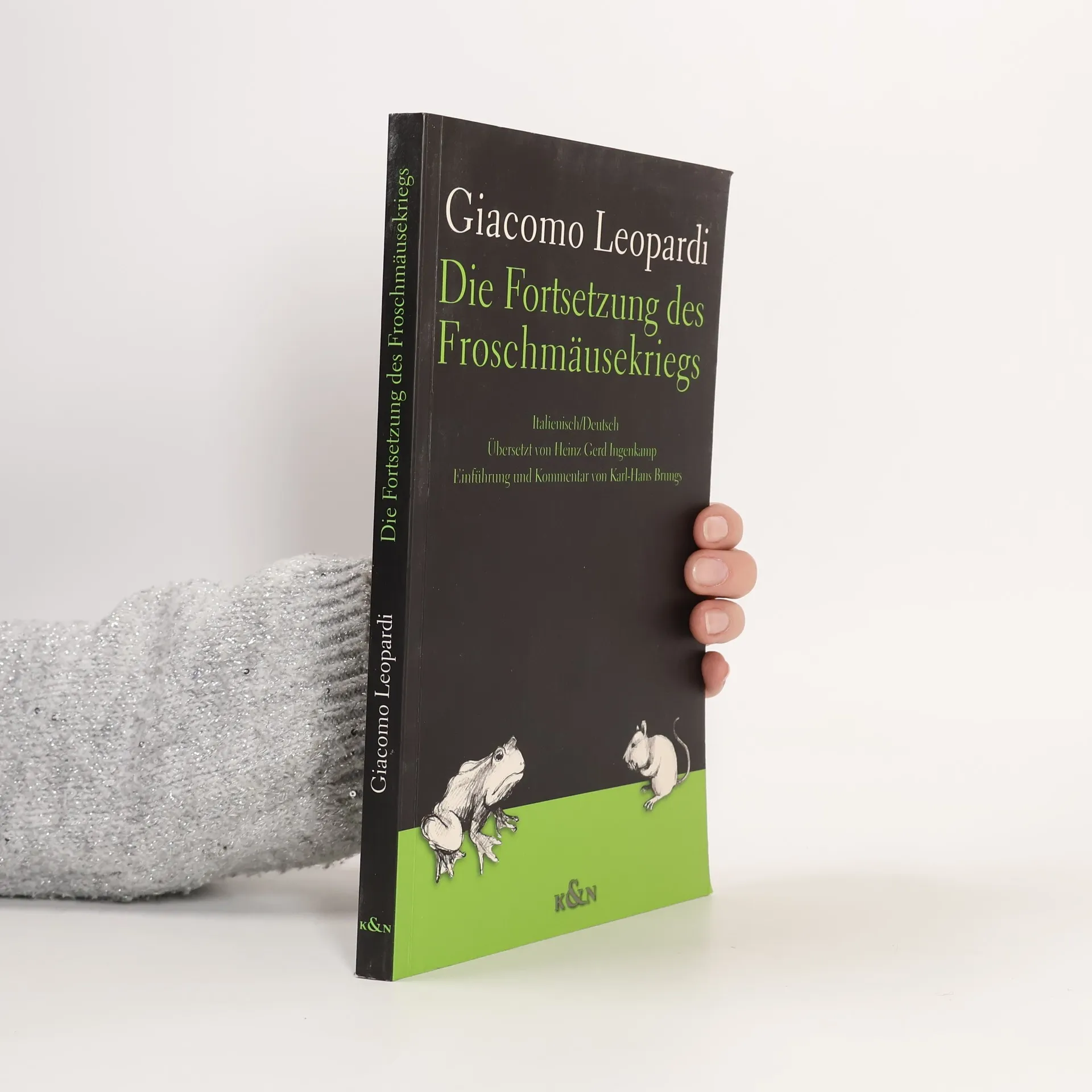
Der Froschmaeusekrieg Und Seine Folgen
- 344 pages
- 13 hours of reading
Poemetto satirico zooepico di otto canti in ottave, presentato come continuazione del poema pseudo-omerico Batracomiomachia (“Guerra dei topi e delle rane”), che Leopardi tradusse in tre redazioni diverse (1815, 1821-22, 1826). Iniziato intorno al 1831, il poeta vi lavorò fino alla morte; fu pubblicato postumo nel 1842. Sotto le vesti degli animali si nascondono i contendenti dei moti risorgimentali: i topi sono i liberali, le rane i reazionari, i granchi gli austriaci. L’opera fu definita da Gioberti “un libro terribile” che, mentre condanna gli oppressori, smaschera con amara ironia le ingenuità e le ipocrisie dei patrioti (in particolare degli spiritualisti cattolici), in una generale prospettiva anticonsolatoria. Testo di riferimento: Tutte le opere di G. Leopardi, a cura di F. Flora, I, Milano, Mondadori, 1958.
Tagebuch der ersten Liebe
- 80 pages
- 3 hours of reading
Der neunzehnjährige Giacomo Leopardi lebt in der Abgeschiedenheit des gräflichen Elternhauses in den Marken. Als im Dezember 1817 die schöne, sieben Jahre ältere Cousine Gertrude Cassi-Lazzari zu Besuch kommt, entbrennt Leopardi in Liebe für die schöne Frau, die jedoch allzu bald wieder abreist. Erneut allein, beschließt der Jüngling, sein Herz zu erleichtern, indem er das Gedicht Die erste Liebe verfasst und seinen Gemütszustand in einem nicht zur Veröffentlichung gedachten Tagebuch genauestens dokumentiert. Der melancholische Jüngling versenkt sich in seine ständig aufwallenden und abebbenden Gefühle, beobachtet seinen schwindenden Appetit, seinen Ekel vor den Affekten der anderen, der ihn von der sonst so geliebten Lektüre fernhält. Er schwankt zwischen hilflosem Staunen über die neuen Empfindungen und abgeklärter Bewusstheit. Dabei verzichtet Leopardi auf die herkömmlichen Bilder, die das Verliebtsein beschreiben, und widmet sich allein seinen eigenen Erfahrungen. Indem Leopardi weniger seine Geliebte beschreibt als das Verliebtsein, erinnert er mit seinem Tagebuch der ersten Liebe nicht nur sich selbst, sondern auch seine Leser an dieses große Aufflammen der Gefühle. Nach den lieblichen ›Schmetterlingen im Bauch‹ sucht man allerdings vergeblich – es sind die »Eingeweide der Liebe«, die Giacomo vor uns ausbreitet.
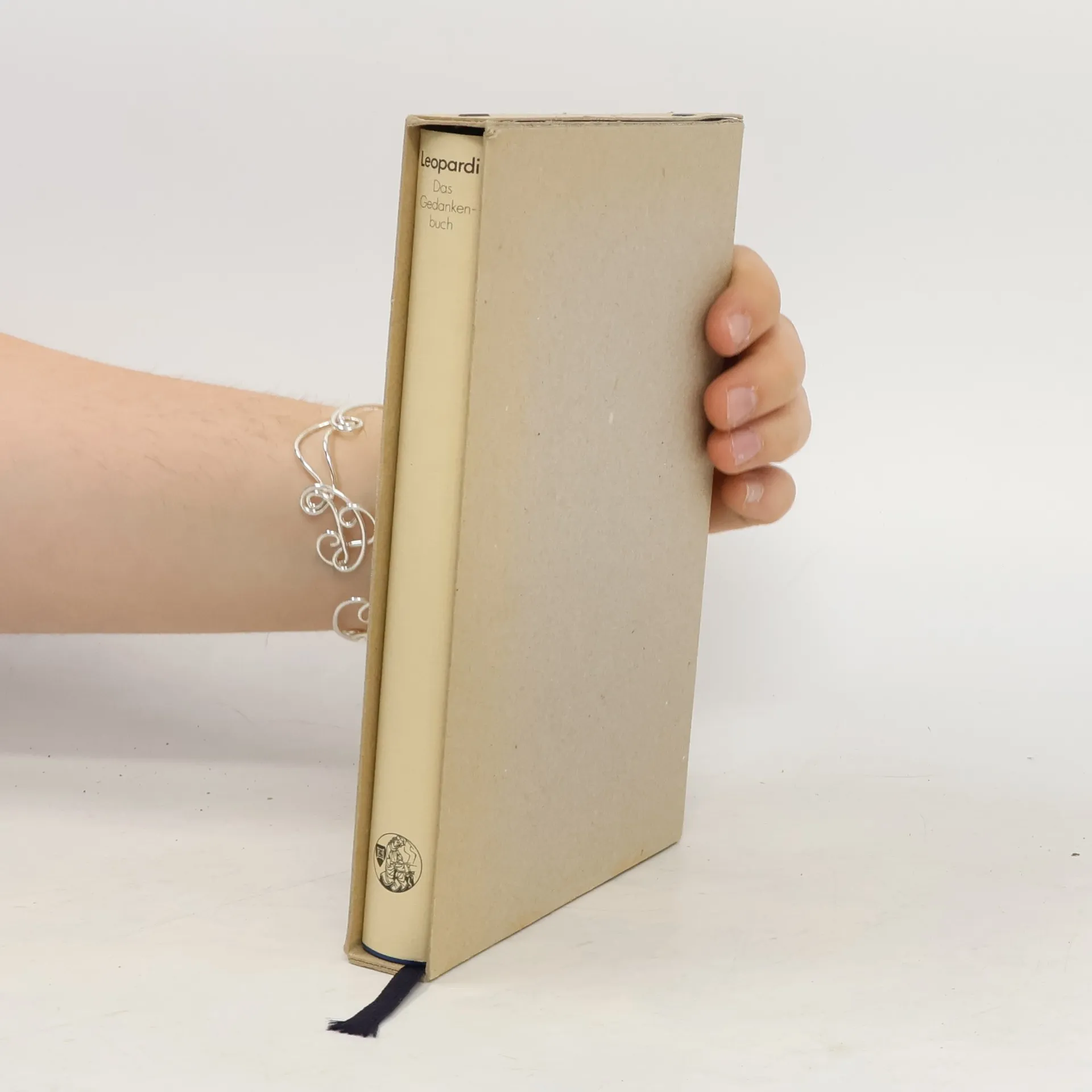
Das Gedankenbuch
- 601 pages
- 22 hours of reading
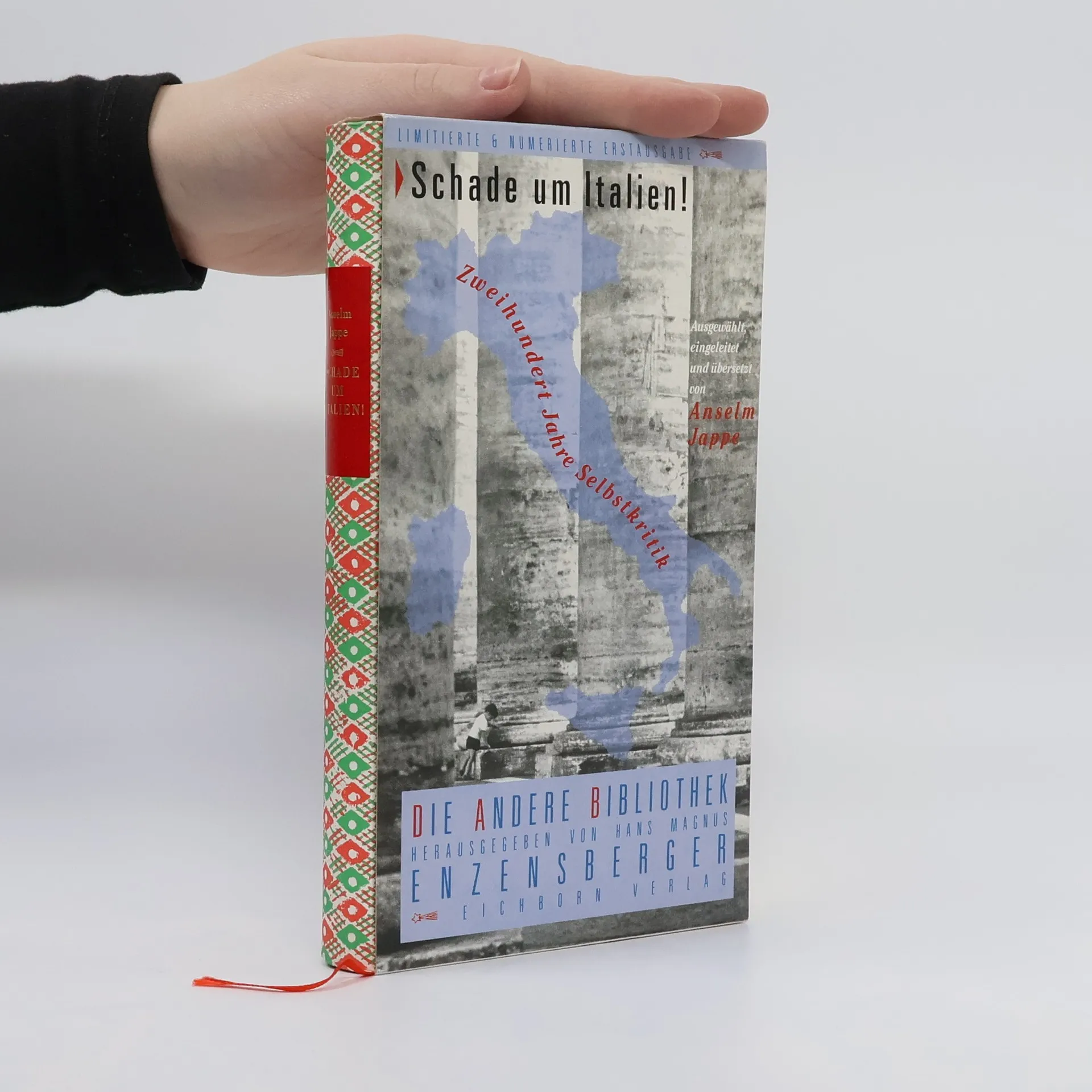
Schade um Italien! (Číslovaný výtisk)
- 285 pages
- 10 hours of reading
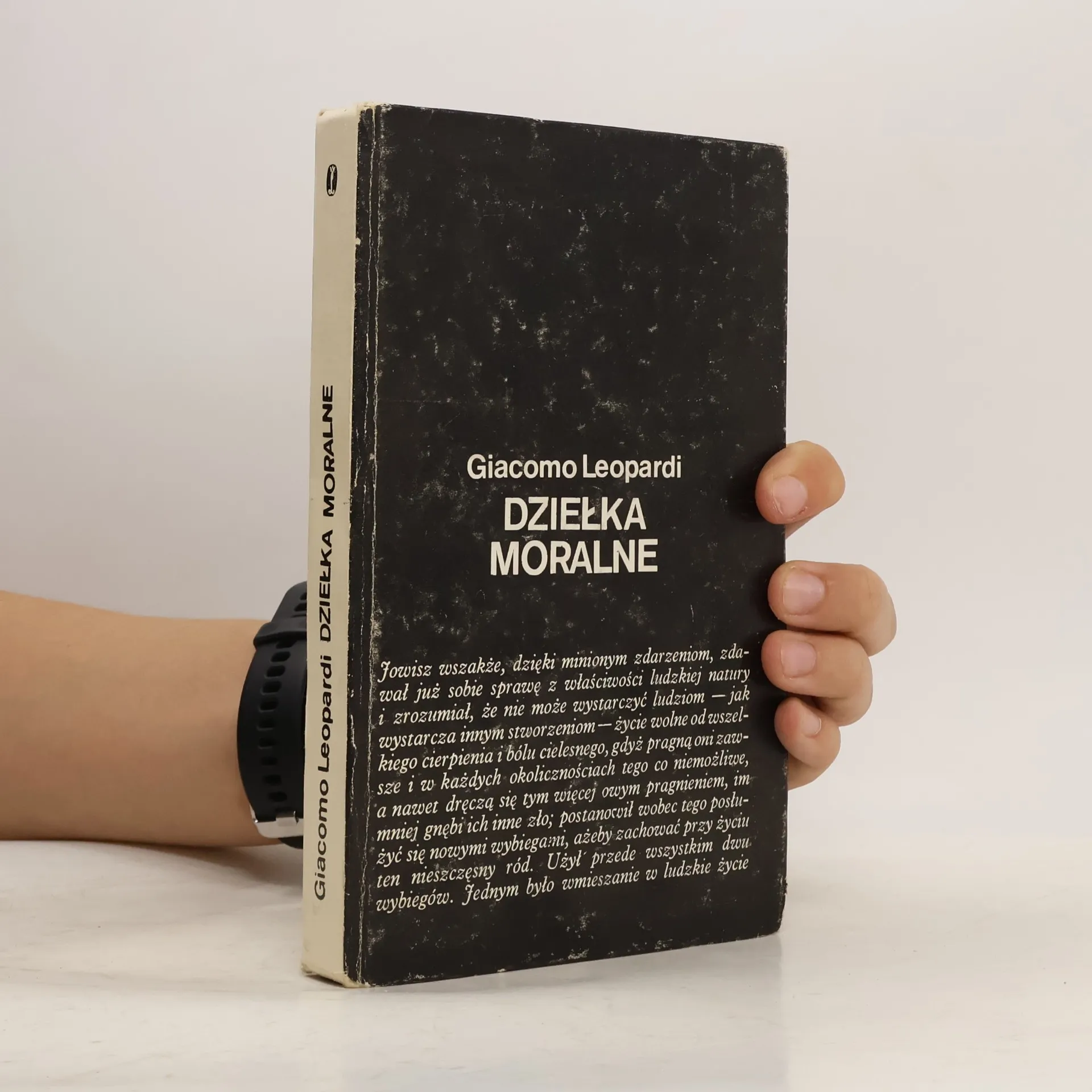
Twórczość Giacoma Leopardiego (1798-1837) — wielkiego erudyty, znawcy kultury antycznej, eseisty, poety, romantyka, filozofa, twórcy nowoczesnego języka prozy włoskiej - przeżywa obecnie w Europie renesans zainteresowania. W ostatnich zwłaszcza latach zachodnioeuropejscy literaturoznawcy opublikowali szereg esejów i obszerniejszych studiów, w których m.in. wyrażają pogląd, że Leopardi, znakomity poeta liryczny (i jako taki znany w Polsce z wydanych w 1938 roku przekładów J. Dickstein-Wieleżyńskiej, zresztą nie wznawianych później), był również jednym z najciekawszych myślicieli XIX w., kością i oryginalnością refleksji na tematy egzystencjalne nie ustępujący Schopenhauerowi czy Nietzschemu. Przemyślenia swoje i refleksje nad ludzkim losem – jakże często bolesne i pesymistyczne, bo inspirowane przez własne głęboko nieszczęśliwe życie – zawarł Leopardi najpełniej i w sposób najbardziej syntetyczny w „Dziełkach moralnych", których nowy przekład oddajemy do rąk polskiego czytelnika. Utwory te zdumiewają niejednokrotnie trafnością zawartej w nich myśli filozoficznej i socjologicznej, fascynując mroczną tonacją poetyckiego nastroju, rozjaśnioną humanistycznym postulatem heroizmu w stosunku do tragicznych elementów ludzkiego losu.
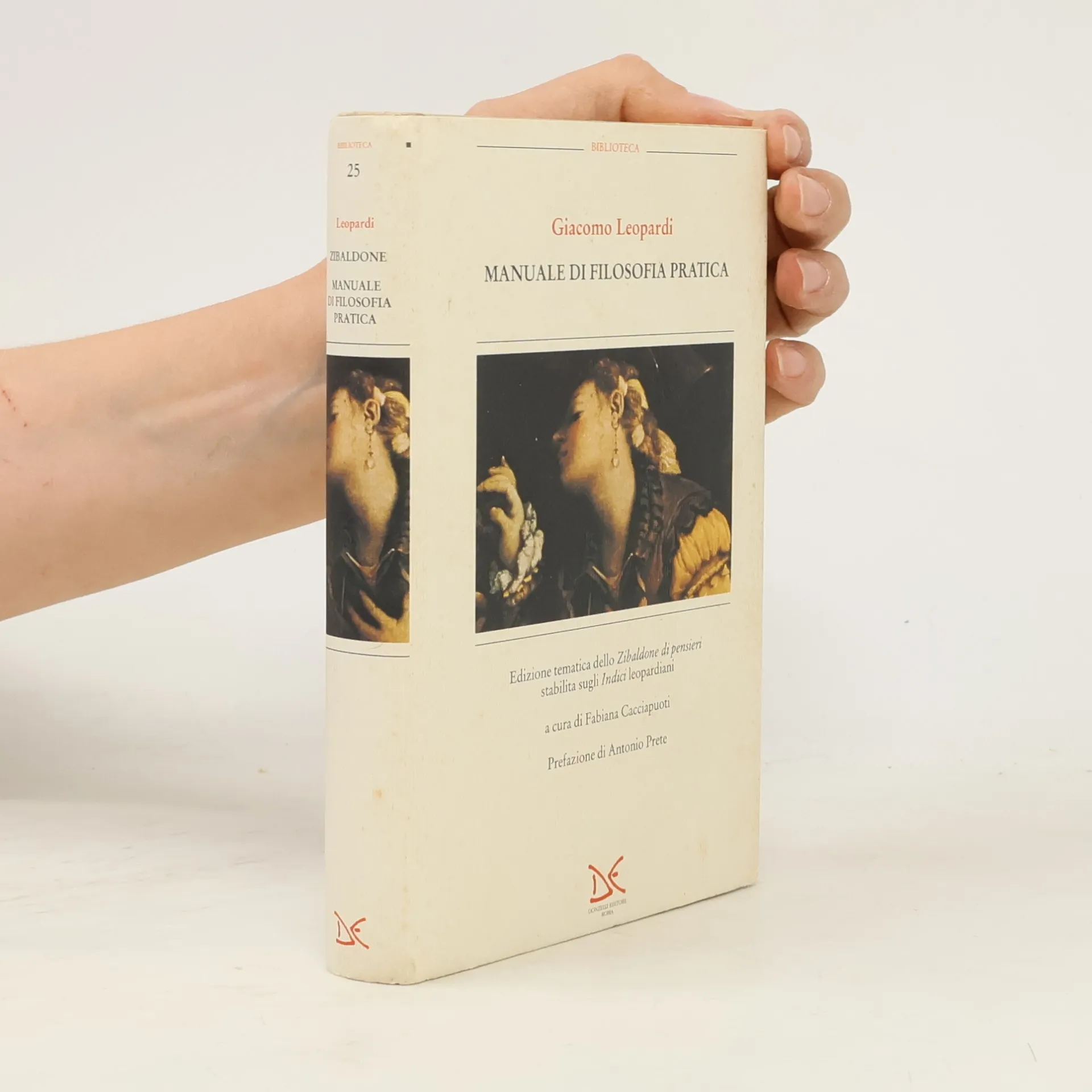
Manuale di filosofia pratica
edizione tematica dello Zibaldone di pensieri stabilita sugli Indici leopardiani
- 227 pages
- 8 hours of reading
Edizione tematica dello Zibaldone basata sugli indici leopardiani, Volume II
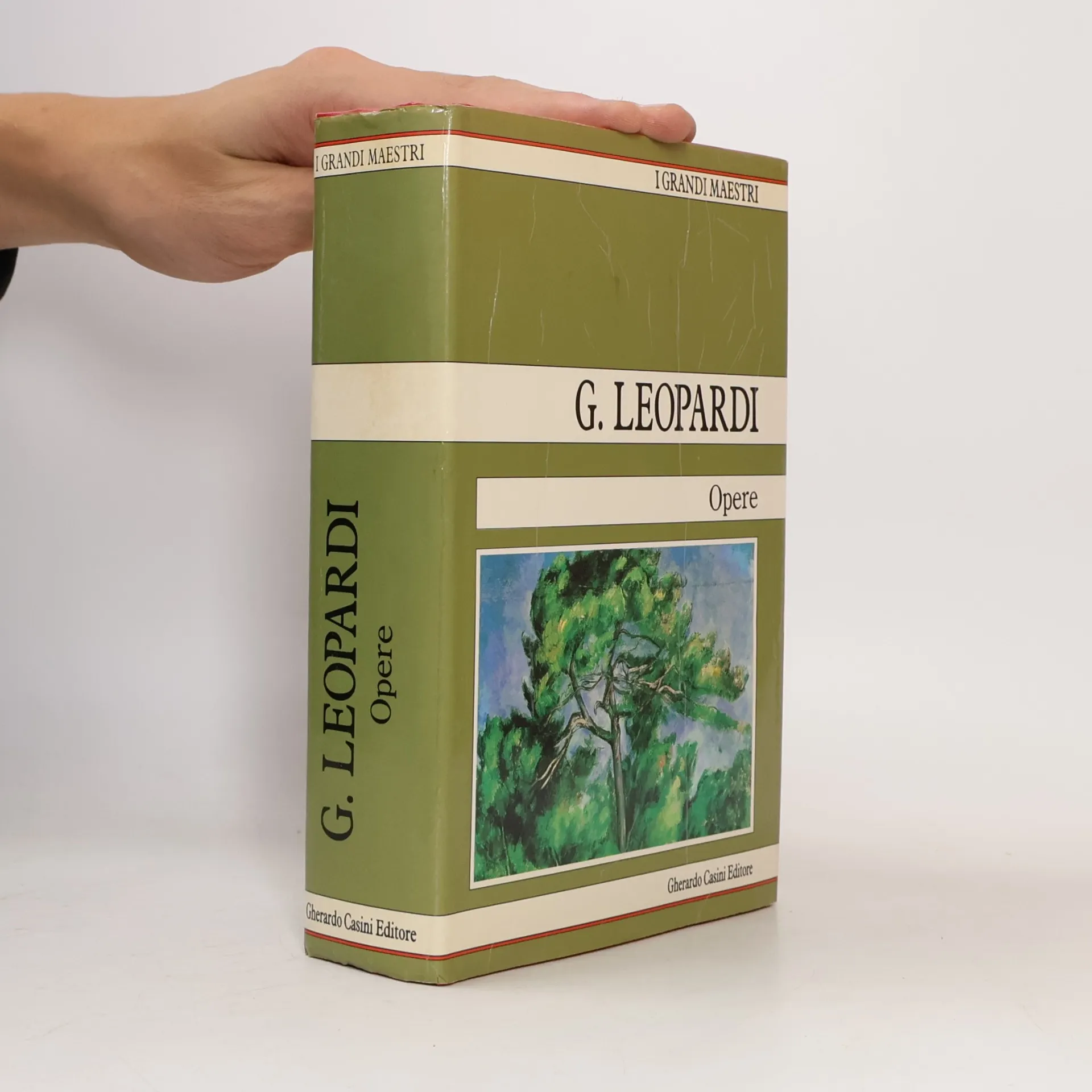
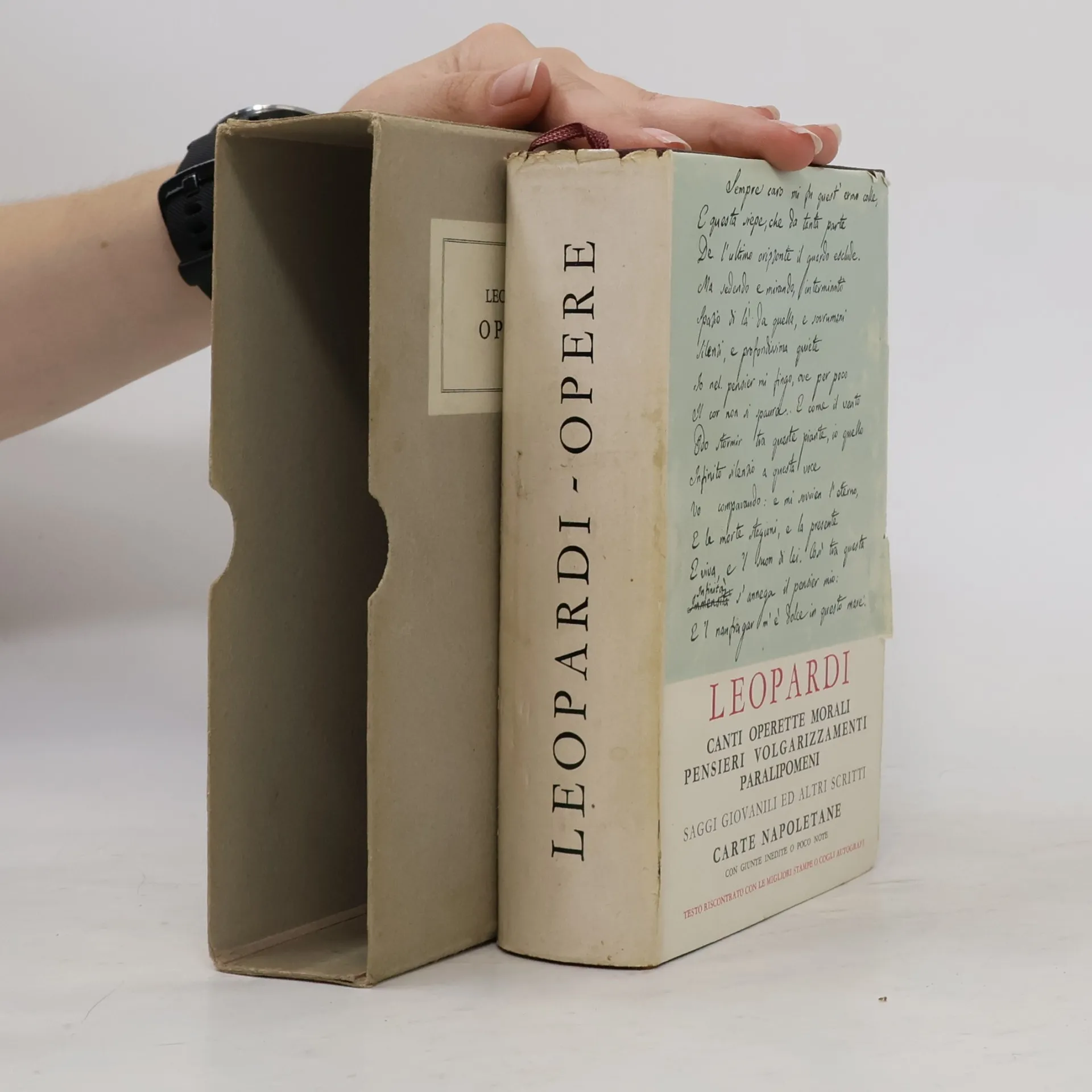
Opere
canti, operete morali, paralipomeni della batracomiomachia, poezie varie
- 525 pages
- 19 hours of reading
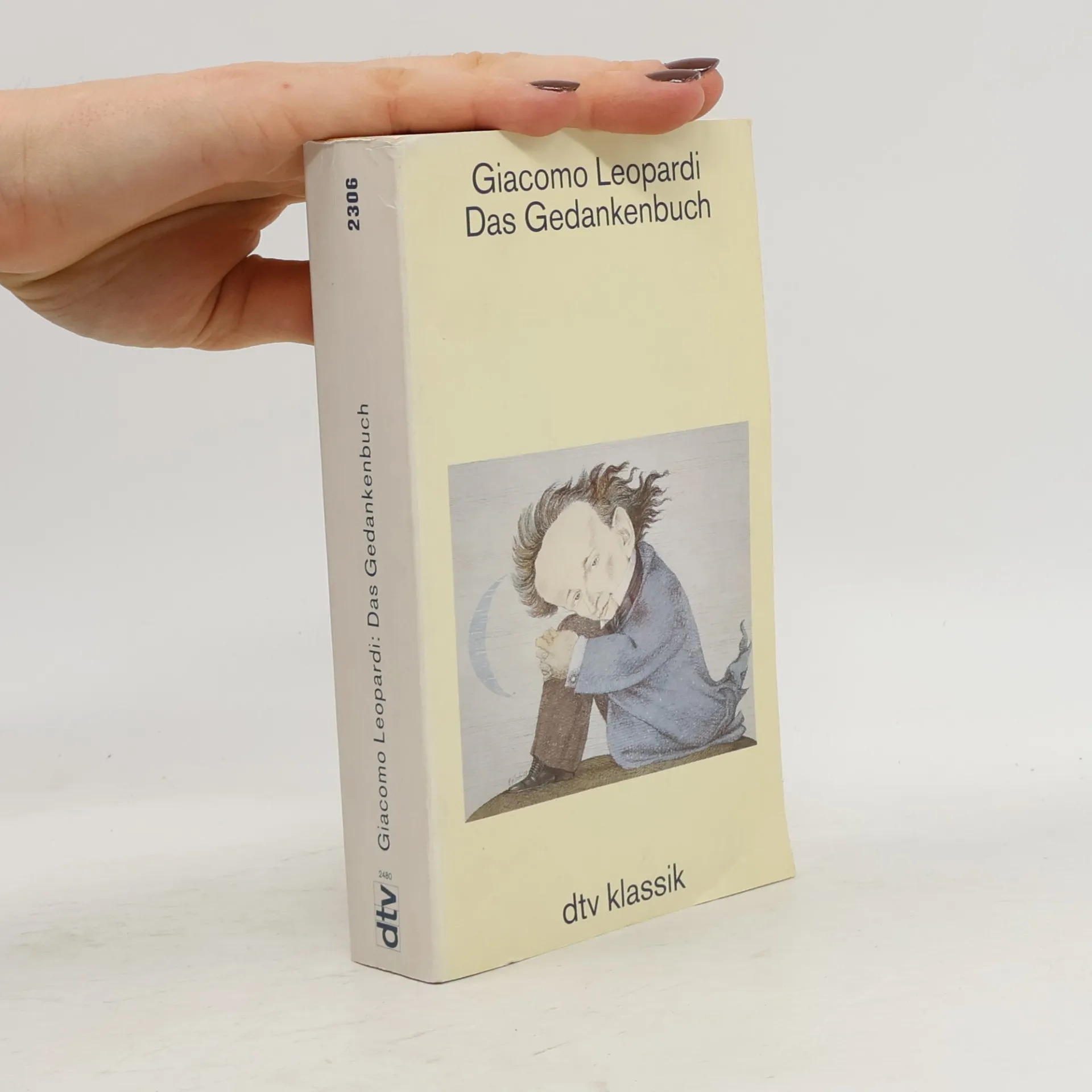
Dtv Klassik: Das Gedankenbuch
- 591 pages
- 21 hours of reading
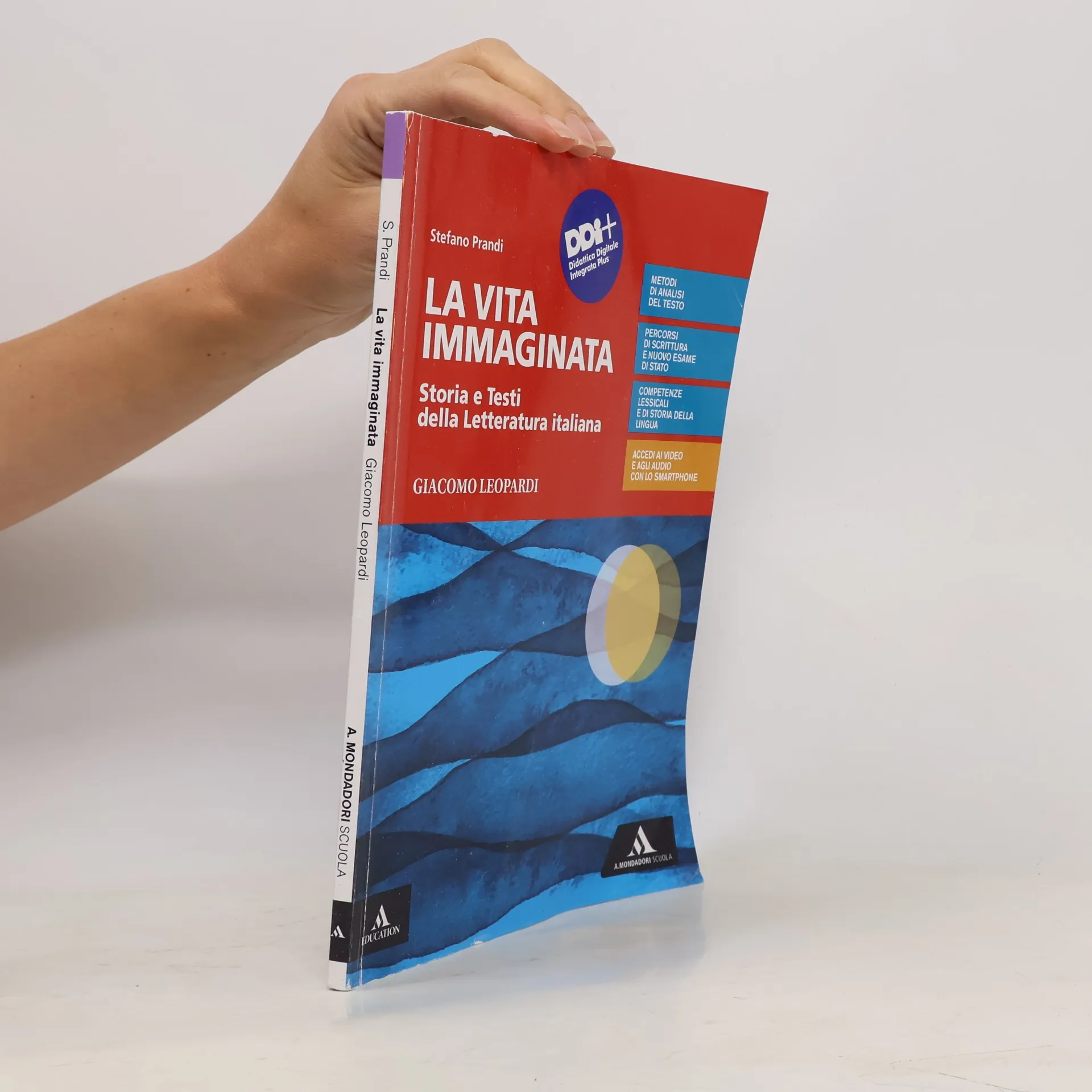
La vita immaginata
Storia e testi della letteratura italiana. Per le Scuole superiori. Con e-book. Con espansione online
Werke
- 294 pages
- 11 hours of reading
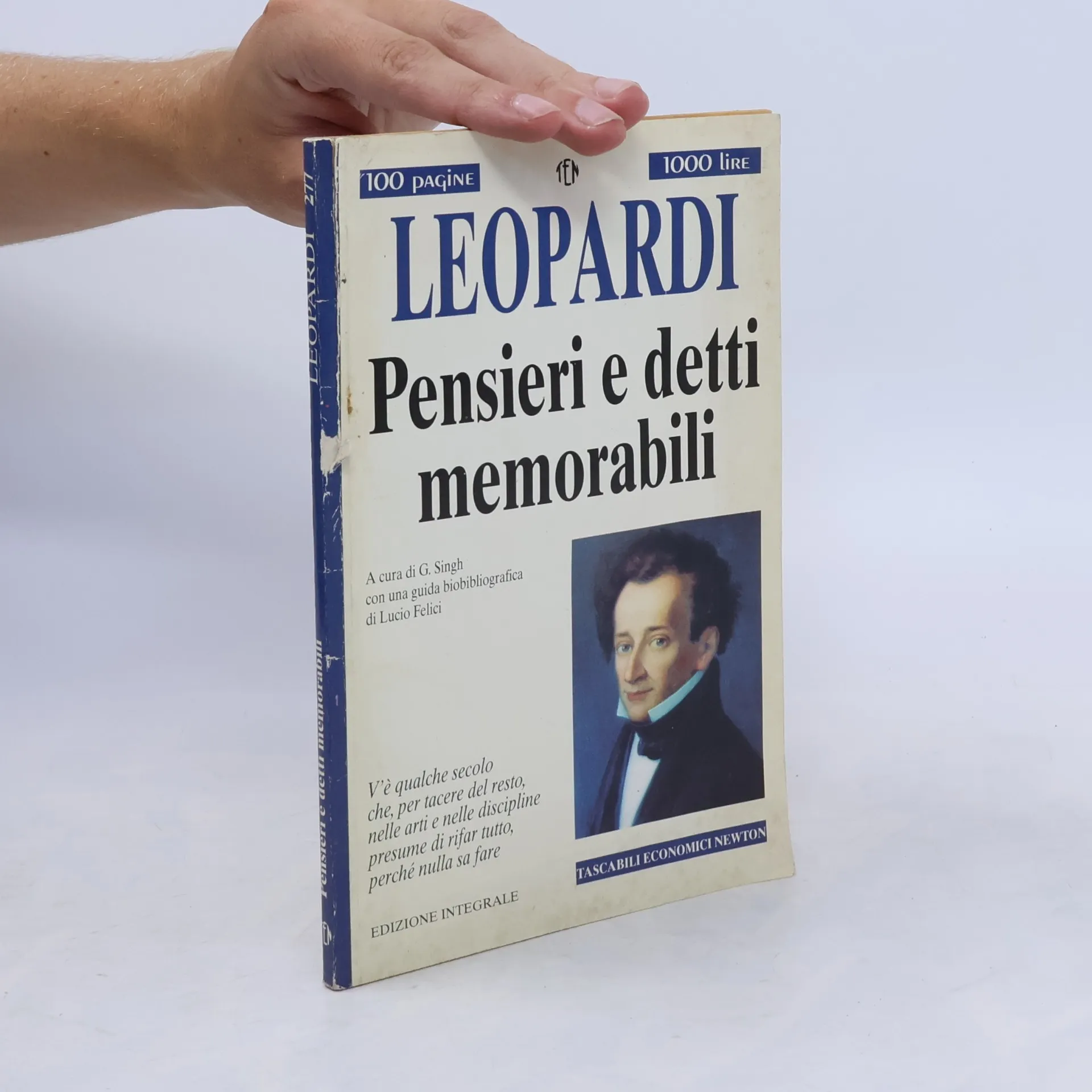
Tascabili Economici Newton - 277: Pensieri e detti memorabili
A cura di G. Singh con una guida biobibliografica di Lucio Felici - Edizione integrale
- 100 pages
- 4 hours of reading
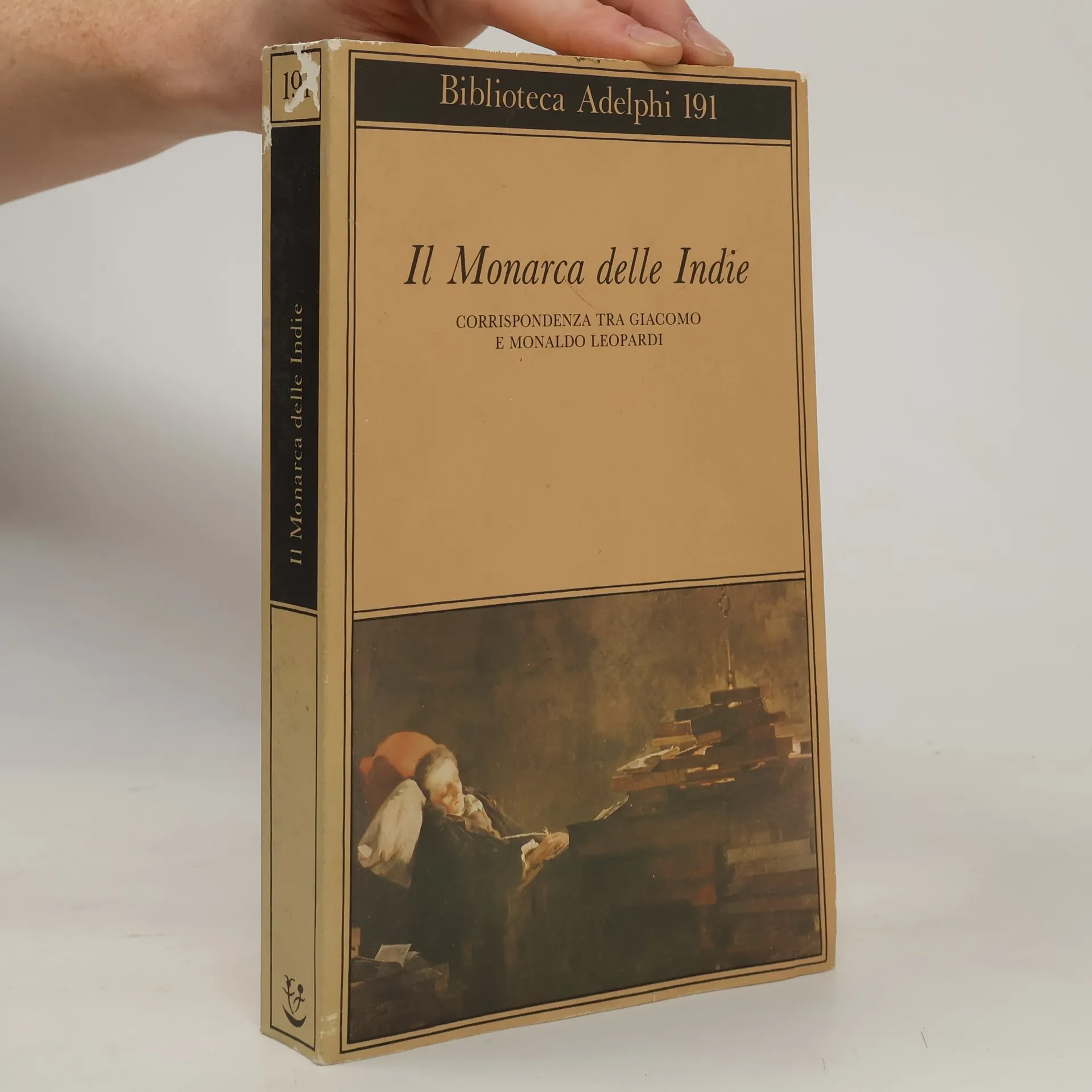
Il Monarca delle Indie. Corrispondenza tra Giacomo e Monaldo Leopardi
- 406 pages
- 15 hours of reading
«In una letterina in balbettante francese – siamo a Natale del 1811 – Giacomo, scrivendo “De la Maison”, annuncia al Padre quanto egli abbia profittato dell’insegnamento paterno, del suo esempio.
Ausgewählte Werke
- 336 pages
- 12 hours of reading
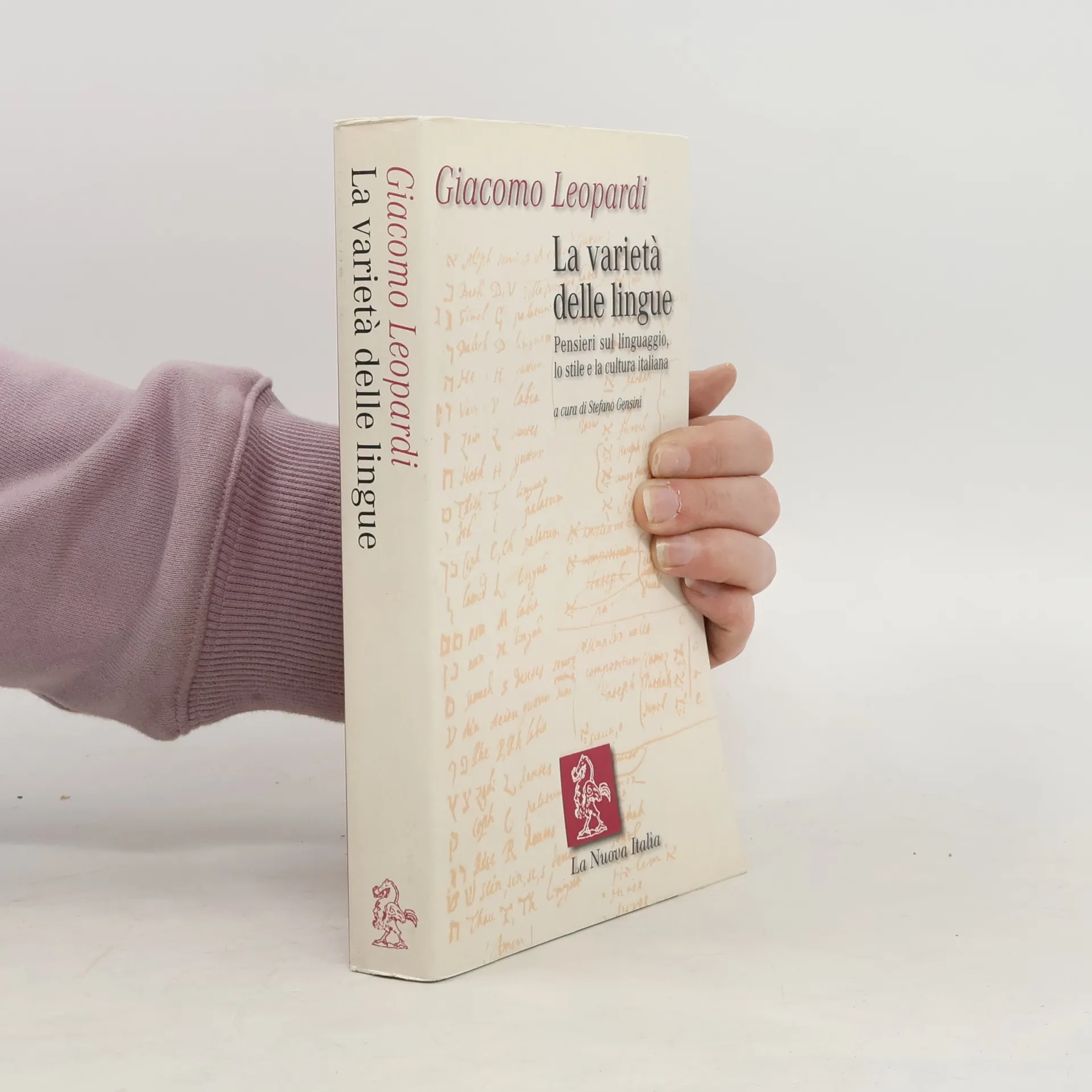
La varietà delle lingue
Pensieri sul linguaggio, lo stile e la cultura italiana
- 446 pages
- 16 hours of reading
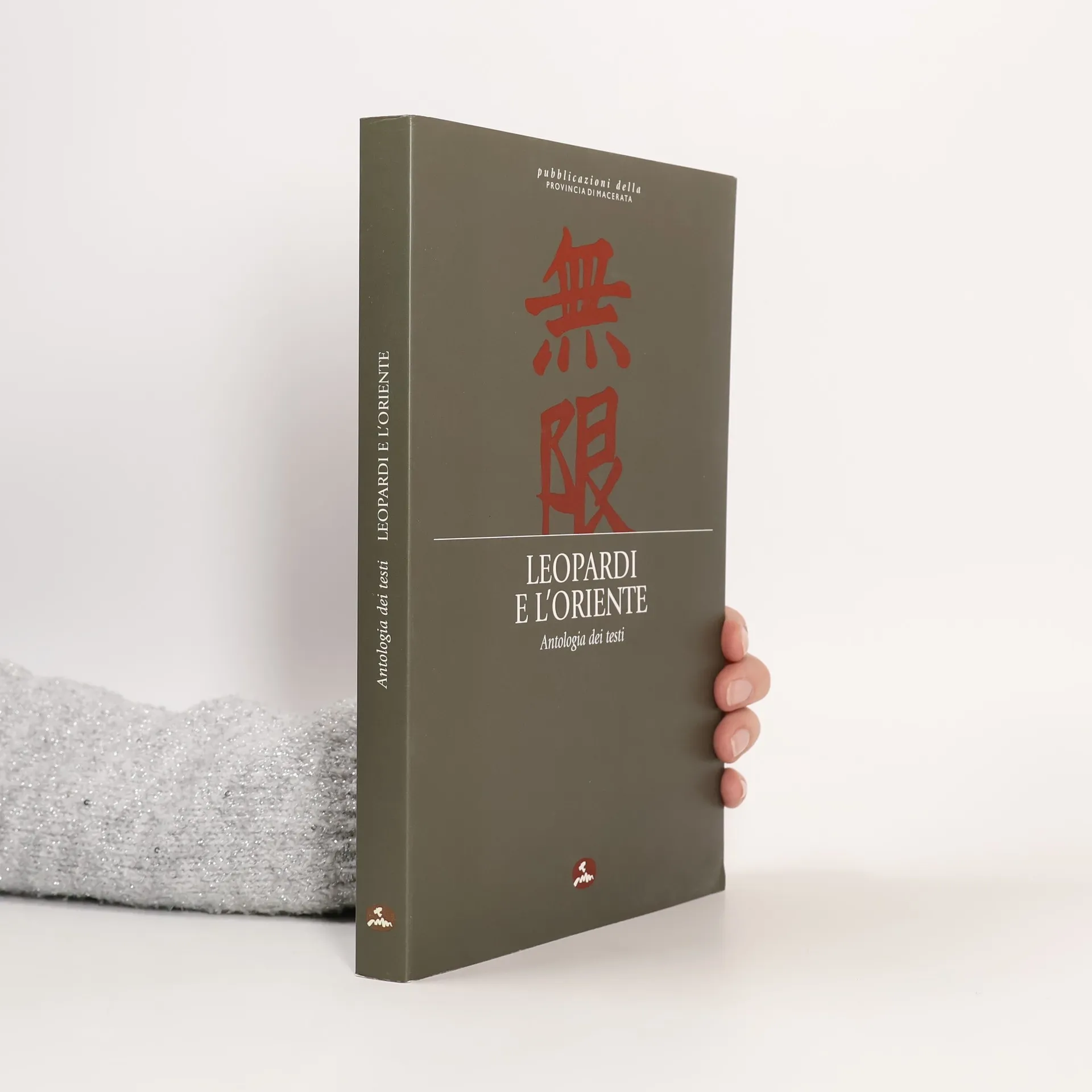
Leopardi e l'Oriente
antologia dei testi
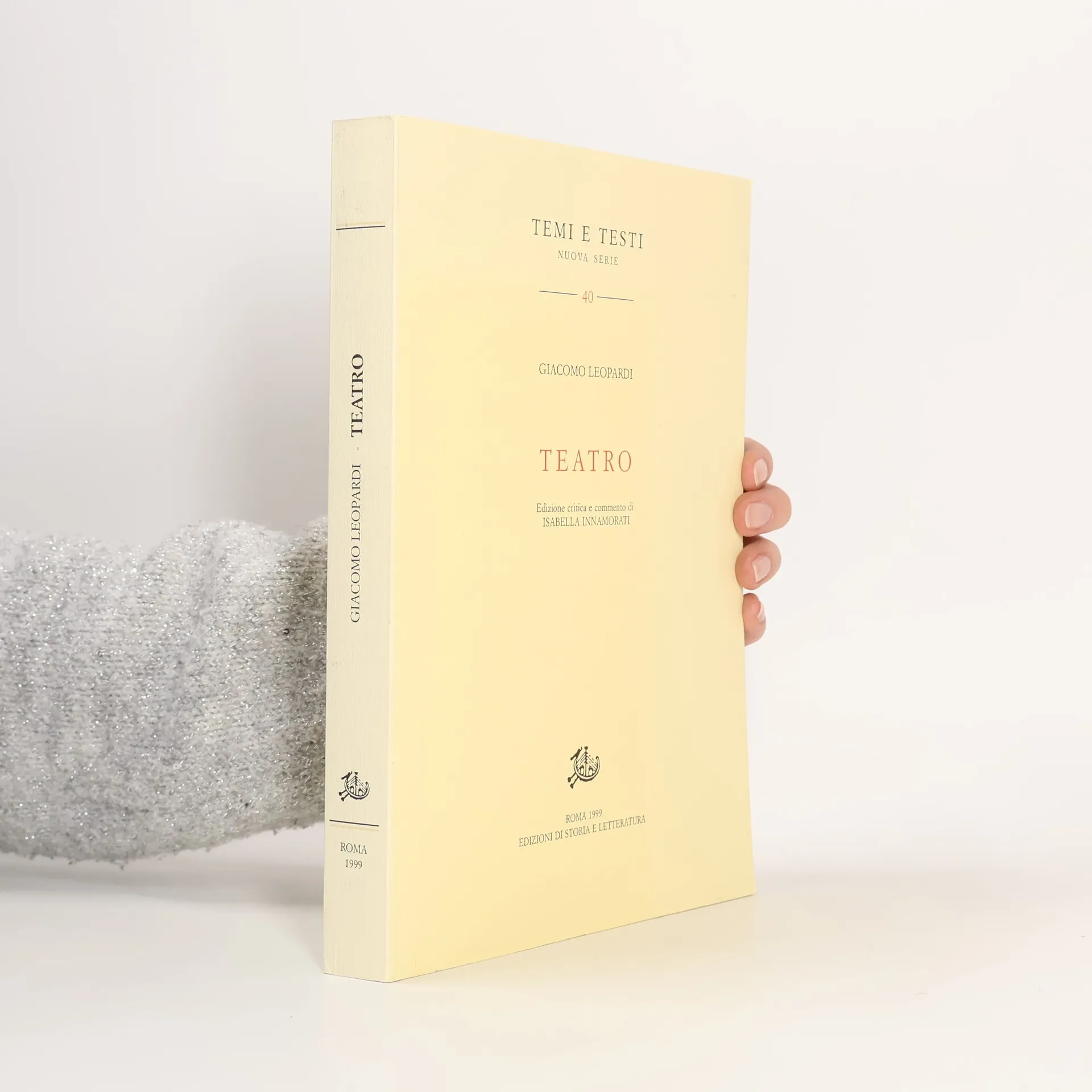
Temi e Testi - Nuova Serie - 40: Teatro
Edizione critica e commento di Isabella Innamorati
- 339 pages
- 12 hours of reading
Italian
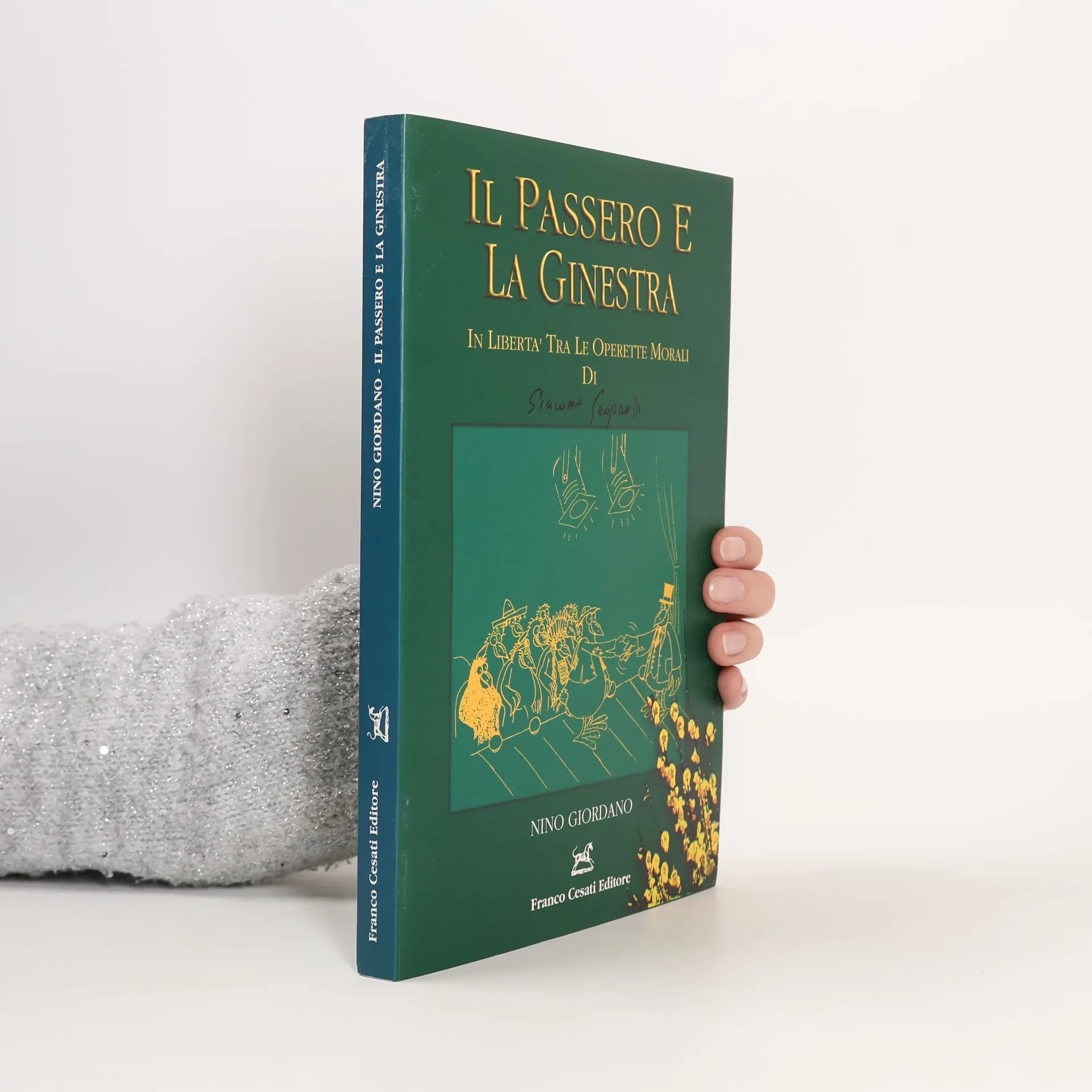
Il passero e la ginestra
libertà tra le Operette morali di Giacomo Leopardi
- 223 pages
- 8 hours of reading
Modernized texts of the poet's Operette morali for senior-school students, offering a new method for reading and analysing them.
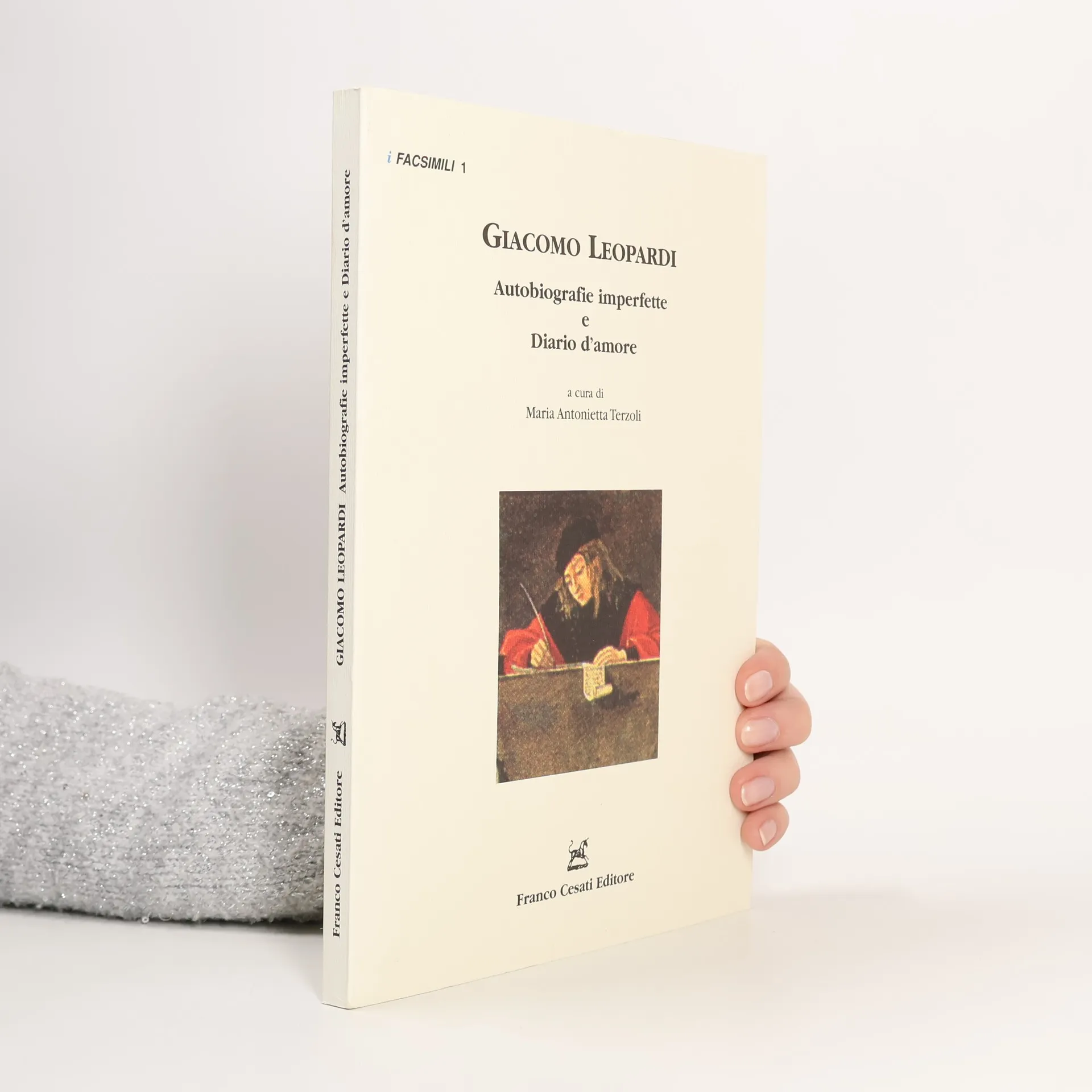
I Facsimili - 1: Autobiografie imperfette e Diario d'amore
- 142 pages
- 5 hours of reading
Una breve Nota al testo indica la provenienza del manoscritto e segnala eventuali accorgimenti specifici della trascrizione. Un saggio del curatore, di carattere non filologico ma interpretativo, propone infine alcune possibili linee di lettura, mettendo a frutto anche le suggestioni provenienti dall'autografo, ora verificabili dal lettore non professionista grazie alla riproduzione in facsimile.
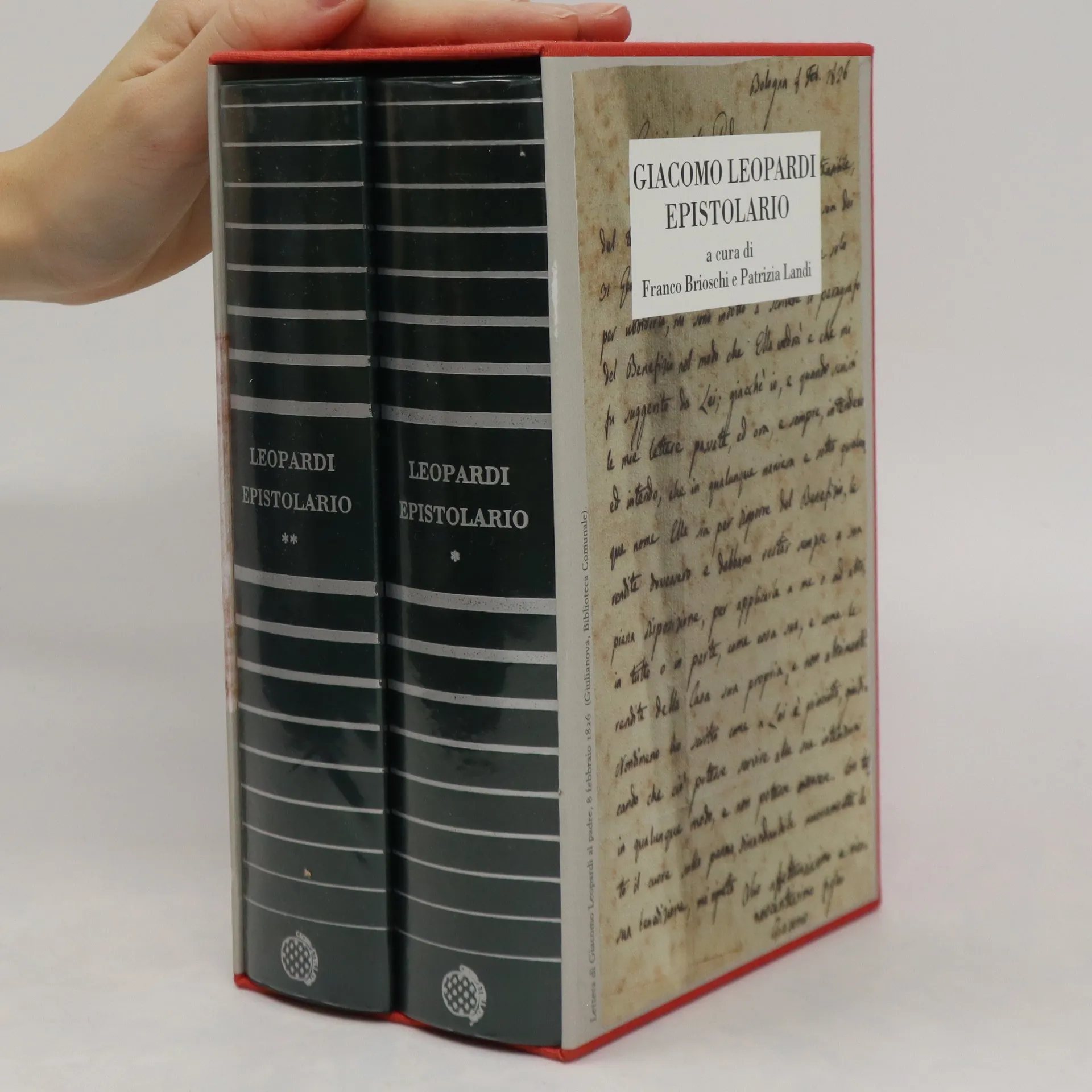
Giacomo Leopardi Epistolario 1-2
- 2 volumes
L’Epistolario leopardiano raccoglie 940 lettere scritte dal 1810 al 1837 agli amici, agli editori, agli eruditi, alle donne: argute e spiritose, o tristi e dolorose, spedite da Recanati o dalle città dove lo portava la sua fuga dal «natio borgo selvaggio». Uno scrigno che contiene il tesoro dello spessore umano, degli affetti, pene, passioni e timori dello splendido poeta e geniale letterato.
Svazek, přibližující dílo italského, spisovatele, učence a básníka z rozhraní osvícenství a romantismu, přináší výbor z meditativních dialogických básnických próz, postihujících satiricky dobové pověry, a z myšlenek o povahách lidí a jejich chování ve společnosti. Doslov: JaroslavPokorný
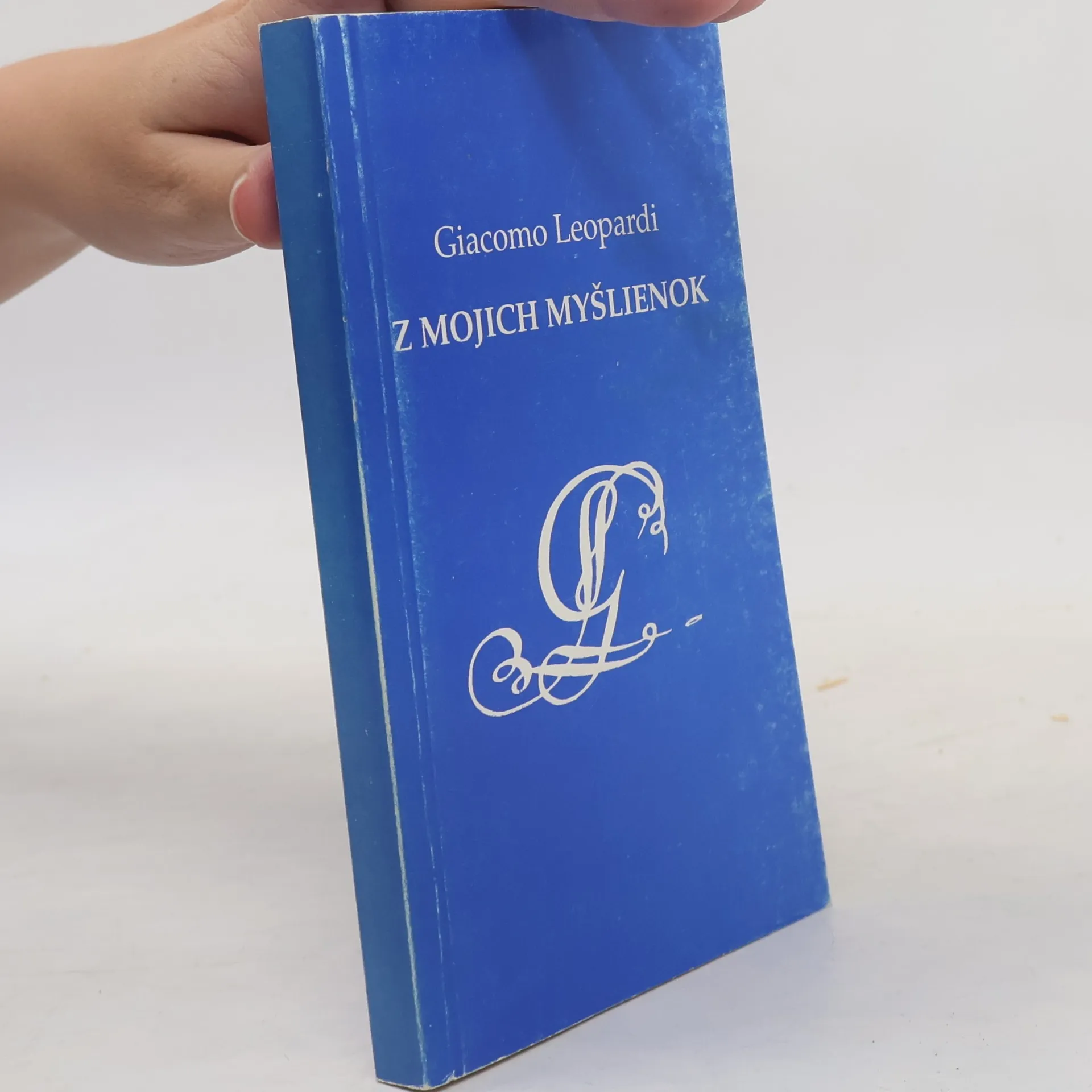
Z mojich myšlienok
- 180 pages
- 7 hours of reading
Výbor z díla básníka.Čtyřicet básní - odrazů stavu duše básníka.
Zpěvy. Canti
CANTI
Vydaním týchto juvenílií Giacoma Leopardiho do slovenčiny je celá básnická tvorba tohto veľkého talentu európskeho formátu. Vrúcnosť a zbožnosť jeho chlapčenských sŕdc sa prelieva do úprimnosti poetických myšlienok s hlbokým nábojom. Umelecky sugestívne prebásnenie myšlienok je pôvodná spoveď duše chlapca, ktorému na dne srdca začína svitať talent budúceho veľkého básnika. Jeho duša kľačí pred vznešenosťou. Úprimnými a vrúcnymi slovami vyjadruje svoje prosby, ktoré sú modlitbami a prejavom úcty k večným duchovným hodnotám. Tieto verše sú v istom zmysle modlitebnou knižočkou, v ktorej zbožný čitateľ nájde aj svoje pocity vrúcnosti. A v tomto duchovnom príbuzenstve sa spĺňa aj poslanie prekladu týchto juvenílií.