
Explore the latest books of this year!
Bookbot

Philip J. Haythornthwaite

    Philip J. Haythornthwaite is an internationally respected author and historical consultant specializing in military history, uniforms, and equipment. While his primary research area is the Napoleonic Wars, his extensive publications span a broad range of periods from the English Civil War through World War I. His works are characterized by in-depth research and attention to detail.

    Napoleon's Guard Infantry (1)
    Frederick the Great’s Army (1)
    Wellington's Specialist Troops
    The Austrian Army, 1740-80
    Napoleon's Commanders (1): C.1792-1809
    The Waterloo Armies
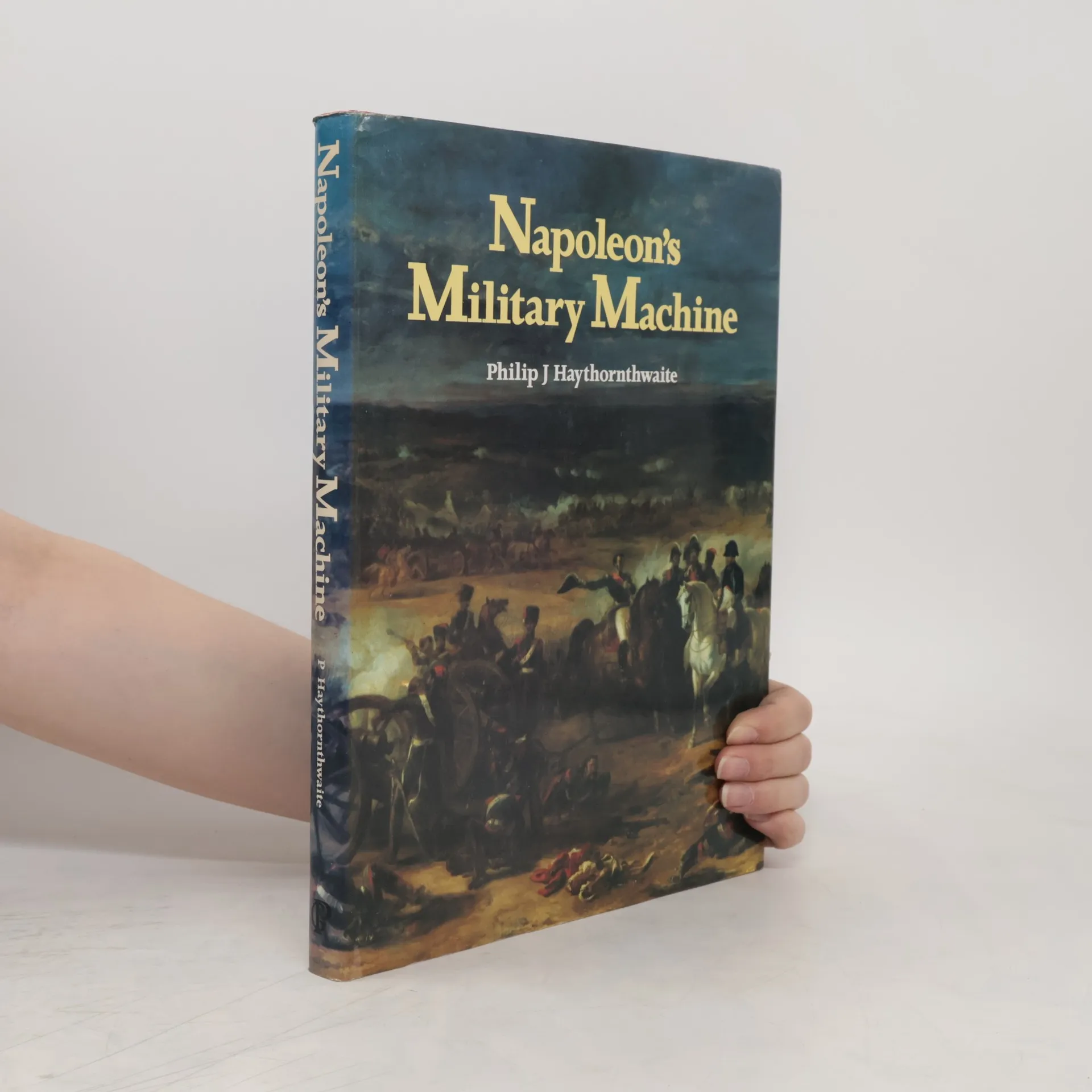
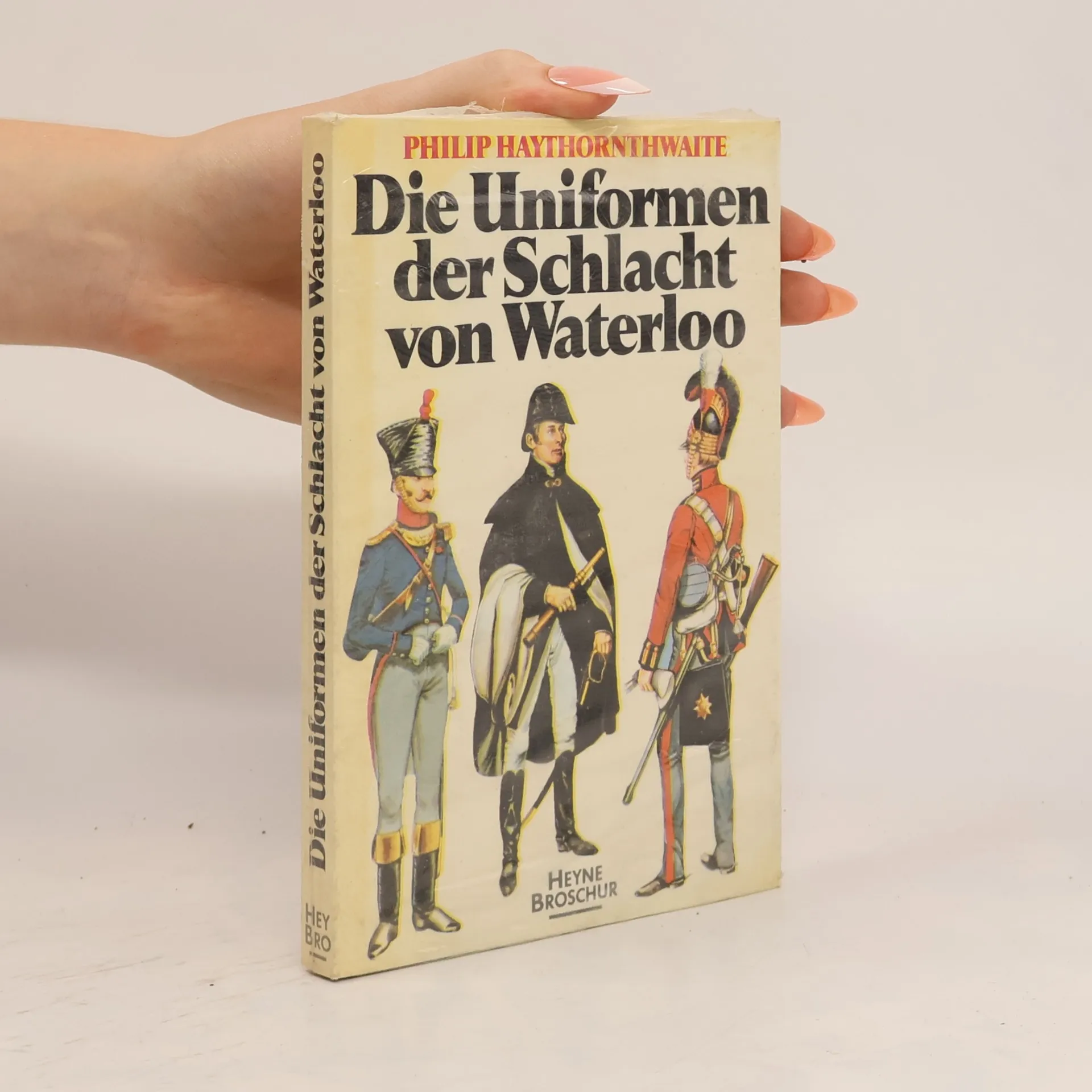
    • Waterloo is one of the most famous battles in history and it has given rise to a vast and varied literature. The strategy and tactics of the battle and the entire Waterloo campaign have been analysed at length. The commanders, manoeuvres and critical episodes, and the intense experiences of the men who took part, have all been recorded in minute detail. But the organization, structure and fighting strength of the armies that fought in the battle have received less attention, and this is the subject of Philip Haythornthwaite's detailed, authoritative and engaging study. Through a close description of the structure and personnel of each of the armies he builds up a fascinating picture of their makeup, their methods and their capabilities. The insight he offers into the contrasting styles and national characteristics of the forces that came together on the Waterloo battlefield gives a fresh perspective on the extraordinary clash of arms that ended the Napoleonic era.

      The Waterloo Armies
    • Napoleon's Commanders (1): C.1792-1809

      • 64 pages
      • 3 hours of reading
      4.0(14)Add rating

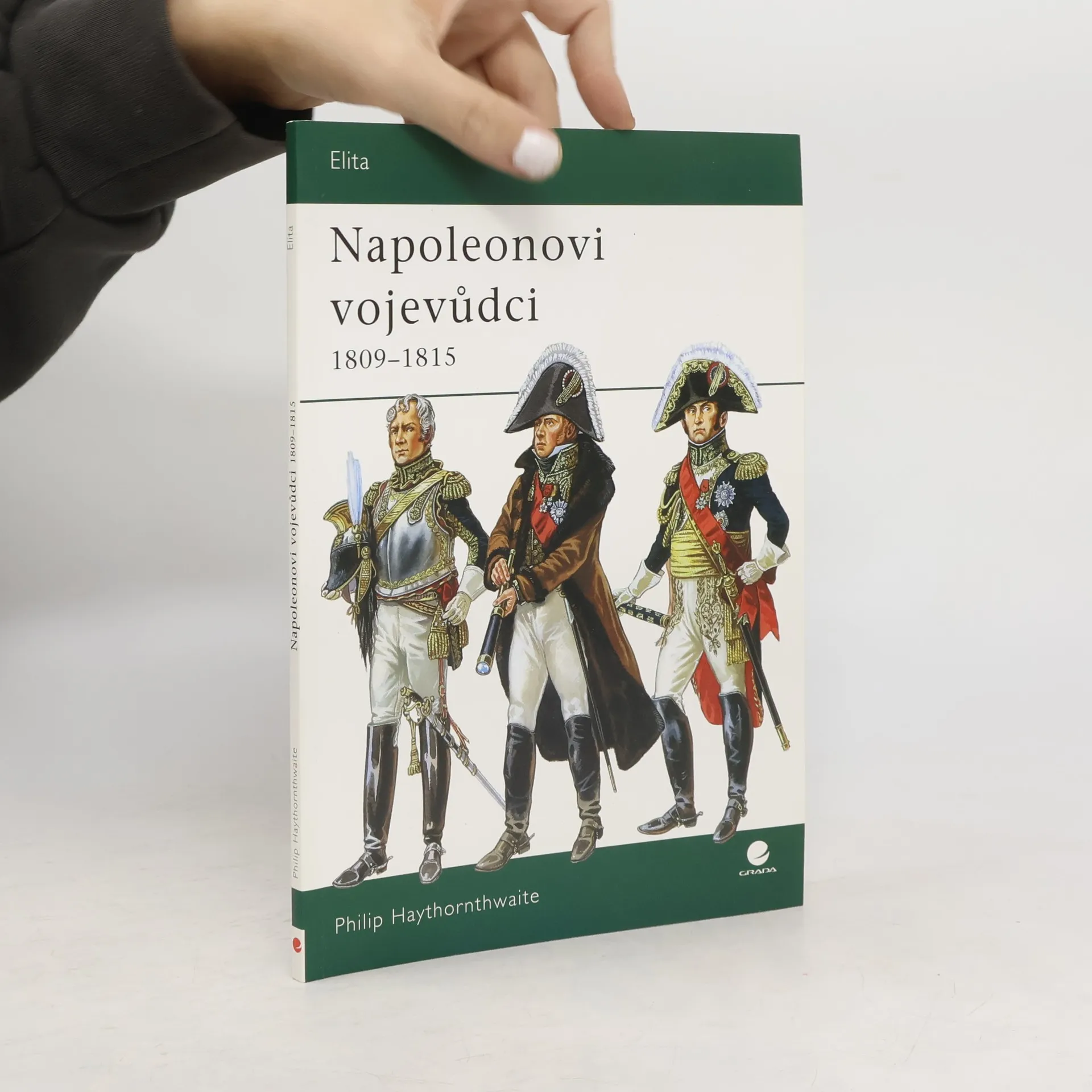
      Victory or defeat on the Napoleonic battlefield was dependent on the skills, reactions and personalities of individual commanders. Even under a military genius such as Bonaparte, the dispersal of his armies on campaign and the lack of fast communications left command and control of the different corps and divisions in the hands of his marshals and generals. Illustrating the appearance of more than two dozen of Napoleon's leading colleagues and subordinate commanders, this first in a pair of Elite titles describes in concise but colourful detail their careers and personalities in the Revolutionary Wars and the Napoleonic campaigns up to 1809.

      Napoleon's Commanders (1): C.1792-1809
    • The Austrian Army, 1740-80

      • 48 pages
      • 2 hours of reading
      4.0(11)Add rating

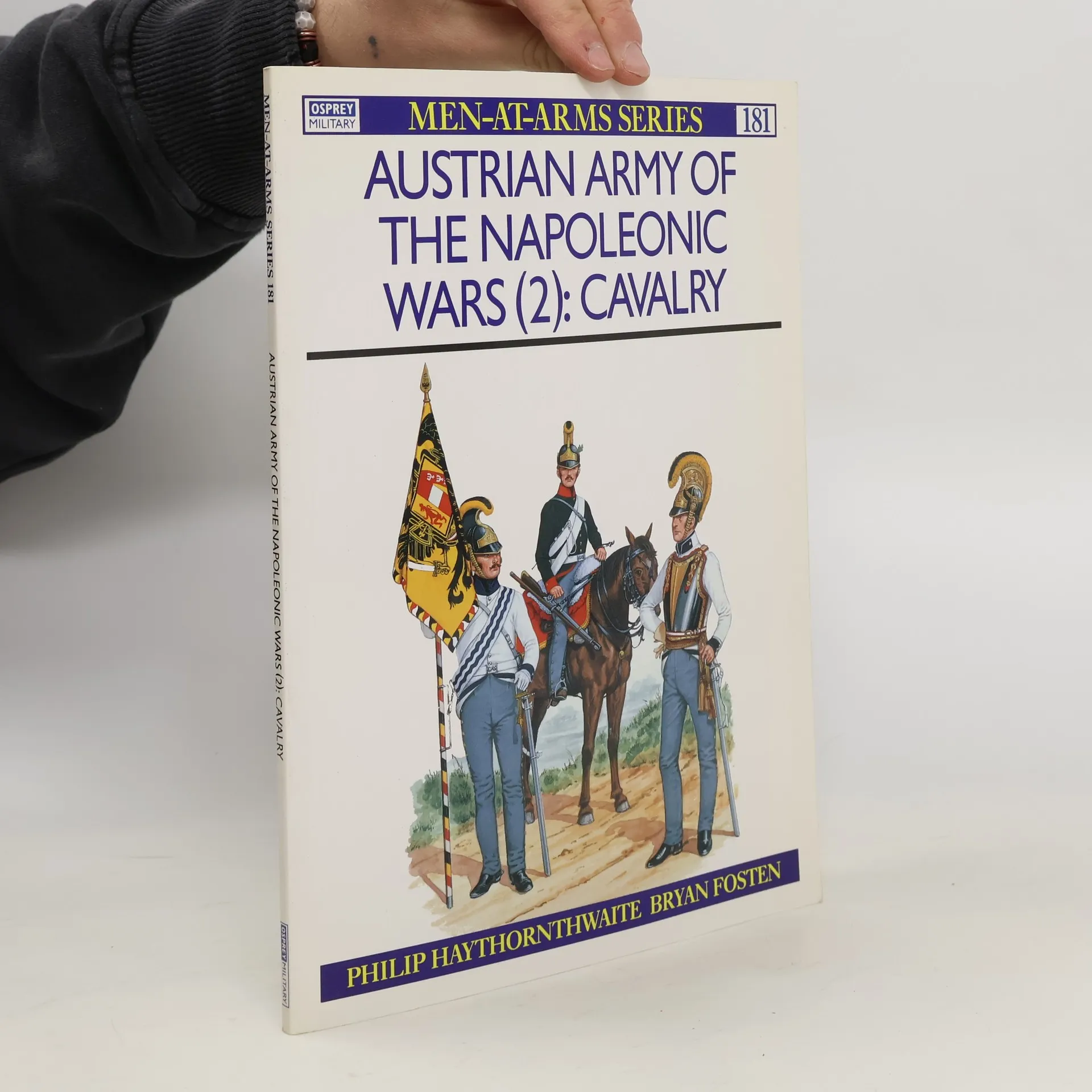
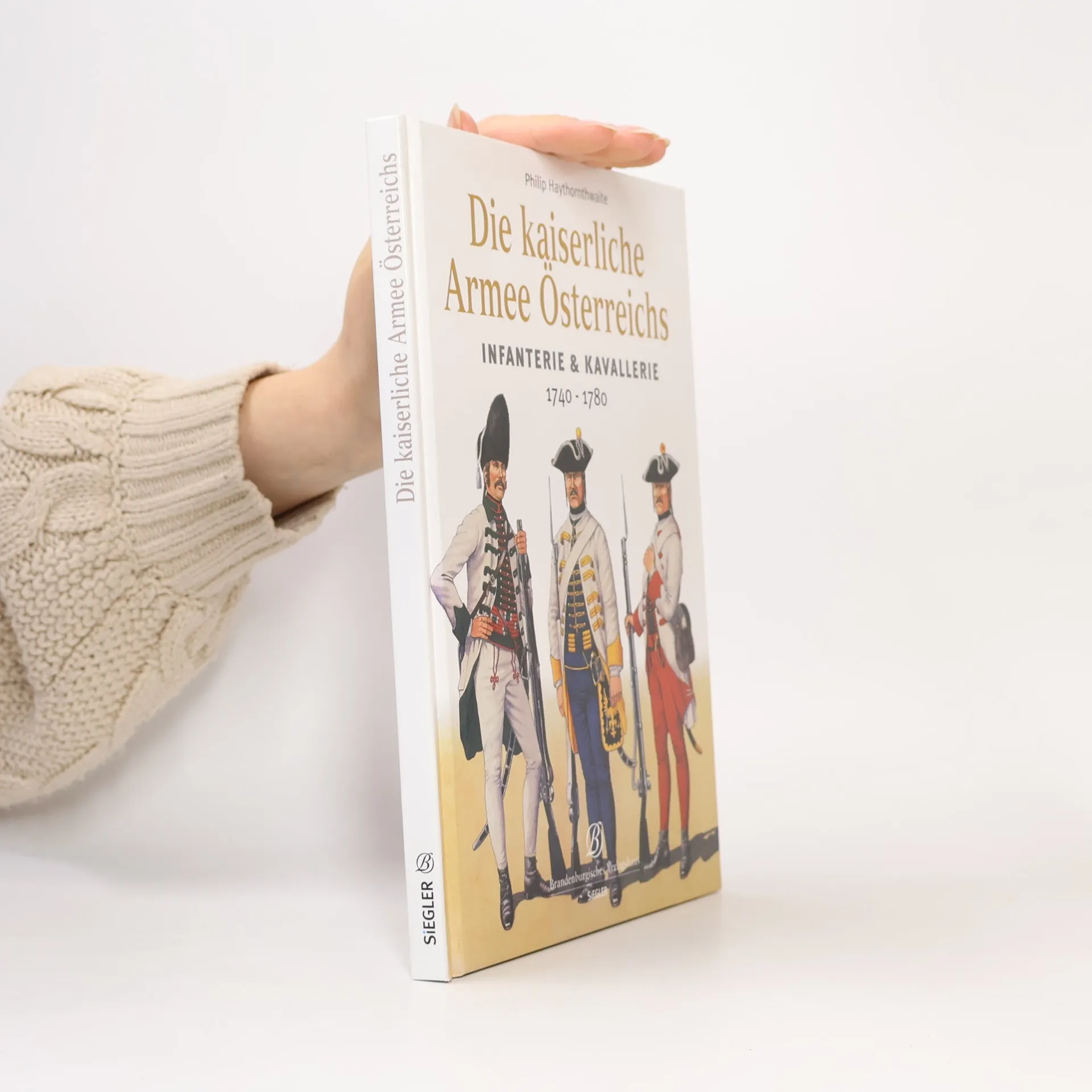
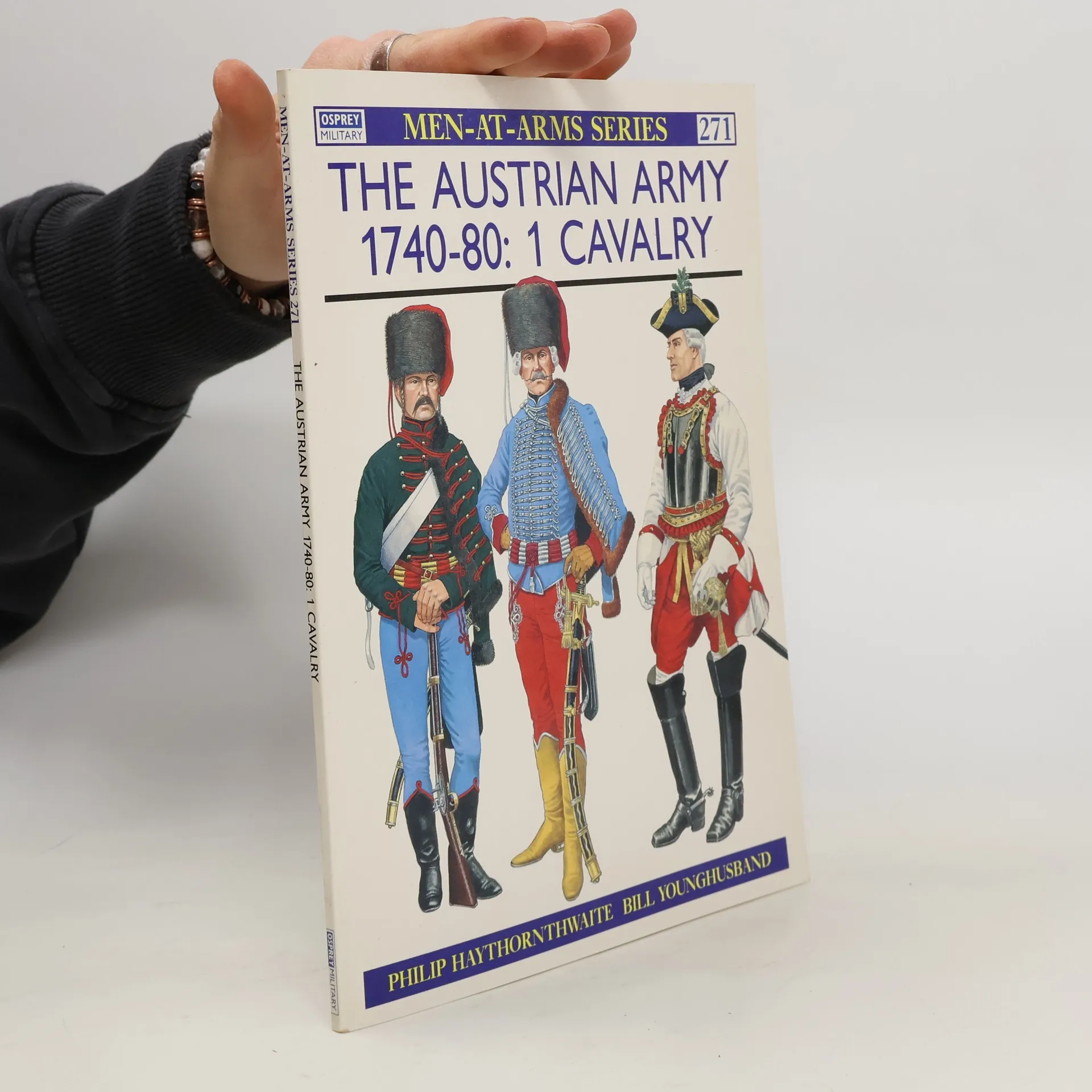
      Describes the uniforms, weaponry, military practices and tactics of the Cavalry of Maria Theresa's army. This book also records the history of the army's campaigns, and is illustrated with contemporary images, detailed diagrams and colour plates.

      The Austrian Army, 1740-80
    • Wellington's Specialist Troops

      • 48 pages
      • 2 hours of reading
      3.9(12)Add rating

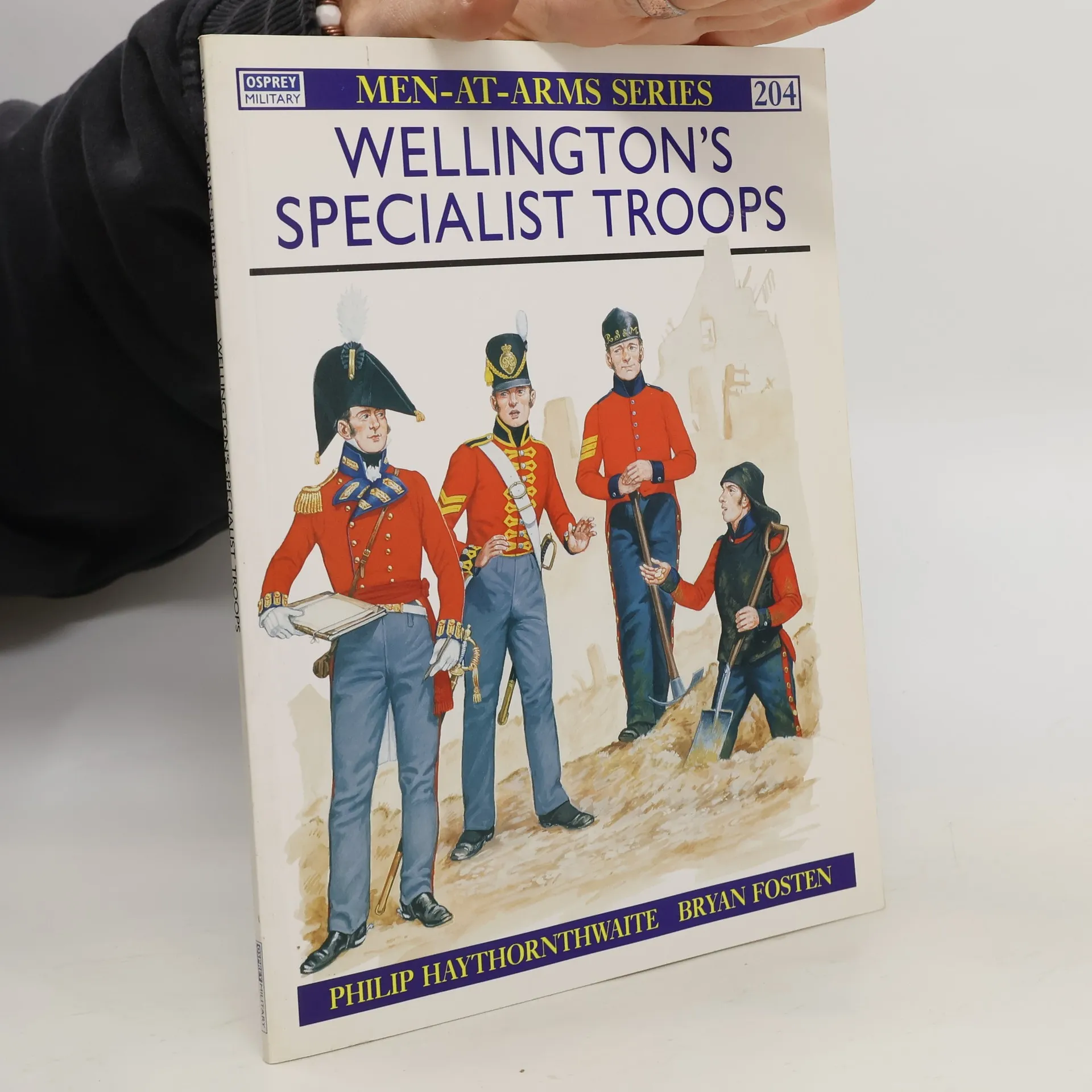
      The specialist troops of Wellington's army played a crucial role in the success of the British Army. Though often understaffed and ineptly managed, the artillery, engineers, transport and commissariat, and medical services contributed to Wellington's ultimate victory in 1815. The Royal Artillery and Corps of Royal Engineers comprised a small number of highly trained officers, while the commissariat was composed of untrained civilians outside military discipline, and the medical services suffered from a shortage of trained surgeons. This richly illustrated book examines the organization, uniforms and equipment of each of these specialist departments.

      Wellington's Specialist Troops
    • Frederick the Great’s Army (1)

      • 48 pages
      • 2 hours of reading
      4.0(16)Add rating

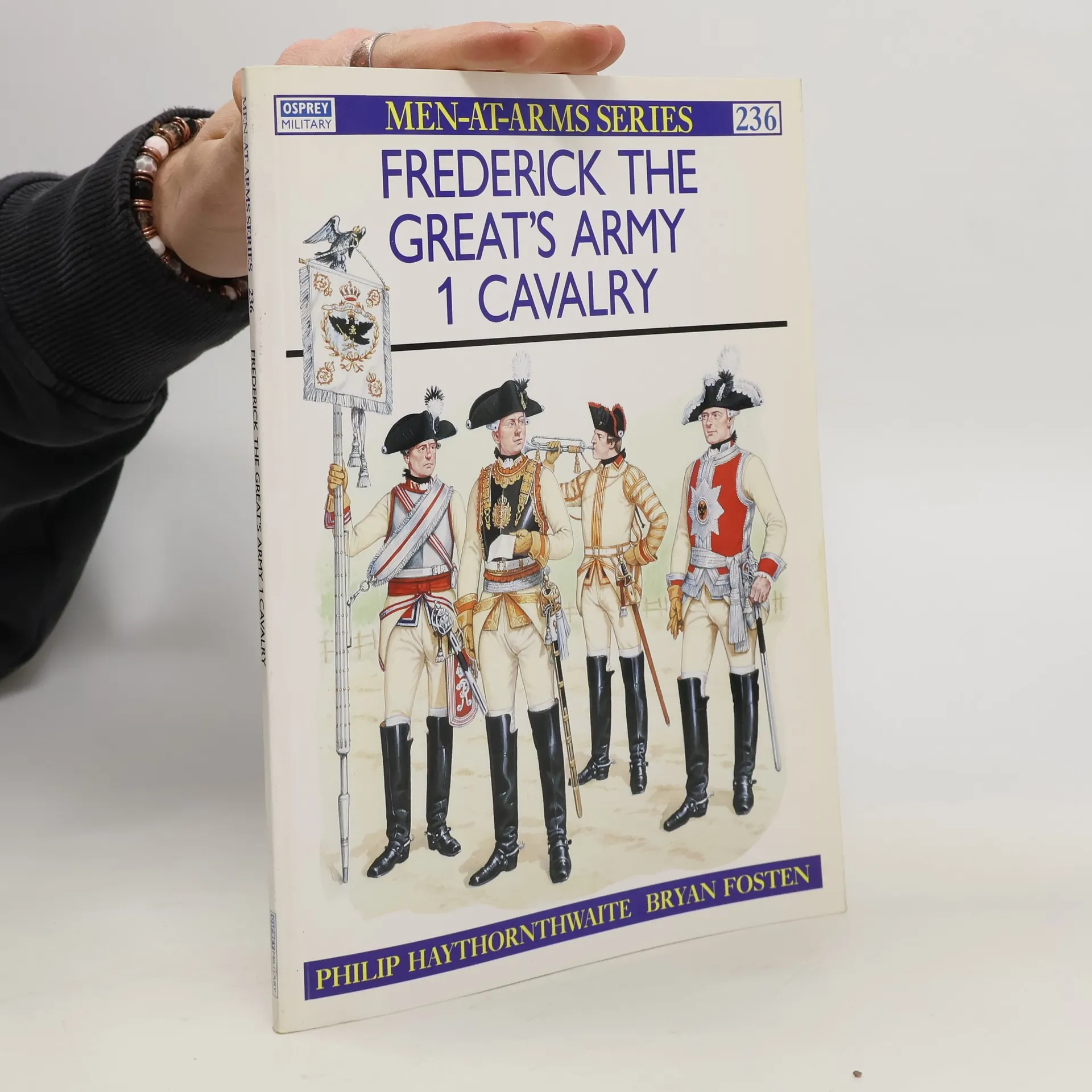
      The Prussian army of King Frederick II, 'the Great', became so renowned as a result of its campaigns, principally during the Seven Years' War (1756-1763), that it was regarded as a model for many of the other armies of Europe. In this first of two volumes exploring Frederick the Great's splendid army, Philip Haythornwaite examines the organization, tactics and uniforms of his cavalry troops, in a text backed by numerous illustrations including eight full page color plates by Bryan Fosten.

      Frederick the Great’s Army (1)
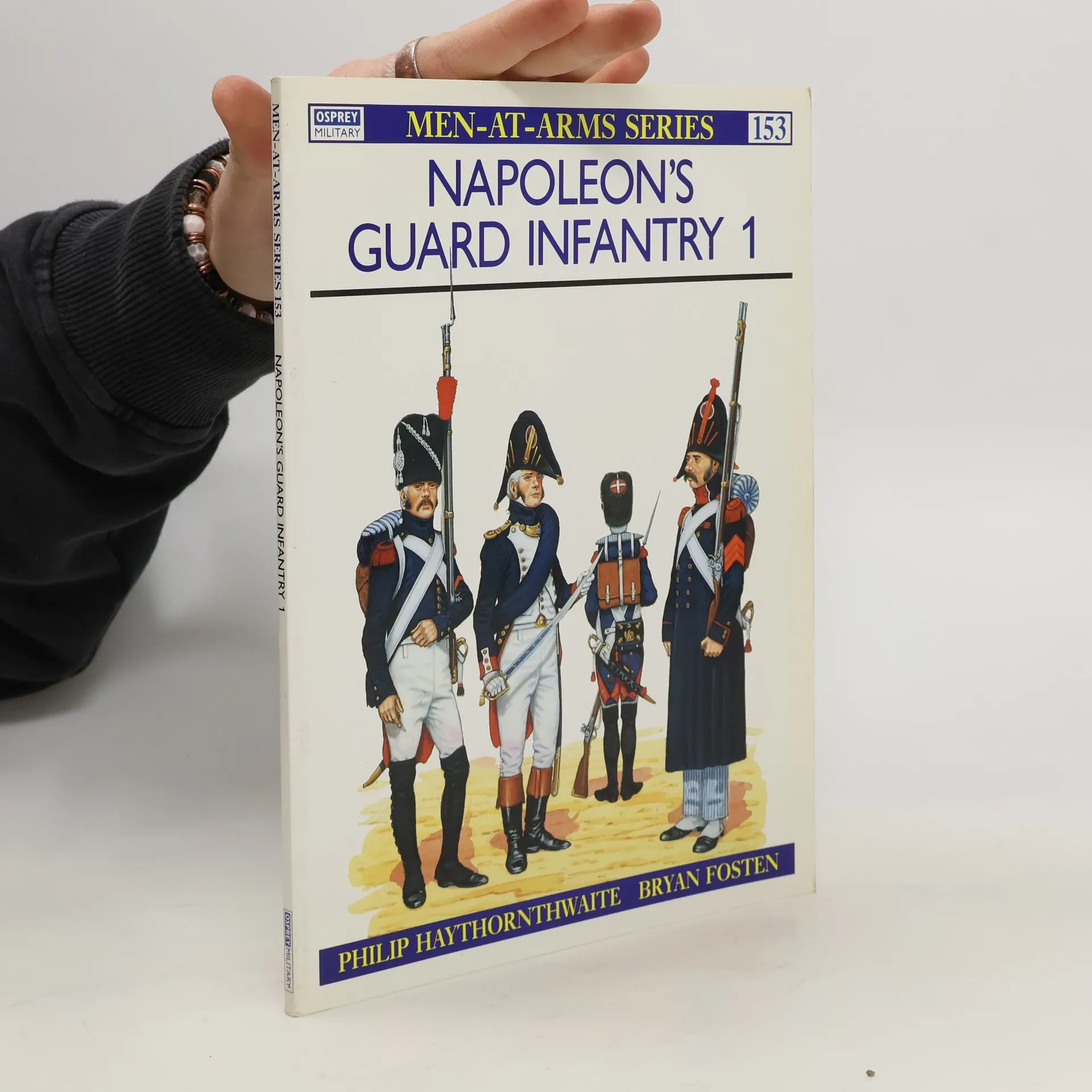
    • Napoleon's Guard Infantry (1)

      • 48 pages
      • 2 hours of reading

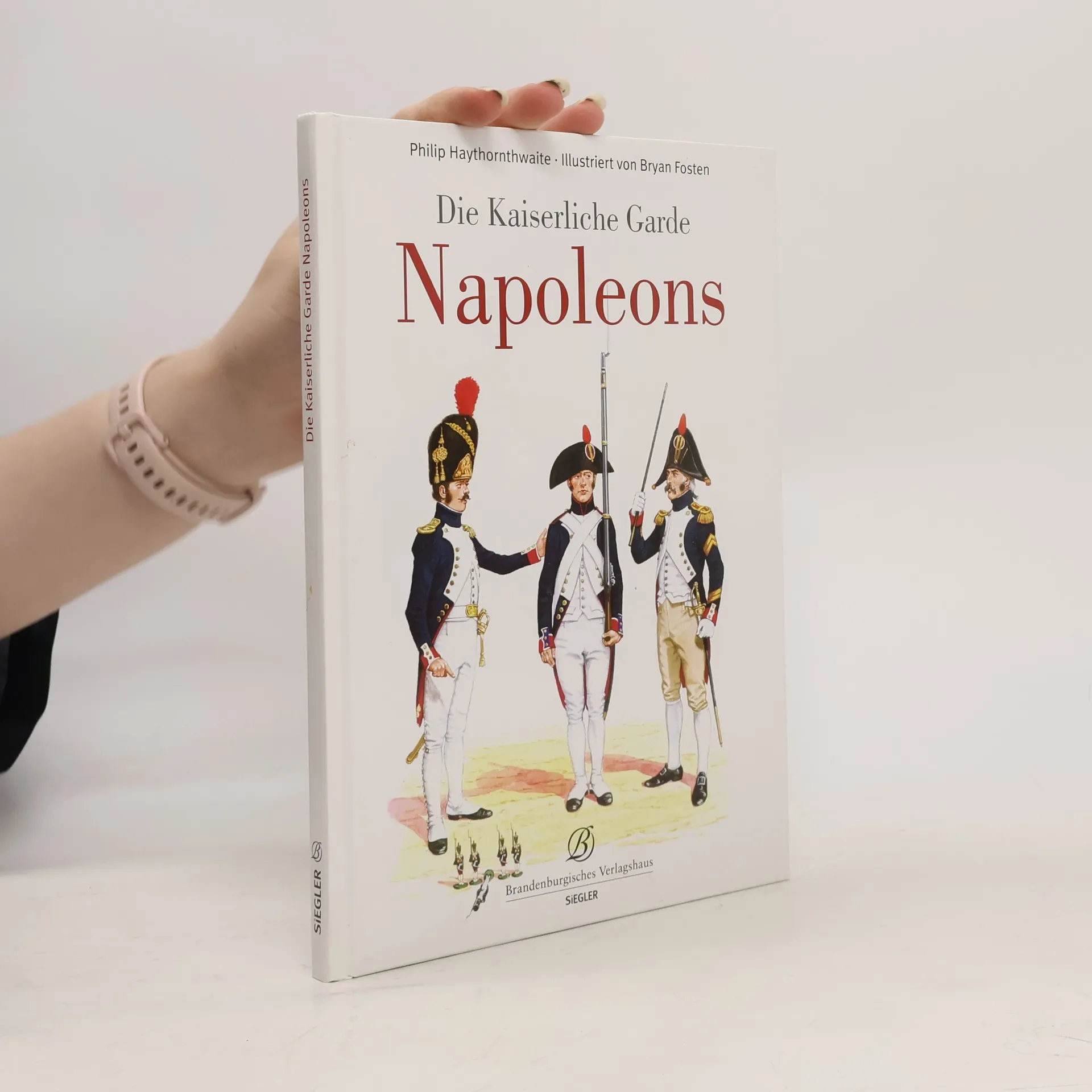
      The concept of the bodyguard is as ancient as the practice of an individual assuming the leadership of a group or tribe. From the Companions of Alexander to the Varangians of Byzantium, bodies of élite warriors, owing personal allegiance to their sovereign and obeying no others, have illuminated or stained the annals of military history. Napoleon's Imperial Guards probably represent the last true link in a chain spanning the ages. Philip Haythornthwaite describes the history, organization and equipment of Napoleon's Guard Infantry during the Napoleonic Wars period (1799-1815) in an engaging work which includes numerous illustrations and eight full page color plates superbly drawn by Bryan Fosten.

      Napoleon's Guard Infantry (1)
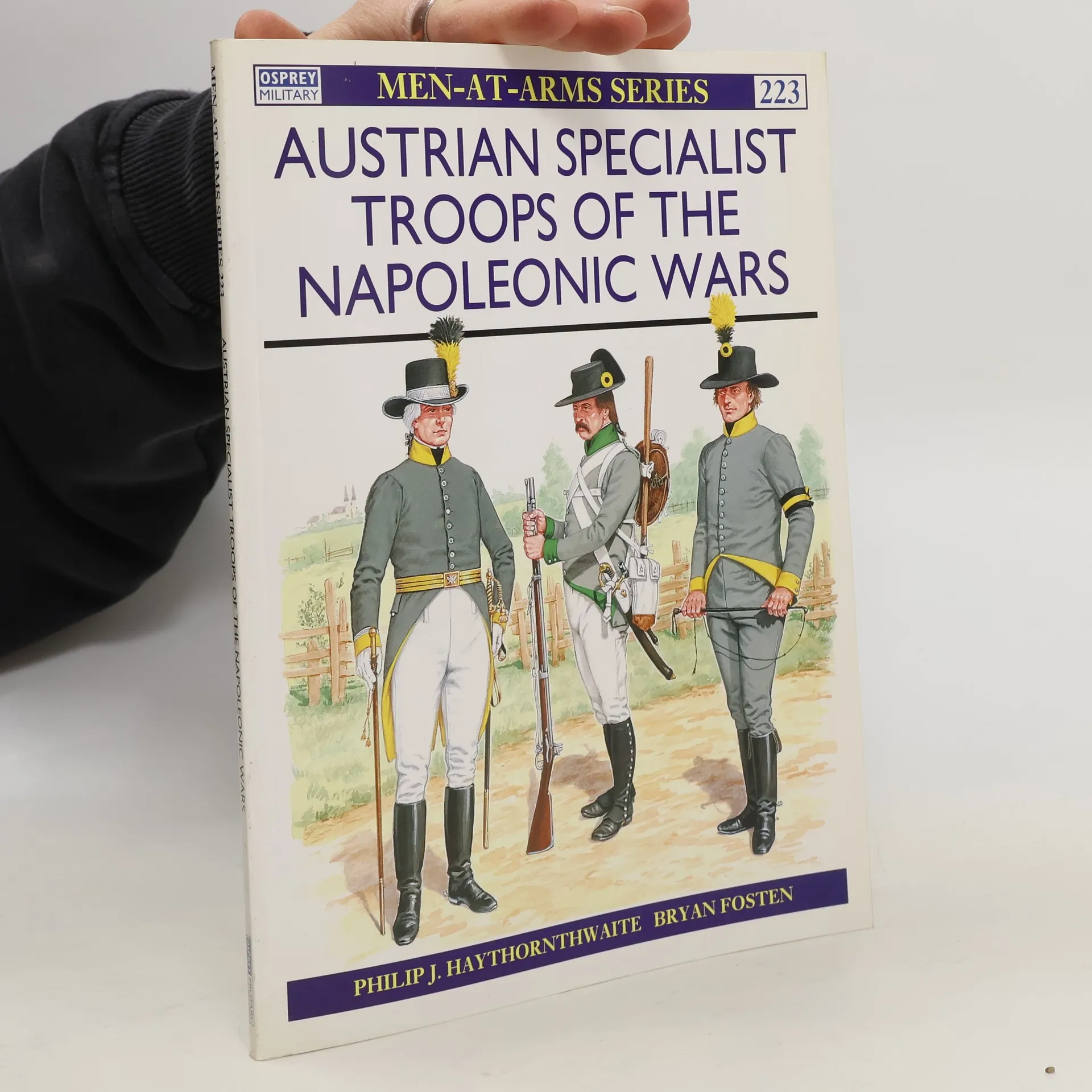
    • The specialist troops of the Austrian forces helped to secure Austria's reputation as the most formidable of Napoleon's continental enemies. Due largely to the efforts of Prince Liechtenstein, by the late 18th century the Austrian artillery had been the finest in Europe, and was held up as an example to the world. This text examines the famed Austrian artillery and other specialist troops of the Napoleonic Wars (1799-1815), including the Pioneers, Pontooneers, engineer services and medical service, detailing their organisation, equipment and uniforms in a volume complete with accompanying illustrations and colour plates.

      Austrian Specialist Troops of the Napoleonic Wars
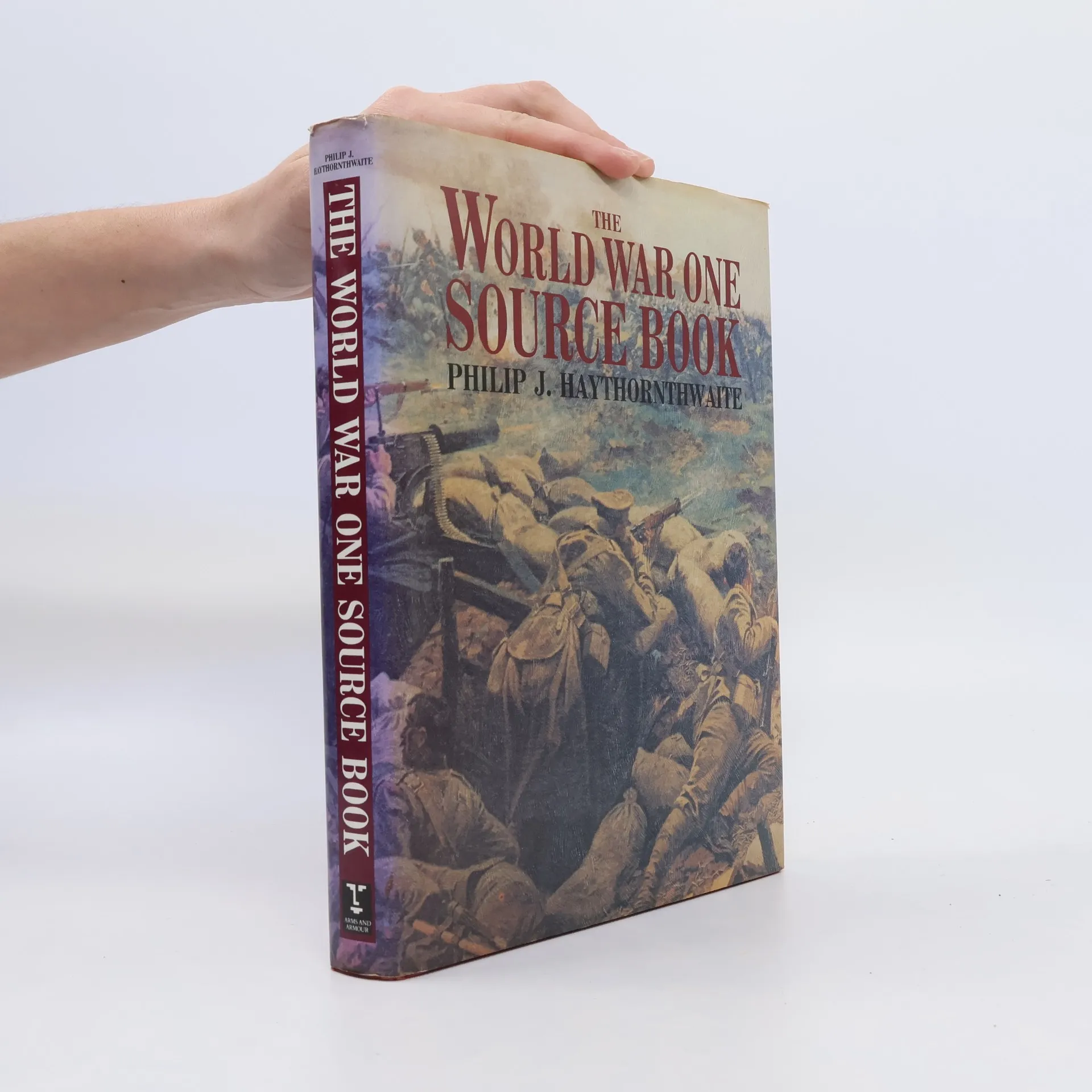
    • This is a unique reference source on the armies, battles, weapons and leaders of the first of the great wars that shook Europe and the World during the twentieth century. There are over 250 contemporary photographs and engravings and clear maps that illustrate the principal battles and campaigns. The book includes: * The Campaigns: chronology, battles * The Weaponry: arms, strategy, tactics on land and sea * The Warring Sides: armies, navies, leaders and led * The Commanders: the significant leaders and characters * The Sources: contemporary records, books, graphic arts, photography and videos * Miscellanea: statistics, pay, clothing issue, weapons performance etc. * Glossary of period and technical terms

      The World War One Source Book
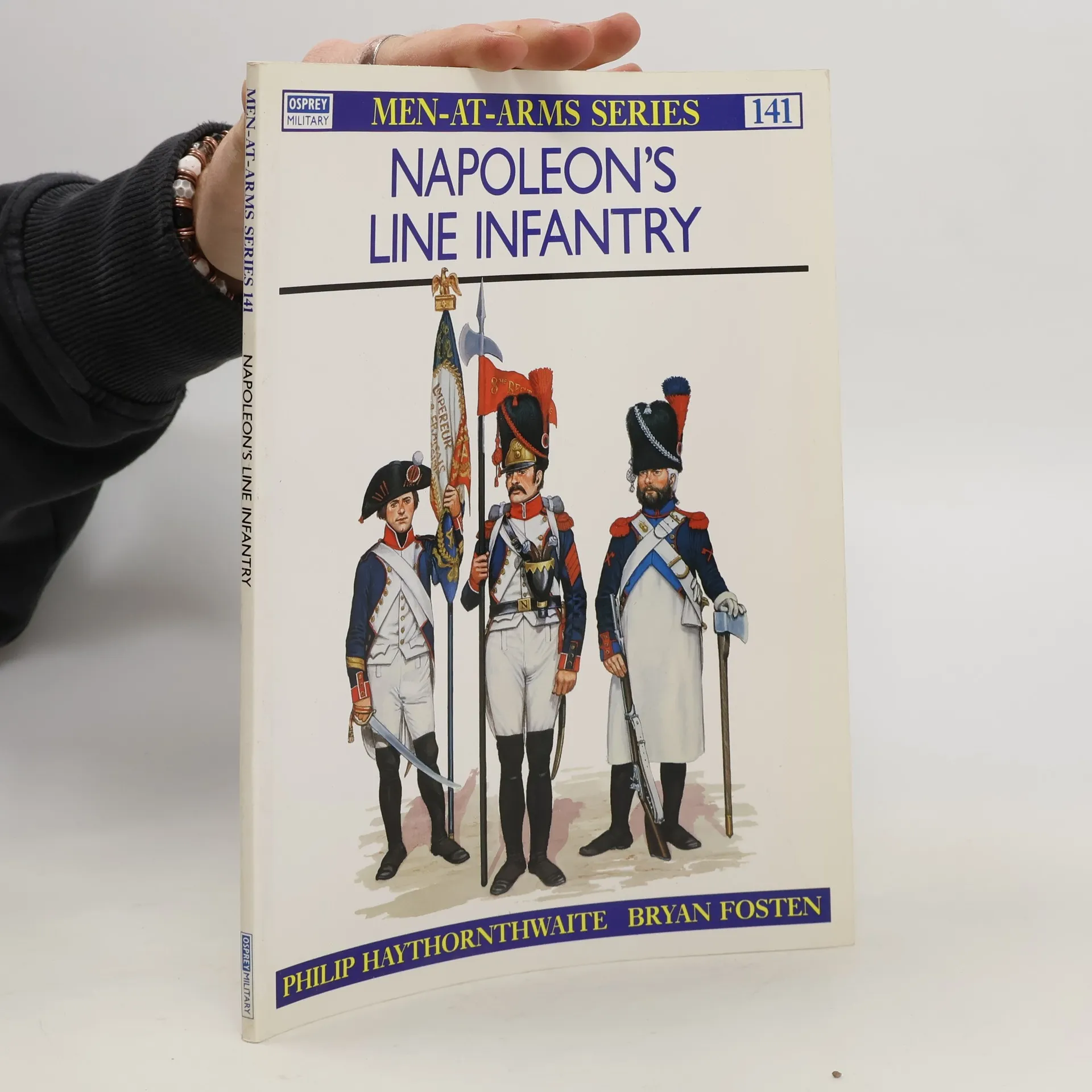
    • Napoleon's Imperial Guard was one of the most famous military formations in history. The Imperial Guard could perform ceremonial duties as well as any, but it was primarily as an élite combat formation of the army that it excelled. Although it would expand to represent a considerable portion of France's military establishment, it remained Napoleon's personal guard during the Napoleonic Wars (1799-1815) and was accorded care and attention which set its members above the rest of the army. In this book, Philip Haythornthwaite examines their lives, organisation and privileges, paying particular attention to how their experience differed from those of the regular French line units.

      Imperial Guardsman 1799–1815
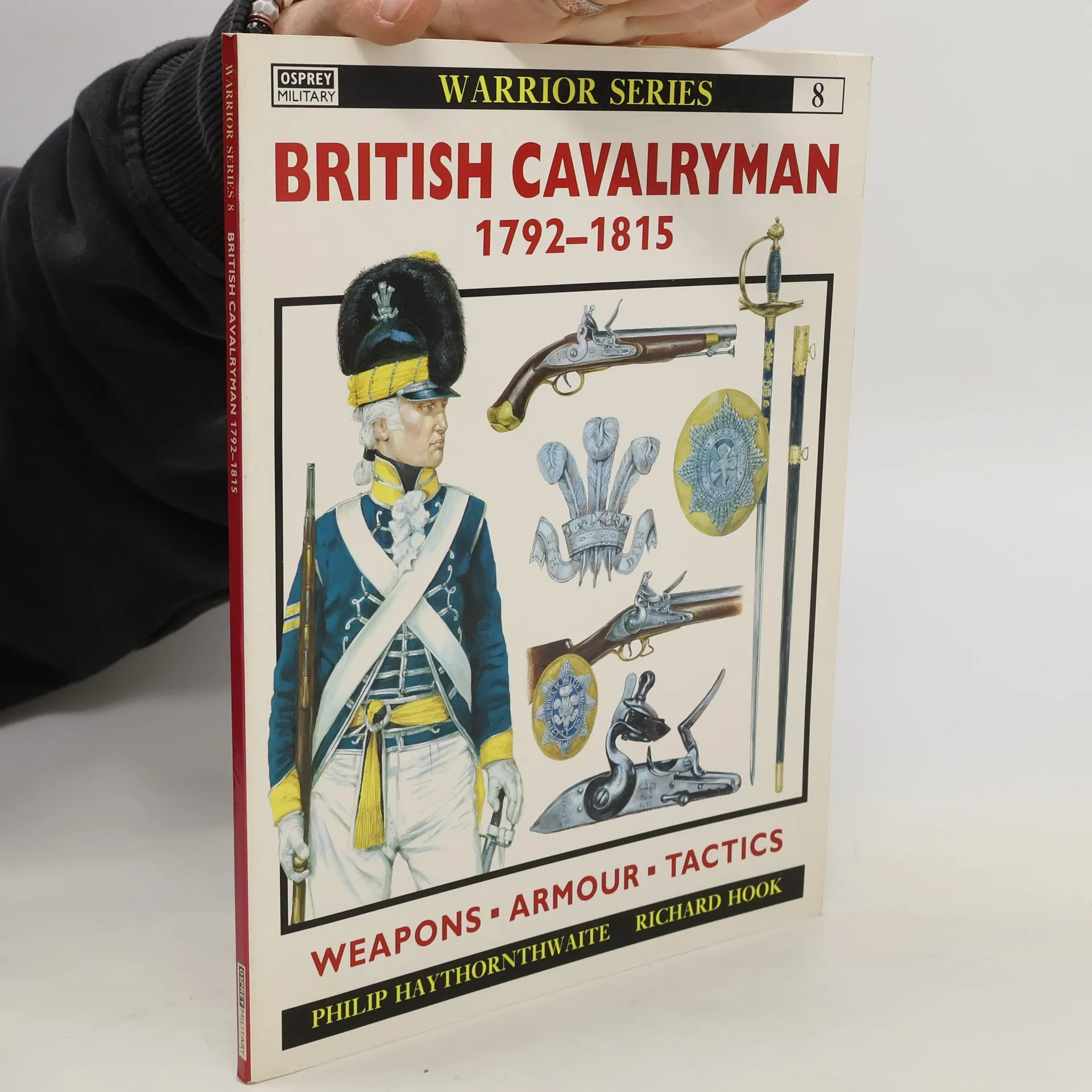
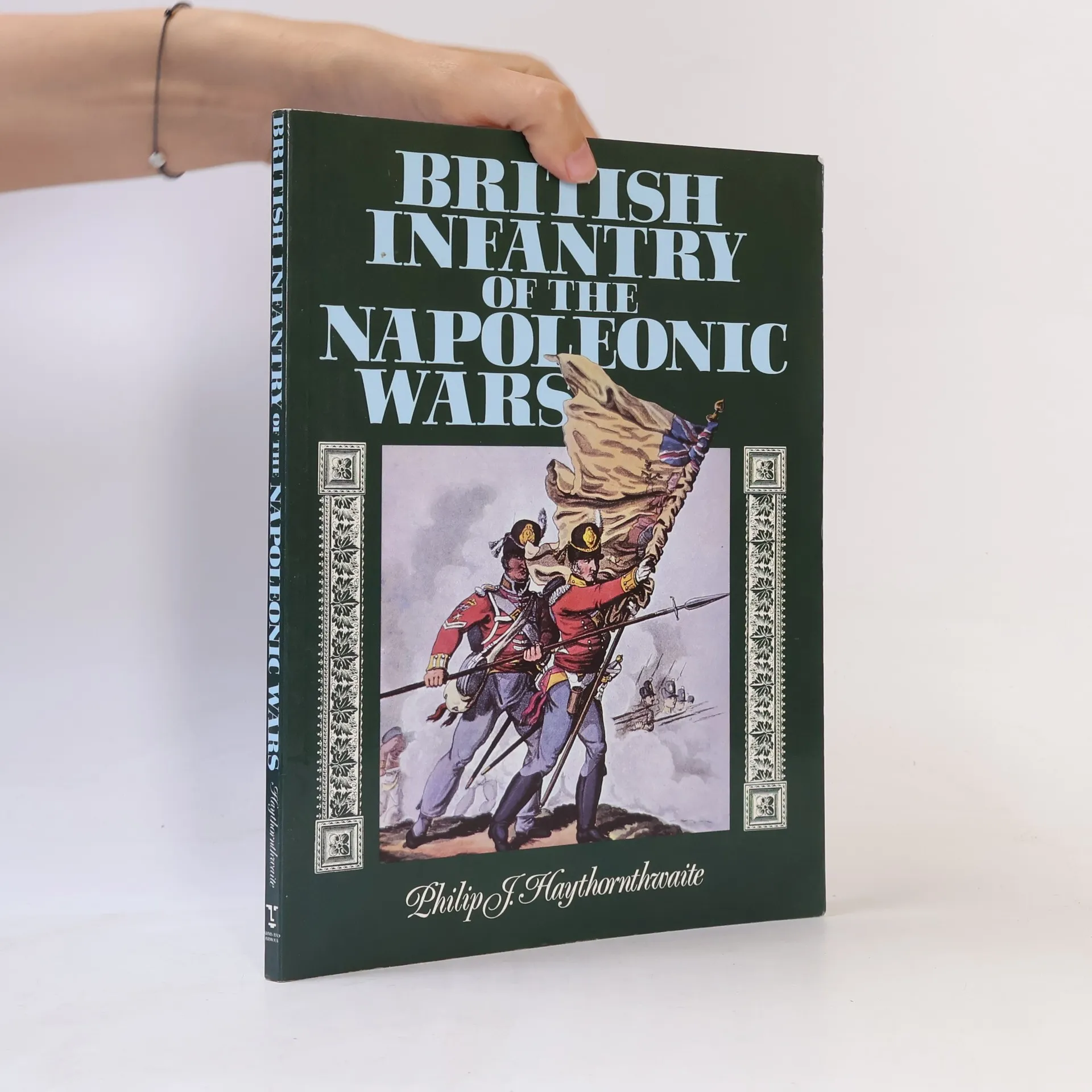
    • In the campaigns of the French Revolutionary (1792-1802) and Napoleonic Wars (1799-1815), the deserved reputation of the British infantry has tended to overshadow the contribution of the cavalry, but in fact they did form an integral part of the army, carrying out duties crucial to the success of other arms. British Cavalryman 1792-1815 recounts what these duties were and examines the men who performed them. The different regiments of the cavalry are listed and some of the arm's more exotic or professional corps, such as the King's German Legion, examined.

      British Cavalryman 1792–1815