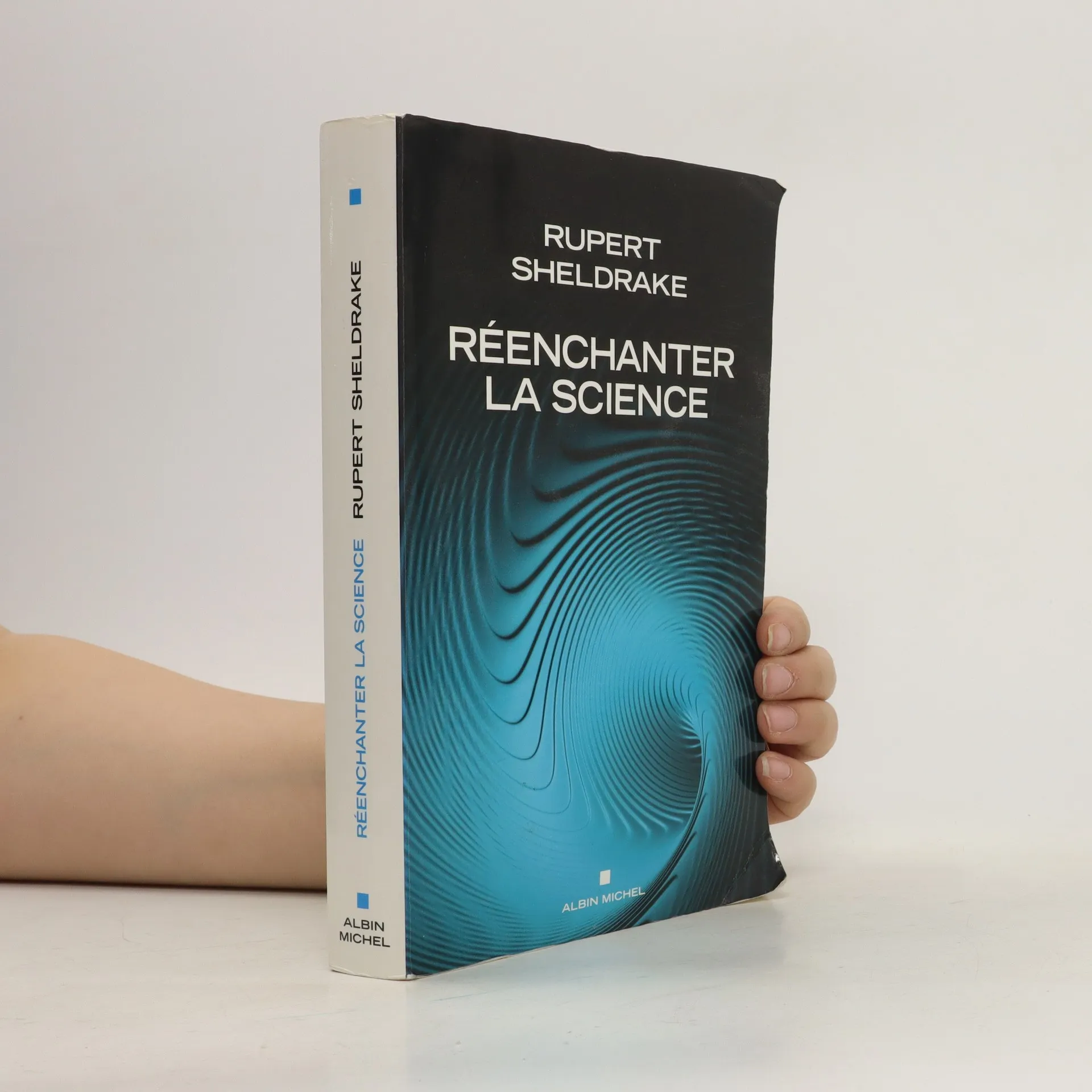
Rupert Sheldrake is a biologist and author whose work delves into the development and behavior of plants and animals, telepathy, perception, and metaphysics. Drawing inspiration from philosopher Henri Bergson, he developed the theory of morphic resonance, exploring the interconnectedness of natural phenomena. Sheldrake's writing is characterized by an interdisciplinary approach, bridging scientific inquiry with philosophical contemplation. Readers will appreciate his profound explorations into the nature of reality and the living world.
A radical ground-breaking hypothesis that challenges the fundamental assumptions of modern science by suggesting that nature itself has a consciousness. Sheldrake is especially appealing to those interested in holistic science. Line drawings.
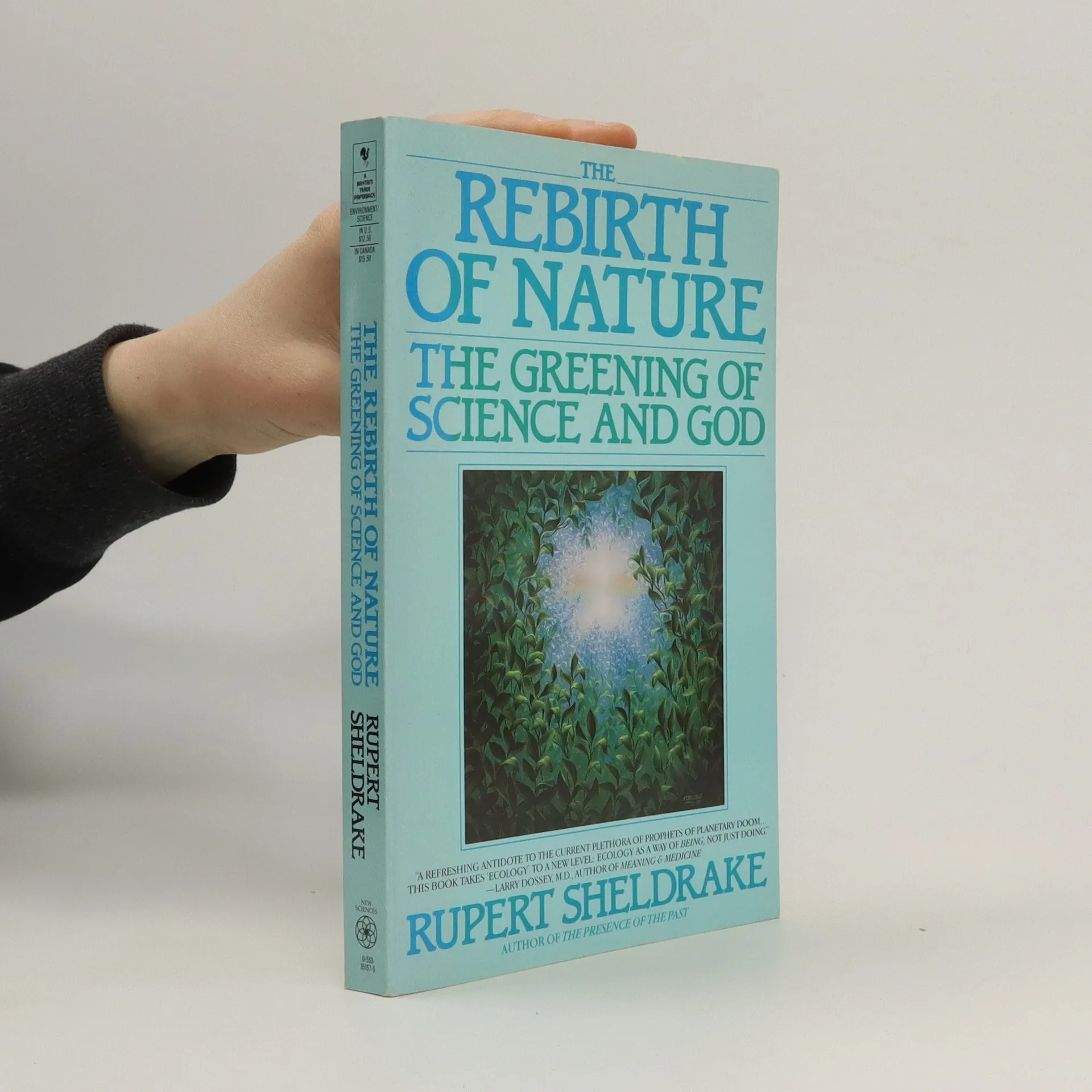
Suggests that the laws of nature may not have been fixed when the universe was born, but may themselves have grown and evolved, and challenges the established views of nature as an inanimate machine
The authors' passion is to break out of paradigms that retard our evolution and to explore new possibilities. Through challenge and synergy they venture where few have gone before, leading their readers on an exciting journey of discovery. Their discussions focus on the evolution of the mind, the role of psychedelics, skepticism, the psychic powers of animals, the structure of time, the life of the heavens, the nature of God, and transformations of consciousness.
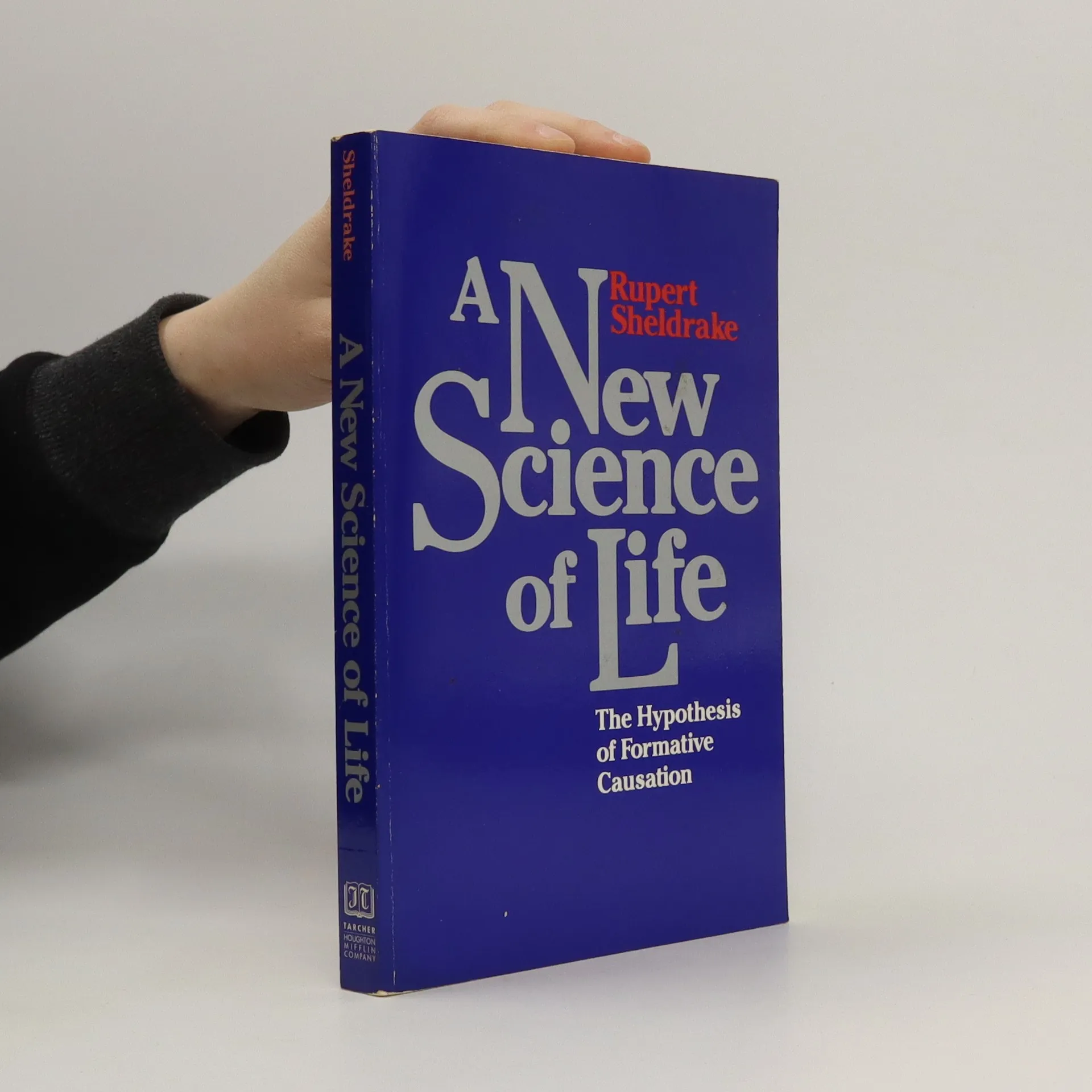
What is the nature of life, and how are the shapes and instincts of living organisms determined? Sheldrake's hypothesis, "Formative Causation", proposes that form and function of all living things are passed to succeeding generations by "morphogenetic fields" that extend through space and time.
Chaos, Creativity, and the Resacralization of the World
175 pages
7 hours of reading
Explore the relationships between chaos, creativity, and imagination, and their connection to the soul of the world. Join Ralph Abraham, mathematician and leader in the new science of chaos, Terence Mckenna, shamanologist and ethno-pharmacologist, and Rupert Sheldrake, acclaimed biologist and originator of the theory of morphogenetic fields, as they "trialogue" on such questions as: - How can chaos contribute to our lives? - Is Armageddon a self-fulfilling prophecy? - How can scientists and myssstics share the same planet? Trialogues at the Edge of the West challenges us to the deepest levels of thought as it calls into question our current views of reality, morality, and the nature of life in the universe. [Description taken from the back of the book]
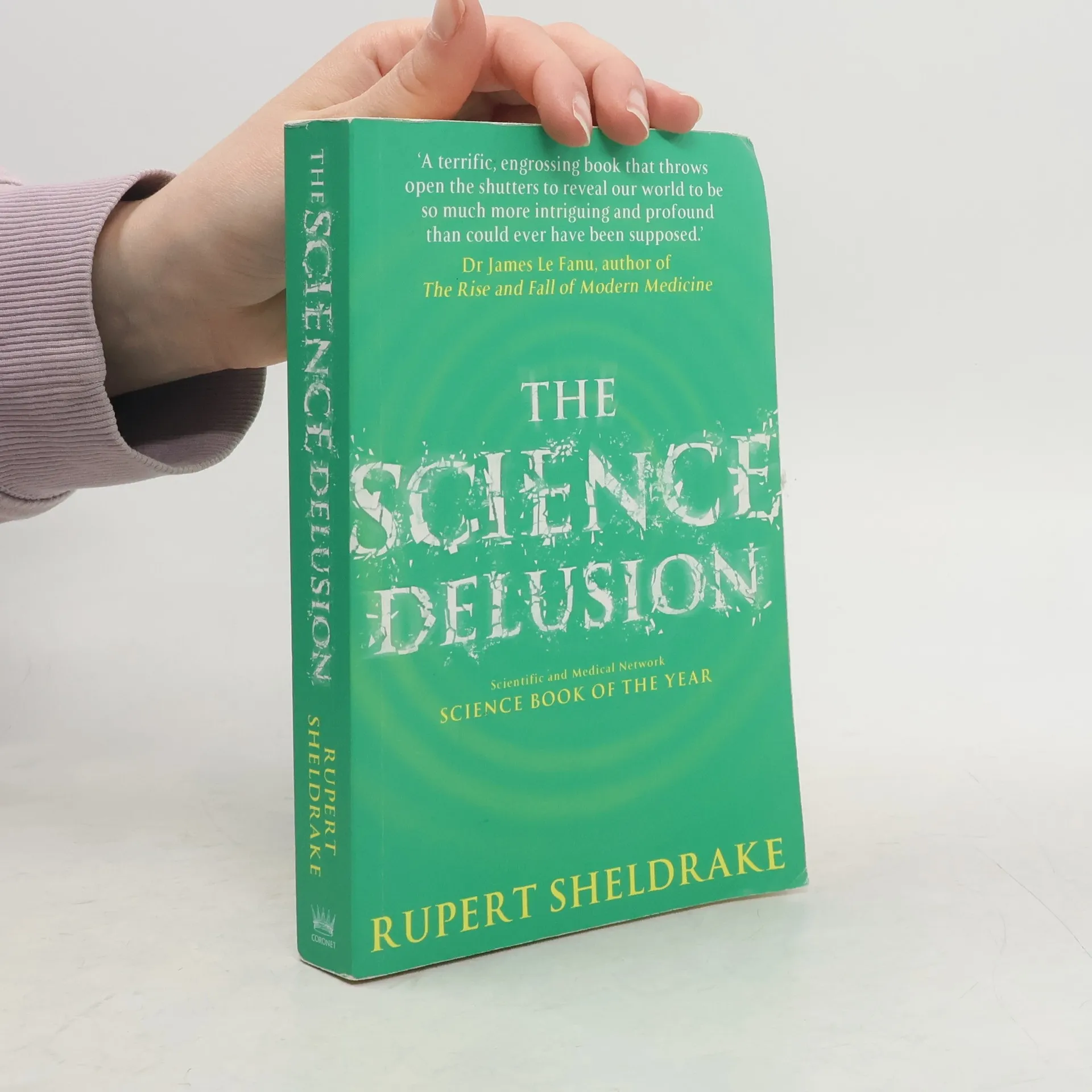
The science delusion is the belief that science already understands the nature of reality. The fundamental questions are answered, leaving only the details to be filled in. In this book, Dr Rupert Sheldrake, one of the world's most innovative scientists, shows that science is being constricted by assumptions that have hardened into dogmas. The sciences would be better off without them: freer, more interesting, and more fun.
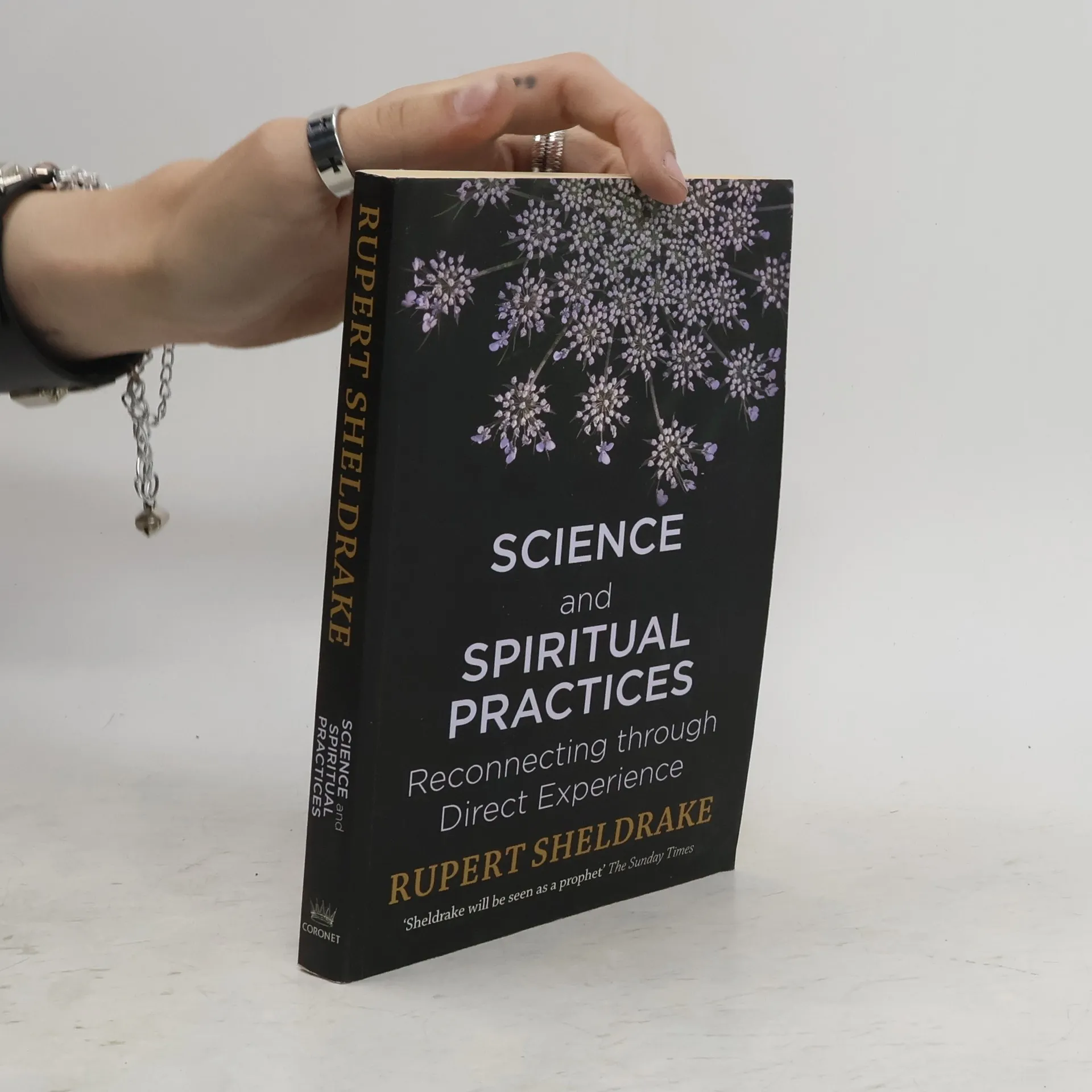
In this pioneering book Rupert Sheldrake shows how science helps validate seven practices on which all religions are built, and which are part of our common human heritage: · Meditation · Gratitude · Connecting with nature · Relating to plants · Rituals · Singing and chanting · Pilgrimage and holy places. The effects of spiritual practices are now being investigated scientifically as never before, and many studies have shown that religious and spiritual practices generally make people happier and healthier. Rupert Sheldrake summarizes the latest scientific research on what happens when we take part in these practices, and suggests ways that readers can explore these fields for themselves. For those who are religious, Science and Spiritual Practices will illuminate the evolutionary origins of their own traditions and give a new appreciation of their power. For the non-religious, this book will show how the core practices of spirituality are accessible to all, even if they do not subscribe to a religious belief system. This is a book for anyone who suspects that in the drive towards radical secularism, something valuable has been left behind. Rupert Sheldrake believes that by opening ourselves to the spiritual dimension we may find the strength to live more wholesome and fulfilling lives.
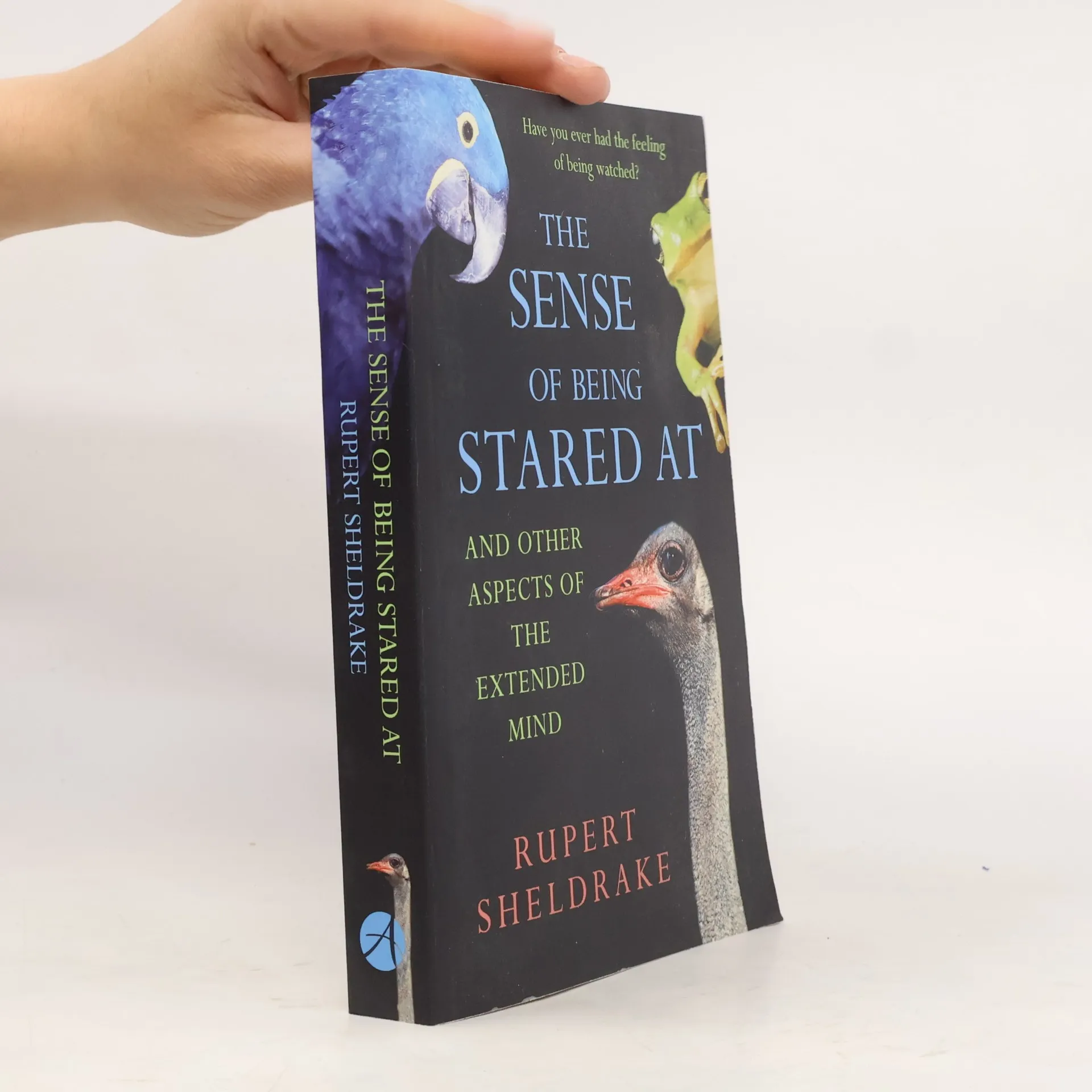
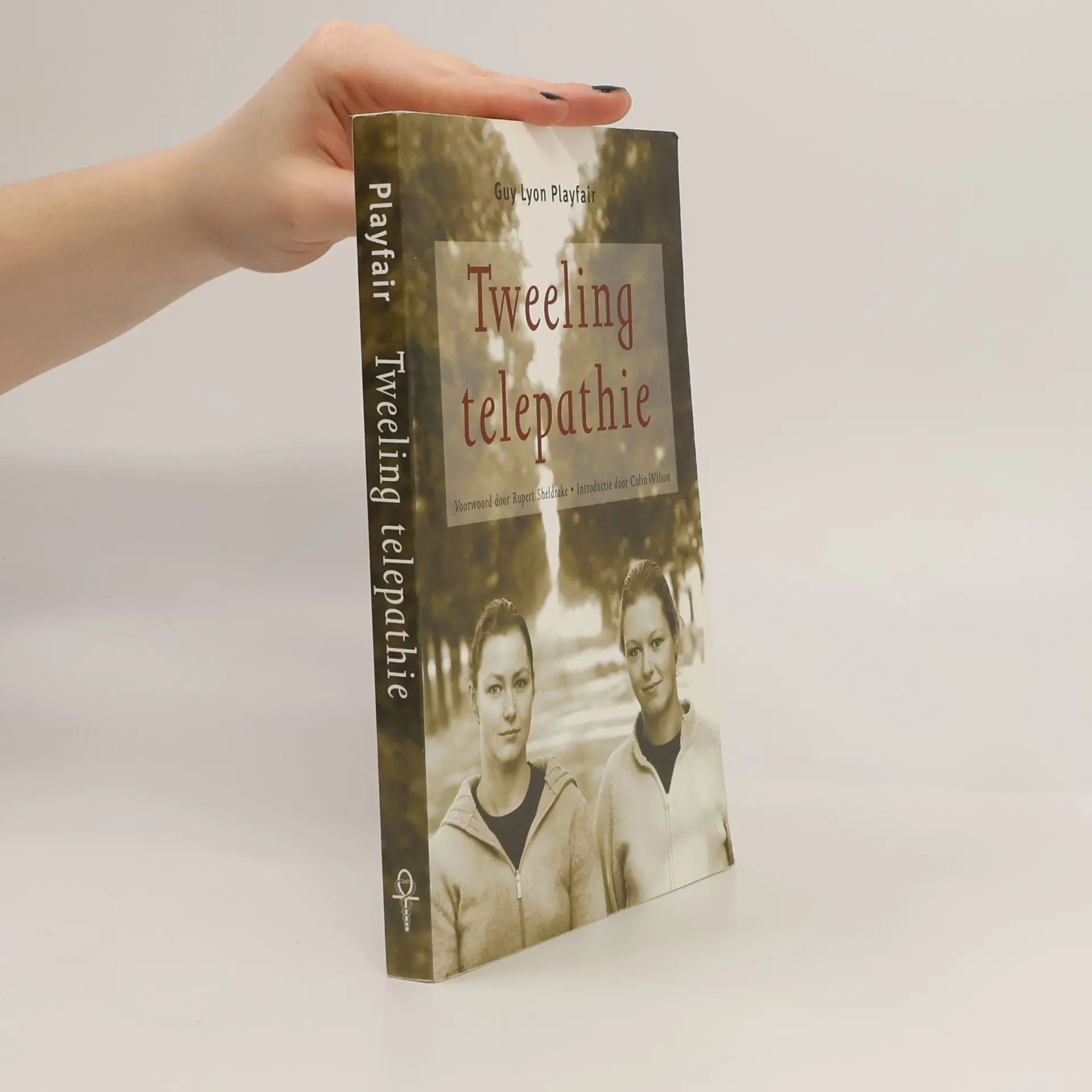
Have you ever had a premonition, the feeling of being watched, or a telepathic experience? Renowned biologist Rupert Sheldrake explores the intricacies of the mind and discovers that our perceptive abilities are stronger than many of us could have imagined.
A comprehensive introduction to strategy within a media management context. It provides an overview of the media industry from a strategic management perspective, looking at the sectors that together comprise the industry - newspaper, book and magazine publishing, music, radio and television - and the strategic forces at work in each.
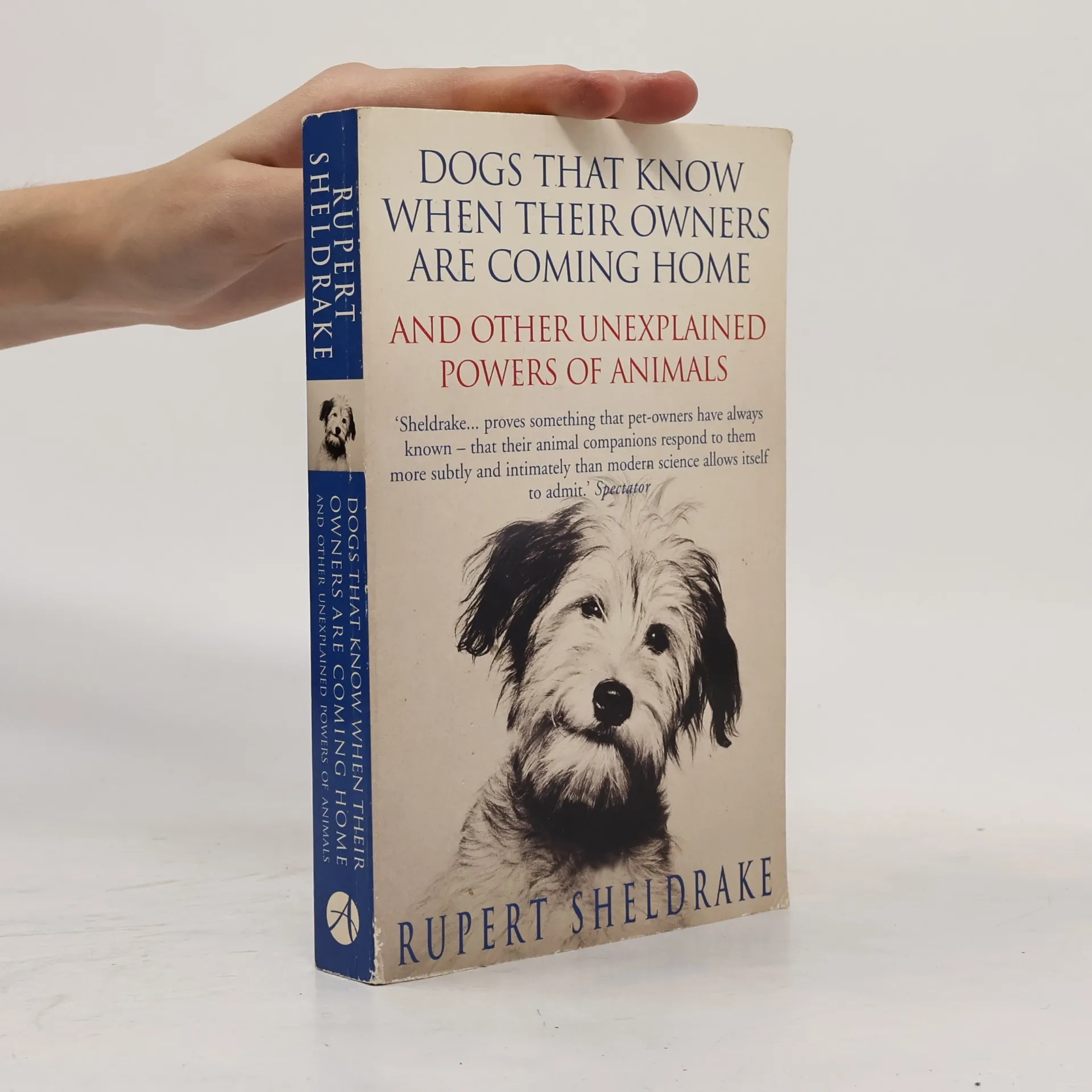
Many people who have ever owned a pet will swear that their dog or cat or
other animal has exhibited some kind of behaviour they just can't explain.
schovat popis
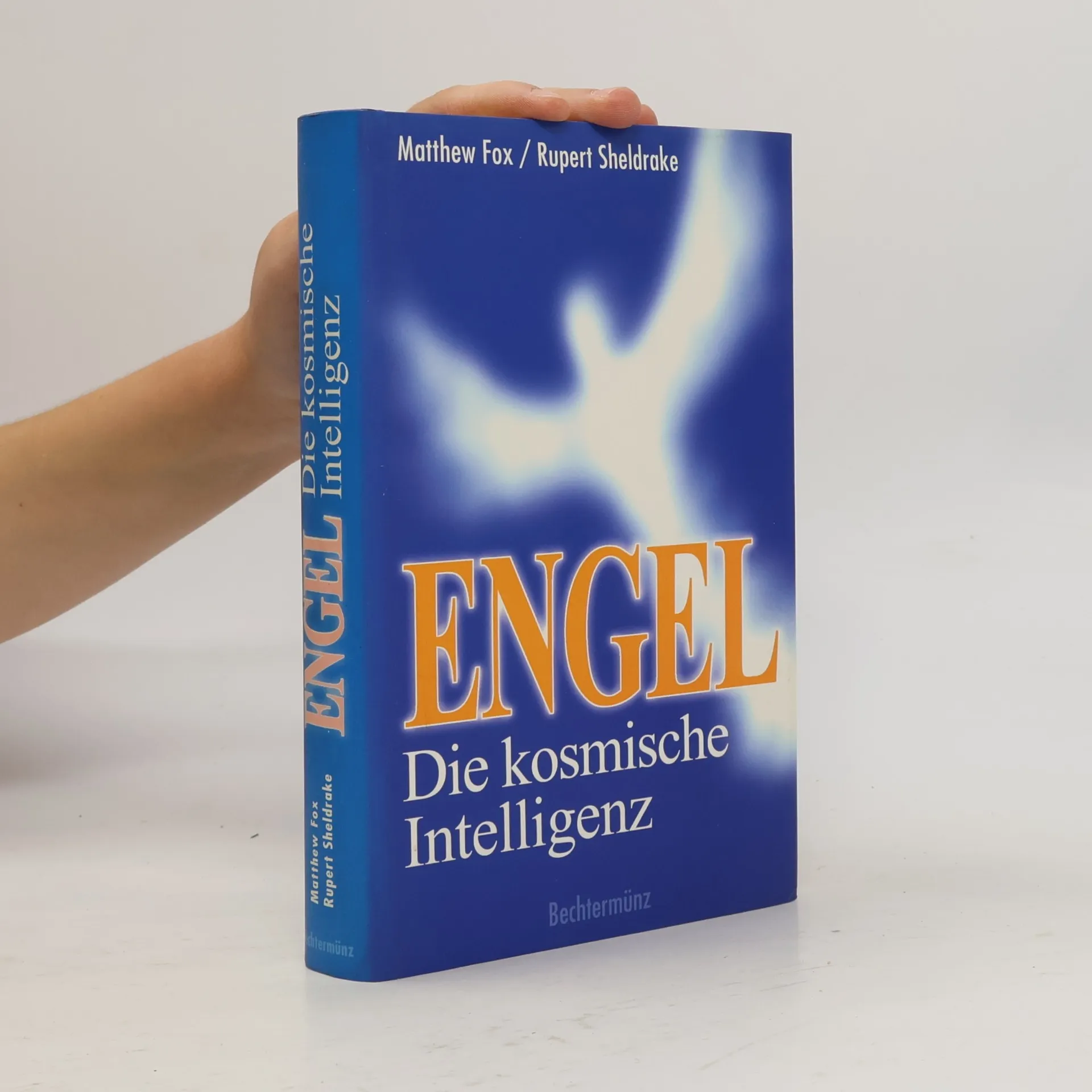
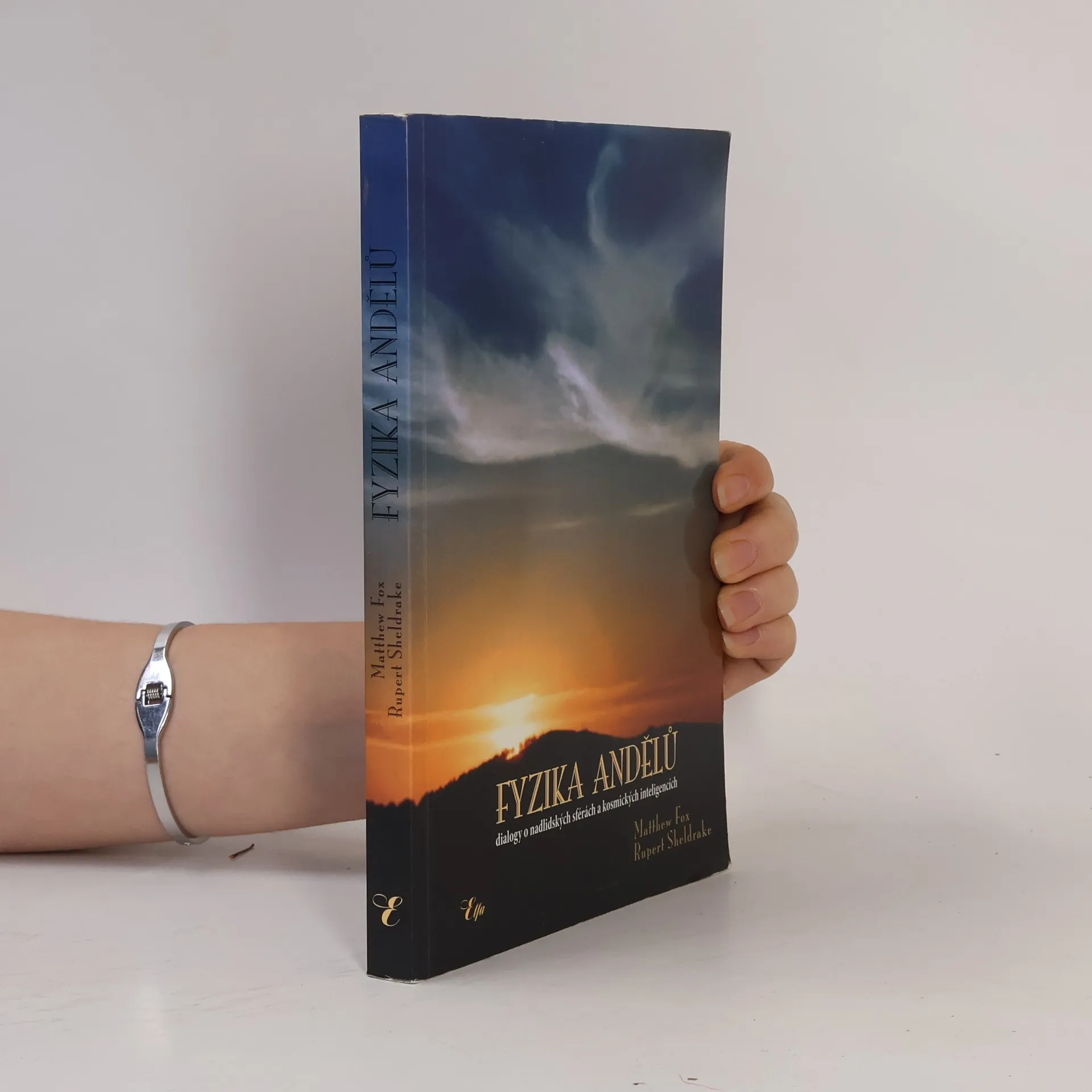
Haben Sie teil an einer faszinierenden Diskussion zwischen Theologie und Naturwissenschaft! Beide fragen nach der Existenz und der Rolle eines Bewusstseins jenseits des menschlichen, der sogenannten kosmischen Intelligenz. Entdecken Sie in diesem Buch erstaunliche Übereinstimmungen zwischen dem weltbekannten Theologen Matthew Fox und dem namhaften Naturwissenschaftler Rupert Sheldrake. Erfahren Sie mehr über den Einfluss von Engeln und die geistige Tradition der Engelforschung!
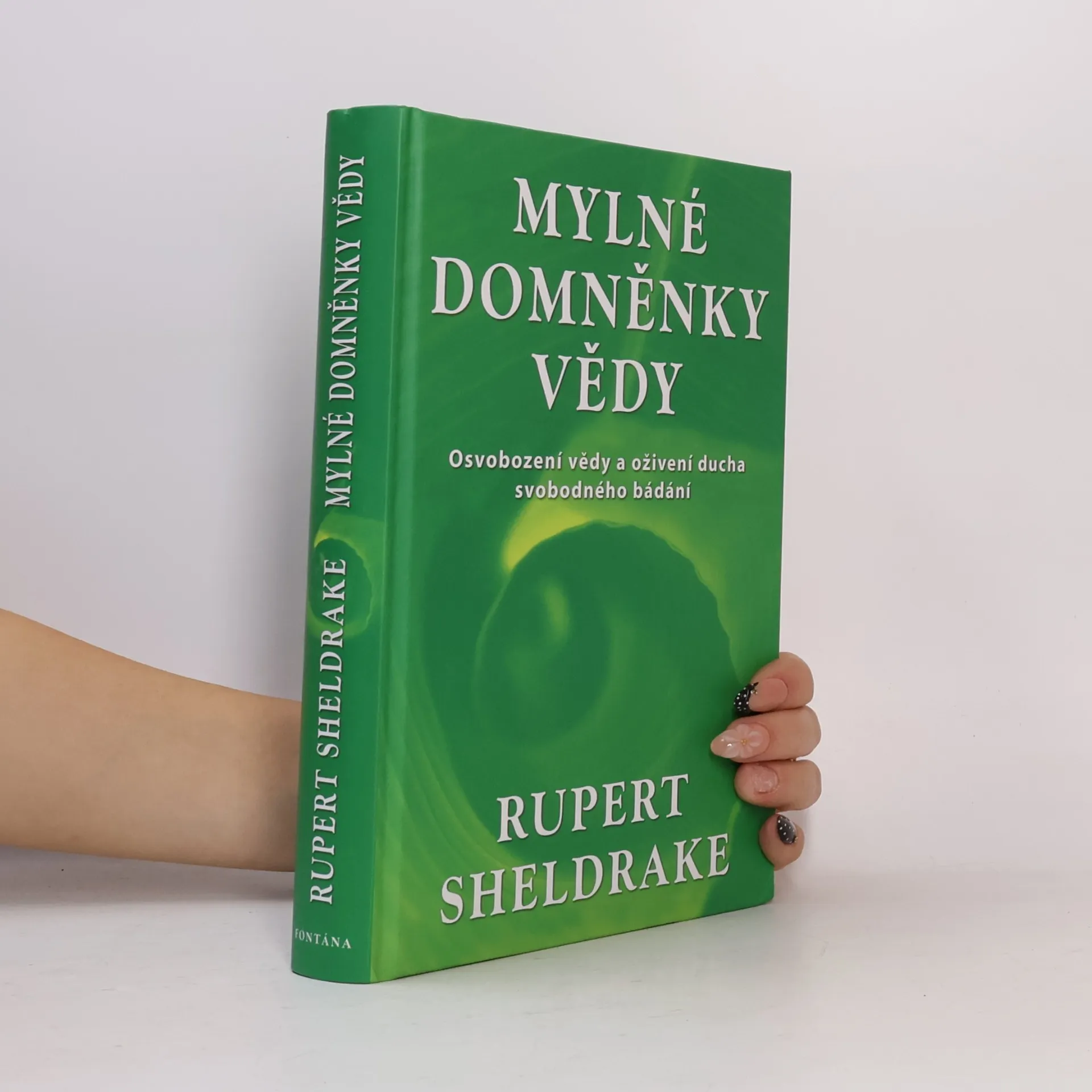
Nejmylnější domněnkou vědy je názor, že věda již pochopila podstatu reality – že základní otázky jsou už zodpovězeny a nyní zbývá pouze dořešit detaily. V této knize vám Rupert Sheldrake, jeden z nejvíce průkopnických vědců současnosti, názorně ukáže, že věda je spoutaná domněnkami, které se změnily v dogmata. „Vědecký pohled na svět“ se stal souborem pouhých domněnek a vírou.
Veškerá realita je podle něj hmotná či fyzikální a svět je strojem, jenž je tvořen neživou hmotou. Příroda dle tohoto pohledu postrádá jakýkoli smysl a vědomí není ničím víc, než pouhou fyzickou aktivitou mozku. Svobodná vůle je iluzí a bůh existuje jenom jako představa v lidské mysli, uvězněn v naší lebce.
Rupert Sheldrake vědecky prozkoumává tato dogmata a předkládá přesvědčivé důkazy, že vědě by se dařilo lépe bez nich – byla by svobodnější, zajímavější a zábavnější.
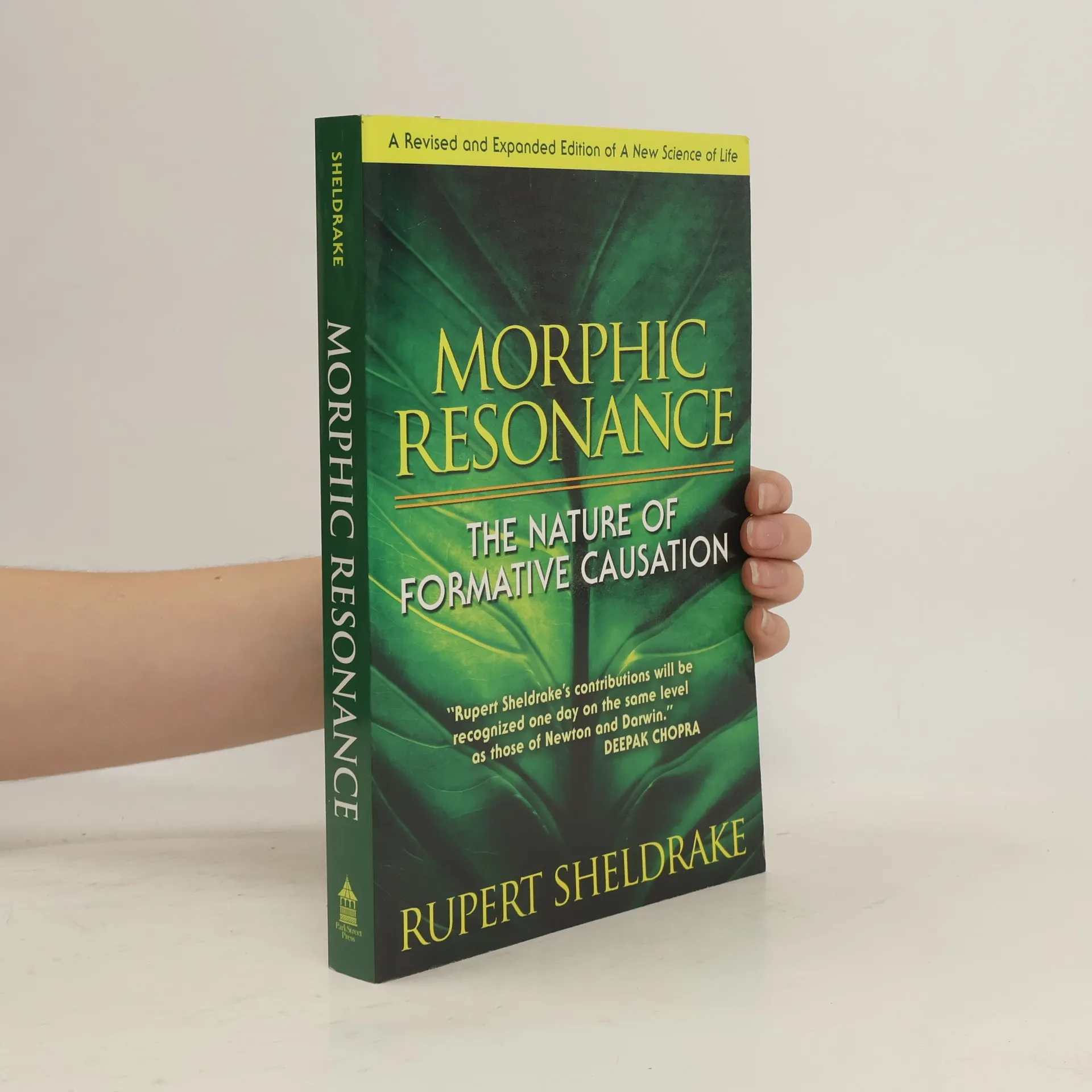
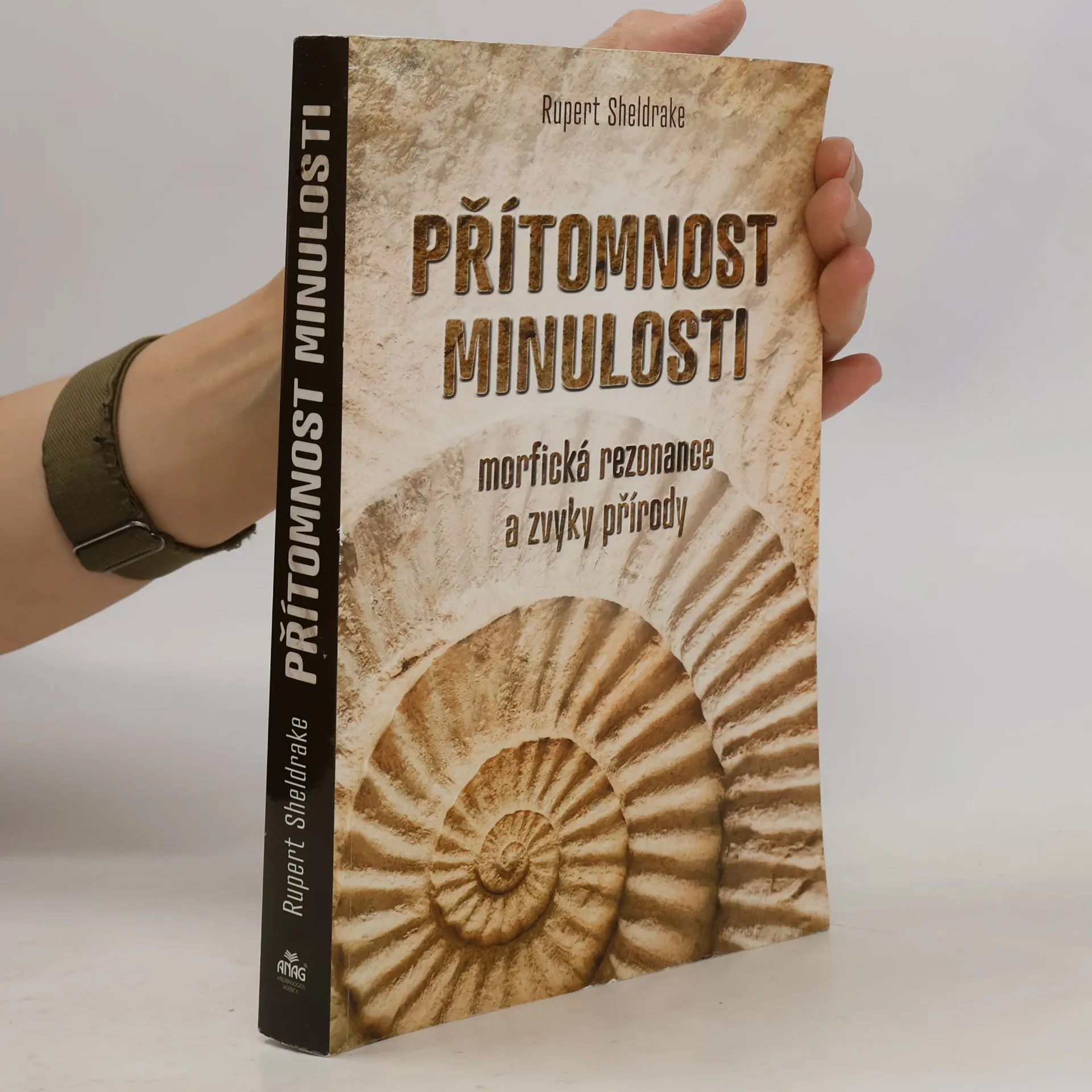
Teorie morfické rezonance Ruperta Sheldrakea zpochybňuje základní předpoklady moderní vědy.
Nové chápání života, hmoty a mysli
Zkušený biolog Sheldrake předkládá, že všechny přírodní systémy, od krystalů po lidskou společnost, dědí kolektivní paměť, která ovlivňuje jejich formu a chování. Příroda má ve své podstatě řád, není proto třeba, aby se řídila zákony stanovenými zvenku.
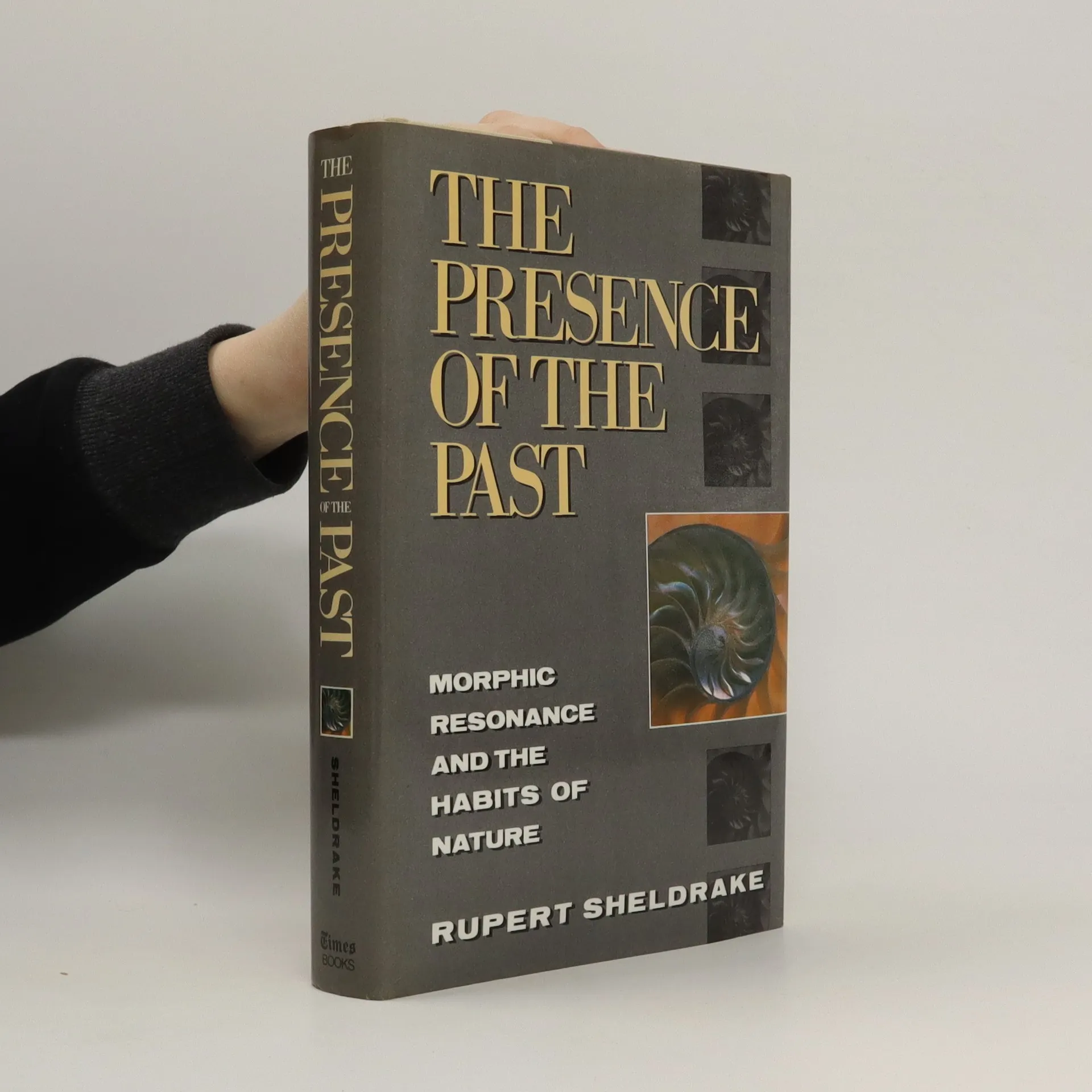
Kniha Přítomnost minulosti předkládá důkazy pro Sheldrakovu kontroverzní teorii, zkoumající jeho důsledky v oblasti biologie, fyziky, psychologie a sociologie. Současně autor ostře kritizuje konvenční vědecké myšlení. Namísto mechanistického, neodarwinistického světonázoru nabízí nové chápání života, hmoty a mysli.
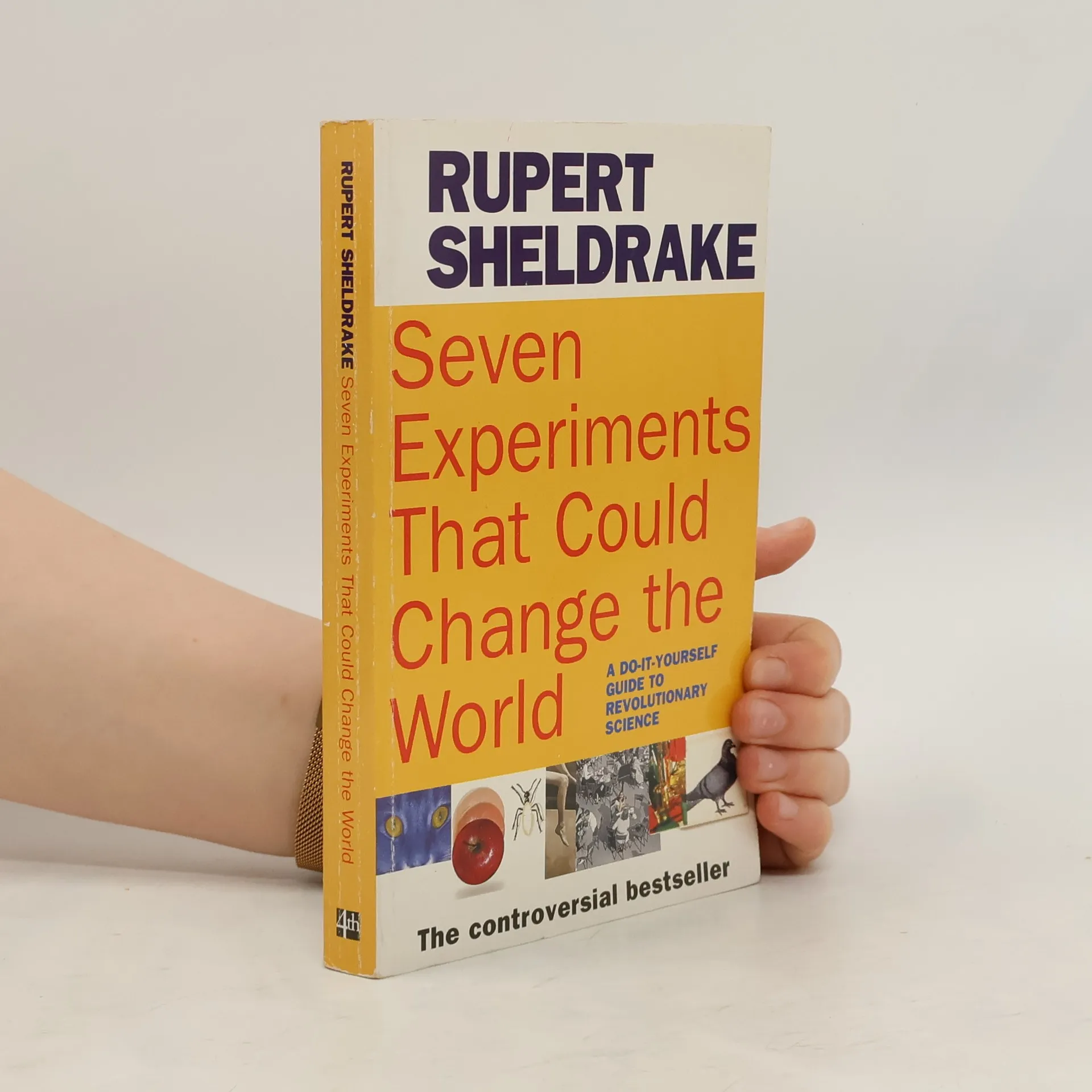
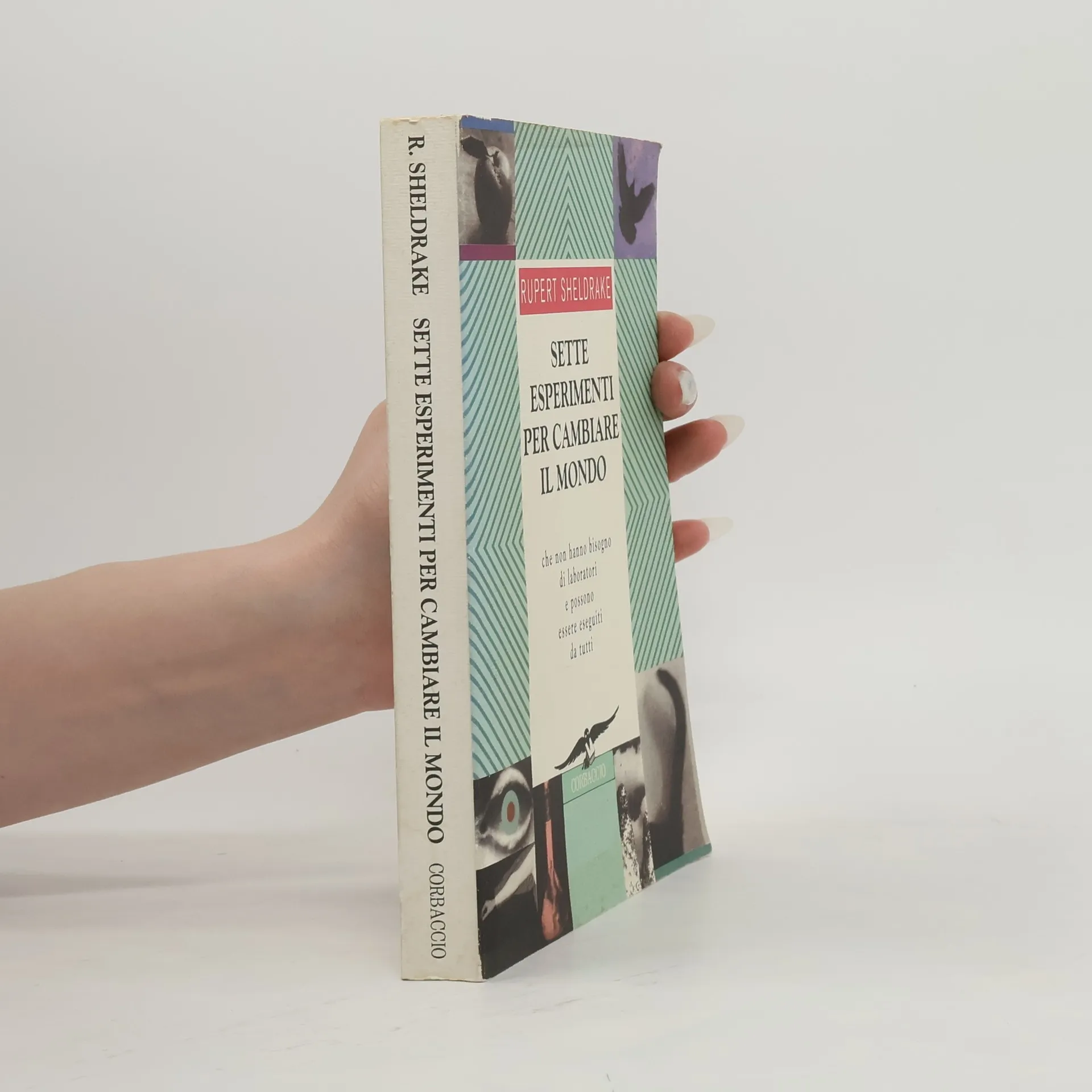
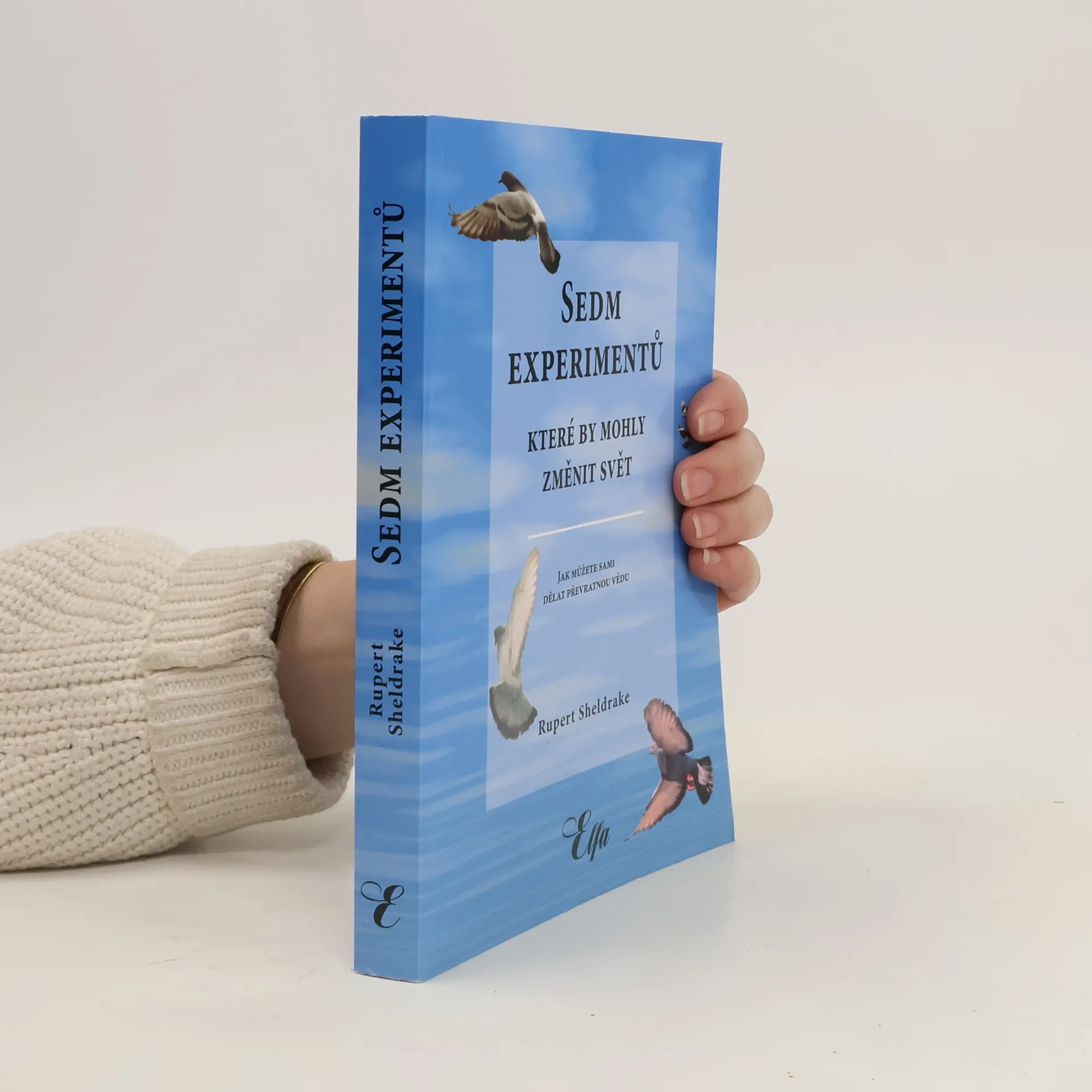
Jak naši zvířecí přátelé vědí, kdy se vrátíme domů? Mohou lidé cítit, že je někdo pozoruje? Tyto otázky, které současná věda opomíjí, jsou základem autorovy snahy o nekonvenční a vědecké zkoumání nevysvětlených přírodních jevů. R. Sheldrake se zaměřuje na sedm fenoménů, které věda dosud nedokázala objasnit: schopnost psů a koček předvídat návrat majitelů, orientační schopnost poštovních holubů, struktura termitišť, schopnost vycítit pozorování zezadu, pocitové vjemy po amputaci končetin, proměnlivost fyzikálních konstant a vliv očekávání experimentátora na výsledky pokusů.
Z výzkumů, které autor populárně popisuje, vyvozuje neortodoxní závěry, jež oponují materialistickým dogmatům současné vědy. Experimenty byly navrženy tak, aby je mohl provádět téměř kdokoli, což podporuje myšlenku, že i nadšení amatéři mohou přispět k pokroku v poznání. Kniha je určena těm, kteří chtějí zkoumat dosud neobjasněné jevy a objevovat skutečnosti, jejichž pochopení by mohlo zásadně změnit svět.
Autor se zabývá hypotézou Gaie, darwinismem, přírodními zákony, uznáváním posvátnosti času a dalšími teoriemi, k nimž přistupuje vždy nově a originálně.
Podtitul: Dialogy o nadlidských sférách a kosmických inteligencích
Autoři se ve svých dialozích vydávají svébytnou cestou hledání pravdy o kosmických inteligencích, cestou vedoucí napříč obory a překlenující zdánlivou propast mezi tradičním chápáním mimolidských sfér a soudobým vědeckým poznáním. Snaží se nalézt spojnici mezi spirituálním a vědeckým pojetím univerza.