

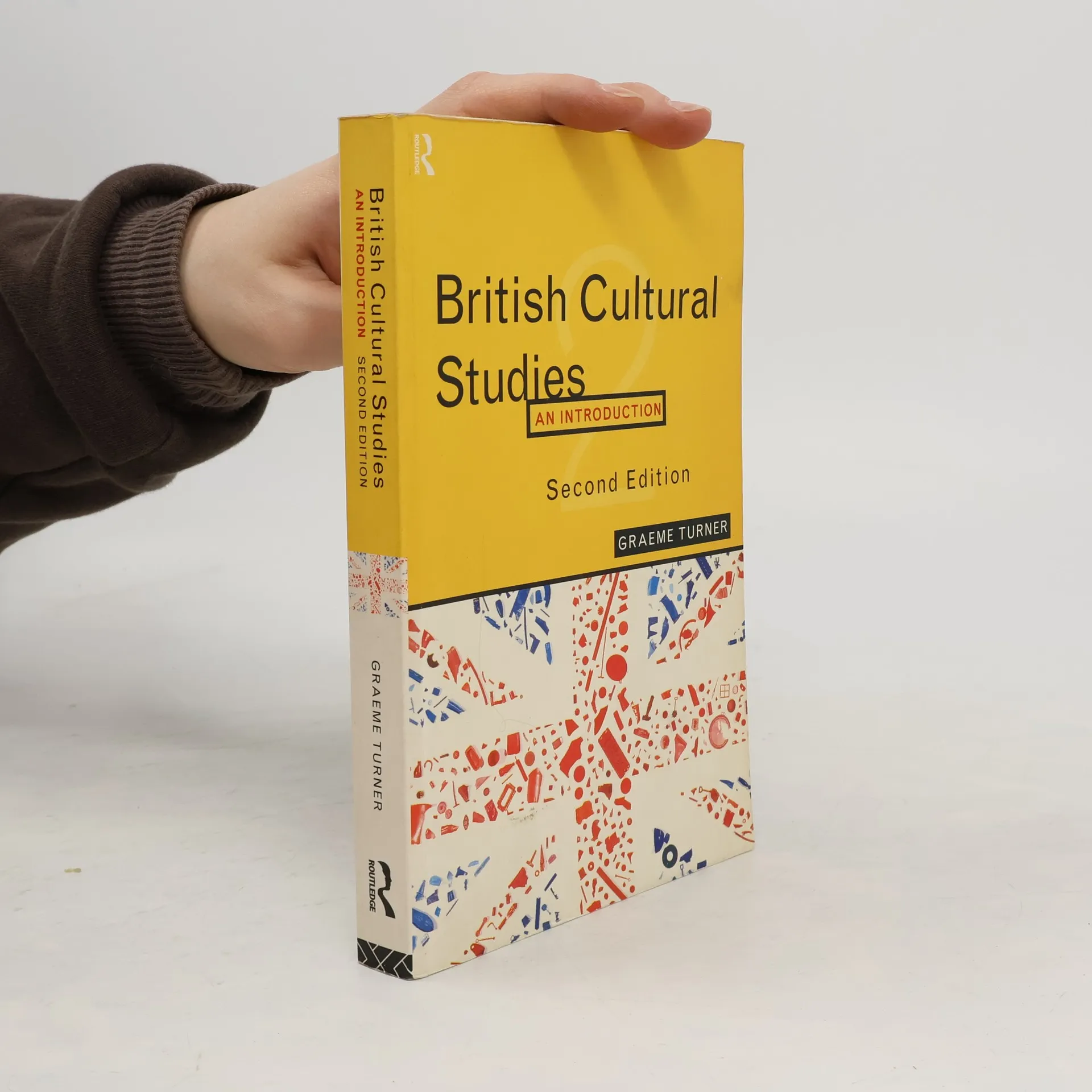
The new edition of this highly successful text provides a comprehensive introduction to the British tradition of Cultural Studies. The British school has been a major influence in the humanities and social sciences, radically redefining the study of popular culture, the media and everyday life. Graeme Turner offers an accessible overview to the central themes that have informed British Cultural Studies; language, semiotics, Marxism and ideology, individualism and subjectivity and discourse. In the first part of the book Turner presents a history of British cultural studies focusing on the work of such pioneers as Raymond Williams, Richard Hoggart, E. P. Thompson, Stuart Hall and the Birmingham Centre for Contemporary Cultural Studies. In the second section he focuses on the central categories of cultural studies; text and textuality, audiences, everyday life and the concept of ideology. The second edition is fully revised to include issues in Cultural Studies and to update key debates and references. New sections include the influence of postmodernism, the politics of pleasure identified with the 'New Revisionism', Foucault and discourse, the politics of cultural studies, Gender and Race in the history of British Cultural Studies, and a fully updated and comprehensive bibliography.
Graeme Turner Books
Graeme Turner is a distinguished scholar in cultural studies whose work critically examines contemporary popular culture and media. He delves into the complexities of film, television, and digital media, exploring their impact on national identity and the formation of public discourse. Turner investigates the evolving landscape of media in a post-broadcast era, analyzing how the internet and new formats reshape our consumption and interpretation of cultural content. His insights offer a vital lens through which to understand the dynamics of the media environment and its profound influence on modern society.
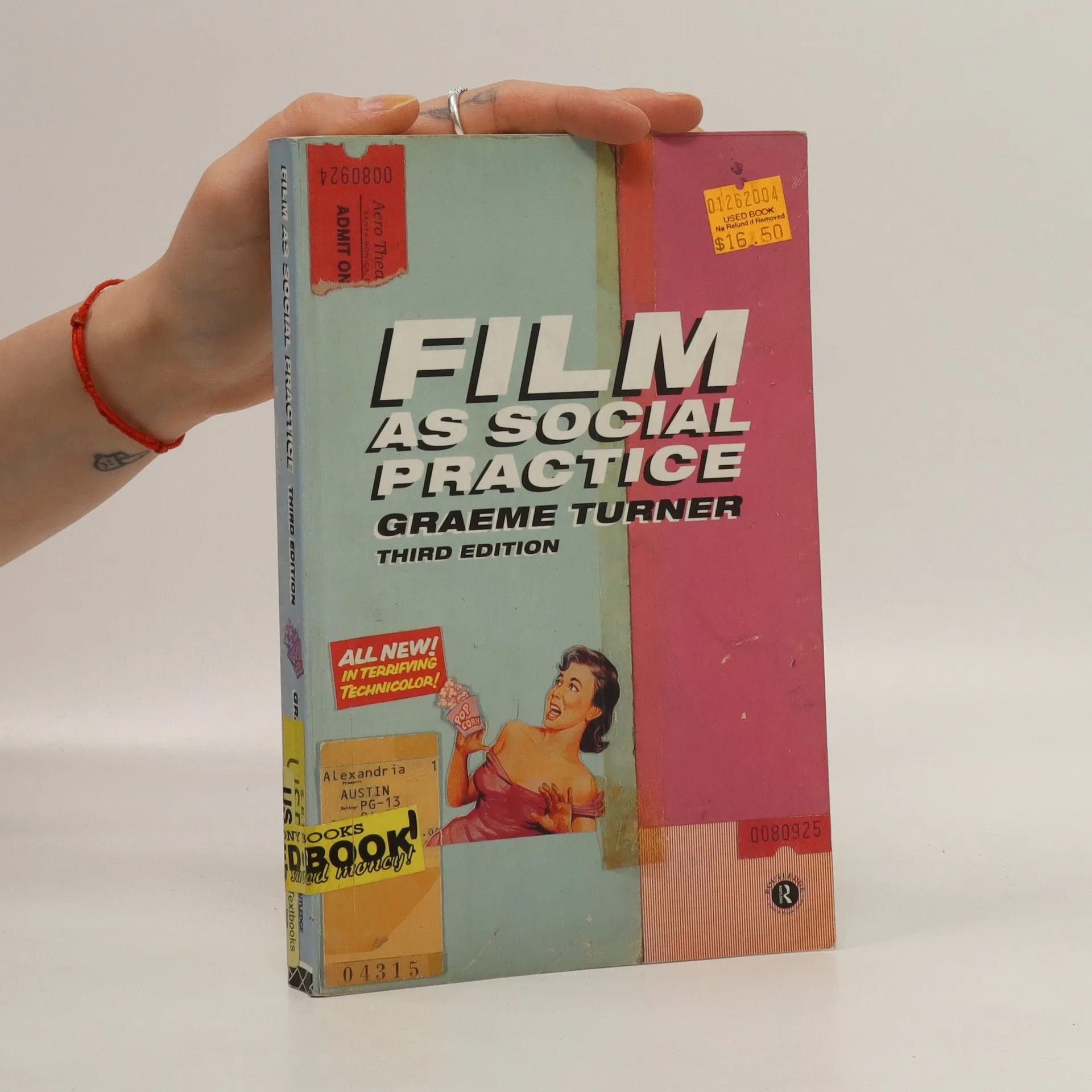
Film as Social Practice
- 221 pages
- 8 hours of reading
This textbook explores the feature film as entertainment, as narrative and as cultural event. Graeme Turner provides an introduction to major theoretical issues in the history of film production and film studies, examining the function of film as a national cultural industry, and its place in our popular culture. This third edition includes: analysis of classic and popular contemporary films, now including "Scream 2", "The Wedding Singer" and "Lethal Weapon 4", with a selection of film stills; updated and expanded discussion of debates surrounding film narrative, feminist film theory, the film industry, including the New Hollywood, and audiences and spectatorship, including the rise of the multiplex. Arguments have been revised throughout to take into account late-1990s developments in film and cultural theory and changing cinematic trends.