Joe Brainard's I Remember is a literary and artistic cult classic, praised and admired by writers from Paul Auster to John Ashery and Edmund White. As autobiography, Brainard's method was brilliantly simple: to set down specific memories as they rose to the surface of his consciousness, each prefaced by the refrain "I remember": "I remember when I thought that if you did anything bad, policemen would put you in jail." Brainard's enduring gem of a book has been issued in various forms over the past thirty years. In 1970, Angel Hair books published the first edition of I Remember, which quickly sold out; he wrote two subsequent volumes for Angel Hair, More I Remember (1972) and More I Remember More (1973), both of which proved as popular as the original. In 1973, the Museum of Modern Art in New York published Brainard's I Remember Christmas, a new text for which he also contributed a cover design and four drawings. Excerpts from the Angel Hair editions appeared in Interview, Gay Sunshine, The World and the New York Herald. Then in 1975, Full Court Press issued a revised version collecting all three of the Angel Hair volumes and added new material, using the original title I Remember. This complete edition is prefaced by poet and translator Ron Padgett.
Paul Auster Books
Paul Auster is an author whose works explore the intricate weave of fate, identity, and chance. With masterful narrative skill, he crafts stories that often delve into themes of loss, memory, and the search for meaning in an absurd world. His writing is characterized by profound insights into the human psyche and existential reflections that compel readers to ponder the nature of reality and storytelling.



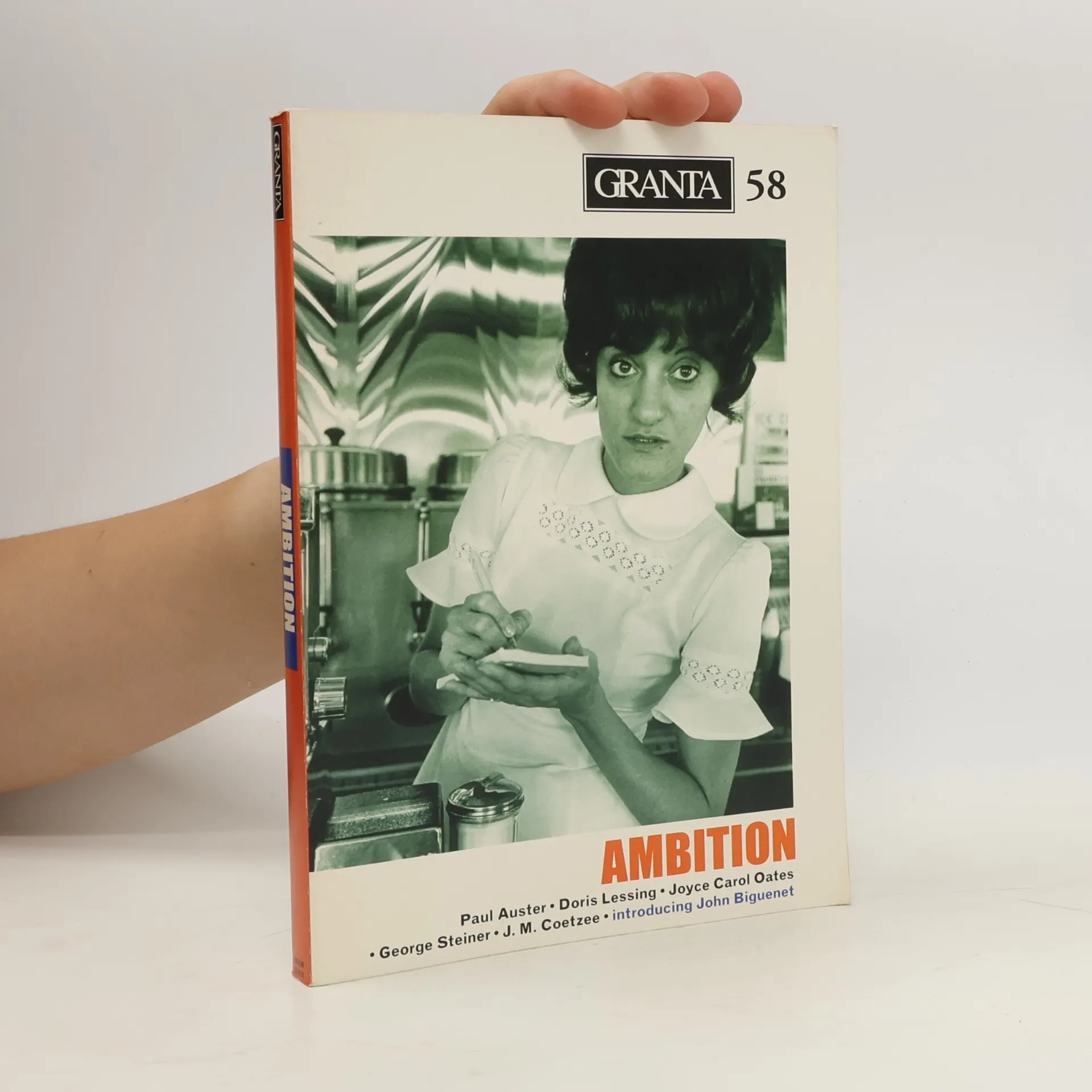

Granta - 58: Ambition
- 256 pages
- 9 hours of reading
I want, therefore I am. The cry of children down the ages (I want! I want!) turns out to be the cry of adults also. The things we desire — love, money, wisdom, power — have not changed since the world began, but it seems we want more of them, and now . But what if we get what we hope for? What if we don't?
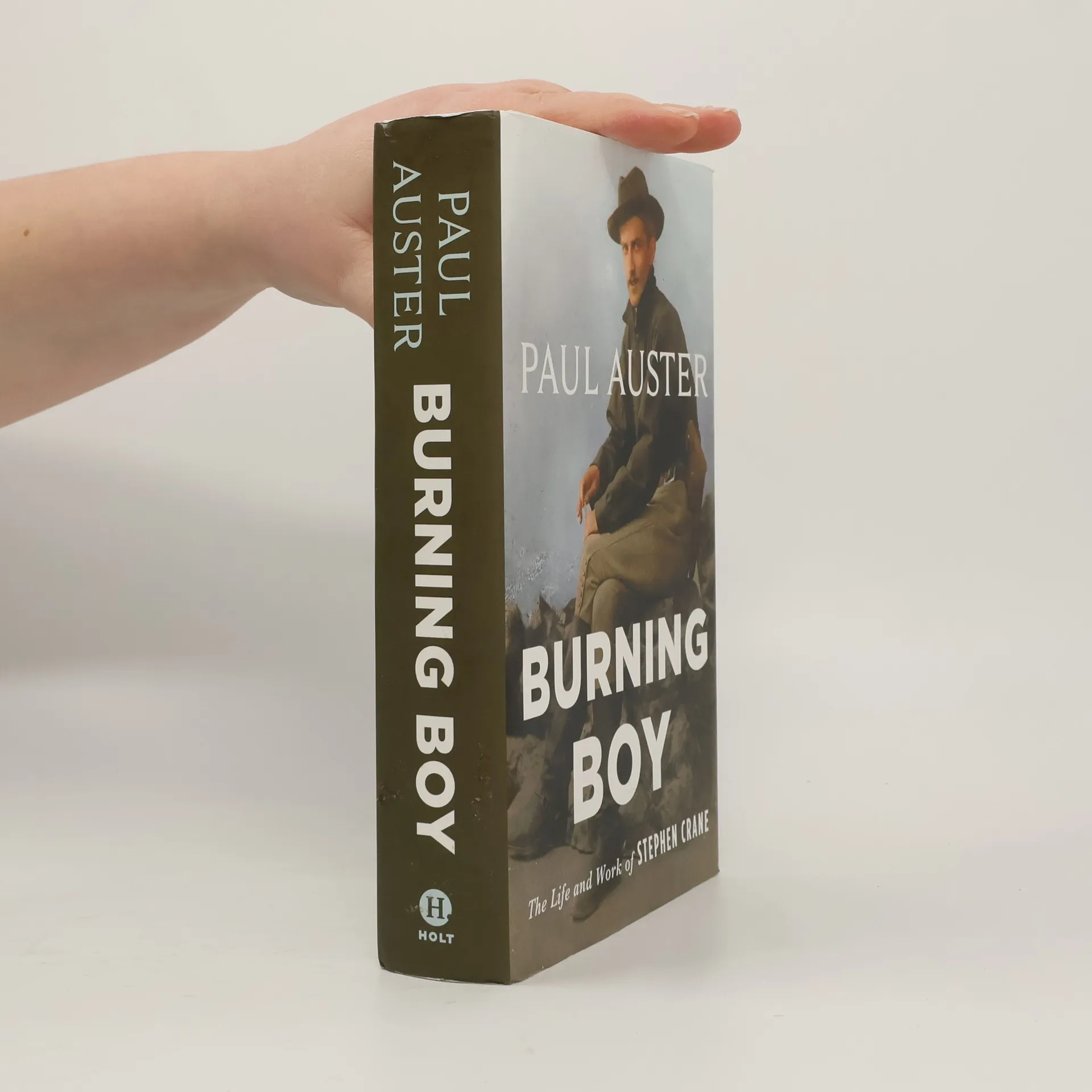
Burning Boy
- 800 pages
- 28 hours of reading
"A landmark biography of the great American writer Stephen Crane"--
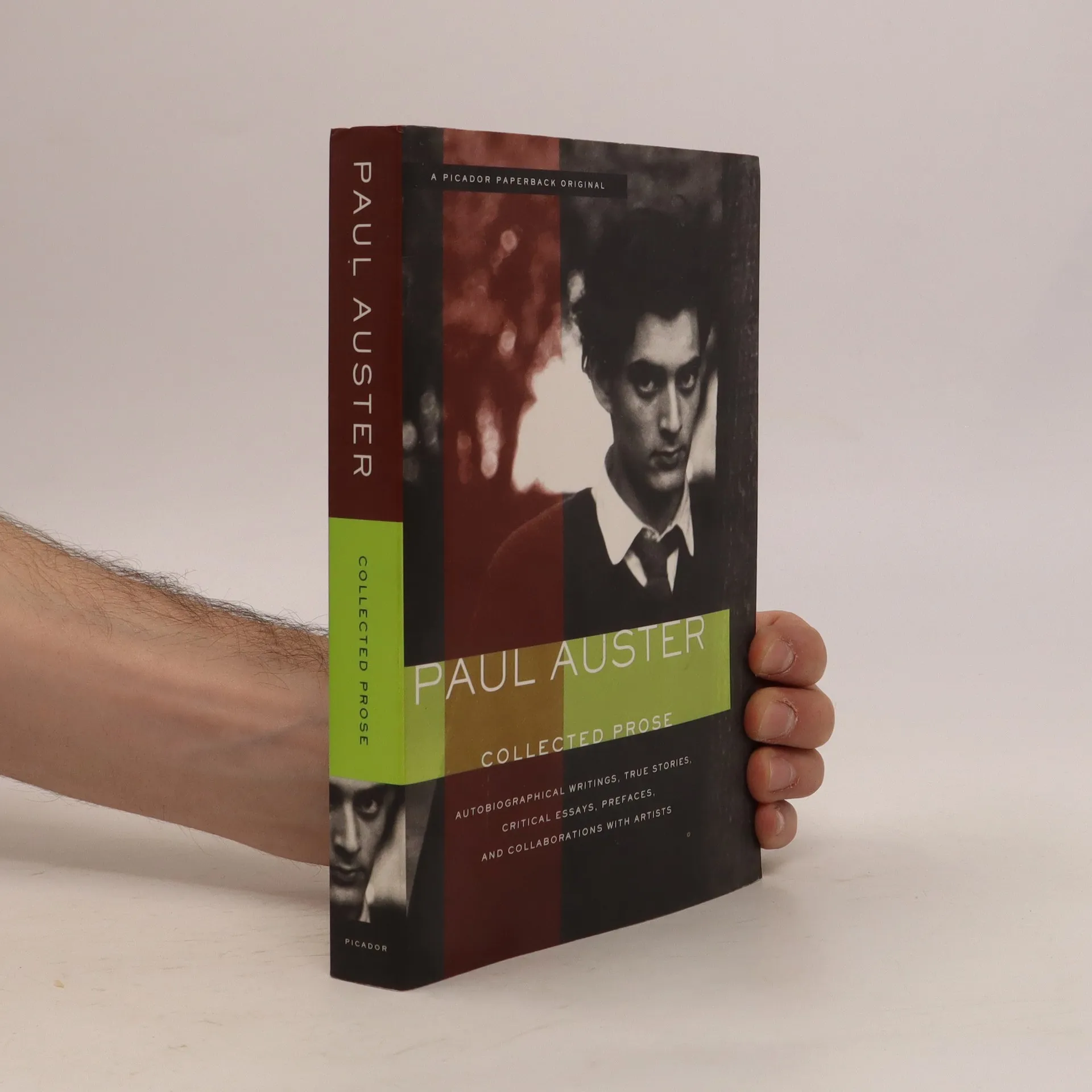
Collected Prose
- 528 pages
- 19 hours of reading
The celebrated author of "The New York Trilogy, The Book of Illusions" and "Oracle Night" now offers an essential collection of essays, prefaces, true stories, autobiographical writings, and collaborations with artists.
Talking to Strangers
- 399 pages
- 14 hours of reading
Talking to Strangers is a freshly-curated collection of prose, spanning fifty years of work and including famous as well as never-before-published early writings, from 2018 Man Booker-finalist Paul Auster.
Moon Palace
- 304 pages
- 11 hours of reading
"Moon Palace" is the story of Marco Stanley Fogg's development and quest for his identity set against the background of the Manhattan urban landscape. Through chance and coincidence he discovres his origins and re-examines his relaionship with America. Within Marco's own narrative lie a number of sub-narratives wich are central to Marco's quest and which can be read as the history of modern America, forming a parallel story to Marco's own. -- 4ème de couverture.
Leviathan
- 245 pages
- 9 hours of reading
CONTEMPORARY NOVEL. LIKE A POLICIAL, THE LIFE OF BENJAMIN SACHS
An array of New Yorkers become involved with a mom-and-pop cigar shop in Brooklyn in an acclaimed short story, presented here along with interviews with the author and the film's actors and a description of the process of creating a film. Original. Movie tie-in.
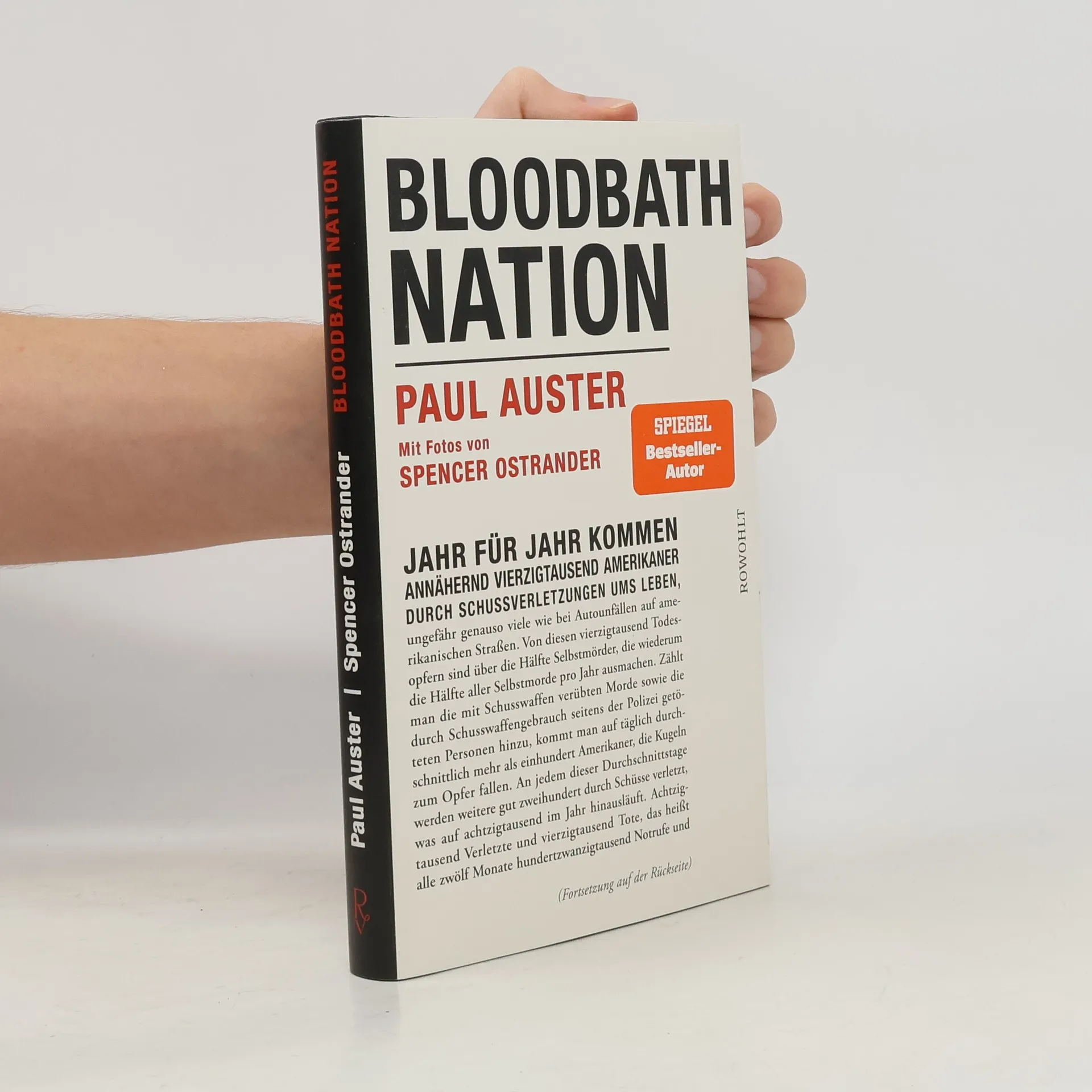
Bloodbath Nation
- 136 pages
- 5 hours of reading
BLOODBATH NATION is about the Epidemic that is tearing apart the fabric of American society.An Epidemic caused - not by Covid - but by Guns.Among its victims are men, women, teenagers, children, and even babies. The massacres have taken place in churches, schools, movie theatres, and at rock concerts. Auster establishes how America's love affair with guns goes all the way back to the arrival of the first British settlers - guns in hand - who used these guns to eradicate the Native Americans who occupied the country. This history of carnage continues to this day.Interwoven into the text are photographs taken by Spencer Ostrander of the locations of the mass killlngs - which serve as mute testaments to the lives that have been lost.Guns have become one of the issues dividing America today, but Auster doesn't take sides. The book is a plea for both sides to find a way of avoiding more death and grief. Accompanying Auster's text is a series of photographs of the locations of these mass killings. There are no bodies - only the empty spaces which stand as mute memorials to the lives that have been lost.
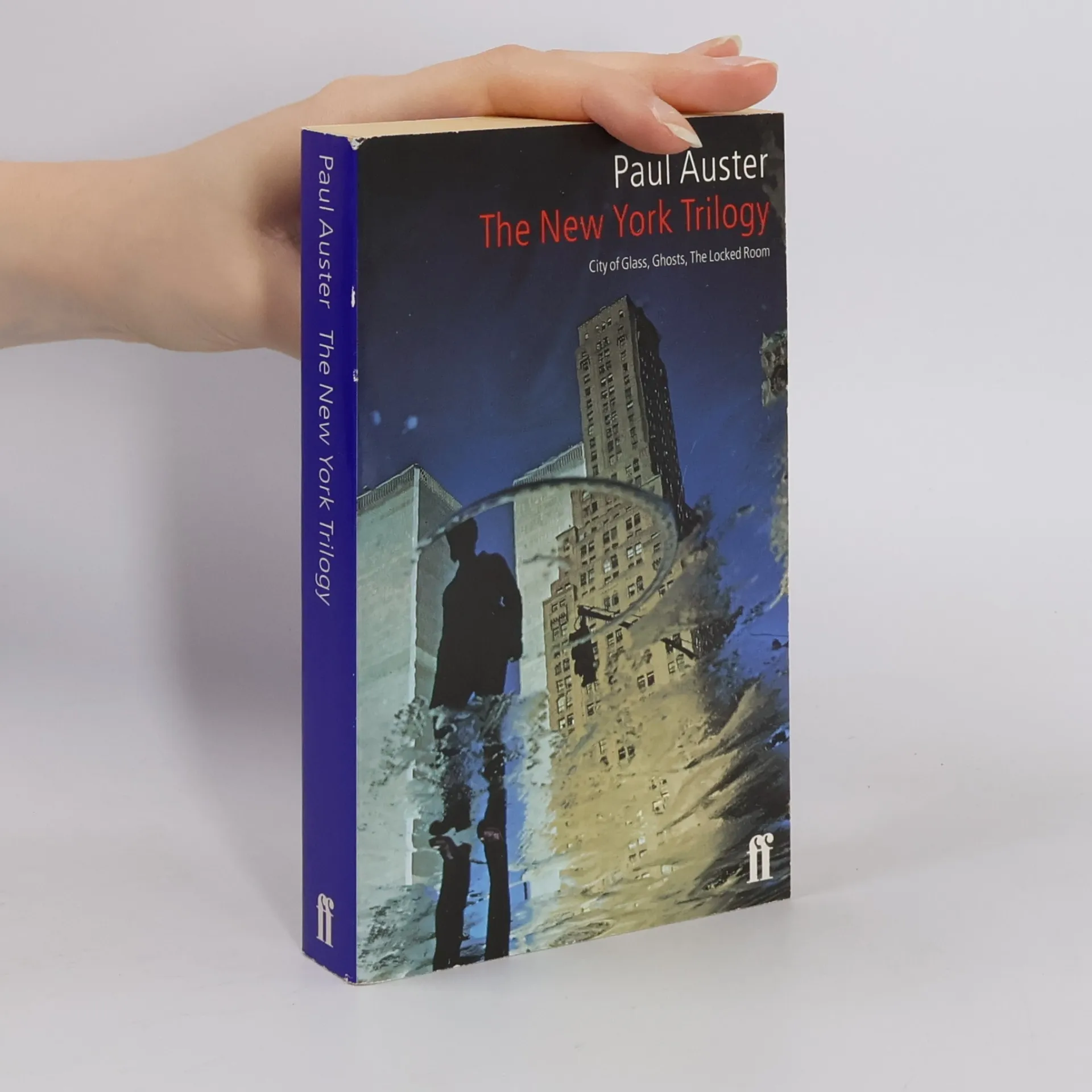
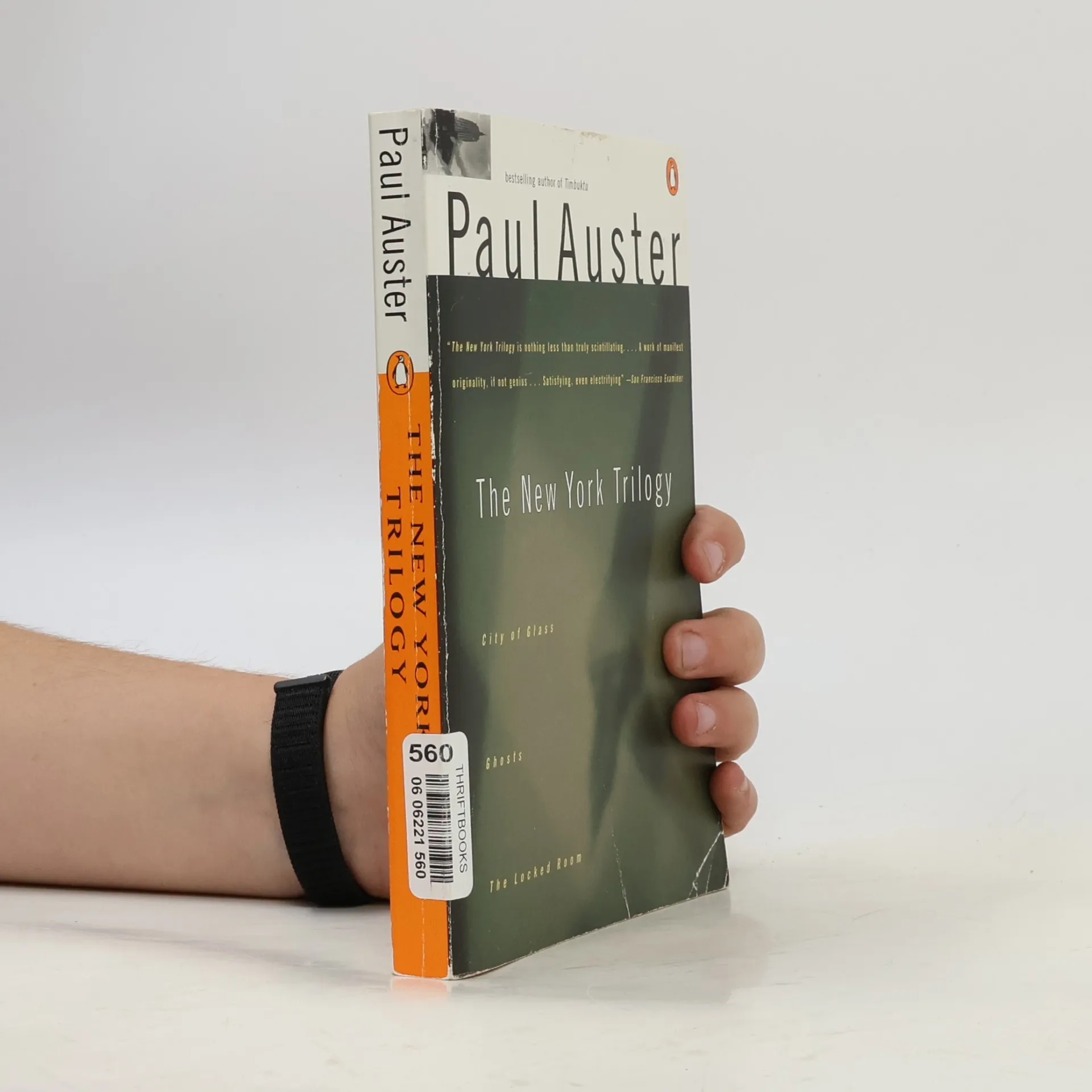
Paul Auster's signature work, The New York Trilogy, consists of three interlocking novels: City of Glass, Ghosts, and The Locked Room; haunting and mysterious tales that move at the breathless pace of a thriller.
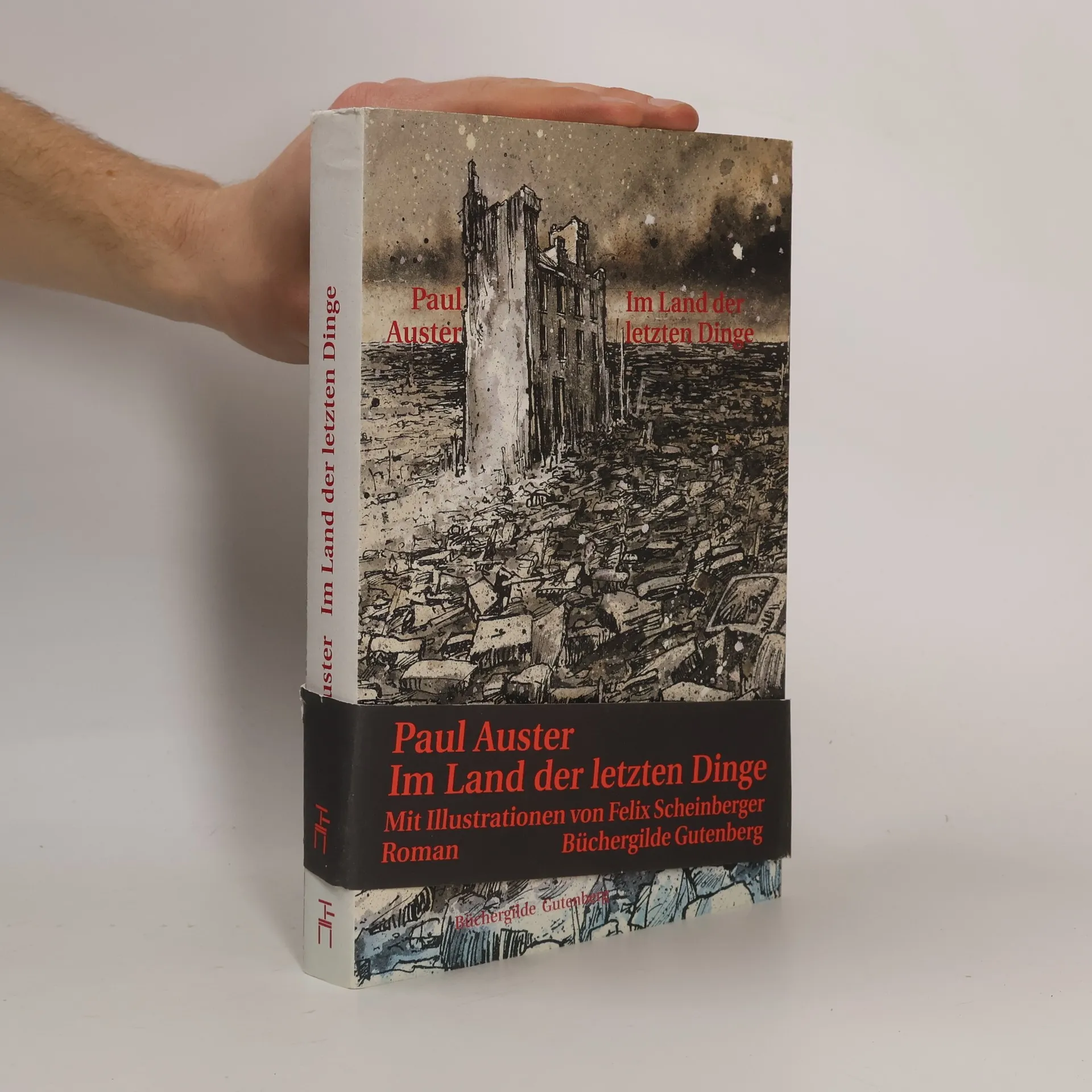
In the Country of Last Things
- 188 pages
- 7 hours of reading
In this novel Paul Auster offers a haunting picture of a devastated world - a futuristic world - but one which may be seen to shadow our own. Auster has also written The New York Trilogy.
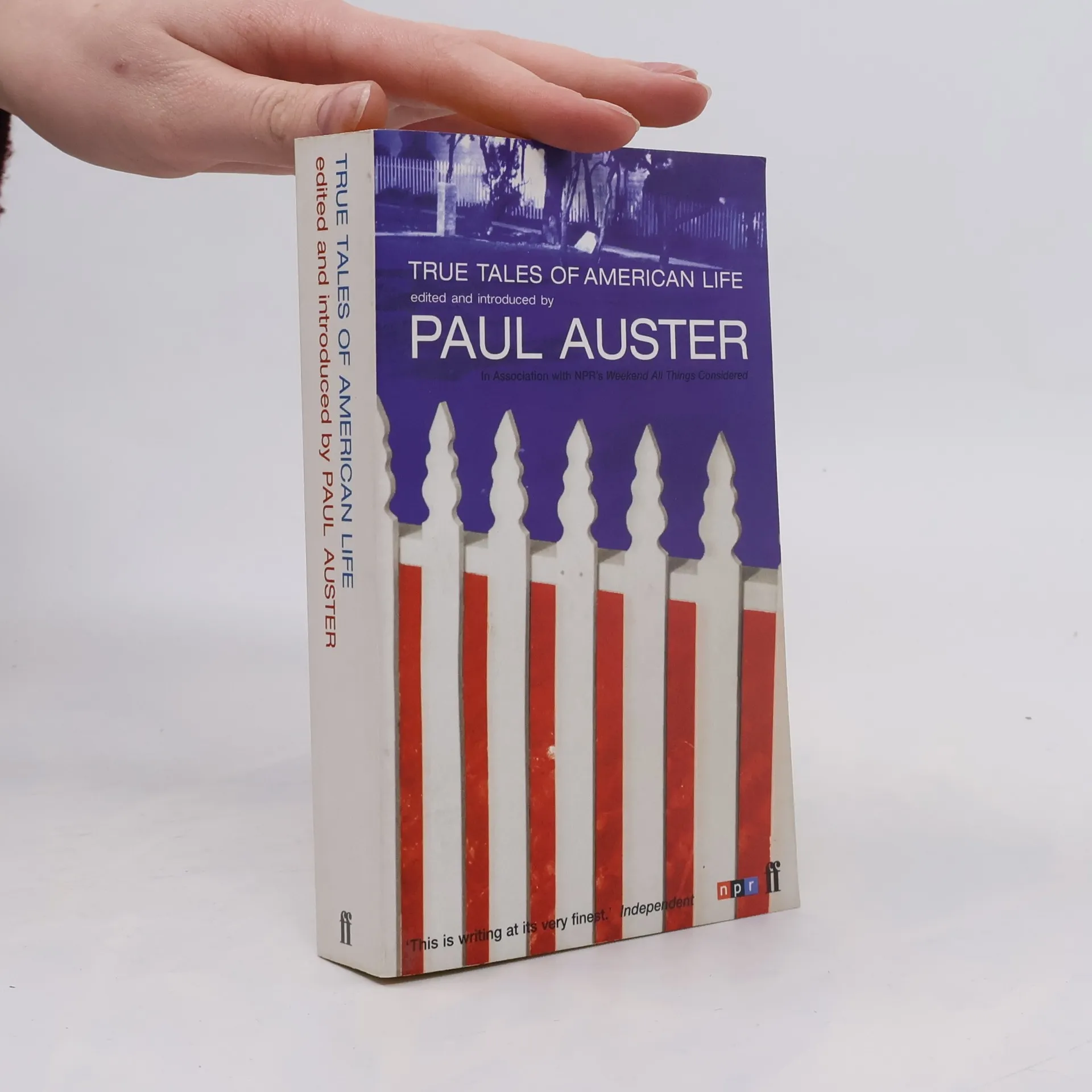
True tales of American life
- 480 pages
- 17 hours of reading
In 1999, Paul Auster and National Public Radio's Weekend All Things Considered programme asked listeners to send in true stories, to be read on-air as part of the National Story Project. The response was overwhelming: everyone, it seemed, had a story to tell. True Tales of American Life gathers 180 of these stories in one extraordinary volume.
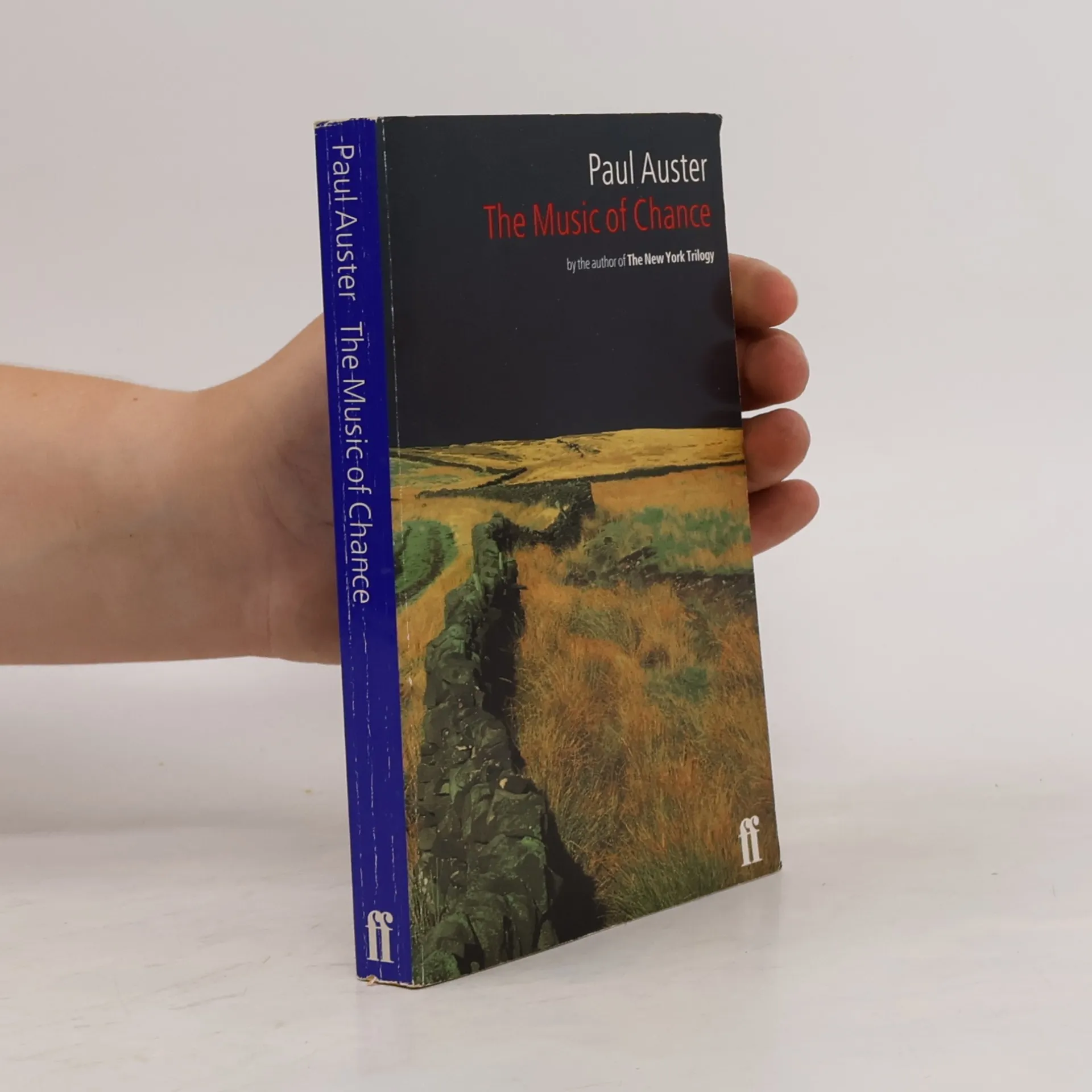
This novel follows Jim Nashe who, after squandering an unexpected inheritance, picks up a young gambler named Jack Pozzi hoping to con two millionaires. But when their plans backfire, Jim and Jack are indentured by their elusive marks and are forced to build a meaningless wall with bricks gathered from ruins of an Irish castle. Time passes, their debts mount, and anger builds as the two struggle to dig themselves out of their Kafkaesque serfdom.
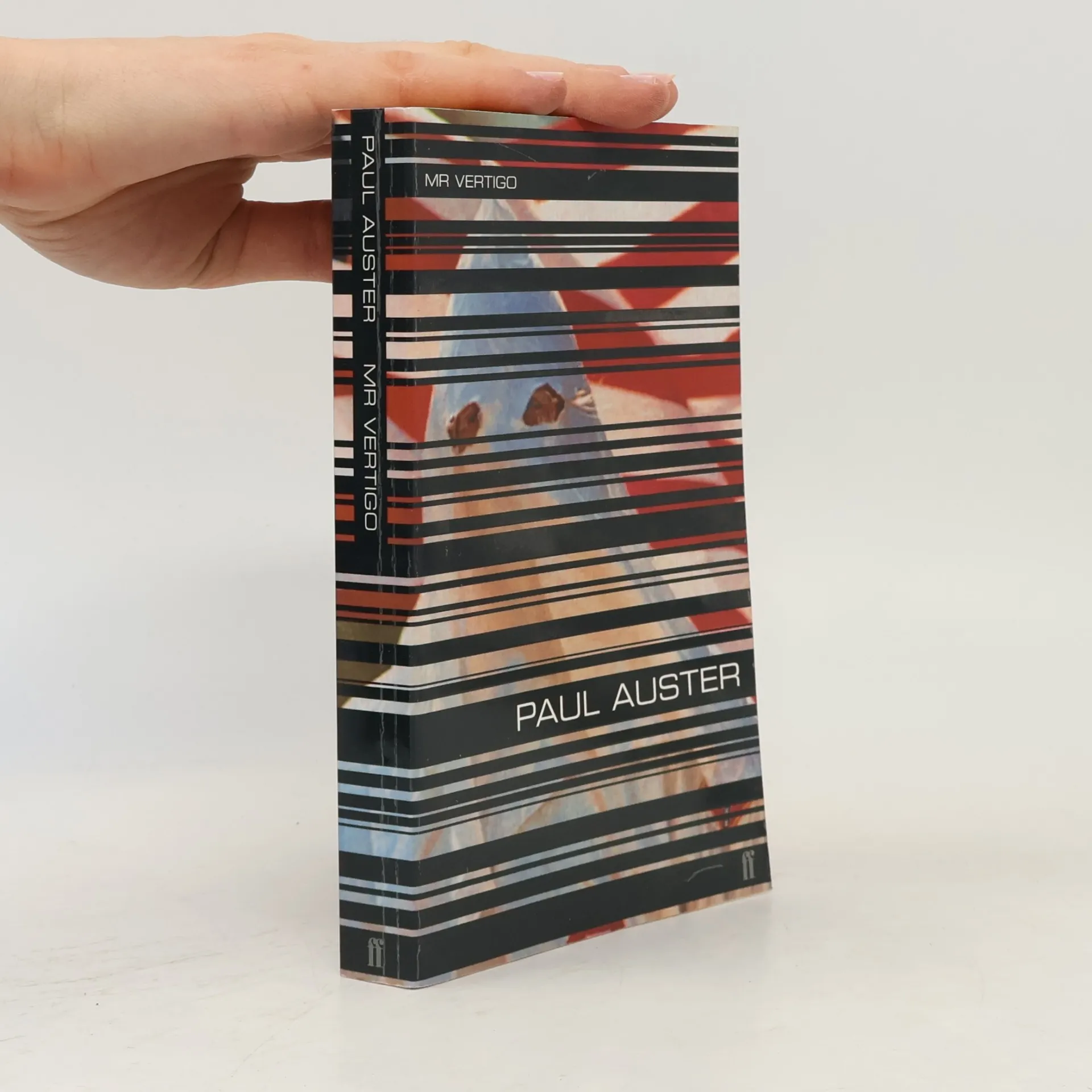
Mr. Vertigo
- 278 pages
- 10 hours of reading
'I was twelve years old the first time I walked on water.' Meet Walt, the irrepressible hero of Paul Auster's astonishing new novel, the orphan from the mid-West who is set on the road to stardom by the dark and mesmerising figure of Master Yehudi. When the master takes little Walt back to the mysterious house on the great plains, he initiates the tutorial process that will culminate in Walt learning to fly.
In "Winter Journal", Auster presents the abandonment of the family by his father from his mother's point of view: her struggle as a single mother; love found again late in life, a love that was short-lived; her troubled later years and, finally, her death - and the subsequent anxiety attacks Auster suffered in the face of her death. In "Winter Journal" Auster moves through the events of his life in a random series of memories grasped from the point of view of his life now: playing baseball as a teenager; participating in the anti-Vietnam demonstrations at Columbia University; seeking out prostitutes in Paris, almost killing his second wife and child in a car accident; falling in and out of live with his first wife.
Offers the author's personal meditation on fatherhood. This title reveals his memories and feelings after the death of his father.
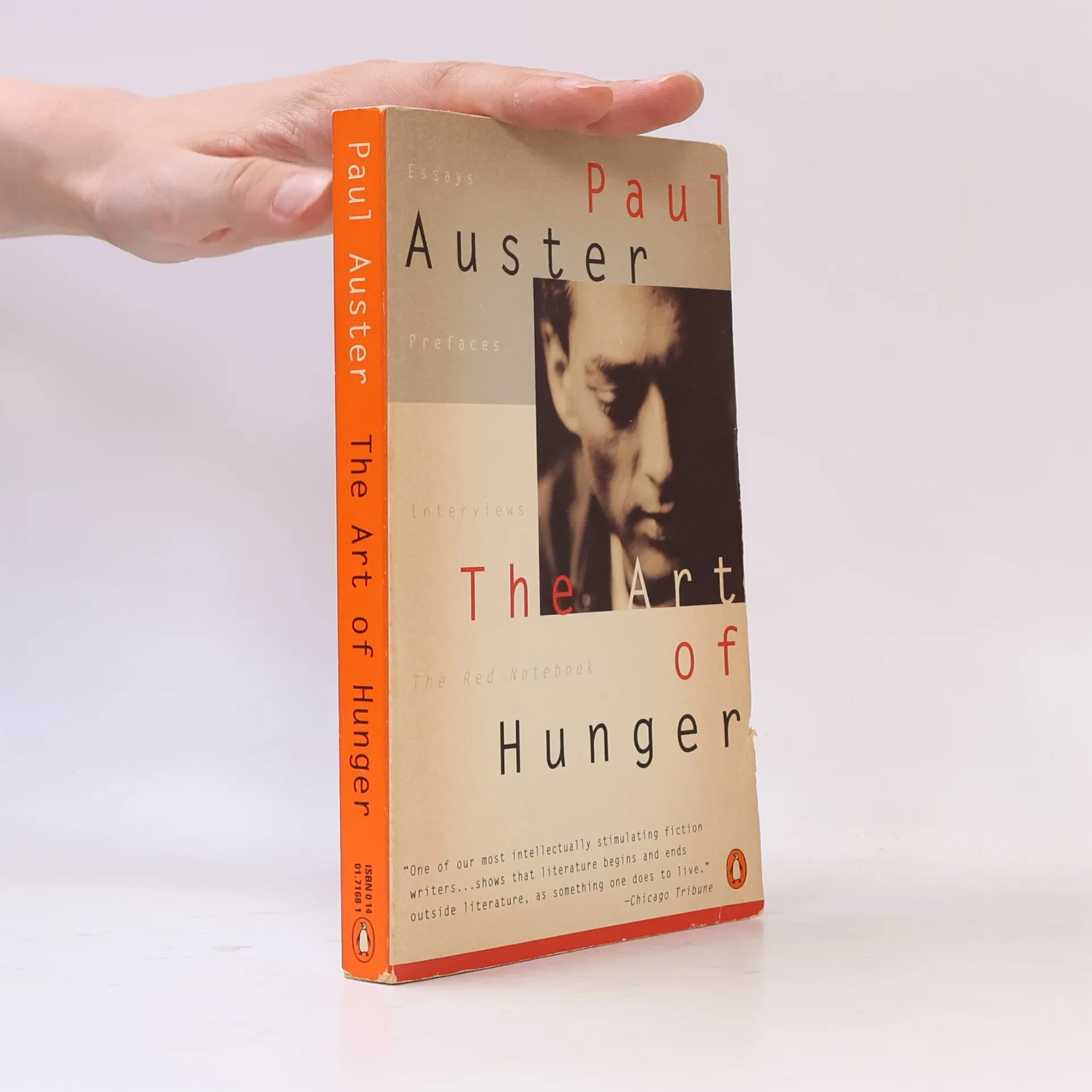
Now including The Red Notebook--a collection of autobiographical sketches on coincidence--The Art Of Hunger undermines our accepted notions about literature. Auster's meditations on writing and artists leads us to a better understanding of the toll of writing.
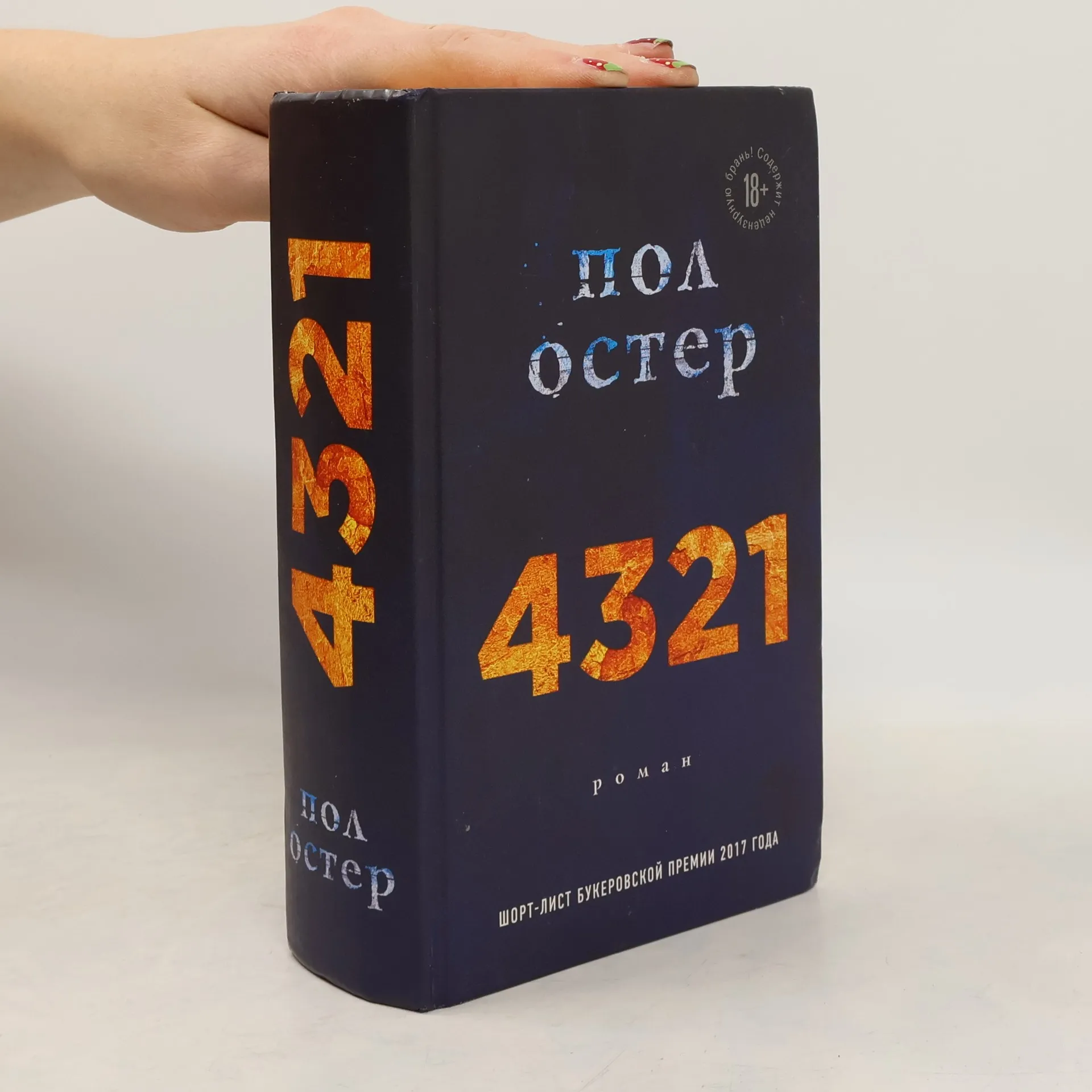
4 3 2 1
- 1088 pages
- 39 hours of reading
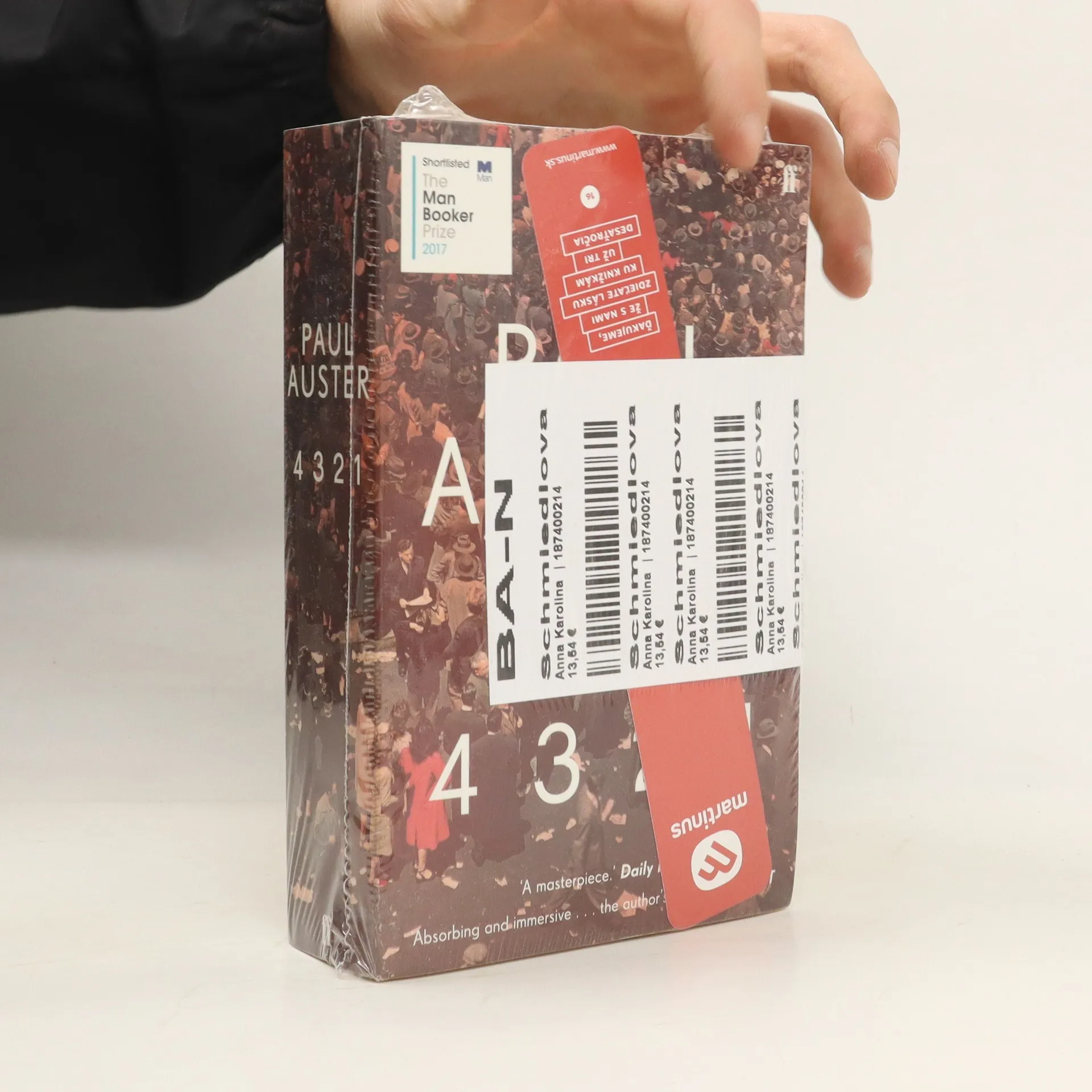
LONGLISTED FOR THE MAN BOOKER PRIZE 2017 On March 3rd, 1947, Archibald Isaac Ferguson, the only child of Rose and Stanley Ferguson, is born. From that single beginning, Ferguson's life will take four simultaneous paths. Four Fergusons will go on to lead four parallel and entirely different lives. Family fortunes diverge. Loves and friendships and passions contrast. Each version of Ferguson's story rushes across the fractured terrain of mid-twentieth century America, in this sweeping story of birthright and possibility, of love and the fullness of life itself.
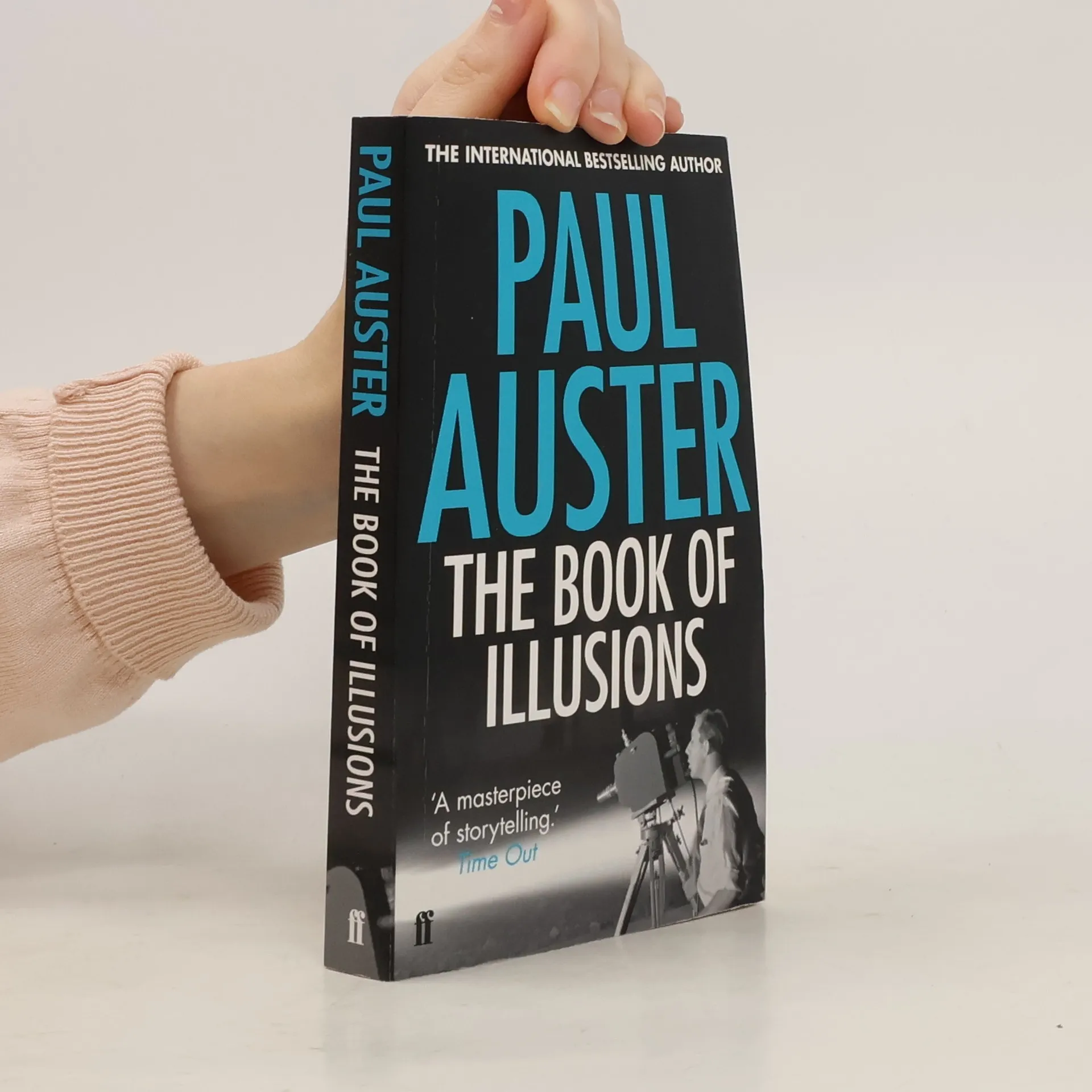
Six months after losing his wife and two sons in a plane crash, Professor David Zimmer spends his waking hours mired in grief. Then, watching television one night, he stumbles upon the great silent comedian Hector Mann. His growing obsession with the mystery of Mann's true life story will take Zimmer on a strange and intense journey into a shadow-world of lies, illusions and unexpected love . . .
The remarkable, acclaimed series of interconnected detective novels City of Glass, Ghosts, and The Locked Room, from New York Times bestselling author Paul Auster “Exhilarating . . . a brilliant investigation of the storyteller’s art guided by a writer-detective who’s never satisfied with just the facts.”—The Philadelphia Inquirer City of Glass: As a result of a strange phone call in the middle of the night, Quinn, a writer of detective stories, becomes enmeshed in a case more puzzling than any he might have written. Ghosts: Blue, a student of Brown, has been hired by White to spy on Black. From a window of a rented room on Orange Street, Blue keeps watch on his subject, who is across the street, staring out of his own window. The Locked Room: Fanshawe has disappeared, leaving behind his wife and baby and a cache of extraordinary novels, plays, and poems. What happened to him and why is the narrator, Fanshawe’s boyhood friend, lured obsessively into his life? Moving at the breathless pace of a thriller, this is a uniquely stylized trilogy of detective novels that The Washington Post Book World has classified as “post-existential private eye. . . . It’s as if Kafka has gotten hooked on the gumshoe game and penned his own ever-spiraling version.”
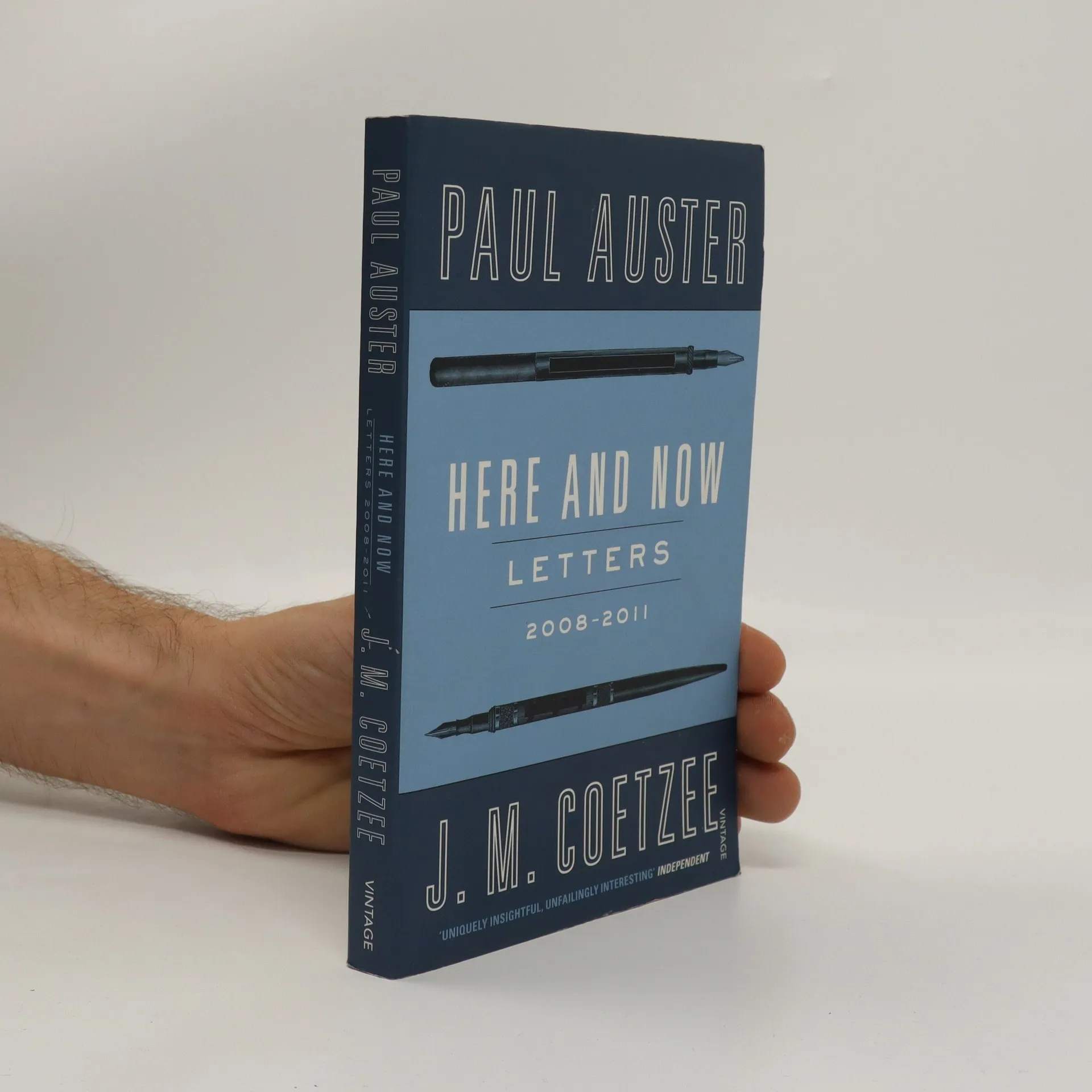
Here and now : letters 2008-2011
- 256 pages
- 9 hours of reading
Although Paul Auster and J.M. Coetzee had been reading each other's books for years, the two writers did not meet until February 2008. Not long after, Auster received a letter from Coetzee, suggesting they begin exchanging letters on a regular basis and, 'God willing, strike sparks off each other.' Here and Now is the result of that proposal: an epistolary dialogue between two great writers who became great friends. Over three years their letters touched on nearly every subject, from sports to fatherhood, film festivals to incest, philosophy to politics, from the financial crisis to art, family, marriage, friendship, and love. Their correspondence offers an intimate and often amusing portrait of these two men as they explore the complexities of the here and now and is a reflection of two sharp intellects whose pleasure in each other's friendship is apparent on every page.
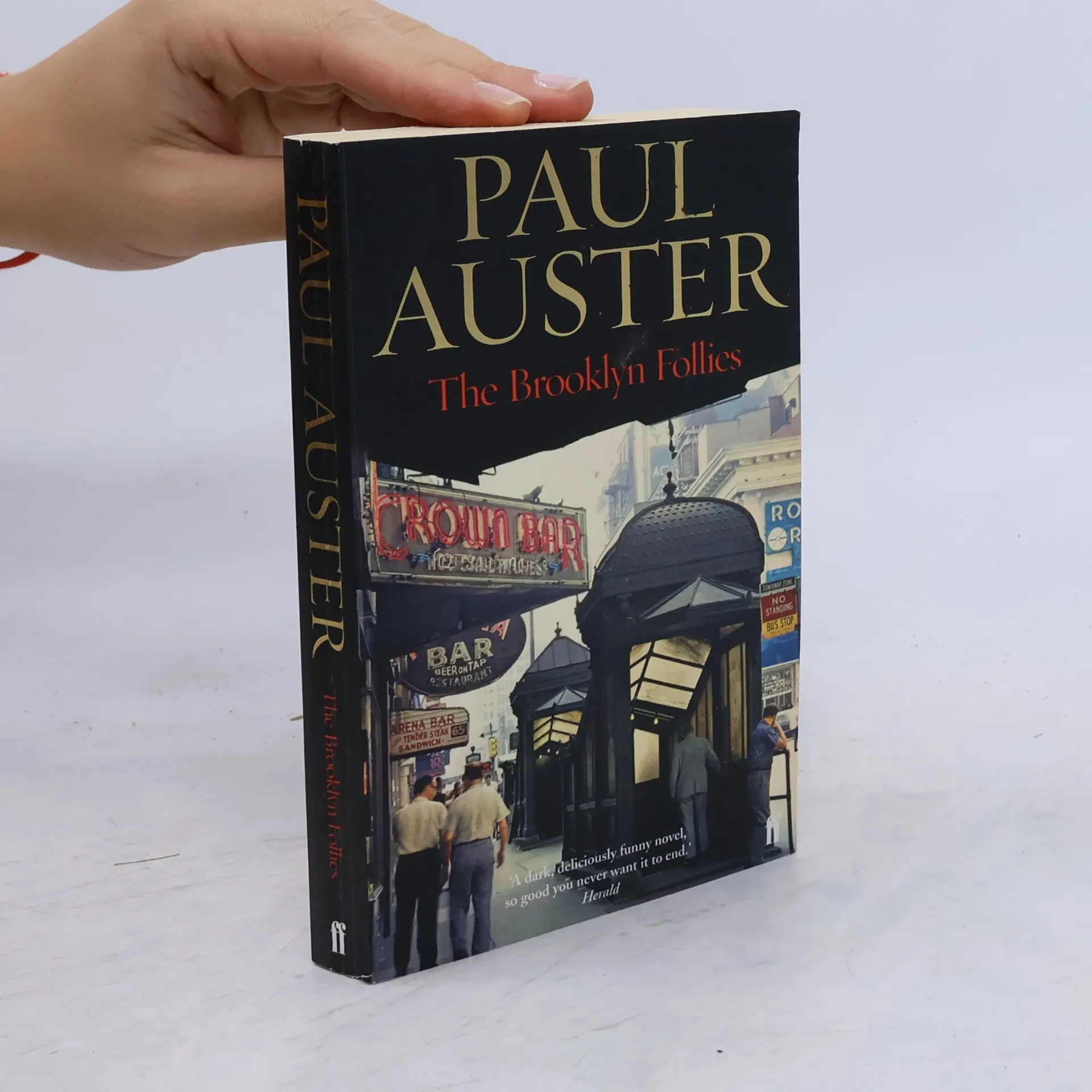
The Brooklyn Follies
- 320 pages
- 12 hours of reading
'I was looking for a quiet place to die. Someone recommended Brooklyn, and so the next morning I traveled down there from Westchester to scope out the terrain...' So begins Paul Auster's remarkable new novel, The Brooklyn Follies. Set against the backdrop of the contested US election of 2000, it tells the story of Nathan and Tom, an uncle and nephew double-act. One in remission from lung cancer, divorced, and estranged from his only daughter, the other hiding away from his once-promising academic career, and, indeed, from life in general. Having accidentally ended up in the same Brooklyn neighbourhood, they discover a community teeming with life and passion. When Lucy, a little girl who refuses to speak, comes into their lives, there is suddenly a bridge from their pasts that offers them the possibility of redemption. Infused with character, mystery and humour, these lives intertwine and become bound together as Auster brilliantly explores the wider terrain of contemporary America - a crucible of broken dreams and of human folly.
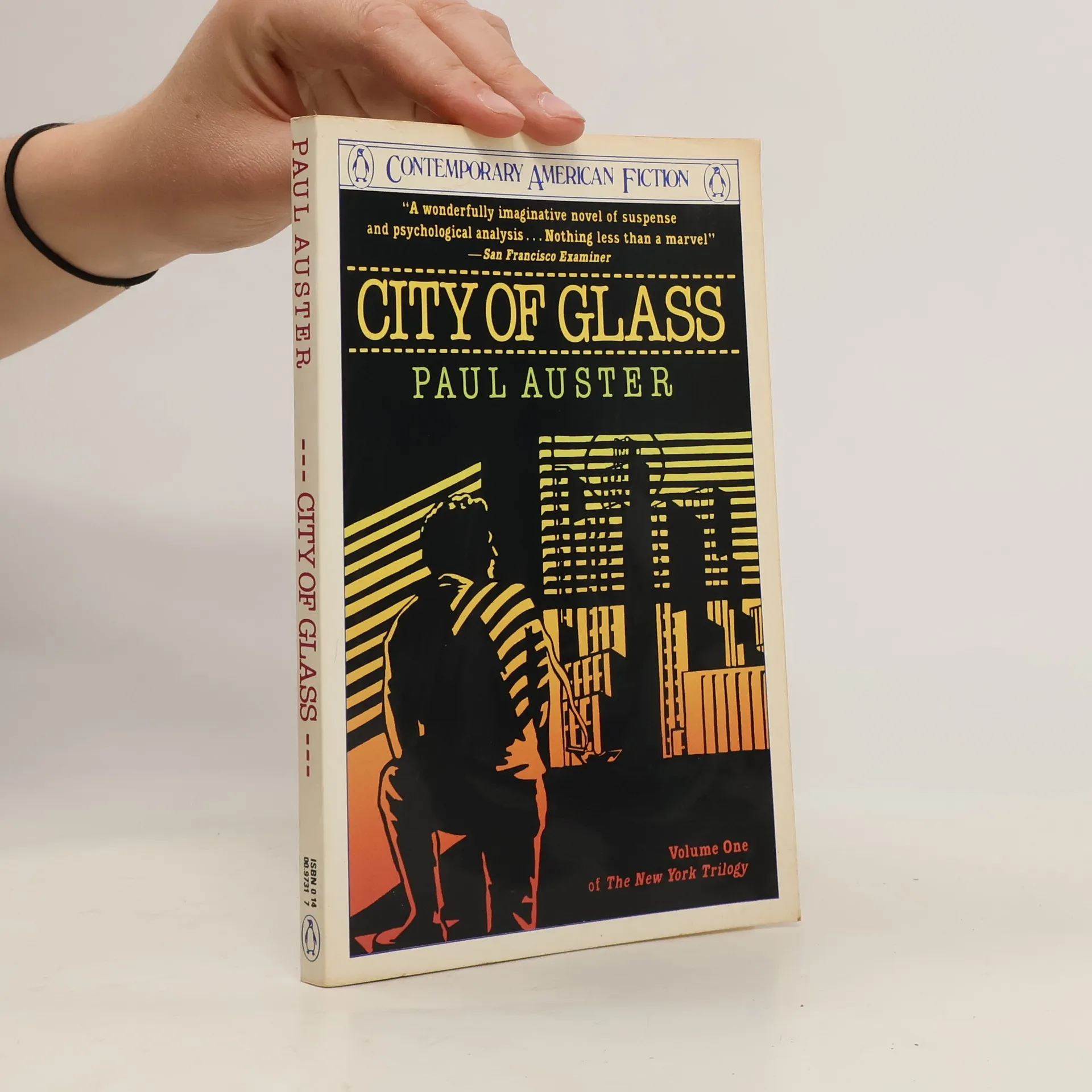
Nominated for an Edgar award for best mystery of the year, City of Glass inaugurates an intriguing New York Trilogy of novels that The Washington Post Book World has classified as "post-existentialist private eye... It's as if Kafka has gotten hooked on the gumshoe game and penned his own ever-spiraling version." As a result of a strange phone call in the middle of the night, Quinn, a writer of detective stories, becomes enmeshed in a case more puzzling than any he might have written. Written with hallucinatory clarity, City of Glass combines dark humor with Hitchcock-like suspense. Ghosts and The Locked Room are the next two brilliant installments in Paul Auster's The New York Trilogy.
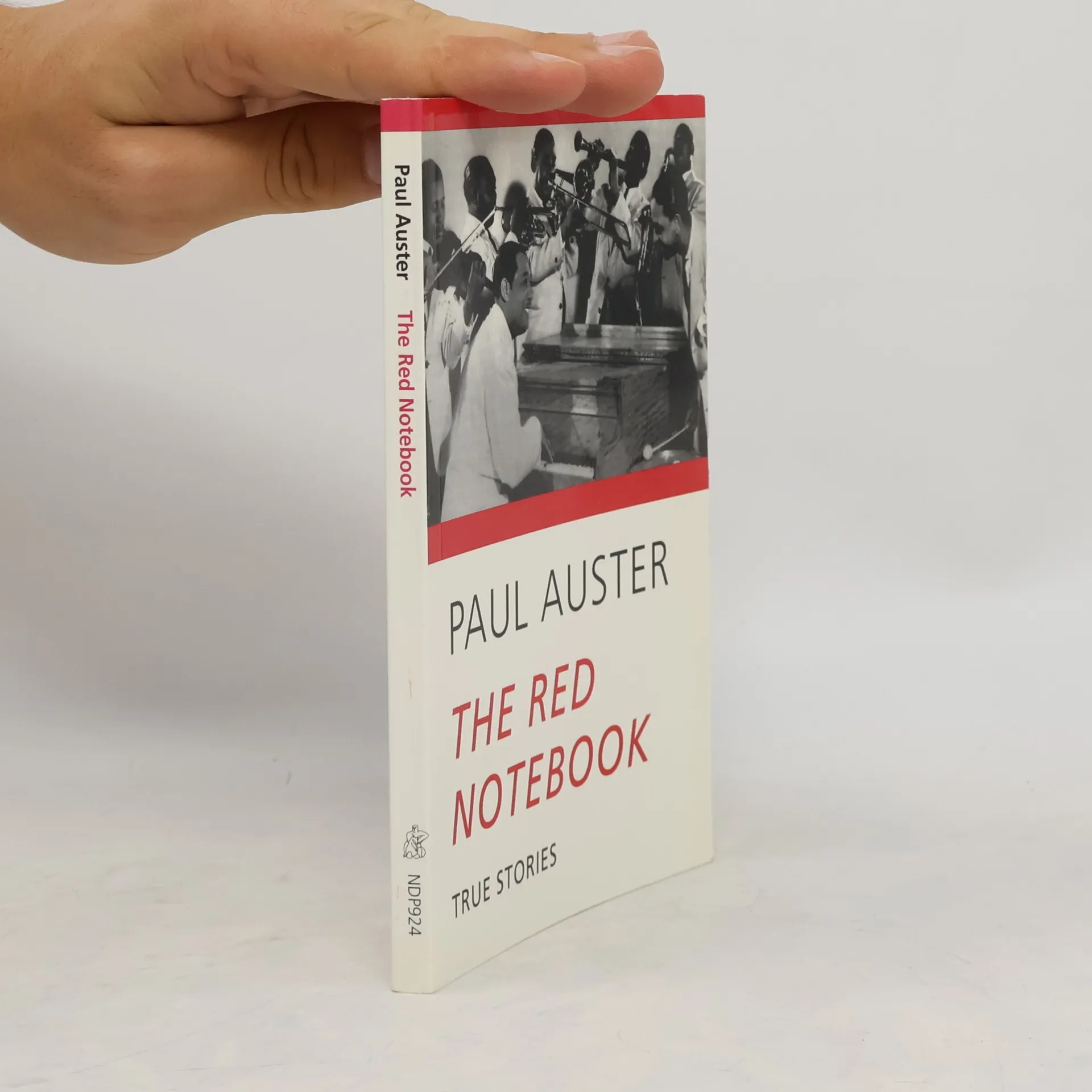
The Red Notebook brings together in one volume all of Paul Auster's short, true-life stories―a remarkable collection of tales that documents the curious, miraculous, and sometimes catastrophic turns of everyday reality. Paul Auster has earned international praise for the imaginative power of his many novels, including The New York Trilogy, Moon Palace, The Music of Chance, Mr. Vertigo , and Timbuktu . He has also published a number of highly original non-fiction The Invention of Solitude, Hand to Mouth, and The Art of Hunger . In The Red Notebook , Auster again explores events from the real world large and small, tragic and comic―that reveal the unpredictable, shifting nature of human experience. A burnt onion pie, a wrong number, a young boy struck by lightning, a man falling off a roof, a scrap of paper discovered in a Paris hotel room―all these form the context for a singular kind of ars poetica , a literary manifesto without theory, cast in the irreducible forms of pure story telling.
It begins with a writer's dilemmaQhe's been asked by "The New York Times" to write a story that will appear in the paper on Christmas morning. The writer agrees, but he has a problemQhow does one write an unsentimental Christmas story? The result is Auster's timeless, utterly charming Christmas fable, beautifully illustrated and destined to become a classic. 0-8050-7723-5$17.50 / Henry Holt & Company
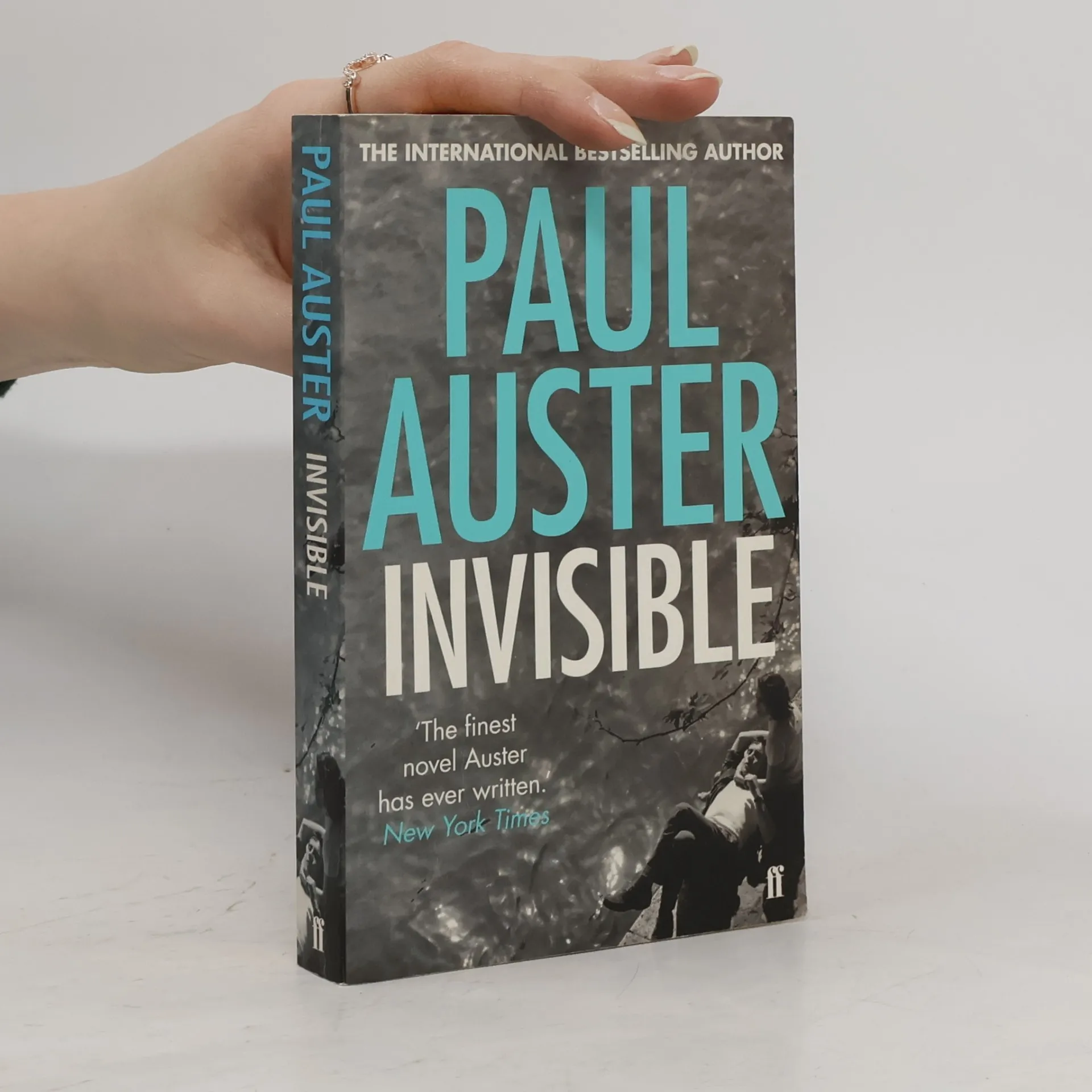
Invisible
- 384 pages
- 14 hours of reading
Sinuously constructed in four interlocking parts, Invisible opens in New York City in the spring of 1967 when twenty-year-old Adam Walker, an aspiring poet and student at Columbia University meets the enigmatic Frenchman Rudolf Born, and his silent and seductive girlfriend Margot. Before long, Walker finds himself caught in a perverse triangle that leads to a sudden, shocking act of violence that will alter the course of his life.Three different narrators tell the story, as it travels in time from 1967 to 2007 and moves from New York to Paris and to a remote Caribbean island in a story of unbridled sexual hunger and a relentless quest for justice.With uncompromising insight, Auster takes us to the shadowy borderland between truth and memory, authorship and identity to produce a work of unforgettable power that confirms his reputation as one of America's most spectacularly inventive writers.
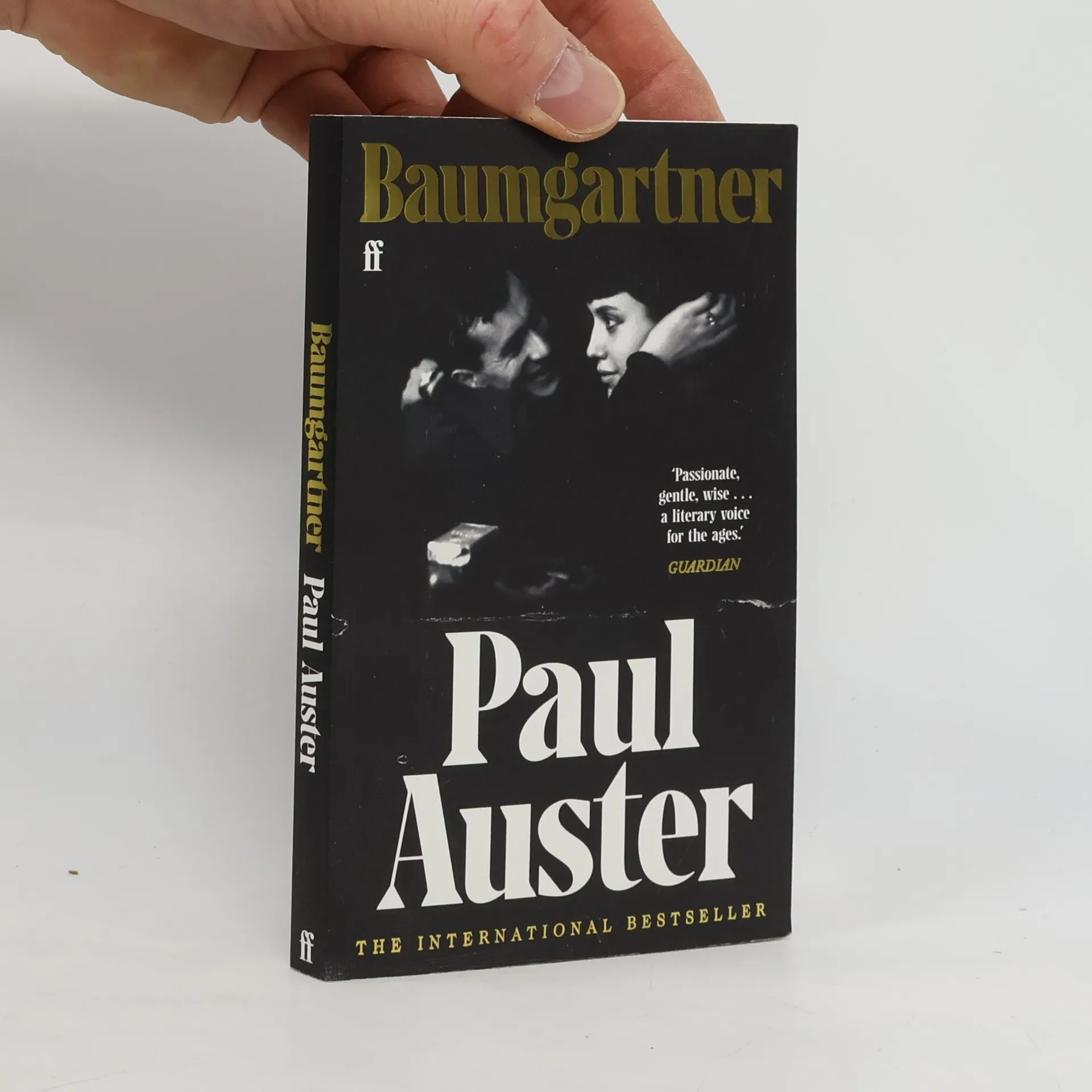
Baumgartner's life has been defined by his deep, abiding love for his wife, Anna. But now Anna is gone, and Baumgartner is embarking on his seventies whilst trying to live with her absence. Rich with compassion, wit and Auster's keen eye for beauty in the smallest, most transient episodes of ordinary life, 'Baumgartner' is a tender late masterpiece of the ache of memory. It asks: why do we find such meaning in certain moments, and forget others?
Mr Bones is the canine sidekick and confidant of Willy G. Christmas, a brilliant but troubled poet-saint from Brooklyn. Together they sally forth in search of Willy's beloved high-school teacher, who years ago knew him in his previous incarnation as William Gurevitch, son of Polish war refugees.
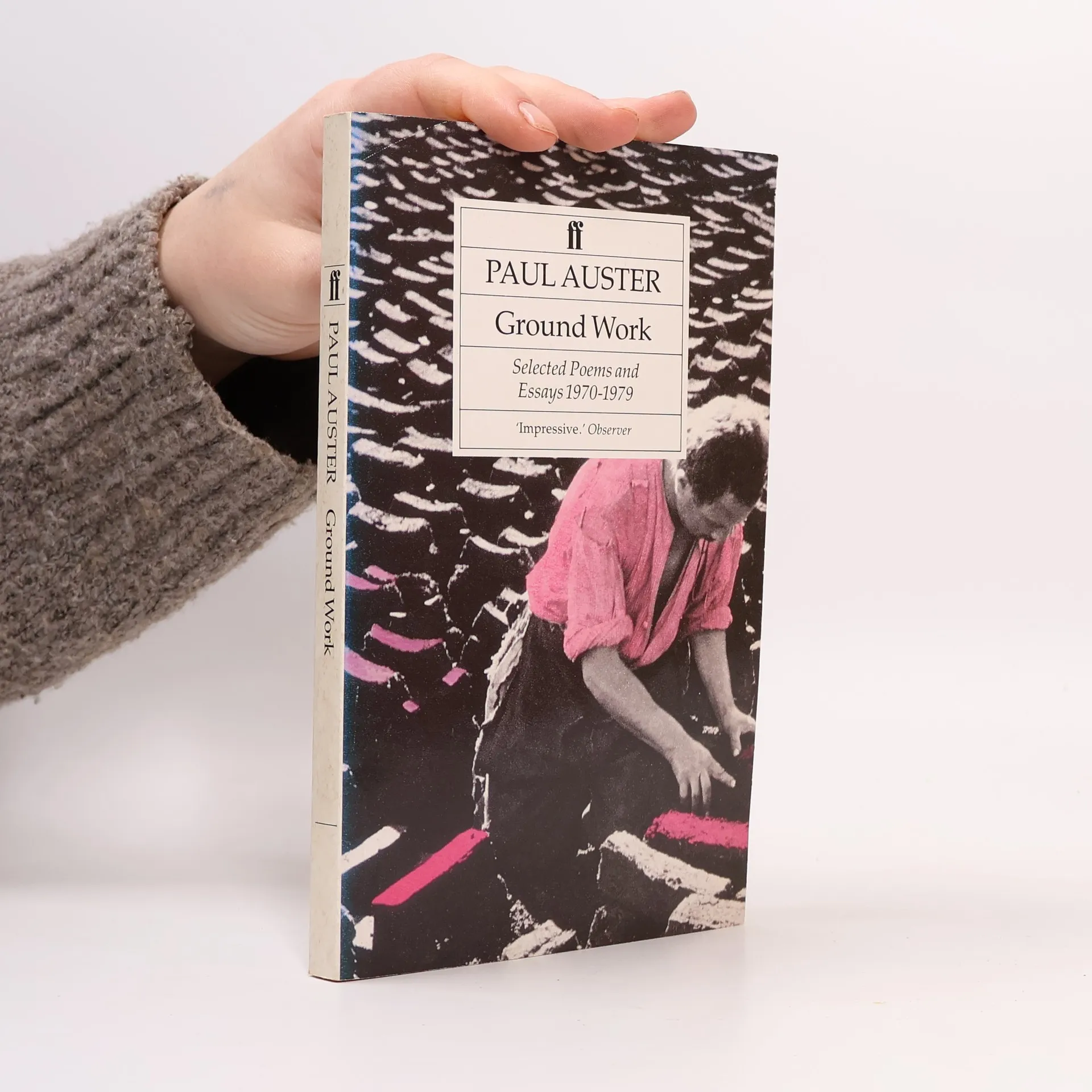
A collection of poetry and prose from Paul Auster, the author of "New York Trilogy" and "Moon Palace". The book is divided into two parts. The first part is a selection from the author's volumes of poetry published in America in the 1970s and the second part is a collection of his essays.
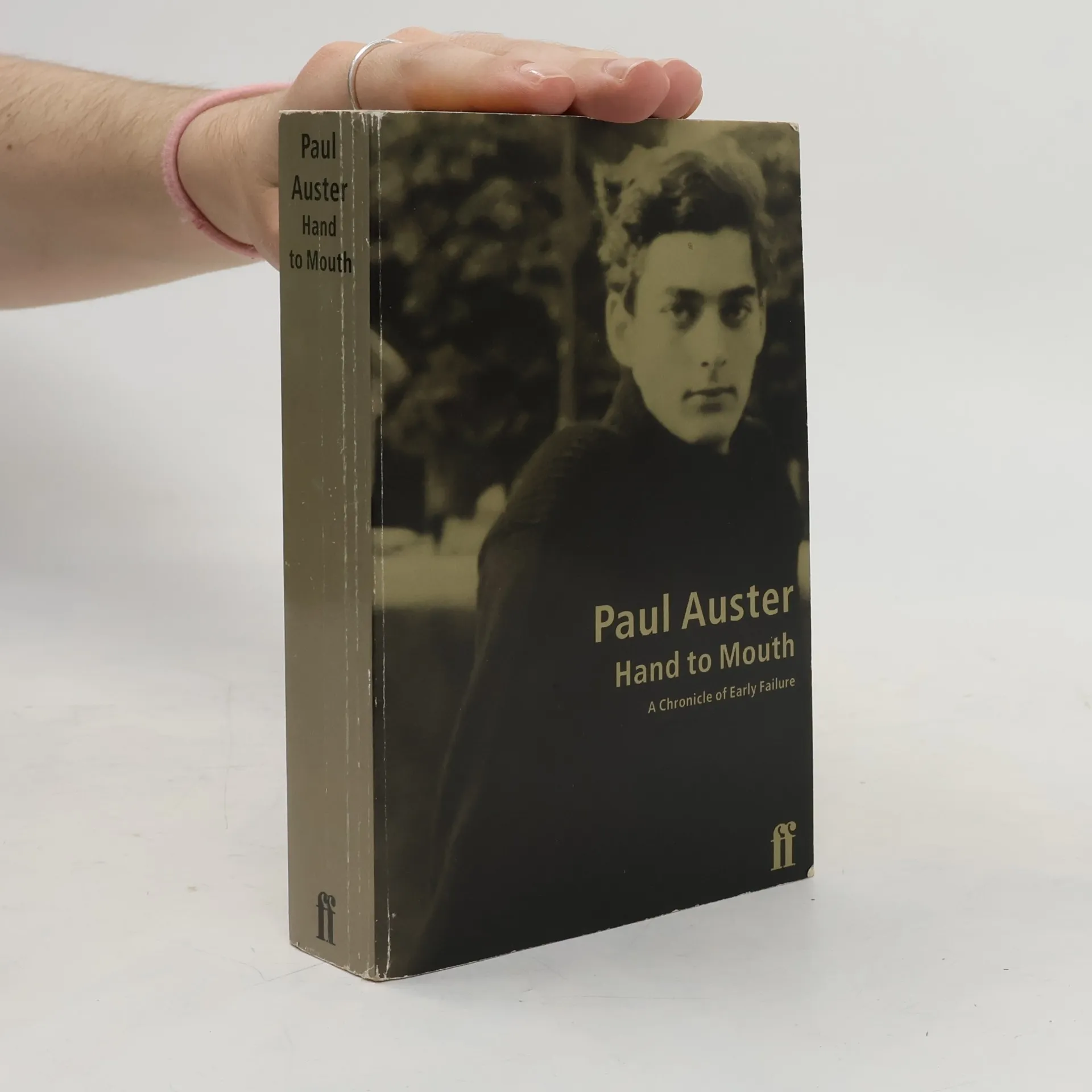
Hand to Mouth
- 448 pages
- 16 hours of reading
Paul Auster's "Hand to Mouth: A Chronicle of Early Failure" is a fascinating and often funny memoir about his early years as a writer struggling to be published, and to make enough money to survive. Leaving high school with "itchy feet" and refusing to play it safe, Auster avoided convention and the double life of steady office employment while writing. From the streets of New York City, Dublin, and Paris to a surreal adventure in a dusty village in Mexico, Auster's account of living on next to nothing introduces an unforgettable cast of characters while examining what it means to be a writer.
August Brill is recovering from a car accident. Plagued by insomnia, he tries to push back thoughts about his wife's death and the horrific murder of his granddaughter's boyfriend, Titus. He is joined in the early hours by his granddaughter, and he opens up to her and recounts the story of his marriage and confronts the reality of Titus' death.
Sunset park
- 320 pages
- 12 hours of reading
Paul Auster's Sunset Park is set in the sprawling flatlands of Florida, where twenty-eight-year-old Miles is photographing the last lingering traces of families who have abandoned their houses due to debt or foreclosure. Miles is haunted by guilt for having inadvertently caused the death of his step-brother, a situation that caused him to flee his father and step-mother in New York seven years ago.What keeps him in Florida is his relationship with a teenage high-school girl, Pilar, but when her family threatens to expose their relationship, Miles decides to protect Pilar by going back to Brooklyn, where he settles in a squat to prepare himself to face the inevitable confrontation with his father - a confrontation he has been avoiding for years.Set against the backdrop of the devastating global recession, and pulsing with the energy of Auster's previous novel Invisible, Sunset Park is as mythic as it is contemporary, as in love with baseball as it is with literature. It is above all, a story about love and forgiveness - not only among men and women, but also between fathers and sons.
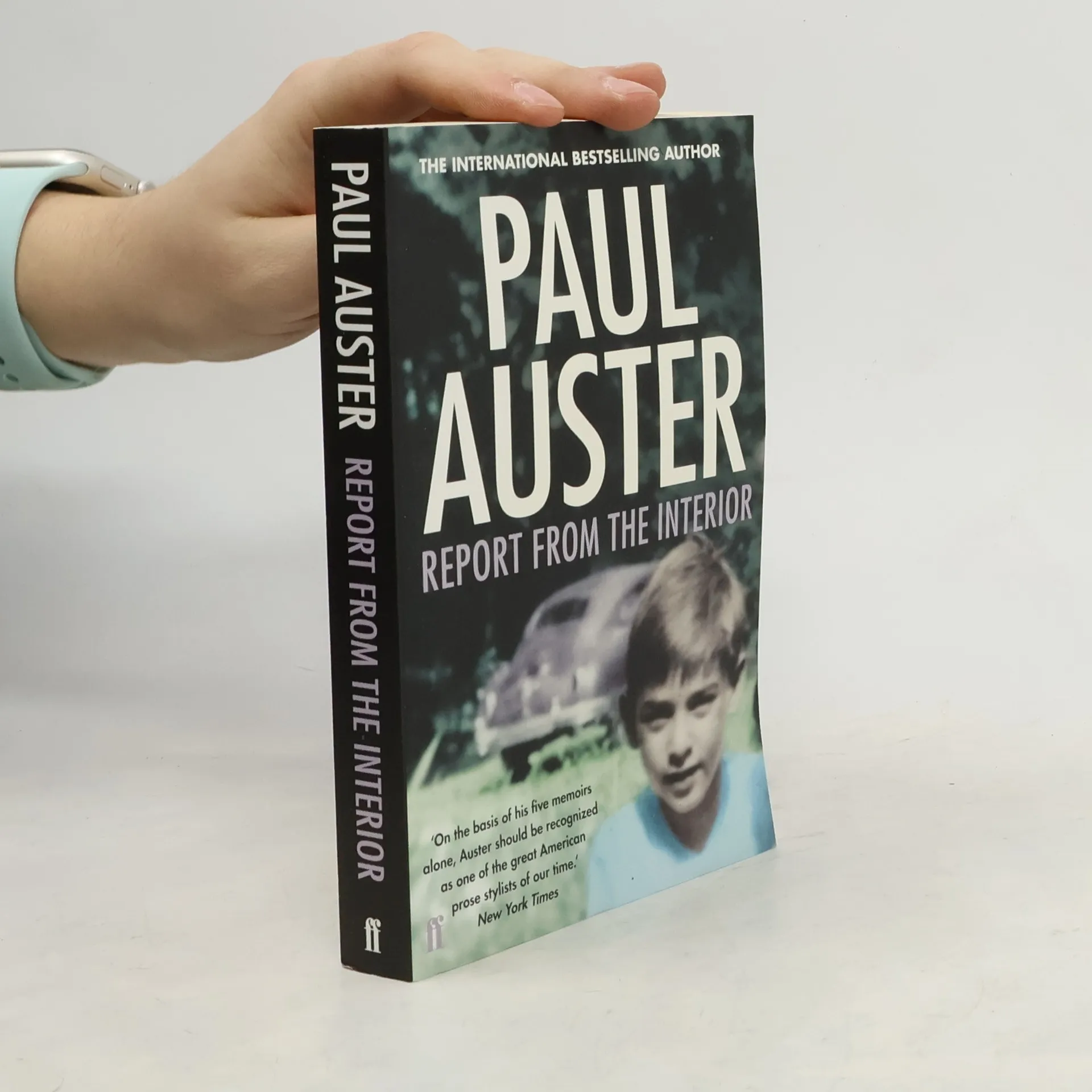
Report from the Interior
- 341 pages
- 12 hours of reading
In the beginning, everything was alive. The smallest objects were endowed with beating hearts. Paul Auster recalls his life through the story of his physical self in Winter Journal, now reflecting on his inner development and experiences with the outer world, alongside revealing letters to his first wife, Lydia Davis. This impressionistic portrait of a writer coming of age captures Auster's journey from a baby's-eye view of the moon to his childhood admiration for movie cowboy Buster Crabbe, the composition of his first poem at nine, and his growing awareness of American injustices. It charts his moral, political, and intellectual evolution as he navigates the post-war fifties and the turbulent sixties. Auster evokes the sounds, smells, and sensations of his early life, filled with moving images and his love for cartoons and films. The book culminates uniquely, breaking from prose into pure imagery, with the final section recapitulating the earlier parts through an album of pictures. This four-part work not only tells the story of Auster's times but also of the emerging consciousness of a renowned literary artist, addressing the challenge of autobiography in an unprecedented manner.
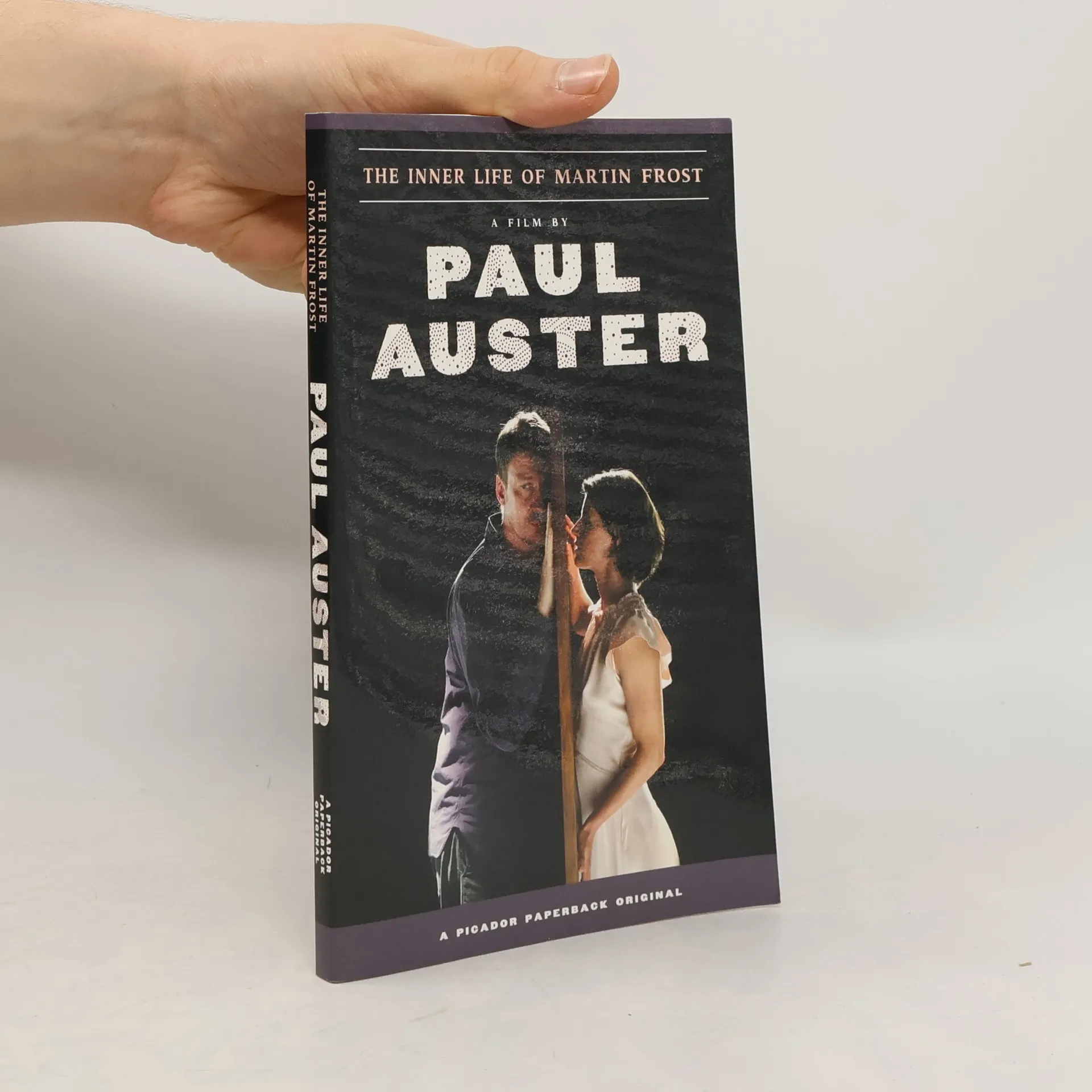
Searching for solitude, the writer Martin Frost borrows a friend's country house. Waking up one morning, he is shocked to find a nearly naked young woman beside him in bed. She also has a key to the house and claims to be the owner's niece. Martin's initial annoyance at Claire's intrusion is rapidly forgotten as he falls passionately in love with her. Even when it is revealed that Claire is not who she claims to be, their idyllic passion continues--until she suddenly falls ill. The Inner Life of Martin Frost is based on an imaginary film that appears in his novel The Book of Illusions
Travels in the Scriptorium
- 130 pages
- 5 hours of reading
Each day an old man awakes with no memory, unsure of whether or not he is locked into the room. A middle-aged woman called Anna enters and talks of pills and treatment, but also of love and promises. Who is this Mr Blank, and what is his fate? What does Anna represent from his past - and will he ever make sense of the clues that arise?
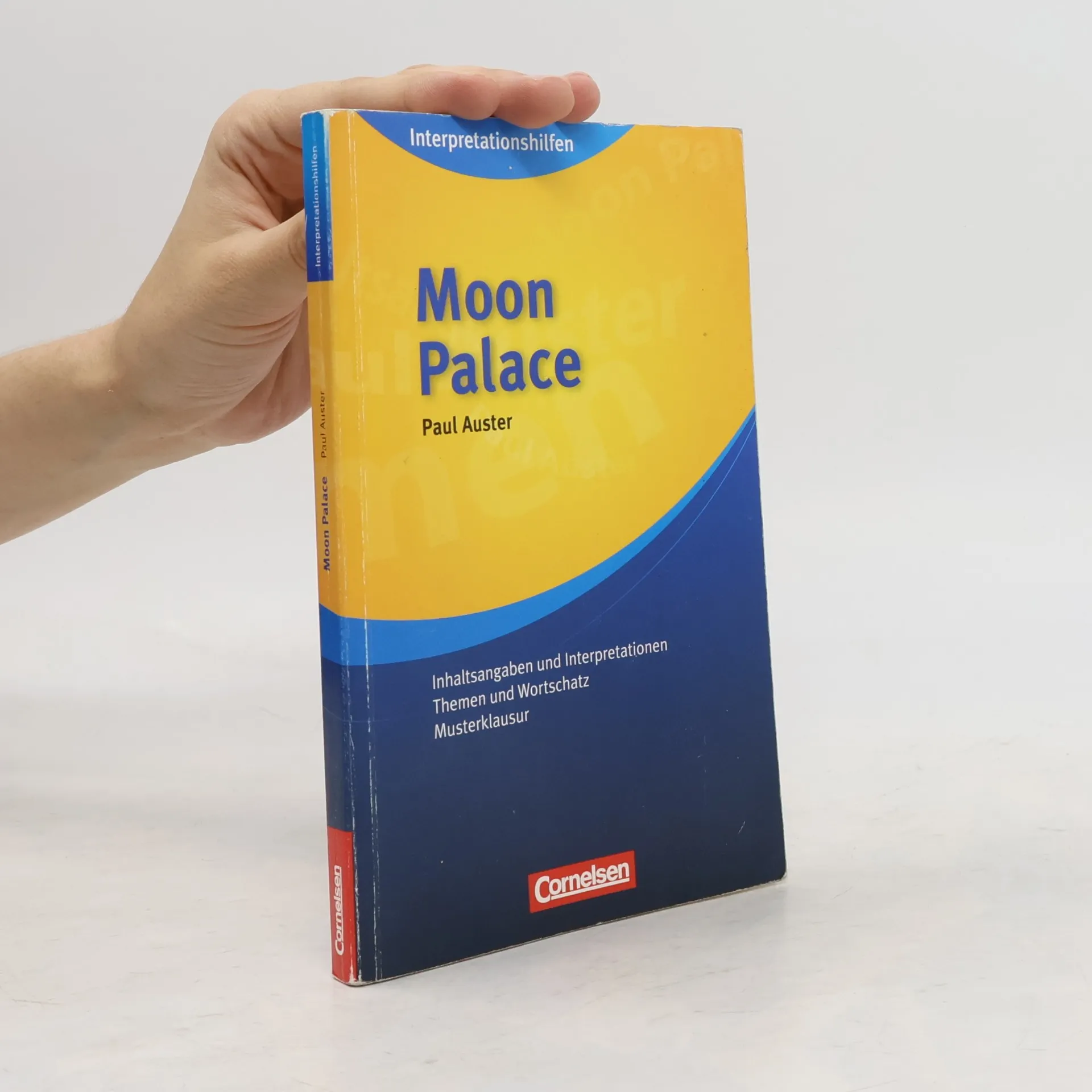
Interpretationshilfen. Moon Palace
- 127 pages
- 5 hours of reading
Eingeführte Reihe. Interpretationsband in englischer Sprache für Schüler. Das 1989 erschienene Werk ("Mond über Manhattan") wird mit ausführlicher Inhaltsangabe vorgestellt, Charakteristiken, Sprache und Struktur analysiert. Zum Inhalt: Auf geheimnisvolle Weise macht ein junger Aussteiger in New York die späte Bekanntschaft mit den exzentrischen Gestalten seines Vaters und Großvaters.Im Anhang ein Glossar mit literarischen Fachbegriffen und Hinweise zur Abfassung einer literarischen Facharbeit. Mit Zwischenfragen zur Wiederholung. Zuletzt wurde zu "Moon Palace" der Band von MariaFelicitas Herforth (Königs Erläuterungen, BA 4/07) vorgestellt. .
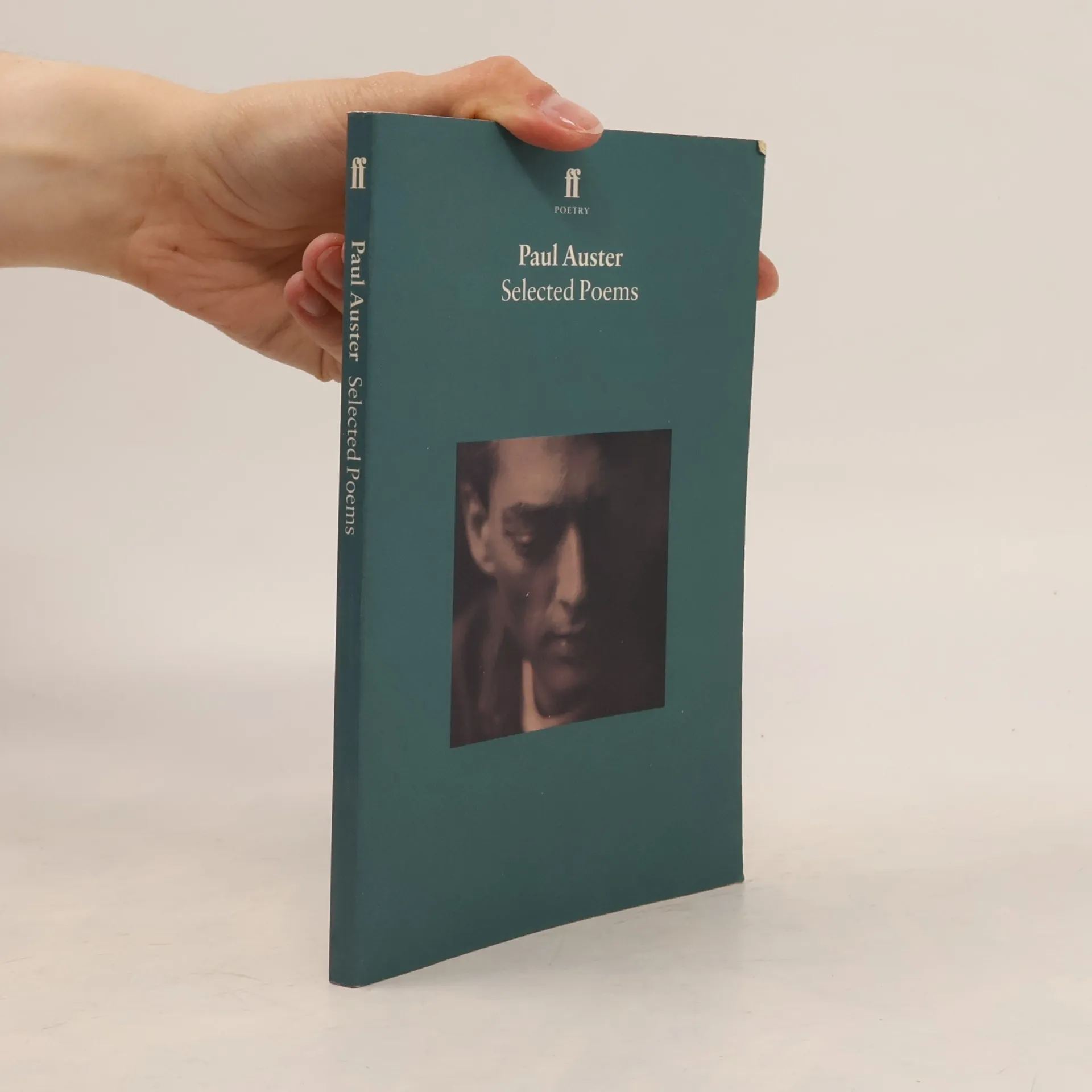
Faber Poetry: Selected Poems of Paul Auster
- 112 pages
- 4 hours of reading
Working within the domain of consciously reduced elements, Paul Auster pushes language to its breaking point, locating the sayable within the shifting tumult of the real, and revealing a poetic voice that has been consistently faithful to its visionary impulses.
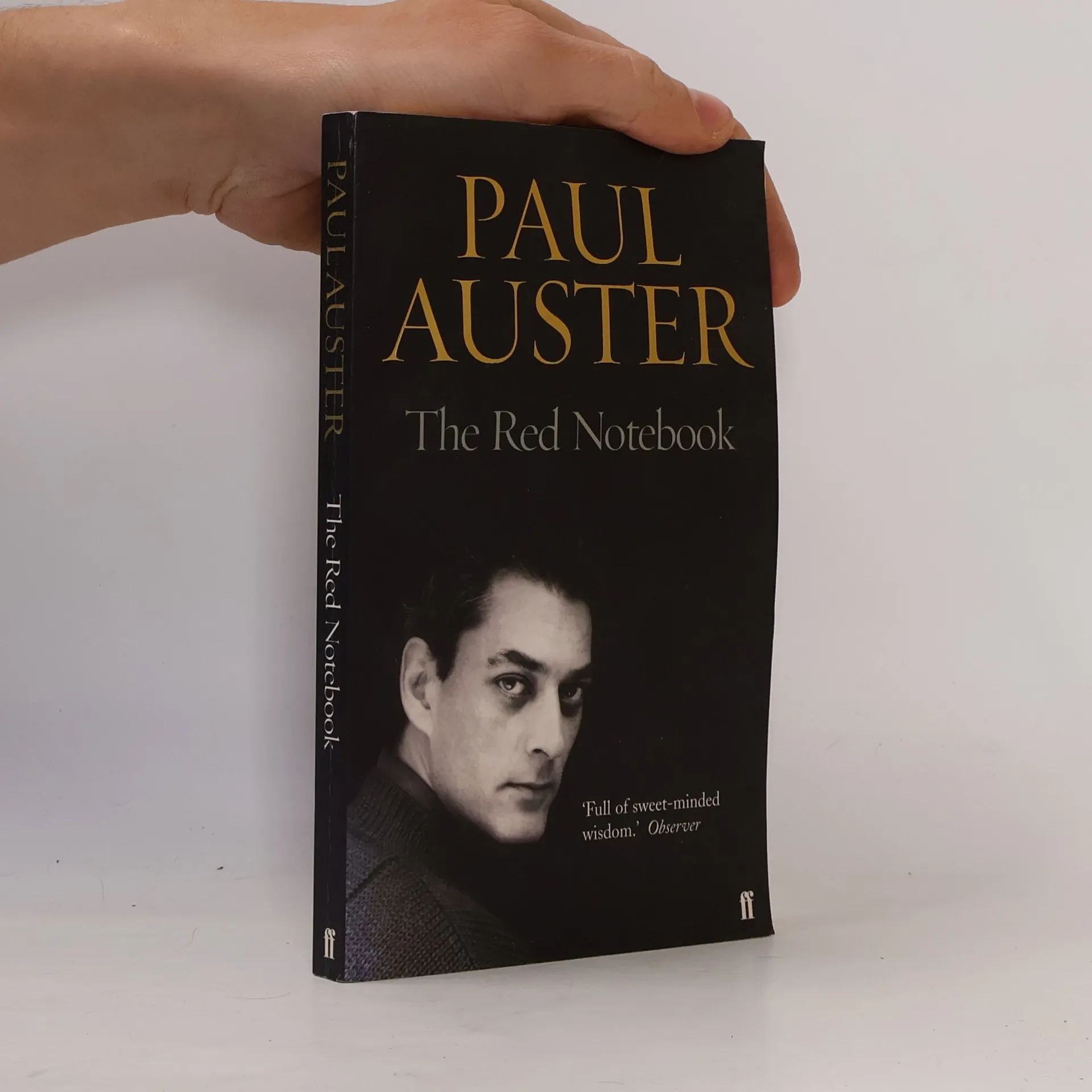
The Red Notebook. Das rote Notizbuch, englische Ausgabe
- 352 pages
- 13 hours of reading
In this acrobatic and virtuosic collection, Paul Auster traces the compulsion to make literature. In a selection of interviews, as well as in the essay 'The Red Notebook' itself, Auster reflects upon his own work, on the need to break down the boundary between living and writing, and on the use of certain genre conventions to penetrate matters of memory and identity. The Red Notebook both illuminates and undermines our accepted notions about literature, and guides us towards a finer understanding of the dangerously high stakes involved in writing. It also includes Paul Auster's impassioned essay 'A Prayer for Salman Rushdie', as well as a set of striking and bittersweet reminiscences collected under the apposite title, 'Why Write?'
Odin chelovek. Chetyre parallelnye zhizni. Archi Ferguson budet rozhden odnazhdy. Iz edinogo nachala vyjdut chetyre realnye po svoemu vymyslu zhizni - parallelnye i nezavisimye drug ot druga. Chetyre Fergusona, sdelannye iz odnoj DNK, prozhivut sovershenno po-raznomu. Semejnye sudby budut varirovatsja. Druzhby, vljublennosti, intellektualnye i fizicheskie sposobnosti budut kontrastirovat. Pri kazhdom povorote sudby chitatel ispytaet radost ili bol vmeste s geroem.
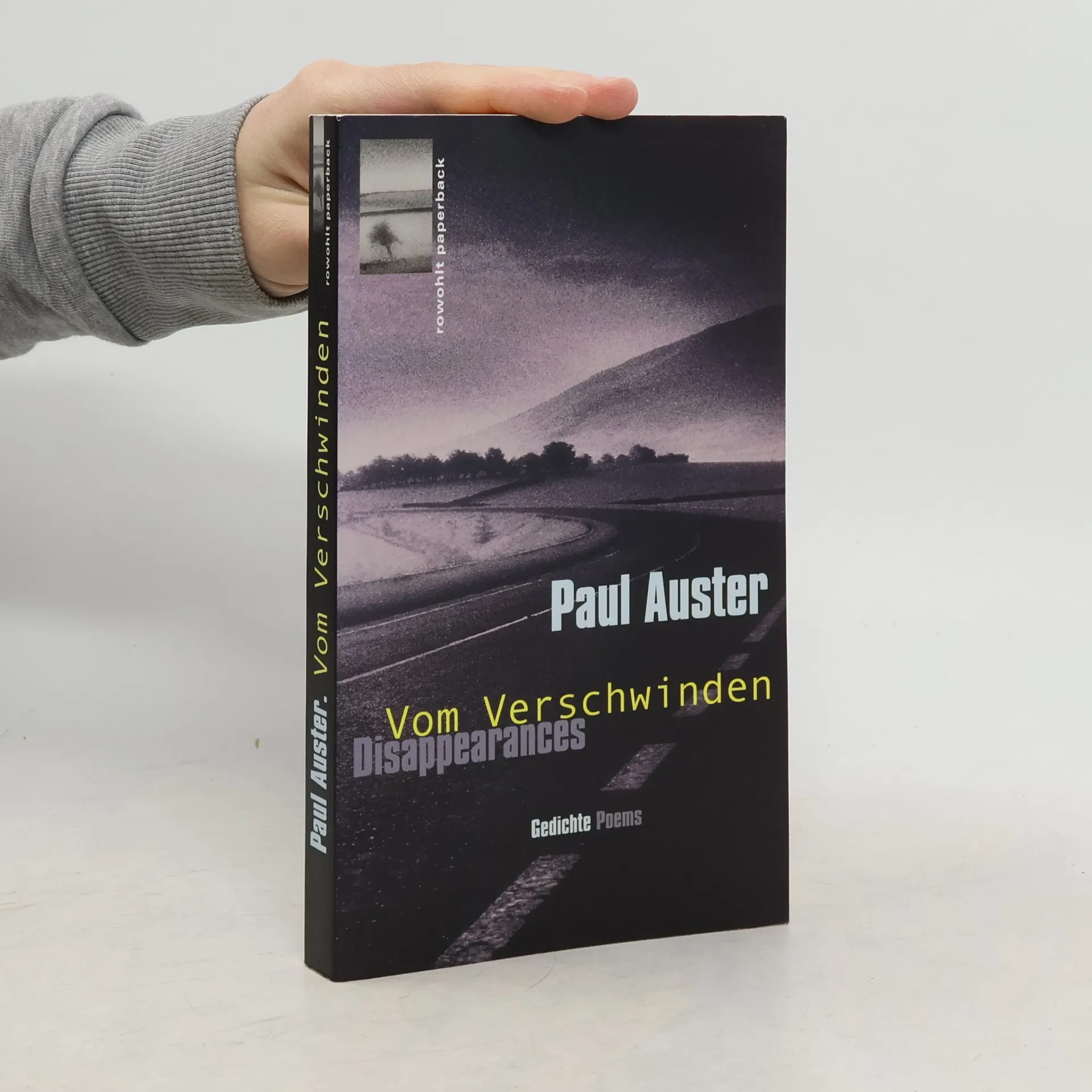
Disappearances / Vom Verschwinden
- 217 pages
- 8 hours of reading
Lange vor seinem internationalen Ruhm als Romanautor veröffentlichte Auster einen Gedichtband, der nun in deutscher Übersetzung erhältlich ist.
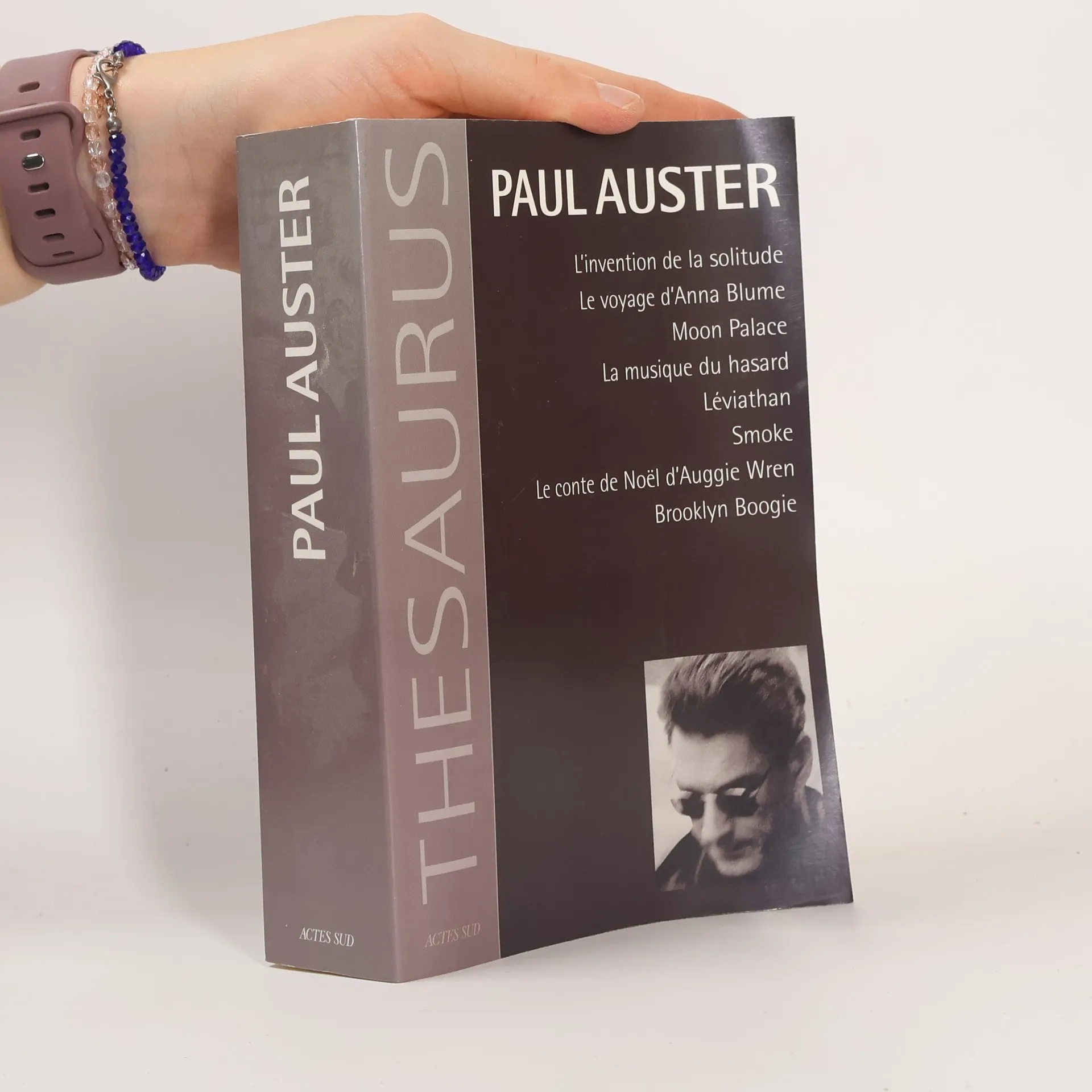
L'invention de la solitude
Le voyage d'Anna Blume. Moon palace. La musique du hasard. Léviathan. Smoke. Le conte de Noël d'Auggie Wren. Brooklyn Boogie
- 1466 pages
- 52 hours of reading
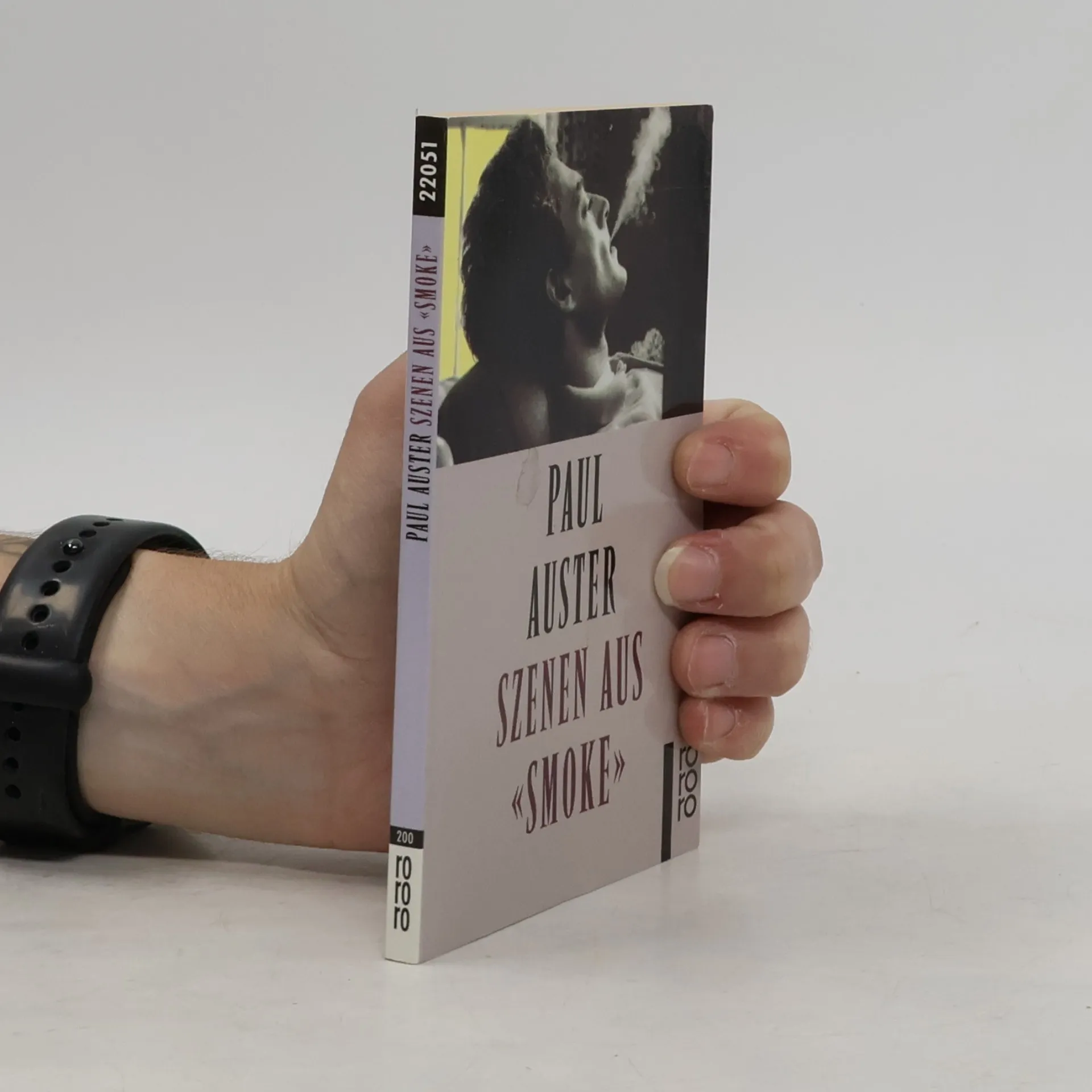
Szenen aus "Smoke"
- 124 pages
- 5 hours of reading
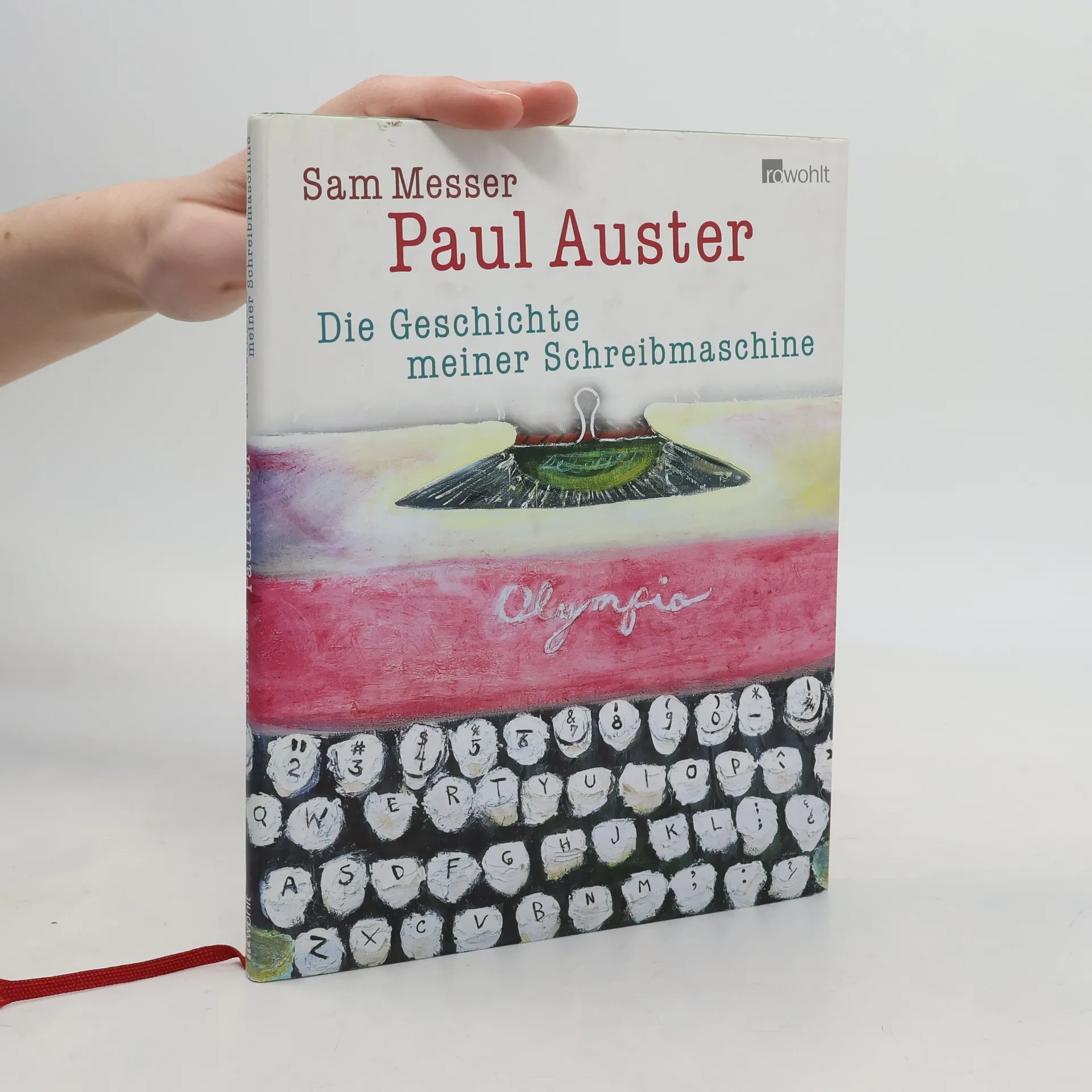
Die Geschichte meiner Schreibmaschine
- 62 pages
- 3 hours of reading
Dies ist die Geschichte vielfältiger Beziehungen: Zwischen einem Schriftsteller und einem Maler. Zwischen einem Schriftsteller und seiner Schreibmaschine. Zwischen einem Maler und seiner Besessenheit von dieser Schreibmaschine. Dies ist auch das Ergebnis einer Zusammenarbeit: entstanden aus Paul Austers Geschichte seiner 25 Jahre alten mechanischen Olympia und Sam Messers willkommenem, aber ziemlich beunruhigendem Auftritt in dieser Geschichte. Auf Austers Olympia entstanden alle seine Texte seit 1974, ein Gesamtwerk, das zu den kreativsten und anerkanntesten der jüngeren US-Literaturgeschichte gehört. Messers kraftvolle, eindringliche Zeichnungen und Ölbilder sowohl des Autors als auch seiner Schreibmaschine haben, wie Auster schreibt, ein «eigentlich unbelebtes Objekt in ein beseeltes Wesen mit fühlbarer Präsenz verwandelt». Der durchgehend vierfarbige Band mit seinen opulenten Bildern ist ein Fest fürs Auge und ein Muss für alle Auster-Fans.
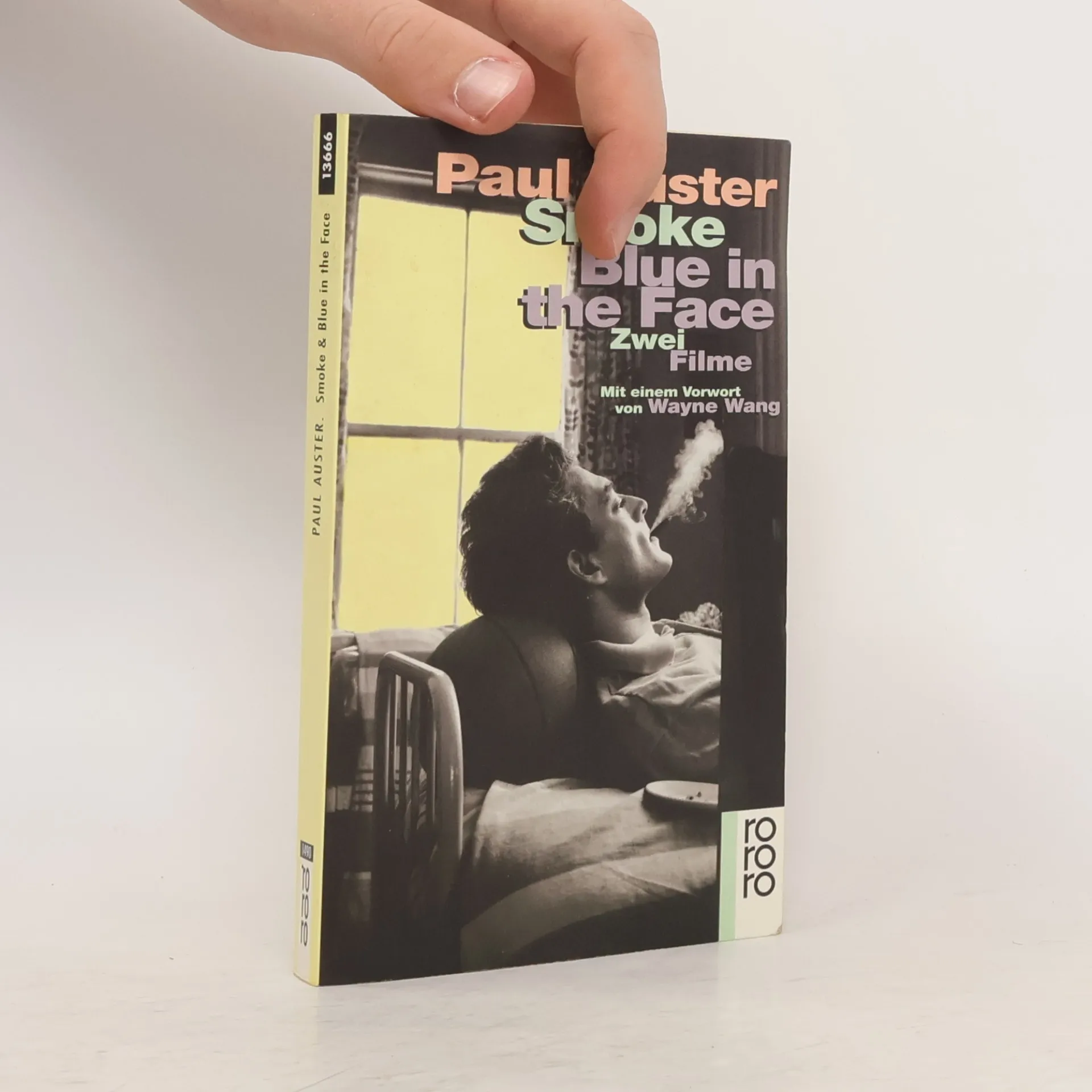
Smoke / Blue in the Face. Zwei Filme
- 286 pages
- 11 hours of reading
Der Film «Smoke» erzählt die Geschichte mehrerer völlig unterschiedlicher Menschen, deren Lebenswege sich auf seltsame Weise in einem Brooklyner Zigarrenladen kreuzen. «Blue in the Face» ist eine hinreißende, skurrile Liebeserklärung an Brooklyn, jenen Stadtteil New Yorks, in dem nichts so läuft, wie man es erwartet. Die Drehbücher zu beiden Filmen schrieb Paul Auster; Wayne Wang führte Regie. Neben den Hauptdarstellern Harvey Keizel und William Hurt spielen u. a. Lou Reed, Jim Jarmusch, Roseanne, Michael J. Fox und Madonna mit. «Smoke» wurde auf der Berlinale 1995 mit dem Silbernen Bären ausgezeichnet.
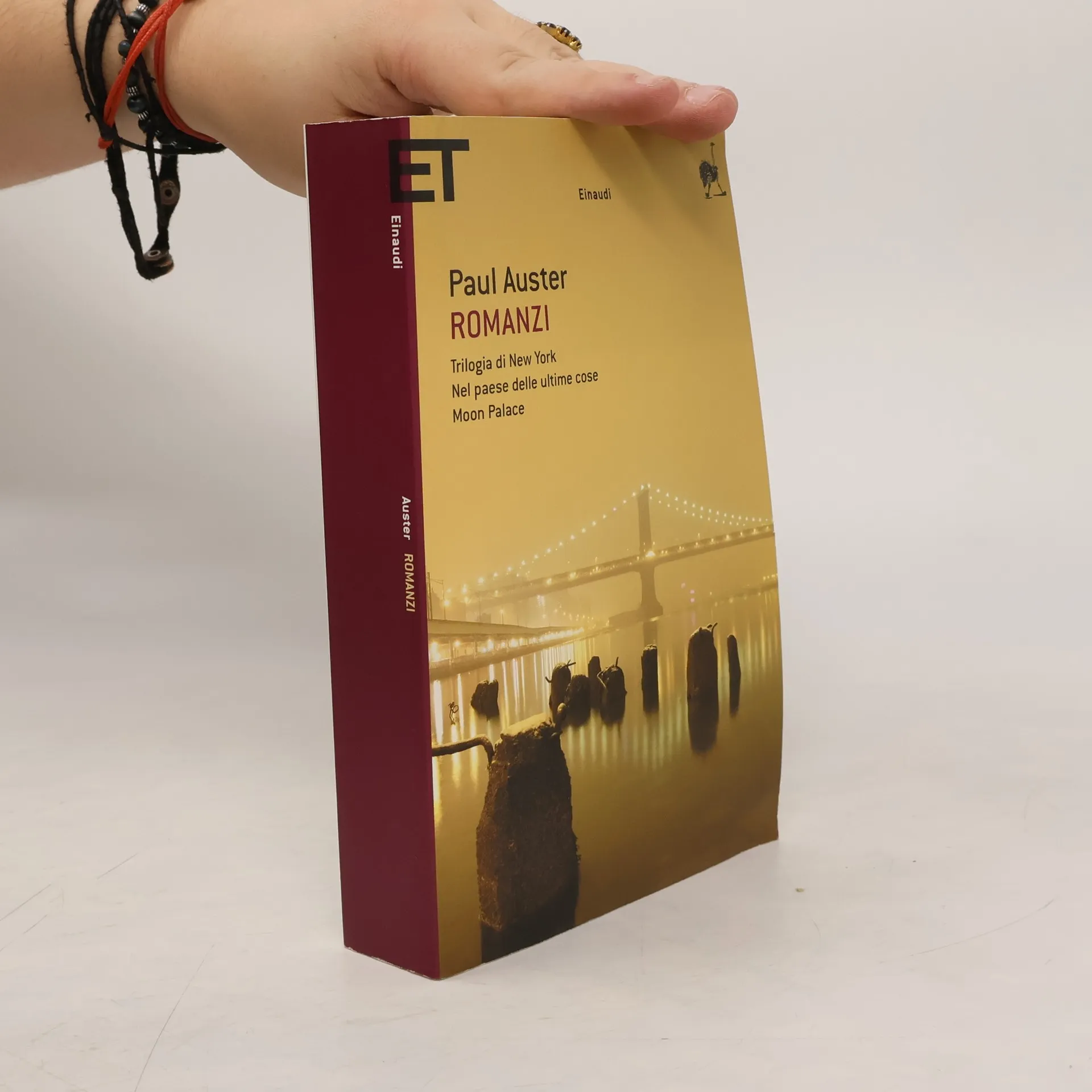
Pubblicati per la prima volta tra il 1985 e il 1987, i tre romanzi Città di vetro, Fantasmi, La stanza chiusa, che compongono Trilogia di New York, sono diventati dei classici della letteratura contemporanea americana. Sono tre detectives-stories eccentriche e avvincenti in cui Auster inventa una sua New York fantastica, un "nessun luogo" in cui ciascuno può ritrovarsi e perdersi all'infinito. Anna Blume era partita alla ricerca del fratello giornalista, scomparso senza lasciare traccia durante un reportage, ed è approdata "Nel paese delle ultime cose", ormai per lei e per tutti non c'è più possibilità di salvezza, di fuga. La definitiva catastrofe si è compiuta ma nonostante tutto Anna resiste e si aggrappa a tutte le sue forze per sopravvivere salvando in qualche luogo della sua coscienza una traccia di irrinunciabile umanità, una testimonianza di amicizia, persino d'amore. Il protagonista di "Moon Palace", Marco Stanley Fogg, orfano di un padre mai conosciuto ma eternamente cercato, tra coincidenze improbabili e intricati itinerari della memoria, dipana il suo mistero familiare, con un gusto per l'intreccio di sapore ottocentesco, ripercorrendo a ritroso il proprio e altrui passato lungo l'arco di tre generazioni: dall'estate del primo allunaggio fino agli albori del ventesimo secolo.
Ein einzigartiger Zugang zu Austers Werk Jedes seiner Bücher ist für Paul Auster eine Reise auf einer unbekannten Straße. Zusammen mit der Professorin Inge Birgitte Siegumfeldt hat er sich aufgemacht, diese Reisen noch einmal aus der Rückschau zu betrachten. Drei Jahre lang trafen sich beide zu Gesprächen über Austers Bücher. In einem intensiven, persönlichen Dialog erkunden sie seine großen Romane und die autobiographischen Texte. Auster gibt dabei einen intimen Einblick in seine Arbeit, erzählt amüsante Anekdoten und spricht offen wie selten über Inspirationsquellen und Motivation. Die scharfsinnigen Fragen und Gedanken Siegumfeldts fordern den Autor heraus, und so entsteht ein überraschender, kluger Austausch zweier Literaturliebhaber.
Het woord tegen de camorra
- 96 pages
- 4 hours of reading
Bijdragen van en over de Italiaanse journalist Roberto Saviano (1979- ) en zijn strijd tegen de Camorra.
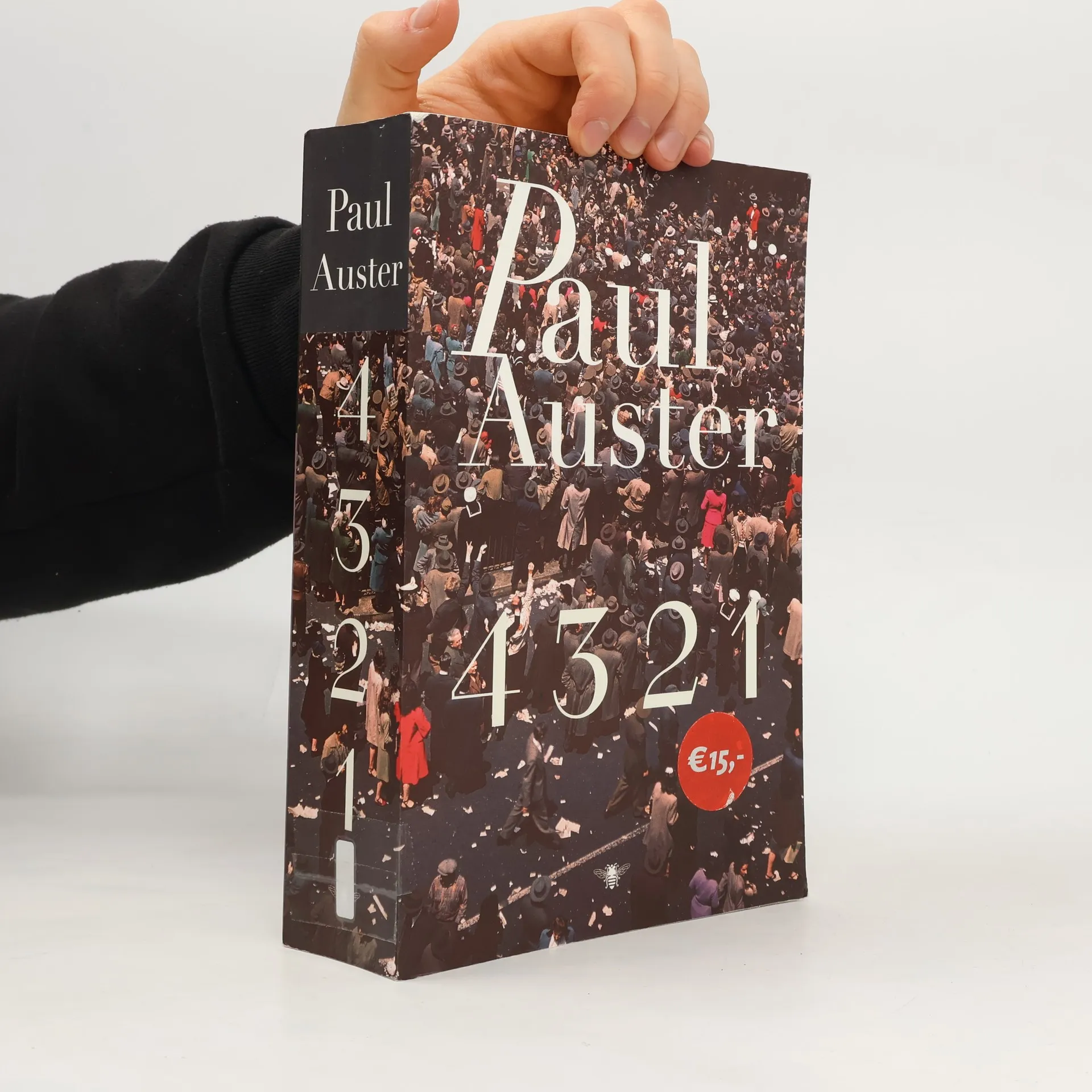
4321, Niederländische Ausgabe
- 941 pages
- 33 hours of reading
Op 3 maart 1947 wordt, twee weken te vroeg, Archibald Isaac Ferguson geboren, het enige kind van Rose en Stanley Ferguson. Archibalds leven zal gelijktijdig vier verschillende paden volgen. Vier identieke Archibalds, bestaand uit hetzelfde dna, vier jongens die fysiek een en dezelfde zijn, leiden vier parallelle en volstrekt verschillende levens. Elk levenspad neemt een andere richting. Liefdes en vriendschappen en intellectuele interesses contrasteren. Een jongen groeit keer op keer op. Iedere Archibald zal verliefd worden op Amy Schneiderman, maar hun relatie zal steeds een andere zijn. Lezers zullen meegenieten van Archibalds successen, en meeleven met de tragische gebeurtenissen die hem overkomen. Zo ontvouwen de levensverhalen van de vier Archibalds zich.
Panorama de narrativas - 408: Lulu on the Bridge
- 254 pages
- 9 hours of reading
Tras el éxito de la publicación conjunta de los guiones de "Smoke y Blue in the face", el presente libro contiene el guión completo de rodaje de "Lulu on the Bridge", una extensa conversación con Paul Auster y entrevistas con el productor, el director de montaje, la diseñadora de producción, la directora artística y el director de fotografía de dicha película, de la que se ofrecen además algunas imágenes. "Lulu on the Bridge" es una obra pasmosa y surrealista, un misterio romántico con muchas lecturas. Es, para empezar, la historia de Izzy y de Celia, dos seres solitarios, heridos, sin nada en comú dos extraños que en un momento dado se transforman en almas gemelas por las virtudes mágicas de una singular piedra fosforescente. El destino y algunas extrañas y casi trágicas circunstancias conspiran para separar a los dos enamorados. Pero el espectador y el lector serán conducidos con maestría a un final sorprendente que lo explicará todo. Intrigante, punto de arranque de muchas reflexiones y romántica a ultranza, "Lulu on the Bridge" ofrece una meditación lírica sobre la diferencia entre destino y suerte, realidad e ilusión, muerte y vida.
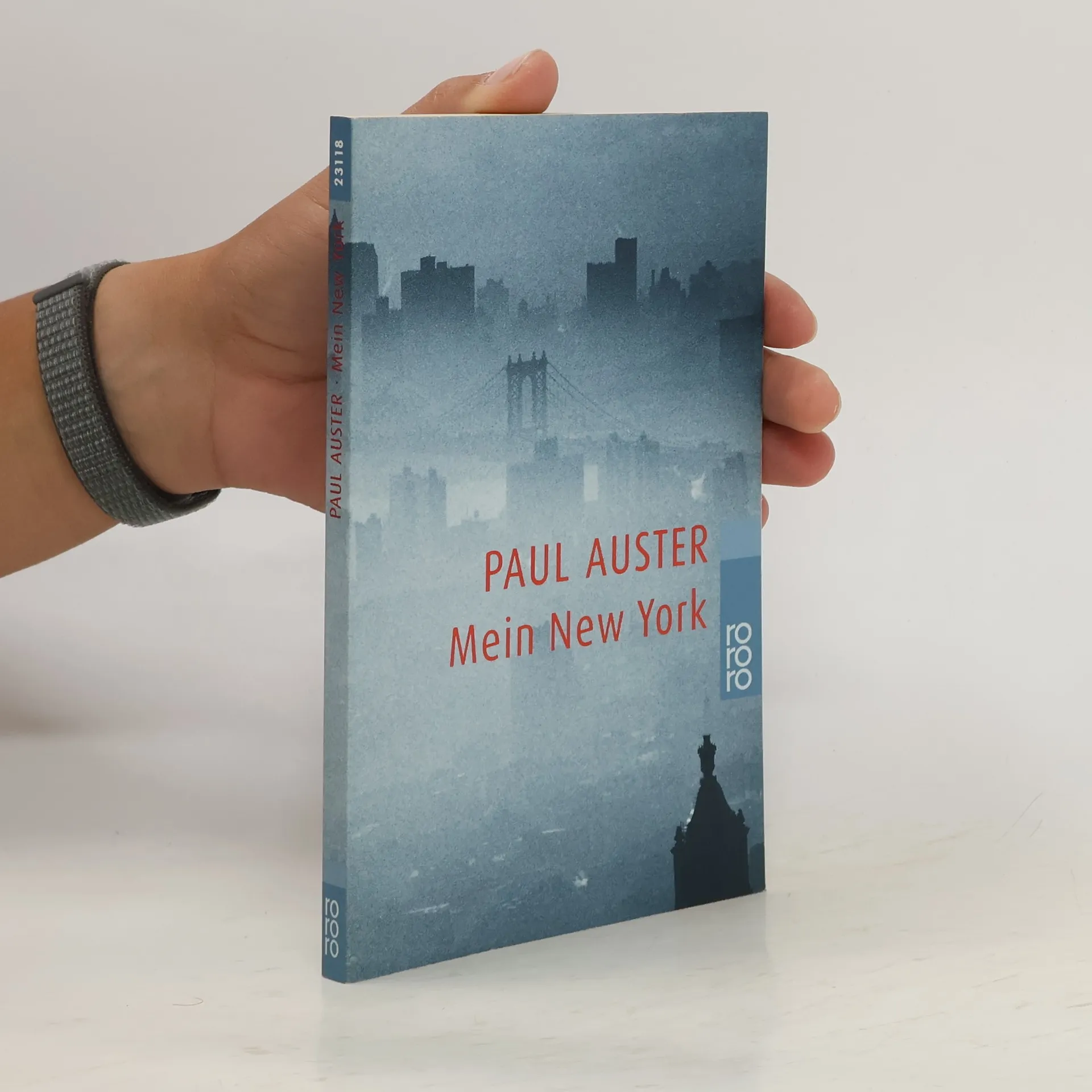
Mein New York
- 113 pages
- 4 hours of reading
New York: rastlos, kreativ und unüberschaubar - vielbeschriebenes Sinnbild futuristischer Visionen und pulsierender Gegenwart. Paul Auster hat sich von der Metropole inspirieren lassen wie kaum ein anderer Künstler zuvor. Eine Unter- und Nebenwelt voll merkwürdiger Figuren und Ereignisse, ein antipodisches Negativ des Glitzers von Times Square und Fifth Avenue. «Mein New York» ist ein literarisches Stadtmosaik, komponiert aus Austers Werken. Ein wunderschöner Band über die Stadt der Städte.
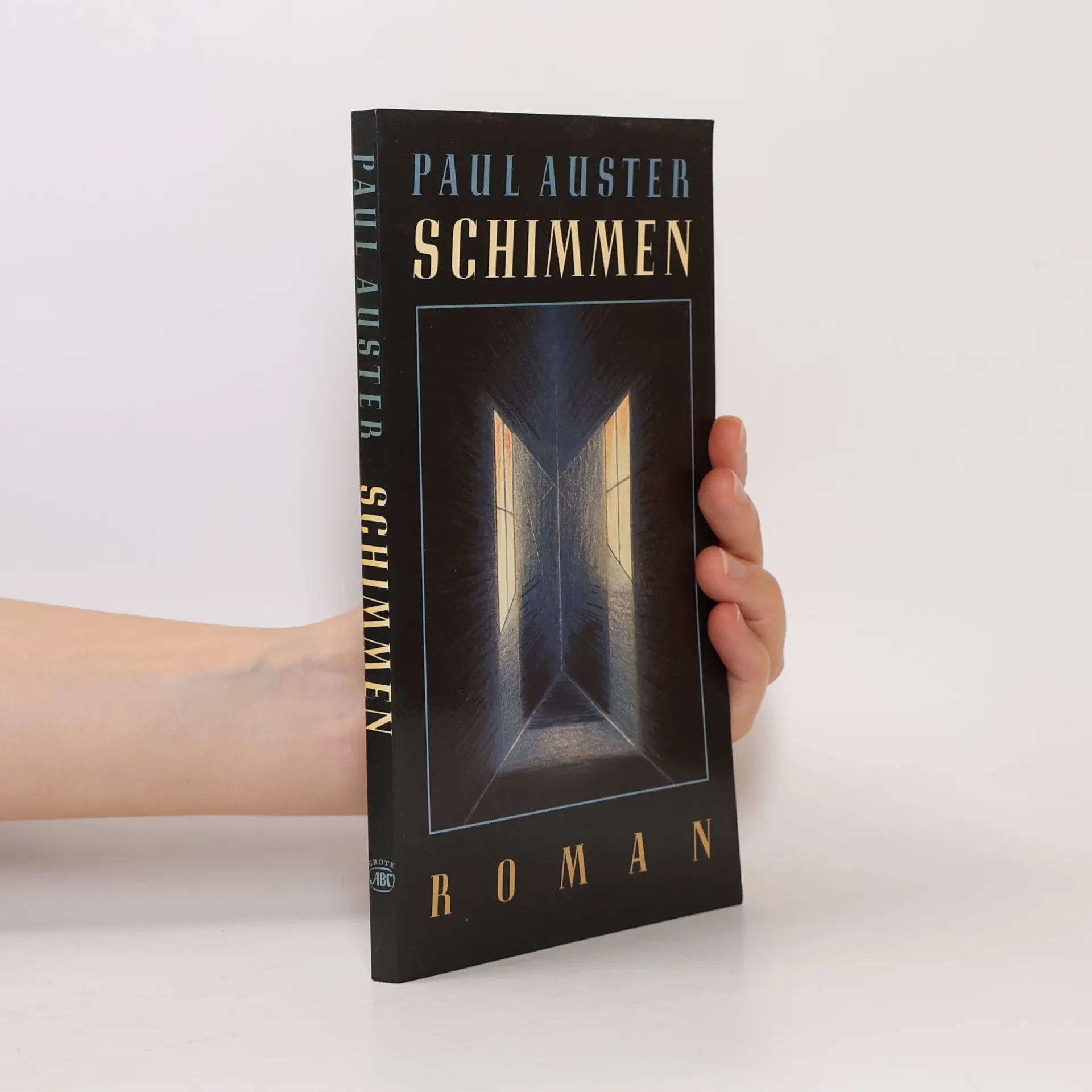
Schimmen
- 76 pages
- 3 hours of reading
The second book in the acclaimed New York Trilogy--a detective story that becomes a haunting and eerie exploration of identity and deception. It is a story of hidden violence that culminates in an inevitable but unexpectedly shattering climax.
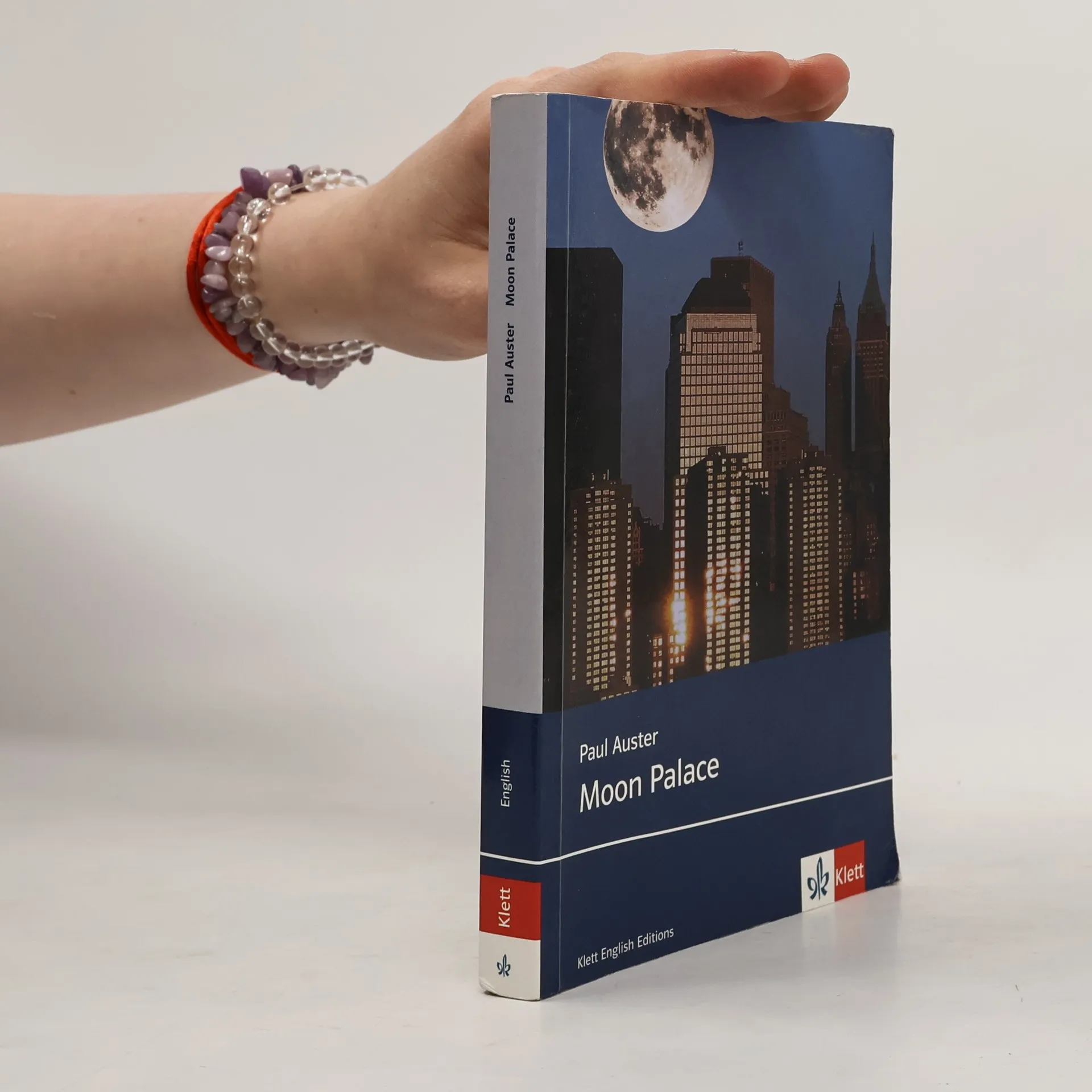
Moon Palace
Schulausgabe für das Niveau B2, ab dem 6. Lernjahr. Ungekürzter englischer Originaltext mit Annotationen
- 311 pages
- 11 hours of reading
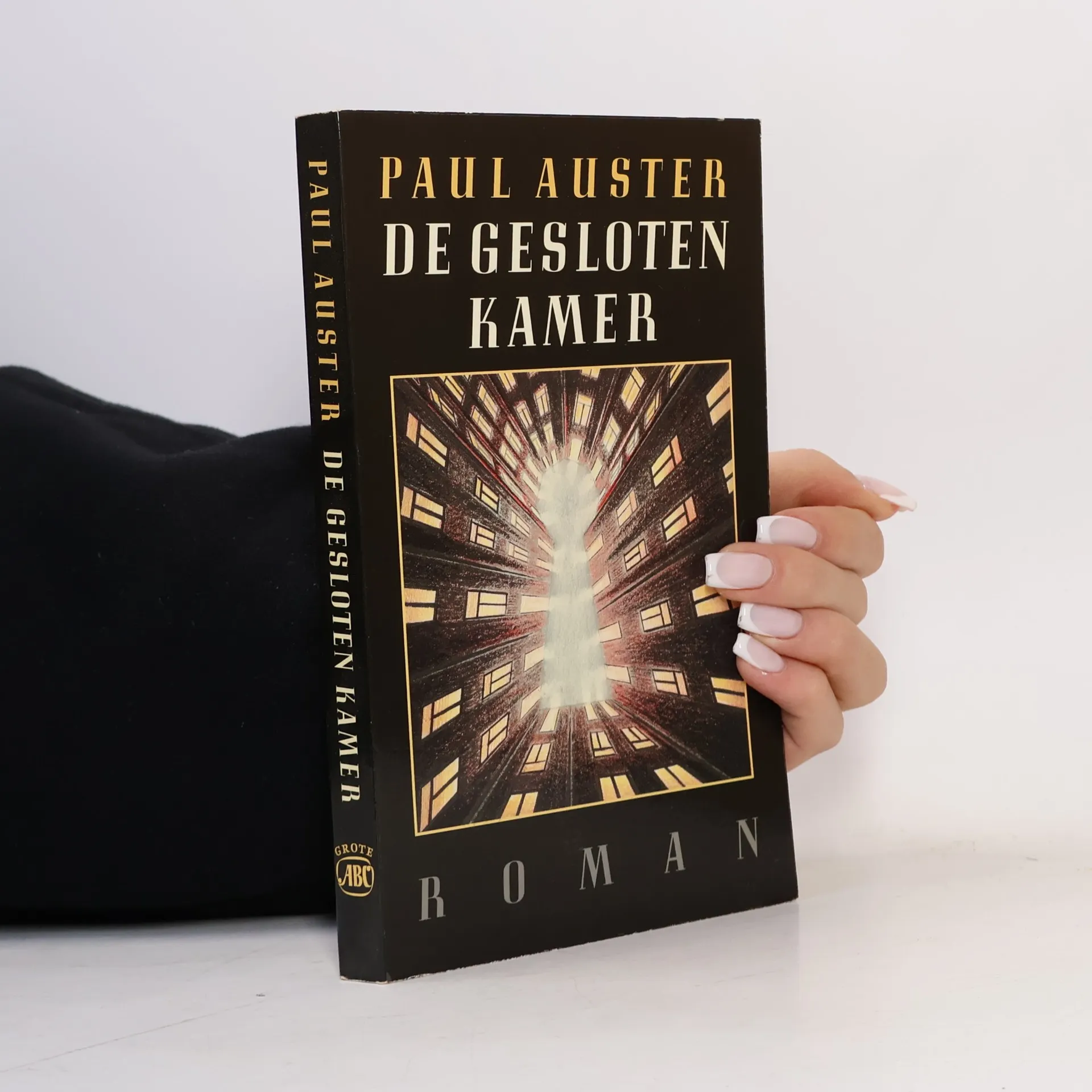
De gesloten kamer
- 139 pages
- 5 hours of reading
Een man die niet alleen het werk van zijn overleden vriend Fanshaw uitgeeft, maar ook diens weduwe trouwt, begint zich zo met hem te identificeren dat het een obsessie wordt. When Fanshaw disappears, leaving behind a wife, a baby and an extraordinary cache of novels, plays and poems, his boyhood friend is lured obsessively into the life that Fanshaw left behind. JM
New-York-Trilogie
Stadt aus Glas • Schlagschatten • Hinter verschlossenen Türen
- 400 pages
- 14 hours of reading
1994 wurde Paul Austers STADT AUS GLAS von Paul Karasik und David Mazzucchelli als Comic adaptiert und ist inzwischen zum Klassiker avanciert. Nun sind auch die beiden anderen Romane von Paul Austers gefeierter NEW-YORK-TRILOGIE grafisch umgesetzt: SCHLAGSCHATTEN und HINTER VERSCHLOSSENEN TÜREN. In drei brillanten Variationen klassischer Detektivgeschichten macht sich Paul Auster New York City zu eigen. Die Stadt wird zu einer seltsamen, fesselnden Landschaft, in der Identitäten verschmelzen oder verschwinden, Verfolgte zu Verfolgten werden und sich in ein Spiel mit den eigenen Erwartungen verstricken. Paul Karasik ist die treibende Kraft hintern allen drei Comicadaptionen und hatte die künstlerische Leitung inne. STADT AUS GLAS wurde vom preisgekrönten Zeichner David Mazzucchelli illustriert, SCHLAGSCHATTEN von Lorenzo Mattotti, der u. a. als Coverzeichner für The New Yorker arbeitet, und HINTER VERSCHLOSSENEN TÜREN wurde von Paul Karasik selbst adaptiert und gezeichnet.
Dies ist Paul Austers sehr persönliche Abrechnung mit der Vergottung des Waffentragens in der amerikanischen Kultur und Gesellschaft. Er erzählt davon zunächst in biografischen Vignetten, beginnend bei den Spielzeugcolts der Kindheit und den Western im Fernsehen. Es folgen die ersten Einschläge im näheren Umfeld, der von der Großmutter erschossene Großvater – lange Zeit ein Familiengeheimnis, von dem Auster nur durch Zufall erfuhr. Von da aus geht er zurück in die amerikanische Geschichte und erklärt, warum die Waffe in der Hand des freien Bürgers in direkter Linie aus der Gewalt der Sklavenhaltergesellschaft hervorgegangen ist. Der Streit ums Waffentragen führt ins Zentrum der aktuellen Auseinandersetzungen um die Gestaltung des amerikanischen Gesellschaftssystems. Auster zeigt sich hier als ebenso polemischer wie klarsichtiger politischer Beobachter und Kommentator. Der Text wird begleitet von Fotos des US-Fotografen Spencer Ostrander – in ihrer Stille gespenstisch eindrückliche Schwarz-Weiß-Aufnahmen der Schauplätze bekannter Massaker.
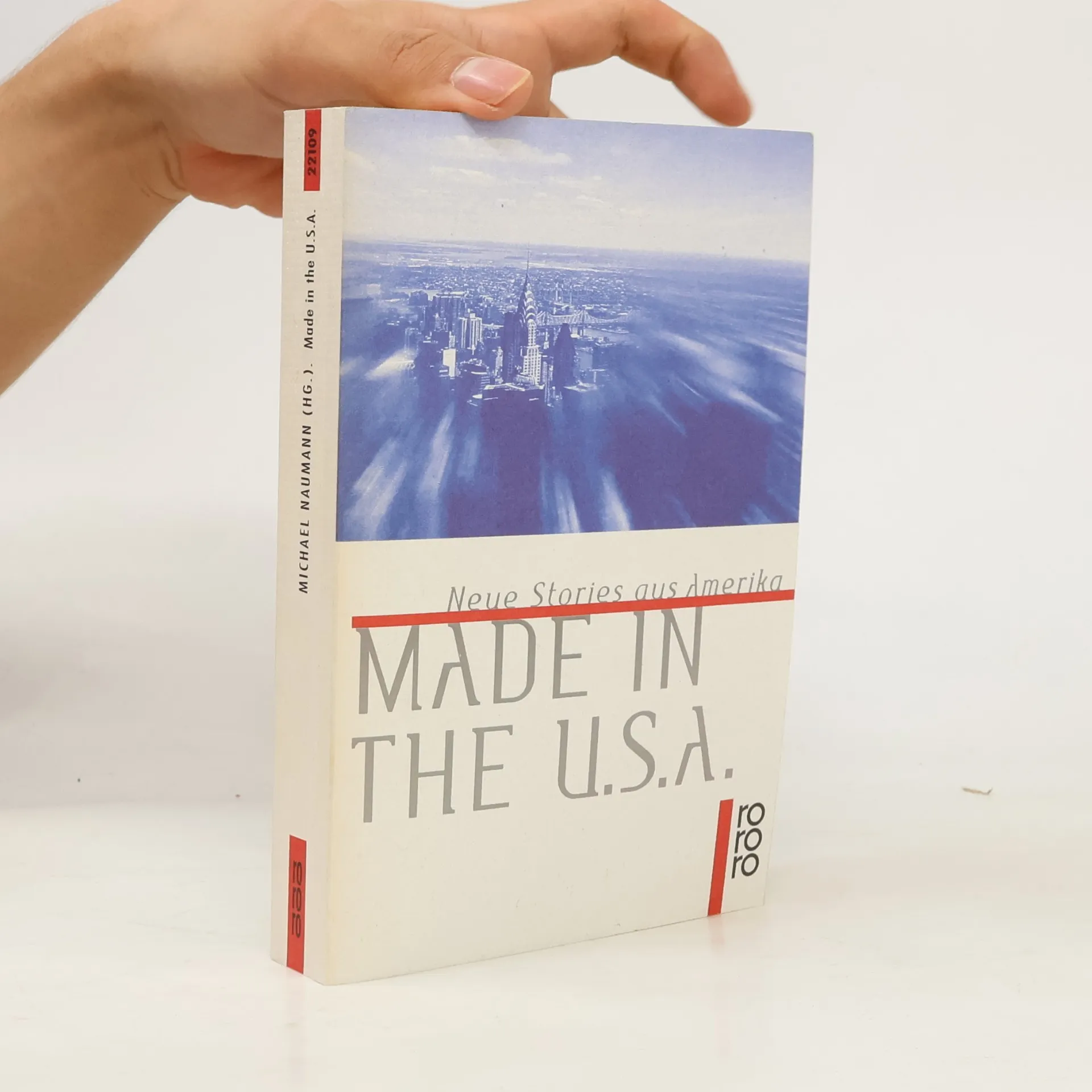
Made in the USA
- 473 pages
- 17 hours of reading
Zwölf Short Stories nordamerikanischer Autoren: Paul Auster, Harold Brodkey, Ethan Canin, Robert Coover, Irene Dische, Andre Dubus, Deborah Eisenberg, Richard Ford, David Gates, Lorrie Moore, Robert Olmstead, Thomas Pynchon, Christopher Tilghman und John Updike.
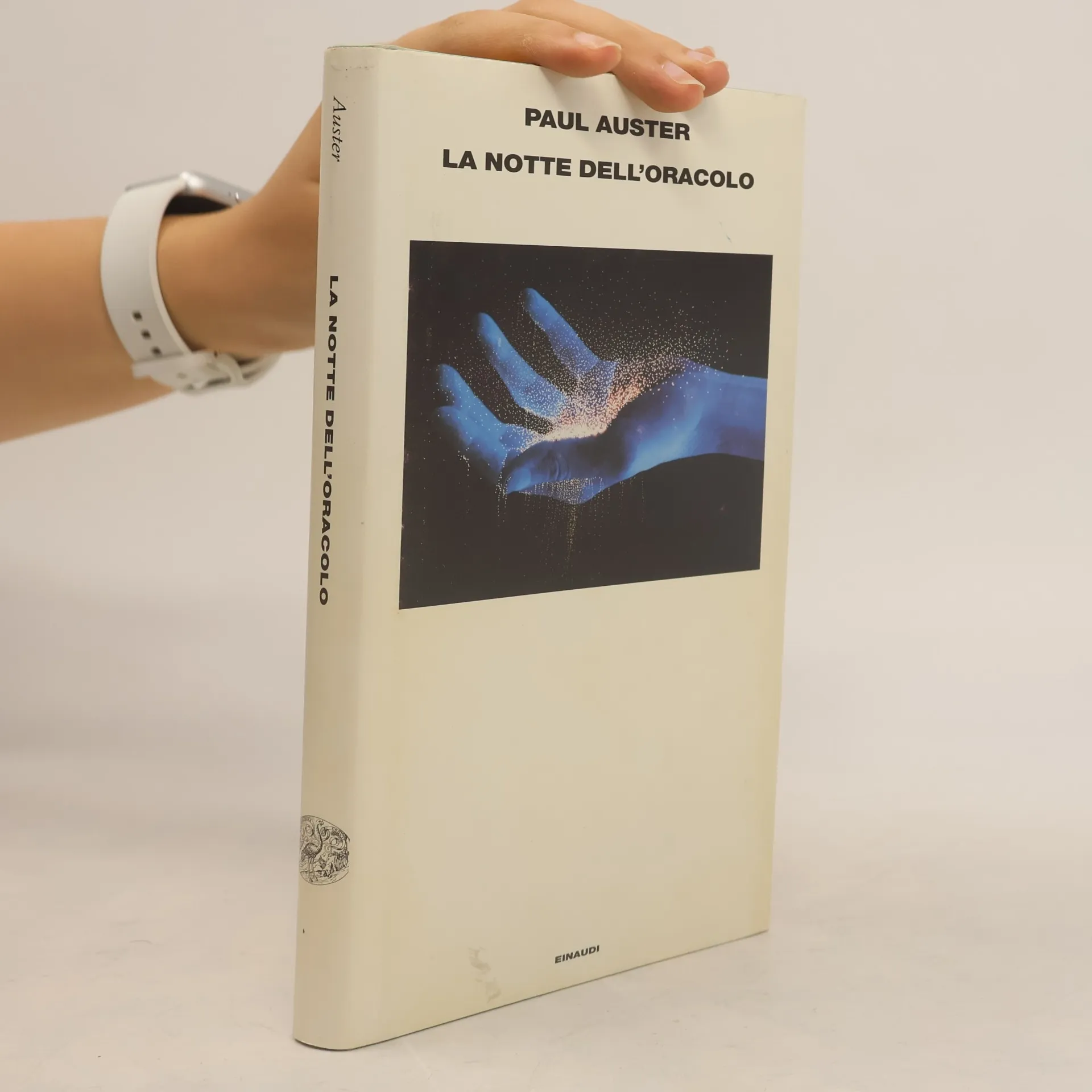
La notte dell'oracolo
- 207 pages
- 8 hours of reading
Dopo aver superato per miracolo una malattia che lo ha quasi ucciso, Sidney Orr, scrittore trentenne, ricomincia faticosamente a vivere. Un giorno, passeggiando per le vie di Brooklyn, entra per caso in una cartoleria e trova tra gli scaffali un taccuino blu di fabbricazione portoghese. È un oggetto solido, banale, senza frivolezze. Ma nel momento stesso in cui Sidney lo prende in mano sa che lo comprerà. Con il taccuino blu Sidney si sente capace di ritornare a scrivere. E per i successivi nove giorni vive sotto l'incantesimo dell'ispirazione: scrive l'inizio di un romanzo, lavora a un trattamento cinematografico, butta giù alcune riflessioni su un tragico fatto di cronaca, e trova una possibile spiegazione ad alcuni fatti misteriosi che rischiano di distruggere la sua vita e quella di sua moglie, Grace. A poco a poco la finzione lascia il passo alla realtà, le vicende del romanzo che Sidney ha iniziato a scrivere si dimostrano premonizioni enigmatiche e oracolari del futuro che lo aspetta. Grace gli ha sempre nascosto qualcosa, l'amico e scrittore John Trause gli ha sempre nascosto qualcosa, perfino il proprietario della cartoleria, l'inquietante Mr Chang, sembra nascondergli qualcosa. Così Sidney si trasforma in detective e seguendo il consiglio di Trause ("Viviamo nel presente, ma il futuro è dentro di noi in ogni momento"), inizia a decifrare il mistero. E quando ormai la verità affiora in tutta la sua cruda violenza, Sidney decide, per amore di Grace, di rinunciare per sempre all'oracolo del taccuino blu.
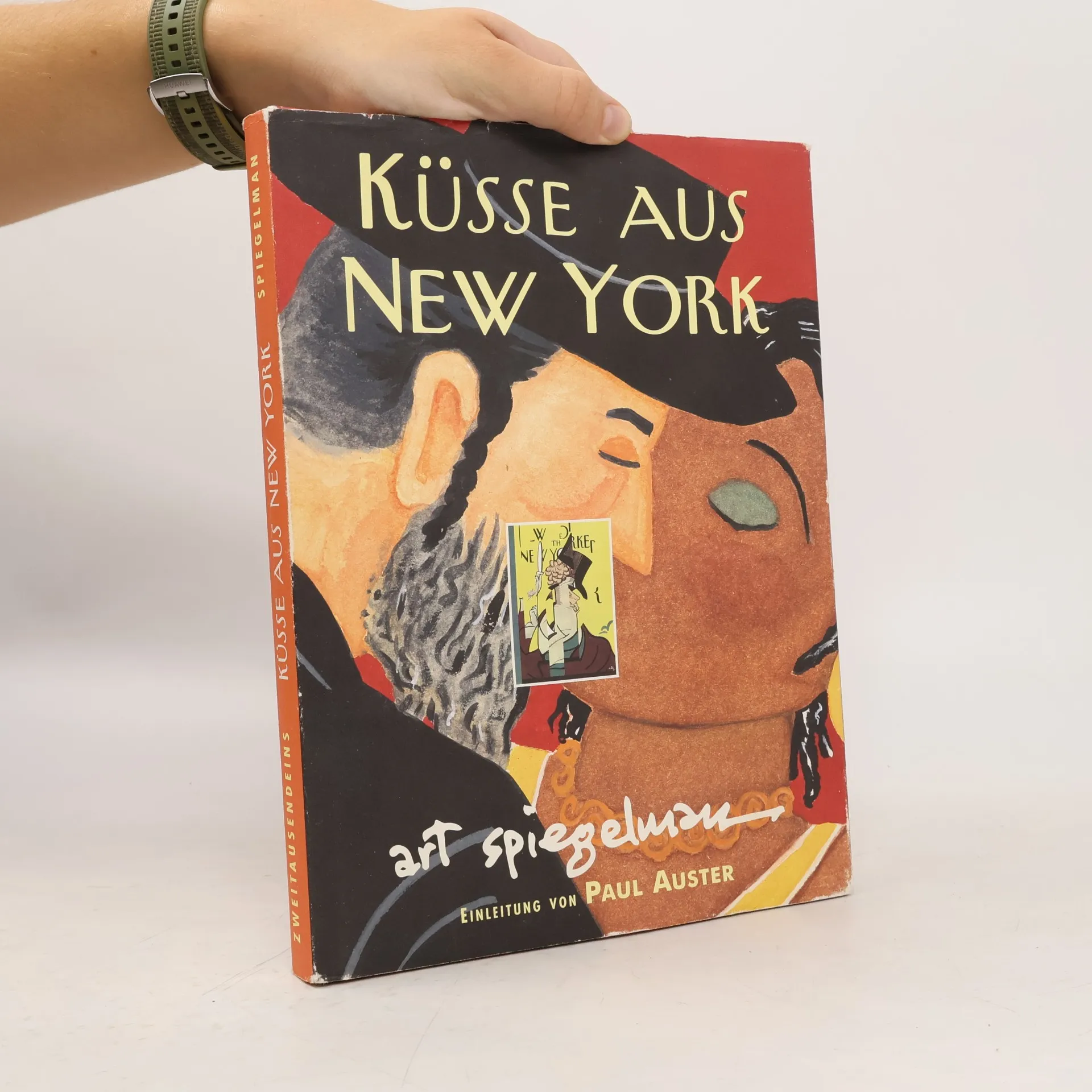
Küsse aus New York
- 112 pages
- 4 hours of reading
„Art Spiegelman ist der George Grosz unserer Tage“ Henryk M. Broder im Tagesspiegel. „Küsse aus New York“ zeigt Spiegelmans provokante Arbeiten für den New Yorker. Nur bei uns. Art Spiegelman: bissig, aggressiv und spitze Feder. Der New Yorker: gut bürgerlich, kultiviert, blasée. Zehn Jahre lang hat Spiegelman („Maus“) für den New Yorker Titelbilder entworfen. Der „zur Zeit bedeutendste amerikanische Comic-Künstler“ (Künstlerkollege ATAK in Das Magazin) wurde angestellt, um zu provozieren. Meist gelang es ihm besser als erwartet. Zum Osterfest und Steuertermin zeichnet Spiegelman einen Osterhasen, der gekreuzigt auf einer Steuererklärung ausblutet. Es hagelt Proteste von der christlichen Rechten (der der heidnische Hase eigentlich egal sein sollte). Weltberühmt wurde Spiegelmans überraschender Bildkommentar zum 11.9.: Die World Trade Center-Türme ganz in schwarz vor schwarzem Hintergrund - diesmal ging Spiegelman das Thema zu nah. Seine Tochter Nadja ging auf der anderen Straßenseite vom WTC zur Schule, beide waren Augenzeugen als die Türme einstürzten. Die Titelbilder gibt es jetzt als Buch. Zusammen mit Entwürfen, Skizzen, abgelehnten Versionen und Kommentaren von Spiegelman selbst.
Paul Auster entdeckt Charles Reznikoff.
- 95 pages
- 4 hours of reading
A nálunk is kedvelt amerikai regényíró verseinek válogatott kötetével indul a Barrus Könyvkiadó szépirodalmi sorozata. A fal, a kő, a föld, a hús, a vér, a csend visszatérő motívumok e versekben, melyek sokkal inkább emlékeztetnek a francia szürrealisták alkotásaira, mint a modern amerikai költészetre. A véletlen, a fogódzók nélküli, múlt és jövő nélküli jelen terében visszhangzó szavak különös világba vezetik az olvasót: a néma szem és a kimondott szó közötti senki földjére.
Paul Auster Moon Palace
- 80 pages
- 3 hours of reading
Diese Interpretationshilfe in deutscher Sprache erleichtert den Einstieg in die Lektüre und vertieft das Verständnis des Romans. Optimal für die Vorbereitung auf Unterricht, Klausuren und das Abitur. Mit Hintergrundinformationen zu Autor und Werk, Inhaltsangabe und einer ausführlichen Interpretation des Textes unter folgenden Gesichtspunkten: literarische Einordnung; Personenkonstellation und Charakterisierung; zentrale Themen und Motive; Aufbau und Textstruktur; Interpretation von Schlüsselstellen.
Vynález samoty
- 229 pages
- 9 hours of reading
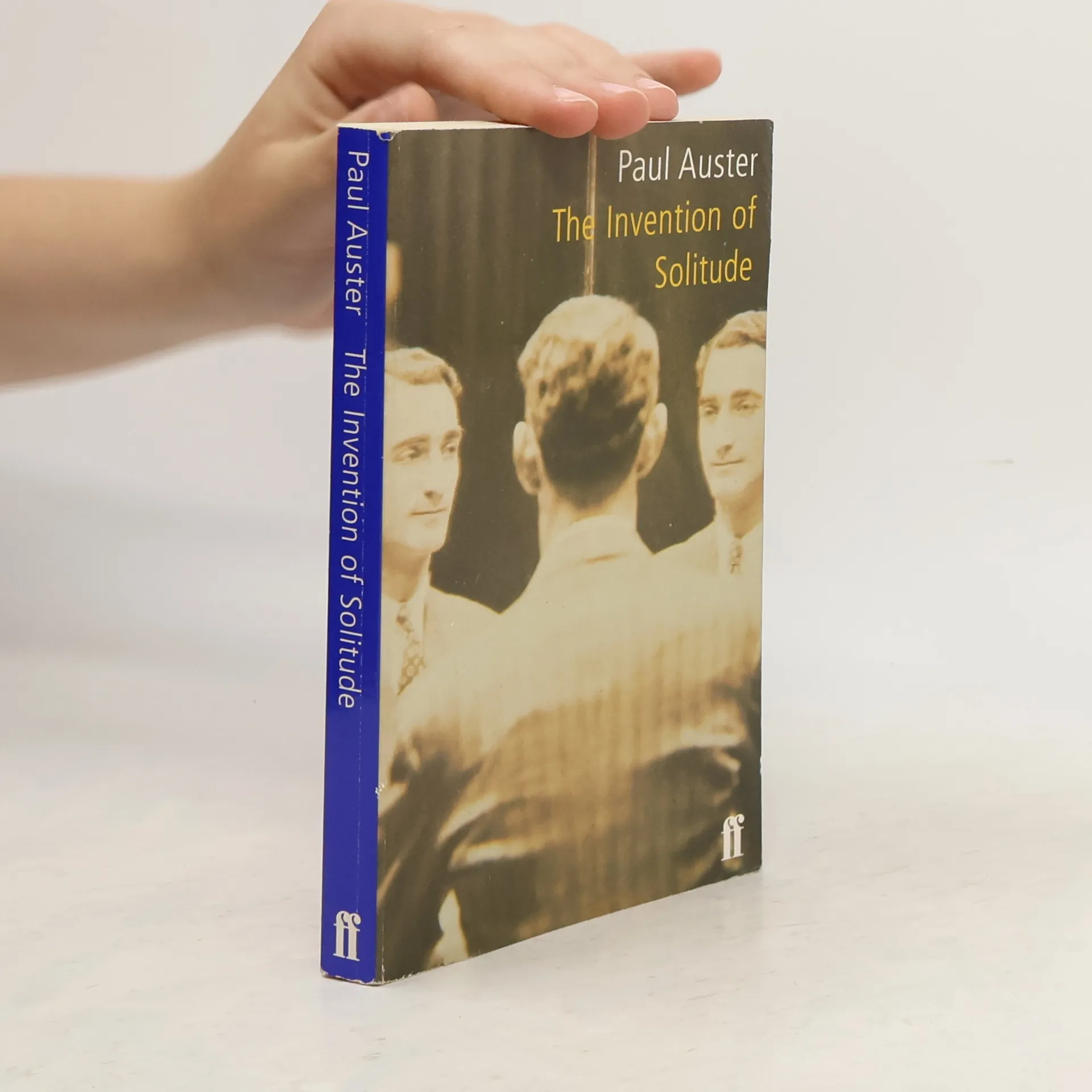
Román amerického autora, jehož ústředním tématem je paměť a její utváření v životě jedince. V první části, nazvané Portrét neviditelného muže, autor popisuje vzpomínky a pocity, jež v něm vyvolává smrt jeho otce, odtažitého a zdrženlivého muže. Vyřizování pozůstalosti přivádí vypravěče k rekonstrukci důvodů otcova samotářského života. Náhodně odkrývá utajenou šedesát let starou rodinnou vraždu, která je i pozdním klíčem k pochopení obtížného otcova charakteru a vztah v typické rodině amerických židovských přistěhovalců. V druhé části, Knize paměti, která je vlastně eseji o minulosti a jejím vztahu k přítomnému okamžiku, se vypravěč neustále pohybuje na hranici mezi fiktivním světem slova a skutečností. Prostřednictvím mozaiky obrazů, analogií, mytologických či biblických odkazů a aluzí vytváří svět, jenž ho v samotě jeho vyprávění spojuje jak se světem odloučeného syna, tak s minulostí jeho předků a jejich příběhů.