

Beth Powning is celebrated for her lyrical, powerful prose and the profound emotional honesty woven into her narratives. Her work delves into the complexities of human connection and the inner lives of her characters, earning acclaim for its literary merit and insightful perspective. Powning is a masterful storyteller, crafting immersive worlds that resonate deeply with readers and prompt thoughtful reflection.
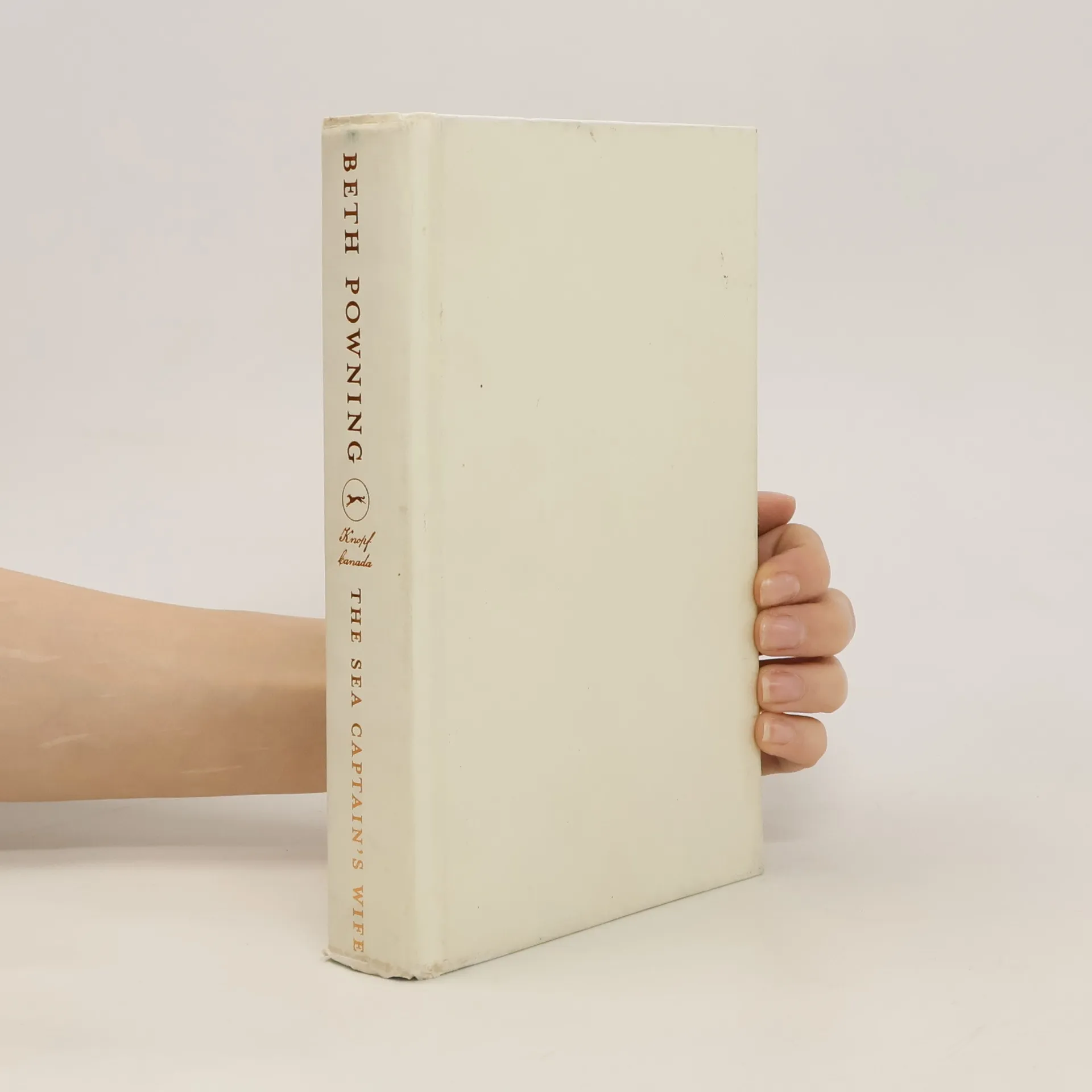
Azuba Galloway marries Nathaniel Bradstock, a veteran sea captain, and she believes she will sail at his side.When she becomes pregnant she is forced to stay behind and suffers from lonliness of living without her husband. When Azuba becomes embroiled in scandal, Nathaniel is forced to take her and their daughter, Carrie, aboard his ship. Their voyage to London is ill-fated, beset with ferocious storms and unforeseen obstacles that test Azuba's compassion, courage, and love. Alone in a male world, surrounded by the splendour and the terror of the open seas, she must face her fears and fight to keep her family together.
Beth Powning offers readers an unforgettable story of love, grief and renewal — both past and present — as well as her extraordinary perceptions of the natural world. At the age of fifty-two, Kate Harding has hit a crossroads: the pain that overwhelmed her when her husband died suddenly from a heart attack the previous year hasn’t diminished, and she is at a loss as to how to go on with her life. Living alone in her large Victorian house, its emptiness magnified by memories of better days, Kate can only dream of a time when her grief will abate, at least enough to allow her to hope for change. When Kate’s sister drops off nine antique hatboxes of papers recovered from Shepton, their grandparents’ eighteenth-century home in Connecticut, Kate isn’t sure she is ready to face the remnants of her family’s past. She’s having enough trouble going through Tom’s things. Soon, though, the smell of the hatboxes — of her grandparents’ musty attic, of old quilts and satin ribbons — begins to permeate the air in her home and “awakens a feeling in Kate that she remembers from childhood, composed of odd emotional strands: love, sorrow, pain, contentment.” As she slowly sorts through the letters, diaries and photographs, Kate begins to find some solace in the past, in her childhood memories of Shepton when every home was a comfort, every relationship untinged by pain. But the further she delves into her grandparents’ history, the more Kate realizes that her perfect world had its own dark side — an undercurrent of tragedy, personal loss and eternal grief. Then an old acquaintance moves back to New Brunswick, and Kate begins to edge out of her solitude, surprising herself by accepting his invitation to dinner. Gregory and his wife were friends with Tom and Kate when the kids were young, a time of camping trips and days at the beach. But Gregory, now divorced, is also carrying the weight of grief, from the suicide of his son many years earlier. At first, Gregory represents a chance for Kate to capture some of the simple joy of her past, but when she realizes that Gregory is still living in it, his memories and pain warped into self-destructive anger, she knows she has to back away. And when Gregory’s determination to return to the way things were proves unshakeable, a new tragedy forces Kate to begin picking up the pieces of her shattered life.