This author delves deeply into U.S. history and philosophy. Their work appeals to those interested in the social sciences and humanities, offering insightful explorations of complex subjects. Through their writing, the author examines the intersections of ideas and events that have shaped the world. The approach is both academic and accessible, allowing readers to grasp intricate concepts.
Set on a picturesque mountainside farm, the story follows a cheerful billy goat kid named Billy, who enjoys life alongside his mother and the grumpy farmer, CrankyPants McGrew. The narrative explores their interactions and the adventures that unfold in their vibrant rural setting.
If you are one of the many parents who are uncomfortable helping your children with math, then this book is for you! Dr. Wright's Kitchen Table Math is a step-by-step guide to how you can help your child develop strong math skills and do well in school. It also includes activities and games so that you and your child can have fun while exploring these early stages of your child's mathematical journey. Book 1 is for parents of children ages 2-8. This book is an excellent gift for new parents!
Steve Ryder, a researcher for an oil giant, attends a conference where he meets Ruth. There is an immediate connection, but they are both in long-term relationships and there are further complex issues that make Steve question his past, his ideals and his vision of the future.
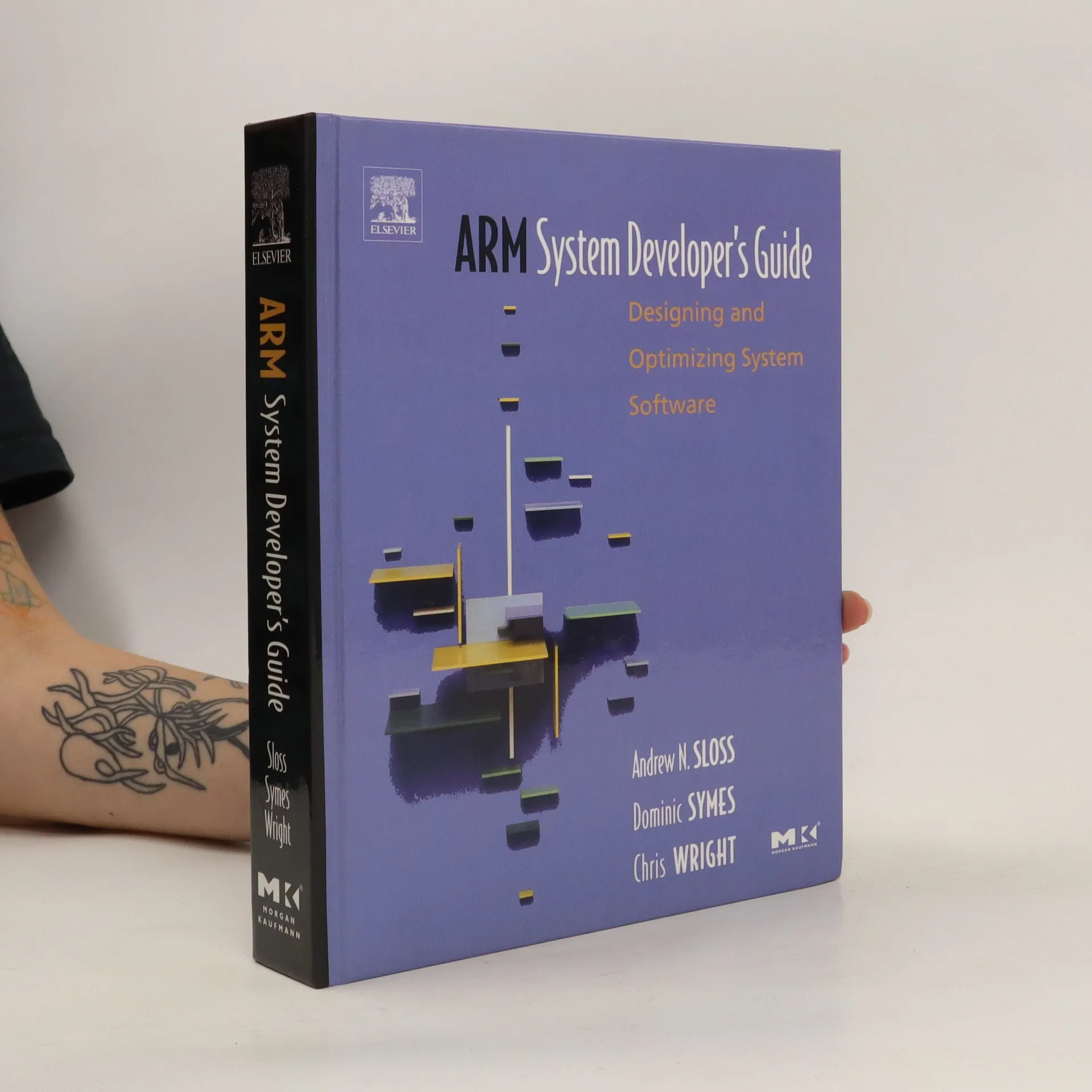
Over the last decade, the ARM architecture has become a dominant force globally, with over 2 billion ARM-based processors integrated into various products, from smartphones to automotive systems. A vast community of ARM developers, including software developers, system designers, and hardware engineers, has emerged, yet no book has specifically addressed their needs for developing systems and software for ARM-based platforms. This text fills that void by offering a comprehensive overview of ARM core operations from a developer's standpoint, with a strong focus on software. It guides readers in writing efficient ARM software in both C and assembly, while also covering code optimization. The book features example code that can be incorporated into commercial products or serve as templates for rapid software development. It discusses both ARM and Thumb instruction sets, Intel's XScale processors, and highlights differences among ARM architecture versions. Additionally, it covers DSP algorithm implementation, exception and interrupt handling, cache technologies surrounding ARM cores, and effective memory management techniques. A concluding chapter anticipates the future of the ARM architecture, particularly ARMv6, designed to enhance DSP and media processing capabilities. The author team brings extensive ARM software engineering experience and a deep understanding of developer needs, providing practical, executable code available