
Explore the latest books of this year!
Bookbot

Bruno Latour

    June 22, 1947 – October 9, 2022

    Bruno Latour was an influential philosopher and anthropologist whose work explored the intricate relationships between humans and the world around them. His interdisciplinary approach bridged sociology, anthropology, and science studies, challenging traditional dichotomies like nature versus culture. Latour relentlessly investigated how our modern beliefs and social structures are shaped by material and non-material entities we often take for granted. His writing invites a re-examination of how we perceive and engage with the world.

    Bruno Latour
    Reassembling the Social
    Pandora's Hope
    Science in Action
    The Pasteurization of France
    Iconoclash
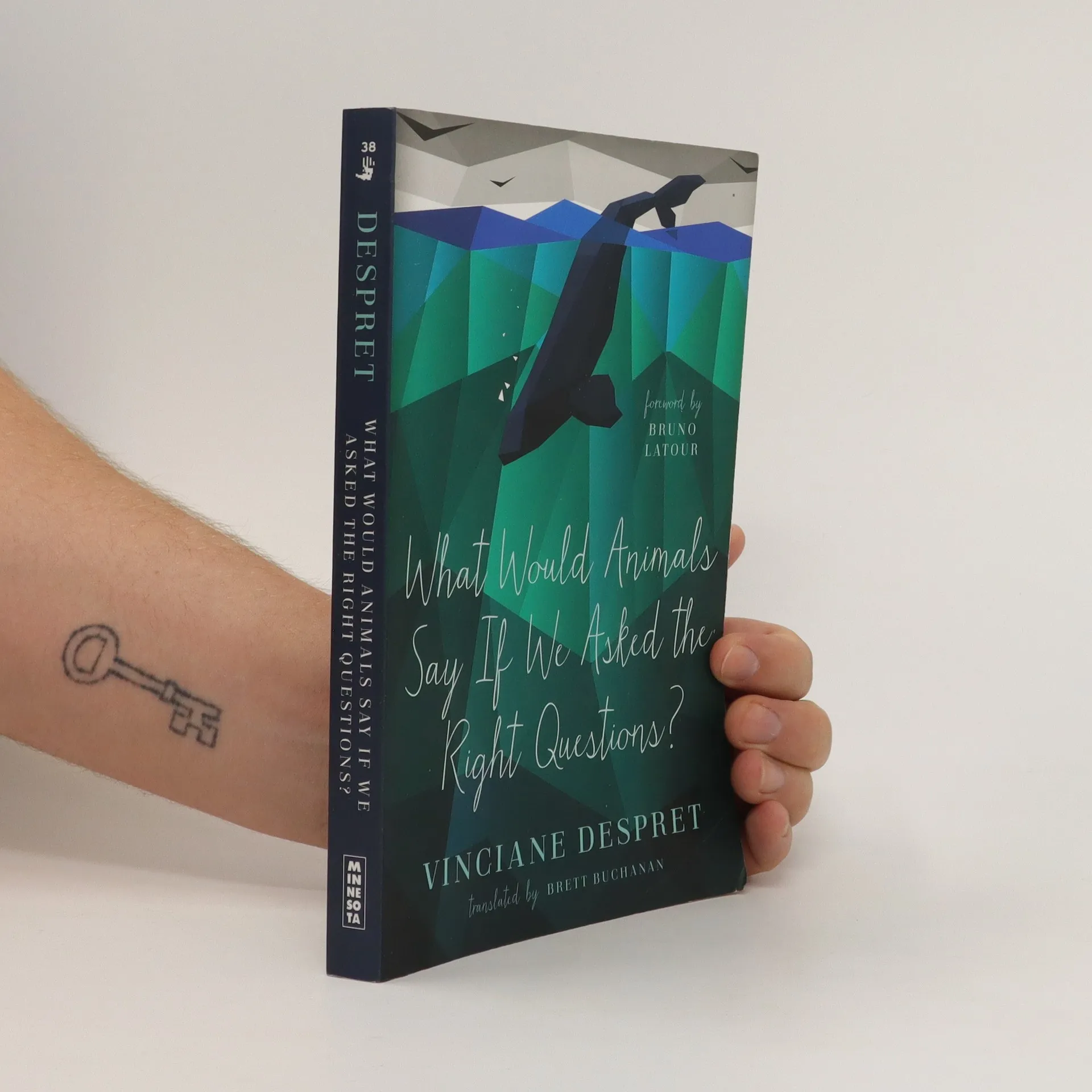
    What would animals say if we asked the right questions?
    • You are about to enter a new genre of scientific fables, which aim to reveal the complexities of understanding animal behavior. Is it acceptable to urinate in front of animals? What does it signify when a monkey throws feces? This book presents twenty-six questions that challenge our assumptions about animal behavior and cognition. Through an engaging abecedarium of chapters, Vinciane Despret explores remarkable and often humorous interactions between animals and humans—researchers, farmers, zookeepers, and handlers. Do animals possess a sense of humor? The stories illustrate that animals often delight in perplexing even the most knowledgeable experts, prompting them to develop new hypotheses that reveal animals' intelligence. These accounts encourage readers to engage with both ethology and philosophy, blending serious scholarship with humor that appeals to all. With a foreword by renowned philosopher Bruno Latour, this work is essential not only for specialists but also for general readers, including dog owners, who will gain a fresh perspective on their canine companions.

      What would animals say if we asked the right questions?
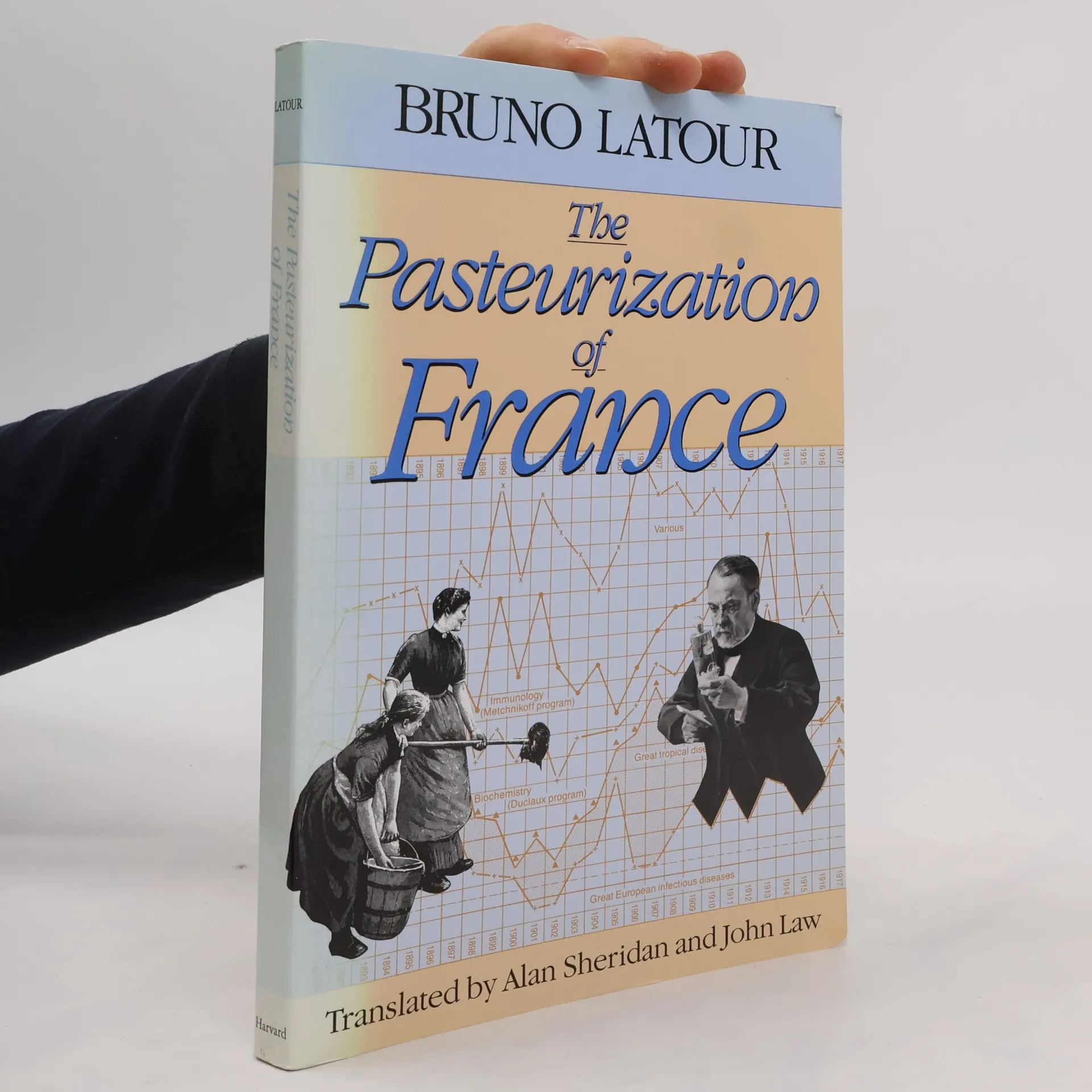
    • The Pasteurization of France

      • 292 pages
      • 11 hours of reading
      4.1(181)Add rating

      Describes Pasteur's roles in improving health practices in France and identifies the other forces that helped implement his ideas about health care.

      The Pasteurization of France
    • Science in Action

      • 288 pages
      • 11 hours of reading
      4.1(19)Add rating

      From weaker to stronger rhetoric : literature - Laboratories - From weak points to strongholds : machines - Insiders out - From short to longer networks : tribunals of reason - Centres of calculation.

      Science in Action
    • A scientist friend asked Bruno Latour point-blank: “Do you believe in reality?” Taken aback by this strange query, Latour offers his meticulous response in Pandora’s Hope. It is a remarkable argument for understanding the reality of science in practical terms.In this book, Latour, identified by Richard Rorty as the new “bête noire of the science worshipers,” gives us his most philosophically informed book since Science in Action. Through case studies of scientists in the Amazon analyzing soil and in Pasteur’s lab studying the fermentation of lactic acid, he shows us the myriad steps by which events in the material world are transformed into items of scientific knowledge. Through many examples in the world of technology, we see how the material and human worlds come together and are reciprocally transformed in this process.Why, Latour asks, did the idea of an independent reality, free of human interaction, emerge in the first place? His answer to this question, harking back to the debates between Might and Right narrated by Plato, points to the real stakes in the so-called science wars: the perplexed submission of ordinary people before the warring forces of claimants to the ultimate truth.

      Pandora's Hope
    • Reassembling the Social

      • 328 pages
      • 12 hours of reading
      4.0(103)Add rating

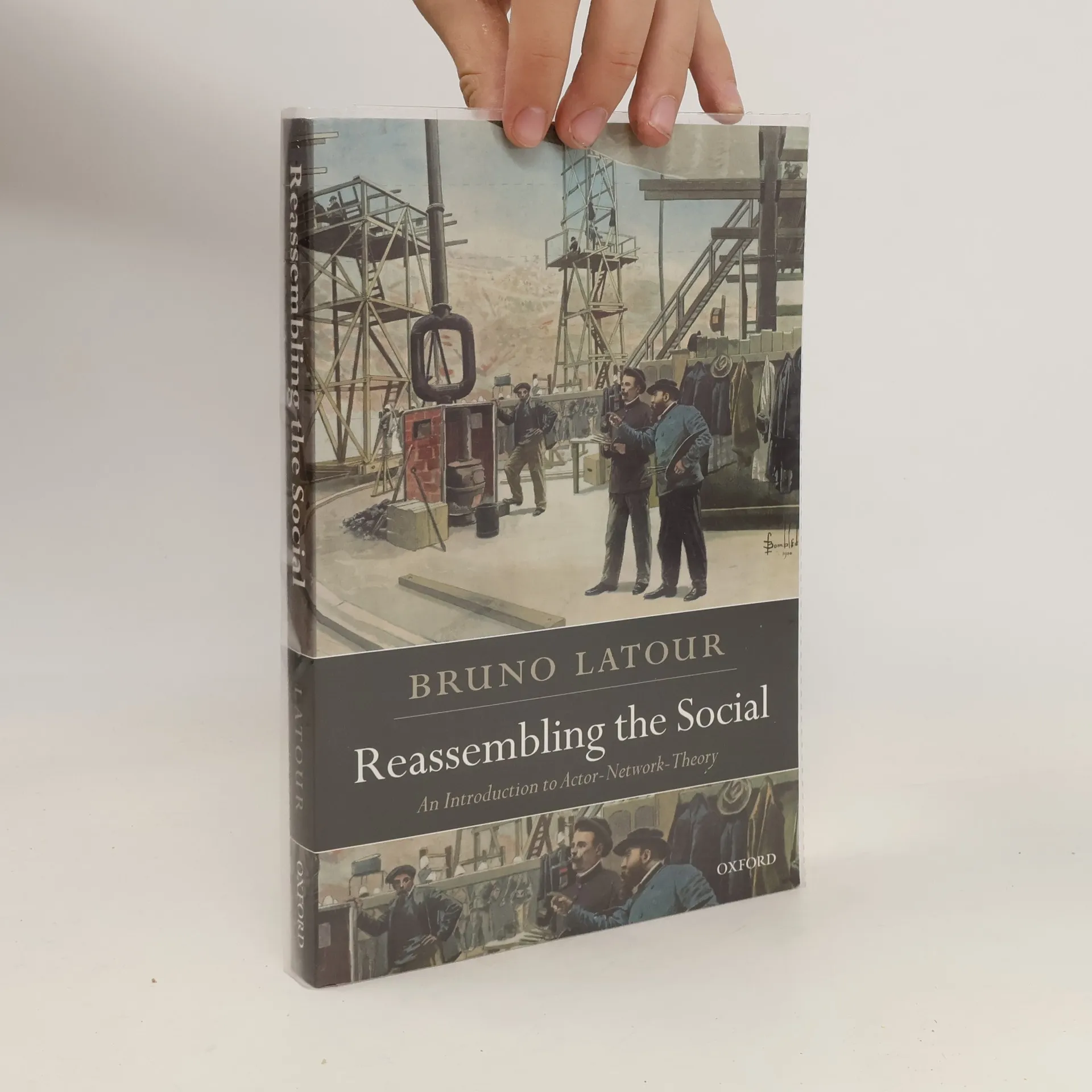
      Latour is a world famous and widely published French sociologist known for his acclaimed writings on the relationship between people, science, and technology. His views have crystallized as 'Actor-Network-Theory' (ANT). This book is the first concise account Latour has written about ANT, with which he has come to be so closely associated with.

      Reassembling the Social
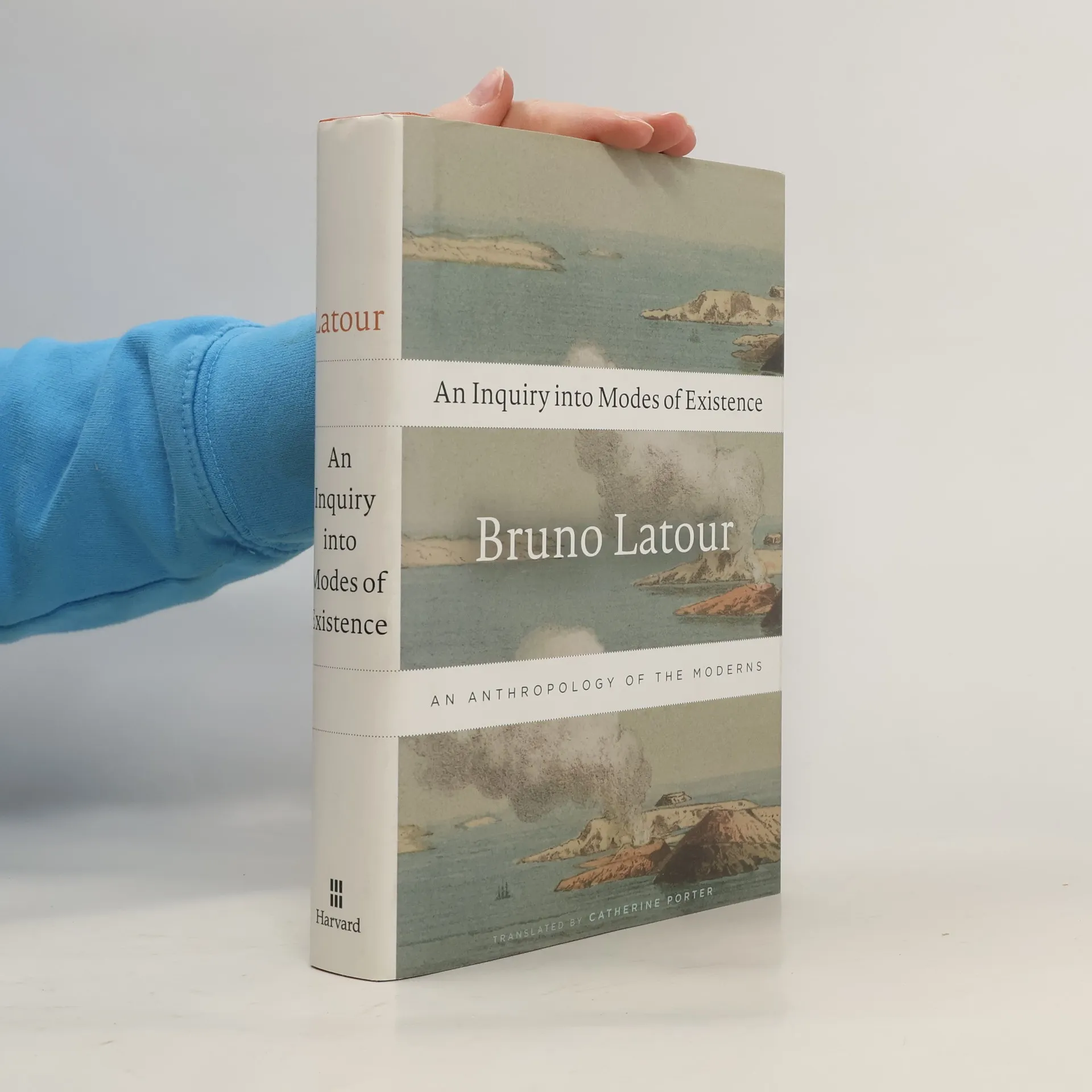
    • An Inquiry into Modes of Existence

      • 518 pages
      • 19 hours of reading
      4.0(134)Add rating

      In a new approach to philosophical anthropology, Bruno Latour offers answers to questions raised in We Have Never Been Modern: If not modern, what have we been, and what values should we inherit? An Inquiry into Modes of Existence offers a new basis for diplomatic encounters with other societies at a time of ecological crisis.

      An Inquiry into Modes of Existence
    • We have never been modern

      • 168 pages
      • 6 hours of reading
      4.0(2050)Add rating

      With the rise of science, modern society believes it has irrevocably separated from its primitive ancestors. Bruno Latour challenges this notion, exploring what the world would look like if we reconsidered this belief. His anthropology of science reveals that much of modernity is rooted in faith. He questions what it truly means to be modern and the significance of the scientific method, highlighting our distinctions between nature and society, human and object—distinctions that our ancestors did not make in their worlds of alchemy and astrology. However, alongside this purifying practice of modernity exists a contrary one: the blending of politics, science, technology, and nature. Latour analyzes hybrid issues like the ozone debate, global warming, and deforestation, suggesting that as these hybrids multiply, maintaining separate categories for nature and culture becomes increasingly untenable. Instead of striving to keep them apart, he advocates for rethinking our distinctions and redefining modernity. His work offers a new perspective on science that acknowledges the connections between nature and culture, as well as between our culture and others, both past and present. Ultimately, it aims to preserve the valuable aspects of modernity while fostering a broader, more inclusive understanding of possibility.

      We have never been modern
    • Presents laboratory science in a deliberately skeptical way: as an anthropological approach to the culture of the scientist. This book provides an important link between the sociology of modern sciences and laboratory studies in the history of science.

      Laboratory Life