

A twist on the Irish literary classic Ulysses, told through Nicolas Mahler’s distinctive graphic novel style. Dublin, 16 June 1904: through a day in the life of the advertising agent Leopold Bloom and the sensations of the ordinary, James Joyce created a maximal book from a minimum of matter. Ulysses, the most important novel of modernity, is a defining book of the twentieth century. Joyce’s creation—also spectacularly innovative in form—inspired Nicolas Mahler to attempt a literary retelling that is not a mere illustration or adaption of the novel but an independent and equally as inventive work. Using comics, Mahler transforms the various literary techniques of the original. He assembles his images with humorous and philosophical verve, quoting and rambling along in the spirit of Joyce. With this graphic interpretation of the modern classic, which also constitutes a homage to the golden era of the newspaper comic strip, Ulysses can be newly discovered in a delightfully unexpected form.
Nicolas Mahler Books
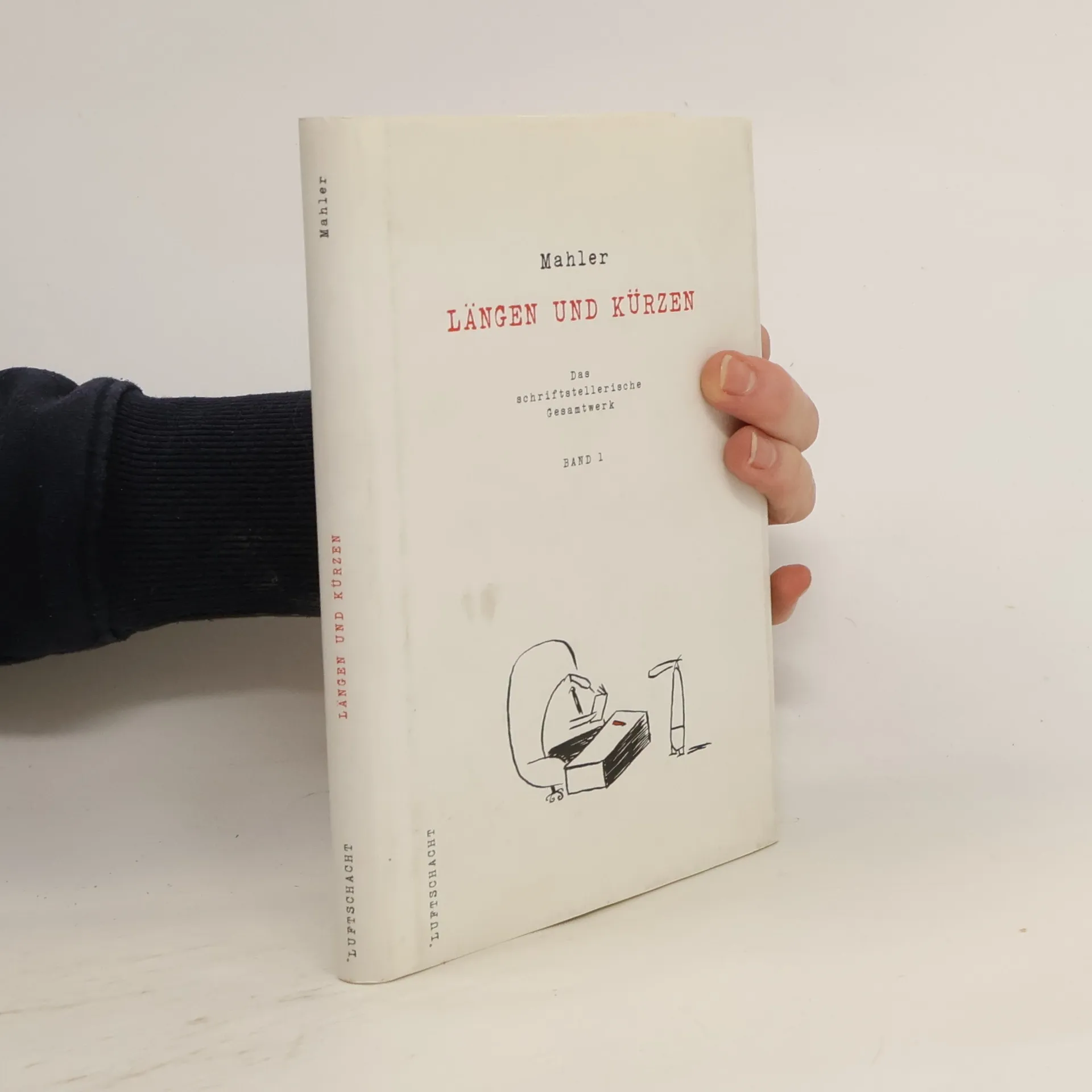
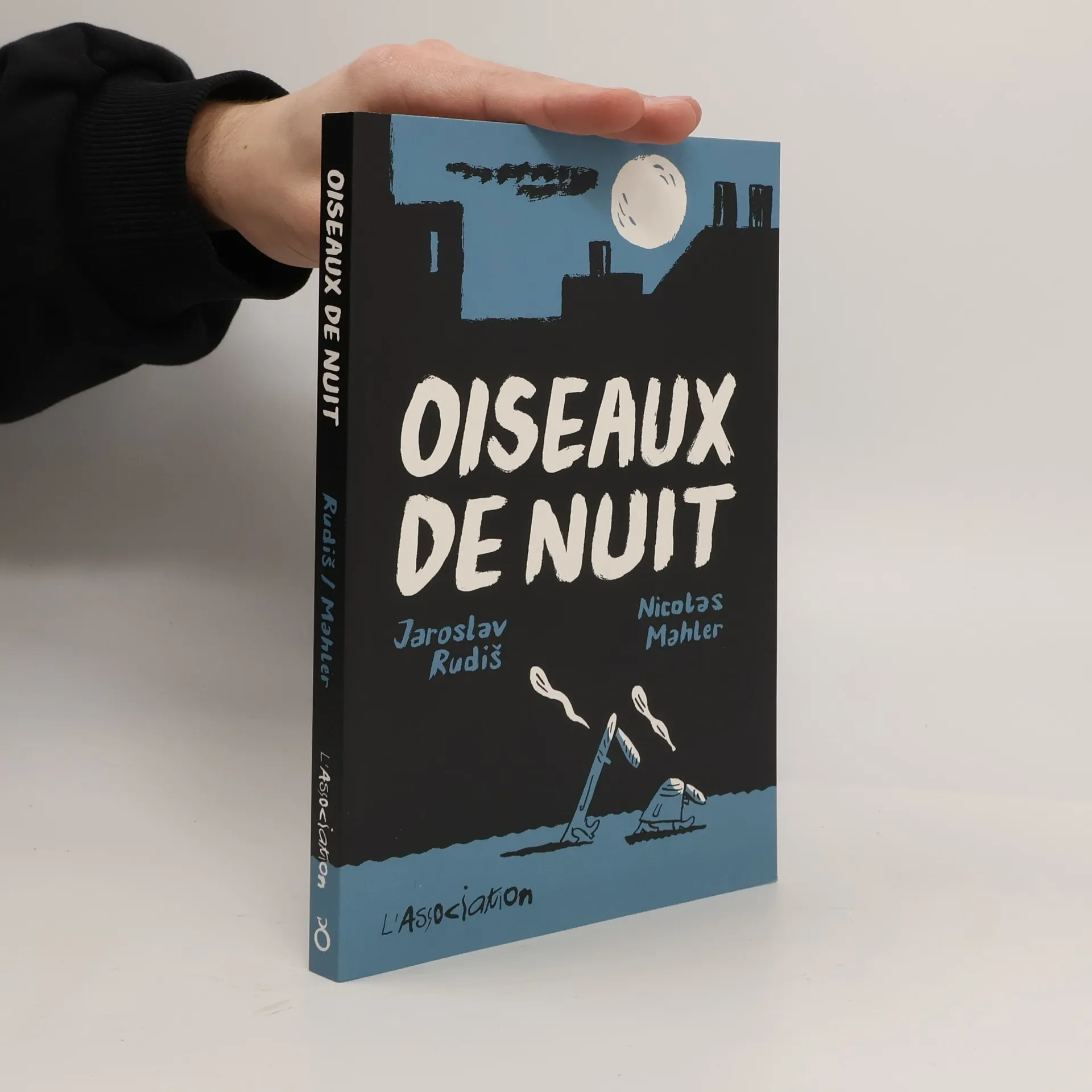
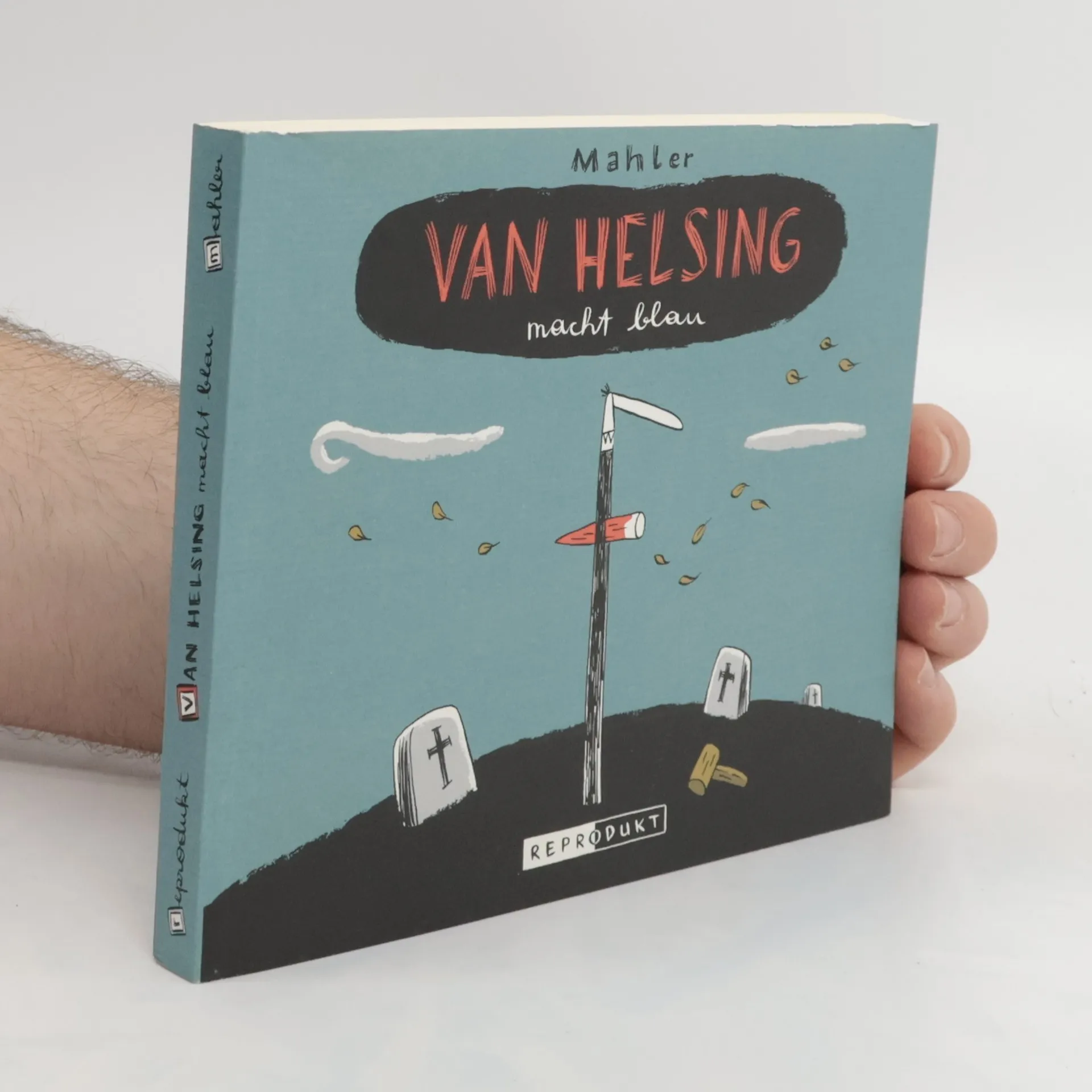
Nicolas Mahler is an Austrian author and illustrator celebrated for his striking minimalist drawing style and sardonic, deadpan wit. His graphic novels, characterized by a unique voice and approach, have garnered international acclaim. Mahler's work, often focusing on ironic observations and a streamlined visual aesthetic, appeals to readers through its intelligent and witty storytelling. His creations explore contemporary life with a subtle yet penetrating gaze.


A twist on the French literary classic In Search of Lost Time, told through Nicolas Mahler's distinctive graphic novel style. Marcel Proust's In Search of Lost Time is one of the most important works of French literature--if not the most important. Reading it can be life-changing. Nicolas Mahler's comic is not a retelling of this classic, nor a shortened version of Proust's monumental work. Rather, it is a surprisingly funny graphic novel, comically disrespectful of the celebrated work yet completely permeated by Proustian spirit. Complemented by his clear and sparse illustrations, Mahler's minimal nature of text use is easy on the eye, even for those uninitiated into graphic novels. For long-time fans of graphic novels, it a perfect entry into a beloved literary classic. A compact picture stream through time and space, Mahler's In Search of Lost Time is a brilliantly complex house of mirrors replete with Proustian motives and perceptions.
A twist on the classic tale of Alice in Wonderland told through Nicolas Mahler's distinctive graphic novel style. Alice is back in Wonderland. Here she meets the White Rabbit, who leads her down into his rabbit hole in search of an illustrated edition of H. C. Artmann's Frankenstein in Sussex. Over the course of the novel, Alice repeatedly runs into the Rabbit, who quotes freely from other literary works by the likes of Herman Melville and E. M. Cioran. Unlike in Lewis Carroll's classic, Alice is not traveling the Wonderland we know. Rather, in Nicolas Mahler's whimsical graphic novel retelling, she is in a house deep beneath the ground. On subsequent floors, she encounters the famous creations of Lewis Carroll: the Hookah-Smoking Caterpillar, the Cheshire Cat, the Mock Turtle, and many others. One after the other, these creatures address the terrors of childhood and youth. It is only when Alice reaches the ground floor of the house that we arrive at the inevitable climax: face to face with Frankenstein's Monster.
A delightfully witty and original graphic biography of Kafka, published to coincide with the centenary of the author’s death This bold and sharply funny new look at Kafka is told through Nicolas Mahler's distinctive graphic novel style and minimalist illustrations. Full of fascinating details and witty, absurdist illustrations, it’s a delightful tribute to one of the world’s great writers. Franz Kafka not only wrote prose, he was also passionate about drawing: at one time, he even said it satisfied him more than anything else. In this graphic biography, acclaimed artist Nicolas Mahler echoes Kafka’s own minimalist drawing style in a unique and surprising approach to the great writer’s life and work. Drawing extensively on Kafka’s fiction, letters, and diaries, Completely Kafka illustrates the major and minor details that formed his life, from struggles with self-doubt and writer’s block to a failed plan for a series of cheap travel guides.
Romy Schneider
Alle Filme neu angeschaut und gezeichnet von Mahler
Eine Hommage an Romy Schneider - und doch ein ganz anderer Blick auf die rätselhafte Ikone und eine der letzten Diven des 20. Jahrhunderts: Nicolas Mahler, »internationalen Star der Zeichnerszene« (arte), bekannt für seine kongenialen Adaption literarischer Klassiker von James Joyce bis Thomas Bernhard, hat alle 62 Filme der Ausnahmeschauspielerin noch einmal gesehen und sie gezeichnet – inklusive ihrer bekanntesten Filmpartner Michel Piccoli, Alain Delon, Helmut Berger und sogar dem Alfa Romeo Giulietta aus dem Klassiker »Die Dinge des Lebens«. Ein Buch zum Nachschlagen, Entdecken, sich erinnern – so hat man Romy Schneider – wirklich – noch nie gesehen. Ausstattung: durchgehend vielfarbig illustriert
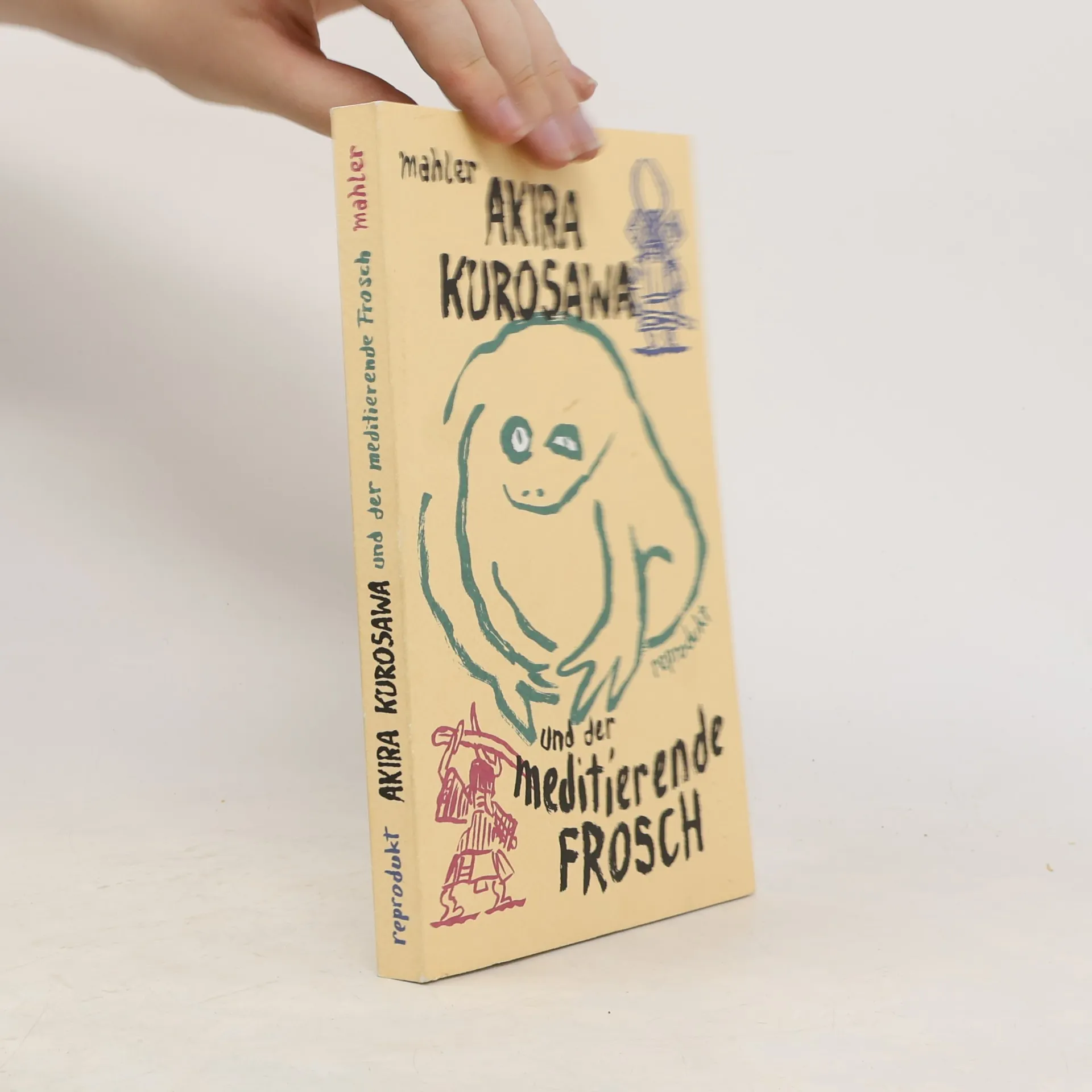
Jetzt hat er schon Thomas Bernhard, James Joyce oder Robert Musil als Comic adaptiert, ist Dauergast in den Literaturhäusern dieser Welt, und dennoch muss Nicolas Mahler immer wieder feststellen, wie schwer sich die Hochkultur nach wie vor mit den »Graphic Novels« tut. Gott sei Dank! So kann er uns weiterhin urkomisch und pointiert von seinen absurden Erlebnissen in der Welt der Buchmenschen berichten. Was kommt dabei heraus, wenn die Kritiker: innen des »Literarischen Quartetts« nun auch Comics besprechen? Wie hat man sich eine »Graphic Novel« am Wiener Burgtheater vorzustellen? Und welche überraschenden Erkenntnisse fördert eine Amazon-Recherche zu Marcel Prousts Auf der Suche nach der verlorenen Zeit zutage? Nicolas Mahlers Fazit fällt positiv aus: »Die Comics sind nicht erwachsen geworden, der Kulturbetrieb vertrottelt nur zunehmend!« Aber auch weltlichen Themen wie Brachialkomikern oder Harnröhrenspreizern gewinnt Nicolas Mahler manch Erhellendes ab. Und dann ist da ja noch Akira Kurosawa...
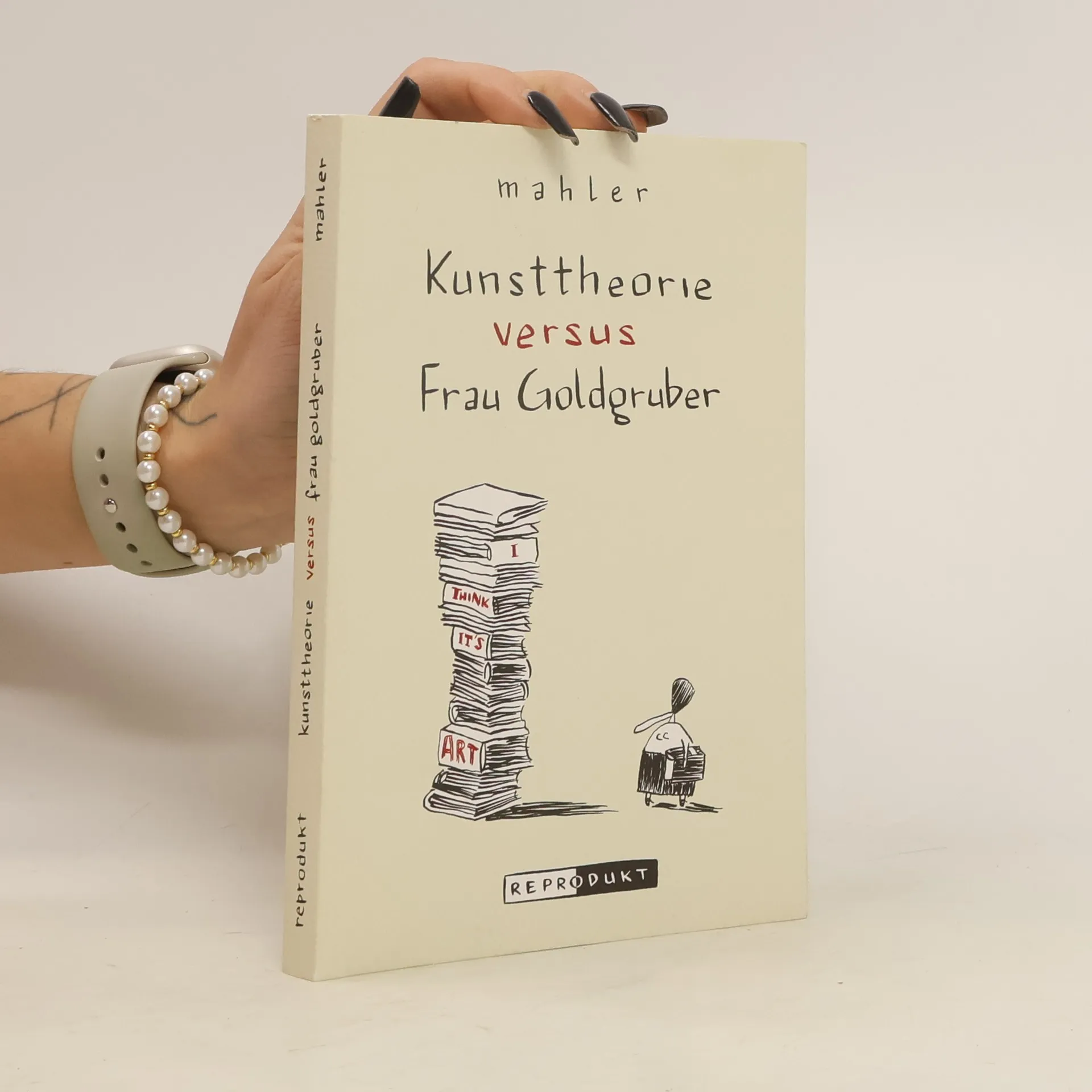
Kennen Sie schon Frau Goldgruber? Sie ist eine Verwaltungsangestellte im Wiener Finanzamt, und Nicolas Mahler muss sie davon überzeugen, dass das, was er macht, eher „Kunst“ ist als „Werbegrafik“. Beobachtungen zu Verwaltungsangelegenheiten, Erlebnisse als kurzzeitiger Angestellter einer Videothek, Anekdoten und Überhörtes aus dem Kunst- und Comicbetrieb – all dem entlockt Nicolas Mahler stets das Absurde und stellt es mit trockenem, distanziertem Humor dar. Dabei muss er sich immer wieder für seine Tätigkeit als Comiczeichner rechtfertigen, sei es beim Zoll oder in akademischen Kreisen. „Die Goldgruber-Chroniken“ sind die gesammelten Erzählungen aus den drei erfolgreichen Büchern „Kunsttheorie vs. Frau Goldgruber“, „Die Zumutungen der Moderne“ und „Pornografie und Selbstmord“. Die Episoden wurden für den Sammelband um ein Nachwort erweitert.
Flaschko
Der Mann in der Heizdecke
Das Universum von Flaschko besteht aus seiner Mutter, seiner Heizdecke, seinem Sessel, einem Stromstecker und dem Fernseher. Das Universum seiner Mutter besteht aus Flaschko, Damenlikör, Tabletten und Müll. Zusammen ergibt das Geschichten eines lethargischen Mannes, der permanent in seiner Heizdecke vor dem Fernseher herumlungert und von seiner Mutter genervt wird.

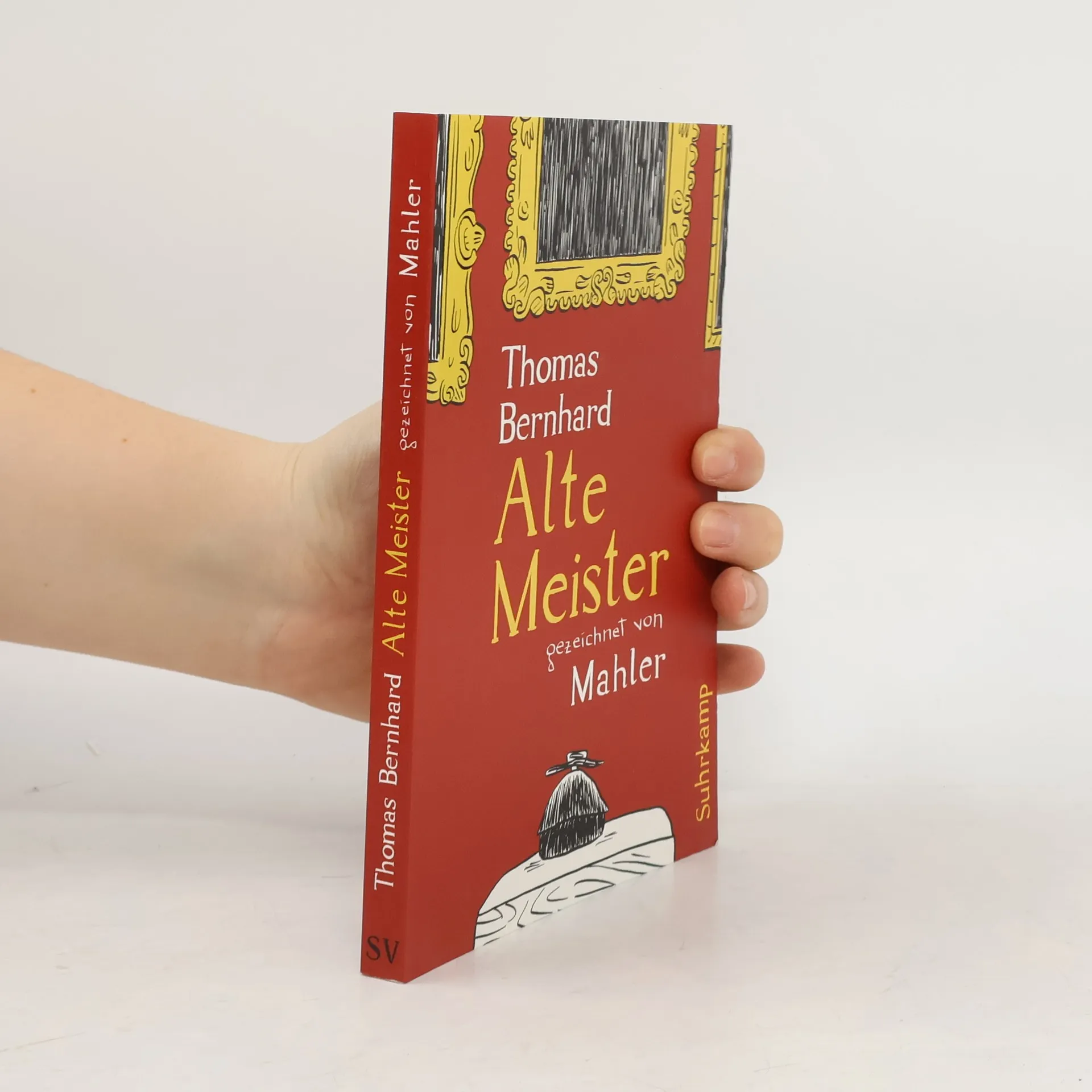
»Am 9. Februar 1931 wird Thomas Bernhard in Heerlen (Niederlande) geboren. Die Nachgeburt hat die Form Österreichs.« – so beginnt die Biografie Bernhards aus der Zeichenfeder von Comic-Künstler Nicolas Mahler. In 99 rasant-komischen Bildern gibt der Großmeister des Minimalismus, der bereits Bernhards Alte Meister und Der Weltverbesserer »kongenial« adaptiert hat, eine witzig-böse Tour durch das Leben des berühmten Übertreibungskünstlers – vom Aufwachsen ohne Vater, über die enge Beziehung zu seinem Großvater Johannes Freumbichler bis zu ersten literarischen Erfolgen und Aufführungen seiner Theaterstücke. Bernhards Preise und Skandale fehlen dabei ebenso wenig wie seine Krankheit, sein Lebensmensch Hedwig Stavianicek oder das Verhältnis zu seinem Verleger Siegfried Unseld – eine Lebensgeschichte in Schlaglichtern, wie sie nur Nicolas Mahler in Szene setzen kann