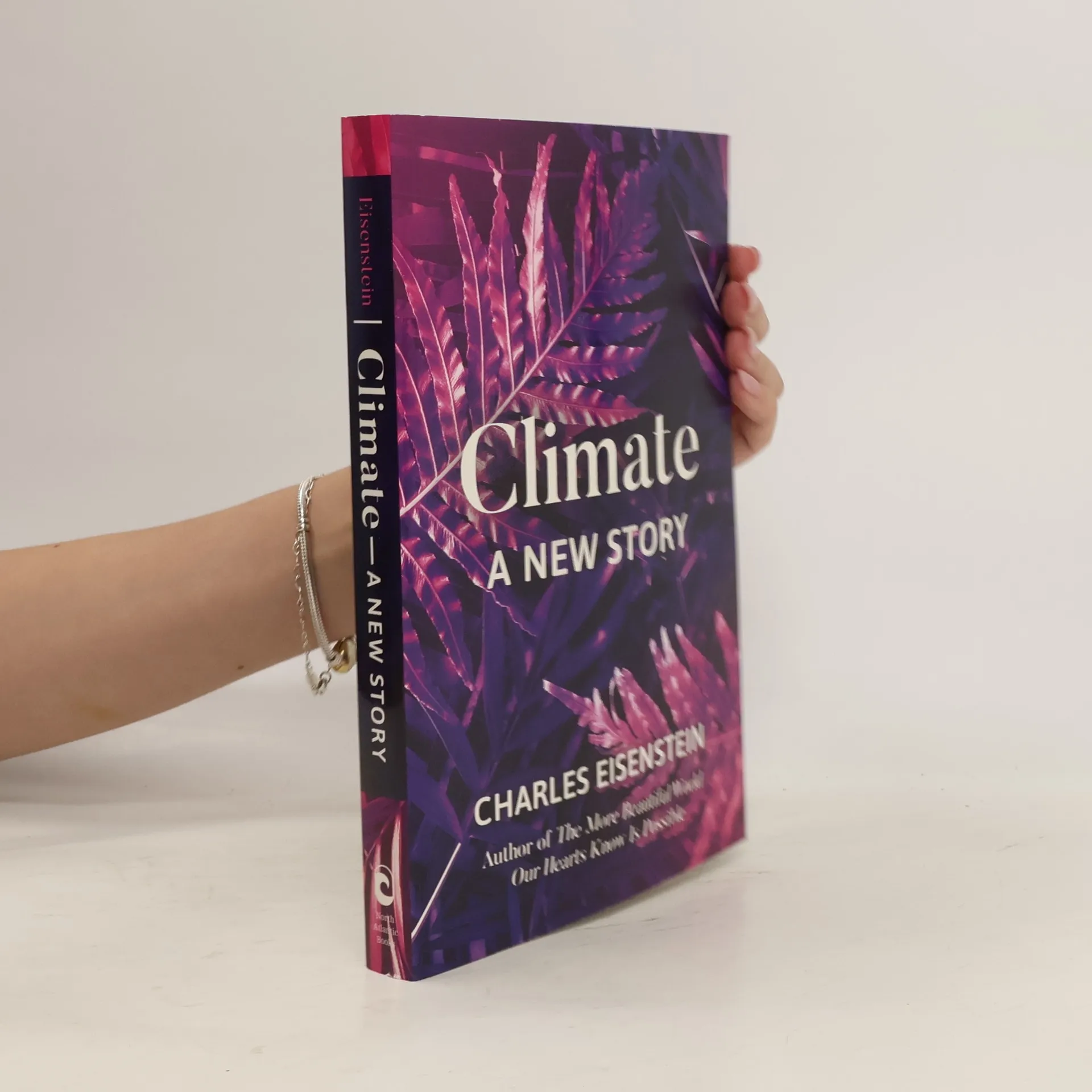
A stirring case for a wholesale reimagining of the framing, tactics, and goals we employ in our journey to heal from ecological destruction With research and insight, Charles Eisenstein details how the quantification of the natural world leads to a lack of integration and our “fight” mentality. With an entire chapter unpacking the climate change denier’s point of view, he advocates for expanding our exclusive focus on carbon emissions to see the broader picture beyond our short-sighted and incomplete approach. The rivers, forests, and creatures of the natural and material world are sacred and valuable in their own right—not simply for carbon credits or preventing the extinction of one species versus another. After all, when you ask someone why they first became an environmentalist, they’re likely to point to the river they played in, the ocean they visited, the wild animals they observed, or the trees they climbed when they were a kid. This refocusing away from impending catastrophe and our inevitable doom cultivates meaningful emotional and psychological connections and provides real, actionable steps to caring for the earth. Freeing ourselves from a war mentality and seeing the bigger picture of how everything from prison reform to saving the whales can contribute to our planetary ecological health, we resist reflexive postures of solution and blame and reach toward the deep place where commitment lives.
Charles Eisenstein Books
Charles Eisenstein is a teacher, speaker, and writer focusing on themes of civilization, consciousness, money, and human cultural evolution. His writings have cultivated a vast online following, and he frequently speaks at conferences and gives interviews. His work delves into the fundamental structures and narratives that shape our societies, urging readers toward new perspectives on familiar concepts. Eisenstein's distinct approach bridges disparate ideas, offering profound insights into contemporary challenges and possibilities.


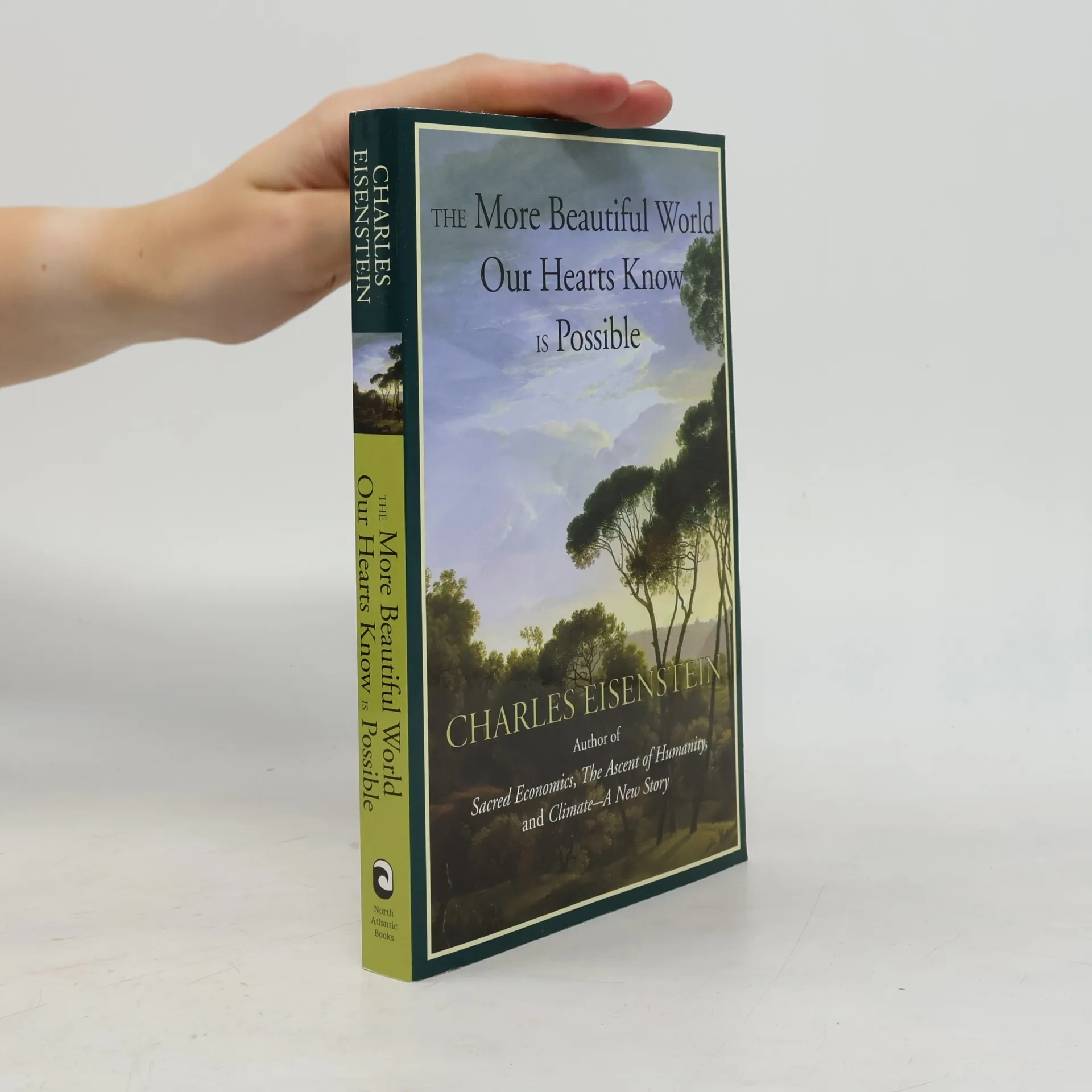
The More Beautiful World Our Hearts Know Is Possible
- 273 pages
- 10 hours of reading
Argues that because human beings are all connected to each other and the planet, the key to creating a better world is to understand that our personal choices contain transformational power
The Coronation
- 192 pages
- 7 hours of reading
Controversy and despair, hope and isolation, courage and division, withdrawal and reunion. How can we find meaning within this complex Covid moment—and emerge renewed? Renowned public speaker, bestselling author, social critic, and activist Charles Eisenstein offers a way forward through a series of unforgettable essays that give us a new model of sense-making. Through a series of piercing essays, The Coronation takes the reader through the initiation of the Covid era—exploring topics like despair, hope, courage, division, and reunion—in this stunning collection. Paired with each essay is the author’s commentary locating the essay in a social, political, and spiritual journey. After all, it wasn’t only outward normality that the pandemic disrupted. Of all the social crises that COVID-19 has revealed, The Coronation addresses the most profound: the crisis in our sense-making. An old reality has disintegrated. This book reveals just how deep that breakdown is. Acknowledging it, we might build something more sound, more whole, and more sane. Underneath the shifting sands of the arguments and narratives, something else calls to us: the possibility of renewal, a revolution in the agreements and myths that organize society. *Individually, these essays have been read, shared, and discussed by tens of thousands of people around the globe, but are collected together and bound here for the first time!
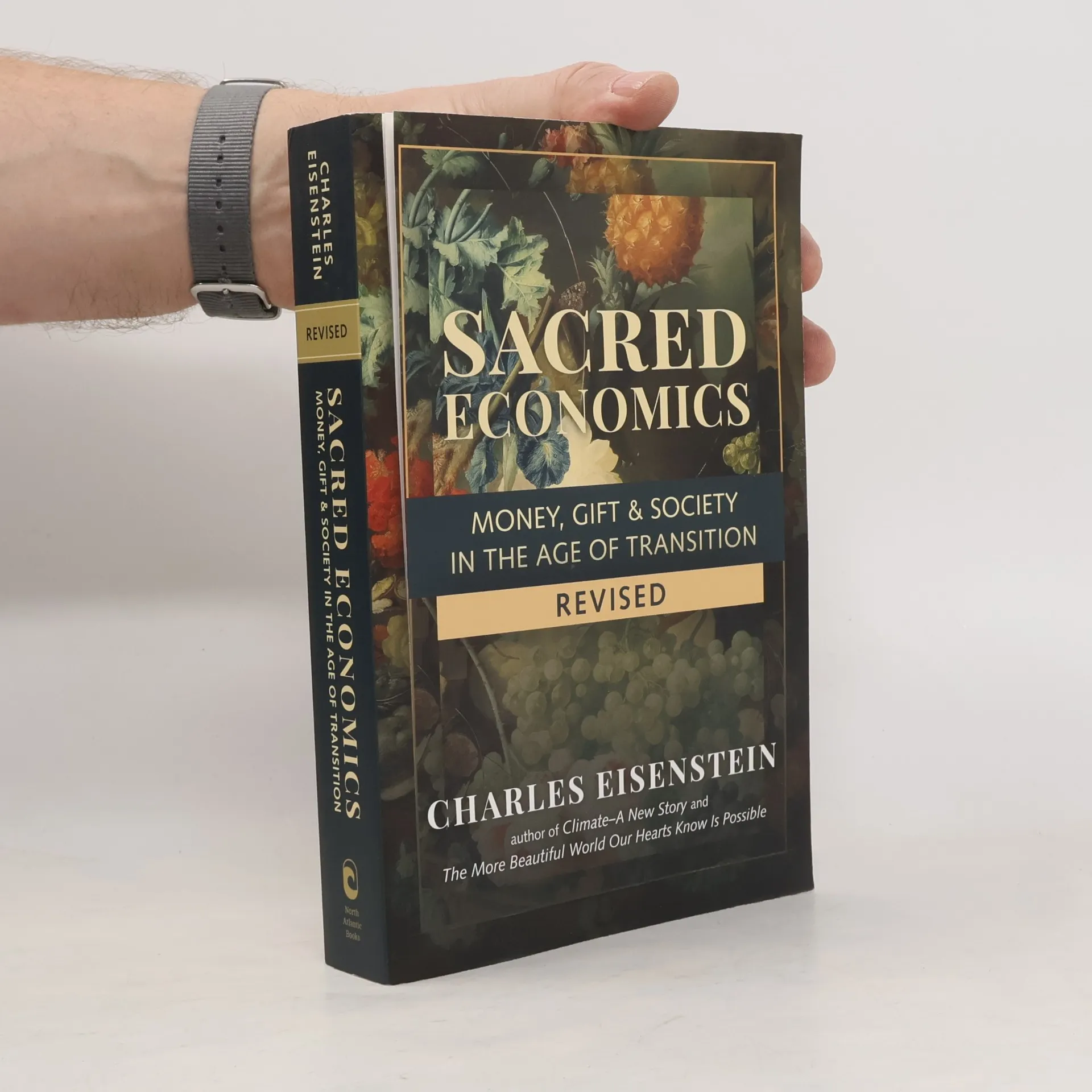
Sacred Economics
- 496 pages
- 18 hours of reading
Expanded and updated, Charles Eisenstein's classic treatise on capitalism, currency, and the gift economy. This revised version traces the history of money, from ancient gift economies to modern capitalism, and includes new material on cryptocurrencies and emerging research that has come out since the book's original publication. Charles Eisenstein shows how capitalism contributes to alienation, competition, and scarcity; destroys community; and necessitates endless growth at the cost of social and environmental devastation. Today, these trends have reached their extreme--and their collapse presents a golden opportunity to transition to a more connected, ecological, and sustainable way of being. Eisenstein describes the deeper narratives beneath our economic system, and how we can reimagine it to align with a new story. Applying a broadly integrated synthesis of theory, policy, and practice, he explores avant-garde concepts of the New Economics, including negative-interest currencies, local economies, gift economics, cryptocurrencies, and the restoration of the commons. Tapping into a rich lineage of conventional and unconventional economic thought, Eisenstein presents a vision that is original yet commonsense, radical yet gentle, and increasingly relevant as the crises of our civilization deepen.
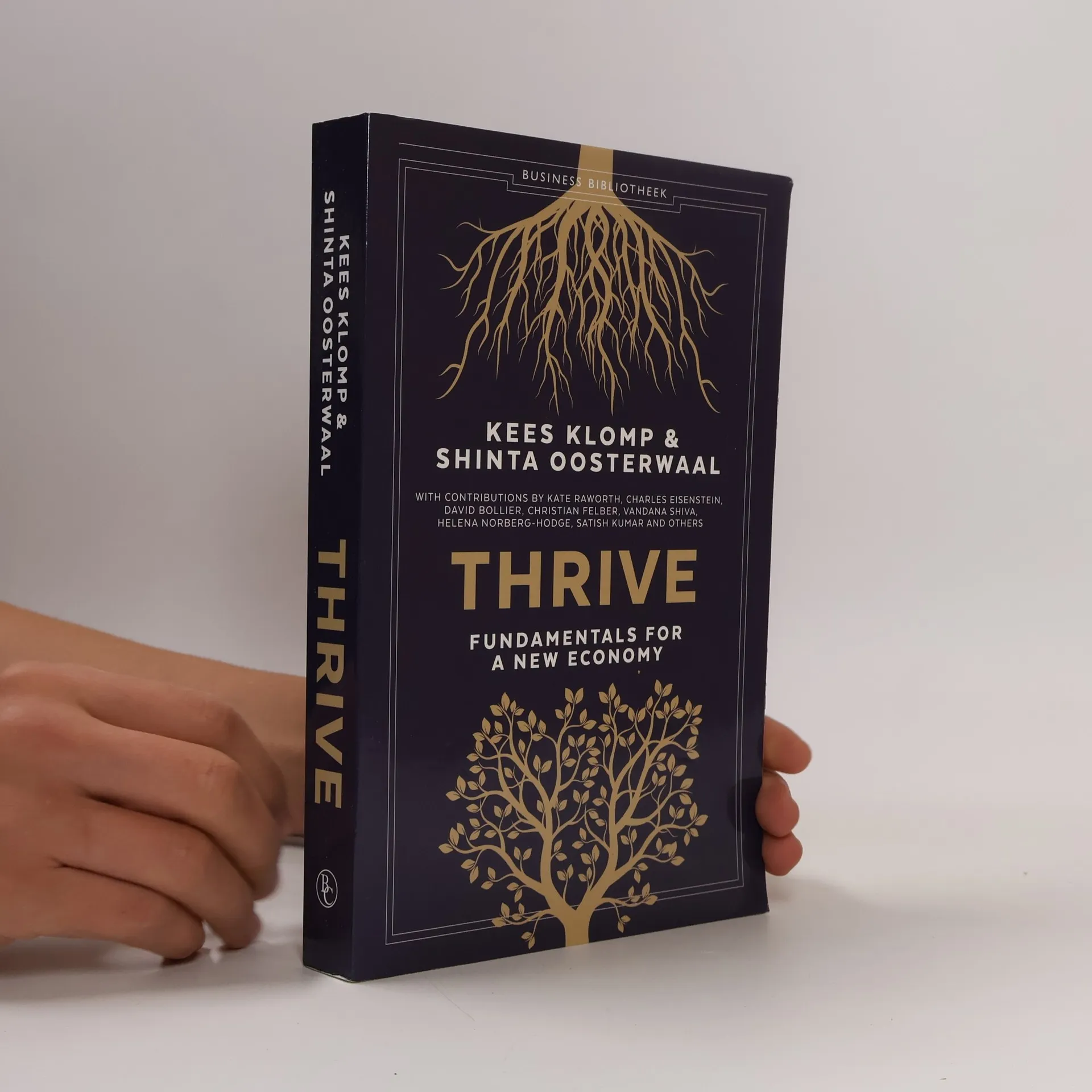
In 'Thrive. Fundamentals for a New Economy', Kees Klomp and Shinta Oosterwaal provide insights into alternative approaches to economics that are sustainable and just for both society and the planet in the long term. In twenty-four essays, internationally renowned economic thinkers like Kate Raworth, Charles Eisenstein, Clair Brown, Helena Norberg-Hodge and Daniel C. Wahl, share the alternatives that are available to us, such as doughnut economics, wellbeing economics, common good economics, regenerative economics, buddhist economics, commons economics, local economics, bioregional economics, indigenous economics and degrowth economics. Each of these approaches provides a realistic and enticing vision of a thriving future. ‘Thrive’ offers readers the fundamentals for a new economy that is rooted in the well-being of humanity and of our planet. This book is a must-read for anyone in search of economic perspectives that contribute to a flourishing world.
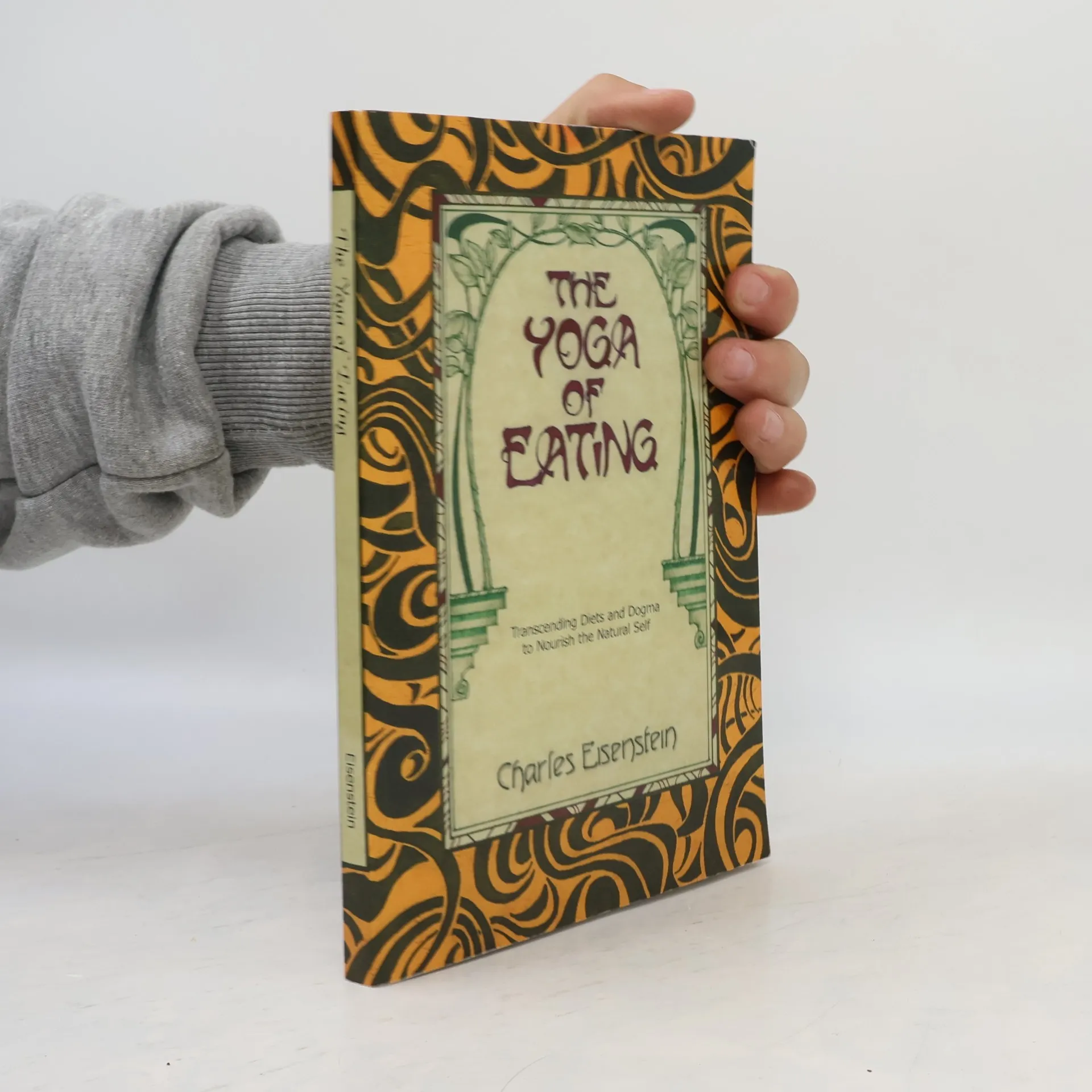
The Yoga of Eating
- 192 pages
- 7 hours of reading
A practical manual that offers insights on the physical and spiritual functions of sugar, fat, meat, and other foods; fasting, dieting, processing, willpower, and the deeper principles of self-nurture. It shows how to access and trust the wisdom your body has to offer. schovat popis
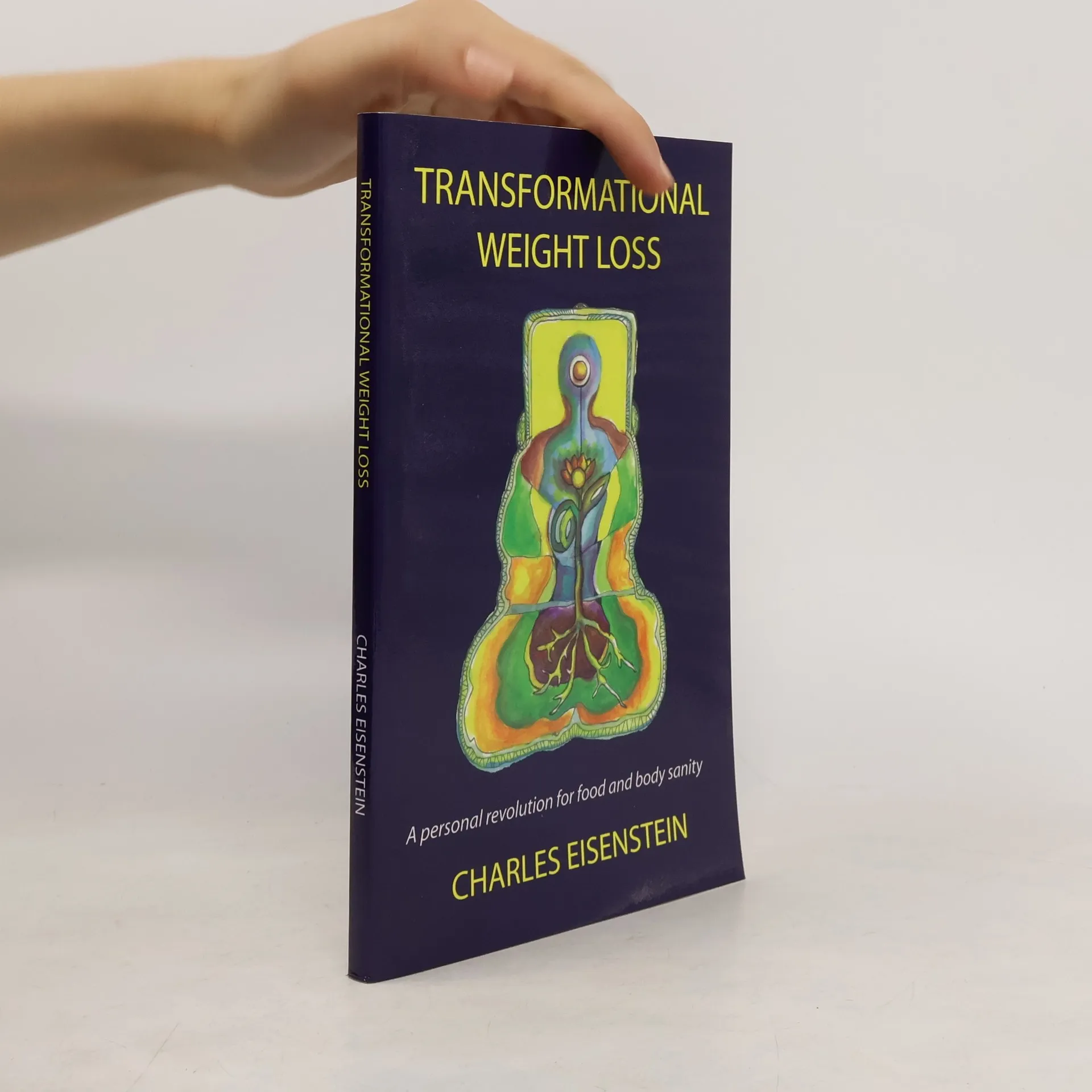
Subtitled "A personal revolution for food and body sanity," this book describes an alternative to the treadmill of self-denial, self-control, and dieting. It begins with the insight that if trying hard didn't work, trying harder is doing more of what doesn't work. There are very few guidelines about what to eat and not to eat in this book. Instead it presents a whole new way of eating, a new way of seeing food, exercise, and the body. Revolutionary, it also strikes a deep chord of common sense. Among thousands of diet and nutrition books on the market today, this book is a profoundly new voice, especially for anyone ready to transform the condition of obesity and all the mental, emotional, and spiritual conditions that go along with it.
Touched by the Sun
- 32 pages
- 2 hours of reading
The narrative presents a universe where the sun is portrayed as a sentient entity, emphasizing the interconnectedness of all living things. Through this perspective, children are encouraged to recognize the presence and significance of other beings in their environment, fostering a sense of wonder and awareness. The story invites readers to explore themes of companionship and the shared existence within the animate world, validating children's intuitive understanding of their surroundings.
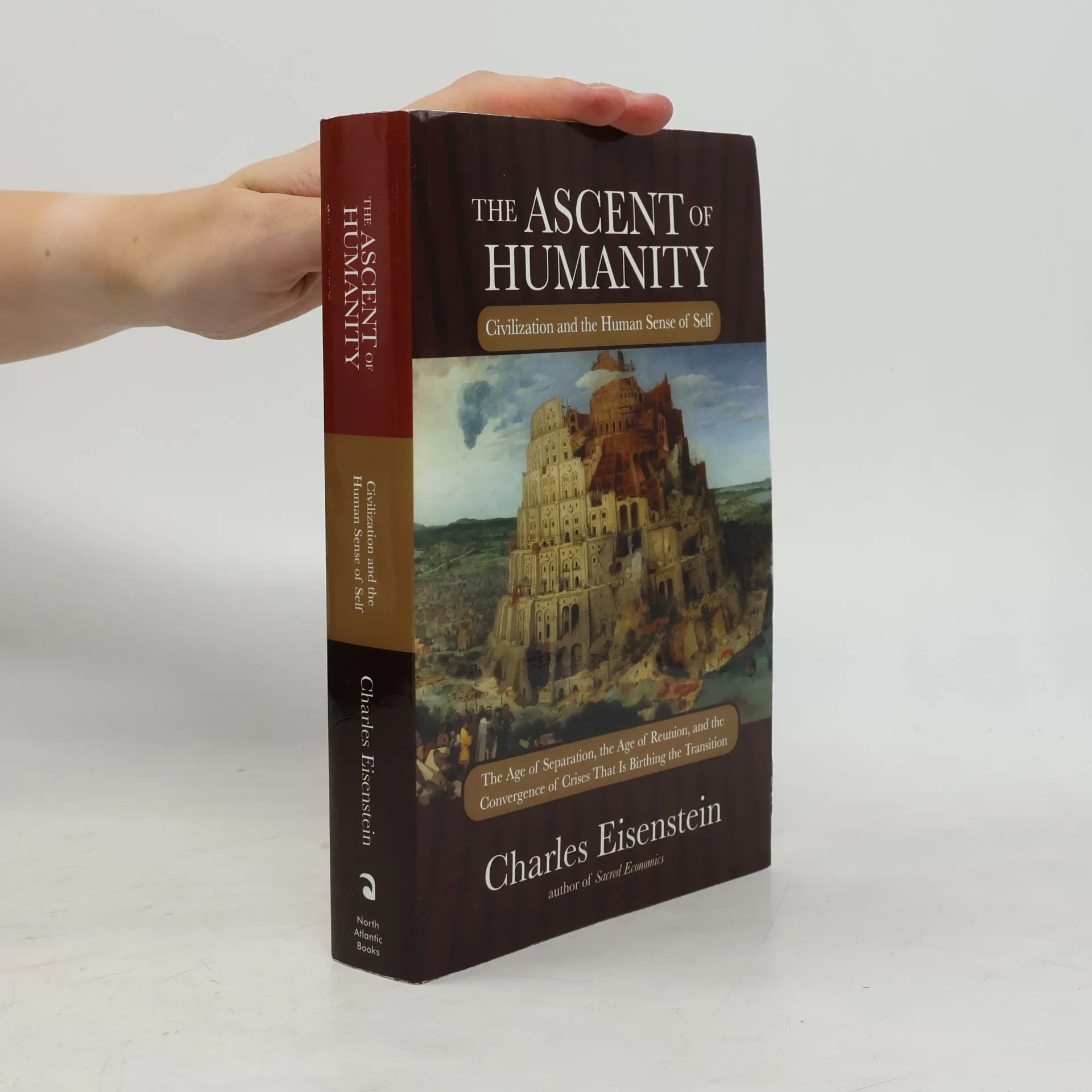
The author of The More Beautiful World Our Hearts Know Is Possible explores the history and potential future of civilization, tracing the converging crises of our age to the illusion of the separate self Our disconnection from one another and the natural world has mislaid the foundations of science, religion, money, technology, economics, medicine, and education as we know them. It has fired our near-pathological pursuit of technological Utopias even as we push ourselves and our planet to the brink of collapse. Fortunately, an Age of Reunion is emerging out of the birth pangs of an earth in crisis. Our journey of separation hasn't been a terrible mistake but an evolutionary process and an adventure in self-discovery. Even in our darkest hour, Eisenstein sees the possibility of a more beautiful world—not through the extension of millennia-old methods of management and control but by fundamentally reimagining ourselves and our systems. We must shift away from our Babelian efforts to build ever-higher towers to heaven and instead turn out attention to creating a new kind of civilization—one designed for beauty rather than height.
Corona und die Überwindung der Getrenntheit
Neue medizinische, kulturelle und anthroposophische Aspekte der Corona-Pandemie
Die Corona-Krise bringt in extremer Weise einen konstitutionellen Zustand unseres modernen Bewusstseins zum Ausdruck, einen Zustand, den wir als Getrenntheit erleben. Neben kritischen Analysen des Verständnisses der evolutionären Bedeutung der Viren sowie der ideologisch-politischen Aspekte der viel beschworenen Impfstoffe gegen COVID-19 geht es in diesem Folgeband zu Corona - eine Krise und ihre Bewältigung vor allem um die Schritte, die wir im Sinne der Anthroposophie auf dem Wege einer Überwindung der Getrenntheit gemeinsam gehen können. Inhalt Thomas Hardtmuth: Das Corona-Syndrom - warum die Angst gefährlicher ist als das Virus Christoph Hueck: Impfung, Impfnachweis, Impflicht - Ideologie der Kontrolle versus christlicher Individualismus Charles Eisenstein: Die Krönung - in was für einer Welt wollen wir leben? Andreas Neider: Corona - Gegenbild einer notwendigen Bewusstseinsveränderung
Wut, Mut, Liebe!
Politischer Aktivismus und die echte Rebellion
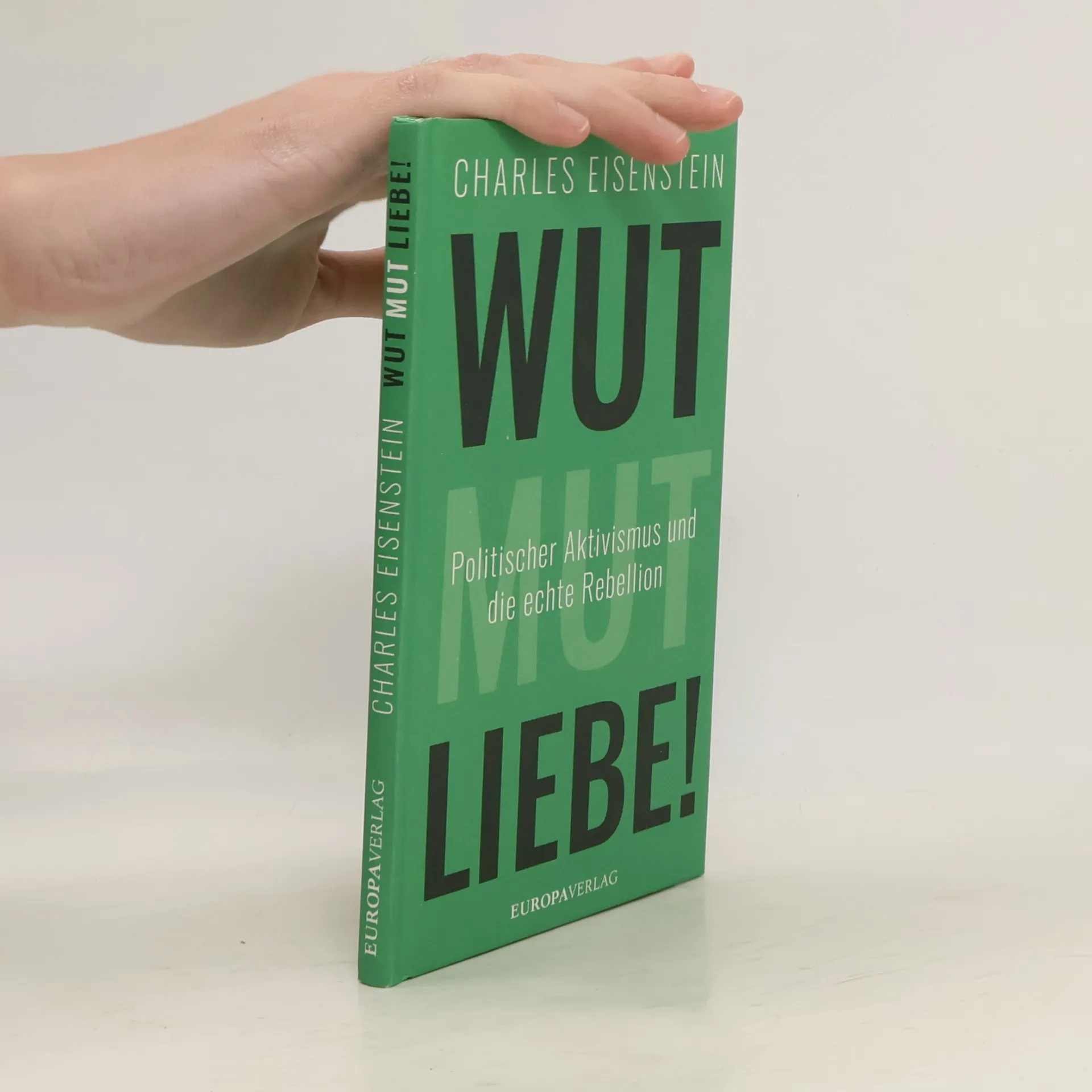
Sie sind jung, sie sind laut und sie mischen sich ein – die Anhänger von Occupy, Fridays for Future, Extinction Rebellion und anderen politischen Protestbewegungen. In den letzten Jahren engagieren sich immer mehr Aktivisten weltweit für soziale Gerechtigkeit, Bankenkontrolle oder Umwelt- und Artenschutz. Sie alle eint der Geist der Rebellion – der Wunsch, aufzustehen und auf die vielen Missstände auf unserem Planeten aufmerksam zu machen.In seinem Essay "Wut, Mut, Liebe" nimmt Kulturphilosoph Charles Eisenstein die politischen Protestbewegungen der vergangenen Jahre in den Blick. Dabei beleuchtet der Vordenker der Occupy-Bewegung nicht nur zentrale Motive sondern auch Erfolge und Niederlagen des politischen Aktivismus. Für ihn ist klar, dass ein Aufbegehren gegen "alles und jeden" nicht ausreicht, um die Dinge zum Positiven zu verändern. Um der Ausbeutung von Mensch und Natur endlich Einhalt zu gebieten, bedarf es einer "Revolution der Liebe", ein ganzheitliches Fühlen und Handeln, das die Verbundenheit aller Menschen, aber auch die Verbundenheit von Mensch und Natur ins Zentrum stellt. In seinem Essay zeigt Eisenstein praktische Wege auf, wie politischer Aktivismus durch eine Revolution der Liebe beflügelt und zum Erfolg geführt werden kann. Ein leidenschaftliches Plädoyer, politisches Engagement neu zu denken und unsere Wut in Liebe zu verwandeln.
Die Renaissance der Menschheit
Über die große Krise unserer Zivilisation und die Geburt eines neuen Zeitalters. Aktualisierte Sonderausgabe
- 784 pages
- 28 hours of reading
Charles Eisenstein argumentiert, dass ökologische und spirituelle Bewegungen allein nicht ausreichen, um unseren Planeten zu retten. Nach jahrzehntelanger Forschung betont er, dass das zentrale Problem in unserer Abspaltung von der Welt liegt. Die wahre Rettung besteht darin, ein Gefühl der Einheit zu entwickeln und ein ganzheitliches Menschenbild zu fördern. Sein Werk ist ein eindringlicher Aufruf, unser Denken und Handeln grundlegend zu transformieren und sich wieder mit der Welt zu verbinden.
Die Krönung
Wie das Coronavirus die Gesellschaftsordnung infrage stellt
Die Corona-Pandemie bringt sowohl die besten als auch die schlimmsten Eigenschaften der Menschheit zum Vorschein. In der vorliegenden Essay-Sammlung erforscht Charles Eisenstein beide Extreme: einerseits den Sündenbockmechanismus, die fortschreitende Polarisierung und Spaltung in der Gesellschaft, Angst, ausufernde Kontrolle, Wissenschaft als Religion, medizinischen Totalitarismus sowie einen neuen Faschismus – und auf der anderen Seite die Möglichkeit, diese Muster, sobald sie einmal erkannt sind, zu überwinden. Er weist darauf hin, in welchem besonderen historischen Moment wir uns jetzt befinden, und dass genau jetzt die Gelegenheit ist, zu entscheiden, in welcher Zukunft wir leben wollen und welche Vision vom Menschen Wirklichkeit werden soll. In "Die Krönung" zeigt uns der Autor, dass die Pandemie das Potenzial hat, den nächsten Entwicklungsschritt der Menschheit einzuleiten. Wenn wir es wollen, können wir selbst zum Souverän werden, selbst die Verantwortung übernehmen: für unsere Gesundheit, unsere Mitmenschen, unseren Lebensraum.
Die Renaissance der Menschheit
Über die große Krise unserer Zivilisation und die Geburt eines neuen Zeitalters
- 784 pages
- 28 hours of reading
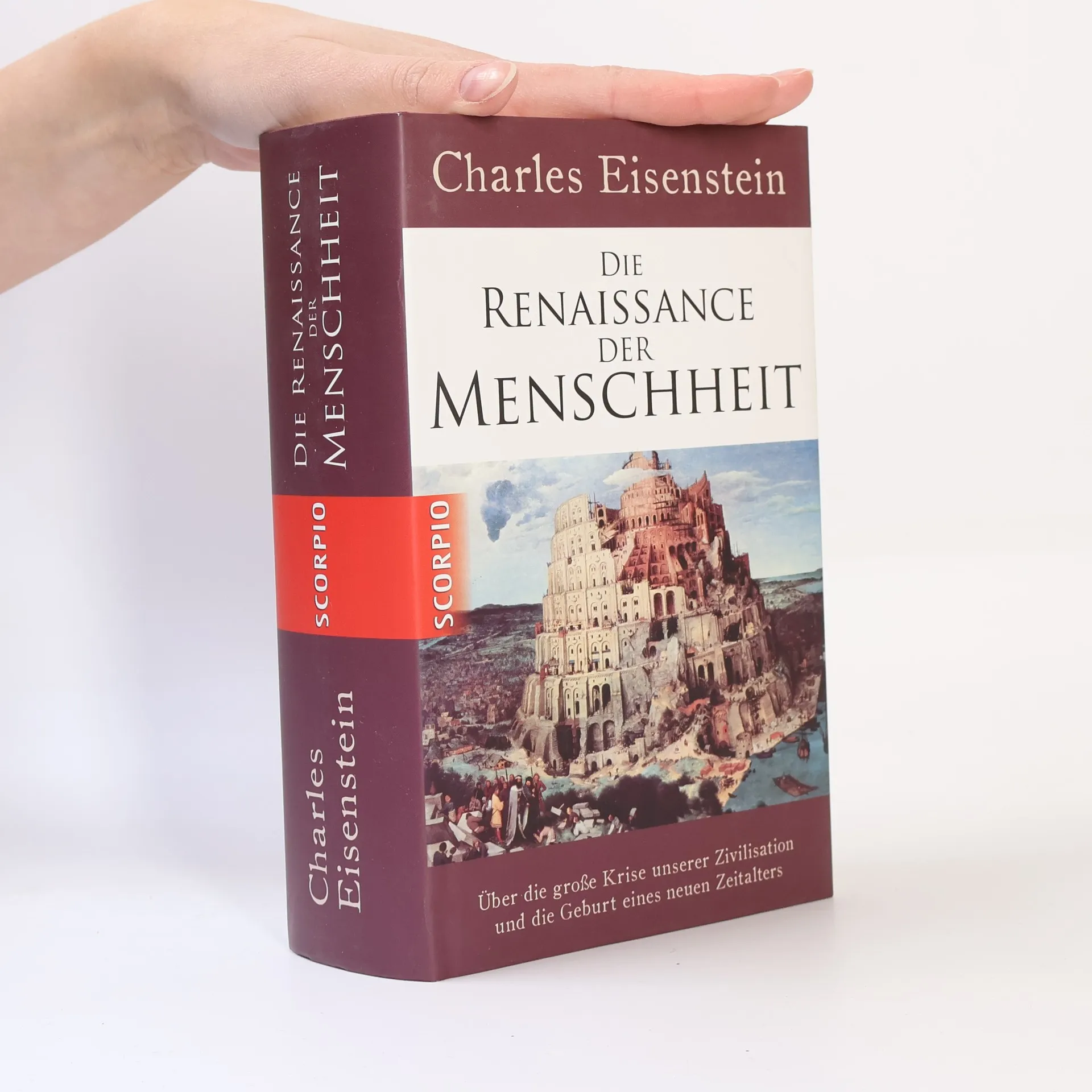
Ökologische und spirituelle Bewegungen, wohltätige Spenden oder Mülltrennung – reicht das aus, um unsere Welt zu retten? Charles Eisenstein sagt nach jahrzehntelanger Forschung, dass guter Wille allein nicht genügt. Das Problem liegt in unserer Trennung von der Welt. Die wahre Rettung besteht darin, uns als Einheit zu fühlen und ein ganzheitliches Menschenbild zu entwickeln. Dieses Commitment an die Welt könnte unser Denken und Handeln grundlegend verändern. Technische Innovationen und kulturelle Fortschritte haben wir die Welt tatsächlich verbessert? Eisensteins Analyse zeigt, dass unsere Selbstsucht uns und der Welt schadet. Dennoch ist seine Beobachtung von einer optimistischen Grundhaltung geprägt. Er kommt zu der Erkenntnis, dass nicht Kontrolle, Separation und Wettbewerb das Fundament des Menschseins sind, sondern Vertrauen, Liebe und respektvolles Miteinander. Aus dem Credo »Gemeinsam sind wir stark« entsteht auf Grundlage dieses ganzheitlichen Menschenbildes eine altruistische, werteorientierte Gesellschaft, die uns vom Zeitalter der Trennung ins Zeitalter der Wiedervereinigung führt.
Eine Handvoll Staub und Knochensplitter
- 64 pages
- 3 hours of reading
In „Eine Handvoll Staub und Knochensplitter“ wird ein neuer Mensch geboren. Die Corona-Zeit wirkt noch immer teuflisch nach und unter diesen Eindrücken lesen viele George Orwells Buch „1984“ neu und noch einmal anders. Charles Eisenstein begann dieses Essay bereits im Jahr 2010. Damals tauchte er tiefer ein und holte etwas an die Oberfläche, uns Hoffnung machen kann: Der 75 Jahre alte dystopische Roman über eine Zukunft, die bereits mehrfach von der Gegenwart überholt wurde, weist uns in Wahrheit einen Ausweg.
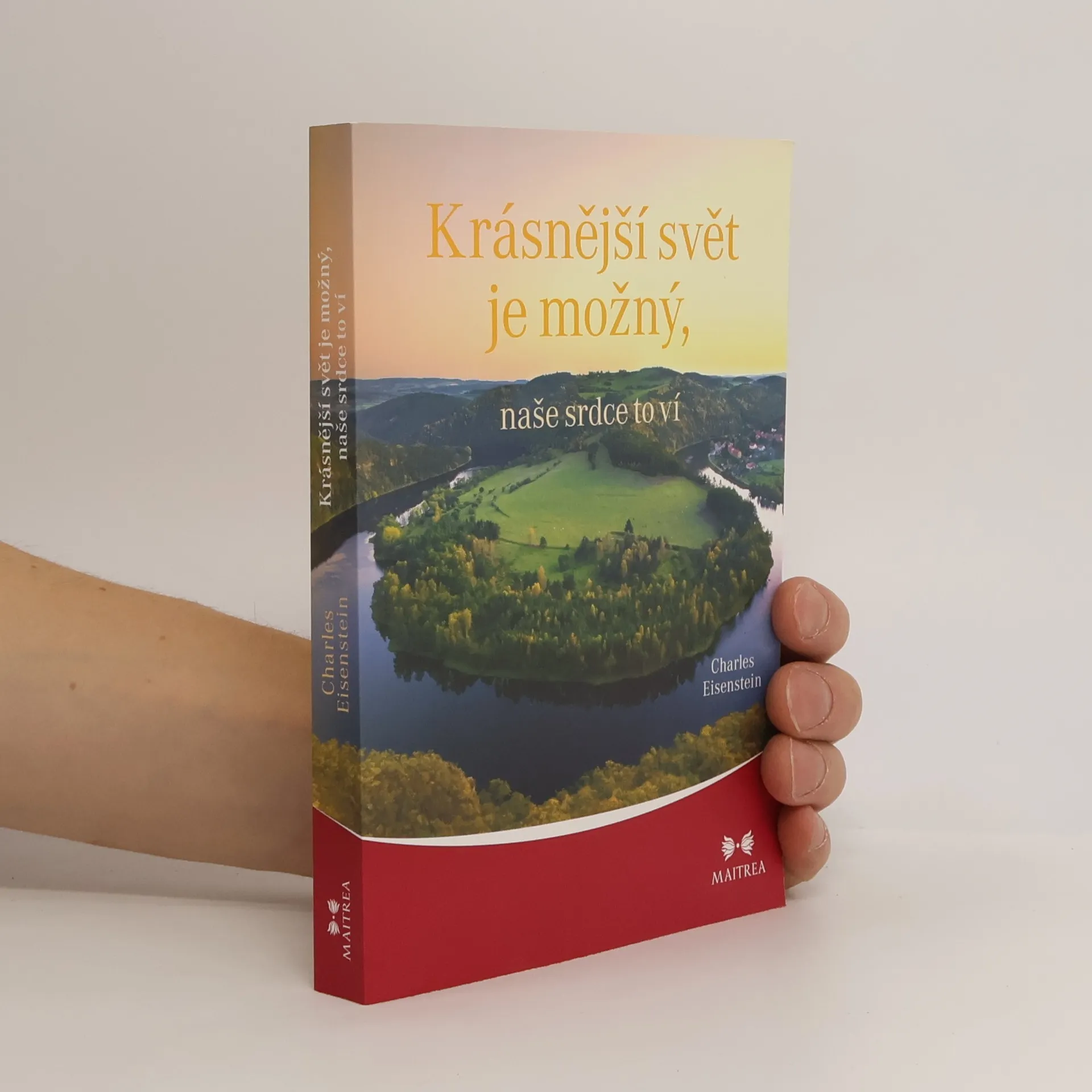
Krásnější svět je možný, naše srdce to ví
- 355 pages
- 13 hours of reading
Co můžeme v době sociální a ekologické krize jako jednotlivci dělat, abychom učinili svět lepším místem? Tato inspirující a myšlenkově podnětná kniha slouží jako posilující protilátka vůči cynismu, frustraci a ochromení, které mnozí z nás pociťují, a nahrazuje je zásadním připomenutím toho, co je pravdivé: my všichni jsme spojeni a naše osobní rozhodnutí v sobě mají netušenou transformační sílu. Tím, že plně přijímáme a uplatňujeme tento princip vzájemné propojenosti, stáváme se účinnějšími hybateli změny a máme silnější pozitivní vliv na svět. Charles Eisenstein v této knize líčí skutečné životní příběhy lidí, které ukazují, jak jednotlivé malé činy odvahy, laskavosti a sebedůvěry mohou změnit vůdčí příběh naší kultury – příběh oddělenosti – který, jak autor vysvětluje, vyvolal současnou planetární krizi. Přivádí nás k uvědomění hluboké moudrosti, kterou všichni přirozeně známe: dokud sami sebe nedáme do pořádku, každý čin, který podnikneme – bez ohledu na to, jak dobré jsou naše úmysly – bude nakonec pomýlený a v rozporu se srdcem. Především nás ale Charles Eisenstein vybízí, abychom si osvojili radikálně odlišné chápání příčiny a následku, což se jeví jako jasná výzva k opuštění našeho starého světonázoru, abychom konečně mohli vytvořit krásnější svět, o kterém naše srdce vědí, že je možný.
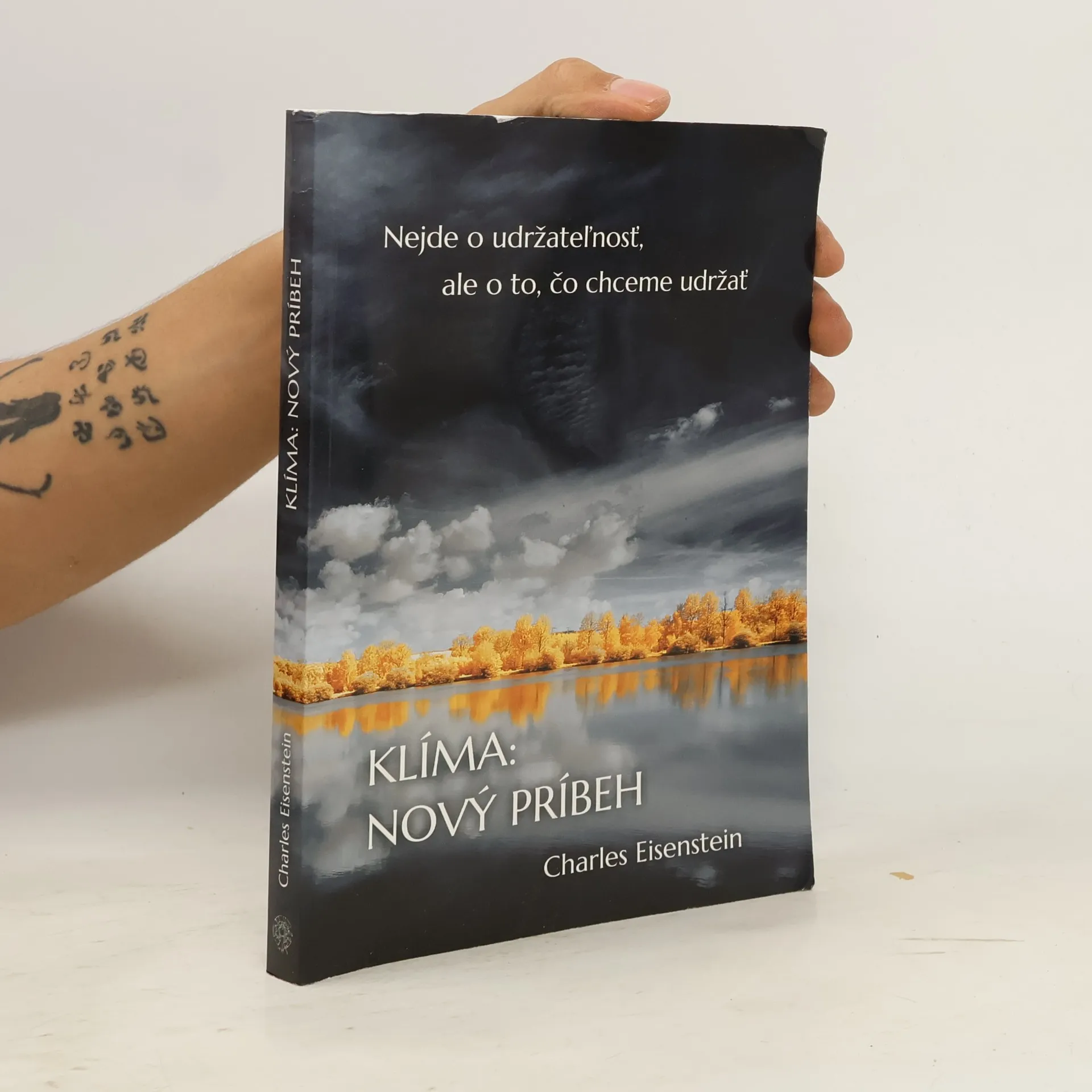
Klíma: Nový príbeh
- 276 pages
- 10 hours of reading
Klimatická zmena a ďalšie globálne výzvy pred nás kladú veľkú úlohu od základov pretvoriť našu civilizáciu a nanovo prerozprávať kultúrny príbeh, ktorý našim životom dáva zmysel a smerovanie. Kniha "Klíma: Nový príbeh" do diskusie o klimatickej zmene prináša čerstvý vietor. Prichádza s celistvou perspektívou umožňujúcou nové uchopenie rámcov, taktiky a cieľov, s ktorými pri našej snahe zastaviť ničenie planetárneho ekosystému pracujeme. Eisenstein v nej ukazuje obmedzenosť dominantného prístupu k riešeniu klimatickej krízy, ktorý označuje ako uhlíkový redukcionizmus. Mnoho porúch klimy, ktoré dávame za vinu skleníkovým plynom, má svoje skutočné korene v rozpade ekosystémov a skutočne tvorivá reakcia na zmenu klímy by sa preto mala orientovať v prvom rade na regeneráciu ekosystémov. V čase, keď vstupujeme na cestu k spoločenskej a ekologickej regenerácii, táto kniha prichádza s odvážnym a presvedčivým pohľadom na svet postaveným na integrite a cite pre posvätný rozmer prírody i života.