C++ In-Depth
- 1568 pages
- 55 hours of reading
A boxed-set of five volumes on C++ programming. The books are: Modern C++ Design; Accelerated C++; Essential C++; Exceptional C++; and More Exceptional C++.




A boxed-set of five volumes on C++ programming. The books are: Modern C++ Design; Accelerated C++; Essential C++; Exceptional C++; and More Exceptional C++.
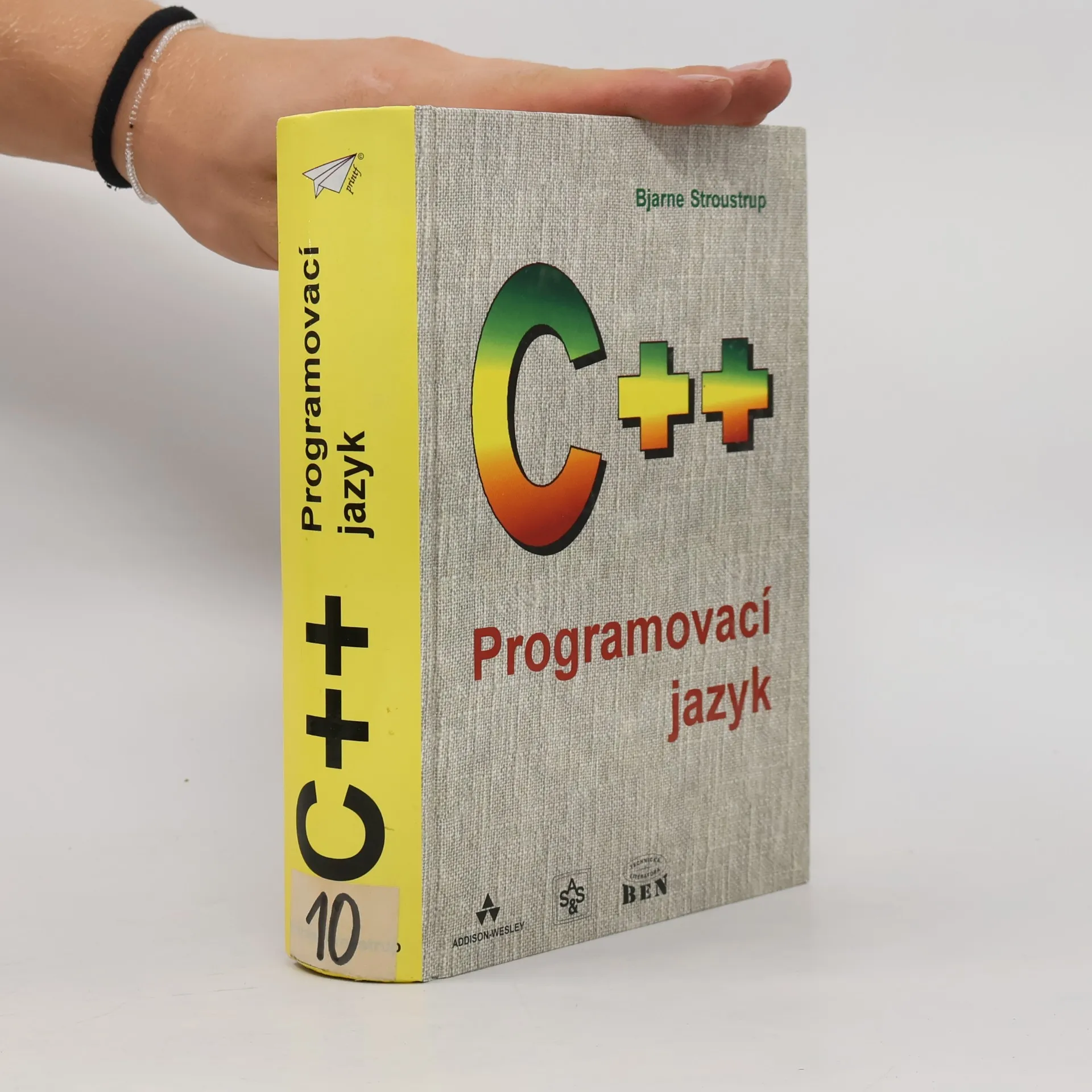
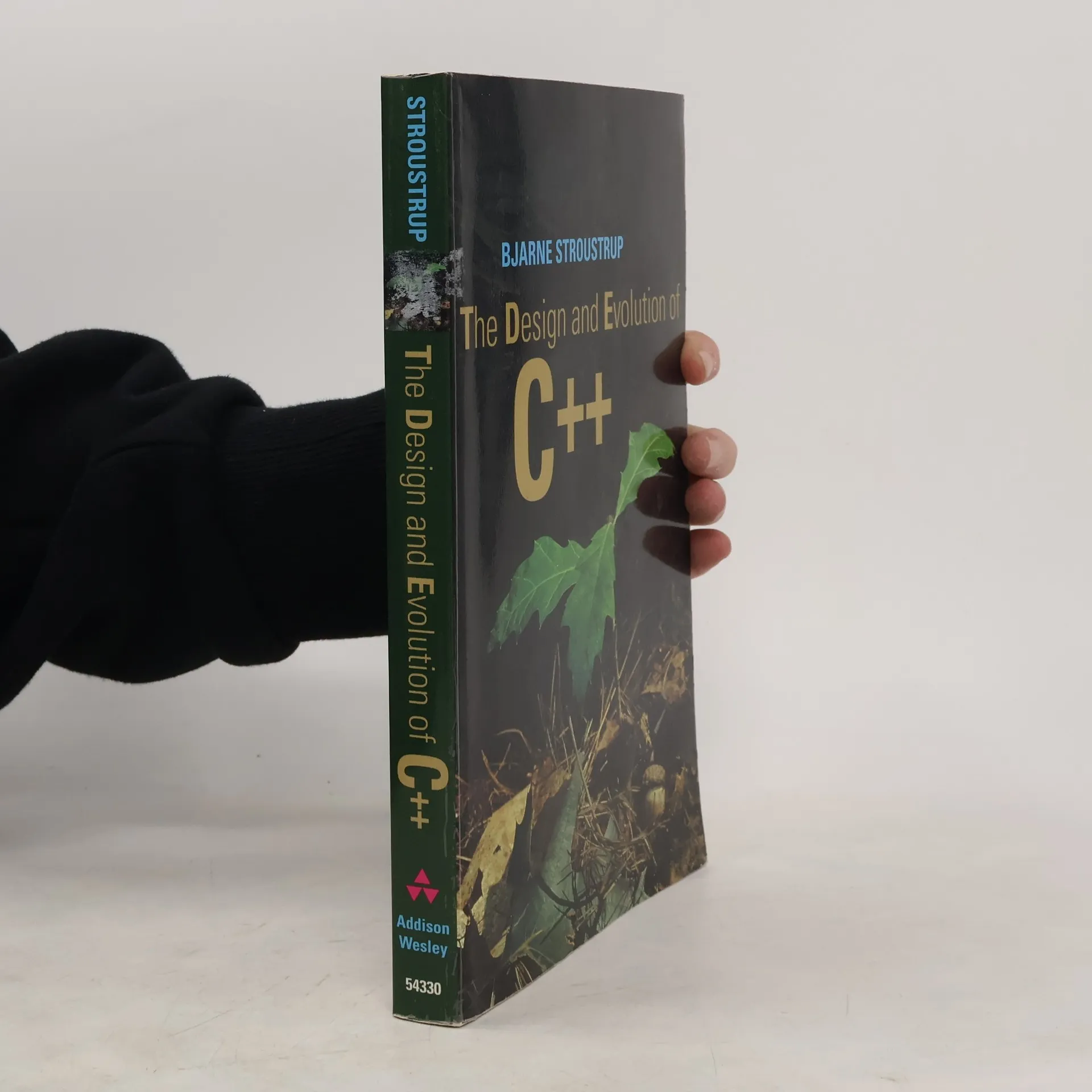
The designer of C++ recounts its development, dissecting the decisions made in the creation of the language to present a case study in real object-oriented development for the working programmer. In doing so, he presents his views on programming and design in a concrete and useful way. Topics include a prehistory of C++, C with classes, C++ language design rules, standardization, libraries, memory management, multiple inheritance, casting, templates, and exception handling. Annotation copyright Book News, Inc. Portland, Or.
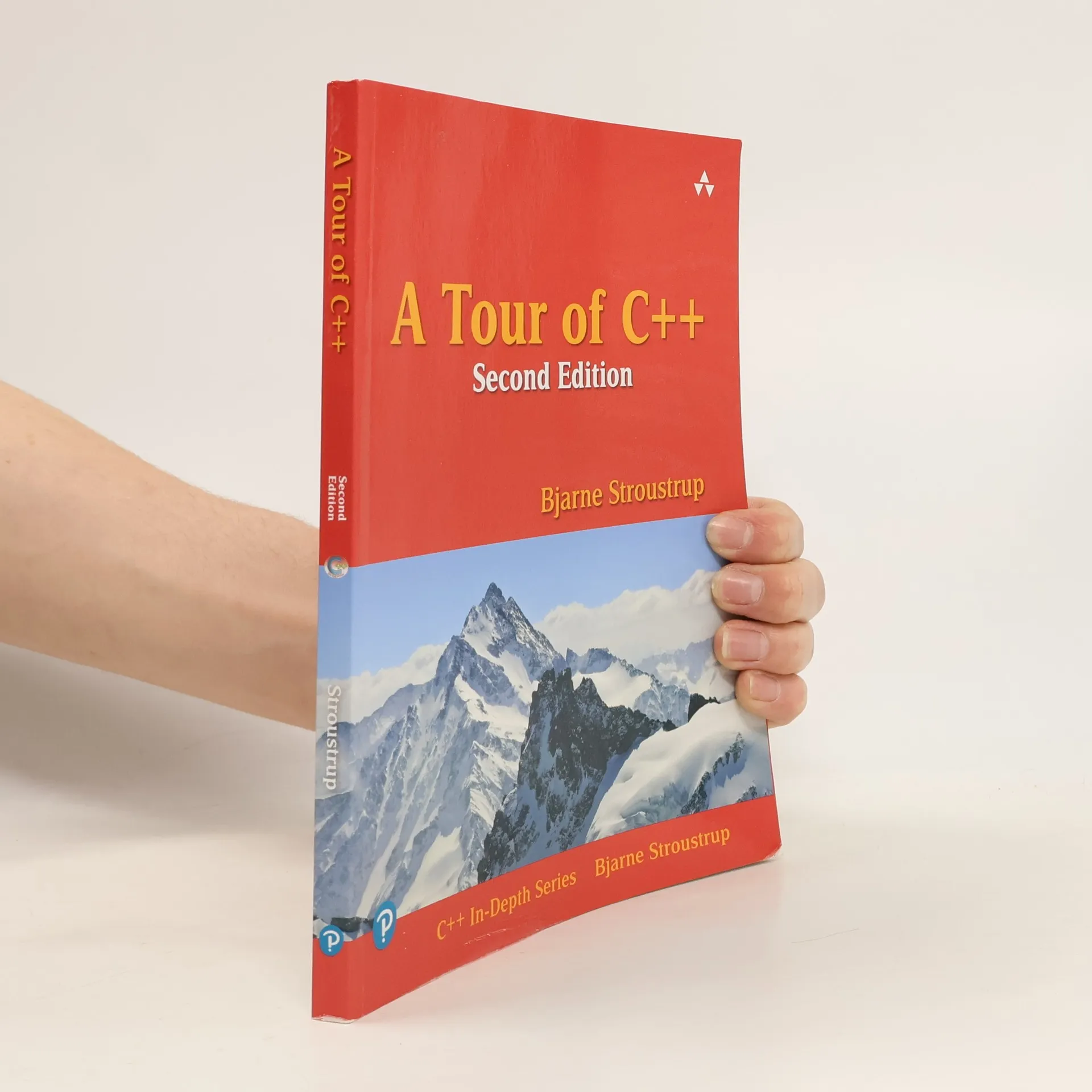
In this concise guide, Bjarne Stroustrup, the creator of C++, outlines the essentials of modern C++. It covers major language features and standard-library components, providing programmers with a meaningful overview, key examples, and practical assistance for getting started. Stroustrup presents C++ features within the context of various programming styles, including object-oriented and generic programming. The coverage begins with the basics and extends to advanced topics, including new features from C++17 like move semantics, uniform initialization, lambda expressions, improved containers, random numbers, and concurrency. Additionally, it touches on upcoming C++20 extensions such as concepts and modules, concluding with insights into the design and evolution of C++. This guide is not intended to teach programming; for that, Stroustrup's other works are recommended. While it won't be the sole resource for mastering C++, it serves as an excellent introduction for C or C++ programmers seeking to deepen their understanding of the current language, as well as for those familiar with other programming languages wanting to grasp the nature and advantages of modern C++.
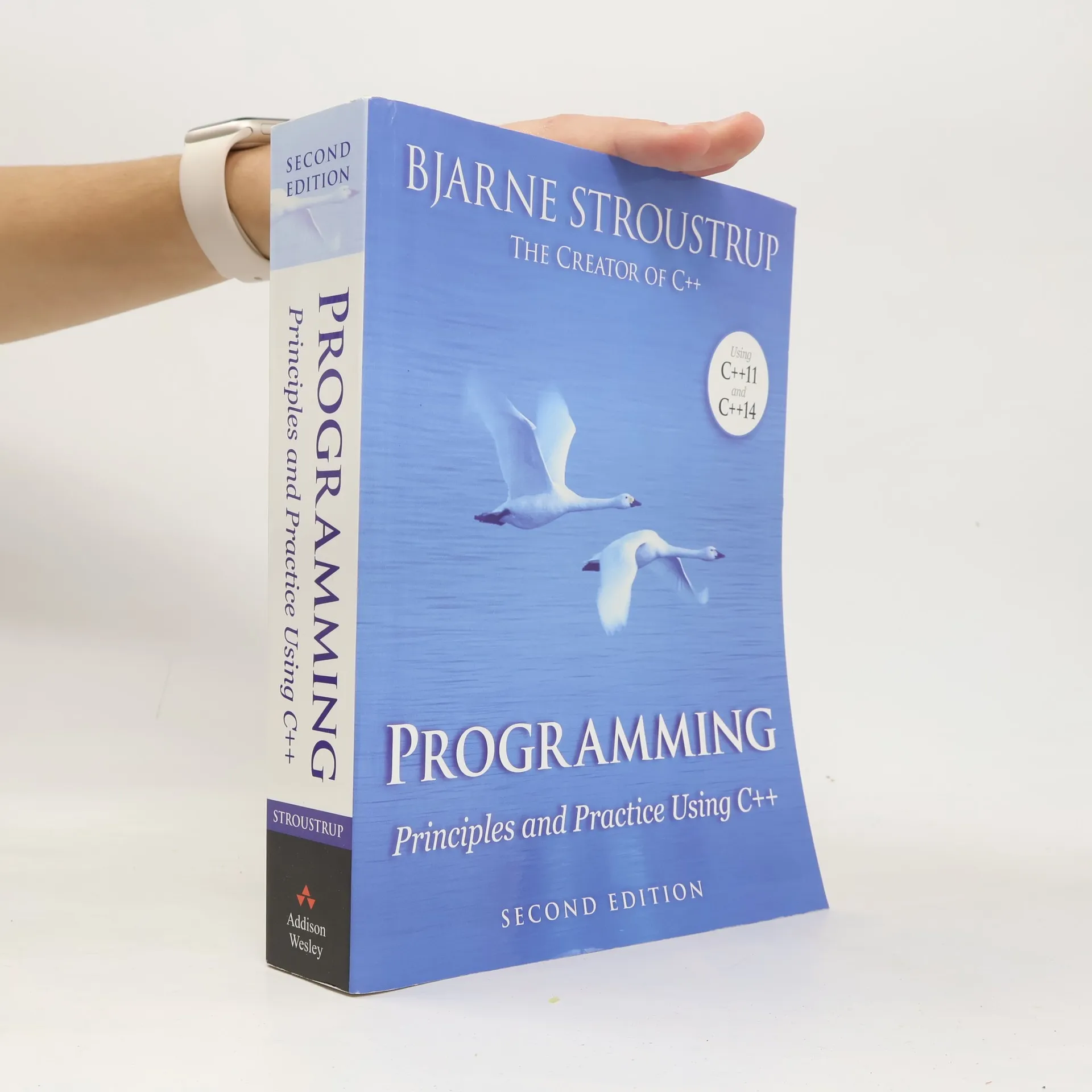
An introduction to programming by the inventor of C++, Programming prepares students for programming in the real world. This book assumes that they aim eventually to write non-trivial programs, whether for work in software development or in some other technical field. It explains fundamental concepts and techniques in greater depth than traditional introductions. This approach gives students a solid foundation for writing useful, correct, maintainable, and efficient code. This book is an introduction to programming in general, including object-oriented programming and generic programming. It is also a solid introduction to the C++ programming language, one of the most widely used languages for real-world software. It presents modern C++ programming techniques from the start, introducing the C++ standard library to simplify programming tasks.
1. Introductory material -- 2. Basic facilities -- 3. Abstraction mechanisms -- 4. The standard library.
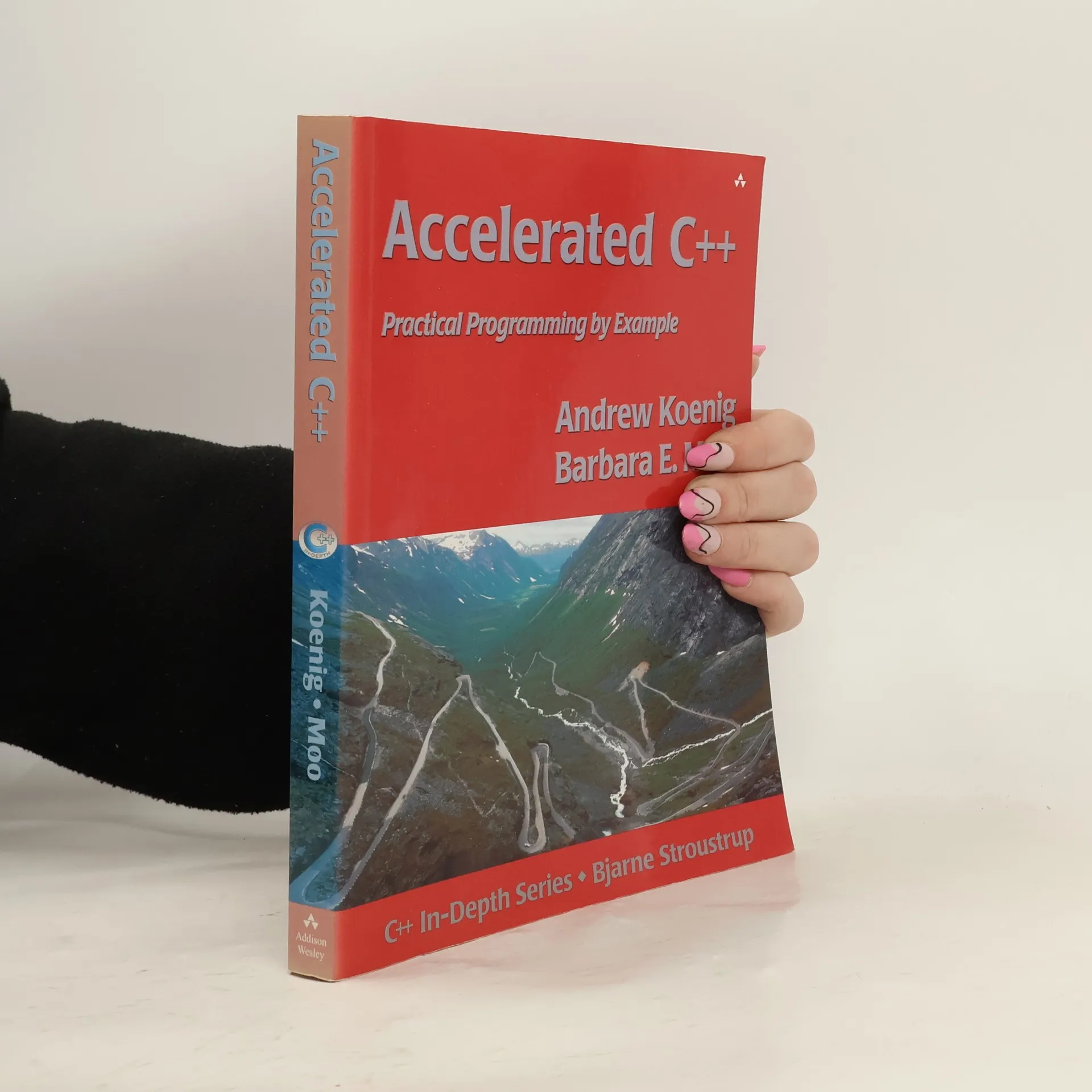
Want to learn how to program in C++ immediately? Want to start writing better, more powerful C++ programs today? Accelerated C++'s uniquely modern approach will help you learn faster and more fluently than you ever believed possible. Based on the authors' intensive summer C++ courses at Stanford University, Accelerated C++ covers virtually every concept that most professional C++ programmers will ever use -- but it turns the "traditional" C++ curriculum upside down, starting with the high-level C++ data structures and algorithms that let you write robust programs immediately . Once you're getting results, Accelerated C++ takes you "under the hood," introducing complex language features such as memory management in context , and explaining exactly how and when to use them. From start to finish, the book concentrates on solving problems, rather than learning language and library features for their own sake. The result: You'll be writing real-world programs in no time -- and outstanding code faster than you ever imagined.
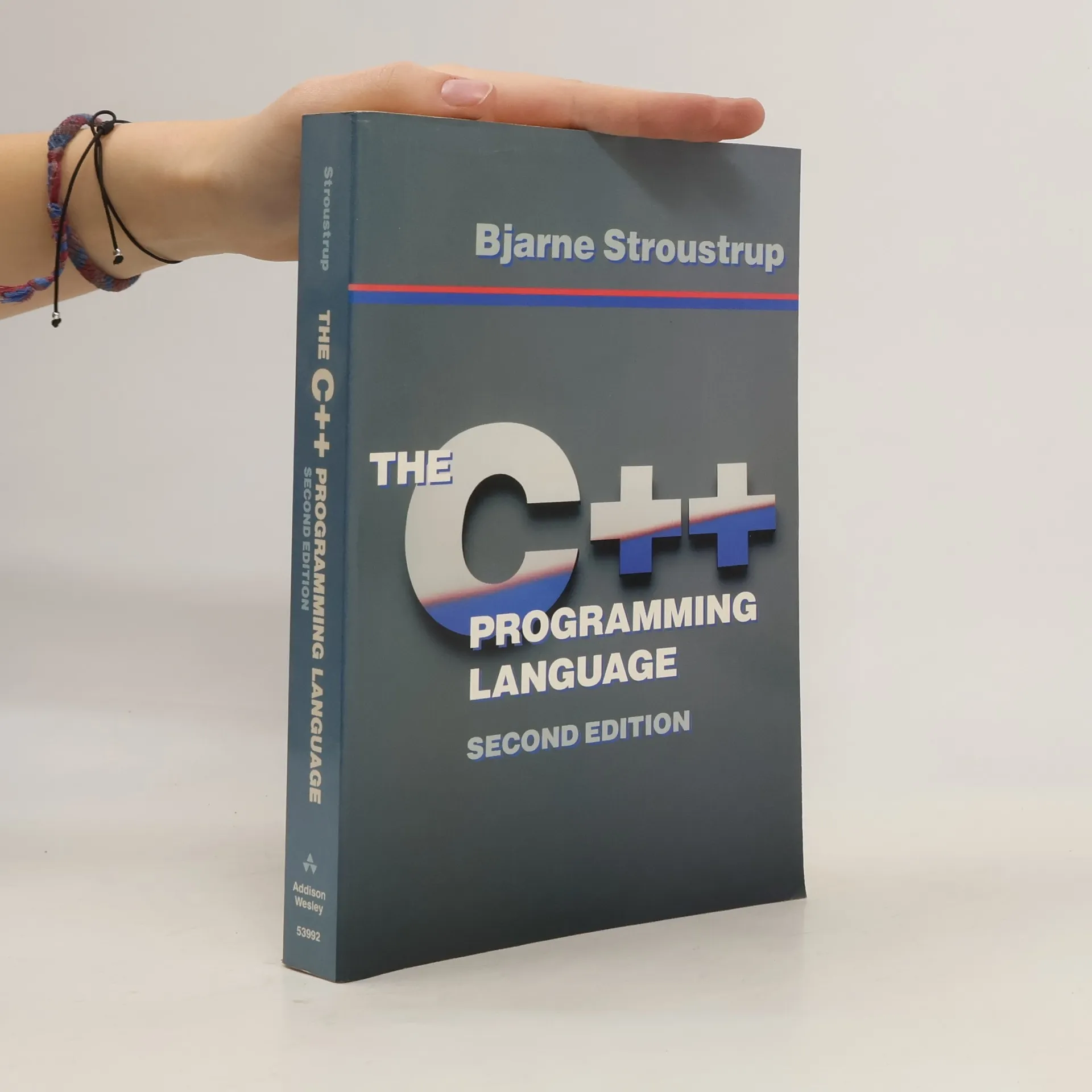
Designed for use with C++ Release 2.0, the newest release of the language. Stroustrup, the language's developer, offers annotations that explain its features and examples of how they can be used.
Readers can quickly become familiar with C++ through this book, which distills a broad and complex topic into essential knowledge for aspiring C++ programmers. The effective case study provides a consistent thread throughout the content. Designed for busy programmers, this resource offers a fast-track approach to learning and applying C++ in real-world scenarios. It emphasizes the most relevant elements of C++ programming, tackling features and techniques that address practical programming challenges. The book covers the basics of C++ within the frameworks of procedural, generic, object-based, and object-oriented programming. It is structured around a series of progressively complex programming problems, introducing language features as solutions. This method not only teaches the functions and structure of C++, but also conveys their purpose and rationale. Key topics include generic programming and the Standard Template Library (STL), object-based programming and class design, object-oriented programming and class hierarchy design, function and class template design, exception handling, and Run-Time Type Identification. Additionally, an appendix provides complete solutions and detailed explanations for the exercises at the end of each chapter, while a second appendix serves as a quick reference for generic algorithms with usage examples. This concise tutorial equips readers with a working knowledge of C++ and a solid foundat
Der praktische Leitfaden für modernes C++.Übersetzung der 3. Auflage
Dieses Buch bietet erfahrenen Programmierern einen praktischen Überblick über C++20 nach ISO-Standard und vermittelt ein klares Verständnis für den Einsatz von modernem C++. Anhand zahlreicher Codebeispiele und hilfreicher Praxistipps werden die Hauptfeatures der Sprache sowie der Standardbibliothek behandelt, die für den effektiven Einsatz unverzichtbar sind. Der Autor stellt die einzelnen Sprachfeatures vor und zeigt deren Anwendung im Kontext verschiedener Programmierstile, wie der objektorientierten oder generischen Programmierung. Die Tour beginnt mit den Grundlagen und fokussiert sich auf fortgeschrittene Techniken, insbesondere die neueren Sprachfeatures. Zahlreiche mit C++20 neu eingeführte Features werden abgedeckt, darunter Module, Konzepte, Koroutinen und Bereiche. Auch einige Komponenten, die nicht vor C++23 in den Standard integriert werden, werden vorgestellt. Für Leser mit Programmierkenntnissen in C++ oder einer anderen Sprache ist dies eine kompakte und verständliche Einführung in die Besonderheiten und Vorteile von modernem C++. Die Themen umfassen Funktionen, Referenzen, benutzerdefinierte Typen, Modularität, Fehlerbehandlung, Klassen, Templates, die Standardbibliothek, Algorithmen, Nebenläufigkeit und zahlreiche Ratschläge für effektives Programmieren aus den »C++ Core Guidelines«.
Bjarne Stroustrup, Erfinder von C++, eine der weltweit am häufigsten verwendetenProgrammiersprachen, gibt basierend auf seiner langjährigen Erfahrungin Softwareentwicklung und Lehre mit diesem didaktisch ausgefeilten Werkeinen praxisnahen und problemorientierten Einstieg in die Programmierungmithilfe von C++. Im Gegensatz zu anderen Einführungen in die Programmierungdeckt dieses Buch praxisorientierte Themen wie die Wartbarkeit vonCode, das Testen und die professionelle Softwareentwicklung ab. Stroustrup bietet einenexzellenten Einstieg in die Standard Template Library (STL) von C++, welche eine große Anzahlvon effizienten Algorithmen und Datenstrukturen zur Verfügung stellt. Viele konkreteAnwendungsbeispiele untermauern den innovativen Ansatz und gewähren dem Leser einenspannenden Einblick in Themen wie die Parserentwicklung oder die Programmierung vongrafischen Benutzeroberflächen. Für jeden, der sich intensiv mit der Programmierung oder mit professioneller Softwareentwicklungauseinandersetzen will, führt kein Weg an diesem Buch vorbei. Keine Frage, es ist wohl das bedeutendste Werk zum Thema Programmierung überhaupt!