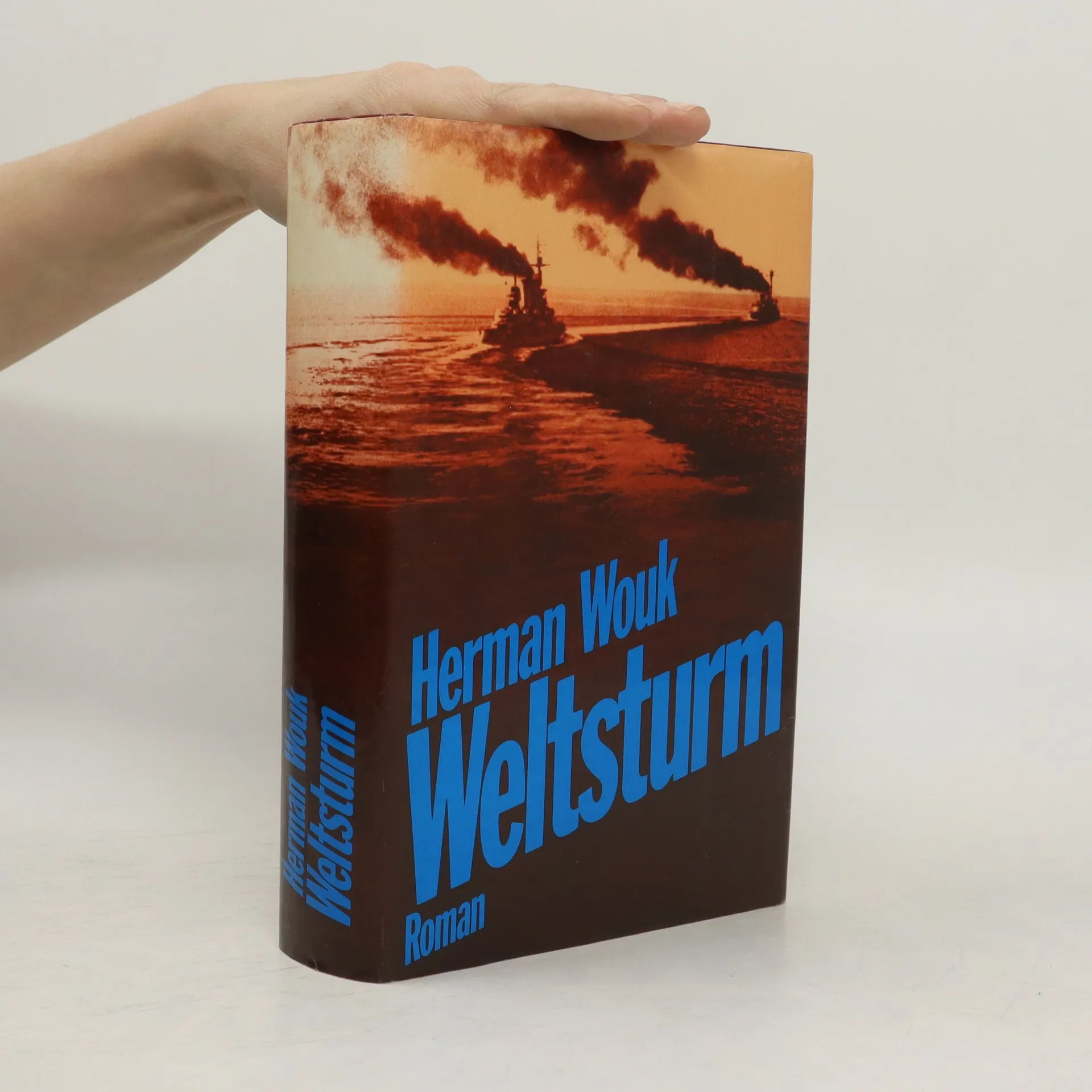
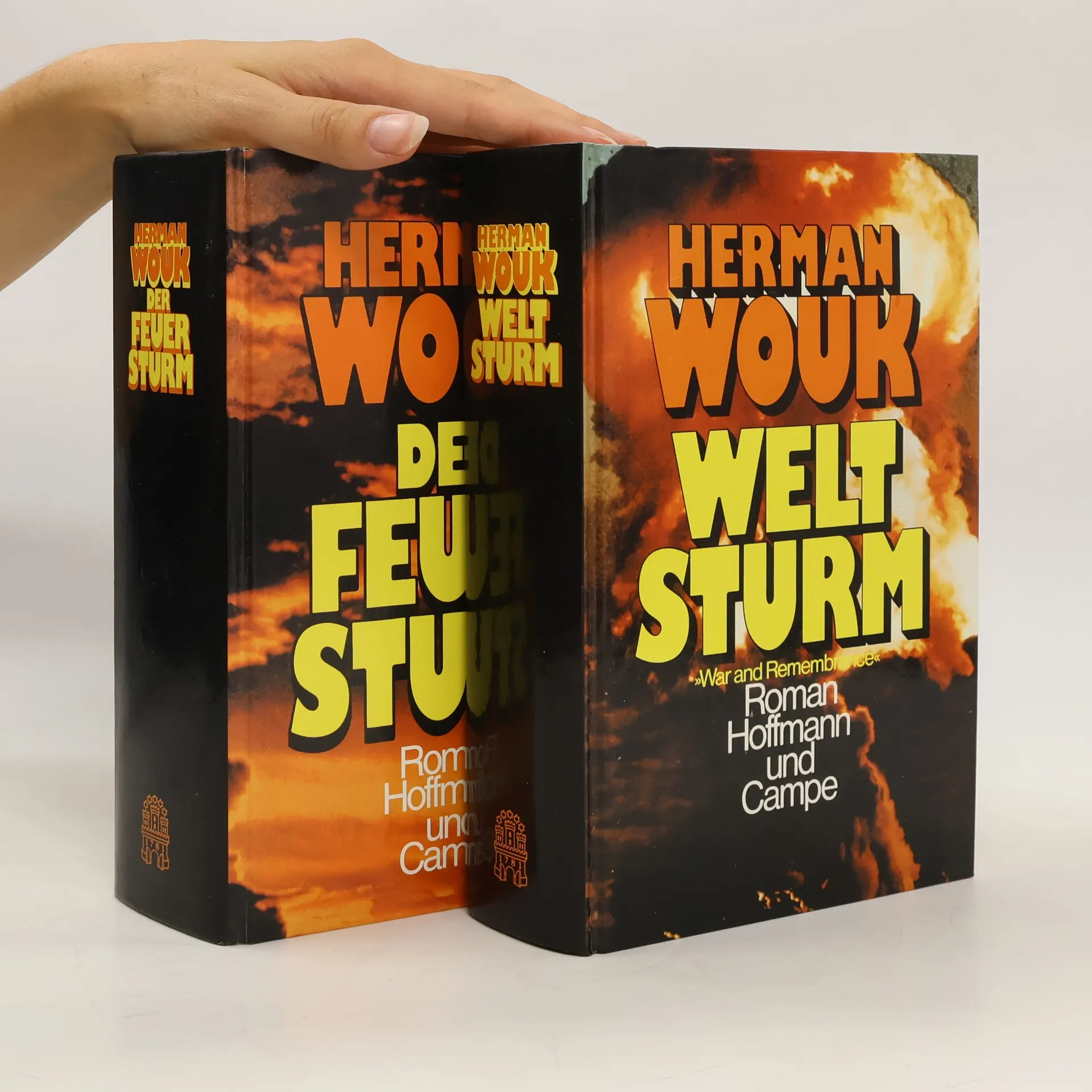
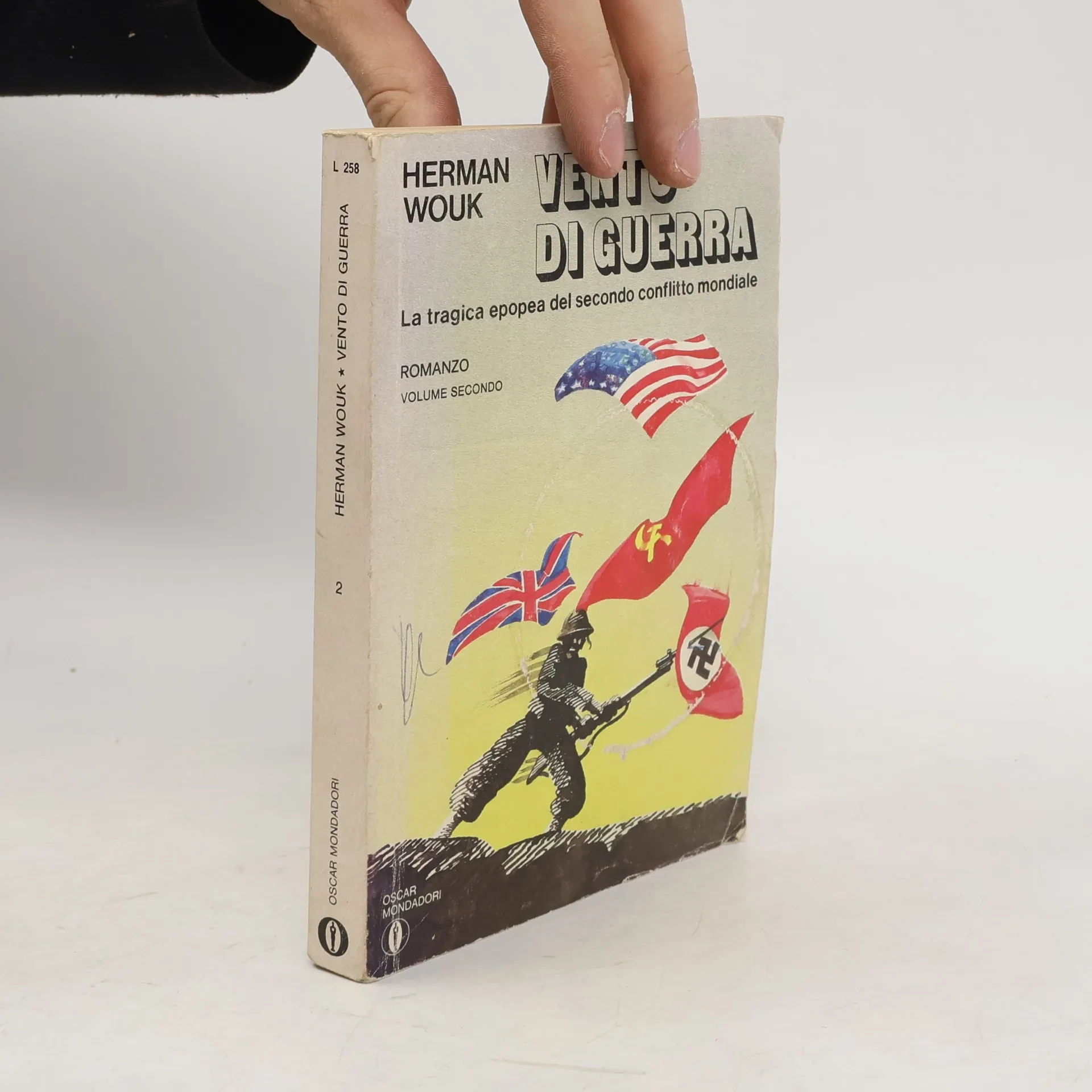
War and Remembrance
- 1056 pages
- 37 hours of reading
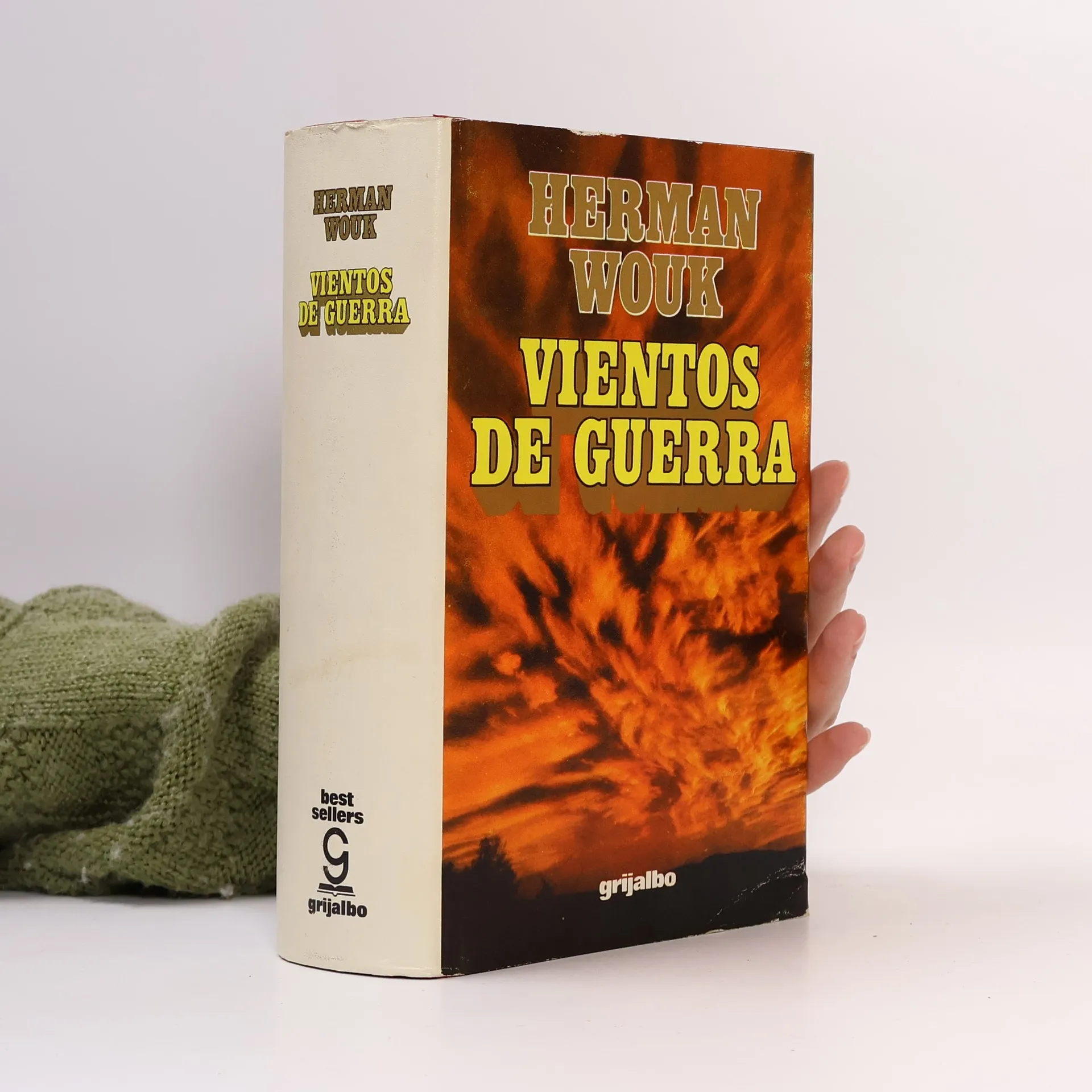
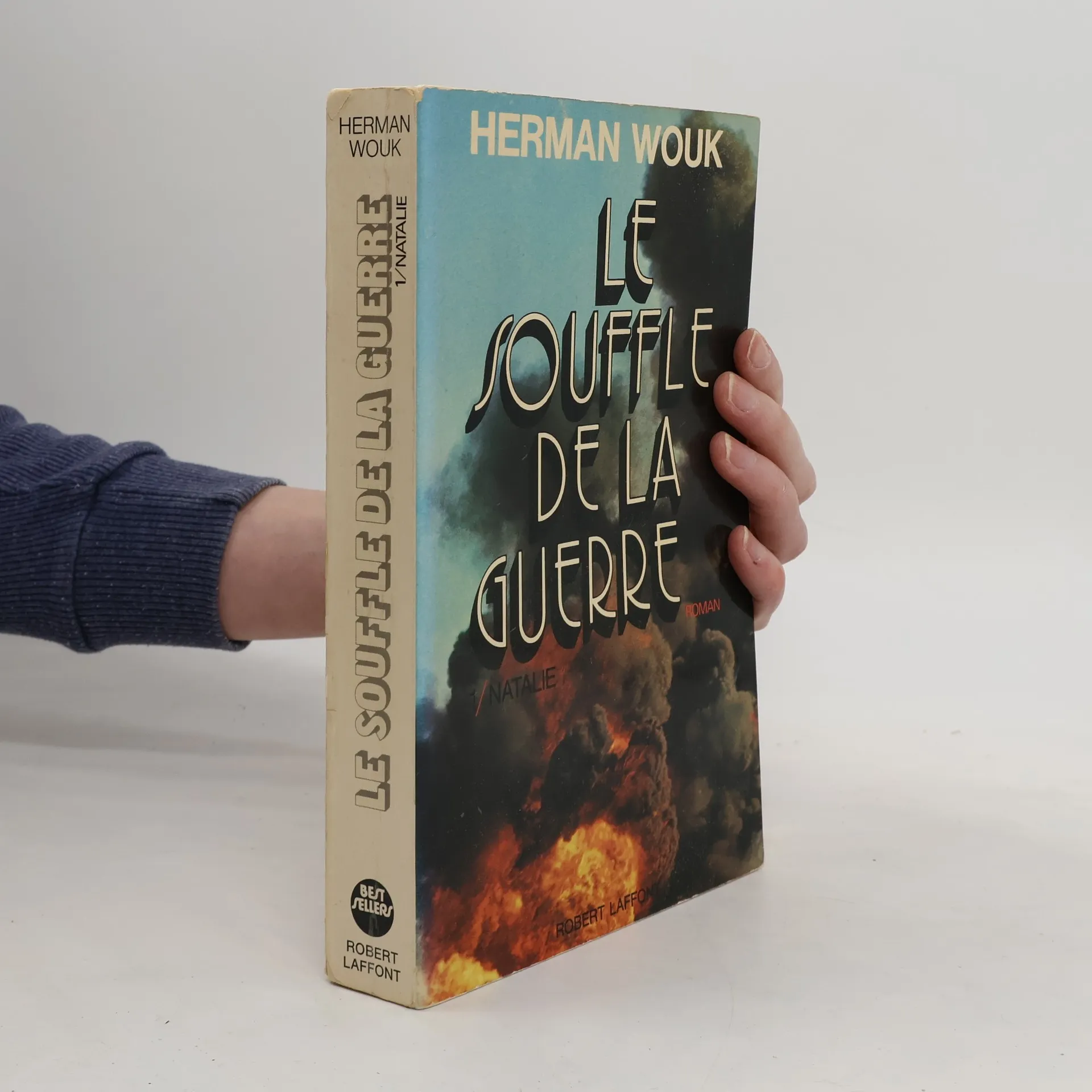
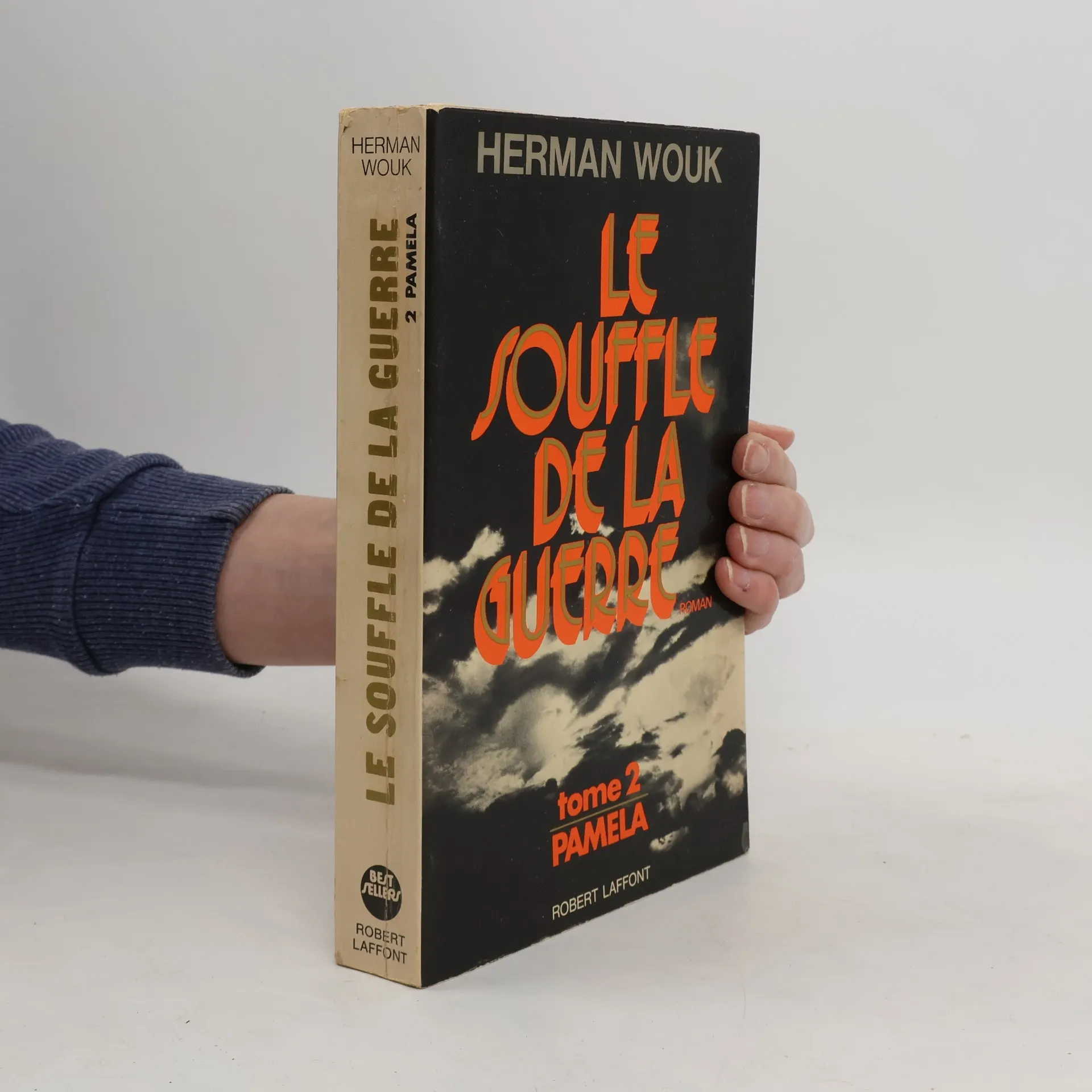
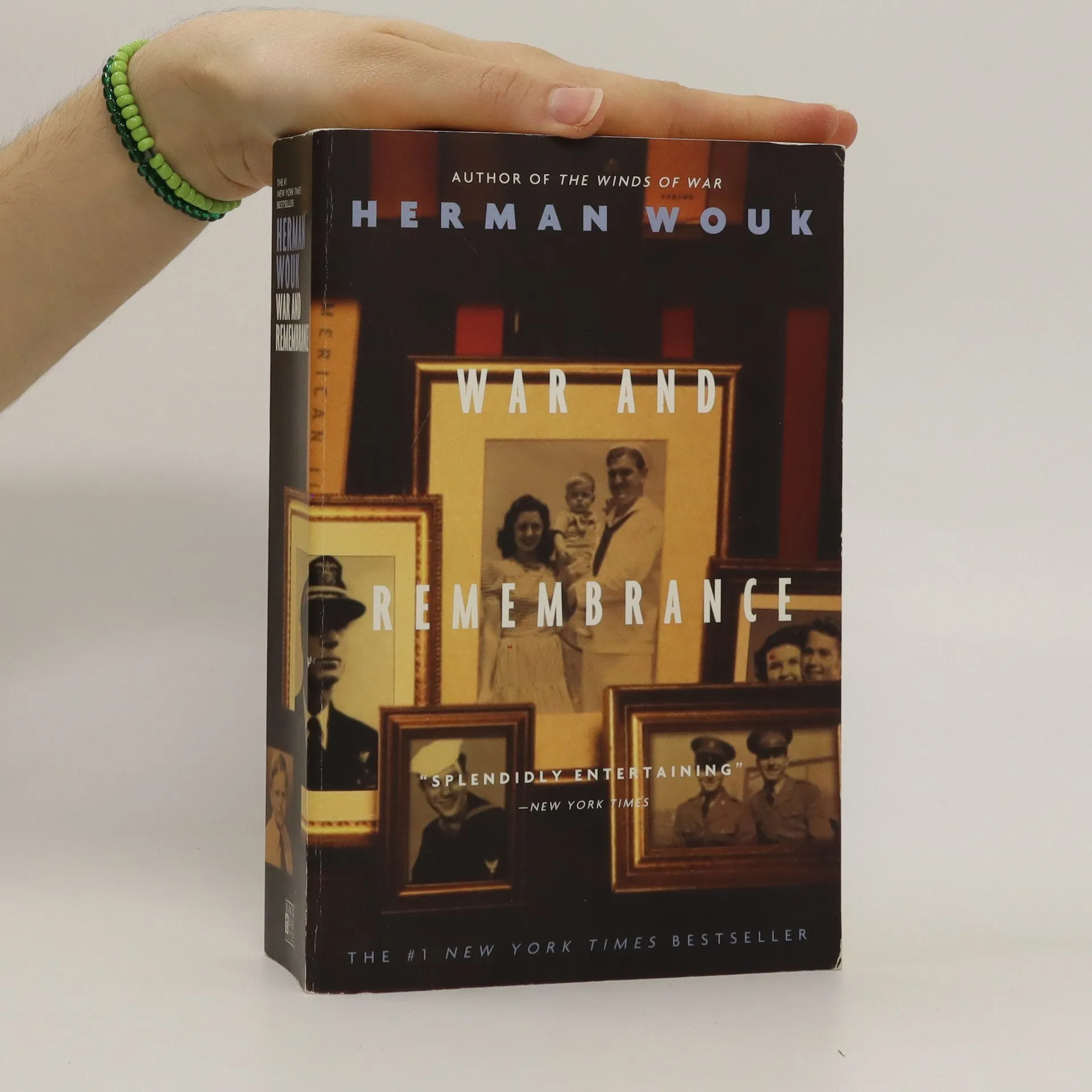
A sequel to "The Winds of War, " following the lives of members of the American Henry family as they deal with the triumphs and tragedies of life during the World War II years


Herman Wouk was an American author renowned for his sweeping historical novels and his exploration of the human psyche under duress. Drawing frequently from his own wartime experiences, his works delve into themes of morality, command, and the nature of individuals facing extreme pressure. Wouk masterfully intertwines historical events with deeply personal narratives, creating stories that are both compelling and thought-provoking. His ability to craft complex characters and capture the spirit of an era solidifies his place as a significant voice in American literature.


A sequel to "The Winds of War, " following the lives of members of the American Henry family as they deal with the triumphs and tragedies of life during the World War II years
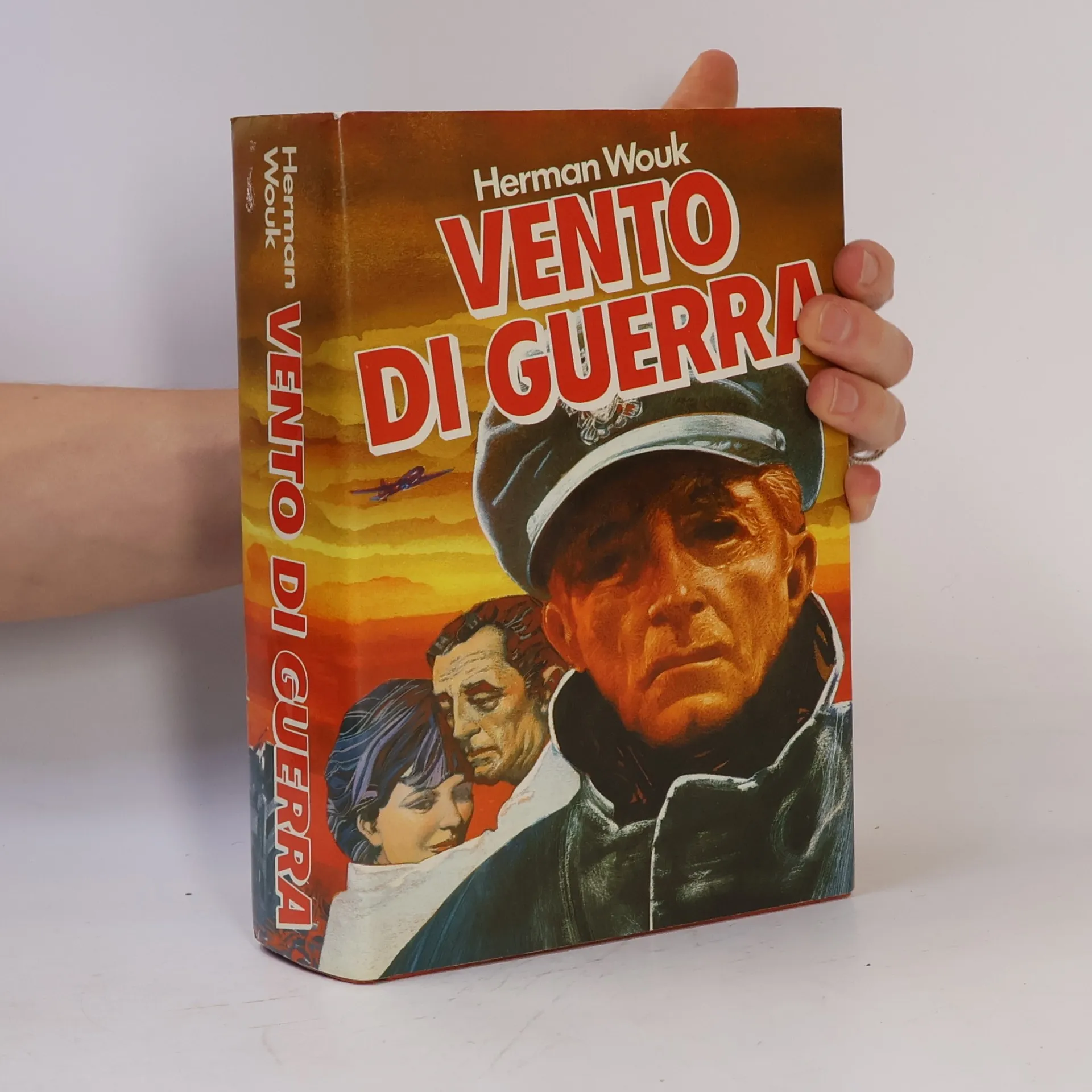
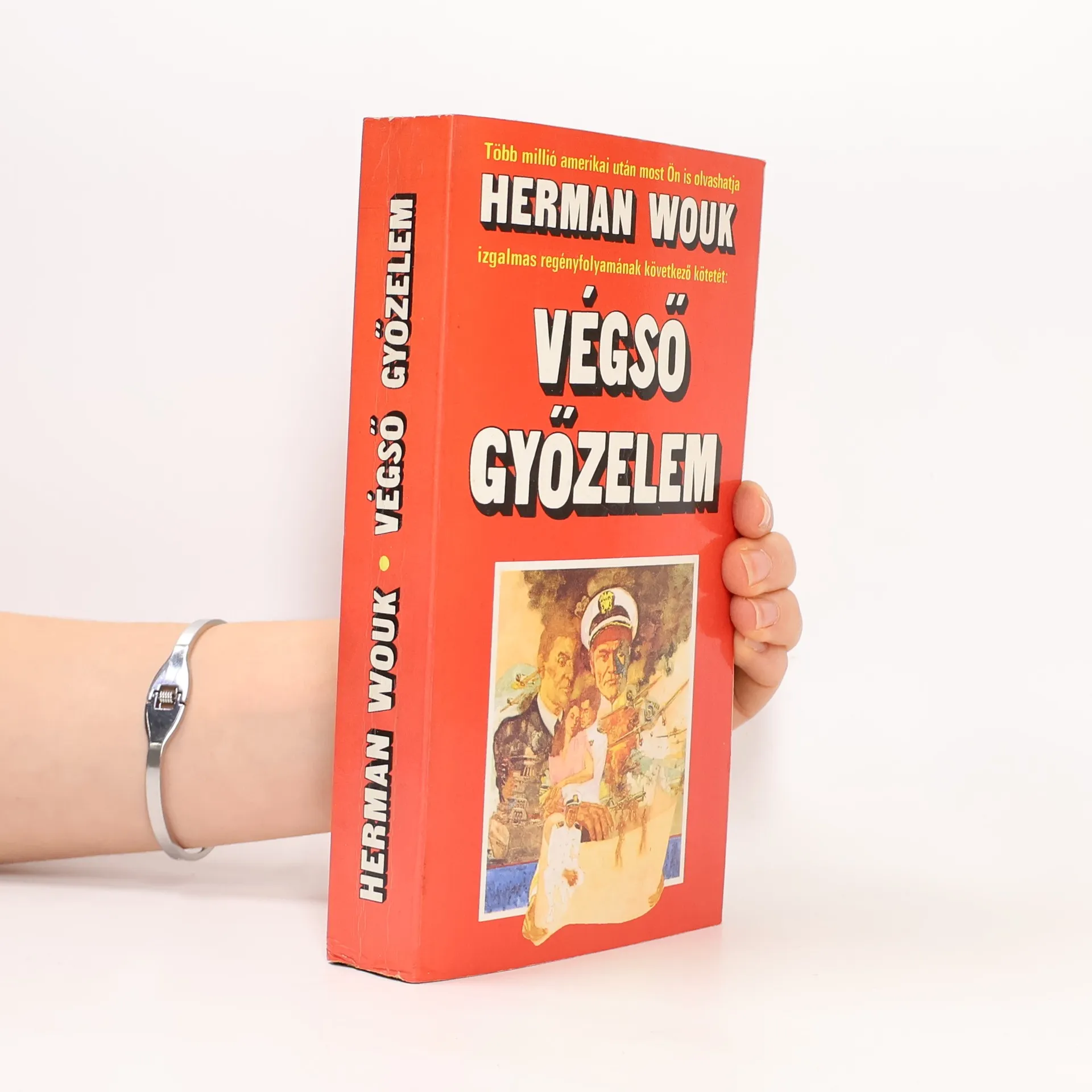
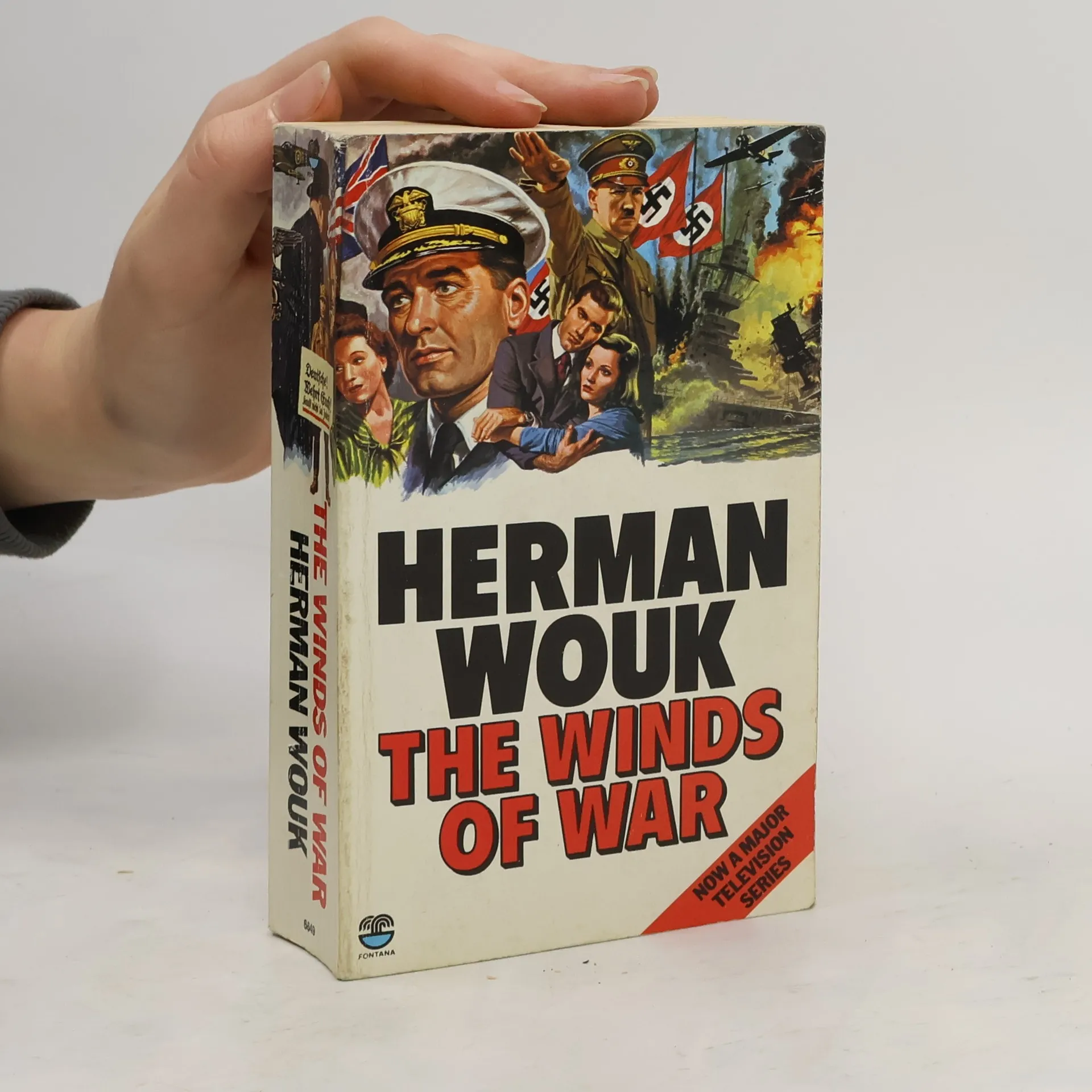
The Winds of War follows Commander Victor Pug Henry, U.S.N., as he is assigned to Berlin in 1939 as a naval attache. Concluding in December, 1941, with the bombing of Pearl Harbor, Henry sees his family and the world bracing for war. Adapted to television by Herman Wouk.
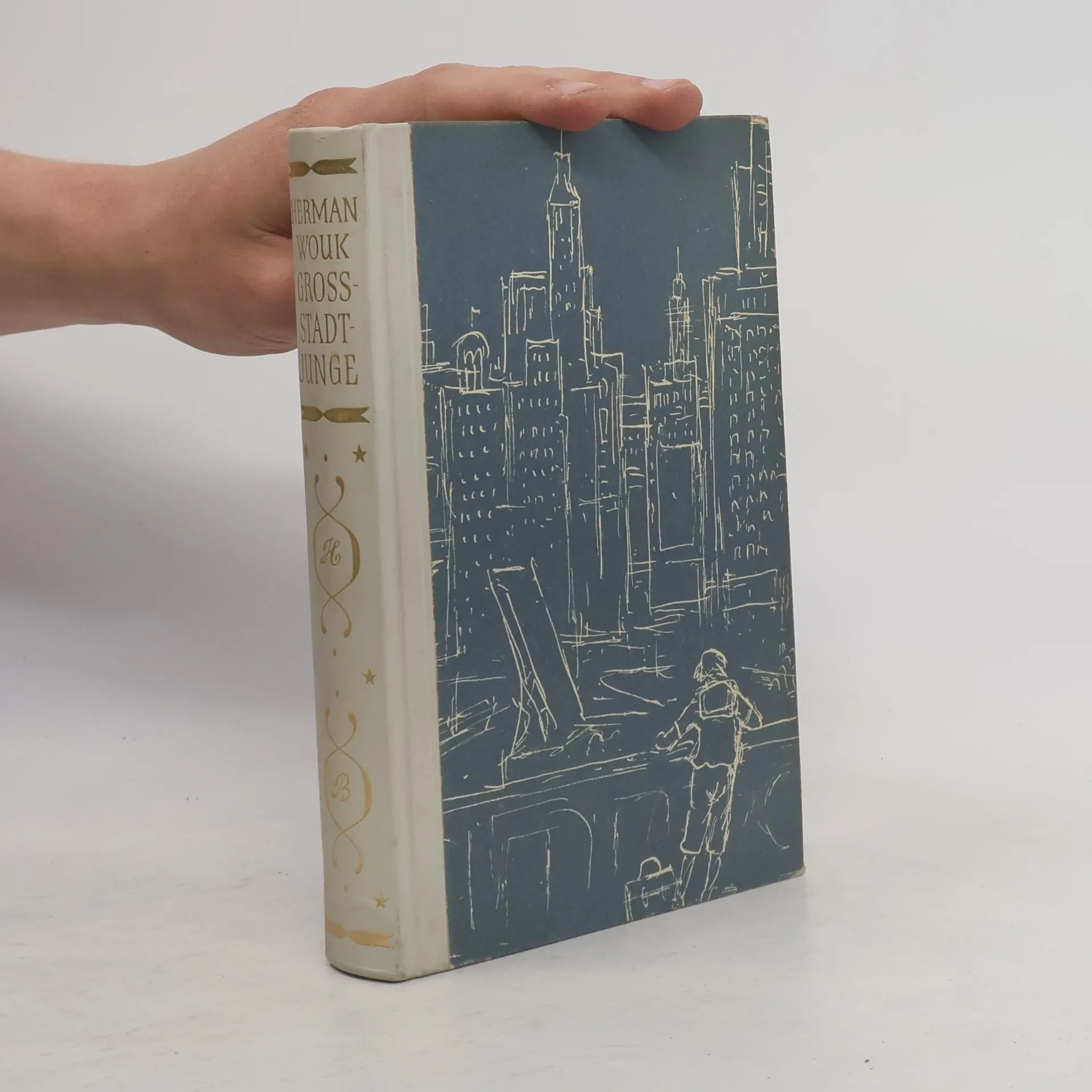
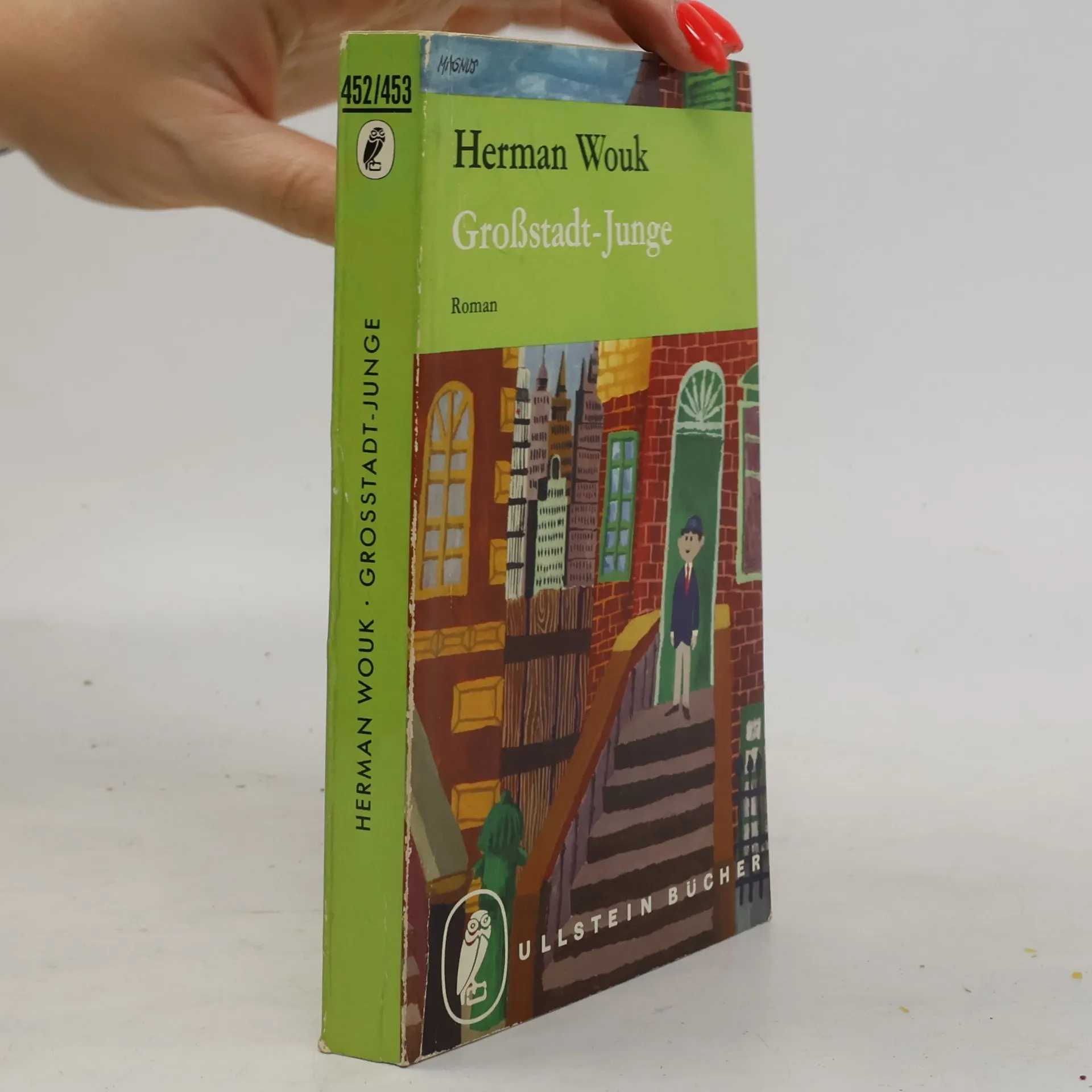
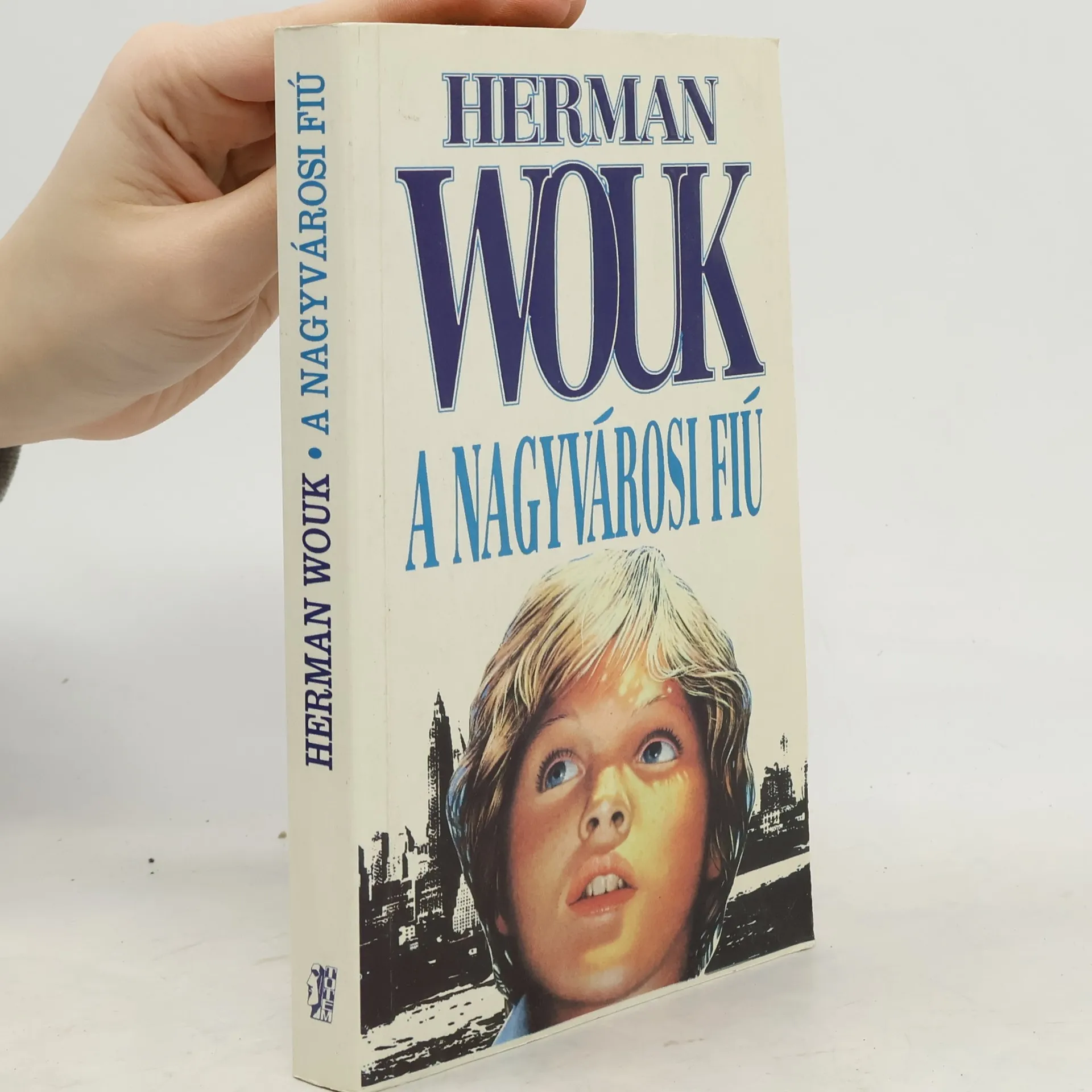
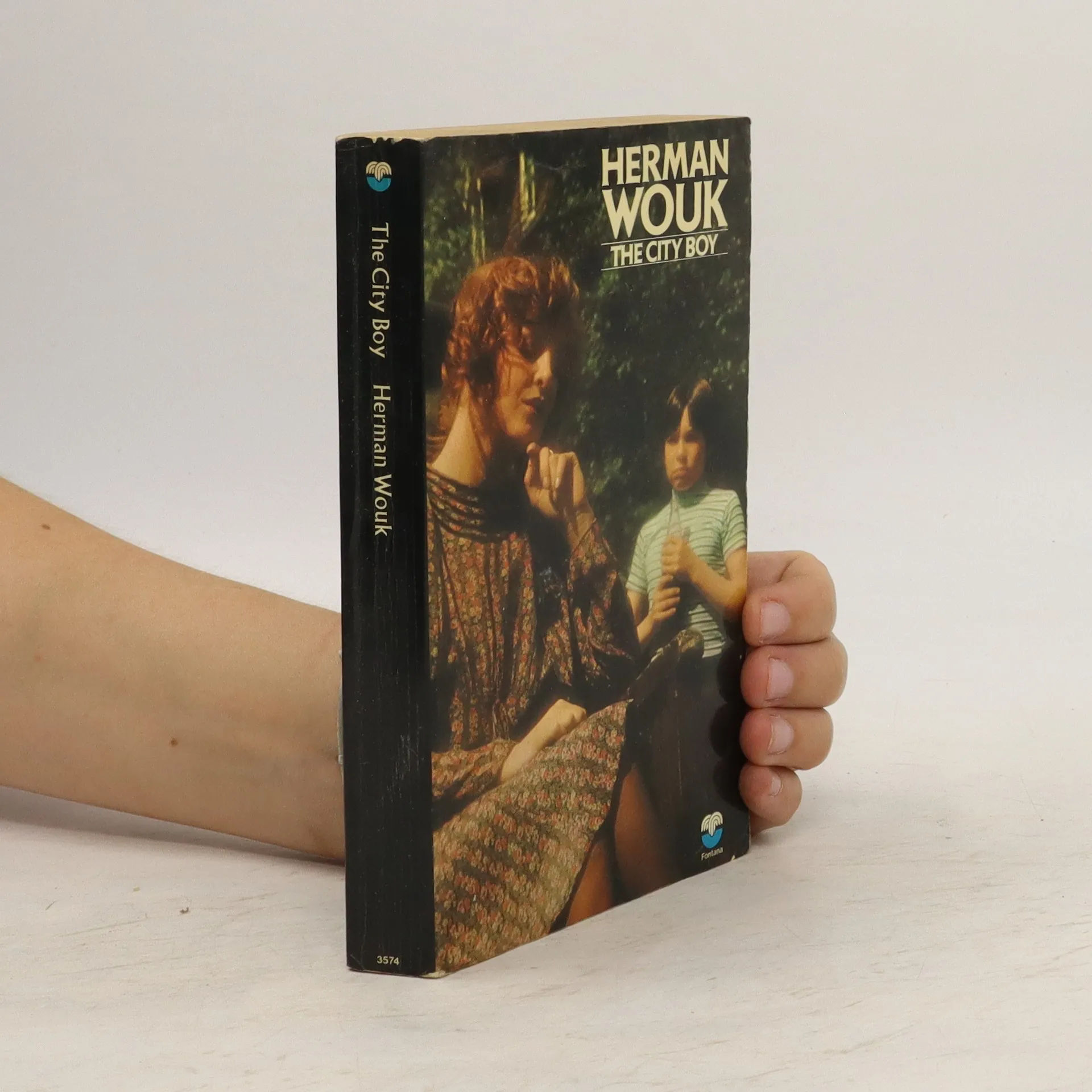
This is an alternate cover edition for 0006135749. 'City Boy' spins a hilarious and often touching tale of an urban kid's adventures and misadventures on the street, in school, in the countryside, always in pursuit of Lucille, a heartless redhead personifying all the girls who torment and fascinate pubescent lads of eleven.
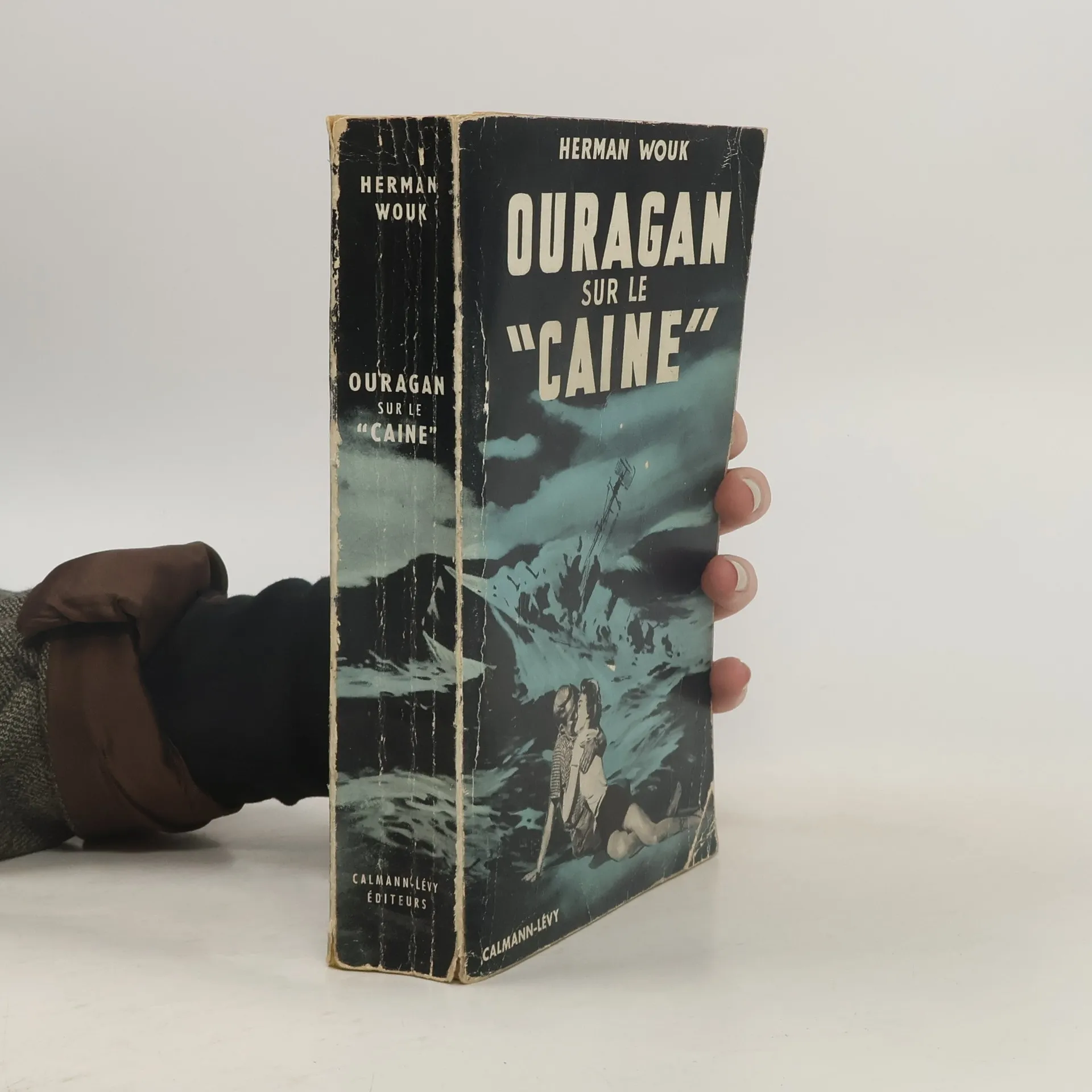
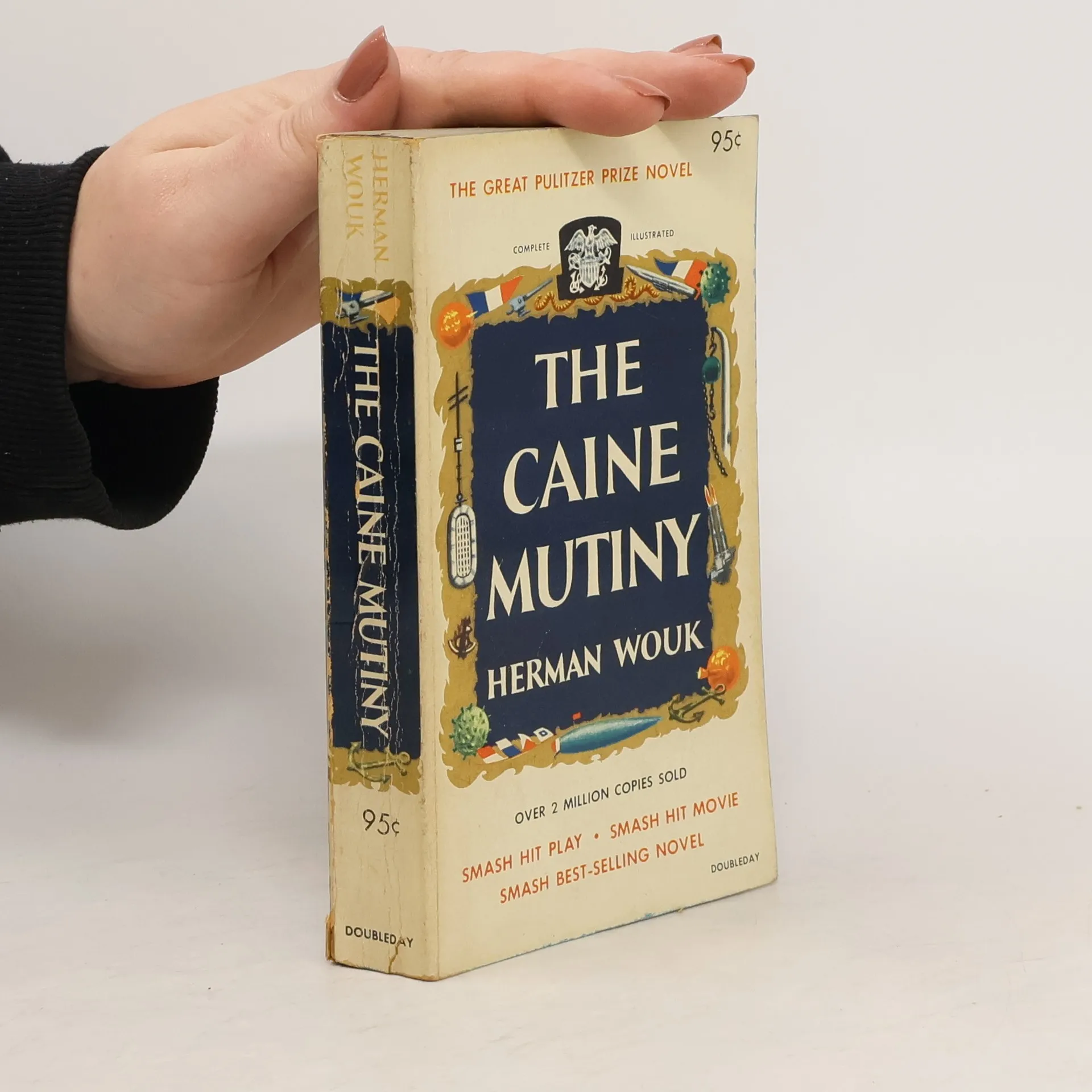
The Novel that Inspired the Now-Classic Film The Caine Mutiny and the Hit Broadway Play The Caine Mutiny Court-Martial Herman Wouk's boldly dramatic, brilliantly entertaining novel of life-and mutiny-on a Navy warship in the Pacific theater was immediately embraced, upon its original publication in 1951, as one of the first serious works of American fiction to grapple with the moral complexities and the human consequences of World War II. In the intervening half century, The Caine Mutiny has become a perennial favorite of readers young and old, has sold millions of copies throughout the world, and has achieved the status of a modern classic.
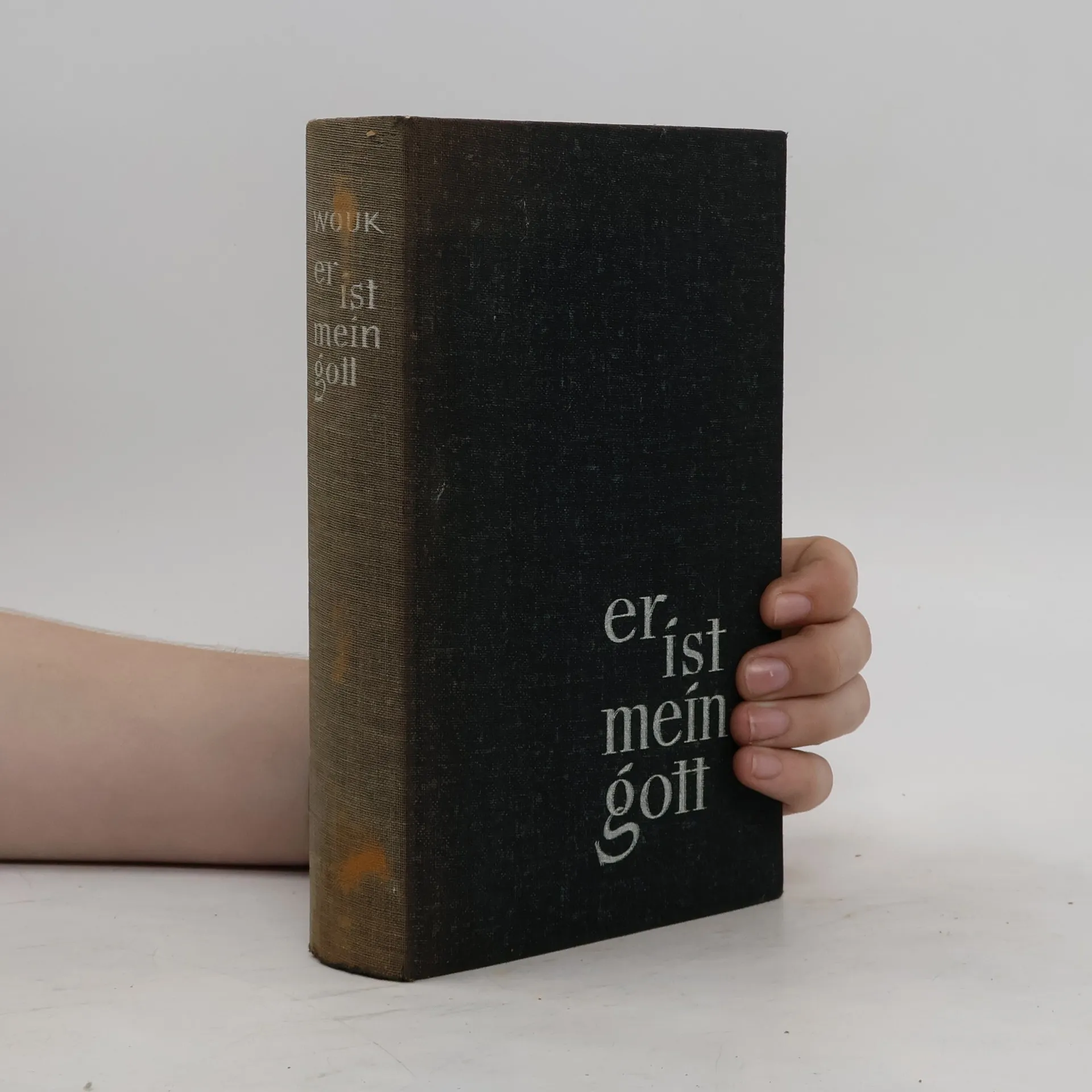
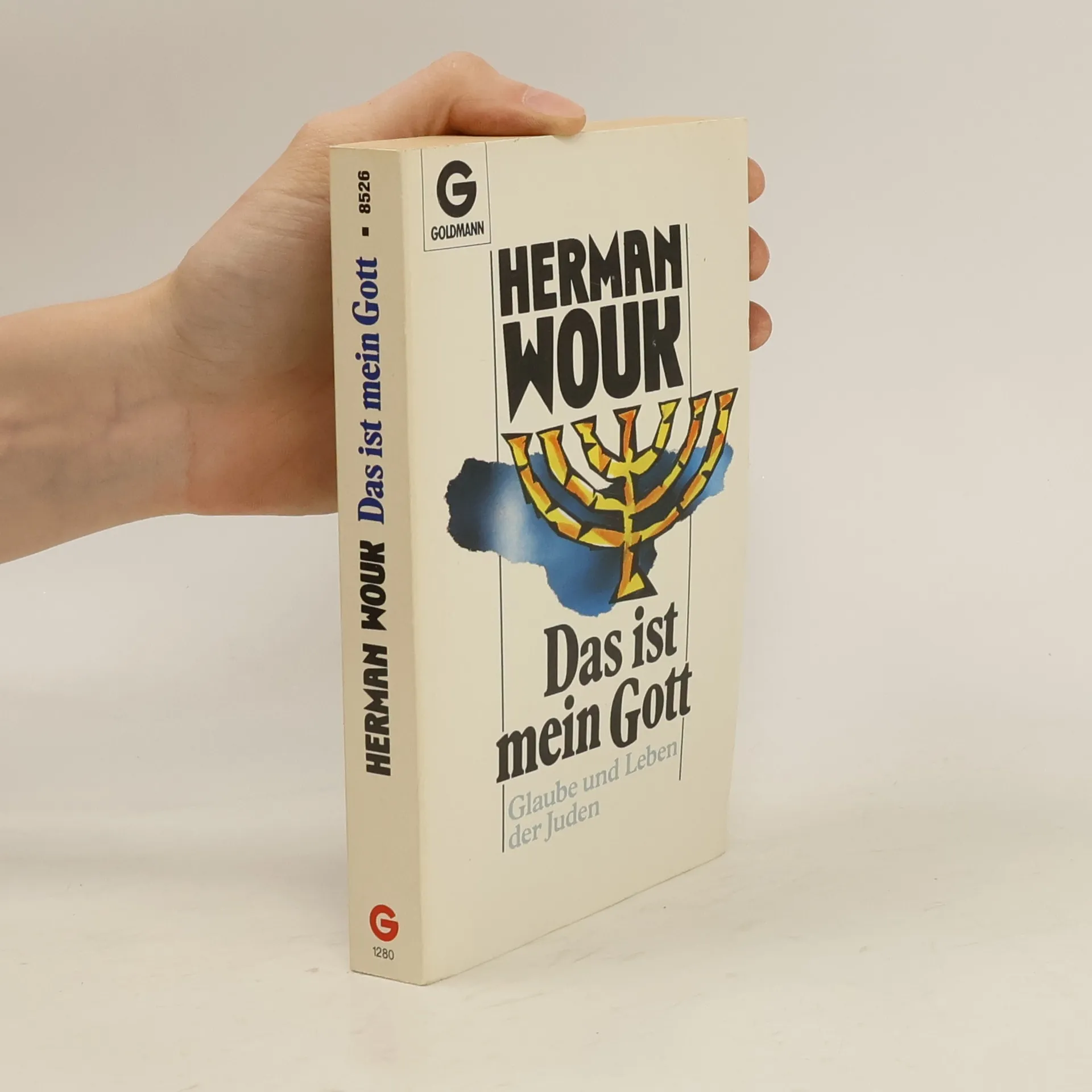
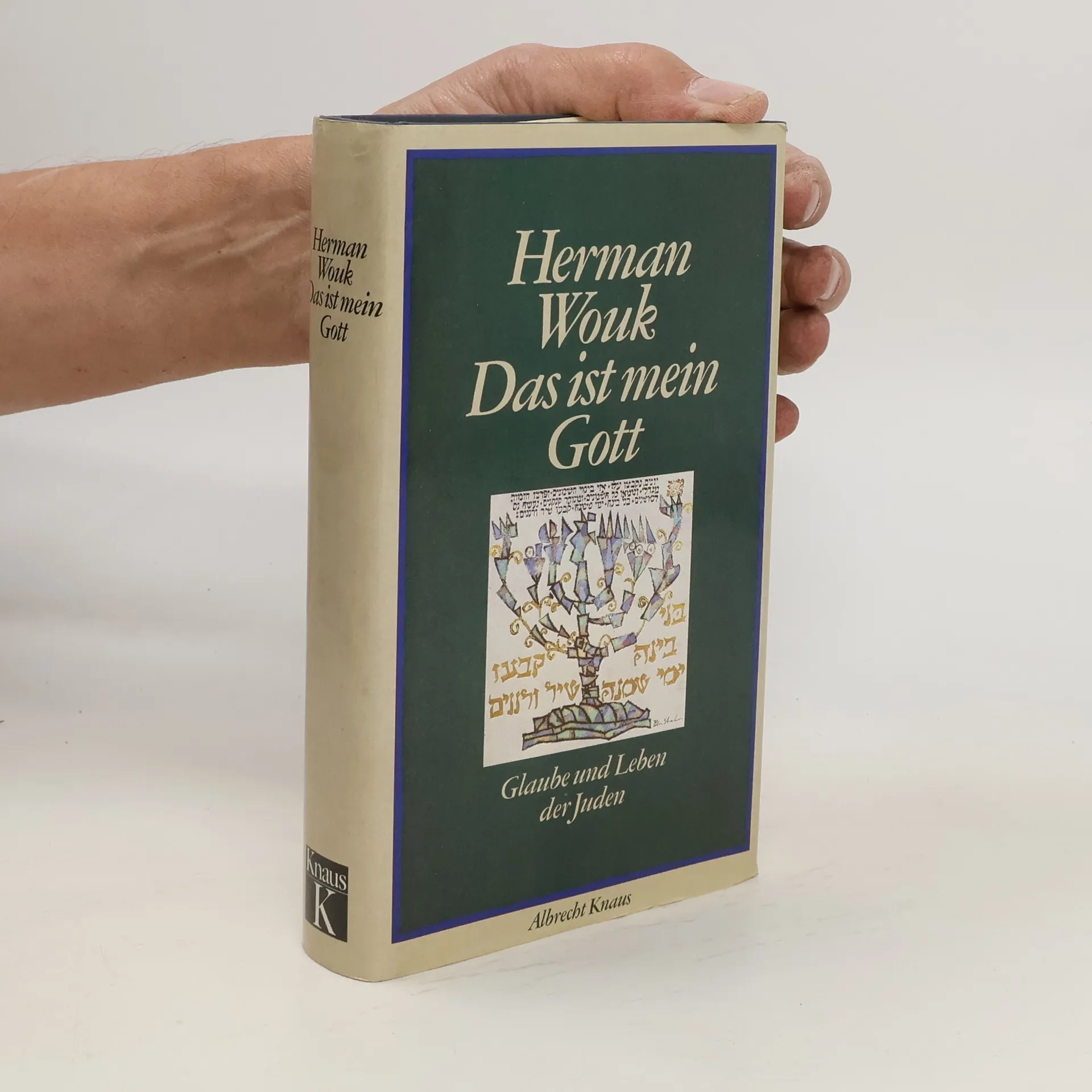
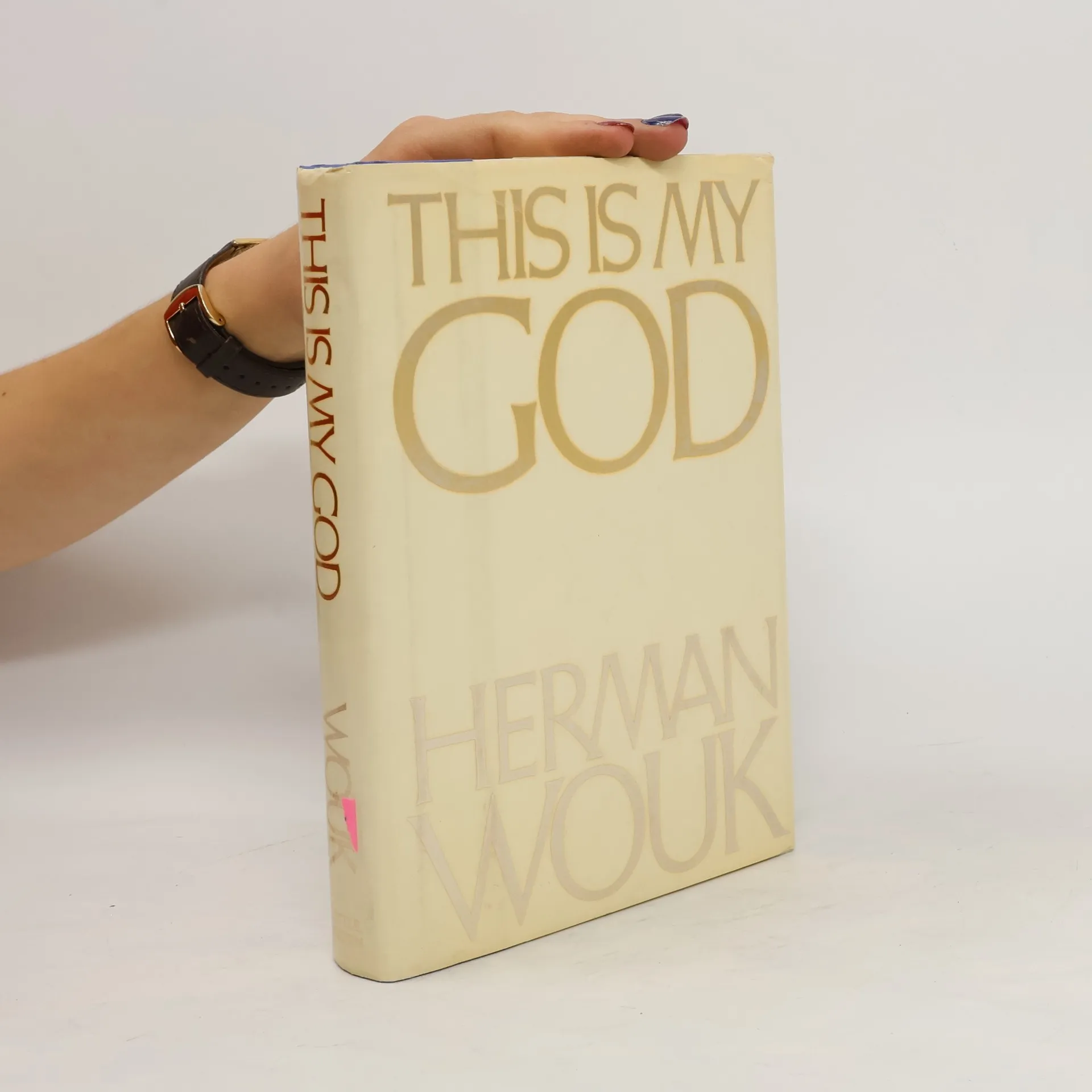
This Is My God is Herman Wouk's famous introduction to Judaism completely updated and revised with a new chapter, Israel at Forty. A miracle of brevity, it guides readers through the world's oldest practicing religion with all the power, clarity and wit of Wouk's celebrated novels.
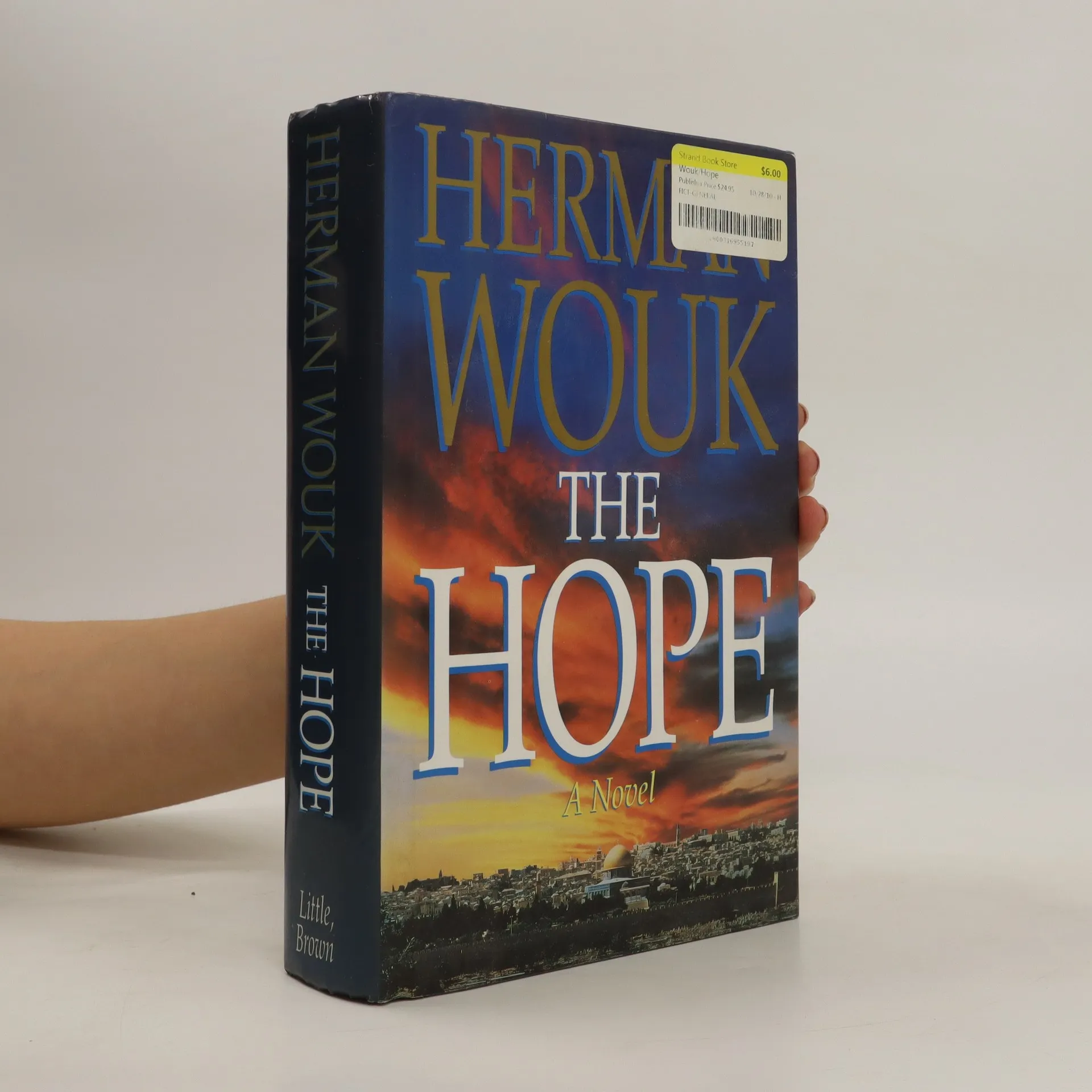
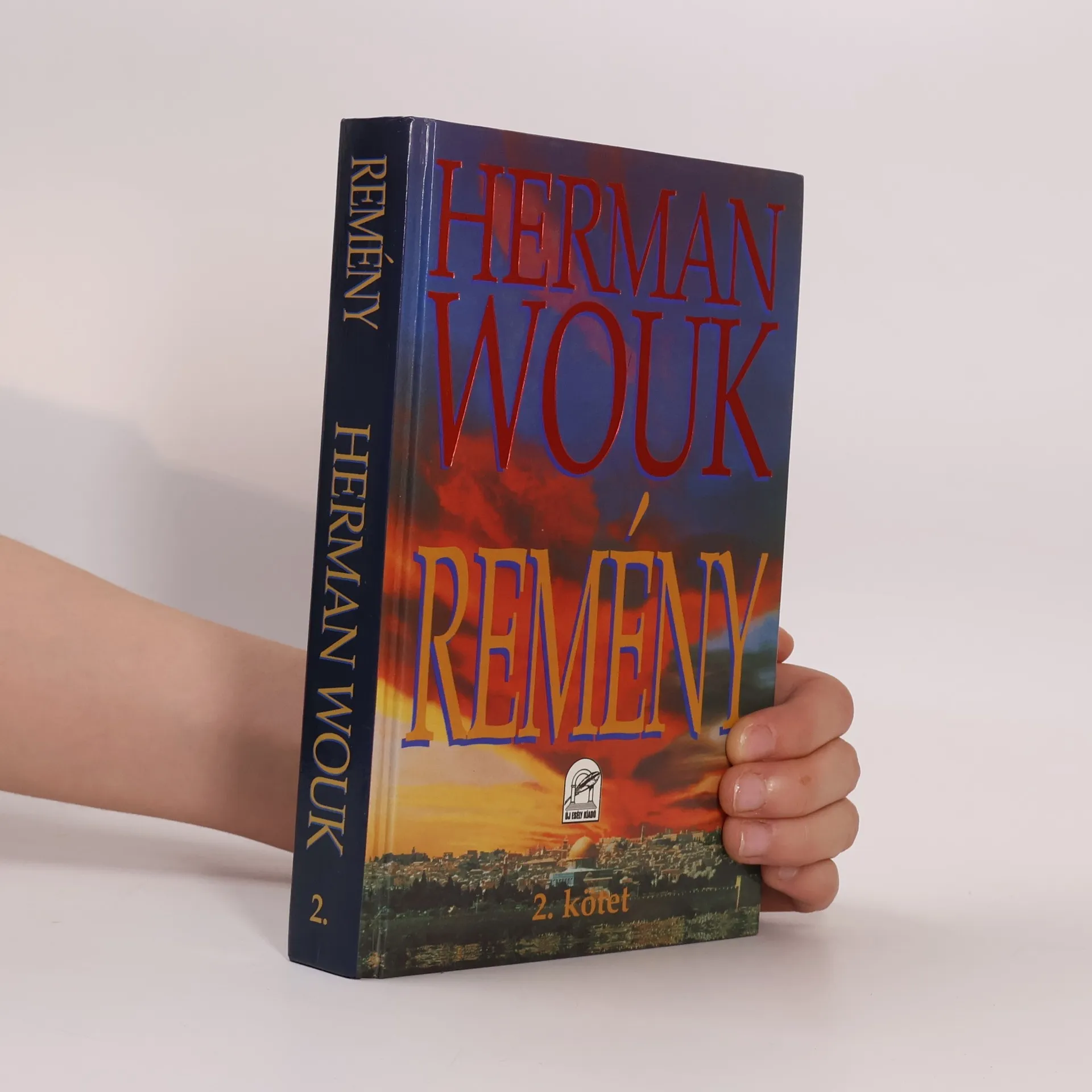
In The Hope, world-famed historical novelist Herman Wouk told the riveting saga of the first twenty years of Israel's existence, culminating in its resounding triumph in the Six-Day War, which amazed the world as few events of this turbulent century have. With The Glory, Wouk rejoins the story of Israel's epic journey in one of his most compelling works yet. From the euphoric aftermath of that stunning victory in 1967, through the harrowing battles of the Yom Kippur War, the heroic Entebbe rescue, the historic Camp David Accords, and finally the celebration of forty years of independence and the opening of the road to peace, Wouk immerses us in the bloody battles, the devastating defeats, the elusive victories.
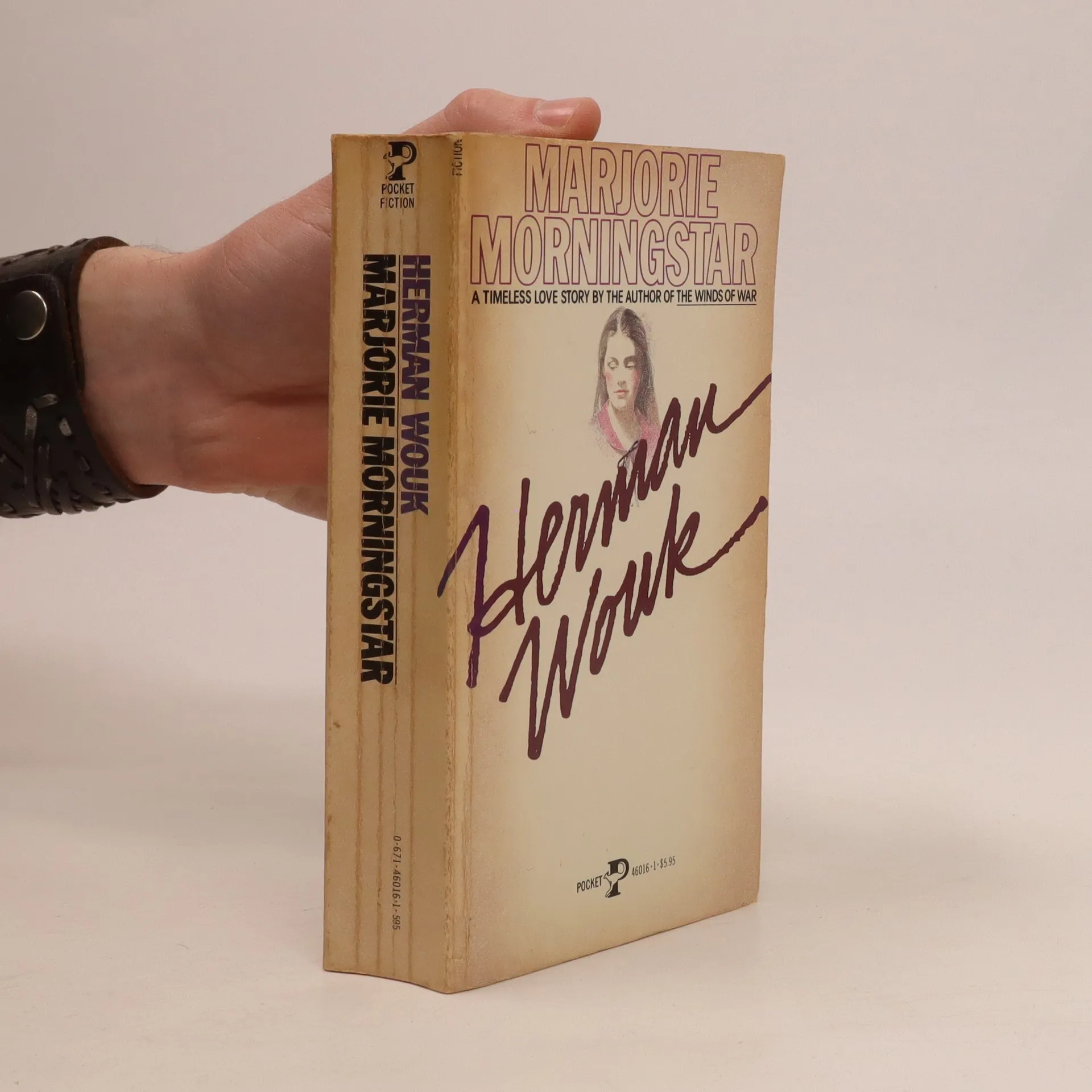
Marjorie Morningstar is a love story. It presents one of the greatest characters in modern fiction: Marjorie, the pretty seventeen-year-old who left the respectability of New York's Central Park West to join the theater, live in the teeming streets of Greenwich Village, and seek love in the arms of a brilliant, enigmatic writer. In this memorable novel, Herman Wouk, winner of the Pulitzer Prize, has created a story as universal, as sensitive, and as unmistakably authentic as any ever told.
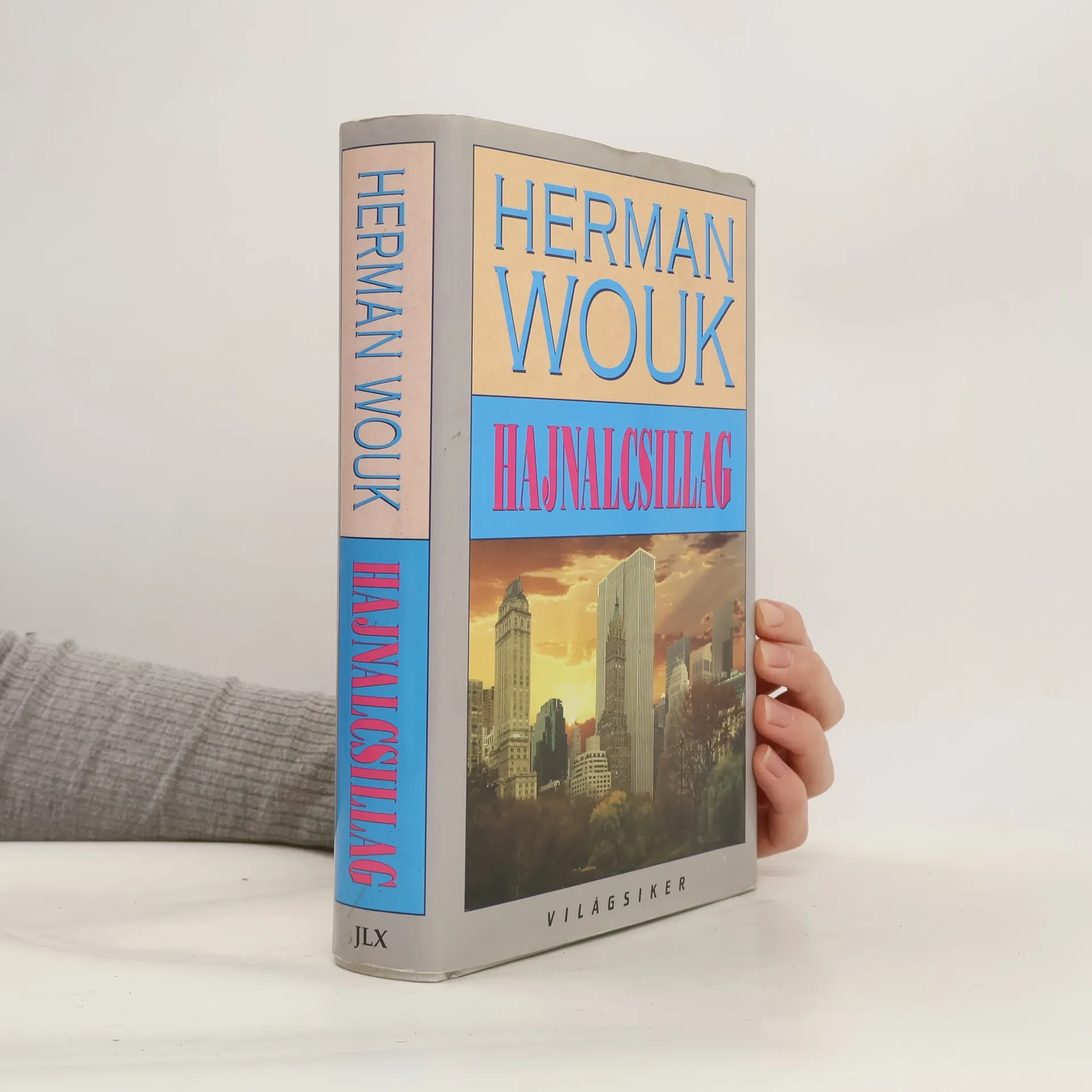
Herman Wouk's first novel in seven years moves on from the grand themes wich have won him international acclaim, War.
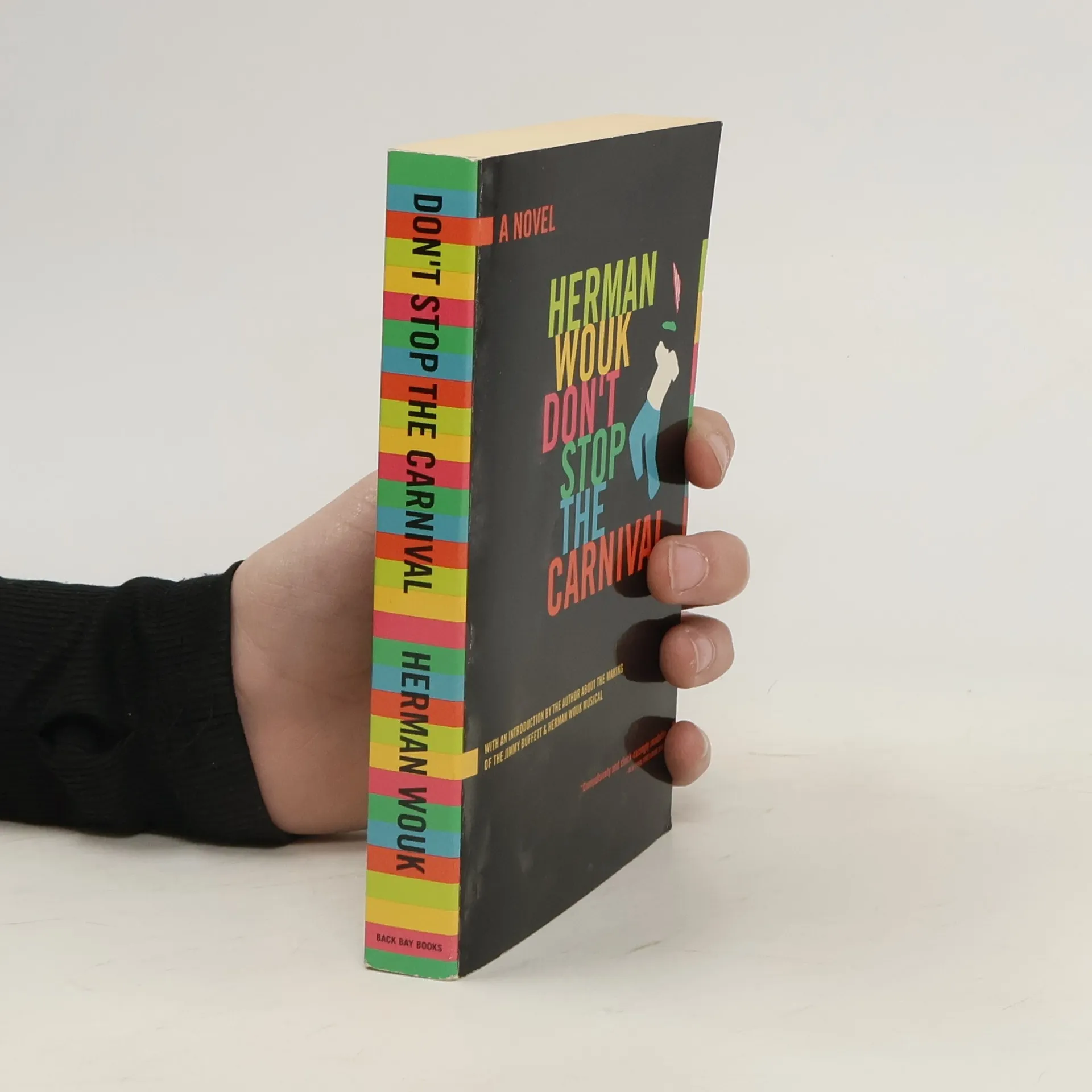
It's every parrothead's dream: to leave behind the rat race of the workaday world and start life all over again amidst the cool breezes, sun-drenched colors, and rum-laced drinks of a tropical paradise. It's the story of Norman Paperman, a New York City press agent who, facing the onset of middle age, runs away to a Caribbean island to reinvent himself as a hotel keeper. (Hilarity and disaster -- of a sort peculiar to the tropics -- ensue.) It's the novel in which the Pulitzer Prize-winning author of such acclaimed and bestselling novels as The Caine Mutiny and War and Remembrance draws on his own experience (Wouk and his family lived for seven years on an island in the sun) to tell a story at once brilliantly comic and deeply moving.
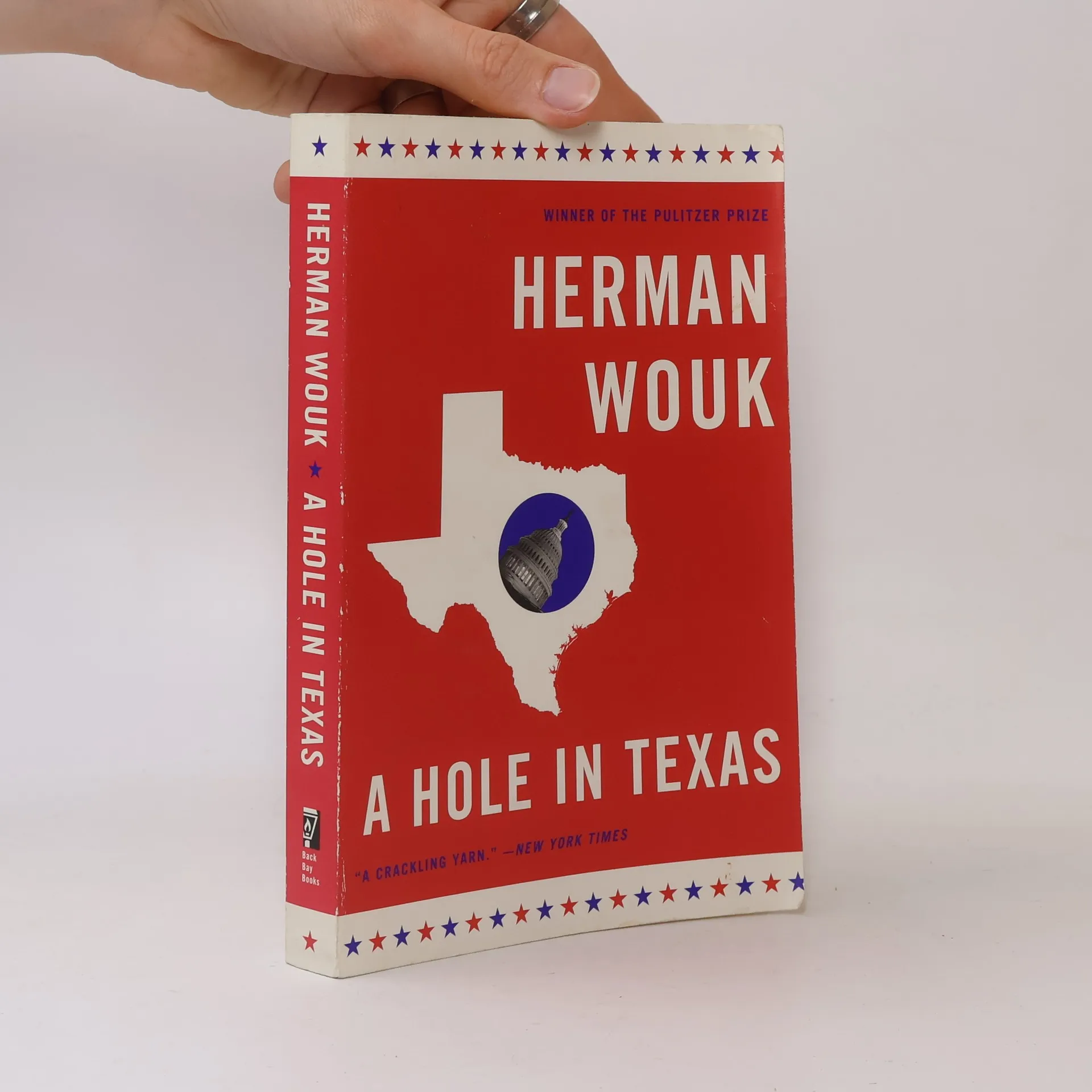
Uses the story of three fictional families to trace the history of Israel.
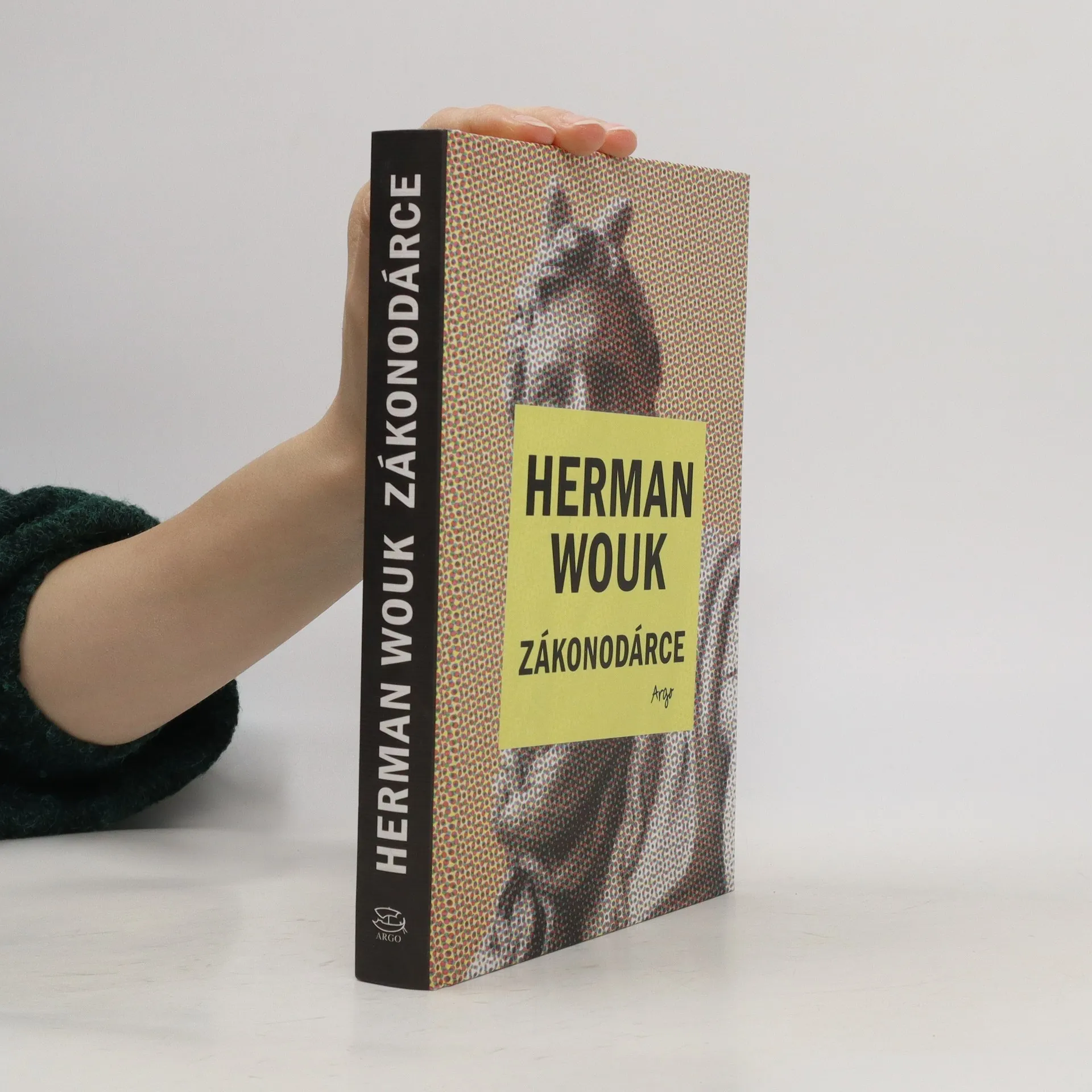
For more than 50 years, Herman Wouk has dreamed of writing a novel about the life of Moses Finally, at the age of 96, he has found an ingeniously witty way to tell the tale of The Lawgiver, a romantic and suspenseful epistolary novel about a group of people trying to make a movie about Moses in the present day. At its centre is Margo Solovei, a brilliant young writer-director who has rejected her father's strict Jewish upbringing to pursue a career in the arts. When an Australian multi-billionaire promises to finance a movie about Moses, Margo does everything she can to land the job, including a reunion with her estranged first love, an influential lawyer with whom she has unfinished business.
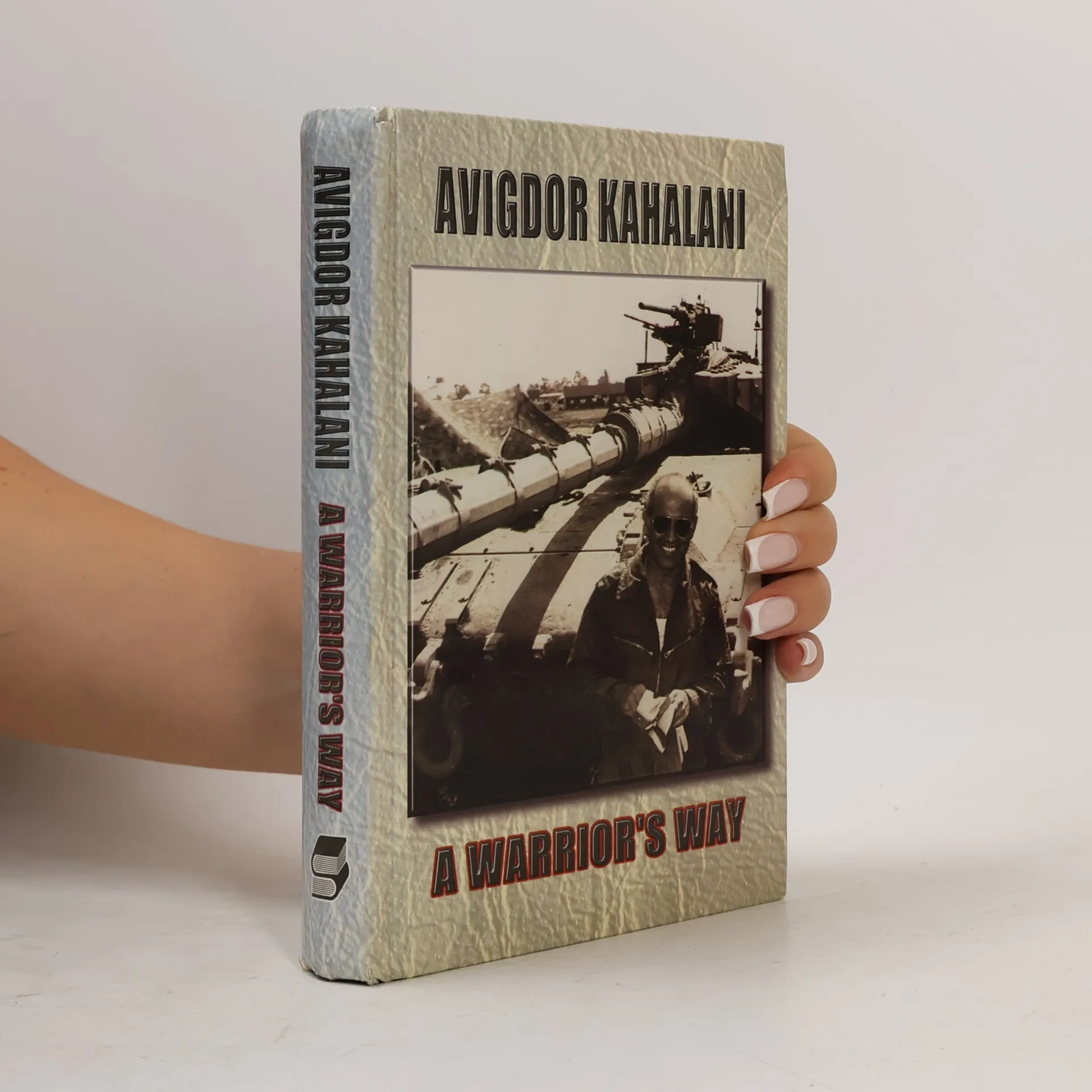
An Israeli commander recounts his experiences during the Six-Day War of 1967 and during the Yom Kippur War, leading a battalion of tanks in a defense against the Syrian advance. Original.
With this rollicking novel hailed equally for its satiric bite, its lightly borne scientific savvy, and its tender compassion for foible-prone humanity, one of America's preeminent storytellers returns to fiction.Guy Carpenter is a regular guy, a family man, an obscure NASA scientist, when he is jolted out of his quiet life and summoned to the corridors of power in Washington, D.C. Through a turn of events as unlikely as it is inevitable, Guy finds himself compromised by scandal and romance, hounded by Hollywood, and agonizingly alone at the white-hot center of a firestorm ignited as three potent forces of American culture -- politics, big science, and the media -- spectacularly collide.
Sodan muisto erzählt authentisch und fesselnd von den miteinander verwobenen Schicksalen des Amerikaners Henry und der amerikanisch-jüdischen Familie Jastrow während des Zweiten Weltkriegs.
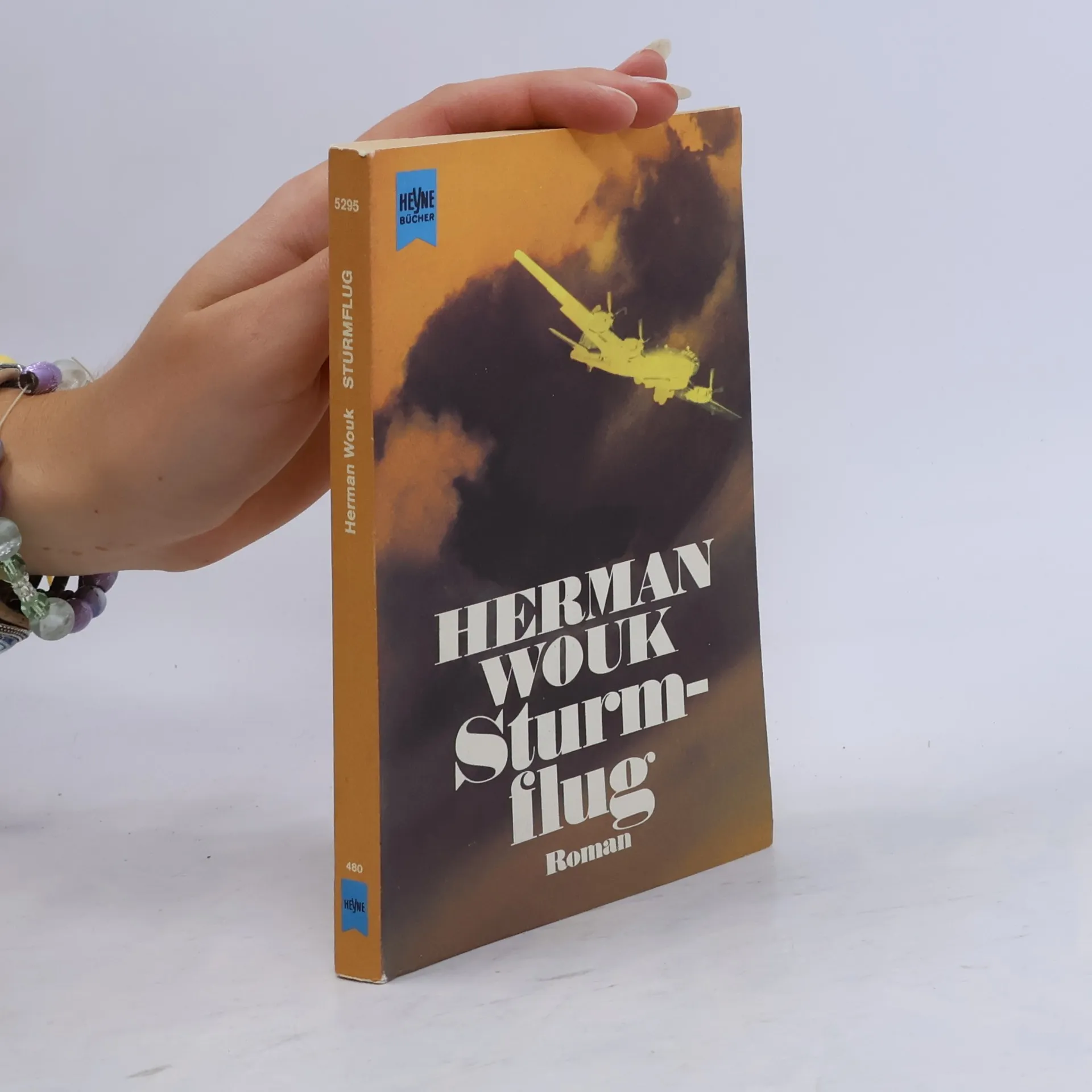
Das Kriegs- und Zeitgeschehen von der Vernichtung der amerikanischen Pazifikflotte in Pearl Harbor im Dezember 1941 bis zur Schlacht bei den Midway-Inseln im Juni 1942 bildet den Hintergrund einer weitverzweigten Familiengeschichte.
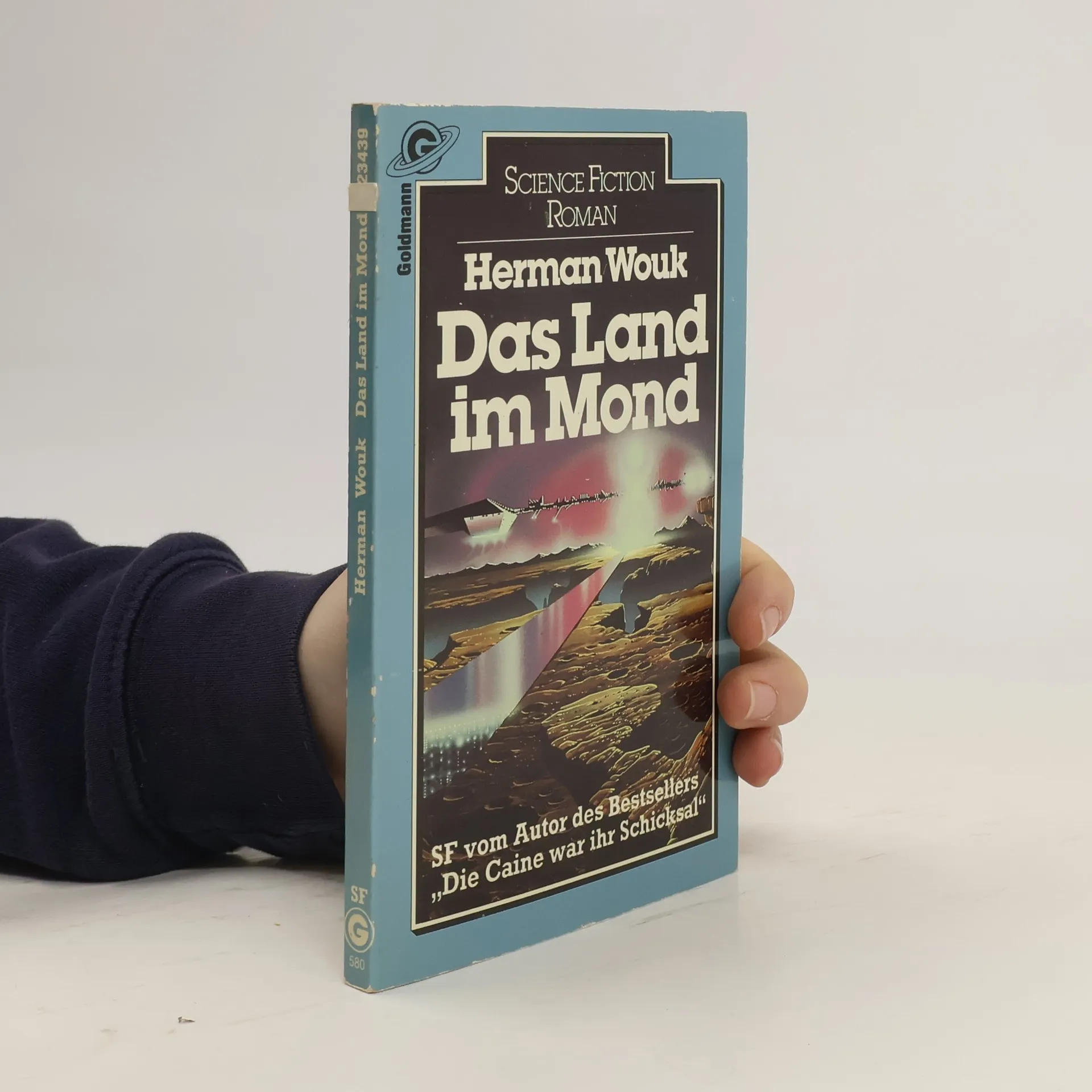
»Zu prophetisch, um nicht grauenerregend zu sein...« So beschreibt Pulitzer-Preisträger Herman Wouk seine in diesem Band enthaltene schreckliche Geschichte des Krieges im All, eine Fiktion, die von der harten Wirklichkeit in der Entwicklung der Waffentechnik der Großmächte durchaus bald eingeholt werden kann. Wouk erzählt von einem amerikanischen Astronauten, der unter der Mondoberfläche eine Zivilisation entdeckt, deren Methode der Kriegsführung beinahe zu entsetzlich ist, als daß sie noch beschrieben werden kann. Dazu bedarf es wahrlich der Feder eines Herman Wouk. In seinem einzigartigen Werk verbinden sich atemberaubende Abenteuer mit beißender Satire... und einem Warnruf, gerichtet an die Adresse der menschlichen Rasse. Der einzige SF-Roman des Bestsellerautors Herman Wouk
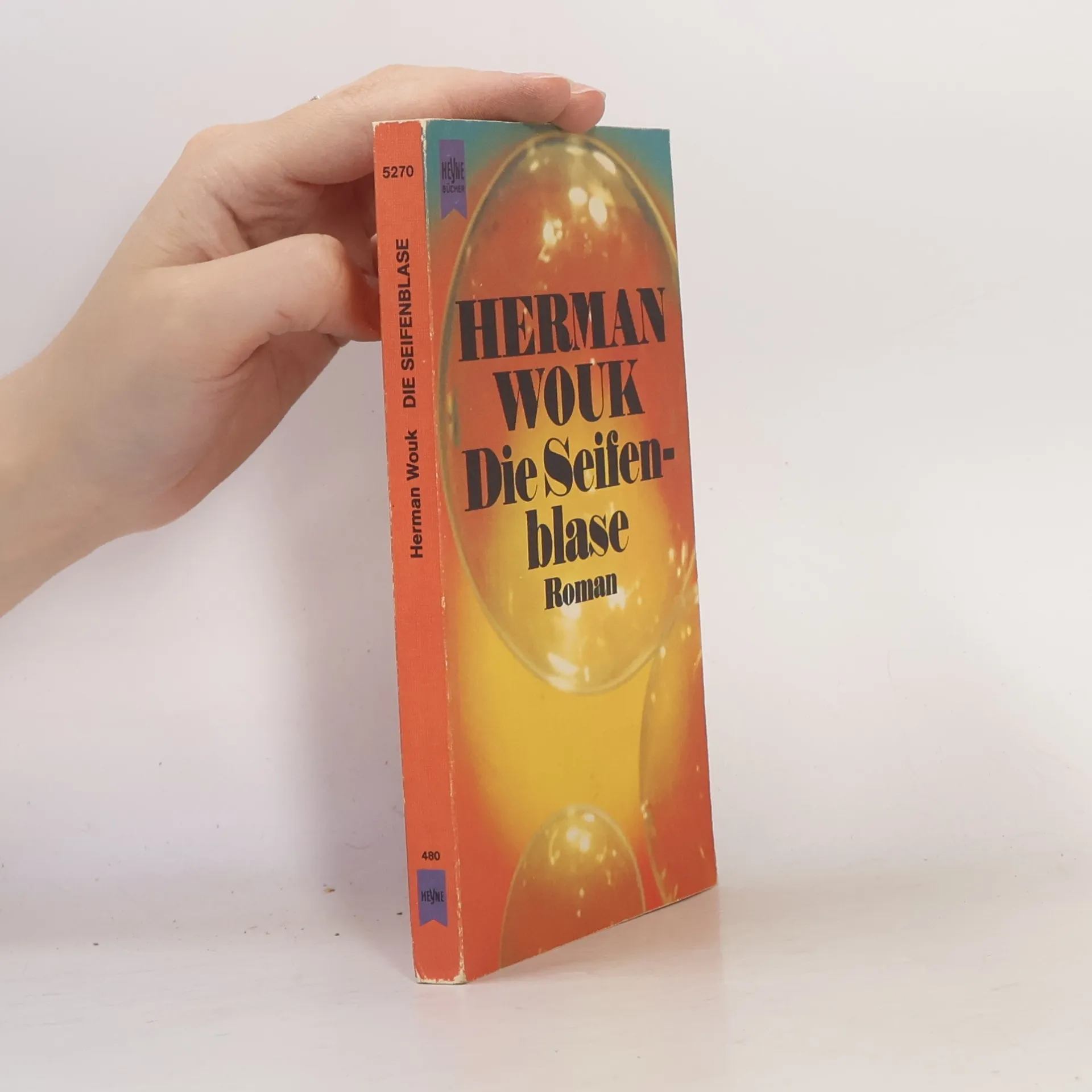
Die Seifenblase - bk679; Heyne Verlag; Herman Wouk; pocket_book; 1976
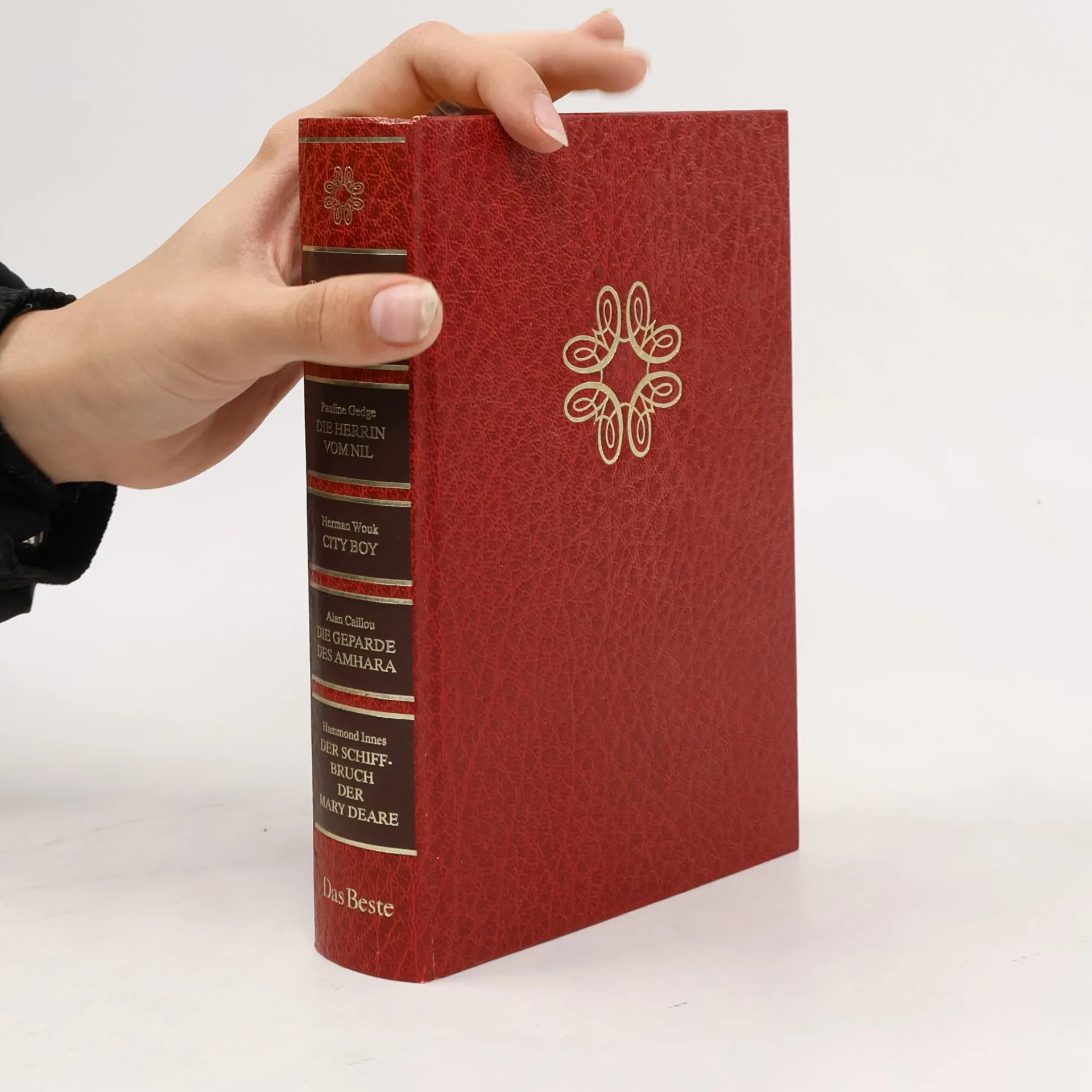
4 internationale Bücherfolge in Kurzfassung
De wederwaardigheden van een Amerikaanse familie tijdens de Tweede Wereldoorlog.
Sodan muisto kertoo aidosti ja mukaansatempaavasti amerikkalaisen Henryn ja amerikanjuutalaisen Jastrowin perheen toisiinsa kietoutuvista vaiheista Toisen Maailmansodan aikana.
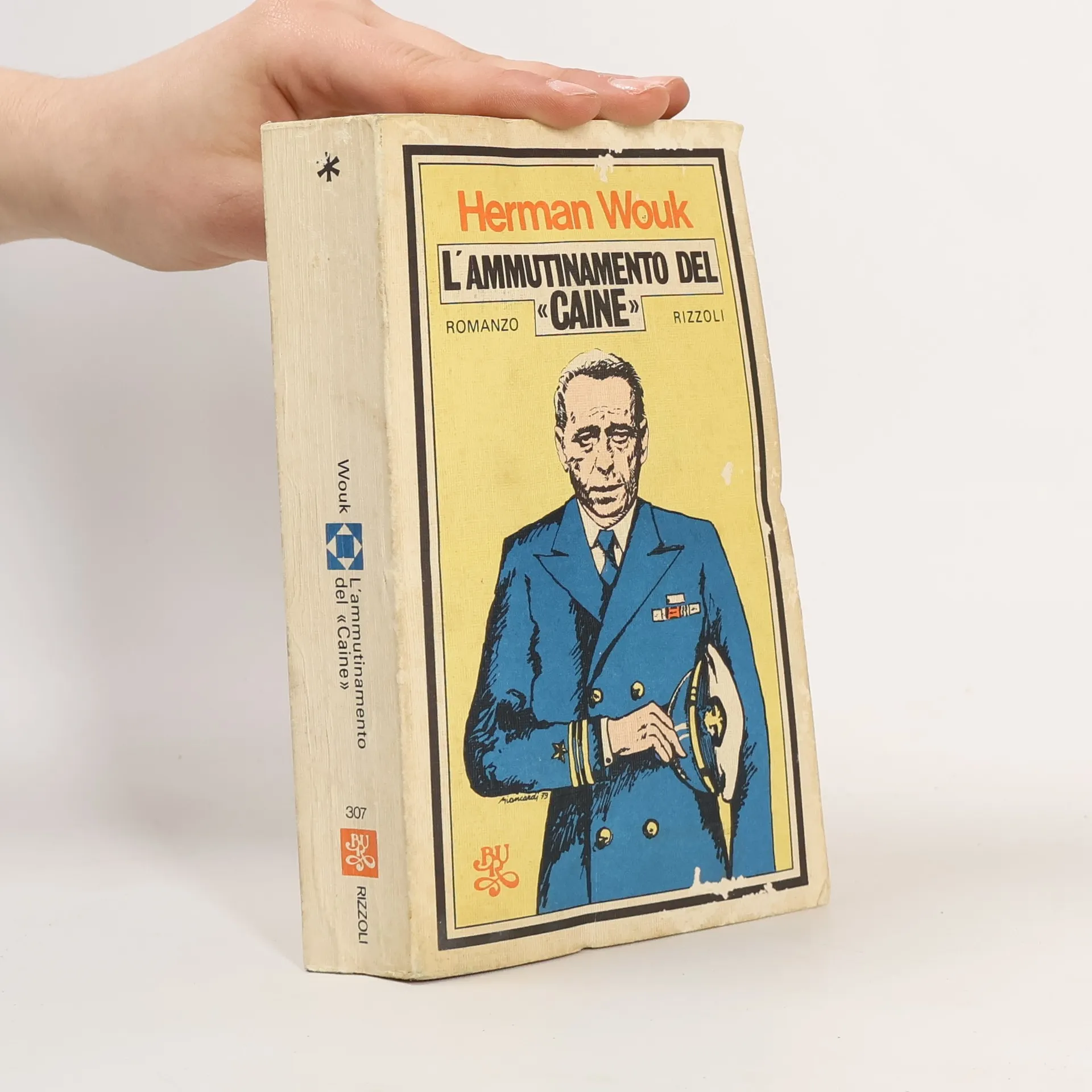
Il dragamine "Caine" non va in disarmo perchè la marina USA, dopo il bombardamento di Pearl Harbor, ha bisogno di qualsiasi mezzo in grado di stare a galla. Mandano a comandarlo il capitano Queeg: non è più giovane, ha fatto una mediocre carriera, deluso e frustrato maschera la sua insicurezza con un maniacale culto dei regolamenti. Tra lui, gli ufficiali e la ciurma si stabiliscono difficilissimi rapporti. Sono tensioni che, durante una missione, si risolvono in un ammutinamento. Una drammatica corte marziale decide le diverse responsabilità. Romanzo di guerra, d'avventura di mare, "L'ammutinamento del Caine" è una potente descrizione di grandezze e miserie della vita militare, un suggestivo racconto che non trascura i risvolti intimi e sentimentali, i tormentati comportamenti e la stravolta psicologia degli uomini in armi. Da questo libro è stato tratto un indimenticabile film, con Humphrey Bogart come interprete della contraddittoria e sconcertante figura del capitano Queeg
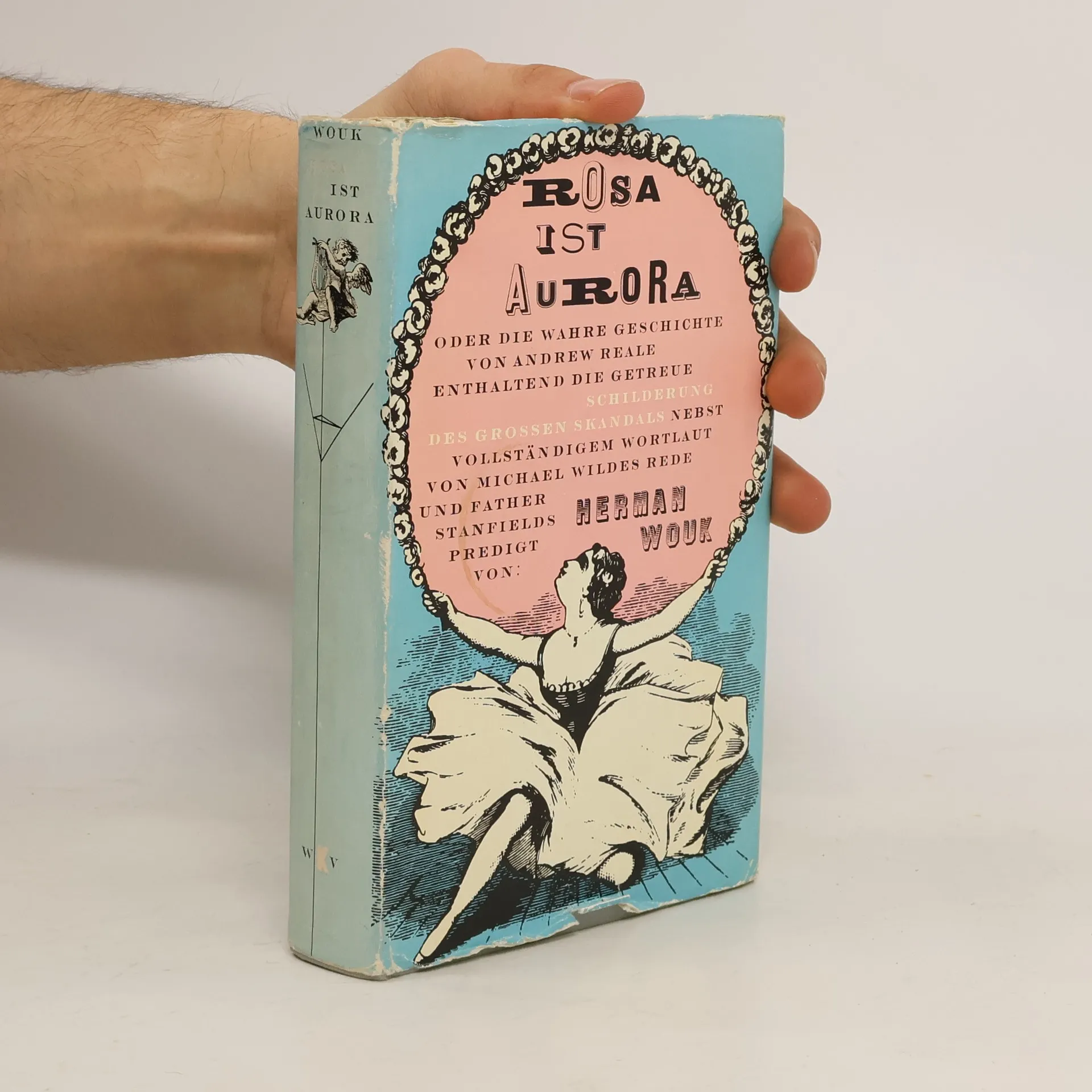
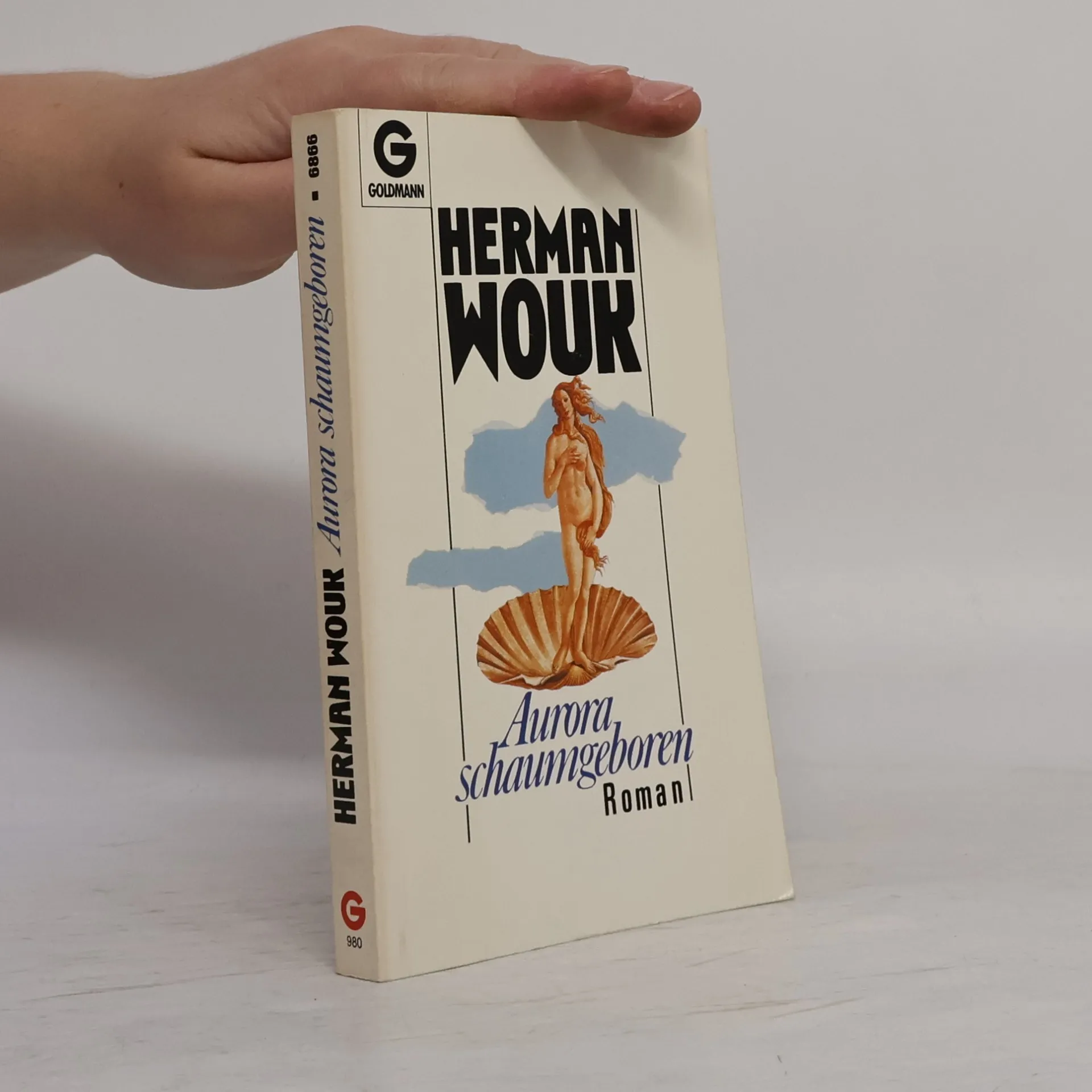
The publication of 'Aurora Dawn' in 1947 immediately established Herman Wouk as a novelist of exceptional literary and historical significance. Today, Aurora Dawn's themes have grown still more relevant and, in the manner of all great fiction, its characters and ironies have only been sharpened by the passage of time. Wouk's raucous satire of Manhattan's high-power elite recounts the adventures of one Andrew Reale as he struggles toward fame and fortune in the early days of radio. On the quest for wealth and prestige, ambitious young Andrew finds himself face-to-face with his own devil's bargain: forced to choose between soul and salary, true love and a strategic romance, Wouk's riotous, endearing hero learns a timeless lesson about the high cost of success in America's most extravagant metropolis.
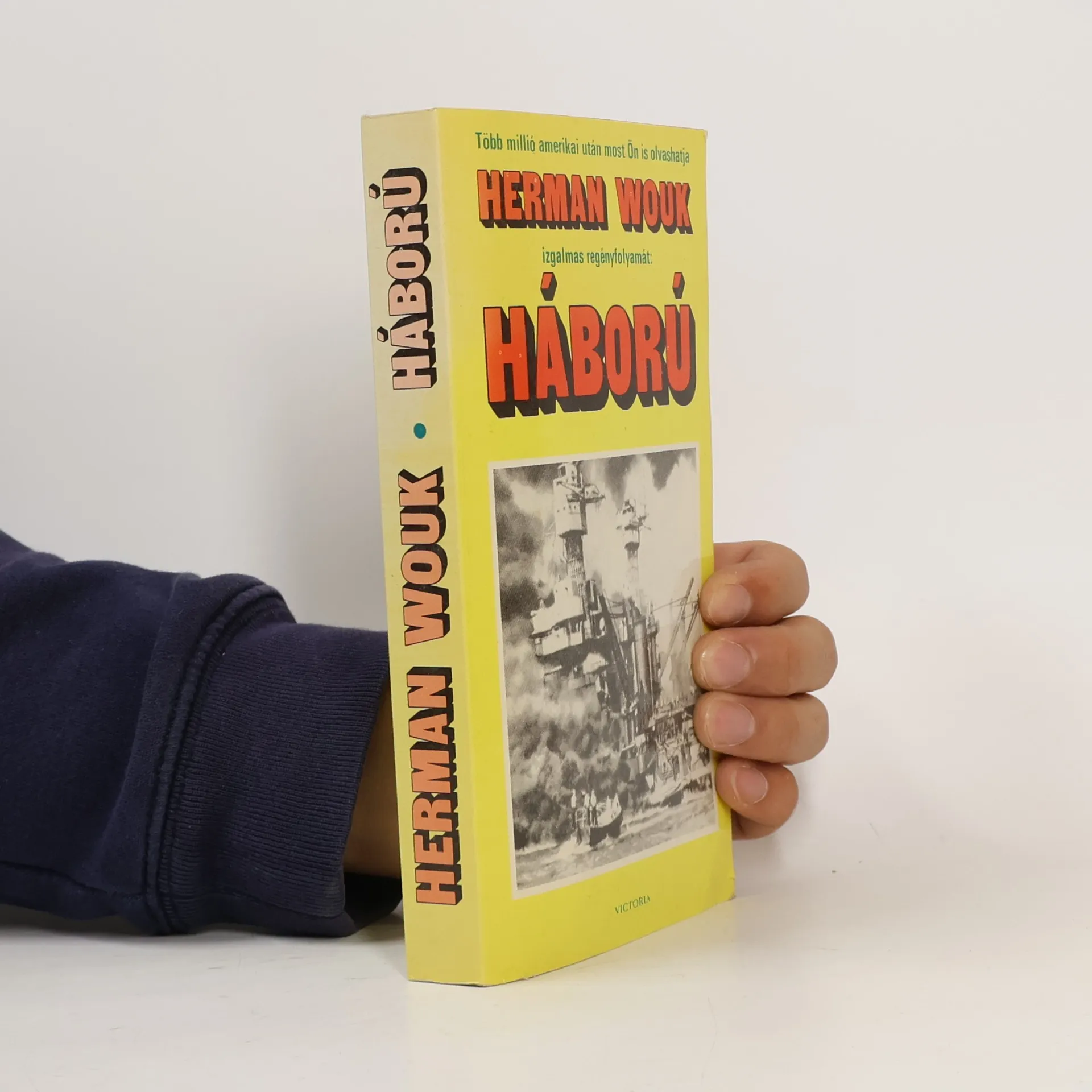
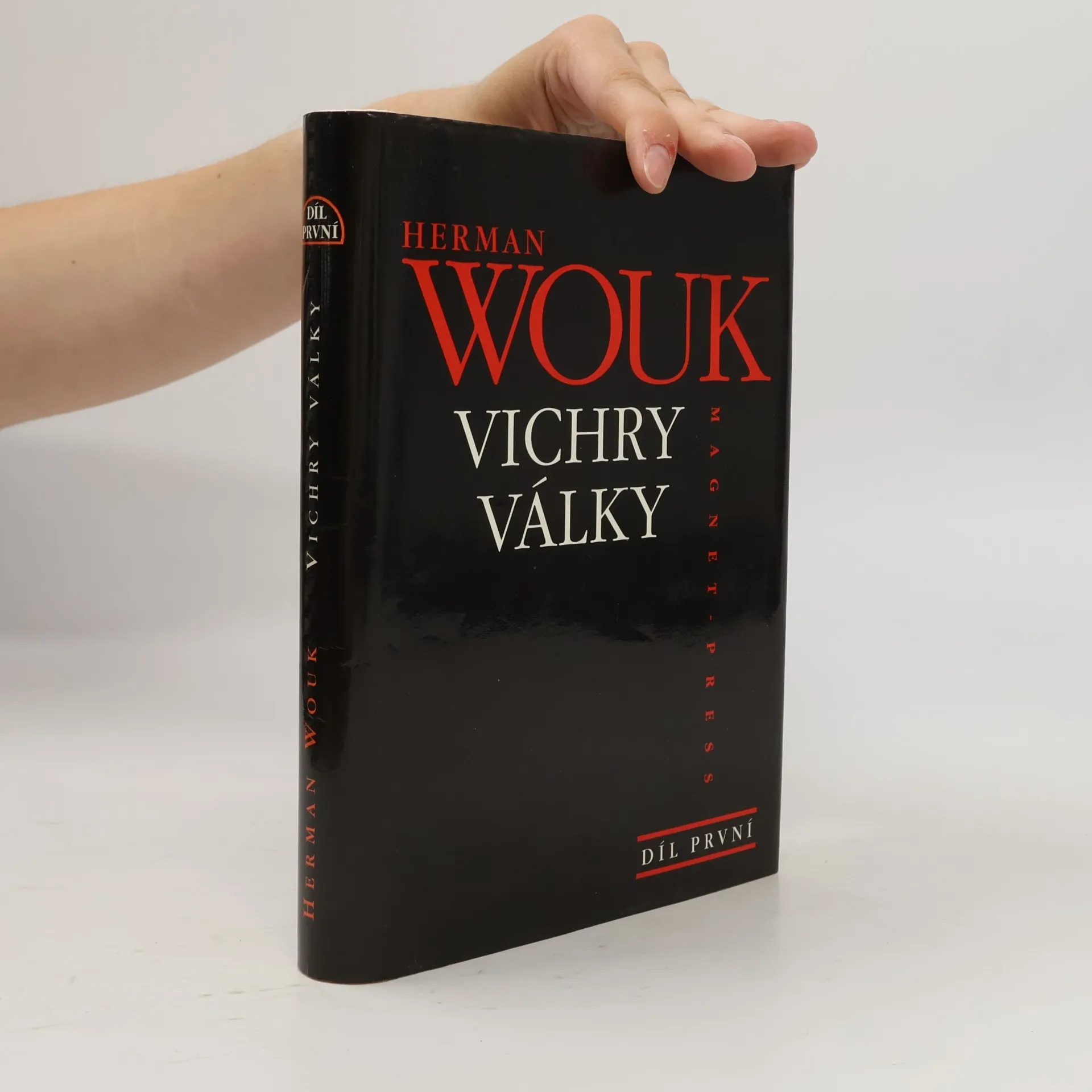
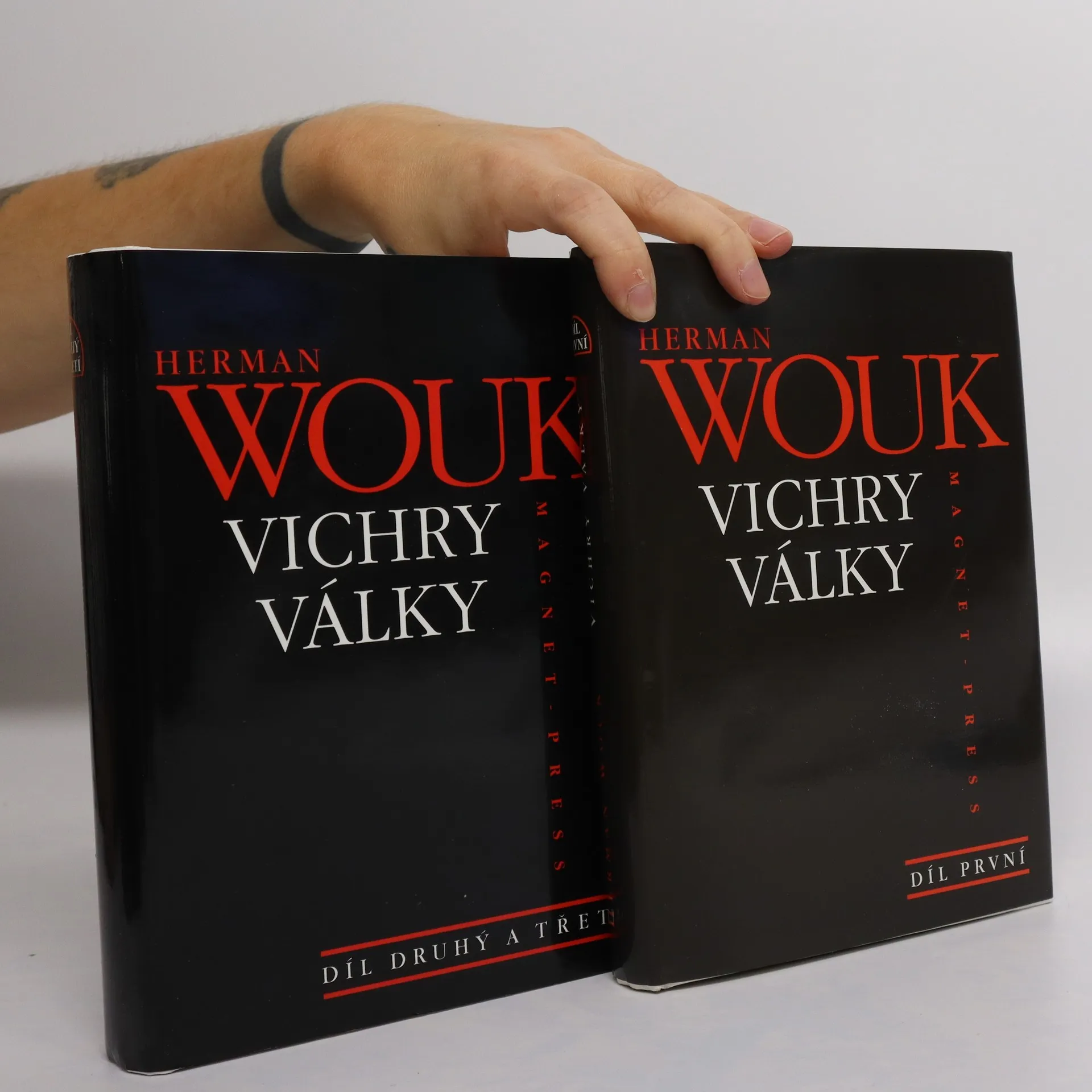
Další dvě části široce koncipované ságy pokračují v líčení osudů příslušníků rodiny amerického kapitána v průběhu 2. světové války v Americe i v Evropě. Rodinné události se prolínají s historickými, klíčové momenty války jsou nazírány jednak očima hrdinů, jednak autorskými vstupy, které komentují válečný vývoj fiktivními citacemi z analytické publikace. Děj zajímavého a fundovaného vyprávění začíná v létě roku 1940 a končí japonským útokem na Pearl Harbor. S osudy hrdinů se čtenář setká ještě ve čtvrtém díle, nazvaném Válka & vzpomínky....
První díl rozsáhlé válečné ságy sleduje členy rodiny amerického námořního kapitána v době před vypuknutím a v začátcích 2. světové války. Hrdinou je důstojník, který těsně před vypuknutím války odjíždí jako diplomat do Berlína, kde ho také zastihne její vyhlášení. Jeho tři děti jsou v té době v různých koutech světa – nejstarší syn v námořní důstojnické škole, dcera v tiskové agentuře v New Yorku a nejmladší syn se pohybuje shodou okolností v okupovaném Polsku ve společnosti židovské dívky. Každý z nich se tedy nalézá v jiném prostředí a má také jiné zkušenosti. Bravurně napsaný román oživuje válečné události v Evropě z pohledu Američanů a zajistil autorovi popularitu doma i za hranicemi....
Jak to vypadá, když se jeden australský miliardář rozhodne natočit fi lm o Mojžíšovi? Přemluví producenta, sežene nadějnou mladou režisérku a scenáristku v jedné osobě a všichni se můžou pustit do práce. Tedy až najdou někoho, kdo by se hodil na nelehkou hlavní roli. Sedmadevadesátiletý Herman Wouk, legendární postava americké literatury, po půlstoletí zřejmě konečně našel způsob, jak napsat příběh o hebrejském Zákonodárci. Do svého epistolárního románu sám vstupuje jako stárnoucí spisovatel, který se stále snaží napsat svůj velký, ale „beznadějný“ román a i přes odpor své ženy se uvolí podílet se na vznikajícím fi lmu jako poradce. Prostřednictvím dopisů, e-mailů nebo třeba přepisů skypových konferencí čtenář sleduje, jak se mladá režisérka Margo Soloveiová vyrovnává se židovským dědictvím, jehož se před lety vzdala, a jak při práci na scénáři znovu hledá cestu k tradicím a k lidem, kteří z jejího života na nějaký čas zmizeli. Vše s humorem, nadhledem, lehkou ironií a životní moudrostí komentují autorovy deníkové záznamy.