
Explore the latest books of this year!
Bookbot

Juan Villoro

    September 24, 1956

    Juan Villoro is a celebrated Mexican writer and journalist whose work is characterized by its keen insight into modern society and its paradoxes. His writing often explores themes of identity, memory, and the connections between seemingly disparate worlds like sports, music, and politics. With precise language and sharp observation, he reveals hidden truths within everyday life. Villoro masterfully blends journalistic elements with literary depth, creating engaging and thought-provoking reading experiences.

    El disparo de Argón
    The Complete Stories
    El dictador, los demonios y otras crónicas
    El libro salvaje
    La Figura del Mundo / The Figure of the World
    Horizontal Vertigo
    • Miasto Meksyk Poziomy zawrót głowy

      • 384 pages
      • 14 hours of reading

      Tętniące życiem Miasto Meksyk to chaotyczna mieszanka ludzi, miejsc i rzeczy, którą Juan Villoro opisuje z czułością, ale i krytycyzmem. Wędrując po mieście, przygląda się absurdalnej biurokracji, labiryntom ulic oraz różnorodnym zjawiskom kulturowym. Z dystansem analizuje społeczny, kulturalny i polityczny obraz stolicy, ukazując jej wyjątkowość. Barwnie relacjonuje historię, od czasów prekolumbijskich po współczesne megalopolis, które dąży do wchłonięcia całego kraju. Villoro tworzy kalejdoskop pełen smaków, kolorów i zapachów, a jego osobisty reportaż, napisany z ironią i humorem, pozwala czytelnikom zanurzyć się w tym złożonym mieście. Miasto Meksyk, jak Frankenstein, łączy różne epoki i tożsamości, a jego miłość jest trudna, lecz nieodparta. To błyskotliwa opowieść, która ukazuje miasto na skraju załamania nerwowego, pełne inteligentnego humoru i celnych obserwacji. Villoro, porównywany do Octavia Paza, zaprasza nas do miejsc, do których niekoniecznie chcą trafić sami Meksykanie, oferując fascynujący i często zabawny obraz stolicy.

      Miasto Meksyk Poziomy zawrót głowy2024
      3.2
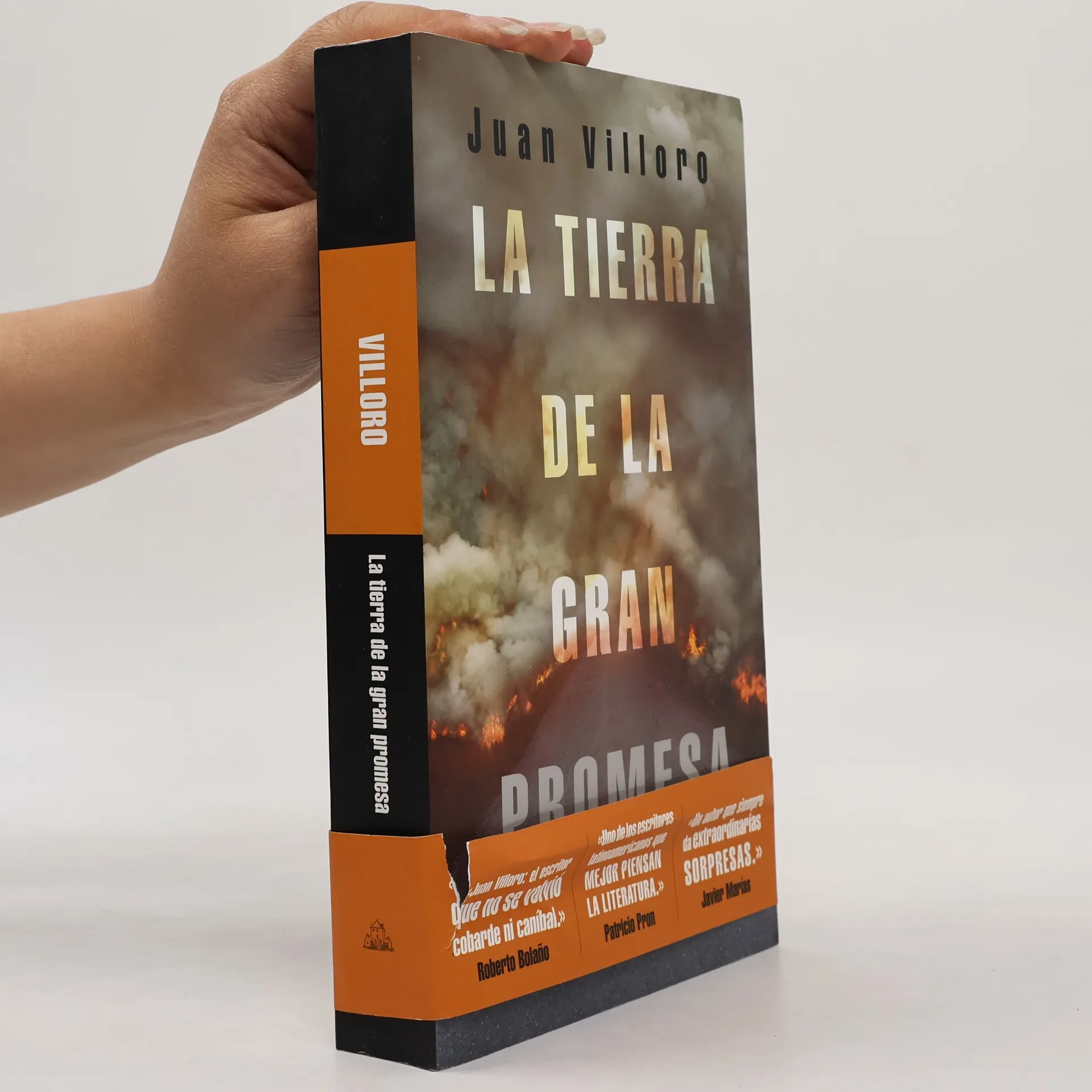
    • La tierra de la gran promesa

      • 448 pages
      • 16 hours of reading

      Los relatos de Juan Villoro tienen ese raro poder no para asomarse al abismo sino para permanecer en el borde del abismo, durante mucho rato, balanceándose y por lo tanto haciéndonos balancear a nosotros sus lectores con movimientos que surgen de la duermevela o tal vez de una lucidez extrema. Diego González es un documentalista que habla dormido. Está casado con una sonidista que trata de descifrar lo que dice en sueños. Se muda a Barcelona, pero el pasado lo alcanza como una pesadilla. La visita de un viejo conocido, el periodista Adalberto Anaya, trastoca su reciente tranquilidad. Anaya –quien ha vigilado a Diego durante años con la atención casi desmedida de un admirador– lo culpa de haber hecho un documental para entregar a un narco. Diego se ve obligado a lidiar con este enemigo que es, al mismo tiempo, su único aliado. La tierra de la gran promesa es una metáfora del México contemporáneo. Una lectura amplia sobre las entretelas de la corrupción y la vida íntima donde las verdades se pronuncian al dormir. Una reflexión sobre la forma en que el arte influye en la realidad y en que la realidad distorsiona al arte. Una novela tan política como personal que mantiene a Juan Villoro como un testigo excepcional de nuestro tiempo.
      La tierra de la gran promesa2021
    • Horizontal Vertigo

      • 368 pages
      • 13 hours of reading

      At once intimate and wide-ranging, and as enthralling, surprising, and vivid as the place itself, this is a uniquely eye-opening tour of one of the great metropolises of the world, and its largest Spanish-speaking city. Horizontal Vertigo: The title refers to the fear of ever-impending earthquakes that led Mexicans to build their capital city outward rather than upward. With the perspicacity of a keenly observant flaneur, Juan Villoro wanders through Mexico City seemingly without a plan, describing people, places, and things while brilliantly drawing connections among them. In so doing he reveals, in all its multitudinous glory, the vicissitudes and triumphs of the city ’s cultural, political, and social history: from indigenous antiquity to the Aztec period, from the Spanish conquest to Mexico City today—one of the world’s leading cultural and financial centers. In this deeply iconoclastic book, Villoro organizes his text around a recurring series of topics: “Living in the City,” “City Characters,” “Shocks,” “Crossings,” and “Ceremonies.” What he achieves, miraculously, is a stunning, intriguingly coherent meditation on Mexico City’s genius loci, its spirit of place.

      Horizontal Vertigo2021
      3.8
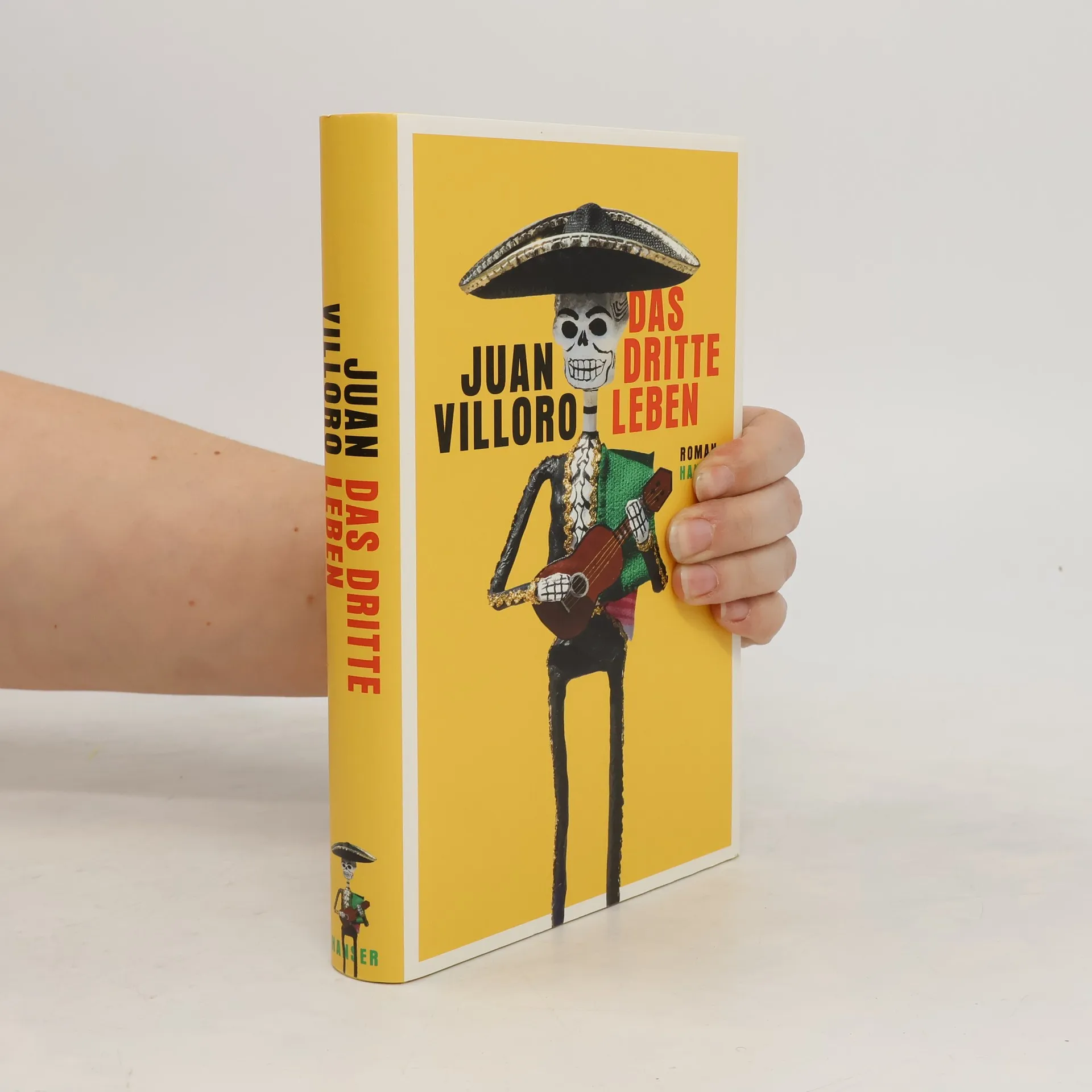
    • Das dritte Leben

      • 288 pages
      • 11 hours of reading

      Lange Jahre nach ihrer wilden Zeit als Rockmusiker leben Mario und Tony ein neues Leben. Der eine ist Manager einer gläsernen Hotelpyramide, mitten im tropischen Dickicht an der Küste von Mexiko. Der andere versucht dort gerade, die Bewegungen der Fische im Aquarium in Klänge umzuwandeln. In „La Pirámide“ wird gelangweilten Europäern der ultimative Kick geboten: Während die Gewalt der einheimischen Drogenmafia keine Grenzen kennt, vergnügen sich die Gäste mit russisch Roulette oder kurzfristigen Entführungen durch Guerilladarsteller. Als zwei Taucher brutal ermordet werden, hört der Spaß auf und Mario weiht Tony in das Geheimnis seines dritten Lebens ein. Eine grandiose Persiflage auf unsere Gegenwart, die dekadenter und dämlicher nicht sein könnte.

      Das dritte Leben2016
      3.6
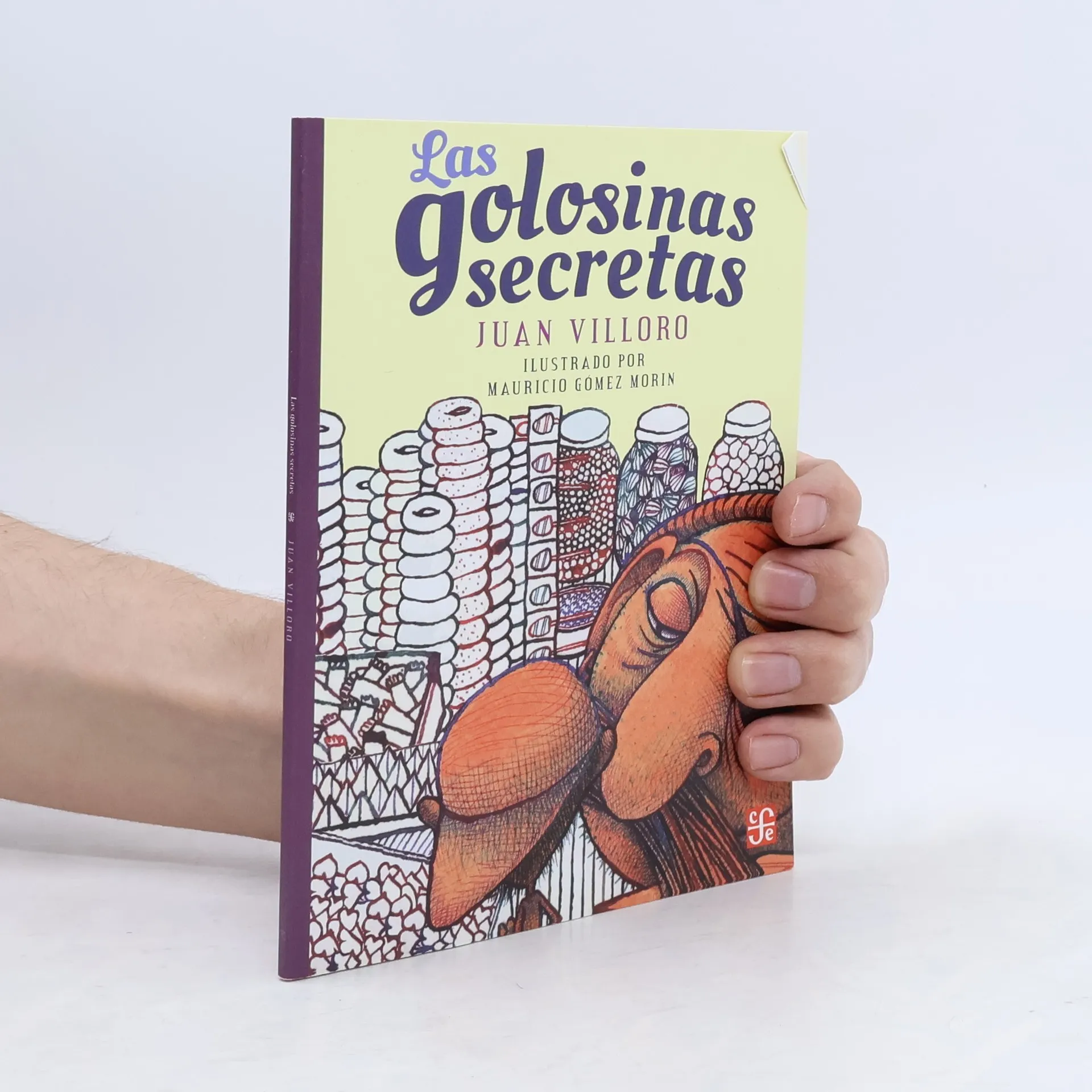
    • Las golosinas secretas

      • 45 pages
      • 2 hours of reading

      Fito loves his sweets, but not as much as he loves Rosita. When a mean-spirited neighbor girl uses a magic lipstick to make Rosita disappear, Fito risks everything to rescue her from the world of invisibility. Children will recognize the importance of loyalty and friendship.

      Las golosinas secretas2014
    • *Winner of the Pulitzer Prize* “A beautiful tale, awash in the seasalt and sweat, bait and beer of the Havana coast. It tells a fundamental human truth: in a volatile world, from our first breath to our last wish, through triumphs and pitfalls both trivial and profound, what sustains us, ultimately, is hope.” —The Guardian The last of his novels Ernest Hemingway saw published, The Old Man and the Sea has proved itself to be one of the most enduring works of American fiction. The story of a down-on-his-luck Cuban fisherman and his supreme ordeal—a relentless, agonizing battle with a giant marlin far out in the Gulf Stream—has been cherished by generations of readers. Hemingway takes the timeless themes of courage in the face of adversity and personal triumph won from loss and transforms them into a magnificent twentieth-century classic. First published in 1952, this hugely popular tale confirmed his power and presence in the literary world and played a large part in his winning the 1954 Nobel Prize in Literature.

      The Old Man and the Sea2013
      3.8
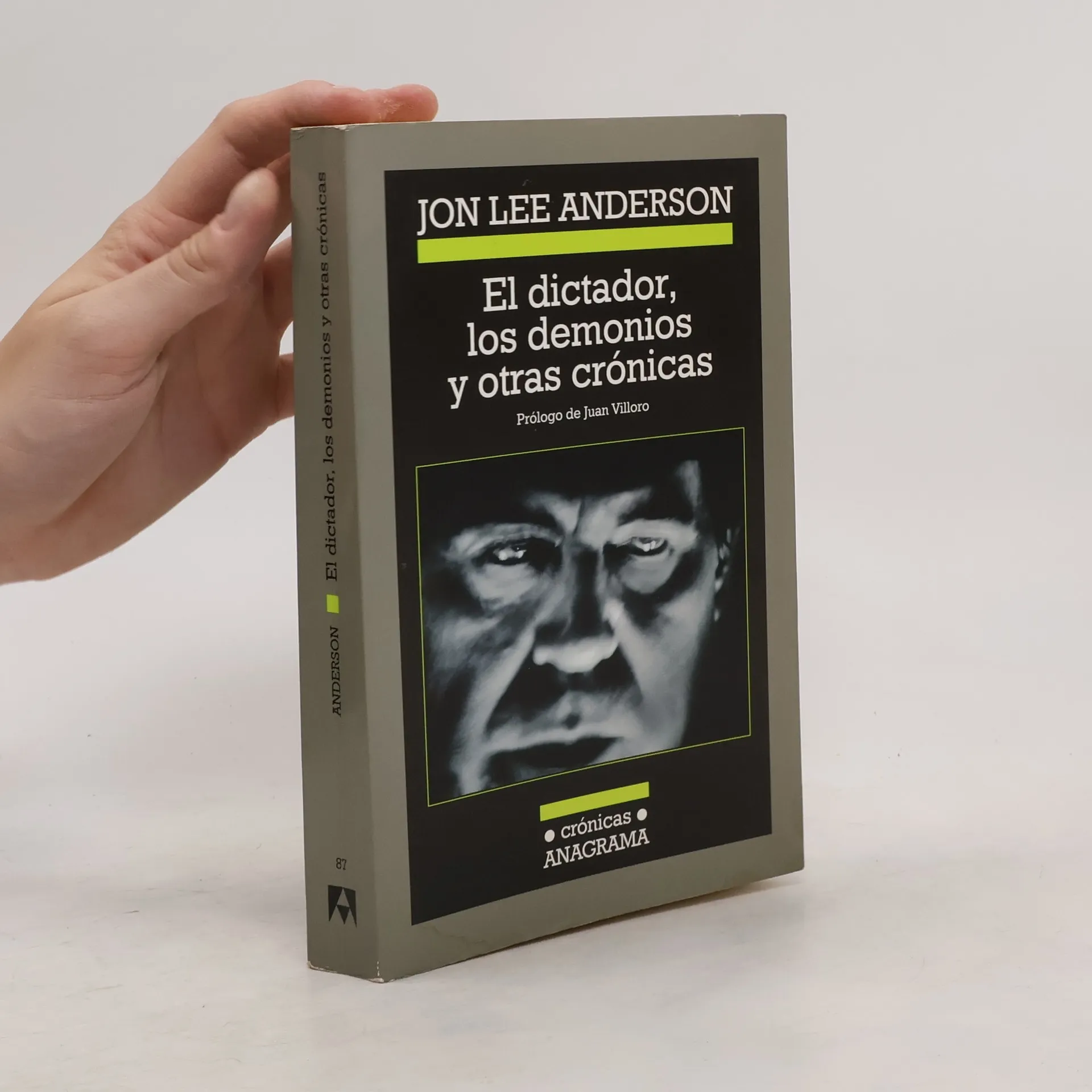
    • Esta colección de reportajes, publicados previamente en la revista The New Yorker y compilados expresamente para Anagrama, reúne personajes y paisajes políticos de España y Latinoamérica. Por estas páginas desfilan el rey Juan Carlos en la España de los bandazos, Augusto Pinochet antes del juez Baltasar Garzón, un espectacular Hugo Chávez en una Venezuela de contrastes, el decrépito Fidel Castro en una Cuba sin salida satisfactoria para nadie, García Márquez de genial conspirador en el polvorín colombiano, los restos de Federico García Lorca en un tira y afloja entre lo político y lo sentimental, y el paisaje de las favelas brasileñas, donde florece la extraña mística del delito. Aunando la tradición de la semblanza crítica fundada por los clásicos grecolatinos y el periodismo en directo en la línea de John Reed y George Orwell, Anderson pinta retratos que se caracterizan por la agudeza política de los comentarios, el hábil trazado de los contextos, la atención por el detalle iluminador y la concepción literaria del discurso periodístico. «Un periodista comprometido con la gente y con la reaidad. Sus reportajes en el New Yorker cubren las más diversas zonas del sufrimiento humano» (Juan Cruz, El País).

      El dictador, los demonios y otras crónicas2009
      4.2
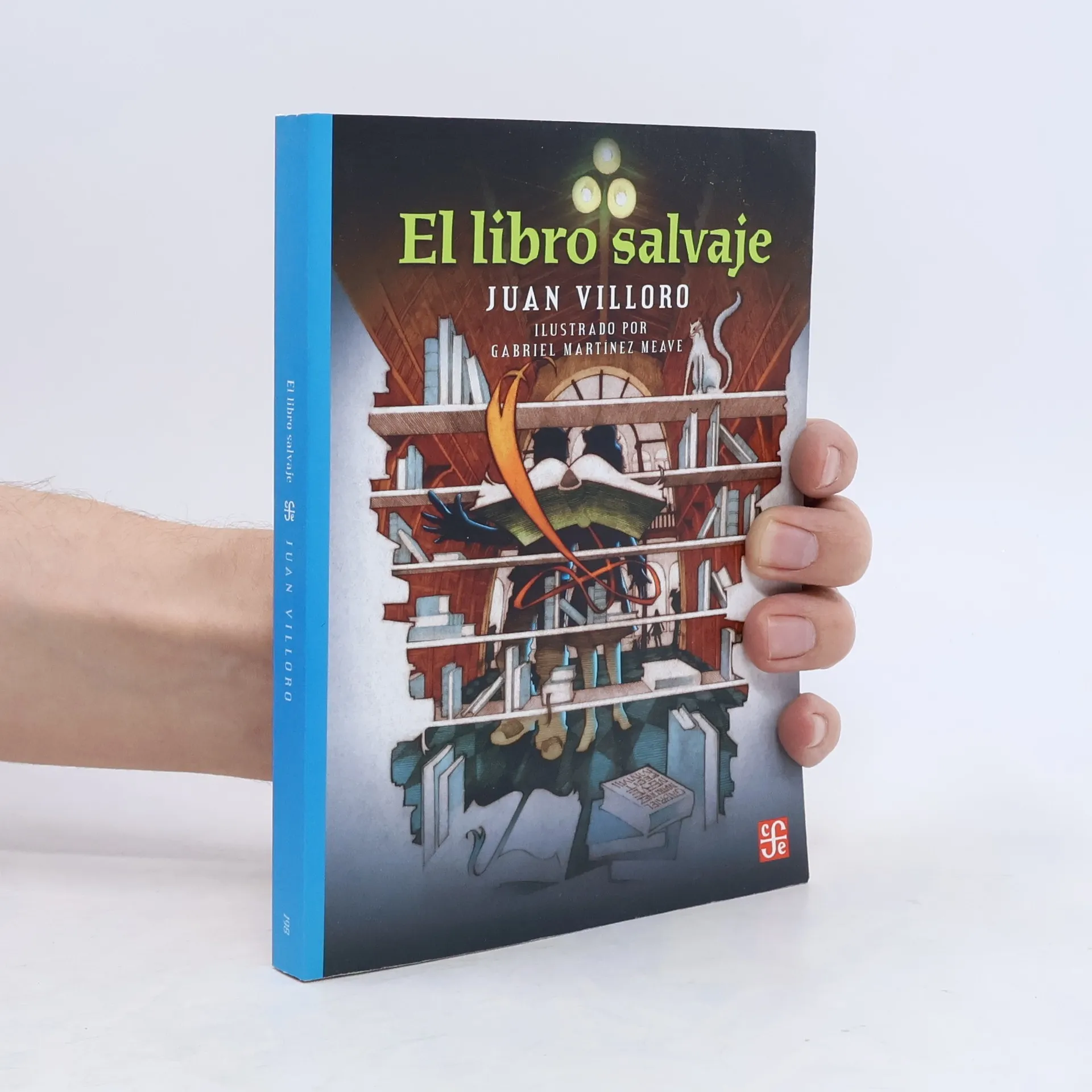
    • El libro salvaje

      • 239 pages
      • 9 hours of reading

      Juan ya tiene planeadas las vacaciones de verano. Sin embargo, su madre ignora sus planes y lo deja en casa del tío Tito, un bibliofilo empedernido que hace ruido cuando come y que le teme a los osos de peluche. Ahí escondido entre los miles de ejemplares de la biblioteca de su tío, Juan tendrá que encontrar El libro salvaje , un libro rebelde que se resiste a la lectura y que guarda entre sus páginas un secreto destinado al lector que sea capaz de atraparlo.

      El libro salvaje2008
      4.3
    • De eso se trata

      Ensayos literarios

      • 306 pages
      • 11 hours of reading

      De eso se trata prosigue la senda iniciada por Juan Villoro en los ensayos de Efectos personales. El narrador convierte sus lecturas en relatos de la inteligencia. Una excepcional galería de personajes recorre estas páginas: el Casanova de las mil fugas, Goethe atrapado en la geometría del amor, Cervantes, fundador de la ro

      De eso se trata2007
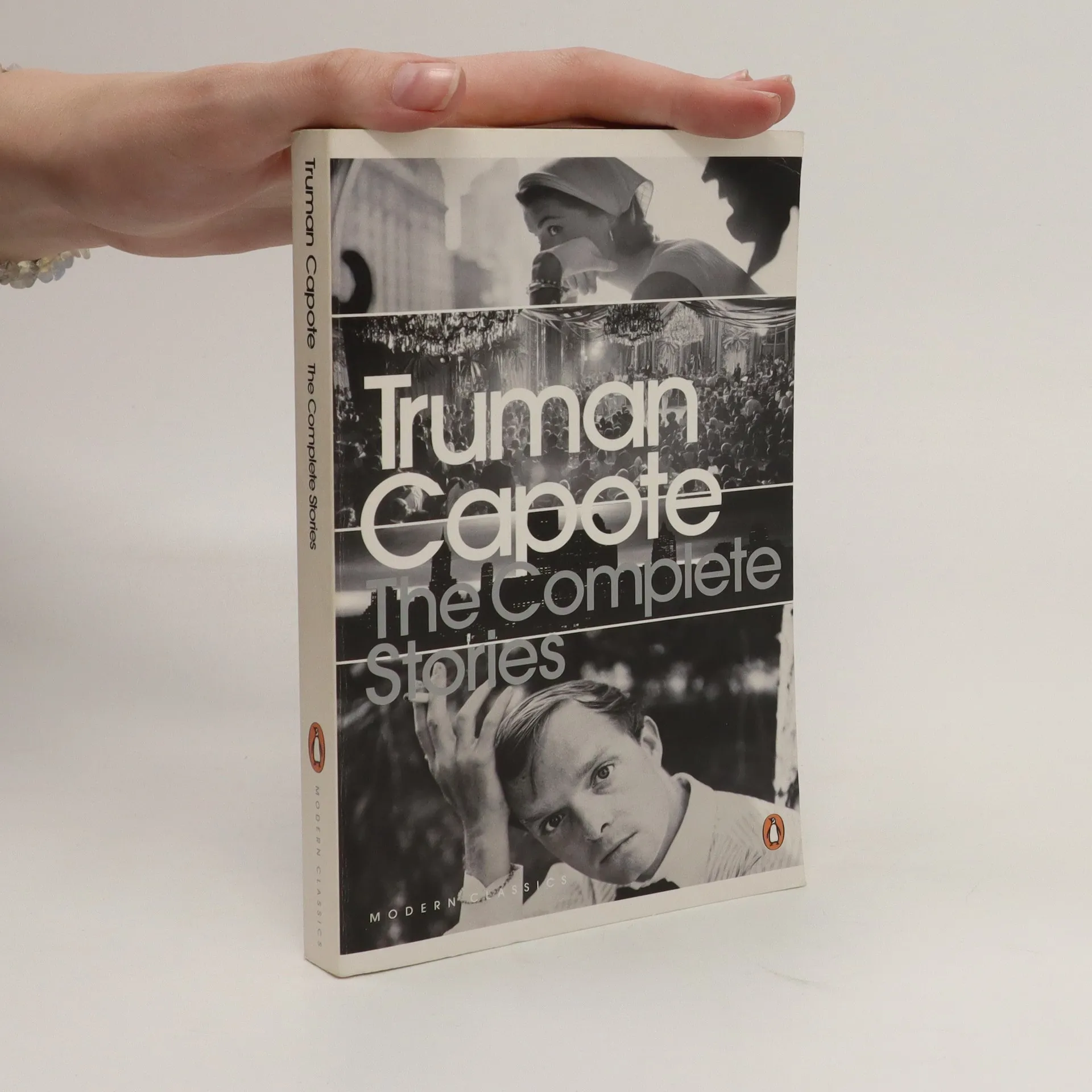
    • The Complete Stories

      • 320 pages
      • 12 hours of reading

      Passionate, perceptive and eloquent, the short stories of Truman Capote are among the greatest works of twentieth century American fiction. This new collection gathers them all together for the first time: from early, eerie Southern Gothic tales such as 'Miriam' and 'The Headless Hawk', to the brilliantly evocative 'Children On Their Birthdays' and the tenderly autobiographical 'A Christmas Memory' - an affectionate portrayal of Capote's own Alabama upbringing. Whether describing the Deep South of his childhood, or considering city life with the penetrating gaze of an outsider - as in 'Among the Paths to Eden' and the hitherto unpublished 'The Bargain' these stories rank among Capote's finest work: acutely observed tales from a unique and brilliant mind.

      The Complete Stories2004
      4.2
    • Dos temas articulan la sugerente trama de El disparo de argón: la mirada y la ciudad. Un espacio les sirve de vínculo: la clínica de ojos del doctor Suárez. El edificio levantado por Suárez pretende servir a la vista y a la vi-sión, a la salud. Pero este ideal ocurre en un México donde el tráfico de órganos es una variante de la econo-mía informal. Suárez no puede ser localizado; el gran profeta de la vista se ha vuelto invisible. Su discípulo Fernando Balmes debe buscar el hilo que lleve al maes-tro. Todo lo que pasa por sus ojos se somete al rigor del oftalmólogo hasta que algo nubla su horizonte: una mujer altera el cristal con que mira el mundo y una tra-ma de sombras lo adentra en un país donde la urgencia no es curar los ojos sino venderlos.

      El disparo de Argón1991
      3.3