

To what extent did the Revolution of the 1650s constitute a break with the past in English history? A tiny majority of Englishmen defied the nation, beheaded their king and abolished those things which appeared the most fixed in the way that the State was organized - monarchy, the House of Lords, the confessional state. What was the effect of this and of the struggle for stability that ensued? This question is addressed here by eight historians in a book intended for students and those interested in the Civil Wars and their aftermath. The contributions are by David L. Smith, on the new constitution; Jonathon Scott, on republicanism; Alan Cromartie, on the rule of law; Ann Hughes, on religion; John Morrill, on post-Revolutionary society; Patricia Crawford, on women after the Revolution; and Steve Pincus, on England and the world in the 1650s. The book is edited by John Morrill, author of "Oliver Cromwell and the English Revolution".
John Stephen Morrill Book order (chronological)
This author engages in detailed examinations of historical events and their consequences. Their work is characterized by profound knowledge and a meticulous analytical approach to the past. They focus on how historical processes manifest in the lives of individuals and entire societies. Readers will appreciate their ability to connect minute details with broader historical contexts.
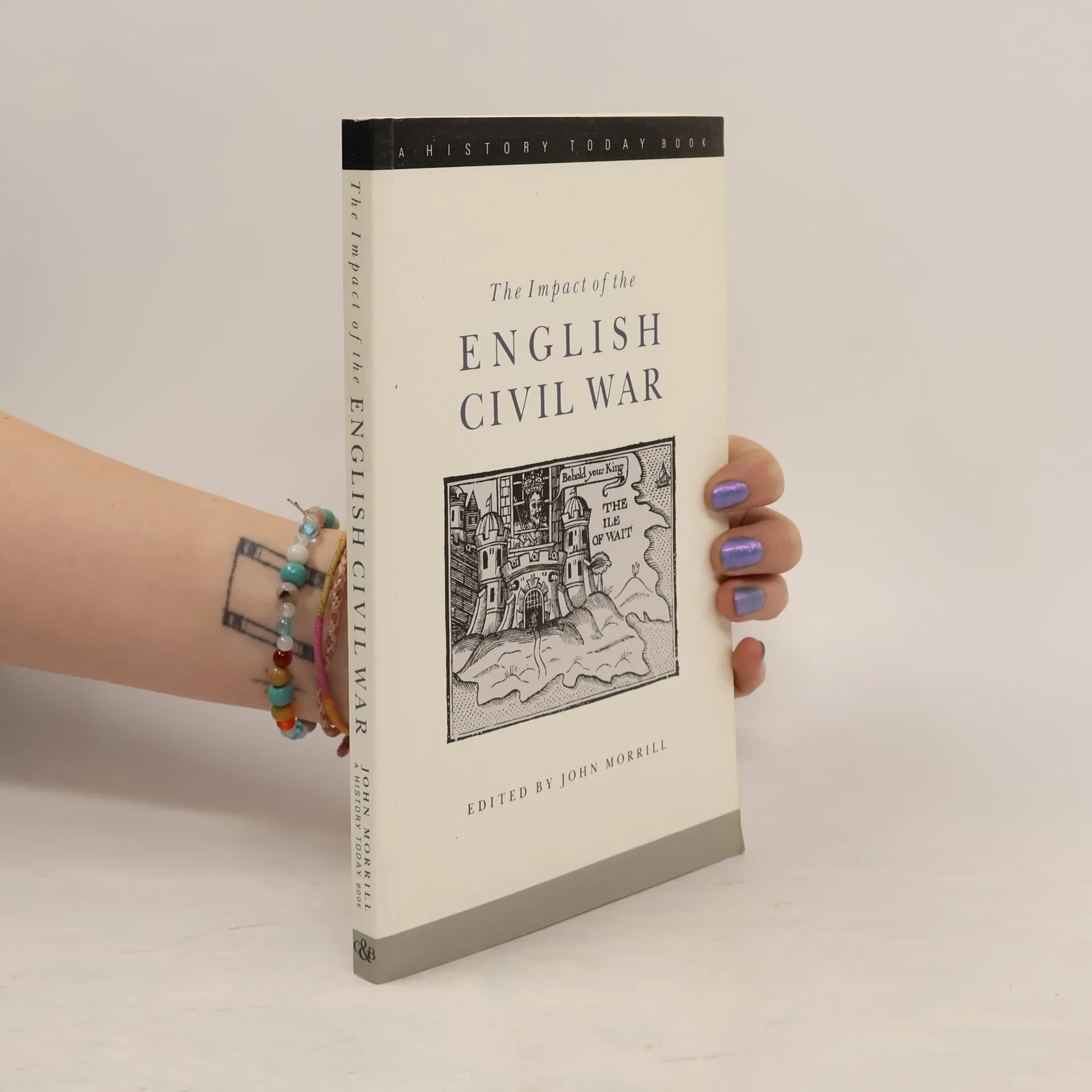

A History Today Book: The Impact of the English Civil War
- 160 pages
- 6 hours of reading