Film Art is often assigned to college students taking their first film class. Authors David Bordwell and Kristin Thompson do not follow the traditional method of teaching film art through a close analysis of individual films. Instead, they provide an overview of the major issues students confront when they watch movies. In clear, straightforward prose, the authors describe and dissect the complexities of filmmaking, film narrative, film form, and film technique. This book serves as a fine introduction not only to the field of film studies, but also to the theories and concerns of two of the most important scholars in that field.
David Bordwell Books
July 23, 1947 – February 29, 2024
David Bordwell stands as one of the most influential film scholars in the United States, recognized for his in-depth analyses of filmmaking styles and periods. His work, often in collaboration with Kristin Thompson, delves into a profound understanding of cinematic language and its historical context. Bordwell's scholarship particularly explores classical Hollywood cinema and the cinematographic traditions of various cultures. His impact extends far beyond academia, having trained a generation of cinema studies professors and seen his books translated globally.


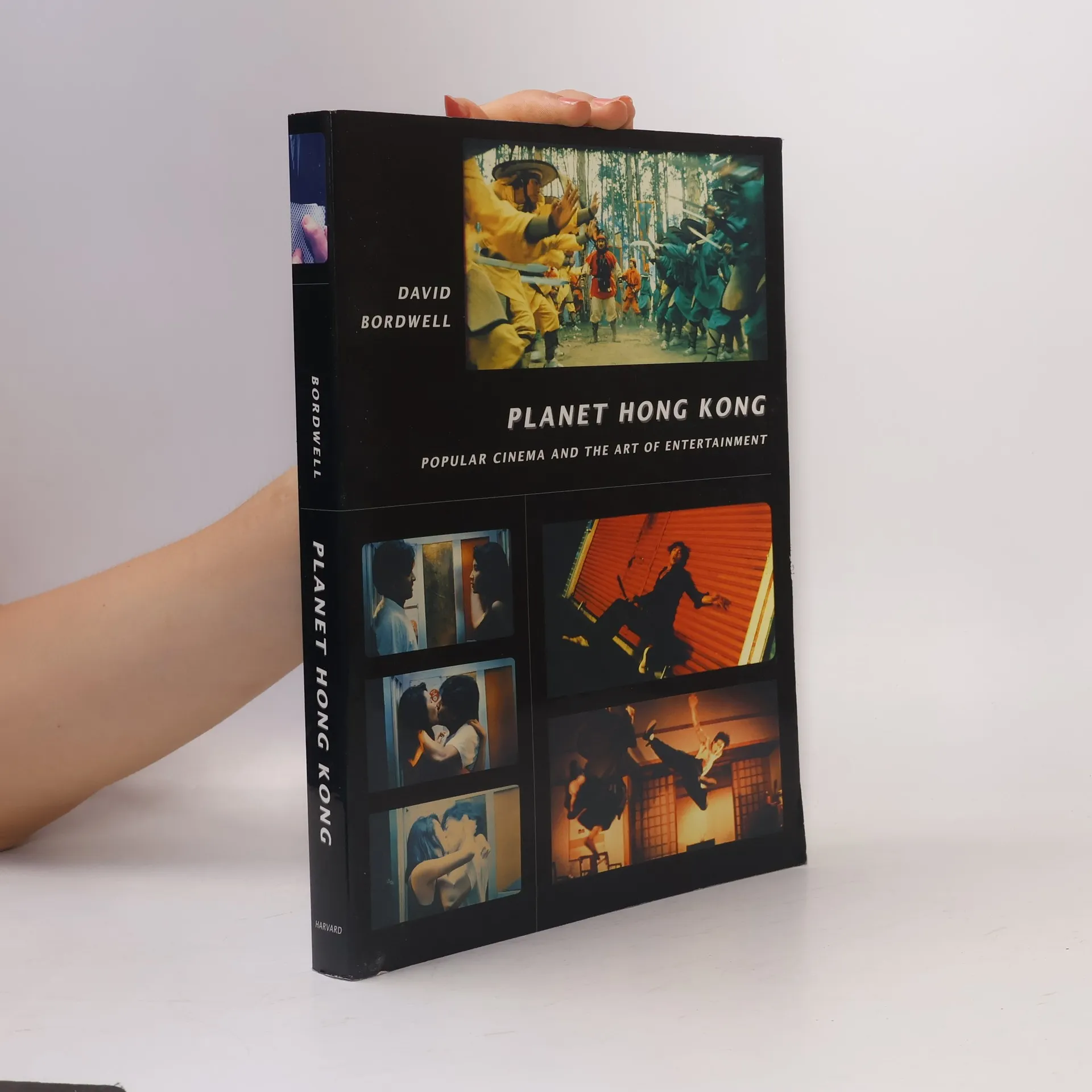

This definitive study of Hong Kong cinema examines the work of directors such as Tsui Hark, John Woo, Ringo Lam, Johnnie To, King Hu, and Wong Kar Wai.
Poetics of Cinema
- 512 pages
- 18 hours of reading
Focusing on the historical poetics of cinema, the author delves into how films are crafted within specific historical contexts to evoke particular effects. Drawing on twenty-five years of research, the analysis explores the intricate relationship between filmmaking practices and the cultural, social, and technological influences that shape them, offering valuable insights for film studies.
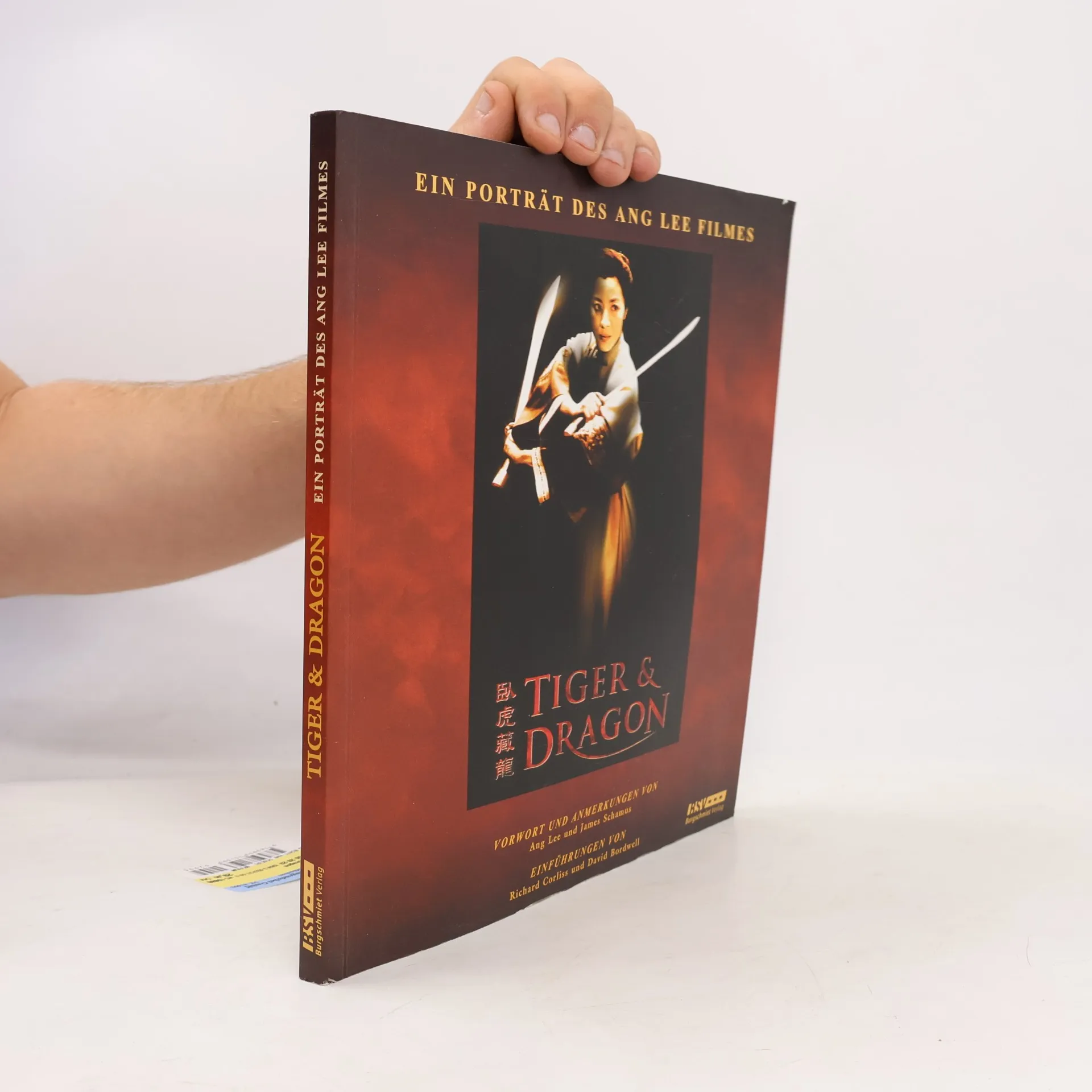
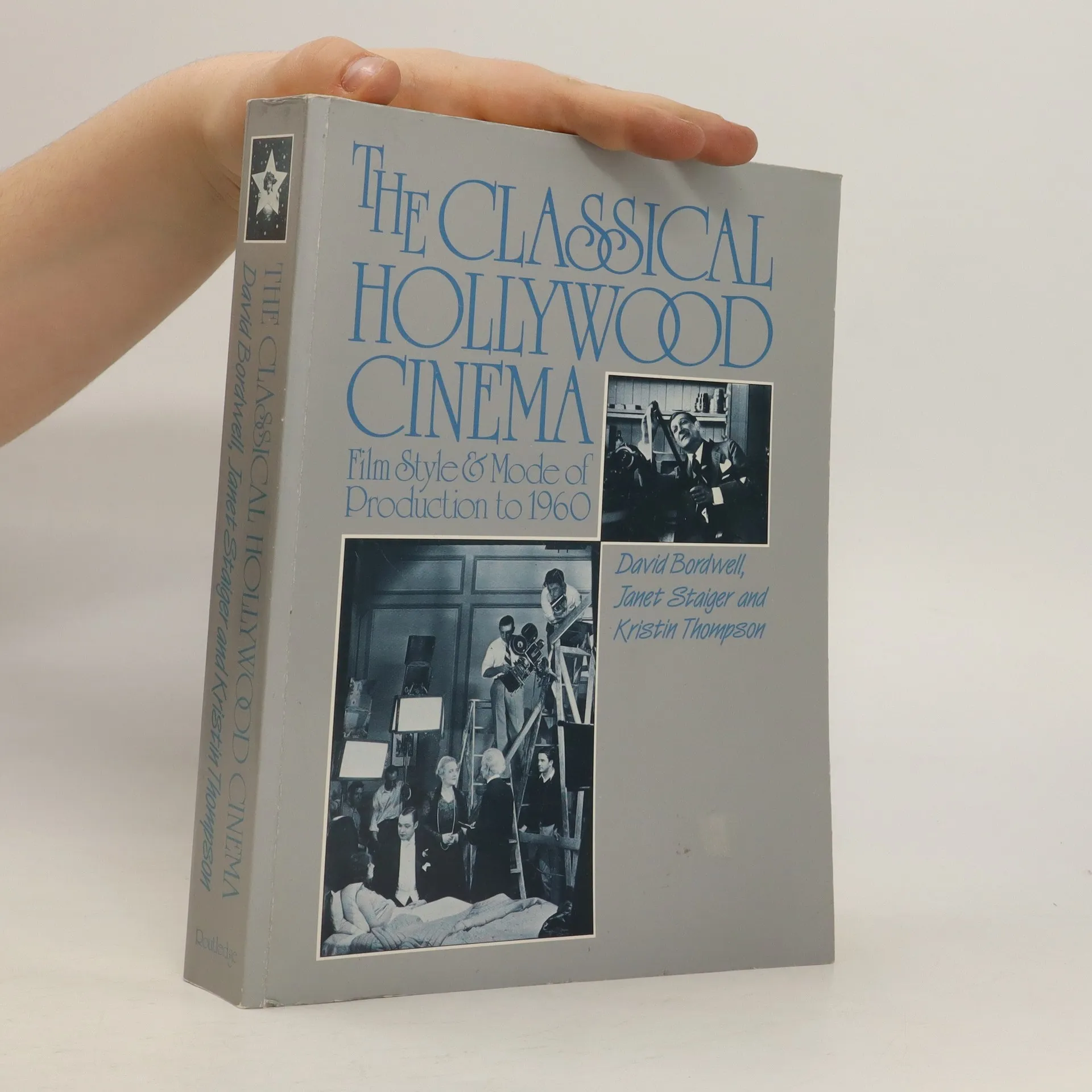
Acclaimed for its breakthrough approach and its combination of theoretical analysis and empirical evidence, this is the standard work on the classical Hollywood cinema style of film-making from the silent era to the 1960s.
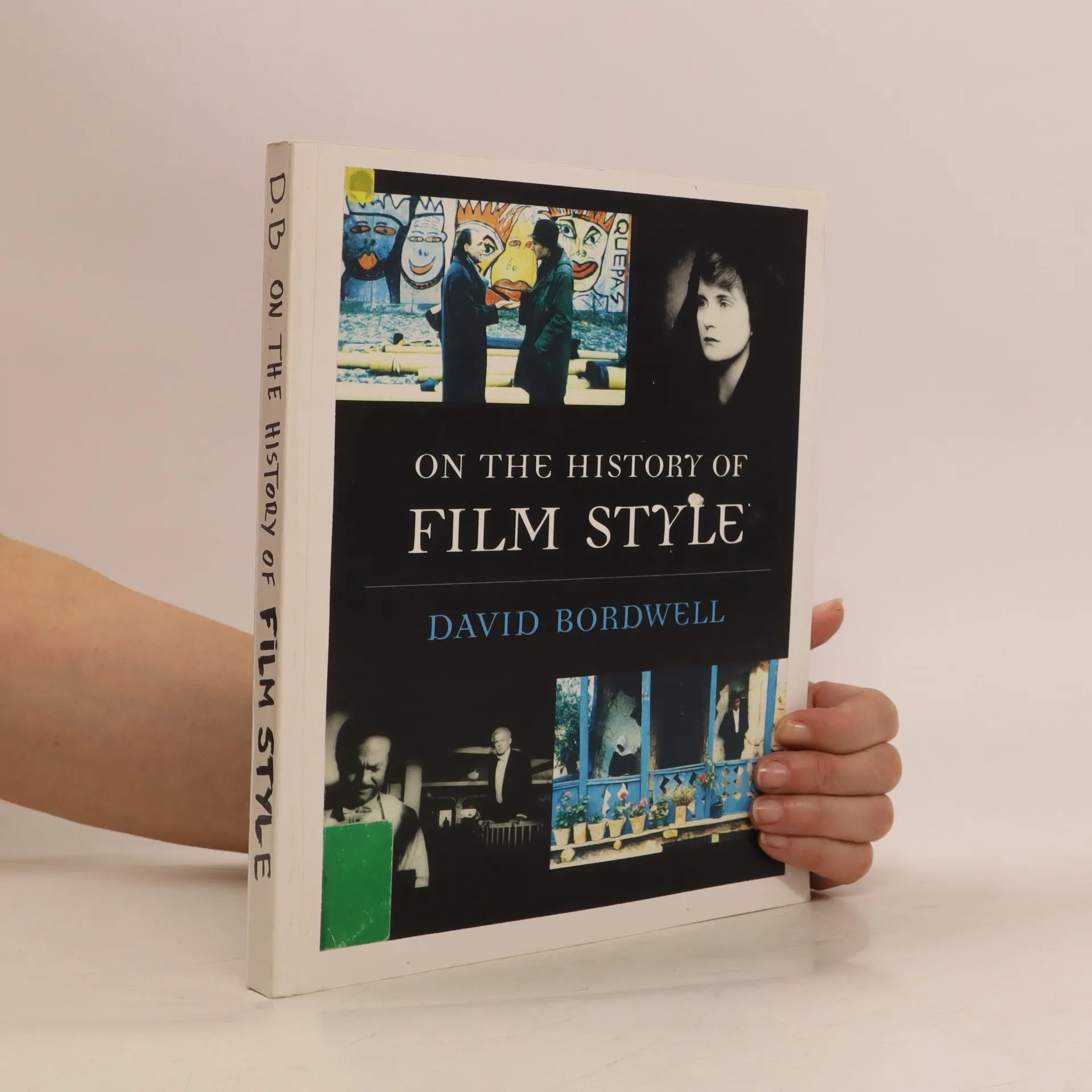
Bordwell scrutinizes the theories of style launched by various film historians and celebrates a century of cinema. The author examines the contributions of many directors and shows how film scholars have explained stylistic continuity and change.
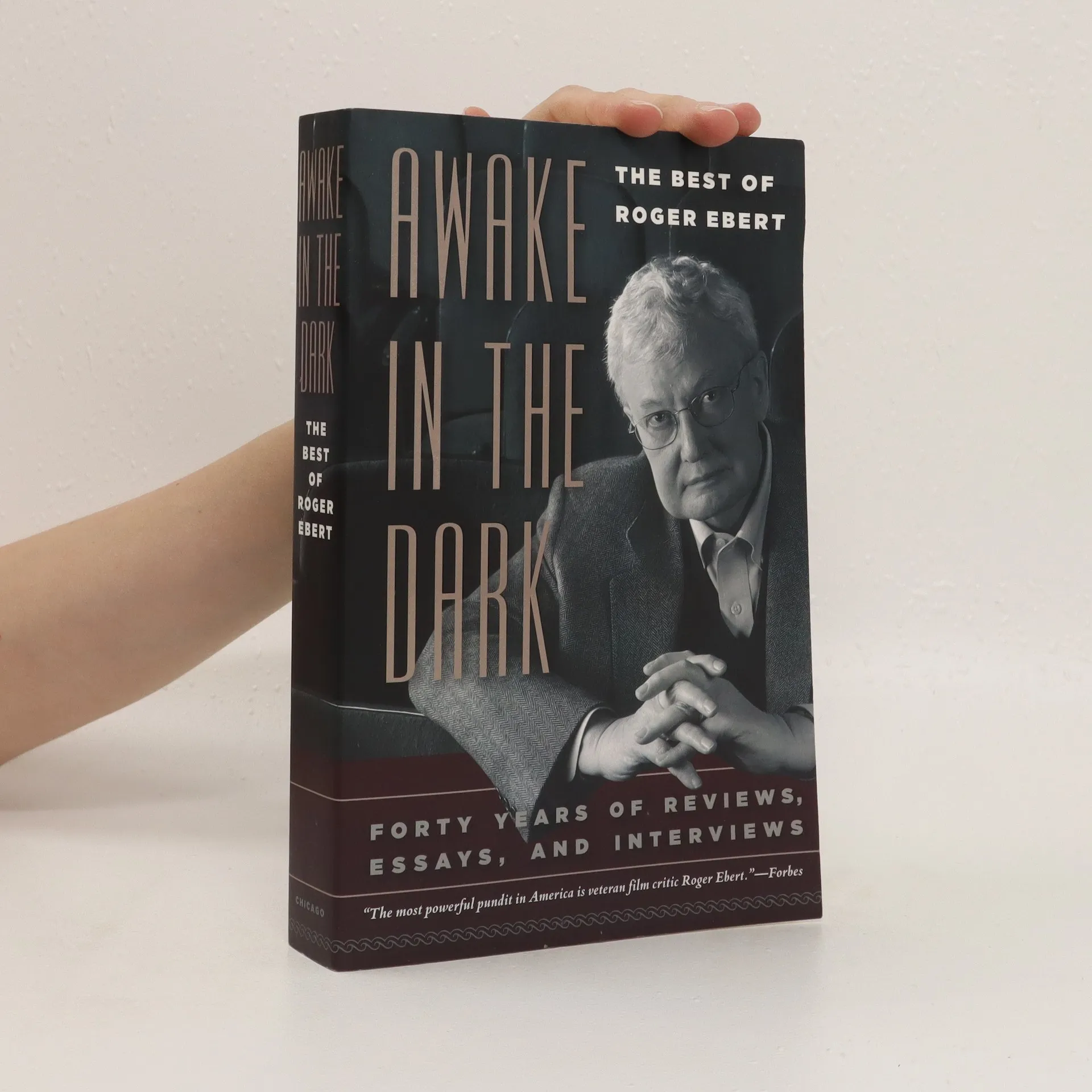
"Arriving fifty years after Ebert published his first film review in 1967, this second edition of Awake in the Dark collects Ebert's essential writings. Featuring new Top Ten Lists and reviews of the years' finest films through 2012, this edition allows both fans and film buffs to bask in the best of an extraordinary lifetime's work."--Provided by publisher.
Perplexing Plots
- 512 pages
- 18 hours of reading
David Bordwell reveals how crime fiction, plays, and films made unconventional narrative mainstream. A sweeping, kaleidoscopic account written in a lively, conversational style, Perplexing Plots offers an ambitious new understanding of how popular culture has evolved over the past century.
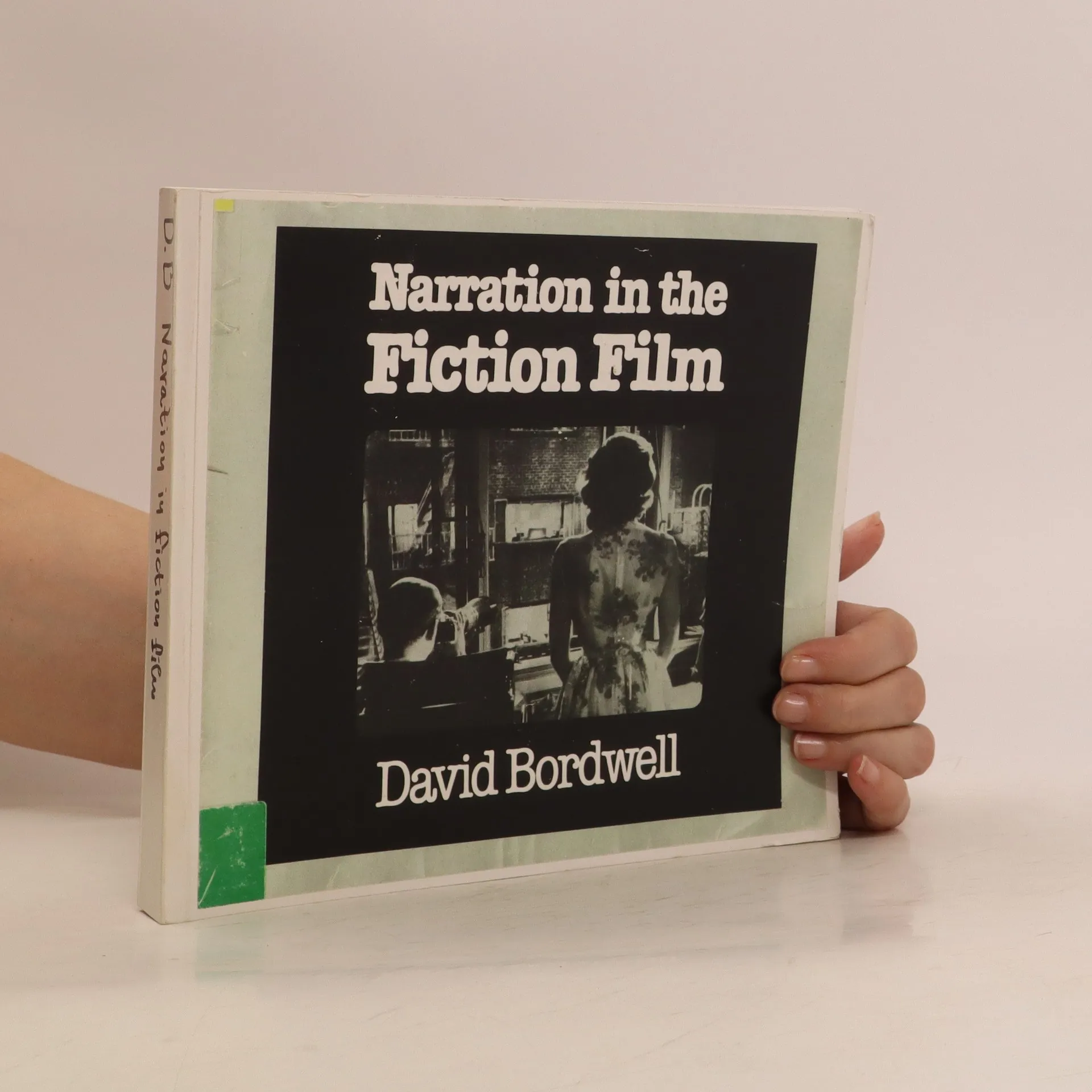
Narration in the Fiction Film
- 384 pages
- 14 hours of reading
Mimetic theories of narration - Diegetic theories of narration - The viewe's activity - Principles of narration - Sin, murder, and narration - Narration and time - Narration and space - Modes and norms - Classical narration : the Hollywood example - Art-cinema narration - Historical-materialist narration : the soviet example - Parametric narration - Godard and narration.
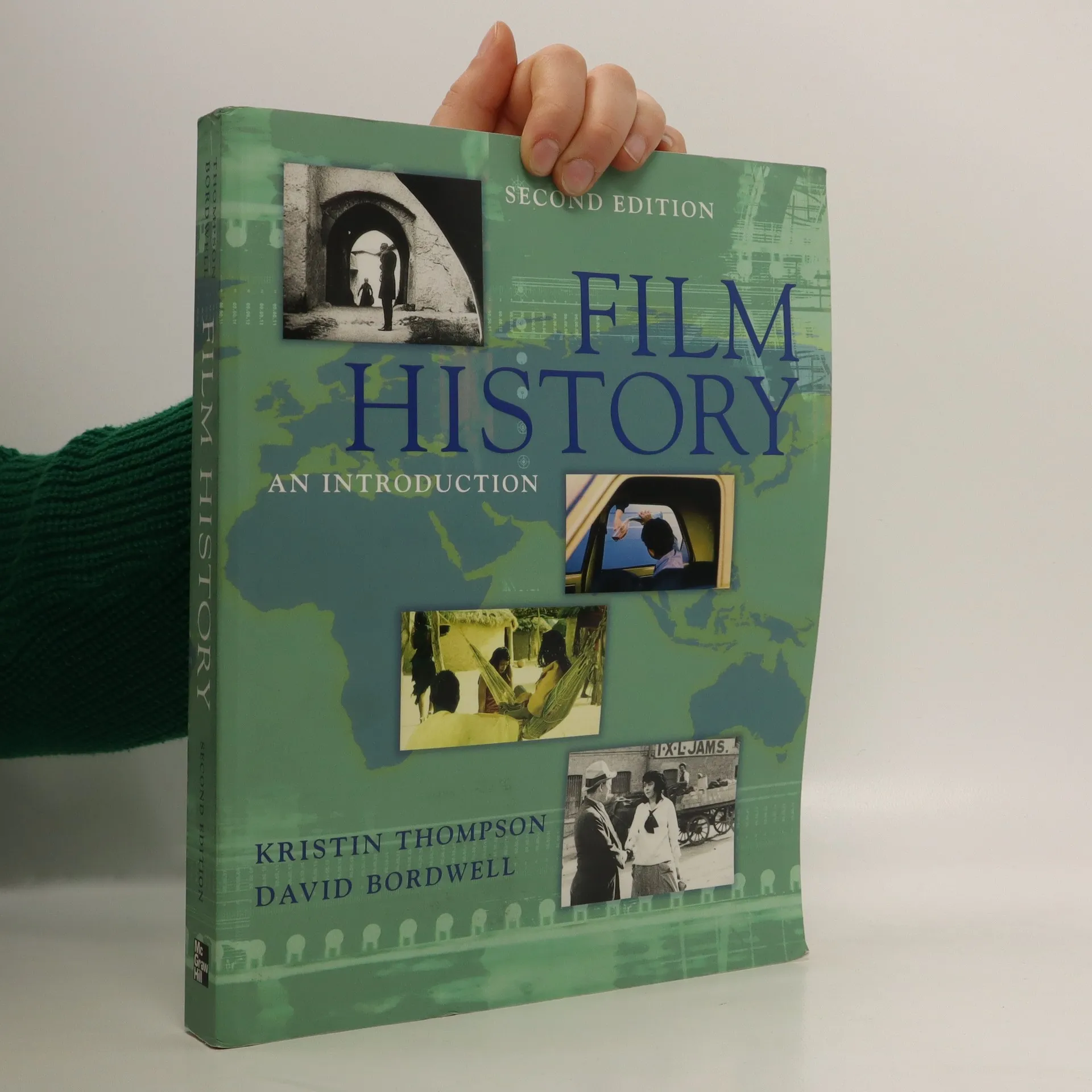
Film history : an introduction
- 808 pages
- 29 hours of reading
This comprehensive survey not only acknowledges the contributions of Hollywood and films from other US sources, but broadens its scope to examine film-making internationally.
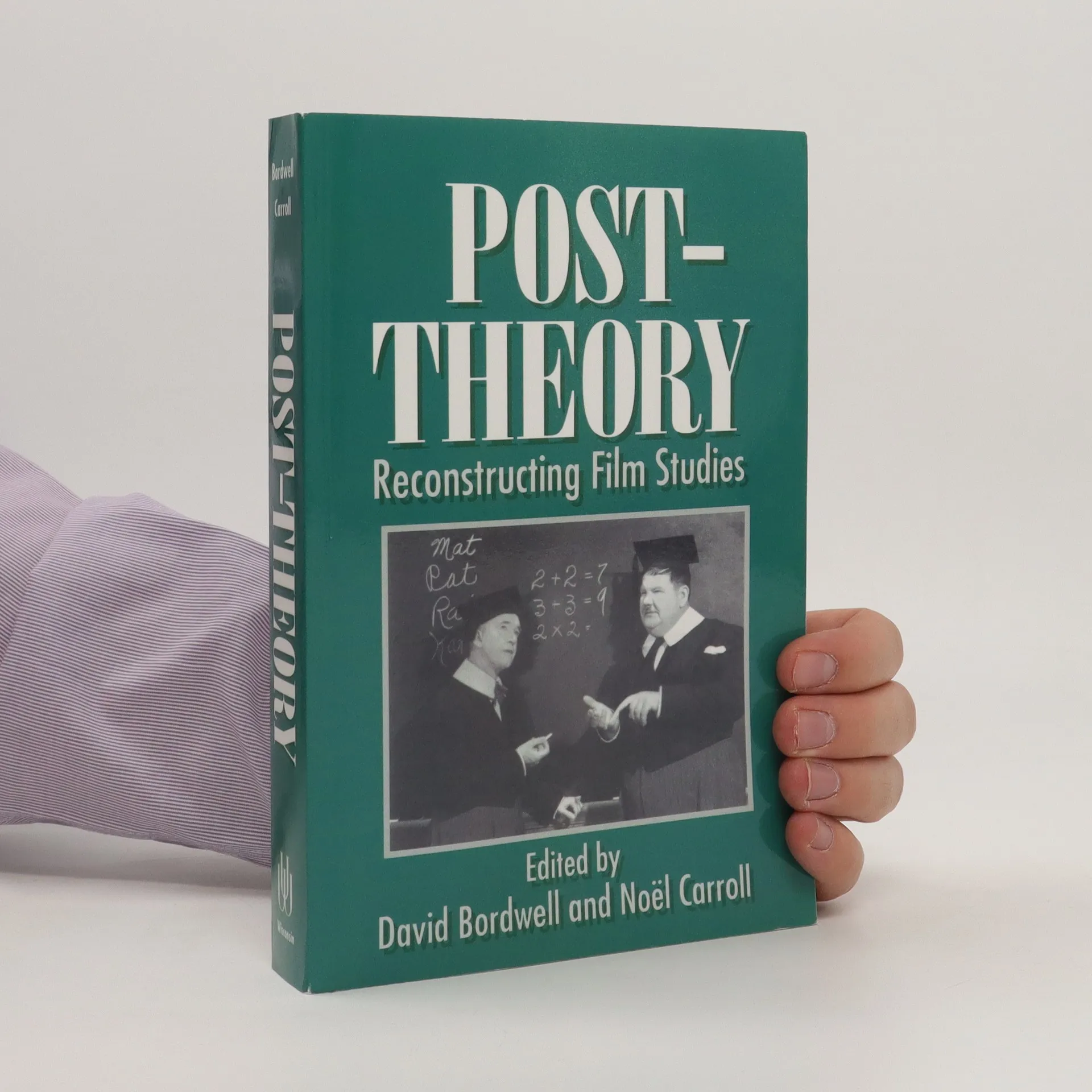
Post-theory : reconstructing film studies
- 582 pages
- 21 hours of reading
Since the 1970s, the academic study of film has been dominated by Structuralist Marxism, varieties of cultural theory, and the psychoanalytic ideas of Freud and Lacan. With Post-Theory, David Bordwell and Noel Carroll have opened the floor to other voices challenging the prevailing practices of film scholarship. Addressing topics as diverse as film scores, national film industries, and audience response. Post-Theory offers fresh directions for understanding film. Bordwell and Carroll pose a simple question. Why not employ many theories tailored to specific goals, rather than searching for a unified theory that will explain all sorts of films, their production, and their reception? The scholars writing here use historical, philosophical, psychological, and feminist methods to tackle such basic issues as: What goes on when viewers perceive a film? How do filmmakers exploit conventions? How do movies create illusions? How does a film arouse emotion? Bordwell and Carroll have given space not only to distinguished film scholars but to non-film specialists as well, ensuring a wide variety of opinions and ideas on virtually every topic on the current agenda of film studies. Full of stimulating essays published here for the first time, Post-Theory promises to redefine the study of cinema.
Film Viewer's Guide
- 40 pages
- 2 hours of reading
Bordwell provides his guide on how to watch, and what to watch for, during a cinematic experience. Included are advice on how to write analytical essays and reviews concerning the film.
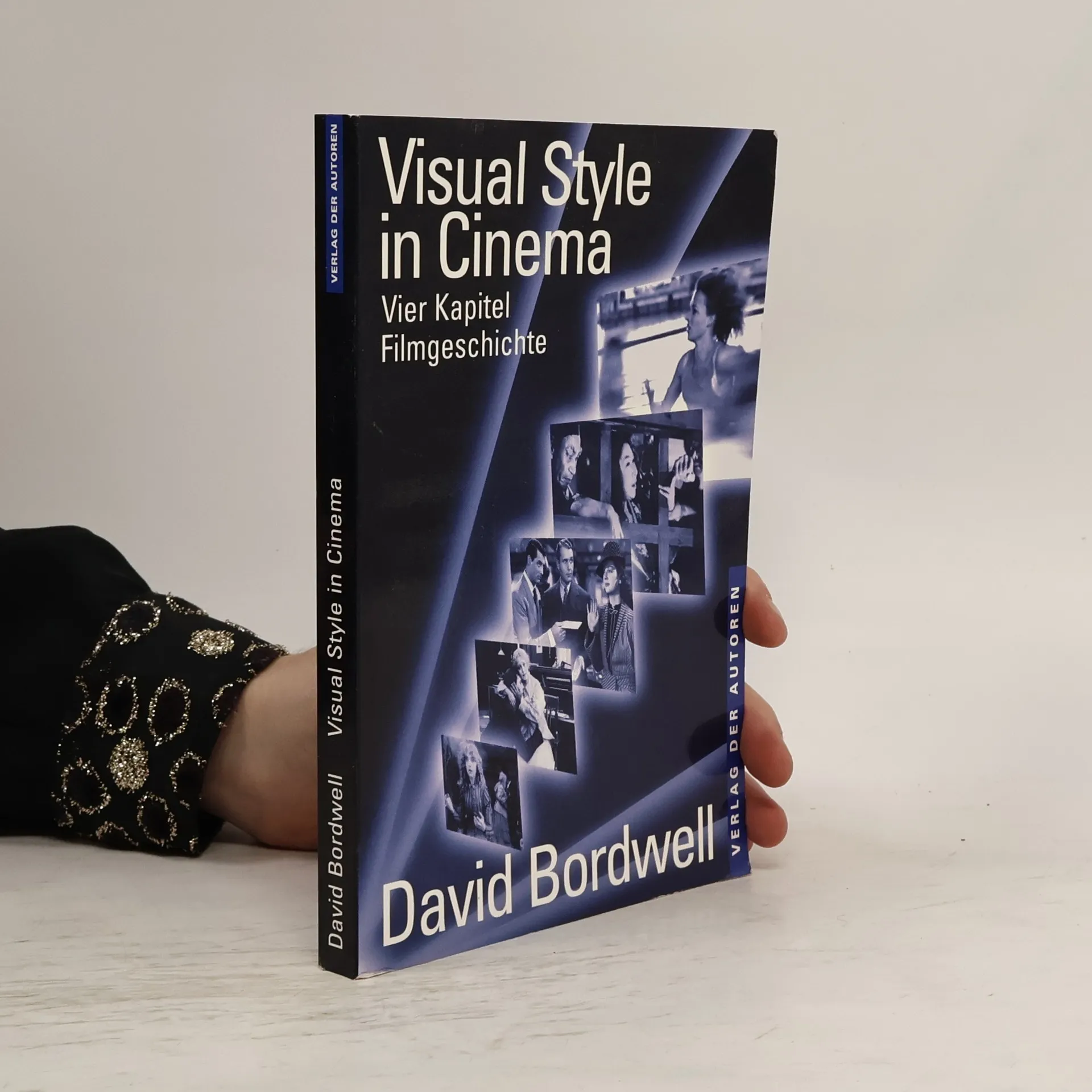
Mit diesem Buch erscheint zum ersten Mal eine deutschsprachige Ausgabe der anschaulichen Lehre David Bordwells, die sich gleichermaßen an Fachleute und Laien richtet. Am Beispiel von vier ausgewählten Perioden der Filmgeschichte gibt der berühmte amerikanische Filmprofessor einen Überblick über die Kunst der Filmgestaltung. INHALT: Die Zeit des Stummfilms. Der frühe Tonfilm. Die Fünfzigerjahre. Die Neunzigerjahre.