

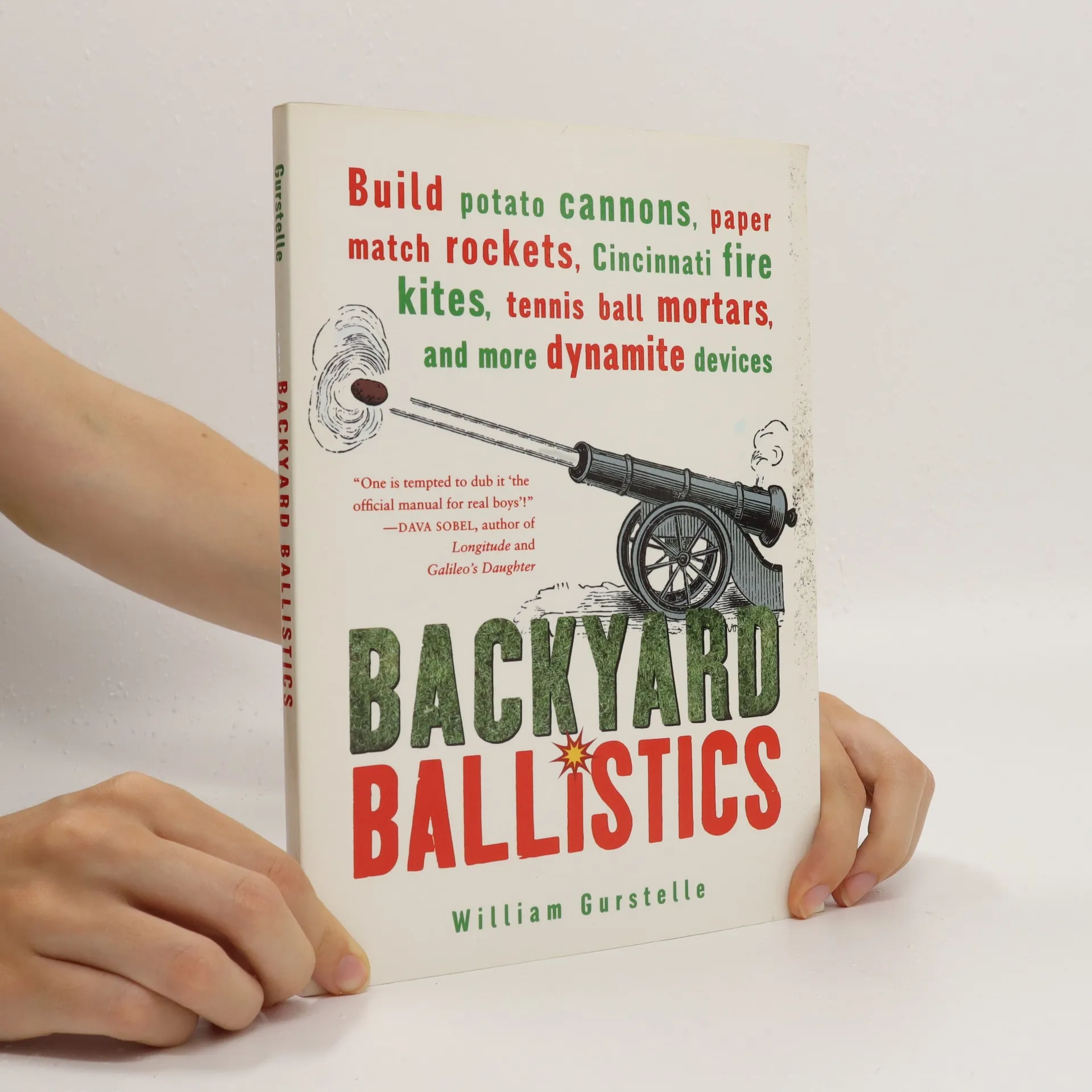
Ordinary folks can construct 13 awesome ballistic devices in their garage or basement workshops using inexpensive household or hardware store materials and this step-by-step guide. Clear instructions, diagrams, and photographs show how to build projects ranging from the simple—a match-powered rocket—to the more complex—a scale-model, table-top catapult—to the offbeat—a tennis ball cannon. With a strong emphasis on safety, the book also gives tips on troubleshooting, explains the physics behind the projects, and profiles scientists and extraordinary experimenters such as Alfred Nobel, Robert Goddard, and Isaac Newton. This book will be indispensable for the legions of backyard toy-rocket launchers and fireworks fanatics who wish every day was the fourth of July.
William Gurstelle Books
The Art of the Catapult
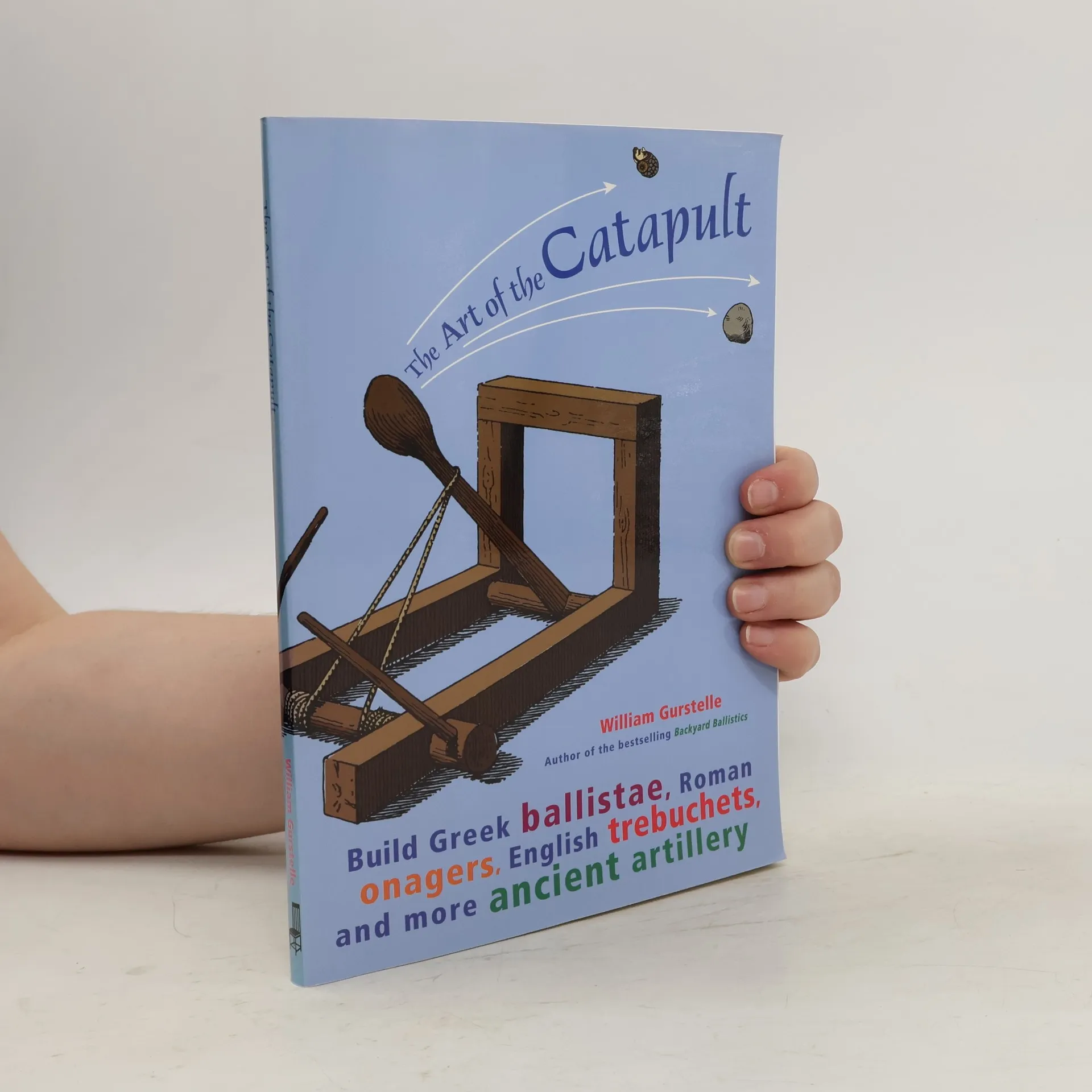
Build Greek Ballistae, Roman Onagers, English Trebuchets, and More Ancient Artillery
- 192 pages
- 7 hours of reading
Whether playing at defending their own castle or simply chucking pumpkins over a fence, wannabe marauders and tinkerers will become fast acquainted with Ludgar, the War Wolf, Ill Neighbor, Cabulus, and the Wild Donkey—ancient artillery devices known commonly as catapults. Building these simple yet sophisticated machines introduces fundamentals of math and physics using levers, force, torsion, tension, and traction. Instructions and diagrams illustrate how to build seven authentic working model catapults, including an early Greek ballista, a Roman onager, and the apex of catapult technology, the English trebuchet. Additional projects include learning how to lash and make rope and how to construct and use a hand sling and a staff sling. The colorful history of siege warfare is explored through the stories of Alexander the Great and his battle of Tyre; Saladin, Richard the Lionheart, and the Third Crusade; pirate-turned-soldier John Crabbe and his ship-mounted catapults; and Edward I of England and his battle against the Scots at Stirling Castle.
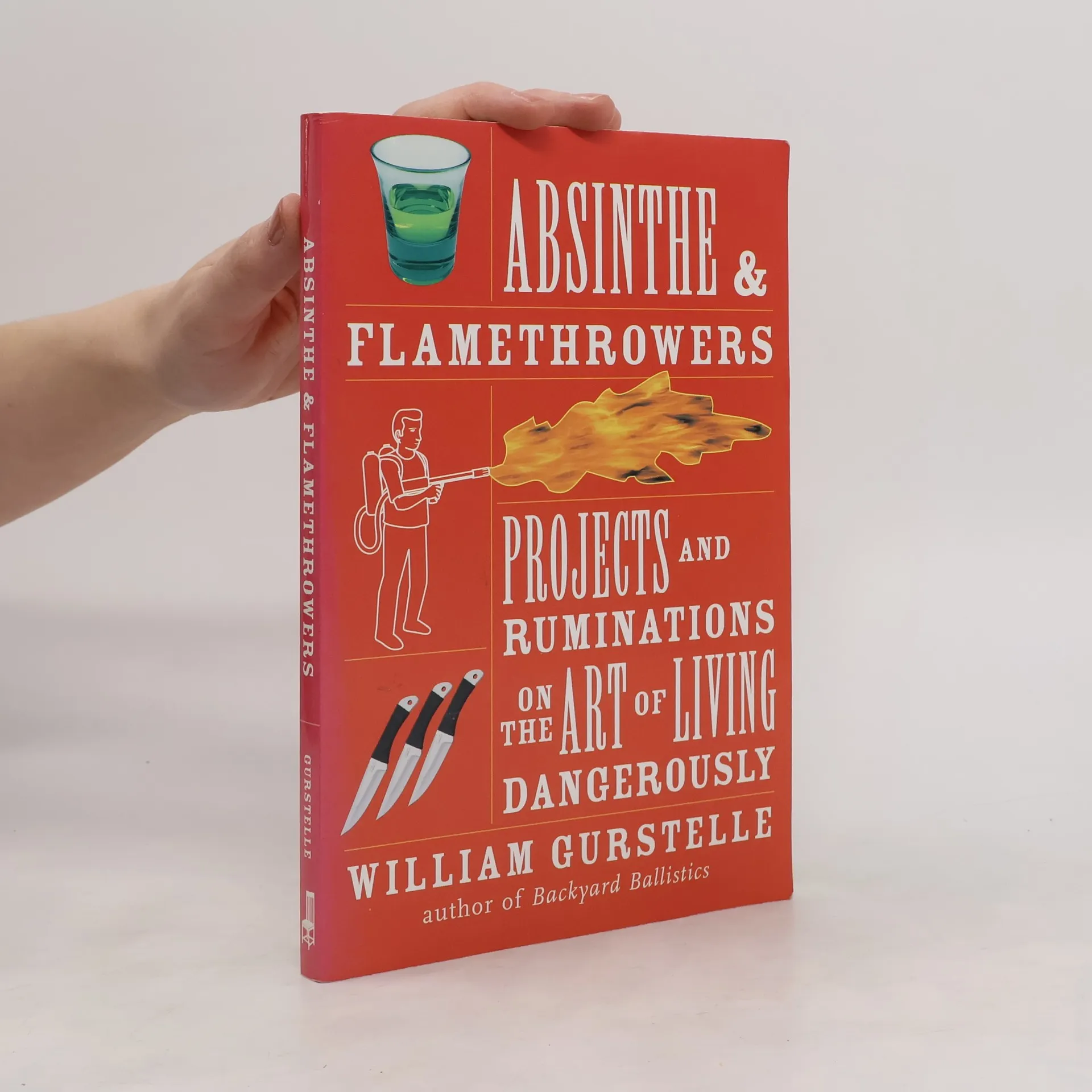
Absinthe & Flamethrowers
- 208 pages
- 8 hours of reading
A Selection of the Scientific American Book Club Want to add more excitement to your life?This daring combination of science, history, and DIY projects will show you how. Written for smart risk takers, it explores why danger is good for you and details the art of living dangerously.Risk takers are more successful, more interesting individuals who lead more fulfilling lives. Unlike watching an action movie or playing a video game, real-life experience changes a person, and Gurstelle will help you discover the true thrill of making black powder along with dozens of other edgy activities.All of the projects—from throwing knives, drinking absinthe, and eating fugu to cracking a bull whip, learning bartitsu, and building a flamethrower—have short learning curves, are hands-on and affordable, and demonstrate true but reasonable risk.With a strong emphasis on safety, each potentially life-altering project includes step-by-step directions, photographs, and illustrations along with troubleshooting tips from experts in the field.
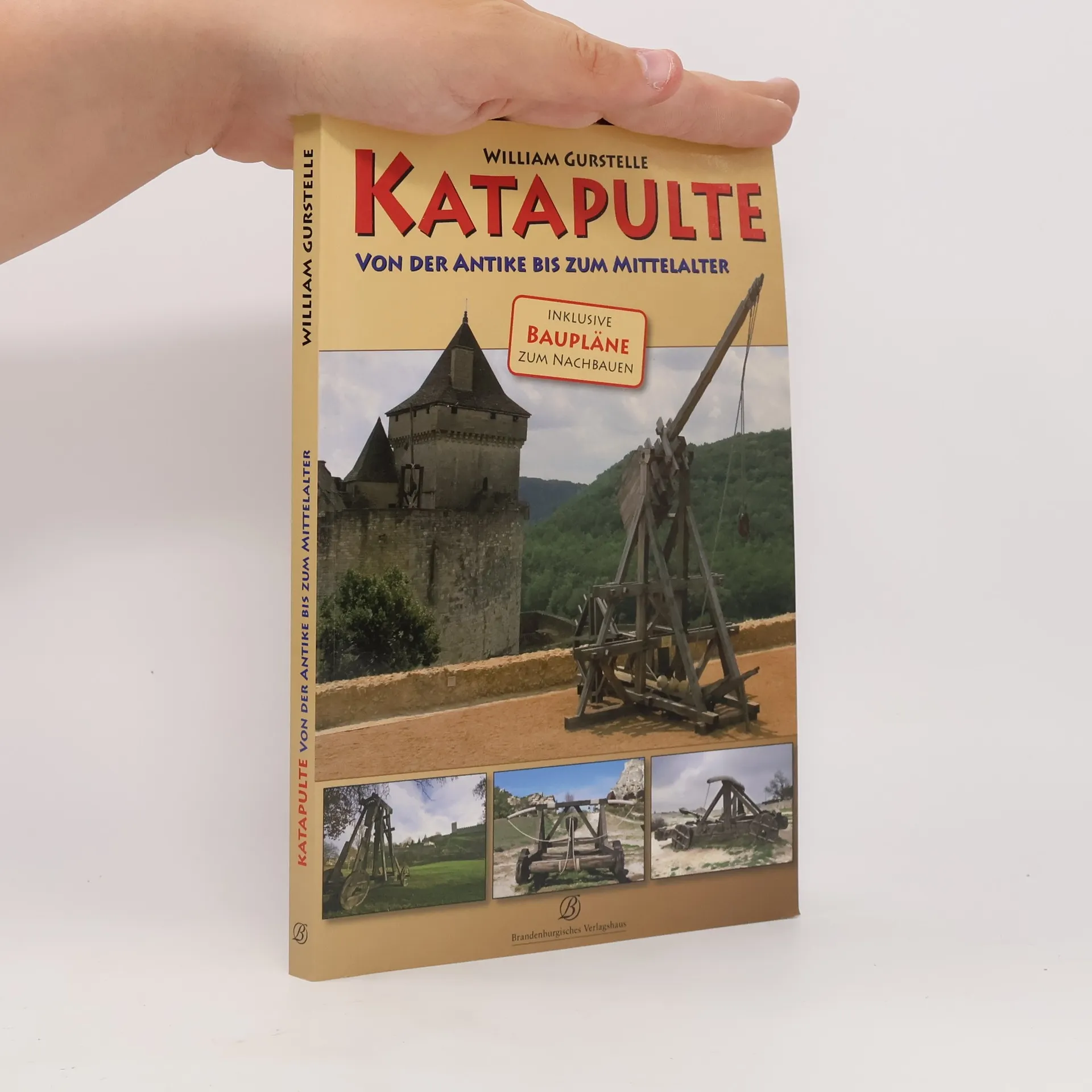
Katapulte
- 190 pages
- 7 hours of reading
Der Autor ist bisher durch einen etwas fragwürdigen Titel ("Messerwerfen & Absinth", ID-G 36/10) hervorgetreten. Hier legt er einen populären Band zu antiken und mittelalterlichen Wurfmaschinen und Katapulten vor, das sich auf den zweiten Blick als ein Bastelbuch für die Modelle der beschriebenen Vorbilder entpuppt. Gurstelle geht davon aus, dass die Bauanleitungen nur in Zusammenarbeit mit versierten Hobbybastlern zum Erfolg führen. Die Texte zur Geschichte der alten Artillerie sind sehr einfach gehalten und orientieren sich vorrangig an der Systematisierung und Beschreibung der unterschiedlichen Waffenarten. Dabei passieren einige Patzer: Z.B. geht das Kapitel über die "Antike" bis ins Mittelalter, der Mont Ségur und die Albigenseraufstände werden nach Italien verlegt (statt Frankreich). Die technischen Beschreibungen der Waffen sind sehr allgemein, es fehlen u.a. Maße, Wurfgewichte, Reichweiten. Die Fotos von erhaltenen und restaurierten Wurfmaschinen bleiben ohne Bildunterschrift. In Ermangelung von Alternativen bedingt empfohlen. (3) (Helmut Lange)