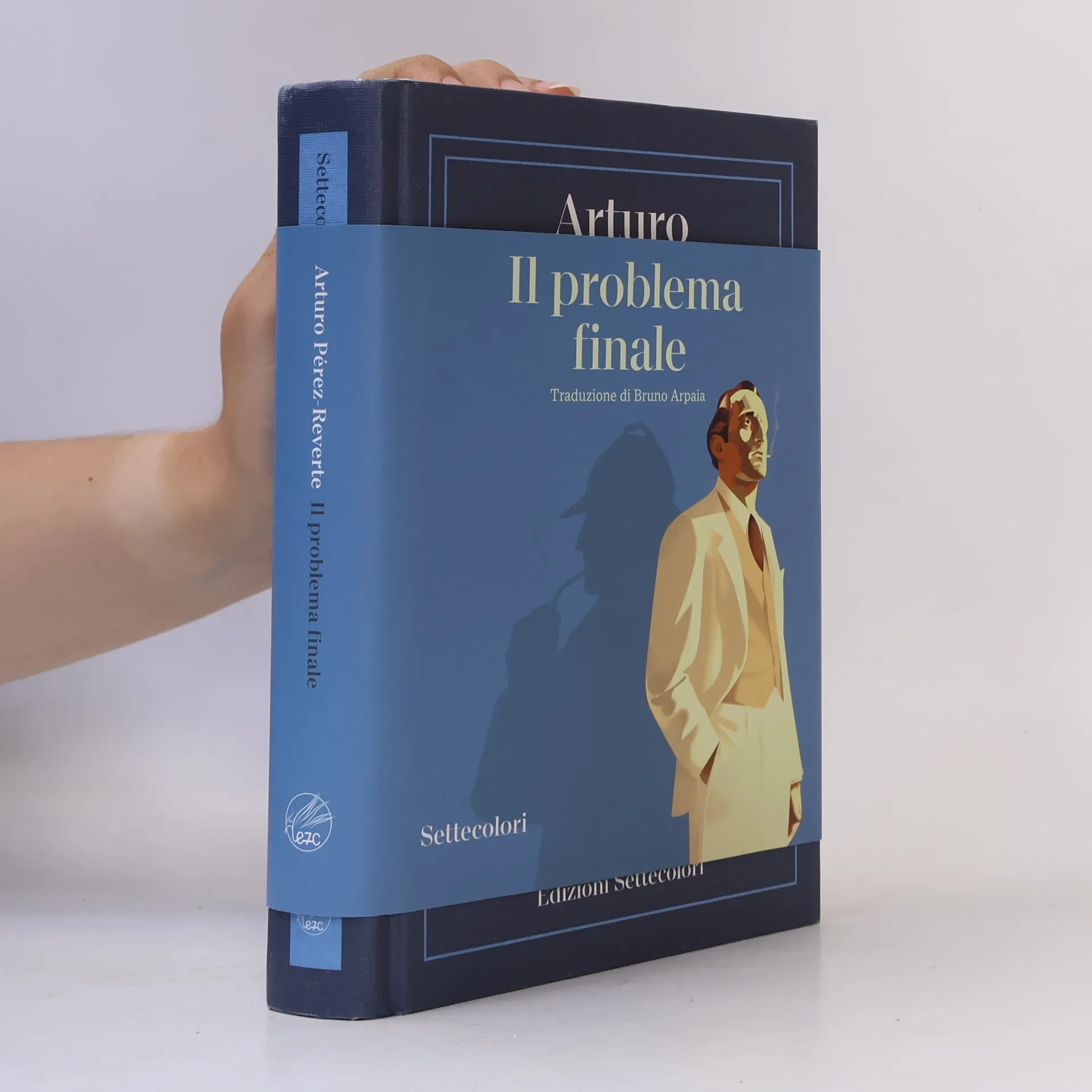
Il problema finale
- 330 pages
- 12 hours of reading



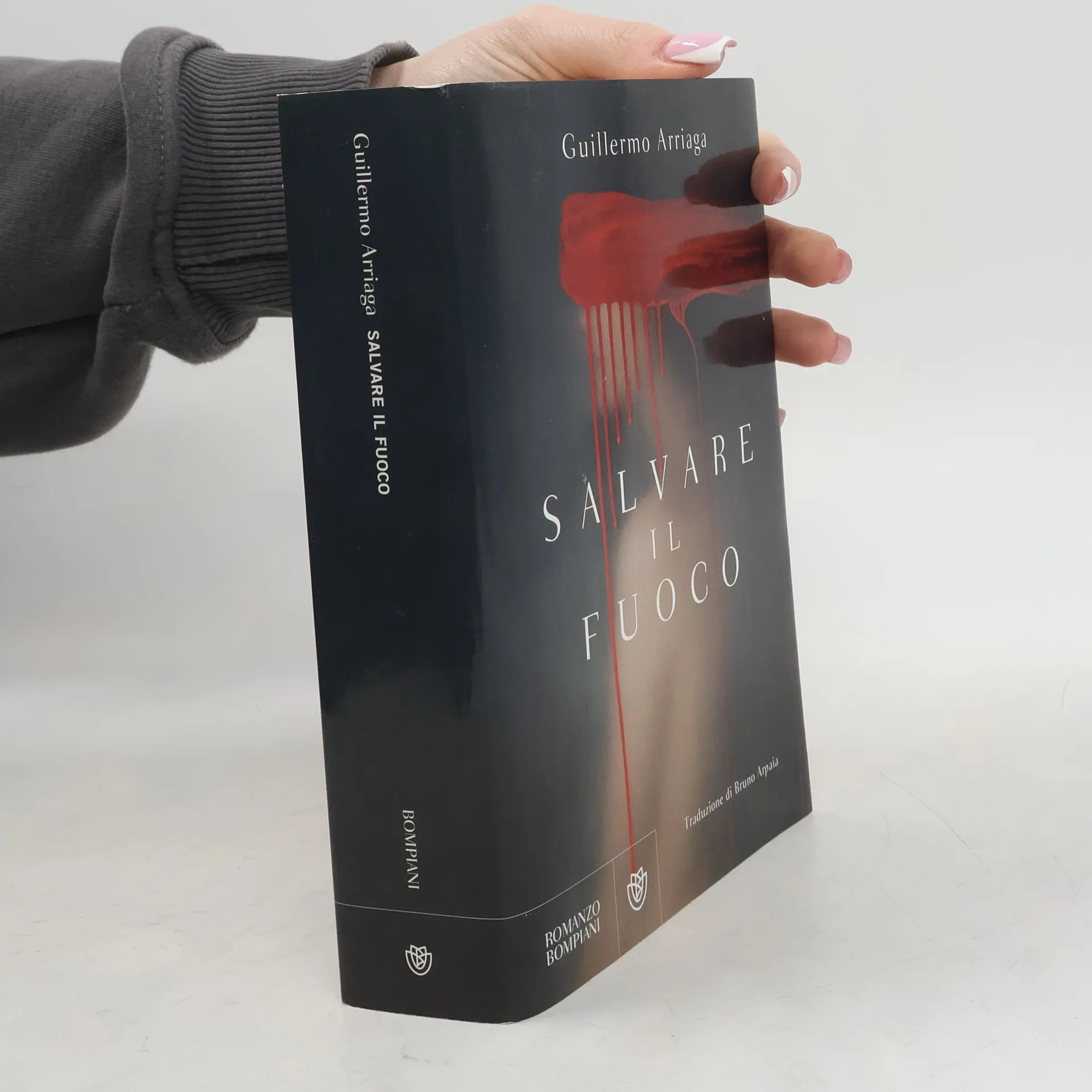
Nicasio, già pensionato, è solito recarsi il giovedì al cimitero di Ortuella per visitare la tomba del nipote. È uno dei tanti bambini deceduti a seguito di un'esplosione di gas in una scuola di quella località, un incidente che scosse il Paese Basco e tutta la Spagna nel 1980. Attraverso le avventure del nonno, una figura che si ingigantisce fino a diventare indimenticabile, il racconto della madre molti anni dopo e la cronaca oggettiva di quanto accaduto alla famiglia, scopriremo come quella tragedia lacerante e devastante li abbia alterati, come abbia messo in luce aspetti inaspettati e come abbia stravolto le loro vite. Con la maestria abituale di Aramburu, il lettore sarà immerso in una storia di emozioni inaspettate, un'esplorazione psicologica e letteraria che ci tiene incollati al destino dei protagonisti. Una novella che racchiude una densità emotiva così alta da richiedere una lettura attenta, fino all'ultima linea, per comprendere e emozionarsi con il destino dei suoi protagonisti.
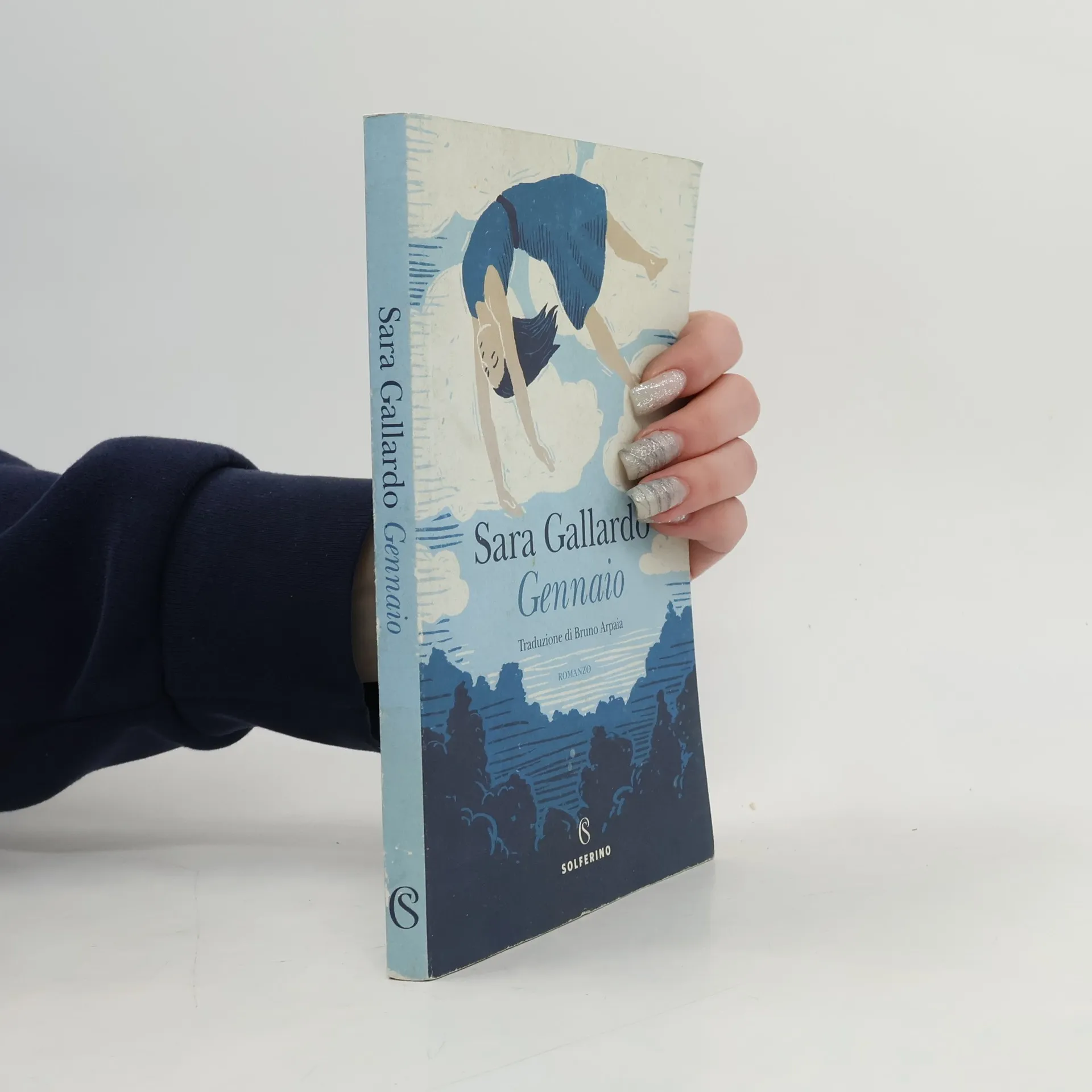
La pertenencia di Sara Gallardo alla alta borghesia nazionale non è un dato aleatorio per comprendere e valutare la sua opera. Il suo sguardo intelligente e sensibile mette in luce relazioni di dominazione, pregiudizi e manipolazioni di classe che appaiono nelle sue opere come dati essenziali della trama. Gallardo parla di ciò che conosce, dall'interno; è una scrittrice che ha conosciuto da vicino questi personaggi che si incrociano nelle frontiere sociali e culturali di un'Argentina che guardava ancora verso il XIX secolo. Le relazioni tra padroni e braccianti o puesteros, cioè tra signori e servi di retaggio feudale, sono mostrate magistralmente e nella misura esatta delle necessità del racconto. Senza manicheismi di "buoni" o "cattivi", i personaggi, buoni o cattivi, vivono nella storia portando ciascuno il proprio e evidente significato.
PREMIO ALFAGUARA DE NOVELA 2020. Una storia di violenza nel Messico contemporaneo dove l'amore e la redenzione sono ancora possibili. Marina, una donna sposata con tre figli e una vita familiare stabile, è una coreografa di prestigio che si trova coinvolta in un amore inaspettato con un uomo di un ceto sociale opposto. La narrativa presenta due Messico completamente disgiunti, mostrando come Marina, appartenente alla classe alta, si connetta con un uomo proveniente dall'estremo opposto della società. Questa opera esplora le contraddizioni del paese e della natura umana, offrendo una storia d'amore che, alla fine, porta speranza. Si descrive come una novella polifonica che narra con intensità e dinamismo una storia di violenza, utilizzando una forza visiva straordinaria e un linguaggio colloquiale reinventato, risultando in un'opera di inquietante verosimiglianza. La critica ha elogiato l'autore come un narratore eccezionale, evidenziando la sua capacità di intrecciare personaggi e situazioni apparentemente dispari con sensibilità e potenza visiva.
"In May 1980, 15-year-old Oscar Drai suddenly vanishes from his boarding school in the old quarter of Barcelona. For seven days and nights no one knows his whereabouts ... His story begins in the heart of old Barcelona, when he meets Marina and her father German Blau, a portrait painter. Marina takes Oscar to a cemetery to watch a macabre ritual that occurs on the fourth Sunday of each month. At 10 a.m. precisely a coach pulled by black horses appears. From it descends a woman dressed in black, her face shrouded, wearing gloves, holding a single rose. She walks over to a gravestone that bears no name, only the mysterious emblem of a black butterfly with open wings. When Oscar and Marina decide to follow her they begin a journey that will take them to the heights of a forgotten, post-war Barcelona, a world of aristocrats and actresses, inventors and tycoons; and a dark secret that lies waiting in the mysterious labyrinth beneath the city streets"--Publisher's website.
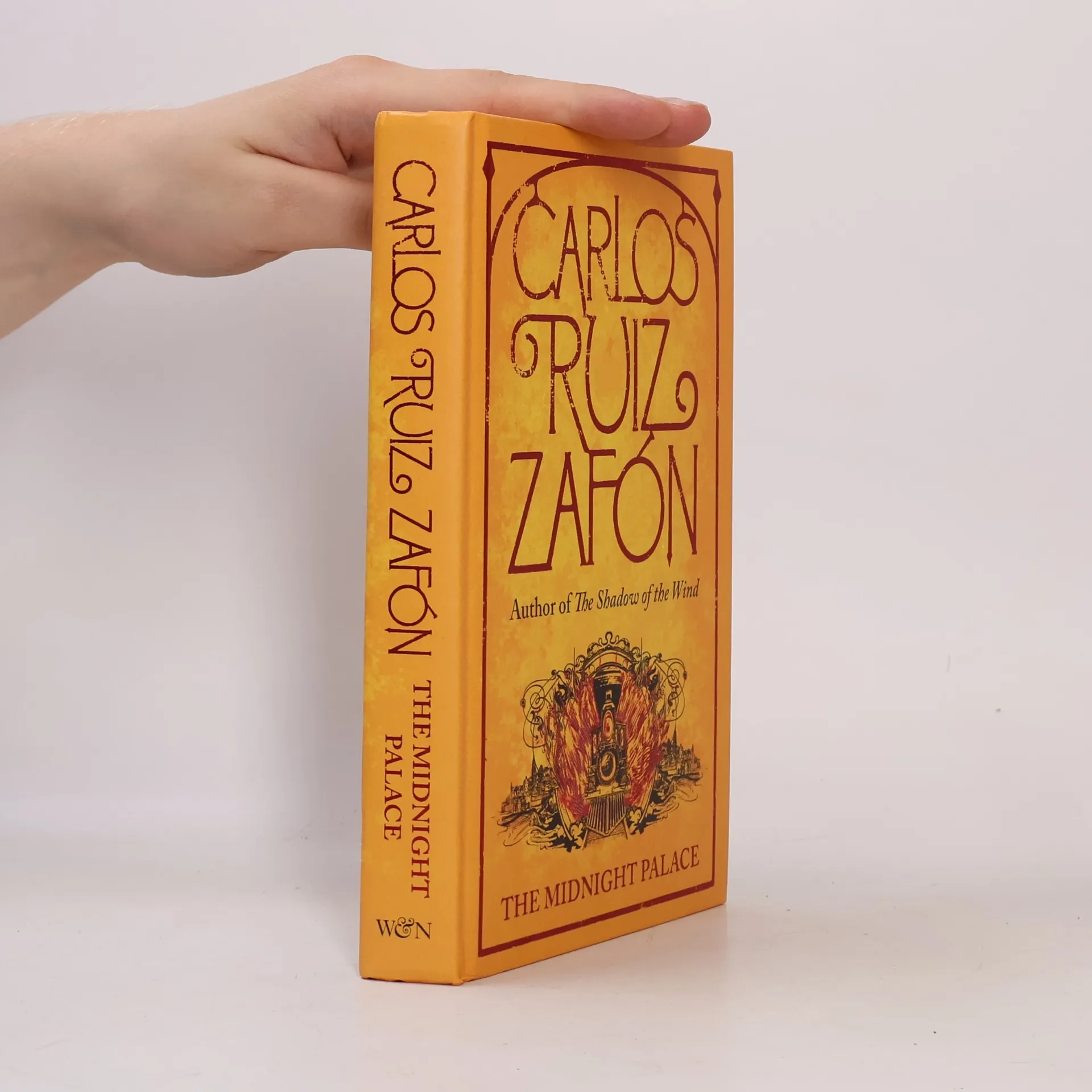
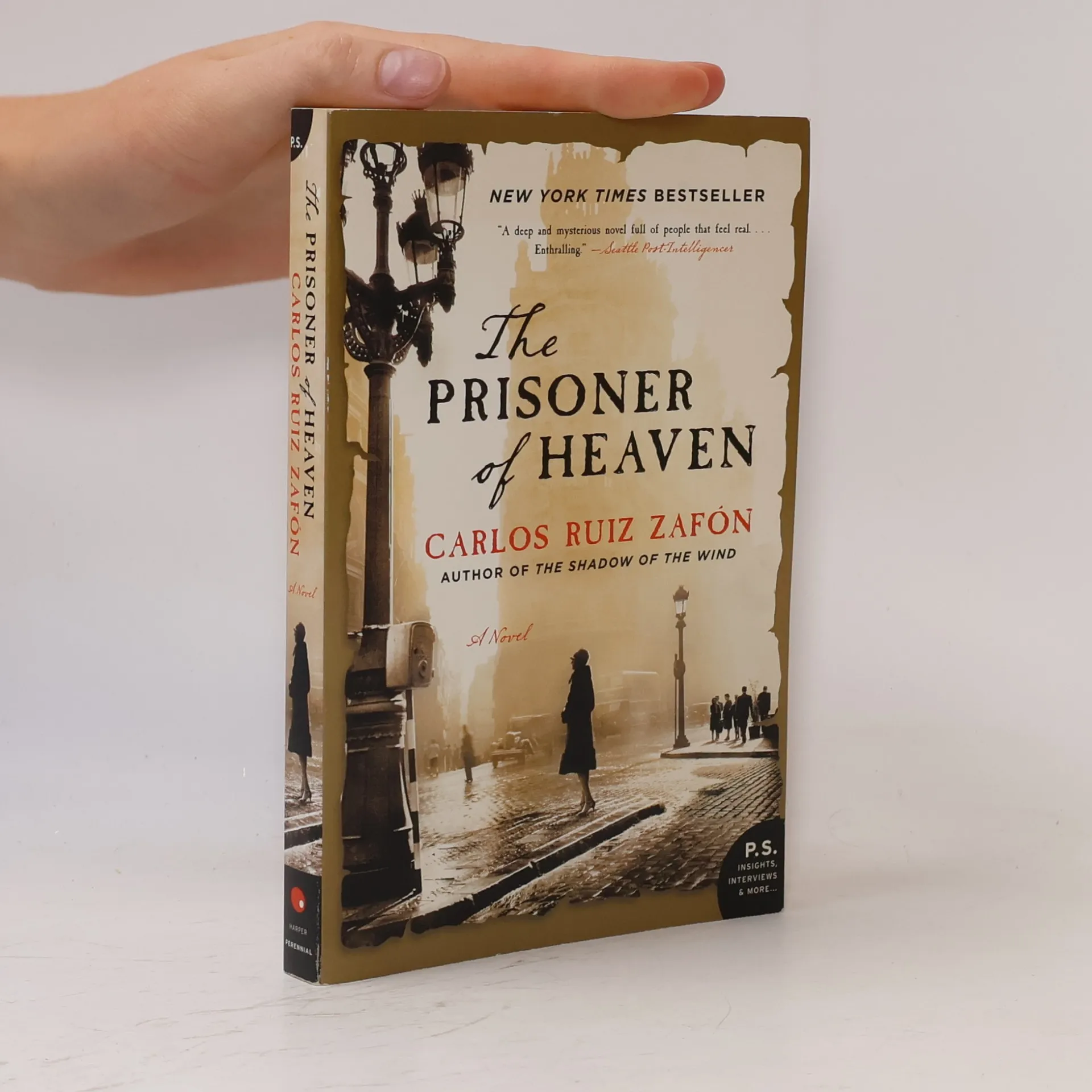
From the author of THE SHADOW OF THE WIND, the haunting story of a secret society and a labyrinthine railway station with a dark past.
In 1957 Barcelona, Daniel Sempere and his wife celebrate the birth of their son and their friend Fermín's upcoming wedding. However, a mysterious stranger threatens to reveal a long-buried secret from the city's dark past, leading them on a perilous journey back to the 1940s and the early days of Franco's dictatorship.
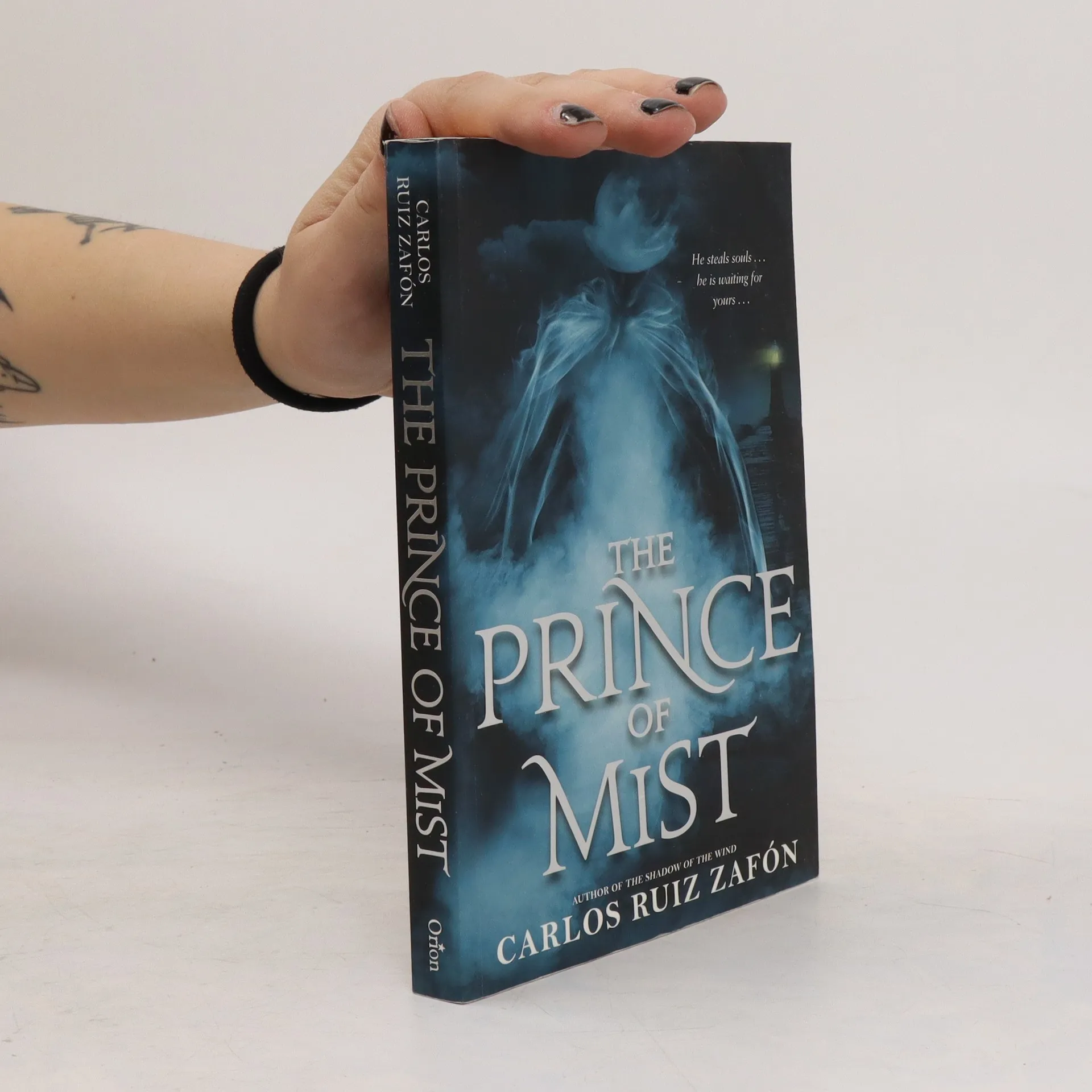
Max Carver's father, a watchmaker & inventor, decides to move his family to a small town on the coast, to an old house that once belonged to a prestigious surgeon, Dr Richard Fleischmann. But the house holds many secrets & stories of its own.
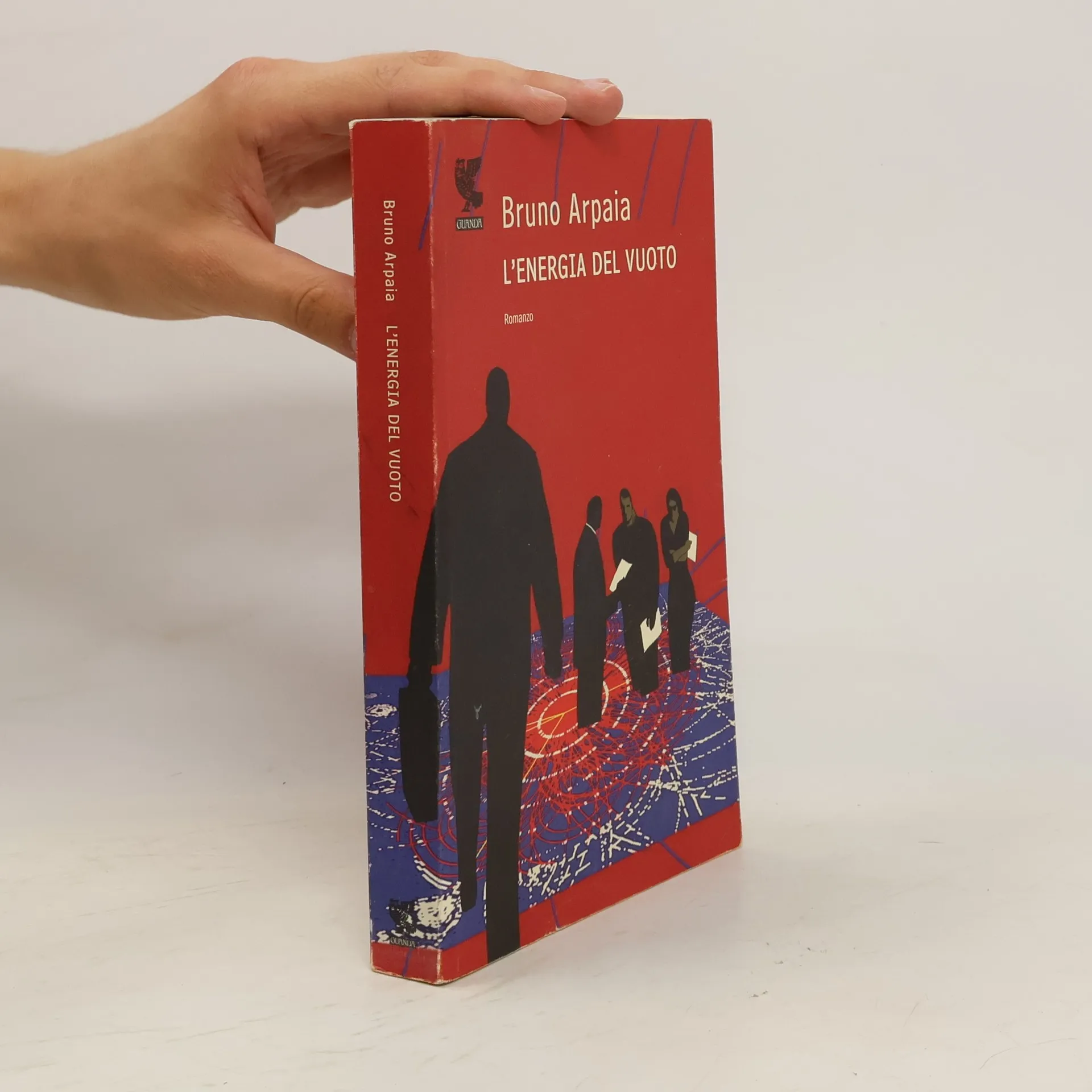
L'energia del vuoto, finalista al Premio Strega 2011. E' notte, su un'autostrada svizzera. Una macchina procede a velocità sostenuta, diretta a Marsiglia. A bordo un uomo, Pietro Leone, funzionario dell'Onu a Ginevra. Accanto a lui dorme il figlio Pietro, una console stretta tra le mani, i jeans a vita bassissima come ogni adolescente che si rispetti. I due sono in fuga, da non si sa bene cosa. La sola cosa che Pietro sa è che da giorni qualcuno sta tenendo sotto controllo i movimenti suoi e della sua famiglia e che la moglie Emilia, ricercatore al Cern, è scomparsa da casa da qualche giorno. La donna stava lavorando, con un gruppo di fisici spagnoli, a un rivoluzionario calorimetro per decifrare le energie di fotoni ed elettroni...
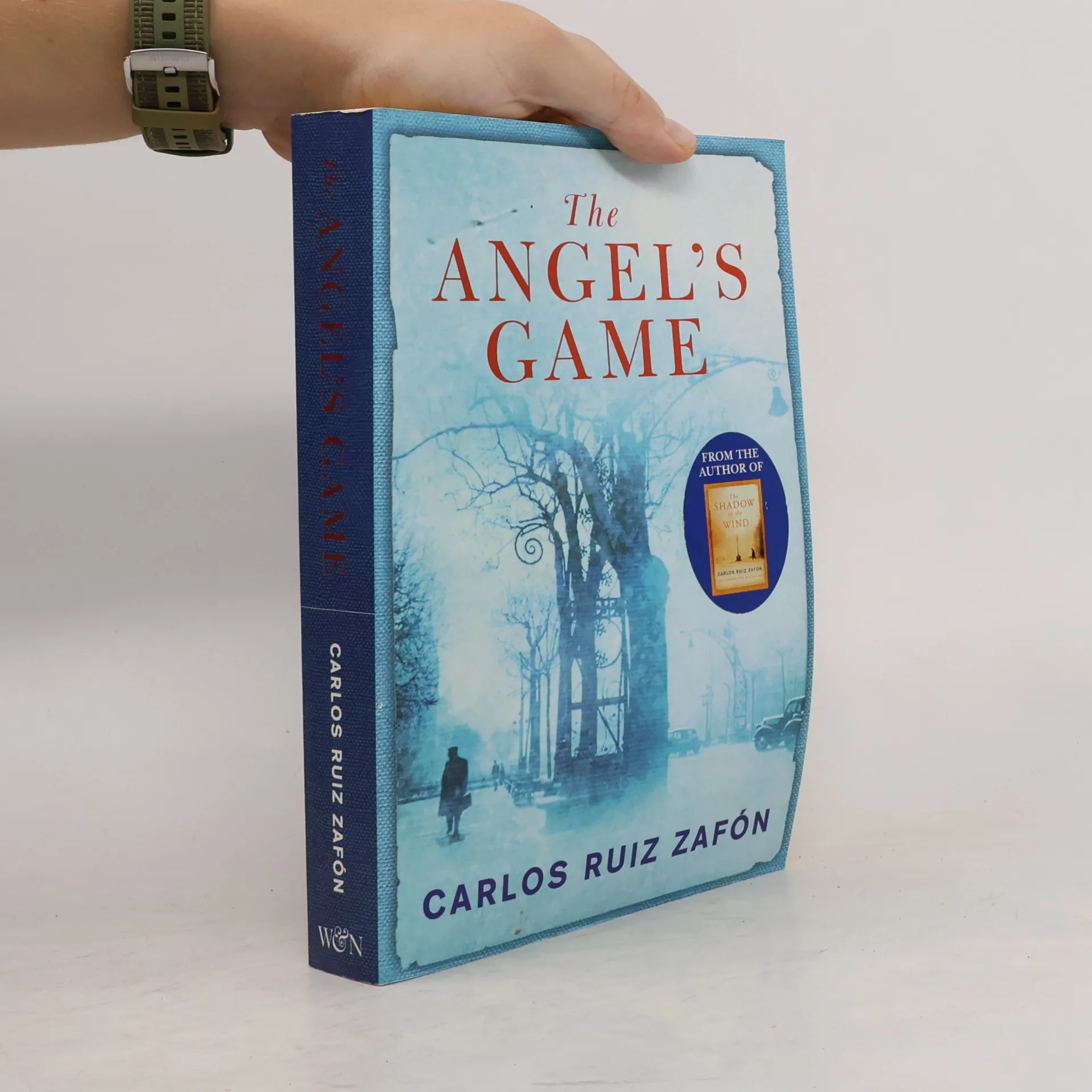
In an abandoned mansion at the heart of Barcelona, a young man - David Martin - makes his living by writing sensationalist novels under a pseudonym. The survivor of a troubled childhood, he has taken refuge in the world of books and spends his nights spinning baroque tales about the city's underworld. But perhaps his dark imaginings are not as strange as they seem, for in a locked room deep within the house are letters hinting at the mysterious death of the previous owner. Like a slow poison, the place seeps into his bones as he struggles with an impossible love. Then David receives a letter from a reclusive French editor, Andreas Corelli, who makes him the offer of a lifetime. He is to write a book with the power to change hearts and minds. In return, he will receive a fortune, perhaps more. But soon David realises that there is a connection between this haunting book and the shadows that surround his home. Set in the turbulent 1920s, The Angel's Game takes us back to the gothic universe of the Cemetery of the Forgotten Books, the Sempere and Son bookshop, and the winding streets of Barcelona's old quarter, in a masterful tale about the magic of books and the darkest corners of the human soul.
Le passioni di un'epoca possono sembrare inafferrabili, ma la voce che racconta questa storia di ragazzi e ragazze degli anni Settanta in un paesino del Sud è forte e consapevole, pronta a non tacere. Questo romanzo esplora il "buco nero" di quel decennio, senza celebrarlo né rinnegarlo, offrendo uno sguardo diretto su una generazione e un pezzo di storia, in un corpo a corpo con la memoria. Alberto Malinconico, Angelo Malecore e i loro amici vivono un punto di svolta il 11 settembre 1973, quando le immagini del golpe in Cile diventano un'ossessione. In un contesto di lotte operaie, austerità e battaglie per la legge sul divorzio, matura in loro la coscienza politica e la voglia di cambiamento. Tra volantini, cortei, discussioni e concerti, si intrecciano esperienze di liberazione sessuale e femminismo. Tuttavia, la lotta armata e la repressione statale chiudono bruscamente le loro aspirazioni. In un paese della provincia di Napoli, quegli anni sono anche segnati dalla camorra e dai primi omicidi politici. Alberto e gli amici, inizialmente distratti, si trovano a fare i conti con il rimorso di non aver compreso la violenza che li circonda. La sconfitta politica si accompagna a una riflessione profonda: il passato non è mai davvero alle spalle e il tempo non lo cancella.
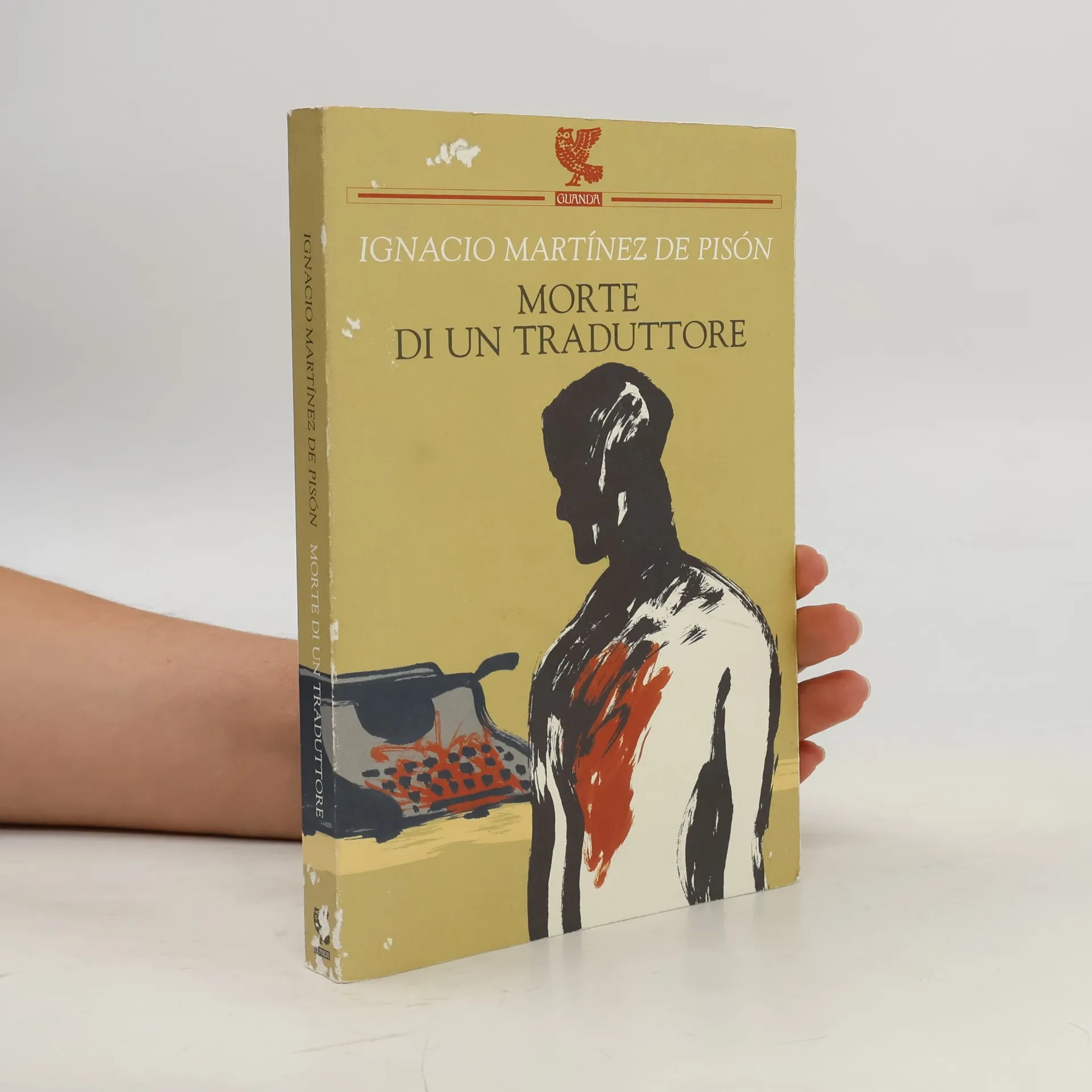
El asesinato de José Robles fue en su momento una causa célebre, y a él se han referido, a menudo de forma incorrecta, muchos de los principales historiadores de la guerra civil. José Robles y John Dos Passos se conocieron a finales de 1916, y su amistad sólo se interrumpiría con la muerte del primero en 1937. Traductor de Manhattan Transfer al español, Robles era un republicano ferviente que en julio de 1936 no dudó en ponerse al servicio del gobierno legítimo. Tiempo después, fue detenido en Valencia por los servicios secretos soviéticos y desapareció. John Dos Passos no supo de su asesinato hasta abril de 1937, cuando se encontraba en España colaborando en un documental de propaganda republicana. Empeñado en averiguar la verdad, Dos Passos chocó contra una tupida conspiración de silencio y mentiras, y lo que entonces entrevió acabaría determinando su evolución ideológica y provocando la ruptura de su vieja amistad con Hemingway. Con agilidad narrativa y rigor documental, Ignacio Martínez de Pisón ilumina un capítulo oscuro de nuestro pasado reciente y compone un fresco de nuestra historia colectiva. Enterrar a los muertos es un libro de apasionante lectura en el que la recreación biográfica convive con el reportaje histórico y la investigación detectivesca.
A Port Bou, near the Franco-Spanish border, the fates of Laureano Mahojo and Walter Benjamin intertwine one September night in 1940. Despite their differences—Laureano, the idealistic fighter, and Benjamin, the refined essayist—they represent two sides of the same coin, embodying the Europe that Nazism and war will soon obliterate. Both have faced defeat and exile, ultimately falling into one of history's most tragic traps. In 1939, Laureano sought refuge in France with half a million compatriots but was interned in a brutal camp and later sent to fight on the Maginot Line. Arriving in Port Bou, he became a smuggler out of love. Benjamin, having left Berlin in 1933, endured hardship in Paris until the war led to his internment in a concentration camp, from which he barely escaped. Now, in the mountains, Laureano is pursued by Franco's forces and on the brink of exile, while Benjamin, desperate and plagued by misfortune, is fixated on his precious book as he approaches his tragic end. Through the dark events of Europe’s history, this narrative blends fiction and reality, revealing the profound humanity of one of the most enigmatic and pivotal thinkers of the last century.
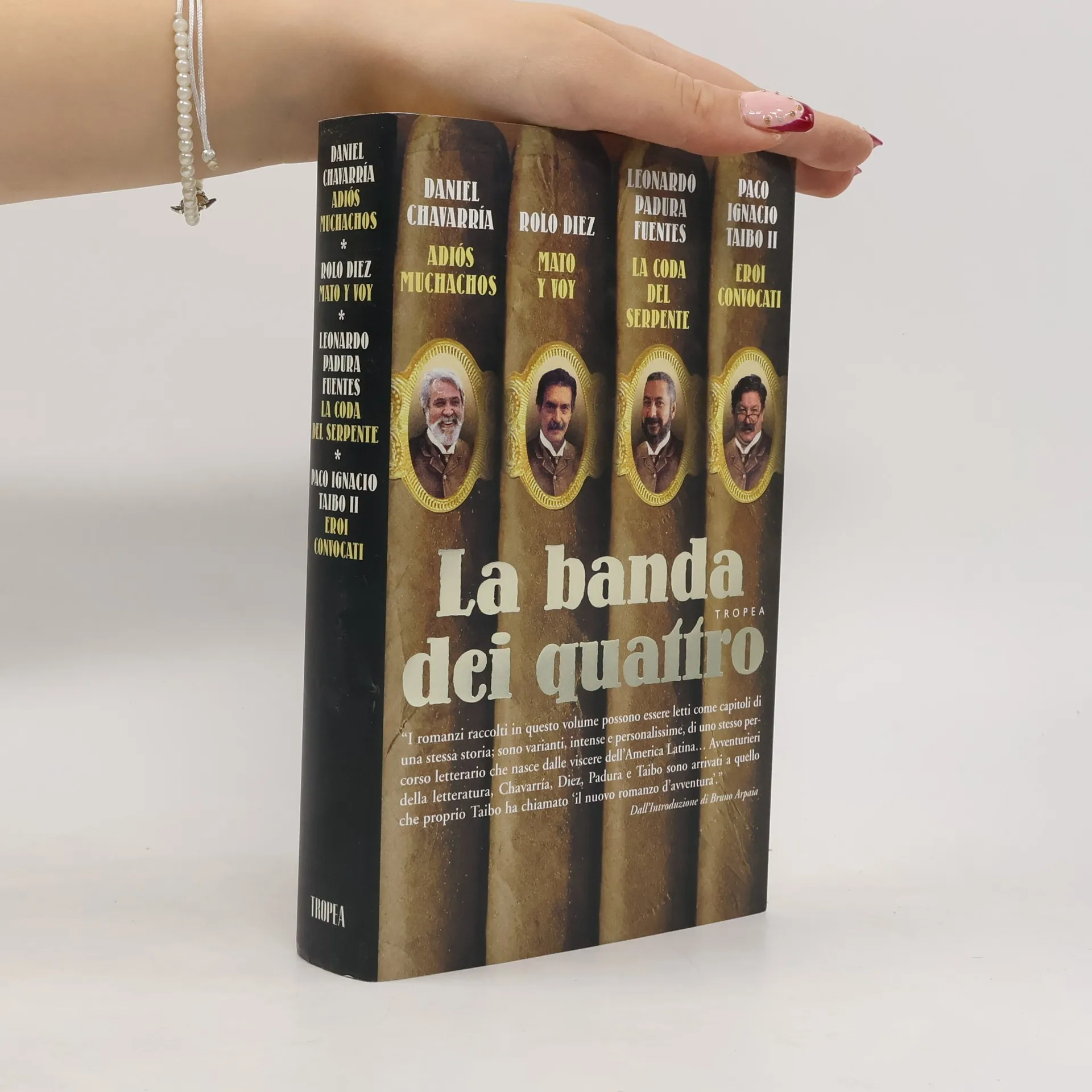
Una jinetera dell'Avana decide di diventare jinetera, usando la bicicletta per adescare stranieri danarosi. Con una vite allentata, si esibisce in cadute sensuali davanti ai suoi clienti, mentre sua madre Margarita la supporta. L'incontro con Victor King, un uomo d'affari, sembra promettere un futuro diverso, ma Alicia si ritrova coinvolta in una serie di travestimenti e colpi di scena, in un contesto cubano che mescola thriller, ironia e grottesco. Un poliziotto messicano, corrotto e donnaiolo, indaga sull'omicidio di un businessman yankee, scoprendo un legame con la pornografia sadica e il narcotraffico. Mentre la violenza imperversa a Città del Messico, il riluttante ufficiale Carlos Hernandez decide di approfondire le indagini, rivelando un quadro sociale crudo e un umorismo picaresco in questo noir d'autore. Il tenente Mario Conde indaga nel Quartiere cinese dell'Avana dopo il ritrovamento del cadavere di Pedro Cuang, con segni misteriosi sul corpo. Con l'aiuto del sergente Palacios e di Juan Chion, l'indagine si intreccia con il mondo delle scommesse e della santeria, confermando Conde come figura di riferimento nel genere giallo. Nestor Roca, ex attivista, è costretto a letto dopo un attacco. Progetta una rivolta contro il regime di Díaz Ordaz, chiamando a raccolta gli eroi dell'infanzia per unire le forze contro l'autoritarismo, in una straordinaria congiura di immaginazione.
Libro usado en buenas condiciones, por su antiguedad podria contener señales normales de uso