
Explore the latest books of this year!
Bookbot

Martin de Haan Books

    Atomised
    Ravel
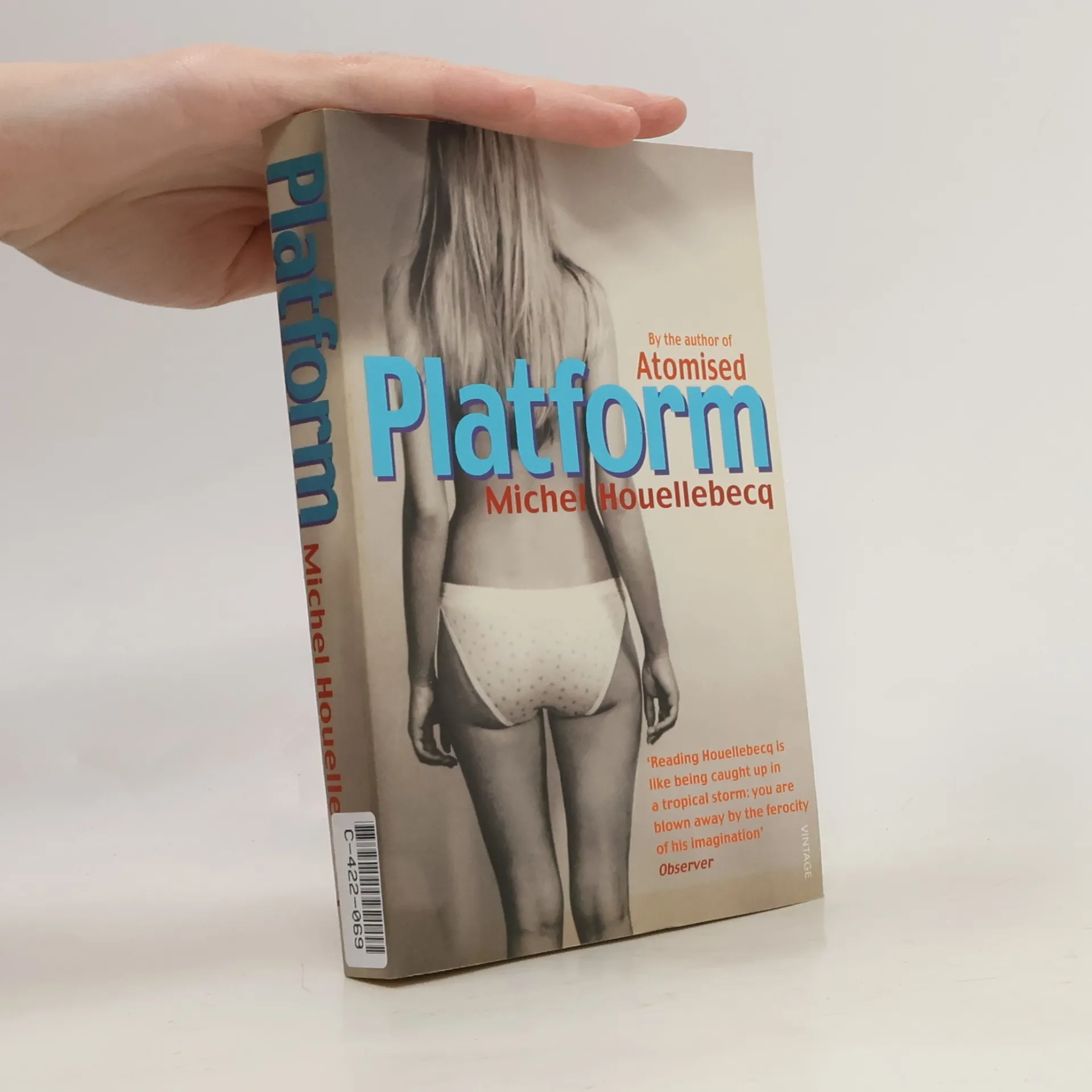
    Platform
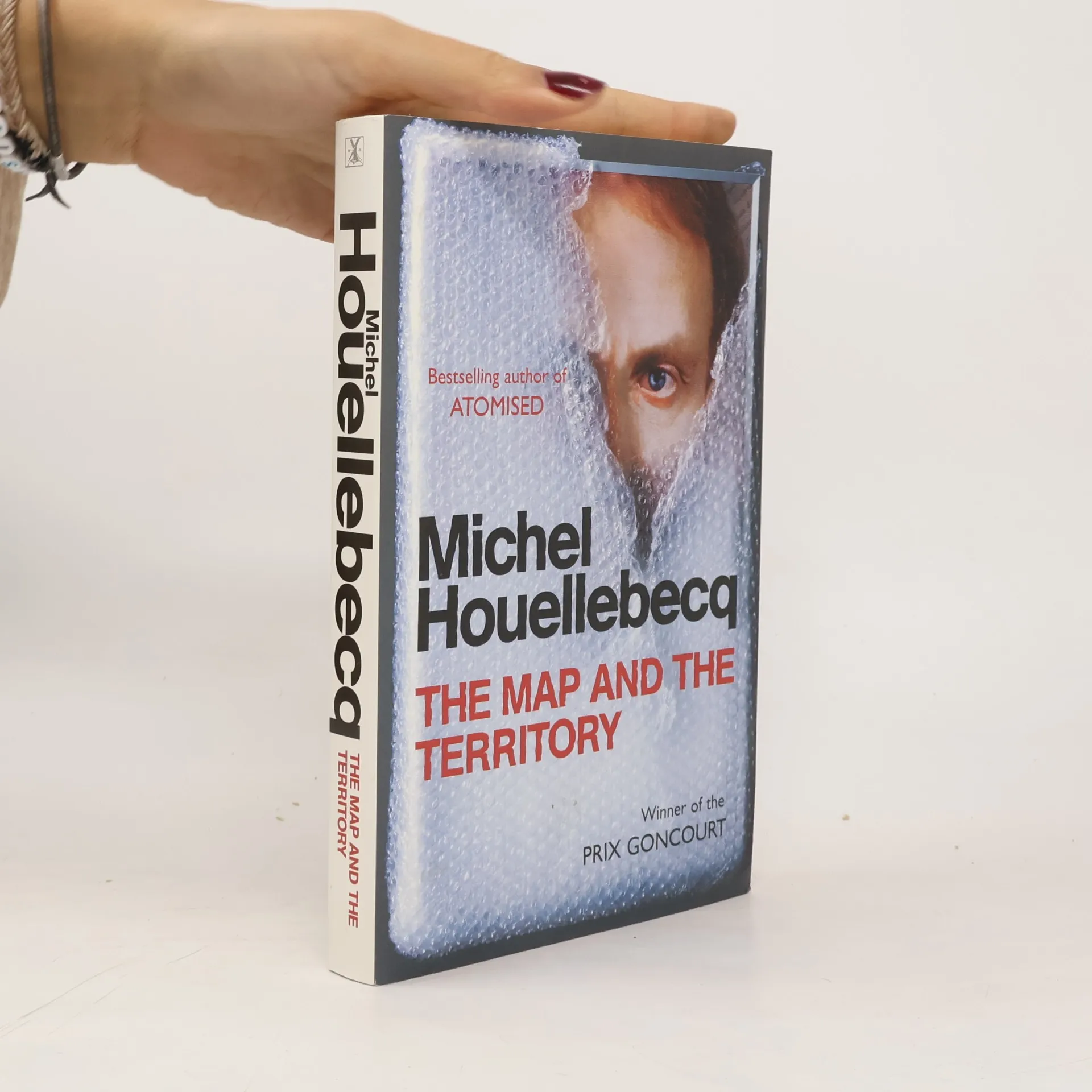
    The map and the territory
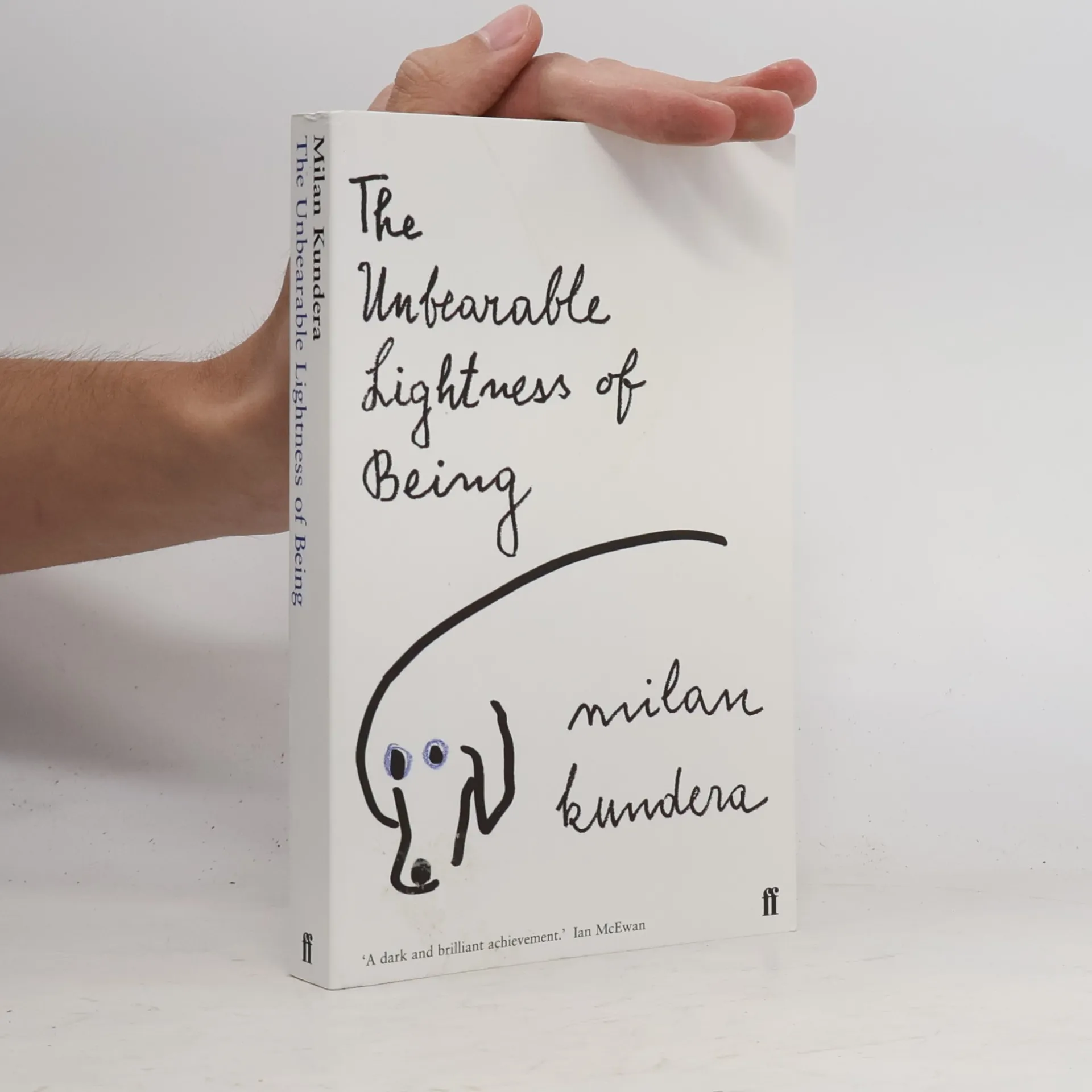
    The Unbearable Lightness of Being
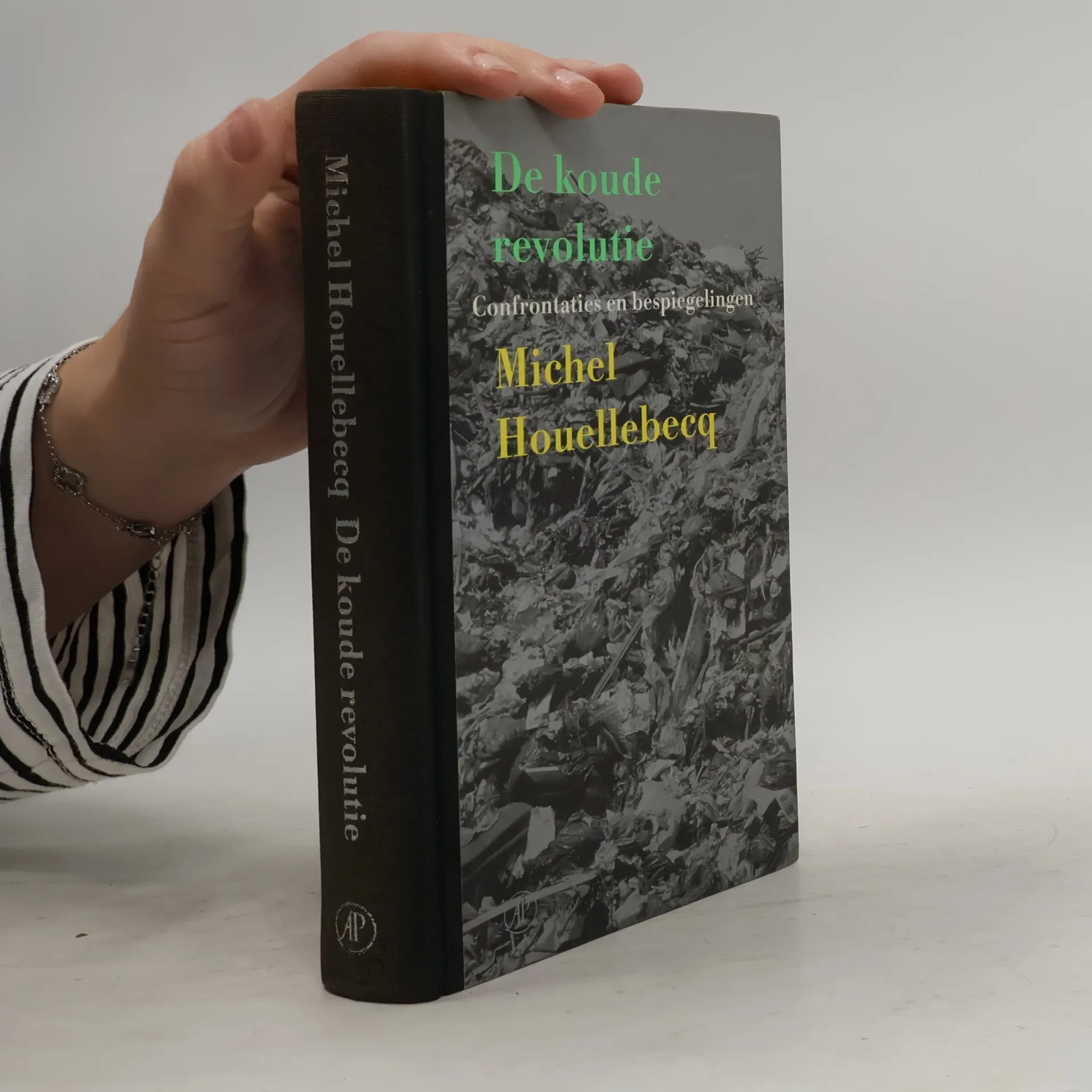
    De koude revolutie - Druk 1
    • De koude revolutie - Druk 1

      • 368 pages
      • 13 hours of reading

      Frankrijks sterschrijver Michel Houellebecq, auteur van de internationale bestsellers 'Elementaire deeltjes' en 'Platform' is van ver gekomen. Het grote publiek leerde hem kennen toen hij in 1994 opzien baarde met zijn debuutroman 'De wereld als markt en strijd', maar op dat moment had hij al drie boeken op zijn naam staan: een dichtbundel, een essay over de fantasy-auteur H.P. Lovecraft en een poëtisch manifest met de titel 'Leven, lijden, schrijven'. Met name de laatste twee zijn onmisbaar voor wie iets van de schrijver Houellebecq wil begrijpen: ze leggen de basis voor zijn latere werk en geven er reliëf aan. In 'De koude revolutie' verschijnen ze voor het eerst samen in één band, omlijst door een groot aantal kortere, deels nog niet eerder gepubliceerde teksten: van scheldkritieken ('Jacques Prevert is een lul') tot liefdesverklaringen, van filosofische beschouwingen tot dagboekachtige observaties. De derde steunpilaar van de bundel is het lange essay 'Nader tot de ontreddering', waarin Houellebecq een bijna boeddhistische onthechting lijkt te bepleiten: "Ieder individu kan in zichzelf een soort koude revolutie teweegbrengen door even buiten de informatief-publicitaire stroom te gaan staan." Deze confrontaties en bespiegelingen vormen samen het denkkader van een explosief oeuvre, even belangwekkend en even scherp en beweeglijk geschreven als Houellebecqs romans.
      De koude revolutie - Druk 1
      3.0
    • The Unbearable Lightness of Being

      • 305 pages
      • 11 hours of reading

      A young woman in love with a man torn between his love for her and his incorrigible womanising; one of his mistresses and her humbly faithful lover - these are the two couples whose story is told in this novel. Controlled by day, Tereza's jealousy awakens by night, transformed into ineffably sad death-dreams, while Tomas, a successful surgeon, alternates loving devotion to the dependent Tereza with the ardent pursuit of other women. Sabina, an independent, free-spirited artist, lives her life as a series of betrayals - of parents, husband, country, love itself - whereas her lover, the intellectual Franz, loses all because of his earnest goodness and fidelity. In a world in which lives are shaped by irrevocable choices and by fortuitous events, a world in which everything occurs but once, existence seems to lose its substance, its weight. Hence we feel, says the novelist, "the unbearable lightness of being"--Not only as the consequence of our private acts but also in the public sphere, and the two inevitably intertwine

      The Unbearable Lightness of Being
      4.1
    • Traces the experiences of artist Jed Martin, who rises to international success as a portrait photographer before helping to solve a heinous crime that has lasting repercussions for his loved ones.

      The map and the territory
      4.0
    • Platform

      • 320 pages
      • 12 hours of reading

      Michel is a civil-servant at the Ministry of Culture. When his father is murdered, Michel takes leave of absence to go on a package tour to Thailand. Infuriated by the shallow hypocrisy and mediocrity of his fellow travellers, only the awkward Valerie att

      Platform
      3.9
    • Ravel

      • 128 pages
      • 5 hours of reading

      Ravel is a beguiling and original evocation of the last ten years in the life of the musical genius Ravel, written by novelist Jean Echenoz. The book opens in 1928 as Maurice Ravel—dandy, eccentric, curmudgeon—crosses the Atlantic abroad the luxury liner the SS France to begin his triumphant grand tour of the United States. A “master magician of the French novel” (The Washington Post), Echenoz captures the folly of the era as well as its genius, including Ravel’s personal life—sartorially and socially splendid—as well as his most successful compositions from 1927 to 1937. Illuminated by flashes of Echenoz’s characteristically sly humor, Ravel is a delightfully quirky portrait of a famous musician coping with the ups and downs of his illustrious career. It is also a beautifully written novel that’s a deeply touching farewell to a dignified and lonely man going reluctantly into the night.

      Ravel
      3.8
    • Atomised

      • 380 pages
      • 14 hours of reading

      Half-brothers Michel and Bruno have a mother in common but little else. This is the story of two brothers, but the subject of the novel is in its dismantling of society and its assumptions, a dissection of modern lives and loves

      Atomised
      3.9
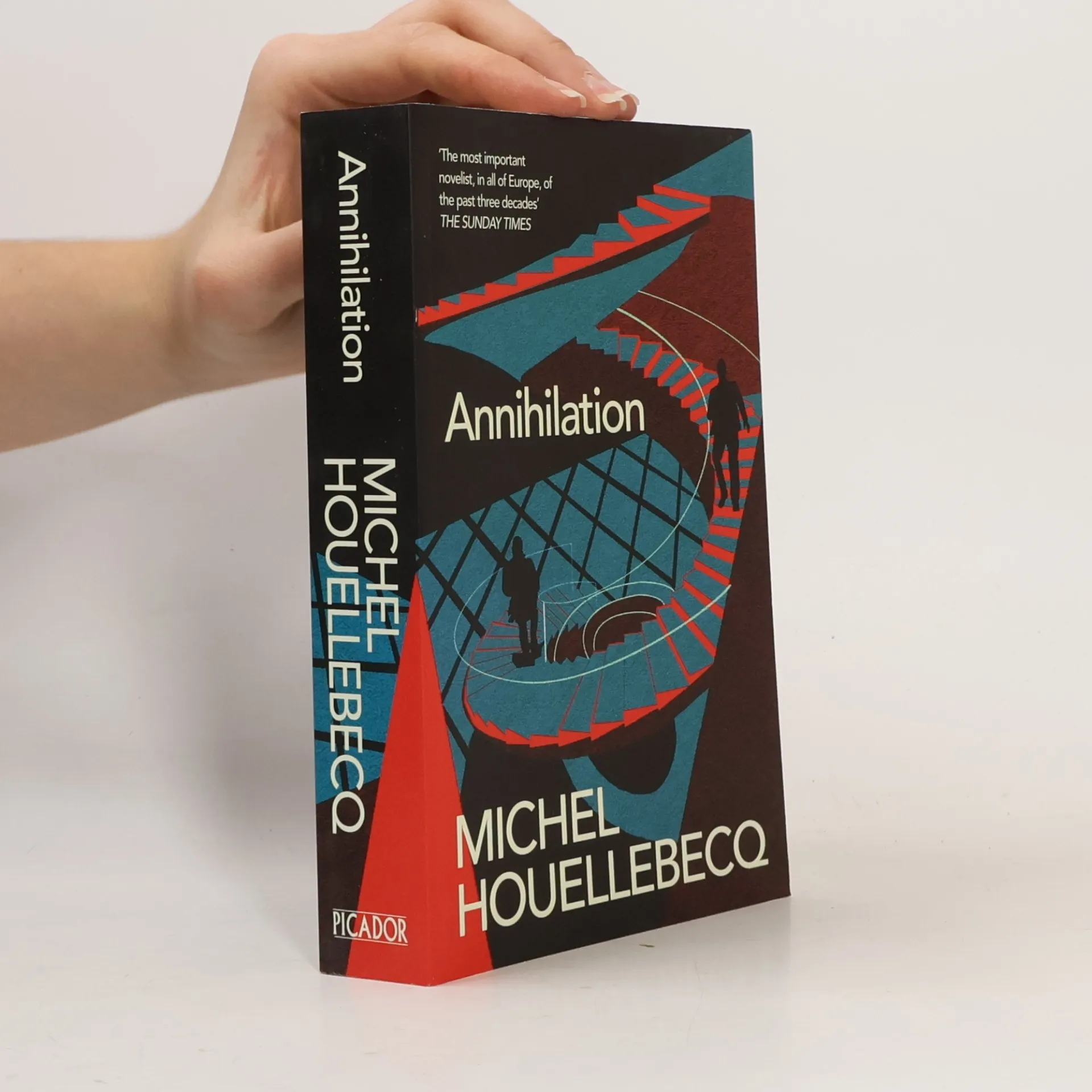
    • Annihilation

      • 544 pages
      • 20 hours of reading

      A Daily Express Book of the Year, this novel is described as 'the most important novelist to have been publishing in all of Europe over the past three decades' by The Sunday Times. It presents an extended meditation on human frailty and the lack of spirituality in the Western world, showcasing the author's compassion and belief in love's redemptive power. Set in 2027, France faces economic decline and moral decay amidst a tense presidential campaign. The nation grapples with a series of mysterious cyberattacks that baffle the best minds at the DGSI, the French counter-terrorism agency. Paul Raison, an advisor to the Finance Minister, is at the center of this turmoil. His wife, Prudence, works in the Treasury, and their father, Édouard, a retired DGSI employee, suffers a stroke. This crisis offers Paul and Prudence a chance to mend their strained family ties as they strive to free their father from a medical facility where he is deteriorating. The author reveals new dimensions in his writing, blending compassion with the rage and irony that have characterized his acclaimed works. Translated from French by Shaun Whiteside, this novel achieved bestseller status in both France and Germany.

      Annihilation
      3.9
    • Submission

      • 256 pages
      • 9 hours of reading

      A controversial, intelligent, and mordantly funny new novel from France’s most famous living literary figure It’s 2022. François is bored. He’s a middle-aged lecturer at the New Sorbonne University and an expert on J. K. Huysmans, the famed nineteenth-century novelist associated with the Decadent movement. But François’s own decadence is of considerably smaller scale. He sleeps with his students, eats microwave dinners, and watches YouPorn. Meanwhile, it’s election season, and in an alliance with the Socialists, France’s new Islamic party sweeps to power—and Islamic law is instituted. Women are veiled, polygamy is encouraged, and François is offered an irresistible academic advancement—on the condition that he converts to Islam. A darkly comic masterpiece from one of France’s great writers, Submission by Michel Houellebecq has become an international sensation and one of the most discussed novels of our time.

      Submission
      3.7
    • Commentaar

      • 80 pages
      • 3 hours of reading

      In het sanatorium waar ze wordt behandeld, krijgt een jonge vrouw een brief van haar geliefde. Hij kondigt haar aan dat hij trouwt met een ander. Zij antwoordt hem uit naam van het leven dat haar al ontsnapt, uit naam van een liefde zonder compromissen. Commentaar is de autopsie van een breuk en tegelijk een requisitoir tegen de trouweloze die zijn geliefde verlaat voor een andere vrouw. Geconfronteerd met dit verlies houdt de schrijfster de eer aan zichzelf en snijdt de man die haar versmaadt weg uit haar lichaam en uit haar leven - hoe kort dat ook zal zijn. MARCELLE SAUVAGEOT [1900-1934] is de auteur van één dun boekje: Commentaar. Het verscheen in 1933, een paar maanden voor haar dood, in een oplage van 163 exemplaren, en leidde lange tijd een schaduwbestaan, tot het in 2004 alsnog de Franse bestsellerslijsten beklom. De onderkoelde stijl maakt Commentaar tot een zeldzaam indringende leeservaring. 'Een boekje dat zo bitter, zo zuiver, zo nobel, zo lucide, zo elegant, zo streng en zo hoogstaand is in zijn desolate verscheurdheid (...)' Paul Claudel

      Commentaar
    • Perlouses - 22: Hoe men sterft

      • 48 pages
      • 2 hours of reading

      Non pas « Pourquoi on meurt ? », mais « Comment on meurt ? ». Que nous mourrions est une chose, que la grande Faucheuse égalise in fine la condition des hommes, puissants ou misérables, ne fait pas l’ombre d’un doute. Mais le dernier combat, l’agonie, est un acte encore socialisé et toujours tabou dans notre société moderne.

      Perlouses - 22: Hoe men sterft