
Explore the latest books of this year!
Bookbot

Mark Lutz

    Mark Lutz is a world-renowned leader in Python training and a pioneering figure in the Python community, authoring its earliest and best-selling texts. His extensive work has been instrumental in establishing Python as one of the most widely-used programming languages globally. Lutz has been actively involved with Python since 1992, beginning with writing books and teaching in the mid-90s. His deep expertise in both teaching and writing has made him a central figure in software development, with contributions spanning compilers, scripting applications, and client-server systems.

    Learning Python : [covers Python 2.5 ; powerful object-oriented programming]
    Learning Python. Covers Python 2.6 and 3.x.
    Learning Python
    Programming Python
    Programming Python. Covers Python 3.x.
    Python pocket reference
    • Python pocket reference

      • 266 pages
      • 10 hours of reading
      4.2(175)Add rating

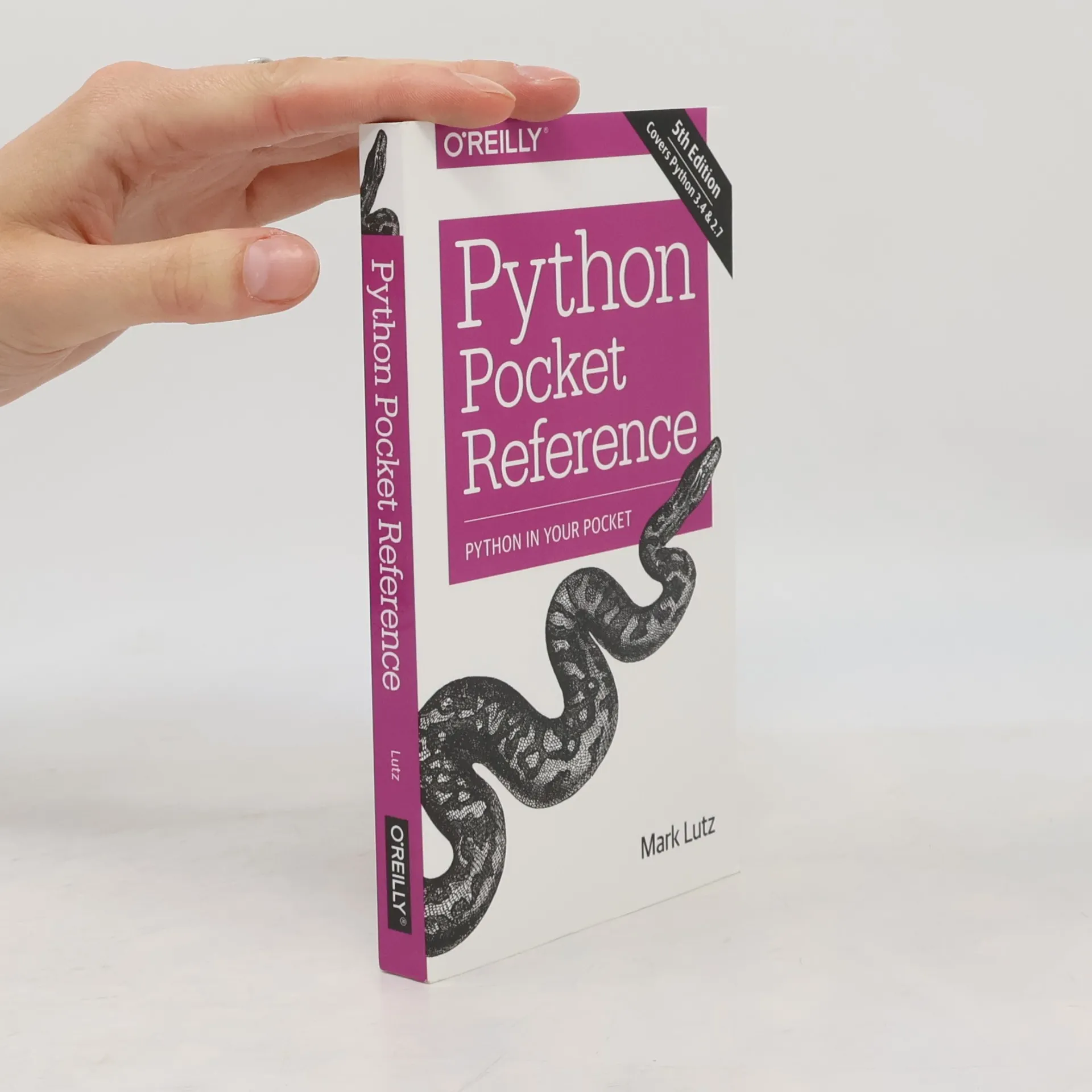
      Updated for both Python 3.4 and 2.7, this guide provides concise information on Python types and statements, special method names, built-in functions and exceptions, commonly used standard library modules, and other prominent Python tools.--From back cover.

      Python pocket reference
    • If you've mastered Python's fundamentals, you're ready to start using it to get real work done. Programming Python will show you how, with in-depth tutorials on the language's primary application domains: system administration, GUIs, and the Web. You'll also explore how Python is used in databases, networking, front-end scripting layers, text processing, and more. This book focuses on commonly used tools and libraries to give you a comprehensive understanding of Python's many roles in practical, real-world programming. You'll learn language syntax and programming techniques in a clear and co

      Programming Python. Covers Python 3.x.
    • Programming Python

      • 1596 pages
      • 56 hours of reading
      4.0(873)Add rating

      This third edition has been updated to reflect current best practices and the abundance of changes introduced by the latest version of the language, Python 2.5. Whether you're a novice or an advanced practitioner, you'll find this refreshed book more than lives up to its reputation. Programming Python, 3rd Edition, teaches you the right way to code. It explains Python language syntax and programming techniques in a clear and concise manner, with numerous examples that illustrate both correct usage and common idioms. By reading this comprehensive guide, you'll learn how to apply Python in real-world problem domains such as: GUI programming, Internet scripting, parallel processing, database management, networked applications. You'll also learn how to use the Python language in realistically scaled programs--concepts such as Object-Oriented Programming (OOP) and code reuse are recurring side themes throughout this text

      Programming Python
    • Learning Python

      • 1540 pages
      • 54 hours of reading
      4.0(2271)Add rating

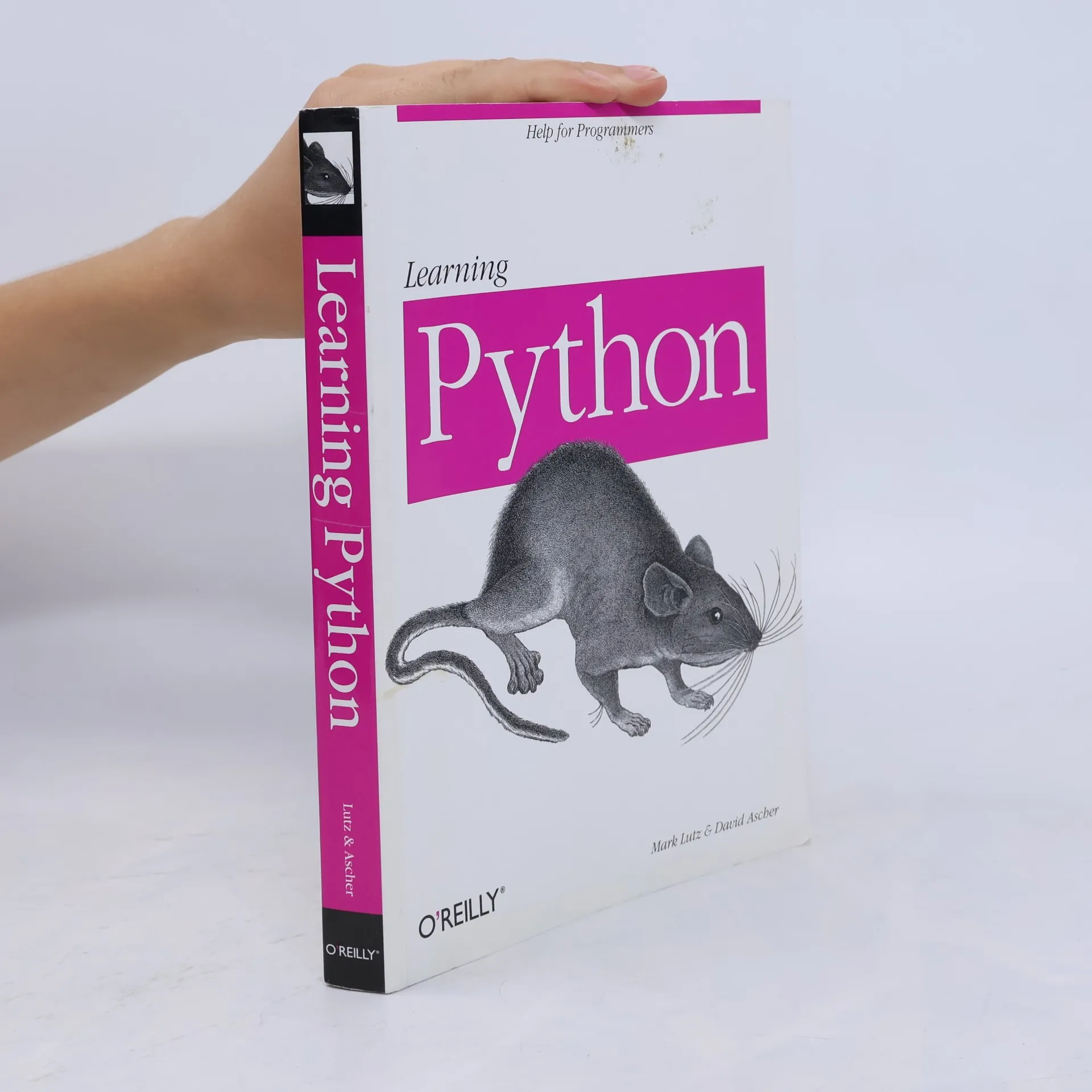
      If you want to write efficient, high-quality code that s easily integrated with other languages and tools, this hands-on book will help you be productive with Python quickly. Learning Python, Fifth Edition, is an easy-to-follow, self-paced tutorial based on author and Python expert Mark Lutz s popular training course.§You ll find lots of annotated examples and illustrations to help you get started with Python 2.7 and 3.3. Each chapter contains a standalone lesson on a key component of the language.§Learn about Python s major built-in object types such as numbers, lists, and dictionaries§Create and process objects using Python statements, and learn Python s general syntax model§Structure and reuse code with Python s basic procedural tool§Learn about Python modules: packages of statements, functions, and other tools organized into larger components§Discover Python s object-oriented programming tool for structuring code§Learn about the exception-handling model and development tools for writing larger programs§Explore advanced Python tools, including decorators, descriptors, metaclasses, and Unicode processing

      Learning Python
    • Learning Python. Covers Python 2.6 and 3.x.

      • 1162 pages
      • 41 hours of reading
      4.0(116)Add rating

      Google and YouTube use Python because it's highly adaptable, easy to maintain, and allows for rapid development. If you want to write high-quality, efficient code that's easily integrated with other languages and tools, this hands-on book will help you be productive with Python quickly -- whether you're new to programming or just new to Python. It's an easy-to-follow self-paced tutorial, based on author and Python expert Mark Lutz's popular training course. Each chapter contains a stand-alone lesson on a key component of the language, and includes a unique Test Your Knowledge section with practical exercises and quizzes, so you can practice new skills and test your understanding as you go. You'll find lots of annotated examples and illustrations to help you get started with Python 3.0. Learn about Python's major built-in object types, such as numbers, lists, and dictionaries Create and process objects using Python statements, and learn Python's general syntax model Structure and reuse code using functions, Python's basic procedural tool Learn about Python modules: packages of statements, functions, and other tools, organized into larger components Discover Python's object-oriented programming tool for structuring code Learn about the exception-handling model, and development tools for writing larger programs Explore advanced Python tools including decorators, descriptors, metaclasses, and Unicode processing

      Learning Python. Covers Python 2.6 and 3.x.
    • Python jest wieloparadygmatowym, wszechstronnym językiem programowania, zoptymalizowanym pod kątem efektywności pracy, czytelności kodu i jakości oprogramowania. Jego popularność rośnie, co wynika z wielości i różnorodności zastosowań oraz z tego, że jest darmowy i łatwo przenośny, można się go szybko nauczyć, a tworzenie kodu Pythona sprawia sporo przyjemności. Wszystkie te cechy dają zespołom deweloperskim strategiczną przewagę w dużych i małych projektach. Aby wykorzystać zalety Pythona, konieczne jest zdobycie solidnych podstaw tego języka, a następnie dogłębne zrozumienie bardziej zaawansowanych koncepcji i porządne ich przećwiczenie podczas pisania własnego kodu. To kompleksowy podręcznik do nauki programowania w Pythonie. Jego piąte wydanie zostało gruntownie zaktualizowane i rozbudowane o dodatkowe treści. Omówiono tu najnowsze wersje Pythona w liniach 3.X i 2.X, czyli 3.3 i 2.7, i dodano opisy nowych lub rozszerzonych mechanizmów, takich jak obsługa formatu JSON, moduł timeit, pakiet PyPy, metoda os.popen, generatory, rekurencje, słabe referencje, atrybuty i metody mro , iter , super, slots , metaklasy, deskryptory, funkcja random, pakiet Sphinx i wiele innych. W książce znalazło się mnóstwo ćwiczeń, quizów, pomocnych ilustracji oraz przykładów kodu. Jest to kompendium dla każdego, kto chce szybko zacząć programować w Pythonie i tworzyć wydajny kod o wysokiej jakości. W tej książce przedstawiono między innymi: -składnię Pythona i koncepcje związane z iteracjami -dokładny opis ważniejszych wbudowanych typów obiektów i ich możliwości -struktury programistyczne wyższego poziomu -programowanie funkcyjne i programowanie zorientowane obiektowo -zaawansowane zagadnienia dla profesjonalistów Już dziś zacznij pisać znakomity kod w Pythonie!

      Python. Wprowadzenie. Wydanie V