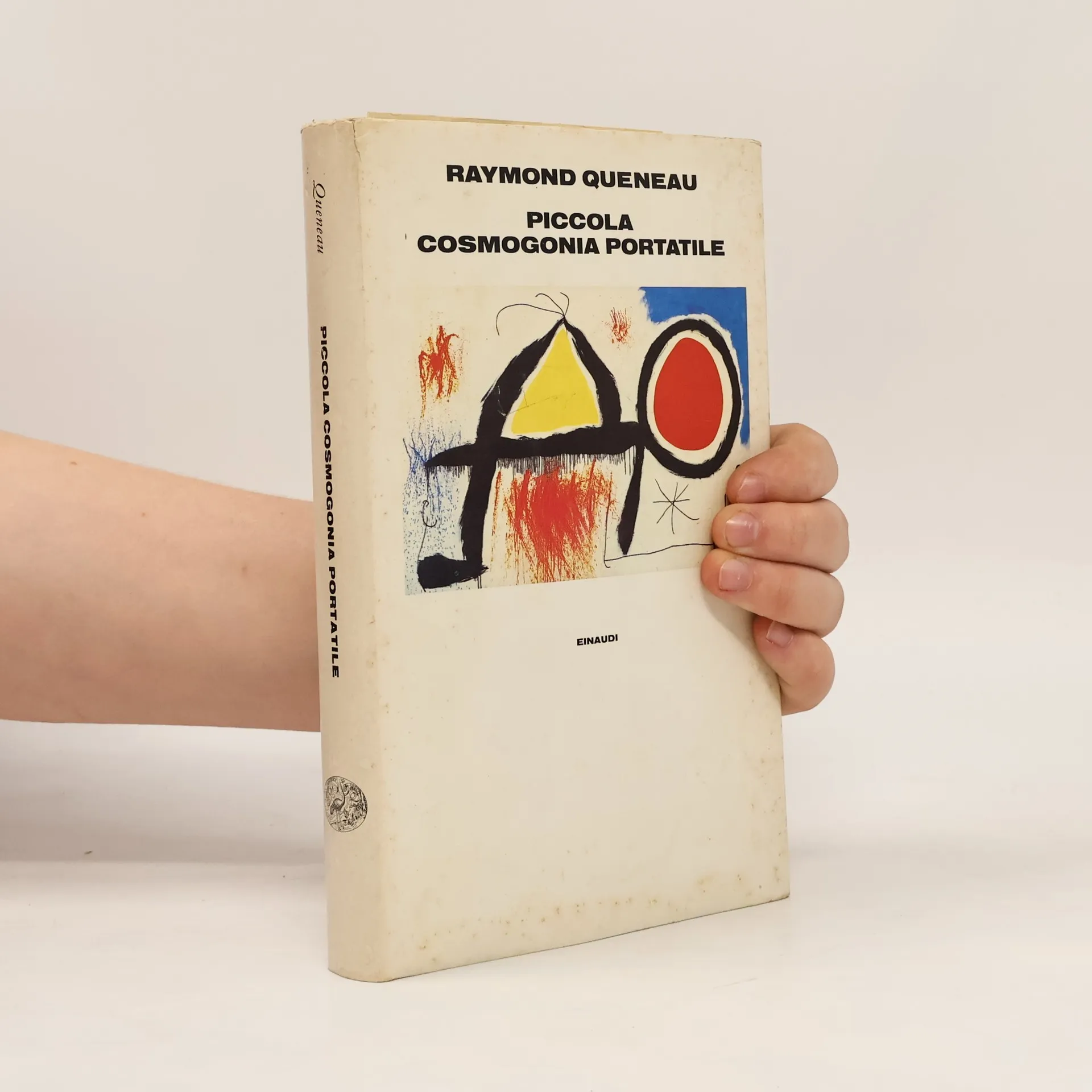
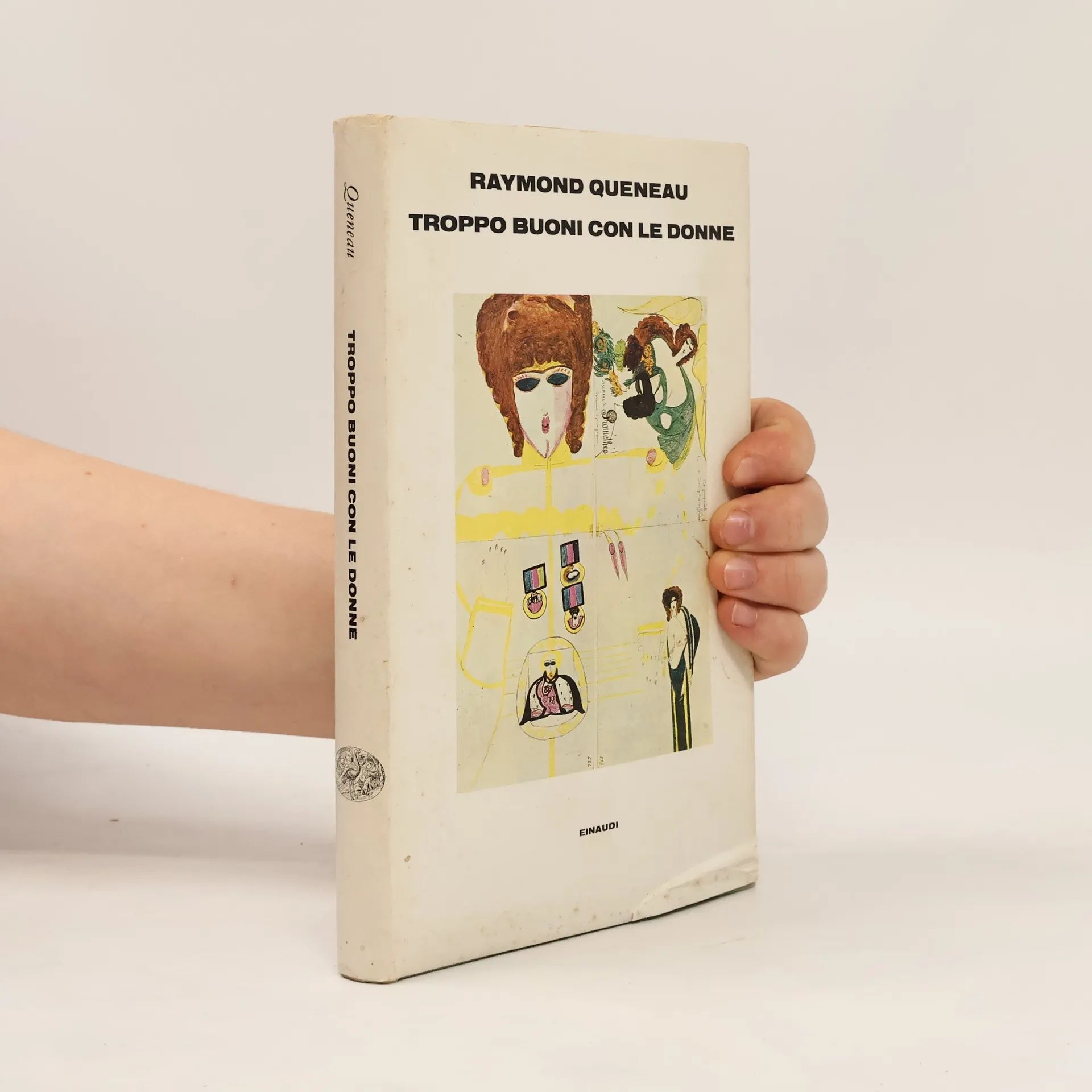
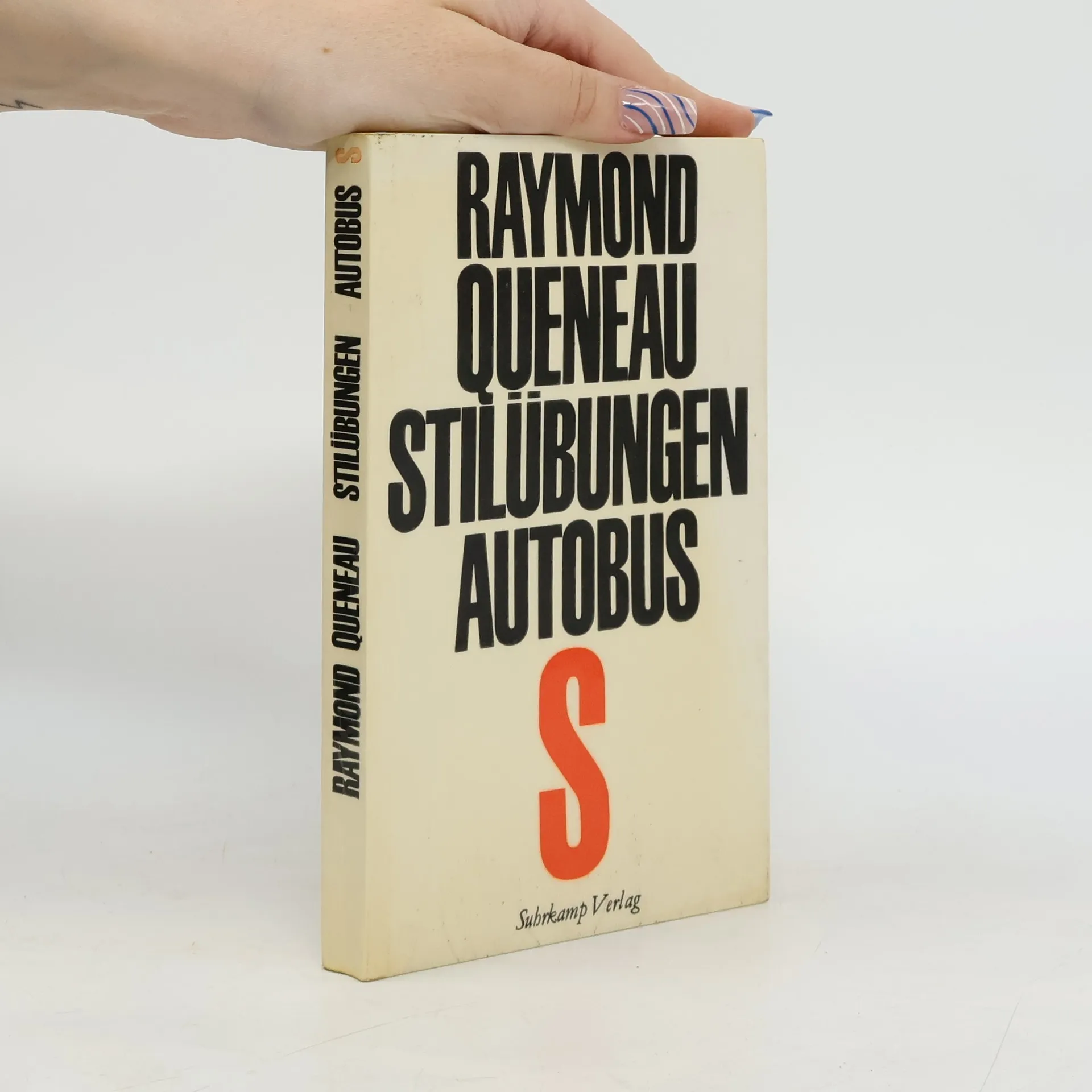
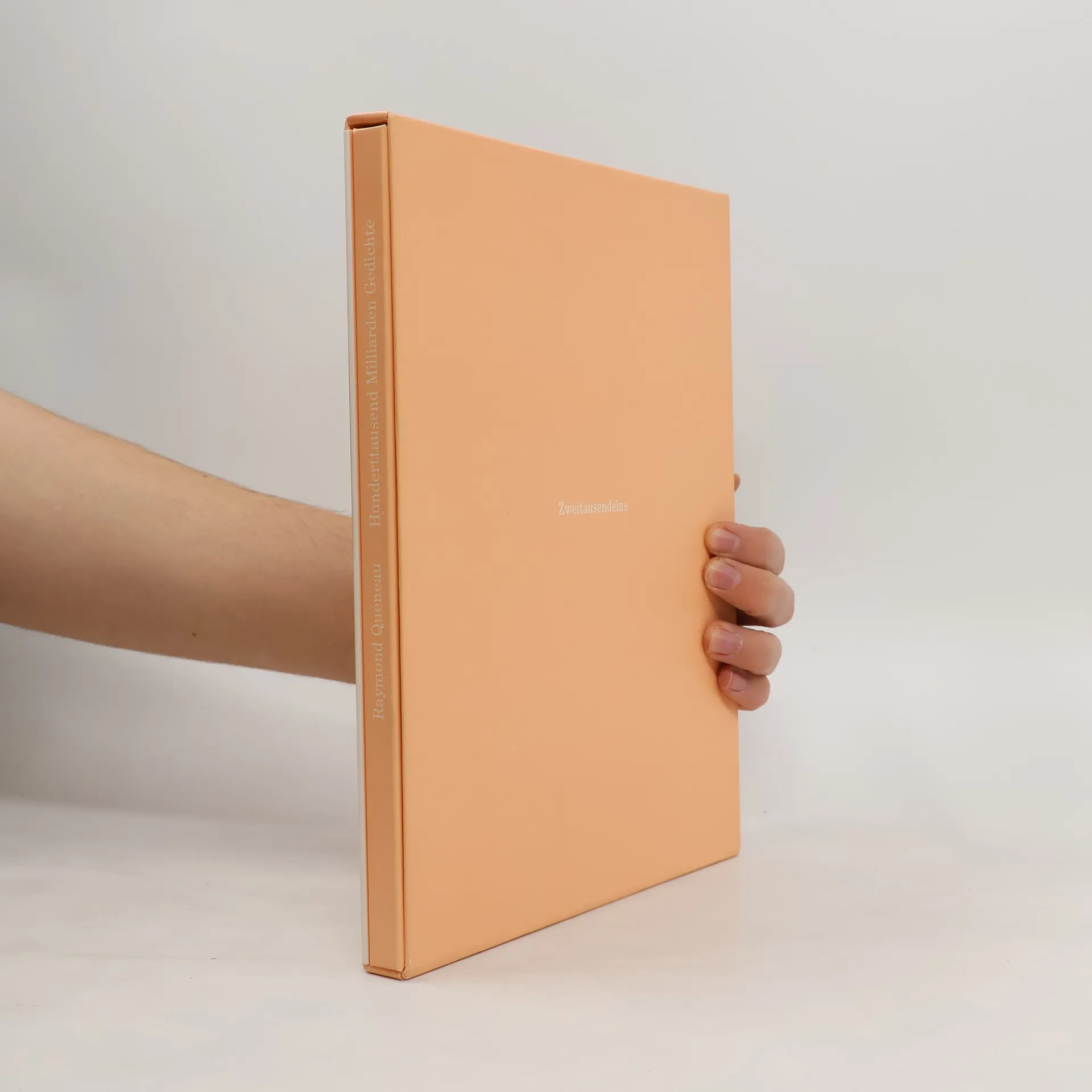
Raymond Queneau, a novelist, poet, and critic, is renowned for his deliberate works that convey an impression of spontaneity. His texts are conscious products of the author's mind, memory, and intentionality, contrasting with the Surrealists' pursuit of pure unconscious expression. Queneau paid meticulous attention to detail, even in the structural composition of his books, demonstrating a precise approach to his craft. His literary output is carefully constructed and intentional.
Sally Mara's father went missing while buying matches, and her mother believes that children come from marriage. Her brother Joel drinks excessively. Always saying the inappropriate thing, the eager language student Sally often hits the nail on the head (and other things). A member of various Irish wrestling associations, she takes pleasure in beating up the museum guard and eagerly licks Hercules' alabaster calves. Closely following the mysteries of the animal world, she constantly tries to "stay beautiful at the pole."
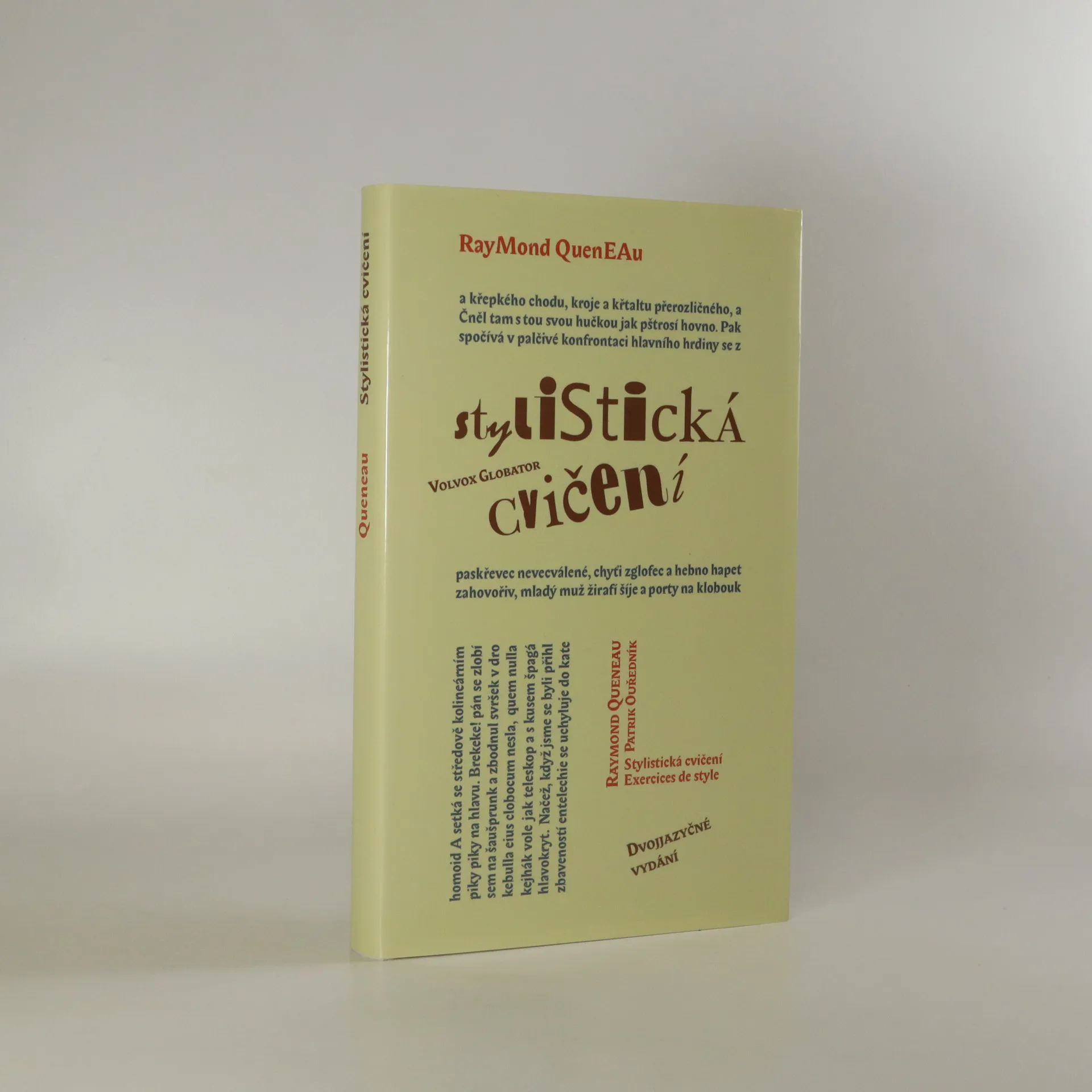
On a crowded bus at midday, the narrator observes one man accusing another of jostling him deliberately. When a seat is vacated, the first man takes it. Later, in another part of town, the man is spotted again, while being advised by a friend to have another button sewn onto his overcoat. Exercises in Style retells this apparently unremarkable tale ninety-nine times, employing a variety of styles, ranging from sonnet to cockney to mathematical formula. Too funny to be merely a pedantic thesis, this virtuoso set of themes and variations is a linguistic rust-remover, a guide to literary forms and a demonstration of imagery and inventiveness.
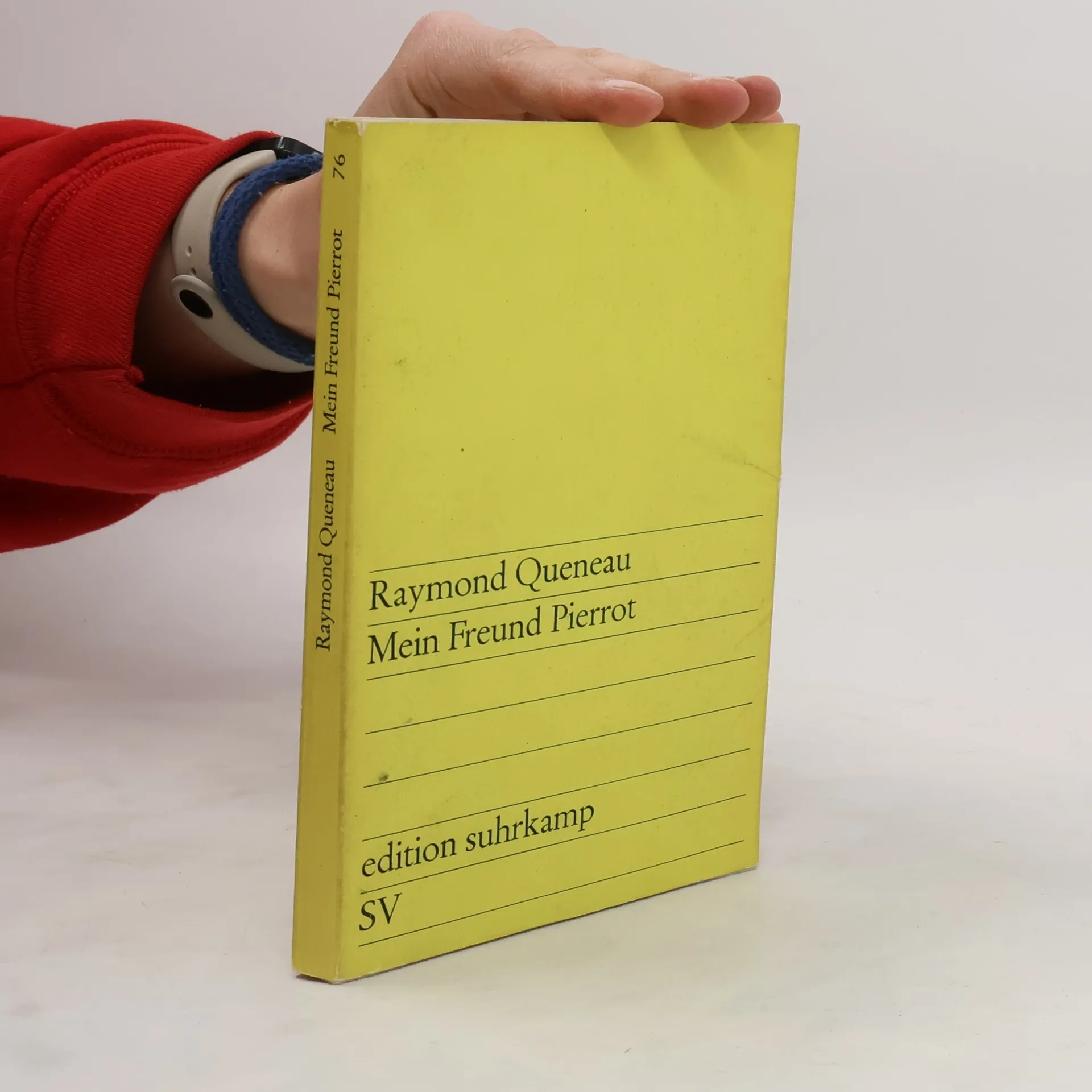
Pierrot Mon Ami, considered by many to be one of Raymond Queneau's finest achievements, is a quirky coming-of-age novel concerning a young man's initiation into a world filled with deceit, fraud, and manipulation. From his short-lived job at a Paris amusement park where he helps to raise women's skirts to the delight of an unruly audience, to his frustrated and unsuccessful love of Yvonne, to his failed assignment to care for the tomb of the shadowy Prince Luigi of Poldevia, Pierrot stumbles about, nearly immune to the effects of duplicity. This "innocent" implies how his story, at almost every turn, undermines, upsets, and plays upon our expectations, leaving us with more questions than answers, and doing so in a gloriously skewed style (admirably re-created by Barbara Wright, Queneau's principle translator).
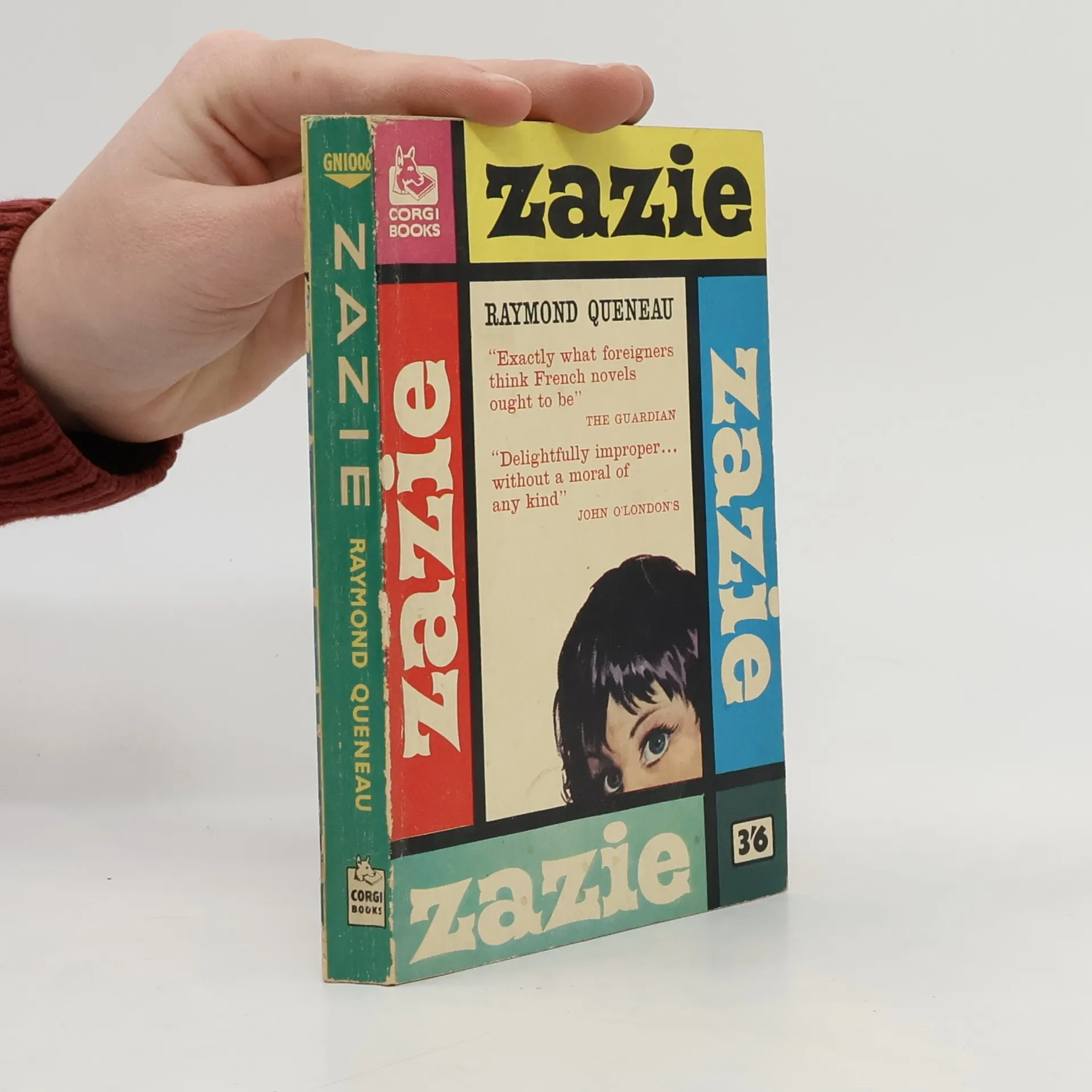
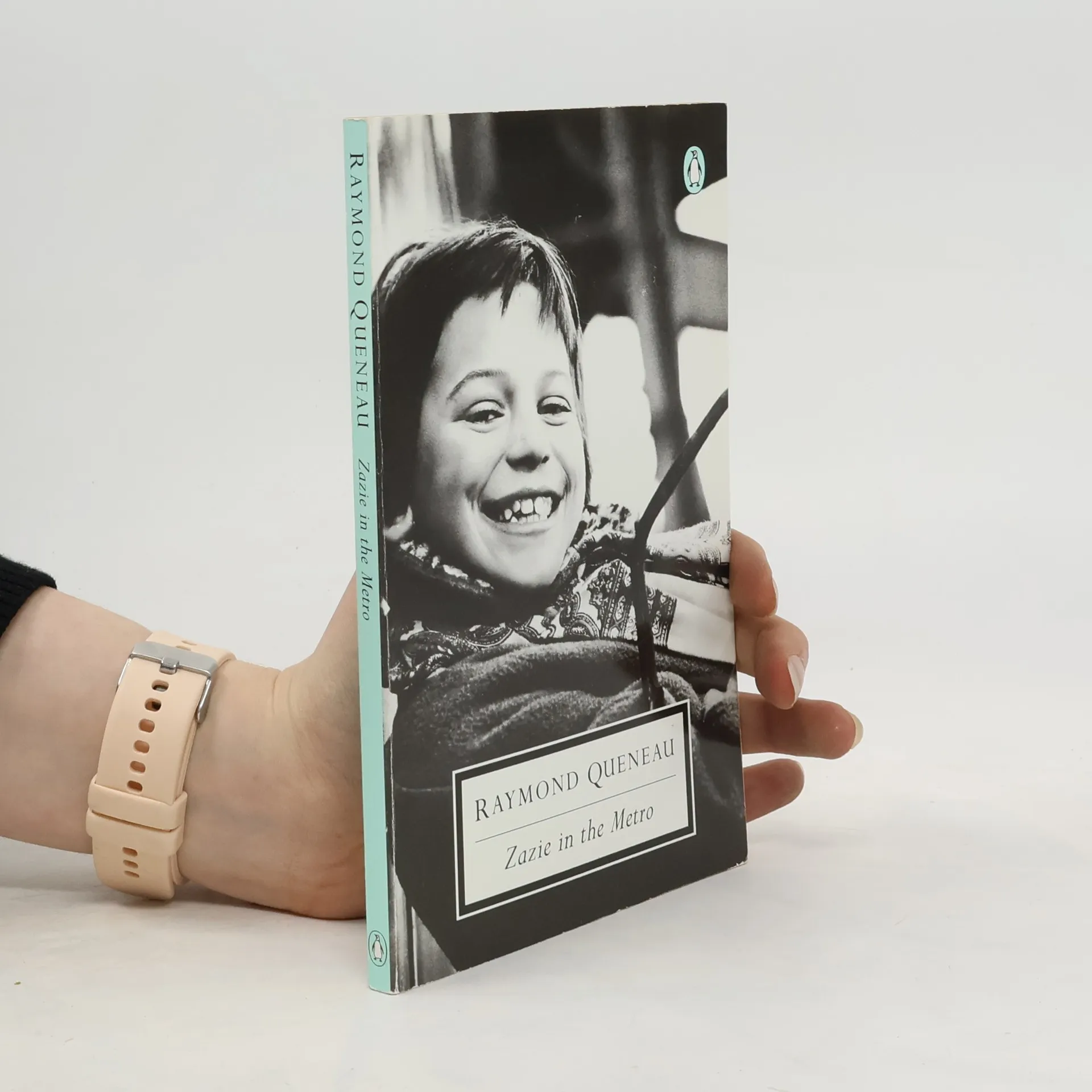
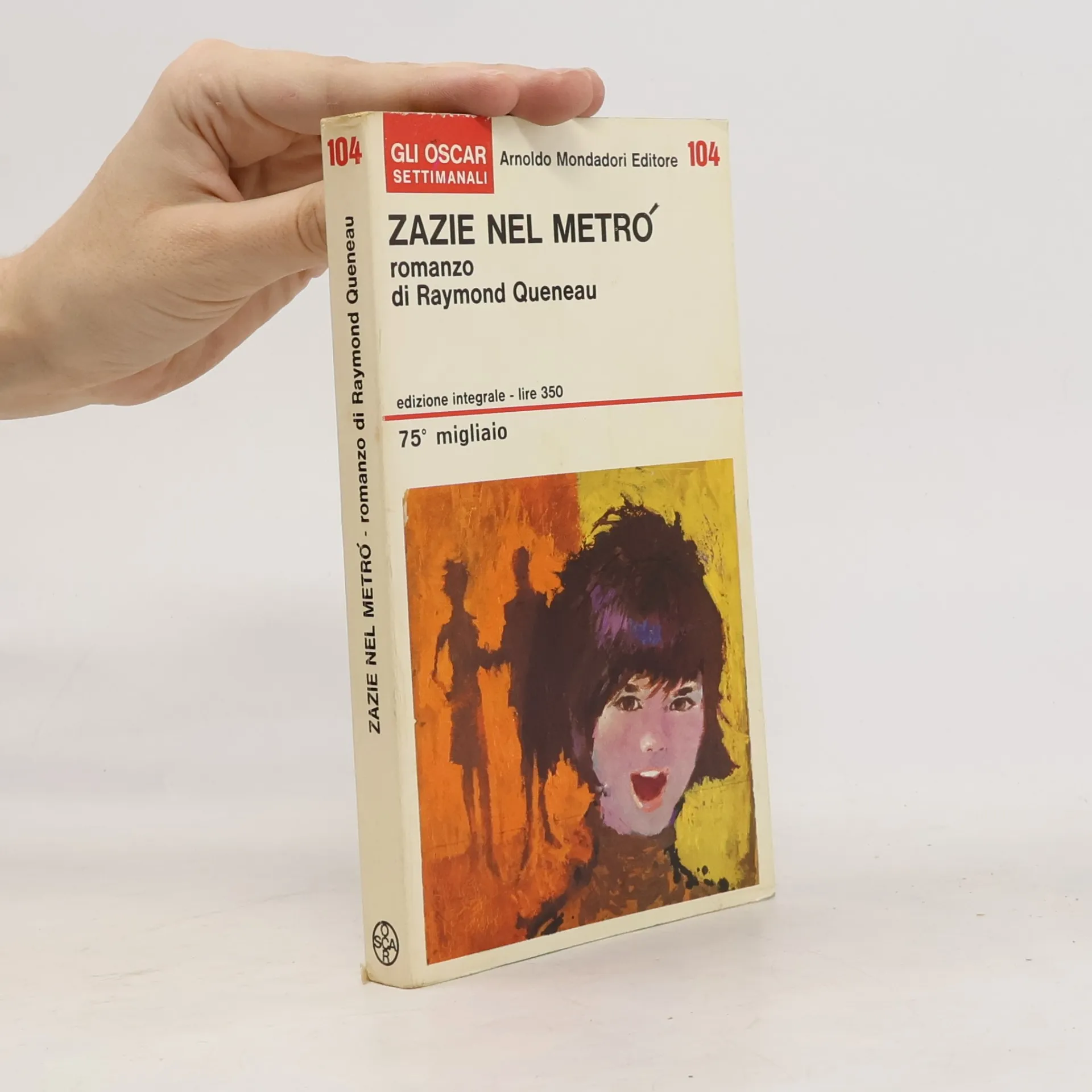
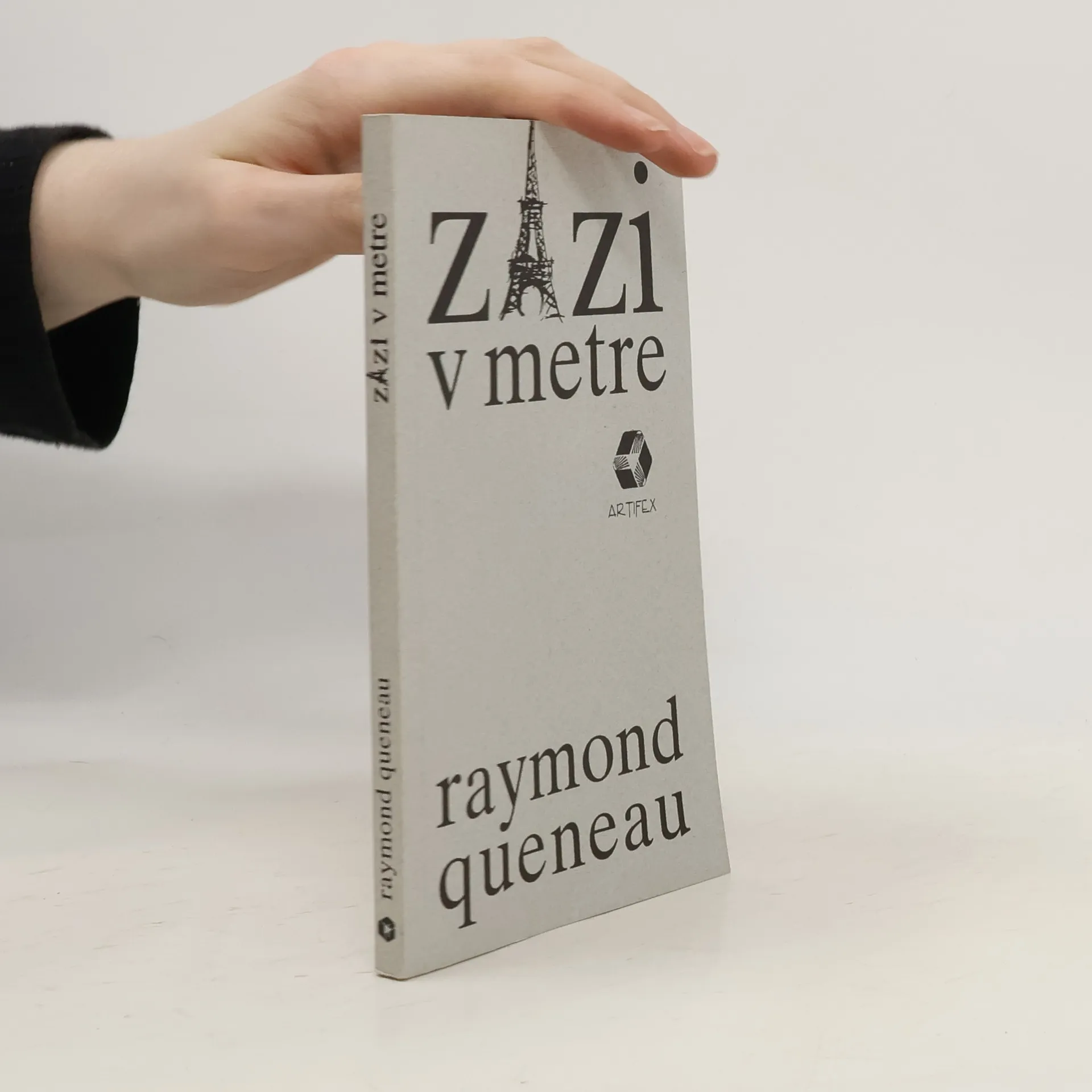
A metro strike sends country-girl Zazie on a crazy Parisian adventure in this comic cult classic Impish, foul-mouthed Zazie arrives in Paris from the country to stay with her uncle Gabriel. All she really wants to do is ride the metro, but finding it shut because of a strike, Zazie looks for other means of amusement and is soon caught up in a comic adventure that becomes wilder and more manic by the minute. Queneau's cult classic was made into a hugely successful film by Louis Malle in 1960. Packed full of word play and phonetic games, Zazie in the Metro remains as stylish and witty today as it did back then.
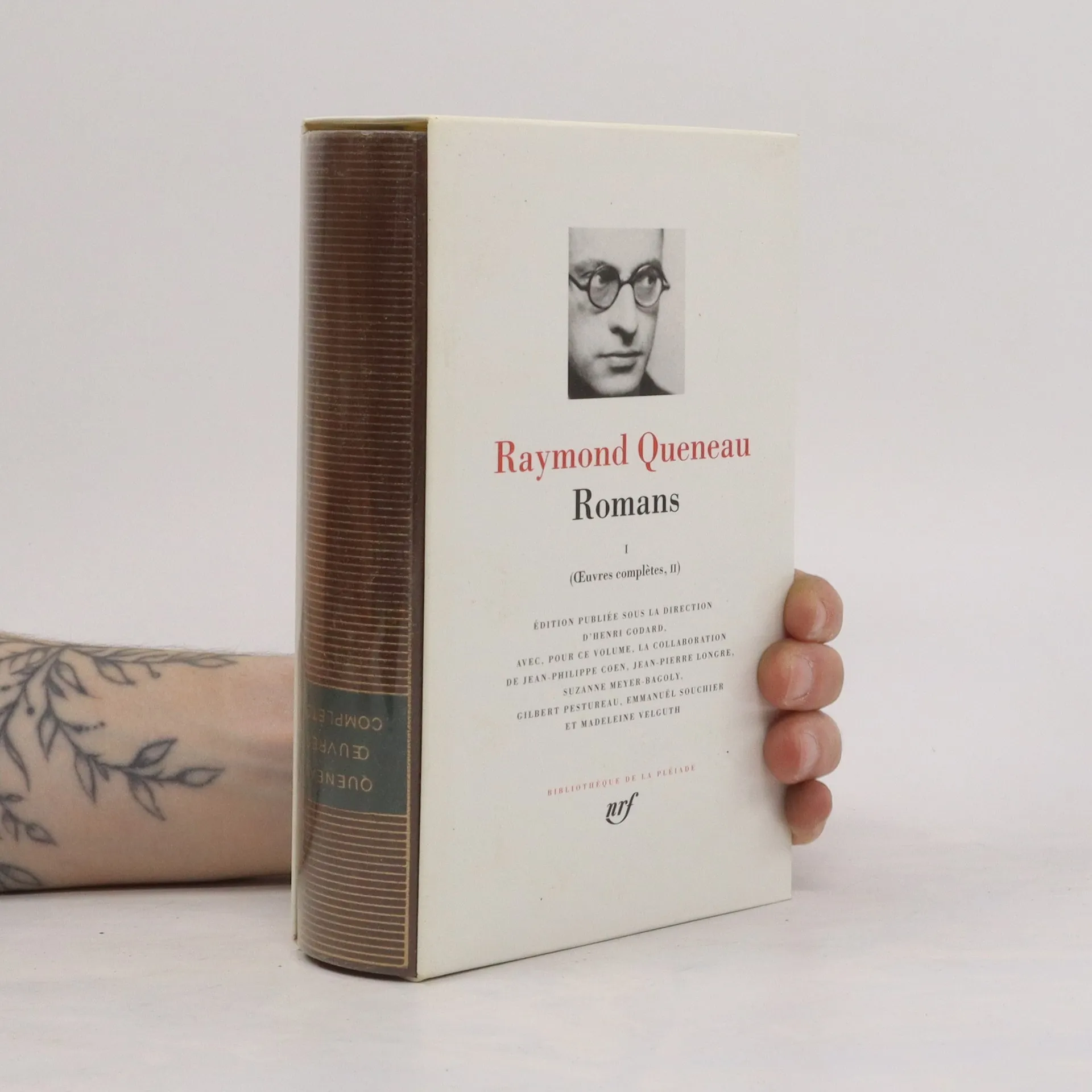
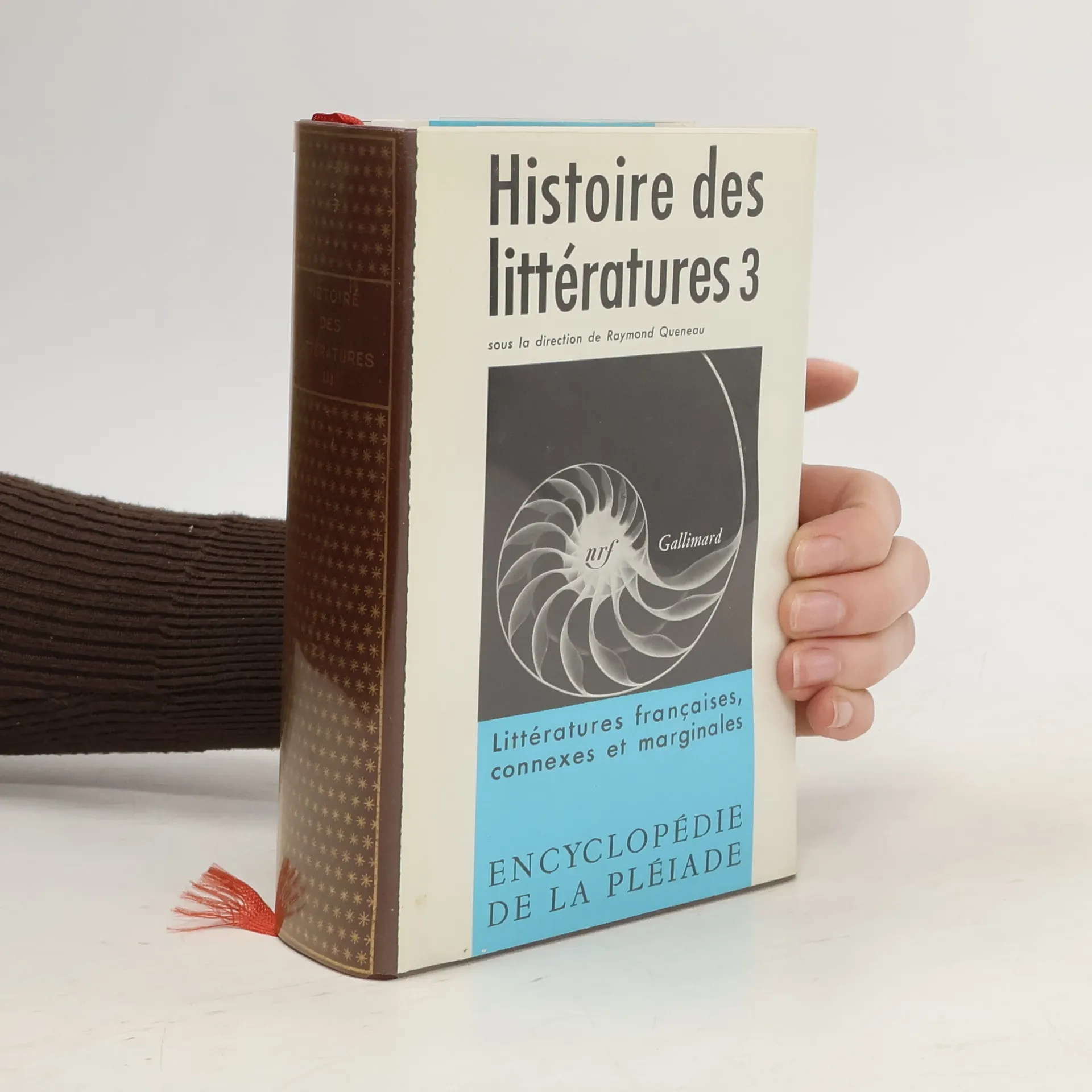
Queneau n'est pas un romancier comme les autres. Il l'est si peu qu'on ne pense pas toujours spontanément à lui comme à un romancier, bien qu'il ait publié treize romans. Peut-être est-ce dû à son parti pris du rire et du jeu, à sa volonté d'amuser le lecteur et de s'amuser lui-même. Queneau ne serait-il pas un écrivain sérieux ? Le ton drolatique qu'il adopte a pu parfois dissimuler les autres facettes de sa personnalité de romancier : sa volonté d'être le témoin du monde et de l'histoire de son temps, ou son besoin de donner figure par l'imaginaire à des interrogations existentielles. Il est non moins vrai que l'on trouve au cour même de ses romans des orientations moins évidemment « romanesques » : par certains côtés, Queneau reste surréaliste malgré sa rupture avec le groupe de Breton ; il est aussi philosophe, et en particulier un philosophe de la langue et des mathématiques ; et il est passionné d'anthropologie, de psychanalyse, d'histoire des religions - sans parler de son attirance, sans doute moins connue, pour le gnosticisme et l'ésotérisme.
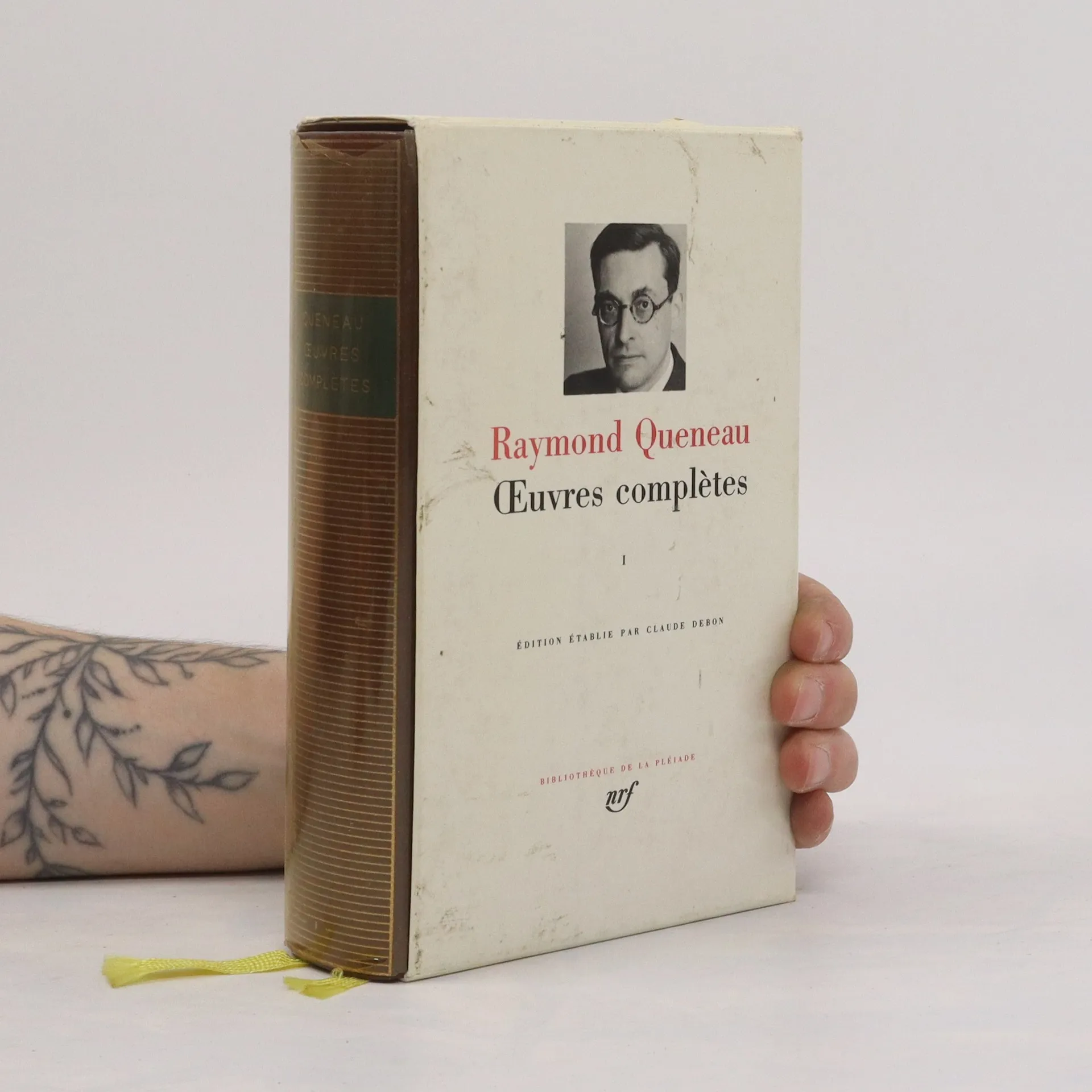
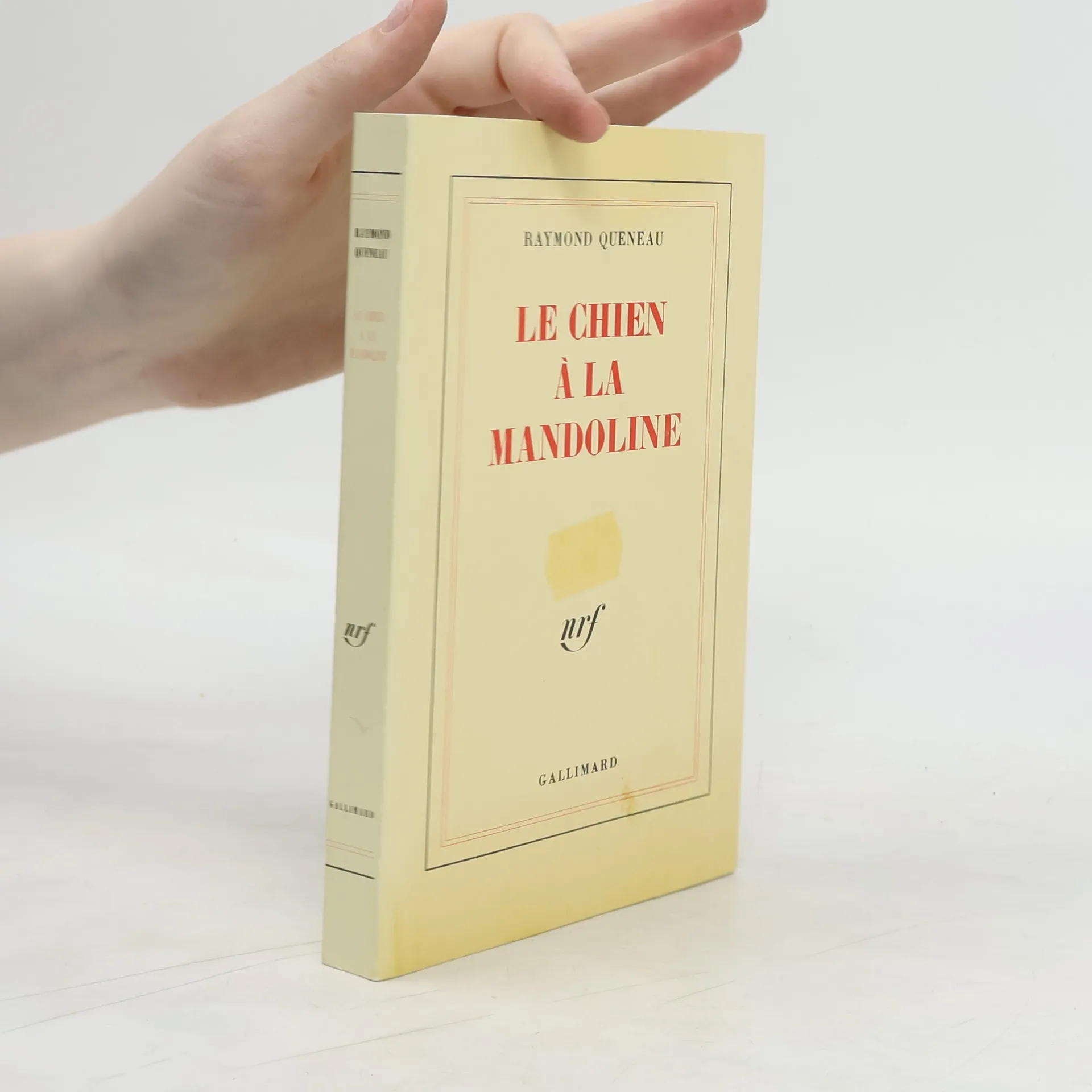
Mézalor, mézalor, késkon nobtyin ?On obtient cent mille milliards de poèmes (mais pas les vies pour les lire), et les autres, qu'on connaissait déjà et qu'on va pouvoir relire avec ce qui nous reste de vie, et aussi trois cents poèmes inédits - que, forcément, on ignorait - et puis des chansons, et aussi des souvenirs, avec - pour couronner le tout - quelques étonnants textes surréalistes. On le peut dire autrement : ce volume procure l'ensemble de la poésie publiée par Raymond Queneau, à quoi on a ajouté tous les poèmes épars publiés en revues et ceux que - les jugeant, pour diverses raisons, impropres à la publication - il avait conservés dans ses cartons. À cet ensemble, on a adjoint quelques textes - difficilement classables - qui, à un titre ou à un autre, relèvent de la fonction poétique. Ajoutons qu'on trouvera dans l'appareil critique de nombreux extraits du Journal, en grande partie inédit, de Raymond Queneau.
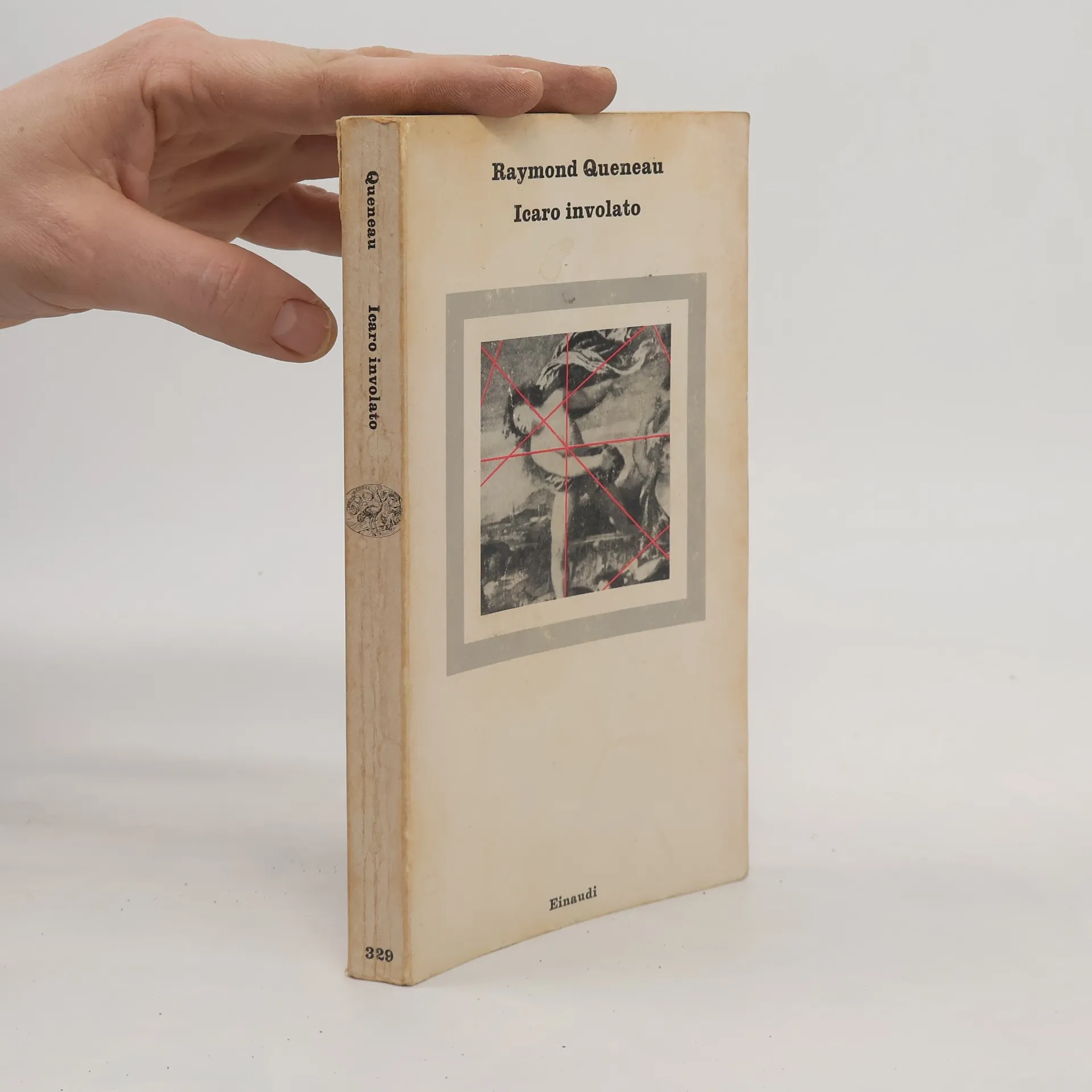
Ikárosz egy finom, fanyar és divatos századvégi író regényhőse. A naiv fiatalember egy óvatlan pillanatban megszökik az őrizetlen kéziratból, és sápatag papír-életét valódival cseréli fel. Legelőször is megízleli az abszintot egy üzletszerű kéjelgésből élő, de később pályát változtató, kitűnő jellemű hölgy társaságában. Azután új sorsa szeszélye végigsodorja a korabeli Párizs díszletei közt: lát bicikliző divathölgyeket térdnadrágban, harminc kilométeres szédítő sebességgel száguldó automobilokat, irodalmi szalonokat, divatosan életunt dendi-írókkal vagy regénygyárosokkal. Bele is illeszkedik szépen a technicizálódó szecessziós Párizs életébe, de pályája mégis úgy végződik, ahogy írója elgondolta – ha ugyan igazat mond. A francia közönségnek ez a bámulatosan sokoldalú kedvence – hiszen lexikoncikket éppúgy tudott írni, mint burleszket – gyermeteg örömmel hancúrozik egyik utolsó regényének szófacsarásai, fortélyos szellemességei, vidám ötletei, gyöngéd csúfolódásai, finom árnyalatai közt.
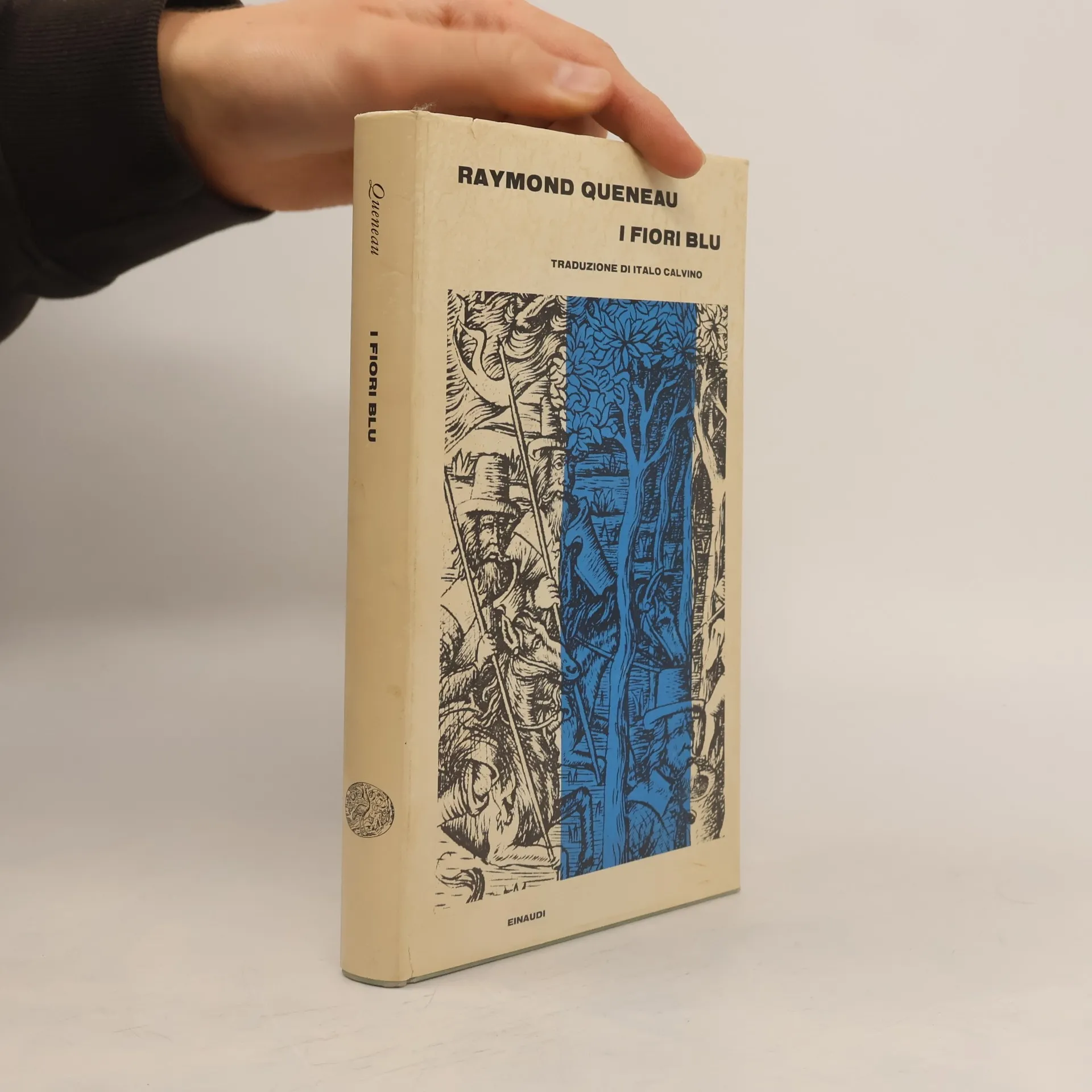
Un personaggio, il Duca d'Auge, che attraversa l'intero evo moderno, ricomparendo nel romanzo ogni 175 anni; un altro, Cidrolin, che negli anni Sessanta del XX secolo vive nella più totale inattività su un barcone ancorato nei pressi di Parigi; e poi due cavalli parlanti, Sten e Stef, e campeggiatori che si esprimono invece in una lingua inesistente, e alchimisti, e abati che studiano graffiti preistorici... Alla sua quinta comparsa, il Duca s'imbatte proprio in Cidrolin, e lo strano sodalizio che si crea fra i due li indurrà infine a salpare in una sorta di nuovo diluvio universale, alla fine del quale il barcone andrà ad arenarsi sulla cima di una torre. Romanzo sul sogno, e fatto di sogni, I fiori blu spiazza continuamente il lettore con una fantasmagorica girandola di situazioni improbabili e irrelate, che trascorrono l'una nell'altra come in un grande caleidoscopio onirico, sostenute da una scrittura freschissima e scattante - perfettamente resa dalla splendida traduzione di Italo Calvino - che fa largo uso di giochi di parole.
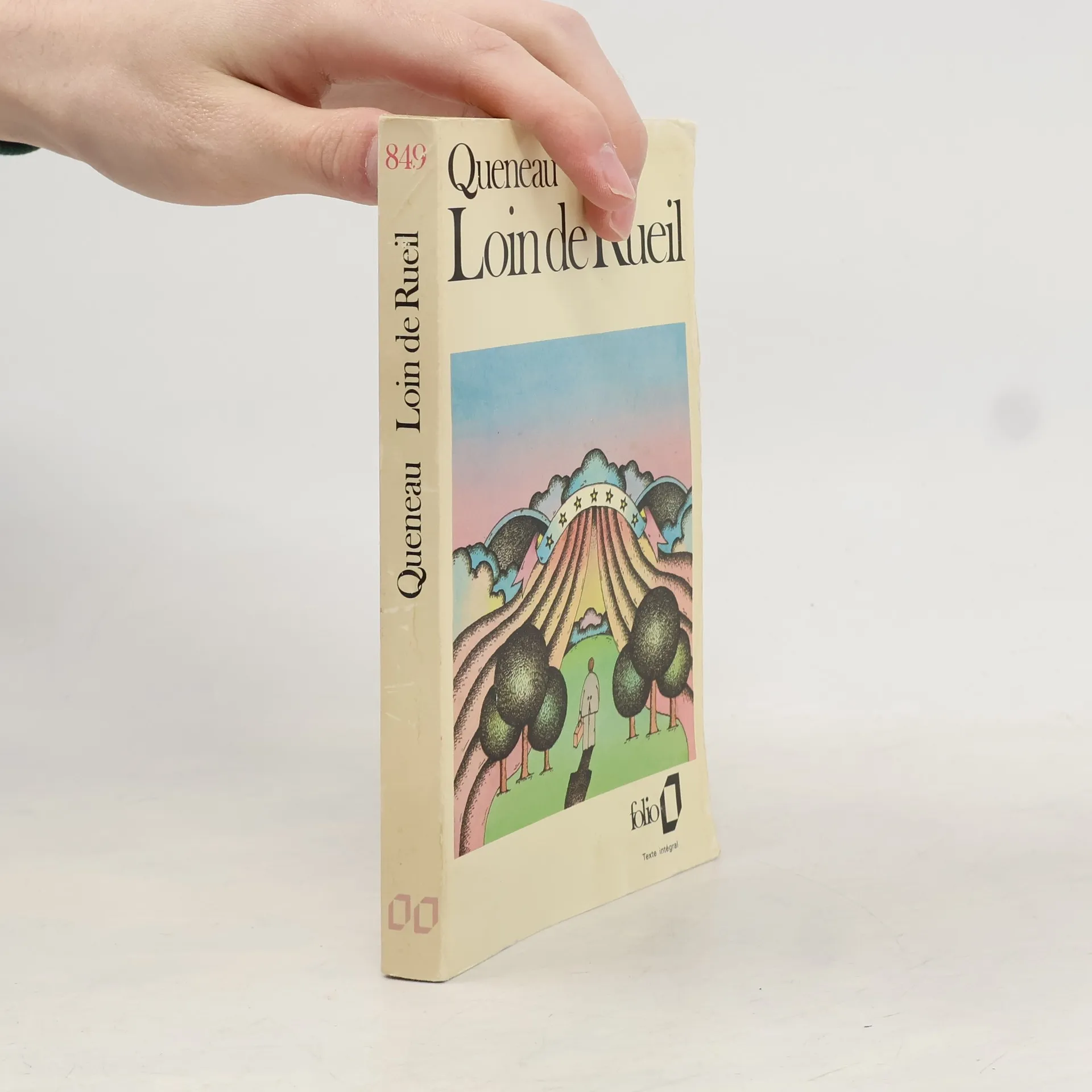
Jacques l’Aumône cresce come figlio di un produttore di scarpe a Rueil, vicino a Parigi, e fugge dalla sua vita monotona al cinema, dove scopre il mondo dei film muti. Nella sua immaginazione, l'eccentrico poeta Louis Philippe Des Cigales è suo padre, ispirandolo a scrivere poesie. Da adulto, aspira a una carriera come pugile professionista, ma sposa Suzanne e si trasferisce con lei in provincia, dove viene percepito come chimico e conduce audaci esperimenti in laboratorio. Anni dopo, incontra un amico d'infanzia, il che lo porta a lasciare Suzanne e il loro figlio per dedicarsi a nuove avventure. La storia esplora i sogni ad occhi aperti dell'eroe, che prova numerose forme di vita e si lancia in carriere brillanti, vivendo sia sconfitte che trionfi. Queneau indaga la natura dei desideri umani in un romanzo avvincente sul crescere e sulla forza dell'immaginazione. Con scene cinematografiche e uno stile umoristico, talvolta mordace, Queneau mostra già in quest'opera la sua inventiva, che si esprime anche nelle sue opere successive come Esercizi di stile e Zazie nel metrò.
Hans Thill präsentiert den vielseitigen Schriftsteller Raymond Queneau und seine Werke, darunter Stilübungen und witzige Romanpassagen, viele erstmals auf Deutsch. Queneaus Sprachwitz wird meisterhaft von Eugen Helmle und Ludwig Harig übersetzt, wobei Situationskomik und Regelverstoß zentrale Elemente seiner Texte sind.
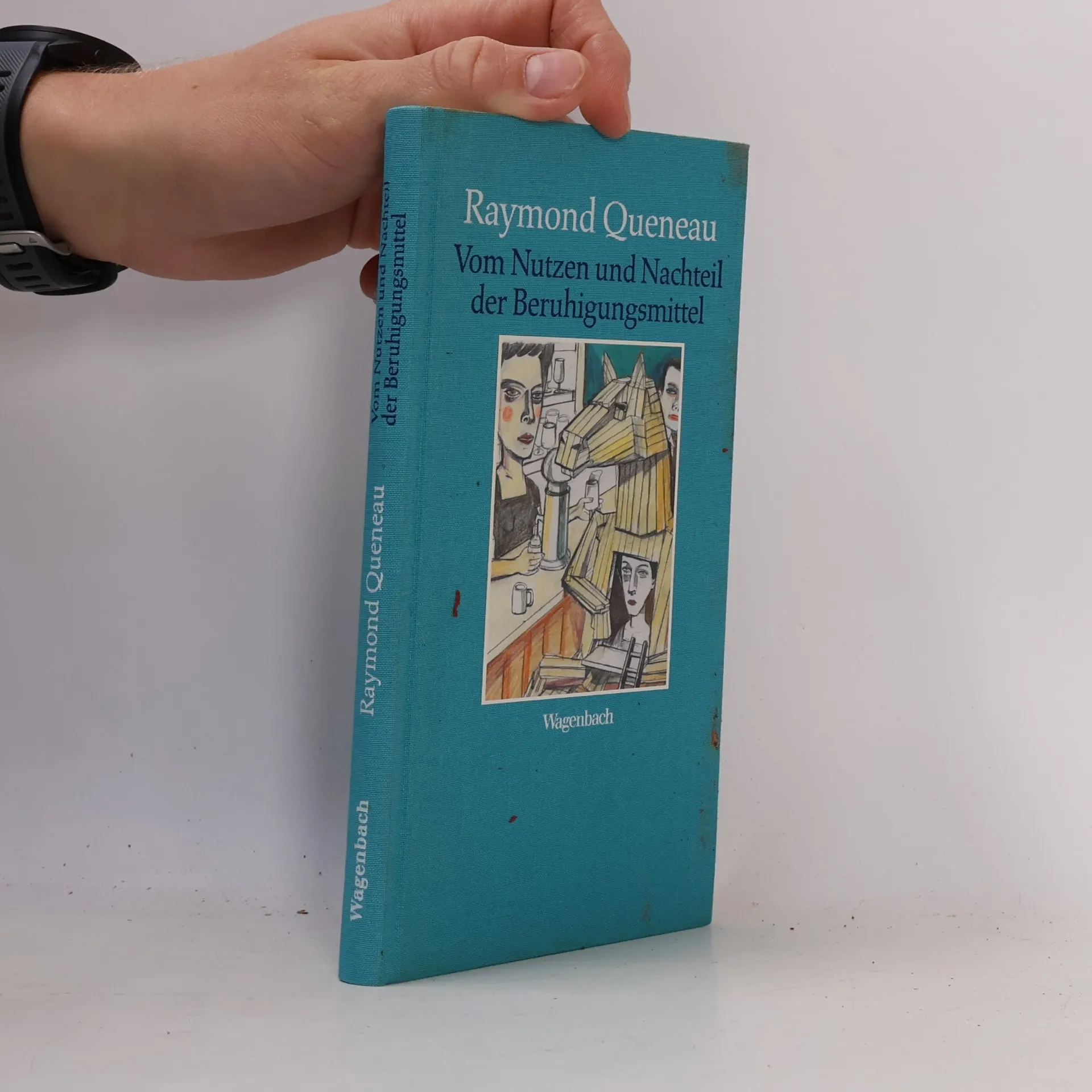
In diesen Prosastücken von Raymond Queneau begegnen wir skurrilen Szenarien, wie einem sprechenden Hund und einem trojanischen Pferd in ungewöhnlichen Umgebungen. Queneau, ein Meister des Surrealismus, kombiniert zärtlichen Witz mit sprachlicher Raffinesse und bietet amüsante Einblicke in die Realität.
Set in a bizarre and slightly sinister town where the elderly are auctioned off at an Old Folks Fair, the townspeople assail the priest in hopes of making it rain, and the official town scapegoat bears the shame of the citizens by fishing junk out of the river with his teeth. Heartsnatcher is Boris Vian's most playful and most serious work. The main character is Clementine, a mother who punishes her husband for causing her the excruciating pain of giving birth to three babies. As they age, she becomes increasingly obsessed with protecting them, going so far as to build an invisible wall around their property.
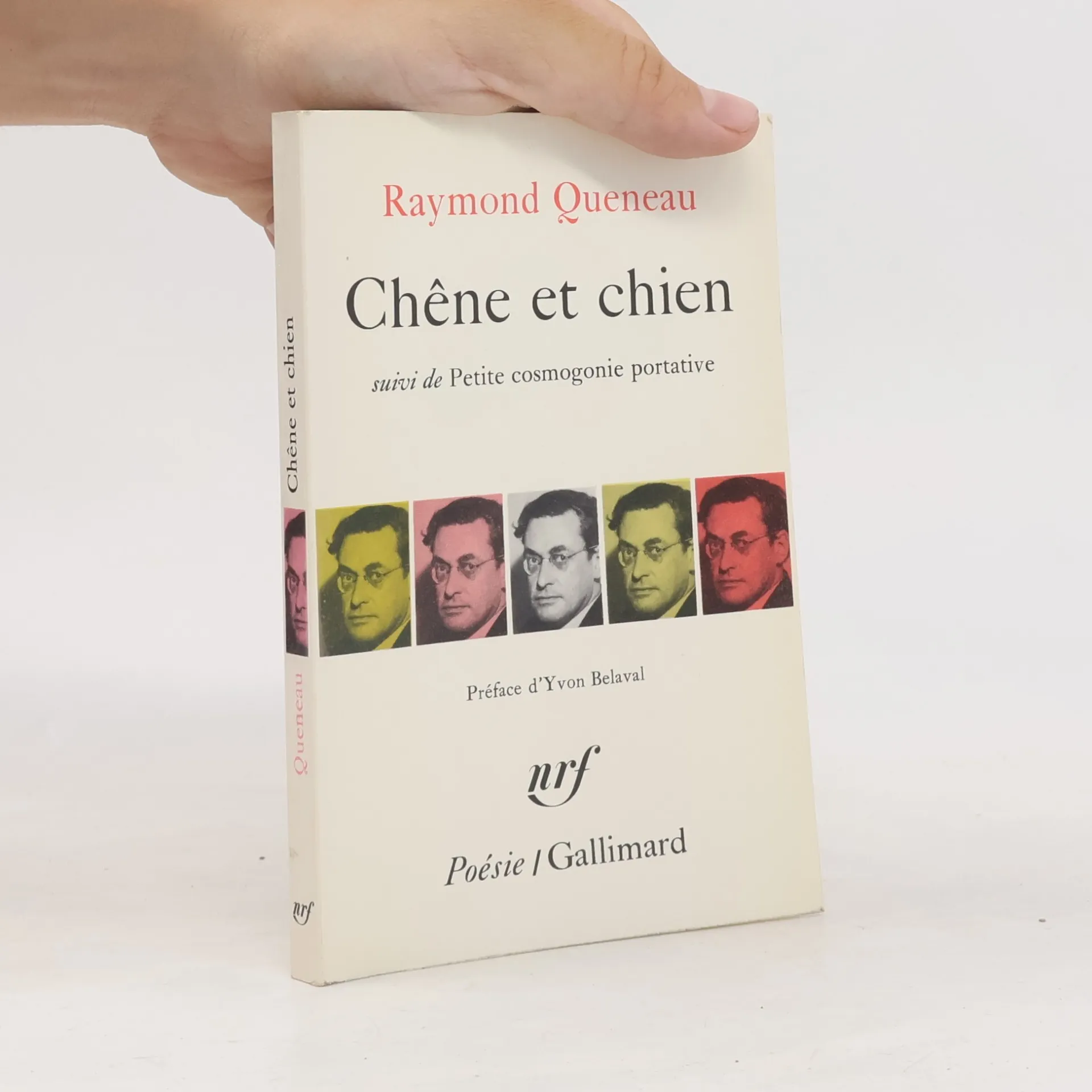
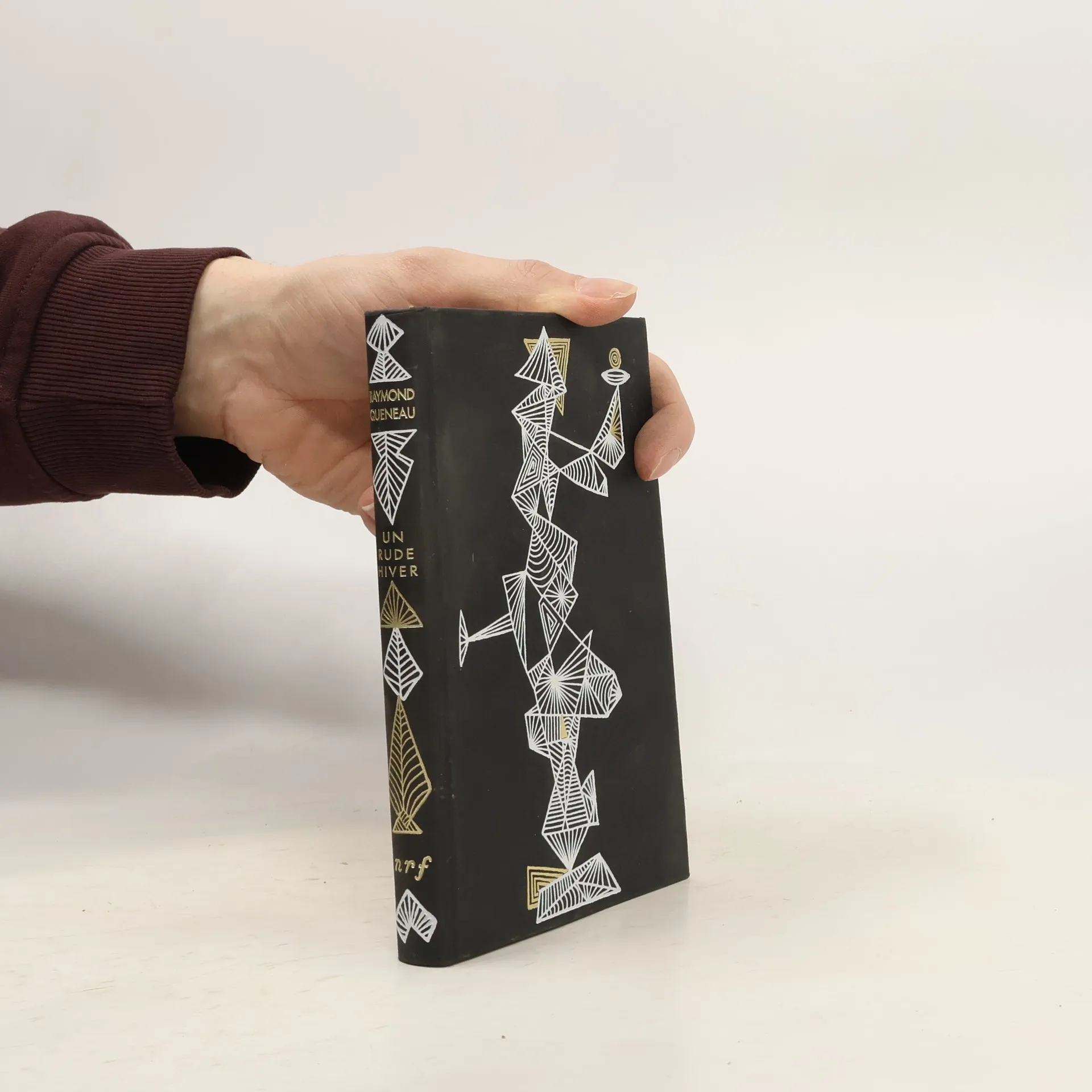
"Ce recueil contient les poèmes écrits par Raymond Queneau depuis l'Instant fatal paru en 1948 ; la plupart sont inédits. Ils sont présentés dans leur ordre chronologique formant ainsi une sorte de journal intime : on y trouvera des allusions à l'histoire des quinze dernières années, on reconnaît des faits divers qui intéressèrent les gazettes. À ces échos du temps qui passe pour tous, se mêlent les menus incidents de la vie privée de l'auteur. Le livre comprend deux parties, les sonnets étant réunis dans la seconde." Bulletin NRF, janvier 1965.
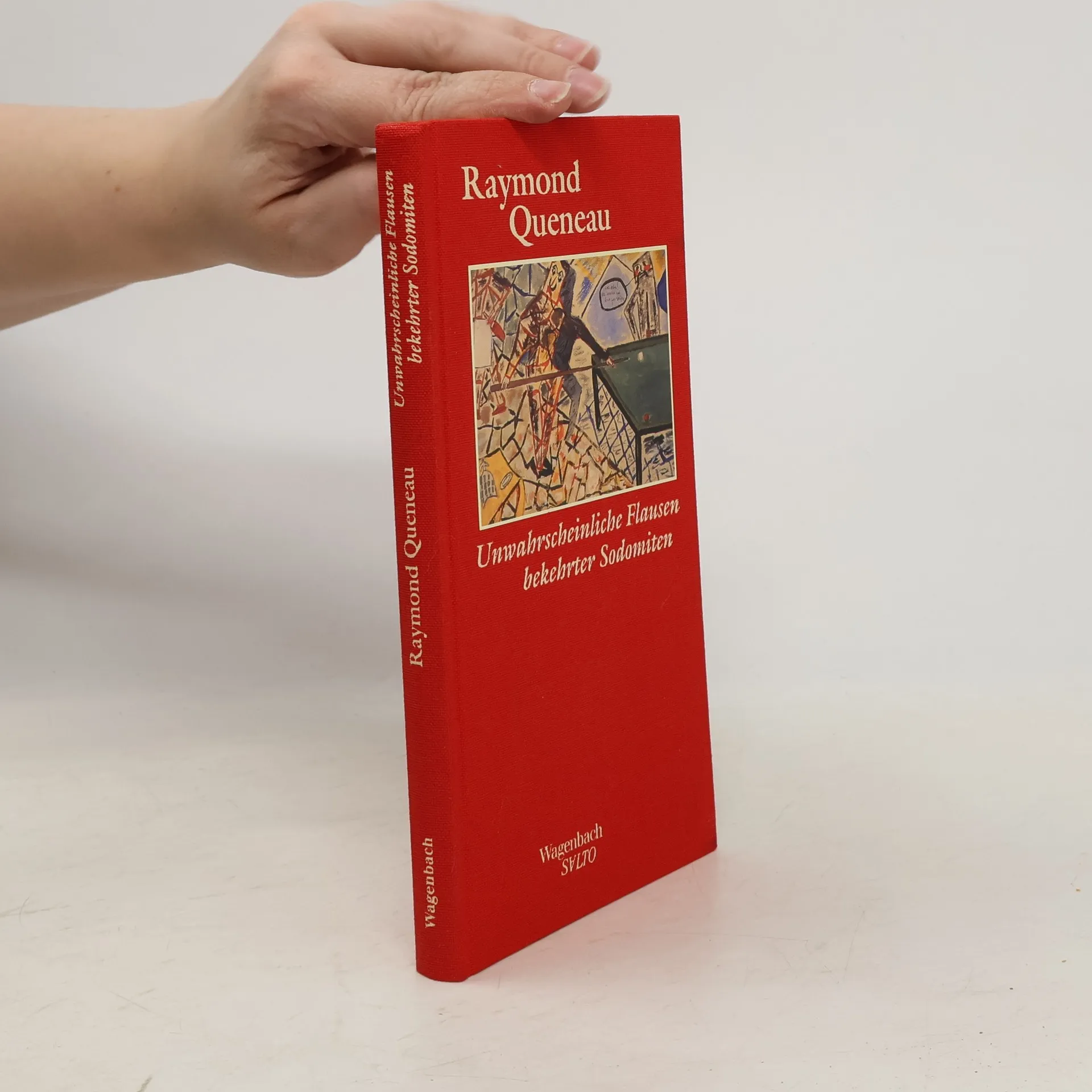
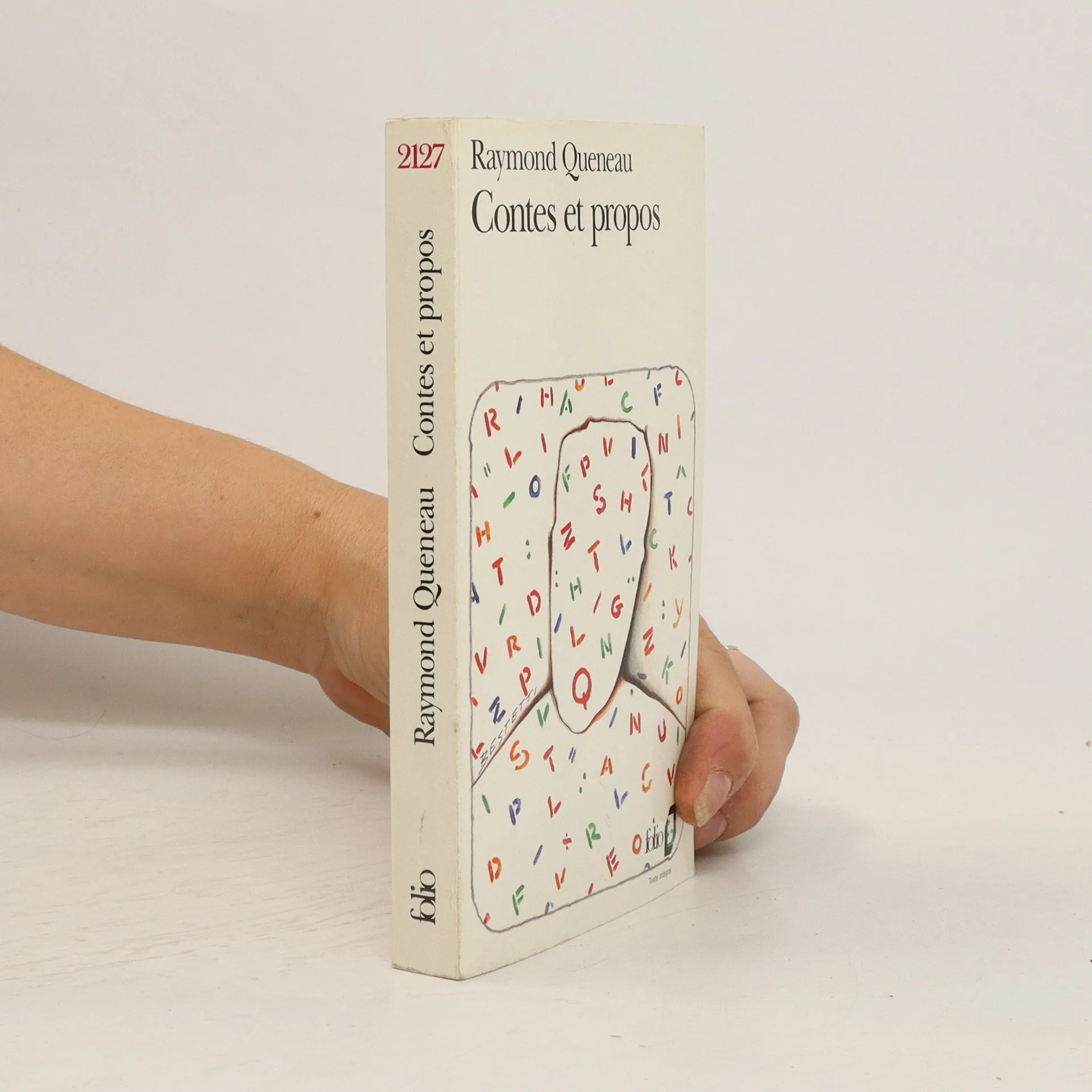
Un chien qui engage la conversation avec un client dans un bistrot de province? Un cheval, de surcroît troyen, qui prend un drink au comptoir d'un bar de luxe? Rien d'étonnant à cela - dans les textes ici rassemblés, tous marqués d'une touche d'absurdité, le fantastique est comme naturel. Jeux de mots, spéculations ironiques, faux rêves, délires logiques, usage subversif de la rhétorique, tout concourt au divertissement du lecteur, à son ravissement, mais aussi, en filigrane, à cette entreprise de démystification de la littérature chère à Raymond Queneau.
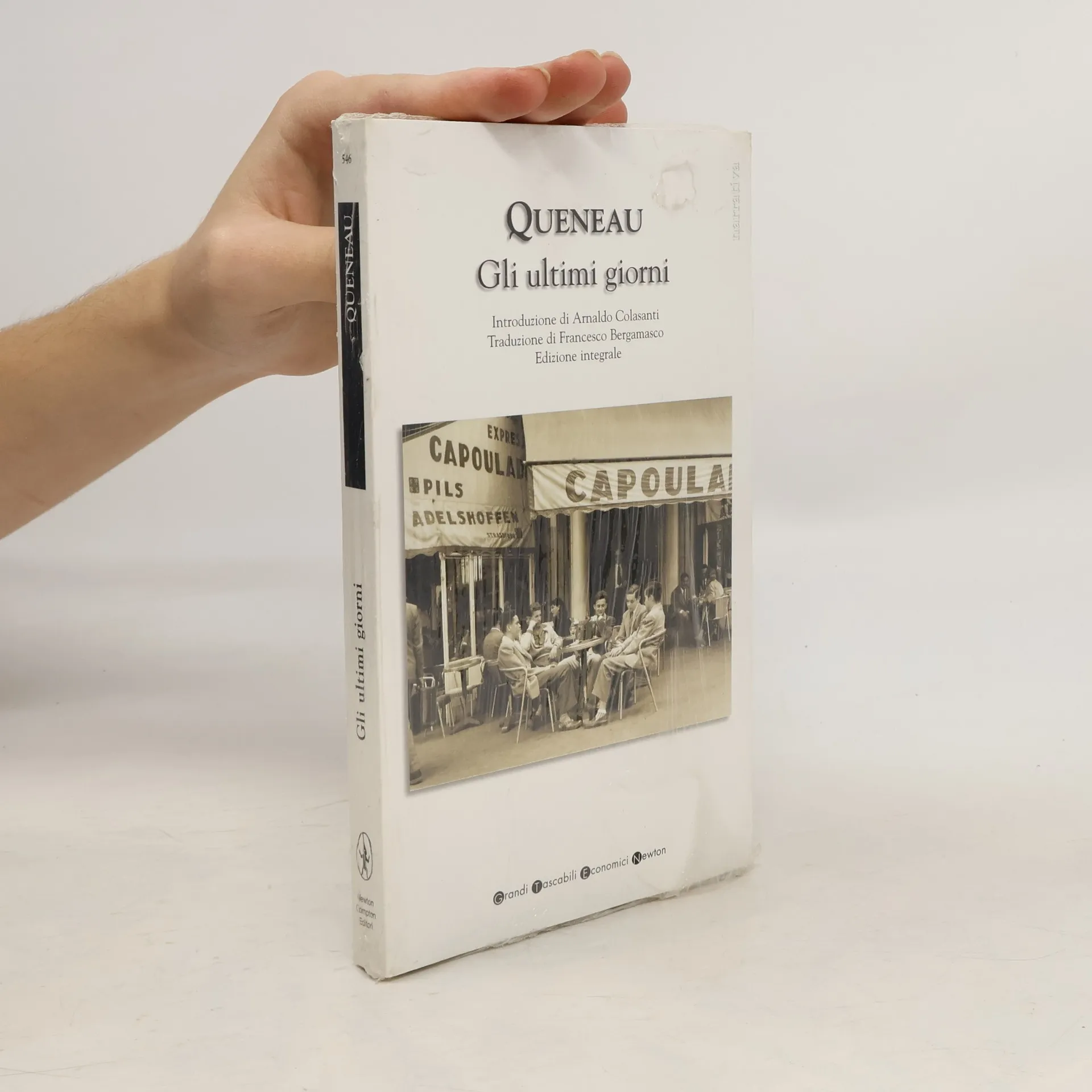
Nella Parigi del quartiere latino, della Sorbona e dei piccoli caffè, giovani e vecchi ingannano il tempo tra conversazioni di filosofia e letteratura. E il tempo è il vero protagonista di questo romanzo, inteso ciclicamente come ritorno e alternanza, ma inteso anche come unica e ineludibile direzione che consegna l'uomo alla vecchiaia e alla morte.
Ce livre, initialement publié en 1938, présente une enquête auprès des lecteurs sur des curiosités architecturales et urbaines, allant des origines gallo-romaines jusqu'au XXe siècle. Les questions et réponses offrent un aperçu fascinant de l'évolution des villes et de l'architecture au fil des siècles.
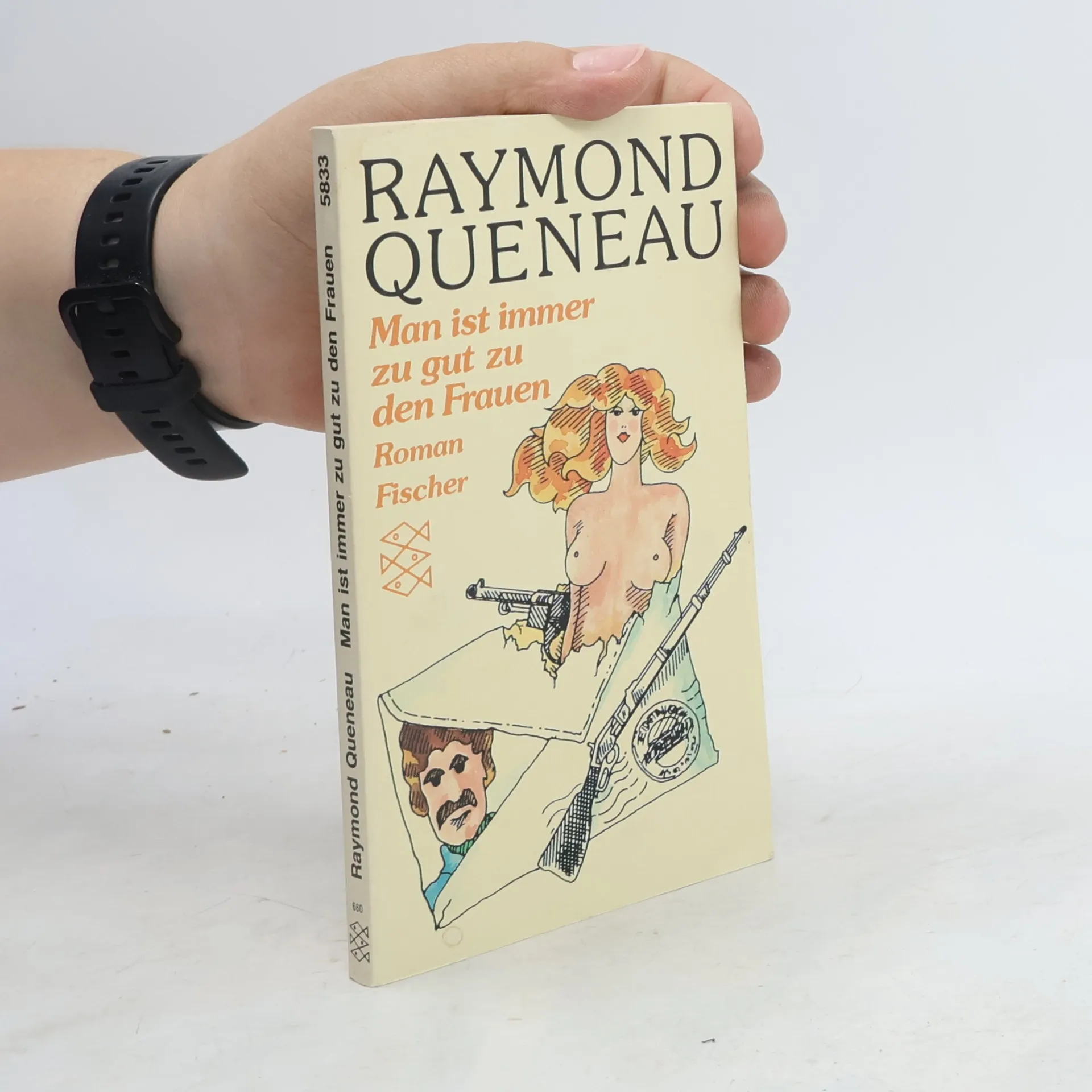
Wie ein Postfräulein bei einem Aufstand den Sieg davonträgt.
Ein britisches Postfräulein und sieben Kämpfer der Irischen Republikanischen Armee sind in einem Postamt in Dublin zusammengeschlossen. Draußen tobt der Kampf. Da beginnt die junge Gertie, einen Rebellen nach dem andern zu verführen. Wilde Schießereien und Liebesszenen wechseln sich ab.
Den Briten, die den Aufstand niederwerfen, erklärt Gertie, die Rabauken hätten sich ungehörig benommen. Daraufhin werden sie erschossen, dürfen aber noch eine letzte Bemerkung machen: 'Man ist immer zu gut zu den Frauen.'
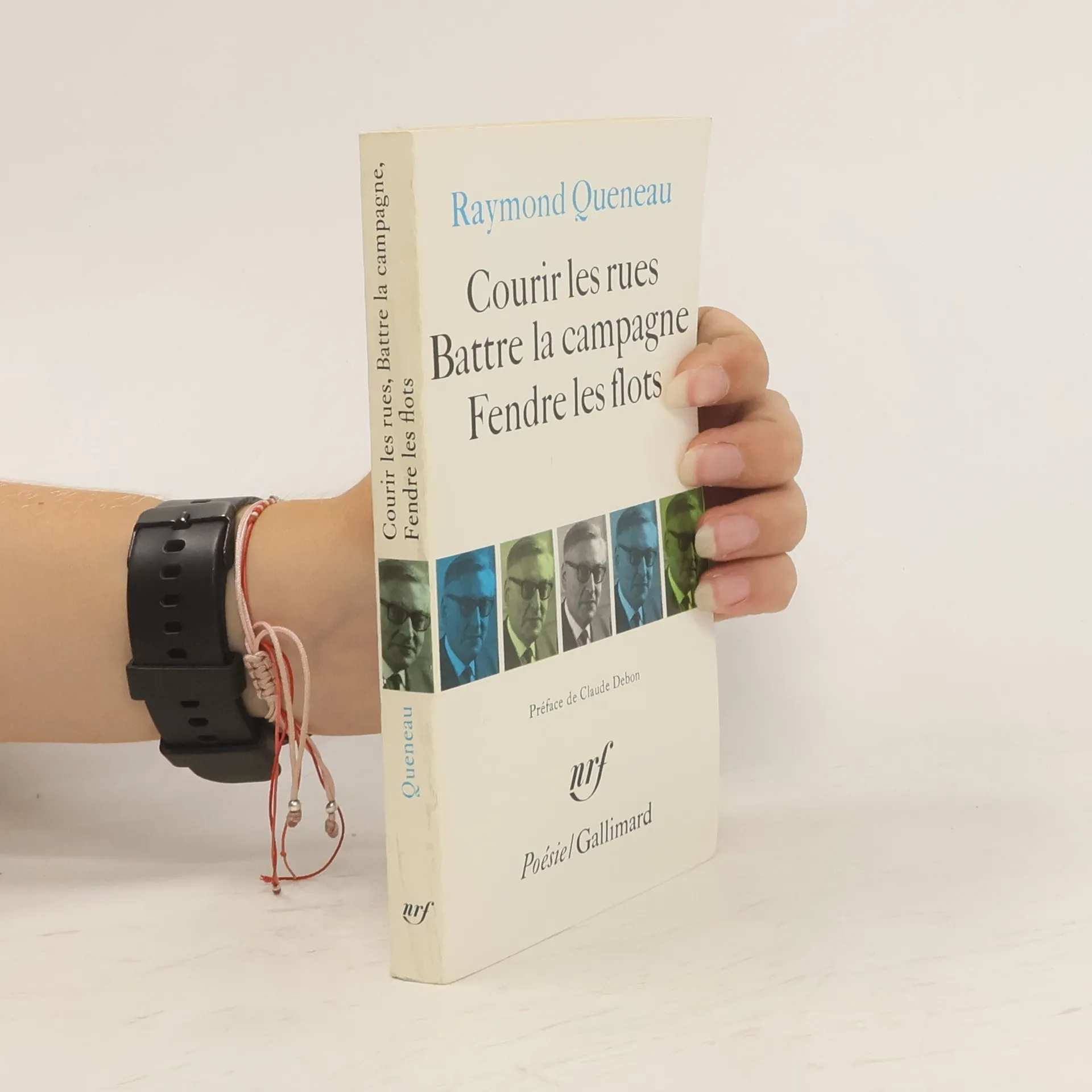
Recueil de poésie de l'auteur de Zazie dans le métro , Courir les rues, battre la campagne, fendre les flots est stupéfiant de tendresse et de légèreté sans pour autant sombrer dans le sentimentalisme à l'eau de rose. Cet ouvrage regroupe sa trilogie des années 1967, 1968 et 1969. Simple, drôle et émouvante, la poésie de Queneau célèbre les petites gens, les rues de Paris, les animaux et insectes de nos jardins et les petits faits de la vie quotidienne. "Restant debout sans bouger/dans un coin perdu de la ville/on peut toujours espérer/rester tranquille" préconise ces poèmes, pourtant ancrés au coeur de nos villes et de nos vies quotidiennes. Avec simplicité et émotion, qui reste l'apanage des plus grands, Raymond Queneau livre ici une poésie rafraîchissante comme une pluie d'été. Le titre de ce recueil, superbe, est une célébration même de la joie de vivre selon l'auteur. Allons donc courir les rues, battre la campagne et fendre les flots. --Florent Mazzoleni
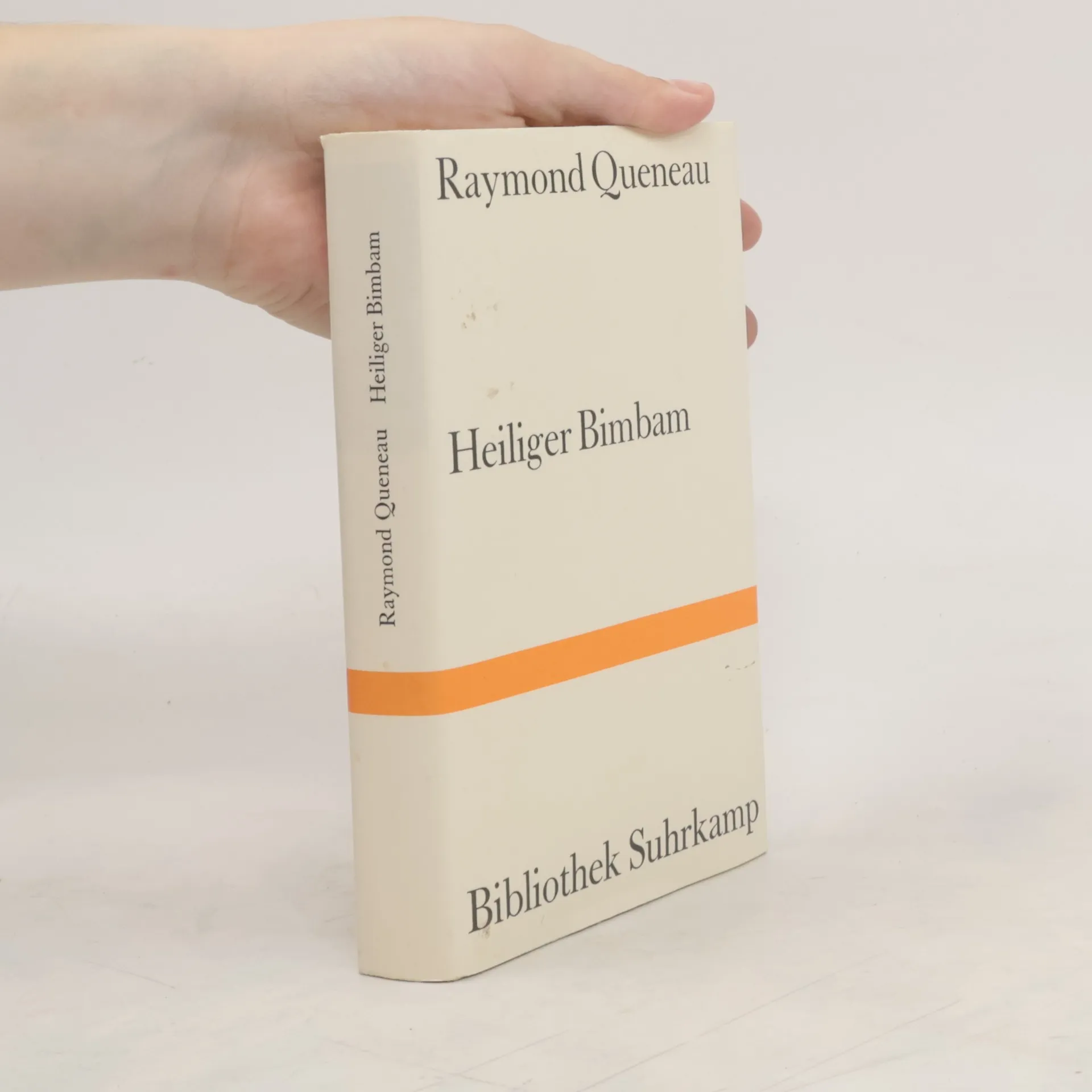
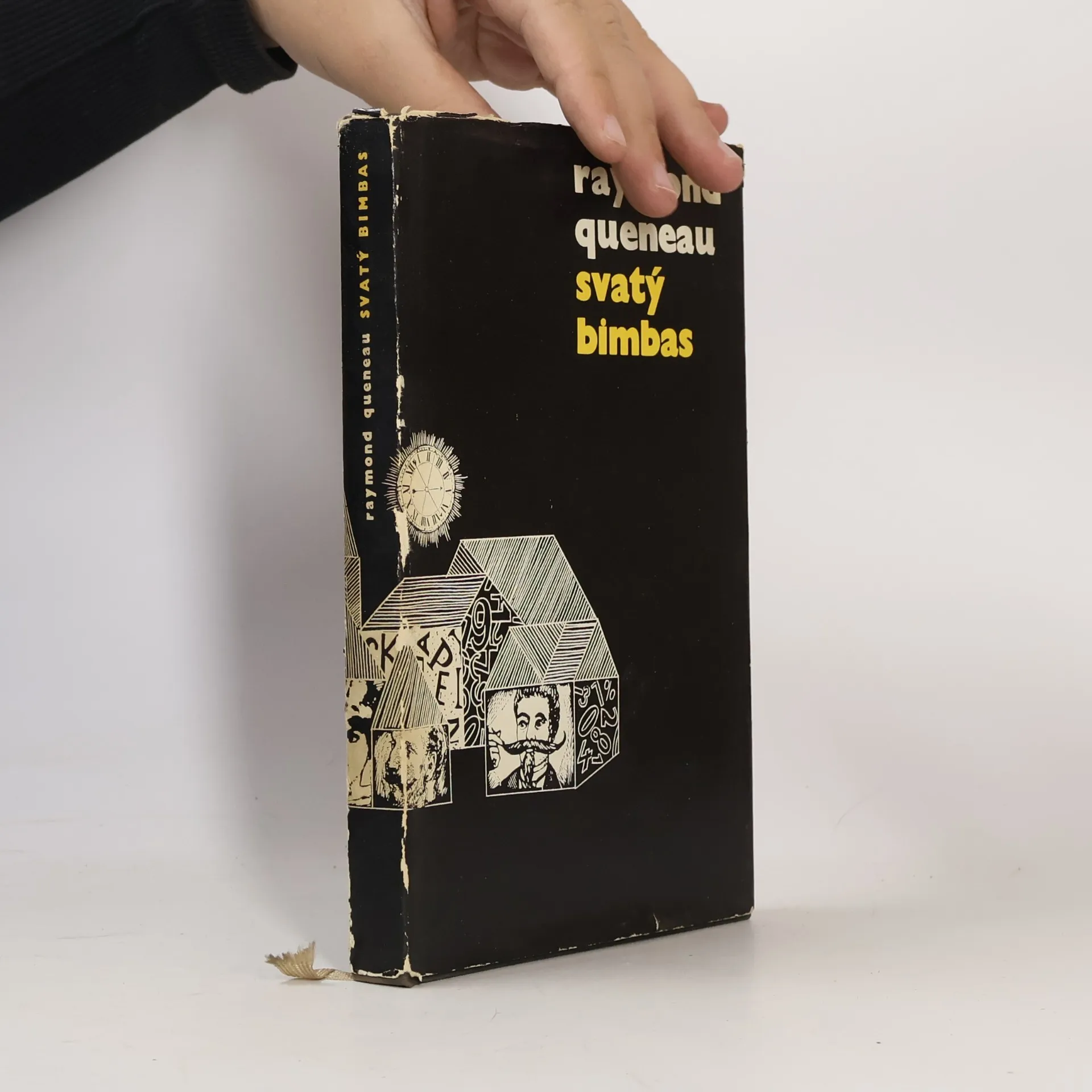
In "Heiliger Bimbam" kritisiert Raymond Queneau die Rückständigkeit eines namenlosen Dorfs und dessen groteske Wandlung durch städtische Einflüsse. Der Roman thematisiert absurdes Sippentamtam, Touristensehnsucht nach Tradition, sowie traditionellen und modernen Naivismus, inspiriert von Rabelais' Phantasie.
Décryptez Exercices de style avec l'analyse de Paideia éducation ! Que faut-il retenir de cet ouvrage de Raymond Queneau ? Retrouvez tout ce que vous devez savoir de ce chef-d'oeuvre de la littérature française dans une analyse de référence pour comprendre rapidement le sens de l'oeuvre. Rédigée de manière claire et accessible par un enseignant, cette fiche de lecture propose notamment un résumé, une étude des thèmes principaux, des clés de lecture et des pistes de réflexion. Une analyse littéraire complète et détaillée pour mieux lire et comprendre le livre ! Paideia éducation en deux mots: Plébiscité aussi bien par les passionnés de littérature que par les lycéens, Paideia éducation est considéré comme une référence en matière d'analyses d'oeuvres littéraires. Celles-ci ont été conçues pour guider les lecteurs à travers la littérature. Nos auteurs appartiennent aux milieux universitaire et de l'éducation, gage de sérieux pour vous faire découvrir les plus grandes oeuvres de la littérature mondiale.
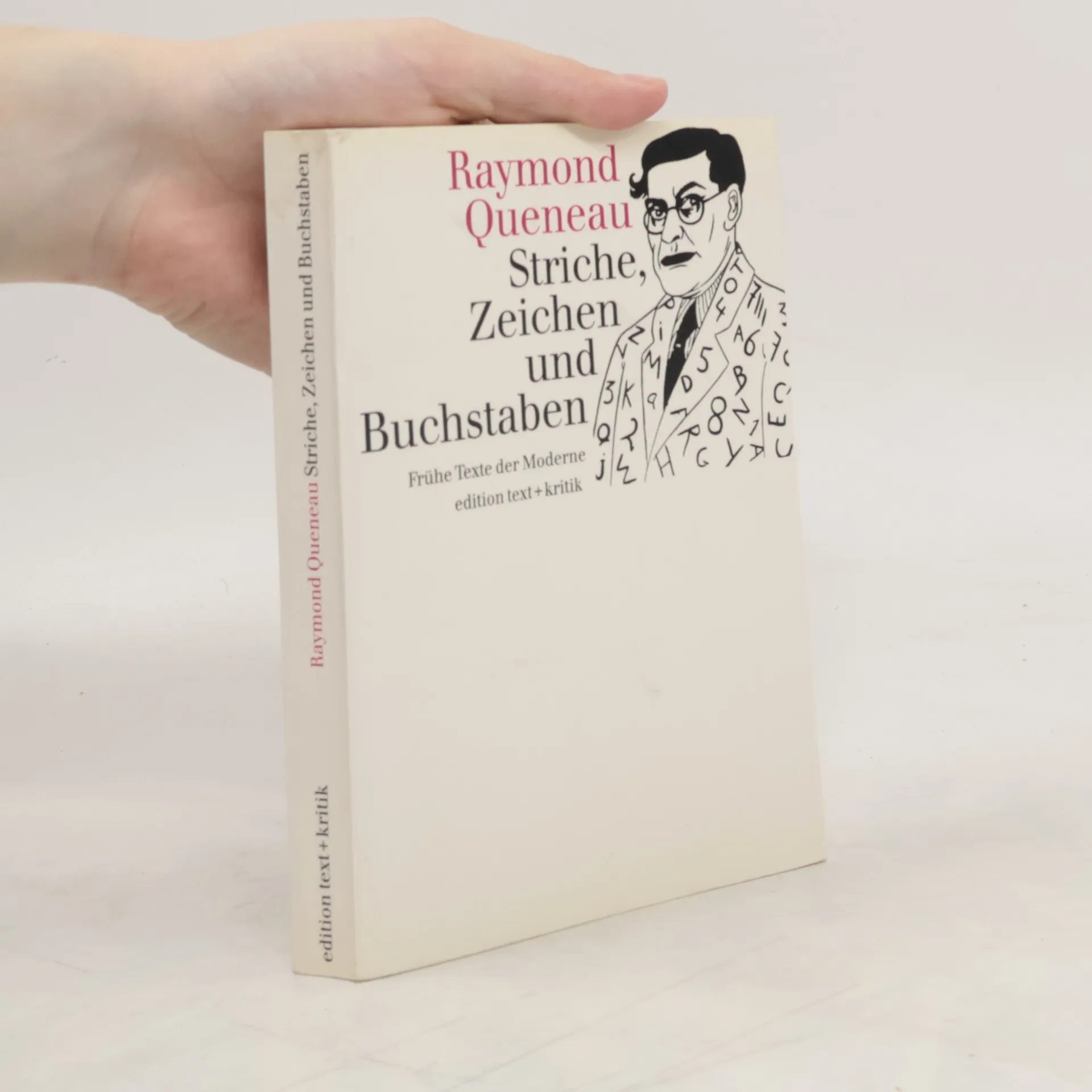
Raymond Queneau (1903-1976), von dem es heißt, er setze sich unbekümmert über die Tabus der Sprache hinweg und zerstöre bedenkenlos fragwürdig Gewordenes, hat sich nie aus reiner Willkür gegen sprachliche Konventionen gewandt, sondern weil er Überkommenes nicht ungeprüft übernehmen wollte und durch die Worte hindurch nach der Bedeutung der Dinge suchte. 1950 erschienen zum ersten Mal Queneaus frühe Essays unter dem Titel „Bâtons, chiffres et lettres“, zu deutsch „Striche, Zeichen, Buchstaben“, in denen er sich mit dem „sprachlich gestellten Problem der Sprache“, wie er es nannte, auseinandersetzte.
précédé de "Raymond Queneau et la peinture" par Dominique Charnay
96 pages
4 hours of reading
Raymond Queneau dessinateur et peintre ? Mais oui ! Simple violon d'Ingres ? Mais non ! Au lendemain de la guerre, en quête d'une possible reconversion, le père de Zazie laisse un temps la plume pour le pinceau. Il réalise entre 1946 et 1952 une centaine de dessins, près de six cents gouaches et aquarelles. Tels qu'il les pratique, le dessin et la couleur deviennent un exercice de liberté, allègre, dynamique, ludique, gourmand. Il mélange les styles sans préoccupation esthétique ou théorique, se promène dans une réalité insolite, souvent cocasse, parfois mélancolique. On dirait qu'il poursuit ses poèmes par le graphisme, qu'il jongle avec les mots par le vocabulaire des formes. Objet d'une seule exposition personnelle en 1949, cette vocation buissonnière forme une uvre à part entière. Un gisement poétique méconnu et surprenant, qui révèle un autre visage de l'écrivain. A travers un ensemble de plus cent cinquante reproductions, le voici donc, pour la toute première fois, en ses couleurs. Sur le fil de la biographie, à l'aide de nombreux documents inédits, le texte de Dominique Charnay évoque Queneau dans le monde de la peinture : ses rencontres, ses amitiés, ses goûts, ses opinions. Des origines du surréalisme aux années soixante-dix : Tanguy, Masson, Hélion, Torres-Garcia, Mirà, Léger, Picasso, Chaissac, Dubuffet et bien d'autres témoignent à leur manière de ses rapports passionnés avec l'art de son temps.
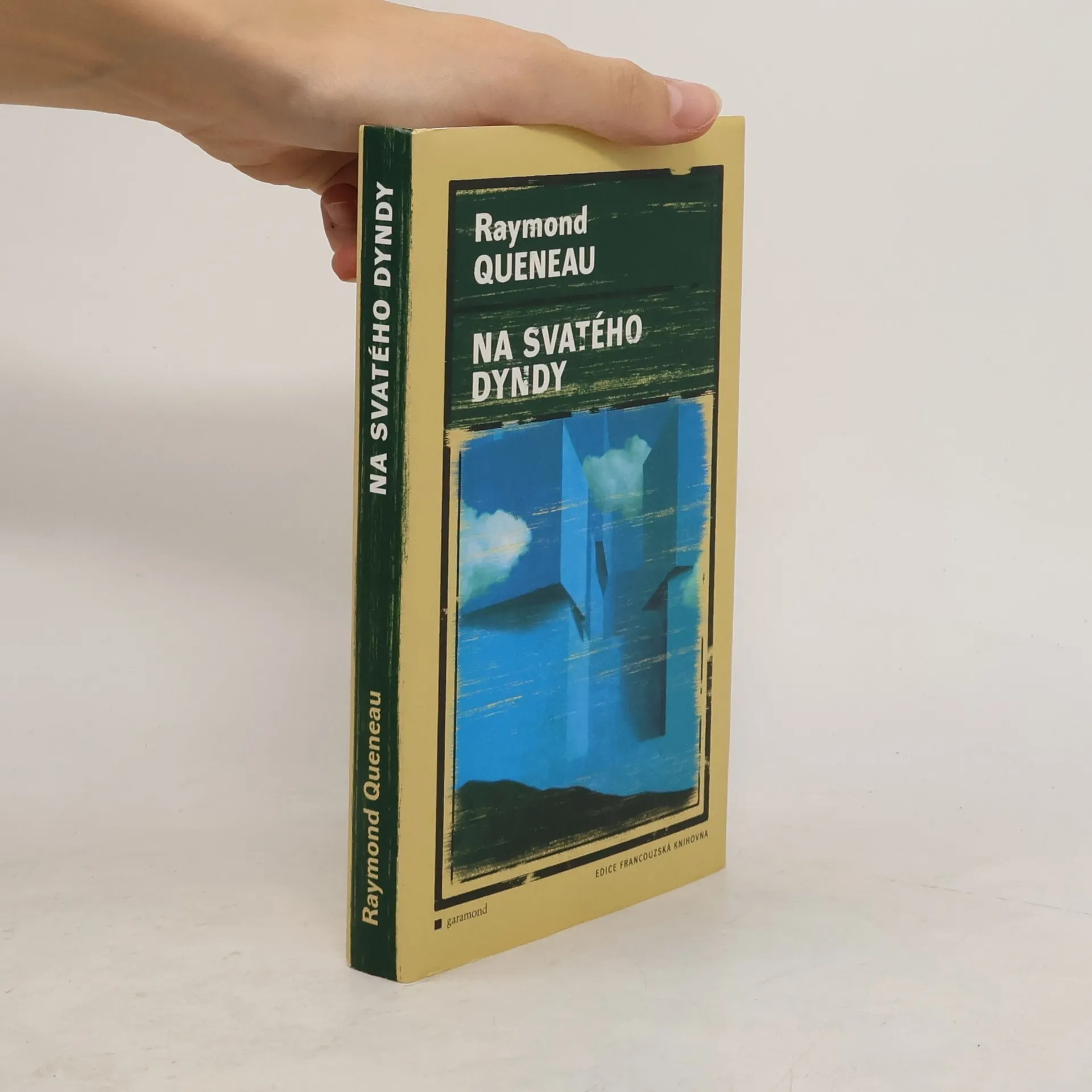
Druhé, přepracované vydání románu francouzského prozaika, který česky vyšel roku 1967 pod názvem Svatý Bimbas. Ve fiktivním městě, mezi jehož zvláštnosti patří jednak to, že tam nikdy neprší, jednak každoroční velký svátek svatého Dyndy, jehož hlavním hřebem je rozbíjení vzácného porcelánu, vyvrcholí vzpoura synů proti otci – vládci rodiny i města. Pod fantaskní komikou děje skryl mistr černého humoru ozvěnu freudovského otcovského komplexu i prosťáčkovsky vyjádřené pocity existenciální úzkosti.
Raymond Queneau, originální experimentální francouzský prozaik, který ve svém díle sloučil racionalismus s vtipem, fantazií a poetizací každodenního života, je stále věrný svým surrealistickým počátkům. – V tomto románu (z roku 1938) zužitkoval výsledky svého mnohaletého studia literárních bláznů 19. století, kteří ho zaujali už ve 30. letech. Kdo že je to vlastně literární blázen? Člověk, jehož literární dílo se nikdy nedočkalo ohlasu u jediného dalšího jedince. Jde o satirický úmysl? Vždyť na pozadí těchto bláznů o to zřetelněji vyniknou ti druzí, kteří našli vždycky dostatečný počet obdivovatelů a následovníků, aby mohli ovlivnit chod lidských dějin a aby jejich jména neupadla v zapomenutí.
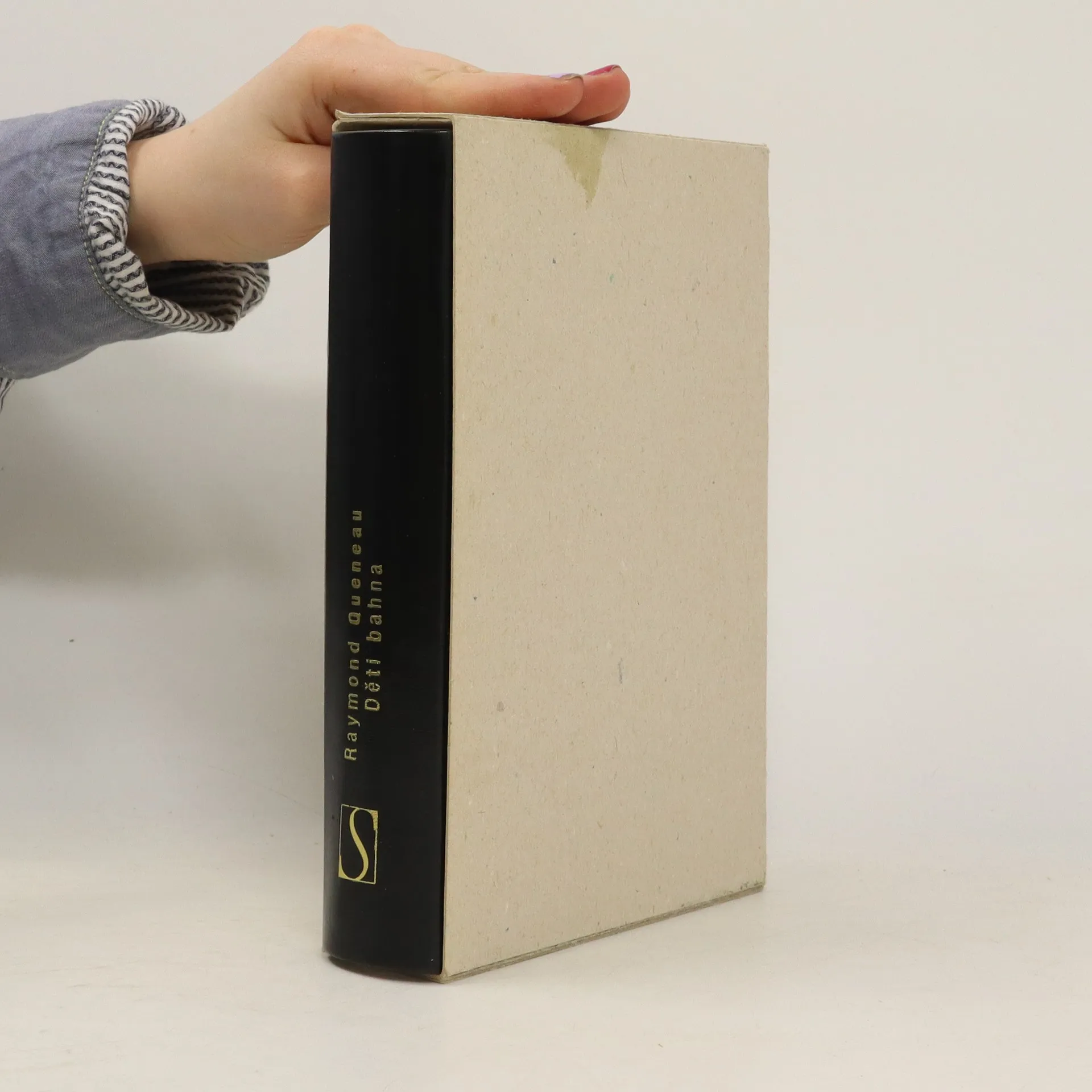
Text z Queneauovy pozůstalosti, který byl objeven teprve nedávno a poprvé byl vydán až v roce 2008. Po Svízeli, Dětech bahna, Zazi v metru, Modrých květech a řadě dalších Queneauových suverénních románových vyprávění se českému čtenáři dostává do ruky ve Francii teprve nedávno vydaná raná hříčka Oblý a Pelech (Hazard et Fissile). Text, který zřejmě pochází z konce dvacátých let a výrazně jej ovlivnila autorova surrealistická zkušenost a četba Fantomase, se na první pohled značne liší od autorových ostatních próz. České vydání je jedním z prvních mezinárodních vydání vůbec.
Kniha patrí k najvtipnejším francúzskym prózam vôbec – portrét prostorekého vidieckeho dievčatka Zazi, ktorá sa vypraví do Paríža za svojím strýkom Gabrielom, tanečníkom v bare, baví už celé generácie čitateľov. Autor v knihe rozpútava ohňostroj vtipu, komických situácií, bizarností a nesmiernej jazykovej vynaliezavosti.
Fantastický román francouzského autora, surrealisty, generačního druha Bretona, Sartra a Aragona. Příběh o malém, nejspíše francouzském městečku, v němž se konají každý rok jakési podivné folkloristické slavnosti, při nichž se rozbíjí nádobí. Na pozadí tohoto fantastického dění, přecházejícího do tzv. „černého humoru“, řeší se otázka ceny a smyslu lidského života; je formulována jako protiklad života „měkkýšovitého“ a života „lidského“, tj. života klidného, pohodlného, avšak prázdného na jedné straně a života činorodého, přitom plného rizika, avšak plného na straně druhé.
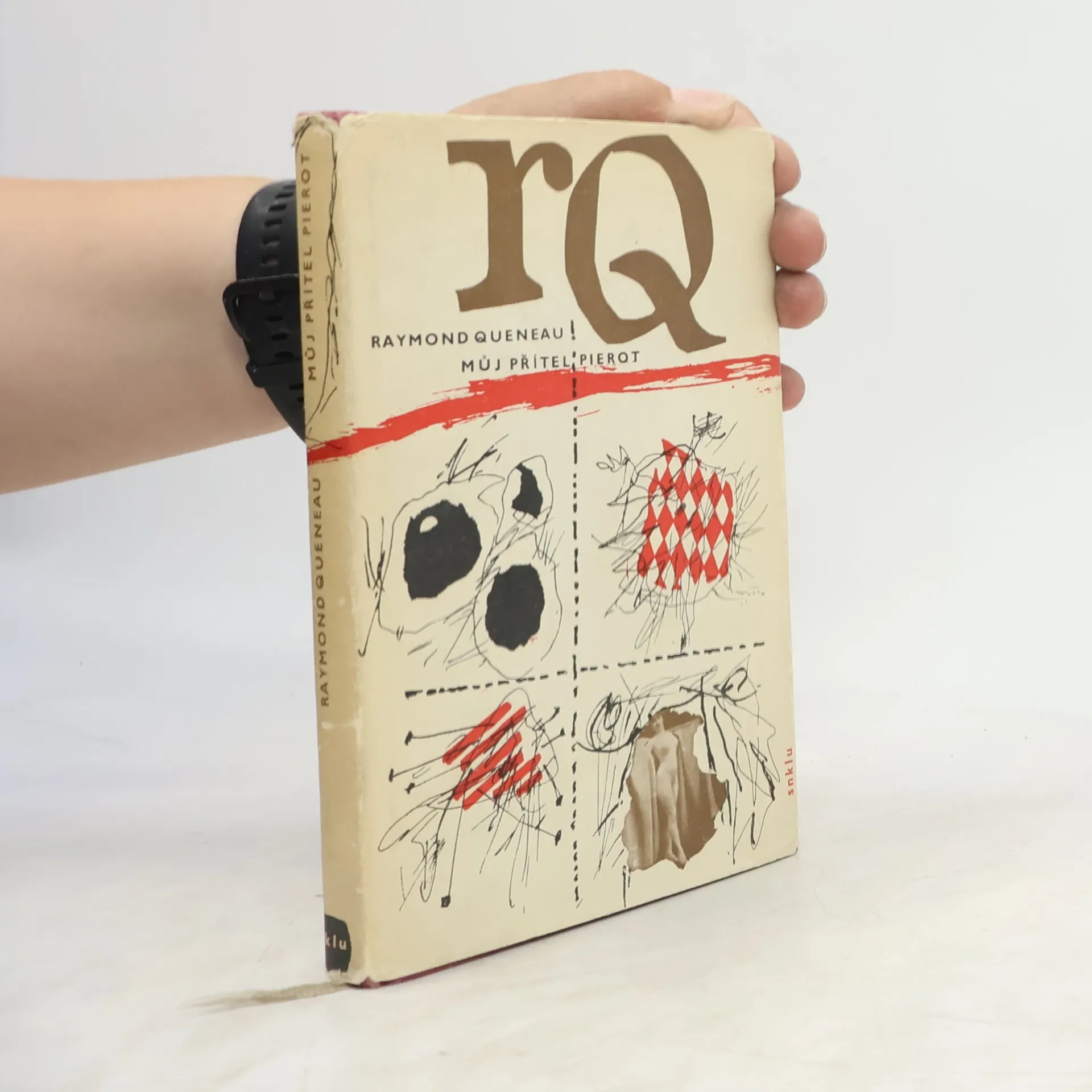
Pitoreskní příběh, odehrávající se v prostředí obrovského lunaparku, je podivuhodnou kombinací reality a fantazie, kde jedna přechází v druhou bez hranic. Příběh, o kterém jeho autor napsal, že „je to vlastně detektivka bez detektiva a možná i bez zločinu“, humorně vypráví o životě v zábavním „Uniparku“, plném pochybných atrakcí a lidí dobrodružných povah i nekalých existencí. Uprostřed nich Pierot, trochu snílek a trochu odstrkovaný hrdina, marně hledá svou životní příležitost. U nás dosud neznámý francouzský spisovatel a básník, který je též vynikající matematik a znalec hovorové francouzštiny, zachytil v tomto dílku burleskní a trochu neskutečnou atmosféru zábavního parku i pestrou arabesku osudů jeho obyvatel. Doslov Jarmila Fialová.
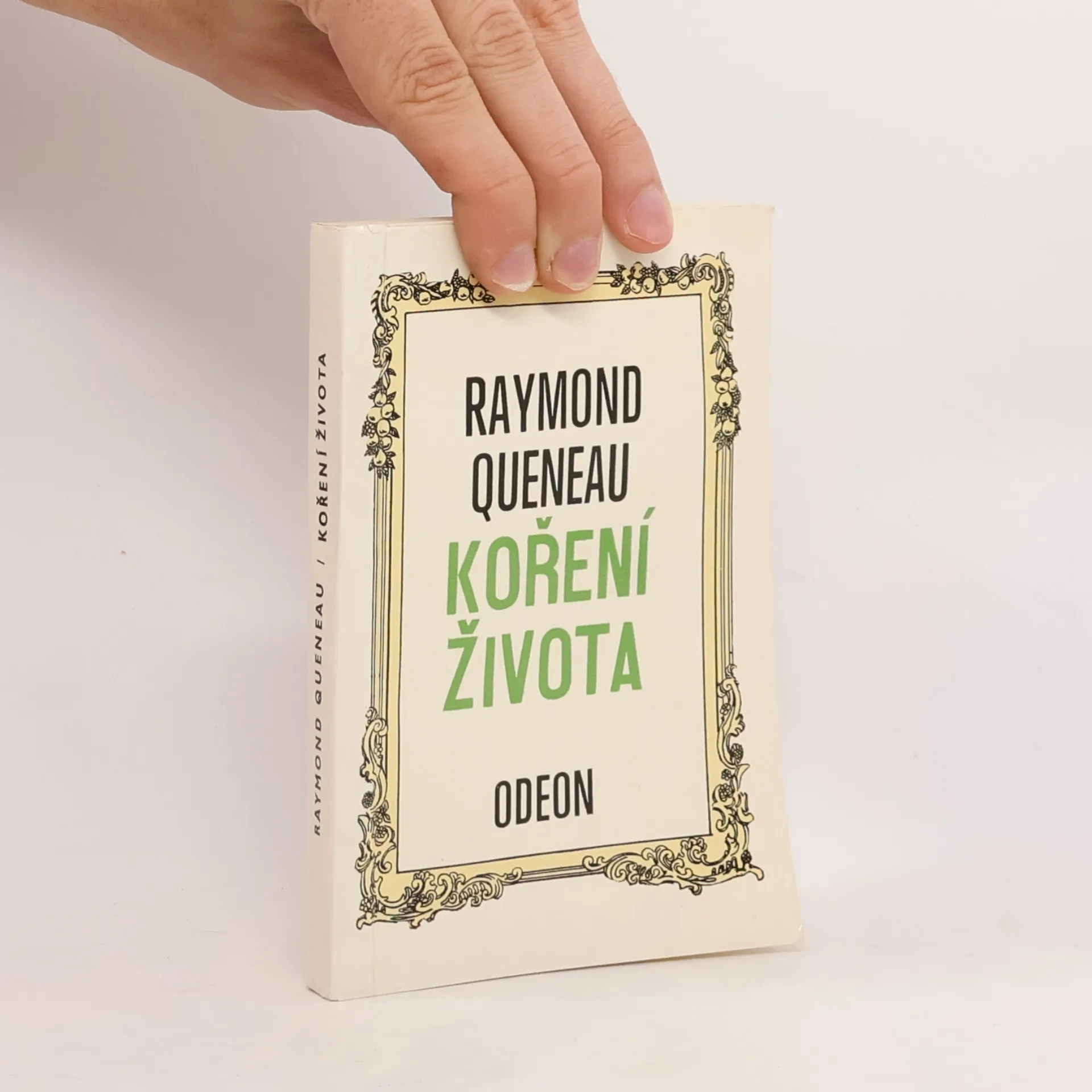
Úsměvný román francouzského básníka a prozaika zavádí do Francie v době před druhou světovou válkou. Kořením života je zde humor, který vzniká z manželského příběhu mladého demobilizovaného koloniálního vojáka bohaté fantazie, bystrého životního úsudku, svérázné životní filosofie a pohotového vyjadřování a starší prakticky založené obchodnice, která se snaží mladého muže udržet. Román pod humorným jádrem podává i atmosféru Francie a smýšlení francouzských lidí před blížícím se Mnichovem.
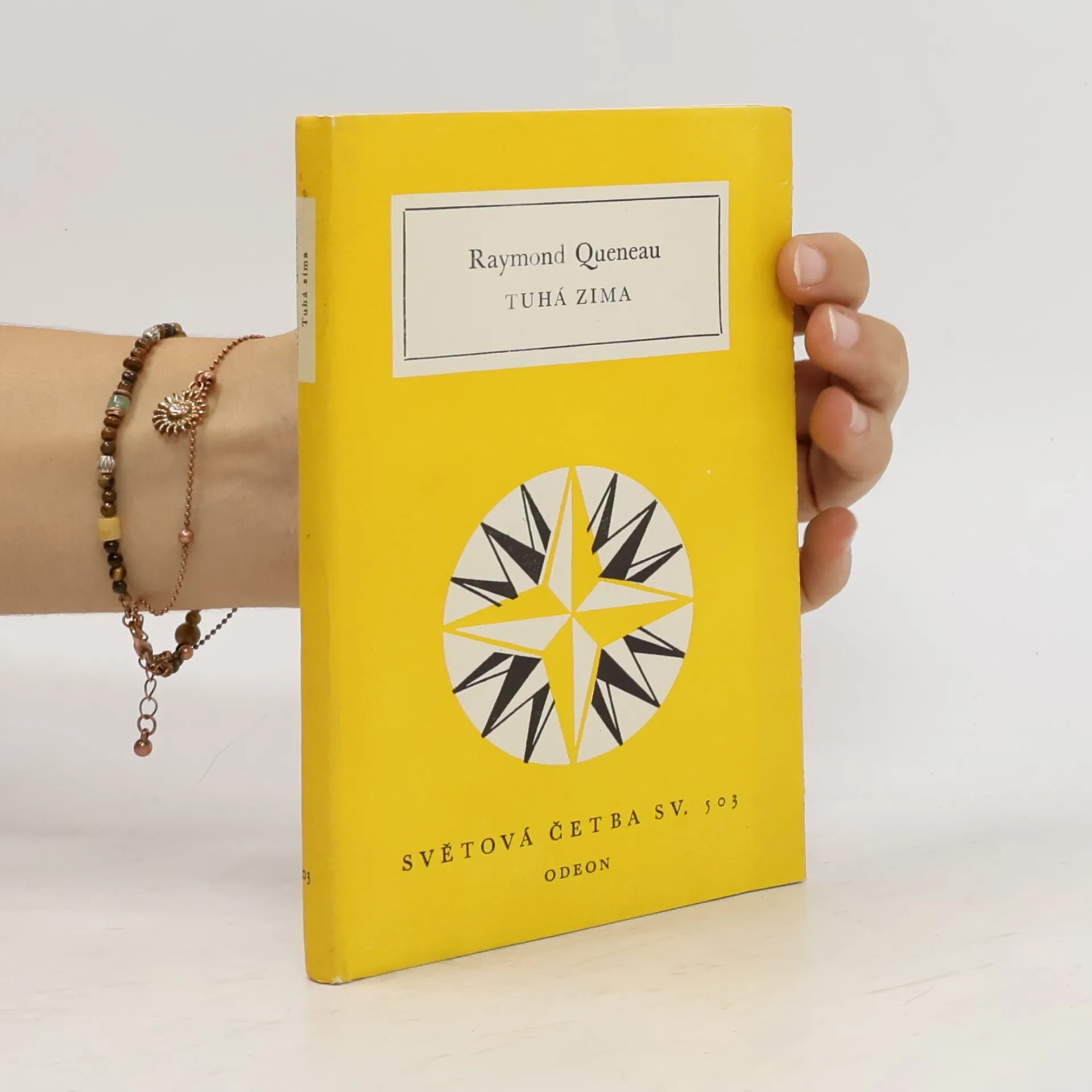
Román je výsledkem vnitřní reakce autora na vyvstávající hrozbu druhé světové války. Jeho děj se odehrává v době 1. svět. války a hrdinou je člověk, který uprostřed patriotického třeštění svých spoluobčanů zůstává uzavřen ve skeptické izolaci. Zdá se, že tuto izolaci naruší půvabná Angličanka, přidělená k službě ve francouzském přístavním městě. Milostný příběh však končí ještě dříve než skutečně začal a hrdina se citově upíná k malému děvčátku z nejnižších vrstev.