Postbode
- 490 pages
- 18 hours of reading
Het leven van een excentrieke, neurotische postbode in een klein Amerikaans stadje.





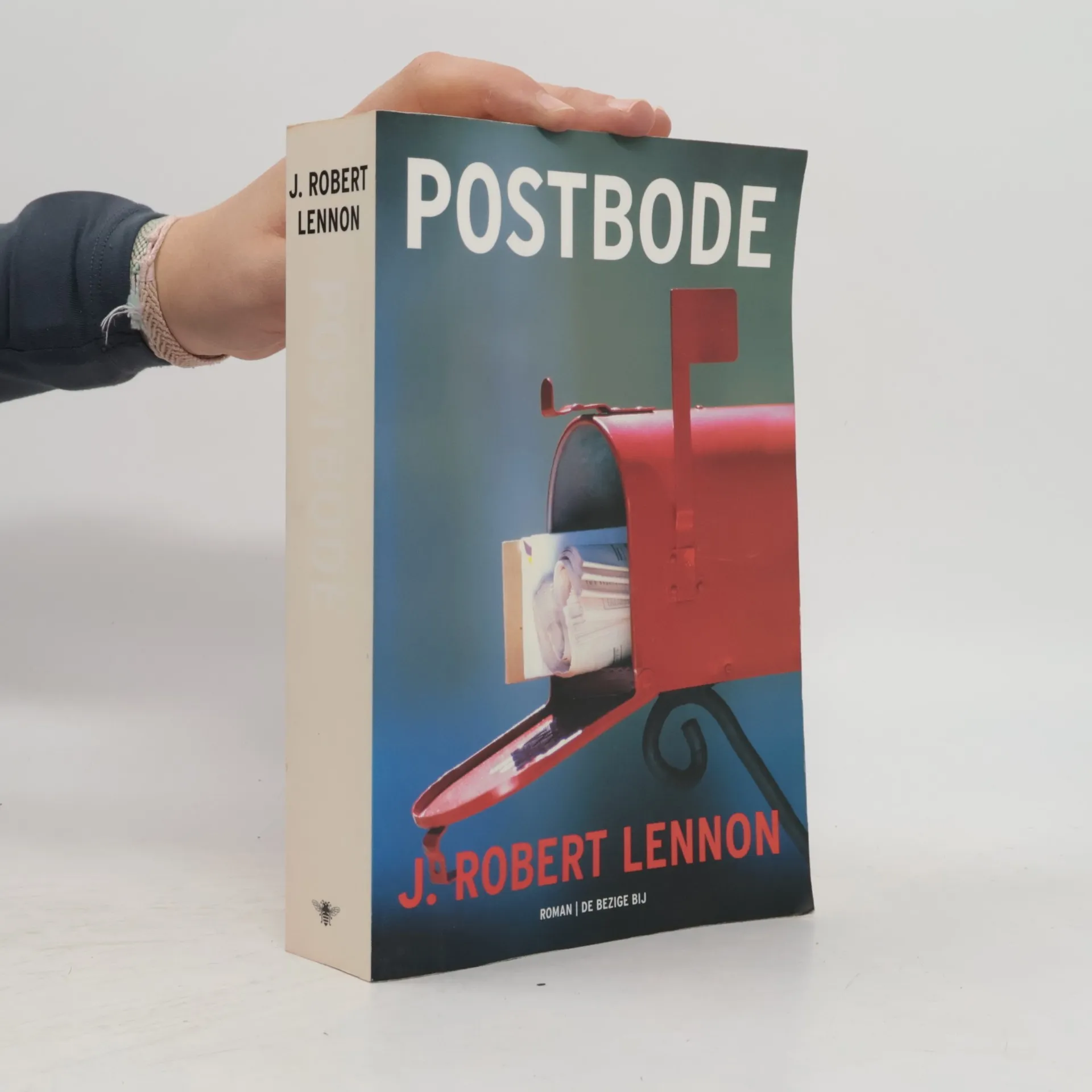
Het leven van een excentrieke, neurotische postbode in een klein Amerikaans stadje.
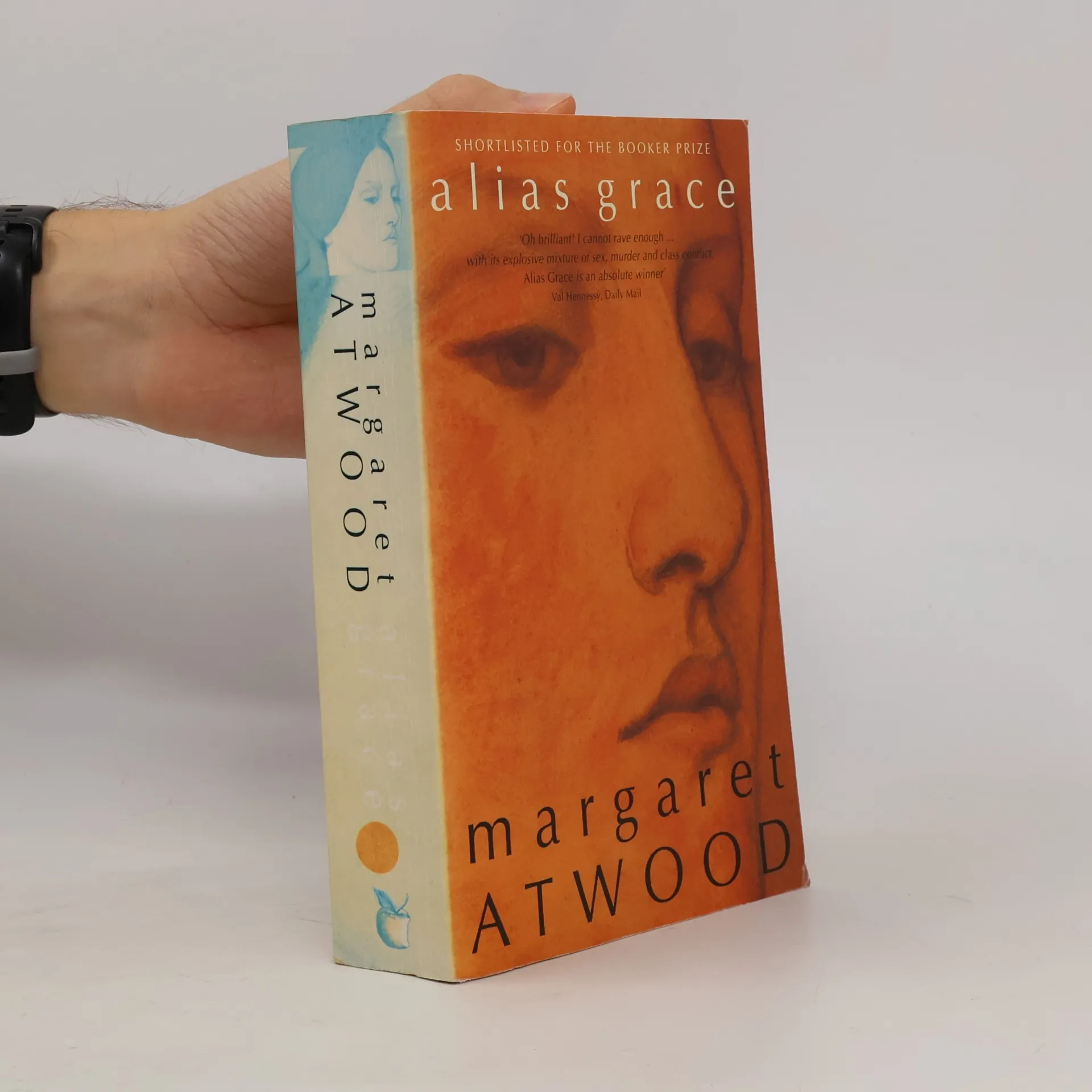
Sometimes I whisper it over to myself: Murderess. Murderess. It rustles, like a taffeta skirt along the floor.' Grace Marks. Female fiend? Femme fatale? Or weak and unwilling victim? Around the true story of one of the most enigmatic and notorious women of the 1840s, Margaret Atwood has created an extraordinarily potent tale of sexuality, cruelty and mystery.
'I thought I had made myself clear. I want something that conveys her majesty, her bloodline. Do you understand? She is no ordinary mortal. Treat her thus.'Florence, the 1560s. Lucrezia, third daughter of Cosimo de' Medici, is free to wander the palazzo at will, wondering at its treasures and observing its clandestine workings. But when her older sister dies on the eve of marriage to Alfonso d'Este, ruler of Ferrara, Modena and Reggio, Lucrezia is thrust unwittingly into the limelight: the duke is quick to request her hand in marriage, and her father to accept on her behalf.Having barely left girlhood, Lucrezia must now make her way in a troubled court whose customs are opaque and where her arrival is not universally welcomed. Perhaps most mystifying of all is her husband himself, Alfonso. Is he the playful sophisticate her appears before their wedding, the aesthete happiest in the company of artists and musicians, or the ruthless politician before whom even his formidable sisters seem to tremble?As Lucrezia sits in uncomfortable finery for the painting which is to preserve her image for centuries to come, one thing becomes worryingly clear. In the court's eyes, she has one duty: to provide the heir who will shore up the future of the Ferrarese dynasty. Until then, for all of her rank and nobility, her future hangs entirely in the balance.
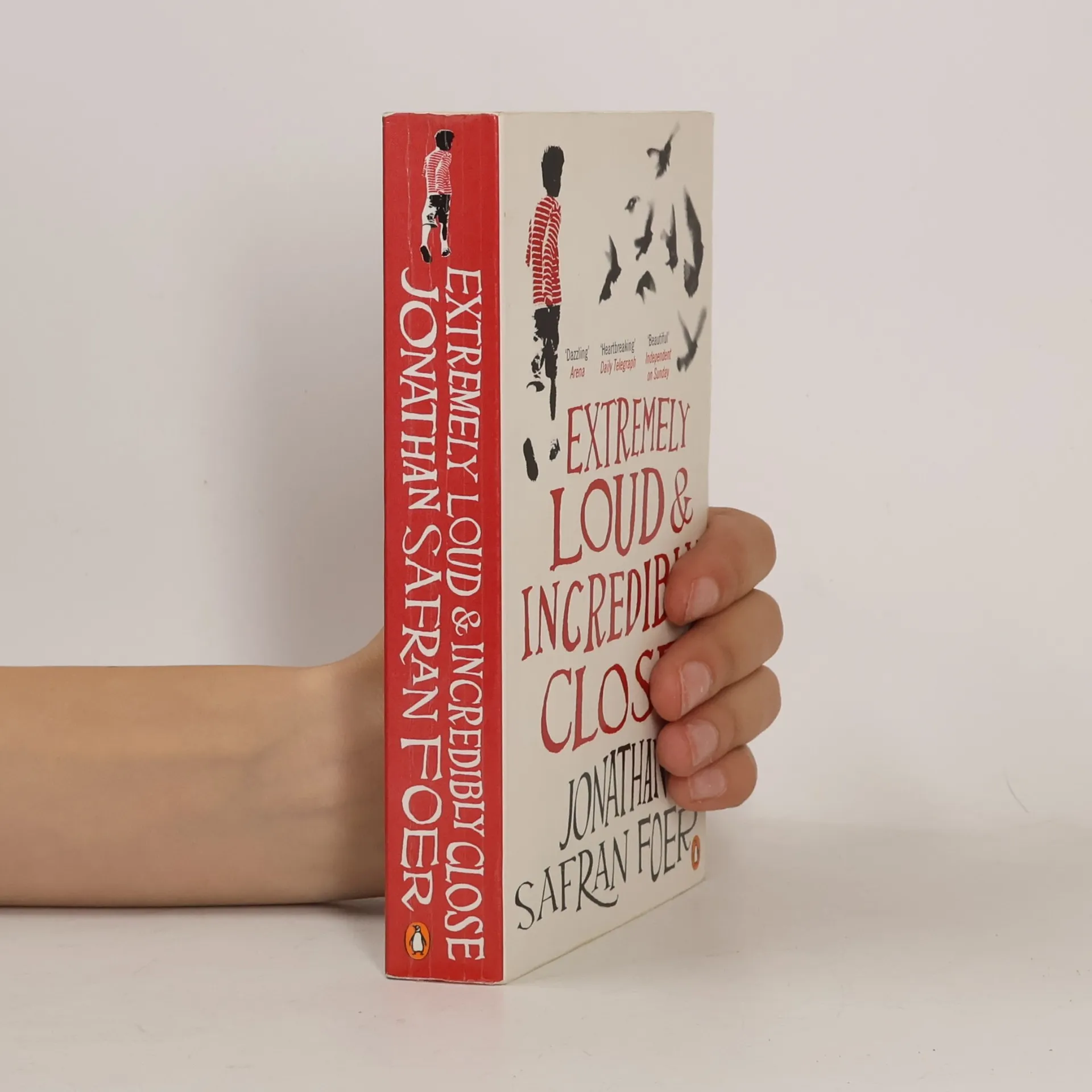
Nine-year-old Oskar Schell is an inventor, amateur entomologist, Francophile, letter writer, pacifist, natural historian, percussionist, romantic, Great Explorer, jeweller, detective, vegan, and collector of butterflies. When his father is killed in the September 11th attacks on the World Trade Centre, Oskar sets out to solve the mystery of a key he discovers in his father's closet. It is a search which leads him into the lives of strangers, through the five boroughs of New York, into history, to the bombings of Dresden and Hiroshima, and on an inward journey which brings him ever closer to some kind of peace.
The Sea Cloak is a collection of 14 stories by the author, journalist, and women's rights campaigner, Nayrouz Qarmout. Drawing from her own experiences growing up in a Syrian refugee camp, as well as her current life in Gaza, these stories stitch together a patchwork of different perspectives into what it means to be a woman in Palestine today. Whether following the daily struggles of orphaned children fighting to survive in the rubble of recent bombardments, or mapping the complex, cultural tensions between different generations of refugees in wider Gazan society, these stories offer rare insights into one of the most talked about, but least understood cities in the Middle East. Taken together, the collection affords us a local perspective on a global story, and it does so thanks to a cast of (predominantly female) characters whose vantage point is rooted, firmly, in that most cherished of things, the home.
Alain de Botton pairs six philosophers - Socrates, Epicurus, Seneca, Montaigne, Schopenhauer and Nietzsche - with six everyday problems to which they are able to give the most helpful and fascinating answers.
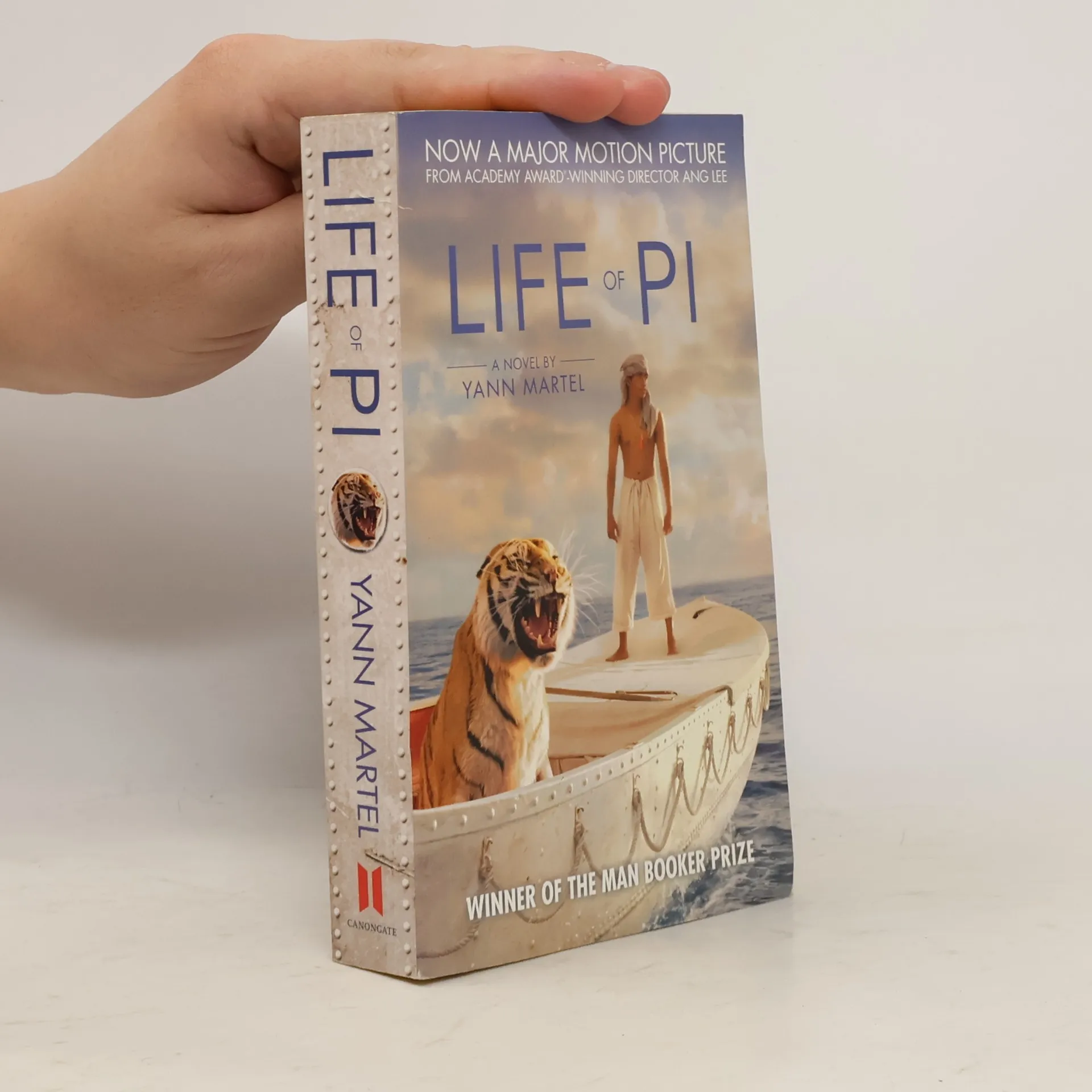
After the sinking of a cargo ship, a solitary lifeboat remains bobbing on the wild blue Pacific. The only survivors from the wreck are a sixteen-year-old boy named Pi, a hyena, a wounded zebra, an orangutan, and a 450-pound Royal Bengal tiger
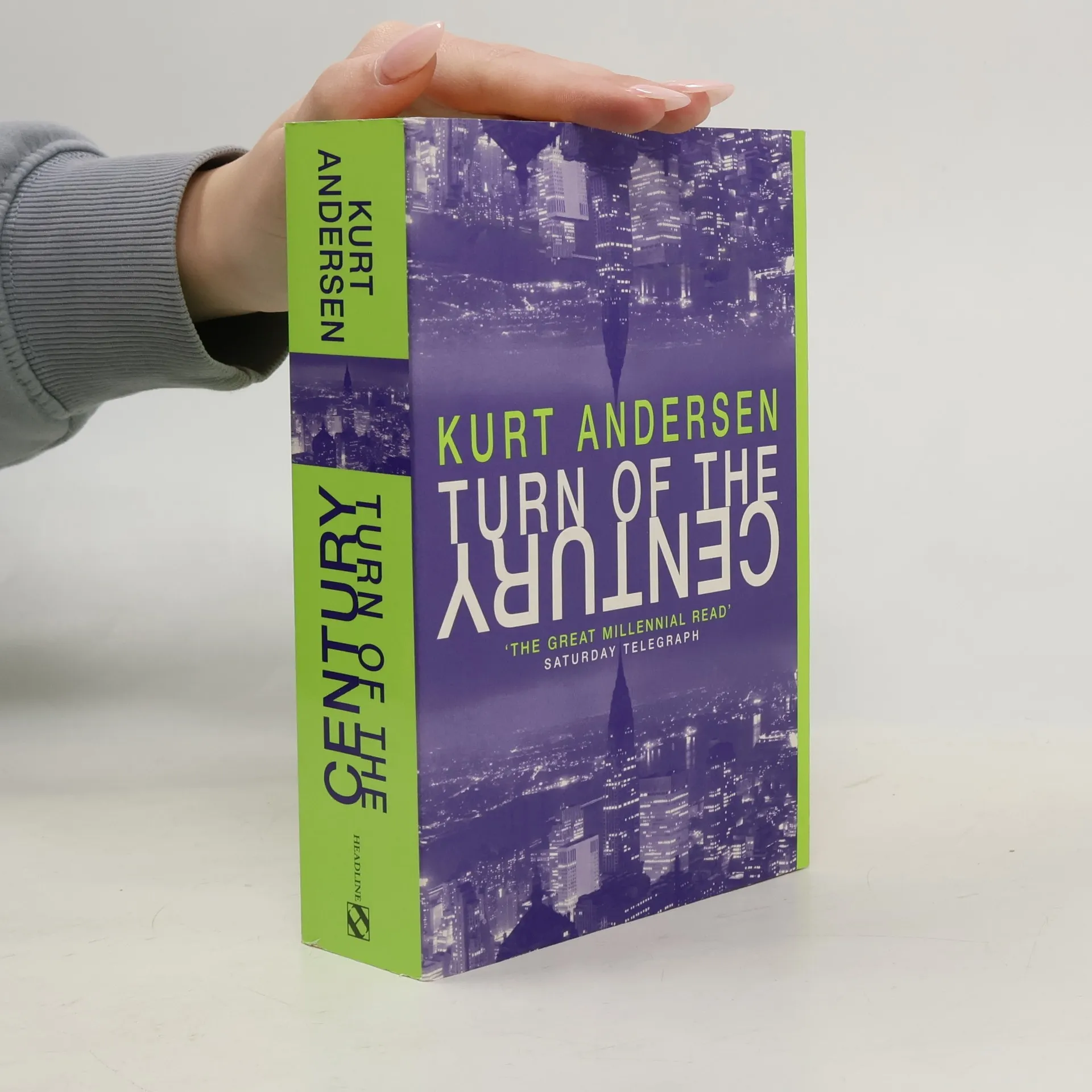
Kurt Andersen's Millennium novel mirrors Tom Wolfe's "Bonfire of the Vanities," depicting a year in the life of a New York family while offering a satirical glimpse into America's potential future, focusing on media and big business.
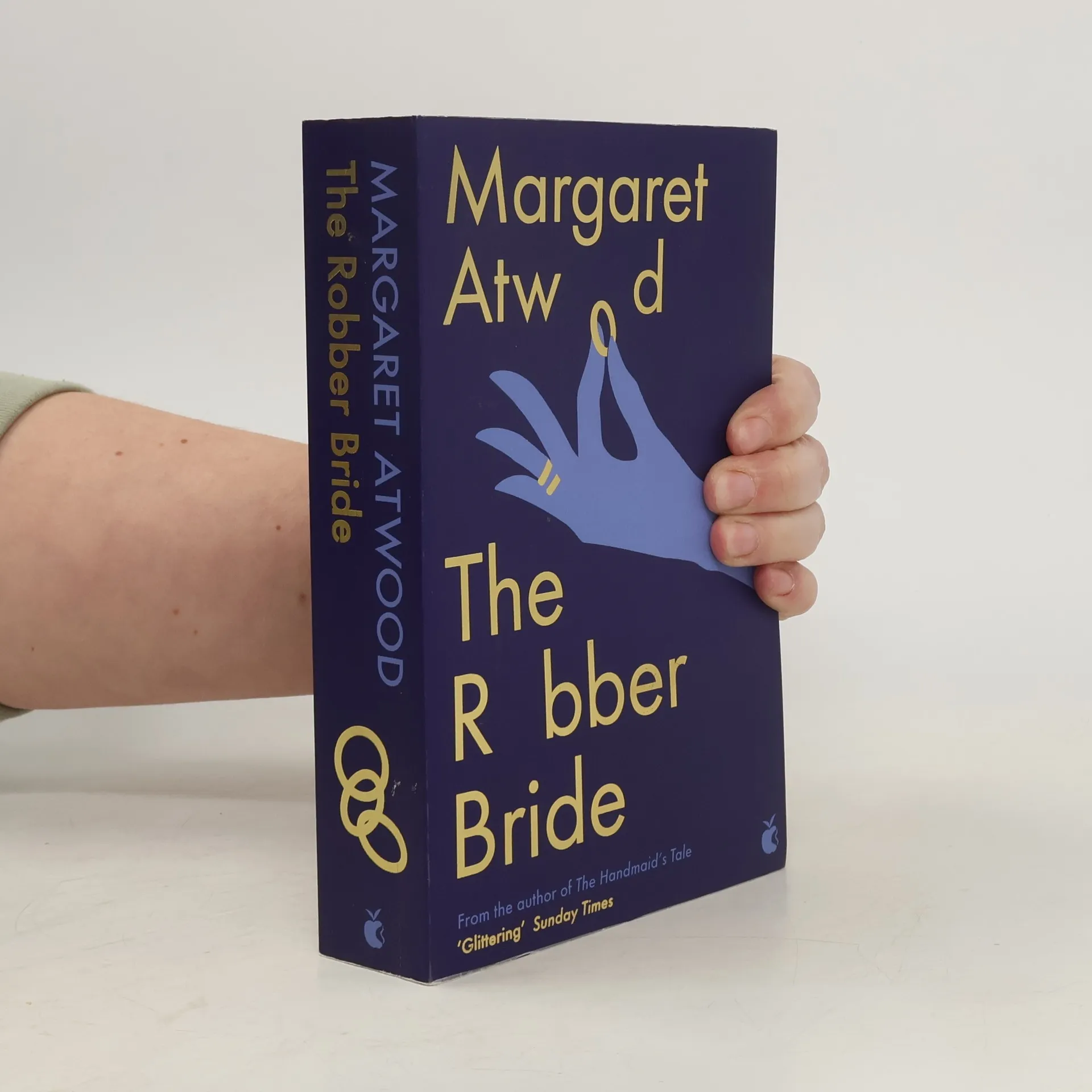
By the author of The Handmaid's Tale and Alias Grace Zenia is beautiful, smart and greedy, by turns manipulative and vulnerable, needy and ruthless; a man's dream and a woman''s nightmare. She is also dead. Just to make sure Tony, Roz andd Charis are there for the funeral. But five years on, as the three women share an indulgent, sisterly lunch, the unthinkable happens; 'with waves of ill will flowing out of her like cosmic radiation', Zenia is back...
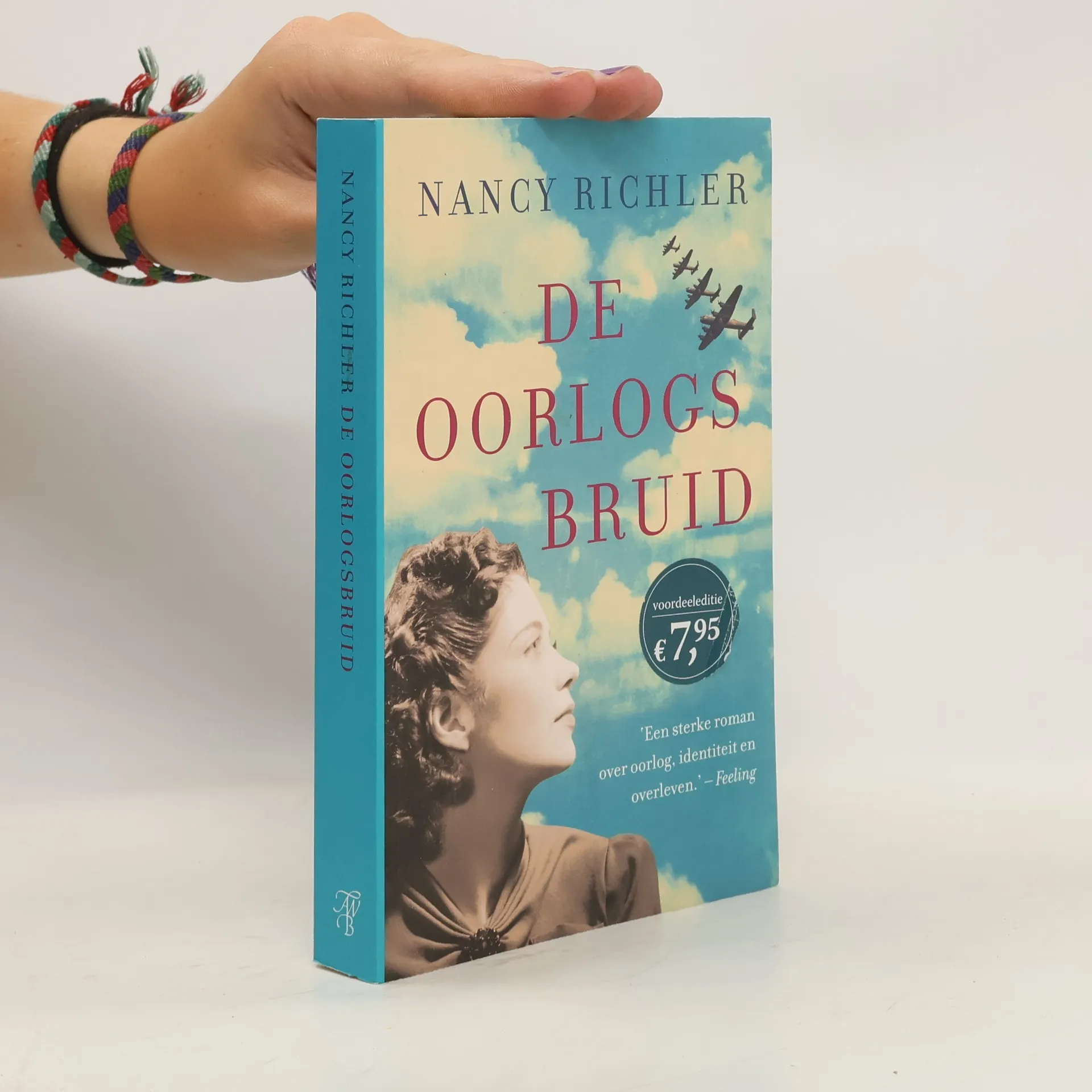
Een jonge, mysterieuze vrouw komt net na de Tweede Wereldoorlog in Montreal aan, in de verwachting te trouwen met Sol Kramer. Maar wanneer Sol haar ziet staan op het station, wijst hij haar af. Uit medelijden trouwt zijn broer Nathan met haar. Al snel wordt duidelijk dat Lily Azerov niet degene is die ze beweert te zijn. Ze verdwijnt spoorloos en laat haar man en pasgeboren dochtertje verbijsterd achter met slechts een dagboek en een grote ongeslepen diamant. Wie is Lily en wat is er gebeurd met de jonge vrouw wier identiteit ze heeft gestolen? Waarom is ze weggegaan en waarheen? Jaren later wil Ruth het antwoord op deze vragen weten en begint aan een zoektocht naar haar moeder.
The story features a relatable heroine navigating the complexities of love and loss, capturing both the humor and heartbreak of everyday experiences. Julie Buxbaum's debut novel resonates with anyone familiar with the emotional ups and downs of relationships, making it a poignant exploration of love's challenges and triumphs.
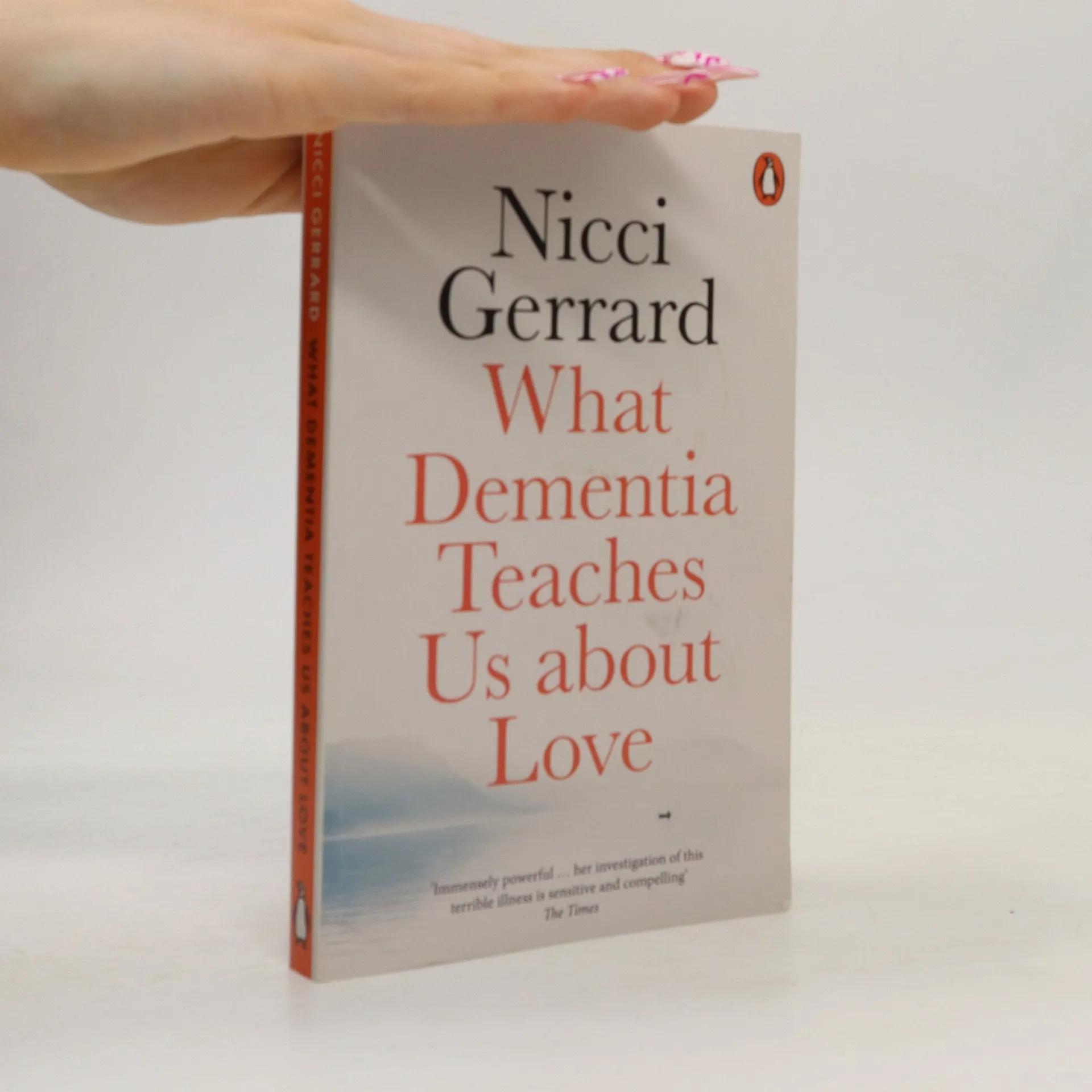
After her own father's death from dementia, the writer and campaigner Nicci Gerrard set out to explore the illness that now touches millions of us, yet which we still struggle to speak about. What is it to be oneself, and what is it to lose one's self. Who are we when we are not ourselves, and where do we go? This is book is an attempt to understand thorough a touching exploration of dementia, structured around the stages of the disease from the outside and, as far as possible, from the inside as well. Full of people's stories, both sad and optimistic, it is a journey into the dusk and then the darkness - and then out on to the other side, where, once someone is dead, a life can be seen whole again.
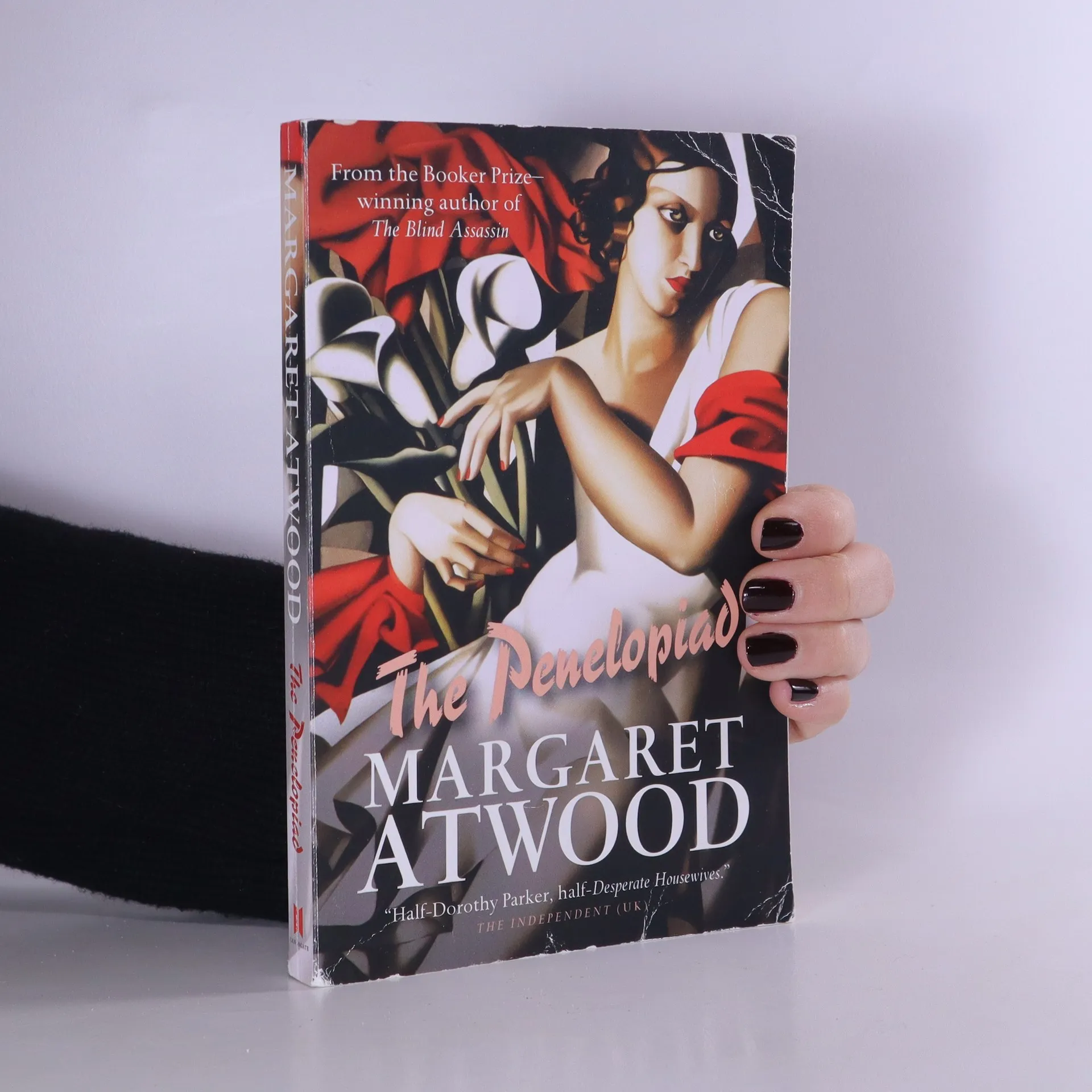
Now that all the others have run out of air, it's my turn to do a little story-making.In Homer's account in The Odyssey, Penelope—wife of Odysseus and cousin of the beautiful Helen of Troy—is portrayed as the quintessential faithful wife, her story a salutary lesson through the ages. Left alone for twenty years when Odysseus goes off to fight in the Trojan War after the abduction of Helen, Penelope manages, in the face of scandalous rumors, to maintain the kingdom of Ithaca, bring up her wayward son, and keep over a hundred suitors at bay, simultaneously. When Odysseus finally comes home after enduring hardships, overcoming monsters, and sleeping with goddesses, he kills her suitors and—curiously—twelve of her maids.In a splendid contemporary twist to the ancient story, Margaret Atwood has chosen to give the telling of it to Penelope and to her twelve hanged maids, asking: "What led to the hanging of the maids, and what was Penelope really up to?" In Atwood's dazzling, playful retelling, the story becomes as wise and compassionate as it is haunting, and as wildly entertaining as it is disturbing. With wit and verve, drawing on the story-telling and poetic talent for which she herself is renowned, she gives Penelope new life and reality—and sets out to provide an answer to an ancient mystery.
Set in 1960s Northern California, "The Girls" follows Evie Boyd, a lonely teenager captivated by a group of free-spirited girls and their charismatic leader. As she becomes entwined in their world, Evie is drawn toward danger and violence, unaware of the dark path ahead. A spellbinding and intense coming-of-age tale.
"Hodgkinson's portrait of the primal bond between mother and child . . . leaves an indelible impression." --"The New York Times Book Review" Debuting its first week on the "New York Times" bestseller list and earning comparisons to "Sophie's Choice" and "Sarah's Key," "22 Britannia Road" is an astonishing first novel that powerfully chronicles one family's struggle to create a home in the aftermath of war. With World War II finally over, Silvana and her seven-year-old son, Aurek, board the ship that will take them to England, where Silvana's husband, Janusz--determined to forget his ghosts--has rented a little house at 22 Britannia Road. But after years spent hiding in the forests of Poland, Aurek is wild, almost feral. And for Silvana, who cannot escape the painful memory of a shattering wartime act, forgetting is not a possibility.
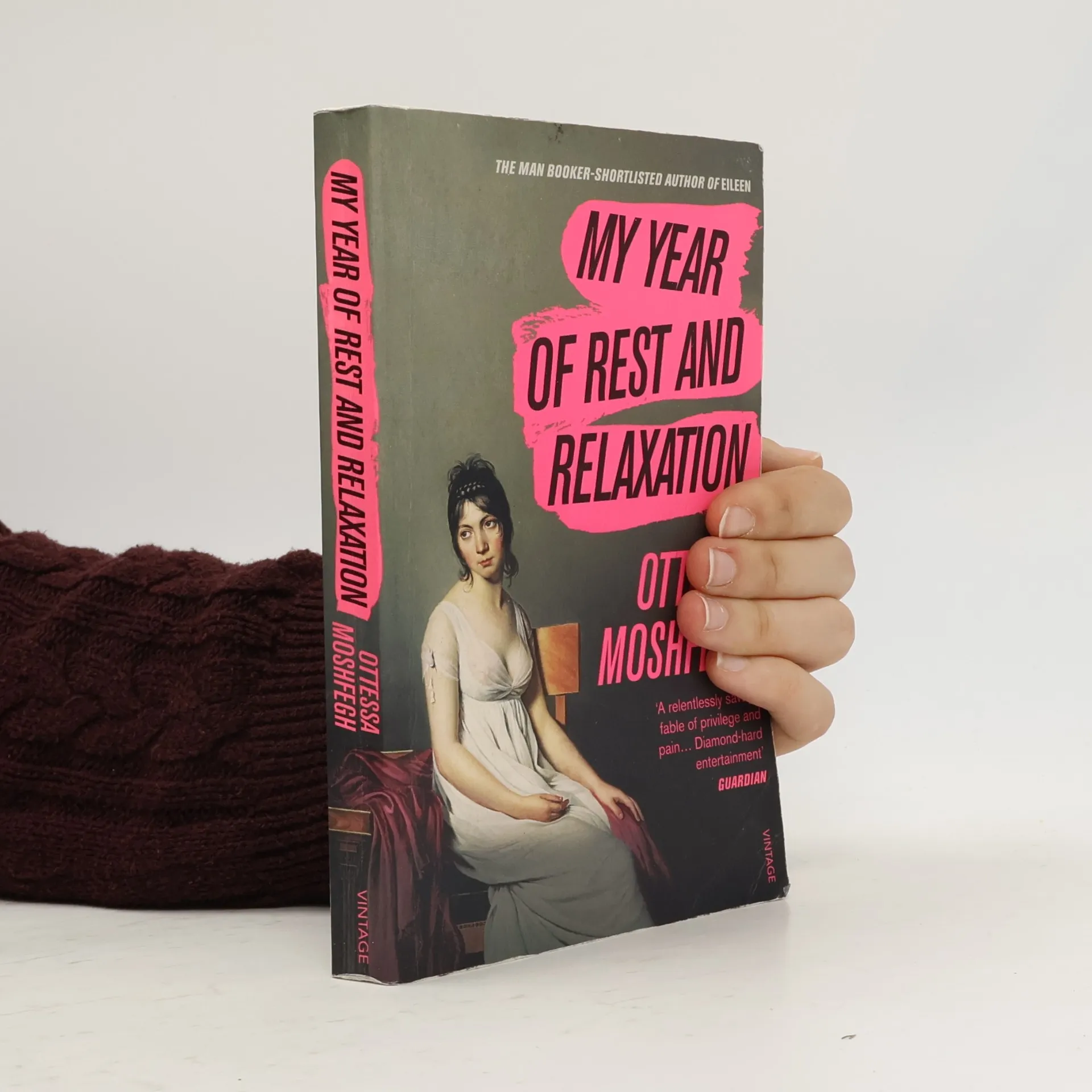
FROM THE MAN BOOKER-SHORTLISTED AUTHOR OF EILEEN THE NEW YORK TIMES BESTSELLER 'Savage, funny, frequently on the verge of teetering into lunacy... My Year of Rest and Relaxationis a non-negotiable in your holiday carry-on this summer' Vogue It's the year 2000 in a city aglitter with wealth and possibility; what could be so terribly wrong? Our narrator has many of the advantages of life- Young, thin, pretty, a recent Columbia graduate, she lives in an apartment on the Upper East Side of Manhattan paid for, like everything else, by her inheritance. But there is a vacuum at the heart of things, and it isn't just the loss of her parents in college, or the way her Wall Street boyfriend treats her, or her sadomasochistic relationship with her alleged best friend. Blackly funny, both merciless and compassionate - dangling its legs over the ledge of 9/11 - My Year of Rest and Relaxationis a showcase for the gifts of one of America's major young writers.
Tooly Zylberberg, the American owner of an isolated bookshop in the Welsh countryside, conducts a life full of reading, but with few human beings. Books are safer than people, who might ask awkward questions about her life. She prefers never to mention the strange events of her youth, which mystify and worry her still. Taken from home as a girl, Tooly found herself spirited away by a group of seductive outsiders, implicated in capers from Asia to Europe to the United States.
From the author of the global sensation Cat Person comes You Know You Want This, a compulsive short story collection about sex, dating and modern life that will thrill you before it chills you. You Know You Want This is about the ways in which women are horrifying as much as it is about the horrors that are done to them. There's a couple who becomes obsessed with their friend hearing them have sex, then seeing them have sex... until they can't have sex without him; a woman who finds a book of spells half hidden at the library and summons her heart's desire: a nameless, naked man; a ten-year-old whose birthday party takes a sinister turn when she wishes for "something mean"; and a self-proclaimed "biter" who dreams of sneaking up behind and sinking her teeth into a green-eyed, long-haired, pink-cheeked coworker. Though the stories span a range of genres--covering territory from the mundane to the murderous and supernatural--they are all, in the end, horror stories. They are stories about sex and punishment, guilt and anger, the pleasure and terror of inflicting and experiencing pain. They fascinate and repel, revolt and arouse, scare and delight in equal measure. And, as a collection, they point a finger at the reader, daring them to feel uncomfortable... or, worse, understood, as if to say, "You want this, right? You know you want this."
The author of American Psycho and Less Than Zero continues to shock and haunt us with his incisive and brilliant dissection of the modern world.In his most ambitious and gripping book yet, Bret Easton Ellis takes our celebrity obsessed culture and increases the volume exponentially. Set in 90s Manhattan, Victor Ward, a model with perfect abs and all the right friends, is seen and photographed everywhere, even in places he hasn't been and with people he doesn't know. He's living with one beautiful model and having an affair with another onthe eve of opening the trendiest nightclub in New York City history.And now it's time to move to the next stage. But the future he gets is not the one he had in mind. With the same deft satire and savage wit he has brought to his other fiction, Bret Ellis gets beyond the facade and introduces us, unsparingly, to what we always feared was behind it. Glamorama shows us a shadowy looking-glass reality, the juncture where fame and fashion and terror and mayhem meet and then begin to resemble the familiar surface of our lives."
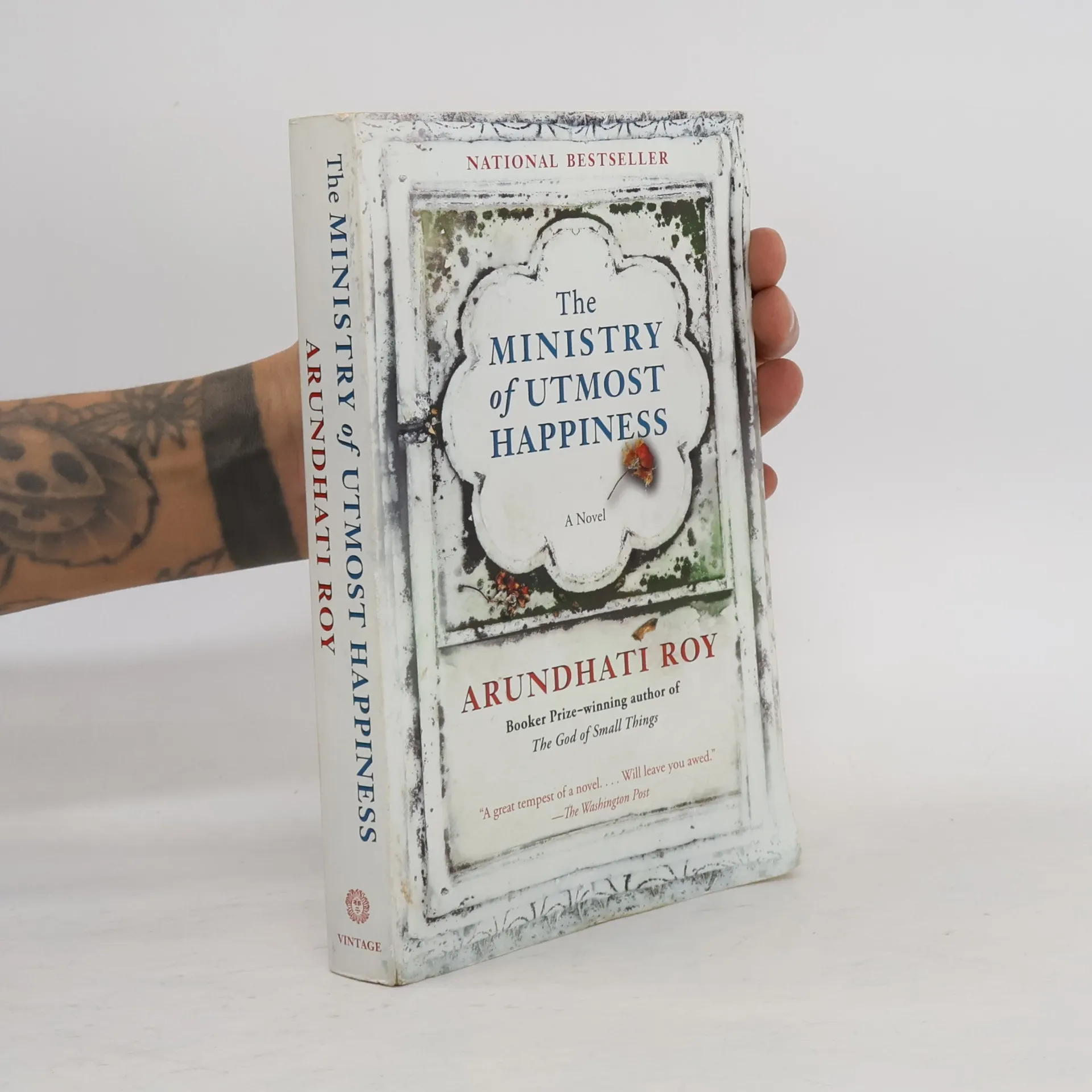
"The Ministry of Utmost Happiness" by Arundhati Roy is a National Bestseller and a Man Booker Prize longlisted novel. It explores the lives of diverse characters across the Indian subcontinent, depicting their struggles and resilience amidst a backdrop of conflict and hope, redefining the possibilities of storytelling.
In New York a woman spends a night with a young Chilean poet before he departs, leaving her his desk. Later, he is arrested by Pinochet's secret police ... In north london, a man caring for his dying wife discovers a lock of hair that unravels a terrible secret ... In Jerusalem, an antiques dealer reassembles his father's study, plundered by the Nazis. One item remains missing ... Spanning continets and decades, weaving an intricate web of its characters' lives, Great House tells a soaring story of love, loss and survival against the odds.
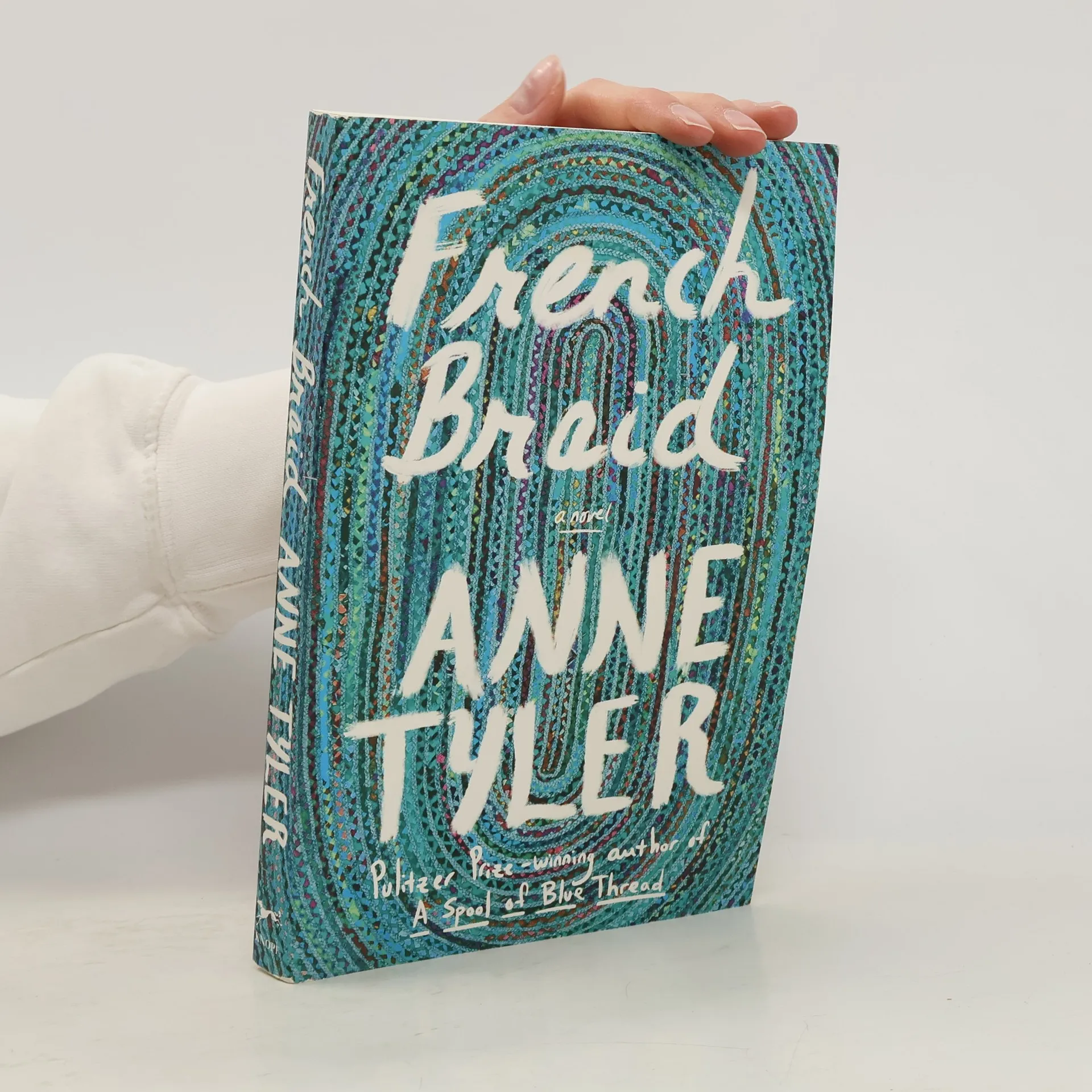
The Garretts take their first and last family vacation in the summer of 1959. They hardly ever venture beyond Baltimore, but in some ways they have never been farther apart. Mercy has trouble resisting the siren call of her aspirations to be a painter, which means less time keeping house for her husband, Robin. Their teenage daughters, steady Alice and boy-crazy Lily, could not have less in common. Their youngest, David, is already intent on escaping his familys orbit, for reasons none of them understand. Yet, as these lives advance across decades, the Garretts influences on one another ripple ineffably but unmistakably through each generation. Full of heartbreak and hilarity, French Braid is classic Anne Tyler: a stirring, uncannily insightful novel of tremendous warmth and humor that illuminates the kindnesses and cruelties of our daily lives, the impossibility of breaking free from those who love us, and how closeyet how unknowableevery family is to itself
Claire Messud, one of our finest novelists, is as accomplished at weaving a compelling fictional world as she is at asking the big questions: To what extent can we know ourselves and others? What are the stories we create to comprehend our lives and relationships? Brilliantly mixing fable and coming- of-age tale, The Burning Girl gets to the heart of these matters in an absolutely irresistible way.
Meet Sophie Applebaum - as enchanting a heroine as Jane in The Girl's Guide to Hunting and Fishing. Sophie is an outsider and an inventor of rules, simply because she does not fit into any neat description of who she might be- she's Jewish, but lacks religious feeling; a book-lover but a mediocre student; a loyal friend often unpleasantly surprised and a less-than-devoted employee. She falls in love precipitously but isn't sure whom she should marry - or if she wants to marry at all despite all the family pressures and social clamour on this subject. We follow her to school, through college, to her first job with terrible typing skills, through to the realisation that work isn't fulfilment, that your parents aren't quite what you thought and that Mr. Right is sometimes only all right . . . Readers who loved The Girl's Guide to Hunting and Fishingwon't be disappointed; this is a sparkling, heartfelt, deeply explorative book characterized, as always, by Melissa Bank's light touch, signature humour, and her vast talent for capturing a moment.
Een 32-jarige vrouw vertelt aan haar psychiater hoe ze 16 jaar eerder, in 1843, in Canada tot levenslang is veroordeeld voor medeplichtigheid aan de moord op haar werkgever en diens huishoudster.