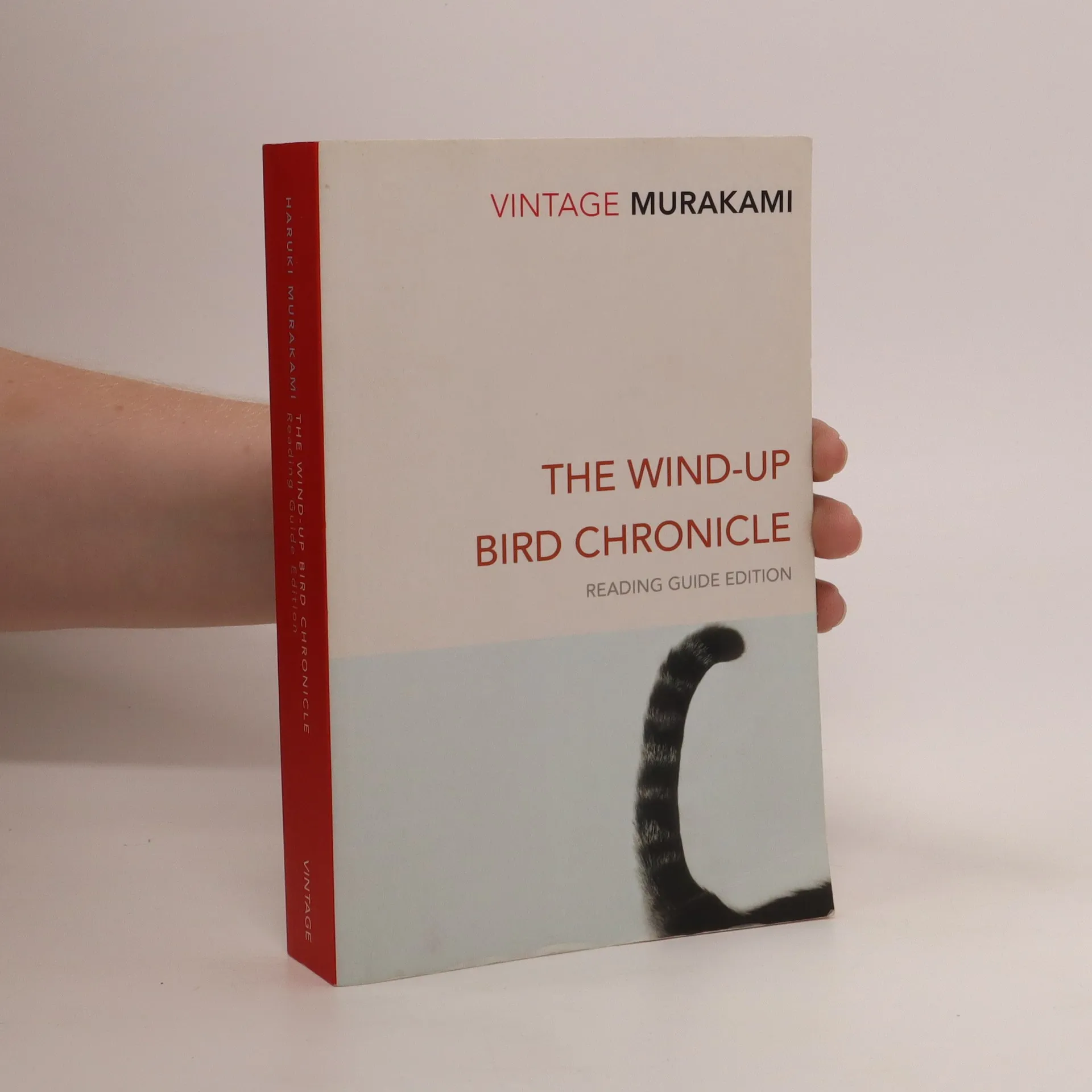
Okada is apparently a happy man - his domestic life seems familiar and comfortable, but admittedly he has just quit his job, the cat has disappeared and a strange woman is bothering him with explicit phone calls
His life was like his recurring nightmare: a train to nowhere. But an ordinary life has a way of taking an extraordinary turn. Add a girl whose ears are so exquisite that, when uncovered, they improve sex a thousand-fold, a runaway friend, a rightwing politico, an ovine-obsessed professor and a manic depressive in a sheep outfit, implicate them in a hunt for a sheep. that may or may not be running the world, and the upshot is another singular masterpiece from Japan's finest novelist.
Growing up in the suburbs in post-war Japan, it seemed to Hajime that everyone but him had brothers and sisters. His sole companion was Shimamoto, also an only child. Together they spent long afternoons listening to her father's record collection. But when his family moved away, the two lost touch. Now Hajime is in his thirties. After a decade of drifting he has found happiness with his loving wife and two daughters, and success running a jazz bar. Then Shimamoto reappears. She is beautiful, intense, enveloped in mystery. Hajime is catapulted into the past, putting at risk all he has in the present. 'A story of love in a cool climate, intensely romantic and weepily beautiful...it is startlingly different: a true original' Guardian 'Casablanca remade Japanese style...It is dream-like writing, laden with scenes which have the radiance of a poem' The Times 'This wise and beautiful book is full of hidden truths' New York Times 'This book aches...an eloquent treatise on the vertiginous, irrational powers of love and desire' Independent on Sunday 'A beautiful, atmospheric novel sustained by Murakami's flair for philosophical mediation at its most human' Irish Times
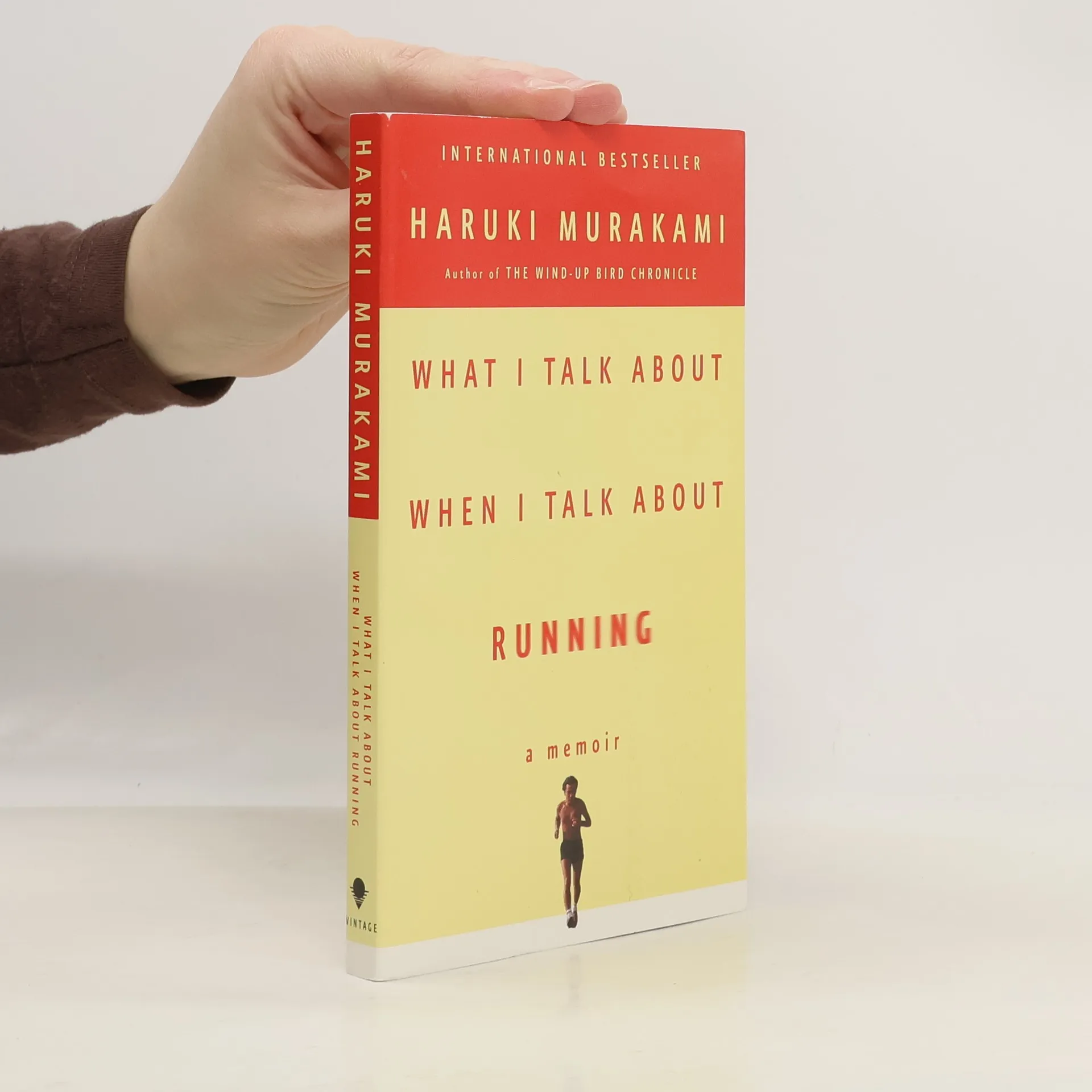
An intimate look at writing, running, and the incredible way they intersect, from the incomparable, bestselling author Haruki Murakami. While simply training for the New York City Marathon would be enough for most people, Haruki Murakami decided to write about it as well. The result is a beautiful memoir about his intertwined obsessions with running and writing, full of vivid memories and insights, including the eureka moment when he decided to become a writer. By turns funny and sobering, playful and phulosophical, What I Talk About When I Talk About Running is rich and revelatory, both for fans of this masterful yet guardedly private writer and for the exploding population of athletes who find similar satisfaction in athletic pursuit.
Reality bends all the more acutely with lack of sleep in this stunning novel from the master of the surreal.Eyes mark the shape of the cityThe midnight hour approaches in an almost-empty diner. Mari sips her coffee and reads a book, but soon her solitude is disturbed: a girl has been beaten up at the Alphaville hotel, and needs Mari's help.Meanwhile Mari's beautiful sister Eri lies in a deep, heavy sleep that is 'too perfect, too pure' to be normal; it has lasted for two months. But tonight as the digital clock displays 00:00, a hint of life flickers across the television screen in her room, even though it's plug has been pulled out.Strange nocturnal happenings, or a trick of the night?
NATIONAL BESTSELLER • Including the story "Drive My Car”—now an Academy Award–nominated film—this collection from the internationally acclaimed author "examines what happens to characters without important women in their lives; it'll move you and confuse you and sometimes leave you with more questions than answers" (Barack Obama). Across seven tales, Haruki Murakami brings his powers of observation to bear on the lives of men who, in their own ways, find themselves alone. Here are lovesick doctors, students, ex-boyfriends, actors, bartenders, and even Kafka’s Gregor Samsa, brought together to tell stories that speak to us all. In Men Without Women Murakami has crafted another contemporary classic, marked by the same wry humor and pathos that have defined his entire body of work.
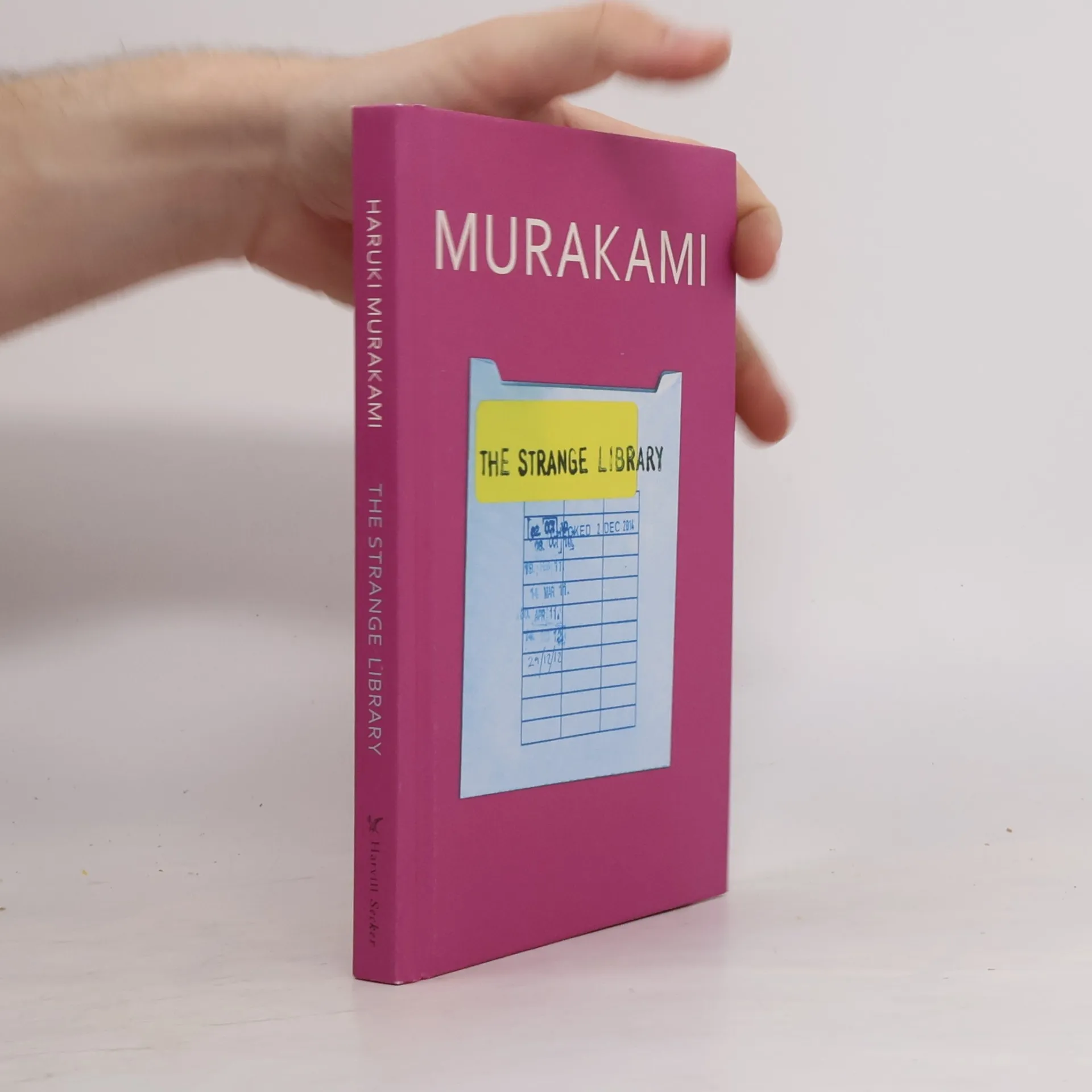
NEW YORK TIMES BESTSELLER • A GLOBE AND MAIL BEST BOOK OF THE YEAR • A REAL SIMPLE BEST BOOK OF THE YEAR From the author of Norwegian Wood and Hard-Boiled Wonderland and the End of the World comes a poignant love story and quest, celebrating books and the libraries that house them. When a young man's girlfriend mysteriously disappears, he is heartbroken and determined to find the imaginary town where he believes she has gone. This lifelong search leads him into middle age and a job at a remote library filled with its own mysteries. He journeys between the real world and a shadowless city where unicorns roam and willow trees grow. There, he discovers his beloved working in a dream library, but she has no memory of their past together. As seasons change and the man grapples with the blurred lines between these two worlds, he must confront what he is willing to sacrifice. This narrative serves as a parable for our times, exploring themes of love, loss, and the transformative power of stories. "Truth is not found in fixed stillness, but in ceaseless change/movement. Isn't this the quintessential core of what stories are all about?” —Haruki Murakami, from the afterword.
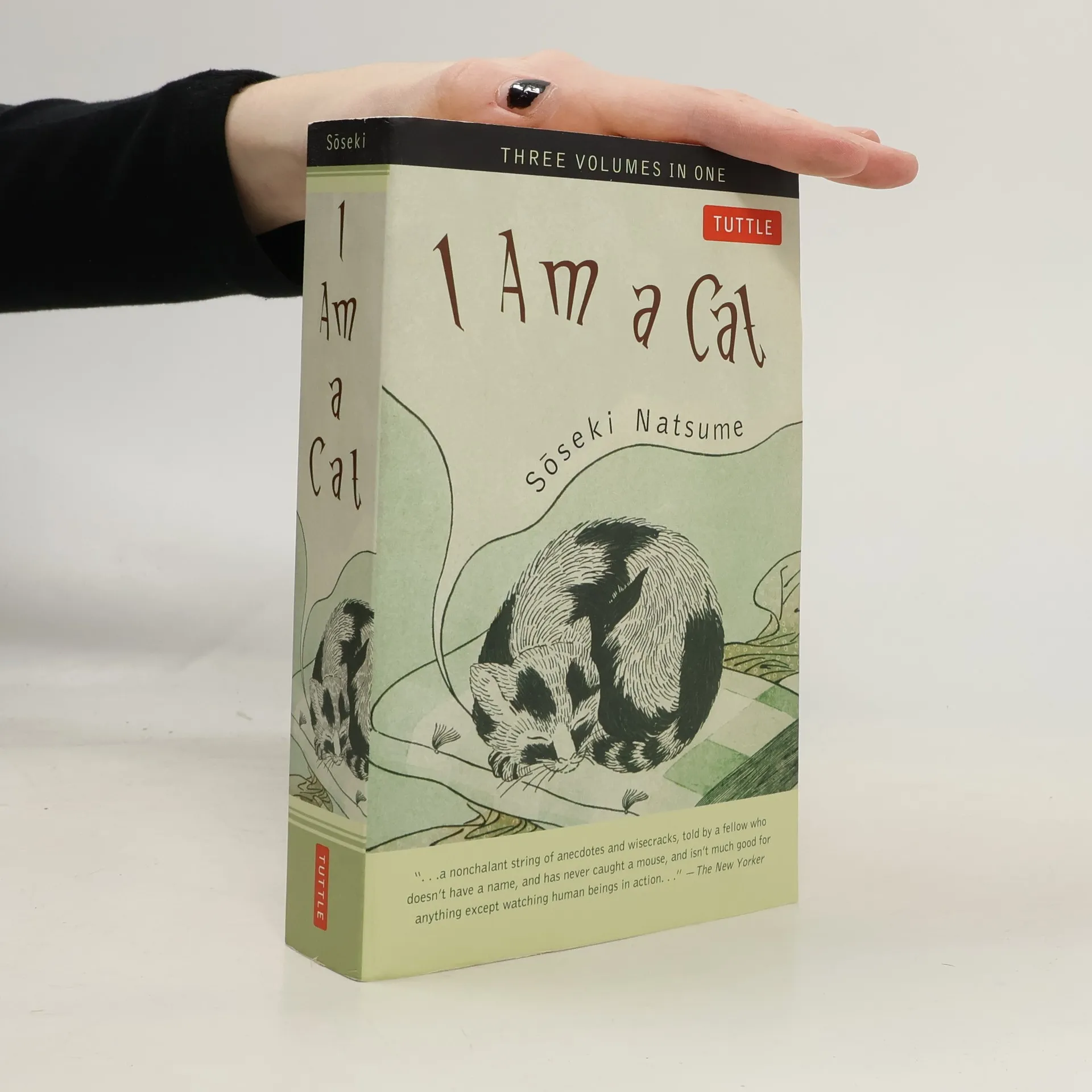
"A nonchalant string of anecdotes and wisecracks, told by a fellow who doesn't have a name, and has never caught a mouse, and isn't much good for anything except watching human beings in action…" —The New Yorker Written from 1904 through 1906, Soseki Natsume's comic masterpiece, I Am a Cat, satirizes the foolishness of upper-middle-class Japanese society during the Meiji era. With acerbic wit and sardonic perspective, it follows the whimsical adventures of a world-weary stray kitten who comments on the follies and foibles of the people around him. A classic of Japanese literature, I Am a Cat is one of Soseki's best-known novels. Considered by many as the most significant writer in modern Japanese history, Soseki's I Am a Cat is a classic novel sure to be enjoyed for years to come.
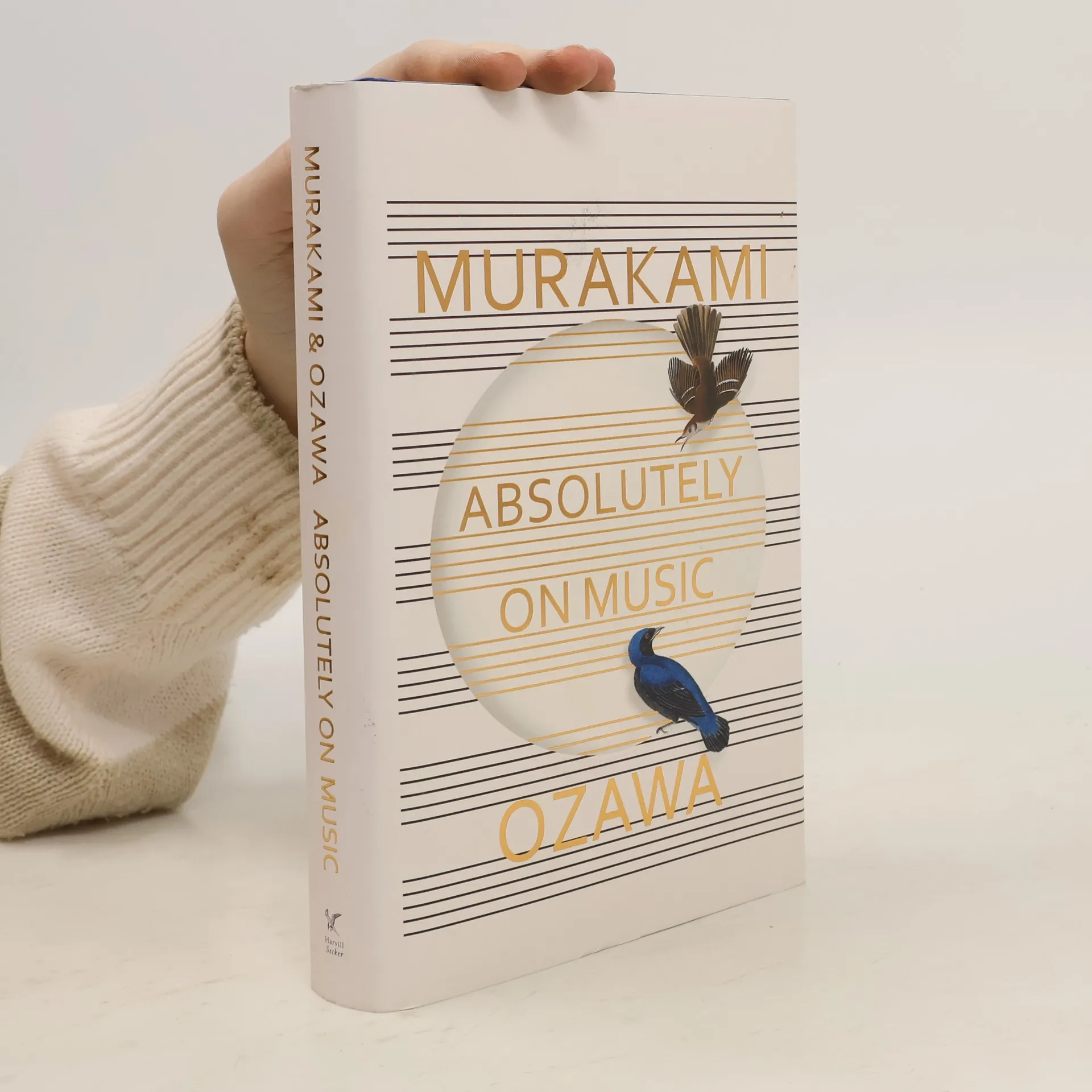
An intimate conversation about music and creativity, between the internationally bestselling writer and a world-class conductor. 'My only purpose in this book was for me, as a music lover, to have a discussion of music with the musician Seiji Ozawa that was as open and honest as possible. I simply wanted to bring out the ways that each of us (though on vastly different levels) is dedicated to music.' Haruki Murakami's passion for music runs deep. Before turning his hand to writing, he ran a jazz club in Tokyo, and the aesthetic and emotional power of music permeates every one of his much-loved books. Now, in Absolutely on Music, Murakami fulfills a personal dream, sitting down with his friend, acclaimed conductor Seiji Ozawa, to talk about their shared interest. Transcribed from lengthy conversations about the nature of music and writing, here they discuss everything from Brahms to Beethoven, from Leonard Bernstein to Glenn Gould, from record collecting to pop-up orchestras, and much more. Ultimately this book gives readers an unprecedented glimpse into the minds of two maestros.
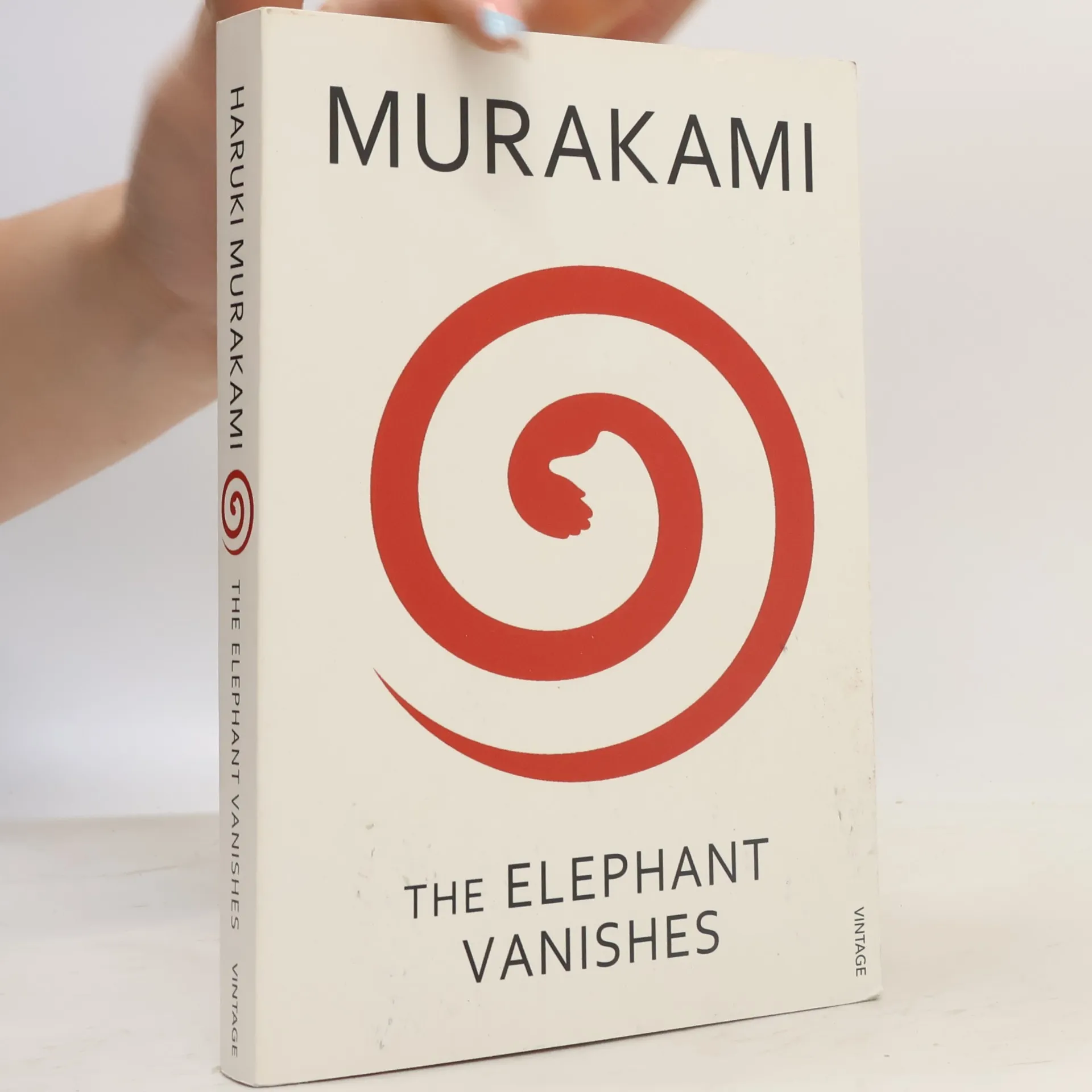
When A Man'S Favourite Elephant Vanishes, The Balance Of His Whole Life Is Subtly Upset; A Couple'S Midnight Hunger Pangs Drive Them To Hold Up A Mcdonald'S; A Woman Finds She Is Irresistible To A Small Green Monster That Burrows Through Her Front Garden; An Insomniac Wife Wakes Up To A Twilight World Of Semi-Consciousness In Which Anything Seems Possible - Even Death. In Every One Of The Stories That Make Up The Elephant Vanishes, Murakami Makes A Determined Assault On The Normal. He Has A Deadpan Genius For Dislocating Realities To Uncover The Surreal In The Everyday, The Extraordinary In The Ordinary.
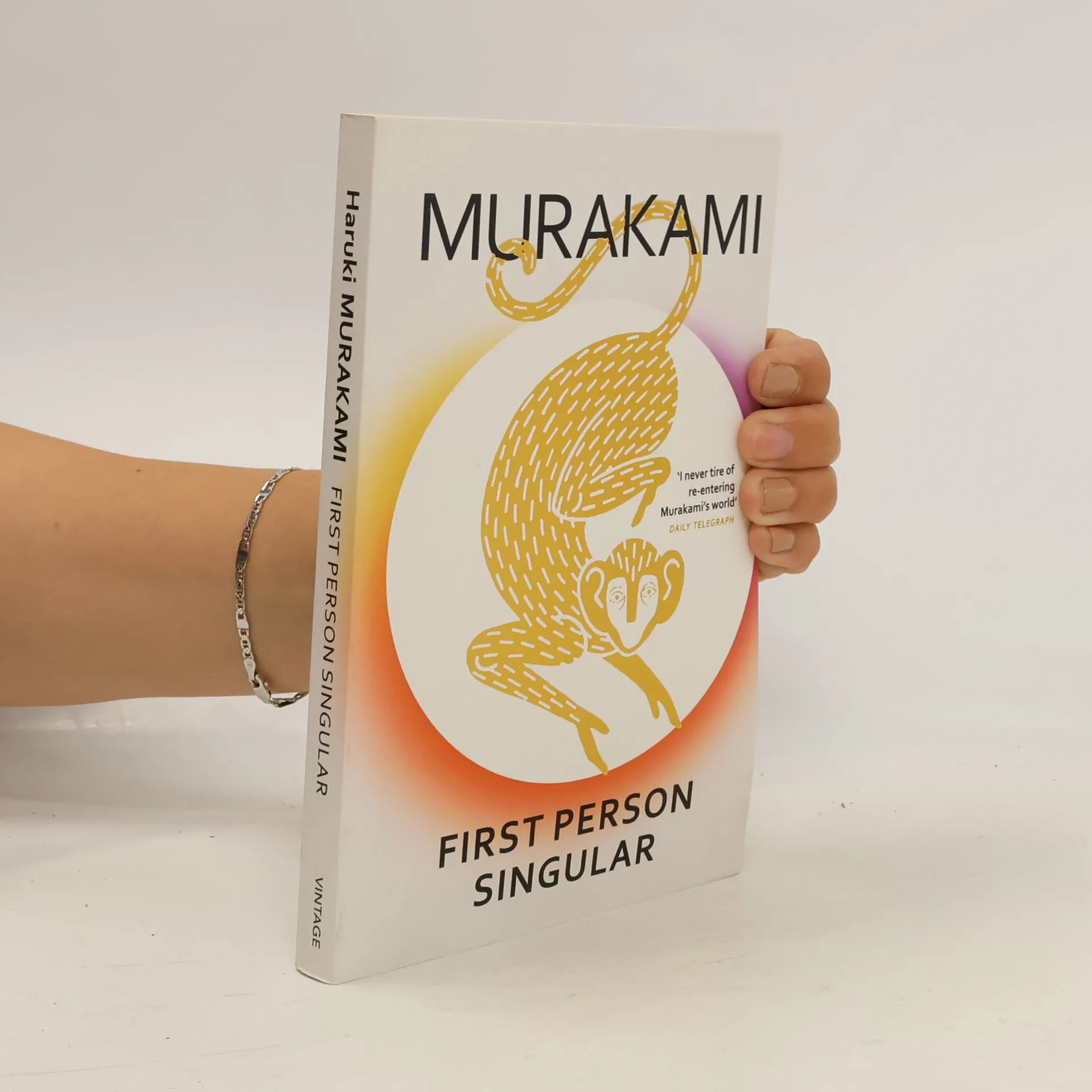
The eight stories in this new book are all told in the first person by a classic Murakami narrator. From memories of youth, meditations on music, and an ardent love of baseball, to dreamlike scenarios and invented jazz albums, together these stories challenge the boundaries between our minds and the exterior world. Occasionally, a narrator may or may not be Murakami himself. Is it memoir or fiction? The reader decides. Philosophical and mysterious, the stories in First Person Singular all touch beautifully on love and solitude, childhood and memory. . . all with a signature Murakami twist.
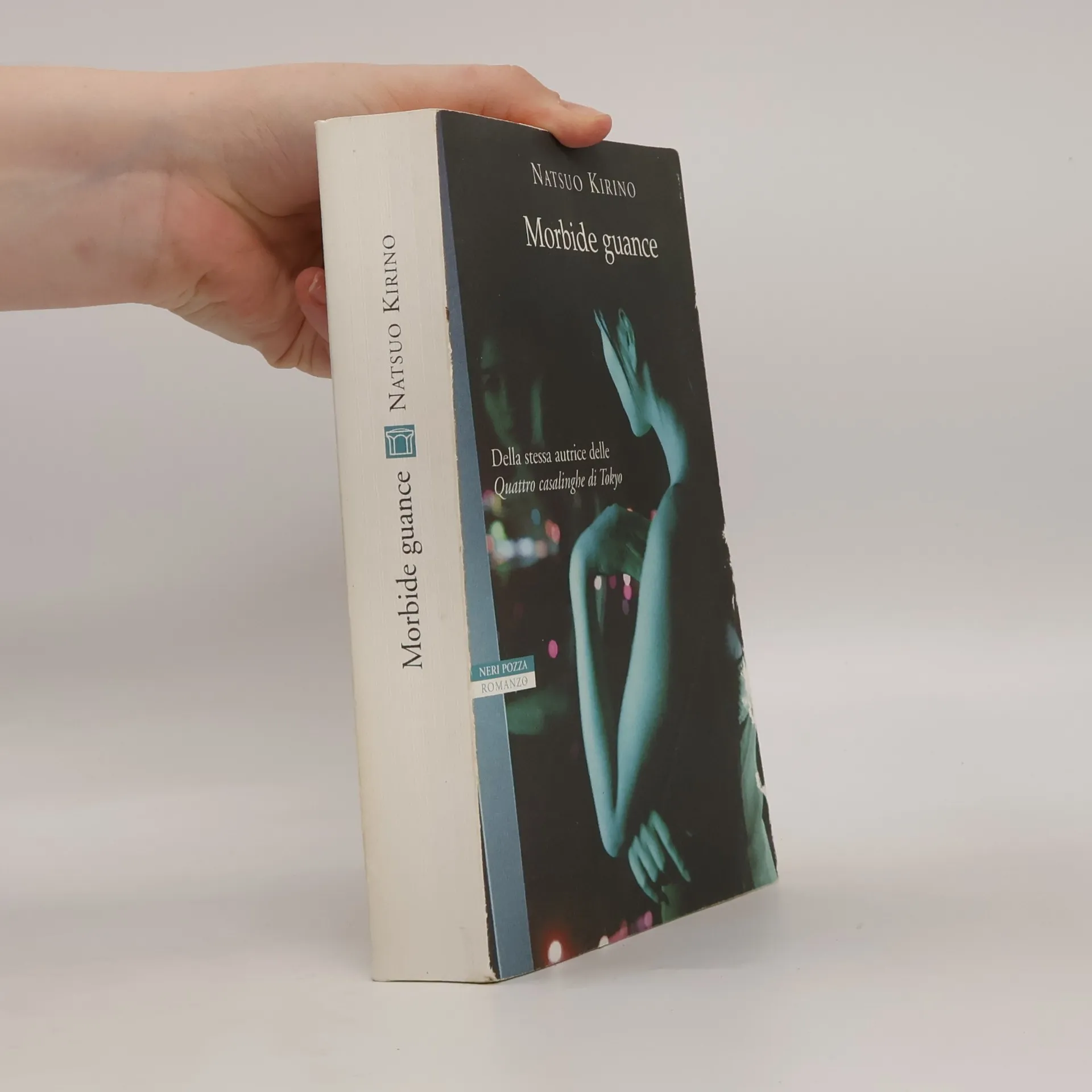
Asako è una studentessa di 17 anni silenziosa e assorta. Un giorno Asako decide di cambiare vita, si fa da parte, esce di scena: abbandona la scuola e si nasconde in casa senza che la madre se ne accorga. Liberata la sua stanza da tutti gli oggetti, gettati i vestiti, i giochi, il computer, Asako si accinge a sparire, quando incontra un bambino di dieci anni che cambierà la sua esistenza. Grazie a quel computer prima abbandonato, poi recuperato, i due si immergono nel mondo impersonale delle chat-line, e avviano una rete di incontri erotici che è al tempo stesso un vero e proprio lavoro e un teatro delle ombre, in cui annullare la propria identità e scoprirsi diversi.
Kasumi è nata e cresciuta nell'Hokkaido, ma fugge ben presto a Tokyo, dove sogna di realizzare una vita libera e diversa da quella monotona e squallida dei suoi genitori. Sposatasi con un tipografo mite e serio, Kasumi cerca una via di fuga nelle braccia di un cliente del marito con il quale inizierà una relazione segreta e appassionata, che indurrà l'uomo a comprare una casa nell'Hokkaido per ospitare la donna e la sua famiglia. Nel corso di questo soggiorno, la figlia maggiore di Kasumi scompare senza lasciare traccia. Convinta che la scomparsa della bambina sia il meritato castigo per aver tradito il marito, le figlie e, anni prima, i genitori, Kasumi intraprende un viaggio alla ricerca della figlia che la ricondurrà alle sue origini.