


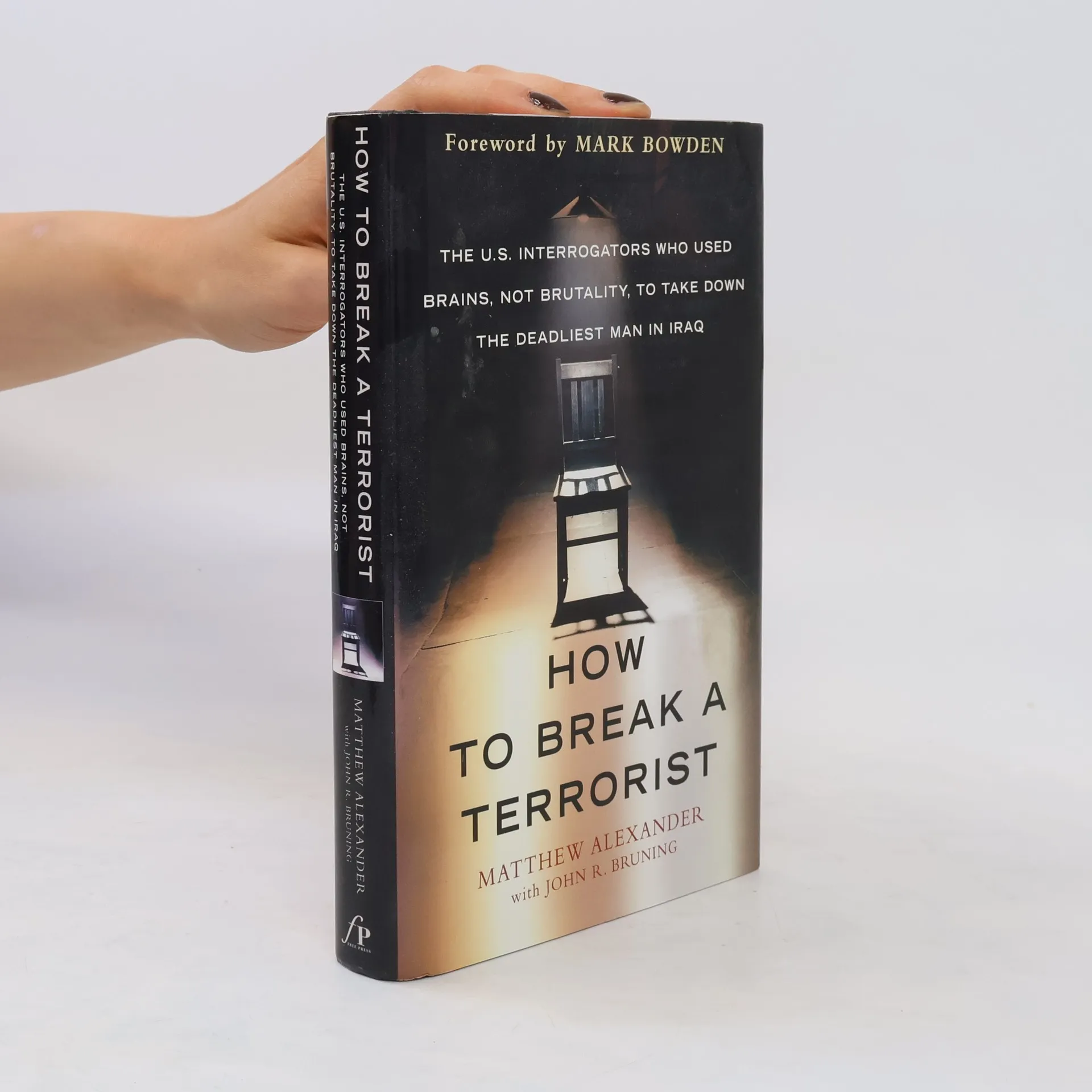
How to Break a Terrorist
The U.S. Interrogators Who Used Brains, Not Brutality, to Take Down the Deadliest Man in Iraq
- 288 pages
- 11 hours of reading
Finding Abu Musab al Zarqawi, the leader of Al Qaeda in Iraq, was a top priority for the U.S. military, even more so than capturing Osama bin Laden. Brutal tactics were employed to extract intelligence from Zarqawi's associates, but these efforts yielded no results. Following the Abu Ghraib scandal, the military introduced a new approach to interrogation. Matthew Alexander, a former criminal investigator leading a specialized team, provides an insider's view of this shift toward more humane interrogation techniques and their remarkable success. The intelligence that led to the June 7, 2006, airstrike on Zarqawi's safe house stemmed from well-planned interrogations that avoided torture and coercive methods. Instead, Matthew and his team focused on understanding their subjects: their motivations, affiliations, and what they sought to protect. Each day, they engaged with a diverse array of suspects, from egomaniacs to horrified clerics, using negotiation and psychological tactics to great effect. However, Matthew's dedication to these methods sometimes put him at odds with his superiors and jeopardized his career. This gripping narrative transcends a typical war memoir, serving as a reminder that we need not adopt our enemy's methods to defeat them. Matthew's adaptive strategies have proven to be vital in the fight against global terrorism.