Exiled Shadow
- 376 pages
- 14 hours of reading
A virtuoso collage novel about narrative, identity, and exile, from international literary sensation Norman Manea


Norman Manea is a Jewish Romanian writer whose works delve into profound themes of the Holocaust and the hardships of life within a communist state. He masterfully weaves his experiences of exile into his novels and essays, offering readers a unique perspective on displacement and identity. Manea writes with a sharp intellect and precise prose, dissecting the complexities of the human psyche when confronted with historical and political oppression. His literary contributions serve as a testament to the resilience of the human spirit and an urgent call for understanding.

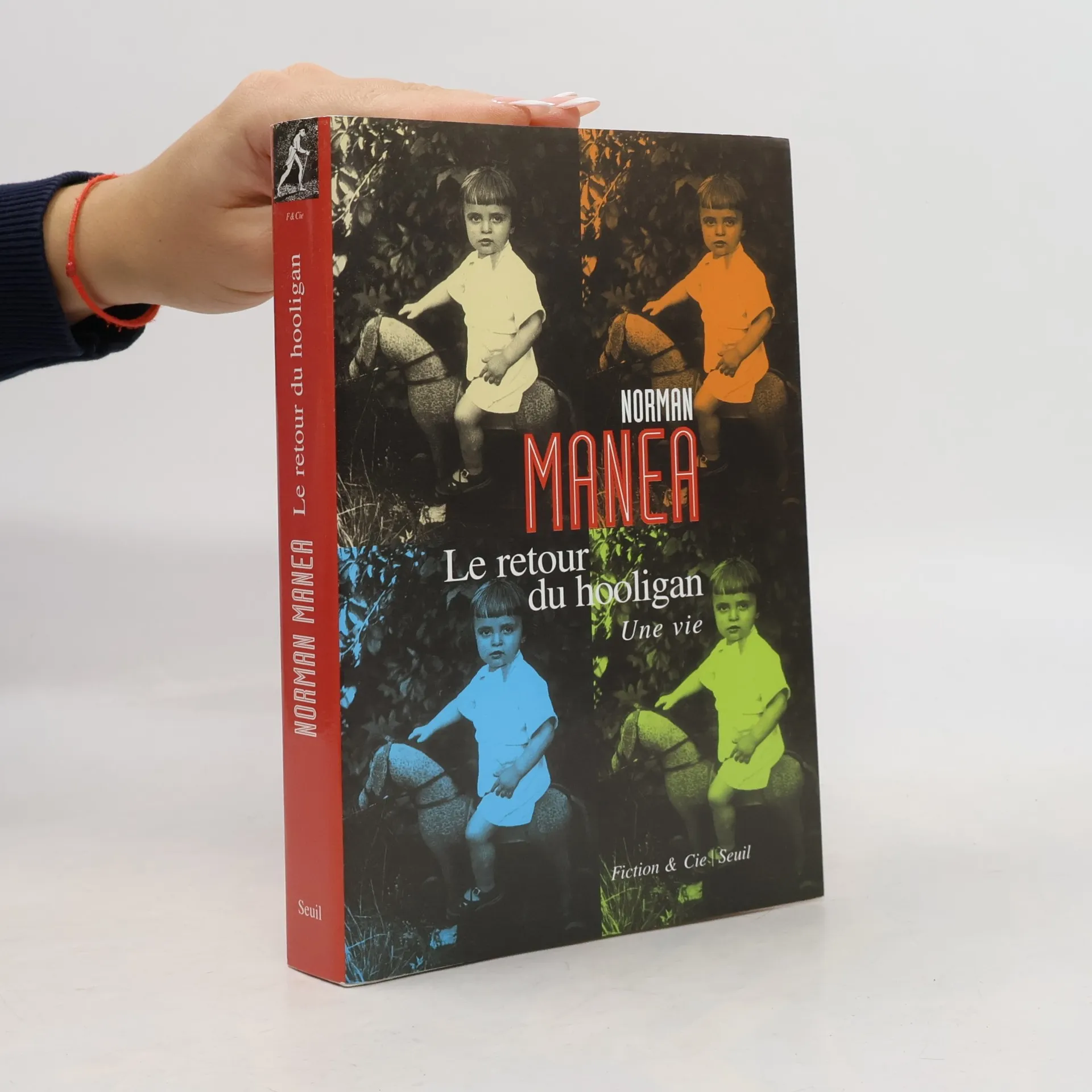

A virtuoso collage novel about narrative, identity, and exile, from international literary sensation Norman Manea
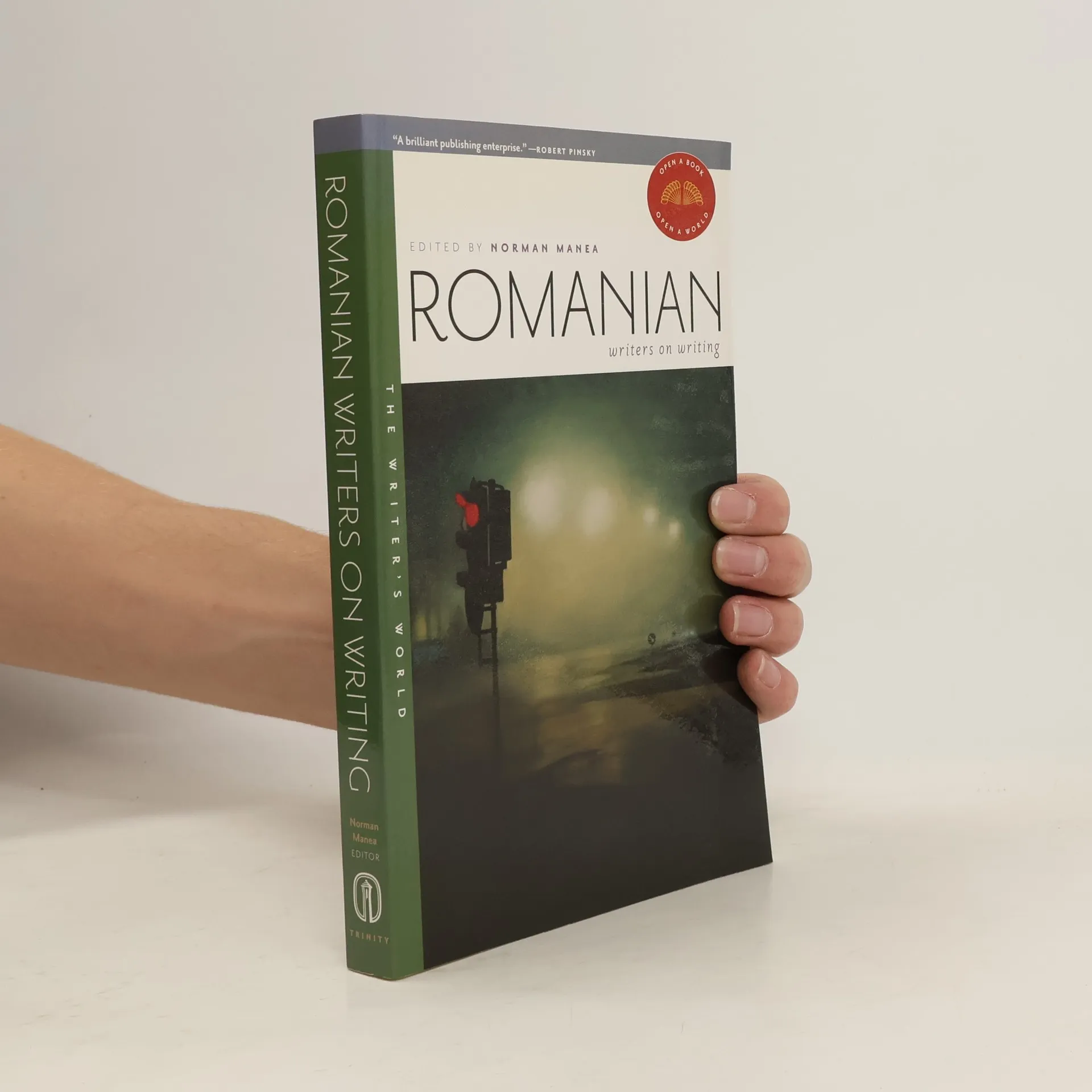
Romanian writers past and present talk about the literary life in their country
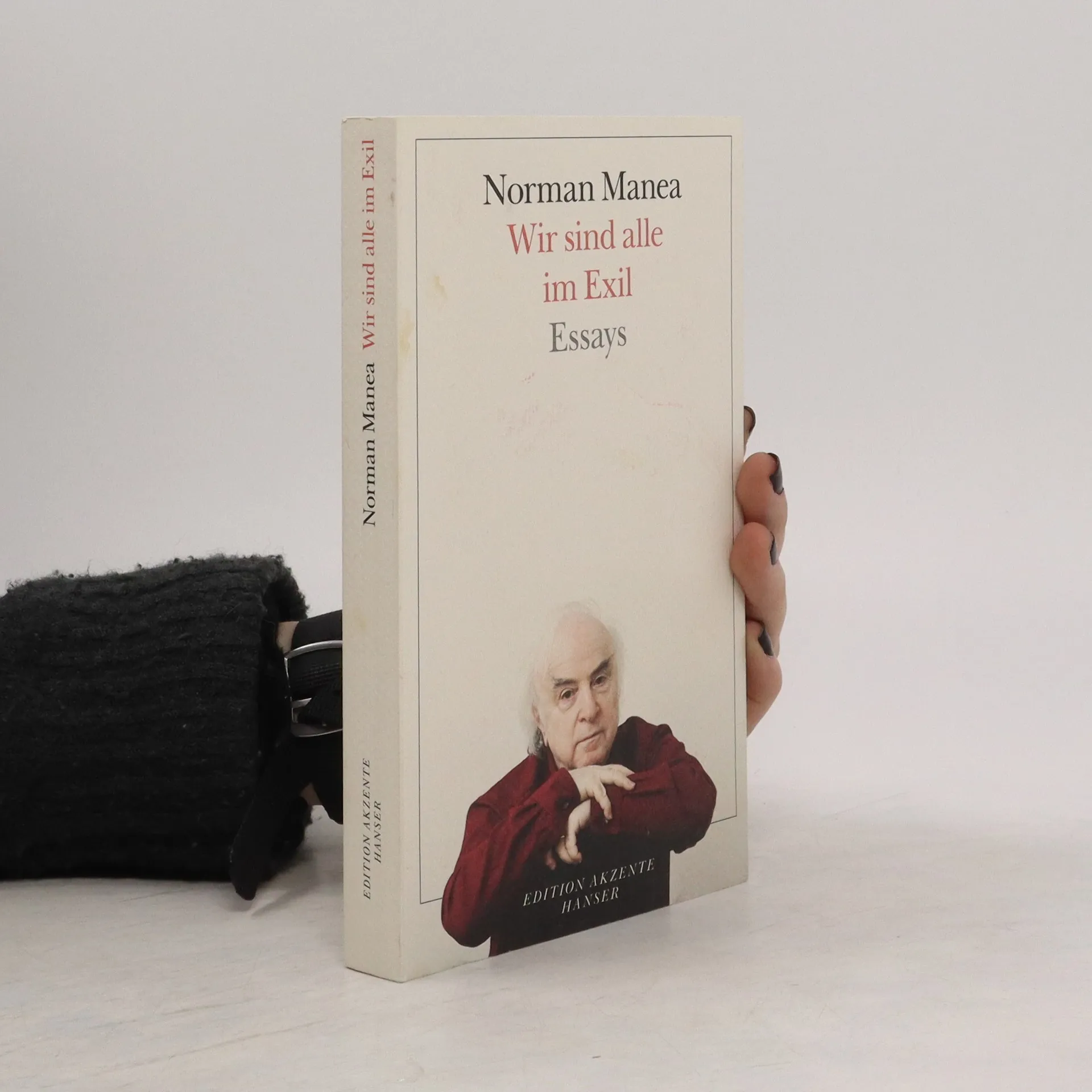
Seit dreißig Jahren lebt Norman Manea im Exil. Der Autor aus Rumänien ist ein großer Zeitzeuge von faschistischer und kommunistischer Diktatur. „Die Sprache ist die Plazenta des Schriftstellers, dieses Exilanten par excellence“, sagt Manea. Die Widersprüche eines Lebens zwischen Ost und West und die Frage nach der jüdischen Identität hat er nicht nur in seinem literarischen Werk behandelt, er hat sie auch fortlaufend essayistisch kommentiert. Am Beispiel seiner eigenen Erfahrungen und der Auseinandersetzung mit Werken anderer Autoren beschreibt er den Zusammenhang von Exil, Sprache und Schreiben.
In October 1941, the Jewish population of Manea's native Bukovina was deported to Transnistria concentration camps, where he, a child at the time, and his family endured four harrowing years. With striking clarity, he recounts the brutality of their experience, from the horrific cattle car journey to the daily dehumanization they faced. He highlights the courage of a young Christian woman who attempted to save his family. Manea reflects on the hopes and devastation of postwar Romania, finding solace in books, friendship, and love, while friends and family debated whether to stay or leave, risking never to return. As he transitions from adolescence to adulthood, literature and exile shape his identity amidst the oppressive Ceausescu regime. Initially embracing a Communist ethos, he later becomes disillusioned by the regime's injustices, particularly after witnessing the false imprisonment of his father. As a writer, he grapples with the fear of losing his native language—his true homeland—if he chooses to leave. Ultimately, in 1988, he relocates to the United States, returning to Romania a decade later.
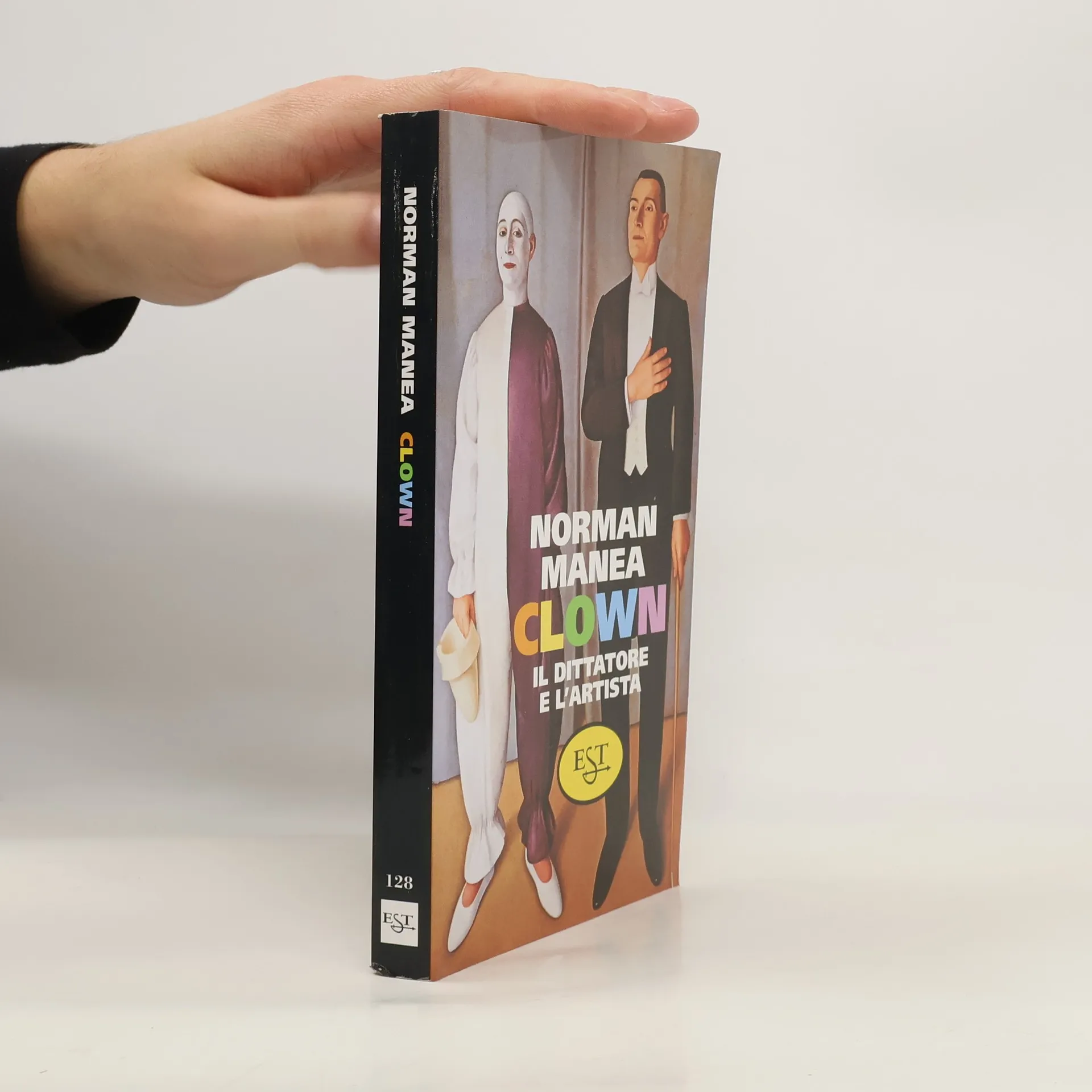
The overthrow of Nicolae Ceausescu exposed a regime of grim despotism that defies comprehension. For Norman Manea, who left Romania in 1986, the terror imposed on citizens was matched by the irrevocable choices forced upon artists. In his exploration of the pain, anger, and fear confronting the creative mind under tyranny, Manea meticulously catalogs the techniques through which malevolent power binds artists: the subtle torture of censorship, the politics of substitution, and the opiates of nationalism and ideology. He also highlights what artists rely on to survive these conditions: the disguise of the buffoon, an aesthetic intertwined with ethics, a disdain for mediocrity, and, when possible, a defiant raspberry to the dictator. Manea's Central European identity shapes his perspective, reflecting a spiritual outlook and cultural horizons akin to those of Kundera and Milosz. He cites Danilo Kis, noting that "Consciousness of belonging to Central Europe is itself in the end a kind of dissidence!" Manea demonstrates that artistic creativity and intellectual freedom transcend mere dissidence; they embody a morality that opposes the "captive mind" of Communist dictatorship, allowing artists to endure and resist oppression.
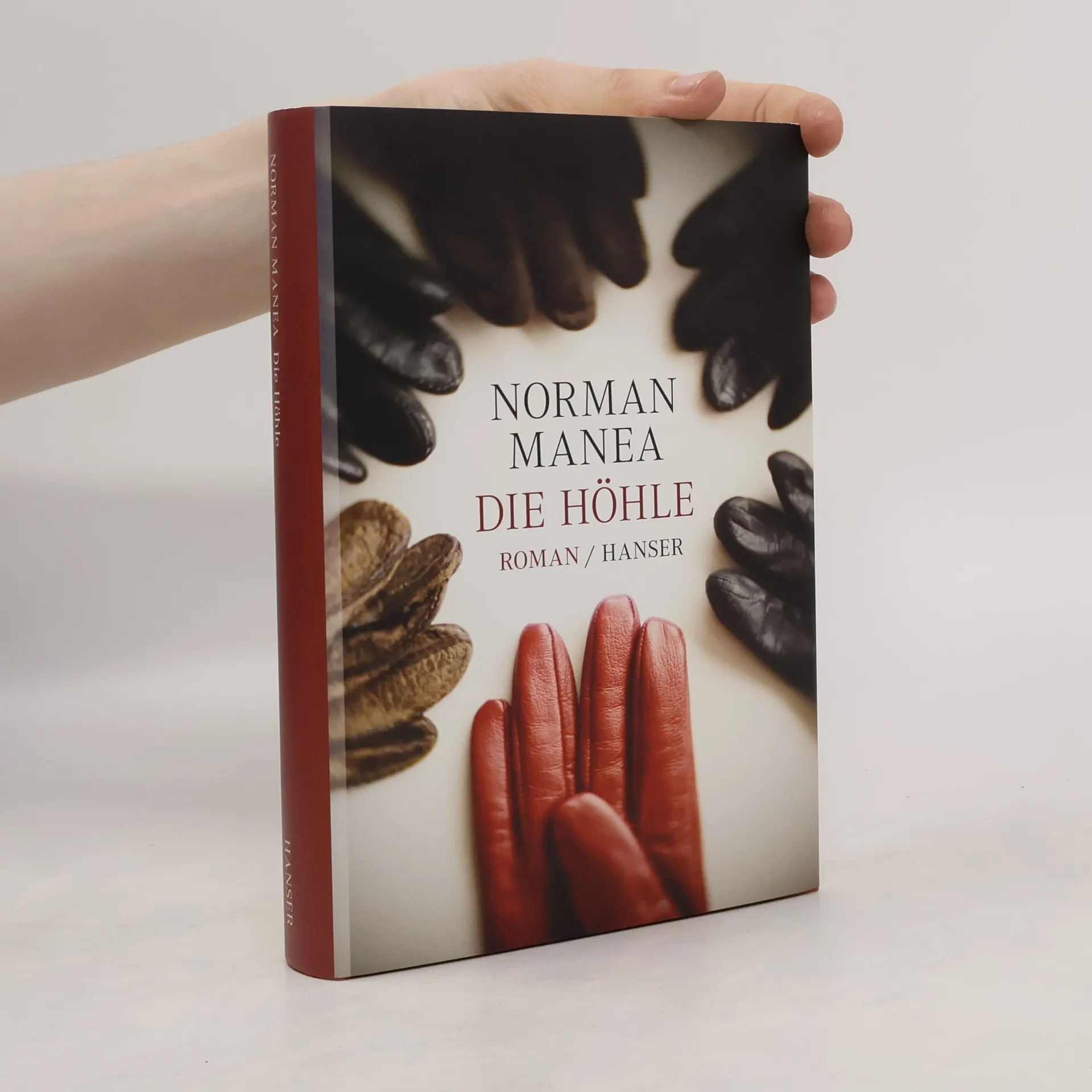
Nach dem Mord an einem Landsmann wird eine Gruppe rumänischer Intellektueller in den USA von der Vergangenheit eingeholt. Unter Ceausescu lernten sie sich kennen, bei konspirativen Treffen in Bukarest. Dann gingen sie ins Exil nach New York: Der hochgelehrte Augustin Gora, der als erster aus Rumänien flüchtete. Seine Frau Lu, die erst später mit ihrem Geliebten Peter Gaspar nachkam. Und der Gelehrte Mihnea Palade, der plötzlich ermordet aufgefunden wird. Als auch Gaspar eine Morddrohung erhält, müssen die einst Gleichgesinnten feststellen, dass in der Emigration jeder für sich selbst kämpft. Ein furioser Roman, in dem Wirklichkeit und Phantasie, reale Bedrohung und Wahn ununterscheidbar werden.
"Kriegsende, eine zerschossene Stadt in Rumänien, eind schẅachliches Kind Jüdischer Eltern, das eben dem Vernichtungslager entkommen ist. Der Gegensatz zwischen Stiefel und Violine. Gewalt, Verrat und Verdrängung auch nach dem Krieg. Das sind die Bilder, das sind die Erfahrungen, die Norman Manea in diersem Erzählband verarbeitet."
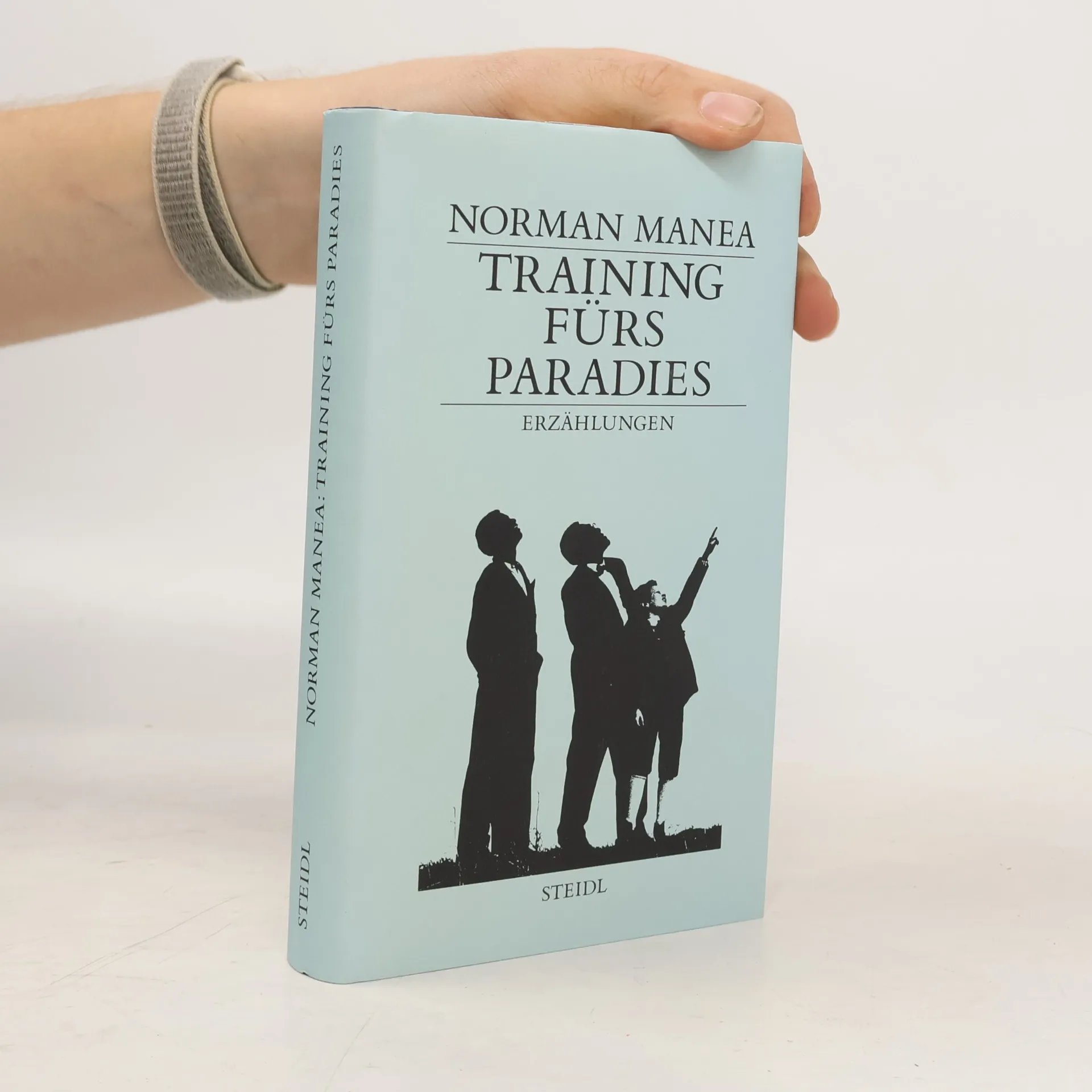
Eine Sammlung von Kurzgeschichten, die aus der Haft des rumänischen Autors in einem Nazi-Konzentrationslager als Kind stammen, ruft ein Gefühl des Schreckens und der Absurdität des Krieges und der rumänischen Politik hervor.
Bukarest, Anfang der achtziger Jahre: Ein Mann beschließt in einem Akt der Auflehnung, den Mörder seines Vaters zu suchen. Dabei verstrickt er sich immer tiefer in den Wirren des höllischen Alltags unter der Ceauçescu-Diktatur. Norman Manea beschreibt in diesem hochartifiziellen Schlüsselwerk der osteuropäischen Gegenwartsliteratur die Mechanismen jeder Diktatur.
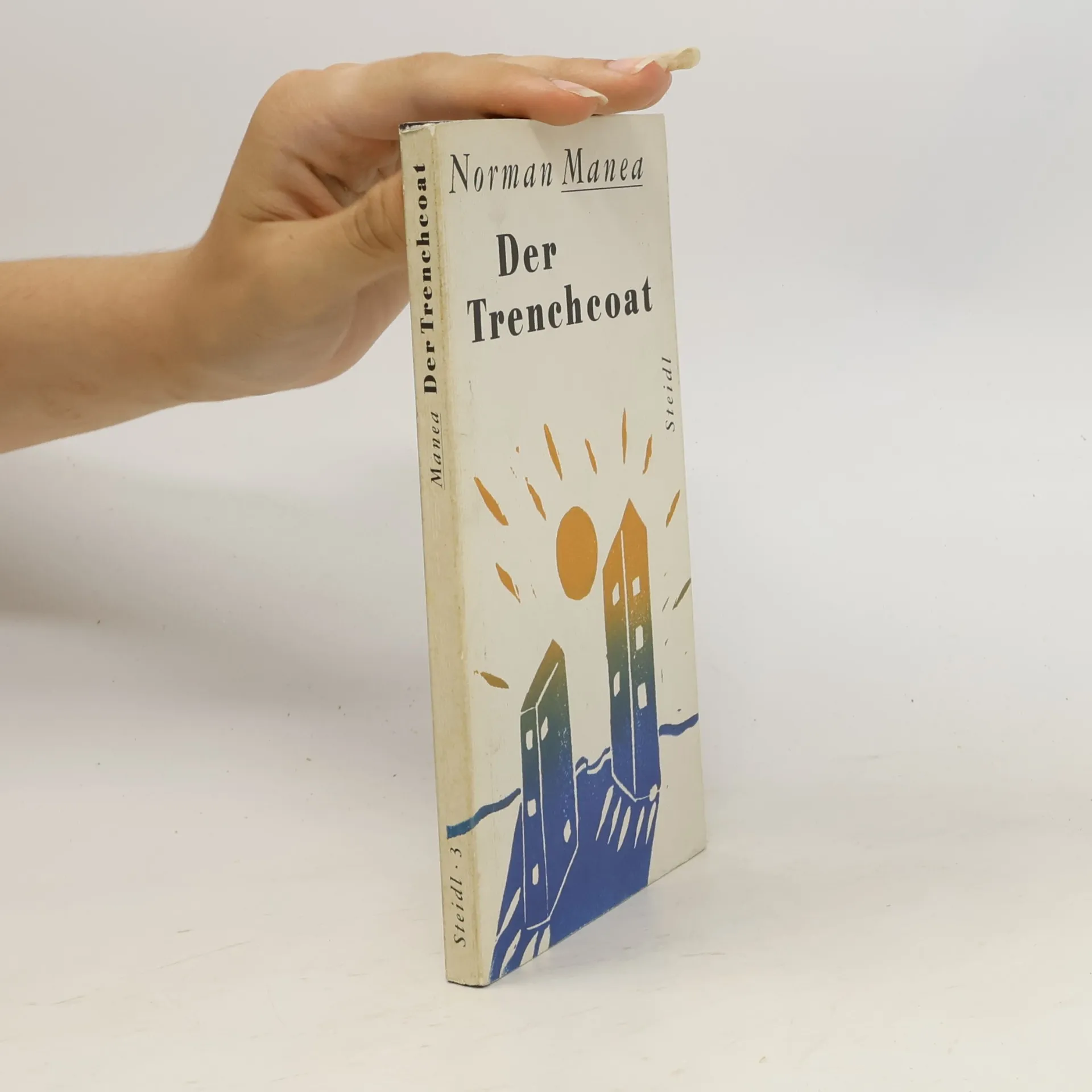
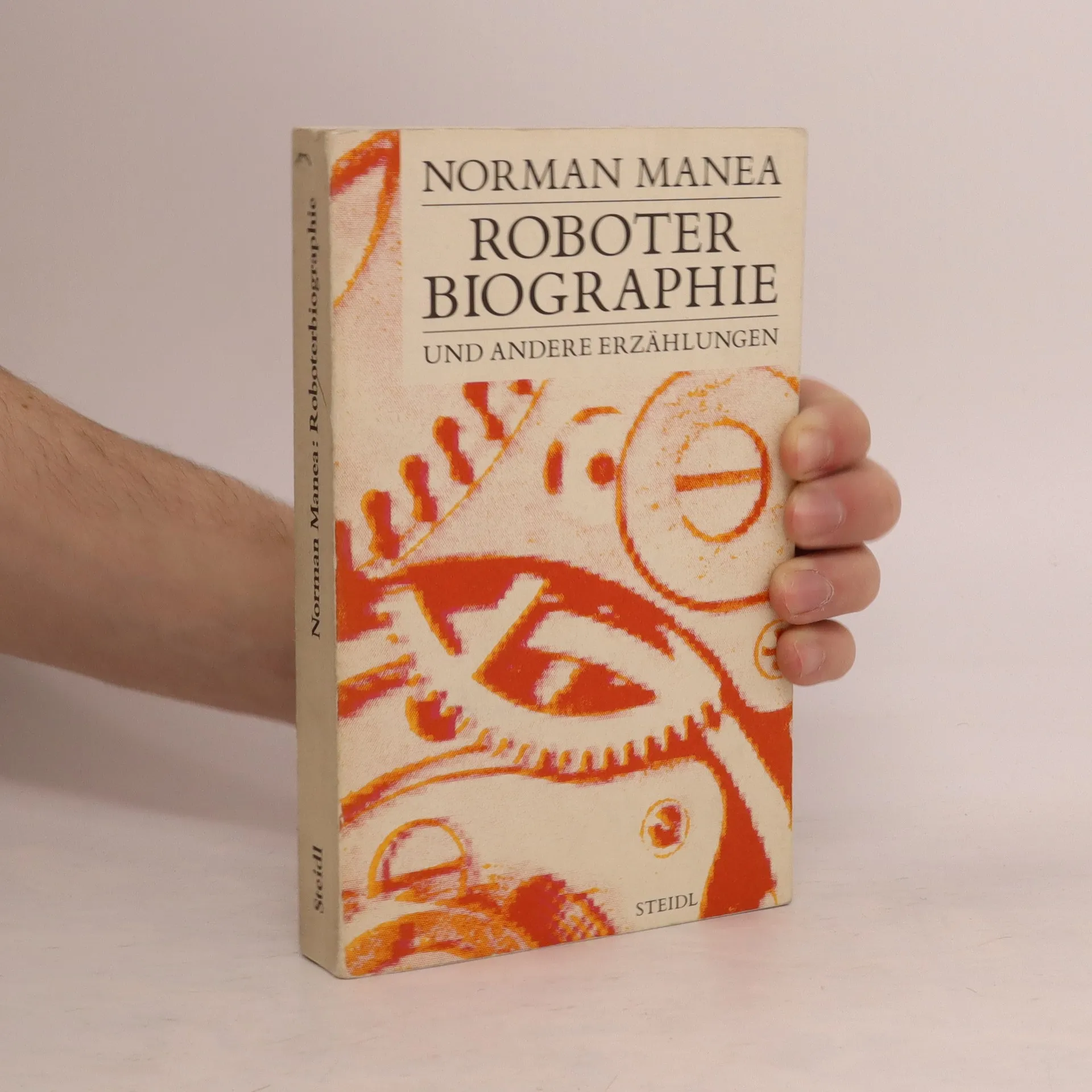
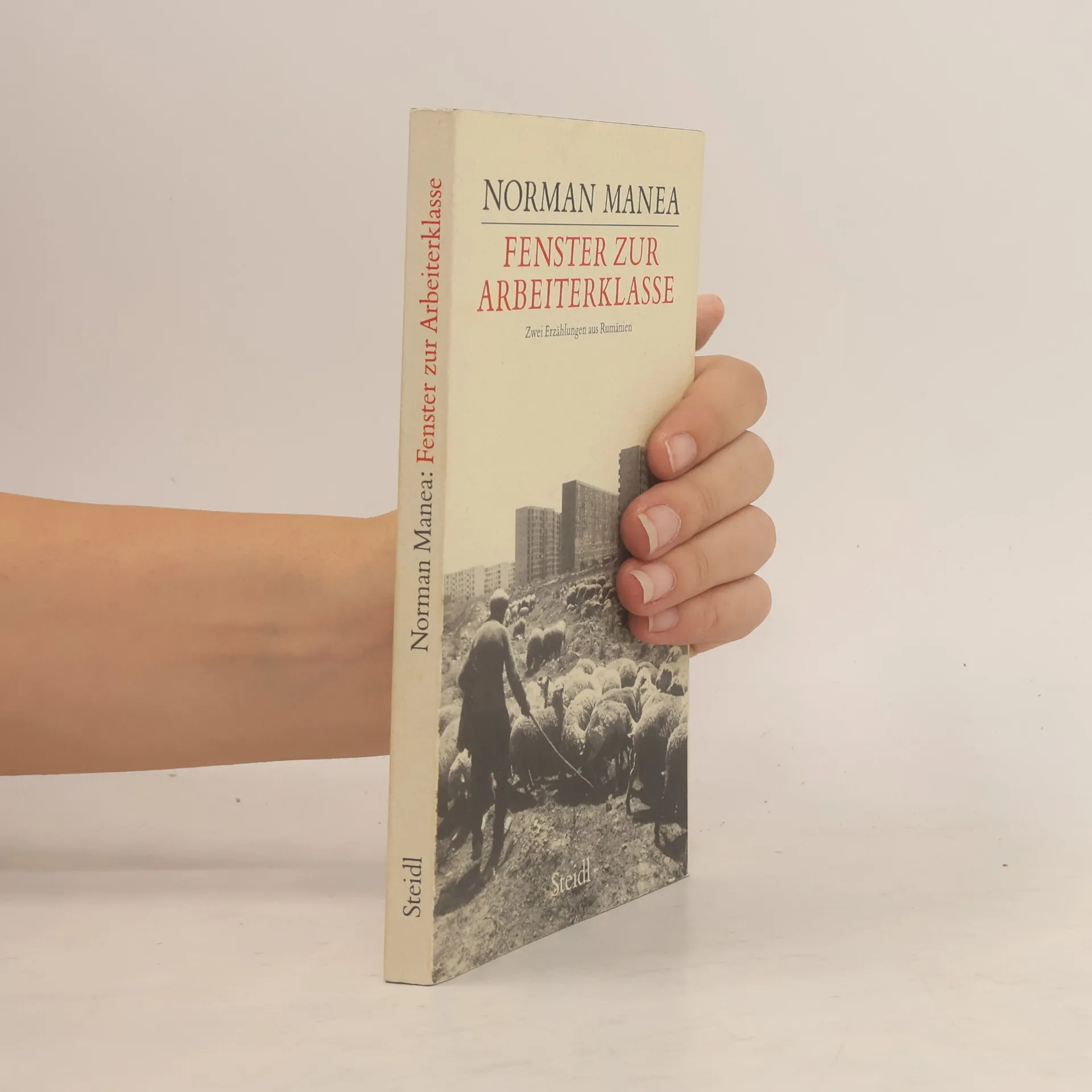
In seinen frühen Erzählungen thematisiert Manea das Leben unter Diktaturen, einschließlich Deportation und Rückkehr nach Rumänien. Er vermittelt seine komplexen Erfahrungen durch expressive, teils surreale Bilder. Manea, eine bedeutende literarische Stimme Rumäniens, wurde einst von Heinrich Böll entdeckt und seine Werke gehören zur Weltliteratur.
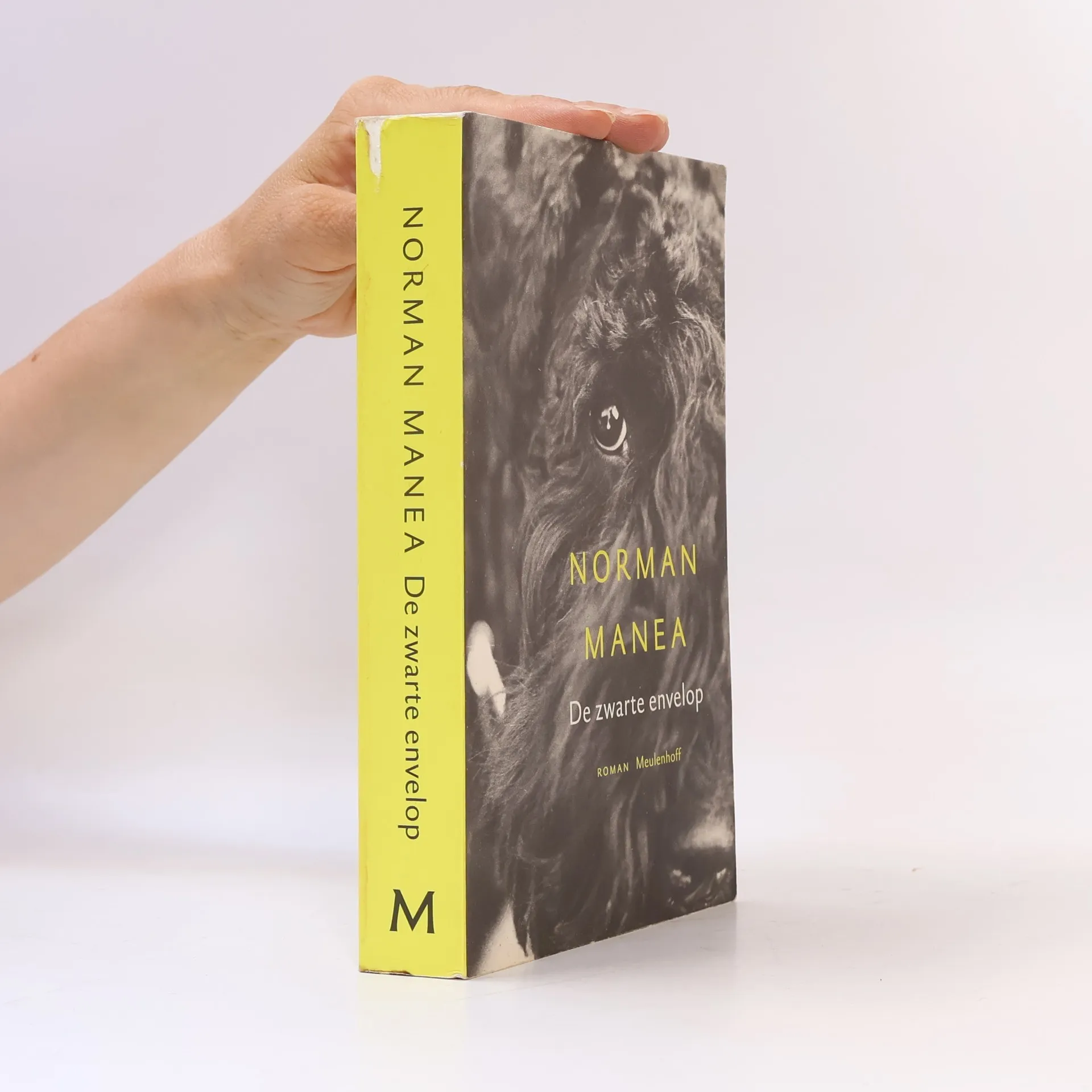
In De zwarte envelop beschrijft Norman Manea op nietsverhullende wijze het leven in een dictatuur: de allesoverheersende aanwezigheid van de Partij, de voortdurende surveillance, de angst, de onvoorspelbaarheid, de verdachtmakingen. De roman speelt zich af in Boekarest, in de jaren tachtig van de twintigste eeuw. Tolea is op 'morele gronden' ontheven van zijn baan als docent en werkt nu als hotelreceptionist. Hij gaat op onderzoek uit naar de dood van zijn vader, veertig jaar na dato. Hij wordt een web van verdachtmakingen ingezogen, waarin beelden van een ondergrondse wereld geleidelijk aan obsessieve vormen aannemen. De zwarte envelop is een beklemmend boek over liefde en schuld, kwetsbaarheid en dood, vervreemding, hoop en menselijke solidariteit. Doorweven met zwarte humor en poëzie is het Manea's indrukwekkendste roman, die leest als een thriller.