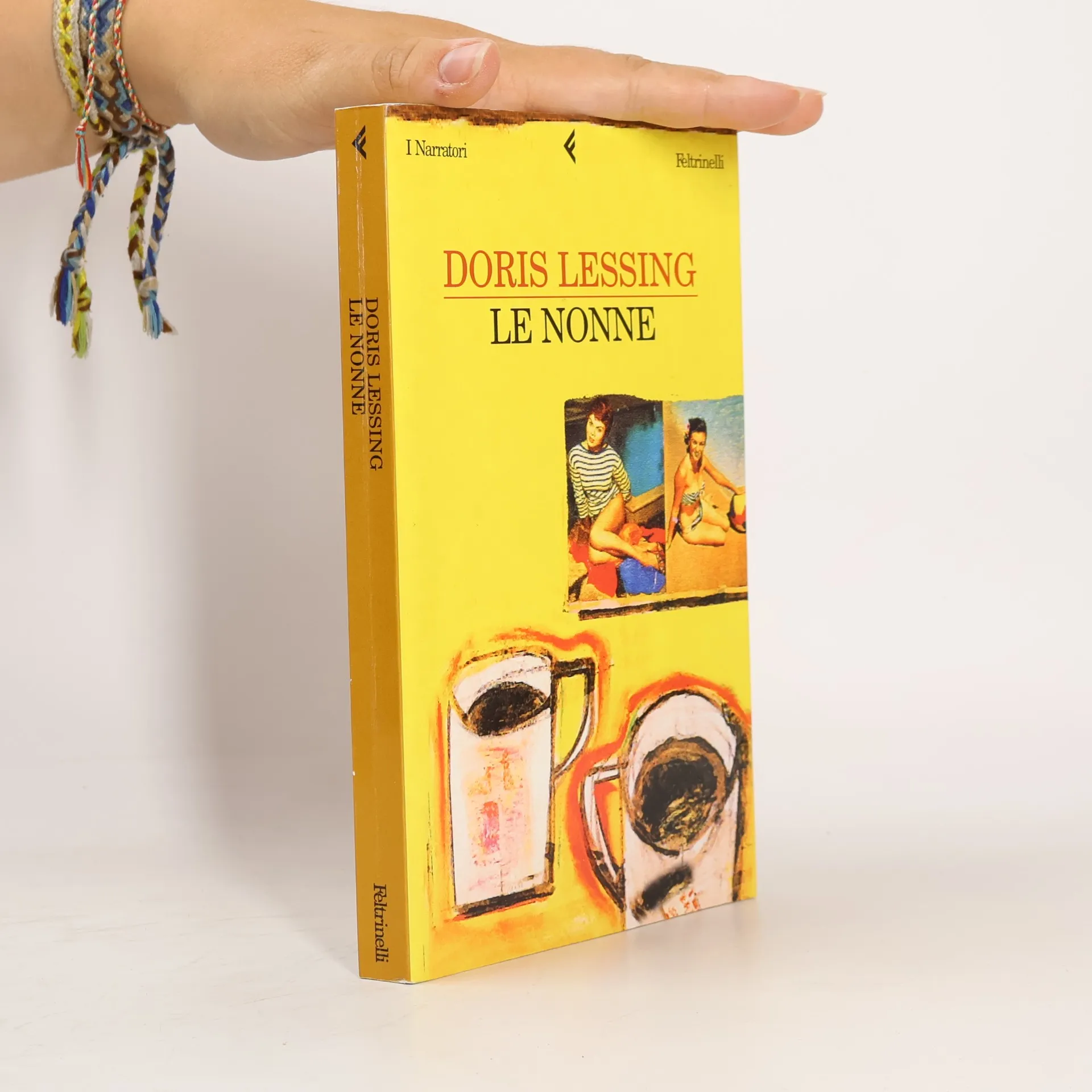
Small Things Like These
- 120 pages
- 5 hours of reading
Claire Keegan, an acclaimed author, presents her groundbreaking novel, 'Small Things Like These', a stirring narrative of a man's bravery and a captivating depiction of love and family.





Claire Keegan, an acclaimed author, presents her groundbreaking novel, 'Small Things Like These', a stirring narrative of a man's bravery and a captivating depiction of love and family.
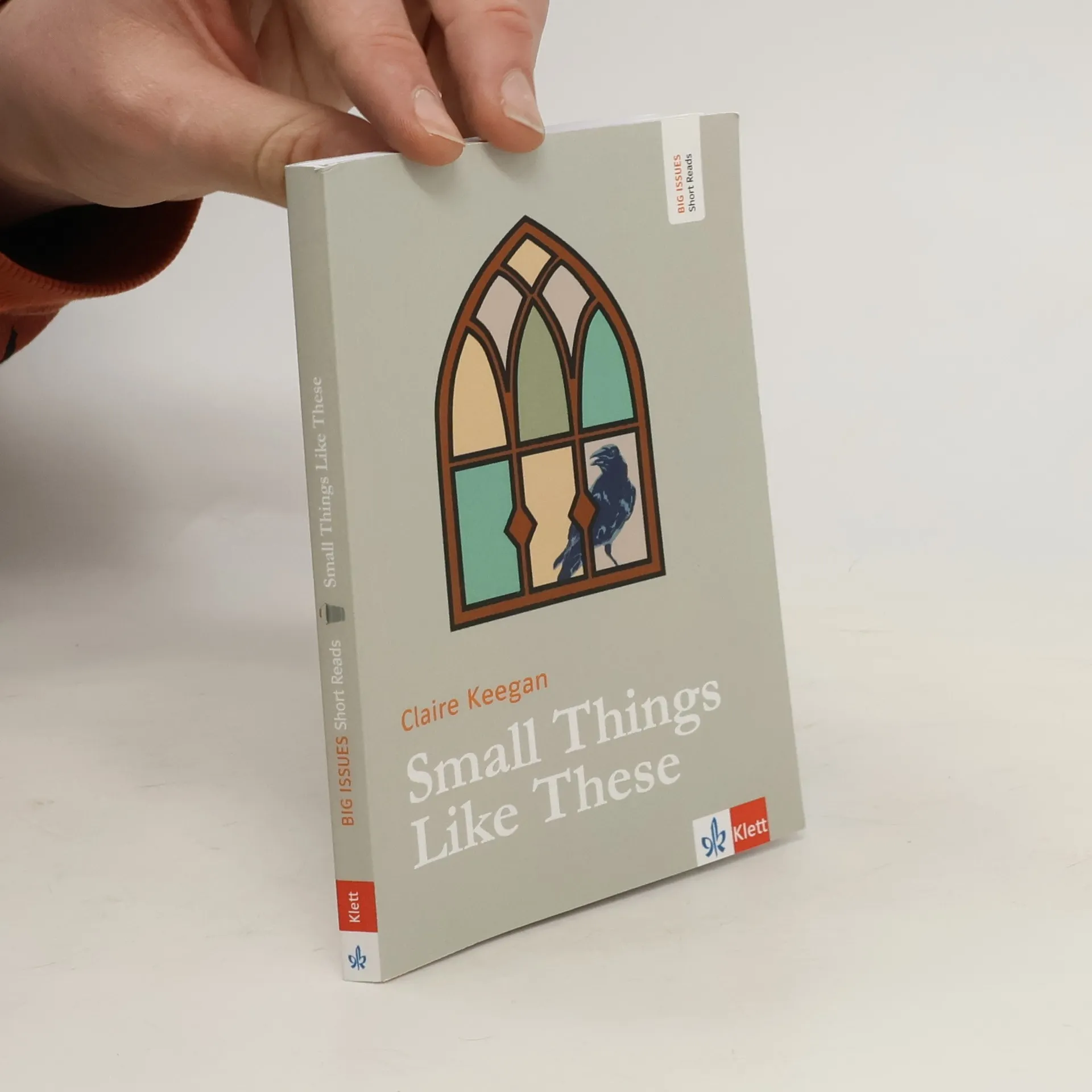
Eighteen-year-old Merricat may, or may not be, a mass murdererSix years ago everyone in the Blackwood family was poisoned by sugar laced with arsenic - everyone, that is, apart from Merricat and her elder sister Constance. They live in peaceful, ordered isolation, away from prying eyes in the nearby village, until one day boorish cousin Charles arrives with designs on their father's fortune. Whether by practical or magical means, Merricat will do whatever is necessary to protect their home.
Anappara creates an endearing and highly engaging narrator to navigate us through the dark underbelly of modern India' Observer We children are not just stories. We live. Come and see. Nine-year-old Jai watches too many reality cop shows, thinks he's smarter than his friend Pari (even though she always gets top marks) and considers himself to be a better boss than Faiz (even though Faiz is the one with a job). When a boy at school goes missing, Jai decides to use the crime-solving skills he has picked up from episodes of Police Patrol to find him. With Pari and Faiz by his side, Jai ventures into some of the most dangerous parts of the sprawling Indian city; the bazaar at night, and even the railway station at the end of the Purple Line. But kids continue to vanish, and the trio must confront terrified parents, an indifferent police force and soul-snatching djinns in order to uncover the truth.
Yearning to escape her life of prostitution in 1870s London, Sugar finds her fate entangled in the complicated family life of patron William, an egotistical perfume magnate.
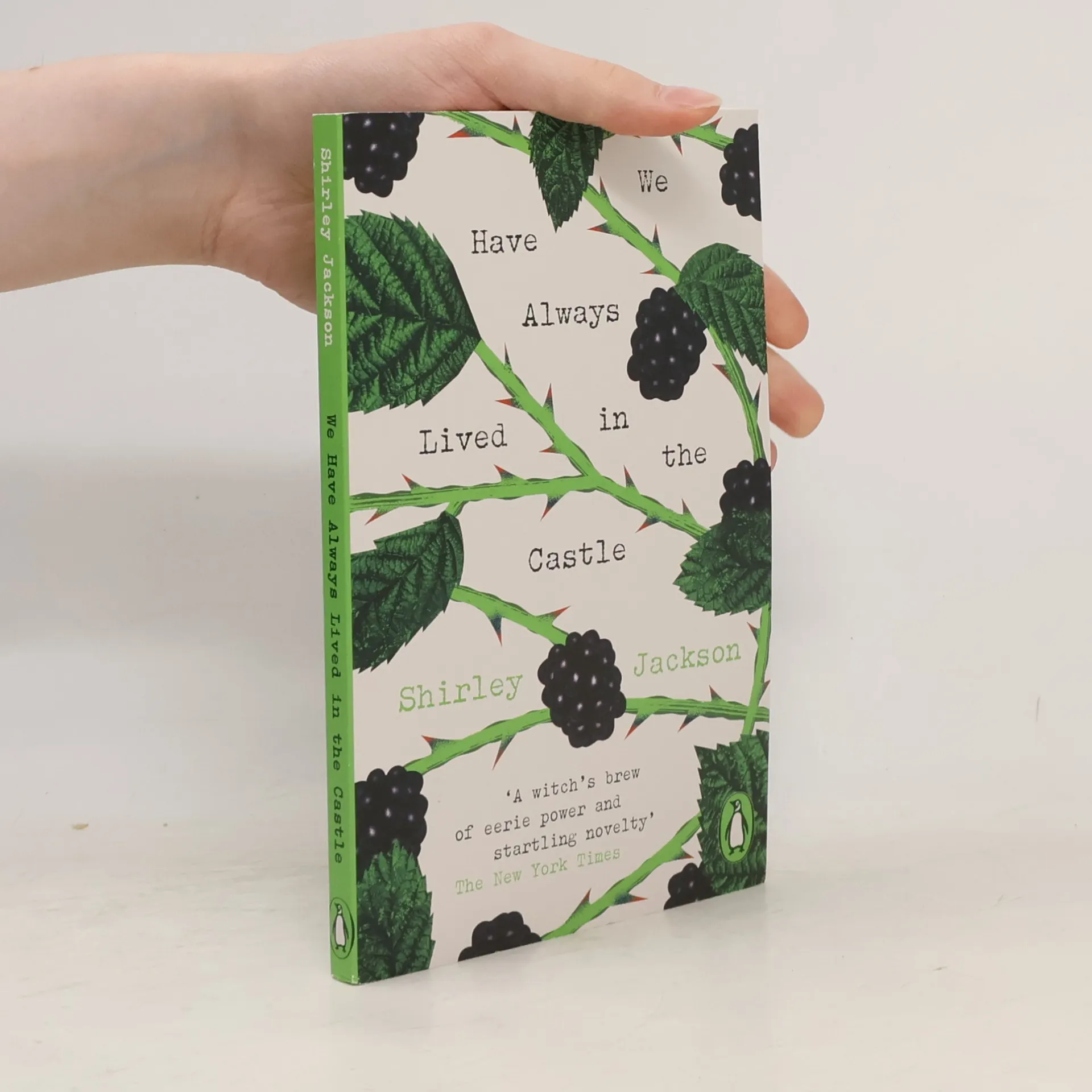
Nobel Prize for Literature winner Doris Lessing tackles the 1960s and their legacy head-on in one of her most involving, personal, political novels.
In suburban Indiana, Lina, a homemaker and mother of two, faces a passionless marriage after a decade. Her husband refuses to kiss her, claiming the sensation offends him, and even their marriage counselor validates his stance. Starved for affection, Lina struggles with daily panic attacks and turns to an old flame on social media, leading to an all-consuming affair. Meanwhile, in North Dakota, seventeen-year-old Maggie confides in her married English teacher. Their supportive texts evolve into a secret physical relationship, culminating in plans to skip school on her eighteenth birthday, only for him to end things on his thirtieth. Years later, Maggie finds herself without a degree or dreams, and when she learns he’s been named Teacher of the Year, she bravely shares her story, facing disbelief from her community and a jury. Finally, in an exclusive Northeast enclave, Sloane, a successful restaurant owner, navigates a marriage where her husband enjoys watching her with others. As they invite a new partner into their lives, Sloane confronts the power dynamics in their relationship. This narrative, grounded in immersive reporting, offers a profound exploration of female desire, revealing its complexities and inequalities in contemporary America.
Caroline Rose has a problem. She hears voices and the incessant tapping of typewriter keys, and she seems to be a character in a novel . . . A comedy of errors, a crime novel, a book about books, Spark's debut remains as otherworldly and mischievous as it was when first published sixty years ago.The publishers acknowledge investment from Creative Scotland towards the publication of this book.Supported by the Muriel Spark Society.
Sixteen-year-old Nomi Nickel dreams of escaping her Mennonite town, East Village, Manitoba, to join the vibrant world of Lou Reed and Marianne Faithfull in New York City. Instead, she faces a life confined by strict rules imposed by her uncle Hans, known as The Mouth of Darkness. With no train, bar, or exciting job opportunities, the town offers only menial work at the local abattoir or pioneer village. Nomi grapples with the loss of her sister Tash and mother Trudie, who left three years prior. Living with her well-meaning but neglectful father, Ray, a church elder, they cope with their grief in contrasting ways—Ray seeks order through late-night reorganizations of the city dump, while Nomi embraces chaos through rebellion, drugs, and music. Nomi's narrative shifts between her troubled present and memories of happier times, revealing her struggles against the oppressive traditions of her community. As she skips school, hangs out on Suicide Hill, and explores her sexuality, she reflects on family, faith, and love. Her journey leads her to confront her grief and the hypocrisy around her, culminating in a poignant climax. Despite the weight of her losses, Nomi clings to hope and the possibility of a future beyond her constraints. This novel has garnered critical acclaim, highlighting Nomi as a deeply relatable character within a stark, silent world.
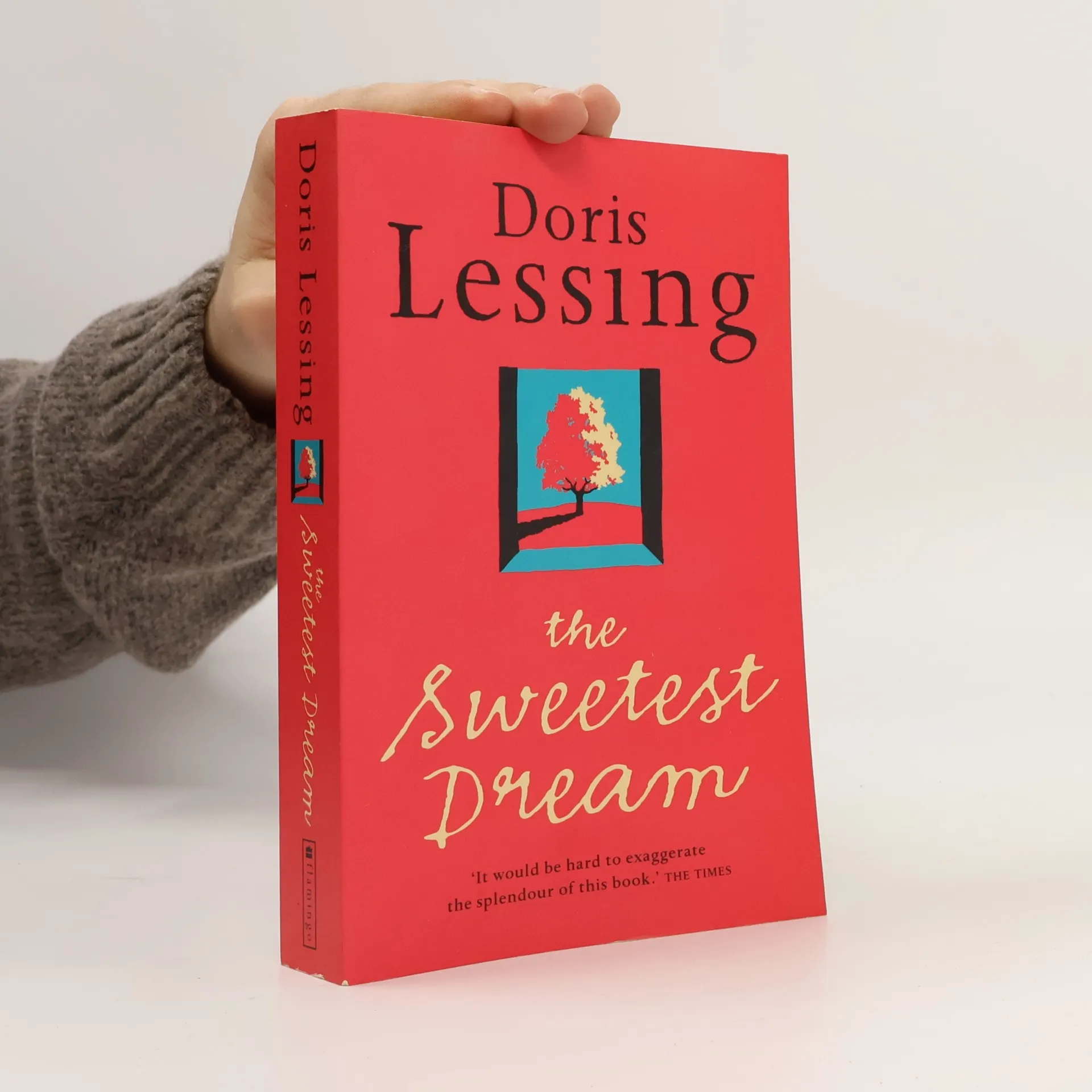
Tre racconti, pervasi dall'imprevisto, dal senso sconcertante delle umane possibilità, dalla sensazione da parte dei protagonisti di precipitare nella vita e di esserne, allo stesso tempo, ai margini. Due amiche, alla scomparsa dei mariti, iniziano una relazione ciascuna con il figlio adolescente dell'altra. Una ragazzina di colore, orfana e povera, ha una breve relazione con un ragazzo ricco, bianco, di famiglia liberale. All'insaputa del giovane, ha una figlia e quando la bambina ha sei anni, non potendo più mantenerla, si mette in contatto con la famiglia del ragazzo. Un soldato vive nel ricordo di una donna incontrata durante la seconda guerra mondiale, nella convinzione di aver concepito un figlio e di aver condotto un'esistenza sbagliata.