

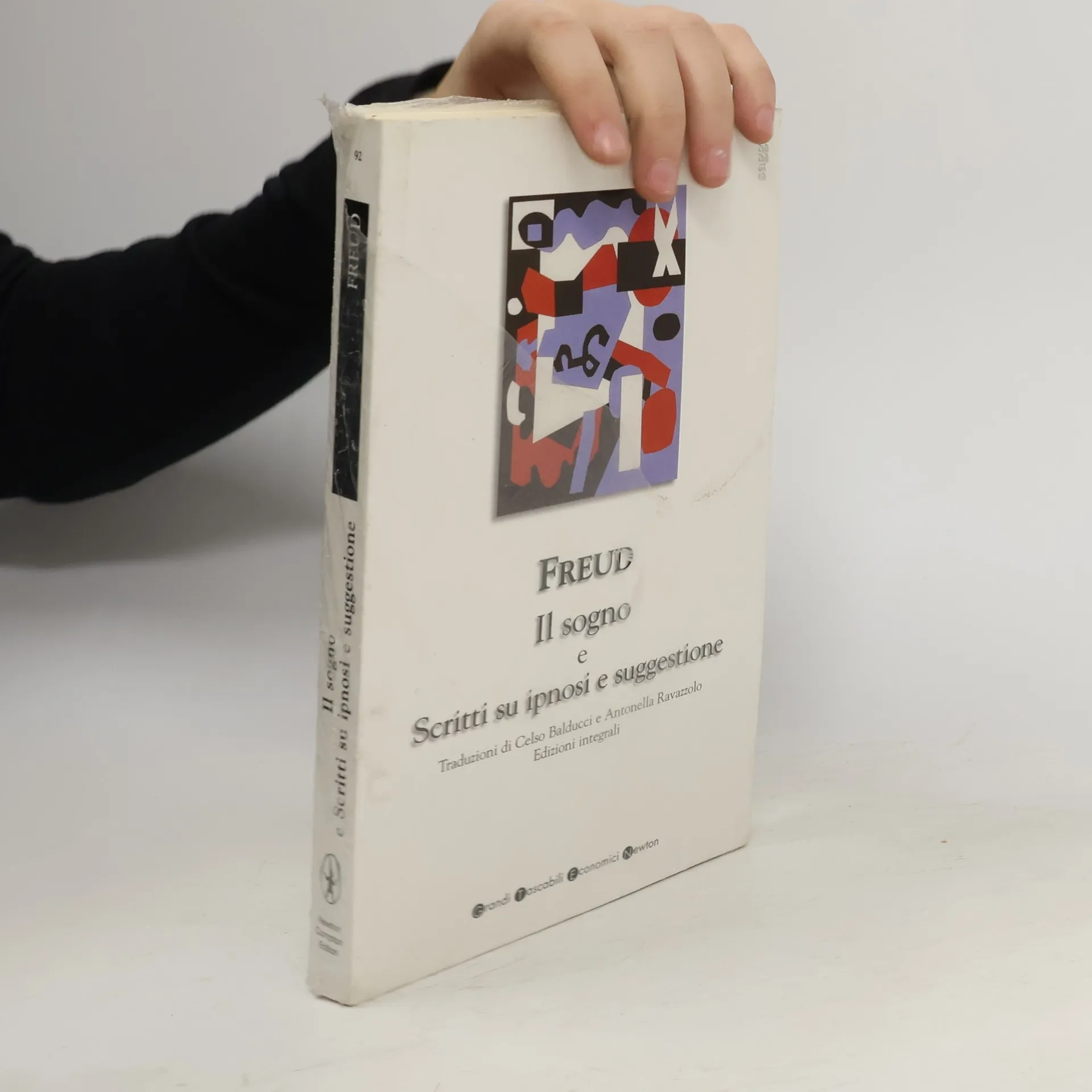
Questo volume raccoglie alcuni dei saggi che Sigmund Freud scrisse su quei fenomeni che riguardano la sfera più segreta e insondabile della personalità umana: i meccanismi del sogno e della suggestione ipnotica. Sono studi che coronano l'impostazione freudiana culminata ne L'interpretazione dei sogni e presentano al lettore una serie di profonde riflessioni. Alcune di essi, come Delirio e sogno nella Gradiva di Jensen, ebbero grande importanza per lo sviluppo della psicoanalisi.
Antonella Ravazzolo Books

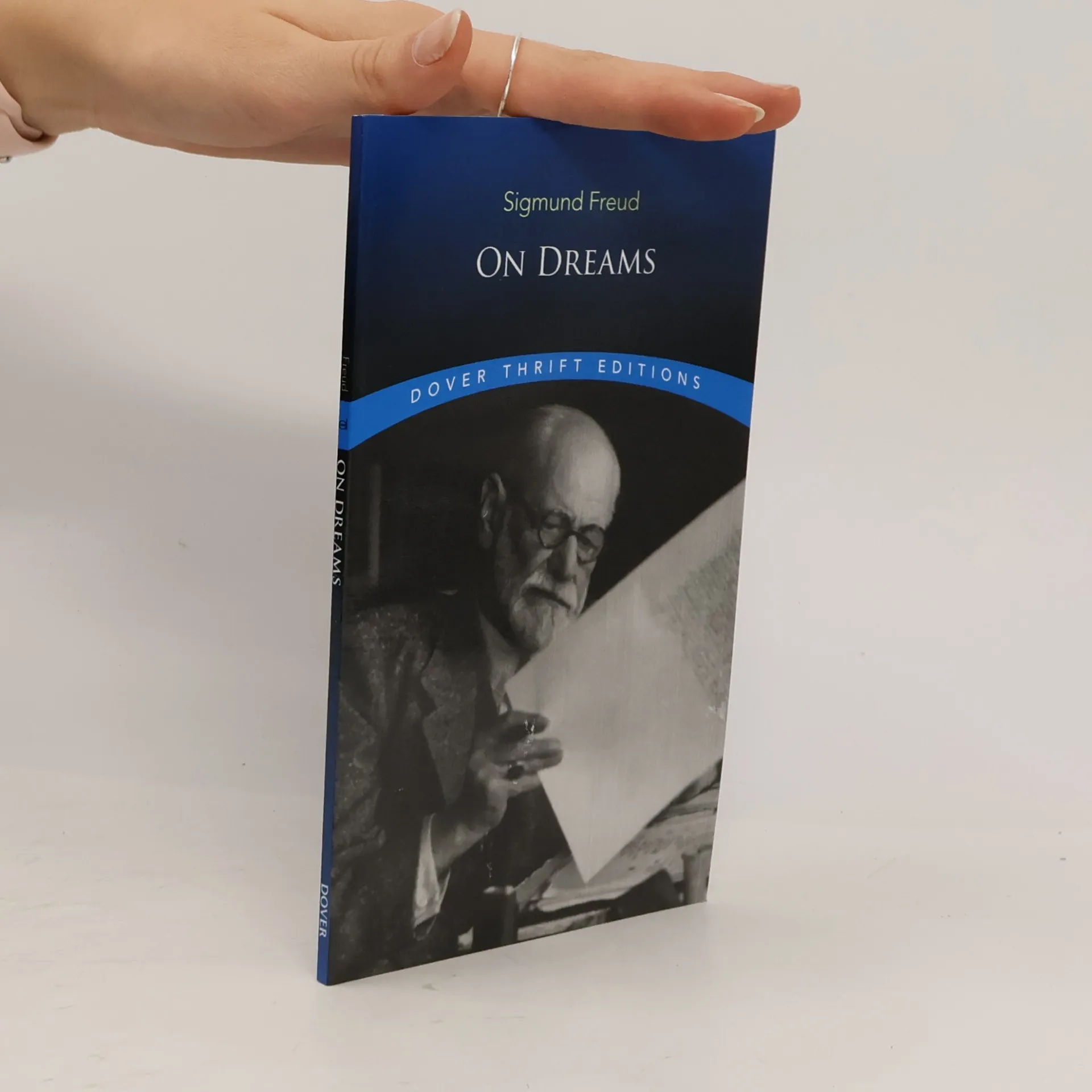
Among the first of Sigmund Freud's many contributions to psychology and psychoanalysis was The Interpretation of Dreams, published in 1900, and considered his greatest work — even by Freud himself. Aware, however, that it was a long and difficult book, he resolved to compile a more concise and accessible version of his ideas on the interpretation of dreams. That shorter work is reprinted here. Since its publication, generations of readers and students have turned to this volume for an authoritative and coherent account of Freud's theory of dreams as distorted wish fulfillment.After contrasting the scientific and popular views of dreams, Freud illustrates the ways in which dreams can be shown to have been influenced by the activities or thoughts of the preceding day. He considers the effect on dreams of such mental mechanisms as condensation, dramatization, displacement, and regard for intelligibility. In addition, the author offers perceptive insights into repression, the three classes of dreams, and censorship within the dream.Students and psychologists will welcome this inexpensive edition of an always-relevant work by the father of modern psychoanalysis. This volume will also appeal to anyone interested in dreams of the workings of the unconscious mind.
Live - 1: Il sogno e la sua interpretazione: Edizioni integrali
- 128 pages
- 5 hours of reading
Nel 1901, un anno dopo la pubblicazione de L’interpretazione dei sogni, Freud decise di riadattare le sue teorie sui meccanismi della vita onirica per una fruizione più estesa e indifferenziata: Il sogno fu concepito proprio per divulgare anche tra i non specialisti gli esiti dei suoi studi. Freud rinunciava agli aspetti scientifici più complessi e ai modelli teorici più astratti per adottare un’impostazione semplice e schematica. Grazie a un linguaggio chiaro ed esaustivo riuscì a creare un’opera agile, immediata, adatta a tutti. Completano il volume i saggi L’impiego dell’interpretazione dei sogni in psicoanalisi (1911), Sogno e telepatia (1922), Osservazioni sulla teoria e pratica dell’interpretazione dei sogni (1923).