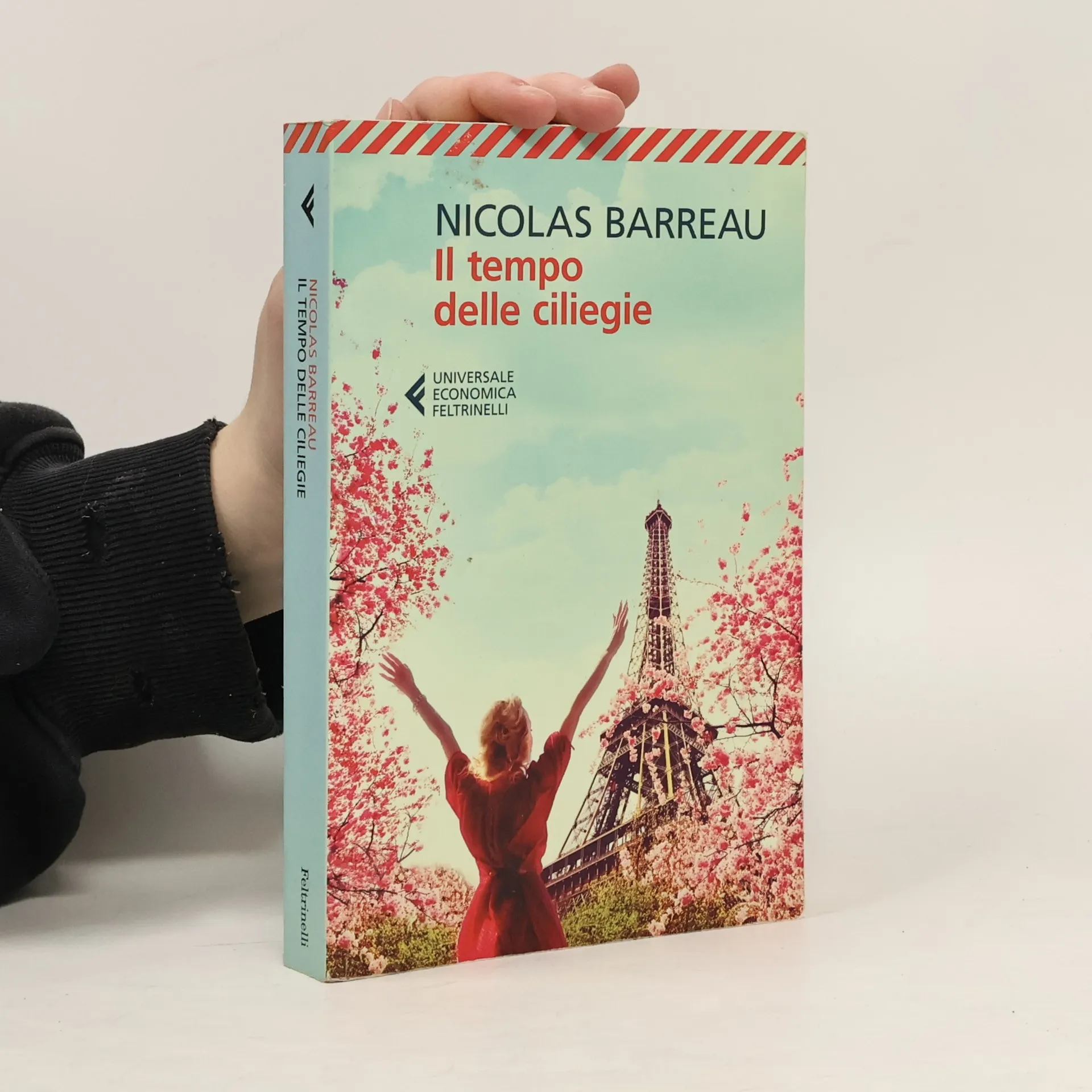
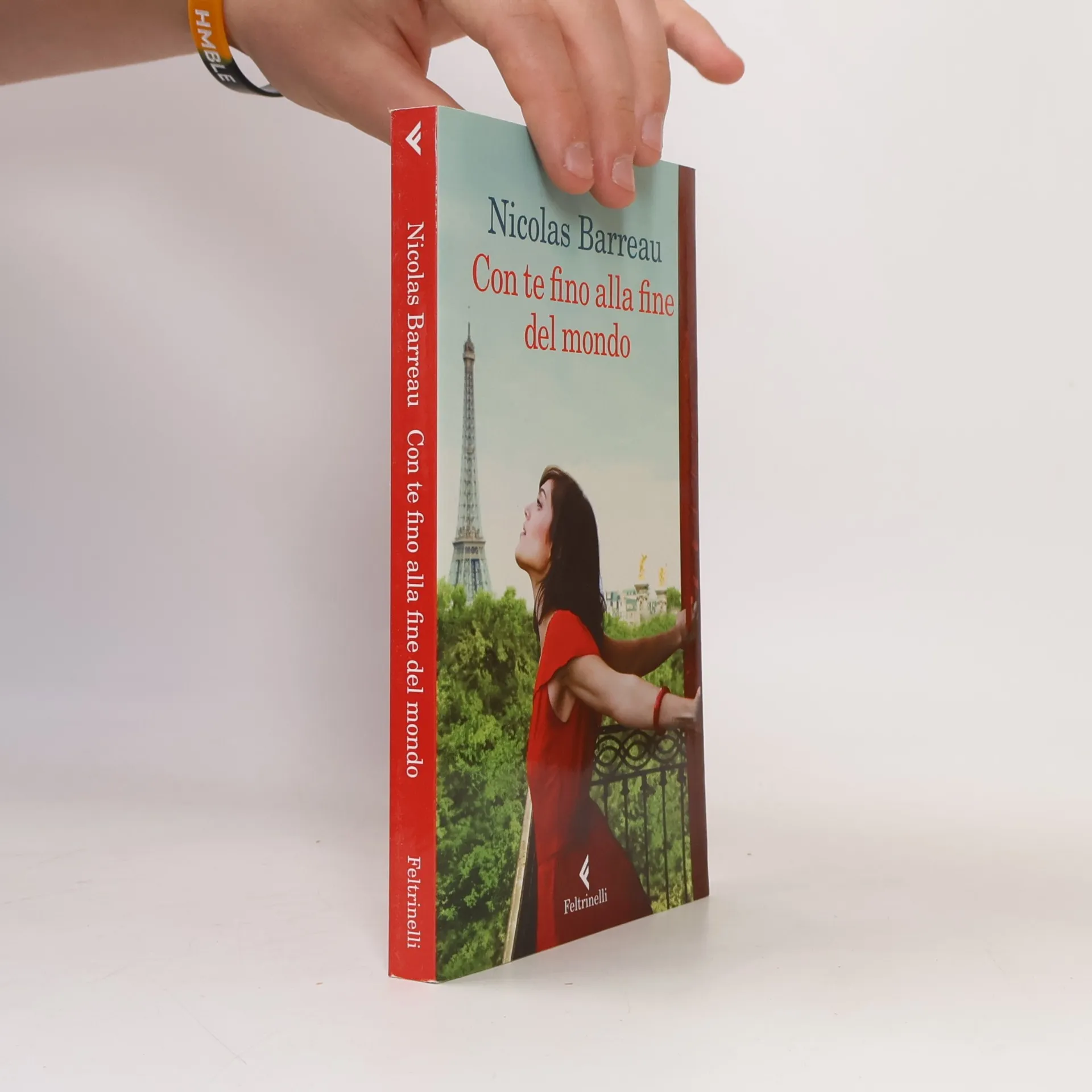
Un affascinante romanzo d'amore tra cucina e letteratura Da un anno, Aurélie, la bella cuoca del «Le Temps des Cerises», e André, il lettore e autore di bestseller, sono una coppia. Con l'arrivo del giorno di San Valentino, il momento ideale per una proposta di matrimonio, André si prepara a fare la domanda. Tuttavia, qualcosa di inaspettato accade: il ristorante di Aurélie riceve una stella Michelin e la giovane cuoca è al settimo cielo. Ma la gioia dura poco, poiché scopre che si tratta di un errore. Un arrogante chef stellato di Vétheuil gestisce un ristorante con lo stesso nome e la deride per la sua ingenuità. Quando Aurélie incontra Jean-Marie Marronnier, rimane affascinata dall'uomo colto dai capelli blu. Decide di seguire un corso di cucina con lui, mentre André, abituato al successo e all'ammirazione femminile, scopre per la prima volta il significato della gelosia...
Monica Pesetti Book order (chronological)


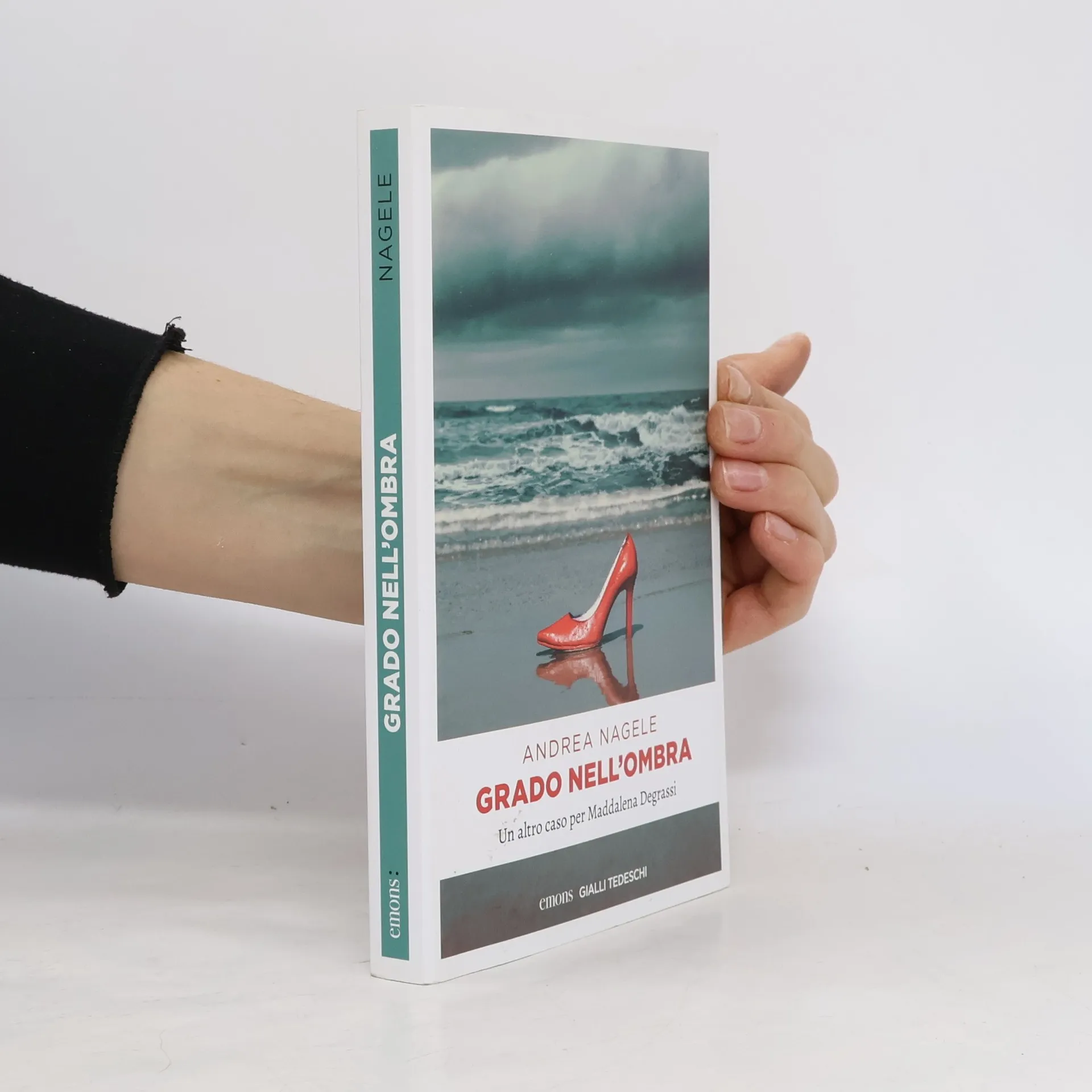
L’incubo di ogni donna: un guasto e la macchina si ferma in piena notte. È quello che succede a Violetta e Olivia di ritorno da un concerto. Mentre aspettano il carro attrezzi sul ciglio della strada, Olivia si allontana per recuperare il cellulare nell’auto. E le paure peggiori diventano realtà. Violetta viene trascinata tra i cespugli e violentata. Ma non sarà l’unica. A occuparsi del caso è la giovane commissaria Maddalena Degrassi. Vessata dal suo superiore, non riesce a trovare uno straccio di pista. E il tempo incalza pericolosamente…
The Soul Breaker
- 352 pages
- 13 hours of reading
A violent snow storm forces Berlin's most exclusive psychiatric clinic into lockdown - with a dangerous psychopath roaming free inside - in the chilling new thriller from international bestseller Sebastian Fitzek.
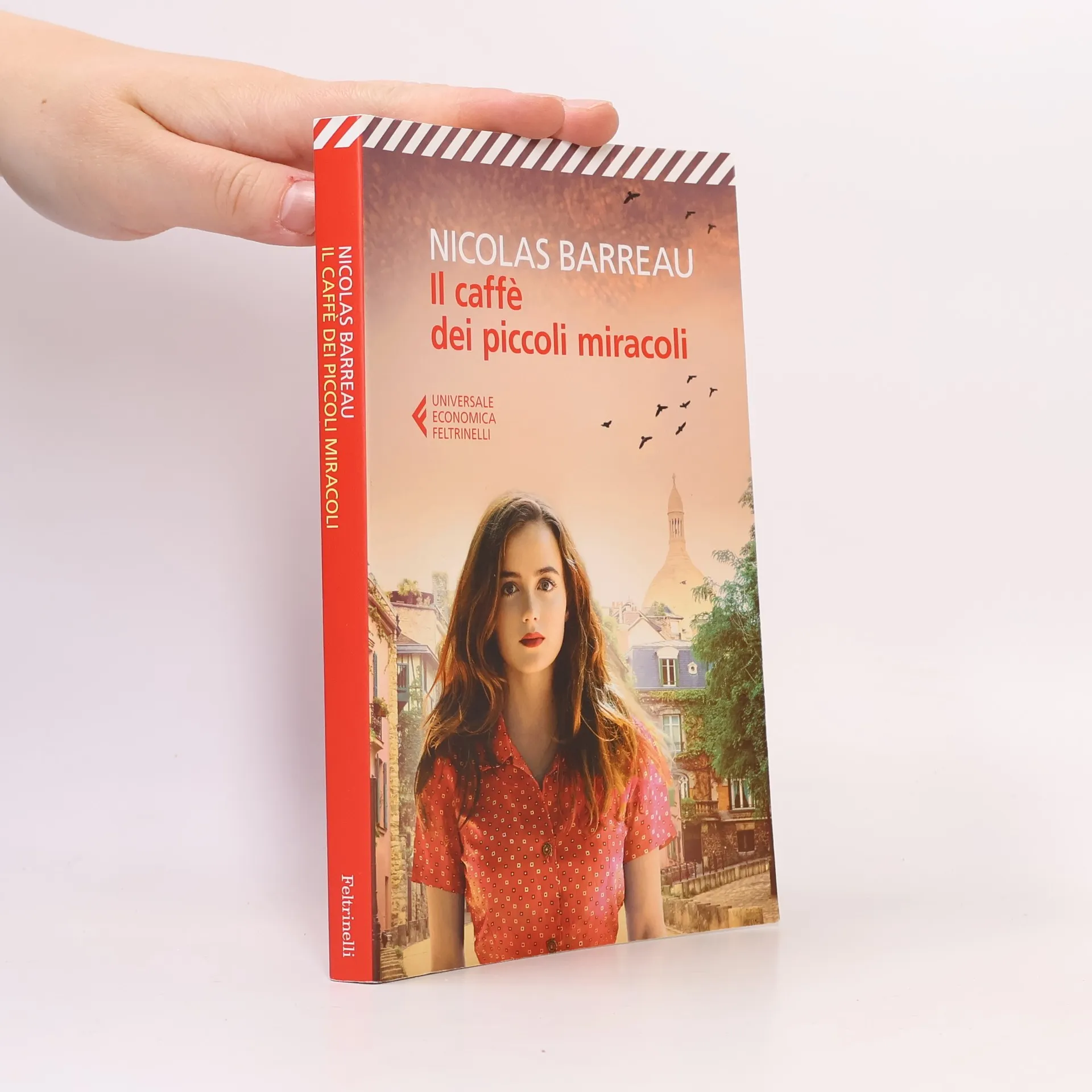
Eleonore Delacourt ha venticinque anni e ama la lentezza. Preferisce passeggiare piuttosto che correre, riflettere piuttosto che agire d’impulso, e sogna piuttosto che dichiarare il suo amore al professore di filosofia alla Sorbonne. Timida e romantica, Nelly adora i vecchi libri, crede nei presagi e diffida degli uomini troppo belli. Non è coraggiosa come la nonna bretone, che le ha lasciato in eredità un anello di granati con la scritta in latino “Omnia vincit amor”. Nelly non è il tipo da ritirare i risparmi per comprare una borsa rossa e lasciare Parigi in fretta per un treno diretto a Venezia. Eppure, a volte, nella vita accadono eventi inaspettati: una brutta influenza, una delusione d’amore e una frase enigmatica trovata in un vecchio libro della nonna. Questa storia d’amore incantevole esplora come possa essere una fortuna far cadere la propria borsa nel Canal Grande, concedere fiducia a un veneziano affascinante e accettare di sentirsi mancare la terra sotto i piedi. Un viaggio appassionante tra i "quais" di Parigi e le calli di Venezia, fino a un piccolo caffè dove segreti attendono di essere svelati e i miracoli sembrano possibili.
La tigre azzurra
- 52 pages
- 2 hours of reading
La mattina dell’ottavo compleanno di Elisa, la maestra decide di portare la classe in visita a un lussureggiante parco di Parigi. L’insegnante chiede ai bambini di fare un disegno ispirato al luogo in cui si trovano: Elisa si sdraia sull’erba e in cielo vede correre una tigre fatta di nuvole. Quand’è il momento di mostrare il disegno, tutti i suoi compagni la prendono in giro: non esiste una tigre azzurra! La maestra cerca di consolarla: è vero, non esistono tigri azzurre, ma il suo disegno è bellissimo. Elisa è molto contrariata, perché ha visto davvero una tigre azzurra e nessuno le crede. Quella notte, sogna di entrare nel suo giardino preferito e di incontrare la tigre: certo che esiste, disegnandola lei le ha dato vita. La tigre la invita a montare sul suo dorso e spicca il volo sopra i tetti di una magica Parigi notturna. C’è un regalo di compleanno più bello?
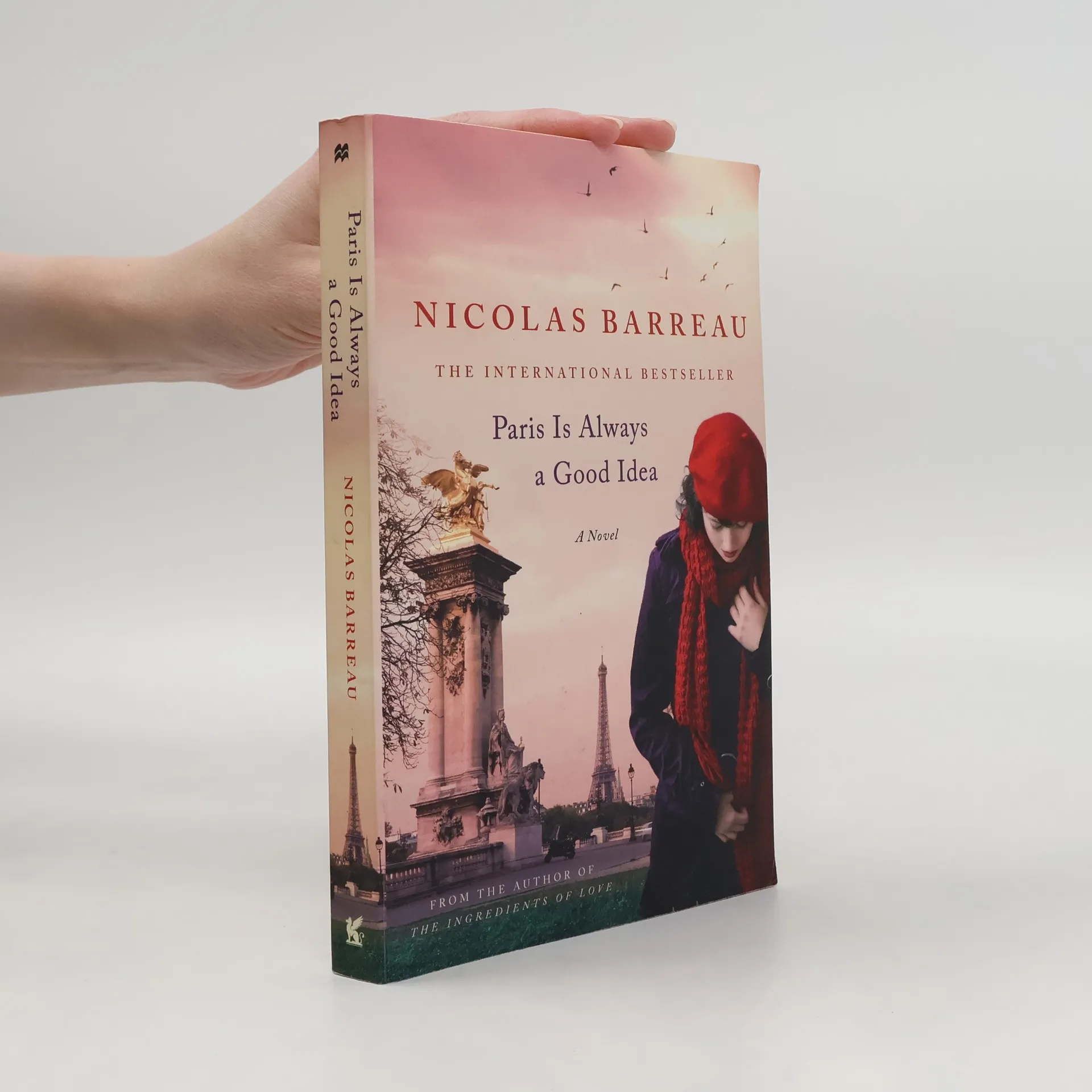
Paris Is Always a Good Idea
- 296 pages
- 11 hours of reading
Rosalie Laurent is the proud owner of Luna Luna, a little postcard shop in Saint-Germain, and if it were up to her, far more people would write cards. Her specialty is producing “wishing cards,” but where her own wishes are concerned, the quirky graphic artist is far from lucky. Every birthday Rosalie sends a card inscribed with her heart’s desire fluttering down from the Eiffel Tower—but none of her wishes has ever been fulfilled. Then one day when an elderly gentleman trips in her shop and knocks over a postcard stand, it seems that her wish cards are working after all. Rosalie finds out that it is Max Marchais, famed and successful author of children’s books who’s fallen into her life. When he asks her to illustrate his new (and probably last) book, Rosalie is only too glad to accept, and the two—very different—maverick artists become friends. Rosalie’s wishes seem to be coming true at last until a clumsy American professor stumbles into her store with accusations of plagiarism. Rosalie is hard-pressed to know whether love or trouble is blowing through her door these days, but when in doubt, she knows that Paris is always a good idea when one is looking for the truth and finding love.
I narratori: Due biglietti per la felicità
- 224 pages
- 8 hours of reading
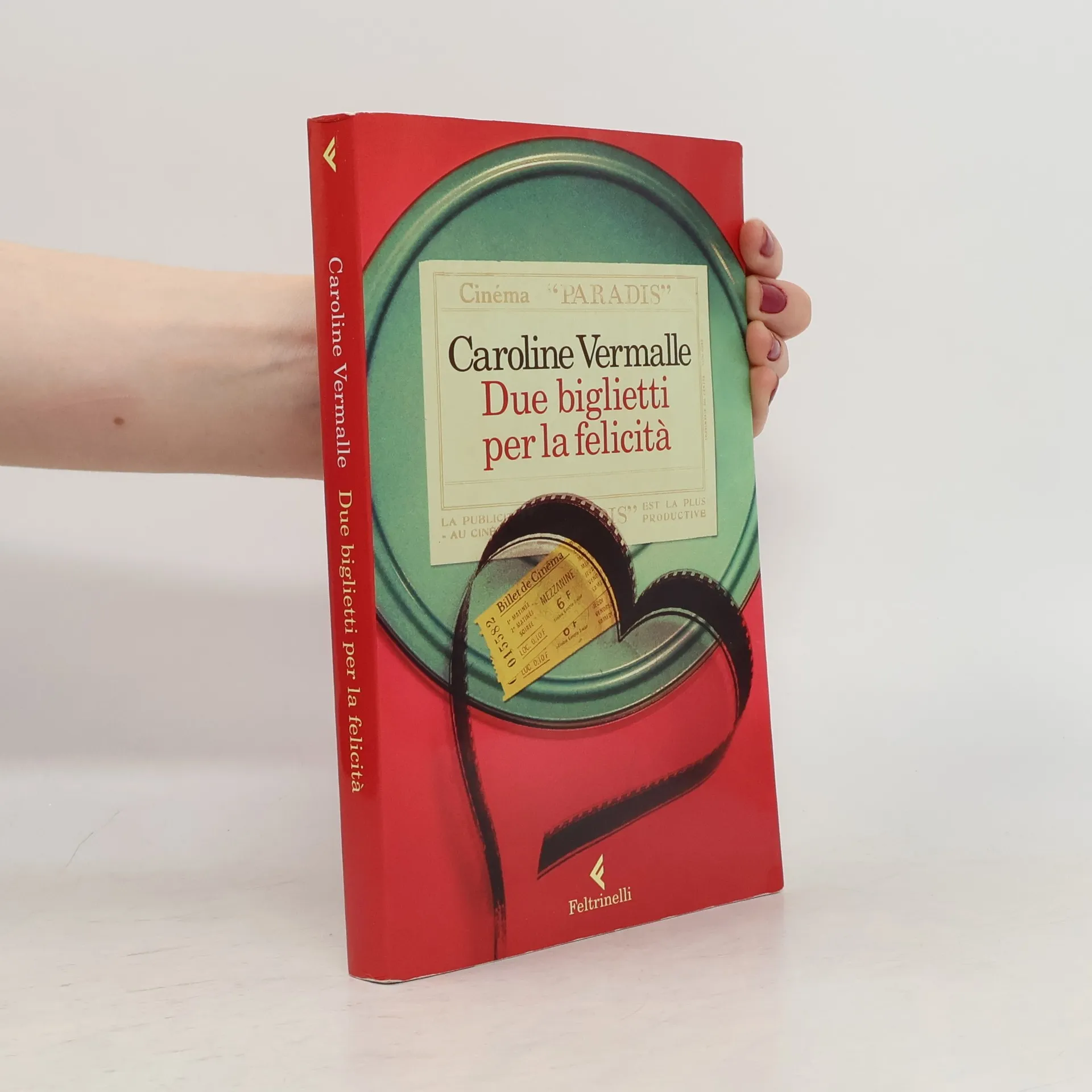
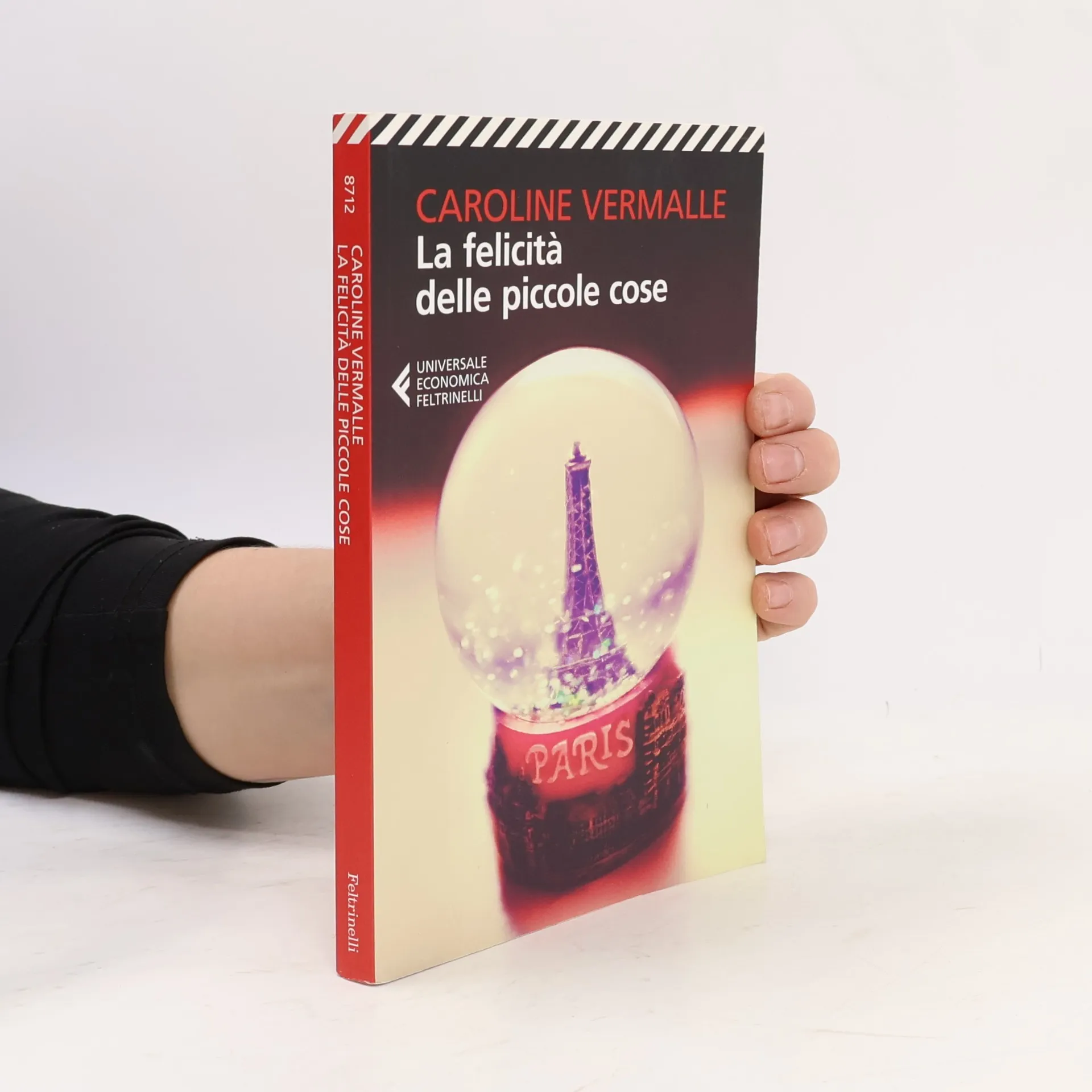
In una fredda domenica invernale, mentre una tempesta di neve avvolge Villerude-sur-Mer, una piccola stazione balneare sulla costa atlantica della Francia, un uomo e una donna varcano la soglia del cinema Le Paradis. La domenica è giorno di cineforum e il vecchio proiettore scricchiolante mostra sullo schermo le immagini in bianco e nero di Jean Gabin. Ma Antoine è distratto. Qualcuno in sala ha catturato la sua attenzione: una donna minuta, dal profilo delicato e i lunghi capelli rossi, una figura che sembra riemergere direttamente dalla sua infanzia. Capace di far funzionare qualsiasi congegno tranne la propria vita, Antoine è un abile meccanico tuttofare, un timido che sogna di diventare un eroe. La donna, invece, è Rose, violoncellista di talento in fuga dalla notorietà. Mentre il cinema Le Paradis rischia la demolizione e il paese spera in un piccolo miracolo, Antoine e Rose saranno i protagonisti di una grande avventura, un’impresa epica che vede coinvolti un Jack Russell di nome Nobody, Bach, due bambini su una spiaggia bianca, una vecchia cassaforte e delle luci difettose che lampeggiano ogni volta che qualcuno si avvicina a ciò che più desidera… Romantico e delicato, il nuovo, attesissimo romanzo di Caroline Vermalle.
Universale Economica - 8712: La felicità delle piccole cose
- 218 pages
- 8 hours of reading
Parigi. La neve cade dolcemente sulla città, ammantando di bianco la Tour Eiffel, Notre-Dame e il Panthéon, come in una cartolina. Un uomo passeggia lungo la Senna diretto verso casa, un elegante palazzo sull’Île Saint-Louis. È Frédéric Solis, avvocato di successo con la passione per i quadri impressionisti. Affascinante, ricco e talentuoso, Frédéric sembra avere tutto quello che si può desiderare dalla vita. Gli manca una famiglia, ma dopo essere stato abbandonato dal padre molti anni prima, ha preferito circondarsi di oggetti lussuosi e belle donne piuttosto che mettere ancora in gioco il suo cuore ferito. Fino a quando, un giorno, scopre di aver ricevuto una strana eredità, che consiste in una manciata di misteriosi biglietti e in un disegno che ha tutta l’aria di essere una mappa. Cosa nasconderanno quegli indizi? Convinto di essere sulle tracce di un quadro dimenticato di Monet, Frédéric decide di tentare di decifrare la mappa. Grazie all’aiuto della giovane e stralunata assistente Pétronille, inizia così un viaggio lungo i paesaggi innevati del Nord della Francia, tra i luoghi prediletti dai suoi amati impressionisti: Éragny, Vétheuil, il giardino di Monet, con una tappa d’obbligo al Musée d’Orsay. Di incontro in incontro, di sorpresa in sorpresa, torneranno a galla ricordi che Frédéric credeva di aver dimenticato, e un tesoro ben più prezioso di qualsiasi ricchezza.
L'incredibile storia di Soia e Tofu
- 167 pages
- 6 hours of reading
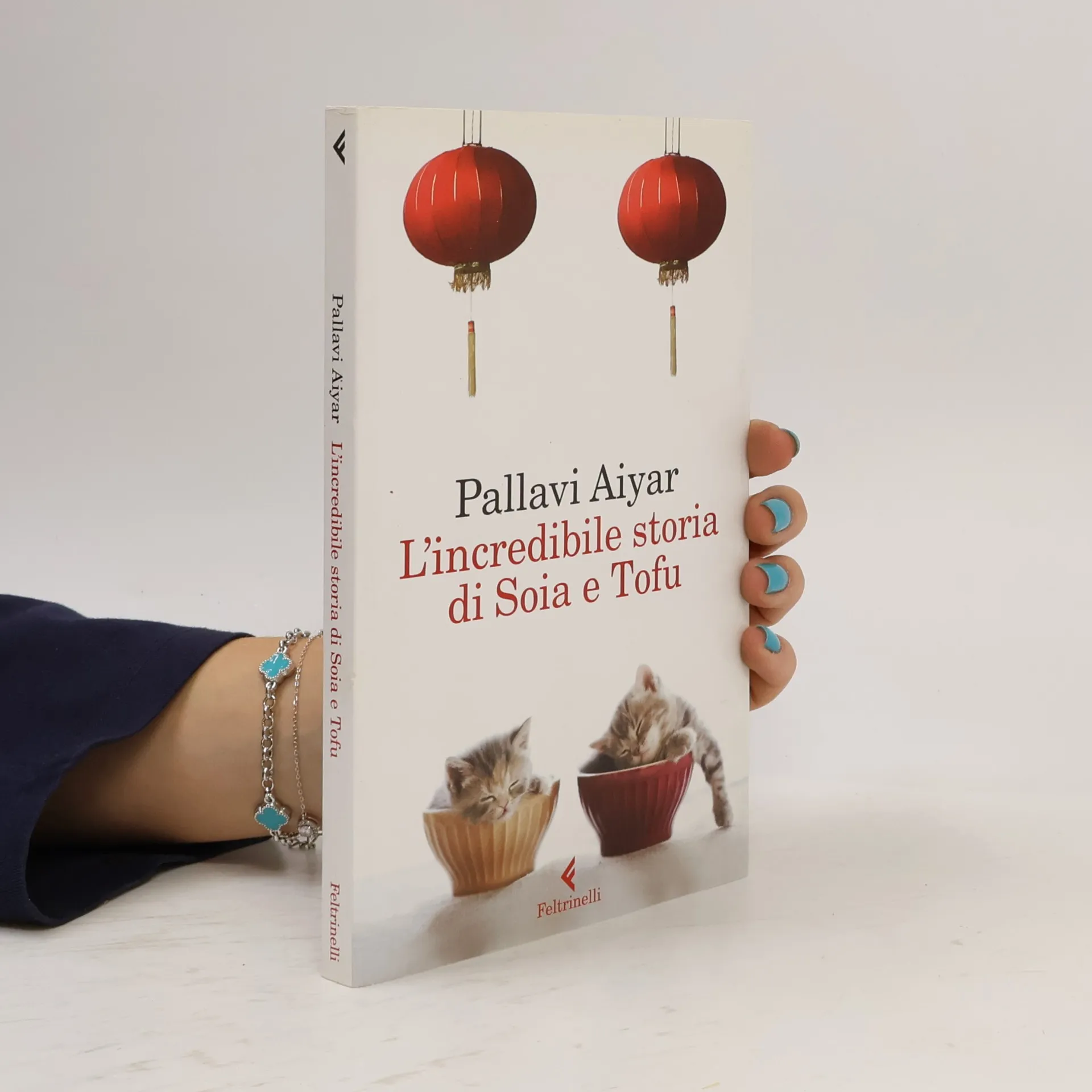
Contrariamente all'opinione comune, la vita di un gatto non è affatto facile, soprattutto a Pechino. Soia e Tofu, i protagonisti di questo romanzo, ne sono un chiaro esempio. Soia, grosso e rosso, si considera un esperto cacciatore di libellule, nonostante non ne abbia mai catturata una. Tofu, una piccola randagia nata in un bidone della spazzatura, è timida e schiva. Sebbene diversi, quando vengono separati dalle loro famiglie e iniziano a vivere insieme, diventano inseparabili. Soia, più esperto, guida Tofu nel complesso mondo degli umani, che non comprendono i suoi miagolii e i movimenti della coda. Tofu impara rapidamente a non varcare il cancello del giardino, dove appare il volto sorridente di Xiao Xu, che annuncia che Soia è stato scelto come testimonial per una campagna pubblicitaria di cibo per gatti. Questo segna l'inizio di un'avventura che porterà i due gattini oltre gli hutong di Pechino, affrontando sfide e pericoli mentre crescono. La storia invita a leggere con mente aperta, rivelando che gli animali non sono così diversi dagli esseri umani, condividendo personalità, convinzioni e un bisogno costante di verità, giustizia e amore. Un romanzo che offre spunti illuminanti sulla Cina di ieri e di oggi, aiutando a riflettere su chi siamo e dove stiamo andando.
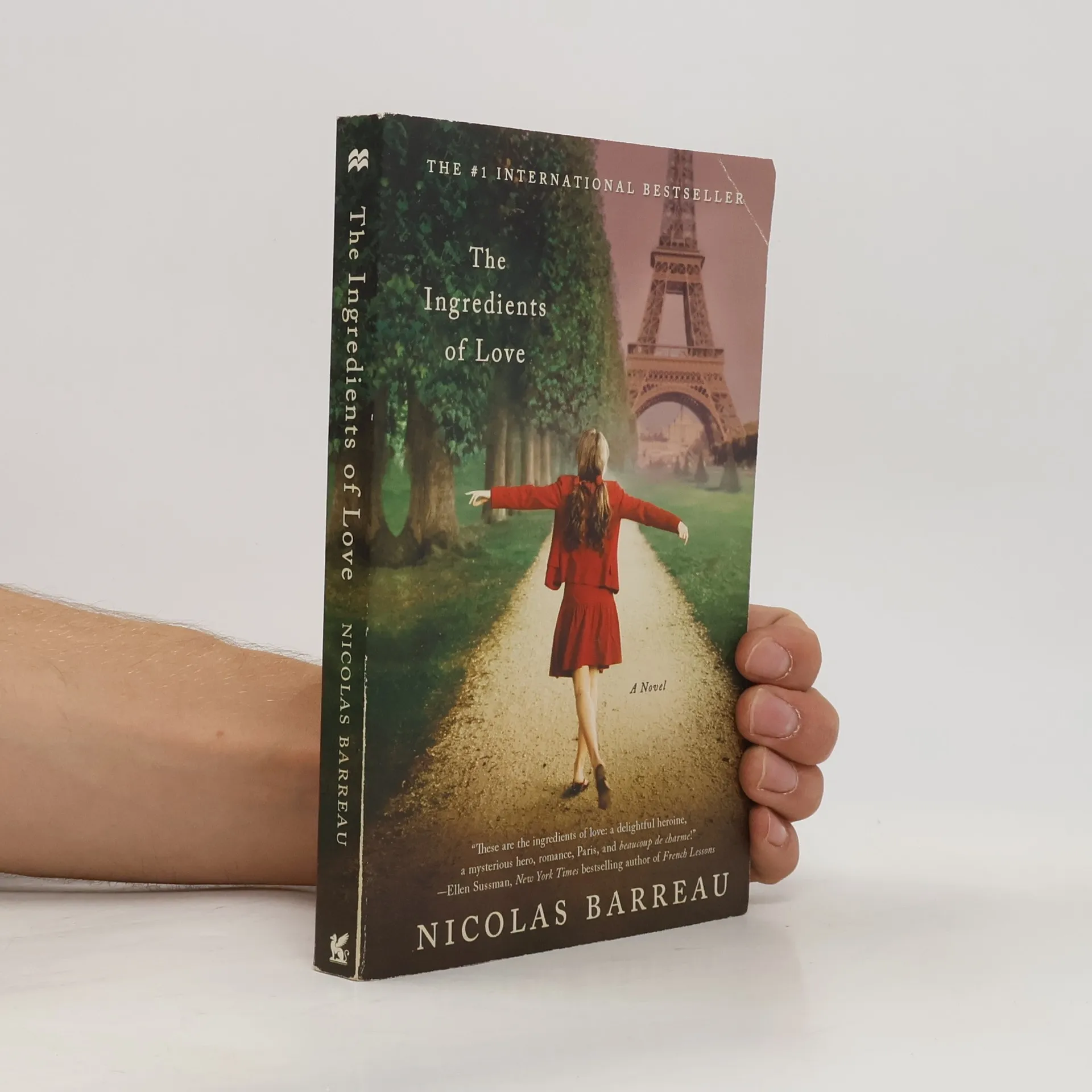
The Ingredients of Love
- 256 pages
- 9 hours of reading
"Cyrano de Bergerac" meets "Chocolat" and "Amelie" in this bestselling romantic comedy of errors in Paris. Filled with books, recipes, and characters that leap off the page, this love story with obstacles is a tribute to the City of Light.
Mon cher Monsieur, vi starete chiedendo chi è che vi scrive. Non ve lo dirò. Non ancora. Rispondetemi, e provate a scoprirlo. Forse vi aspetta un’avventura che farà di voi l’uomo più felice di Parigi. La Principessa.” Così comincia la lettera che stravolgerà la vita di Jean-Luc Champollion, l’affascinante proprietario di una galleria di successo in rue de Seine. Molto sensibile al fascino delle donne, che lo ricambiano volentieri, Jean-Luc vive in uno dei quartieri più alla moda di Parigi, in perfetta armonia con il suo fedele dalmata Cézanne. Tutto procede al meglio, tra vernissage, allegri ritrovi con gli amici nei café di Saint-Germain-des-Prés e romantiche passeggiate au clair de lune lungo la Senna. Finché, una mattina, Jean-Luc scorge qualcosa nella posta: una busta azzurra, scritta a mano. È una lettera d’amore, o meglio, una delle più appassionate dichiarazioni d’amore che lui abbia mai ricevuto, ma non è firmata: la misteriosa autrice, nascosta dietro uno pseudonimo, lo sfida a smascherarla dandogli una serie di indizi. Per quanto perplesso, Jean-Luc sta al gioco. Ma l’impresa non sarà affatto semplice: chi sarà mai la deliziosa impertinente che sembra conoscere così bene le sue abitudini e si diverte a stuzzicarlo? Stregato dalle sue parole, Jean-Luc cercherà di dare un nome a quella donna così intrigante e sfuggente il cui volto gli è del tutto sconosciuto. O forse no?
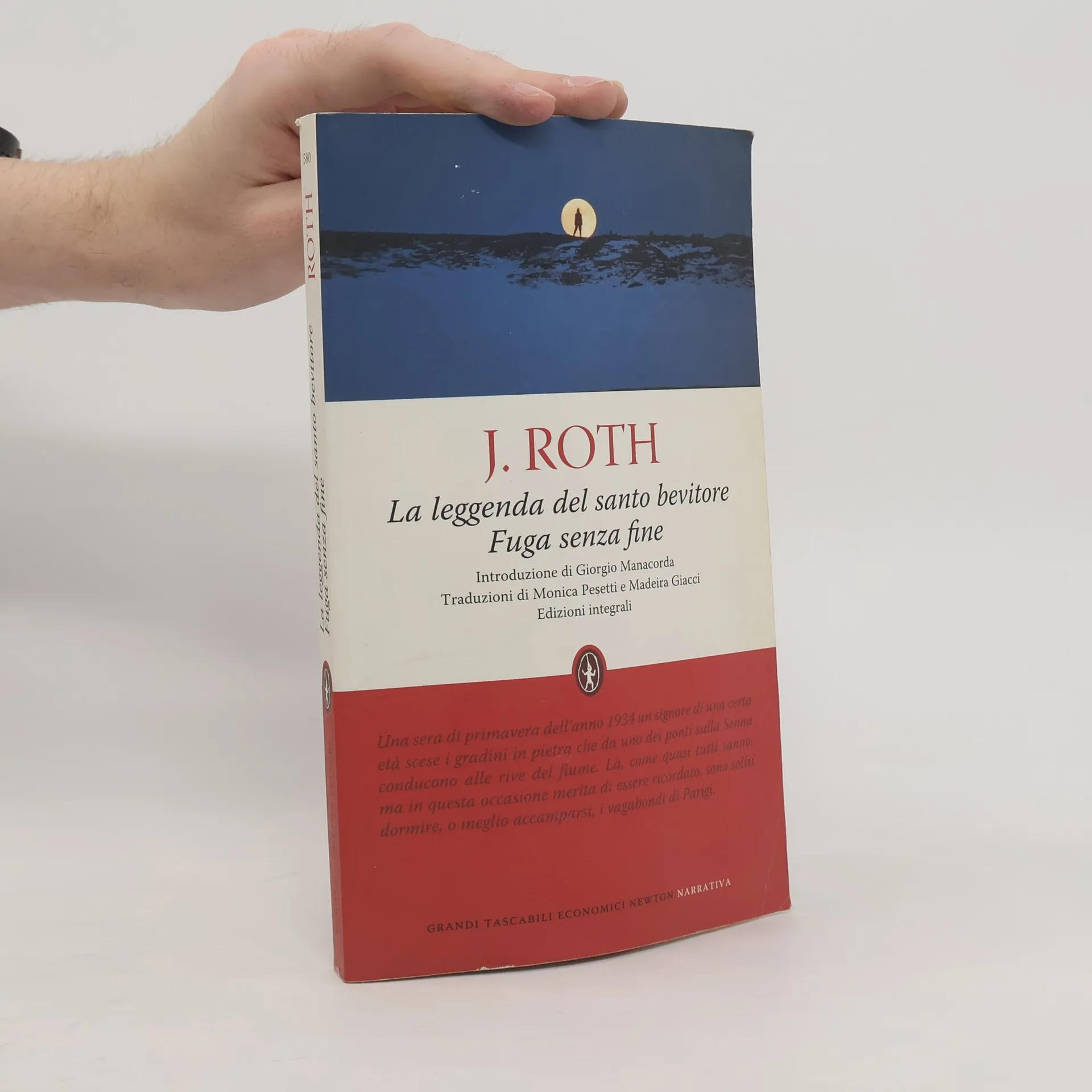
Grandi tascabili economici Newton narrativa: La leggenda del santo bevitore / Fuga senza fine
- 141 pages
- 5 hours of reading
This book, one of the most haunting things that Roth ever composed, was published in 1939, the year the author died. Like Andreas, the hero of the story, Roth drank himself to death in Paris, but this is not an autobiographical confession. It is a secular miracle-tale, in which the vagrant Andreas, after living under bridges, has a series of lucky breaks that lift him briefly onto a different plane of existence. The novella is extraordinarily compressed, dry-eyed and witty, despite its melancholic subject-matter.
Conquest of the Useless
- 320 pages
- 12 hours of reading
The diary captures the surreal and chaotic experiences of Werner Herzog during the filming of Fitzcarraldo, a film about a rubber baron's ambitious endeavor to transport a steamship over a mountain. Spanning from 1979 to 1981, Herzog’s entries reveal bizarre events, including attacks on the crew's camp and logistical nightmares. He emphasizes that these writings reflect his inner turmoil rather than a straightforward account of the film's production, offering a unique insight into the creative process of a visionary filmmaker amidst the challenges of the Amazon jungle.