It’s the year 1260 and the great cathedral - the most ambitious building in all of Christendom - is rising above the streets of Cologne. Far below its soaring spires and flying buttresses, an assassin of unnatural talent surveys his new hunting ground. More shadow than man, the assassin is quick to take his first life. But there is a witness to his crime: a flame-haired thief known as Jacob the Fox. Justly terrified by the black-clad spectre, Jacob runs for his life, convinced that he’s pursued by the Angel of Death itself.
One evening, 11 years ago, two 17-year-old girls vanished without trace from the village of Altenhain. 20-year-old Tobias Sartorius was imprisoned for the murders. Now, released, his presence in the village is stirring up the events of the past. But when another girl goes missing DI Pia Kirchhoff is called in to investigate.
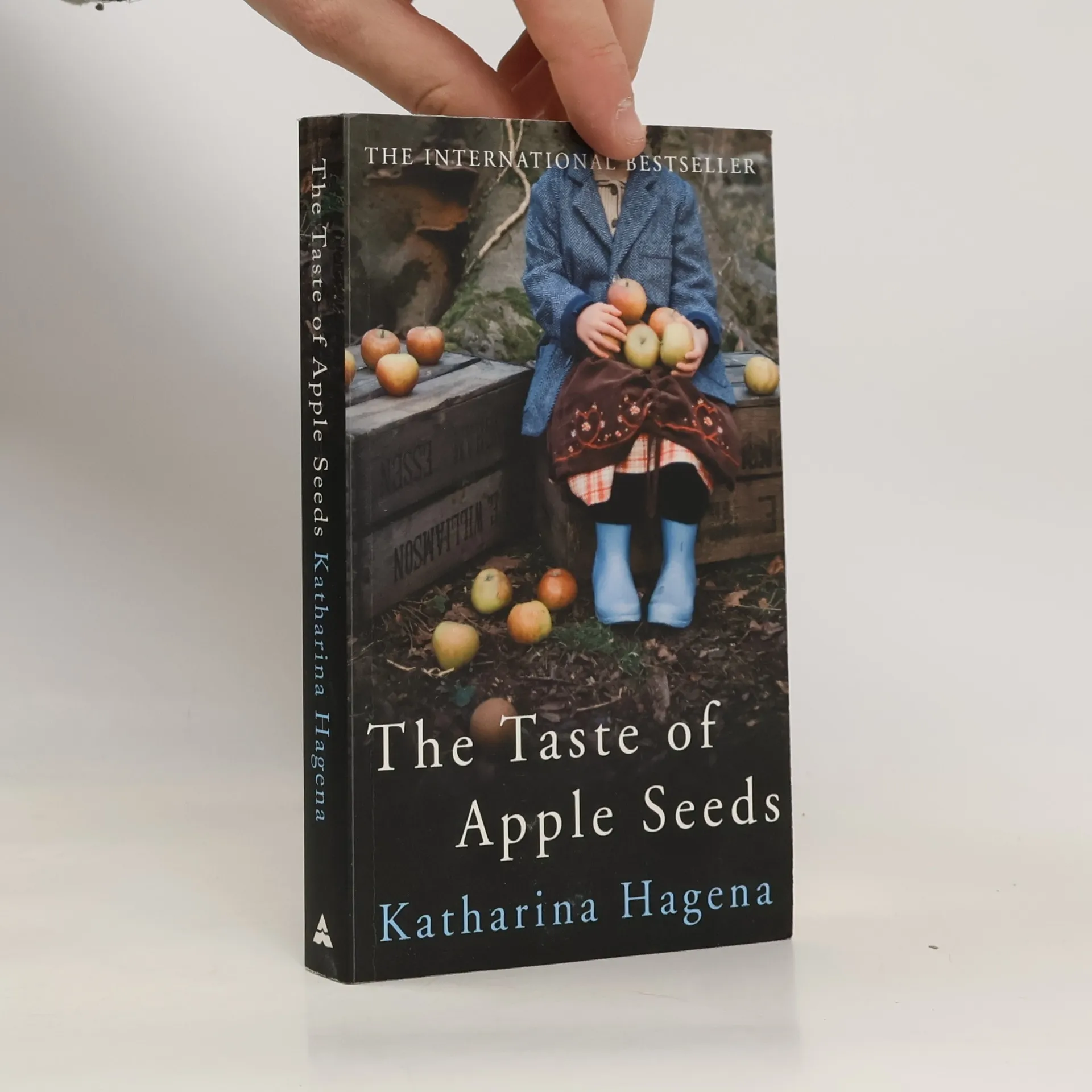
For Iris, childhood memories are of long hot summers spent playing with her cousin Rosmarie in her grandmother's garden, a place where redcurrants turned to pale tears on the branches of trees and beautiful Aunt Inga shook sparks from the tips of her fingers. But now her grandmother is dead and, along with inheriting the property, Iris finds that she also inherits her family's darkest secrets. Reluctant to keep it, but reluctant to sell, Iris spends one more summer at the house. By day she swims at the local lake, where she rediscovers a childhood companion. Alone at night she roams through the familiar rooms, exploring the tall black shadows of the past. In the flicker between remembrance and forgetting, Iris recalls an enigmatic grandfather who went to war and came back a different man, the night her cousin Rosmarie fell through the conservatory roof and shattered her family's lives, and a moment of love that made all the trees in the orchard bloom over night.
Kati Hirschel, una stambuliota con radici tedesche, gestisce una libreria specializzata in giallistica, il che la rende affascinata dal mistero e aperta a qualsiasi fonte di informazione. Quando una veggente, consultata con l'amico Fofo, annuncia di aver visto il cadavere di una giovane donna nel caffè, Kati si allerta. Tuttavia, la realtà si rivela diversa: la vittima non è chi Kati immaginava e non c'è un vero cadavere, ma solo un arresto cardiaco di Nil, un'amica della sua collega. Questo non frena l'irrefrenabile investigatrice, che si lancia per le strade di Istanbul in cerca di indizi. Le stranezze iniziano a accumularsi, portando Hakan, il fratello della vittima, a ingaggiarla come detective. Il tenore di vita di Nil, una giornalista disoccupata, appare sospetto, e si scopre che stava scrivendo un romanzo sui desaparecidos argentini, paragonandoli alle vittime del perenne autoritarismo turco. Kati indaga come se spettegolasse, muovendosi di contatto in contatto, e guida il lettore attraverso la "città più bella del mondo", esplorando bar, vicoli e mercati. Ne risulta un poliziesco "morbido" che offre uno spaccato della cultura orientale e occidentale, invitando all'anticonformismo e alla tolleranza.