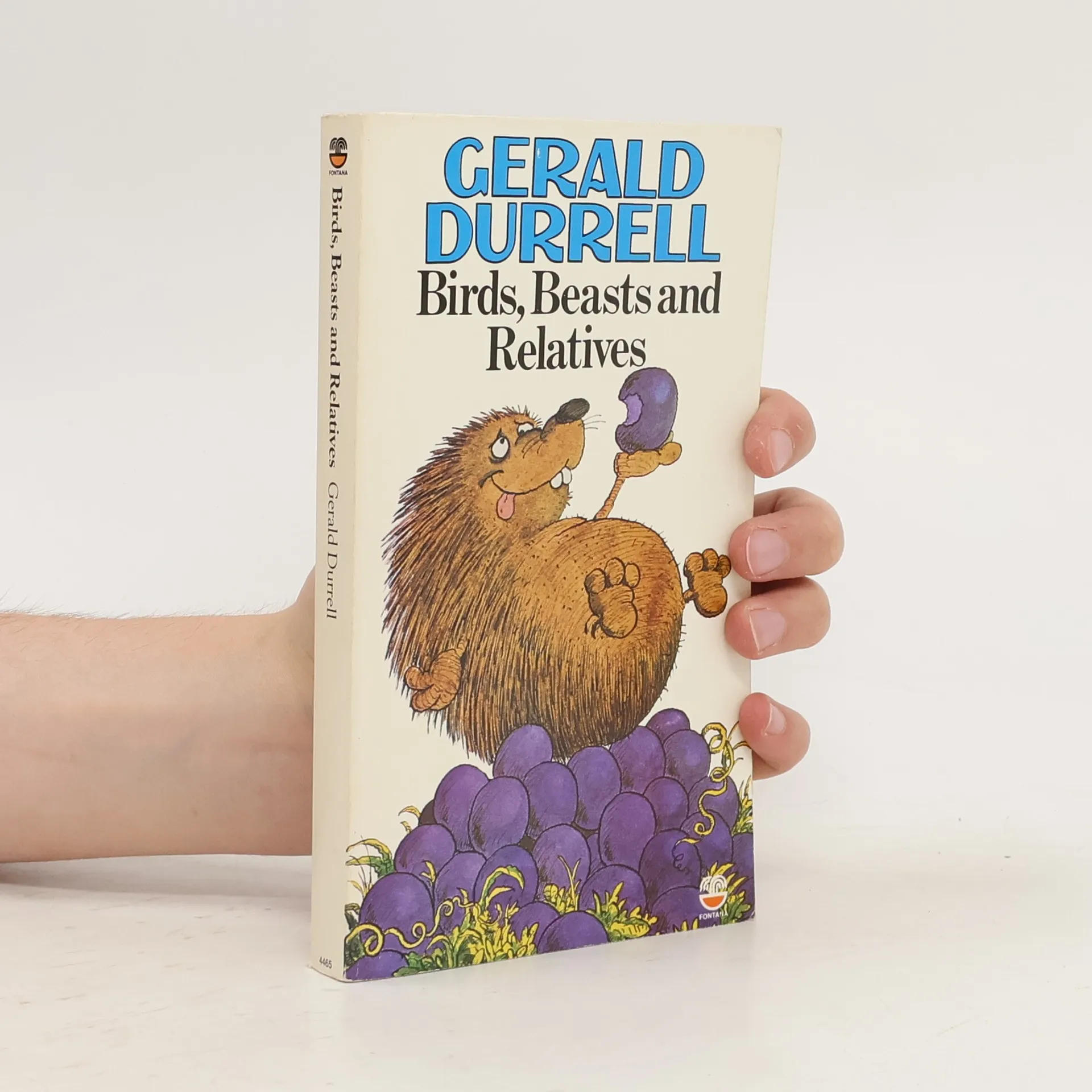
Birds, Beasts and Relatives
- 220 pages
- 8 hours of reading
Humoristisk fortælling om forfatterens familie på Korfu



Humoristisk fortælling om forfatterens familie på Korfu
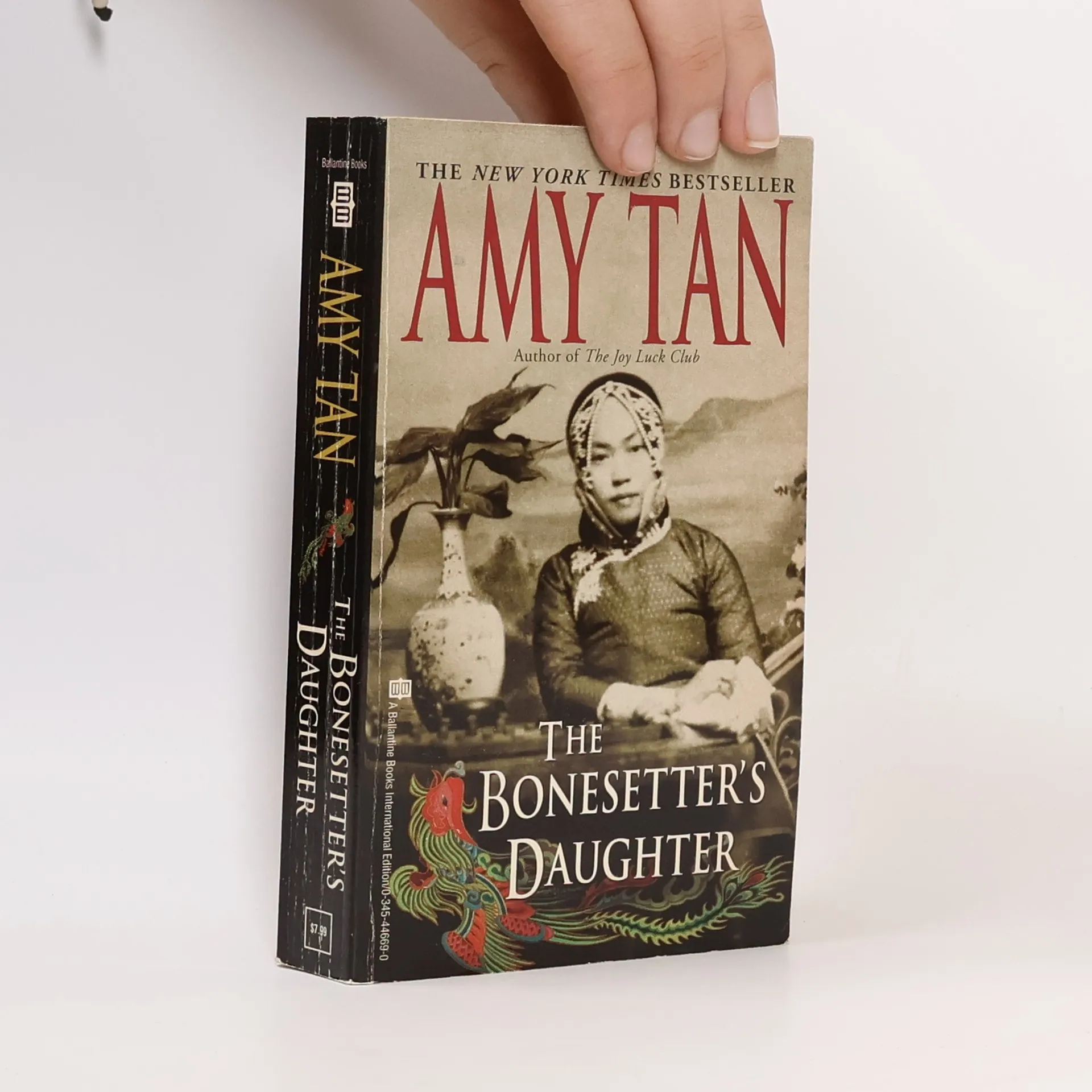
The fascination with mother-daughter relationships that captivated readers in Tan’s debut novel continues in her latest, an even more polished and provocative work. Compulsively readable and beautifully structured around three metaphorical themes—bones, ghosts, and ink—this novel explores the lives of three generations of women. It begins in a small Chinese village at the turn of the twentieth century, where a skilled bonesetter defies tradition to teach his daughter. Intelligent and willful, she rejects the marriage proposal of a vulgar coffinmaker, triggering a tragic sequence of events that reverberates a century later in San Francisco. Here, a Chinese American woman reads her mother’s memoir. Although Ruth is a ghostwriter for self-help books, her advice hasn’t fostered genuine intimacy with her boyfriend or helped her cope with her argumentative mother, Luling, who is haunted by the ghost of Precious Auntie. Widowed since Ruth was a toddler, Luling, a calligraphy artist from China, struggles with Alzheimer’s. As Ruth returns home to care for her, she confronts painful childhood memories and uncovers the truth about Precious Auntie, the bonesetter’s daughter, who is her grandmother. Through the stories of these three strong women, Tan weaves vivid Chinese history, explores familial bonds, and celebrates the preservation of family history as an act of love and a path to forgiveness.
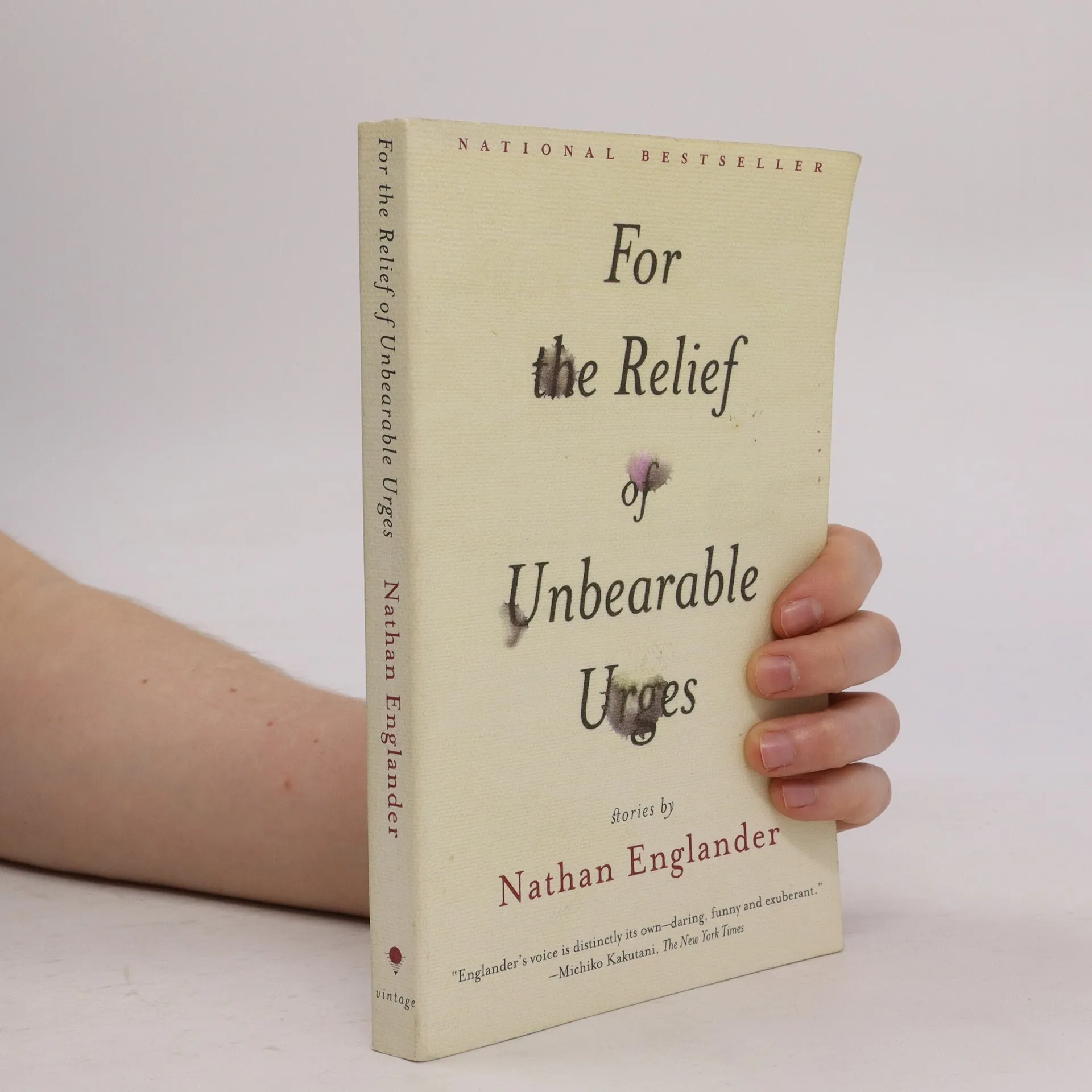
Stories on being Jewish set in various parts of the world. In the title story, a sex-starved husband in New York is authorized by his rabbi to visit a prostitute. The story, "In this way we are wise", concerns the nonchalant attitude of the inhabitants of Jerusalem to terrorism while Reb Kringle is a Jew who works as Santa Claus in a department store
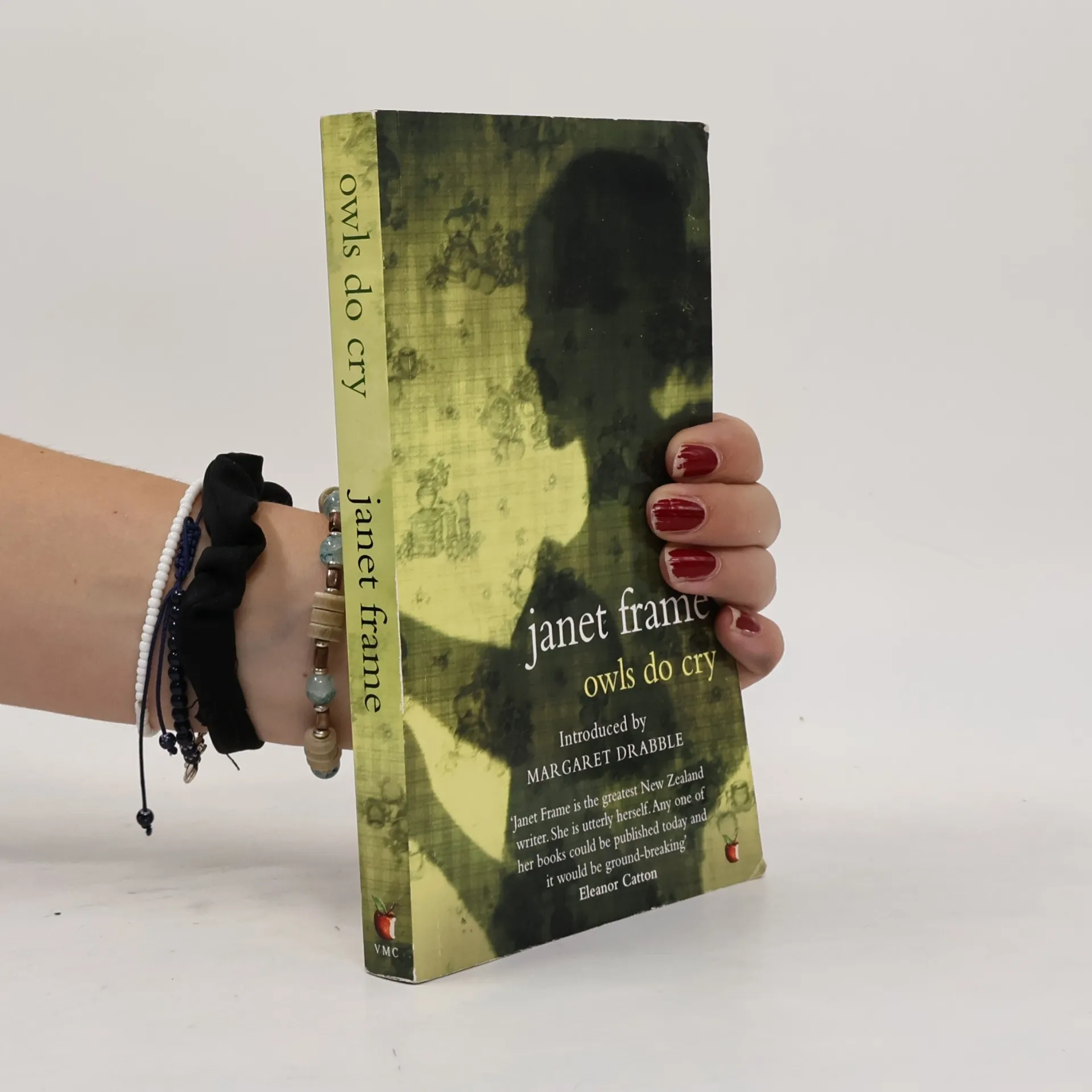
Owls Do Cry is the first novel of one of New Zealand's most acclaimed classic writers, Janet Frame. Hailed as a masterpiece on first publication in 1957, it is comparable to Sylvia Plath's The Bell Jar and One Flew Over the Cuckoo's Nest by Ken Kesey.
Is it possible to share your life with someone whose record collection is incompatible with your own? Can people have terrible taste and still be worth knowing? For Rob Fleming, thirty-five years old, a pop addict and owner of a failing record shop, these are the sort of questions that need an answer, and soon.
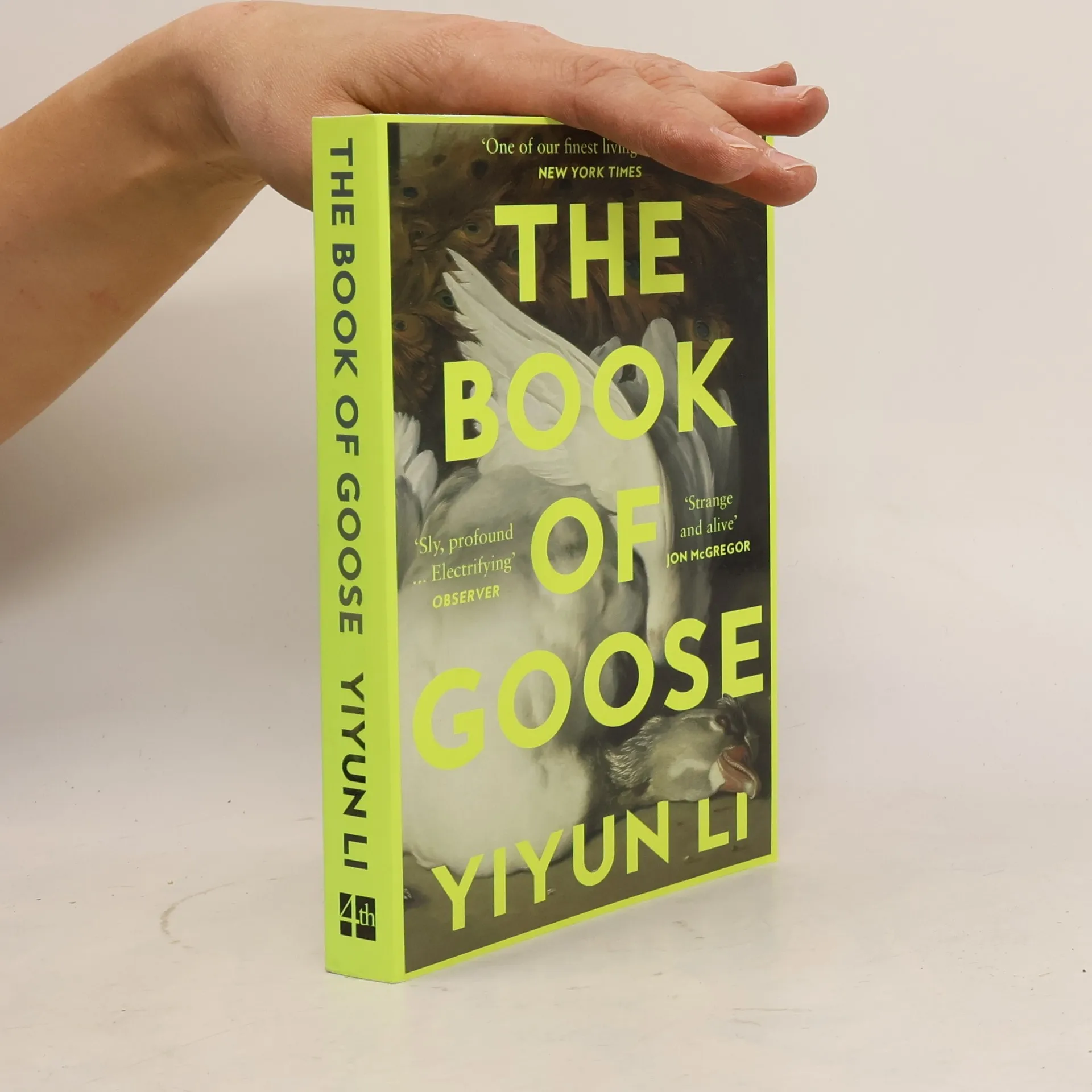
'One of our finest living authors ... propulsively entertaining' New York Times 'Sly, profound ... Electrifying' Observer 'Wonderfully strange and alive' Jon McGregor
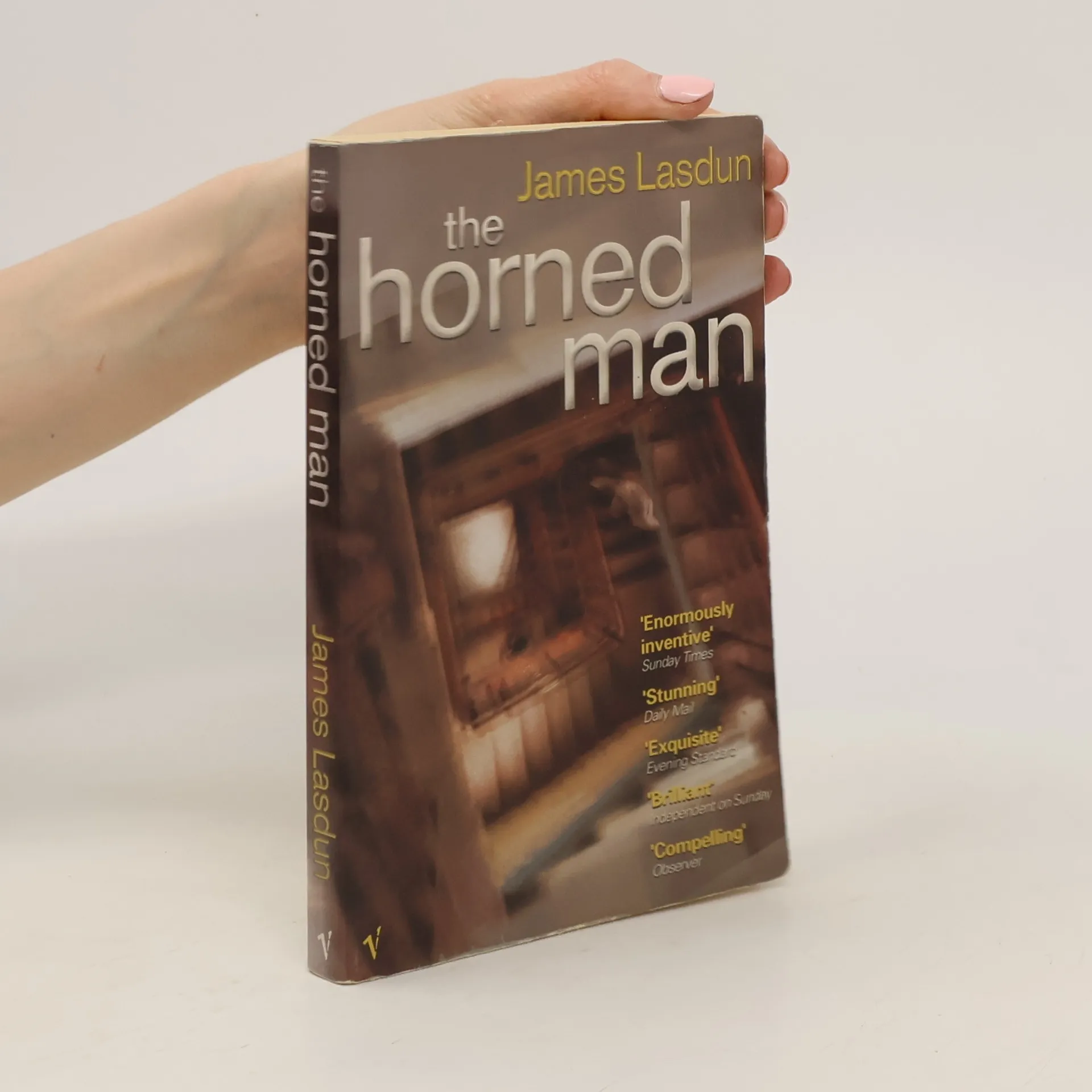
Written with sinuous grace and intellectual acuity, "The Horned Man" is an unforgettable excursion into the lethal battleground of desire and repression.
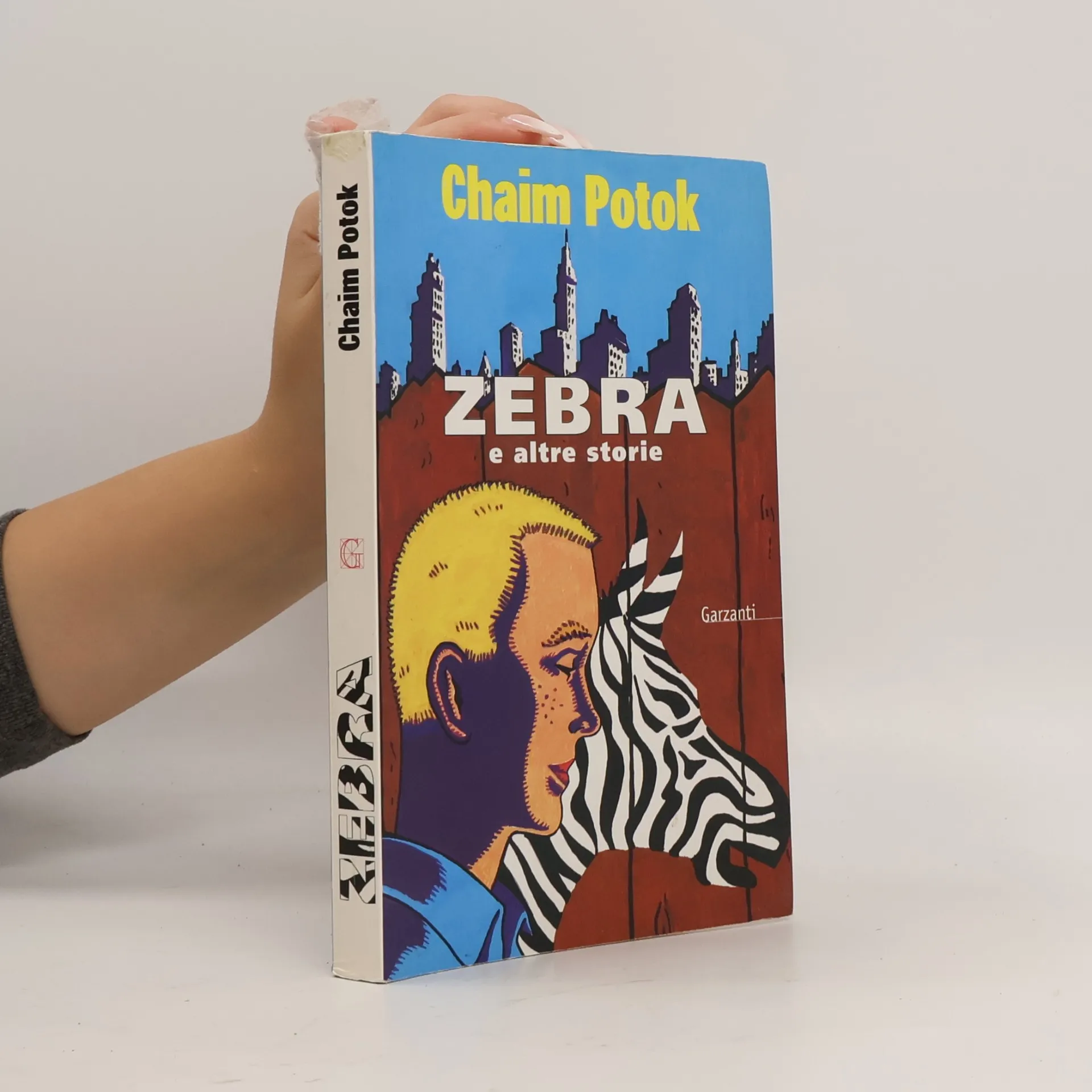
In Zebra, Chaim Potok racconta l'«età difficile» di sei adolescenti, tre ragazzi e tre ragazze colti in un momento di crisi. Incontriamo un ragazzo che per un incidente ha perso l'uso di una mano, un altro che vede il padre abbandonare la casa mentre la mamma dà alla luce il fratellino, un terzo che è invidioso del fratellino adottivo appena arrivato dal Pakistan. E poi una ragazza tormentata da una gang e un'altra che vede la madre vedova risposarsi...
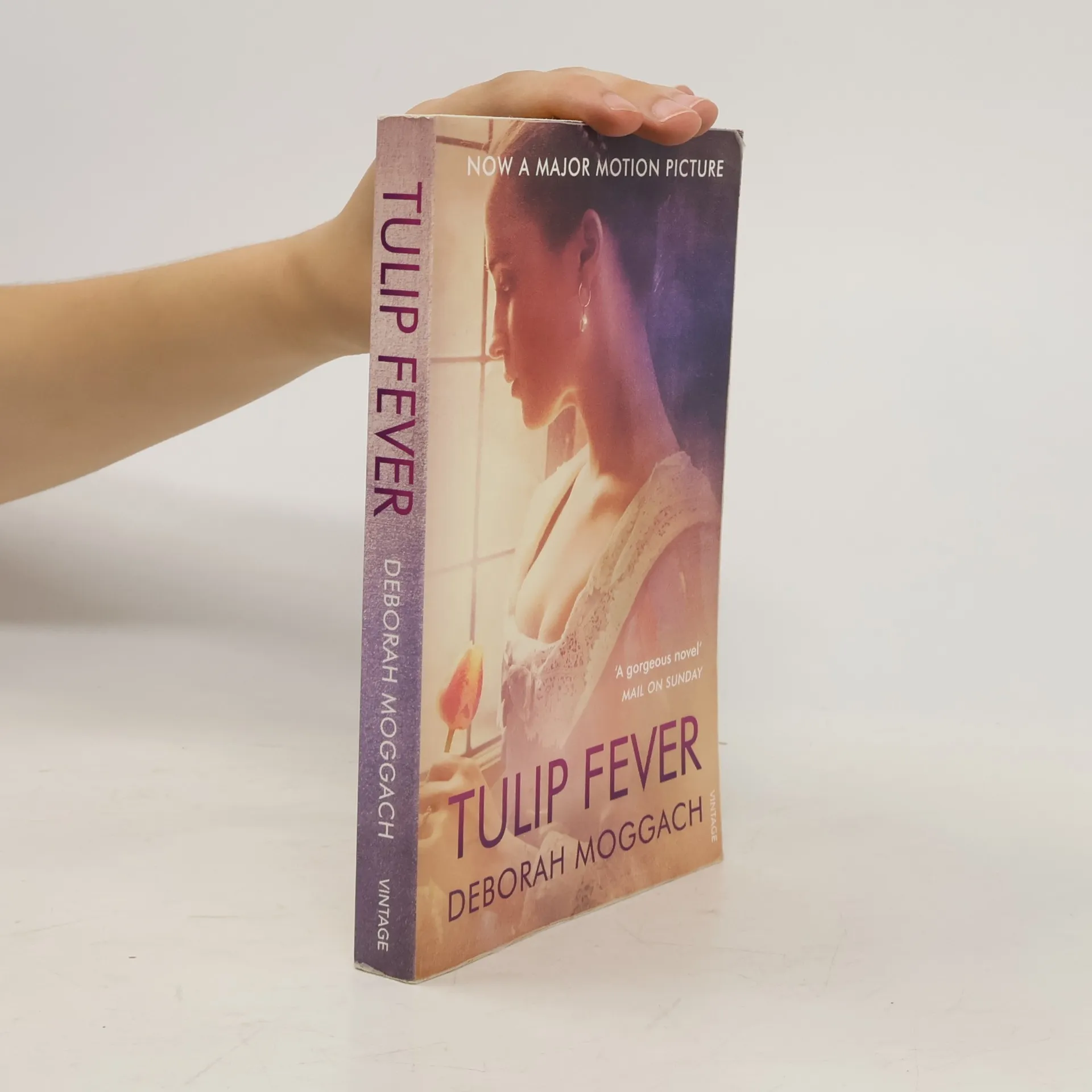
Seventeenth-century Amsterdam is a city in the grip of tulip mania, basking in the wealth it has generated. Sophia’s husband Cornelis, an ageing merchant, is among those grown rich from this exotic new flower. To celebrate, he commissions a talented young artist to paint him with his young bride. But as the portrait grows, so does the passion between Sophia and the painter; and as ambitions, desires and dreams breed an intricate deception, their reckless gamble propels their lives towards a thrilling and tragic conclusion.
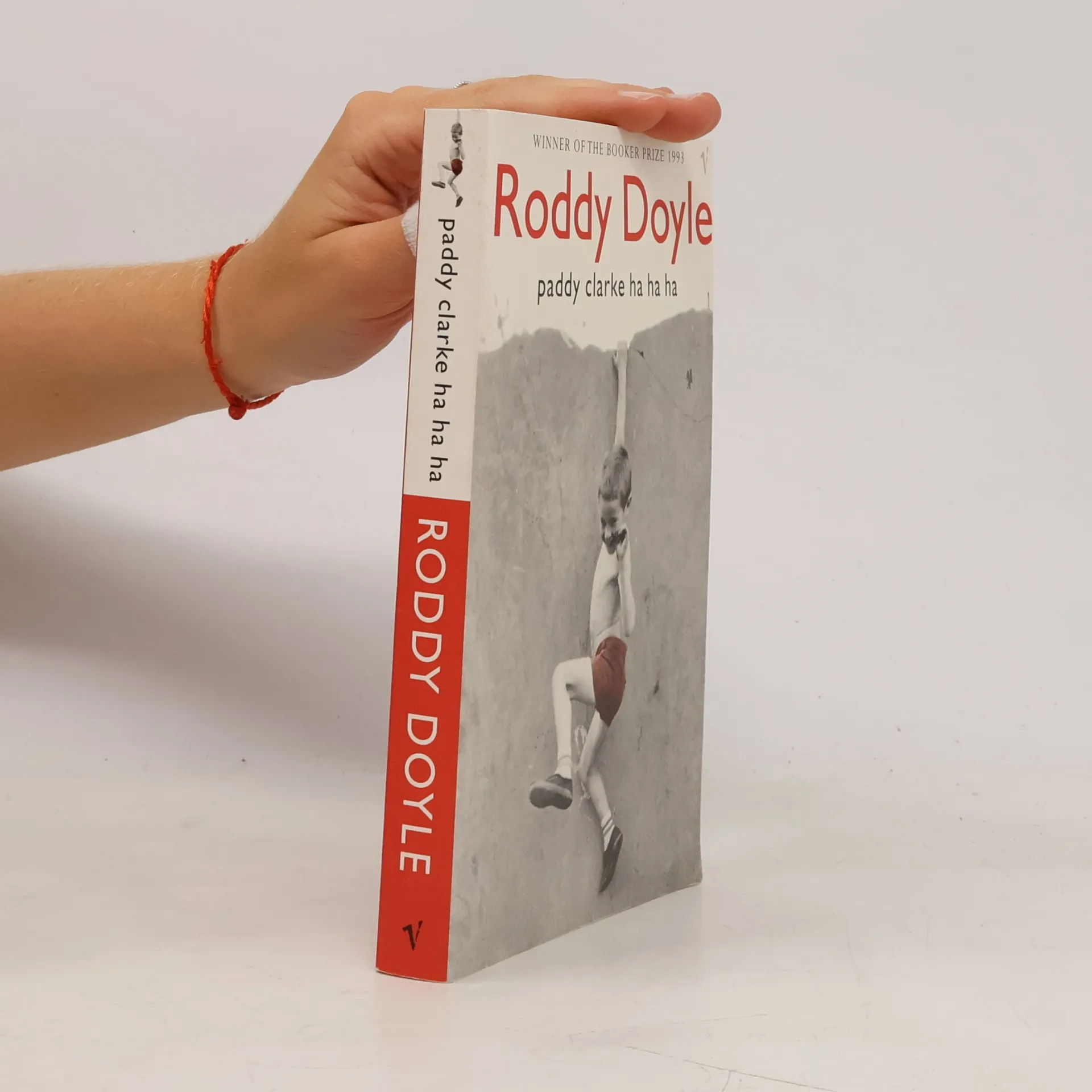
The 1993 Booker Prize winner. Paddy Clarke, a ten-year-old Dubliner, describes his world, a place full of warmth, cruelty, love, sardines and slaps across the face. He's confused; he sees everything but he understands less and less.
San Francisco art patron Bibi Chen has planned a journey of the senses along the famed Burma Road for eleven lucky friends. But after her mysterious death, Bibi watches aghast from her ghostly perch as the travelers veer off her itinerary and embark on a trail paved with cultural gaffes and tribal curses, Buddhist illusions and romantic desires. On Christmas morning, the tourists cruise across a misty lake and disappear.With picaresque characters and mesmerizing imagery, Saving Fish from Drowning gives us a voice as idiosyncratic, sharp, and affectionate as the mothers of The Joy Luck Club. Bibi is the observant eye of human nature–the witness of good intentions and bad outcomes, of desperate souls and those who wish to save them. In the end, Tan takes her readers to that place in their own heart where hope is found.
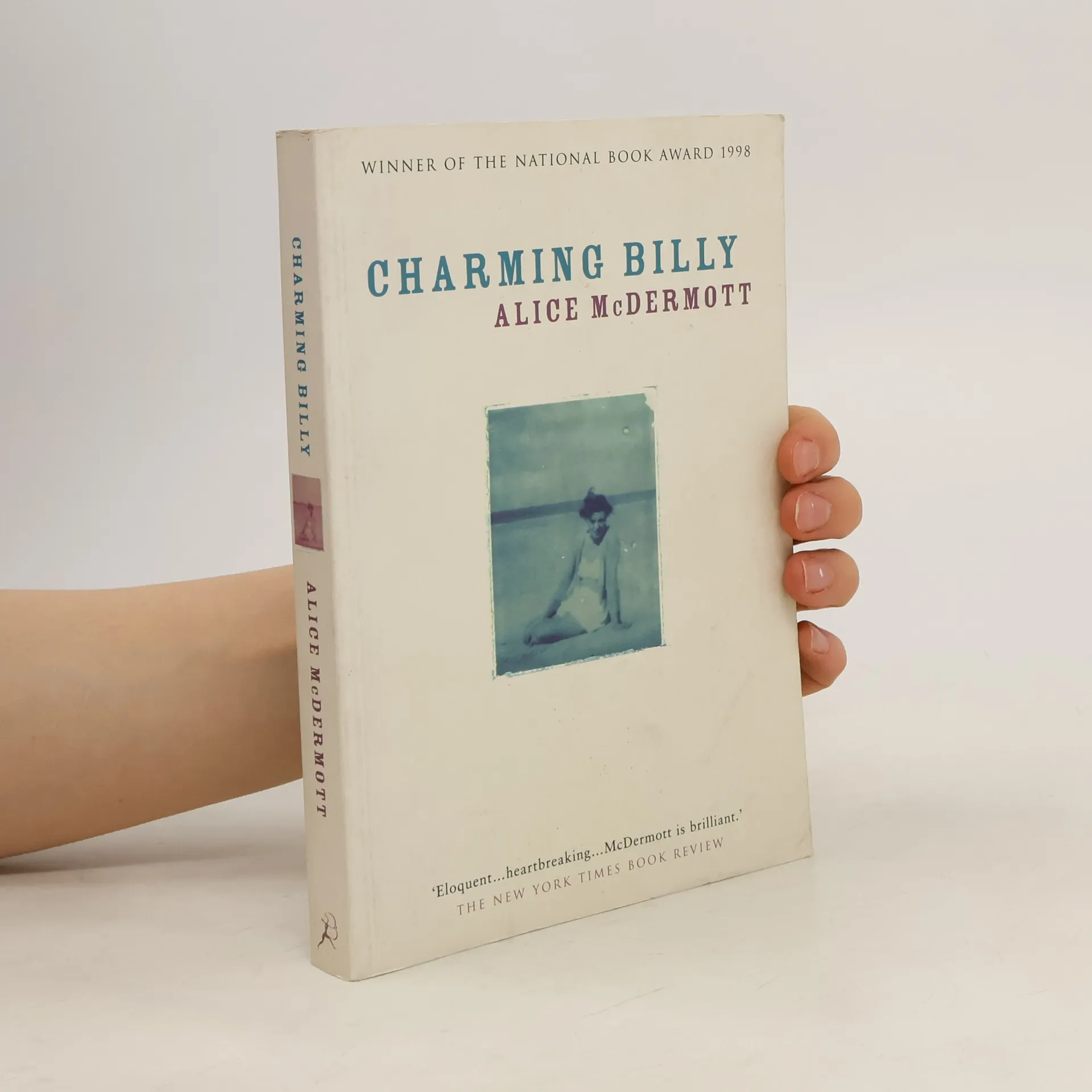
Billy Lynch's family and friends have gathered to comfort his widow, and to pay their respects to one of the last great romantics. As they trade tales of his famous humor, immense charm, and consuming sorrow, a complex portrait emerges of an enigmatic man, a loyal friend, a beloved husband, an incurable alcoholic. Alice McDermott's striking novel, "Charming Billy," is a study of the lies that bind and the weight of familial love, of the way good intentions can be as destructive as the truth they were meant to hide. "Charming Billy" is the winner of the 1998 National Book Award for Fiction.
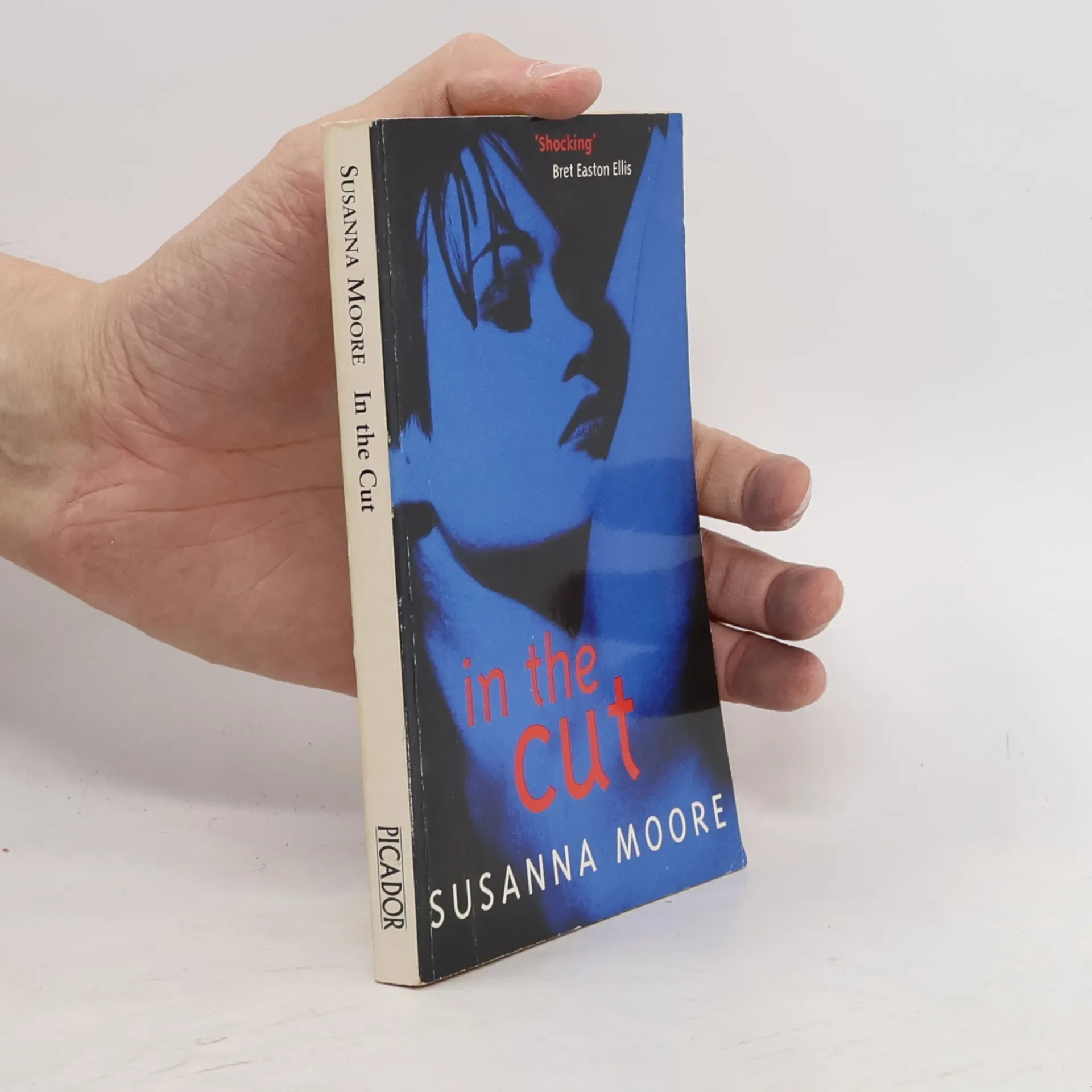
Een jonge vrouw in New York beseft niet in welk gevaar ze verkeert wanneer in haar buurt een vrouw wordt verkracht en vermoord.