

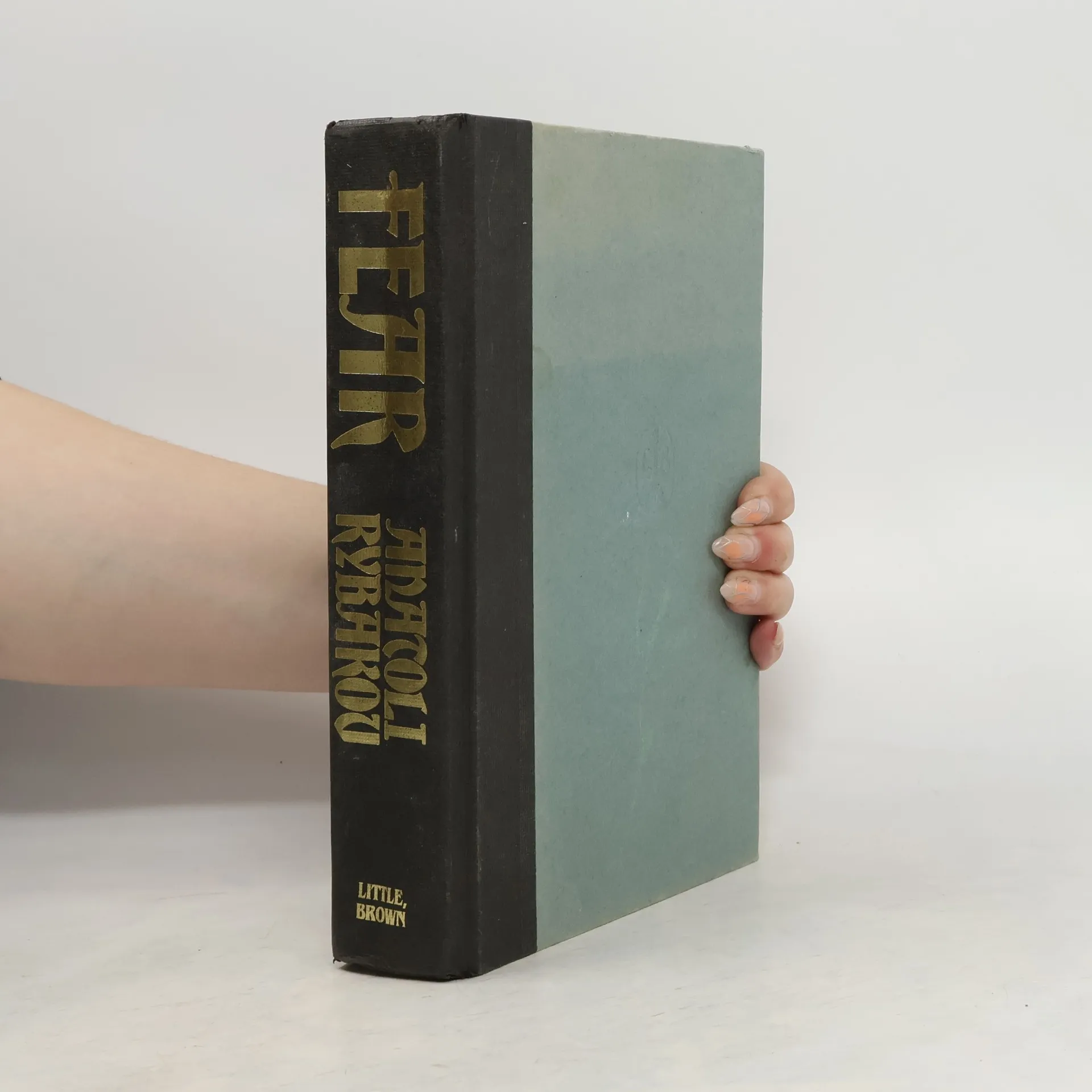
Вторая книга трилогии "Дети Арбата" под названием "Страх" является самой драматичной частью. Действие происходит в 1935-1937 годах, когда после убийства Кирова власть начинает массовую "очистку" страны от подозрительных элементов. В январе 1935 года вводится "Постановление о терроре", позволяющее проводить следствия всего за десять дней и выносить смертные приговоры без участия сторон. Ужас охватывает страну, включая деревню Мозгова, где находится Панкратов. Несмотря на это, жизнь в Москве продолжается: Варя заботится о матери Панкратова, строятся новые метро, чиновники отчитываются о победах, а летчики совершают перелеты через Северный полюс. 1937 год становится апогеем страха, когда люди замыкаются в себе, и человеческие судьбы рушатся. Страх превращает людей в палачей, создавая бесконечную цепь страха, идущую от Сталина к простым гражданам. Саша Панкратов на короткое время оказывается в столице, но, следуя совету матери и разминувшись с Варей, уезжает в Калинин, постоянно ощущая за спиной дыхание чудовищной машины уничтожения.
Antonina W. Bouis Books



Dust and Ashes
- 473 pages
- 17 hours of reading
The epic sequel to the best-selling Children of the Arbat follows the experiences of a Soviet tank commander in World War II as he fights his way from Siberia to Stalingrad and onward to Berlin.
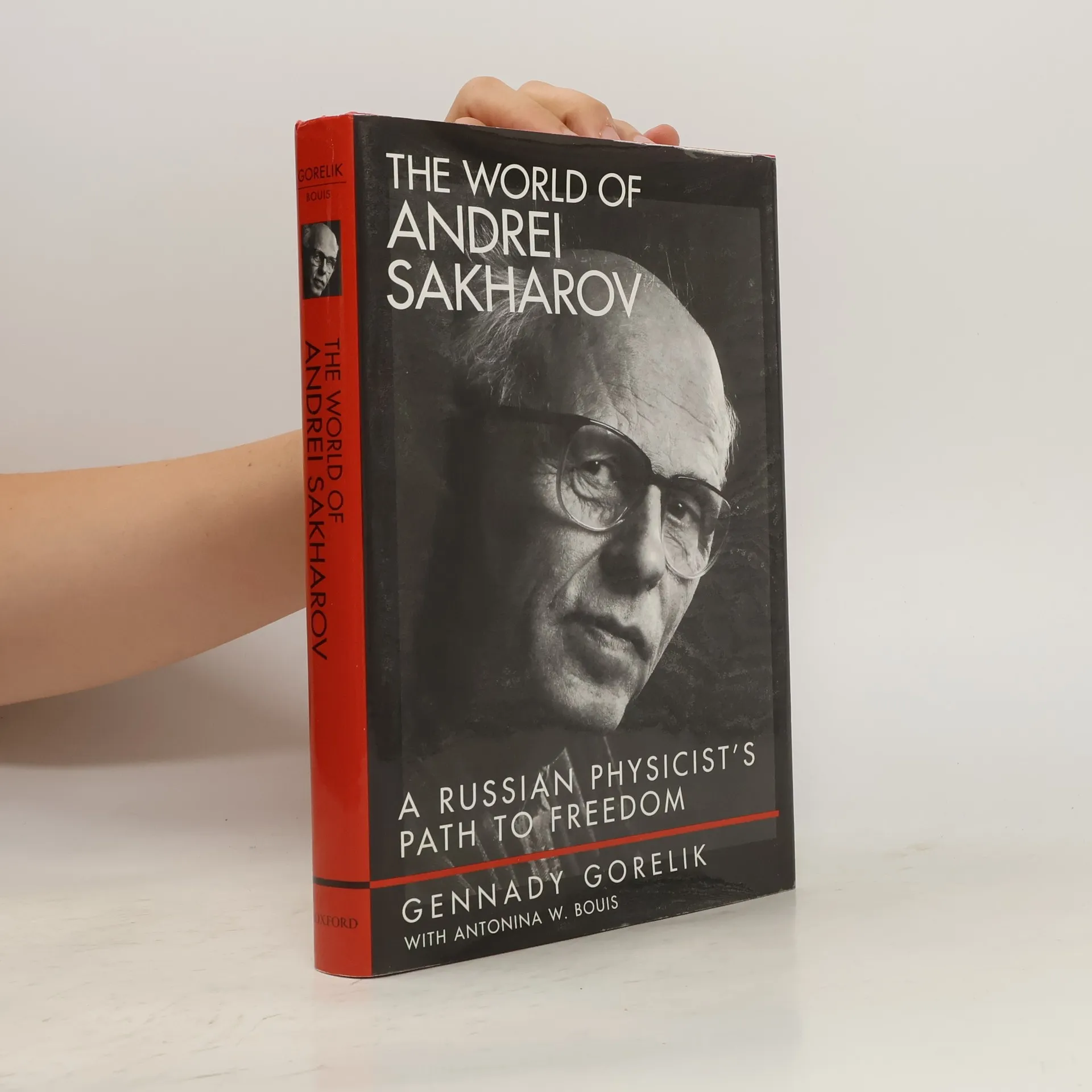
How did Andrei Sakharov, a theoretical physicist and the father of the Soviet hydrogen bomb, become a human rights activist and the first Russian Nobel Peace Prize laureate? In his later years, Sakharov described himself as "simply a man with an unusual fate." To explore this statement, the first authoritative study of Sakharov examines previously inaccessible documents, declassified archives, and personal accounts from friends and colleagues. Gennady Gorelik investigates whether Sakharov genuinely fathered the Soviet hydrogen bomb or if it was based on stolen American secrets. He concludes that, although espionage initiated the Soviet effort, the hydrogen bomb was invented independently. The study also delves into Sakharov's transformation into a public figure in 1968, marked by the distribution of his essay "Progress, Peaceful Coexistence, and Intellectual Freedom" in samizdat and its smuggling to the West. Declassified documents reveal that his metamorphosis stemmed from professional concerns about anti-ballistic missile defense. An insider's perspective on the Soviet regime led Sakharov to see that peace, progress, and human rights were interconnected. His vision included a hope for a future synthesis of scientific thought and religious perception.
Lonely Power
Why Russia Has Failed to Become the West and the West Is Weary of Russia
- 394 pages
- 14 hours of reading
Adapted from the Russian edition, this book analyzes the dominant stereotypes and myths that formed during the Putin presidency and that continue to hamper our understanding of Russia's current situation. Author Lilia Shevtsova explains the origins of such political clichés as • Russia is not mature enough for democracy; • Capitalism first, and democracy will follow; • The humiliation of Russia by the West is the key cause of their soured relationship; • Arms talks between Russia and the United States will help to reset the relationship. Shevtsova argues that an anti-mythology campaign is needed to deepen the understanding of Russia both within the Russian Federation and in the West, as well as to help nations build better policies toward Russia. Praise for Lilia Shevtsova's Russia—Lost in Transition "An excellent volume... highly recommended."—Choice
Wild Berries
- 296 pages
- 11 hours of reading
A team of Moscow scientists, headed by the brilliant Victor Kolomeitsev, explores the primitive Siberian "taiga," a land of pristine beauty, in search of a precious metal.