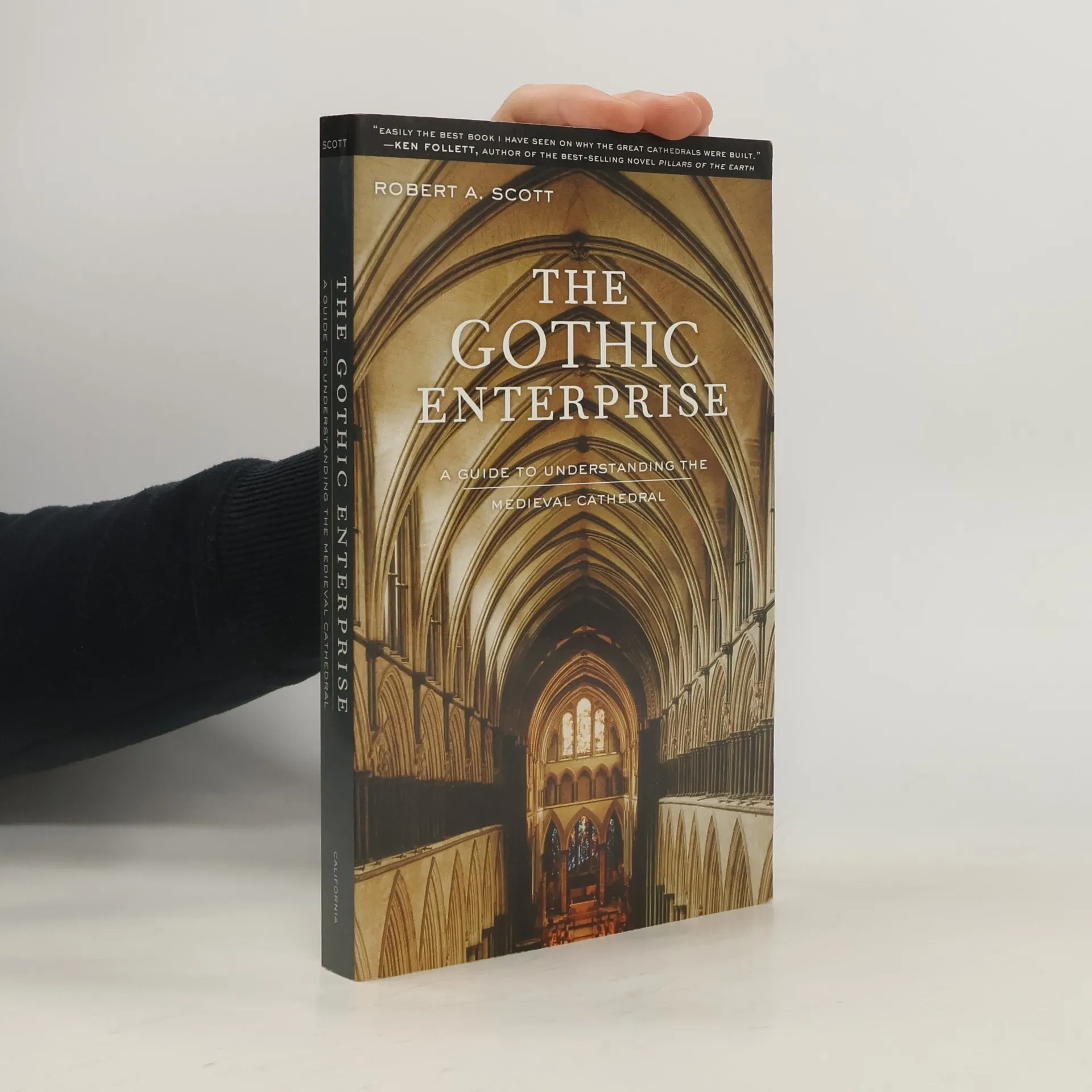
The great Gothic cathedrals of Europe stand as monumental achievements of Western culture, evoking awe and humility. This engrossing exploration delves into the motivations behind their construction, the processes involved, and the divine conceptions that inspired them. Robert A. Scott examines how both religious and secular leaders utilized these cathedrals for social and political purposes, offering insights into the lives of the medieval people who dedicated immense resources to such ambitious projects despite the challenges of their time—famine, disease, and violence. Unlike many works that focus on specific buildings or regions, this narrative considers the cathedral as a humanly created space, revealing the profound significance of the sacred in daily life. Scott details the struggles faced by master-builders, including the scheduling of construction that often spanned generations, the lack of advanced numeric systems or detailed drawings, and the impact of climate, natural disasters, and community conflicts on the building process. He also discusses the role of relics, stone quarrying, and transportation in these monumental endeavors. By comparing Gothic cathedrals to other significant structures like Stonehenge, Scott broadens our understanding of the human impulses that shape our landscapes.
Robert A. Scott Book order

- 2003