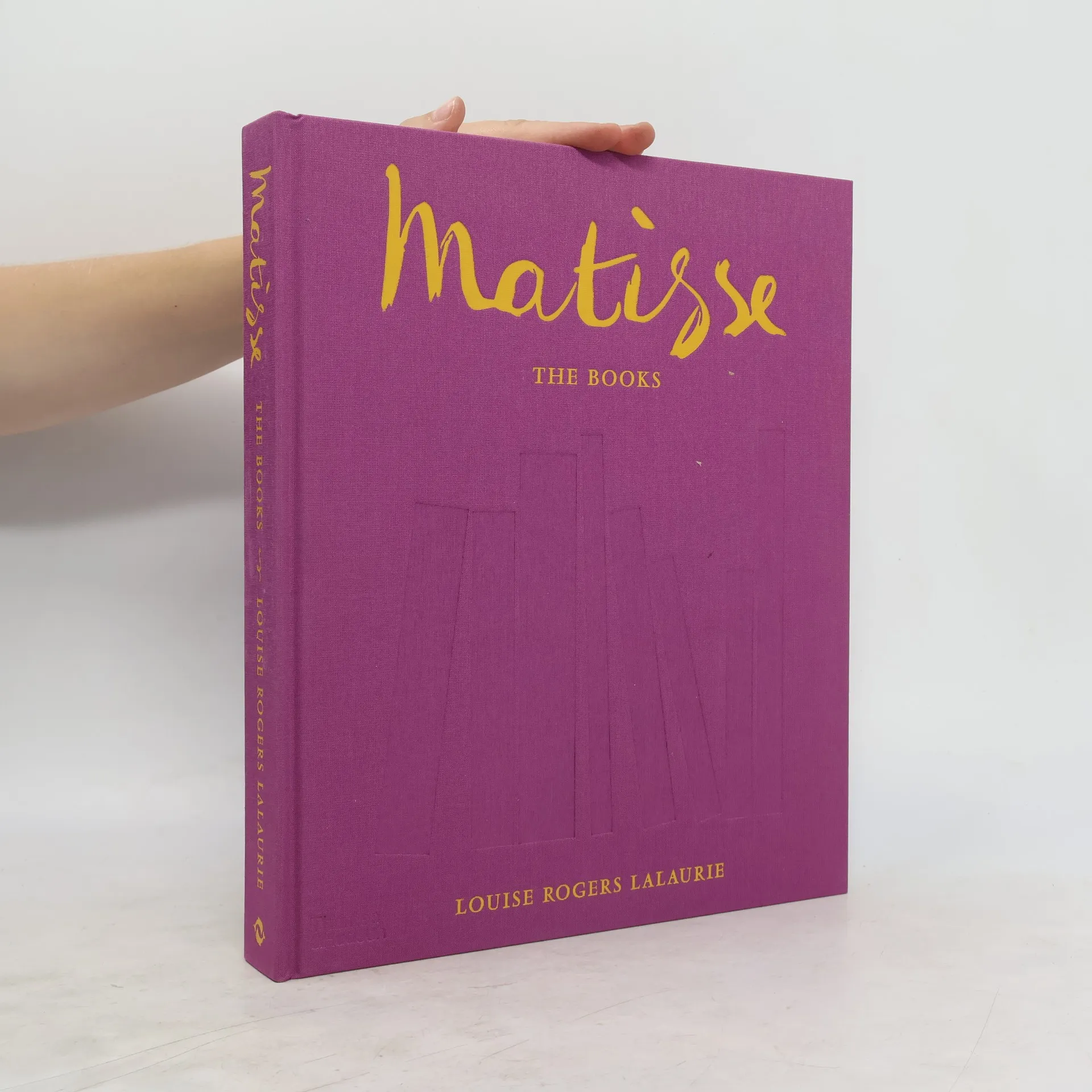
The livre d'artiste, or 'artist's book', is highly valued in rare book collections, with Henri Matisse being a prominent figure in this genre. Over eighteen years, from 1932 to 1950, he created significant works during a tumultuous period marked by personal and national challenges. These books, rich in themes and imagery, are essential for understanding Matisse's artistry, yet much of their content remains largely unseen. Louise Rogers Lalaurie reintroduces Matisse by examining eight limited-edition volumes where he skillfully intertwines word and image. She emphasizes their importance as catalysts for his renowned paper cut-outs, showcasing an astonishing portrait of creative resistance and regeneration alongside a diverse selection of poetry and drama. Matisse's books feature some of his most famous graphics, such as the striking swan from Poésies de Stéphane Mallarmé and the dynamic linocut profile from Pasiphaé. While many of these images are well-known, their context within the books is often overlooked. Lalaurie thoughtfully explores the interplay of images and text, discussing their themes and creative origins. Matisse's artist books reflect his engagement with beauty, truth, faith, aging, loss, and his relationships, while also shedding light on his political affinities, particularly during World War II, revealing his wartime works as a deeply personal statement of resistance.
Matisse Estate Book order (chronological)