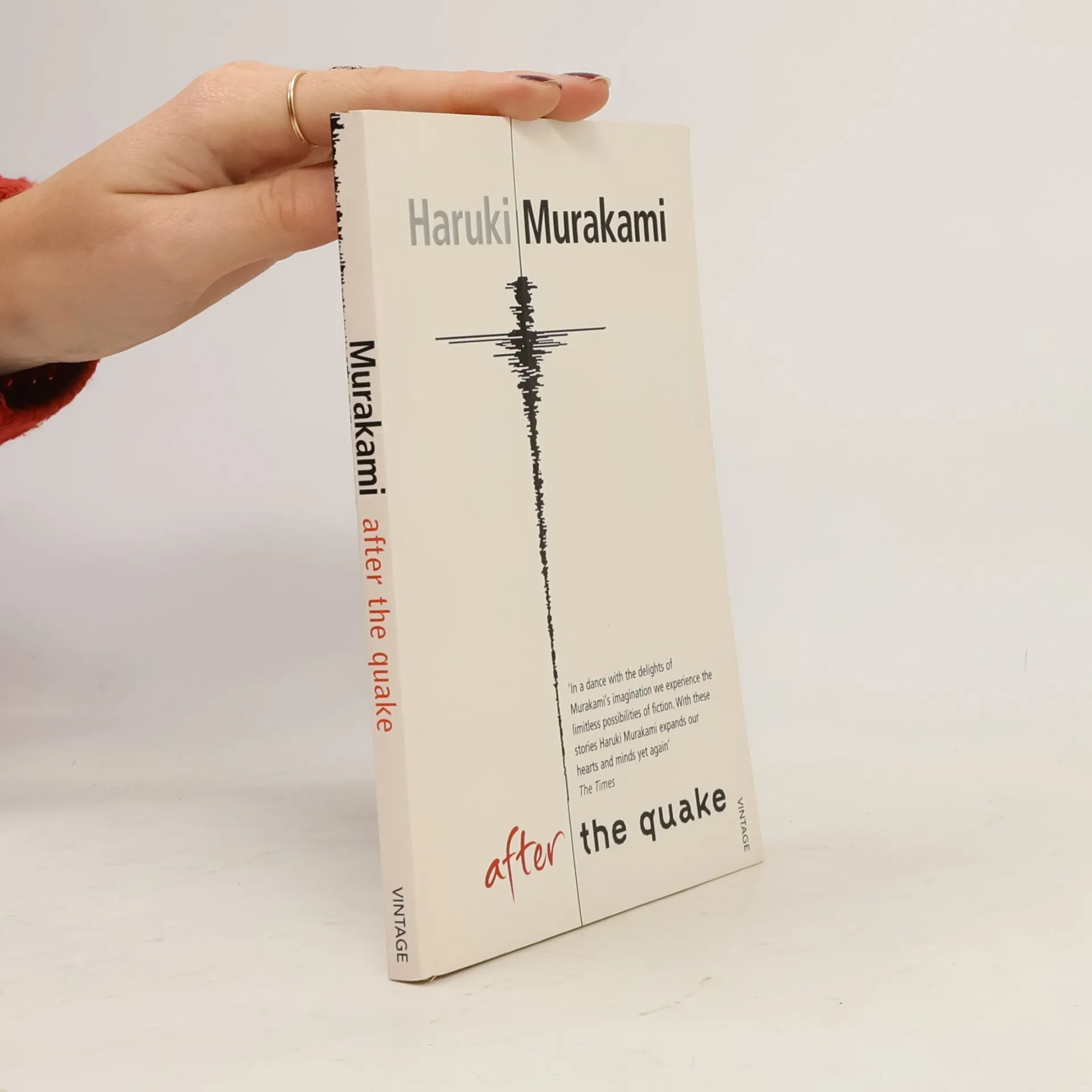
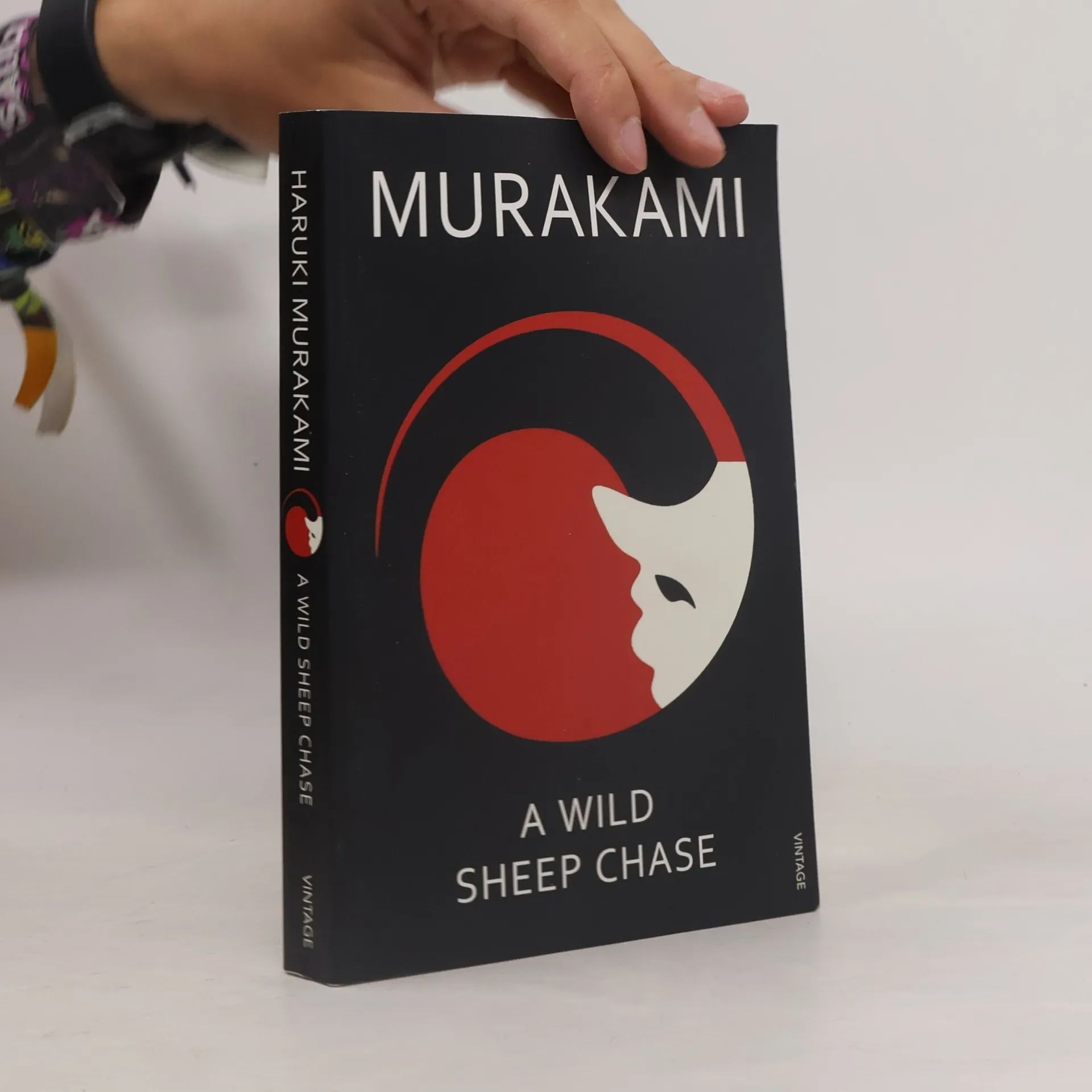

In zeven nieuwe verhalen – zijn eerste sinds negen jaar – wijdt levensgids en meesterverteller Haruki Murakami zich opnieuw aan een van zijn grote thema’s: de liefde. De verhalen in Mannen zonder vrouw horen tot de meest tedere, ontroerende teksten uit zijn oeuvre – en ze zijn onmiskenbaar Murakami. Ze gaan over eenzame, beschadigde mannen, mannen die iets beslissends mankeert, melancholieke mannen. Met andere woorden: kleurloze mannen…
A mesmerising mystery story about friendship from the internationally bestselling author of Norwegian Wood and 1Q84 Tsukuru Tazaki had four best friends at school. By chance all of their names contained a colour. The two boys were called Akamatsu, meaning âe~red pineâe(tm), and Oumi, âe~blue seaâe(tm), while the girlsâe(tm) names were Shirane, âe~white rootâe(tm), and Kurono, âe~black fieldâe(tm). Tazaki was the only last name with no colour in it. One day Tsukuru Tazakiâe(tm)s friends announced that they didn't want to see him, or talk to him, ever again. Since that day Tsukuru has been floating through life, unable to form intimate connections with anyone. But then he meets Sara, who tells him that the time has come to find out what happened all those years ago.
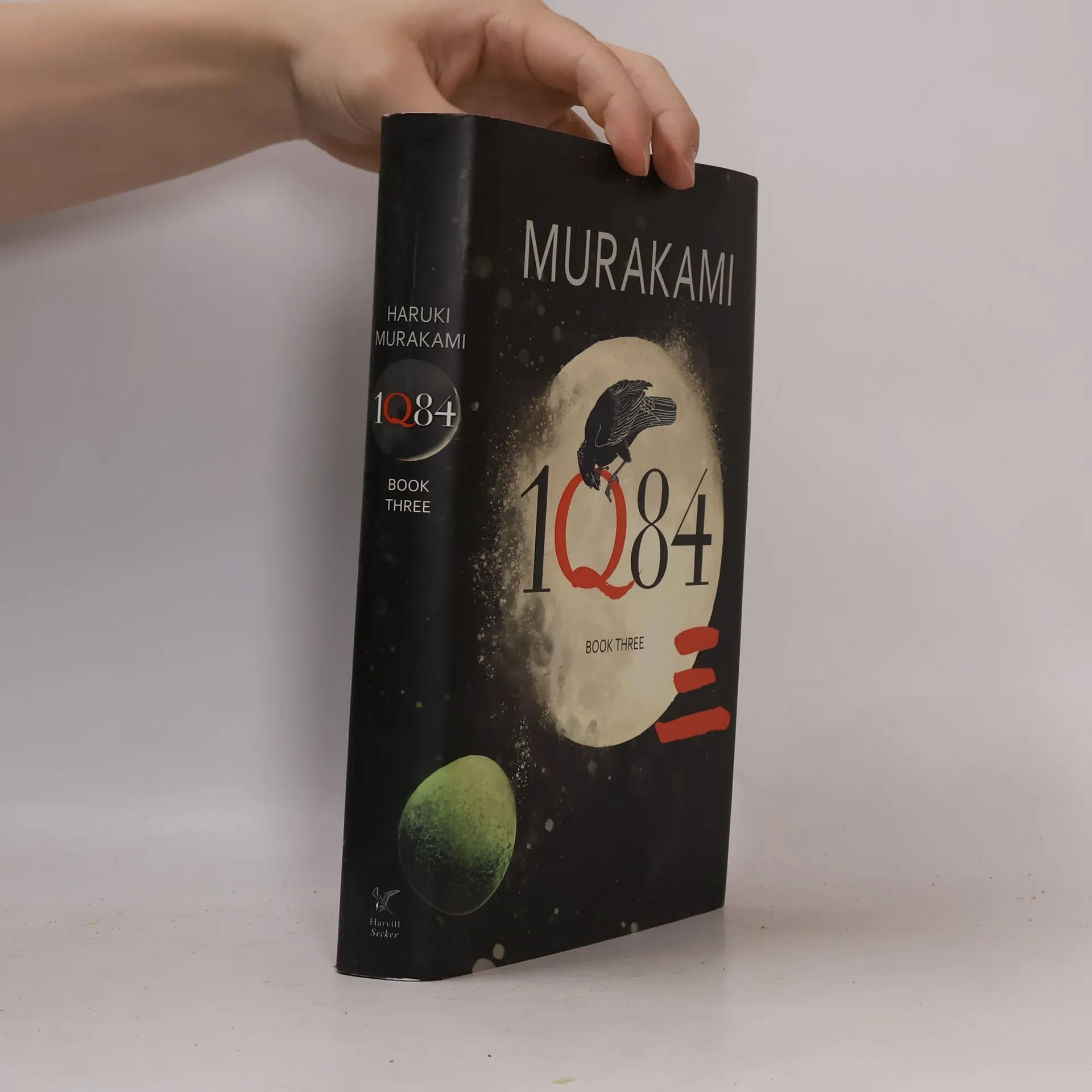
Aomame kan niet weg uit de flat waar ze zich schuilhoudt, Tengo kan niet weg bij zijn stervende vader, en Ushikawa kan niet weg achter de verborgen camera waarmee hij op ze loert. Ieder bezint zich op zichzelf. Wat kunnen ze anders doen? Maar wie zal de eerste zijn die deze patstelling verbreekt? Wat is de werkelijke reden dat de sekte Aomame ten koste van alles levend in handen wil krijgen? En wie is de mysterieuze NHK-collecteur die bij alle drie op de voordeur bonst? In deze zinderende roman brengt Haruki Murakami zijn meesterlijke trilogie tot haar onverbiddelijke, ontroerende ontknoping.
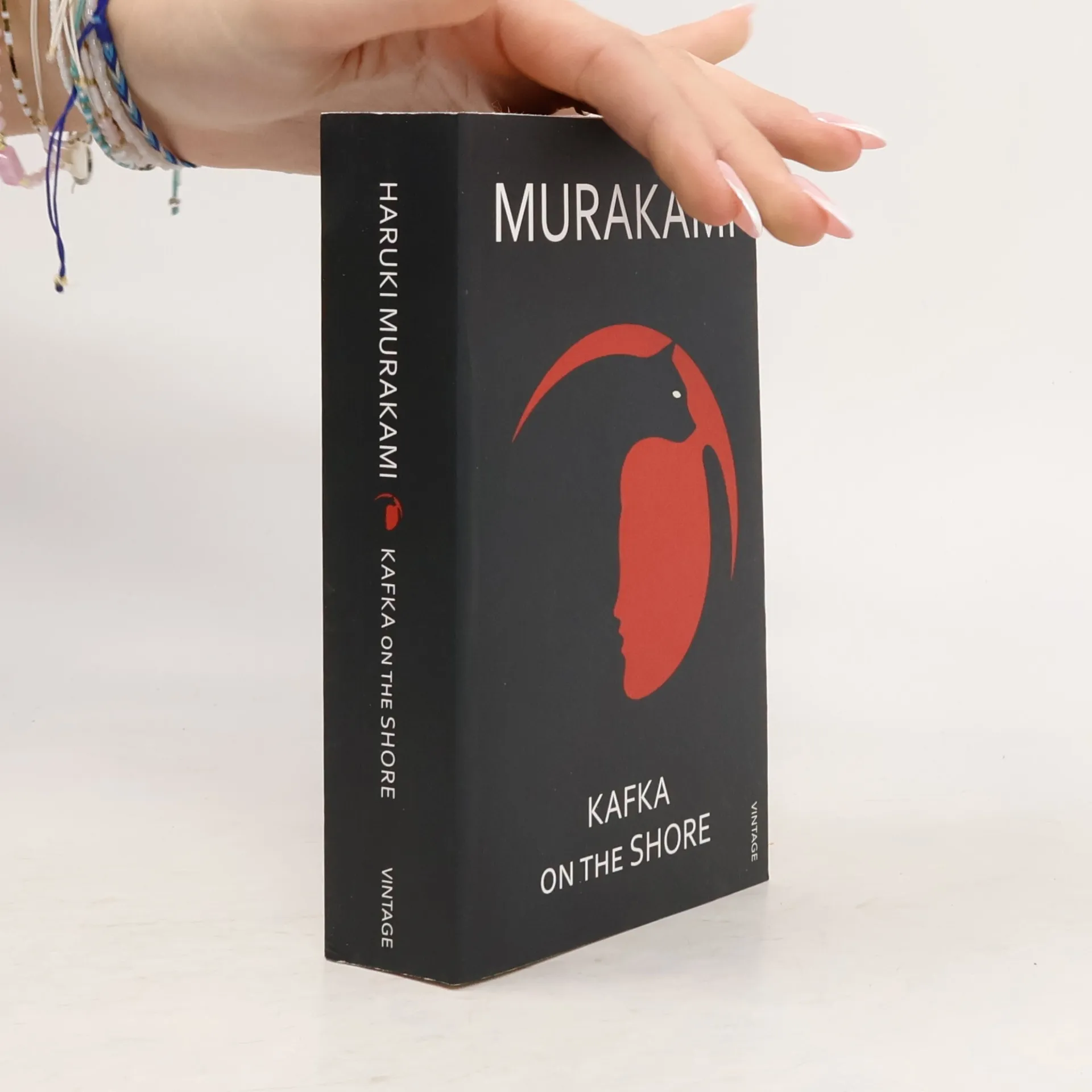
'A stunning work of art that bears no comparisons' the New York Observer wrote of The Wind-Up Bird Chronicle, 'and this is also true of this magnificent new novel, which is every bit as ambitious, expansive and bewitching. A tour-de-force of metaphysical reality, Kafka on the Shore is powered by two remarkable characters. At fifteen, Kafka Tamura runs away from home, either to escape a gruesome oedipal prophecy or to search for his long-missing mother and sister. And the aging Nakata,tracker of lost cats, who never recovered from a bizarre childhood affliction, finds his highly simplified life suddenly overturned. Their parallel odysseys, as mysterious to us as they are to them, are enriched throughout by vivid accomplices and mesmerizing events. Fish tumble in storms from the sky; cats and people carry on conversations; a ghostlike pimp employs a Hegel-quoting prostitute, a forest harbors soldiers apparently unaged since World War II. There is a brutal murder, with the identity of both victim and perpetrator a riddle. Yet this, like everything else, is eventually answered, just as the entwined destinies of Kafka and Nakata are gradually revealed, with one escaping his fate entirely and the other given a fresh start on his own.
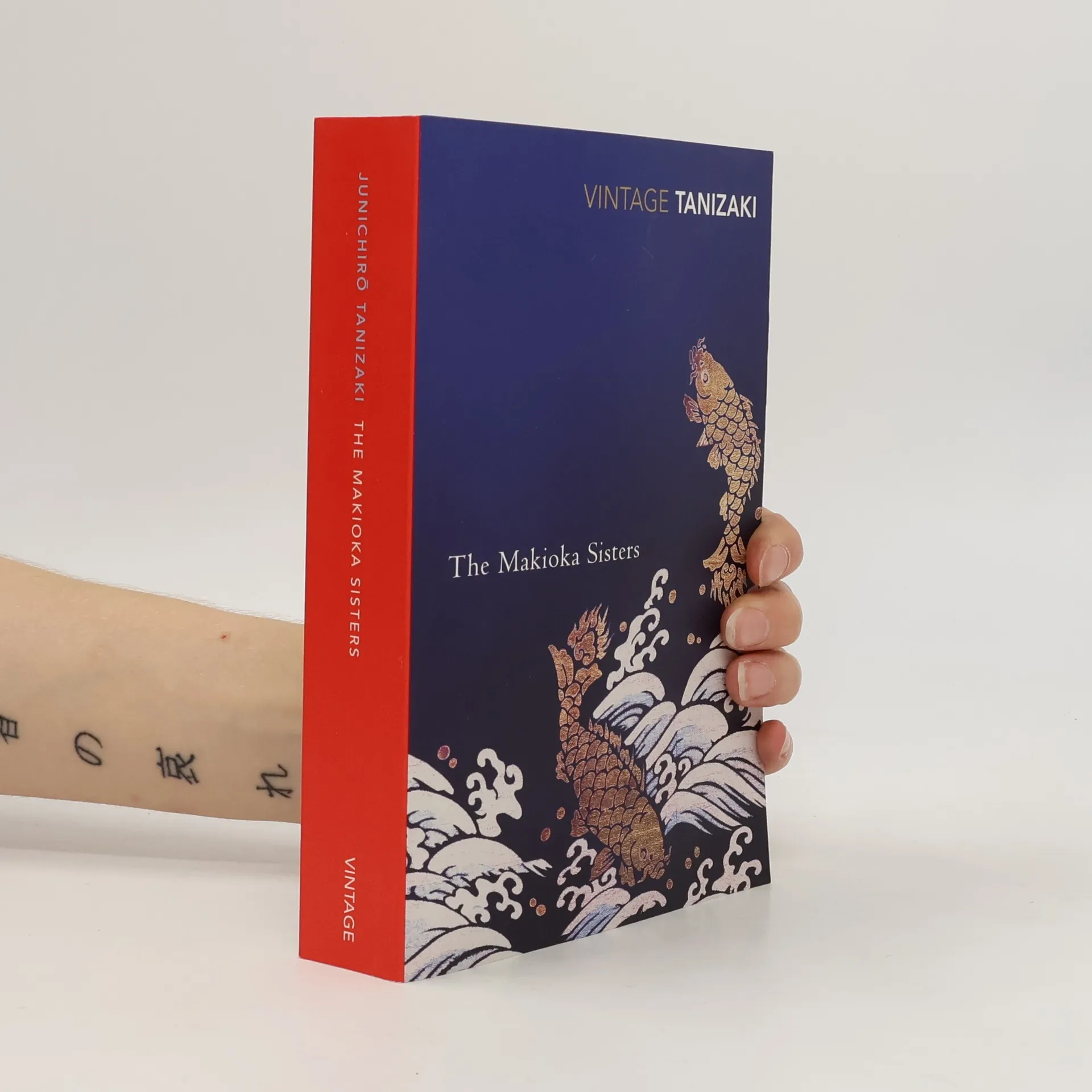
In the years leading up to the Second World War, four sisters live in dilapidated houses in Osaka and Ashiya, and each navigate their own complex, personal relationship to the fading lustre of the Makioka family name. Rich with breathtaking descriptions of ancient customs and an ever-changing natural world, Junichiro Tanizaki evokes in loving detail a long-lost way of life even as it withers under the harsh glare of modernity.