
After leaving the Marines a decade ago, Phil Klay joined a community of veterans confronting the significance of their wartime experiences for themselves and the nation. American identity has always been intertwined with war, from the Revolutionary War to the World Wars that established the U.S. as a superpower. The current conflicts raise questions about our national identity and civic responsibility. Unlike previous wars, the post-9/11 conflicts remain largely unacknowledged by the broader public, creating a disconnect between those who serve and the civilian population. This disconnect manifests as a moral blind spot, which Klay explores in his powerful essays. He examines the implications of American military actions abroad, often overlooked yet profoundly impactful. The tension between military and civilian life in America is a central theme, prompting critical reflections on the reasons we ask young Americans to fight and sacrifice. Klay's work challenges readers to confront these difficult questions, emphasizing their importance in shaping the future of a divided nation. How we respond to these inquiries will significantly influence the direction of our troubled country.
Phil Klay Books
Phil Klay's writing delves into the experiences of soldiers and the profound impact of war on the human psyche. His acclaimed short story collection unflinchingly examines the moral and existential dilemmas inherent in military service. Klay's prose is characterized by its raw realism and a deep, insightful exploration of character. His work offers a piercing examination of modern conflict and its enduring aftermath.


After leaving the Marines a decade ago, Phil Klay joined a community of veterans confronting the meaning of their wartime experiences and their implications for American identity. War has always been integral to this identity, from the Revolutionary War to the World Wars, but the current post-9/11 conflicts remain largely invisible to most Americans. While a small group of soldiers and their families are deeply affected, the broader population often remains unaware of the ongoing nature of these wars. This disconnect creates a significant divide between military and civilian life, leading to a moral blind spot regarding the consequences of American military actions abroad. Klay's powerful essays explore this chasm, posing critical questions about the sacrifices asked of young Americans and the underlying reasons for these demands. He examines what binds the nation together and how these inquiries are interconnected. The answers to these questions will significantly influence the future trajectory of the country, making Klay's reflections on these pressing issues both timely and essential.
Redeployment
- 306 pages
- 11 hours of reading
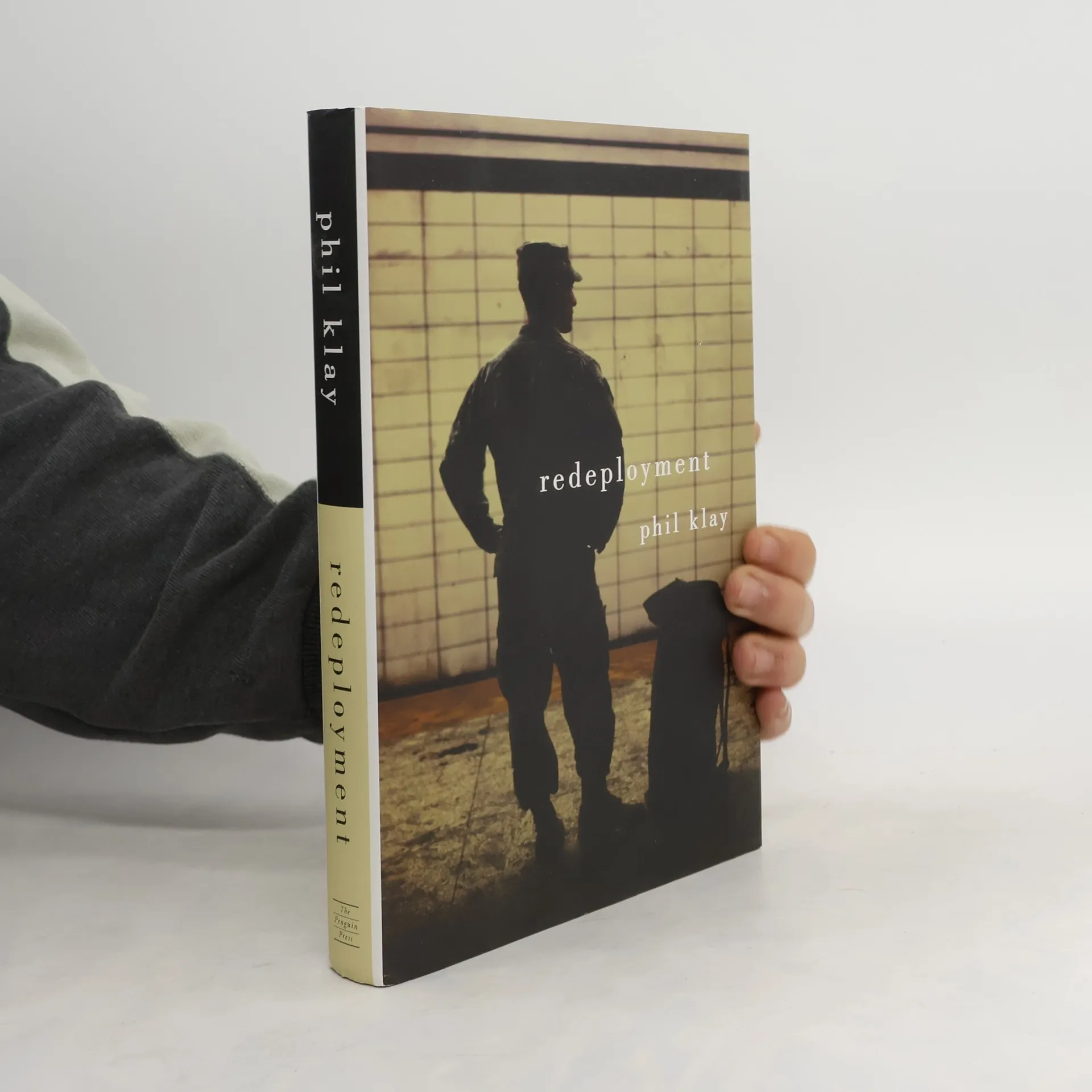
Redeployment takes readers to the frontlines of the wars in Iraq and Afghanistan, asking us to understand what happened there, and what happened to the soldiers who returned. Interwoven with themes of brutality and faith, guilt and fear, helplessness and survival, the characters in these stories struggle to make meaning out of chaos. In the title story, a soldier who has had to shoot dogs because they were eating human corpses must learn what it is like to return to domestic life in suburbia, surrounded by people "who have no idea where Fallujah is, where three members of your platoon died." In "After-Action Report", a Lance Corporal seeks expiation for a killing he didn't commit, in order that his best friend will be unburdened. A Mortuary Affairs Marine tells about his experiences collecting remains-of U.S. and Iraqi soldiers both. A chaplain sees his understanding of Christianity, and his ability to provide solace through religion, tested by the actions of a ferocious Colonel. And in the darkly comic "Money as a Weapons System", a young Foreign Service Officer is given the absurd task of helping Iraqis improve their lives by teaching them to play baseball. These stories reveal the intricate combination of monotony, bureaucracy, comradeship and violence that make up a soldier's daily life at war, and the isolation, remorse, and despair that can accompany a soldier's homecoming. Across nations and continents, Klay sets in devastating relief the two worlds a soldier inhabits: one of extremes and one of loss
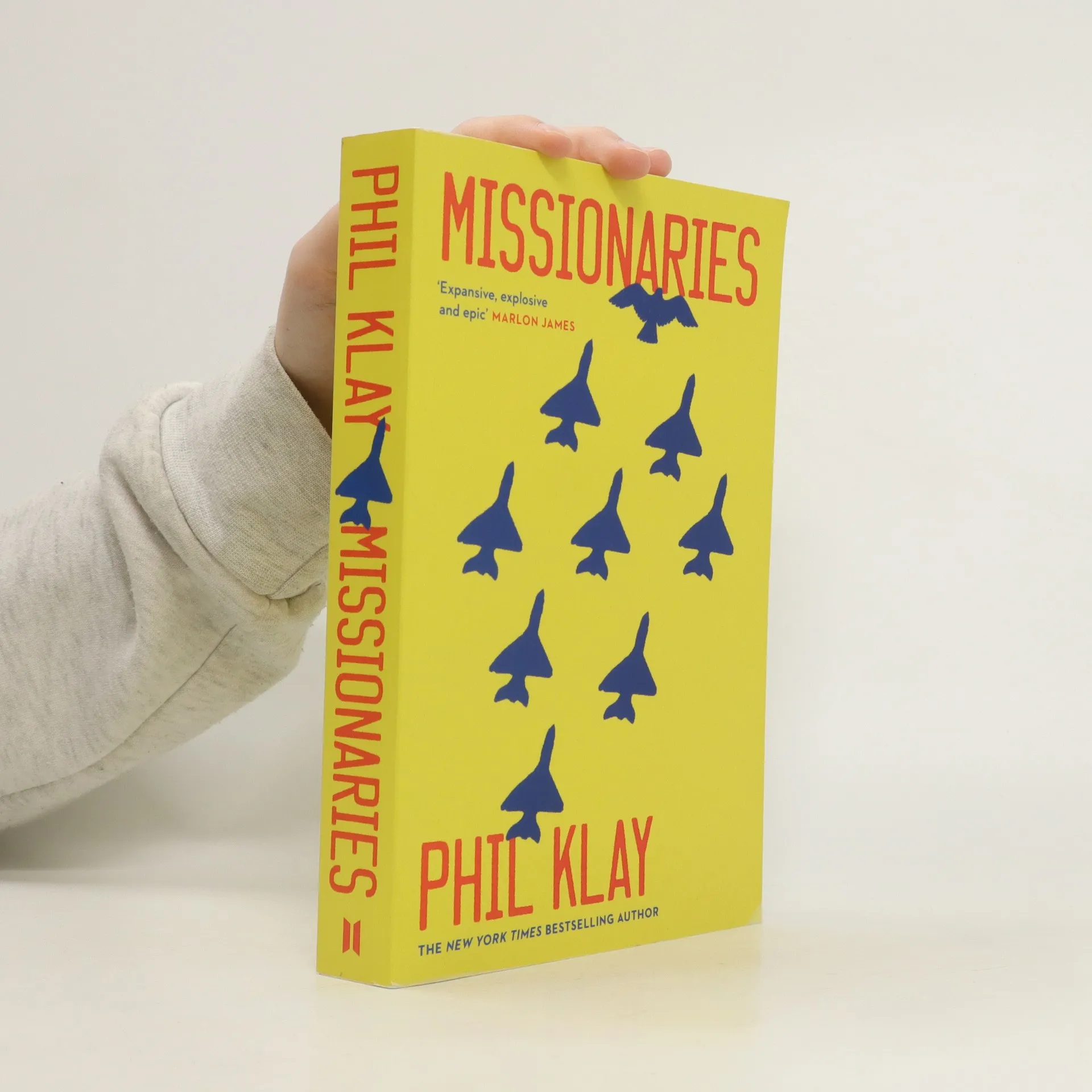
Mason, a U.S. Army Special Forces medic, and Lisette, a foreign correspondent, both carry the scars of America's post-9/11 wars in Iraq and Afghanistan. Yet, the allure of war—the noble calling, camaraderie, and life-and-death stakes—draws them in. Their paths converge in Colombia, where the U.S. collaborates with the local government to combat a brutal civil war and curb narco gangs. Mason, now a liaison to the Colombian military, is eager for action, while Lisette is keen to report on it. Juan Pablo, a Colombian officer, must translate the complex realities of power struggles into a language the Americans can grasp, while navigating a treacherous landscape of factions. In contrast, Abel, a lieutenant in the militia Los Mil Jesuses, faces a grim reality in rural Norte de Santander, where law is nearly nonexistent. Having lost everything, he finds himself trapped in a situation where safety comes at a terrible cost. As Los Mil Jesuses move to seize power, with the Colombian military's complicity, the Americans become unwitting pawns in a game beyond their comprehension. This gripping narrative unfolds into a calamity that impacts all involved and resonates globally, showcasing a sophisticated understanding of geopolitical dynamics and the human heart. Comparisons to literary giants like Joseph Conrad and Graham Greene arise, yet this work stands as a unique exploration of the forces unleashed in our world.