

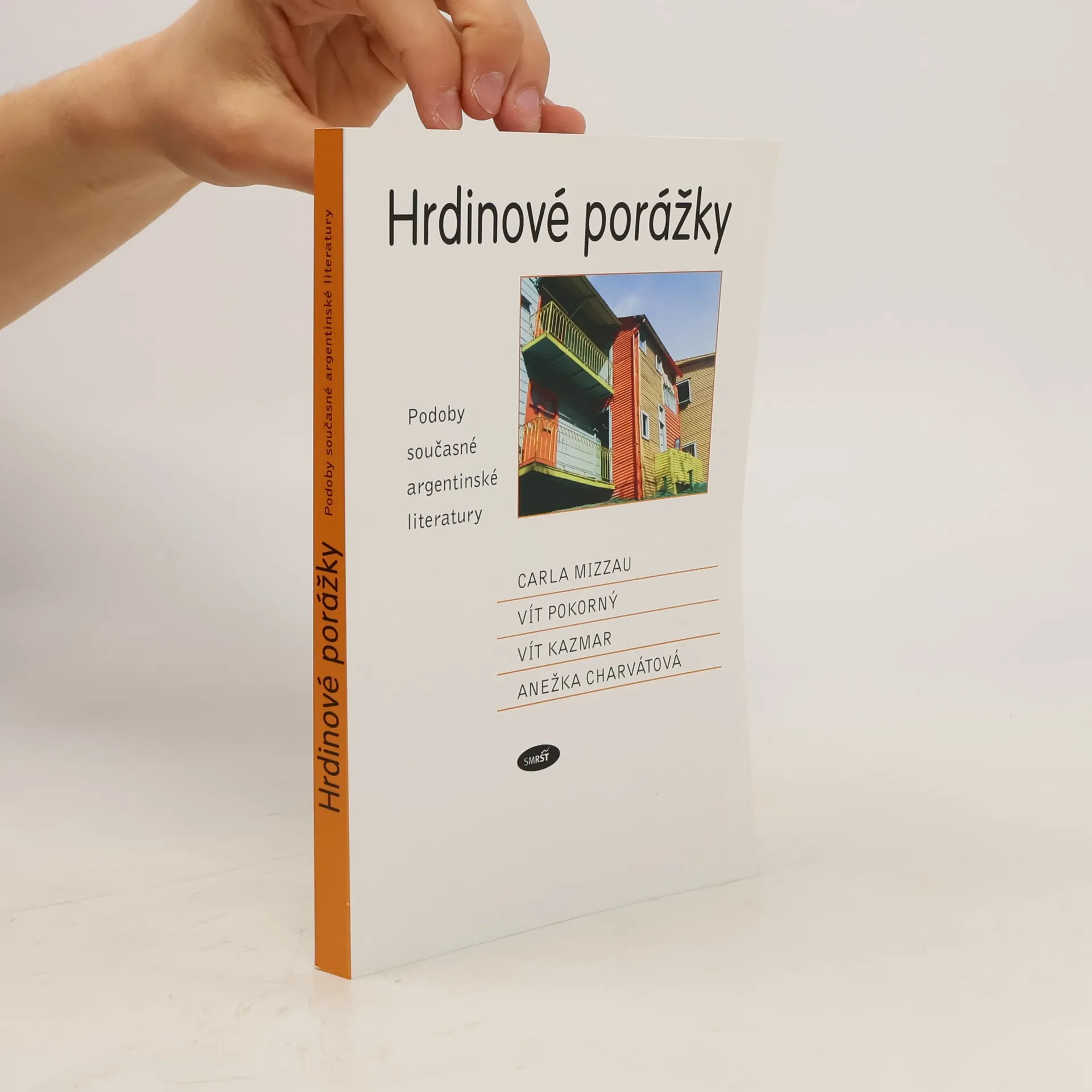
„Kvůli tomu, že člověk prohraje, ještě nutně nepřestává být hrdinou… Může se stát hrdinou porážky. To je podle mě pro Argentinu klíčové: Argentina je evropskou zemí Latinské Ameriky, zemí předurčenou k velikosti, zemí geograficky nejpříhodněji situovanou, s nejbohatšími přírodními zdroji a s veškerým Božím požehnáním… a je to chudá, žalostná a zapomenutá země třetího světa.“ Tak o své domovině uvažuje významný spisovatel Martín Kohan. Ve směru jeho myšlenek se ubírá monografie věnovaná argentinské literatuře a kultuře posledních tří desetiletí, a jak je patrno už z metafory v názvu knihy, toto hledání provázejí paradoxy. Hrdinství v porážce, snění následované deziluzí, touha po velikosti v marasmu malosti, paměť v boji se zapomněním, typičnost na okraji… Autoři sborníku nabízejí svůj pohled na nejvýraznější témata současné argentinské literatury. Obraz literárního světa je uveden kapitolou o složitém politickém vývoji v Argentině na přelomu tisíciletí a doplněn rozhovory o proměnách nakladatelského trhu, o estetice současné generace a o tématu paměti, souvisejícím s traumatem vojenské diktatury.
Vít Kazmar Books


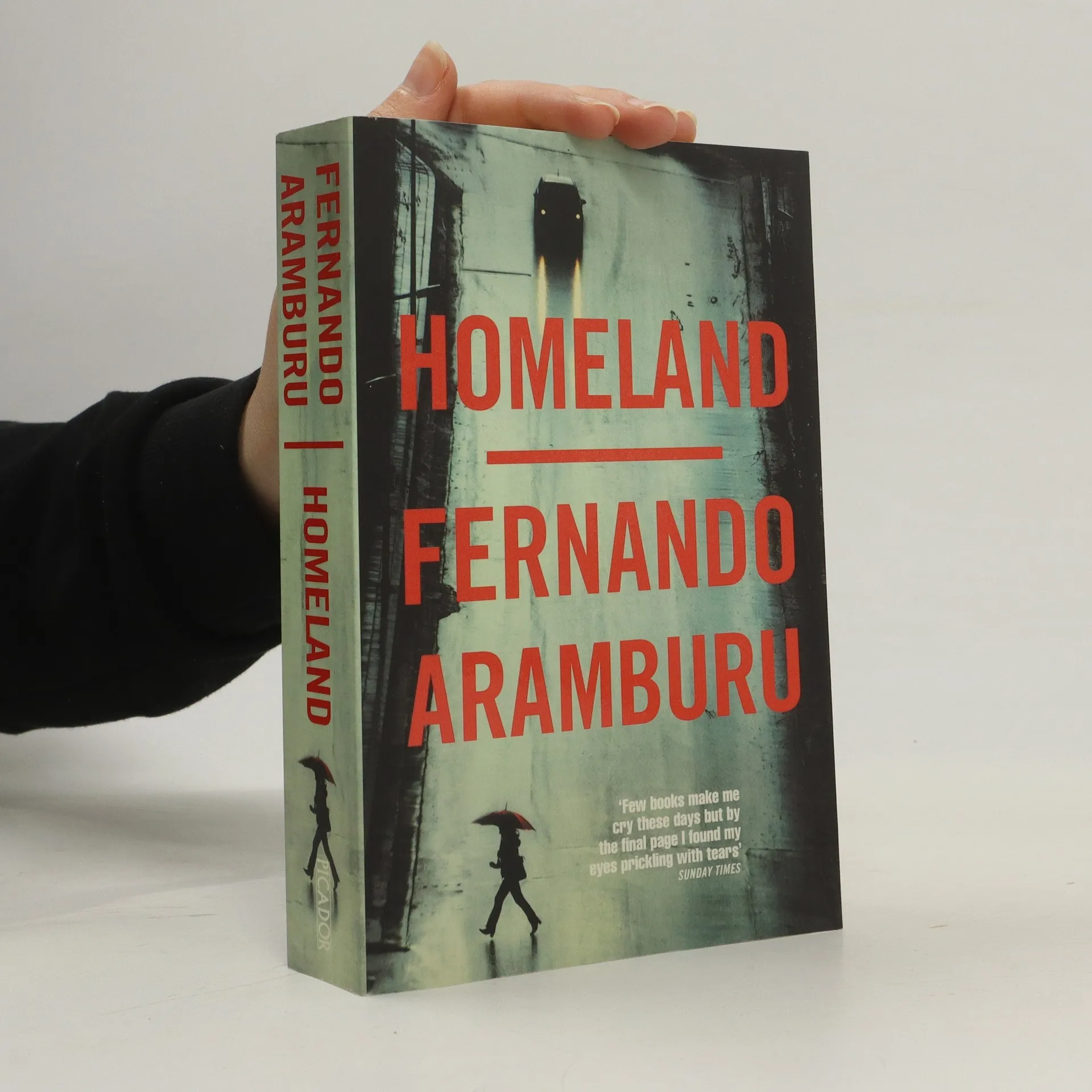
'It's been a long time since I've read a book that was so persuasive and moving, so intelligently conceived.' - Mario Vargas Llosa Miren and Bittori have been best friends all their lives, growing up in the same small town in the north of Spain. With limited interest in politics, the terrorist threat posed by ETA seems to affect them little. When Bittori's husband starts receiving threatening letters from the violent group, however - demanding money, accusing him of being a police informant - she turns to her friend for help. But Miren's loyalties are torn: her son Joxe Mari has just been recruited to the group as a terrorist and to denounce them as evil would be to condemn her own flesh and blood. Tensions rise, relationships fracture, and events race towards a violent, tragic conclusion . . . Fernando Aramburu's Homeland is a gripping story and devastating exploration of the meaning of family, friendship, what it's like to live in the shadow of terrorism, and how countries and their people can possibly come to terms with their violent pasts.
Ostatnie wyjście
- 448 pages
- 16 hours of reading
Ted jest bogaty i ma wspaniałą rodzinę: żonę i dwie urocze c�rki.Nikt nigdy by nie pomyślał, że ktoś taki m�głby popełnić samob�jstwo. Dzwonek u drzwi nie przestaje brzęczeć, lecz on, mimo wszystko, chce pociągnąć za spust i raz na zawsze mieć spok�j.Spostrzega jednak wśr�d swoich papier�w notatkę, napisaną, bez dw�ch zdań, jego charakterem pisma, tyle że, jeśli dobrze pamięta, nie przez niego: 'Otw�rz drzwi. To twoje ostatnie wyjście'.Za drzwiami stoi nieznajomy, kt�ry przedstawia się jako Lynch i kt�rego Ted skądś pamięta. O dziwo, Lynch zna plany Teda i składa mu propozycję nie do odrzucenia: chodzi o ostatni, bohaterski czyn, kt�ry uchroni bliskich Teda przed b�lem, jaki spowodowałoby jego samob�jstwo.
The Night
- 352 pages
- 13 hours of reading
Real and fictional characters, most of them are writers, exchange the role of narrator in this polyphonic novel. They recount contradictory versions of the plot, a series of femicides that began with the energy crisis. The central narrator is a psychiatrist who manipulates the accounts of his friend, an author writing a book titled The Night; and his patient, an advertising executive obsessed with understanding the world through word puzzles. This is a political novel about the financial crisis and socio-political division in Venezuela from 2008 to 2010.