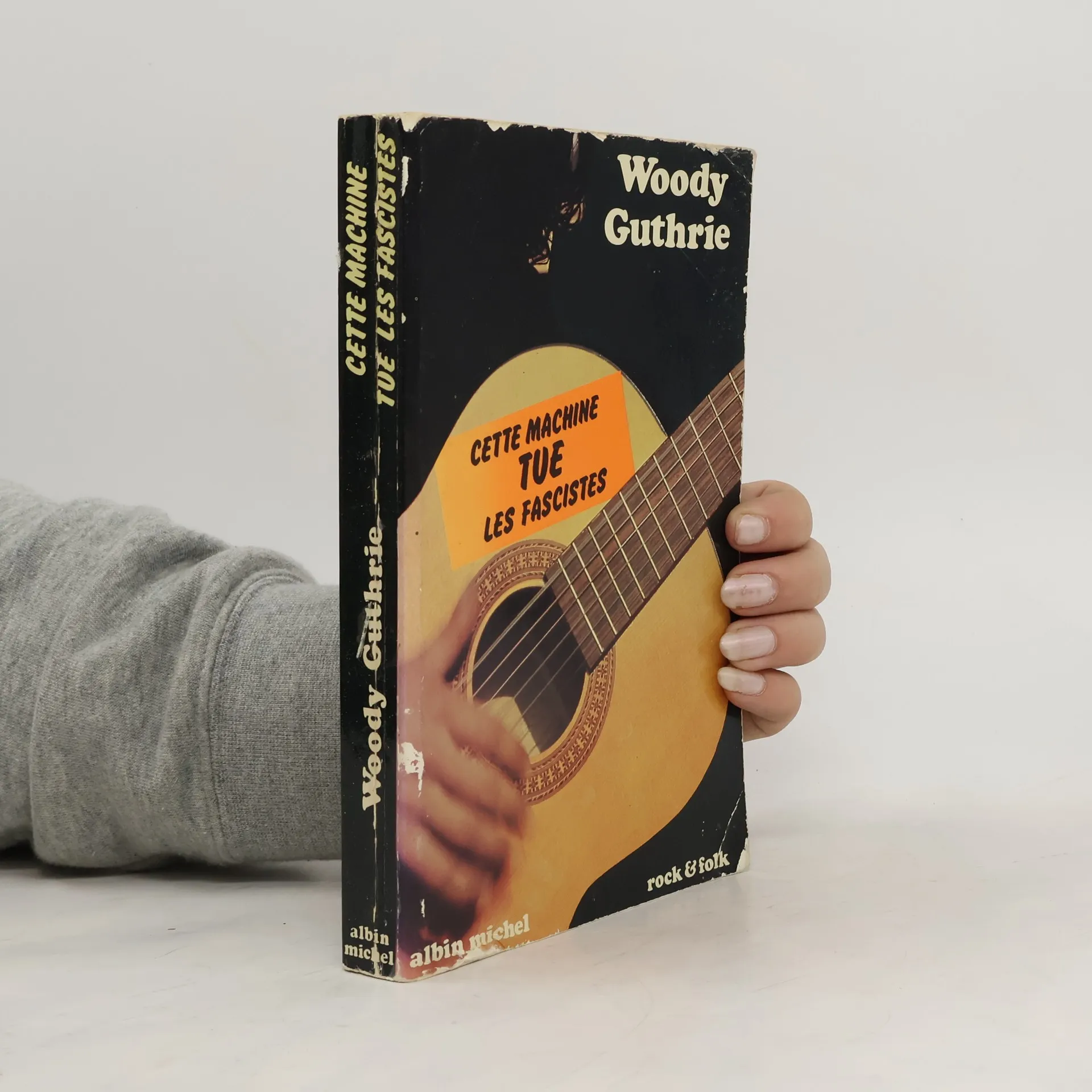
The Woody Guthrie Songbook
- 284 pages
- 10 hours of reading


Woodrow Wilson Guthrie was an American songwriter and folk musician whose extensive musical legacy comprises hundreds of songs and ballads. Influenced by his experiences during the Dust Bowl era, his work spans a wide range of themes from political commentary to traditional folk tunes. Guthrie performed continuously throughout his life, his guitar famously bearing the slogan "This Machine Kills Fascists." Despite his illness, he became a significant figurehead in the folk movement, inspiring a new generation of musicians.



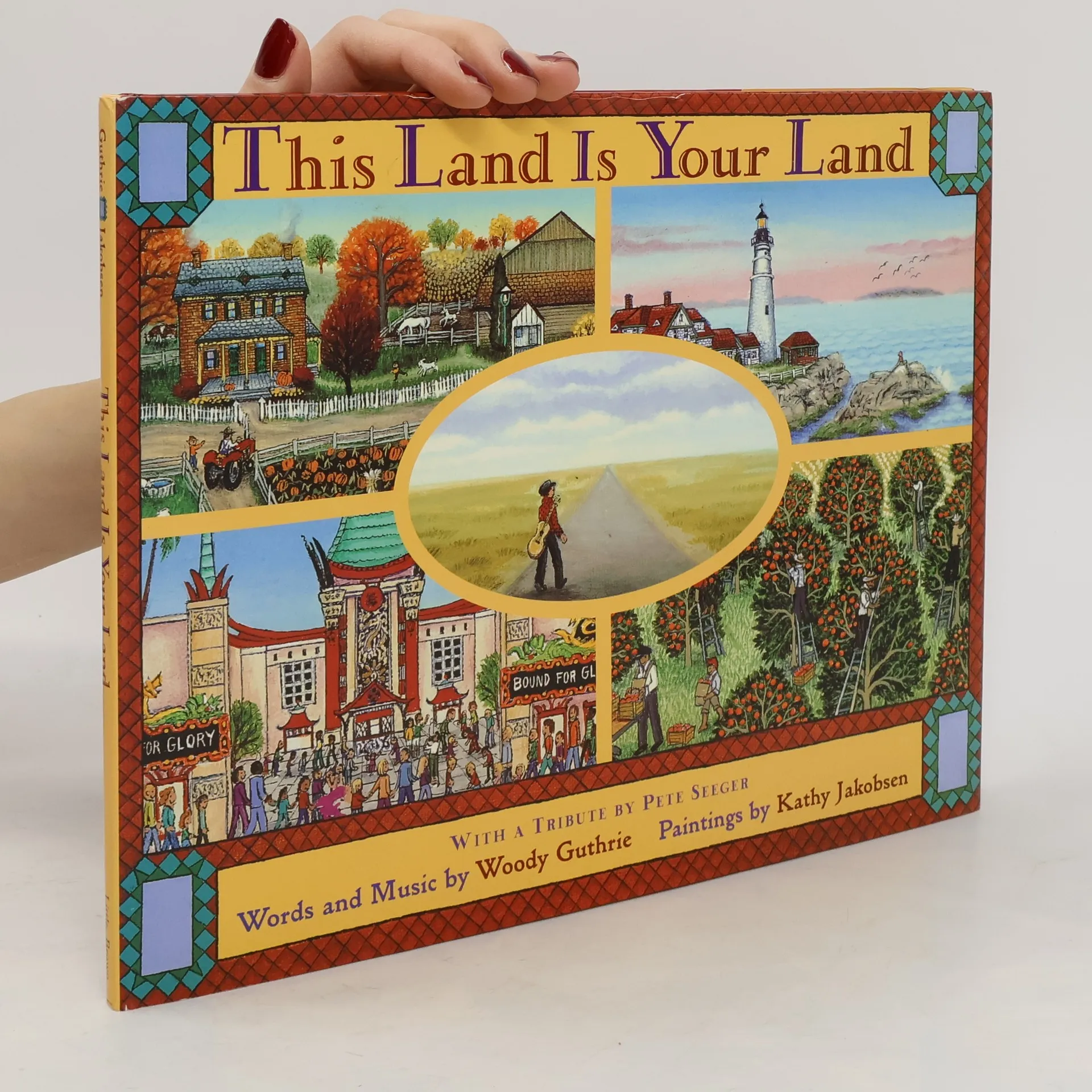

This well-known folk song is accompanied by a tribute from folksinger Pete Seeger, the musical notation, and a biographical scrapbook with photographs
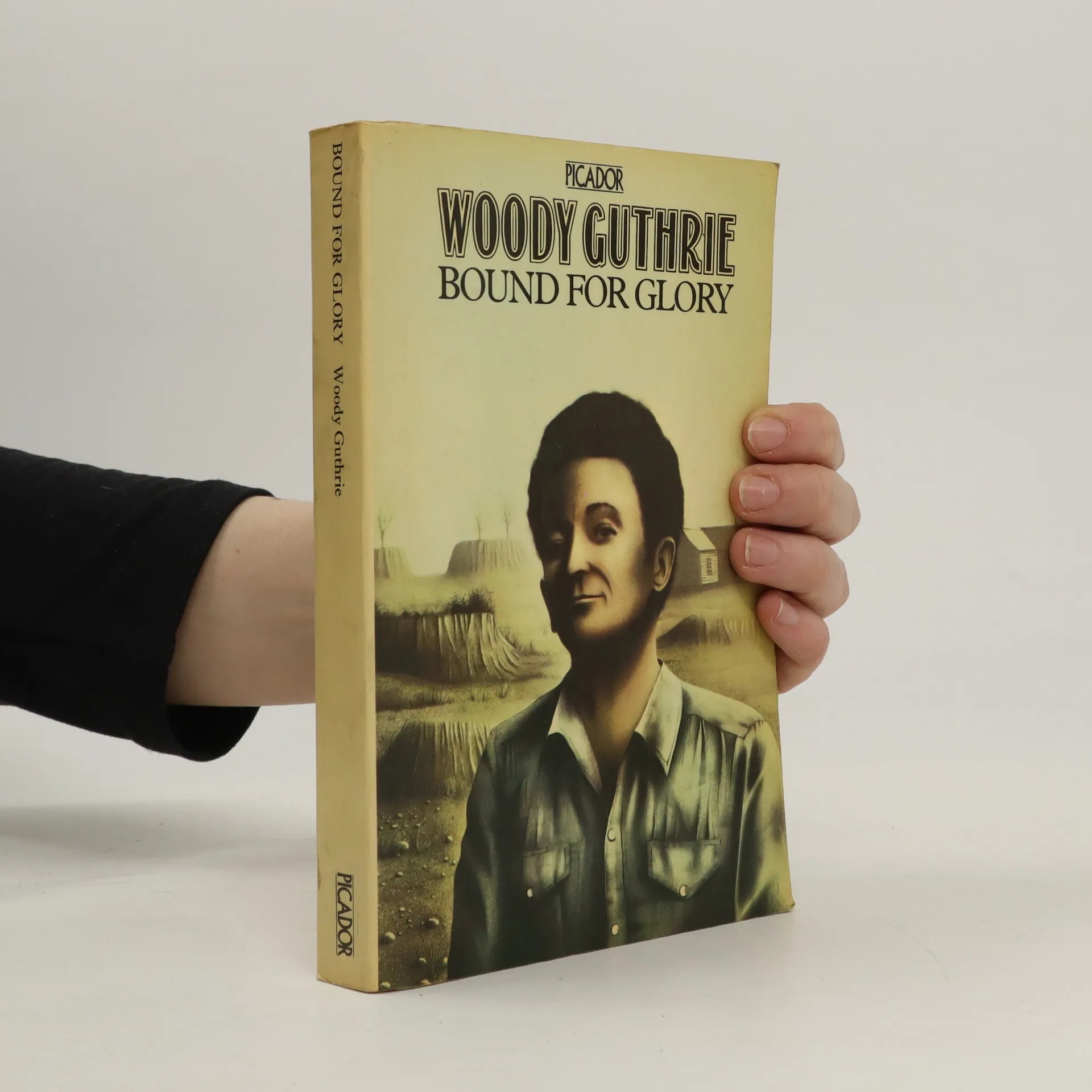
An autobiography of Woody Guthrie, founder of modern American folk music. This book presents a cynical, earthy and tragic account of his life in an Oklahoma oil-boom town, of the Depression that followed, and of his subsequent travels in, on, and under trains, in stolen cars and on his feet, round an America going rotten from the top downwards.
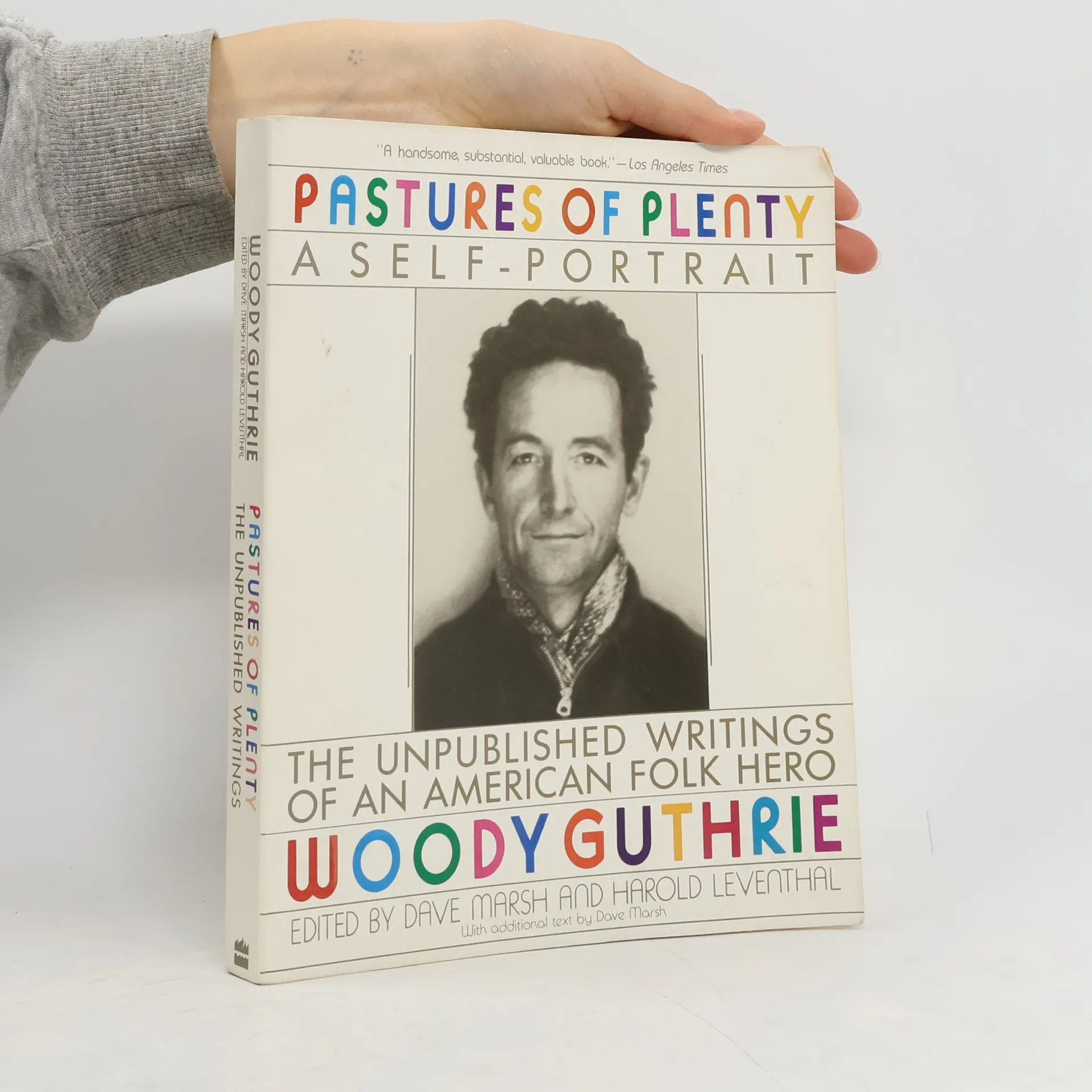
Offers a portrait of the influential American musician and his involvement in labor and political movements from the 1930s to the 1950s
Set against the backdrop of Dust Bowl America, this novel offers a poignant exploration of the era's struggles and resilience. Woody Guthrie's lyrical prose captures the essence of his music, providing an authentic representation of the hardships faced by ordinary people. Finished in 1947, it stands as his sole fully realized work, blending storytelling with the rich cultural context of its time.
An illustrated collection of songs, accompanied by their musical arrangements
Cet ouvrage est un choix des histoires, poèmes, chansons, dessins et souvenirs de Woody Guthrie
Quando Woody Guthrie era bambino il West, inteso come terra di frontiera, non c'era già più da un pezzo. Erano passati i tempi in cui al lavoratore sfruttato degli stabilimenti di New York o Boston restava come via di uscita dalla miseria e dalla disciplina di fabbrica il miraggio o la speranza di andarsene all'Ovest, prendersi un pezzo di terra e vivere "senza dipendere da nessuno". Ora l'odio per il lavoro imposto, per una condizione di sfruttamento senza vie d'uscita era la molla che spingeva centinaia di migliaia di proletari a scegliere di vivere "sulla strada" con l'incertezza del futuro piuttosto che col destino programmato della fabbrica. Poi venne la Grande crisi e poi il New Deal, lo "sforzo collettivo", la rinascita. A questo punto per gli "hoboes" irriducibili, i vagabondi, i nemici dell'ordine, non c'era più posto, la società americana doveva schiacciarli o isolarli. Tanti cedettero, tanti, se rimasero coerenti, lo furono nel più totale isolamento. Quei pochi che riuscirono a evitare queste ci riuscirono, probabilmente, proprio perchè furono capaci di trasformare in rivolta contro il nuovo ordine l'antica indisciplina, l'antica irriducibilità al lavoro sotto padrone. Woody Guthrie è uno di questi; "Bound for glory", il romanzo qui presentato, è la storia della sua vita e delle sue lotte. Nato a Okemah (Oklahoma) nel 1913, Guthrie è morto a New York nell'ottobre 1967, pochi giorni prima del Che Guevara.