Thomas Harding Book order (chronological)
August 31, 1968
Thomas Harding is a celebrated author whose works are known for their penetrating exploration of complex human stories. With a keen eye for detail and a deep understanding of his subjects, he draws readers into intense narratives that often uncover forgotten events and figures. His writing style is characterized by its accessibility combined with literary depth, making him an author who resonates with a wide range of readers seeking engaging and thought-provoking prose.



Das Puppenhaus auf dem Schiff
- 56 pages
- 2 hours of reading
»Es wurde erstmals 1913 von einem Schreiner in Mailand für ein glückliches kleines Mädchen gebaut. Als dieses Mädchen erwachsen wurde, gab sie das Puppenhaus an ihre Tochter weiter. Als dieses Mädchen nach England fliehen musste, um der Verfolgung der Juden durch die Nazis zu entkommen, folgte das kleine Haus ihr über das Meer, um bis zum Ende eines Weltkriegs bei ihr zu sein. Später kehrte die Tochter nach Italien zurück und nahm das Puppenhaus wieder mit. Es wurde für weitere zwei Generationen von Mutter zu Tochter weitergegeben. Dann, fast wie durch Magie, wurde das kleine Puppenhaus an andere Kinder weitergegeben, die es genauso sehr liebten wie einst das kleine Mädchen.«
From the Sunday Times bestselling author of HANNS AND RUDOLF, THE HOUSE BY THE LAKE, and BLOOD ON THE PAGE, comes a gripping tale of an unsolved triple murder set against the backdrop of Nazi-occupied Florence during World War Two. In August 1944, a unit of German soldiers arrives at Il Focardo, the home of Robert Einstein, while he hides in the Tuscan countryside. His wife, Nina, and their two daughters, Luce and Anna-Maria, remain in the villa. When the Germans demand to know Robert's whereabouts, Nina answers the door. Twelve hours later, the three women are brutally murdered. The next day, British troops push the German forces away from Florence, prompting a murder investigation that ultimately fails to identify the culprits. In this compelling narrative, Thomas Harding explores an unimaginable crime that exposes Italy's harrowing wartime history, including its descent into fascism, antisemitism, and deep-seated partisanship. Drawing on unpublished archival sources and firsthand accounts, Harding weaves together history and detective story to create a haunting testament to a family's quest for justice. Praise for Thomas Harding includes accolades from notable authors like John le Carré and Ben Macintyre, who commend his meticulous research and the emotional depth of his narratives.
Die Einstein-Vendetta
Hitler, Mussolini und die wahre Geschichte eines Mordes
- 352 pages
- 13 hours of reading
In »Die Einstein-Vendetta« erzählt Thomas Harding die Geschichte eines Verbrechens, das kurz vor Kriegsende im noch immer unter faschistischer Herrschaft stehenden und von der Wehrmacht besetzten Norden Italiens geschah. Und von der wie so oft vergeblichen Suche nach Gerechtigkeit. Italien, Sommer 1944 Eine Gruppe deutscher Soldaten trifft in einer Villa in der Nähe von Florenz ein. Hier, in der Villa Il Focardo, wohnt Robert Einstein, der Cousin des berühmtesten Wissenschaftlers der Welt, Albert Einstein, eines der prominentesten Gegner des Naziregimes und Lieblingsfeinds von Adolf Hitler. Nachdem er ein Jahrzehnt zuvor seine deutsche Staatsbürgerschaft aufgeben musste, ist Albert Einstein in Amerika in Sicherheit, weit außerhalb von Hitlers Reichweite. Für seinen Cousin gilt dies jedoch nicht. An ihm kann das Naziregime sich rächen. Zwölf Stunden nach ihrer Ankunft sind die Soldaten verschwunden – Morde angeordnet? Wer war daran beteiligt? Und warum kamen die Täter ungestraft davon?
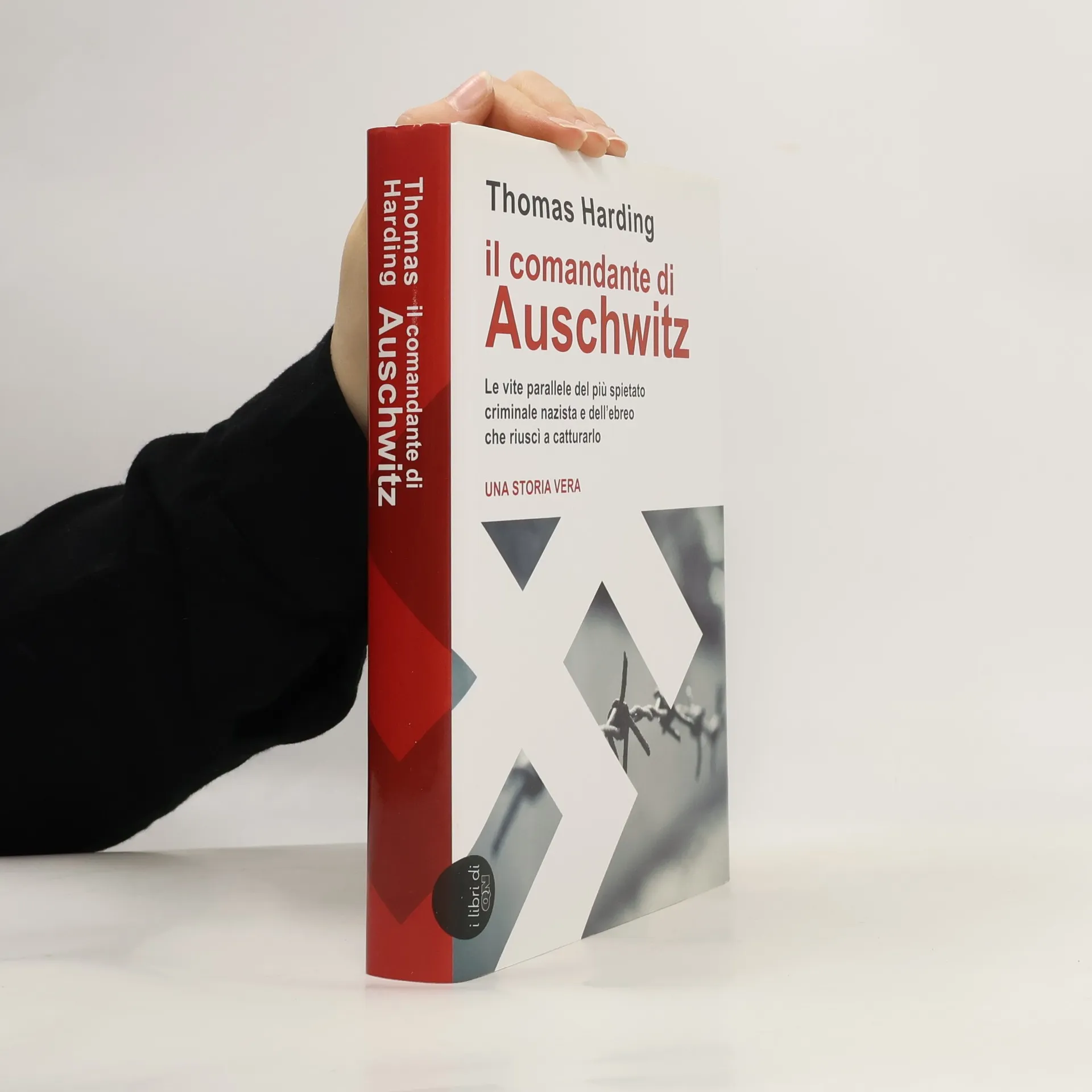
Hanns und Rudolf
Der deutsche Jude und die Jagd nach dem Kommandanten von Auschwitz
- 400 pages
- 14 hours of reading
Thomas Harding kannte seinen Großonkel Hanns Alexander als einen freundlichen Mann mit viel Familiensinn, der ein bürgerliches Leben als Bankangestellter in London geführt hatte, sich für die Synagoge engagierte und gerne Witze machte. Seine jüdische Familie stammte aus Berlin und war in den 1930er-Jahren in letzter Minute nach England ins Exil entkommen. Das wussten alle. Ansonsten wurde über den Krieg nicht gesprochen. Erst nach dem Tod von Hanns Alexander erfuhr Harding, dass er ein Nazijäger gewesen war. Er hatte Rudolf Höss, den nach Kriegsende untergetauchten Kommandanten von Auschwitz, im Alleingang in seinem Versteck auf einem Bauernhof in Norddeutschland aufgespürt und so dafür gesorgt, dass ihm der Prozess gemacht wurde. 1947 wird Höss im früheren KZ-Auschwitz hingerichtet.
Thomas Harding und Britta Teckentrup erzählen Geschichte neu – aus der Perspektive eines Hauses. In der nordöstlichen Ecke der USA, nahe der Stadt Auburn, steht ein rotes Backsteinhaus. Es wurde vor 130 Jahren erbaut und diente als Farmhaus, Altenheim, Museum und als Zufluchtsort für versklavte Frauen, Männer und Kinder. Es war Schauplatz einer außergewöhnlichen Geschichte: des Amerikanischen Revolutionskriegs, der Underground Railroad, des Amerikanischen Bürgerkriegs, des Kampfes für das Frauenwahlrecht und ein sicherer Ort für Harriet Tubman, ihre Familie und viele andere. Dies ist die spannende Geschichte eines bemerkenswerten Hauses.
The House on the Canal: The Story of the House That Hid Anne Frank
- 56 pages
- 2 hours of reading
Set in Amsterdam, a house with a green door serves as a silent witness to four centuries of human experience, encompassing themes of love, despair, and resilience. It has hosted vibrant lives and endured periods of emptiness and sorrow, notably during wartime persecution. The last resident, Anne Frank, documented her experiences in a diary, transforming the house into a symbol of hope. Lyrical text and beautifully crafted mixed-media illustrations bring the house's history to life, reflecting its profound impact on those who have lived and visited there.
Als Journalist entdeckt Thomas Harding, dass seine Vorfahren vom Sklavenhandel profitiert haben, und beschließt, ein Buch über die britische Sklavereivergangenheit zu schreiben. Der Sklavenaufstand von 1823 wird detailliert beleuchtet und zeigt, dass viele Beschwerden von Black Lives Matter ihre Wurzeln im Kolonialismus und in der Sklaverei haben. Harding plädiert dafür, dass Länder, Behörden und Familien ihre Rolle anerkennen und zu Entschädigungen beitragen. Er überzeugt 30 Familienmitglieder, einen finanziellen Beitrag zu leisten. Die Geschichte des Aufstands in der britischen Kolonie Demerara (heute Guyana) wird lebendig, beginnend auf der Zuckerplantage „Success“, die zu einem wichtigen Auslöser für die Abschaffung der Sklaverei wurde. Harding schildert die Perspektiven von vier Personen: dem versklavten Jack Gladstone, dem Missionar John Smith, dem Kolonisten John Cheveley und dem Politiker John Gladstone. Von der Vorbereitung des Aufstands bis zum Gerichtsdrama wird die grausame Realität und der Mut der Beteiligten deutlich. Das Buch verbindet persönliche Suche mit einer tiefgreifenden Untersuchung einer oft unerwähnten Geschichte und hinterfragt das Erbe der Briten in dieser Zeit. Es fordert eine Auseinandersetzung mit der „Weißen Schuld“ als Anerkennung von Fehlverhalten und Verpflichtung zur Wiedergutmachung.
White Debt
- 320 pages
- 12 hours of reading
The story of the slave uprising that took place in the British colony of Demerara - now Guyana - in the Caribbean in 1823, and its momentous consequences
A beautiful picture-book adaptation of Thomas Harding's Costa-shortlisted biography for adults, exquisitely illustrated by Britta Teckentrup. On the outskirts of Berlin, a wooden cottage stands on the shore of a lake. Over the course of a century, this little house played host to a loving Jewish family, a renowned Nazi composer, wartime refugees and a Stasi informant; in that time, a world war came and went, and the Berlin Wall was built a stone's throw from the cottage's back door. Thomas Harding first shared this remarkable story in his Costa-shortlisted biography The House by the Lake – now he has rendered it into a deeply moving picture-book for young readers. With words that read like a haunting fairy-tale, and magnificent artwork by Britta Teckentrup, this is the astonishing true story of the house by the lake.
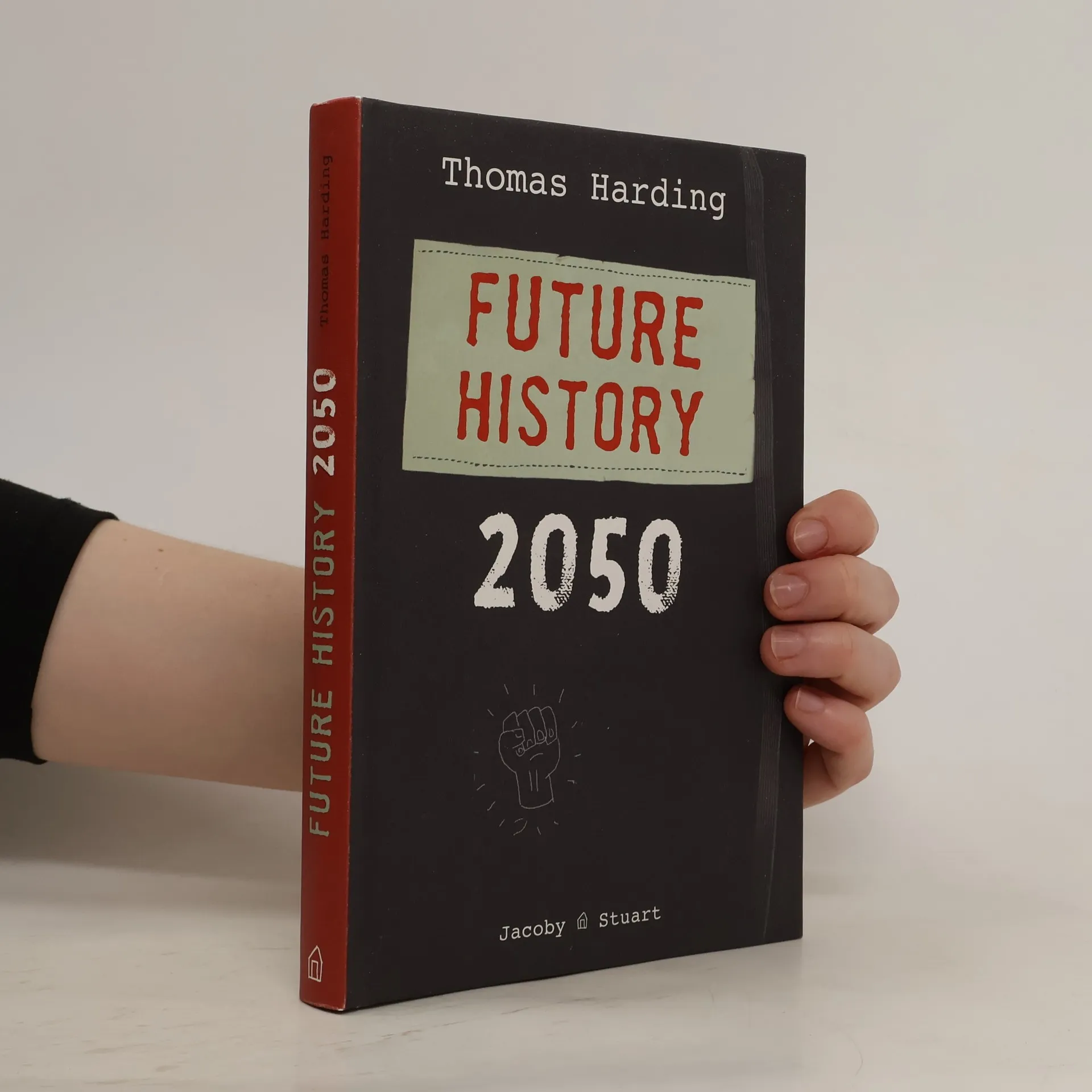
Future history 2050
- 300 pages
- 11 hours of reading
Nachrichten aus der Zukunft Wenn das, was Thomas Harding eines Tages im Jahr 2019 im Berliner Landesarchiv entdeckt hat, tatsächlich so etwas wie der Hilferuf der jungen Generation von 2050 ist, der uns auf nicht nachvollziehbare Weise erreicht hat, dann müssen wir dringend etwas unternehmen. Um den »Shock« zu mildern, wie die Folgen des menschengemachten Klimawandels dann nur noch genannt werden. Um das politische Treiben der Populisten zu bremsen, die ein solches Chaos anrichten, dass die Menschen dankbar sind, als die »Ethnarchen«, die Superreichen, einen Polizeistaat aufziehen, der wenigstens funktionstüchtig ist. Aber nicht alles ist schlimm in der Zukunft: Es gibt tolle technische Errungenschaften, und die Lebenserwartung ist erheblich gestiegen. Und eigentlich bräuchten die Menschen kaum noch zu arbeiten, wenn nicht laufend neue Arbeiten erfunden würden … Ein Kassiber? Ein historisches Dokument? Geschichtsschreibung? Oder doch eher ein Roman? Urteilen Sie selbst! >> Ein Buch für alle, die die Zukunft noch erleben und die eine gute Zukunft erleben wollen.
Legacy
- 560 pages
- 20 hours of reading
In the early 1800s Lehmann Gluckstein and his family escaped the pogroms of Eastern Europe and made their way to Whitechapel in the East End of London. There, starting with nothing, they worked tirelessly to pull themselves out of poverty, creating a small tobacco factory that quickly grew to become the largest catering company in the world: J. Lyons. For over a century, Lyons was everywhere. Its restaurants and corner houses were on every high street, its coffee and tea in every cup, its products in every home. By bringing the world to the British people, the company transformed the way we eat, drink and are entertained - democratising luxury and globalising our tastes. But it was a victory that was not easily won - a story of the virtue of hard work, perseverance and an indomitable spirit in the face of repeated obstacles: poverty, hatred and injustice. It is a tale that is rarely told, of an immigrant family's journey from rags to riches: the story of the British Dream. Legacy charts the rise and fall of one of the most influential dynasties in British history through the lives of five astonishing generations, bound together by an unbreakable code. This is a sweeping yet intimate work of history, filled with stories of sacrifice and selflessness, betrayal and personal tragedy, Empire and its cost, and success on an unimaginable scale
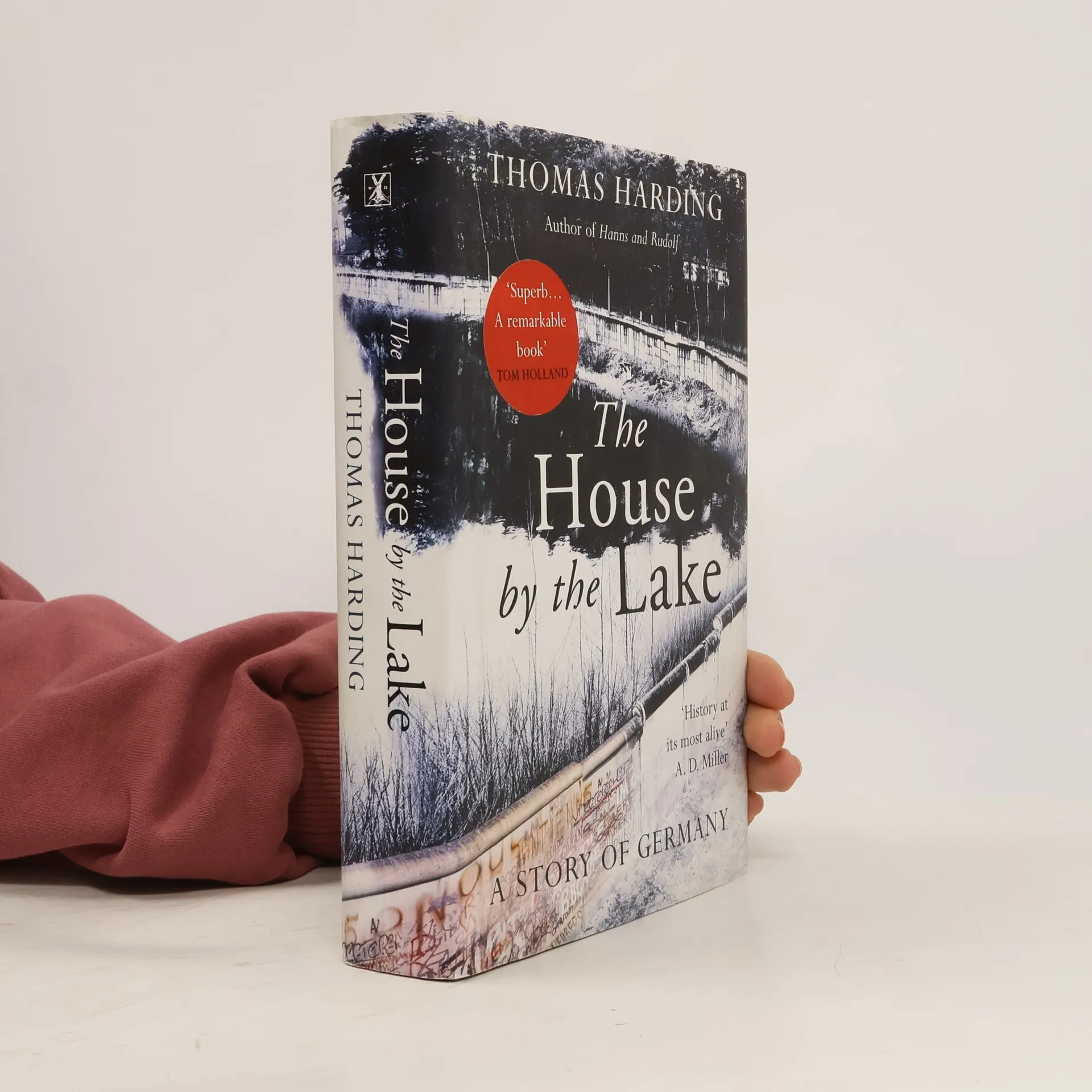
SHORTLISTED FOR THE COSTA BIOGRAPHY AWARD 2015LONGLISTED FOR THE ORWELL PRIZE 2016 A RADIO 4 BOOK OF THE WEEKA passionate memoir.' Neil MacGregorA superb portrait of twentieth century Germany seen through the prism of a house which was lived in, and lost, by five different families.
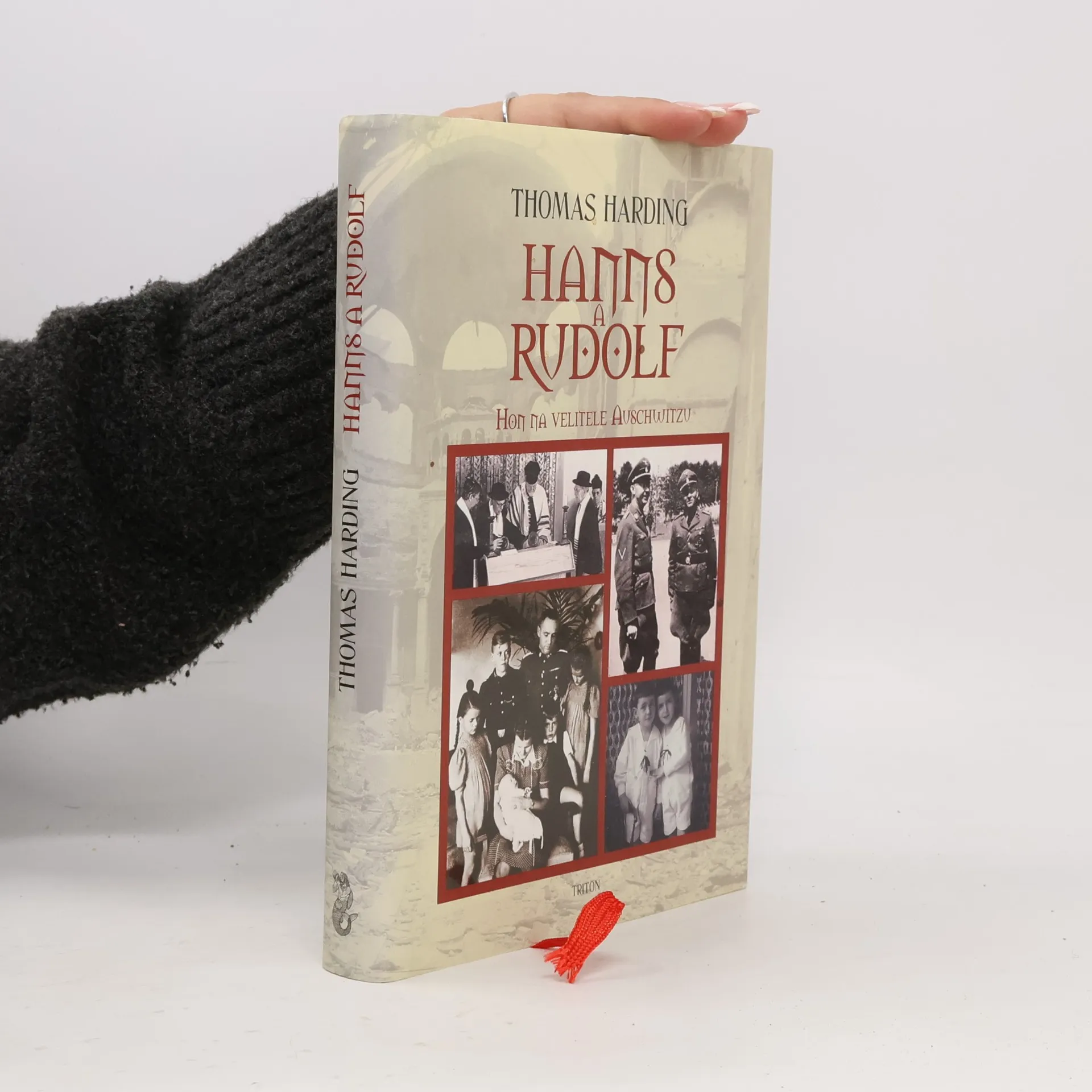
Po skončení 2. světové války byl ustanoven britský První tým pro vyšetřování válečných zločinů, jehož úkolem bylo vystopovat a dopadnout pachatele zvěrstev z řad význačných nacistů. Nadporučík a později kapitán Hanns Alexander, pocházející z úspěšné rodiny německých Židů, která ve 30. letech minulého století musela před nacisty uprchnout z Berlína do Londýna (Hanns Alexander byl bratrem babičky Thomase Hardinga, autora této knihy), se stal jedním z hlavních britských vyšetřovatelů, zatímco Rudolf Höss, bývalý německý rolník a voják, který za 2. světové války působil v SS, velel koncentračnímu táboru Auschwitz a dohlížel na fyzickou likvidaci nejméně milionu mužů, žen a dětí, se ocitl v pozici jeho kořisti, jíž se zpočátku dařilo unikat. Thomas Harding v knize poprvé odhaluje fascinující podrobnosti ze života obou mužů a z dopadení Rudolfa Hösse. Přibližuje středoevropská bojiště 1. světové války, bohémský život v Berlíně 20. let, hrůzy nacistických koncentračních táborů za 2. světové války i soudní proces proti hlavním představitelům nacistického Německa před mezinárodním vojenským tribunálem v Bergen-Belsenu a Norimberku. Strhujícím způsobem vypráví osudy dvou německých mužů, jejichž životní cesty se protnuly.
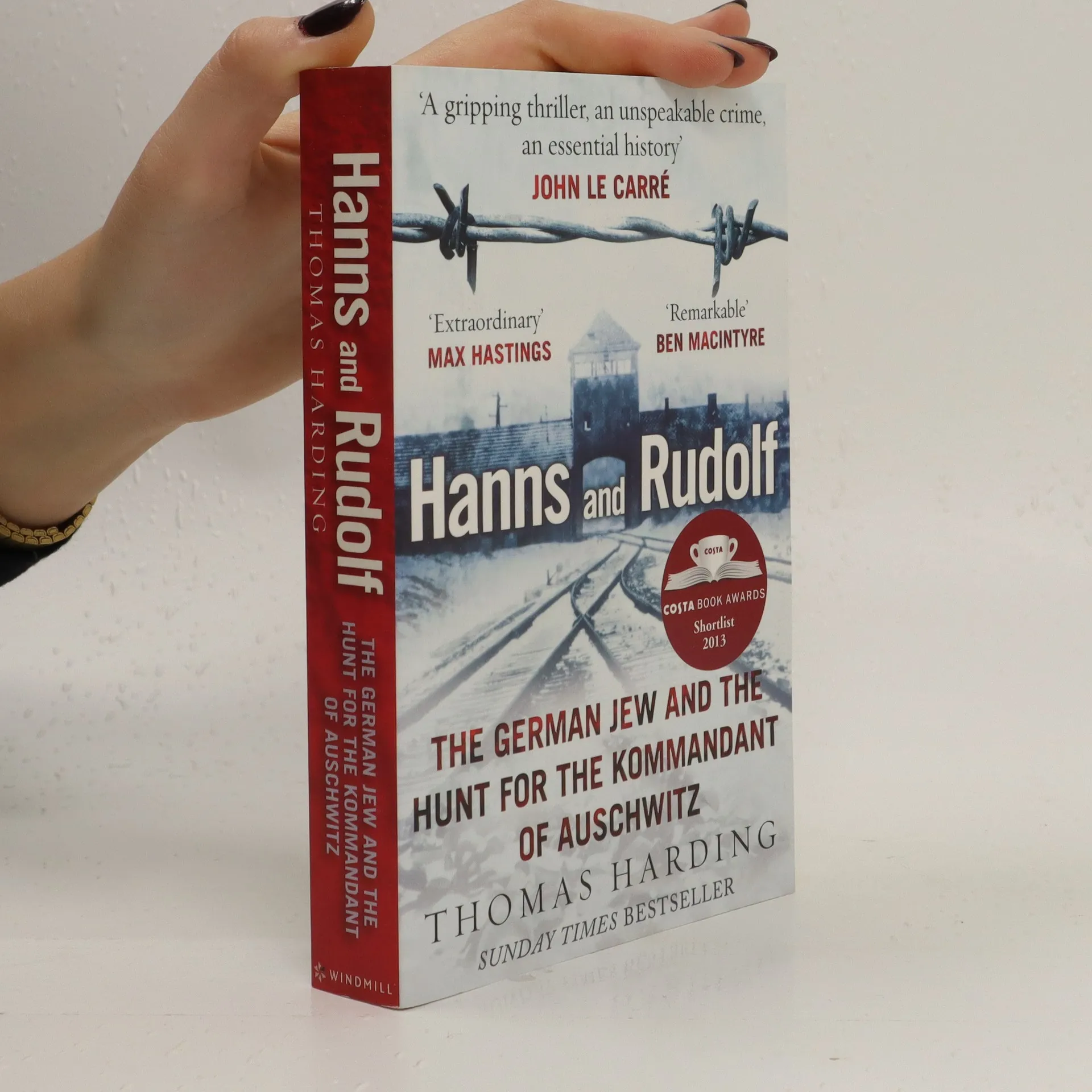
Hanns and Rudolf
- 384 pages
- 14 hours of reading
THE SUNDAY TIMES BESTSELLER WINNER OF THE JQ WINGATE PRIZE 2015 SHORTLISTED FOR THE COSTA BIOGRAPHY AWARD 'A gripping thriller, an unspeakable crime, an essential history.' JOHN LE CARR Hanns Alexander was the son of a prosperous German family who fled Berlin for London in the 1930s. Rudolf H ss was a farmer and soldier who became the Kommandant of Auschwitz Concentration Camp and oversaw the deaths of over a million men, women and children. In the aftermath of the Second World War, the first British War Crimes Investigation Team is assembled to hunt down the senior Nazi officials responsible for the greatest atrocities the world has ever seen. Lieutenant Hanns Alexander is one of the lead investigators, Rudolf H ss his most elusive target. In this book Thomas Harding reveals for the very first time the full account of H ss' capture. Moving from the Middle-Eastern campaigns of the First World War to bohemian Berlin in the 1920s, to the horror of the concentration camps and the trials in Belsen and Nuremberg, Hanns and Rudolf tells the story of two German men whose lives diverged, and intersected, in an astonishing way.