

Explore the latest books of this year!
Bookbot

John J. Medina

    Dr. John J. Medina is a developmental molecular biologist fascinated by how the mind processes information. His work delves into principles for thriving in various aspects of life, exploring how we organize information and how our environments shape our cognitive functions. He critically examines the design of our educational and professional settings, offering insightful perspectives on brain function and its practical applications.

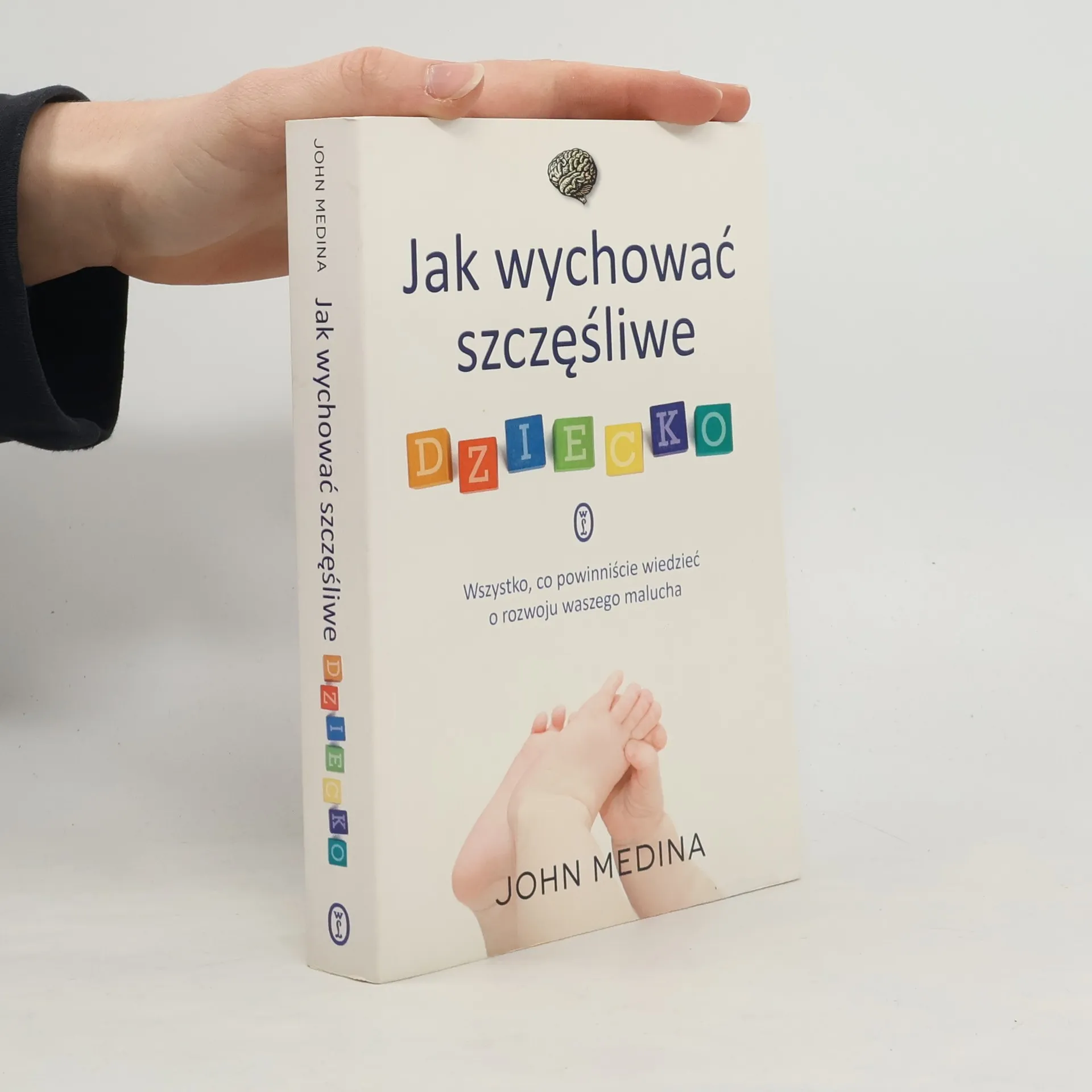
    Jak wychować szczęśliwe dziecko
    The Clock of Ages
    • 2012

      Jak wychować szczęśliwe dziecko

      • 364 pages
      • 13 hours of reading

      Jak wychować mądre i szczęśliwe dziecko? Wystarczy, jak dowodzi John Medina, przestrzegać kilku prostych lecz niezwykle ważnych reguł. Pamiętajcie: - Zestresowana matka = zestresowane dziecko; - Niech twoje "nie" oznacza "nie", a "tak" znaczy "tak"; - Chwal wysiłek, nie IQ twojego dziecka; - Najważniejszy jest kontakt z drugim człowiekiem, a nie z telewizorem; - Szczęśliwe dziecko ma zazwyczaj szczęśliwych rodziców. - Chcecie dowodów i wyjaśnień? Sięgnijcie po książkę specjalisty od rozwoju mózgu i ojca w jednej osobie. Jak wychować szczęśliwe dziecko to znakomita lektura popularnonaukowa i jednocześnie przejrzysty, poparty przykładami z życia, poradnik dla tych, którzy spodziewają się dziecka i dla świeżo upieczonych rodziców. Poznajcie Super-Nianię w spodniach!

      Jak wychować szczęśliwe dziecko
    • 1997

      The Clock of Ages

      Why We Age, How We Age, Winding Back the Clock

      • 348 pages
      • 13 hours of reading

      A few gray hairs and a couple of wrinkles are often the first visible signs of aging on our bodies. For most of us, however, aging remains largely a mystery. We can only wonder why we have to age and what casualty of age hovers nearby. Written in everyday language, The Clock of Ages takes us on a tour of the aging human body--all from a research scientist's point of view. From the deliberate creation of organisms that live three times their natural span to the isolation of genes that may allow humans to do the same, The Clock of Ages also examines the latest discoveries in geriatric genetics. Sprinkled throughout the pages are descriptions of the aging of many historical figures, such as Florence Nightingale, Jane Austen, Billy the Kid, Napoleon, and Casanova. These stories underscore the common bond of senescence that unites us all. The Clock of Ages tells us why.

      The Clock of Ages