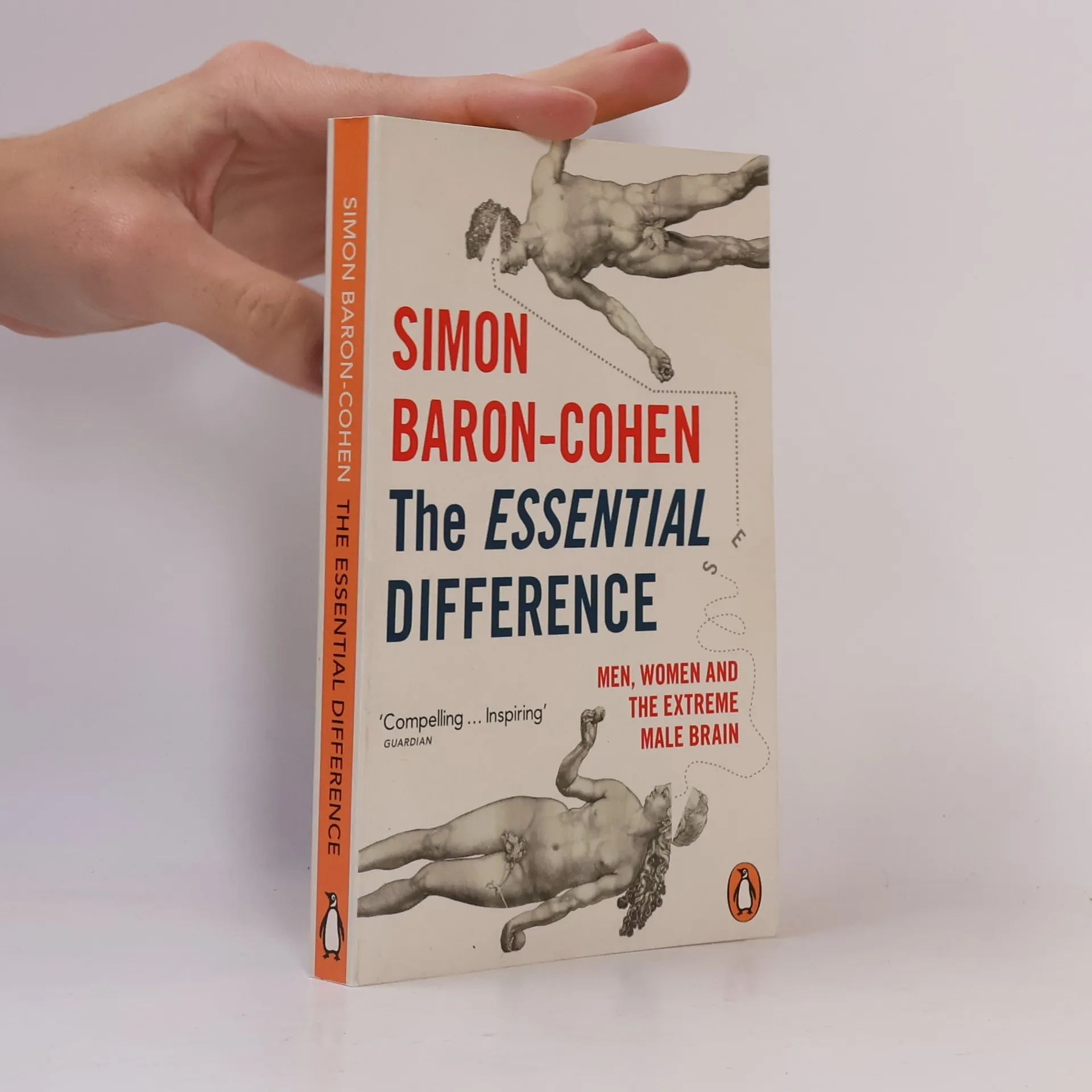
Why are female brains better at empathasing? How are male brains designed to analyse systems? And what really makes men and women different? The author explores list-making, lying and two decades of research in a ground-breaking examination of how our brains can be male or female.
Simon Baron-Cohen Books
August 15, 1958
Simon Baron-Cohen is a Professor of Developmental Psychopathology at the University of Cambridge. His research focuses on autism, exploring theories of 'mind-blindness' and the 'male brain' as an extreme form. His work delves into the conceptualization of psychological sex differences through the lens of empathising-systemising theory.



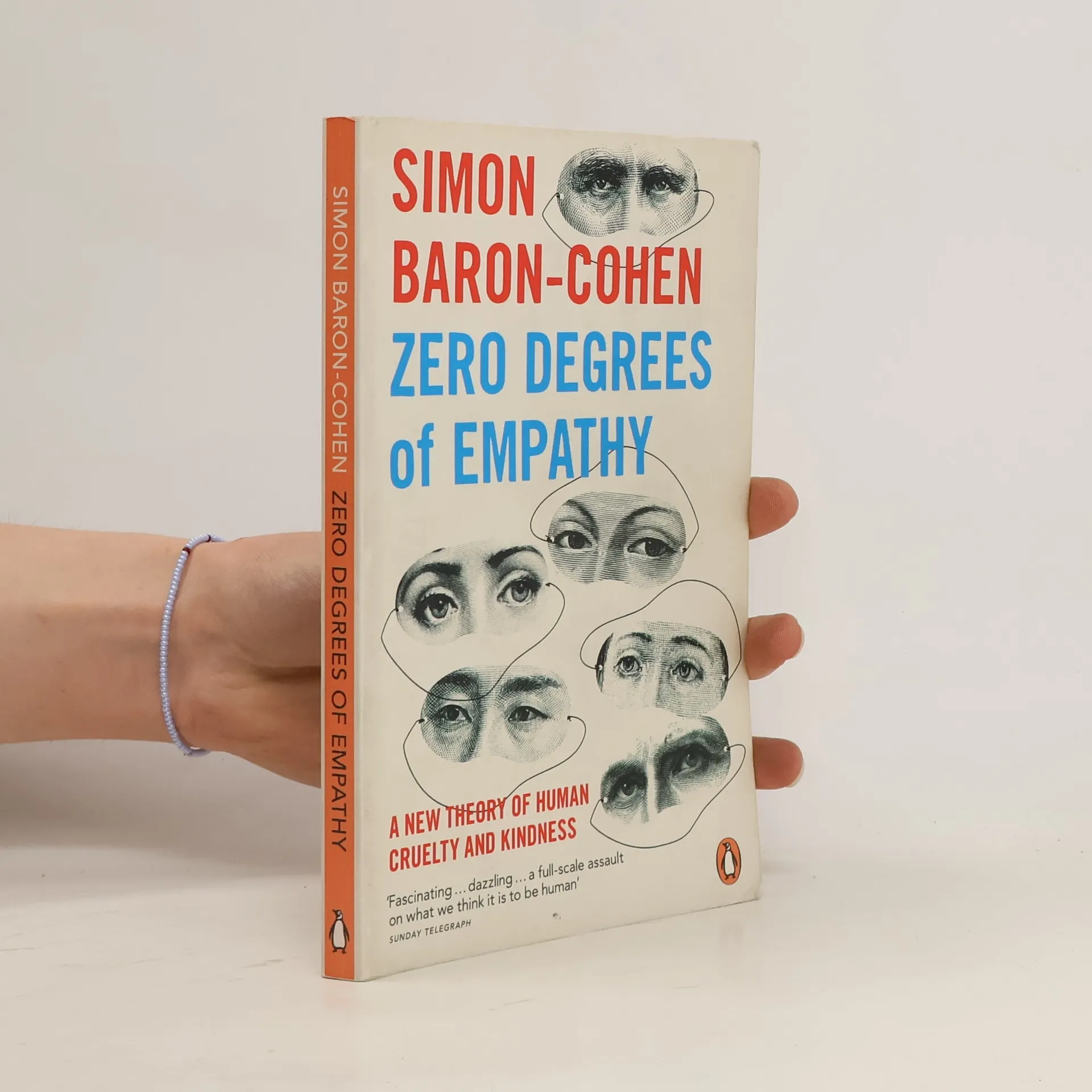
Is it possible that - rather than thinking in terms of 'good' and 'evil' - all of us instead lie somewhere on the empathy spectrum, and our position on that spectrum can be affected by both genes and our environments? Why do some people treat others as objects? This book examines an understanding in a study of what it means to be human.
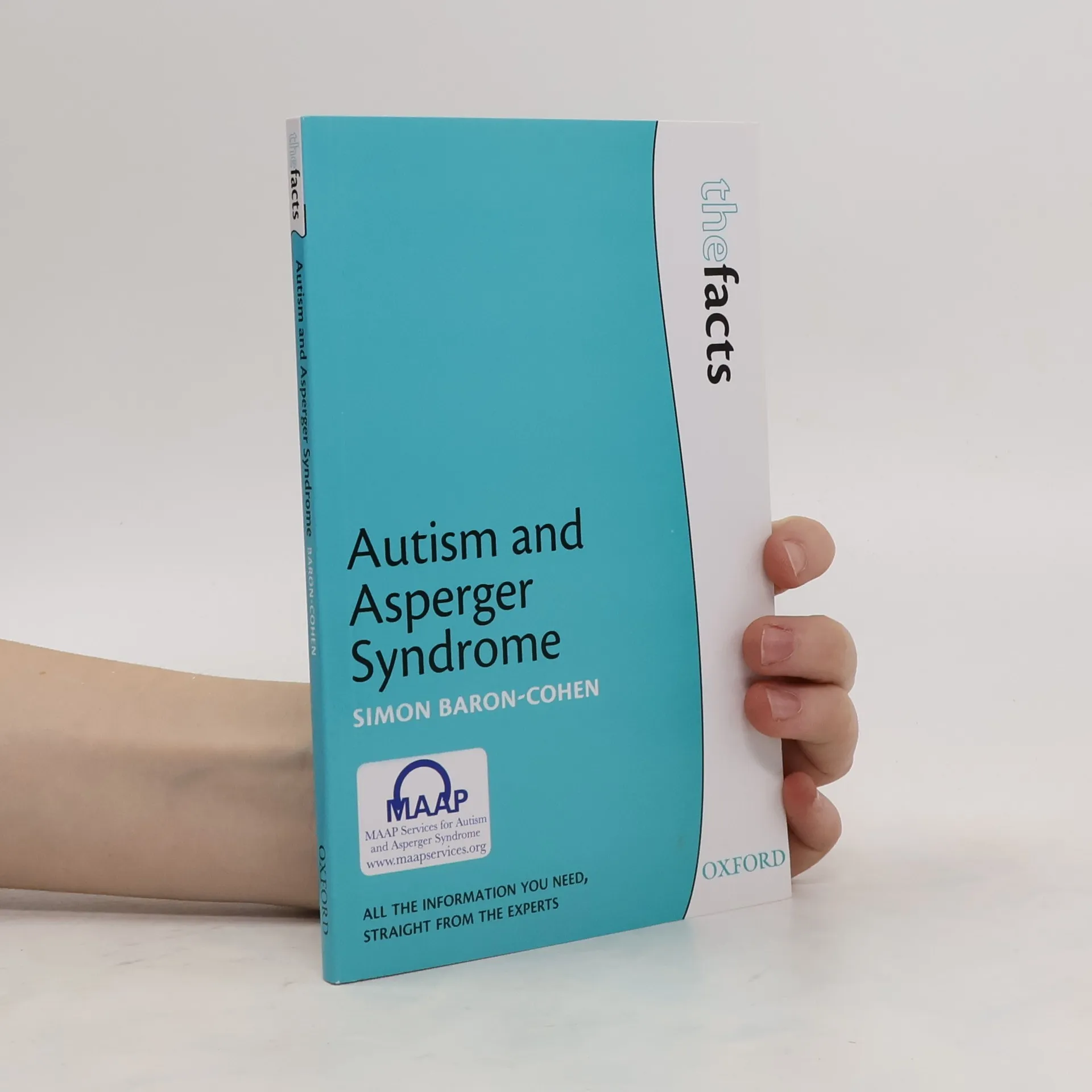
Autism and Asperger syndrome
- 157 pages
- 6 hours of reading
Following on from the highly successful book Autism: The Facts, this new volume by Simon Baron-Cohen summarizes the current understanding of the autistic spectrum, from Asperger syndrome to autism. Written first and foremost as a guide for parents, but what is also certain to become required reading for interested professionals, the book covers what we have learnt to date about the brain, genetics, and interventions for autism spectrum disorders. The book also provides an overview of diagnosis of these conditions, their biological and physiological causes, and the various treatments and educational techniques available. In the book Professor Baron-Cohen also presents a new unified psychological theory of the autistic spectrum.
Mindblindness
- 197 pages
- 7 hours of reading
This text argues that specific neurocognitive mechanisms have evolved that result in mindreading, an ability to interpret, for the most part unconsciously, non-verbal actions. It suggests that autistic children suffer from mindblindness due to selective developmental impairment in mindreading.
A groundbreaking and challenging examination of the social, cognitive, neurological, and biological roots of psychopathy, cruelty, and evil Borderline personality disorder, autism, narcissism, psychosis: All of these syndromes have one thing in common--lack of empathy. In some cases, this absence can be dangerous, but in others it can simply mean a different way of seeing the world.In The Science of Evil Simon Baron-Cohen, an award-winning British researcher who has investigated psychology and autism for decades, develops a new brain-based theory of human cruelty. A true psychologist, however, he examines social and environmental factors that can erode empathy, including neglect and abuse. Based largely on Baron-Cohen's own research, The Science of Evil will change the way we understand and treat human cruelty.
The pattern seekers : a new theory of human invention
- 256 pages
- 9 hours of reading
'Celebrates human cognitive diversity, and is rich with empathy and psychological insight' Steven Pinker 'Bold, intriguing, profound' Jay Elwes, Spectator Why can humans alone invent? In this book, psychologist and world renowned autism expert Simon Baron-Cohen puts forward a bold new theory: because we can identify patterns, specifically if-and-then patterns. Baron-Cohen argues that the genes for this unique ability overlap with the genes for autism and have driven human progress for 70,000 years. From the first musical instruments to the agricultural, industrial, and digital revolutions, Pattern Seekers links one of our greatest human strengths with a condition that is so often misunderstood and challenges us to think differently about those who think differently.
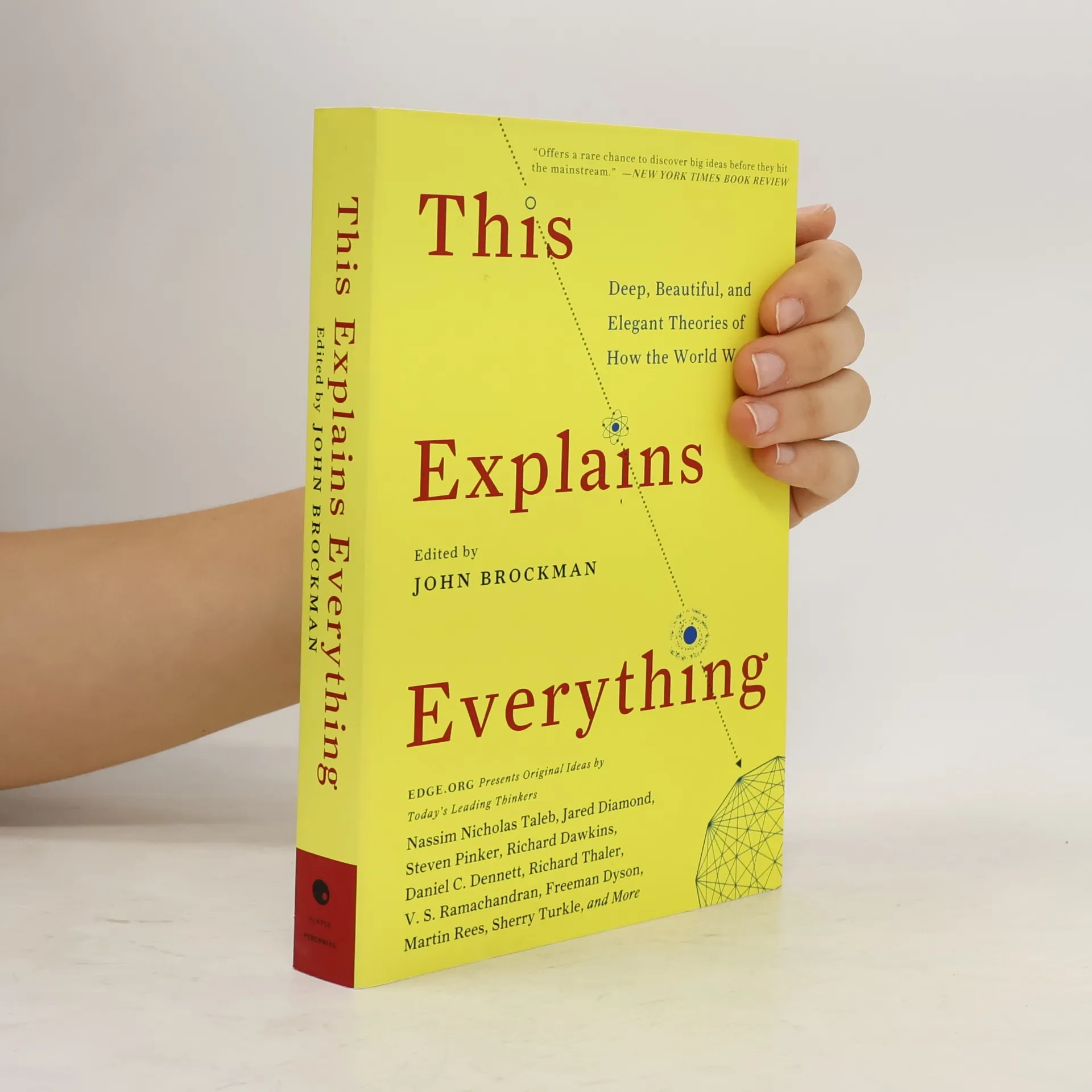
This explains everything : deep, beautiful, and elegant theories of how the world woks
- 432 pages
- 16 hours of reading
In This Explains Everything, John Brockman, founder and publisher of Edge.org, asked experts in numerous fields and disciplines to come up with their favorite explanations for everyday occurrences. Why do we recognize patterns? Is there such a thing as positive stress? Are we genetically programmed to be in conflict with each other? Those are just some of the 150 questions that the world's best scientific minds answer with elegant simplicity. With contributions from Jared Diamond, Richard Dawkins, Nassim Taleb, Brian Eno, Steven Pinker, and more, everything is explained in fun, uncomplicated terms that make the most complex concepts easy to comprehend.
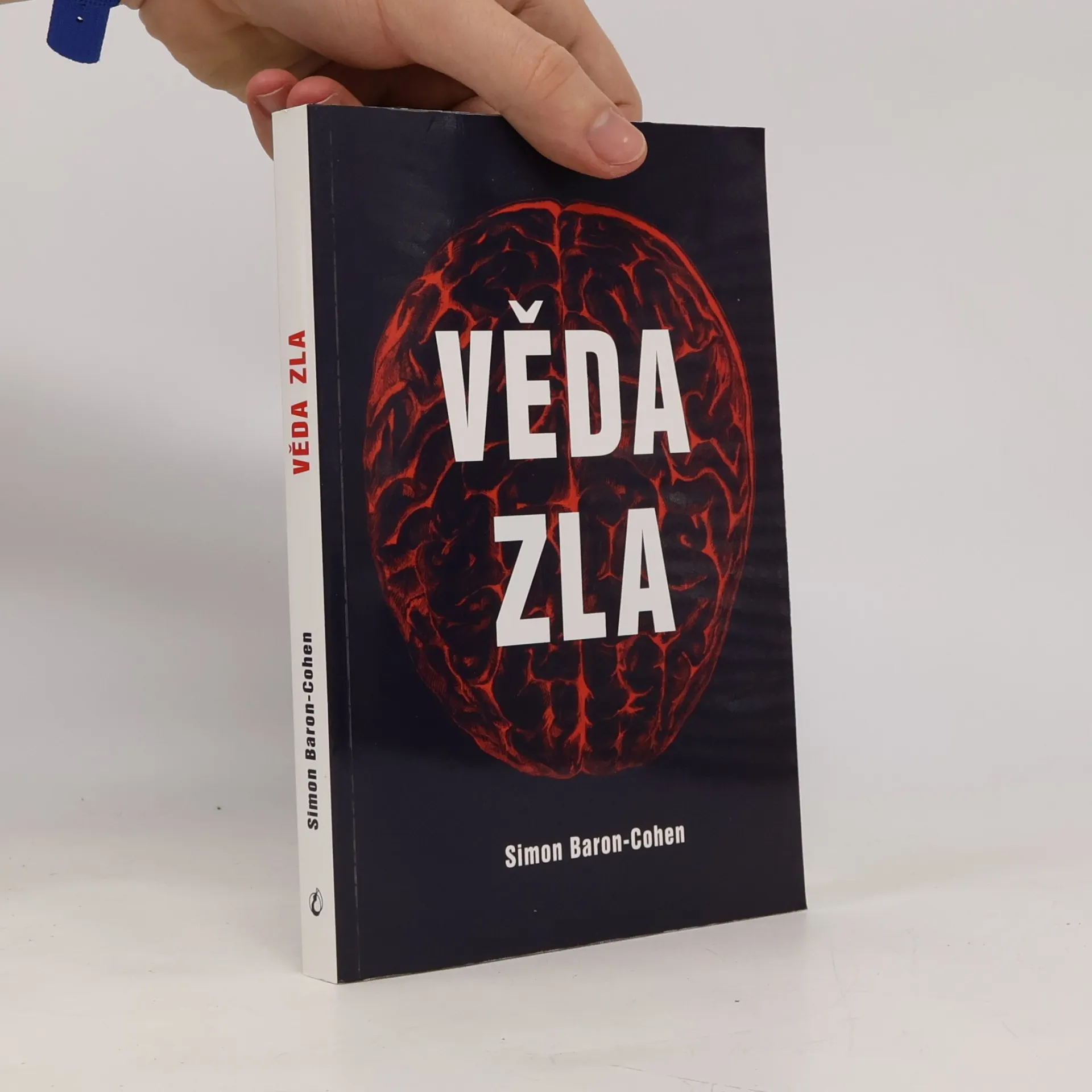
Věda zla: Nová teorie lidské krutosti
- 252 pages
- 9 hours of reading
Simon Baron-Cohen se v knize Věda zla pokouší nalézt odpověď na otázku, proč jsou někteří lidé nepochopitelně krutí k jiným lidem, proč se lidé v určitých situacích chovají k jiným lidem jako k věcem. S obvyklou odpovědí, že takoví lidé jsou prostě „zlí“, se nespokojuje a pátrá po hlubších, vědecky doložitelných příčinách krutého chování. Za hlavní příčinu krutosti považuje sníženou nebo úplně chybějící empatii, která je společným příznakem některých duševních poruch – hraniční poruchy osobnosti, psychopatie, narcistické poruchy, ale také autismu a Aspergerova syndromu. V některých případech může být chybějící empatie nebezpečná, v jiných může být jejím důsledkem odlišný, někdy prospěšný, pohled na svět. Aby lépe porozuměl důvodům „eroze empatie“, zkoumá její biologické základy – empatický mozkový obvod a genetické predispozice – nezapomíná však na vlivy prostředí a výchovy, včetně zanedbávání a zneužívání dětí. Svět, jehož obraz nám Baron-Cohen předkládá, není výlučně krutý nebo „zlý“. Autor nechává promluvit také ty, kteří se nacházejí na druhém konci spektra empatie – „superempatické“ osobnosti, které mají sílu měnit svět k lepšímu – a připomíná nám, že empatie je možná tím nejcennějším zdrojem, který má dnešní lidstvo k dispozici.