
Brian J. Bruya is an accomplished translator of Chinese classics and a professor of history and philosophy. He dedicates his work to making the rich intellectual heritage of China accessible to Western readers. His extensive translation efforts bring the profound insights of ancient Chinese thinkers to a contemporary audience. Bruya's academic background in philosophy and Chinese studies enables him to deeply engage with the nuances of original texts, presenting them in a compelling and understandable manner.
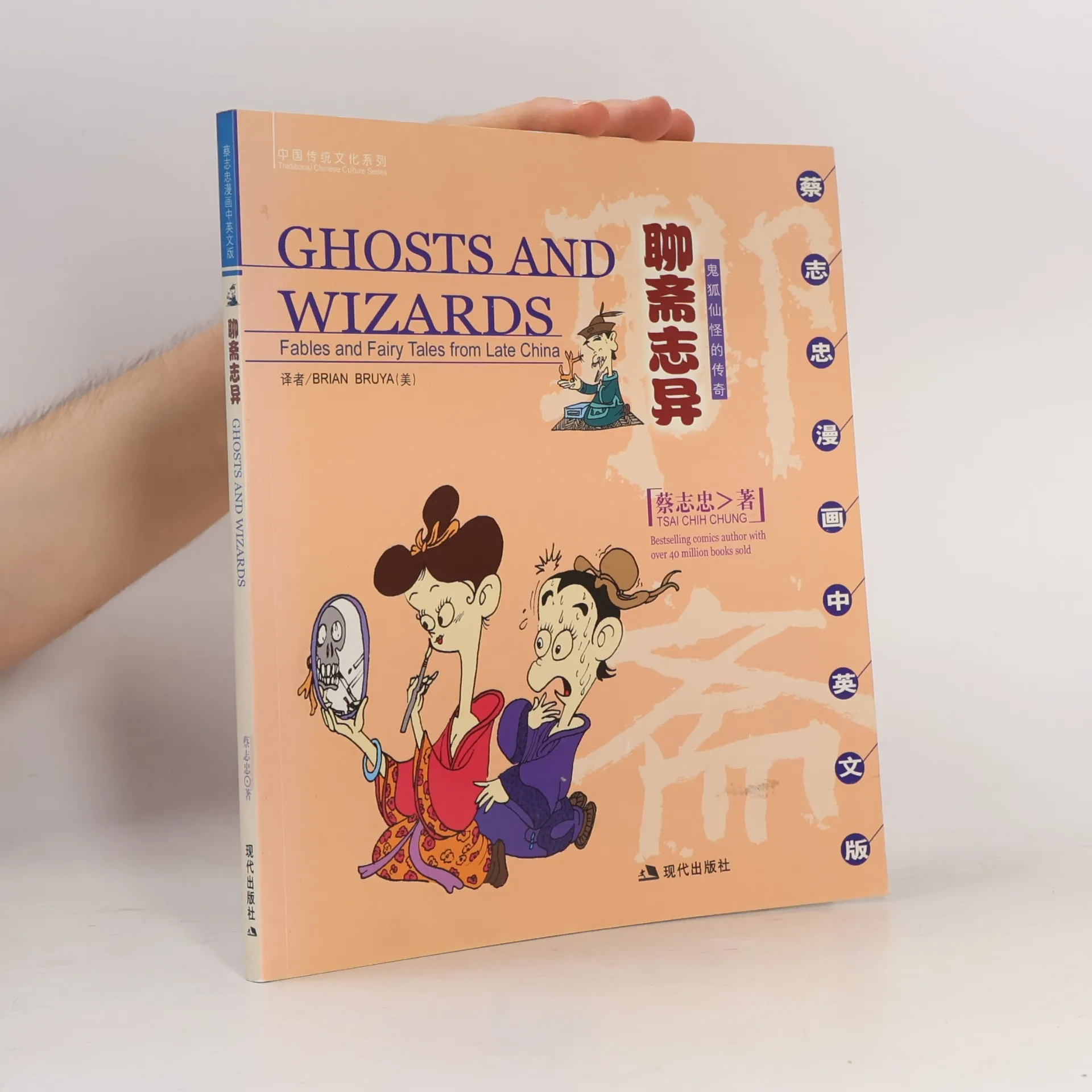
Fables and Fairy Tales from Late China / 鬼狐仙怪的传奇 - Bilingual Edition
121 pages
5 hours of reading
Part of the Traditional Chinese Culture series, this book is an illustrated adaptation of Pu Songlings influential look at the odd, the peculiar and the supernatural. Collected and popularized by the immensely popular Chinese illustrator Tsai Chih Chung, the book includes 12 tales for the reader of today through cartoon panels with a text that is irreverently humorous. It is a great and easy tool to learn Chinese classics.
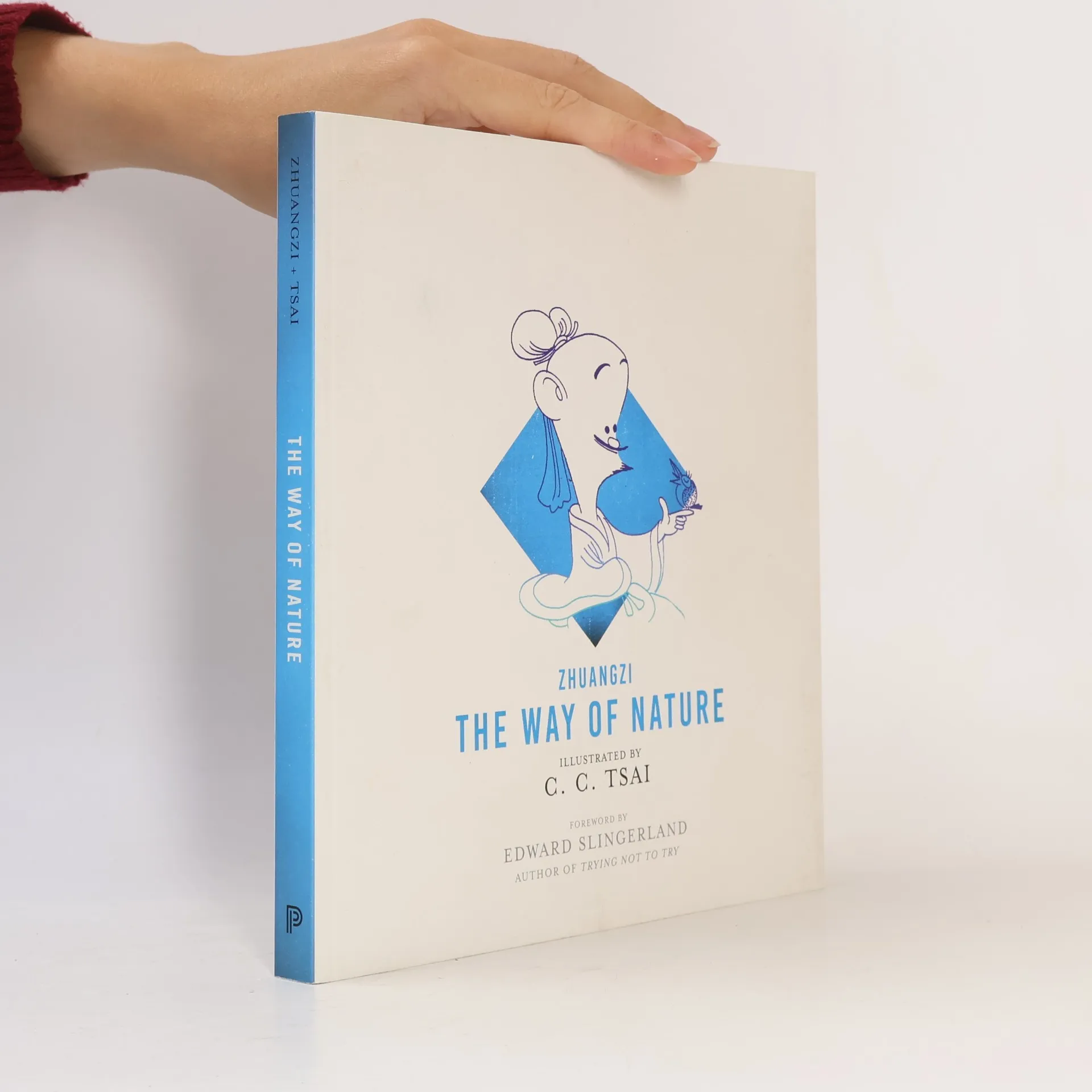
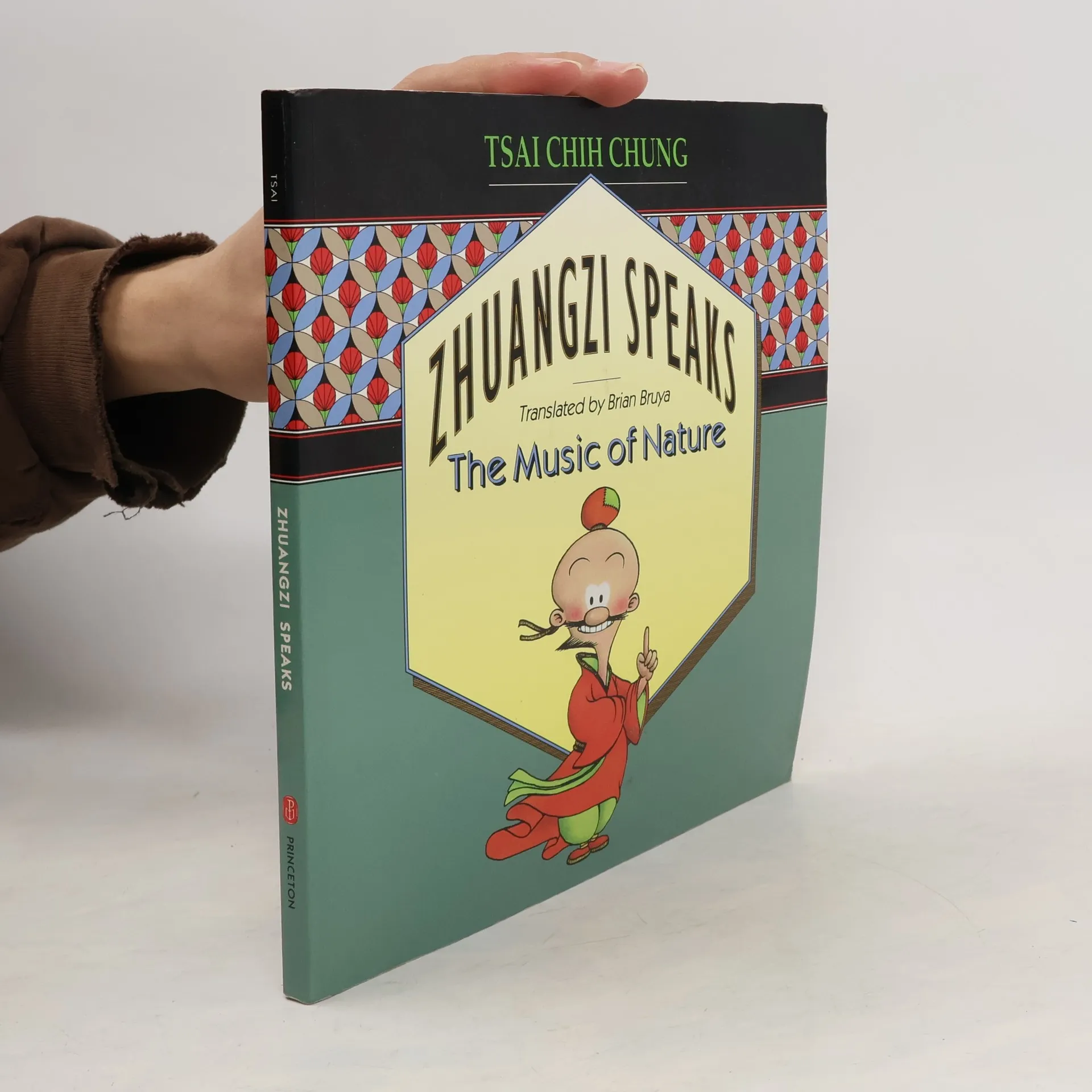
During a time of political and social upheaval in China, the insights of the Daoist sage Zhuangzi (369?-286? B.C.) offered a path to natural living. Inspired by Zhuangzi's wisdom, Taiwanese cartoonist Tsai Chih Chung created a bestselling comic book that brings his key parables to life, translating Zhuangzi's enlightening sayings into modern Chinese. Tsai's work made the core parts of Zhuangzi accessible to millions of Chinese speakers who might not otherwise engage with this significant Daoist text. Now translated into English by Brian Bruya, the comic book reaches a Western audience, featuring the classical Chinese text in the margins. Through playful illustrations and the translation, readers are encouraged to embrace spontaneity, letting go of presuppositions and ambitions to attune themselves to the music of nature. Alongside Laozi's writings, Zhuangzi's philosophy has profoundly influenced Chinese culture, impacting painting, literature, and martial arts, and significantly shaping Chan Buddhism (Japanese Zen). An afterword by Donald Munro provides historical and cultural context for Daoism and the Zhuangzi, enriching the reader's understanding of its enduring legacy.