

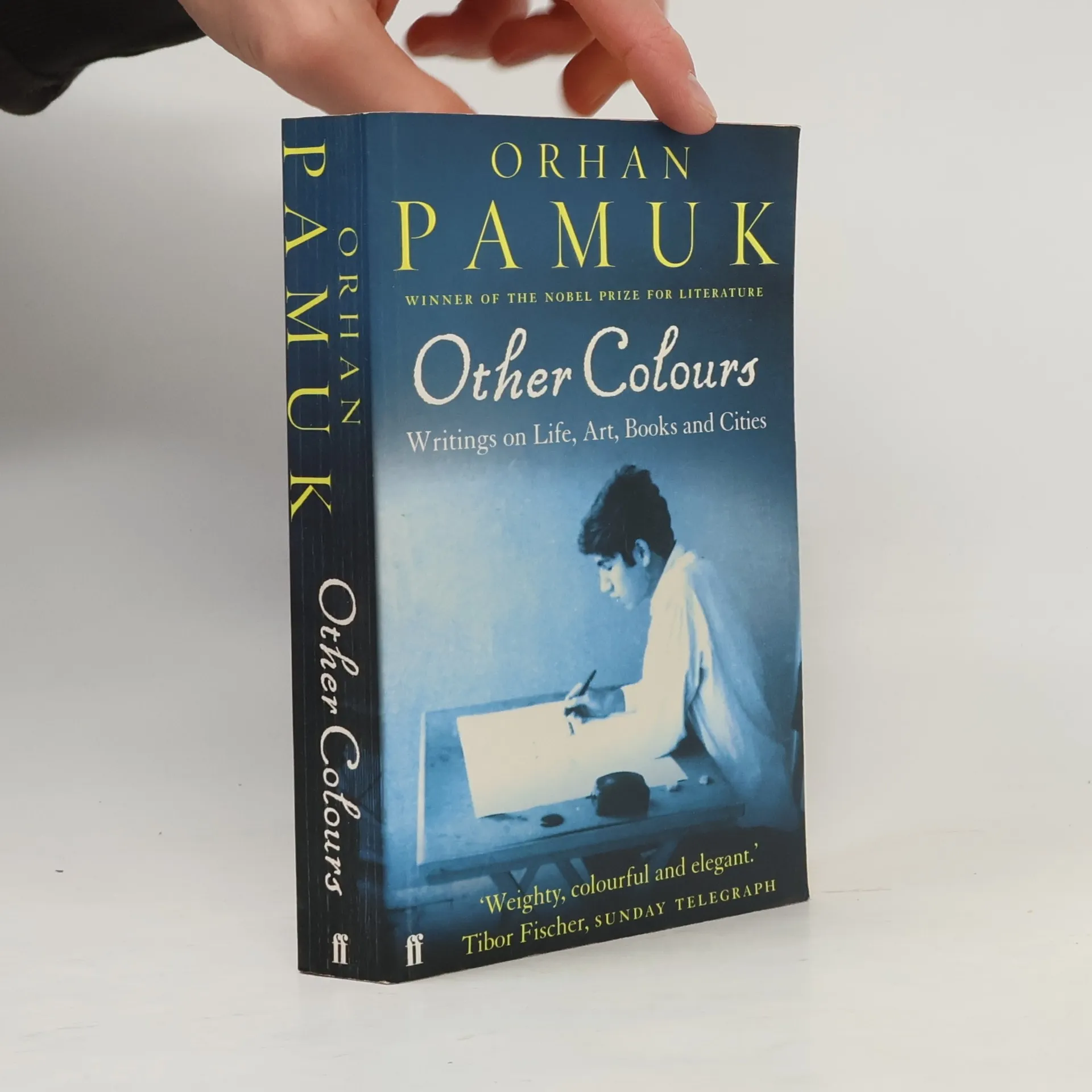
In the three decades that Nobel prize-winning author Orhan Pamuk has devoted himself to writing fiction, he has also produced scores of witty, moving, and provocative essays and articles. He engages the work of Nabokov, Kundera, Rushdie, and Vargas Llosa, among others, and he discusses his own books and writing process. We also learn how he lives, as he recounts his successful struggle to quit smoking, describes his relationship with his daughter, and reflects on the controversy he has attracted in recent years. Here is a thoughtful compilation of a brilliant novelist's best nonfiction, offering different perspectives on his lifelong obsessions with loneliness, contentment, and the books and cities that have shaped his experience.
Şemsa Gezgin Book order (chronological)
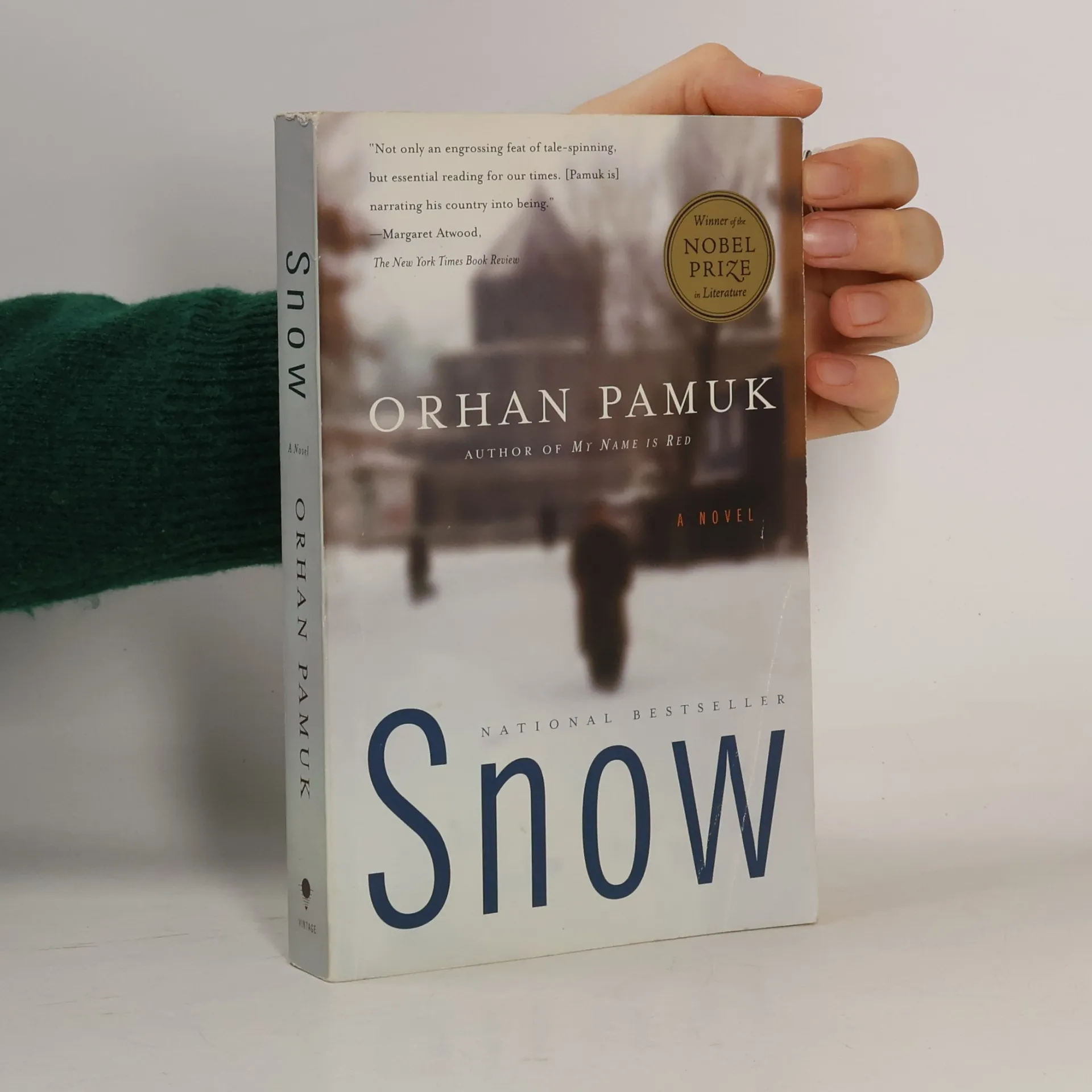
NATIONAL BESTSELLER • Touching, slyly comic, and humming with cerebral suspense—a masterful novel of "political intrigue and philosophy, romance and noir" (Vogue) and the lethal chemistry between secular doubt and Islamic fanaticism from the Nobel Prize winner. An exiled poet named Ka returns to Turkey and travels to the forlorn city of Kars. His ostensible purpose is to report on a wave of suicides among religious girls forbidden to wear their head-scarves. But Ka is also drawn by his memories of the radiant Ipek, now recently divorced. Amid blanketing snowfall and universal suspicion, Ka finds himself pursued by figures ranging from Ipek’s ex-husband to a charismatic terrorist. A lost gift returns with ecstatic suddenness. A theatrical evening climaxes in a massacre. And finding god may be the prelude to losing everything else.
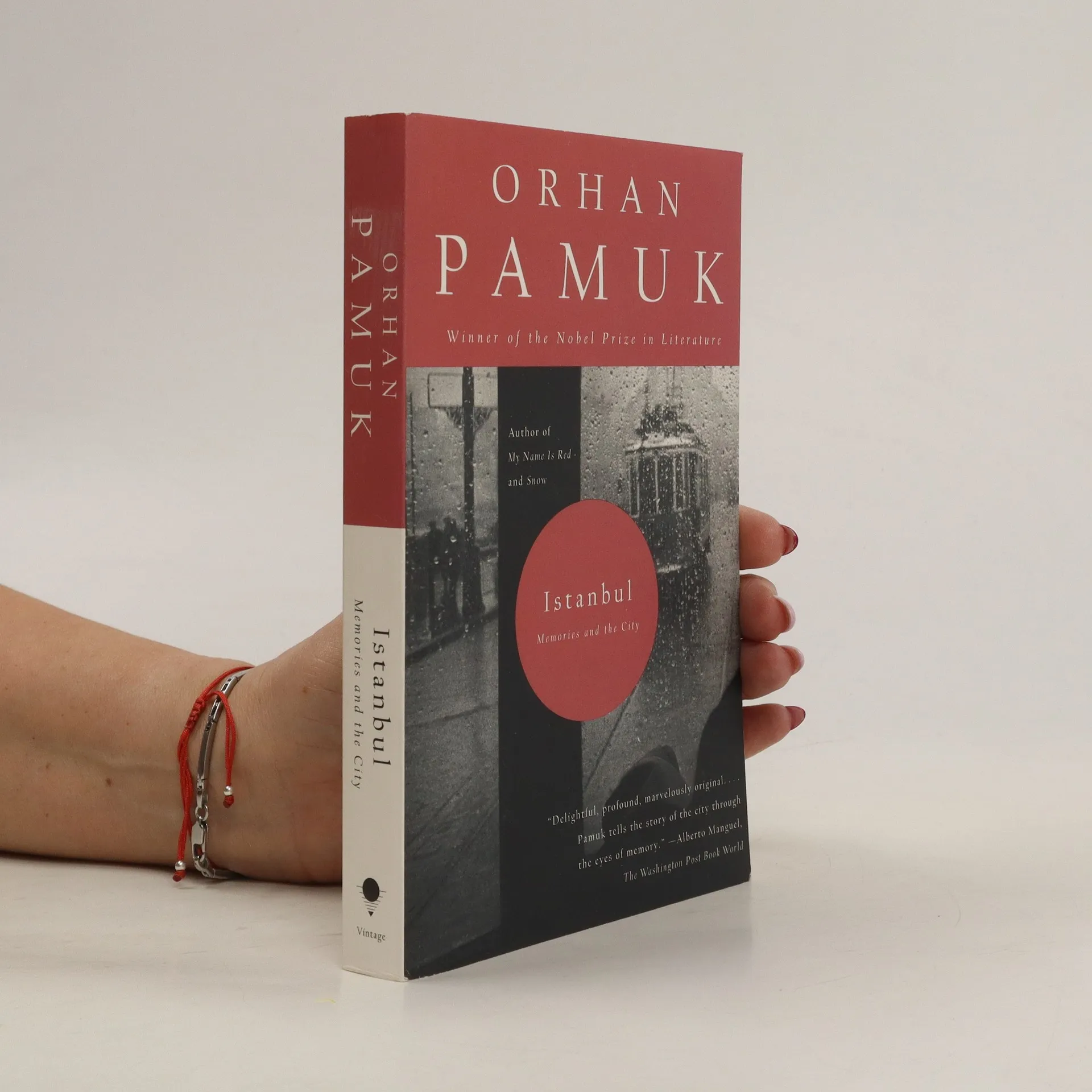
A shimmering evocation, by turns intimate and panoramic, of one of the world’s great cities, by its foremost writer. Orhan Pamuk was born in Istanbul and still lives in the family apartment building where his mother first held him in her arms. His portrait of his city is thus also a self-portrait, refracted by memory and the melancholy–or–hüzün–that all Istanbullus share: the sadness that comes of living amid the ruins of a lost empire. With cinematic fluidity, Pamuk moves from his glamorous, unhappy parents to the gorgeous, decrepit mansions overlooking the Bosphorus; from the dawning of his self-consciousness to the writers and painters–both Turkish and foreign–who would shape his consciousness of his city. Like Joyce’s Dublin and Borges’ Buenos Aires, Pamuk’s Istanbul is a triumphant encounter of place and sensibility, beautifully written and immensely moving.
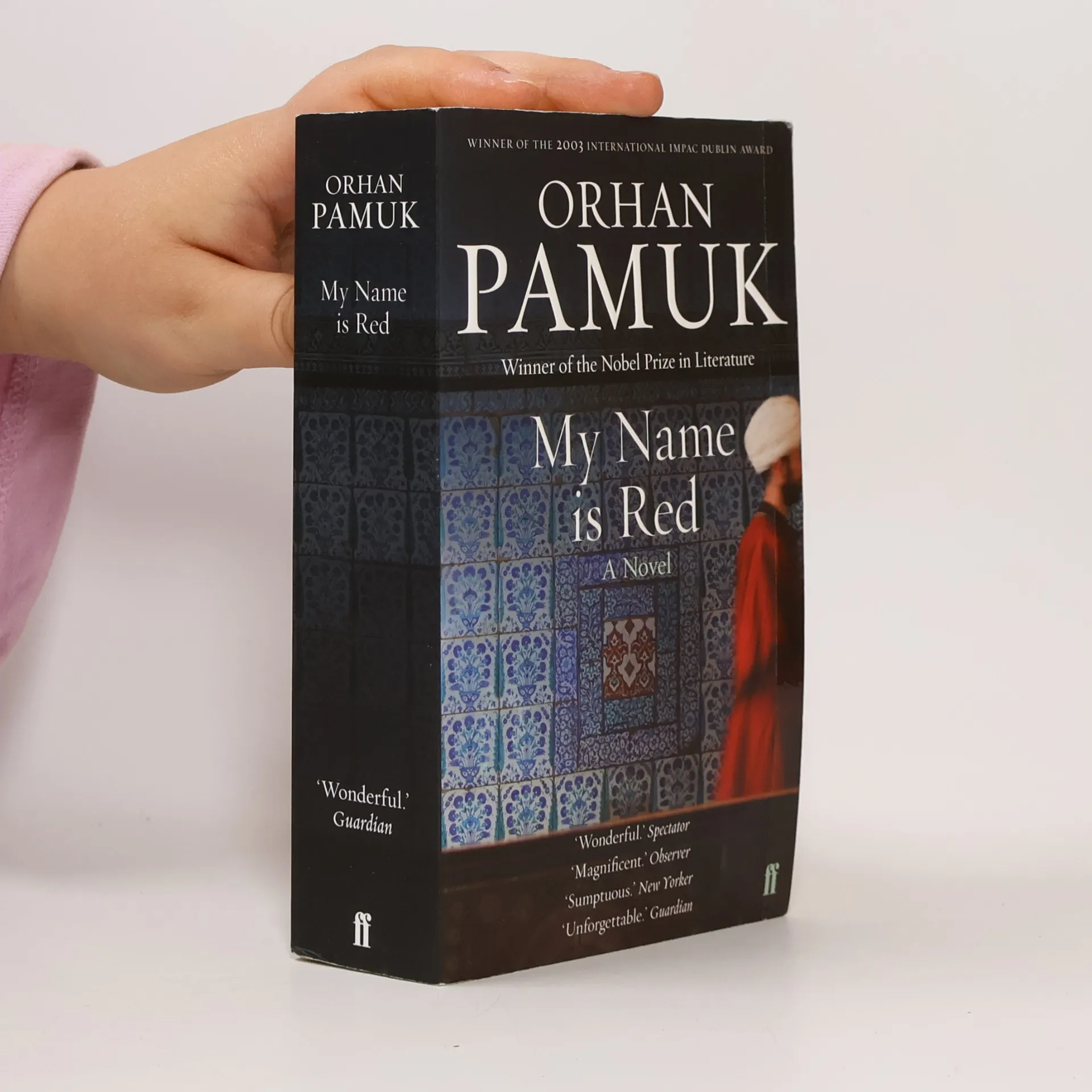
My name is Red
- 688 pages
- 25 hours of reading
In the late 1590s, the Sultan secretly commissions a great book: a celebration of his life and empire, to be illuminated by the best artists of the day - in the European manner. At a time of violent fundamentalism, however, this is a dangerous proposition. Even the illustrious circle of artists are not allowed to know for whom they are working.