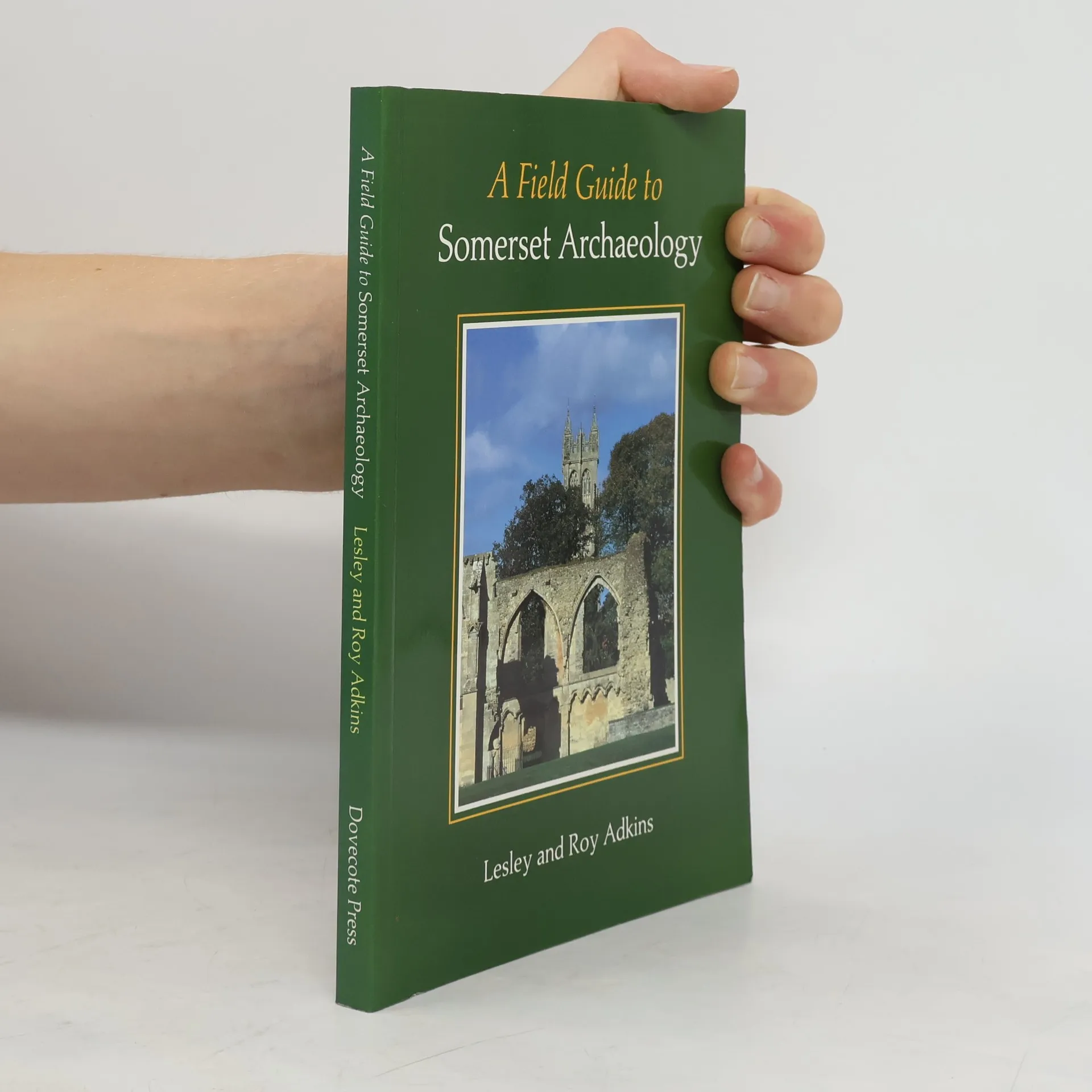
A Field Guide to Somerset Archaeology
- 138 pages
- 5 hours of reading


Roy Adkins is a historian and archaeologist with a focus on exploring the past. As a Fellow of the Society of Antiquaries in London, his expertise in the field is clearly established. His work likely delves deeply into historical subjects and archaeological findings. Through his scholarship, readers gain a unique perspective on history.



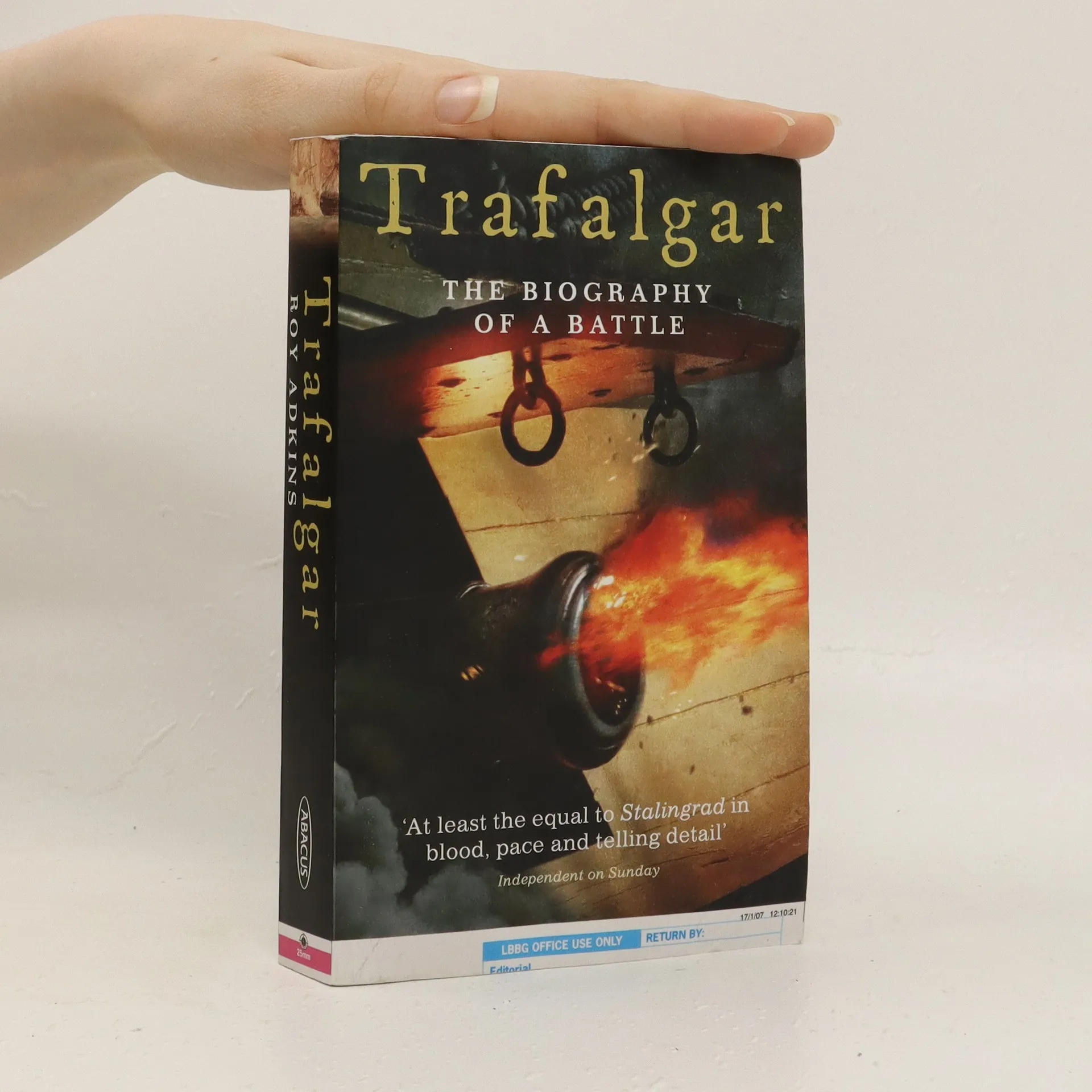
This is the true story of the Battle of Trafalgar, Britain's most significant sea battle. Trafalgar set the seal on British naval supremacy, and in the short term not only prevented Napoleon from invading Britain, but also enabled Britain and its continental allies to mount a campaign to defeat him. Originally published: London: Little, Brown, 2004.
As France emerged from revolution, a young general named Napoleon Bonaparte invaded Egypt, hoping next to march overland to India. It would not happen. Britain swung her forces into action to battle for control of the world's sea-lanes and thus all international trade. The Battle of the Nile and then at Acre were the first sallies in what would be fifteen years of bitter fighting. It was a war won at sea, and by the time of Waterloo Britain had gained control and possessed the foundations of her vast empire. Brought vividly to life through the words and stories of the ordinary people caught up in the conflict, this is a sweeping history of the years of naval warfare that set the balance of power in Europe for the following century. Taking in gallant duels, bloody battles between huge fleets, amphibious assaults, daring coastal raids, and the subtleties of espionage and naval intelligence, this global conflict truly was THE WAR FOR ALL THE OCEANS.
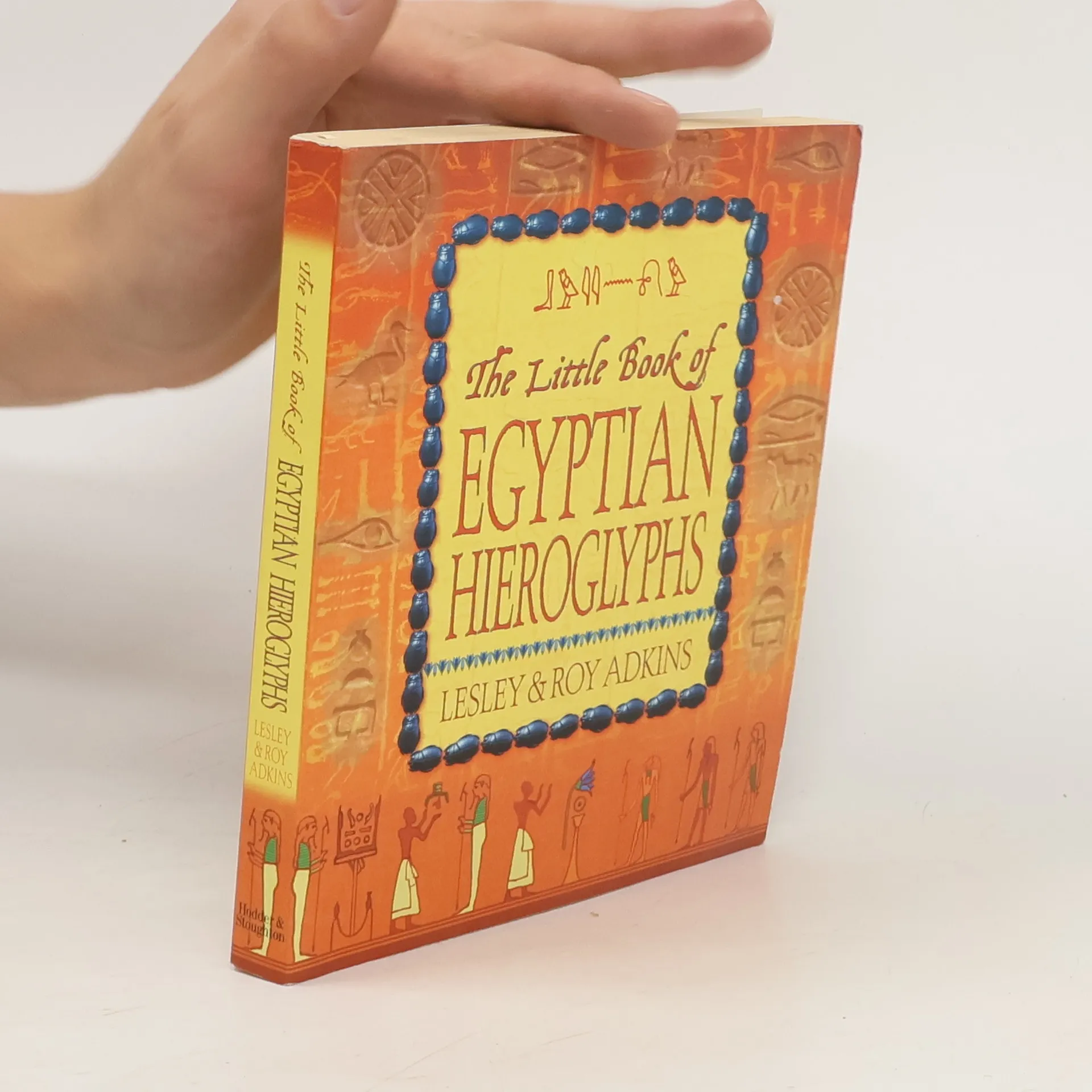
A simple introduction to Egyptian hieroglyphs designed for the complete beginner. This book aims to make the basics of hieroglyphs easy to understand. Explaining briefly the history and development of the language, it then gives the Egyptian alphabet and shows how simple it is to spell your own name using hieroglyphs.
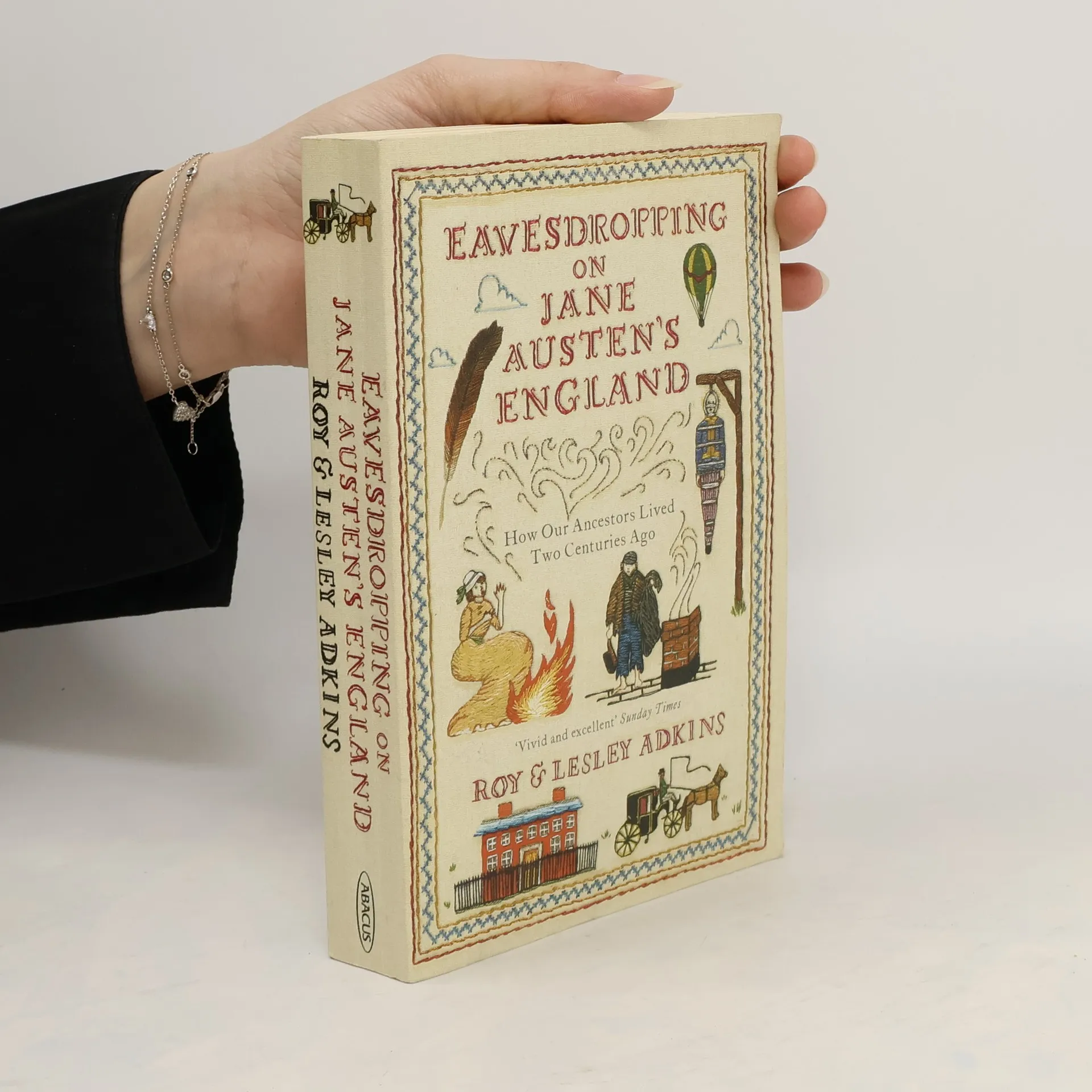
A cultural portrait of everyday life in Regency England and the world of Jane Austen draws on contemporary sources to depict how everyday people shared experiences ranging from marriage and sexuality to health care and religion
A landmark book that charts humanity's changing relationship with birds - from the ancient Egyptians to the 21st century.
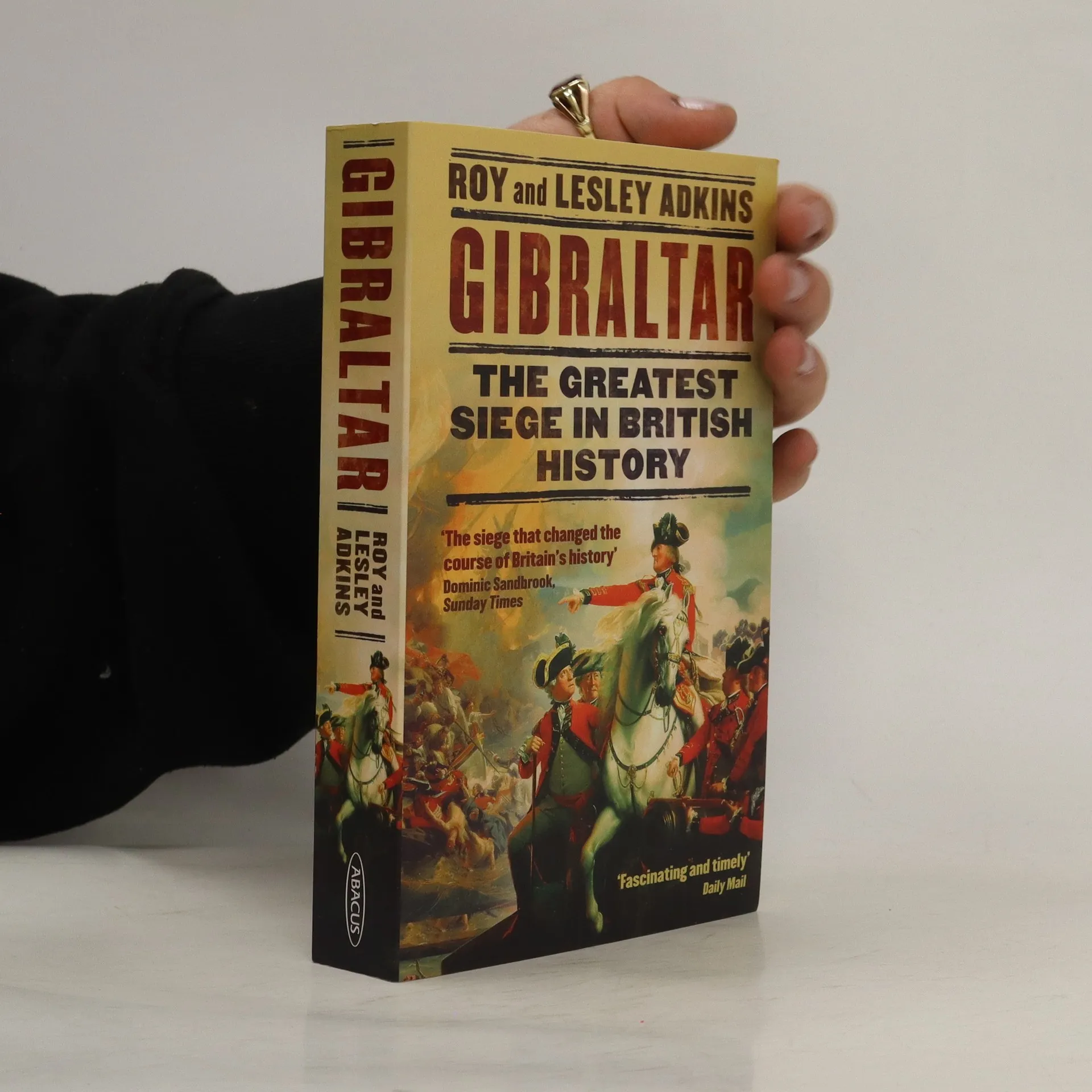
For over three and a half years, from 1779 to 1783, Gibraltar faced a relentless siege by Spain and France, marking the longest siege in British history. This obsession with preserving Gibraltar was blamed for the loss of the American colonies during the War of Independence. Situated at the crossroads of the Mediterranean and Atlantic, Gibraltar was a melting pot of nationalities, languages, and social classes. Throughout the siege, thousands of soldiers, civilians, and their families endured intense bombardments, starvation, and disease. Ordinary people experienced extraordinary events, from naval battles to an attempted invasion of England and a daring sortie into Spain. Innovative weaponry like red-hot shot and shrapnel shells added to the chaos, with immense floating batteries contributing to the bombardment. This narrative intertwines military and social history, showcasing the lives of soldiers, sailors, civilians, royalty, workmen, engineers, priests, prisoners-of-war, spies, and surgeons, all engaged in a struggle for a fortress on a mere two square miles of rock. Rich in dramatic human detail, the story highlights courage, endurance, and the everyday experiences of those involved, brought to life through eyewitness accounts and expert research.
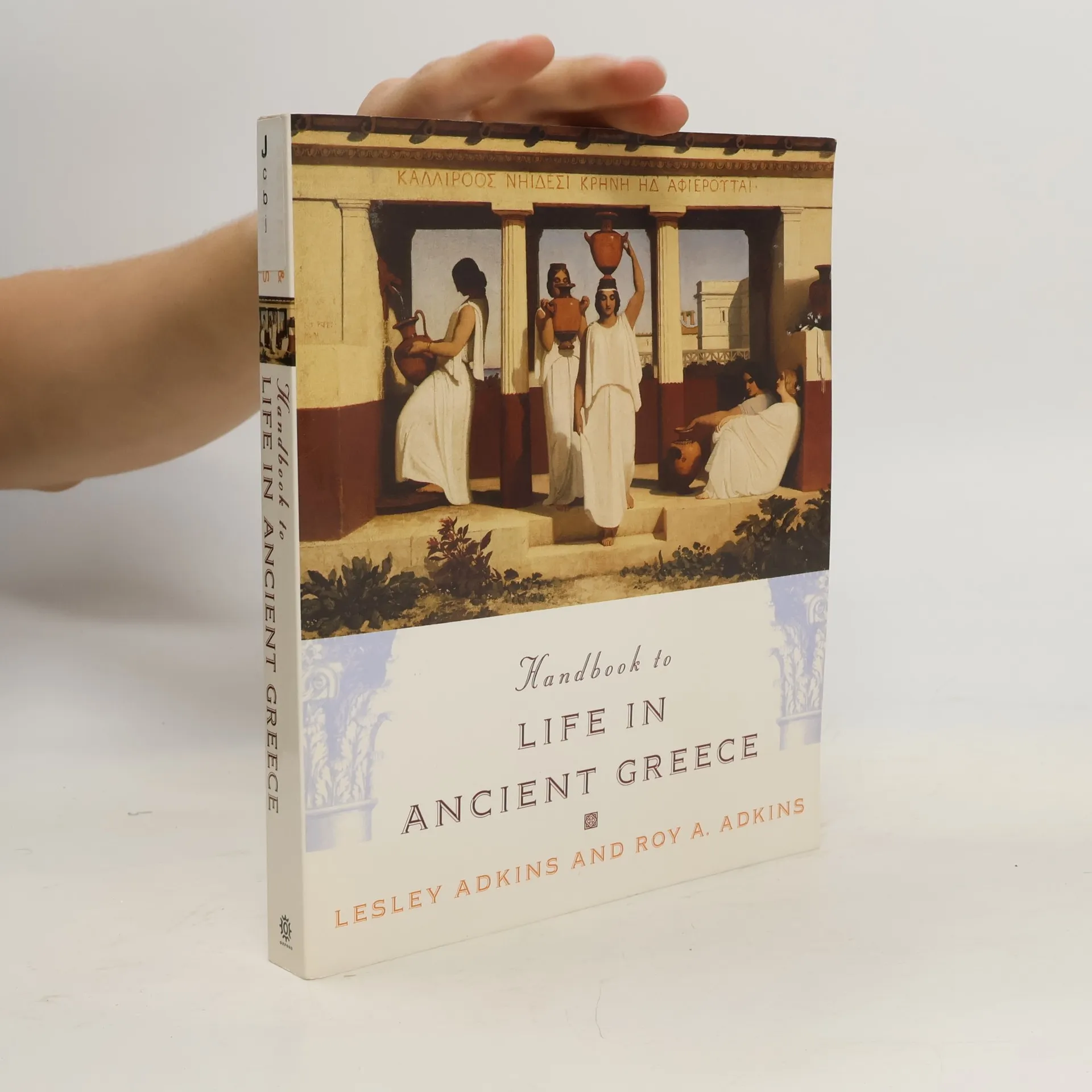
Ancient Greek culture was the product of centuries of change, resulting in a complex network of city-states whose legacy exerts a profound influence on modern Western civilization. Handbook to Life in Ancient Greece explores three millennia of ancient Greek history and archaeology, from the advent of the Minoan civilization in Crete to the Roman conquest in 30 B.C. Organized thematically, the Handbook explores all aspects of life in ancient Greece. Each chapter includes an extensive bibliography as well as original line drawings, photographs and maps. Handbook to Life in Ancient Greece combines archaeological and historical sources to provide all the essential information required by anyone interested in Greek history, archaeology, literature or culture.
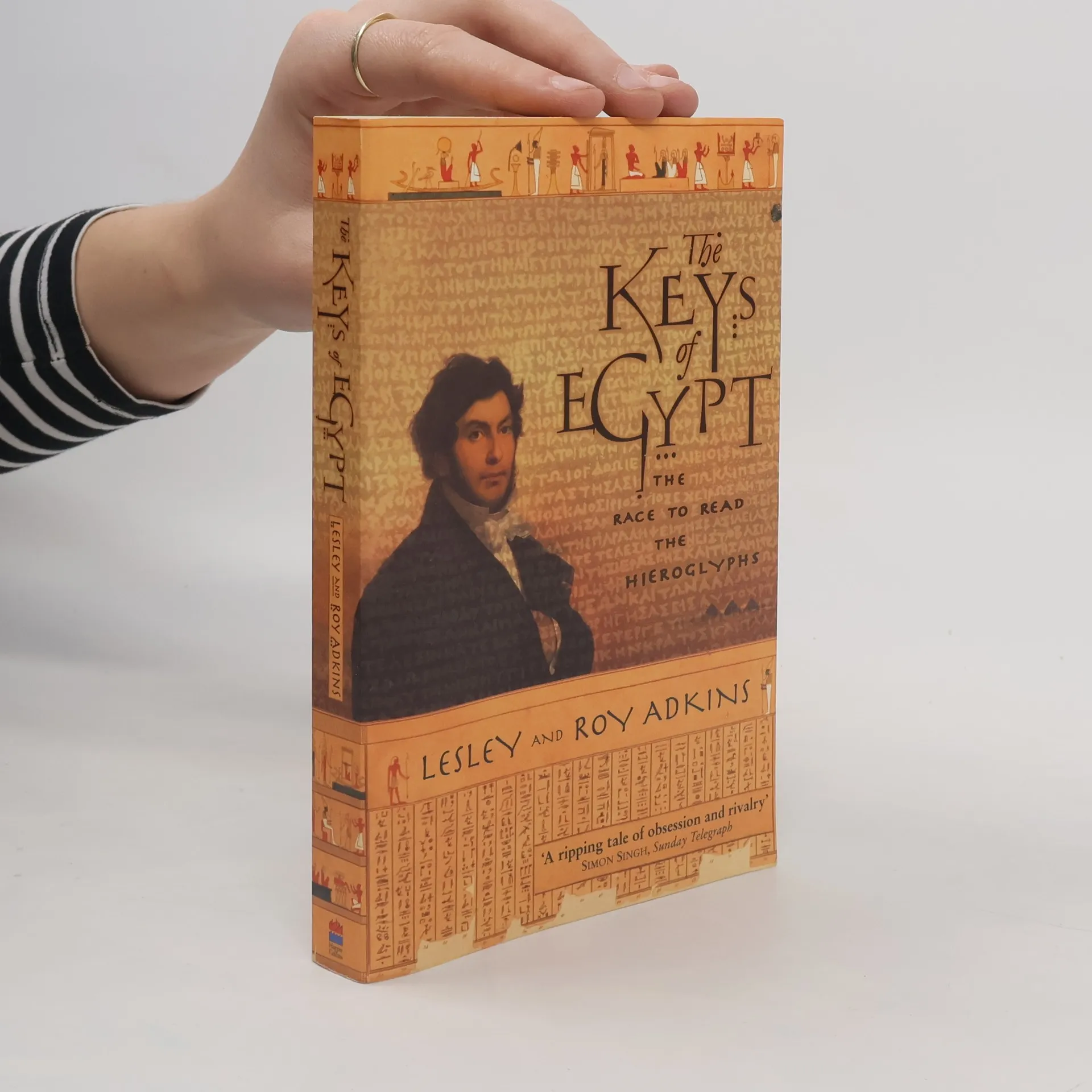
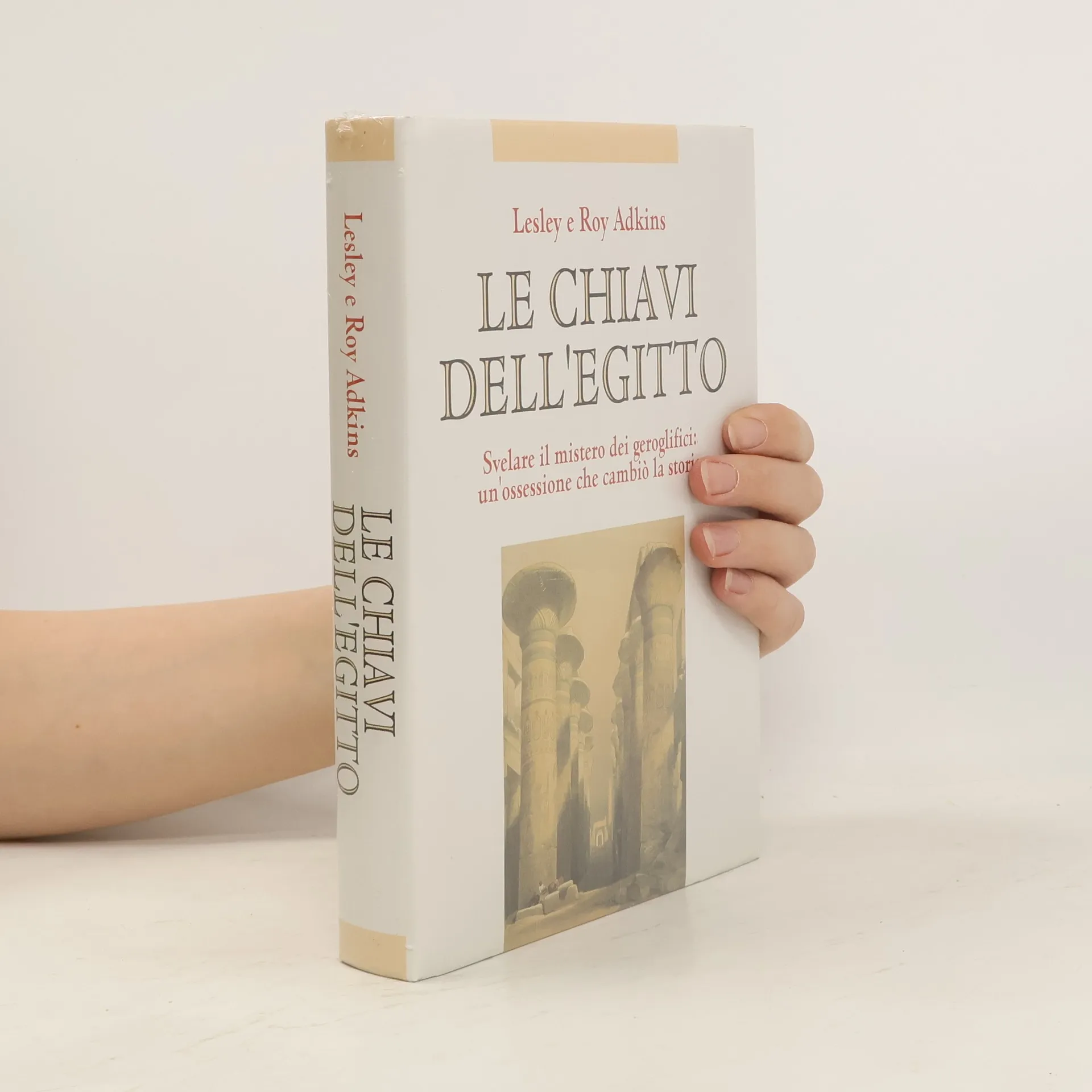
The Keys of Egypt reveals the story of the scramble to decipher hieroglyphics, and the rediscovery of the Nile Valley after it had been closed to Europeans for nearly 2000 years.
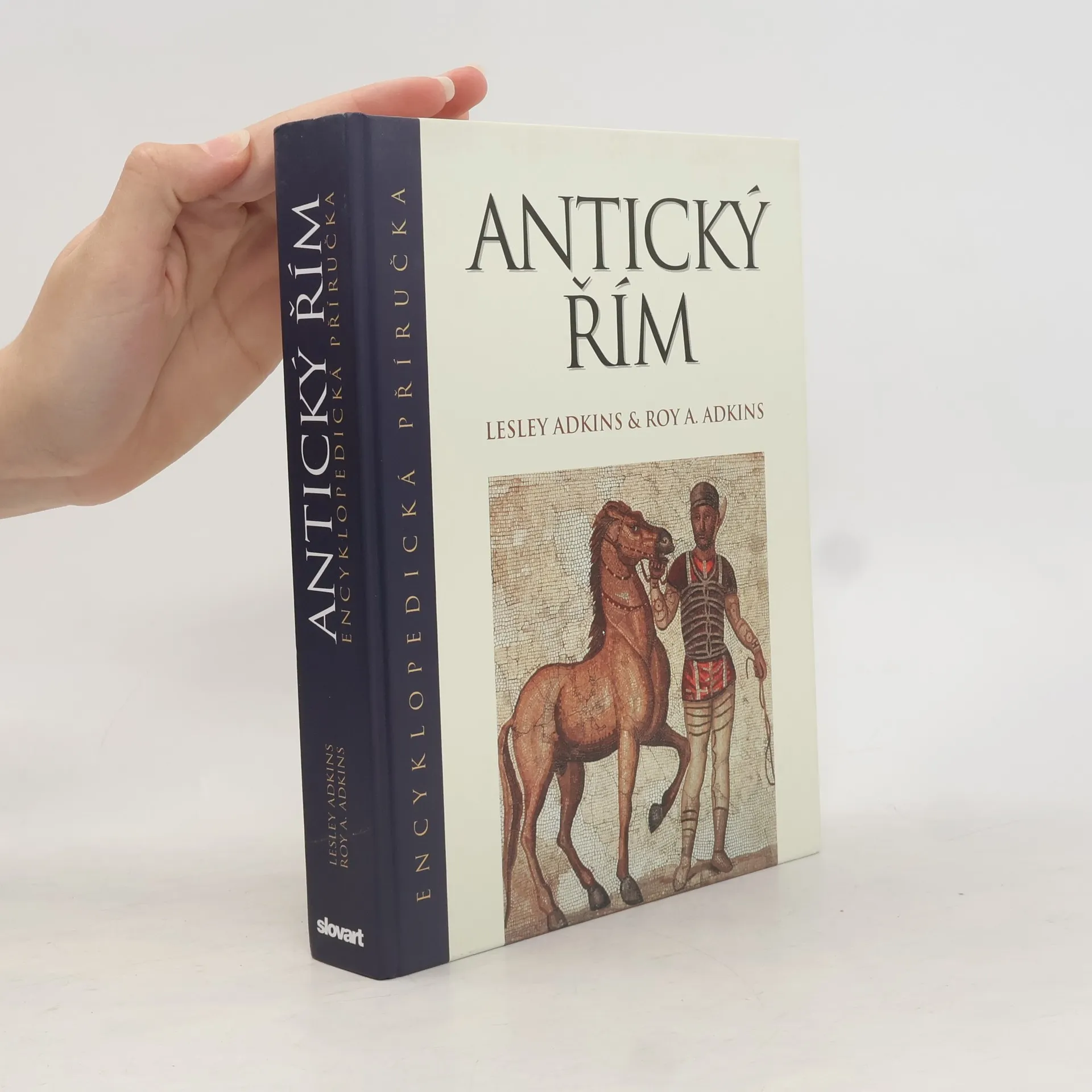
Příručka, napsaná dvěma vynikajícími archeology, se věnuje všem oblastem života ve starověkém Řecku/Římě, a to jak velkým a všeobecným tématům jako geografie nebo vojenství, tak každodennímu životu jednotlivce. Zahrnuje období tří tisíciletí od počátků minojské civilizace na Krétě po konečnou porážku římskou mocí v roce 30 př. Kr. Je uspořádána do deseti kapitol pokrývajících jednotlivá témata jako hospodářství, obchod nebo náboženství, díky čemuž je dobře přístupná pro čtenáře, který potřebuje získat všechny informace o specifickém tématu na jednom místě. Jednotlivé kapitoly jsou dále tematicky členěny a navíc některá témata procházejí několika kapitolami, v nichž jsou pojednávána z odlišné perspektivy. Užitečná příručka pro univerzitní studenty i pro milovníky antiky je vybavena rozsáhlou bibliografií, diferenčním seznamem starověkých lokalit, rejstříkem a 15 mapami.