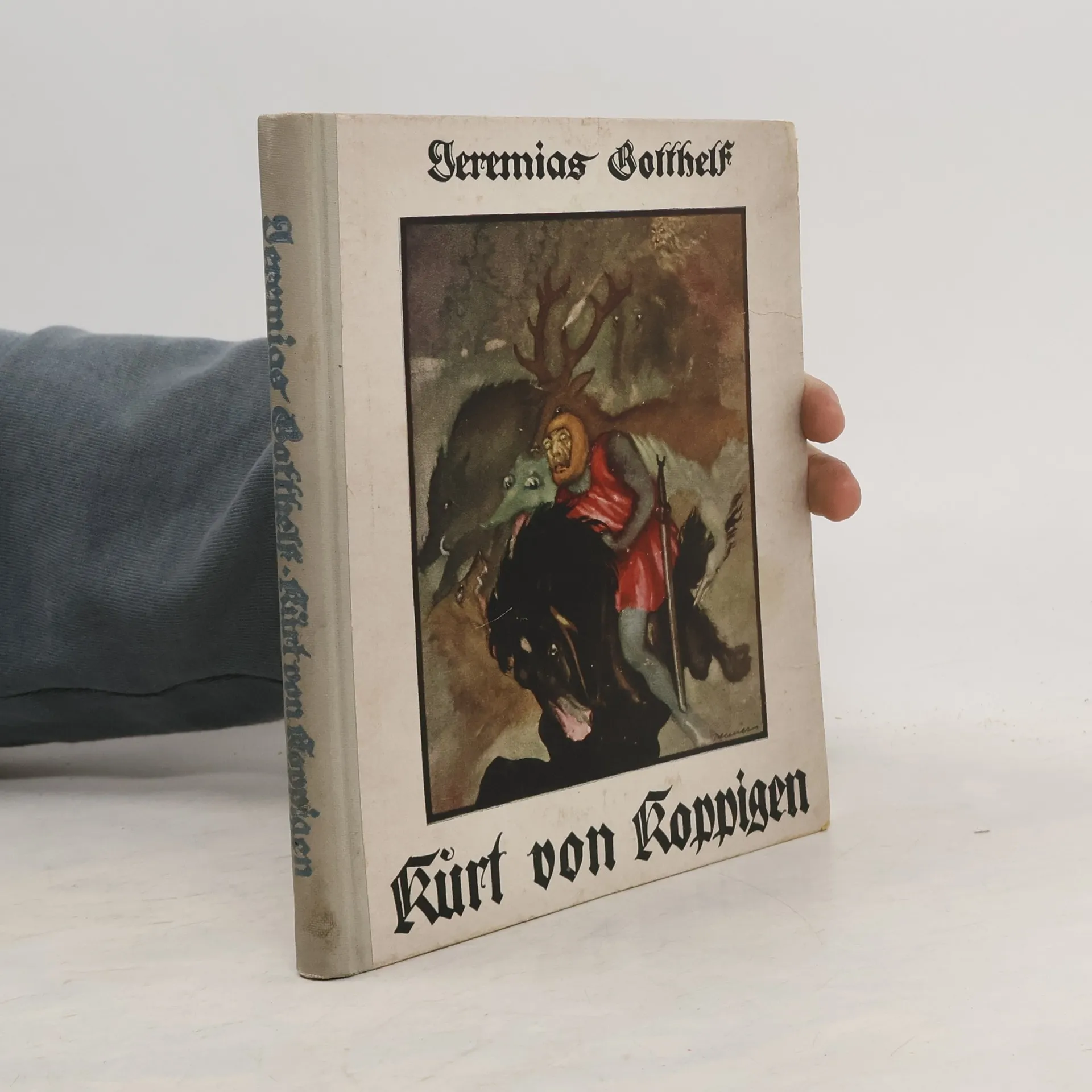

The narrative explores the consequences faced by a morally bankrupt village community after a member breaks a pact with the Devil, leading to a deadly swarm of black spiders. Through a complex structure, the novella offers a sharp critique of the corrupt social dynamics and ethical failures within rural life, serving as a cautionary tale about the repercussions of moral decay.
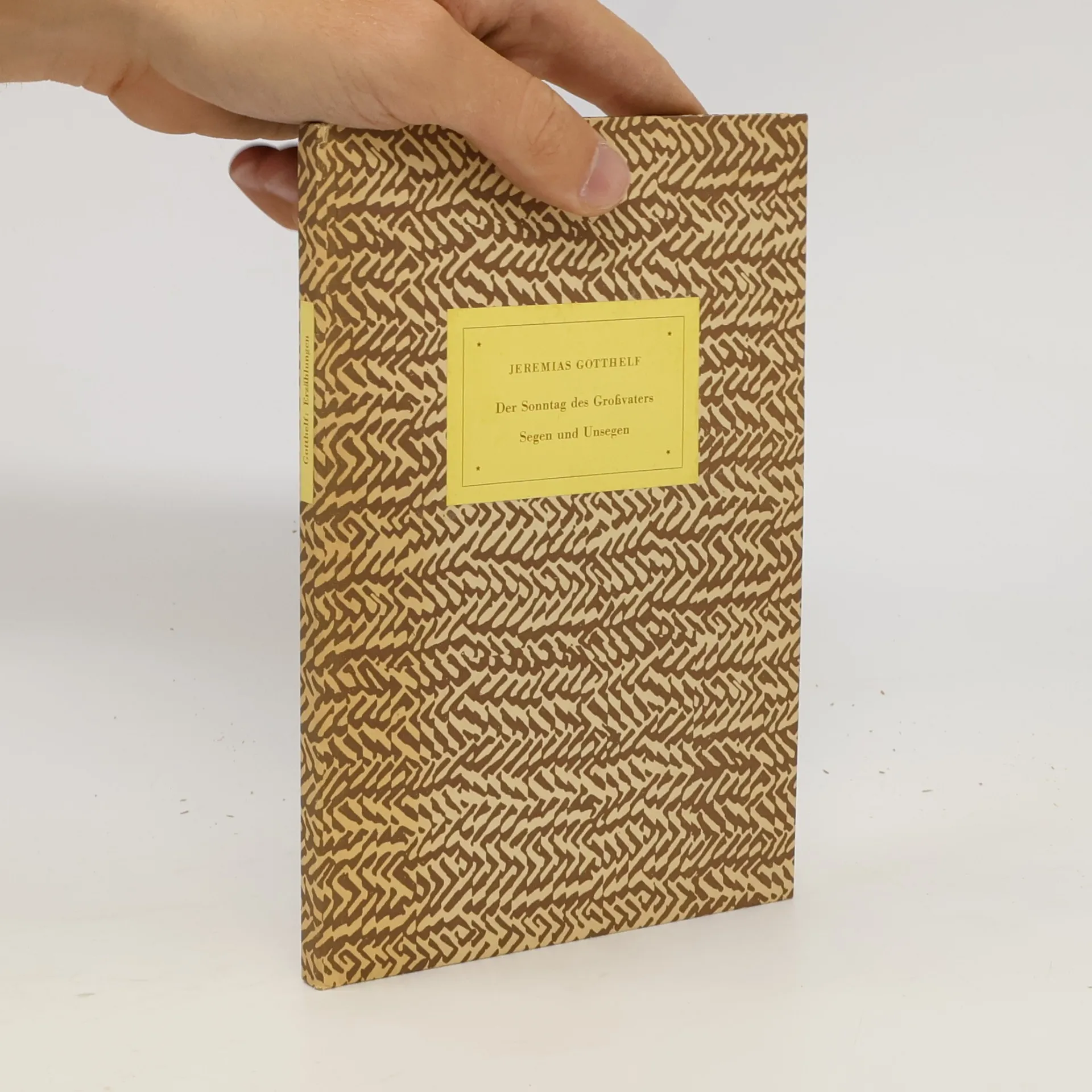
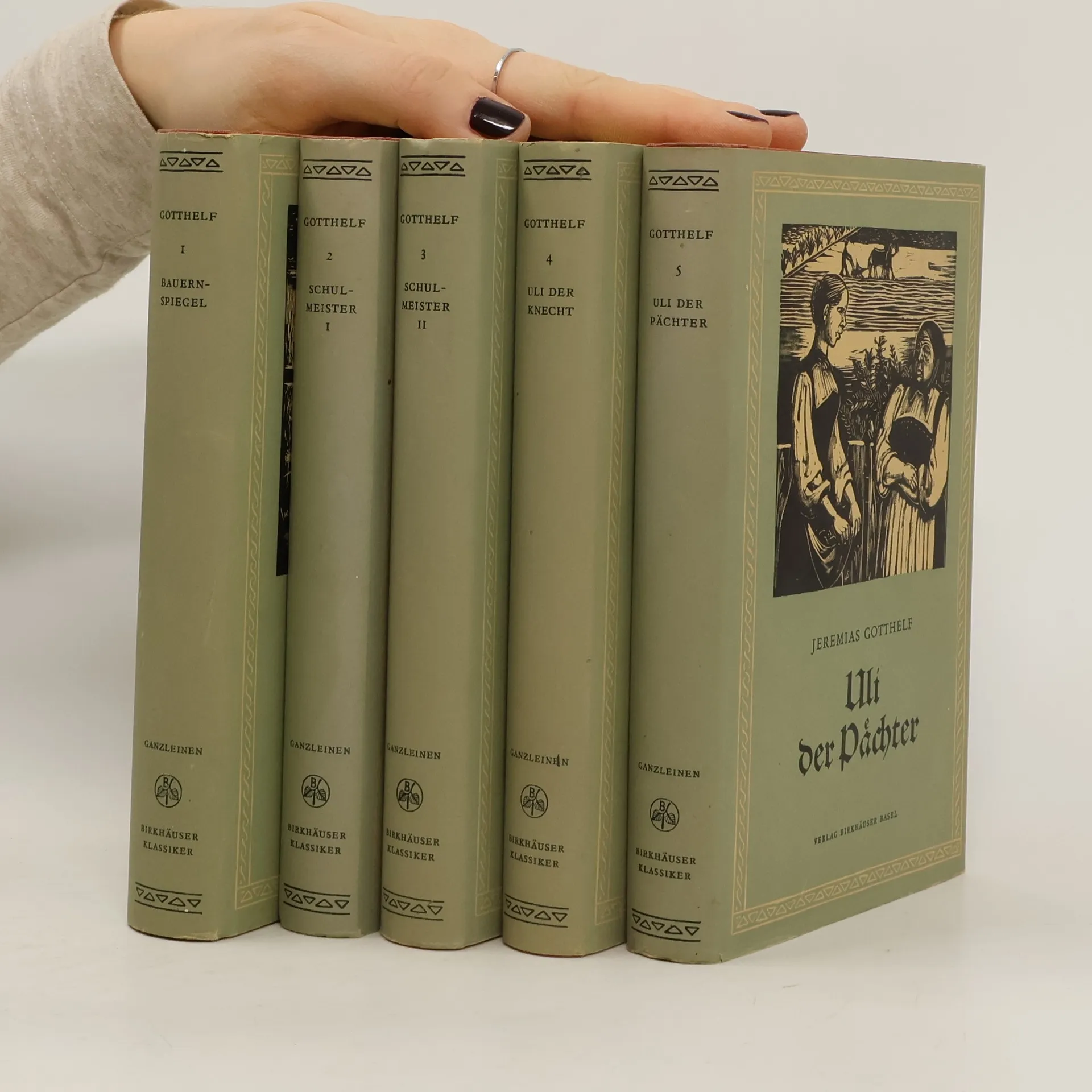
Jeremias Gotthelf Books
This Swiss author, from a pastor's family, focused his writing on the lives of ordinary people and rural communities. His works, written in German with touches of Bernese dialect, offer realistic depictions of village life without glossing over its flaws. Though he began writing later in life, he became a prolific and significant novelist in the German-speaking world, celebrated for his authentic voice and profound insight into human nature. His most notable works delve into themes of morality, societal dynamics, and the individual's struggle against hardship and evil.


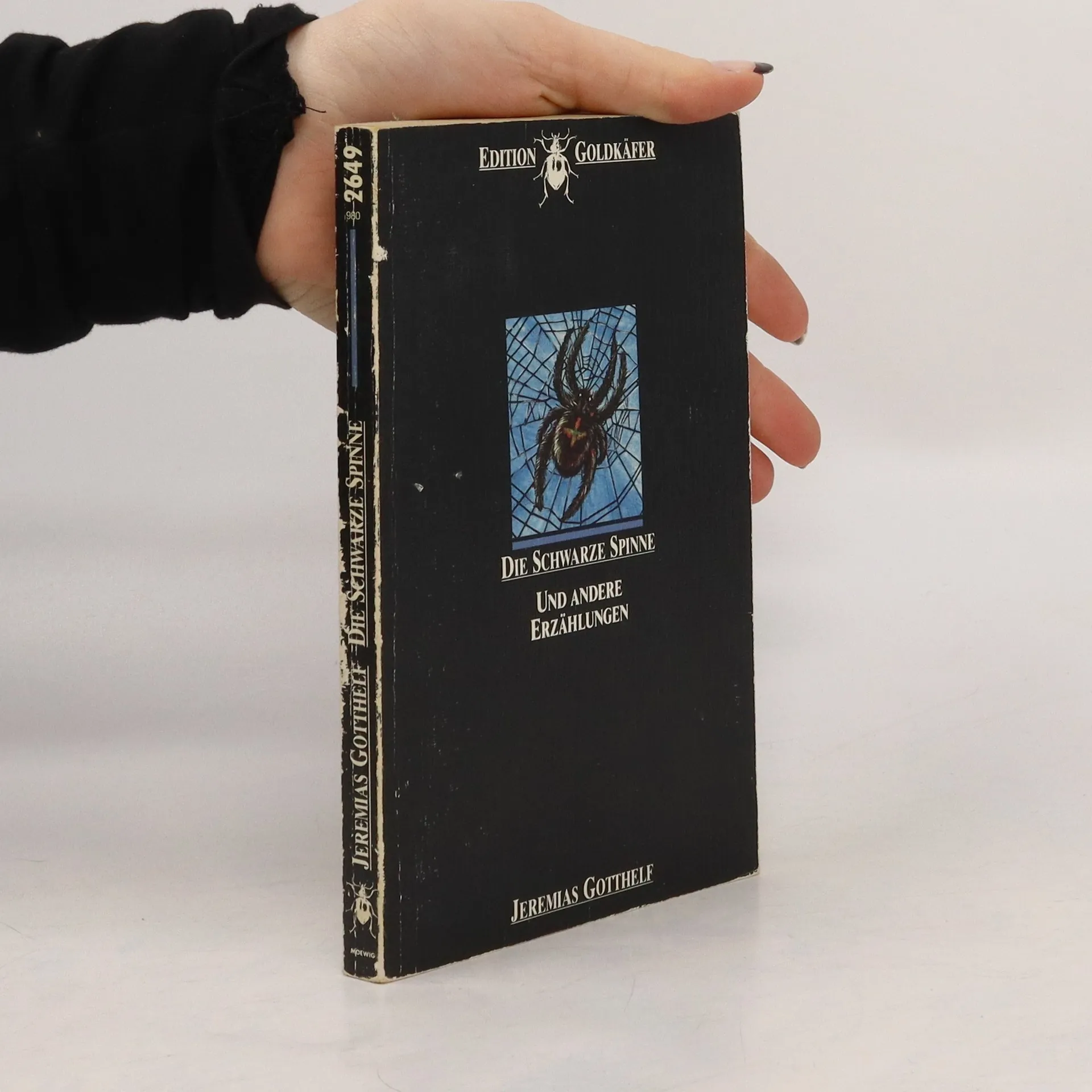
The Black Spider
- 136 pages
- 5 hours of reading
An NYRB Classics Original It is a sunny summer Sunday in a remote Swiss village, and a christening is being celebrated at a lovely old farmhouse. One of the guests notes an anomaly in the fabric of the venerable edifice: a blackened post that has been carefully built into a trim new window frame. Thereby hangs a tale, one that, as the wise old grandfather who has lived all his life in the house proceeds to tell it, takes one chilling turn after another, while his audience listens in appalled silence. Featuring a cruelly overbearing lord of the manor and the oppressed villagers who must render him service, an irreverent young woman who will stop at nothing, a mysterious stranger with a red beard and a green hat, and, last but not least, the black spider, the tale is as riveting and appalling today as when Jeremias Gotthelf set it down more than a hundred years ago. The Black Spider can be seen as a parable of evil in the heart or of evil at large in society (Thomas Mann saw it as foretelling the advent of Nazism), or as a vision, anticipating H. P. Lovecraft, of cosmic horror. There’s no question, in any case, that it is unforgettably creepy.
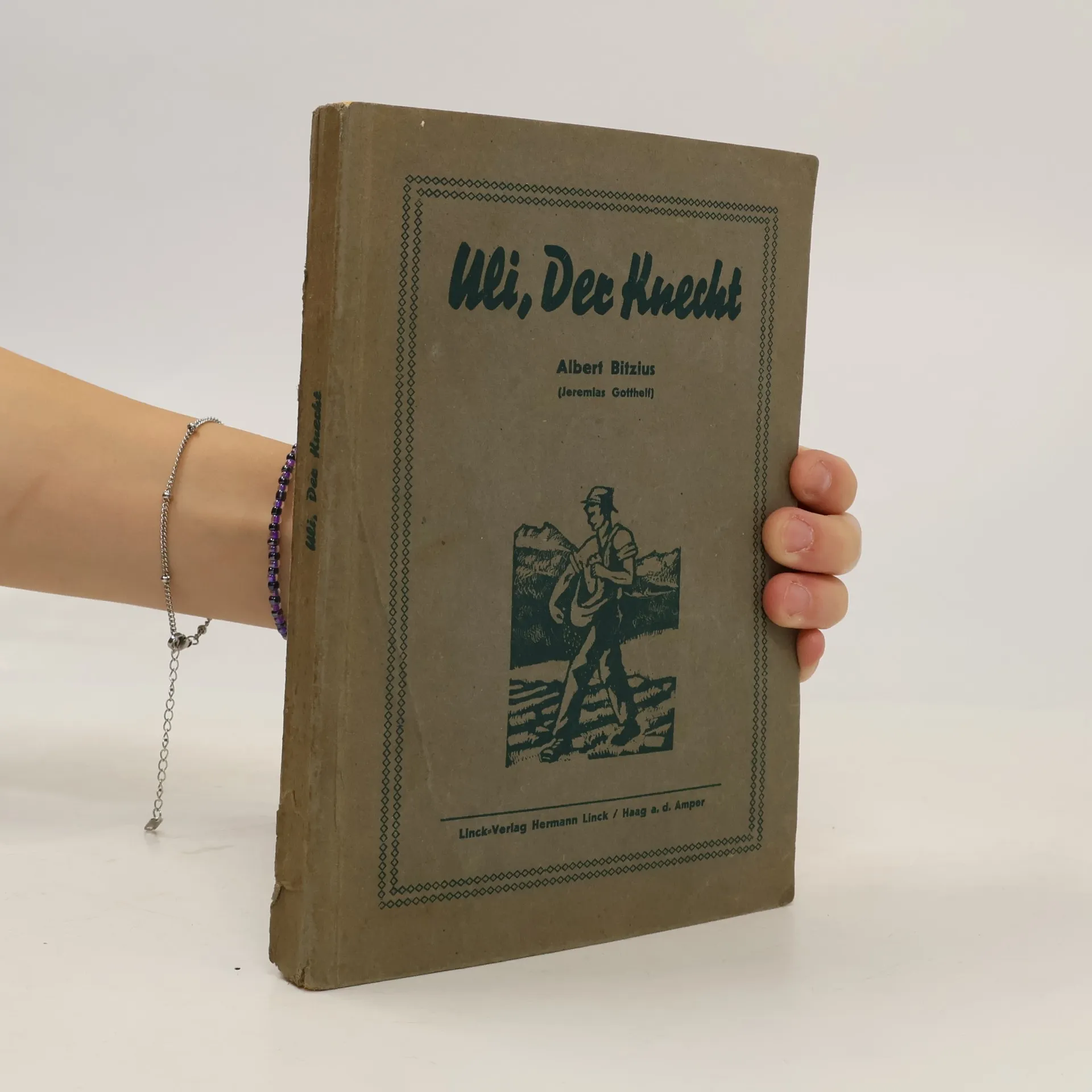
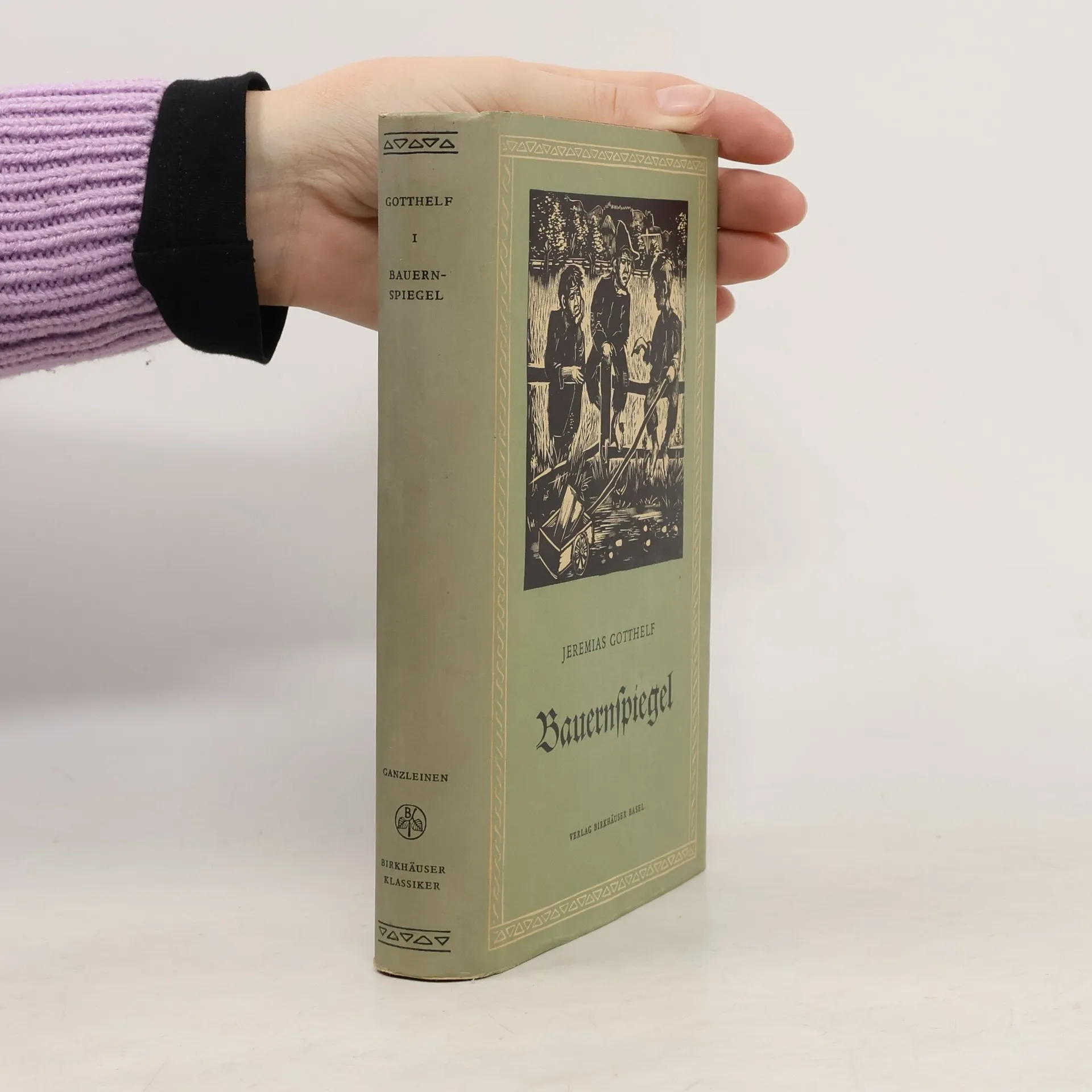
Der Bauernspiegel oder Lebensgeschichte des Jeremias Gotthelf von ihm selbst beschrieben
- 504 pages
- 18 hours of reading
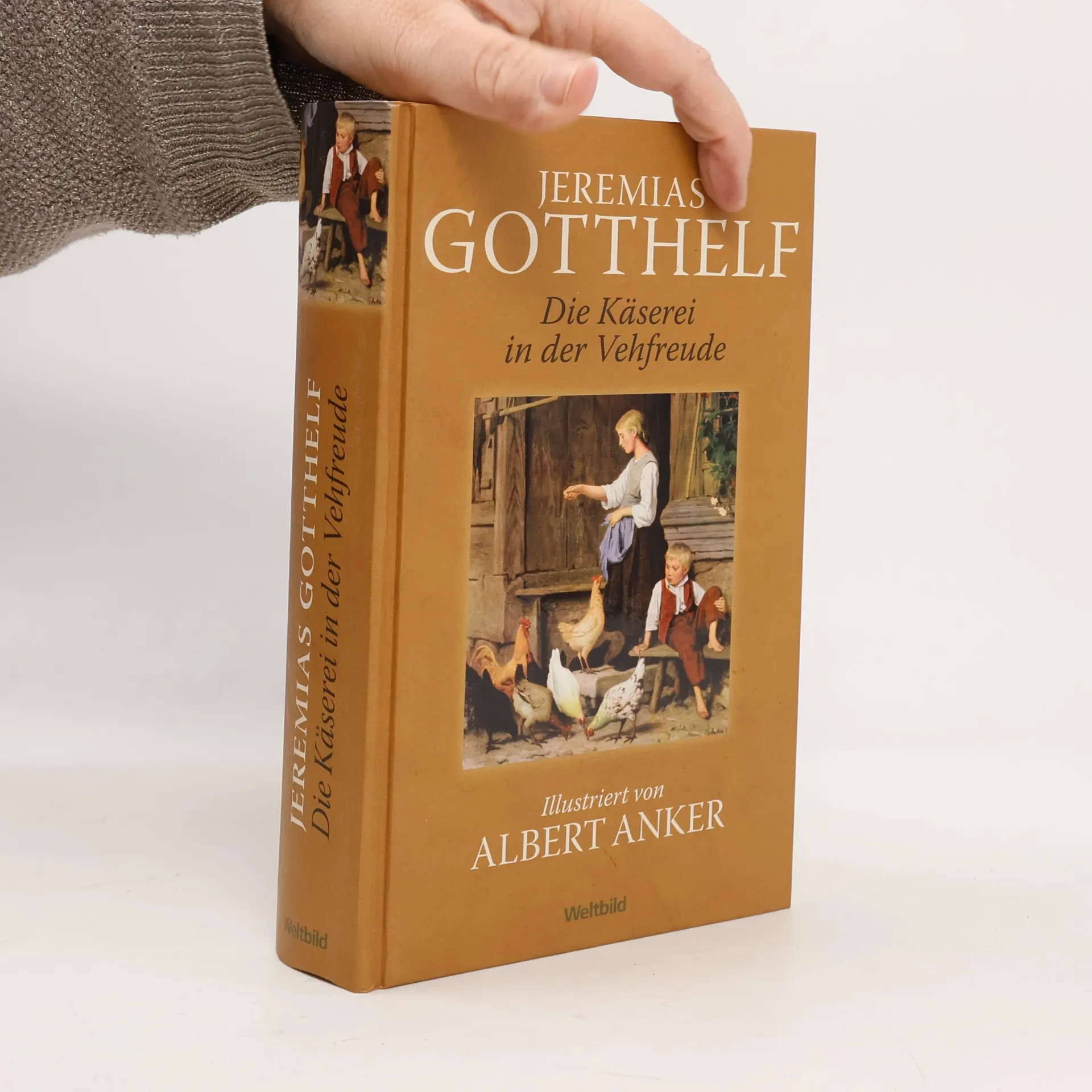
Die Bauern in Vehfreude finanzieren lieber eine Käserei als ein Schulhaus, da dies Wohlstand und Fortschritt verspricht. Eine Käsegenossenschaft wird gegründet und ein Senn gewählt, der die Milchwirtschaft leitet. Der Kapitalismus hält Einzug ins Emmental, doch der erwartete Profit bleibt fraglich.
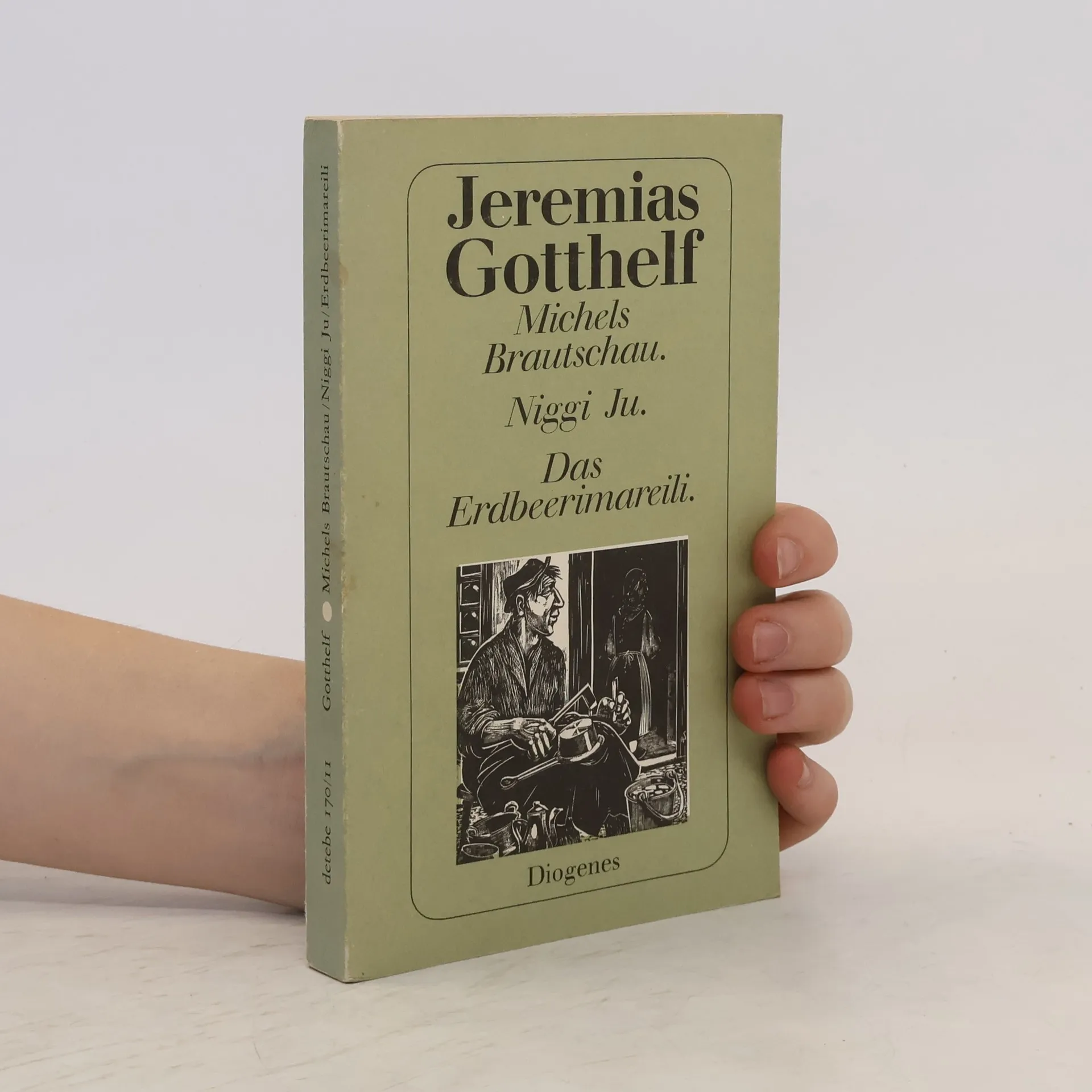
Michels Brautschau Niggi Ju Das Erdbeeri
- 258 pages
- 10 hours of reading
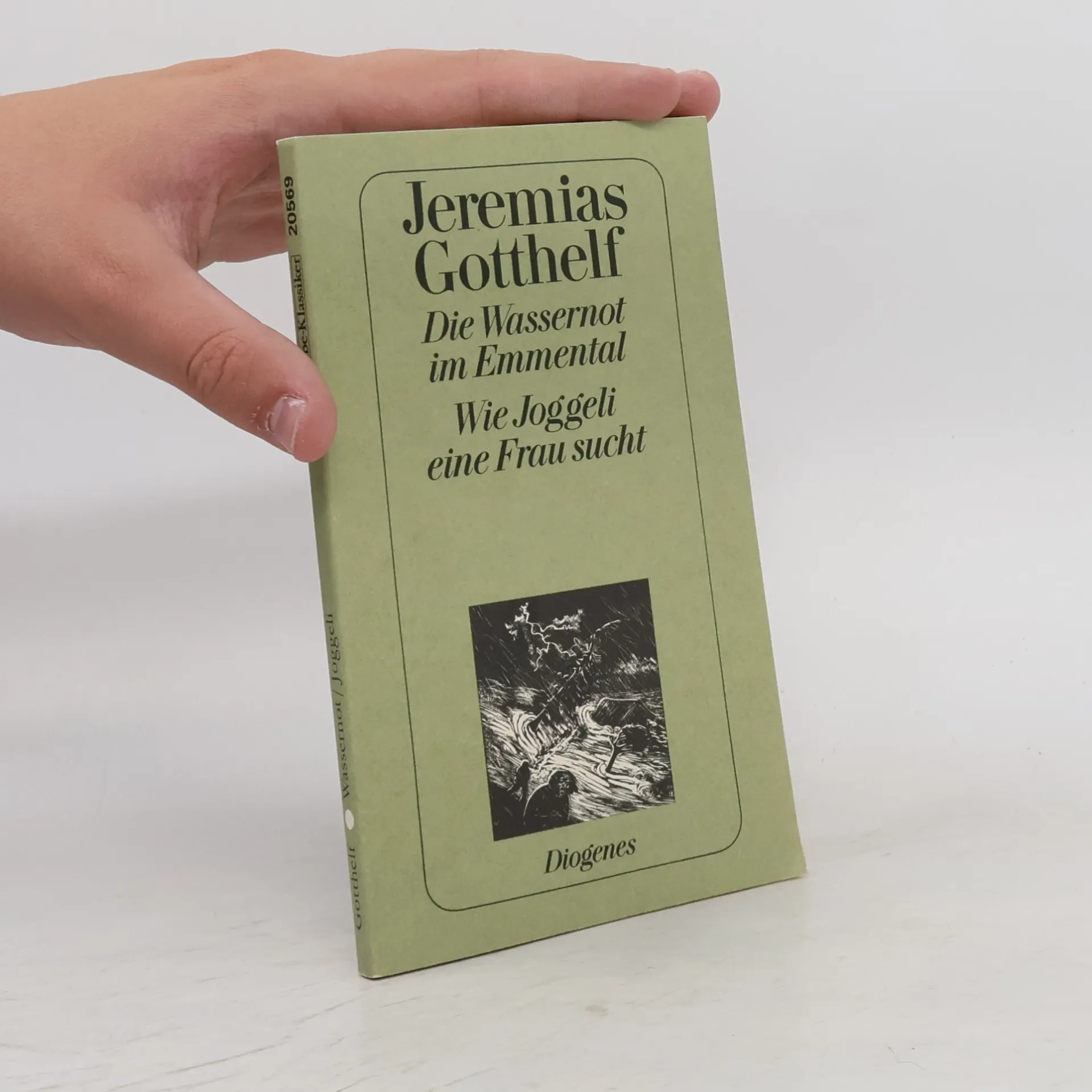
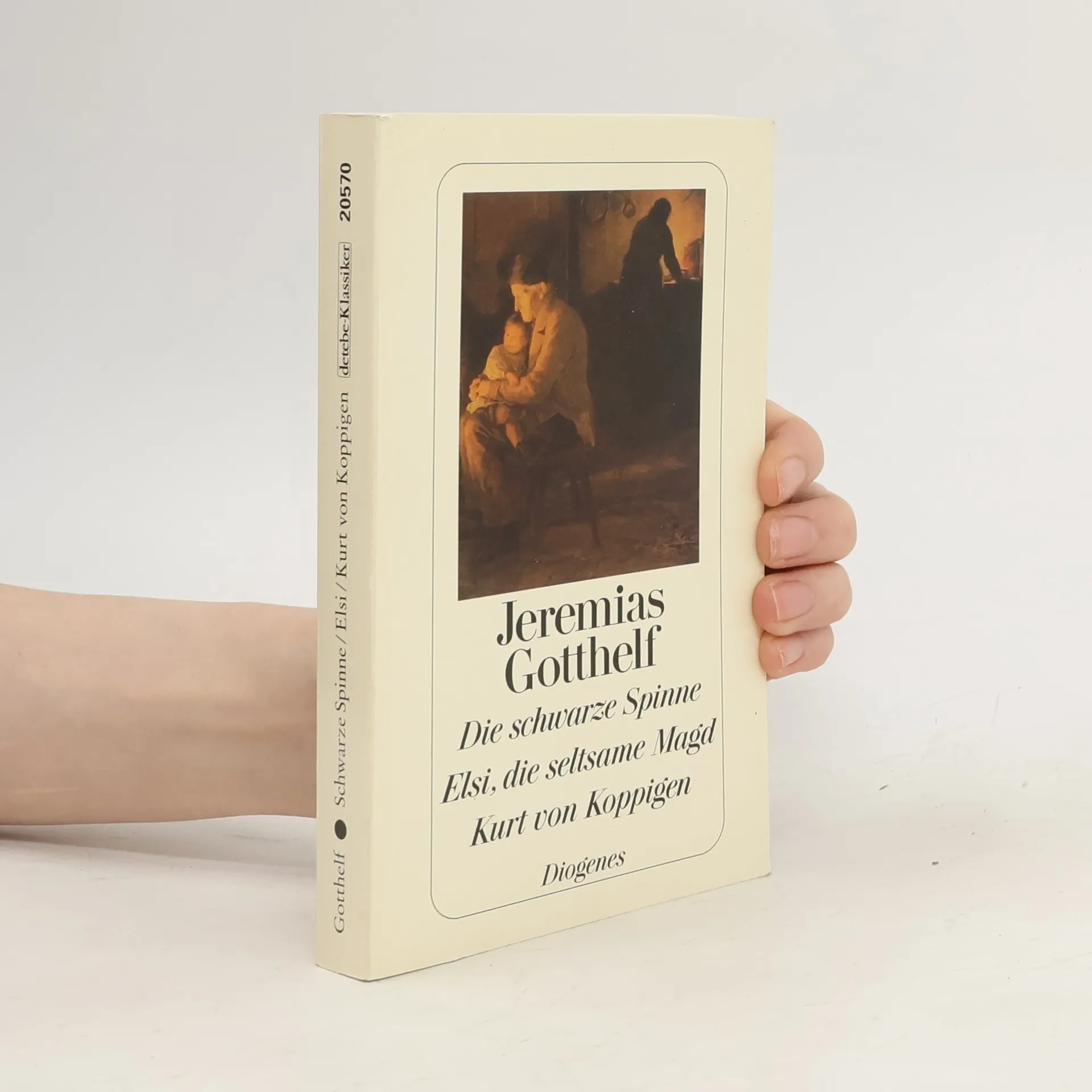
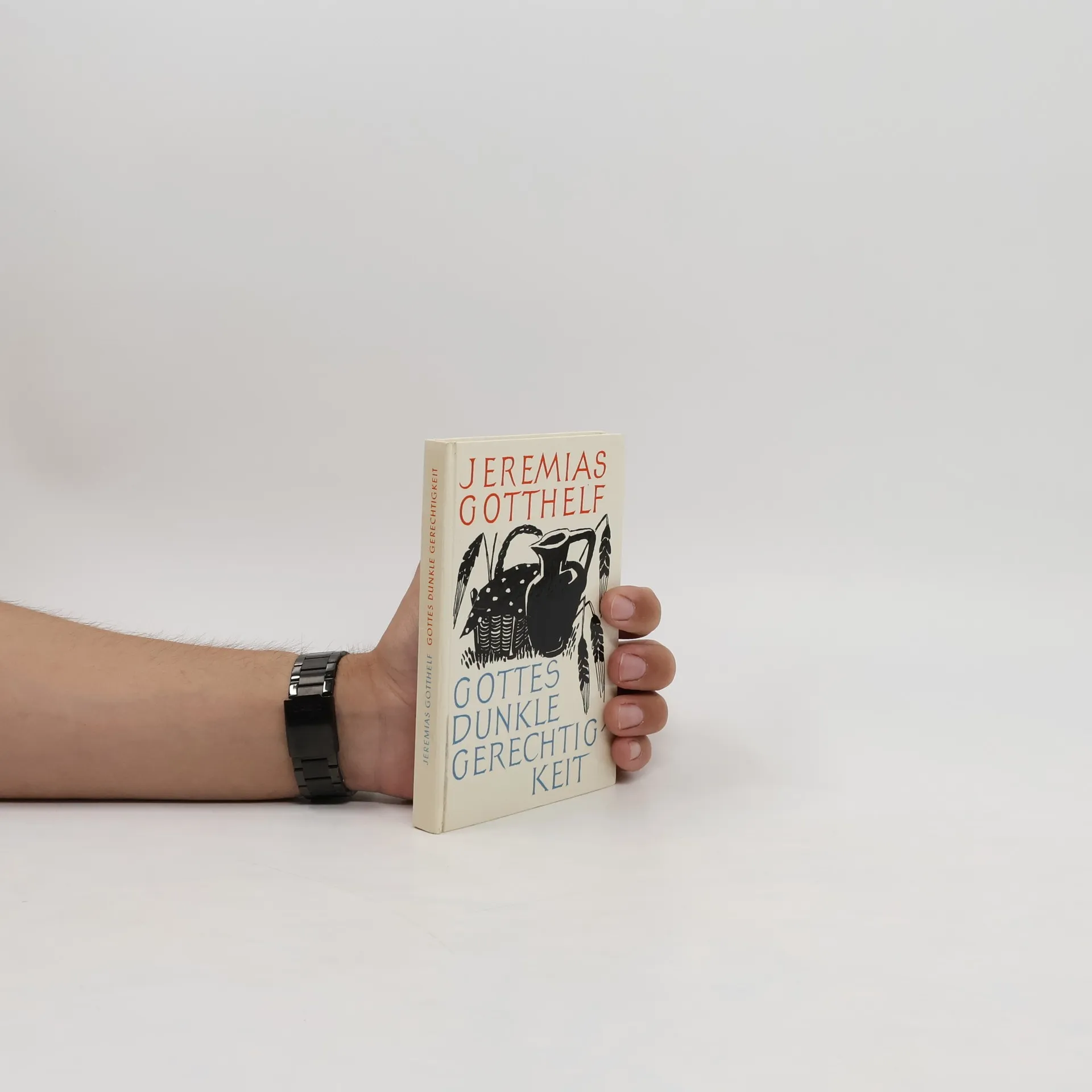
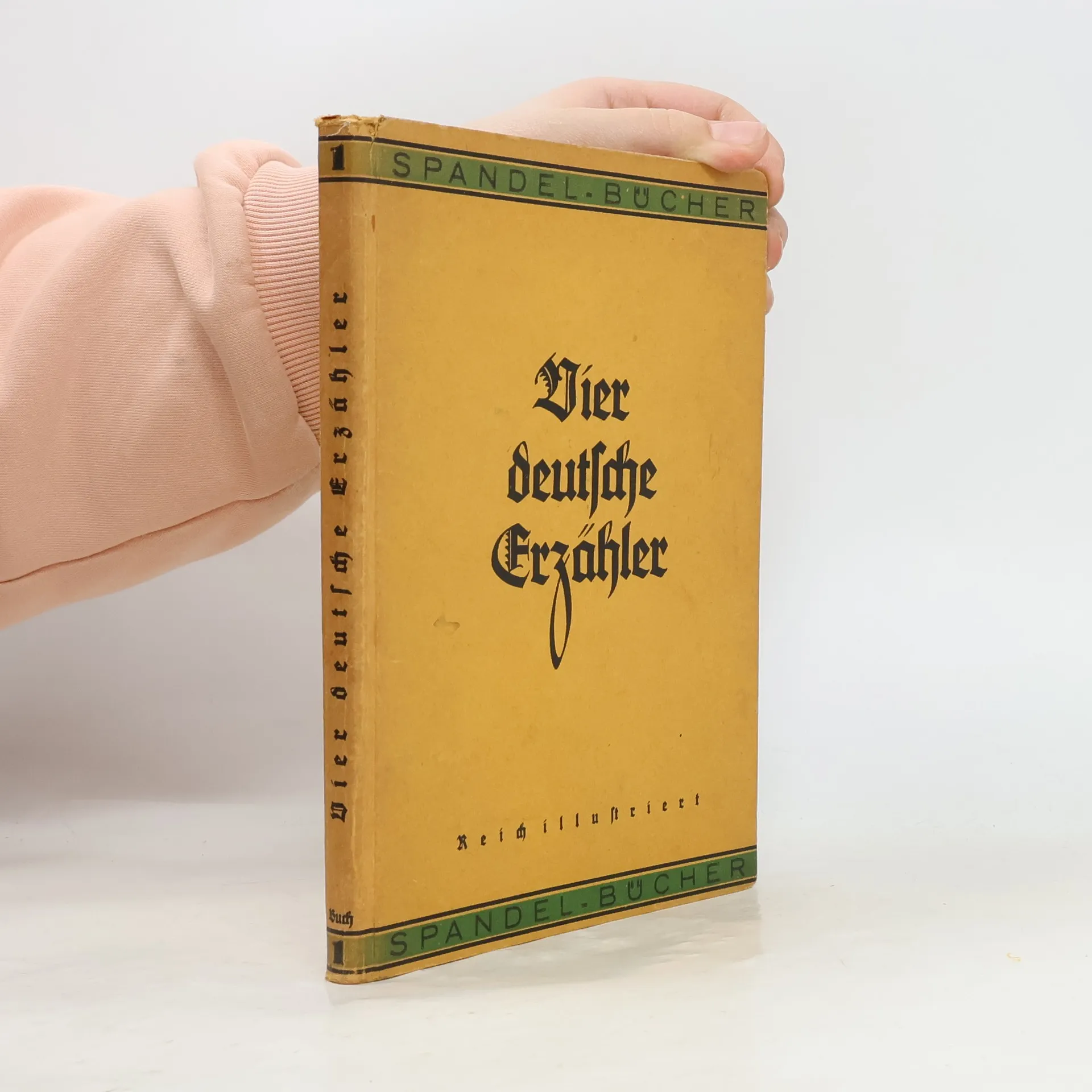
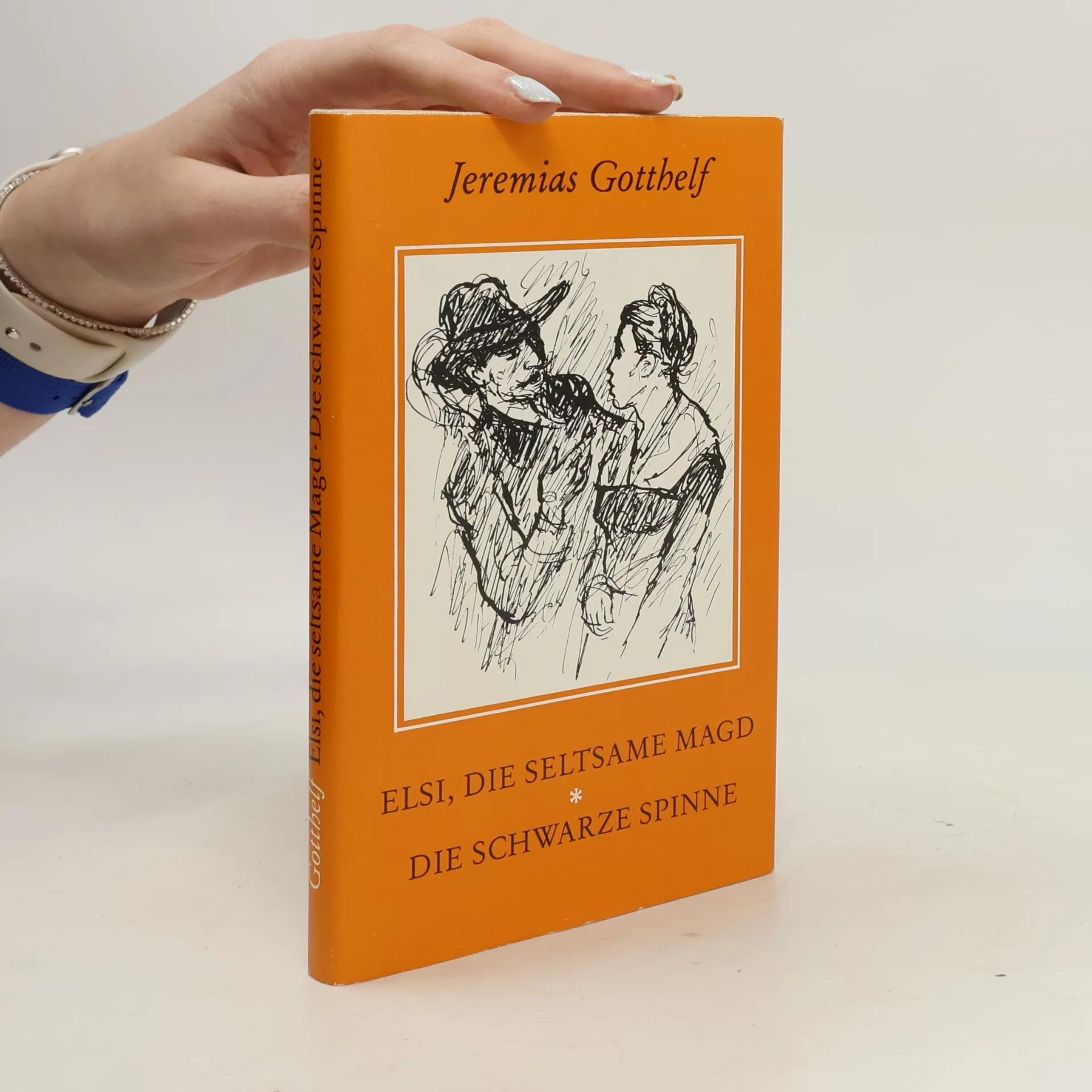
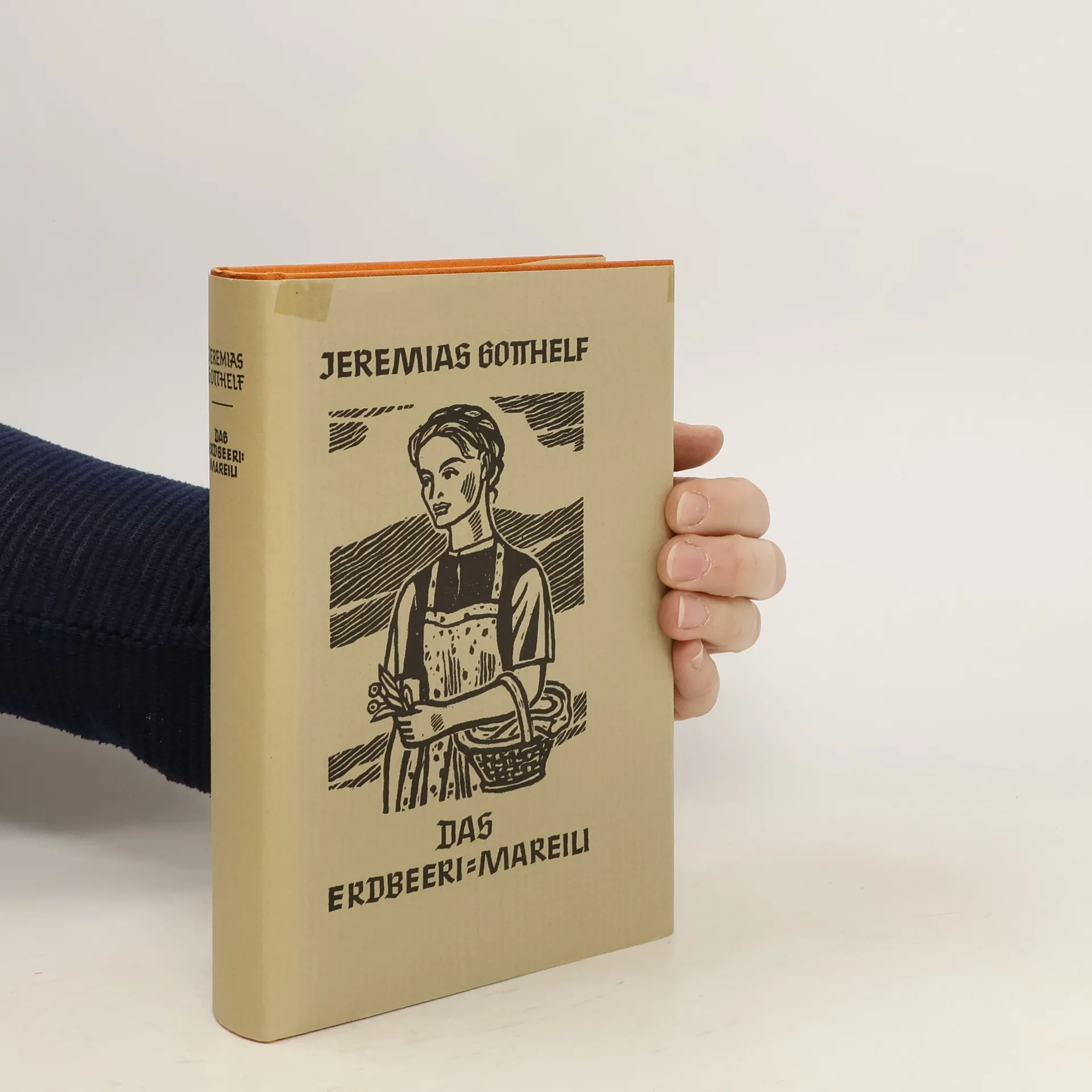
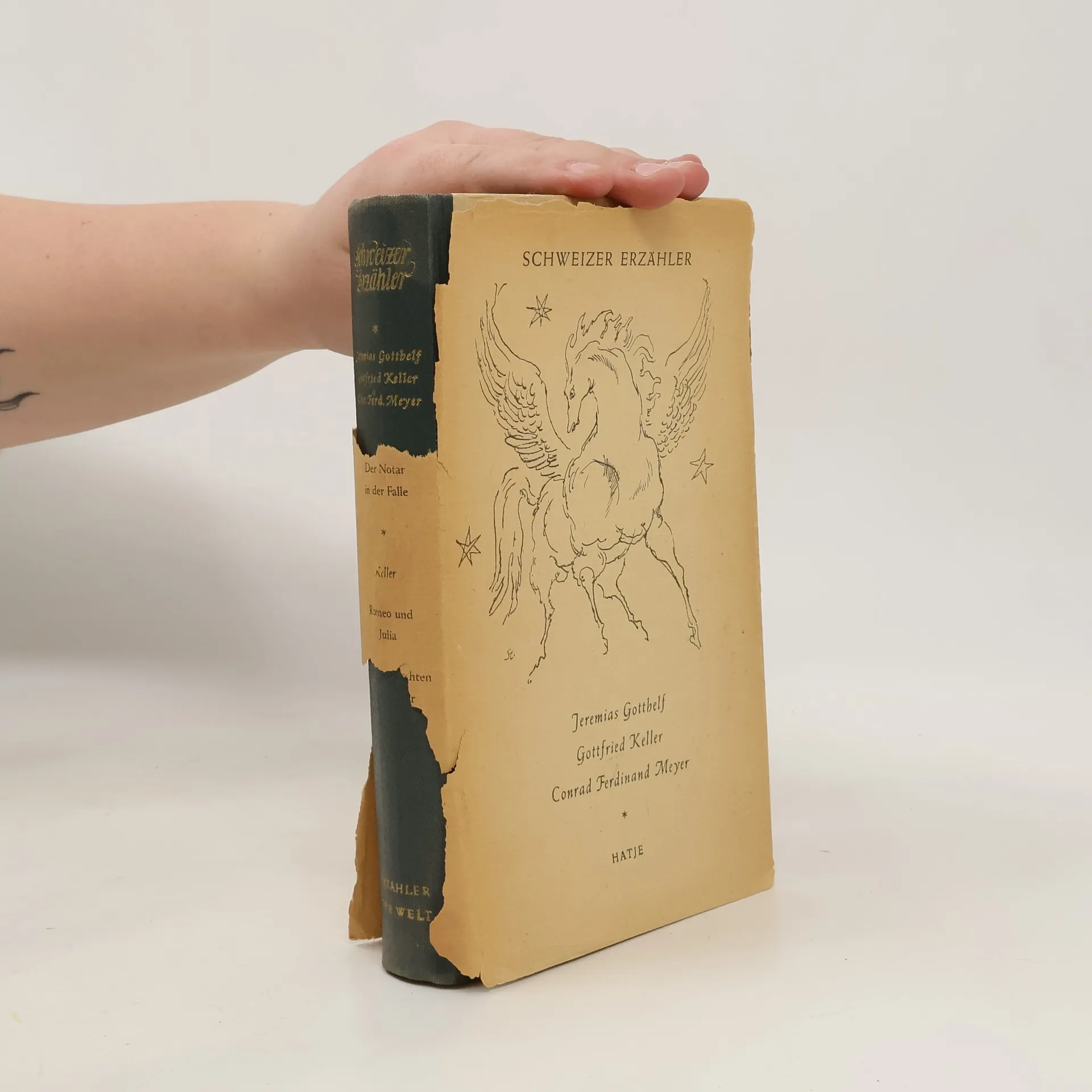
Enth.: Die schwarze Spinne; Elsi, die seltsame Magd; Das Erdbeerimareili; Barthli der Korber; Jeremias Gotthelf von Gottfried Keller.
Excerpt from Wie Anne Bâbi Jowâger Haushaltet und wie Es Ihm dem Doktern Geht, Vol. 1Qiis er Drei Sabre ait war, founte er fcbon fagen „qas wait ©onl; im oie/rten Sabre betete er „©peif ©oü; im fünften founte er bereits Das baibe Unferoater und im fecbfien Das gange 25256.About the PublisherForgotten Books publishes hundreds of thousands of rare and classic books. Find more at www.forgottenbooks.comThis book is a reproduction of an important historical work. Forgotten Books uses state-of-the-art technology to digitally reconstruct the work, preserving the original format whilst repairing imperfections present in the aged copy. In rare cases, an imperfection in the original, such as a blemish or missing page, may be replicated in our edition. We do, however, repair the vast majority of imperfections successfully; any imperfections that remain are intentionally left to preserve the state of such historical works.
Erläuterungen
Die schwarze Spinne
Vorwort 1. Autor: Leben und Werk 1.1 Biografie 1.2 Zeitgeschichtlicher Hintergrund 1.3 Angaben und Erläuterungen zu wesentlichen Werken 2. Textanalyse und -interpretation (50% des Inhalts) 2.1 Entstehung und Quellen 2.2 Inhaltsangabe 2.3 Aufbau 2.4 Personenkonstellation und Charakteristiken 2.5 Sachliche und sprachliche Erläuterungen 2.6 Stil und Sprache 2.7 Interpretationsansätze 3. Themen und Aufgaben mit Lösungstipps 4. Rezeptionsgeschichte 5. Materialien Literatur (unter Berücksichtigung neuer Medien)